Scions of Fate
 (No Ratings Yet)
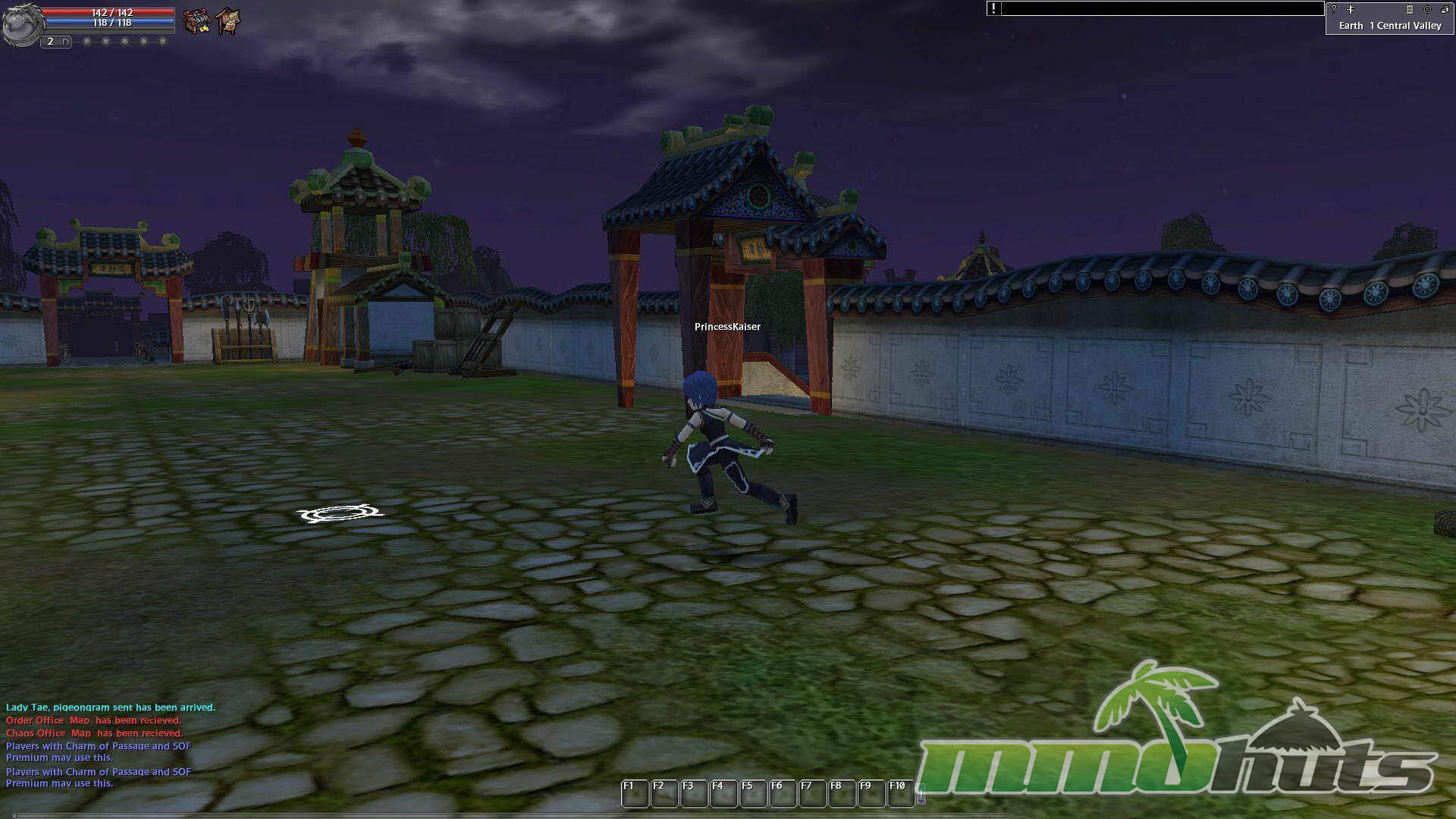
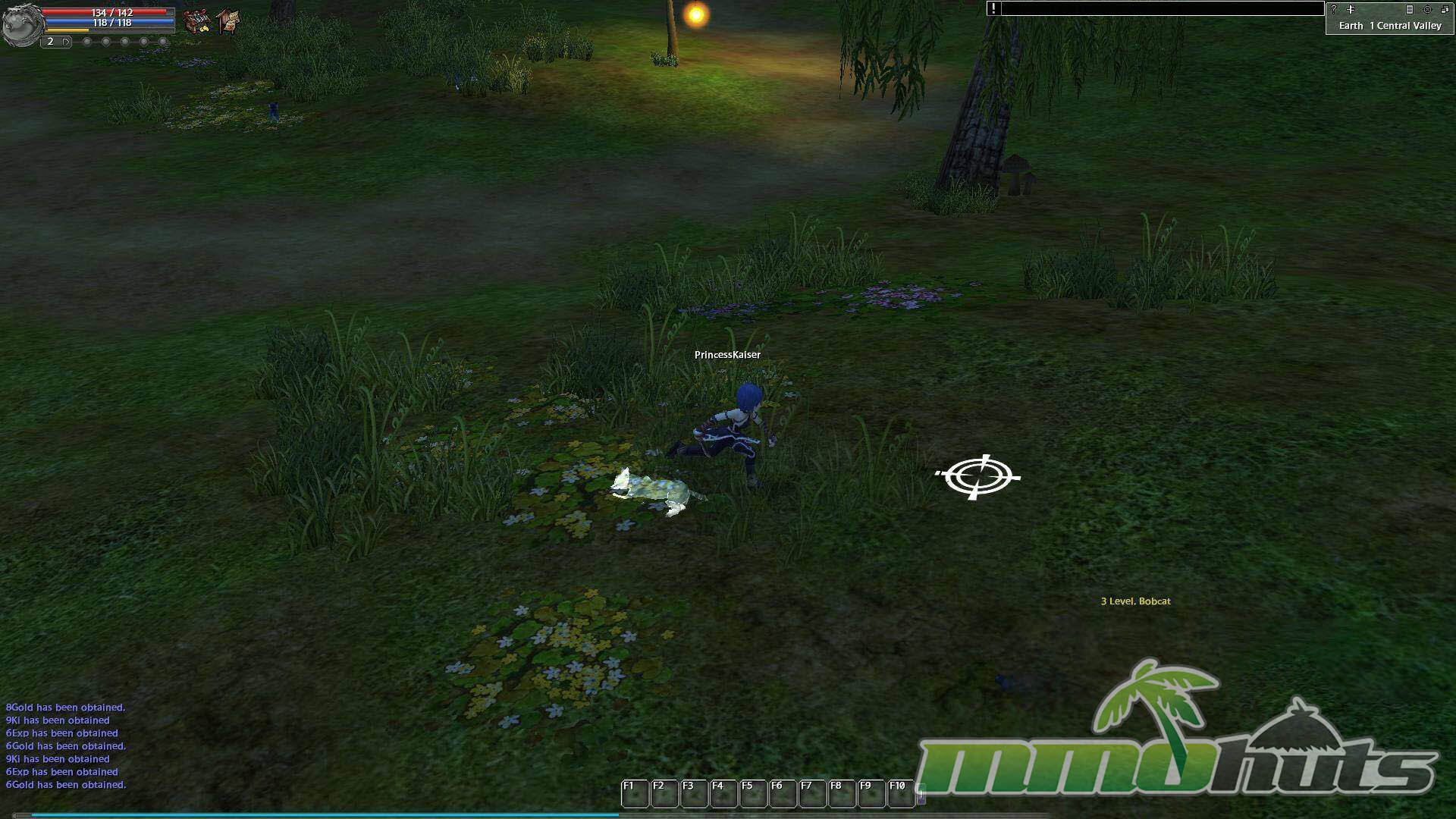
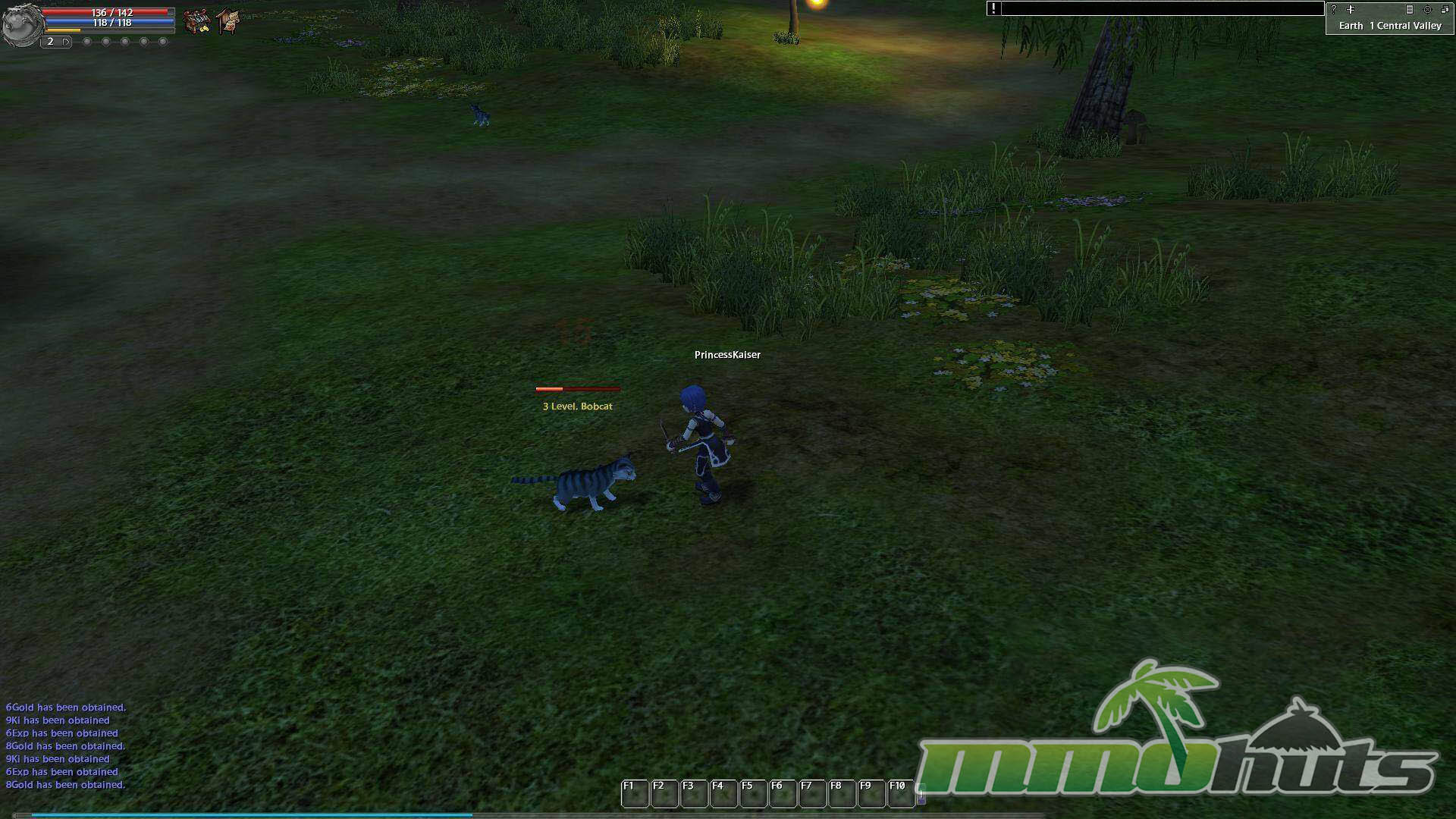
Scions of Fate is a 3D, anime-styled fantasy MMORPG with a bright, colorful presentation and an East Asian-inspired world. Also known as Yulgang in Asia, it centers heavily on community play, letting players band together in guild-like “Houses” and eventually pledge themselves to either Order or Chaos for faction-based conflict.
 | Publisher: Netgame Playerbase: Low (in the West) Type: MMORPG PvP: Faction Wars Release Date: November 13, 2006 (NA) Pros: +Pets and mounts add long-term goals. +Straightforward onboarding and controls. +Satisfying skill-chain combo mechanic. +Runs on very modest hardware. Cons: -Limited options when creating a character. -Core loop can feel grind-heavy. -Upgrading gear leans too much on the cash shop. -Aged interface and overall feel. |

Scions of Fate Overview
Known across much of Asia as Yulgang Online, Scions of Fate is an MMORPG set in a distinctly Eastern fantasy setting, with lively colors and a light, comic-inspired vibe. It built a major following overseas for a few practical reasons: it is easy to boot up and understand, it keeps controls simple, and it does not demand high-end hardware. Even with that approachable design, the game still includes many genre staples, including mounts and pets, player-run trading through personal shops, faction-driven PvP, and a guild system where players create and grow their own “House.”
Scions of Fate Key Features:
- Class Variety – choose from 8 playable classes (Bladesman, Bowman, Healer, Spearman, Swordsman, Ninja, Busker, and HanBia).
- Fun Pet System – collect pets like Mouse, Hawk, Leopard and Tiger. Pets upgrade at Levels 15, 50, 75, and 100.
- Amazing Faction System – pledge to the Order or Chaos faction once you reach Level 35.
- Couple System – a social “couple” feature with 10 different relationship ranks.
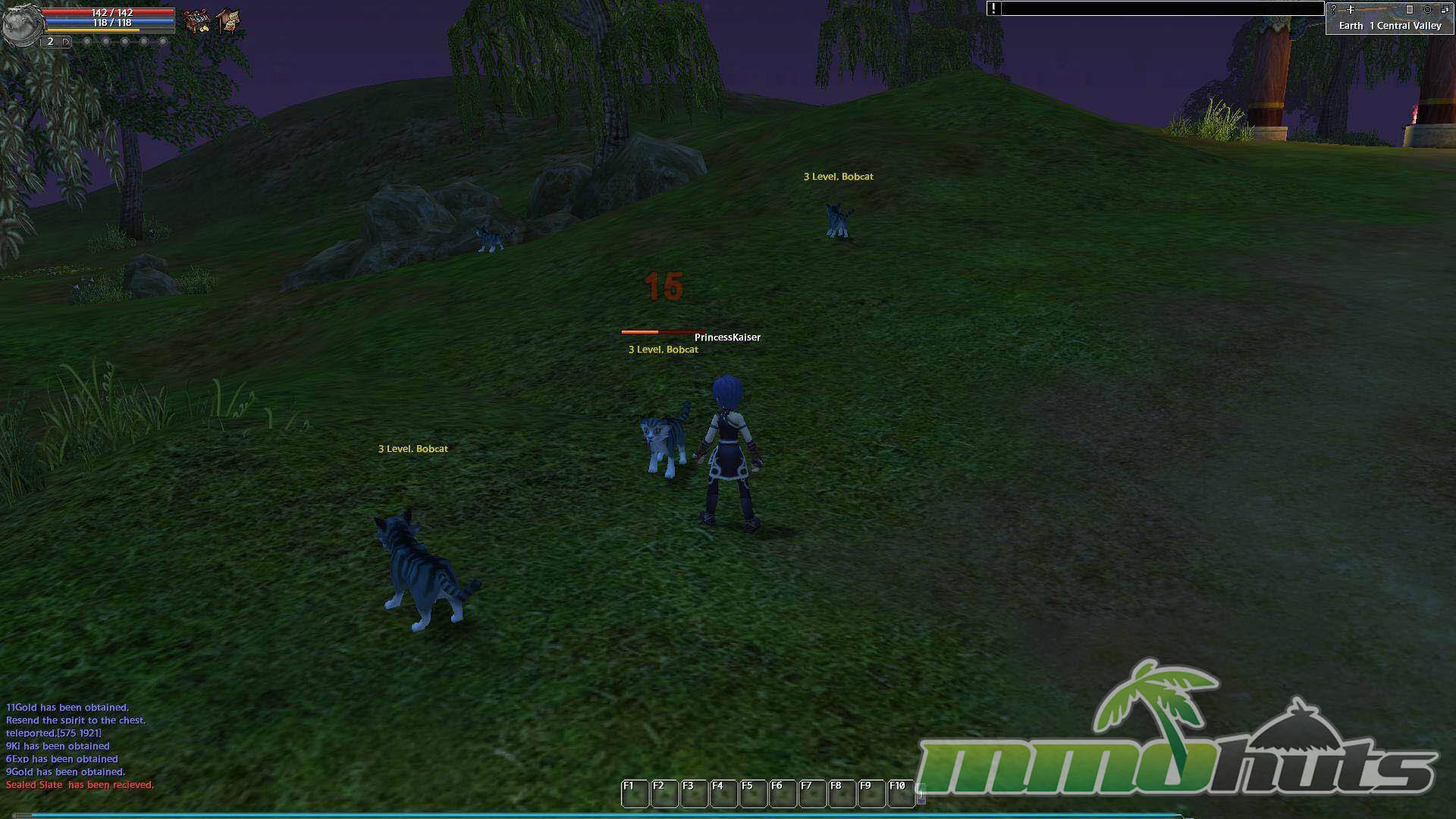
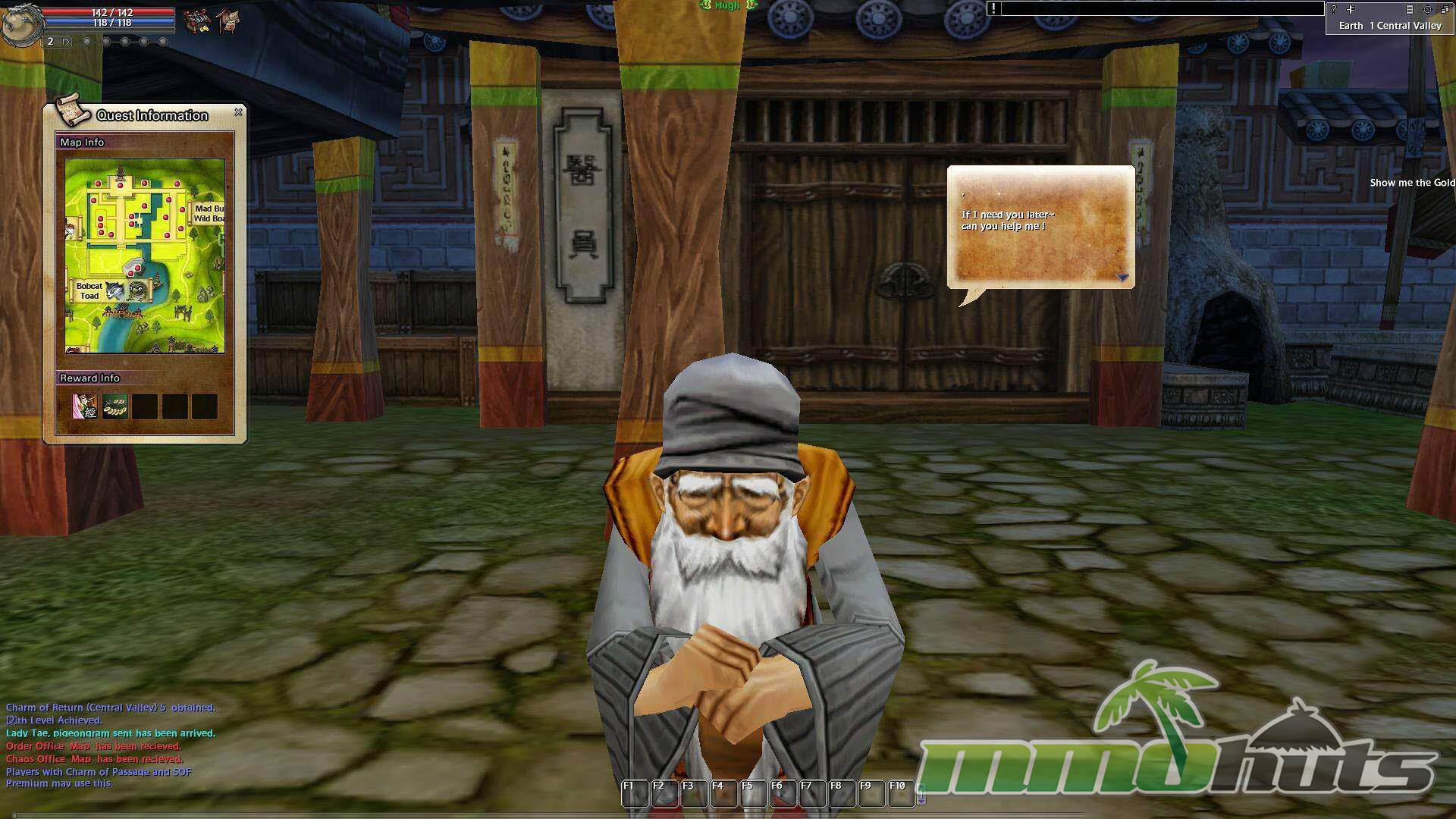
Scions of Fate Screenshots
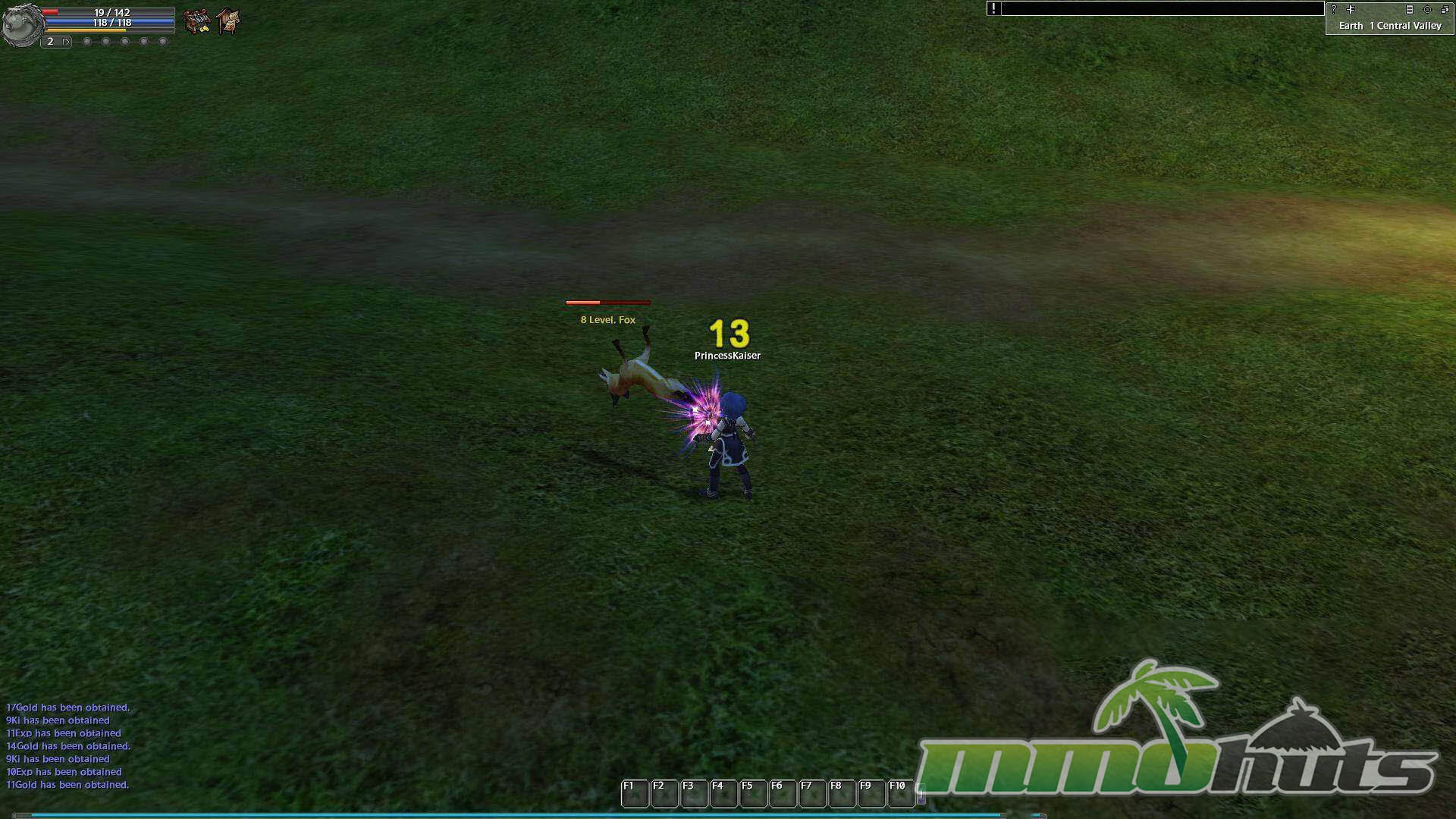

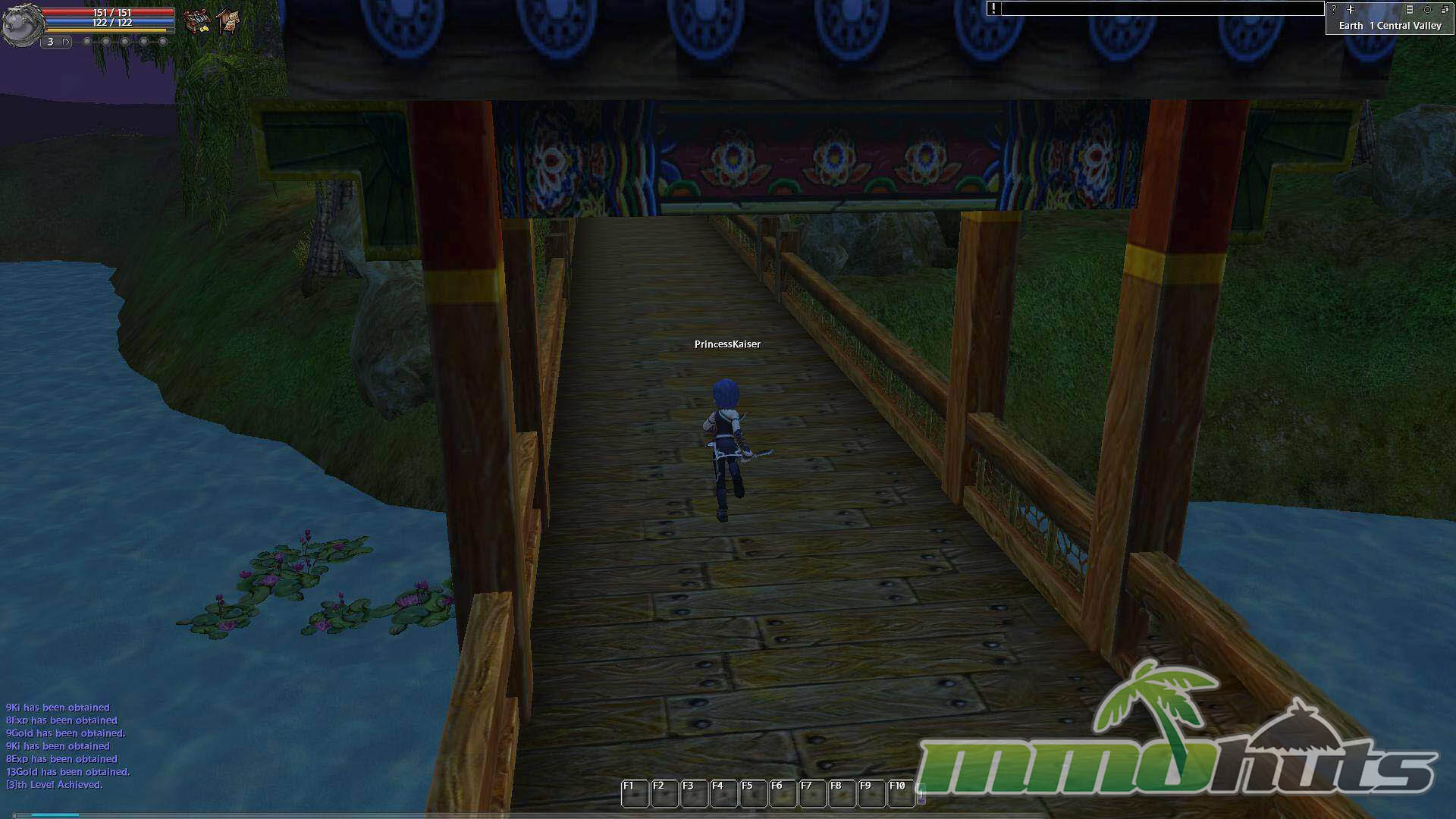
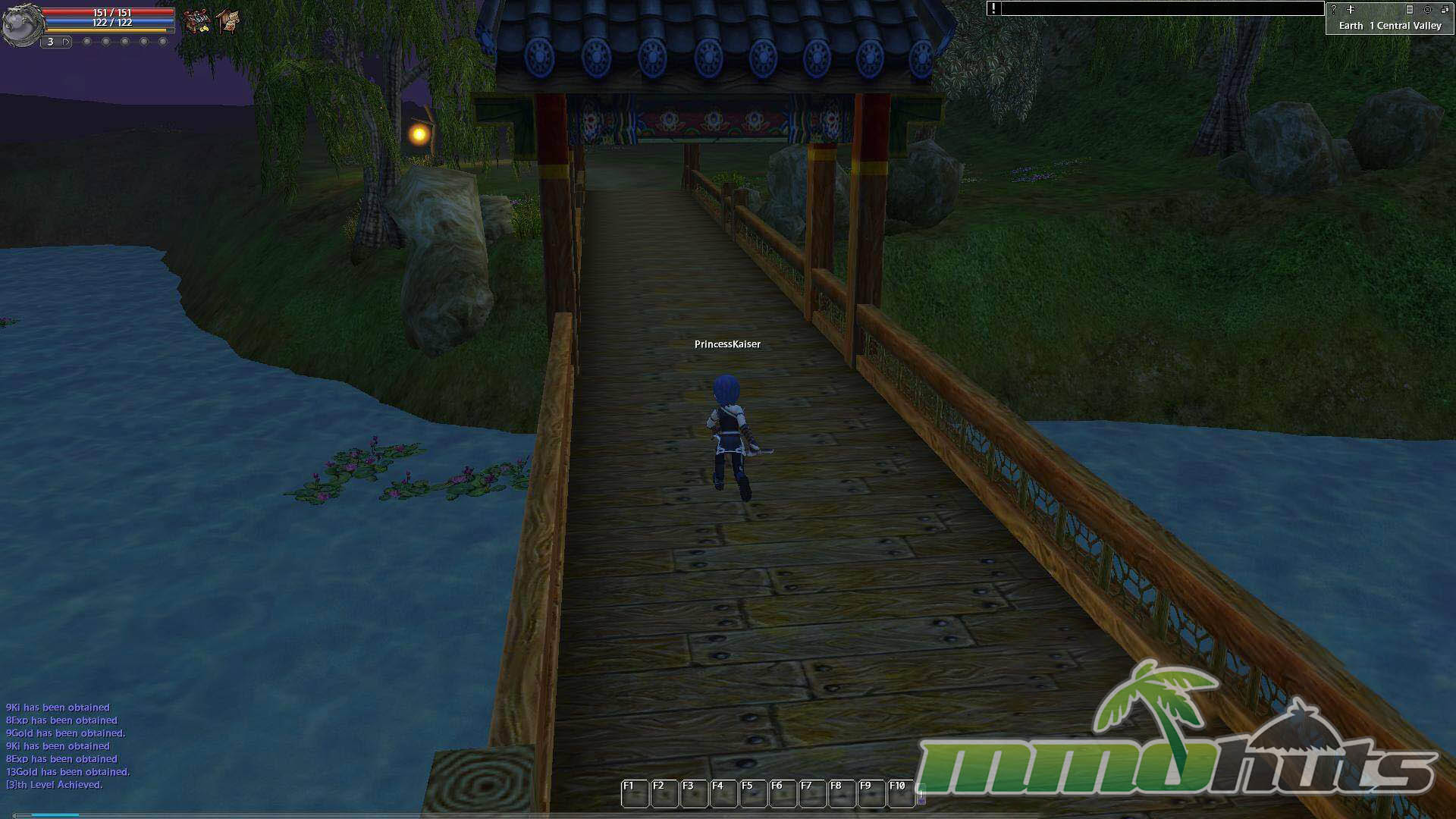
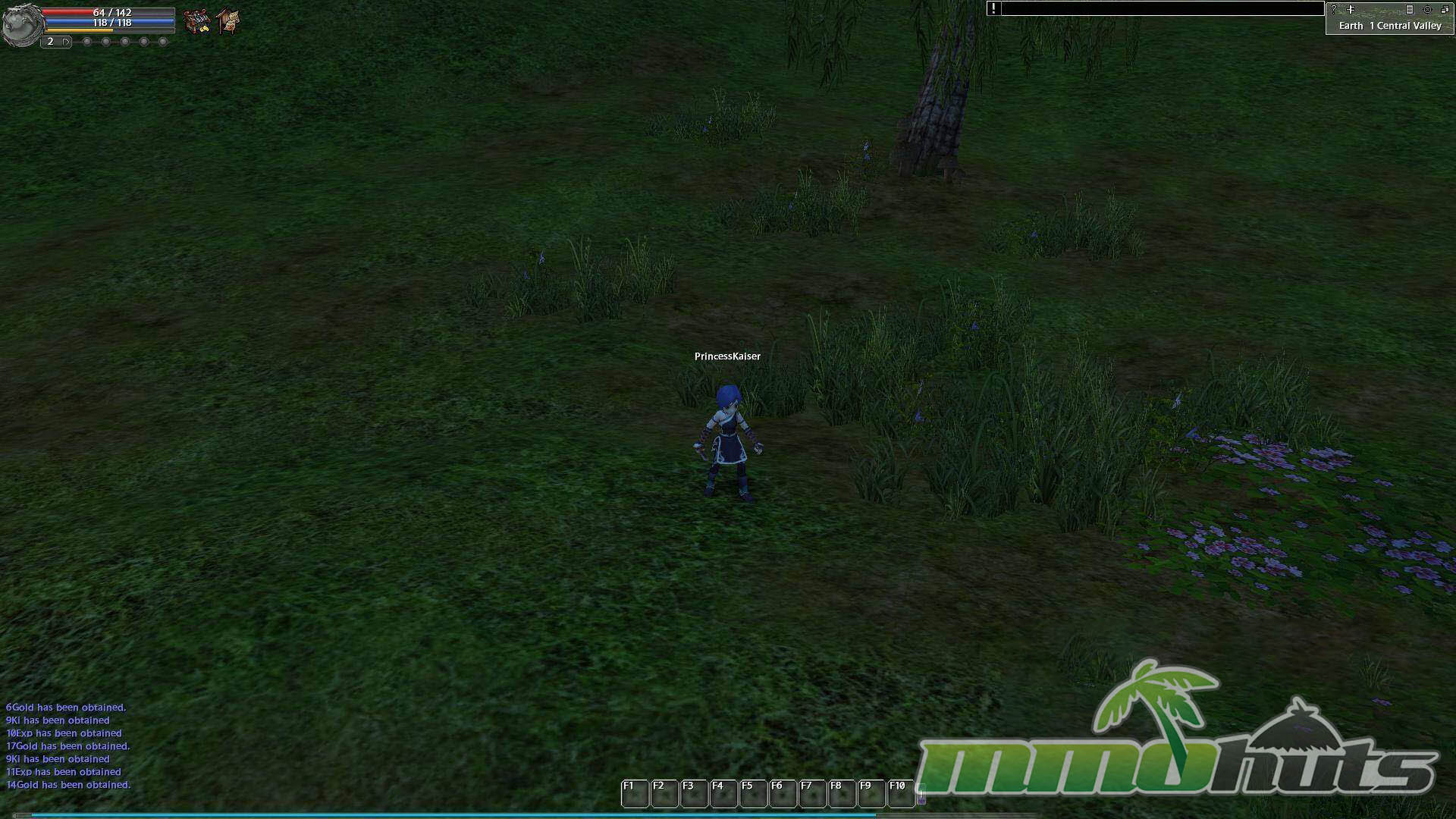
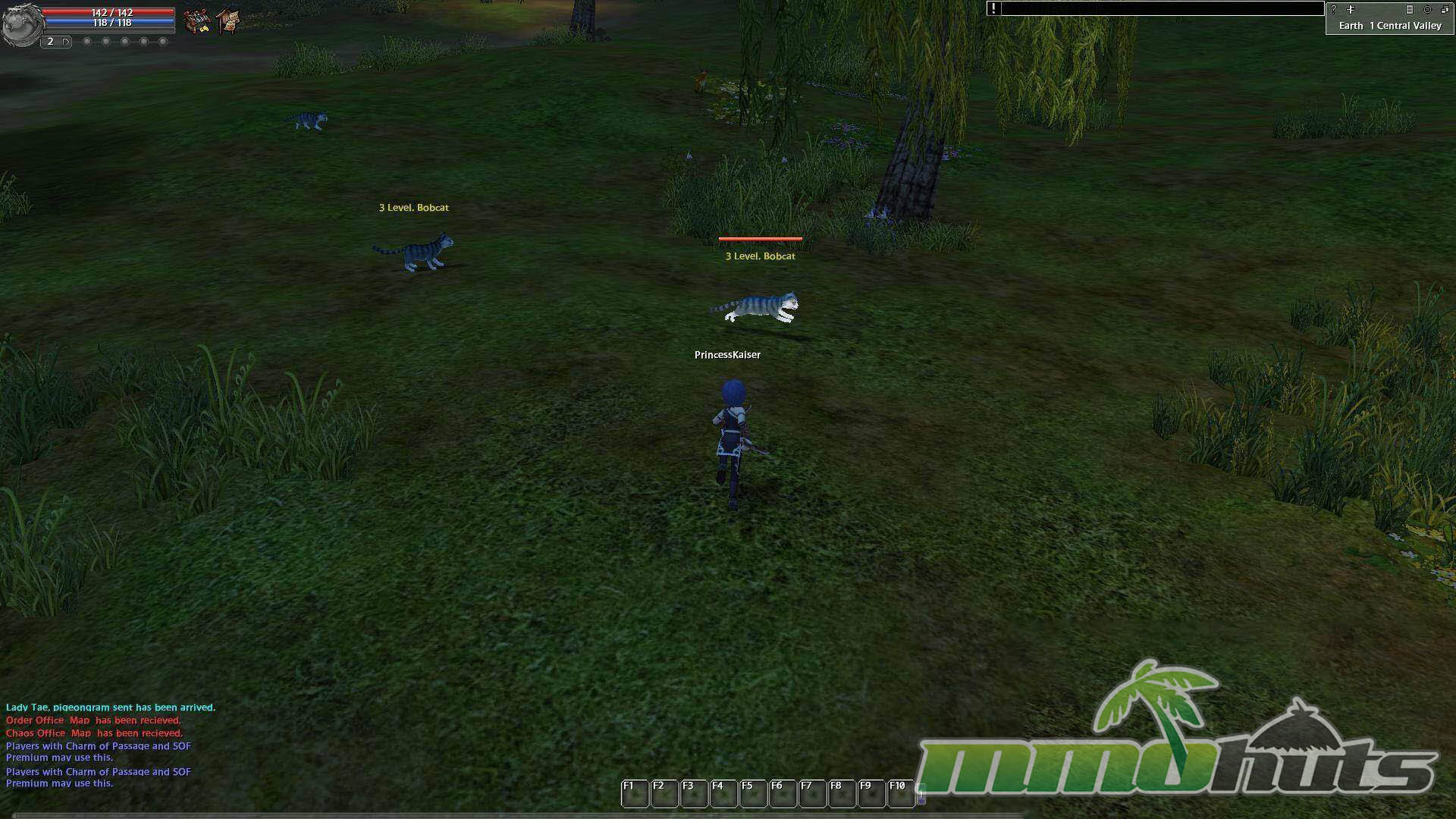
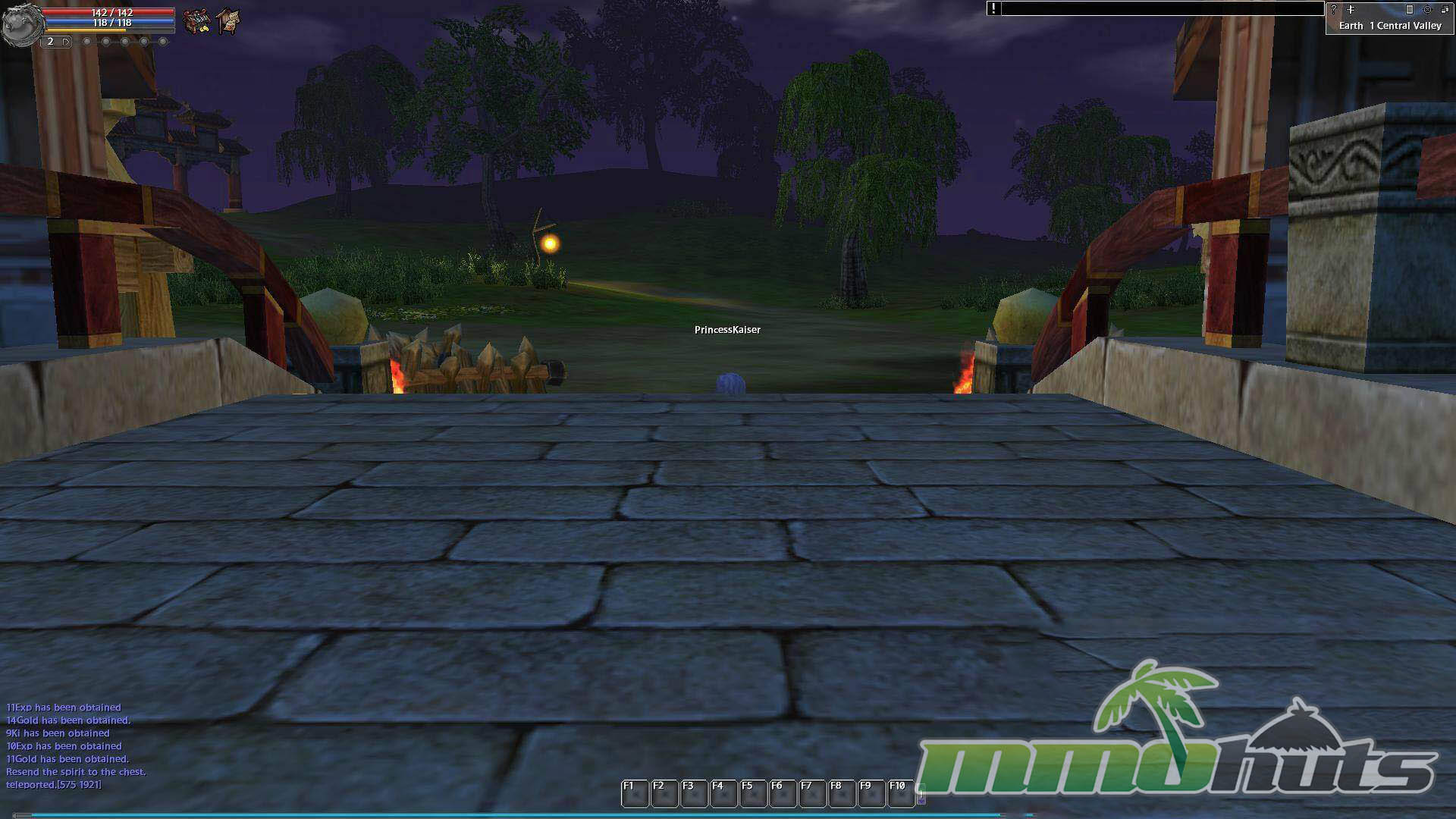
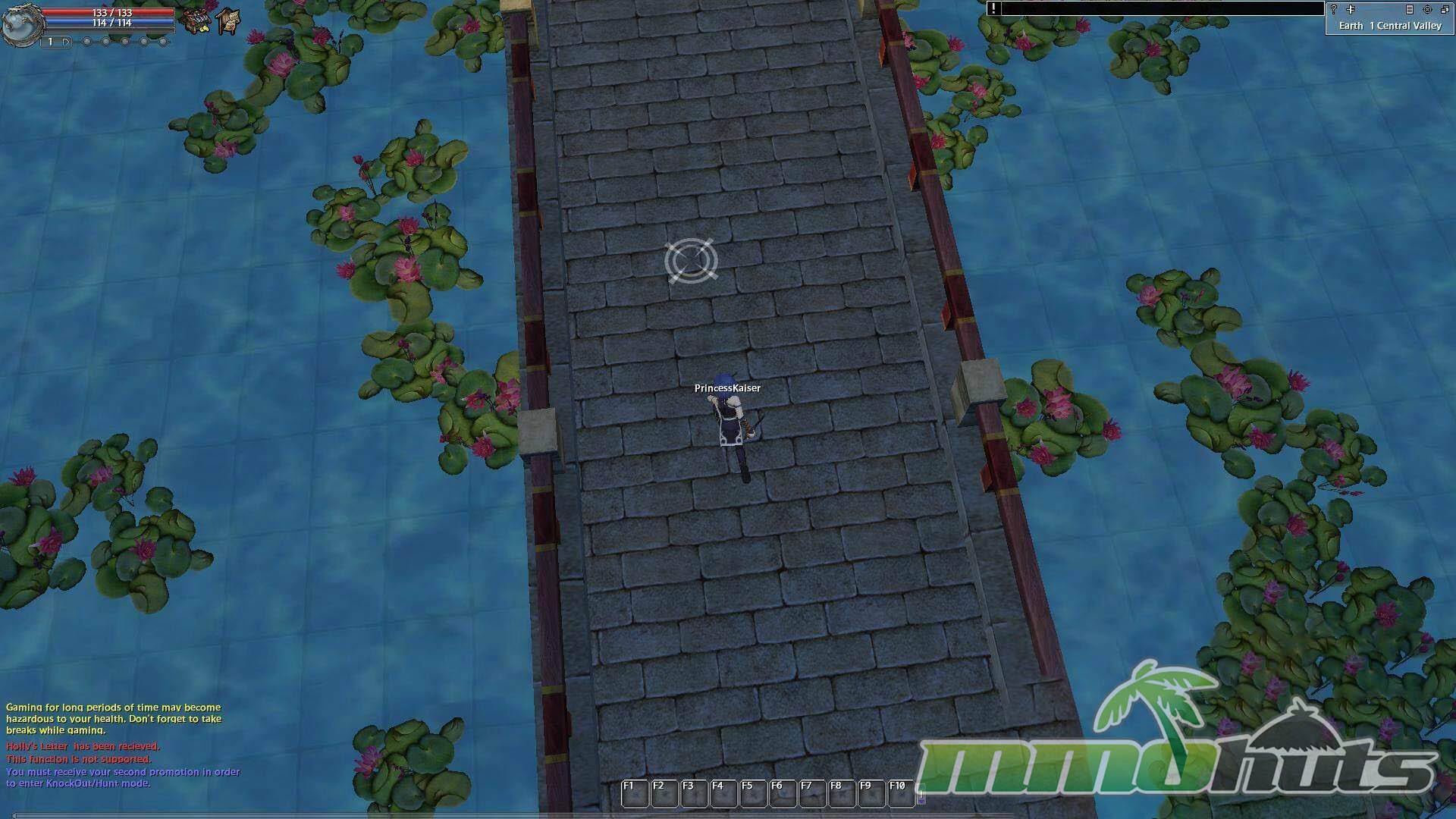
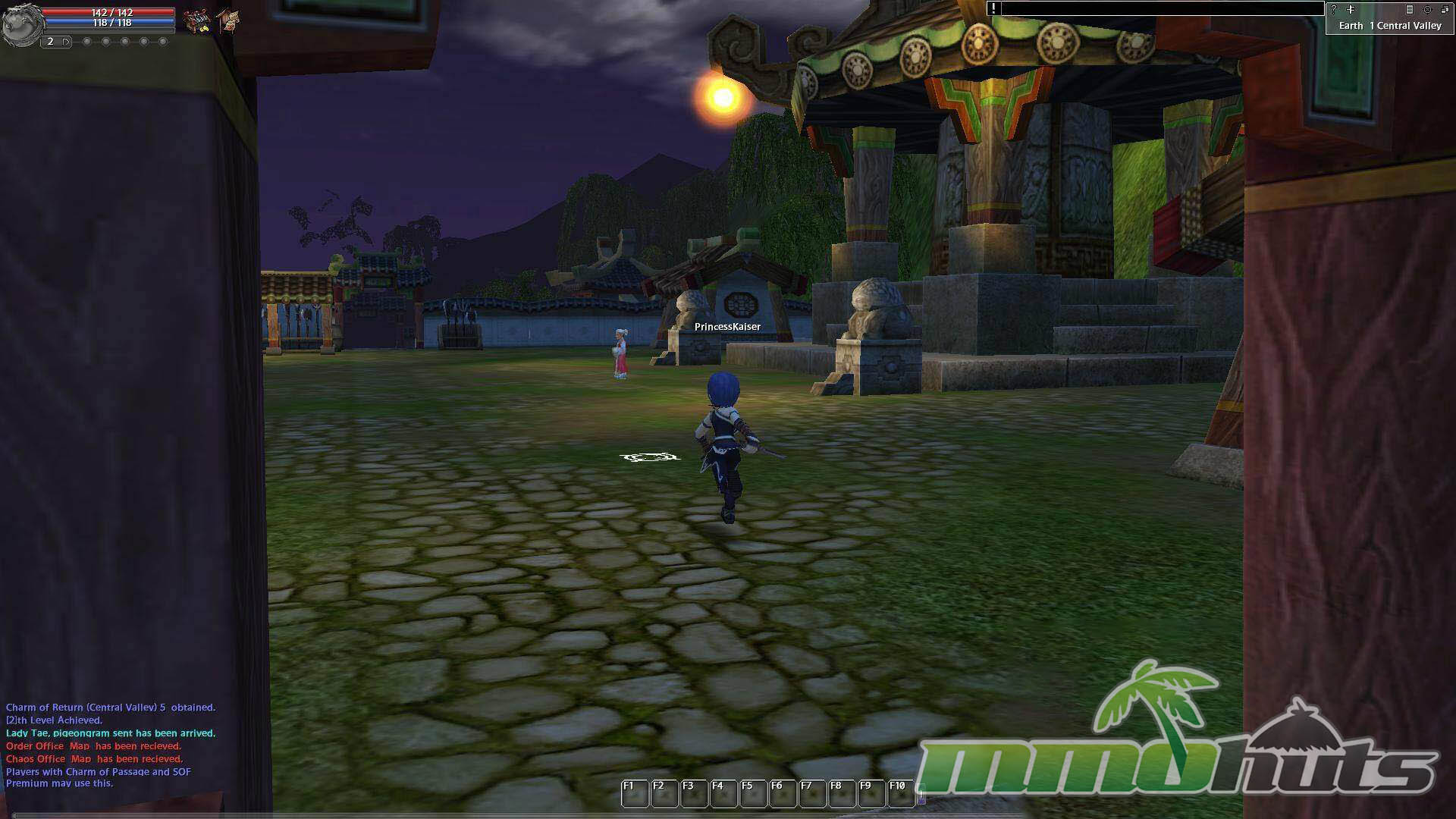


Scions of Fate Featured Video

Scions of Fate Classes
- Bladesman – fighters who swing large one-handed weapons. They tend to be sturdy, but their damage output is comparatively low.
- Bowman – ranged specialists built around high damage from a distance, balanced by fragile defenses.
- Healer – the main support option and the only class that can heal other players, offset by low survivability.
- Spearman – heavy-hitting melee combatants with the strongest close-range power, but weaker defense, HP, and attack speed.
- Swordsman – an all-around class with no extreme strengths or weaknesses, offering steady stats across the board.
- Ninja – fast dual-wielders that rely on speed and stealthy play, trading away HP, defense, and raw power.
- Busker – an aggressive style focused on rage-based offense, with strong damage and lighter defenses.
- HanBia – blade users with high HP and more average performance in defense, damage, speed, and overall balance.
Scions of Fate Review
Scions of Fate (called Yulgang in much of Asia) is a fantasy MMORPG developed by KRG Soft in South Korea. It launched in North America on November 13, 2006 and was later published by Netgame in the United States in early 2007. Although that Western release date places it firmly in the mid-2000s, the game had already been running in open beta as far back as 2004 in Asia. It became especially well-known in South Korea and China, with over 100 million registered players, but it never achieved the same visibility in Western MMO circles. The setting leans strongly into Eastern-inspired architecture and music, and in terms of overall feel it sits in the same era and space as titles like Hero Online, aiming for an accessible, beginner-friendly MMO experience.
Getting into the Game
The first impression is mixed, largely because character creation is extremely limited. Your class determines your general look, including a fixed hairstyle, and the face options are essentially uniform across characters. You can tweak a few surface-level details such as hair color, and there are two voice options, but they are not showcased well and do not meaningfully change how your character feels in play. NPC designs tend to have more variety than player characters, and while the world spaces are laid out to feel wide and open, the visuals and animations clearly show their age.
Once you spawn in, the game does not spend much time holding your hand. There is no formal tutorial sequence, so you are quickly pushed into the normal loop of fighting and questing. On the positive side, the UI and basic interactions are simple enough that most players can start functioning immediately. Movement and targeting are handled through point-and-click controls, which fits the game’s older-school design, but it can be awkward for players accustomed to WASD-style navigation.
The bigger hurdle is not the controls, it is clarity. The localization includes frequent translation issues, and that can make objectives harder to parse than they should be. Moment-to-moment combat still works fine, but reading quest text and understanding exactly what is being asked can slow the pace considerably.
Progression also leans heavily toward grinding. Questing exists, but it is not robust enough to carry leveling on its own, so a large portion of time is spent repeating monster kills for experience. The game does provide pop-up notices as new quests become available, yet the leveling curve noticeably tightens around Level 15 and continues to slow as you climb. Near the level cap of 108, gaining a single level can demand a long stretch of casual play.
Skills, Combos, and Player Trading
A notable early-game limitation is that you do not gain access to skills until Level 10. This can feel particularly restrictive for roles that are defined by abilities, such as the Healer, which cannot perform its signature support job until that threshold. Even after Level 10, the pace of learning new abilities remains conservative, with new skills arriving only every few levels.
Character growth is also streamlined in a way that may not appeal to players who enjoy fine-tuning builds. Your stats increase automatically with each level, and there are no points to allocate, which reduces experimentation and can make upgrades feel less personal.
Where the combat system finds some identity is the combo mechanic. You can chain up to three skills into a single sequence for a stronger burst, trading higher Chi (the game’s mana resource) for increased impact. In practice, it is one of the more satisfying systems in the game, because it gives combat a small layer of timing and planning beyond basic clicking.
Trading is handled through personal shops rather than a traditional auction house. Once you reach Level 20, you can set up a shop to sell items directly to other players. Browsing and buying is straightforward, though the one-at-a-time interaction style can make busy areas feel crowded and slower to navigate than modern marketplace systems.
Houses, Factions, and PvP Modes
Scions of Fate uses “Houses” as its guild system, and joining or building one is a major part of its social structure. Creating a House requires Level 35 and a fee of 1 million gold, so it is positioned as a mid-game commitment rather than an immediate feature.
Houses can level up through House fame, which is essentially tied to the collective progress of the group. As a House grows, members receive rewards at certain milestones, such as a House uniform at the second level. There are also House-based PvP activities, and the game attempts to keep matchups reasonable by pairing Houses with others of similar level, which helps reduce the worst cases of uneven competition.
At Level 35, you also choose a faction: Order or Chaos. The framing is less about clear heroes and villains and more about philosophy, with Order representing structure and Chaos representing freedom. Faction membership comes with distinctive outfits, and you earn new clothing every ten levels, giving a small but consistent visual marker of progression.
PvP includes more than just duels. Duels are available in designated PvP zones starting at Level 35, but there are also multiple structured modes, including House Wars, Authority Clash, and C.C.R. Each mode plays by its own rules, for example C.C.R. revolves around factions competing to capture a flag from a monster first, which creates a different kind of race-and-interrupt dynamic than simple deathmatching.
Gear Upgrades and Enchanting
The equipment upgrade system offers several enchanting paths, all tied to special gems and a success rate that drops as you continue attempting upgrades. Emeralds and sapphires can be used to enchant gear two to four times, and these gems are obtained as monster drops.
Rubies provide another route for upgrading weapons and armor, allowing enchanting up to 10 times. When successful, armor gains +3 defense and weapons gain +6 attack, which makes the system feel impactful when it goes your way. Amethyst adds special effects rather than simple stat increases, granting bonuses such as improved attack speed.
The downside is that, like many MMOs of its era, the overall upgrade experience can feel unforgiving due to the decreasing success rates and the value placed on the materials required, which ties into broader concerns about how progression intersects with monetization.
Final Verdict: Poor
Scions of Fate has a few ideas that still read well on paper, particularly its faction identity, House features, and the combo-based skill chaining that gives combat a bit of punch. Unfortunately, the overall package struggles to hold up today. The visuals and interface are clearly dated, the translation problems regularly get in the way of questing, and the game’s limited quest structure pushes players into a repetitive grind for much of the leveling journey. If you are specifically looking for an older, lightweight MMO with faction PvP and a simple learning curve, it can still be worth sampling. For most players, though, it is difficult to recommend in a modern MMO landscape.
Scions of Fate Links
Scions of Fate Official Site
Scions of Fate Wikipedia
Scions of Fate Wikia (Database/Guides)
Scions of Fate Metacritic
Scions of Fate System Requirements
Minimum Requirements:
Operating System: Windows XP / Vista / 7 / 8
CPU: Intel Pentium 3 800 MHz or AMD equivalent
Video Card: Nvidia TNT2 / ATI Radeon / Matrox Milenium G400
RAM: 256 MB
Hard Disk Space: 1 GB
Recommended Requirements:
Operating System: Windows 7 / 8
CPU: Intel Pentium 4 1.4 GHz or AMD equivalent or better
Video Card: Nvidia GeForce 4 FX / ATI Radeon 9000 or better
RAM: 1 GB or more
Hard Disk Space: 4 GB or more
Scions of Fate Music & Soundtrack
Scions of Fate Additional Information
Developer: KRG Soft
Foreign Publishers:
Japan: Mgame
China: CDC Games
Development Background
Released in Asia as Yulgang: Balance of Power, Scions of Fate received significant recognition in its home region, including being named MMORPG of the year by the Korean government in 2005 after its initial 2004 launch. The project draws from a Korean martial arts comic that shares the Yulgang name. While the Western audience remained relatively small, the game became a major success across Korea and China, with over 100 million registered players and over 600,000 concurrent users as of November 2006.