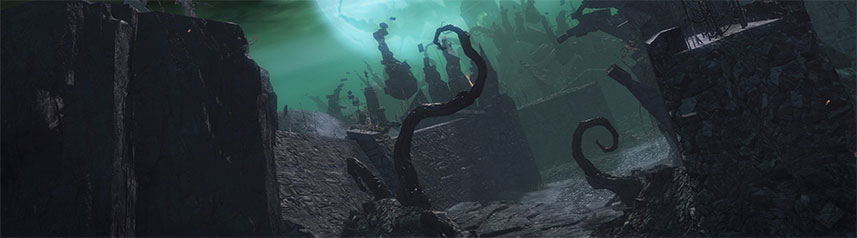
Fable Legends was designed as a cooperative fantasy MMO that let you approach each quest from two very different angles, either as one of the heroes on the ground or as the villain pulling the strings. A team of heroes would pick from four distinct classes and push through a mission, while an opposing player-villain tried to derail the run by placing traps, summoning minions, and timing special powers to break the party’s momentum.
 | Publisher: Microsoft Studios Playerbase: TBD Type: Fantasy MMO Announcement Date: August 20, 2013 Cancellation Date: April 13, 2016 Pros: +Asymmetric heroes versus villain match structure. +Cross-platform co-op between PC and console. Cons: -Limited publicly available details due to cancellation. -Windows 10 Store exclusivity on PC. |
Fable Legends Overview
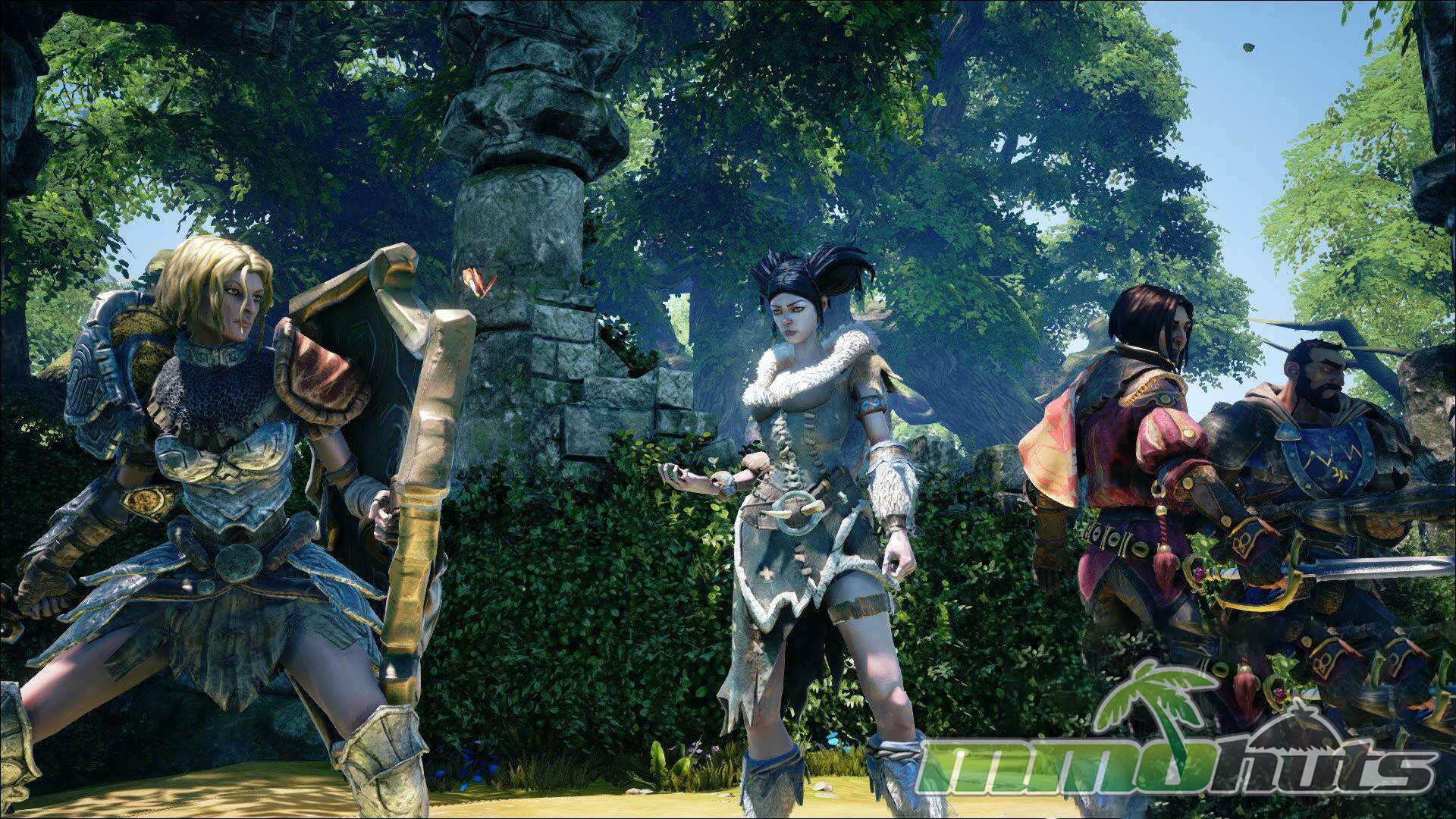
Fable Legends was planned as a cooperative action RPG and the fourth entry in the Fable series, built around an asymmetric multiplayer twist. On the hero side, you would select from a small roster of distinct characters, each meant to feel different in personality and in moment-to-moment combat, then take on quests solo or with friends. The key wrinkle was that your party was not only fighting enemies and objectives, it was also being actively opposed by a dedicated villain role, controlled by another player or handled by AI.
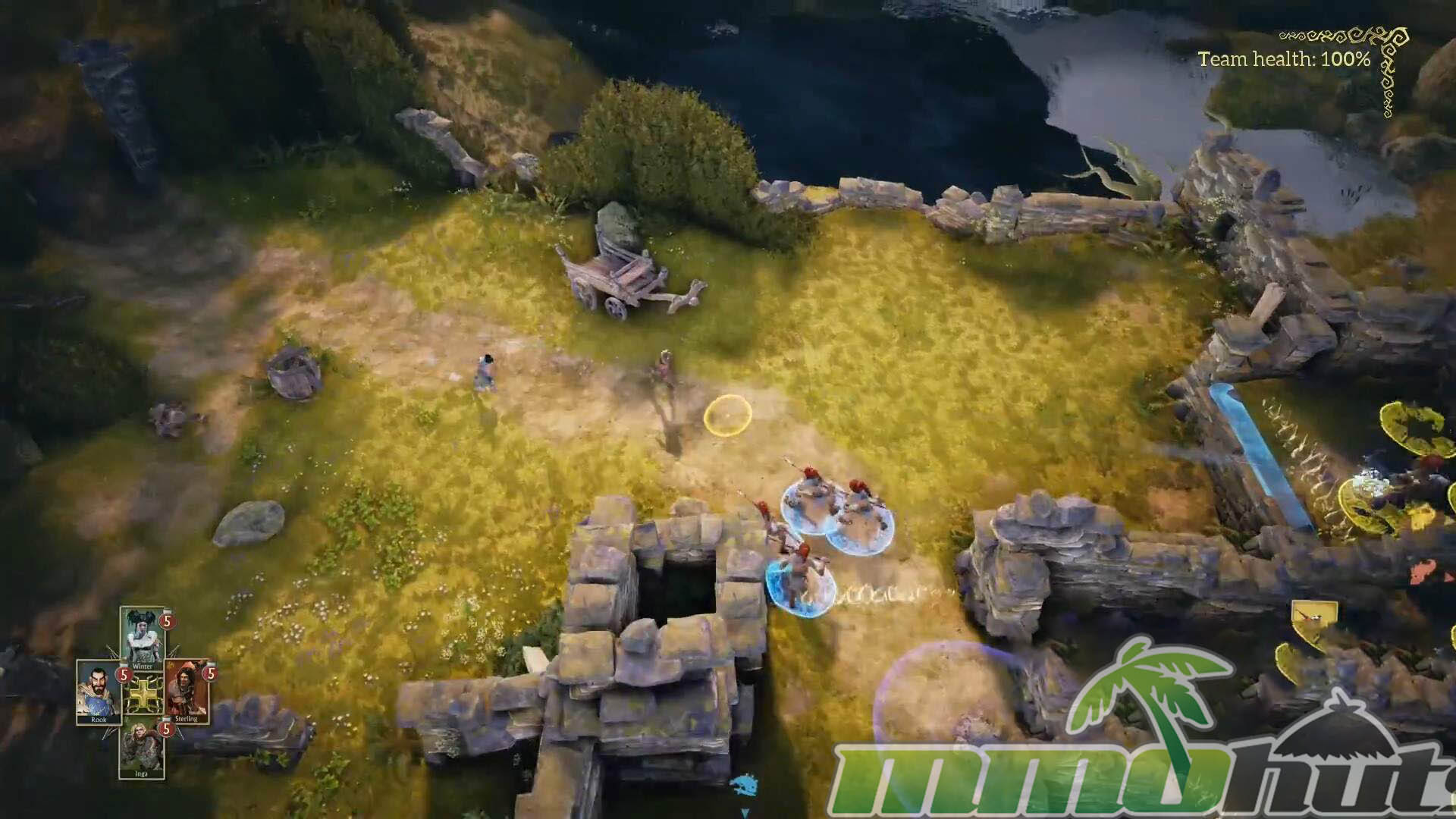
The villain perspective shifted the game into a top-down, tactical view, focusing less on direct brawling and more on encounter management. Rather than swinging a sword alongside the action, the villain would decide when to deploy minions, where to place traps, and when to drop stronger threats (including boss-style summons) to punish sloppy positioning or force the heroes to burn resources. In theory, the best villain play would feel like a dungeon master, shaping pacing and pressure to stop the heroes from reaching the end of the quest.
Progression on the hero side was framed around earning loot and translating that into new skills and cosmetic customization. The game also leaned heavily into visual personalization, with options like face variations and outfits. Another notable design choice was the hero availability model: four heroes would always be playable, but the specific lineup would rotate over time to periodically introduce different characters while keeping a free selection available.
Platform support was aimed at PC and Xbox One, with cross-platform multiplayer intended so friends could party up across both systems. Fable Legends was ultimately cancelled during development, with the project ending on March 07, 2016 and the game’s servers staying online until April 13, 2016.
Fable Legends Key Features:
- Play as the Antagonist – step into the villain role, deploy creatures and traps, and use timing and positioning to prevent the heroes from finishing their objective.
- Cross-Platform Play – play on PC or Xbox One and group together through cross-platform multiplayer.
- Rotating Hero Lineup – four heroes would remain available for free, with the roster cycling periodically to spotlight new characters.
- Cosmetic Customization – personalize heroes with face options, outfits, and other visual unlocks.
Fable Legends Screenshots
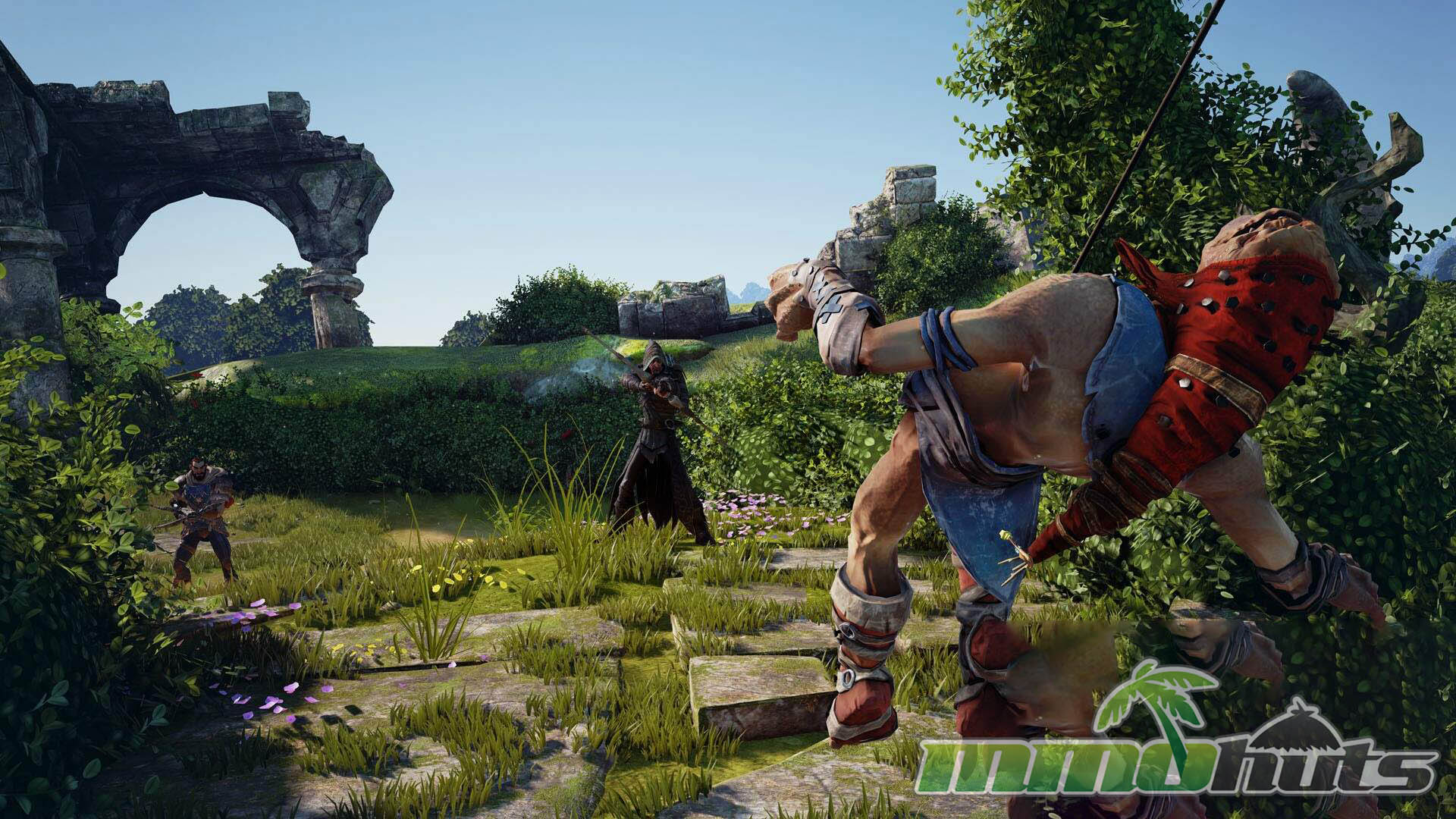
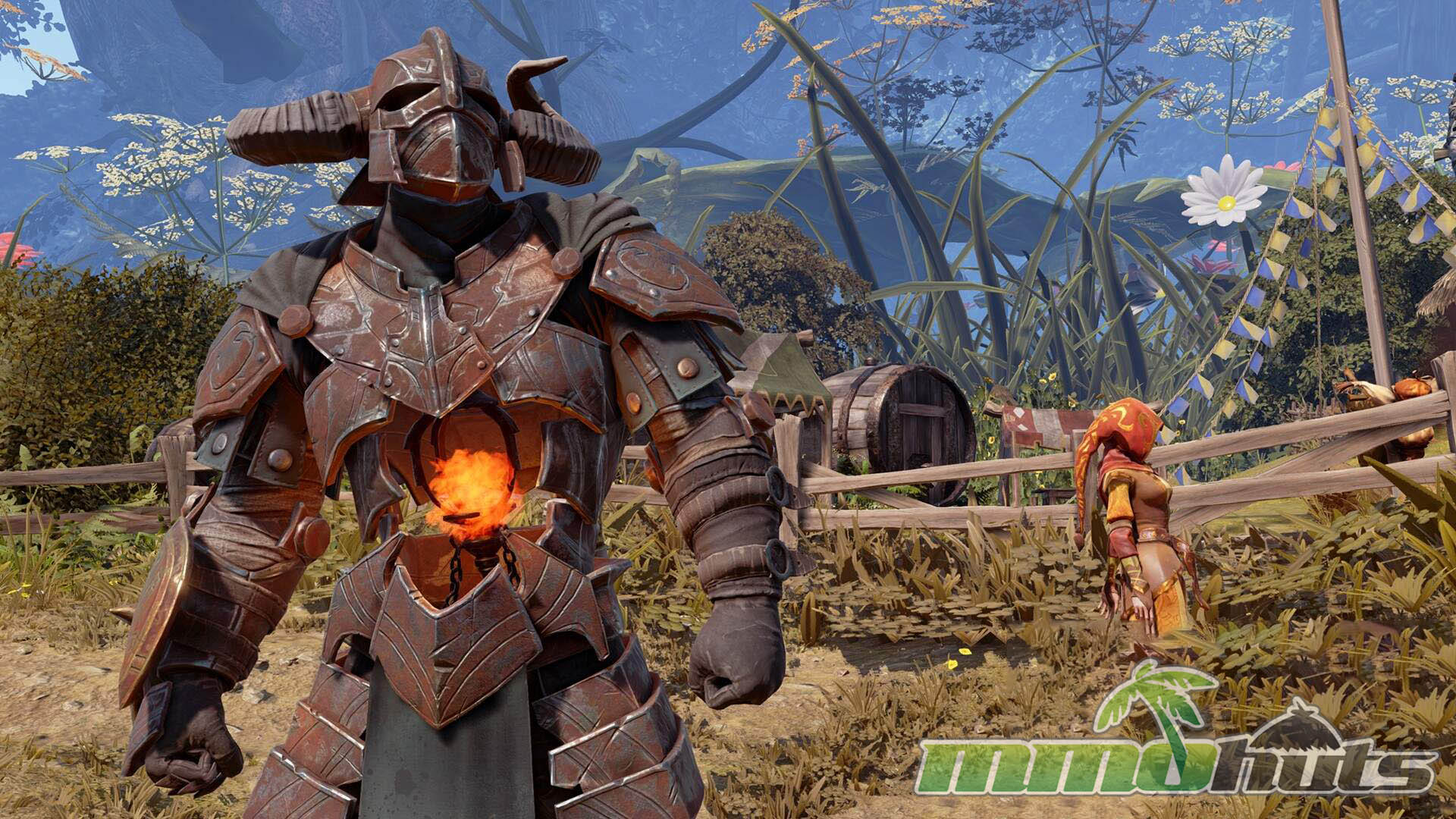
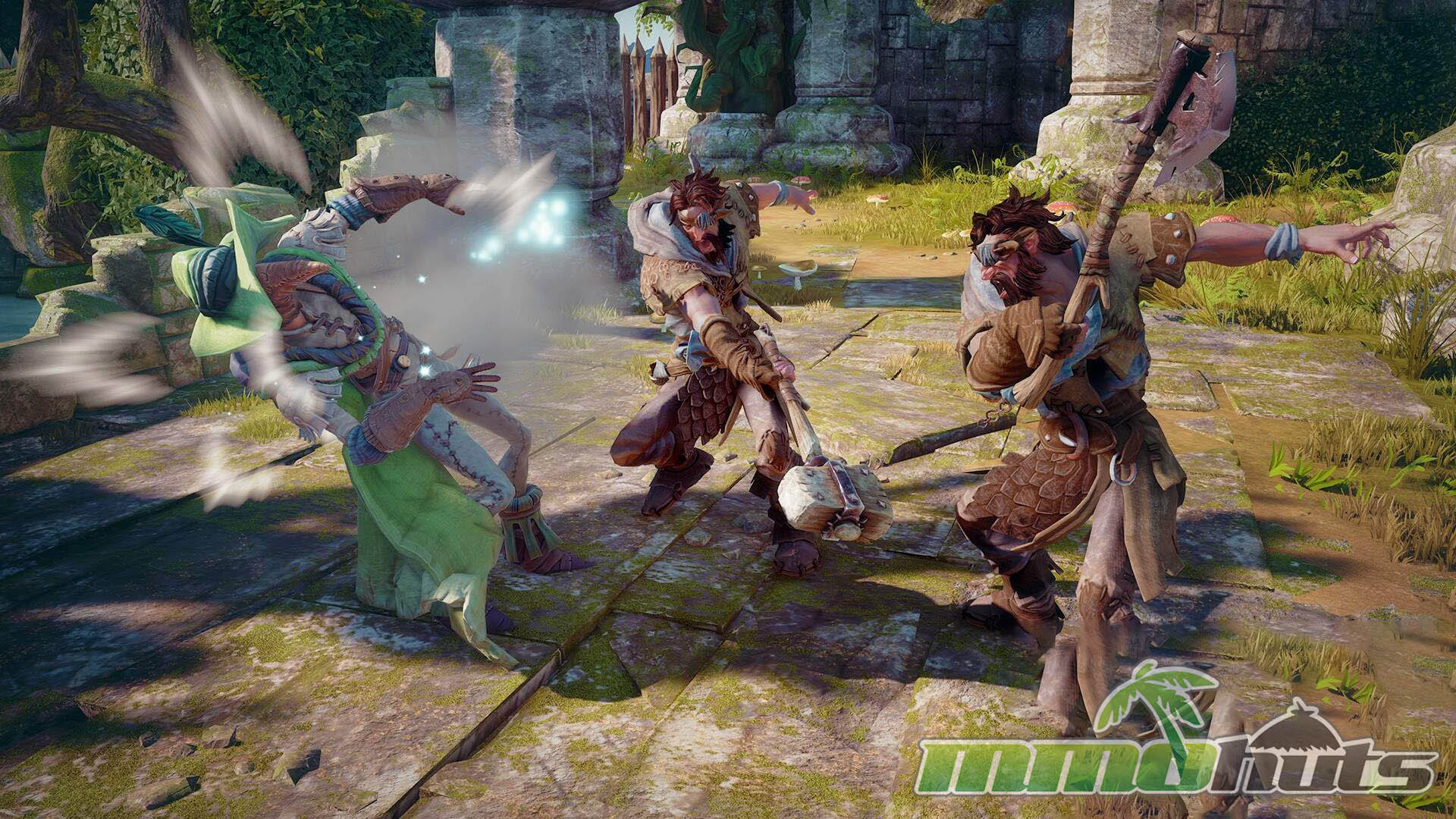
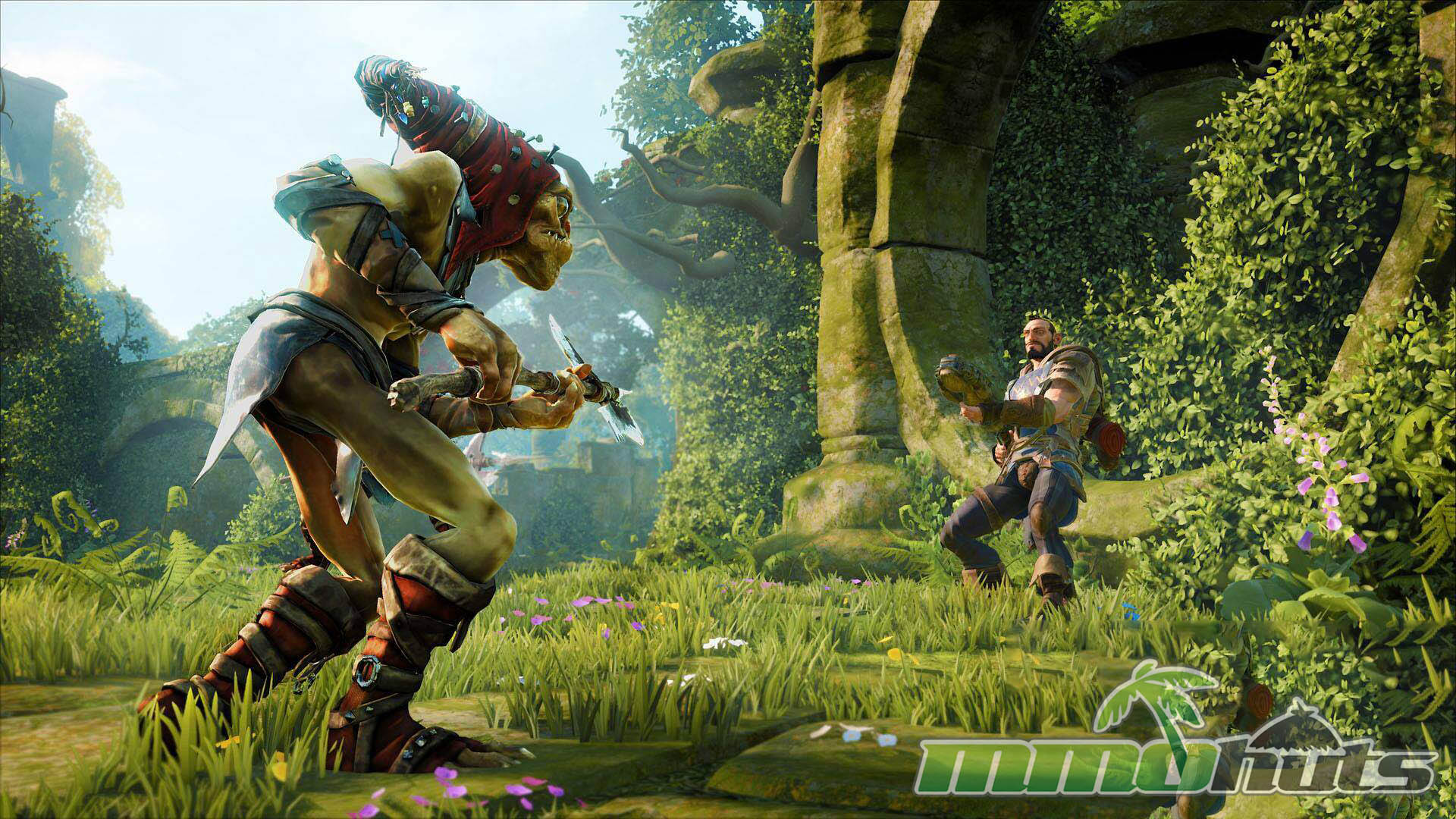
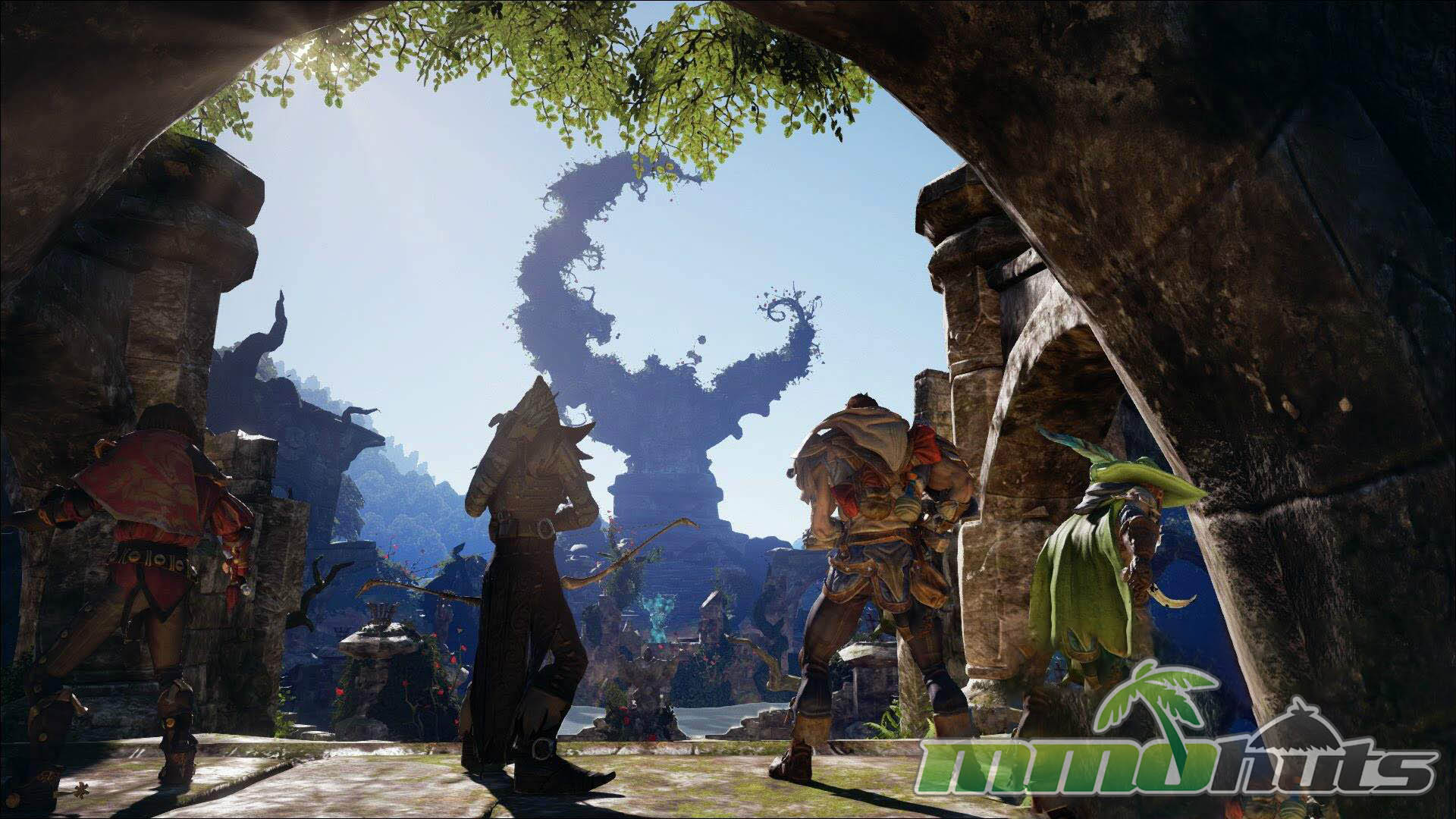

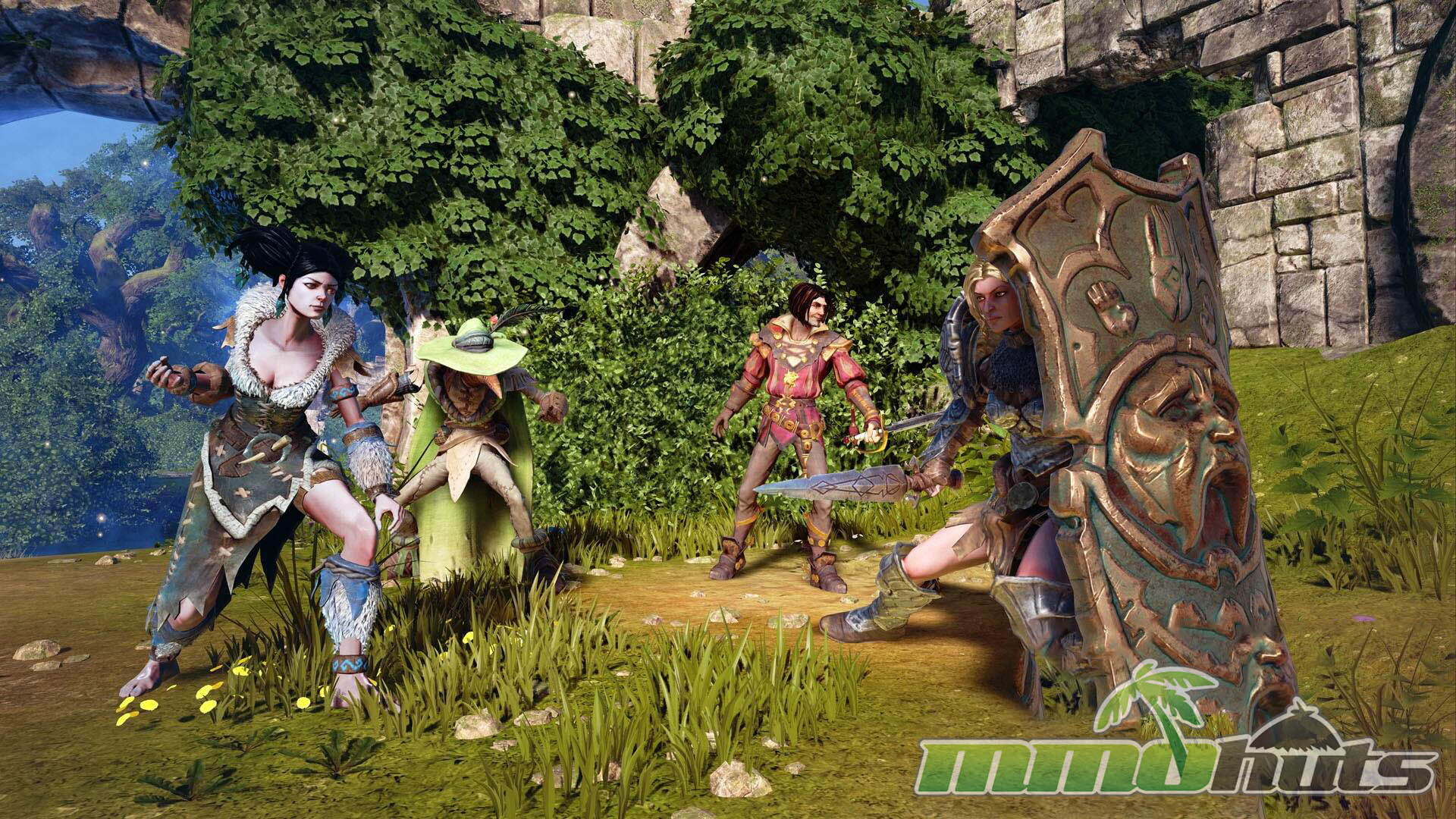
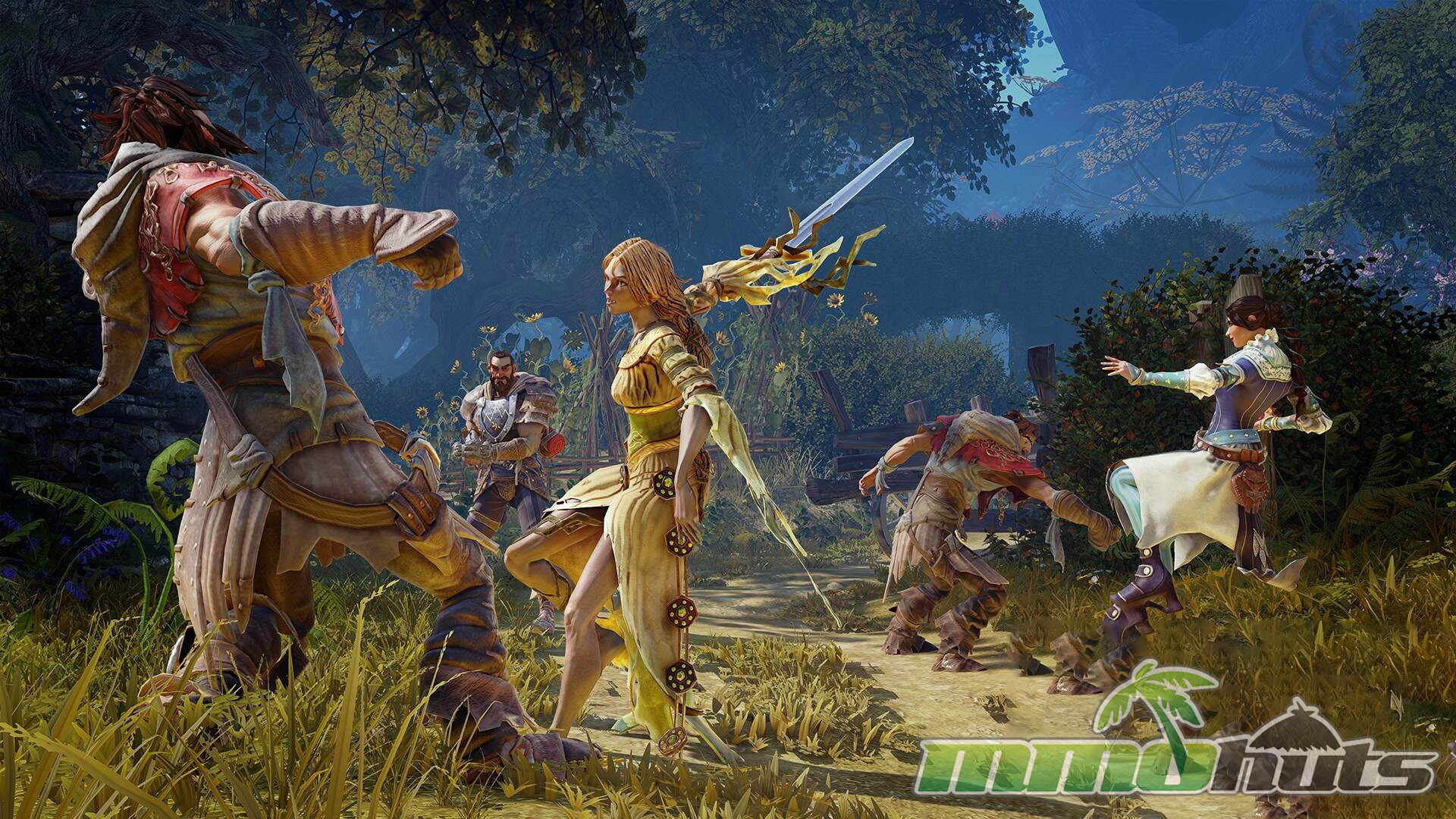
Fable Legends Featured Video

Fable Legends Review
A full review of Fable Legends is not currently available. Since the title was cancelled before launch, there is no finalized retail version to evaluate in the usual sense. What can be said from the game’s publicly shown direction is that it aimed to blend co-op action RPG questing with an asymmetric “director” opponent, similar in spirit to a player-controlled encounter designer rather than a traditional fifth combatant.
As a concept, the heroes-versus-villain structure had clear potential: heroes get the familiar Fable-flavored adventure framing and character-driven combat roles, while the villain adds unpredictability, counterplay, and replay value by changing how each encounter unfolds. If executed well, this sort of format can produce memorable runs, because the villain can adapt to the party’s habits, punish repeated strategies, and create spikes of tension at key moments.
The biggest limitation is simply that the project ended before it could be fully realized and judged as a complete package. Without a final balance pass, full content suite, and long-term progression systems available to the public, the game remains best understood as an interesting, ambitious spin on co-op RPG structure that never reached a finished release.
Fable Legends System Requirements
Minimum Requirements:
Operating System: Windows 10 64 bit
CPU: Core i5-3470T 2.8GHz or Phenom II X4 B99
Video Card: GeForce GTX 750 or Radeon R9 260 (OEM)
RAM: 4 GB
Hard Disk Space: 15 GB
Recommended Requirements:
Operating System: Windows 10 64 bit
CPU: Core i7-860 Quad 2.80GHz or FX-8120
Video Card: GeForce GTX 750 Ti or Radeon HD 7850
RAM: 6 GB
Hard Disk Space: 15 GB
Official system requirements have not yet been released for Fable Legends. The requirements above our based on our experience and will be updated when official numbers become available.
Fable Legends Music & Soundtrack
Music and soundtrack details will be added when more information is available.
Fable Legends Additional Information
Developer: Lionhead Studios
Engine: Unreal Engine 4
Director(s): David Eckelberry
Producer(s): Geoff Smith
Designer(s): Alex Skidmore, Ben Brooks, James Blackham
Artist(s): Kevin Walsh
Writer(s): Andrew Walsh
Other Platforms: Xbox One
Announcement Date: August 20, 2013
Initial Release Date: Q4 2015
Cancellation Date: March 07, 2016
Development History / Background:
Fable Legends was developed by Lionhead Studios, the UK-based team best known for building the Fable franchise. Work on the project began in 2012, with the public reveal arriving later on August 20, 2013. The game was being produced for Xbox One and Microsoft Windows 10, with the PC version planned as a Windows 10 Store exclusive download.
Lionhead also stated that the game would follow a free-to-play approach, with a rotating set of playable heroes and cosmetic customization tied to progression. In early 2016, Microsoft announced that development would stop and the project was cancelled on March 07, 2016. The servers stayed online for a short period afterward, closing on April 13, 2016, and purchases made during the testing phase were refunded.