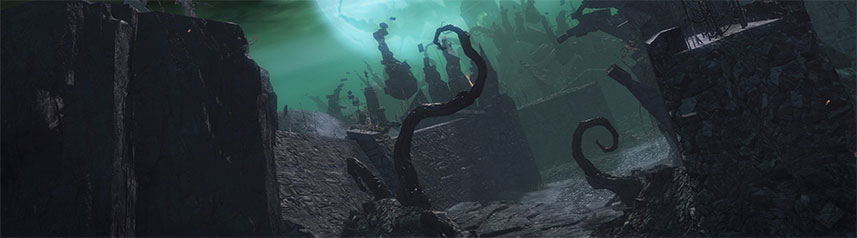
Where Winds Meet is a free-to-play open world wuxia action RPG set during China’s tumultuous Five Dynasties and Ten Kingdoms period. You play as a young wandering swordsman caught up in political intrigue, sect rivalries, and the shifting jianghu, with the freedom to fight, heal, trade, or stir chaos as you see fit. The game launched globally on November 14, 2025 for PC and PlayStation 5, with mobile versions following in December.
 | Publisher: NetEase Games Playerbase: Very High Type: Mobile / PC / Console Open World Action RPG Release Date: November 14, 2025 (Global PC/PS5) Mobile Release Date: December 12, 2025 Pros: +Fully free-to-play with cosmetic-only monetization. +Beautifully realized 10th-century Chinese open world with over 20 distinct regions. +Fast, varied combat across many weapons and 40+ Mystic Arts. +Cross-play and progression. Cons: -Heavy PC requirements, especially RAM. -Frame rate dips in dense city areas like Kaifeng. -Story pacing is uneven and the early hours can feel dense. -MMO-lite live service layer is not for everyone. |

Where Winds Meet Overview
Where Winds Meet is an open-world action-adventure RPG rooted in the legacy of wuxia. Set during the turbulent era of tenth-century China, you take on the role of a young sword master, uncovering forgotten truths and the mysteries of your own identity. The setting is the Five Dynasties and Ten Kingdoms period, a stretch of Chinese history known for political fragmentation, warring states, and the kind of murky intrigue that wuxia loves to draw from. Your character is a wanderer, a youxia, free to align with sects, factions, or nobody at all.
What makes the game stand out from the usual open-world checklist is how seriously it takes the wuxia trappings. The game offers players the opportunity to master over 40 unique Martial Mystic Arts and an arsenal of weapons, including spears, swords, dual blades, glaive, umbrella, and fans, with distinctive martial arts skills. You can steal techniques from rival sects, parkour across rooftops, and travel huge distances using a “windstride” system that lets you cover ground without grinding through stamina bars.
It is also a very modern live service product. It plays free across PS5, PC, and mobile with full cross-play and cross-progression, with no pay-to-win, and gameplay content is entirely free with monetization limited to cosmetic items. That model is a big part of the game’s pitch, and it has clearly worked. The community is enormous and growing.
Where Winds Meet Key Features:
- Wuxia Open World – Explore over 20 distinct regions ranging from the imperial capital of Kaifeng to deserts, ghost markets, and underground catacombs.
- Skill Theft and Mystic Arts – Learn over 40 Mystic Arts including Tai Chi, Toad Style, and Lion’s Roar by training with sects, beating bosses, or stealing techniques outright.
- Job and Identity Systems – Pick up a profession outside of combat: doctor, merchant, scholar, assassin, bounty hunter, or just an idle wanderer.
- Multiplayer and Guilds – Solo through the story or team up for co-op, multiplayer dungeons, guild wars, raids, and PvP duels.
- Free-to-Play and Cross-Platform – Cosmetics-only monetization with full cross-play and cross-progression across PC, PS5, and mobile.
Where Winds Meet Screenshots
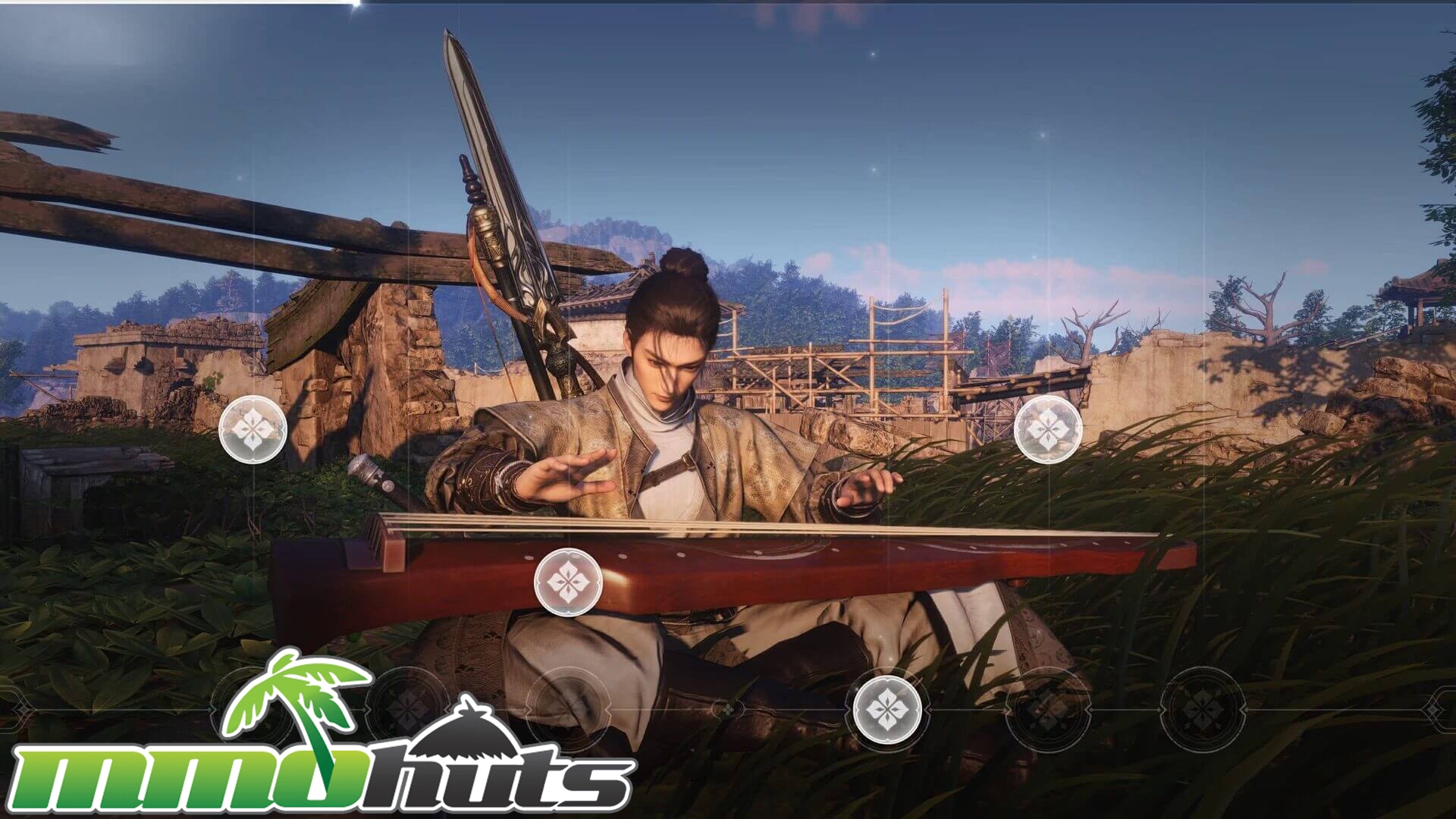
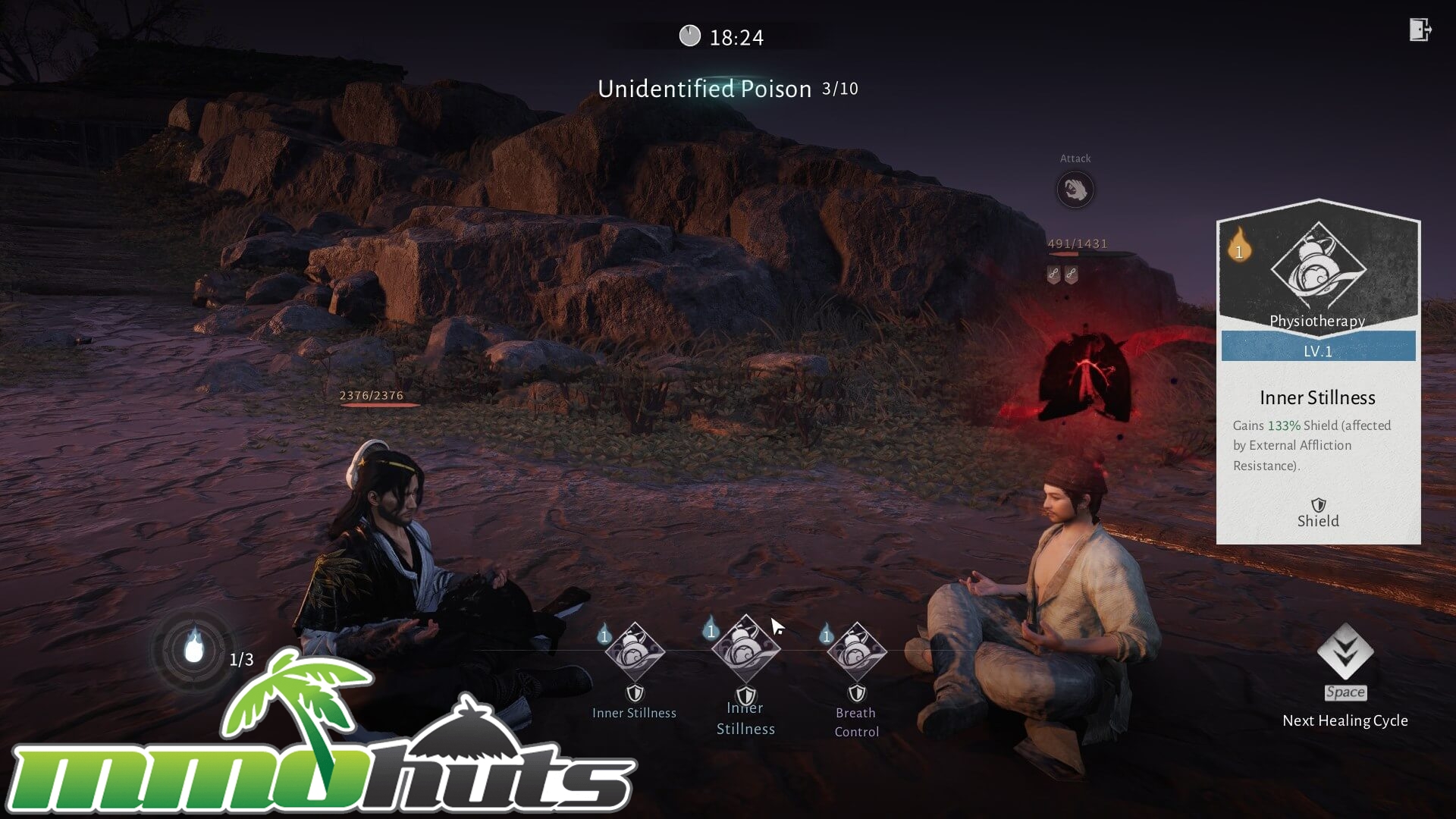
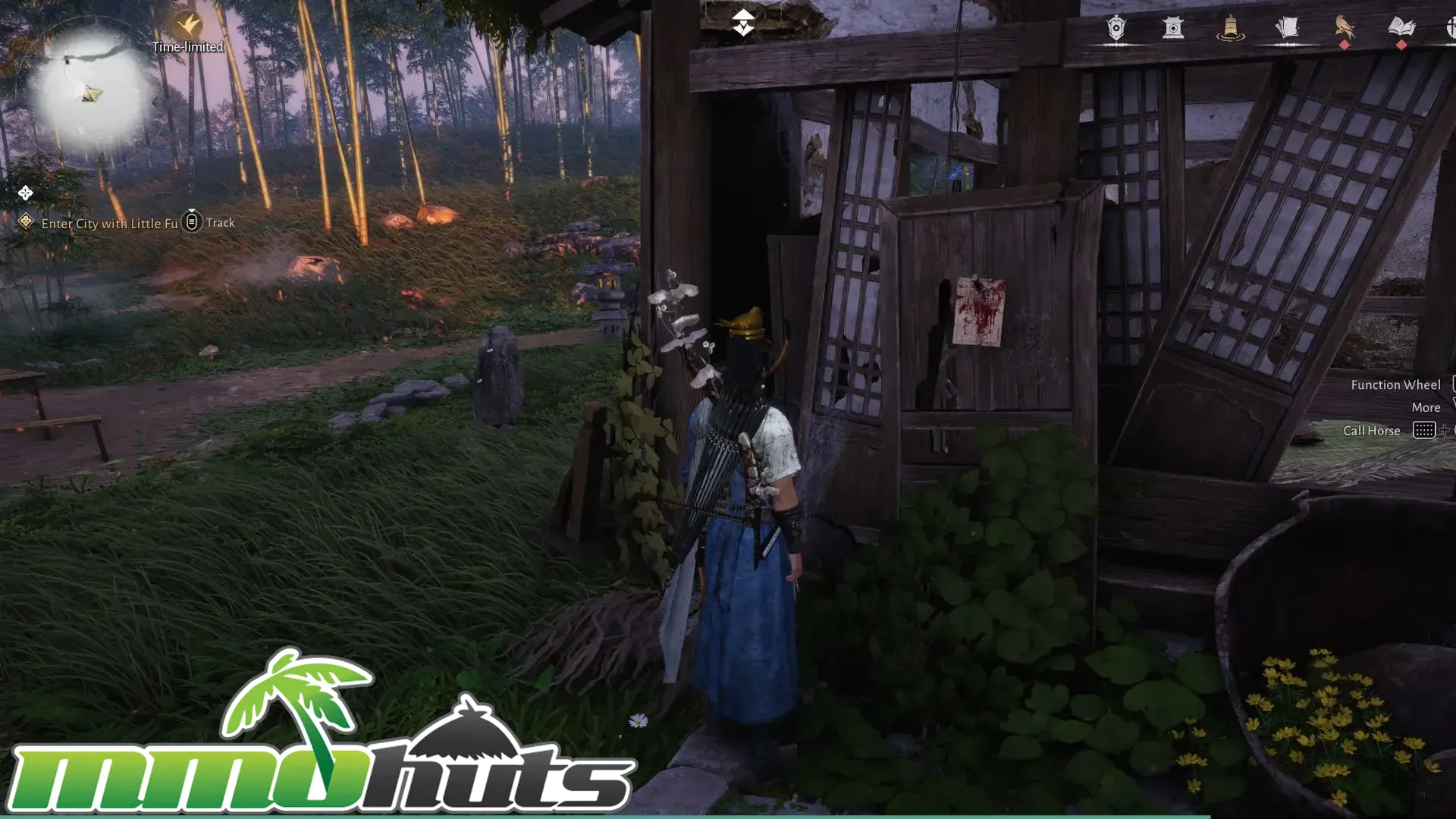
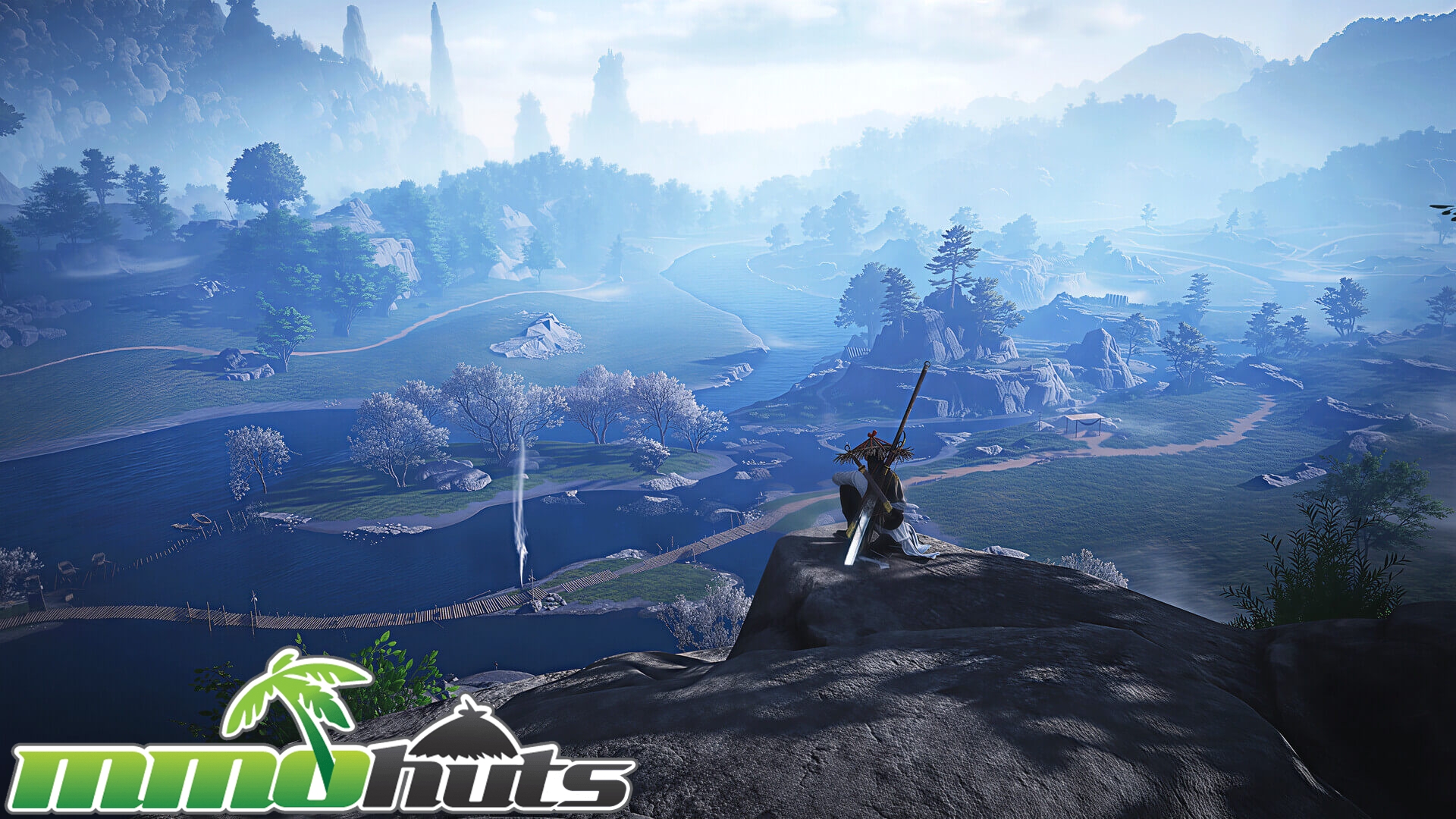
Where Winds Meet Featured Video

Where Winds Meet Review
Where Winds Meet is a wuxia action-adventure role-playing video game developed by Everstone Studio and published by NetEase Games. Everstone is a Hangzhou-based first-party studio inside NetEase, and this is their flagship project. The game utilizes the Messiah Engine, NetEase’s proprietary in-house tech, which is the same lineage that powers a number of their other big projects.
The game took an unusual path to global release. In China, the game was launched in open beta for PC on December 27, 2024, and for mobile devices on January 9, 2025. The Western world had to wait. Where Winds Meet was released worldwide for PC (Windows) and PlayStation 5 on November 14, 2025, and for mobile devices (Android and iOS) on December 12, 2025. So by the time Western players got their hands on it, the Chinese version had already had nearly a year of patches, content updates, and player feedback baked in.
Setting and Story
The story opens in Qinghe, a sleepy corner of the world where you are raised by your aunt and uncle. On the day of a local celebration, a mysterious figure steals the jade pendant the protagonist has worn since childhood. That theft sets off a chain of events that pulls the young hero into a larger conspiracy, starting with the secrets hidden behind the doors of Evercare Clinic and spiraling into a much greater adventure. From there it broadens into the Kaifeng arc, where political schemes, sect rivalries, and shadowy powers turn what started as a personal quest into something much messier.
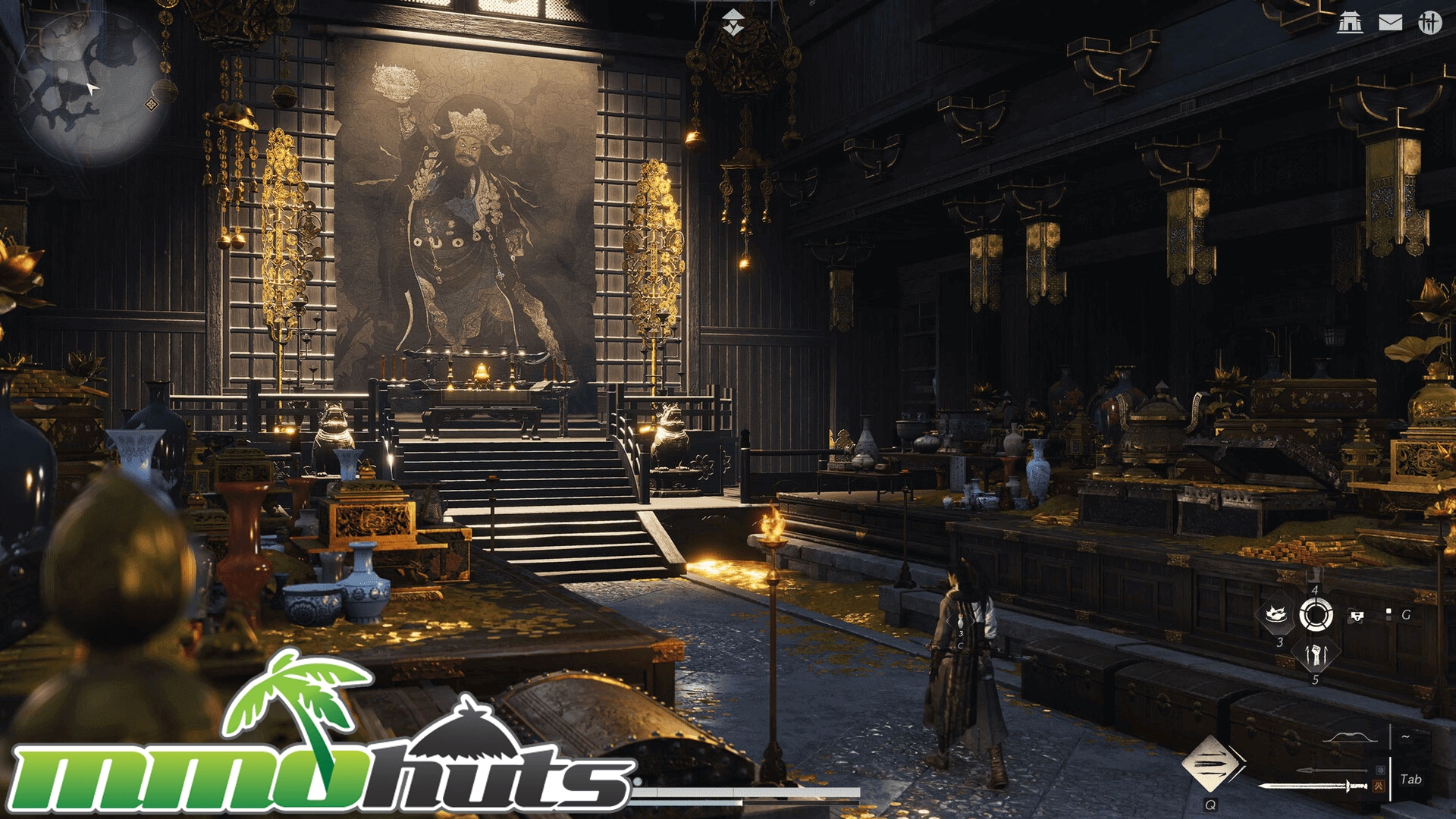
The historical framing is the part that surprised a lot of players. The game does not pretend to be strictly accurate, but it leans hard on real Tang and early Song aesthetics, court life, and folk culture. The art direction across the imperial capital especially is something to spend time in. There is a kind of confidence to how the world is presented. It does not feel like a generic “ancient China” theme park, more like a place the developers care about.
First Impressions
The opening hours are a lot to take in. The game wants to teach you parkour, swordplay, mystic arts, the job system, multiplayer features, the gear system, and the social mechanics all at once. Anyone who bounces off the first few hours is being totally fair, the tutorialization tries to do too much. Push past it and the game opens up properly around the time you reach Kaifeng.
Combat and Mystic Arts
Combat is the headliner here. You can wield swords, dual blades, spears, rope darts, fans, umbrellas, mo blades, and heng blades, swapping between them in fights to chain combos. Each weapon has its own move list, and on top of that sit the Mystic Arts: dozens of martial techniques pulled from kung fu lore, animal styles, and the studio’s own imagination. Tai Chi is here as a defensive parry-and-redirect art. Toad Style shows up as a slow, brutal grappler. Lion’s Roar is a screaming AoE.
The thing that keeps it interesting is the skill theft mechanic. The game has over 40 unique Martial Mystic Arts available for mastery, some inspired by encounters with animals in the wild, while others are acquired by infiltrating heavily guarded strongholds or learning from enigmatic wanderers in the wild. So combat progression is exploration progression. Want a new style? Go find someone who knows it and get the technique out of them, by friendship or by force.
The combat itself sits somewhere between a souls-like and a spectacle fighter. There is parrying, dodging, and an emphasis on reading enemy windups, but also flashy aerial combos and stylish finishers. It does not have the pinpoint precision of FromSoftware’s stuff, and it is not as freeform as some other action games, but the middle ground works for a game that wants to be approachable for a wide audience.
Open World and Exploration
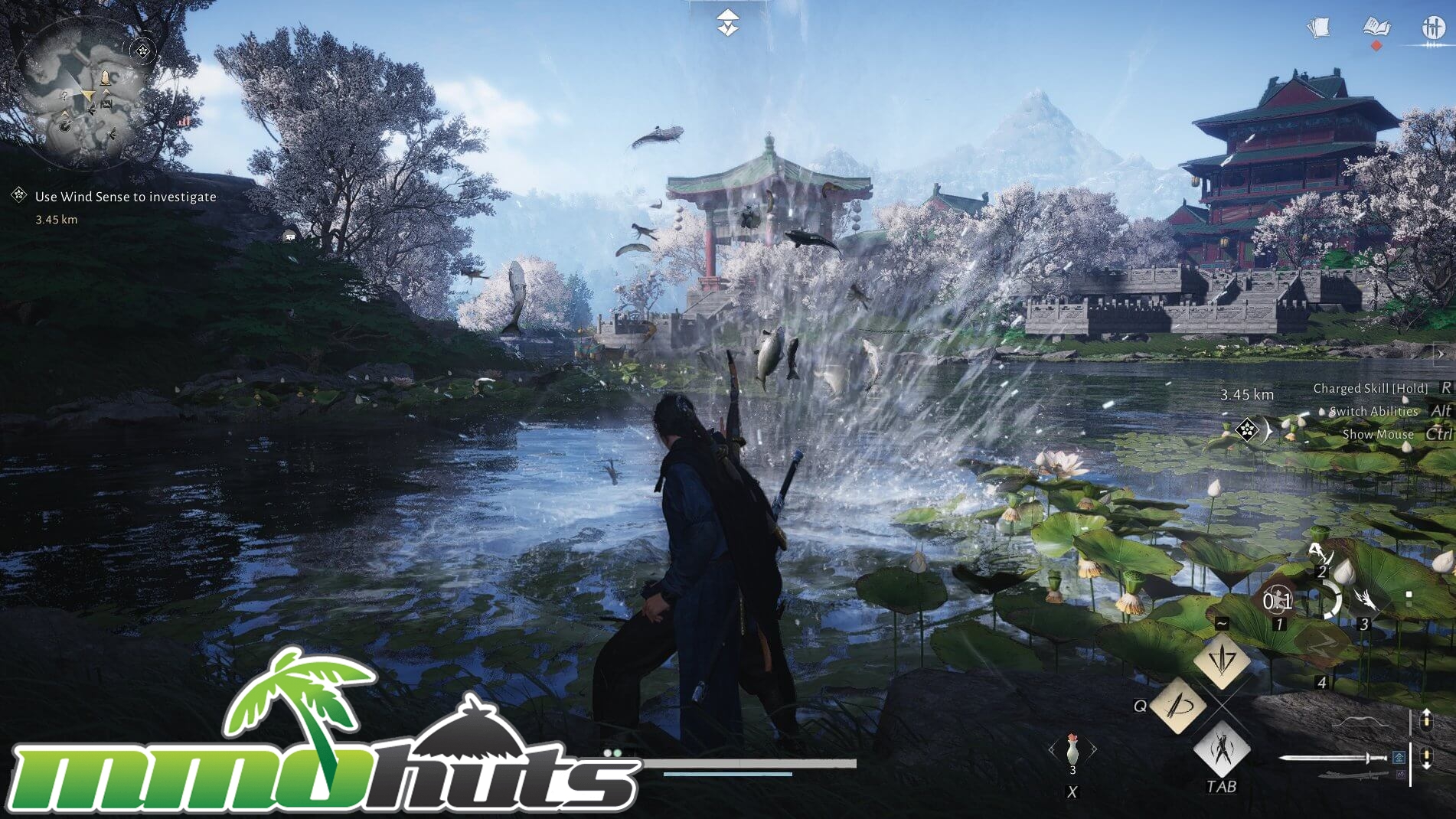
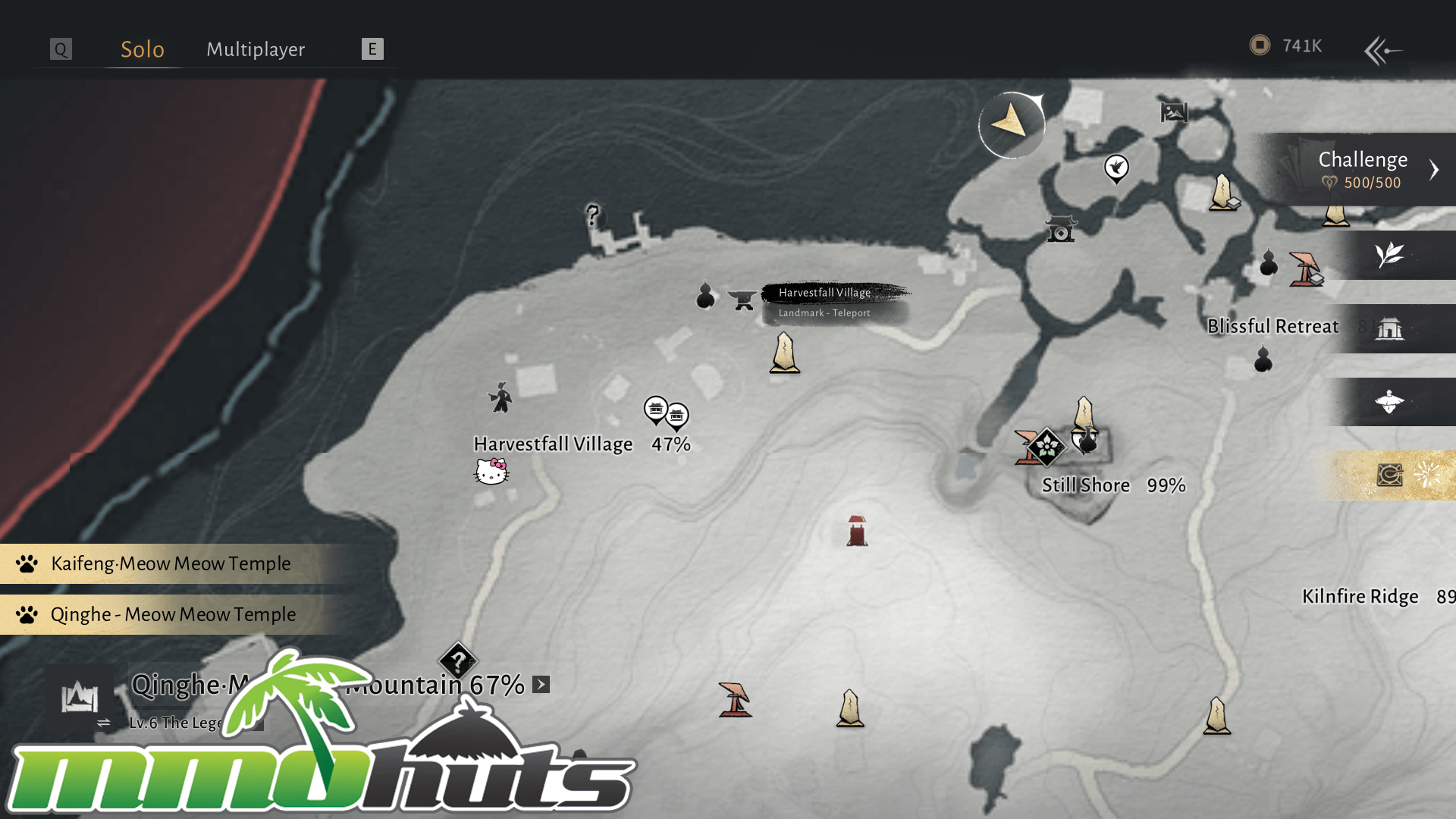
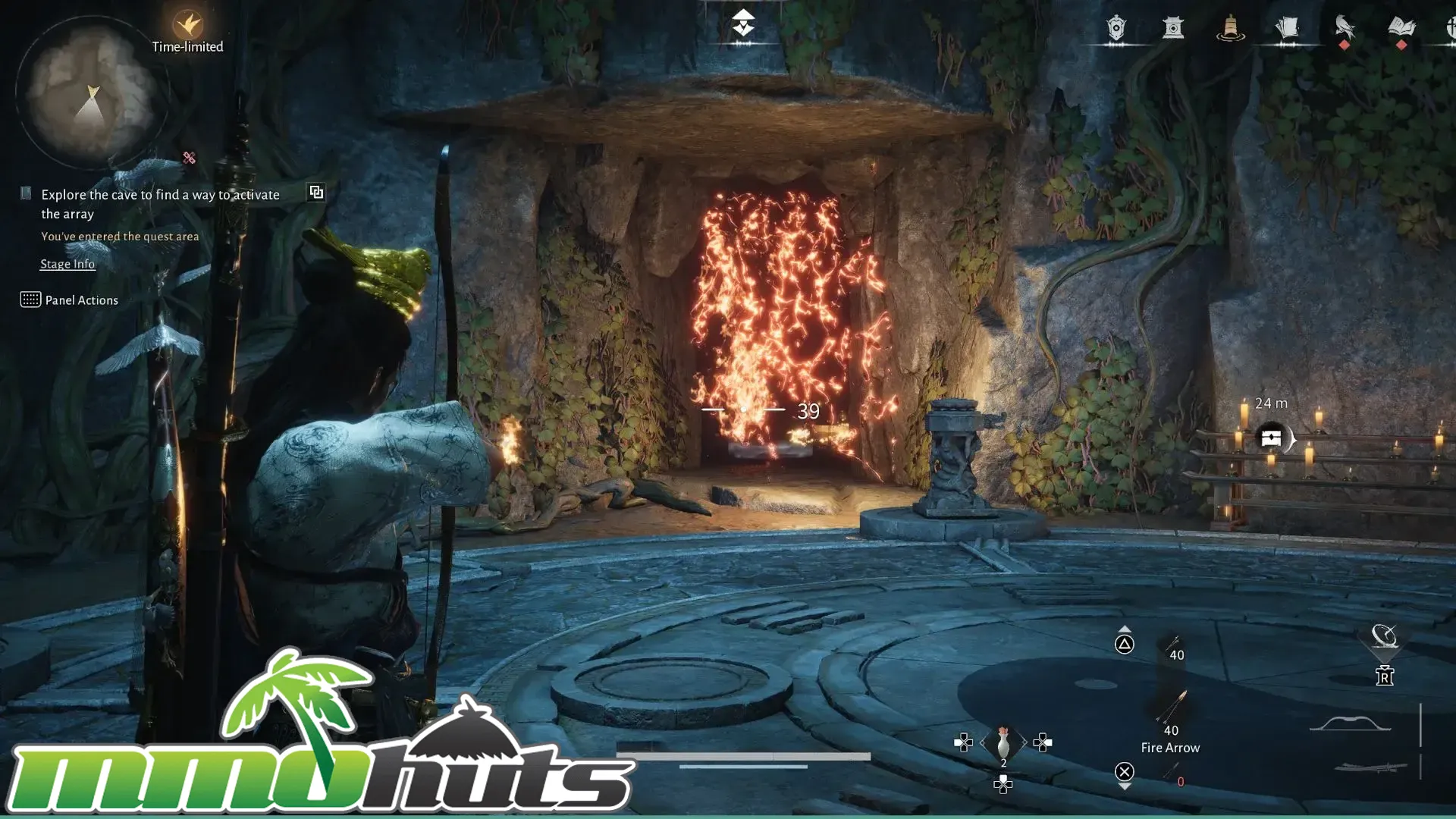
The world is huge and dense. The vast open world is intricately crafted and brimming with life, featuring over 20 distinct regions to explore. From the grand capital of the empire to the deep underground caves, from desolate deserts to the mysterious and eerie ghost market, the game merges history with the wildest imagination of a wuxia world. Traversal is fast and physical. You scale walls, run across rooftops, balance on narrow beams, and use windstride to glide long distances at speed. It feels good to get around.
NPC density is unusually high for a game like this. The game is populated with more than 10,000 unique NPCs, each possessing their own personality and distinctive responses to the player’s actions. Depending on how players choose to interact with them, these characters can become trusted allies or sworn enemies. You will not remember most of them, of course, but the city of Kaifeng feels alive in a way most open world cities do not. Vendors actually run shops. Beggars actually beg. People react when you commit crimes near them.
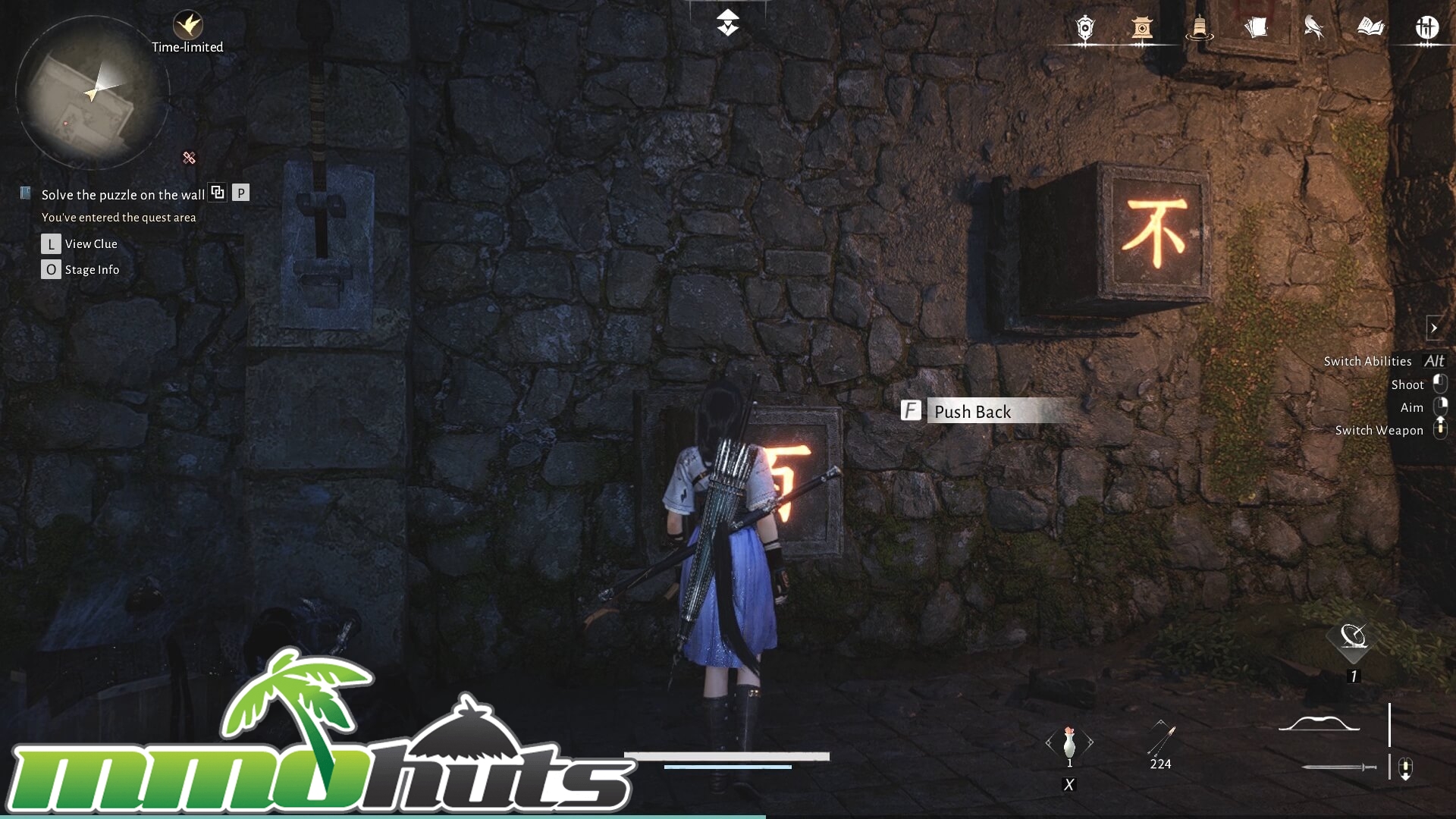
The freedom of choice extends out of combat too. You can drop the main quest entirely and become a healer, a merchant, a bodyguard, or just a tourist. The job system is one of the more genuinely surprising parts of the package.
Free-to-Play Model
This is where Where Winds Meet earns a lot of goodwill. There is no gacha. There are no character pulls. All of the playable in-game content is completely free, and every player can enjoy all game modes without any restrictions. Monetization is cosmetics, mostly outfits and accessories, plus a battle pass style track that hands out more cosmetics.
For a NetEase live service title, that is a refreshingly clean setup. Players who jumped in at launch were given a wide variety of special rewards, with over 180 cosmetics including 80+ outfits, 100+ accessories, and a wide variety of emotes, decorations, and inscriptions all for free. No engagement-bait login traps to threaten your progression. You can just play.
There is the usual live service caveat: it is still a game built around a long content cadence, dailies, weeklies, and seasonal events. Post-launch, in-game content updates are released as themed seasons, some of which advance the core world narrative, while others focus on introducing new game modes and limited-time events. The first themed season is entitled Blade Out. If that pattern is not your style, you will hit a wall once you exhaust the launch story content.
Multiplayer and Social Layer
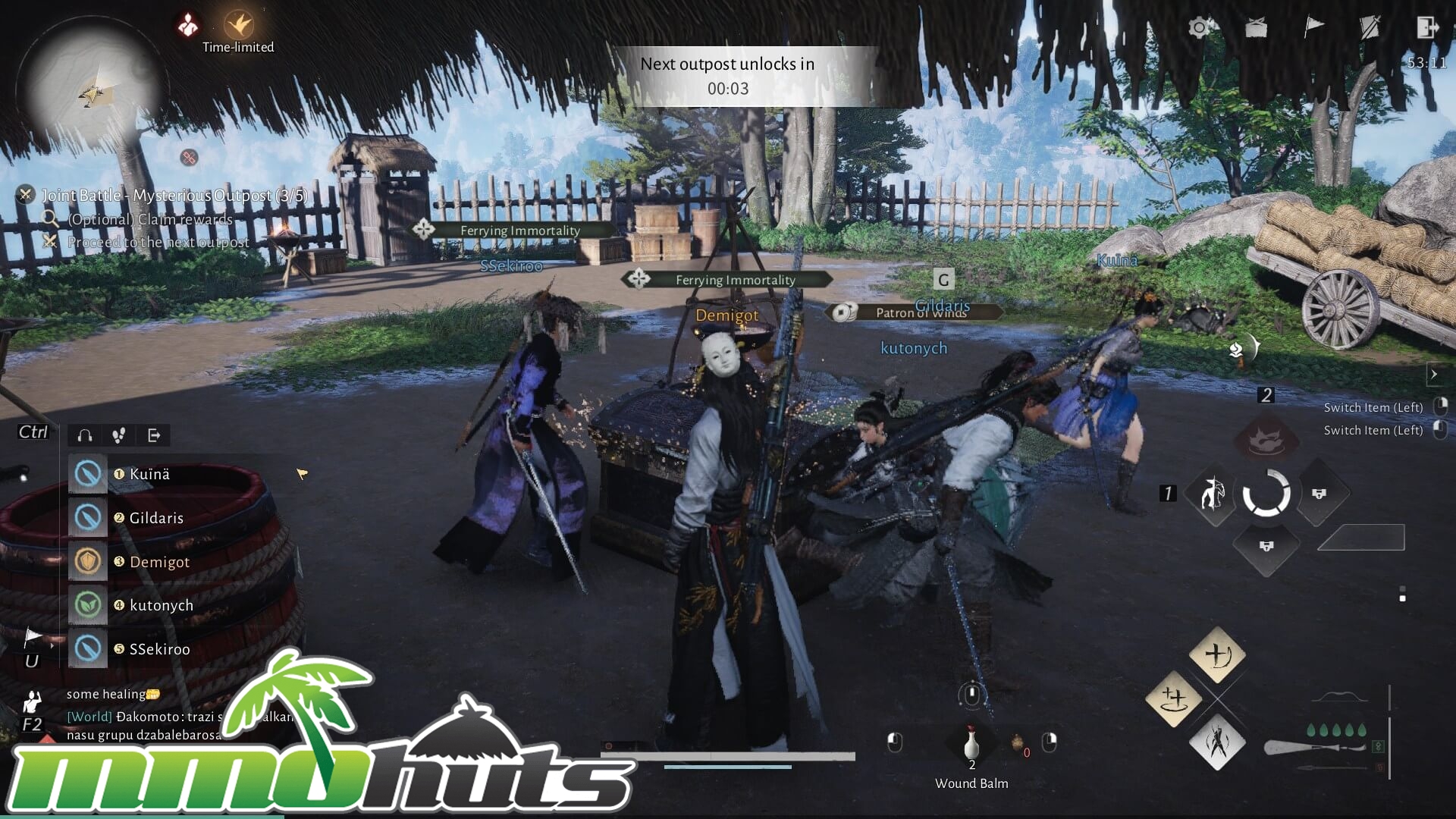
The multiplayer offering is generous for what is fundamentally a story-driven RPG. You can embark on a narrative-driven adventure filled with rich solo gameplay, or team up with up to four friends for seamless co-op experiences. You can join or create a Guild to access group activities, intense guild wars, multiplayer dungeons, and epic raids. Show your skill in competitive duels, or enter a shared, evolving world with thousands of fellow wanderers.
It sits in this odd space between a single-player open world game and a full MMO. The world is more shared than something like Genshin but less persistent than World of Warcraft. Most players will probably stick to the solo campaign and dip into co-op for the occasional dungeon, which is fine, but the systems are there if you want a guild and a regular raid night.
PvP is opt-in through duels and arena modes, not forced open-world ganking, which keeps the tone closer to “hang out and stab a friend” than “constantly look over your shoulder.” Honestly, the right call.
Performance and Technical Side
This is the most honest part of the review. The game is heavy. The Steam recommended specs require a Core i7-10700 / Ryzen 7 3700X, 32 GB of RAM, an RTX 2070 SUPER / RX 6700 XT / ARC A750, DirectX 12, and 130 GB of storage. That 32 GB recommended RAM number raised a lot of eyebrows. The minimum spec is friendlier, but realistically, if you want the game to look anything close to the trailers, you need a fairly current rig.
Performance in the wild is hit-or-miss. The game’s optimization is good on modern systems that meet the recommended requirements. However, in densely populated cities such as Kaifeng, frame rate drops are possible due to high CPU load. For smooth gameplay, a target of 60 FPS is recommended, and for dynamic scenes, it’s better to aim for 120 FPS. The PS5 version handles itself better in dense areas. Mobile players get an aggressively optimized build that downscales sensibly.
Reception and Community
The numbers tell their own story. In the global market, Where Winds Meet reached 15 million players by December 2025 within one month, and during the second post-launch week, the game peaked at over 250 thousand concurrent players on Steam. By any measure, that is a hit. The Steam user reviews sit at “Very Positive,” with around 87% of tens of thousands of user reviews rated positive. The playerbase has been broadly enthusiastic, especially about the combat, the open world, and the lack of predatory monetization.
There are real complaints. The story pacing wobbles, especially in the middle stretch between Qinghe and Kaifeng. The launcher had some early issues that have mostly been smoothed out. The MMO-lite social layer can feel intrusive if you came in expecting a single-player experience. And the live service treadmill, while gentler than most, is still a treadmill.
Final Verdict – Great
Where Winds Meet is one of the more interesting open world action RPGs to land in years, and it is genuinely free in a way most of its competition is not. The wuxia presentation is excellent, the combat has real depth, and the world has more personality than a game this large has any right to. It is not flawless. The early hours throw too much at you, the PC requirements are steep, and the live service framing will not be for everyone. But the absence of gacha, the breadth of content, and the sheer ambition on display make this an easy recommendation for anyone curious about wuxia or just looking for a meaty open world to disappear into. A confident debut from Everstone Studio and an unusually generous live service game from NetEase.
Where Winds Meet Links
Where Winds Meet Official Site
Where Winds Meet Steam Page
Where Winds Meet Epic Games Store
Where Winds Meet Twitter
Where Winds Meet Facebook
Where Winds Meet Reddit
Where Winds Meet Discord
Where Winds Meet YouTube
Where Winds Meet System Requirements
PC Minimum Requirements:
Operating System: Windows 10 / 11 64-bit
CPU: Intel Core i7-7700K / AMD Ryzen 5 1600
Video Card: Nvidia GeForce GTX 1060 (6GB) / AMD Radeon RX 480 (8GB)
RAM: 16 GB
DirectX: Version 12
Hard Disk: 100 GB available space (SSD recommended)
Network: Broadband Internet connection
PC Recommended Requirements:
Operating System: Windows 10 / 11 64-bit
CPU: Intel Core i7-10700 / AMD Ryzen 7 3700X
Video Card: Nvidia GeForce RTX 2070 SUPER / AMD Radeon RX 6700 XT / Intel Arc A750
RAM: 32 GB
DirectX: Version 12
Hard Disk: 130 GB available space (SSD required)
Network: Broadband Internet connection
Android Minimum Requirements:
Operating System: Android 10 or above
CPU: Snapdragon 855 / Kirin 990 / Dimensity 1100 or equivalent
RAM: 6 GB
Storage: 20 GB
iOS Requirements:
Operating System: iOS 14 or above
Storage: 20 GB
Supported Devices: iPhone 12 and newer (iPhone 13 Pro or newer recommended)
Where Winds Meet Music & Soundtrack
Coming soon!
Where Winds Meet Additional Information
Developer: Everstone Studio (a first-party NetEase studio based in Hangzhou, China)
Publisher: NetEase Games
Engine: Messiah Engine (NetEase proprietary)
Lead Producer: Beralt Lyu
China PC Open Beta Date: December 27, 2024
China Mobile Open Beta Date: January 9, 2025
Global PC Release Date: November 14, 2025
PlayStation 5 Release Date: November 14, 2025
Steam Release Date: November 14, 2025
Epic Games Store Release Date: November 14, 2025
Mobile (iOS / Android) Release Date: December 12, 2025
Platforms: Microsoft Windows (Steam, Epic Games Store, NetEase Launcher), PlayStation 5, Android, iOS
Development History / Background:
Everstone Studio unveiled Where Winds Meet during Gamescom 2022. The game went through multiple beta tests, with substantial story revisions between rounds, before launching first in China and then globally. A trailer published by Sony revealed that the game would be a PlayStation 5 console exclusive for at least six months after its worldwide release. The studio’s stated ambition was to use international production techniques to express oriental art and martial arts traditions, building a wuxia open world that could appeal to a global audience without losing its cultural specificity.
In the global market, Where Winds Meet reached 15 million players by December 2025 within one month, and cumulatively reached 80 million players by February 2026. The launch was widely seen as one of NetEase’s most successful global releases to date, and the studio has continued to push regular content updates, including the Hexi expansion in early 2026, with future expansions and weapon additions confirmed in development.