World of Warcraft (WoW) is Blizzard Entertainment’s long-running 3D fantasy MMORPG set in the Warcraft universe. Even though it originally launched in 2004, it still stands as one of the defining games of the genre thanks to its polished combat, massive world design, and an endgame that can keep both casual and hardcore players busy for years.
 | Publisher: Blizzard Entertainment Playerbase: High Type: Subscription MMORPG Release Date: November 23, 2004 PvP: Duels, Arenas, World and Battlegrounds Pros: +Outstanding music and atmosphere. +Combat and class roles feel well-tuned. +A huge amount of PvE content. +Several PvP formats to choose from. +Large mount roster (ground and flying). +Deep setting and history. +Lots of transmog and collectibles Cons: -Character appearance options are fairly limited. -Certain older regions can feel repetitive. |

World of Warcraft Overview
World of Warcraft is often treated as the benchmark that other MMORPGs get compared against, largely because it delivers a complete “start to finish” MMO package. Leveling is driven by questing across a gigantic open world, combat is responsive and readable, and the endgame spans everything from dungeons and large-scale raids to collection-focused goals and competitive PvP. While the base game launched on November 23, 2004, WoW has been continually expanded over the years through multiple expansion packs that refreshed zones, systems, and the level cap.
For newcomers, it is also easy to sample, the game offers an unlimited free trial with a level 20 level cap, which is enough to get a feel for the quest flow, class toolkits, and overall pacing.
World of Warcraft Key Features:
- Enormous Game World – packed with quest lines that range from quick errands to longer narrative chains.
- Great Variety of Classes and Races – twelve playable classes and fourteen races (+6 additional Allied Races).
- Economy and Crafting – a sturdy profession system supported by a busy player-driven market.
- Extremely Polished Game with Solid Production Value – strong art direction, memorable music, a refined UI, and a huge amount of worldbuilding.
- Varied PvP Options – Arenas, World PvP, Battlegrounds, and Duels.
- Collectibles – a long list of mounts, titles, achievements, and cosmetics that reward long-term play.
World of Warcraft Screenshots
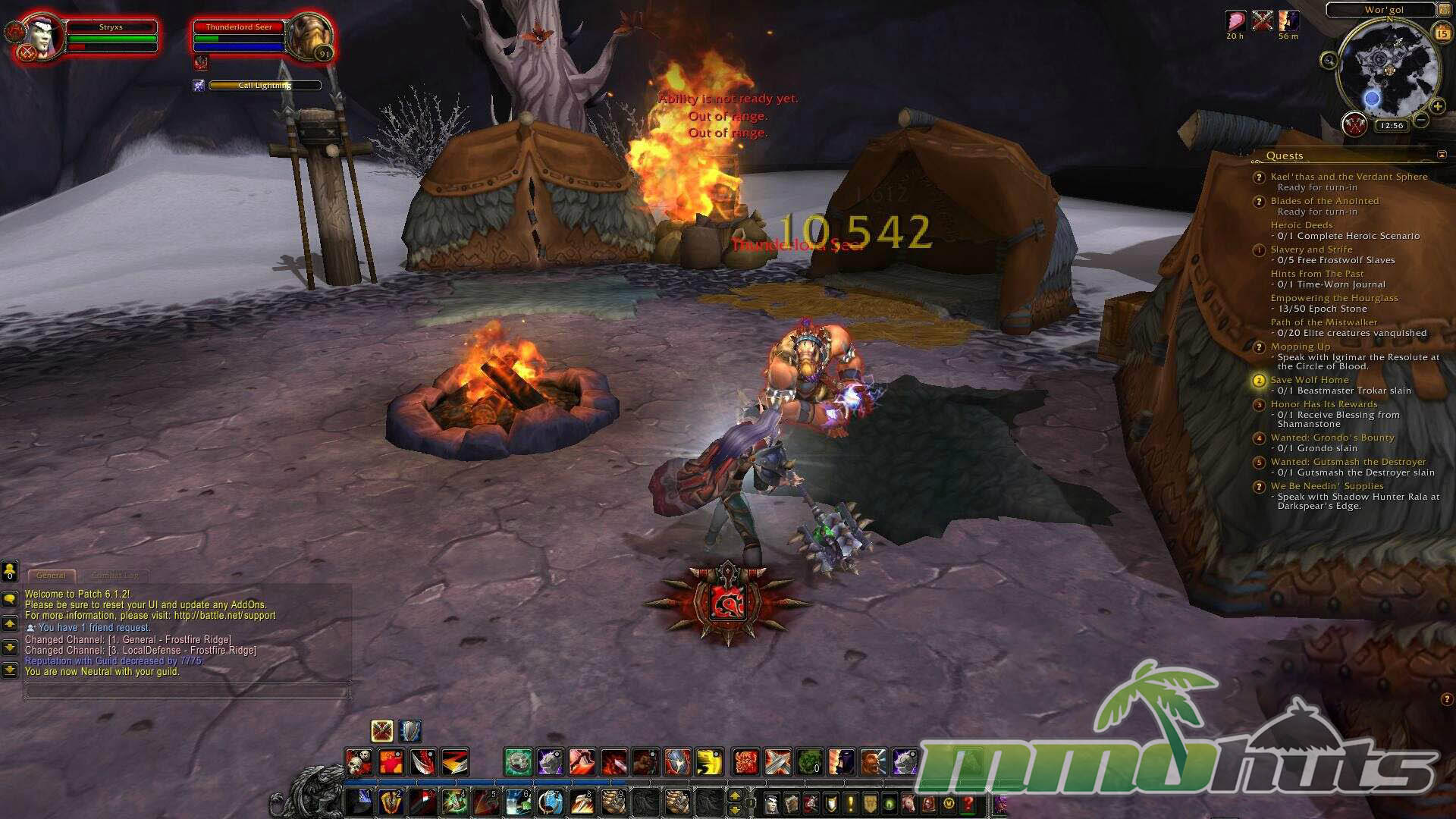


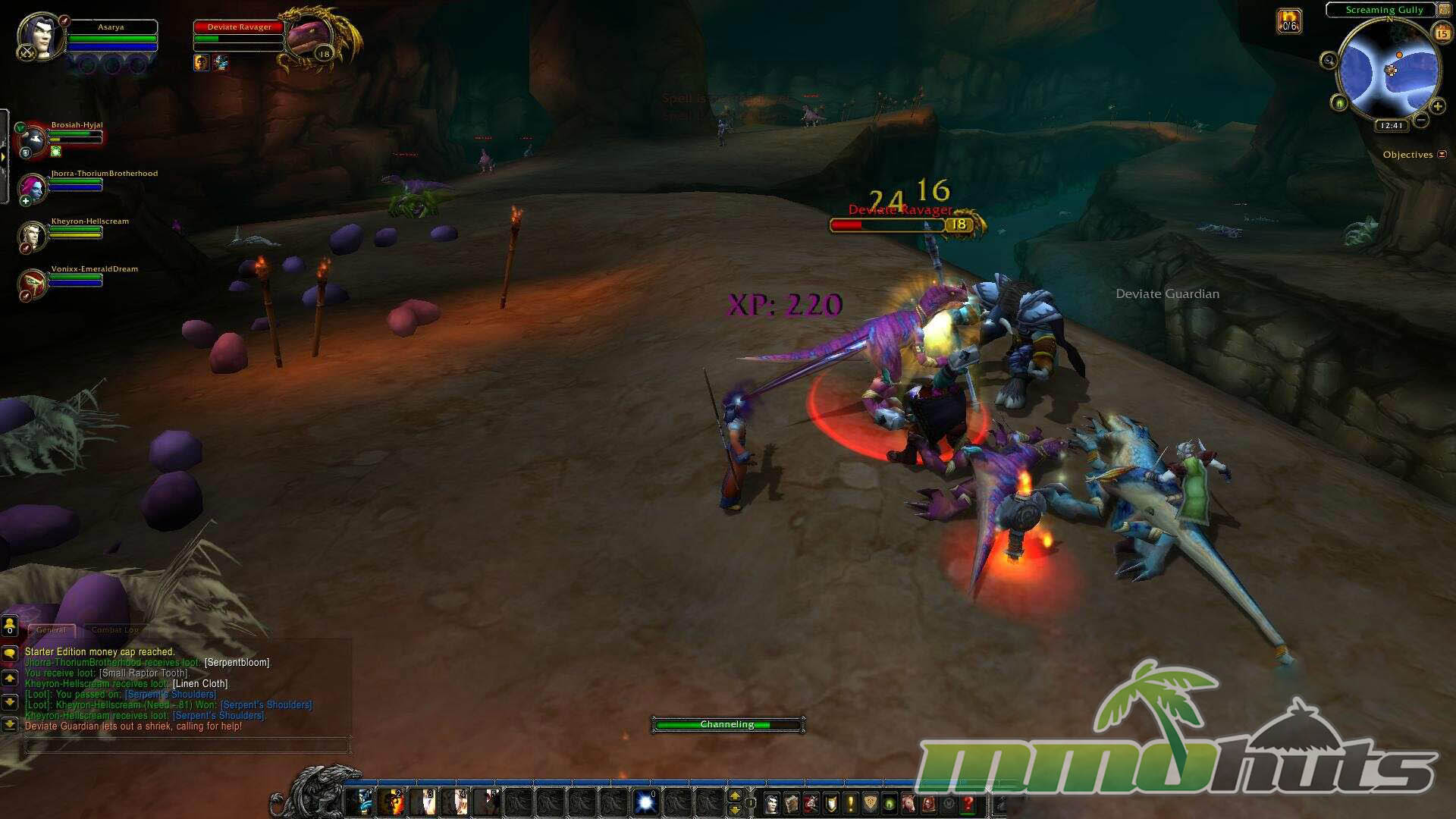
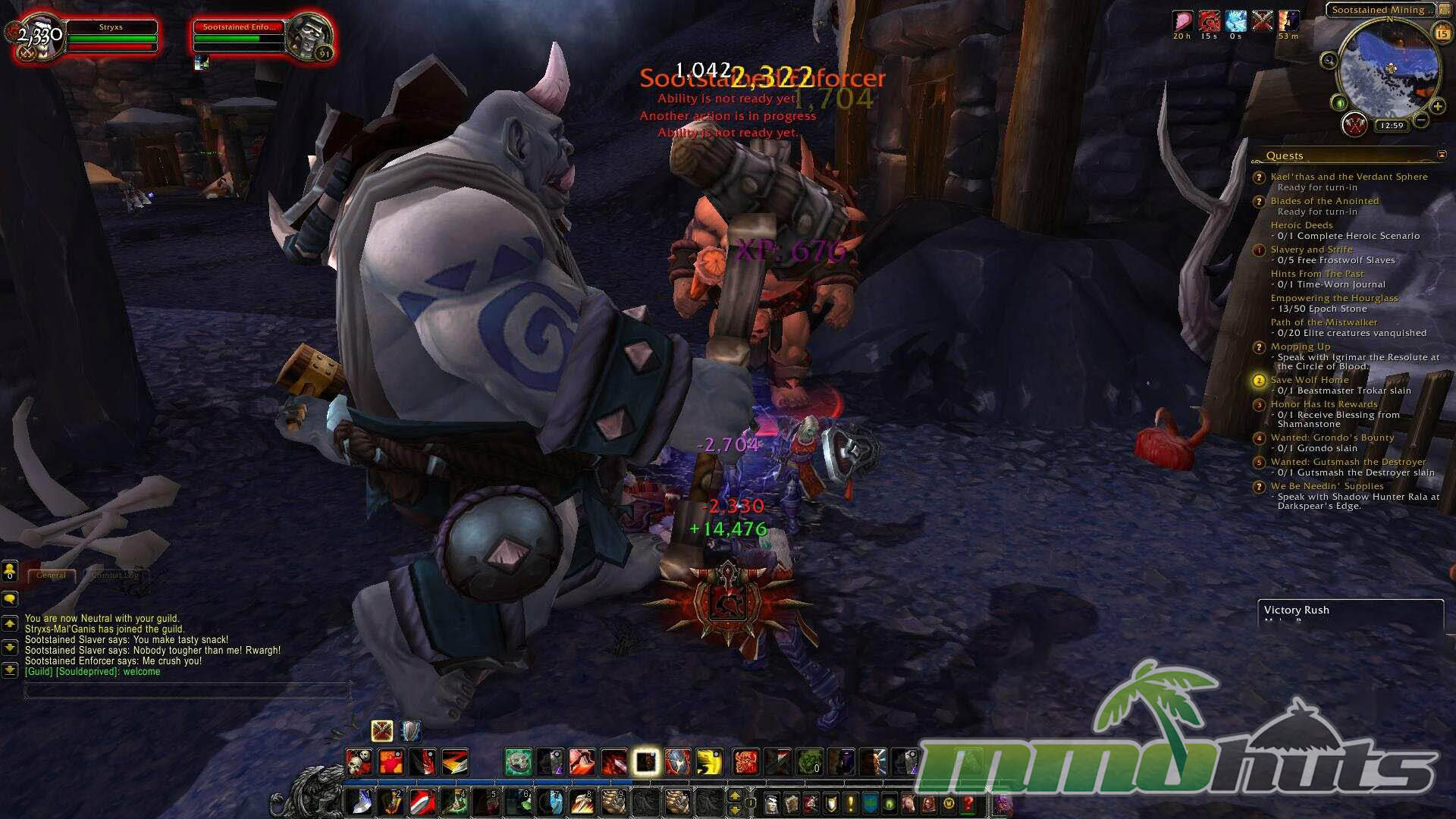


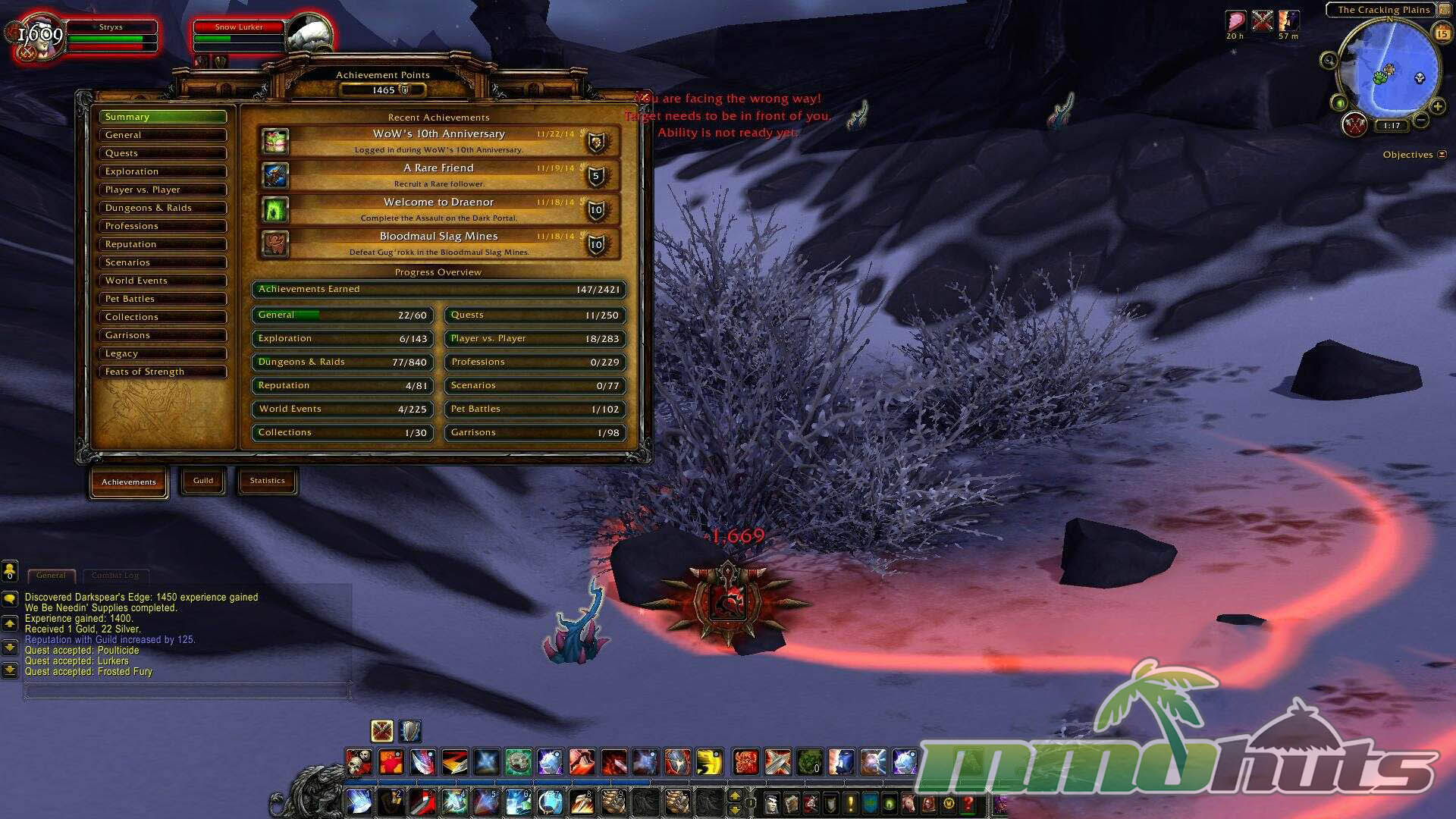

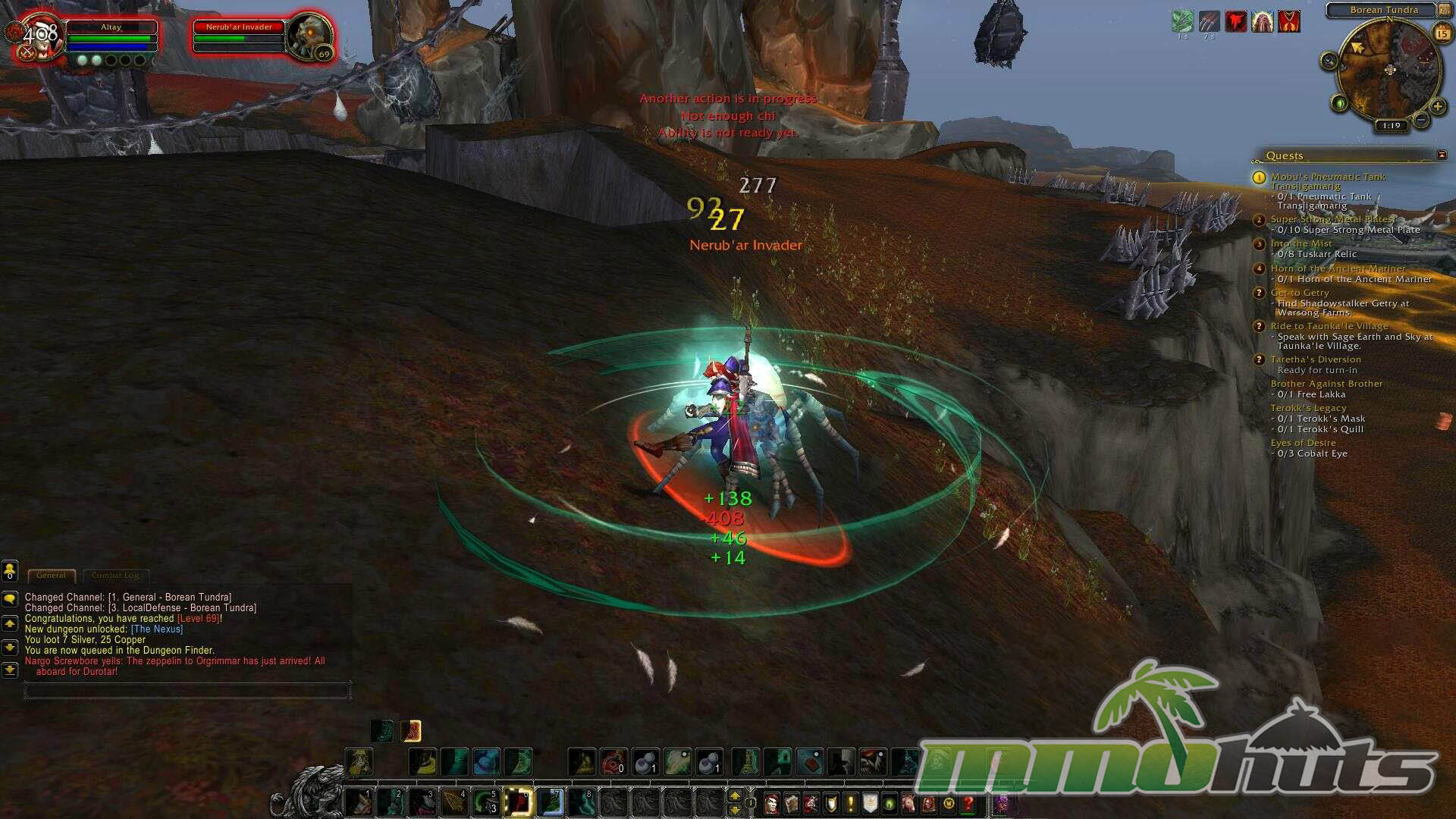
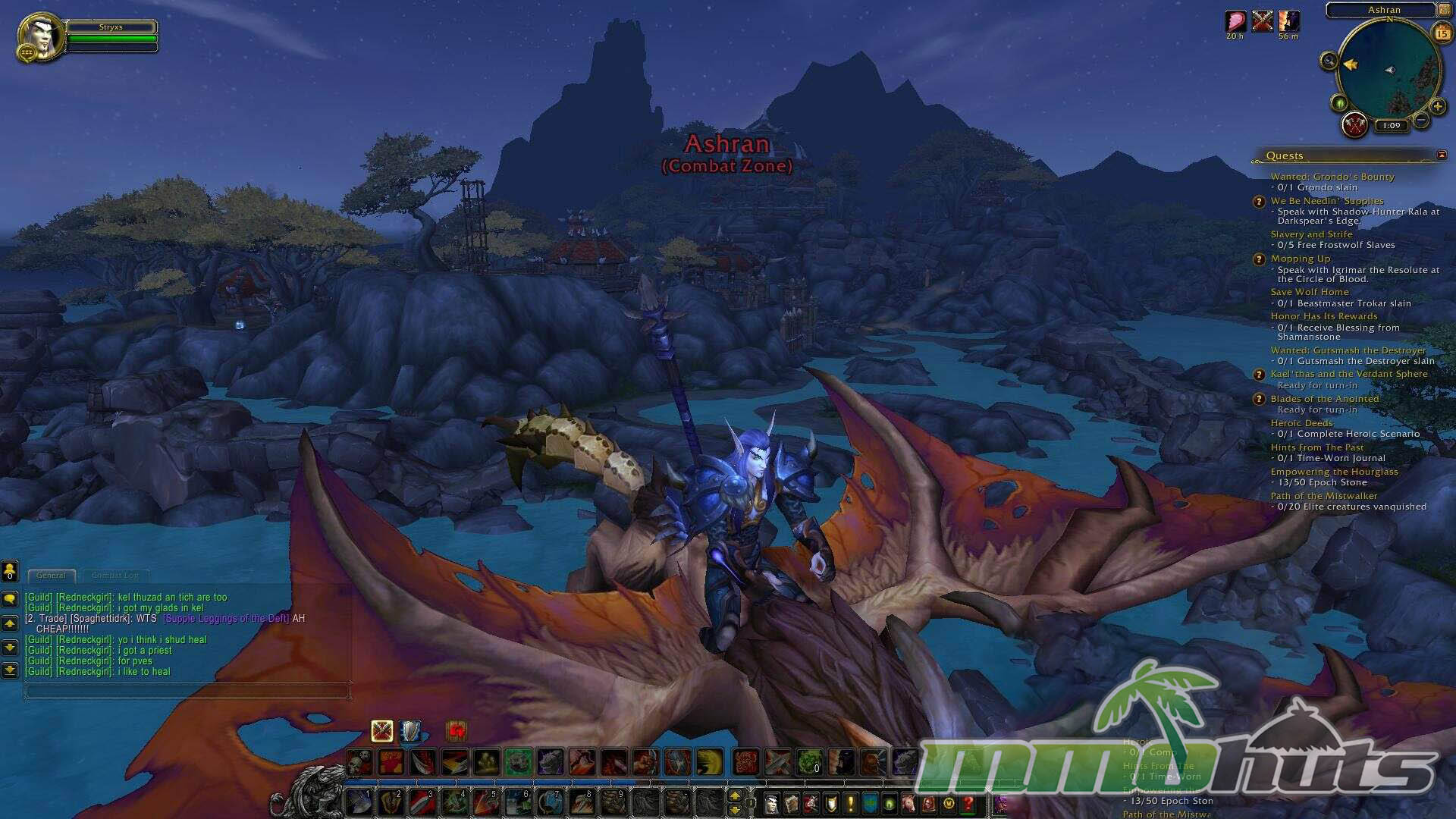
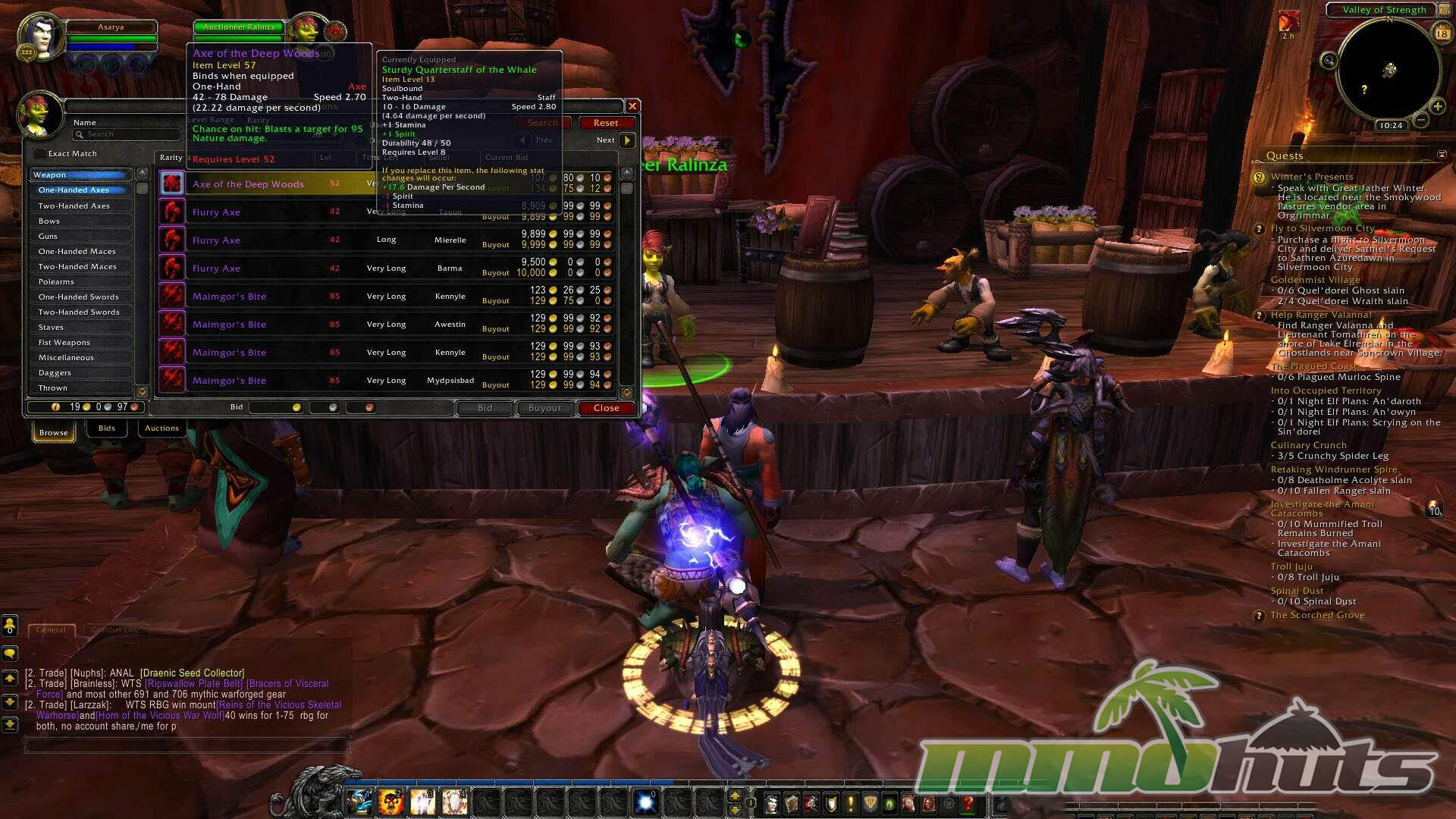
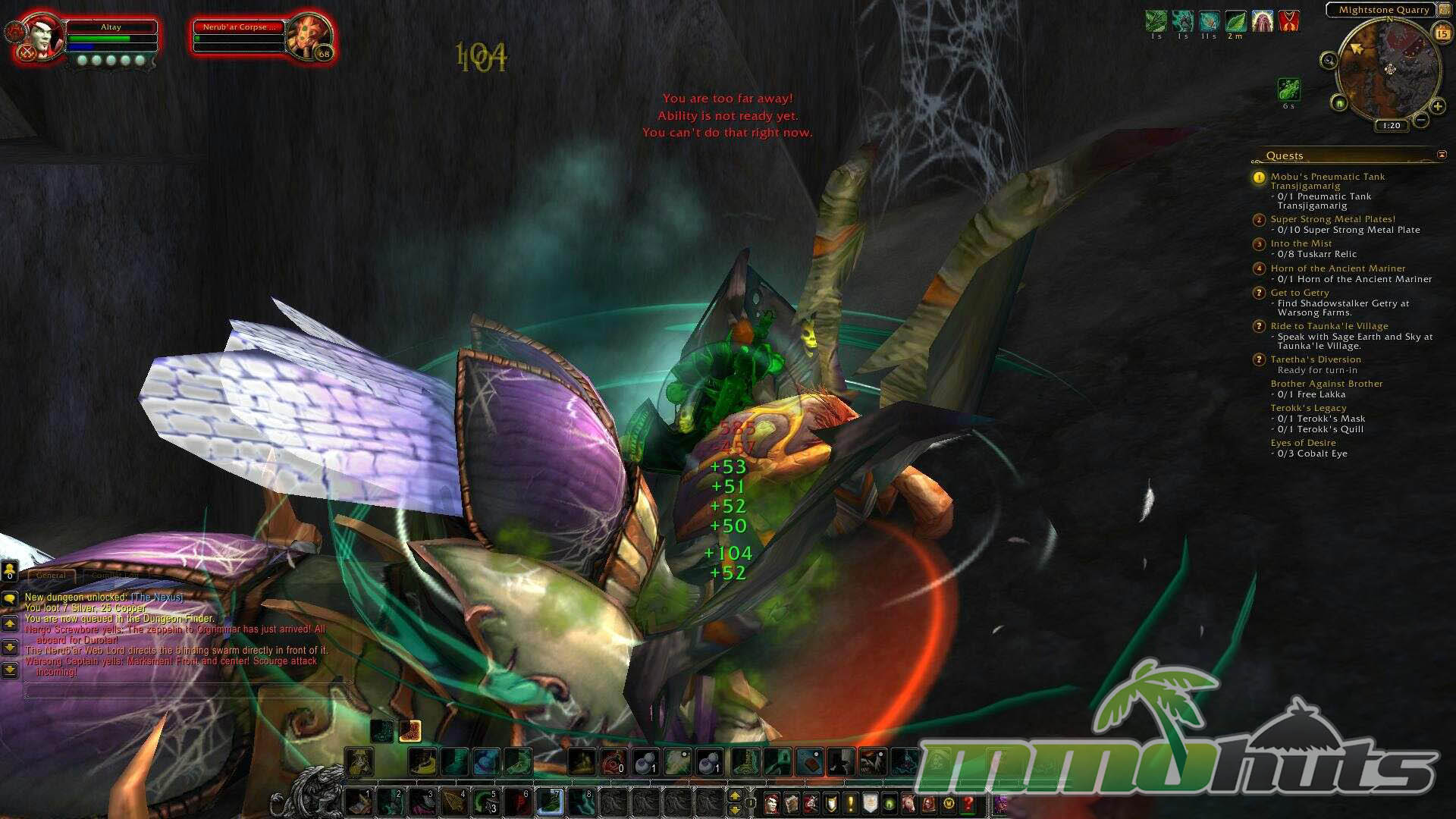
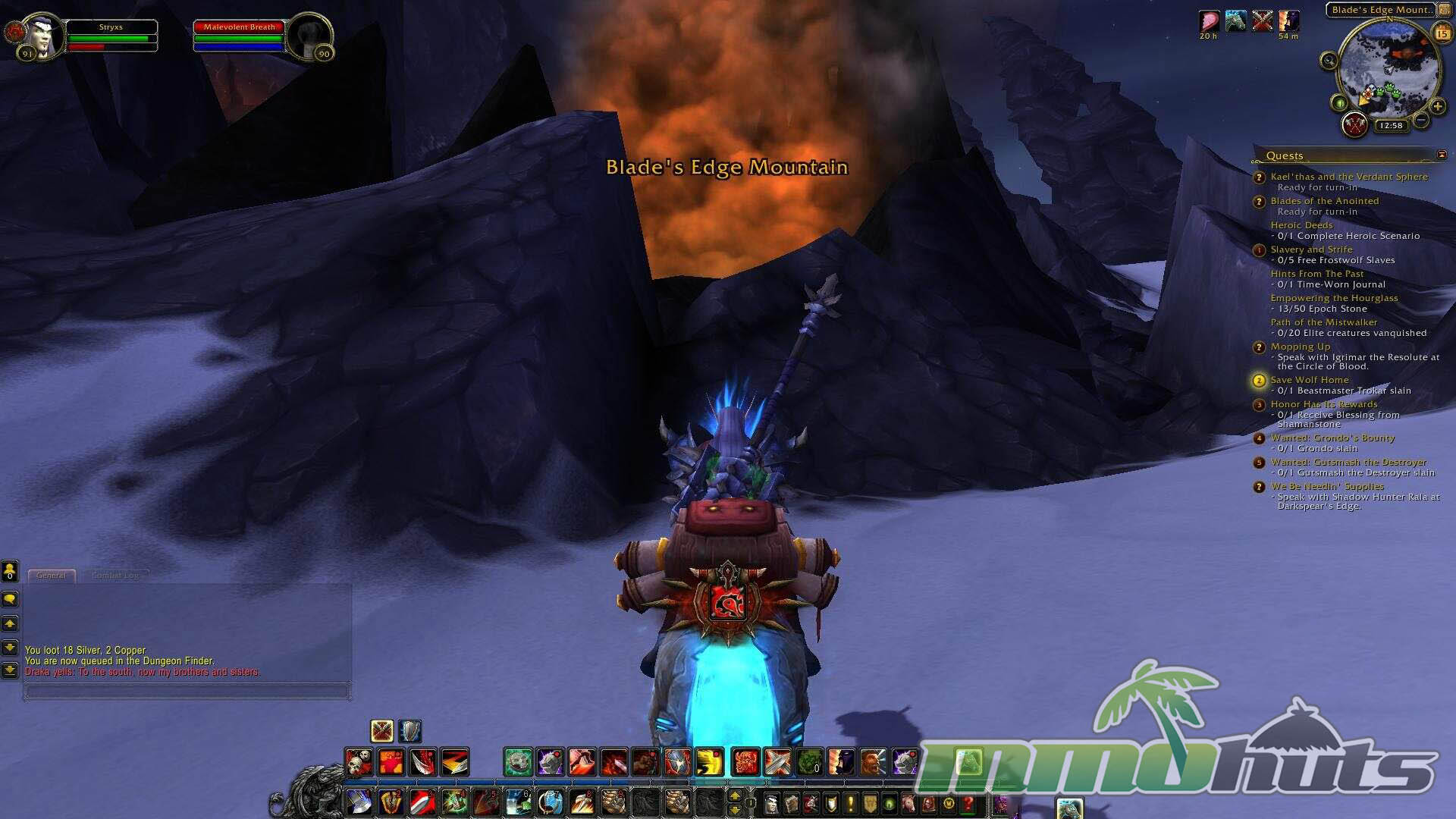
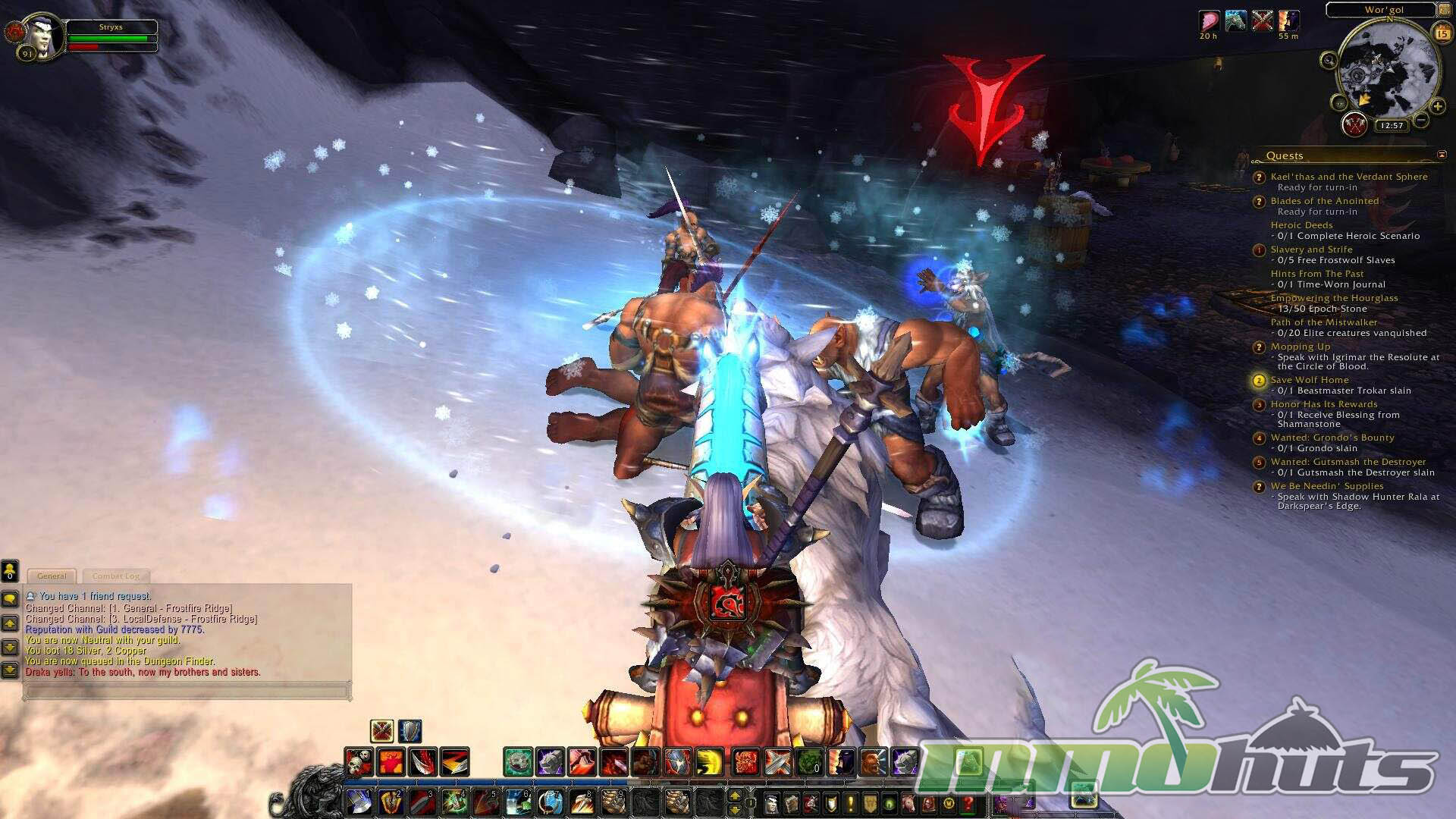
World of Warcraft Featured Video

World of Warcraft Review
World of Warcraft is Blizzard Entertainment’s flagship MMORPG, a 3D fantasy world built on decades of Warcraft setting and characters. Released on November 23, 2004, it quickly became the most visible and influential MMO on the market. It peaked at over 12 million subscribers in October, 2010 and, even years later, it remains one of the most played MMORPGs worldwide. Blizzard has also kept WoW on a subscription model while much of the genre moved toward free-to-play, which is a decision that makes more sense once you see just how much content is available across leveling, endgame, and long-term collection systems.
It is also a large installation. New players should expect a substantial download (over 35GB), plus additional patching before stepping into Azeroth.
Azeroth’s Story and Worldbuilding
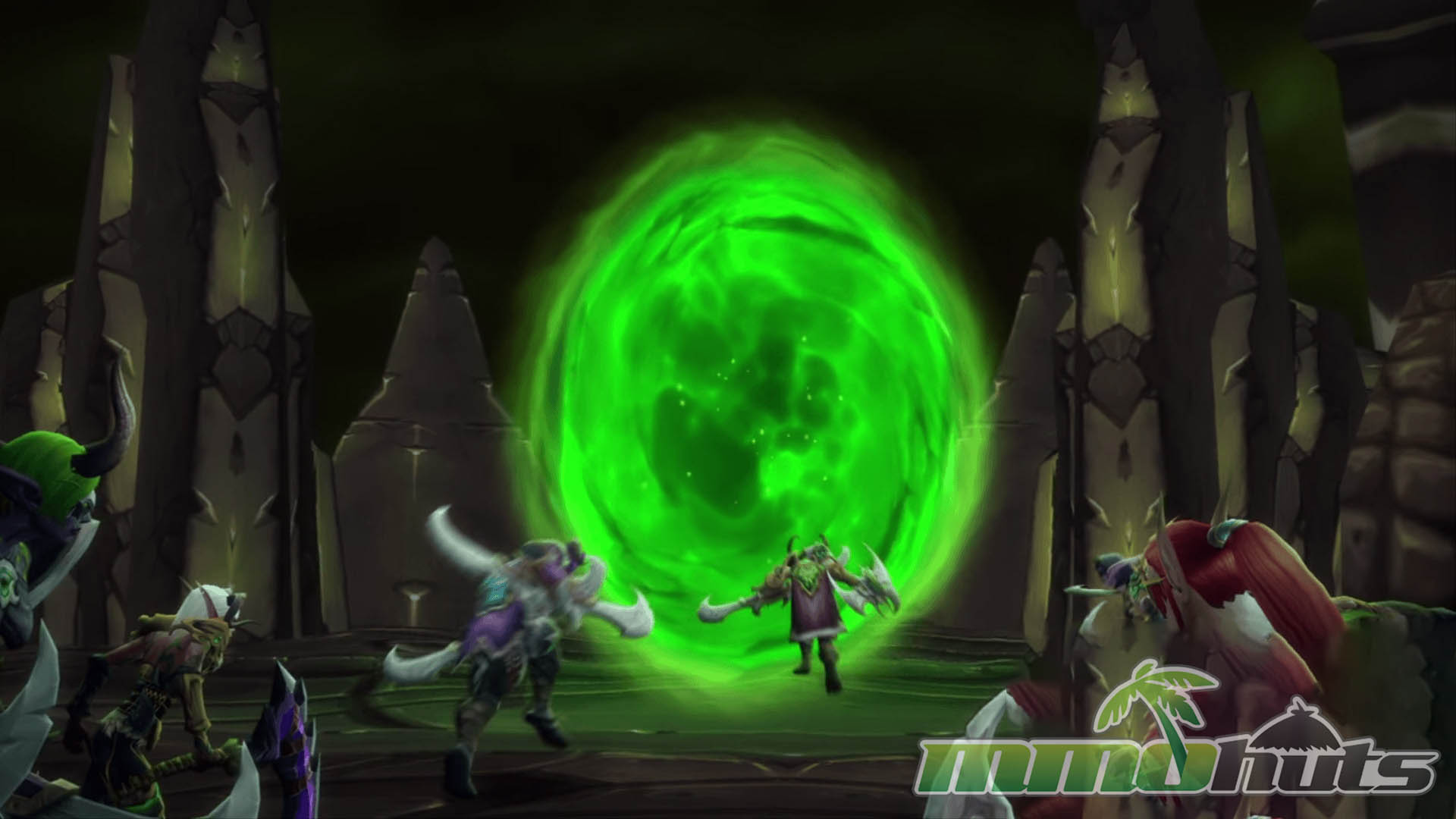
World of Warcraft takes place four years after Warcraft 3: The Frozen Throne and leans heavily on the setting’s history. The game’s narrative is not confined to a single main plot, it is spread through zones, dungeons, major characters, and thousands of quests. Some tasks are still the classic MMO staples (kill targets, gather items), but WoW regularly offsets that with longer quest chains, humor, and moments that connect directly to the franchise’s iconic figures.
What gives the lore its impact is the scale and continuity of the world. Azeroth feels like a living place with regions that have their own identity, problems, and politics, and the game constantly invites you to learn more if you want to. Players who enjoy reading quest text and following story threads can treat WoW as a lore-heavy MMO, while those who prefer efficiency can move through content quickly without being forced to engage deeply.
Character Creation and Early Choices
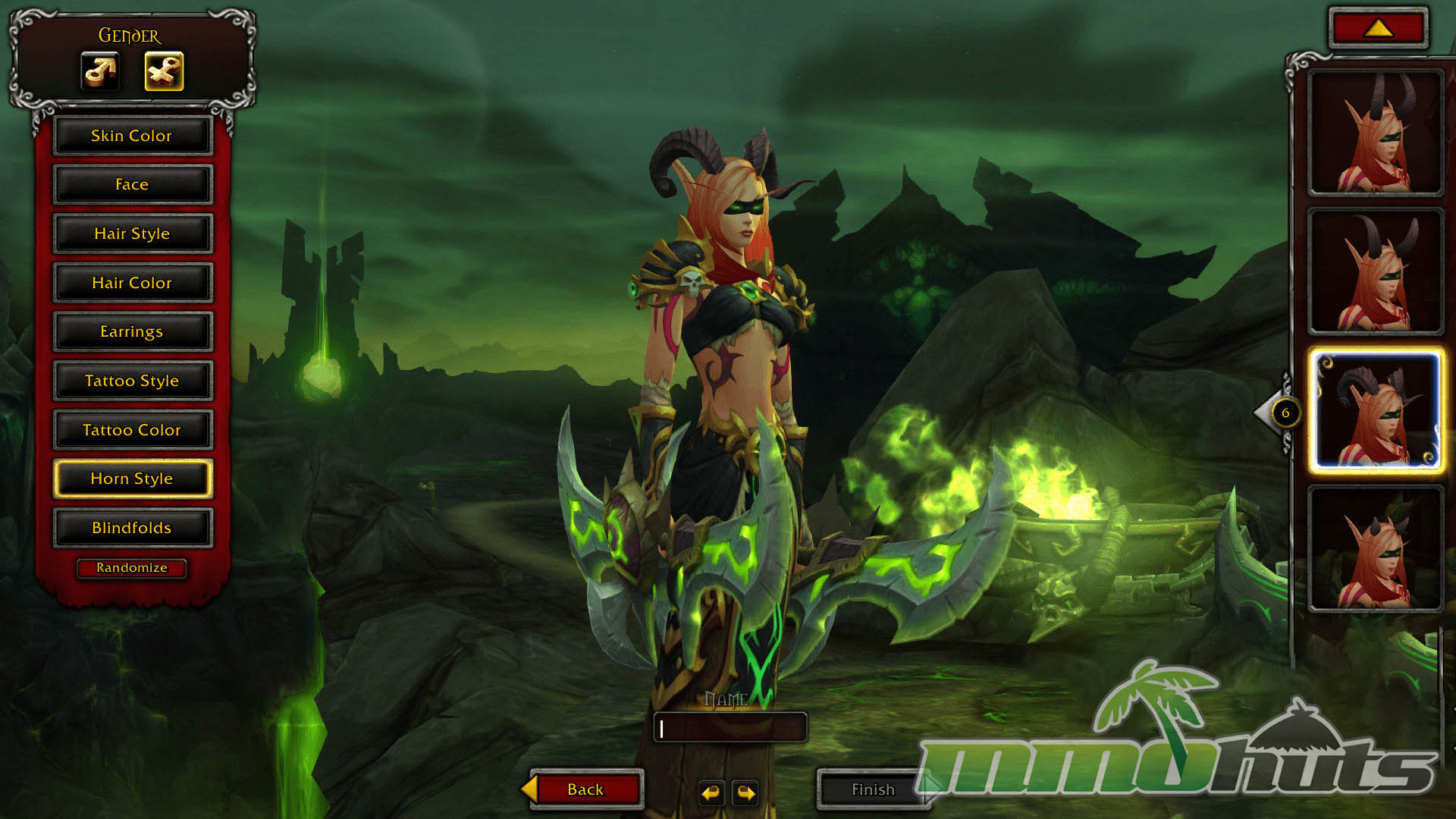
Your first major decision is faction, Horde or Alliance. While the game once restricted players to a single faction per server, that limitation was later removed, making it possible to maintain characters on both sides on the same realm. Class and race selection is also a big part of WoW’s identity. With eleven playable classes and thirteen races, the game offers more combinations than many competitors, and racial traits add small mechanical flavor without typically dictating what is “required” for a class.
Customization of appearance is one area where WoW shows its age. Options tend to be limited to a modest selection of faces, hair styles, colors, and a few extra details. Compared to modern MMOs with extensive sliders, it can feel sparse. The upside is that WoW’s gear, transmog, mounts, pets, and titles do a lot of the work when it comes to making your character look distinct over time.
Leveling and Zone Progression
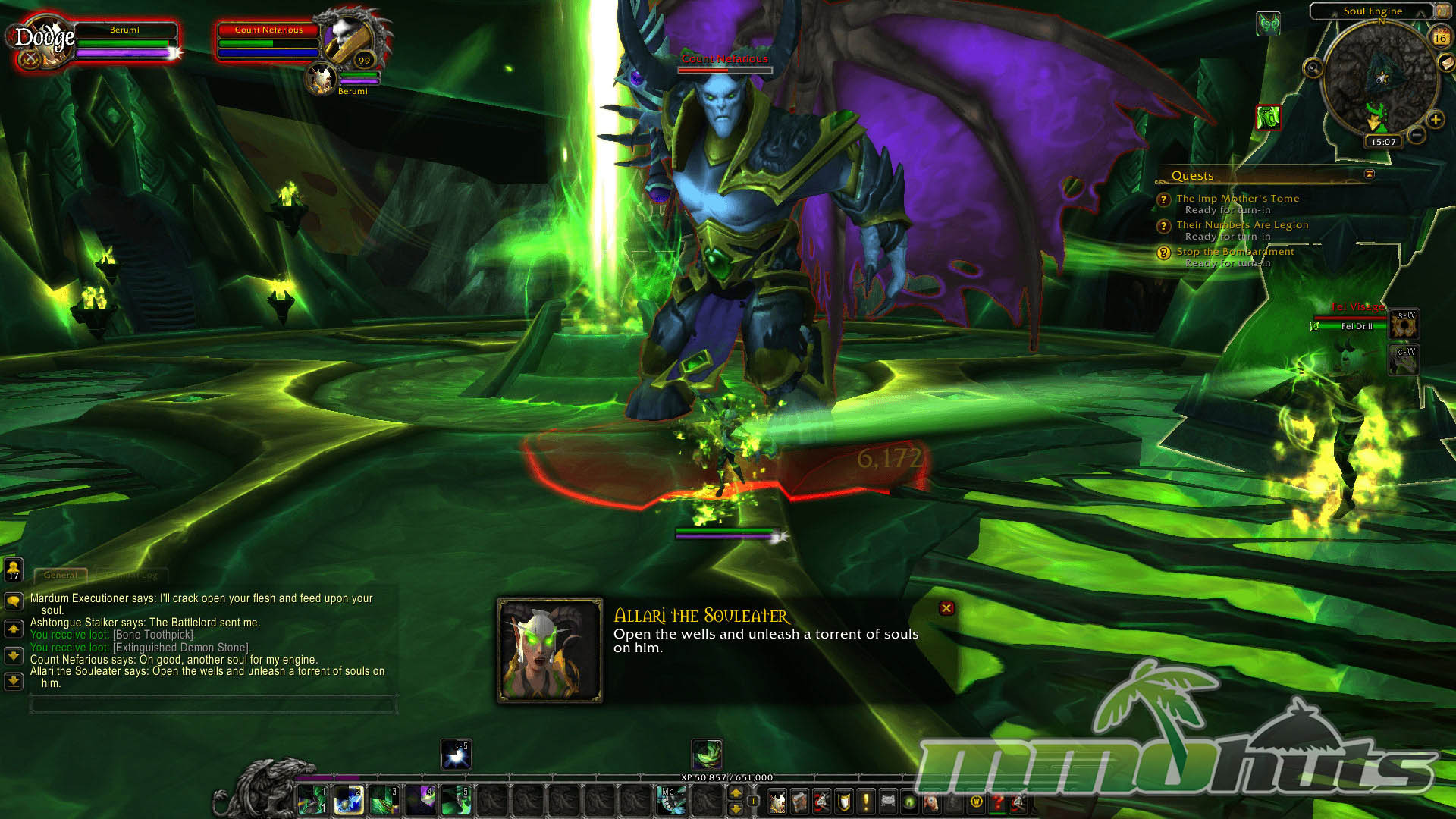
Each race begins in its own starting region with early quests designed to ease you into movement, combat, and basic class tools. These areas are not isolated tutorial instances, they are part of the shared world, which helps Azeroth feel cohesive even at level one. A short voiced introduction sets the tone, then you are free to start questing immediately.
As you level, the game steadily expands what it asks of you, more abilities, tougher enemies, and longer travel routes. The pacing is generally approachable, and the game does a good job of letting you learn your role without throwing too many systems at you at once.
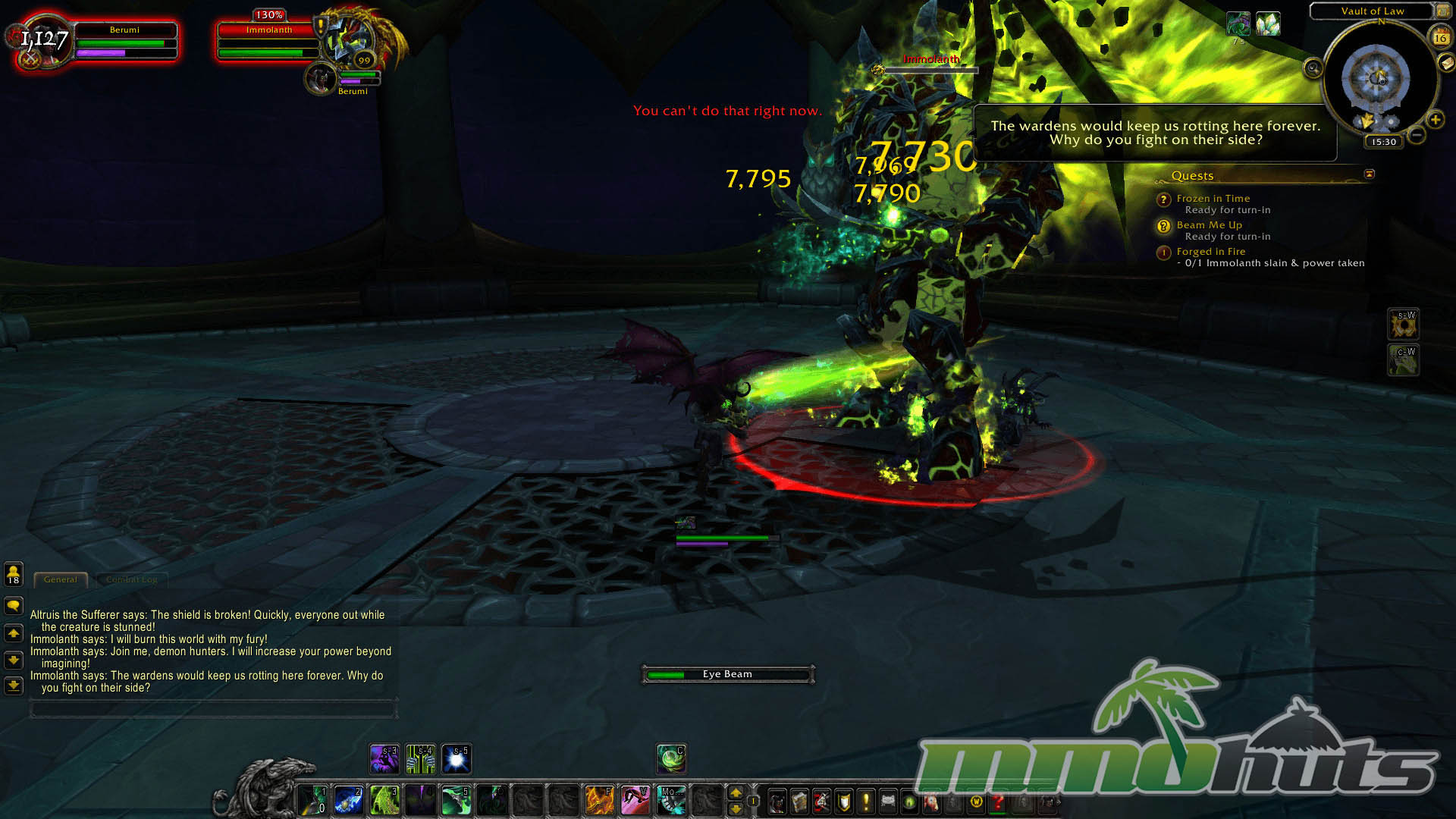
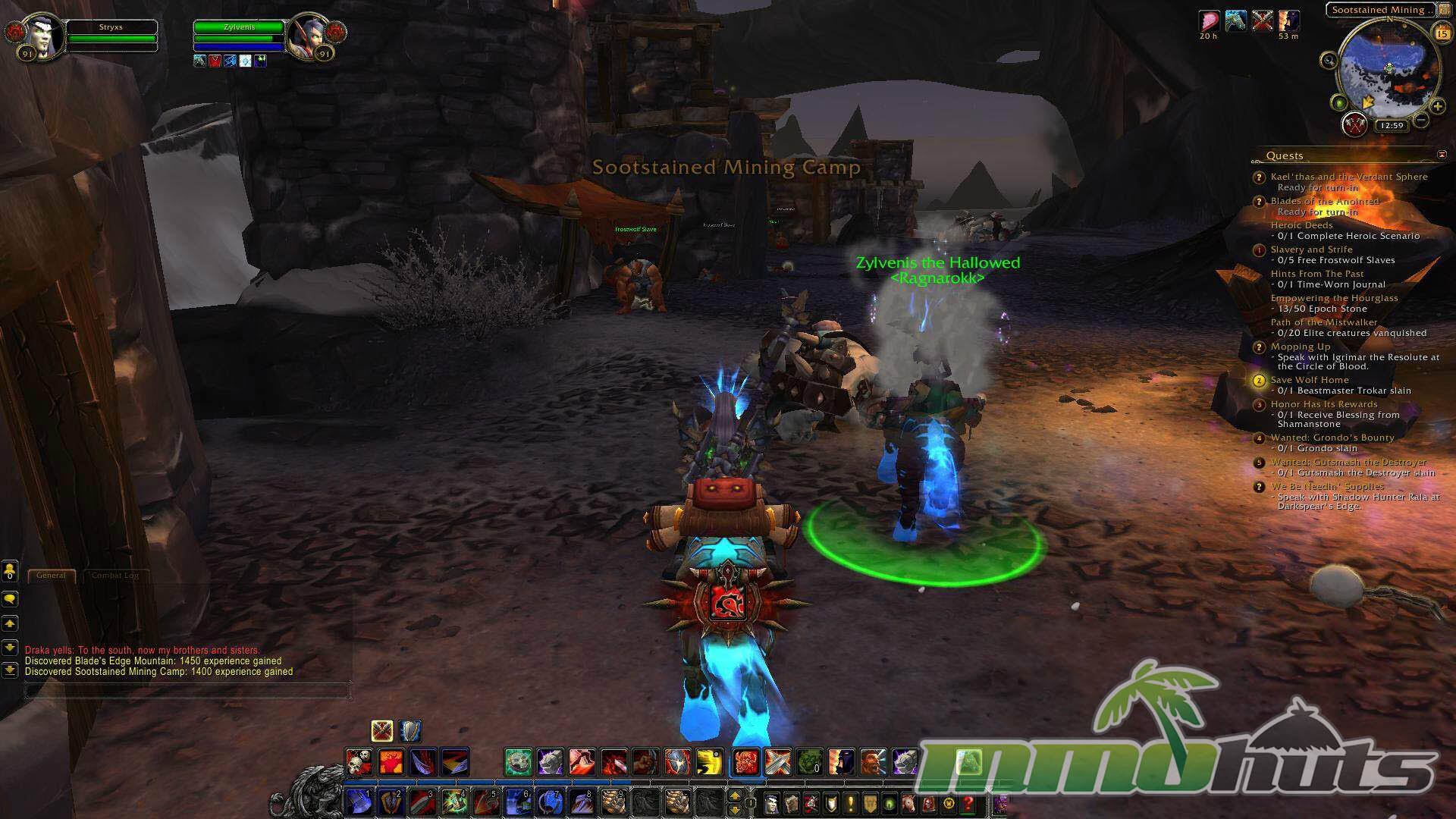
Where WoW distinguishes itself is in how flexible leveling can be. While there is a natural “path” through regions, you are rarely locked into a single zone sequence. At many levels, you can choose between multiple areas that fit your character’s range, and the world map helps by labeling zones with appropriate levels. This gives players freedom to chase storylines they like, avoid a zone they find dull, or simply follow friends to different regions without derailing progression.
Combat, Specs, Talents, and Long-Term Systems
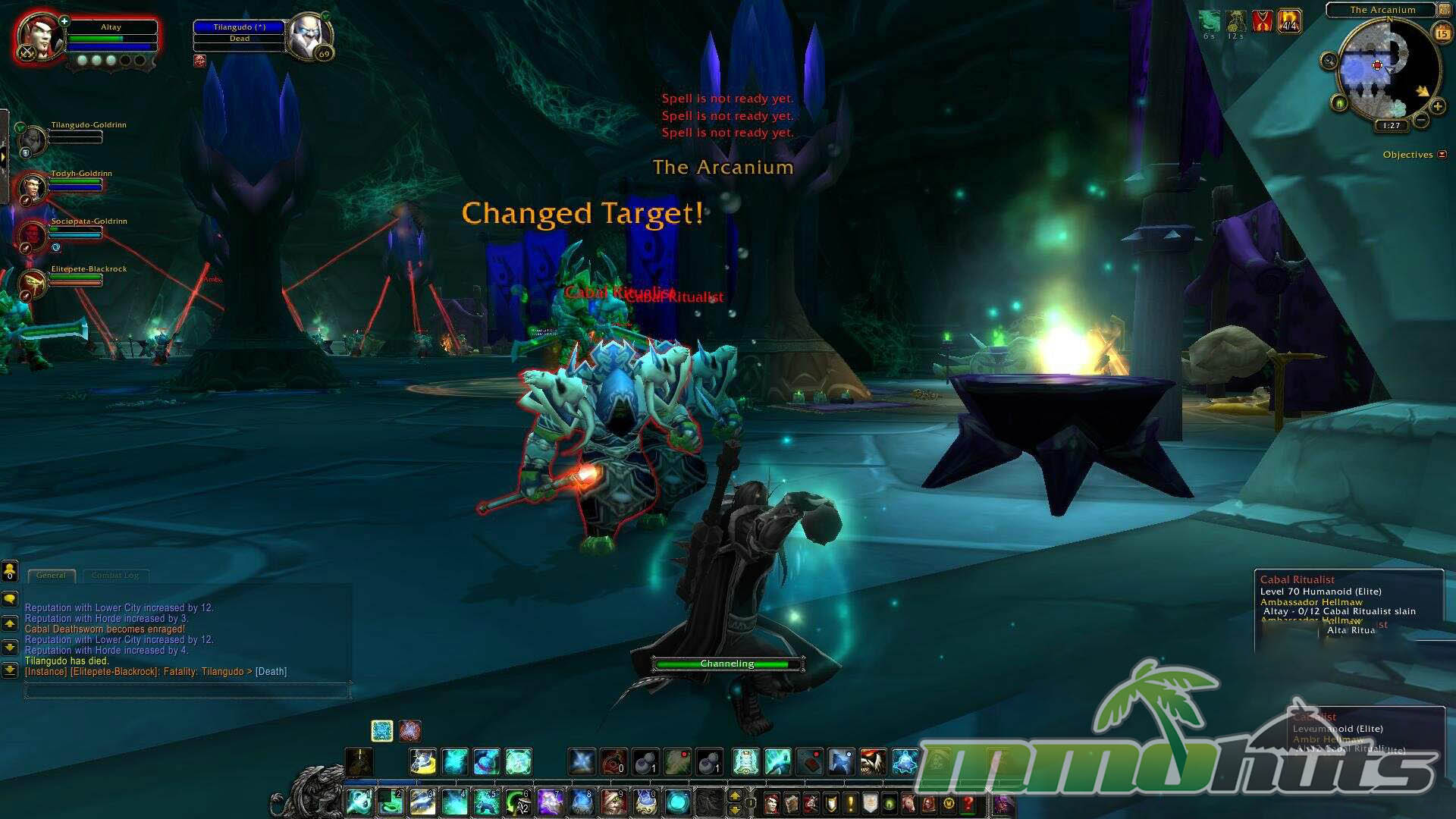
Moment-to-moment play is classic hotbar MMO design. Movement is handled with WSAD, abilities are triggered via hotkeys, and rotations evolve as you unlock more skills. Each class has 3 specializations that open up at level 10, and the ability to respec at any time makes experimentation practical. That design is one of WoW’s biggest strengths, a single class can often fill very different roles depending on spec, such as damage, tanking, or healing.
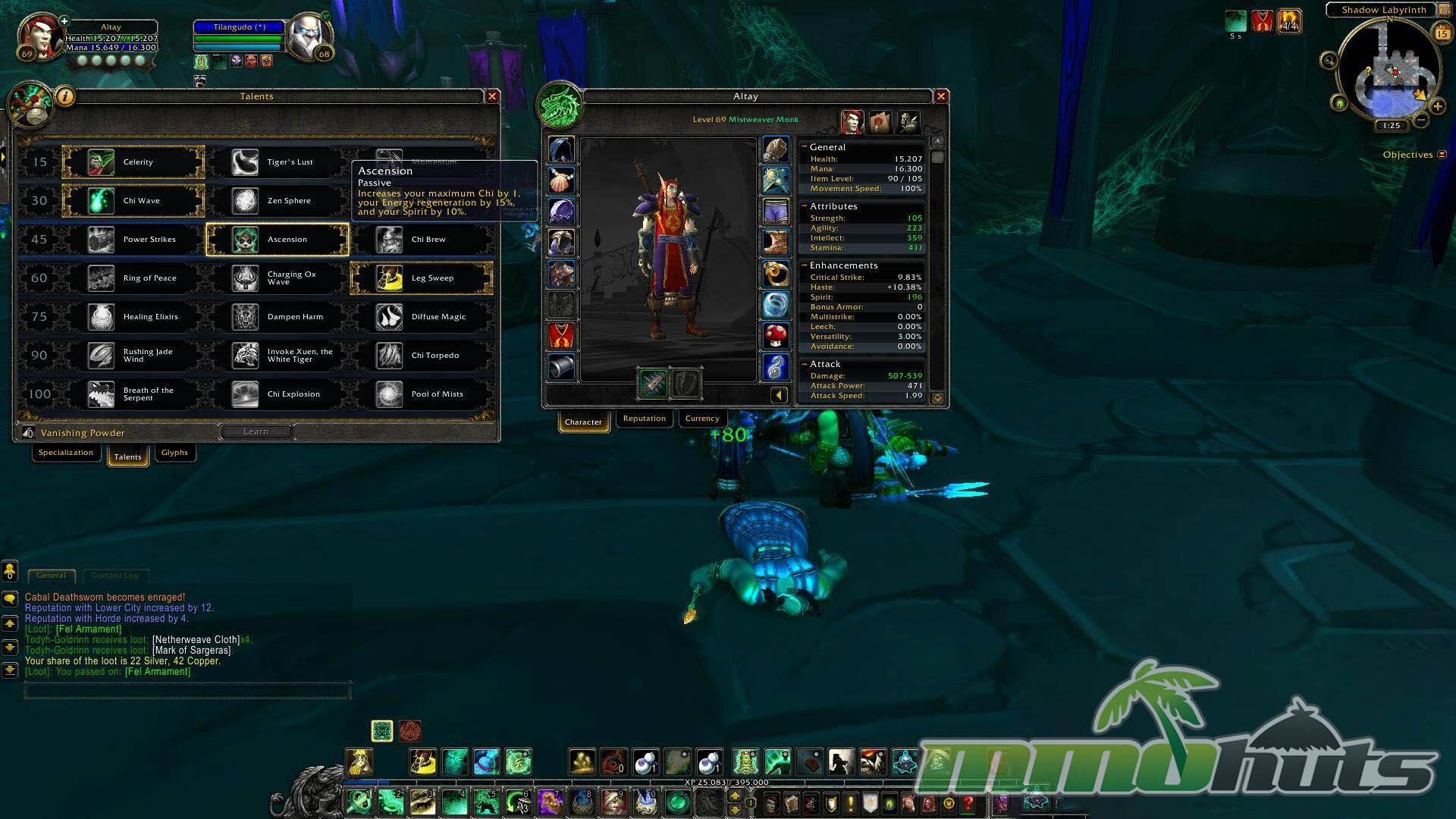
Talents add another layer of choice, offering one of three options every 15 levels (and level 100). Glyphs provide smaller tweaks and convenience-style improvements to abilities. Both systems can be changed using inexpensive items (Vanishing Powders and Tomes of Clear Mind), which encourages trying different setups rather than locking you into a single build.
Beyond combat, WoW’s content breadth is a major part of its staying power. Professions like blacksmithing and enchanting support both self-sufficiency and the player economy, and niche pursuits like Archeology give completionists more to chase. The achievement system is also enormous, with over 2400 achievements (more being added regularly!), reinforcing the idea that there is always another long-term goal available.
WoW also helped define what modern MMO structure looks like. Instanced dungeons, in particular, became a genre standard in large part because they solve common problems of shared-world dungeon camping and contested bosses. WoW’s mix of open-world adventuring and instanced group content remains one of the most approachable implementations in the genre.
PvP Options: World Conflict, Arenas, and Battlegrounds
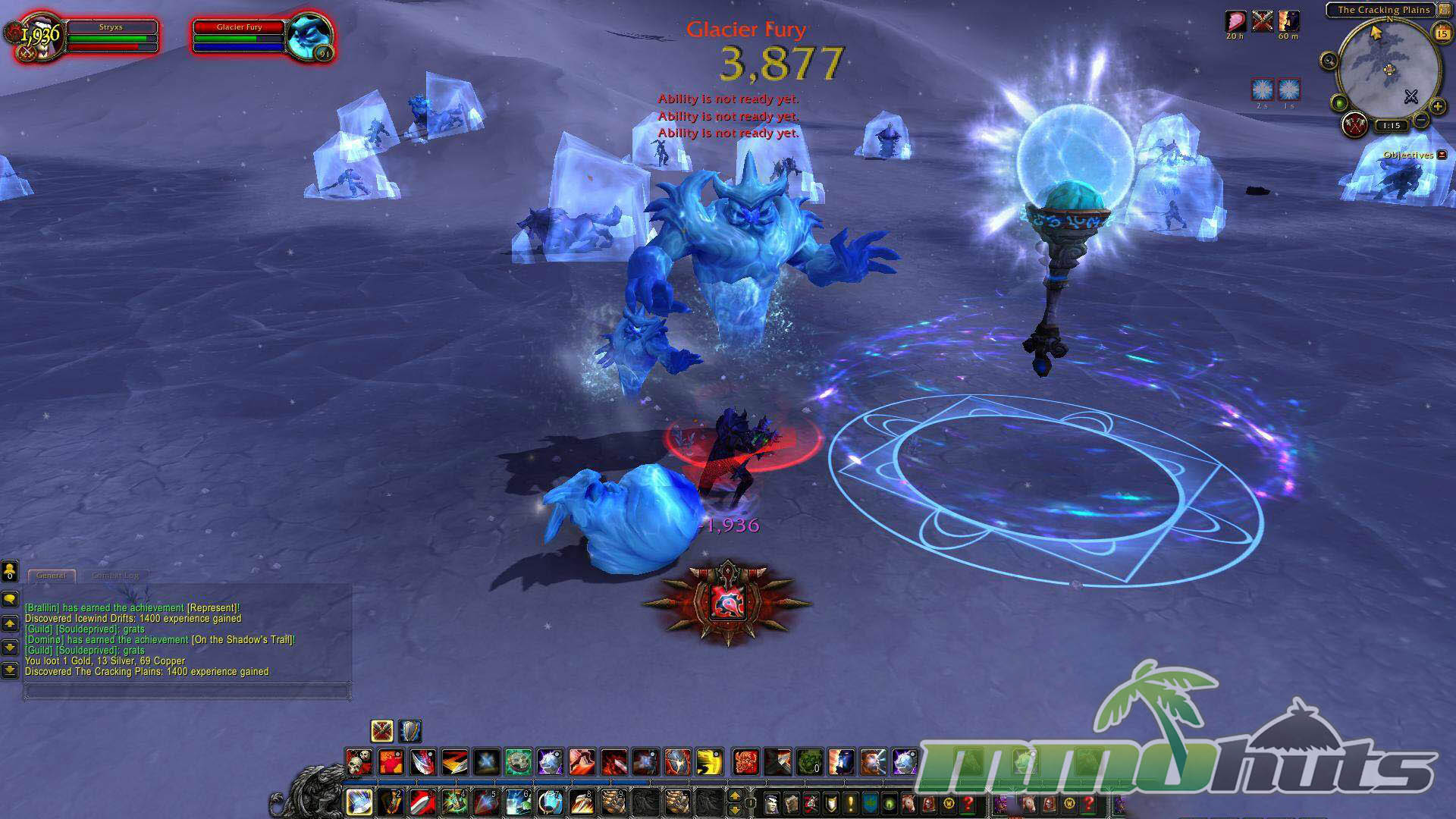
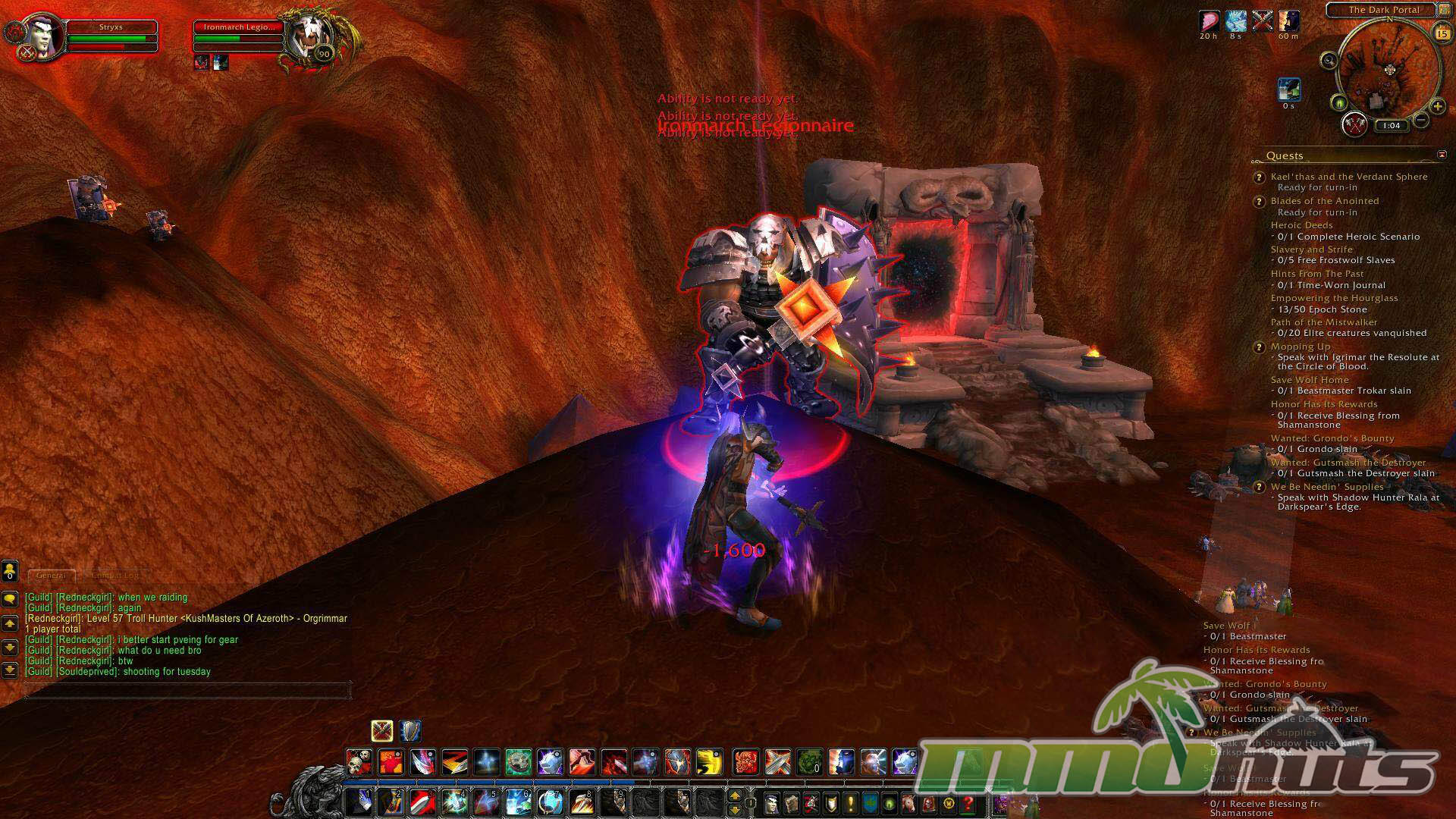
World of Warcraft supports several PvP styles, and they cater to very different player types. Open-world PvP is tied to PvP servers, where Horde and Alliance can fight throughout the world. Victories award honor, which functions as a currency for PvP gear, and honor is also earned through Arenas and battlegrounds.
In practice, open-world PvP can be inconsistent because many realms are heavily skewed toward one faction. That imbalance often makes organic world fights rarer than the concept suggests, especially on servers where one side dominates population.
For structured competitive play, Arenas are WoW’s centerpiece. Matches are fought in compact maps with teams of 2v2, 3v3, or 5v5, with 2v2 and 3v3 being far more common. A rating-based matchmaking system aims to create fairer games, and higher-rated players receive end-of-season rewards (2K+ rating). Arena PvP is fast, punishing, and very coordination-heavy, climbing consistently usually demands reliable teammates and voice communication.
Battlegrounds fill the space for players who want PvP that is more objective-focused and less reliant on tight small-team synergy. These instanced maps revolve around winning conditions that typically fall into three broad types: resource control, capture the flag, and warfare-style maps with pushes and objectives reminiscent of MOBA pacing.
Collecting Mounts and Pets
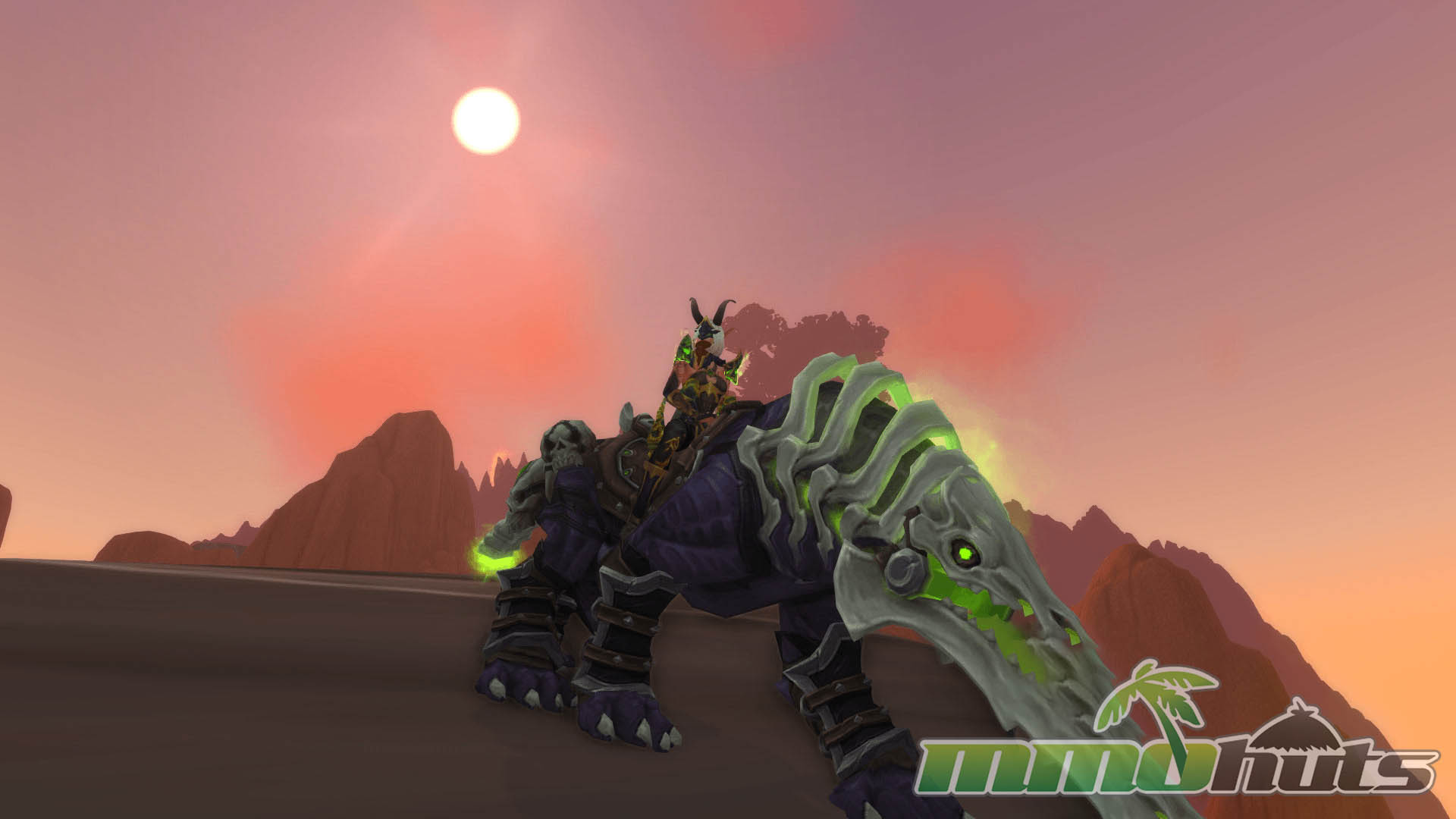
If you enjoy collection gameplay, WoW is one of the strongest MMORPGs on the market. Mounts are account-wide, so unlocking one on a single character makes it available across your roster, which is a meaningful quality-of-life feature for anyone who plays alts. Beyond basic vendor mounts, the game includes a huge number of rare or challenging mounts tied to crafting, quest lines, reputation-style grinds, and boss drops.
Low-drop mounts from older bosses are a major long-term chase for many players, partly because weekly lockouts can stretch the pursuit across months. That kind of rarity is not for everyone, but it does create enduring goals that keep players revisiting older content. Pets also add another layer, from simple cosmetic companions to battle pets that participate in pokemon style battles. Together, these systems make WoW feel broad, there is always another checklist to work on if you enjoy that style of progression.

Quality of Life and Group Finder Tools
Over time, Blizzard has reduced much of the friction that defined early WoW. Group-finding tools allow players to queue for dungeons by selecting a role (DPS, Tank, or Healer), then automatically forming a party. Dungeons also typically place quest NPCs near the entrance so groups can pick up relevant objectives quickly without extra travel.
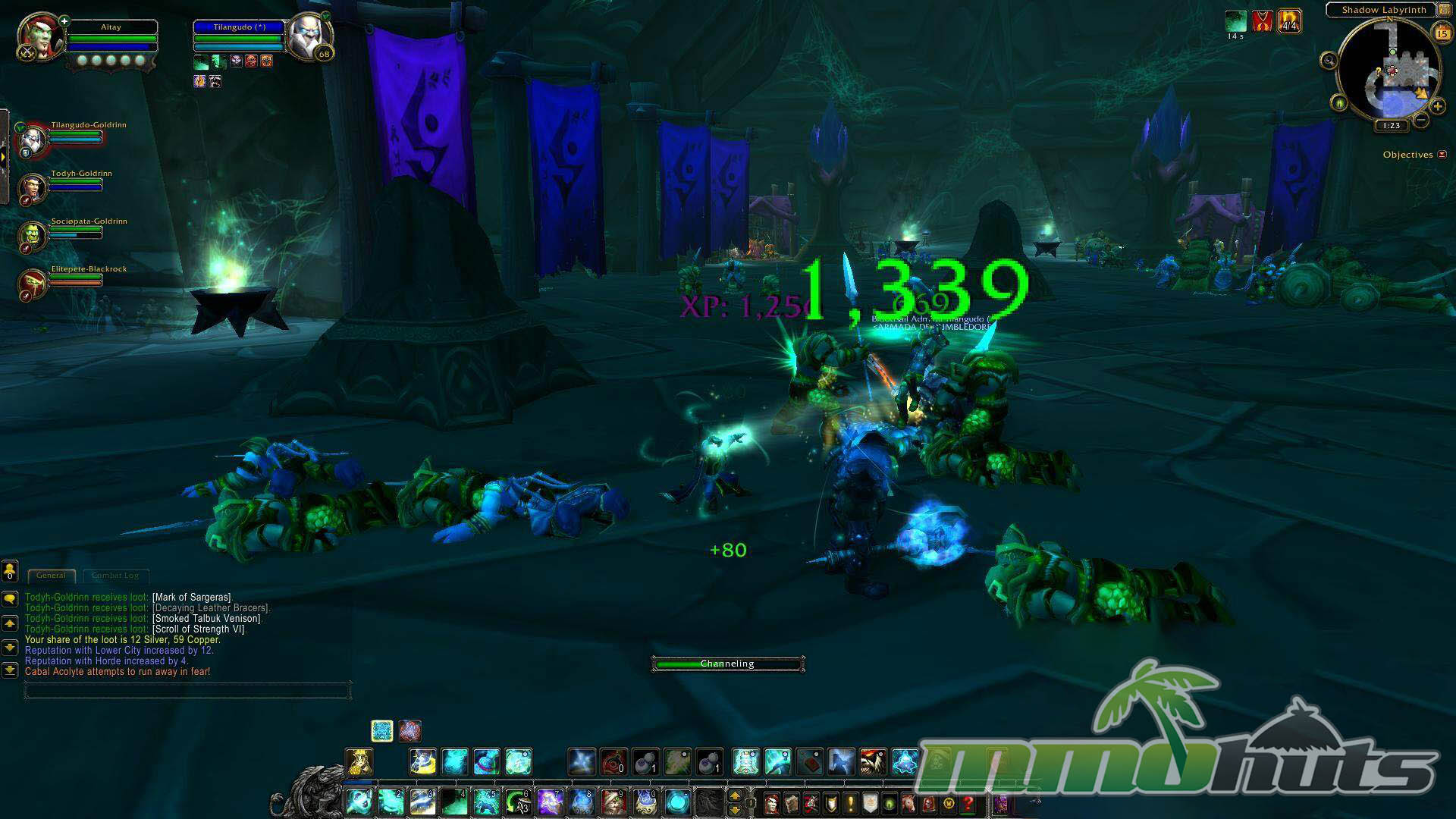
At endgame, the “Looking for Raid” system provides access to raids through matchmaking, with item level requirements (ilvl) helping ensure groups have a baseline of gear. This makes raid content accessible to a far wider audience than in the early years of WoW, where organized guild schedules were often mandatory. Players who want the more demanding version of raiding can pursue “heroic” mode with coordinated groups, where execution checks and coordination matter far more.

How Challenging Is WoW Today?
World of Warcraft has changed its difficulty profile significantly across expansions. Early-era content (often remembered as “Vanilla”) had a slower pace and a harsher learning curve, especially in group content. Raids like Molten Core and Blackwing Lair built reputations as long, demanding experiences where mistakes were costly and progress came in small steps.
Over later expansions, leveling and many baseline PvE activities became more streamlined and generally easier to complete without setbacks. That shift is understandable, it reduces barriers for new players and makes it simpler to reach the current expansion’s content, but it also means that much of the open-world and queued content can feel forgiving.
The good news is that challenge has not disappeared, it has been concentrated. Players looking for demanding gameplay can still find it in higher-difficulty modes and organized group content. The broader game often prioritizes accessibility, while the upper tiers remain the place to go for players who want tight mechanics, coordination, and meaningful failure states.
In other words, WoW’s difficulty is now more “opt-in” than it once was. That can be a downside for players who miss the constant pressure of older MMO design, but it also helps explain why WoW continues to appeal to such a wide range of players.
Cash Shop and WoW Tokens
Despite being subscription-based, World of Warcraft includes a microtransaction store. Most items are cosmetic, such as mounts and pets, and do not directly change combat power. The most debated option is the level 90 boost, which immediately raises a character to level 90. Anyone who purchased the Warlords of Draenor expansion received one boost, and additional boosts can be bought separately. They are $60 a pop as of this review. The idea is to let players reach later content faster, particularly veterans creating alts, but for new players it can skip the part of the game that teaches class fundamentals and world familiarity.
As of April 7th, 2015 with the launch of Patch 6.1.2, WoW also introduced a token system that allows players to exchange in-game gold for “tokens” that extend game time. This creates a legitimate path to fund a subscription through gameplay and also provides a safer alternative to third-party gold trading. Similar concepts existed in other MMORPGs earlier (Eve Online being a notable example), but it remains a strong addition to WoW’s economy and player options.
Final Verdict – Excellent
World of Warcraft continues to earn its reputation as the genre’s most enduring subscription MMORPG. It combines a huge amount of content with strong presentation, satisfying class gameplay, and endgame activities that scale from casual to extremely demanding. While some older design elements show their age (especially character customization, and the uneven value of certain legacy zones), the overall package is still one of the most complete MMO experiences available.
World of Warcraft Links
World of Warcraft Official Site
World of Warcraft Wikipedia
World of Warcraft Gamepedia [Database / Guides]
World of Warcraft Wikia [Database / Guides]
World of Warcraft Reddit
World of Warcraft System Requirements
Minimum Requirements:
Operating System: Windows XP / 7 / 8 / 10
CPU: Core 2 Duo E6600 / AMD Phenom X3 8750
Video Card: GeForce 8800 GT / Radeon HD 4850 / Intel HD 3000+
RAM: 2 GB (1 GB for Windows XP users)
Hard Disk Space: 35 GB
Recommended Requirements:
Operating System: Windows XP / 7 / 8 / 10
CPU: Core i5 2400 / AMD FX 4100+
Video Card: GeForce GTX 470 / Radeon HD 5870
RAM: 4 GB
Hard Disk Space: 35 GB
Mac OS X Minimum Requirements
Operating System: OS X 10.8.x
CPU: Intel Core 2 Duo
Video Card: GeFroce 9600M GT / Radeon HD 4850
RAM: 2 GB
Hard Disk Space: 35 GB
World of Warcraft Music & Soundtrack
Coming Soon!
World of Warcraft Additional Information
Developer: Blizzard Entertainment
Designer(s): Rob Pardo, Jeff Kaplan, and Tom Chilton
Composer(s): Jason Hates, Tracy Bush, Derek Duke, and Glenn Stafford
Other Platforms: Mac OS X
Foreign Release Dates:
Australia / New Zealand: November 23, 2004
South Korea: January 18, 2005
Europe: February 11, 2005
China: June 7, 2005
Taiwan / Hong Kong / Macau: November, 2005
Russia: August 6, 2008
Brazil: December 6, 2011
World of Warcraft Expansion Pack Release Dates:
The Burning Crusade – January 16, 2007 (Level cap raised to 70)
The Wrath of the Lich King – November 13, 2008 (Level cap raised to 80)
Cataclysm – December 7, 2010 (Level cap increased to 85)
Mists of Pandaria – September 25, 2012 (Level cap raised to 90)
Warlords of Draenor – November 13, 2014 (Level cap raised to 100)
Legion – August 30, 2016 (Level cap raised to 110)
Battle for Azeroth – August 14, 2018 (Level cap raised to 120)
Shadowlands – November 23, 2020 (Crunched levels down. Level cap set to 60)
Dragonflight – November 28, 2022 (Level cap increased to 70)
The War Within – August 26, 2024 (Level cap increased to 80)
Midnight – March 2, 2026 (Level cap increased to 90)
Development History / Background:
World of Warcraft was created by American developer Blizzard Entertainment as the company’s first major step into the rapidly expanding MMORPG market. It was announced publicly at a video game trade show in September 2001 and reached release in 2004 after a 4-5 year development cycle. Early development leveraged technology related to the engine that powered Warcraft 3, then evolved as the scope grew and the audience expanded.
World of Warcraft launched in China on June 7, 2005 through its local publishing partner The9. China became an important region for Blizzard, with World of Warcraft establishing itself as one of the most popular MMORPGs in much of Asia. After several years, Blizzard moved publishing rights from The9 to Netease. Netease remains Blizzard’s exclusive partner in China and also publishes other Blizzard titles in the region, including Heroes of the Storm and Diablo 3.
World of Warcraft peaked at over 12 million subscriptions back in October 2010. The game had 7.1 active subscriptions as of May 7, 2015. Even with changing MMO trends and increased competition, WoW has remained a major source of revenue for Blizzard and is still frequently cited as one of the best MMORPGs ever made.