EVE Online is a long-running sandbox MMORPG with a hard sci-fi vibe and a reputation for letting players write the universe’s most memorable stories. Instead of pushing you down a theme park track, it drops you into New Eden with a ship, a skill plan, and the freedom to become anything from an industrial magnate to a pirate, spy, trader, or frontline fleet pilot.
 | Publisher: CCP Games Playerbase: High Type: MMORPG Release Date: May 6, 2003 Pros: +Massive universe with real room to roam. +Deep PvP ranging from duels to massive wars. +Older, generally supportive community. +Economy largely shaped by players. Cons: -Very demanding learning curve. -Solo play can turn into routine grinding. -UI and controls can feel dated and fiddly. |

EVE Online Overview
EVE Online is a sandbox MMORPG set across a huge science fiction star map where the most important content is often created by the players themselves. You begin your life in New Eden, a distant cluster of civilization and conflict, and from there you can move through thousands of connected systems, taking on whatever role you’re willing to learn and commit to. The sense of scale is one of EVE’s defining traits, stations feel enormous, ships range from small craft to city-sized capital hulls, and travel can take you from safe trade hubs to lawless border regions.
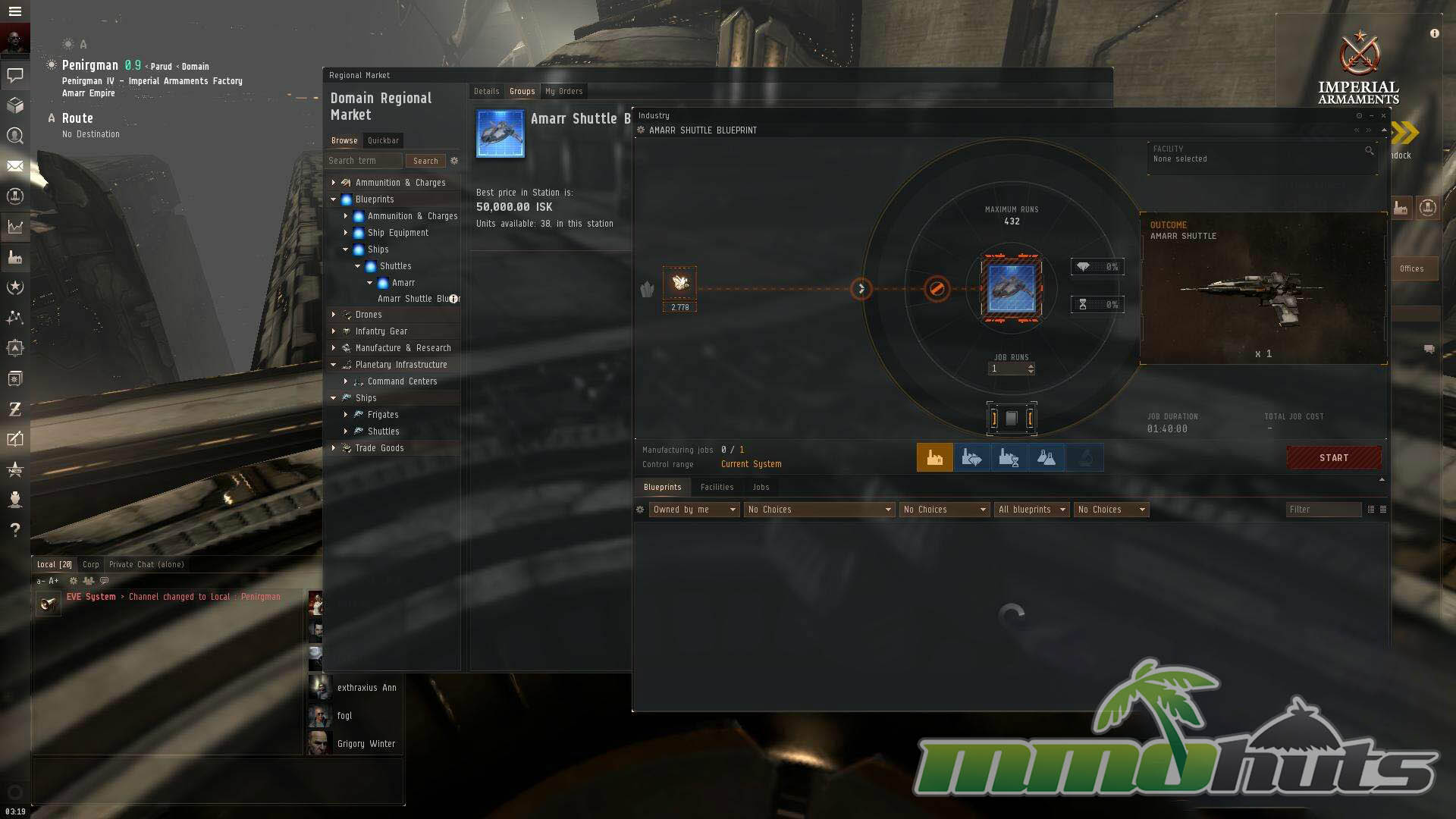
Progression in EVE is less about chasing a single “endgame” and more about building a career. Some pilots mine and refine ore, manufacture ships and modules, haul cargo between markets, or play the margins as traders. Others live for piracy, hunting, scouting, or corporate warfare. Politics matter, logistics matter, and information matters, because the sandbox is built around player organizations and the consequences of their choices.
A major pillar is the economy, which is heavily influenced by what players produce, move, destroy, and hoard. Markets are not just background flavor, they are a battlefield of their own, and it is possible to profit through smart planning, timing, and risk management. At the social level, corporations (the game’s guilds) shape most long-term play, whether you want protection and mentorship, a steady industrial machine, or a war-focused group that lives for territory control.
EVE also has a long history of frequent updates and expansions that add systems, rebalance ships, and expand what pilots can do in New Eden. The result is a game that has stayed relevant for years, but also one that expects newcomers to learn a lot before they feel fully comfortable.
Eve Online Key Features:
- Sandbox Galaxy – over 5,000 star systems as well as 2,500 wormhole systems to explore.
- Innumerable Ships – hundreds of ships to pilot with no one ship reigning supreme.
- Player-driven Economy – operates under player supply and demand, allowing for market manipulation on a large scale.
- Epic Thousand-person Fleet Warfare – player-run corporations (guilds) engage in battles for control of star systems.
- Player Justice – piracy (ship-to-ship), protection racketeering, theft, and ransom are all permitted.
- Rapid Release Cycle – ten expansions are planned per year on a six-week cycle per expansion.
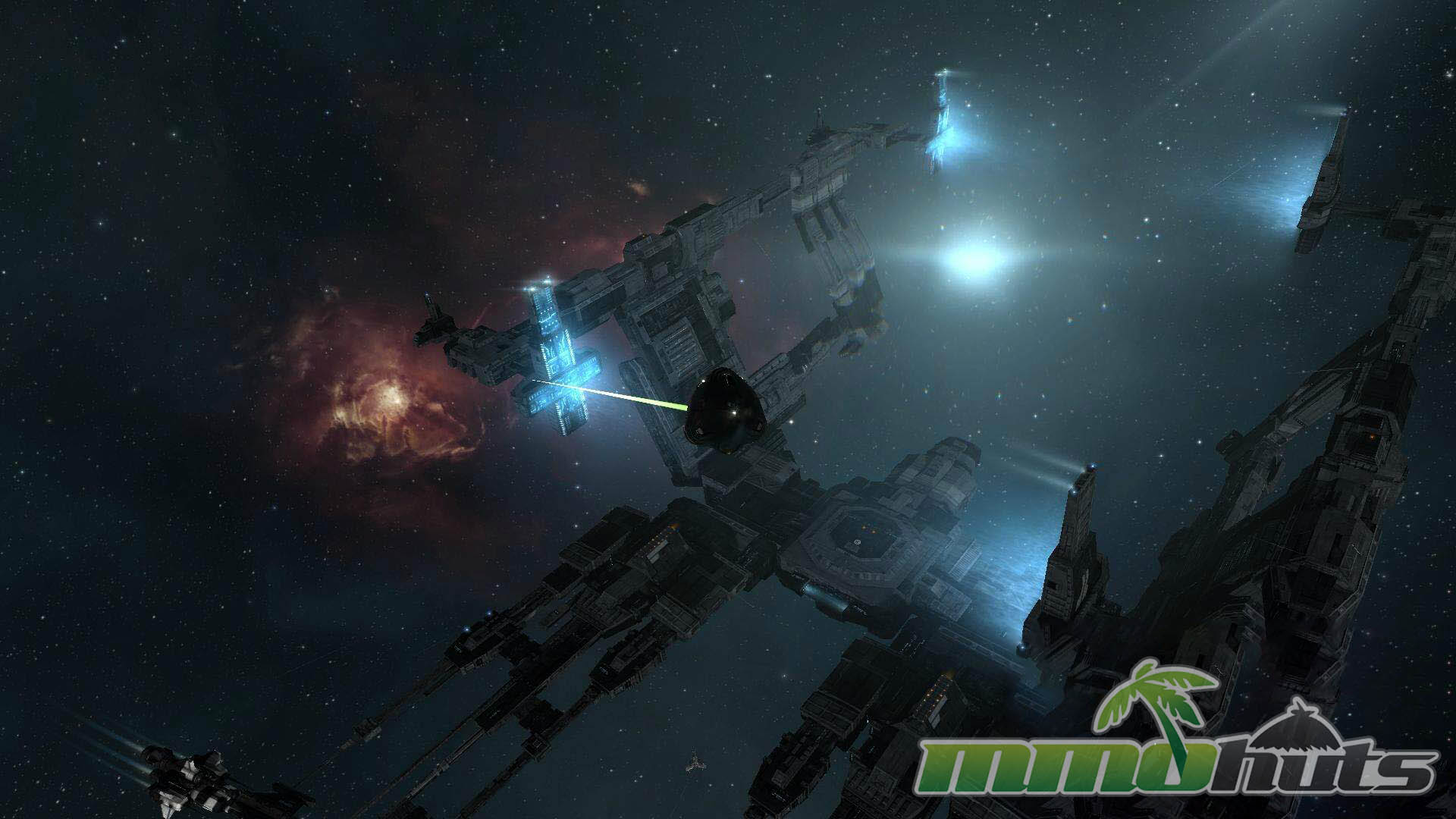
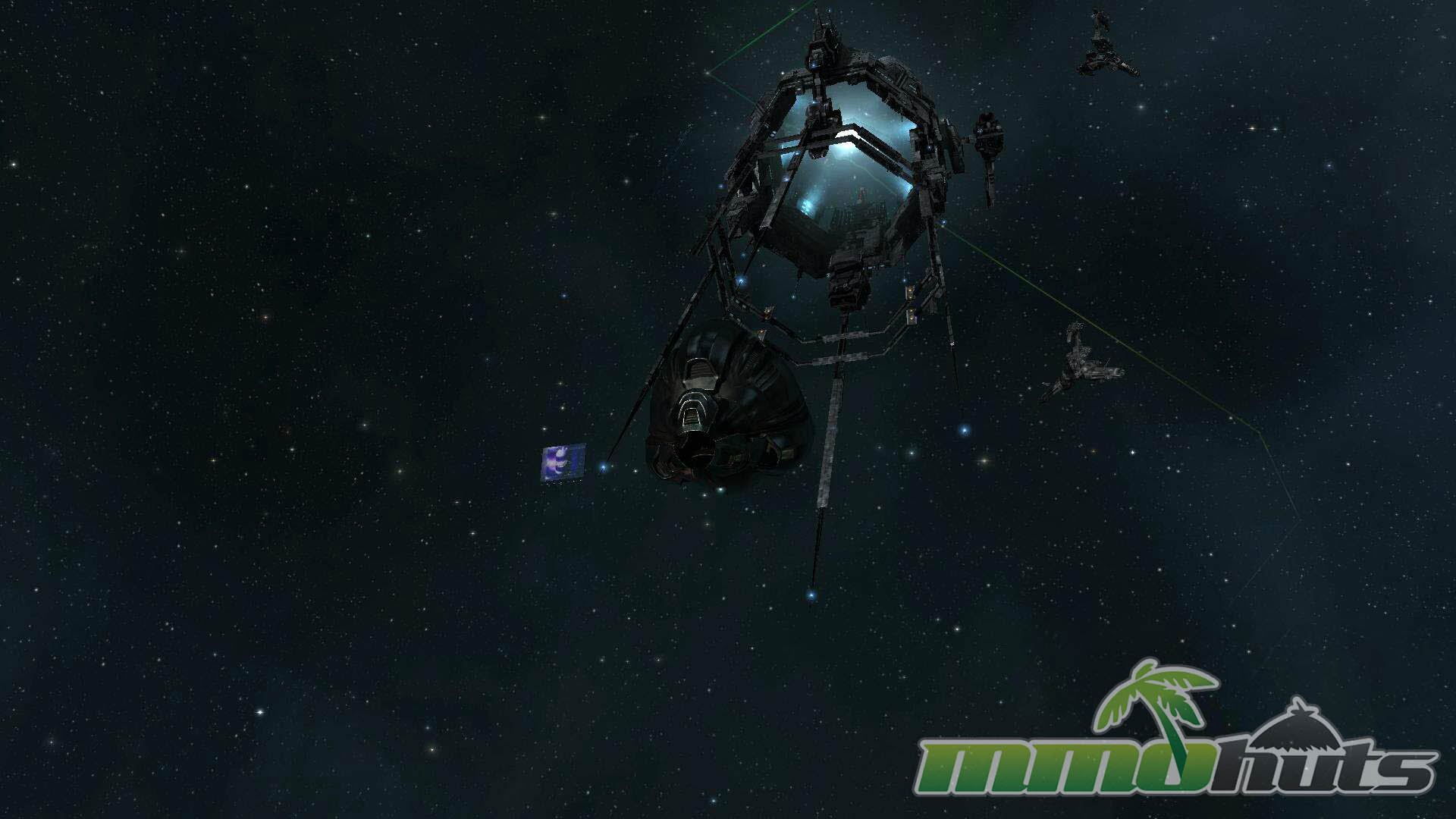
EVE Online Screenshots
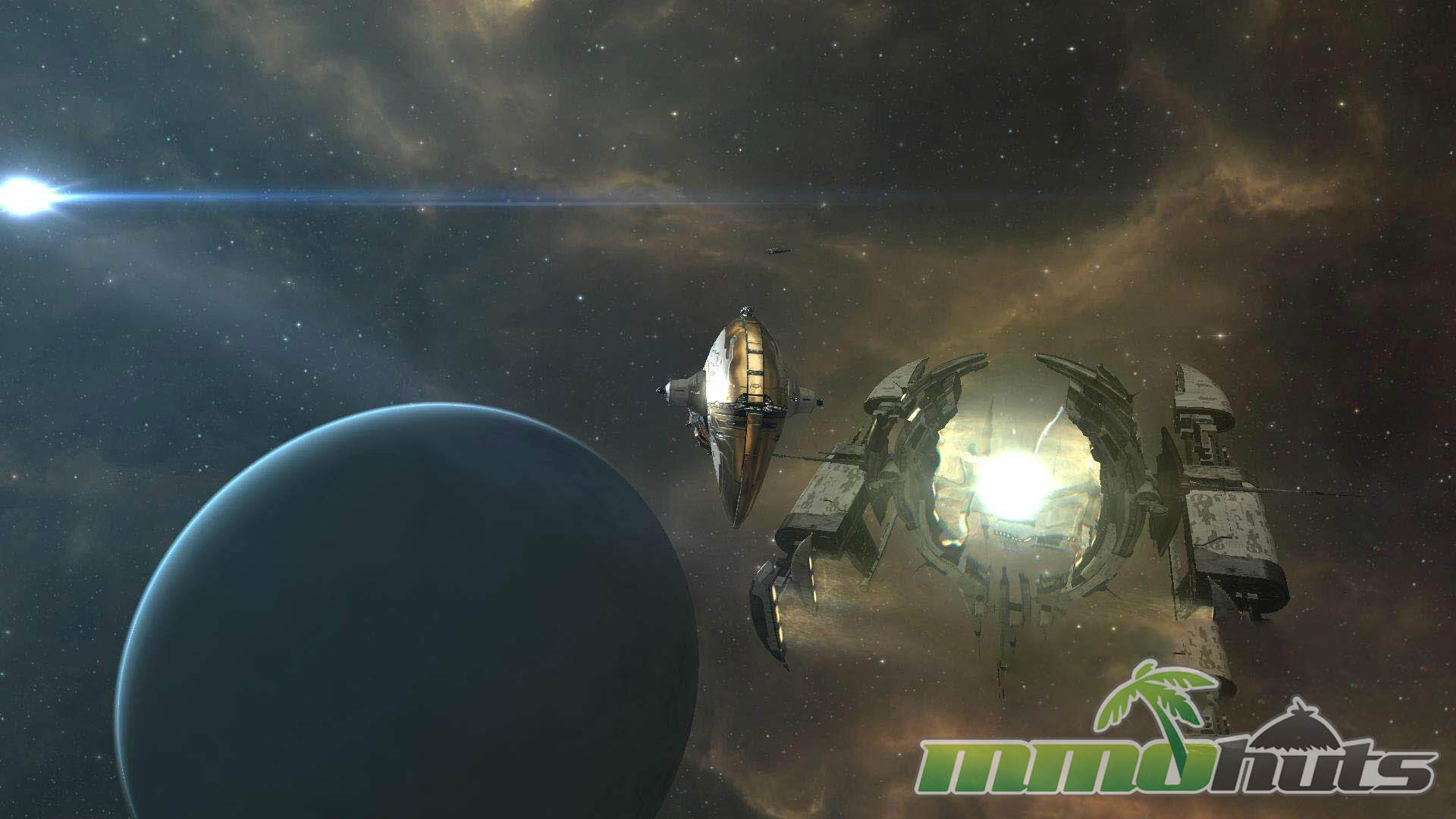
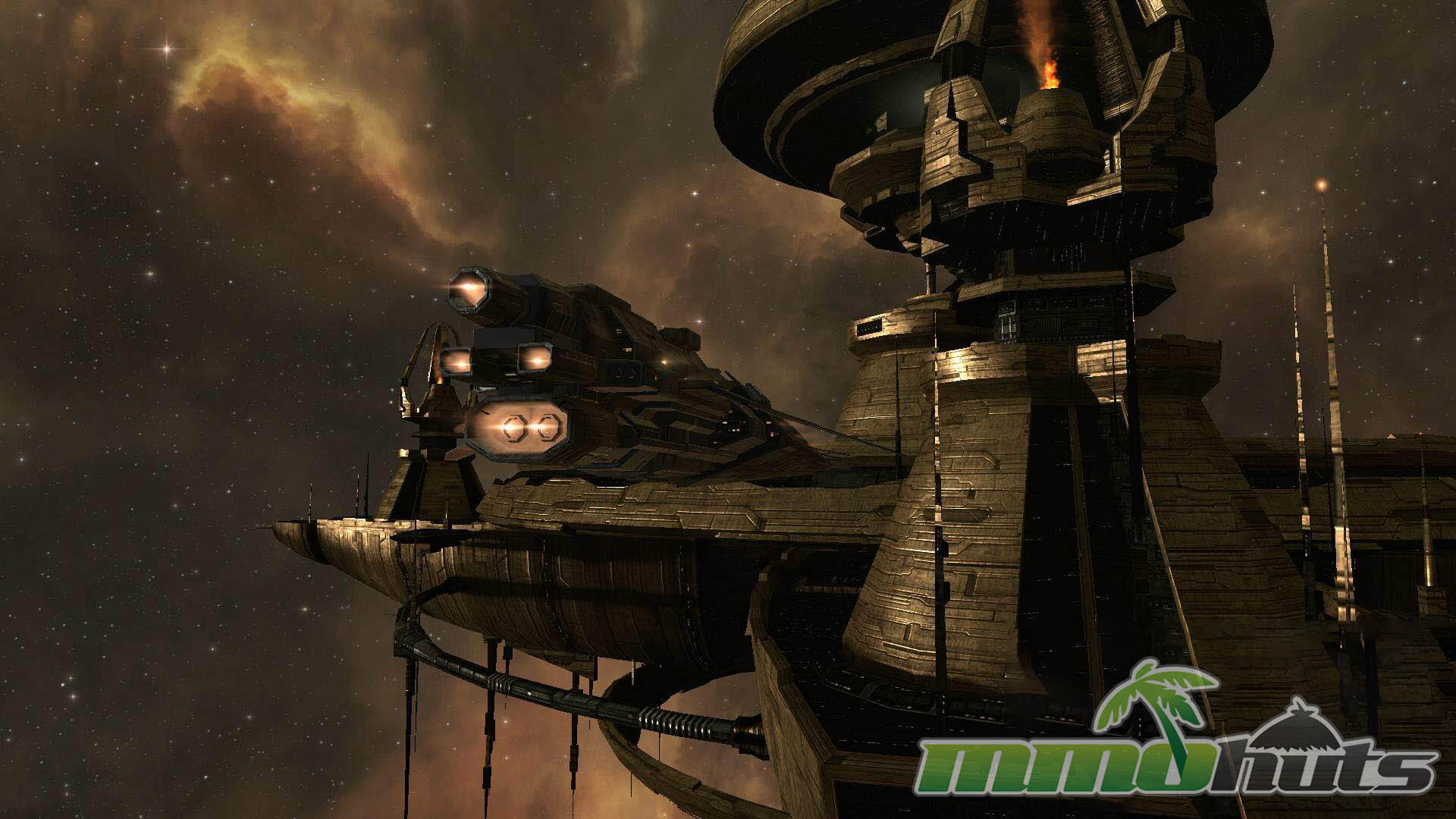

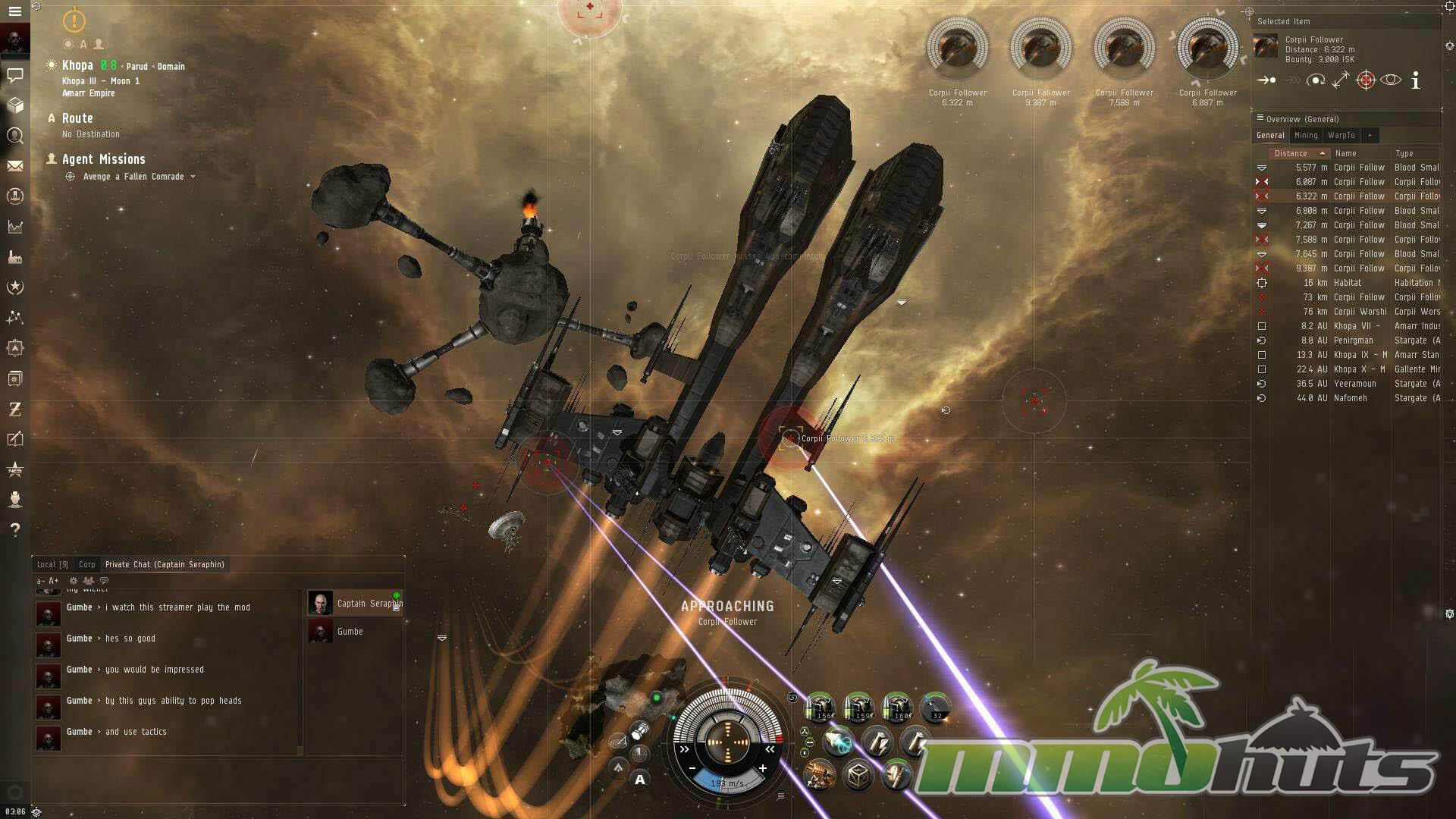
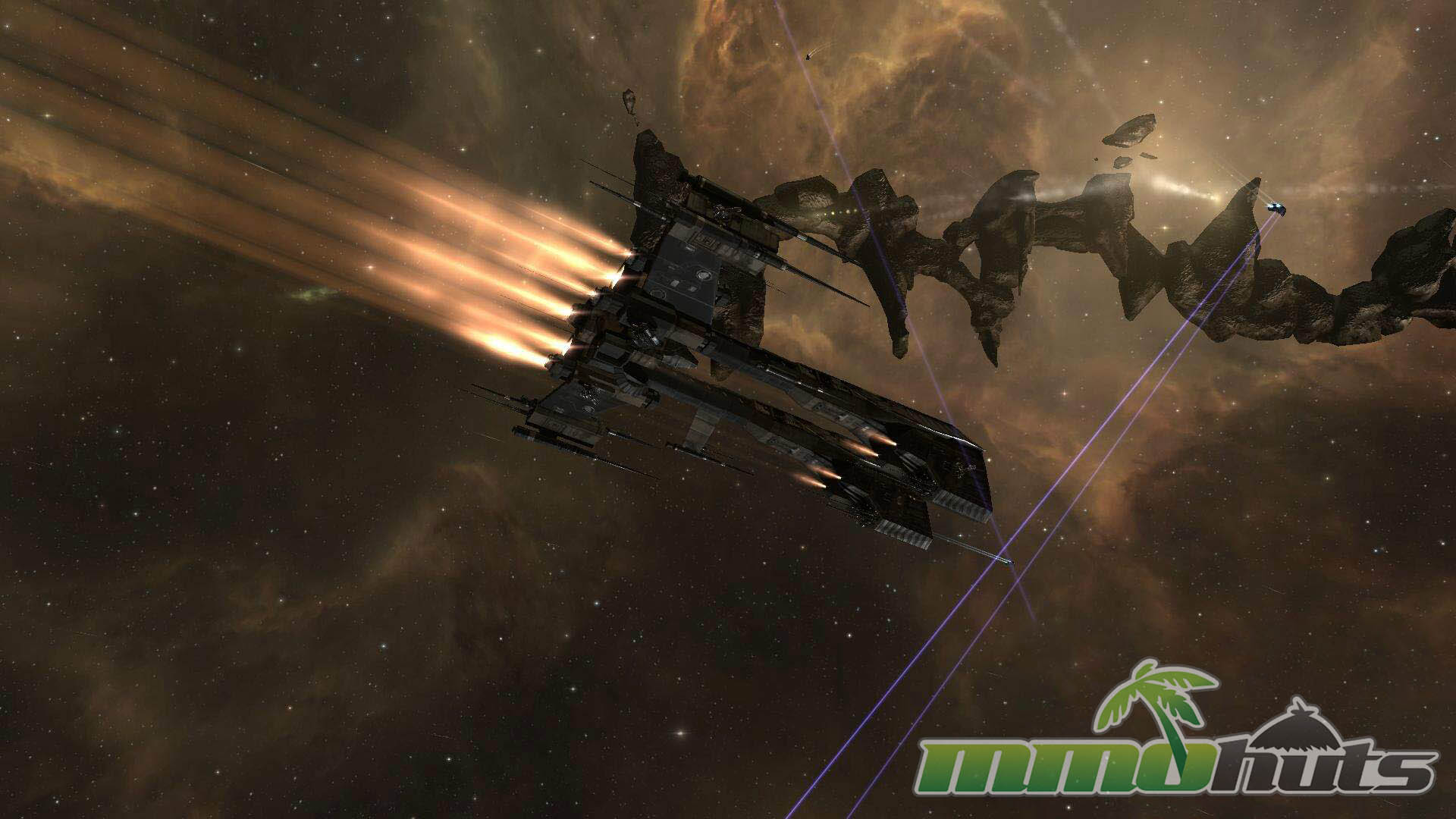


EVE Online Featured Video

EVE Online Races
Amarr – Among New Eden’s major powers, the Amarr stand out as the oldest and most expansive empire, with influence spread across a huge portion of inhabited space. Their society is built around a strict theocracy and long traditions, and their early access to interstellar technology helped them become dominant. That rise came with a dark legacy, including the enslavement of other peoples encountered during their expansion. In more recent history, the empire’s authority has been tested by external threats and internal upheaval, and their grip has been challenged as former subjects fought back. Even so, the Amarr remain a formidable force that is steadily trying to restore and reinforce its power.
Minmatar – Minmatar culture is strongly tied to tribes, and their past includes long periods of conflict followed by hard-won unity. Known for practical engineering and adaptability, their civilization was eventually crushed under Amarr conquest and centuries of bondage. The Minmatar rebellion and the ongoing struggle for freedom define much of their identity, and many live as itinerant pilots moving from system to system looking for opportunity. Some take honest work where they can find it, while others embrace the riskier corners of New Eden in pursuit of wealth and revenge.
Caldari – The Caldari State is driven by corporate power on a scale that shapes every part of daily life. Mega-corporations function as pillars of the nation, and the line between citizenship and employment can feel thin. This business-first structure makes Caldari society efficient and heavily organized, but also difficult for rival empires to negotiate with in traditional political terms. Backed by strong industry and military capability, the Caldari are rarely underestimated, and their influence is felt across markets, production chains, and security forces.
Gallente – The Gallente Federation represents New Eden’s most prominent democracy, placing a strong emphasis on personal liberty and individual rights. Their culture tends to celebrate innovation, media, and political debate, and they have a history of scientific progress that includes major advances in automation and artificial intelligence. While AI once played a larger role in defense, the Federation ultimately leaned back toward human-led forces supported by drones and technology. Gallente pilots often embody that blend of idealism and capability, pushing outward into space to protect their interests and values.
EVE Online Review
EVE Online is a science fiction MMORPG developed and published by CCP Games. It launched on May 6, 2003 and can be downloaded through the official website or accessed via Steam, making it one of the genre’s longest-supported persistent worlds.
The premise frames New Eden as a distant region settled after humanity reached the stars through a natural wormhole. When that route failed, isolated colonies rose and fell, then eventually rebuilt into new powers that returned to space. From there, you pick one of four factions (Minmatar, Caldari, Amarr, or Gallente) and begin carving out a life in a universe where player ambition is often more dangerous than any NPC pirate.
Building a Capsuleer
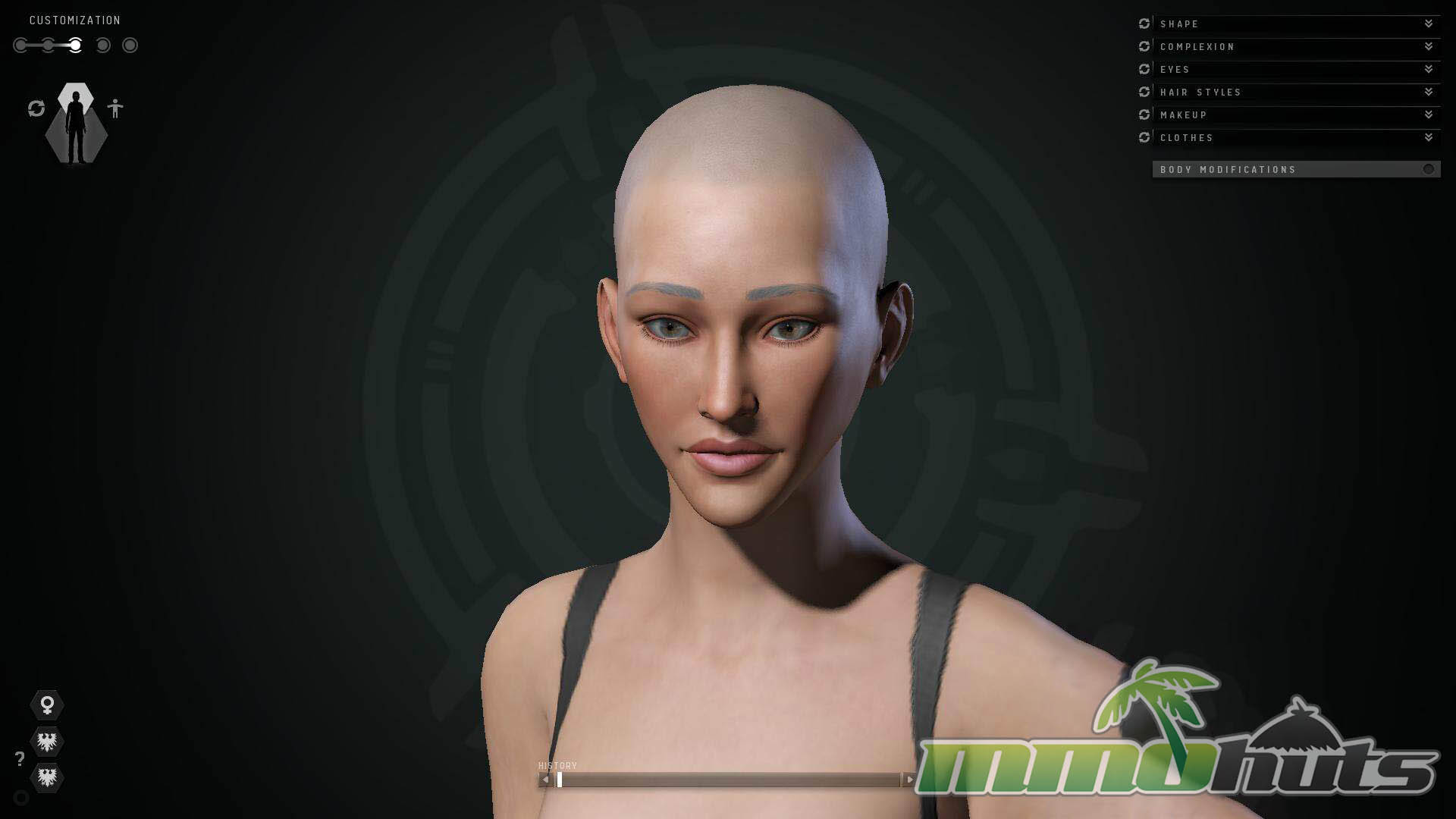
Character creation starts with your chosen race and then asks you to select a bloodline, which primarily influences your initial look and flavor. The editor offers plenty of fine control, letting you craft anything from a grounded self-insert to a stylized portrait designed to intimidate or amuse. In practical play, though, your physical model rarely matters, because other pilots mostly encounter you through your portrait and name. That portrait ends up functioning like a calling card in the social layer of EVE, especially when corporations, diplomacy, and grudges enter the picture.
Once you load into the game, the interface can feel like being dropped into a cockpit filled with unfamiliar instruments. The tutorial is not optional in spirit, even if it is optional in the menu, because it explains how to navigate, fit ships, and understand the overview and targeting tools that you will rely on constantly.
Progression Without Grinding Levels
EVE’s most famous design choice is its passive skill training. Instead of earning experience by killing monsters, you select a skill and it trains in real time. You can log off and still progress, which is great for players with limited schedules, but it also means long-term planning matters a lot. Skills have prerequisites, and higher tiers can take dramatically longer, so your “build” is effectively a roadmap you create for yourself.
This system encourages specialization and patience. Training into larger hulls or advanced roles is a commitment, and rushing toward a prestigious ship without the supporting skills is a common new-player mistake. The game rewards pilots who plan for the activities they actually enjoy, whether that is industry, exploration, fleet combat, logistics, or market play.
First Undock, First Lessons
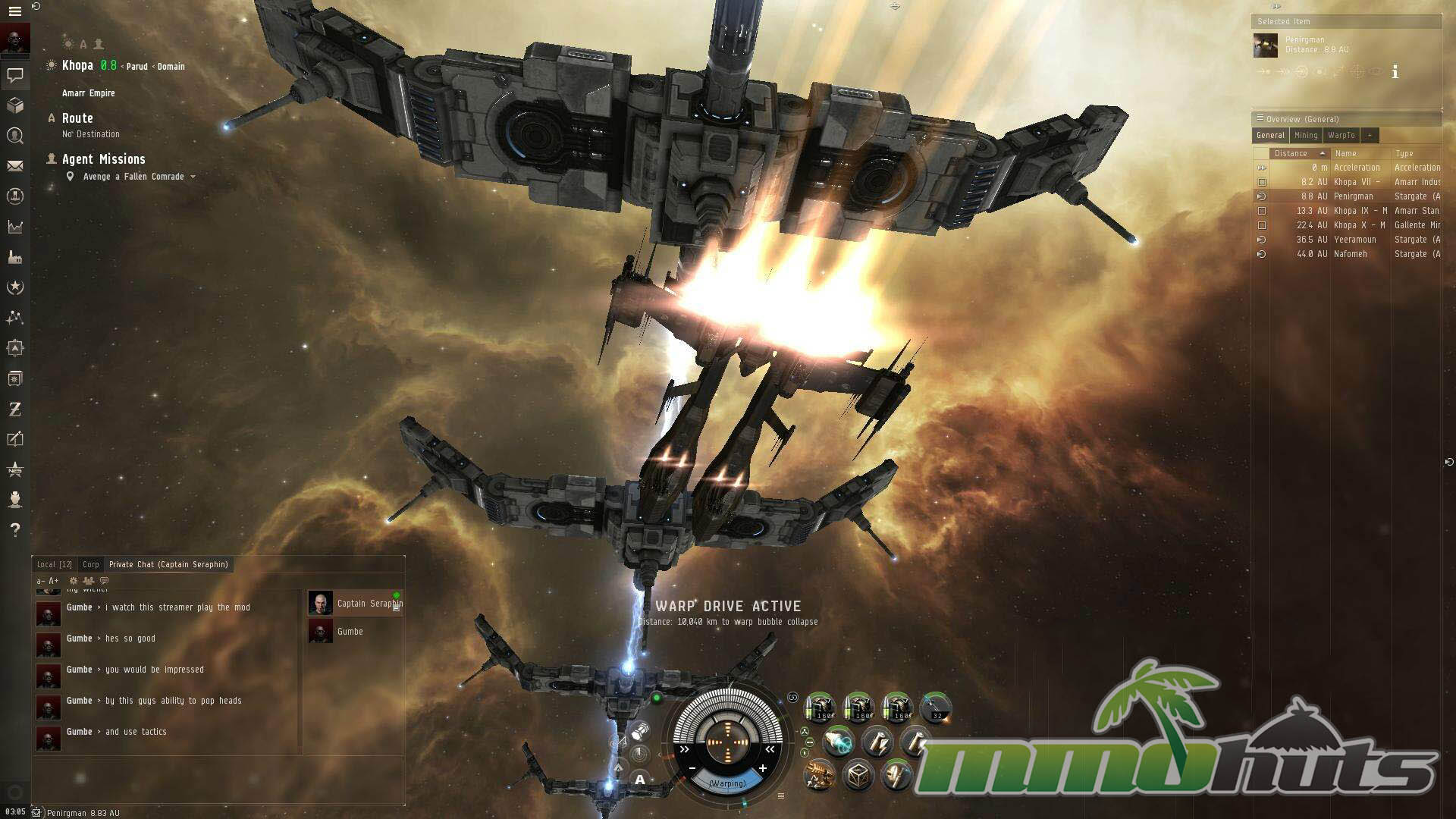
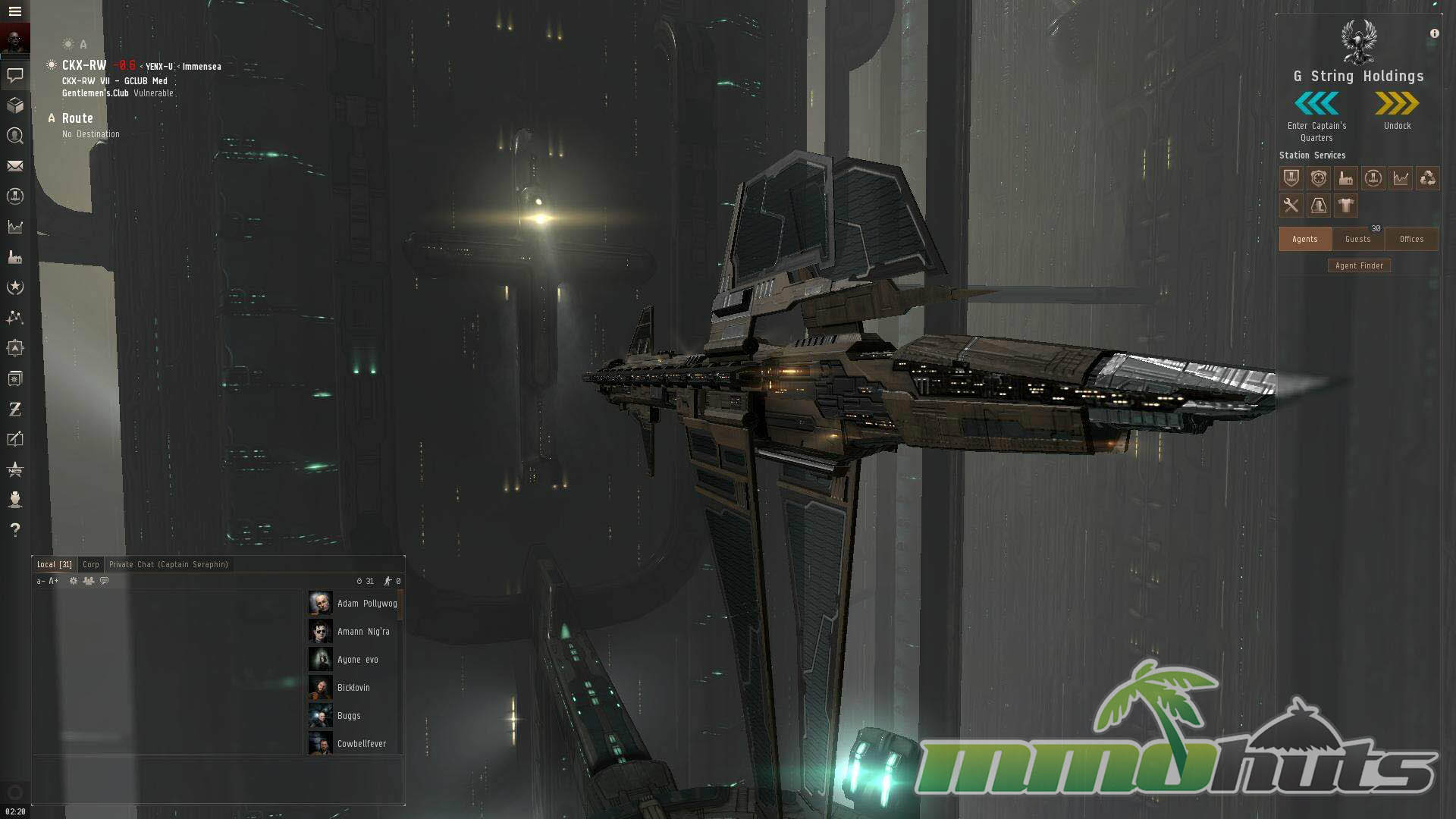
The first time you leave a station, EVE sells its scale immediately. Stations dwarf smaller ships, the backdrop is striking, and the world feels convincingly vast. Movement is largely command-based: you interact with objects and locations via the Overview and context menus, using actions like warp, approach, and orbit. It is not twitch flying, it is closer to piloting through decisions and positioning.
The Overview itself becomes your primary instrument panel. It lists ships, structures, stargates, wrecks, and more, and learning to configure it is a practical skill in its own right. In busy space, good Overview settings can be the difference between escaping an ambush and losing a ship before you understand what happened.
Ships, Roles, and Fittings
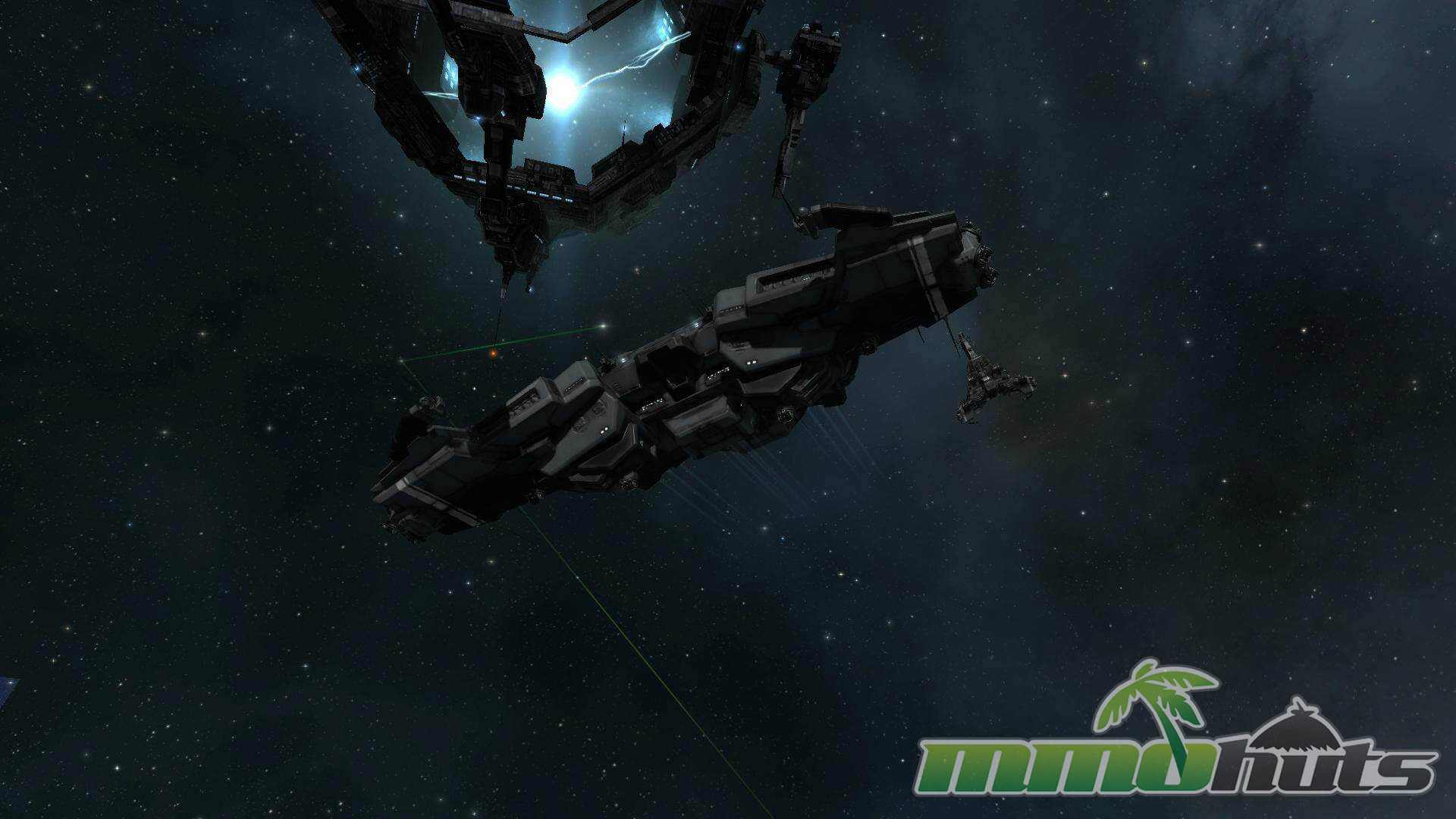
EVE offers a wide spectrum of ship classes, with countless hulls spread across them. While each race has its own design identity, pilots are not locked into a single faction’s ships, you can cross-train and fly whatever you are willing to train for. Importantly, ship size does not equal automatic superiority. Smaller ships can evade, tackle, or outmaneuver heavy hulls, while large ships bring power that often needs support to be effective.
Fitting is where EVE becomes a real game of choices. Modules, rigs, and weapon systems interact with your ship’s resources (CPU, capacitor, speed, defenses), and the “right” fit depends on your goal and the threats you expect. Mining setups look nothing like PvP brawlers, and mission fits differ again. There are strong community-established standards, but experimentation and understanding are what make a pilot competent rather than simply equipped.
EVE also labels ships by tech level. Tech 1 hulls are broadly useful and accessible, while Tech 2 ships are more specialized, require more training, and tend to be more valuable. Flying more advanced ships can feel empowering, but it also paints a larger target on your back in hostile space, because destruction has real economic consequences.
A Galaxy With Real Risk
New Eden is enormous, with over 7,200 systems linked by stargates. The game organizes these systems by security status, which signals how much NPC enforcement you can expect. High-security space (0.5 to 1.0) is policed by CONCORD, and while that does not make you immune to attack, it does make unlawful aggression costly and short-lived for the attacker.
Low-security systems (0.1 to 0.4) reduce that safety net. CONCORD does not actively protect you there, though consequences and defenses exist in limited forms. Beyond that lies the most dangerous territory, often referred to as null sec (0.0 to -1.0). In those regions, player groups define the rules, control infrastructure, and decide who is welcome. The reward is that dangerous space can offer stronger opportunities for profit, which is why so many corporations and alliances fight over it.
Learning the Game Through PvE
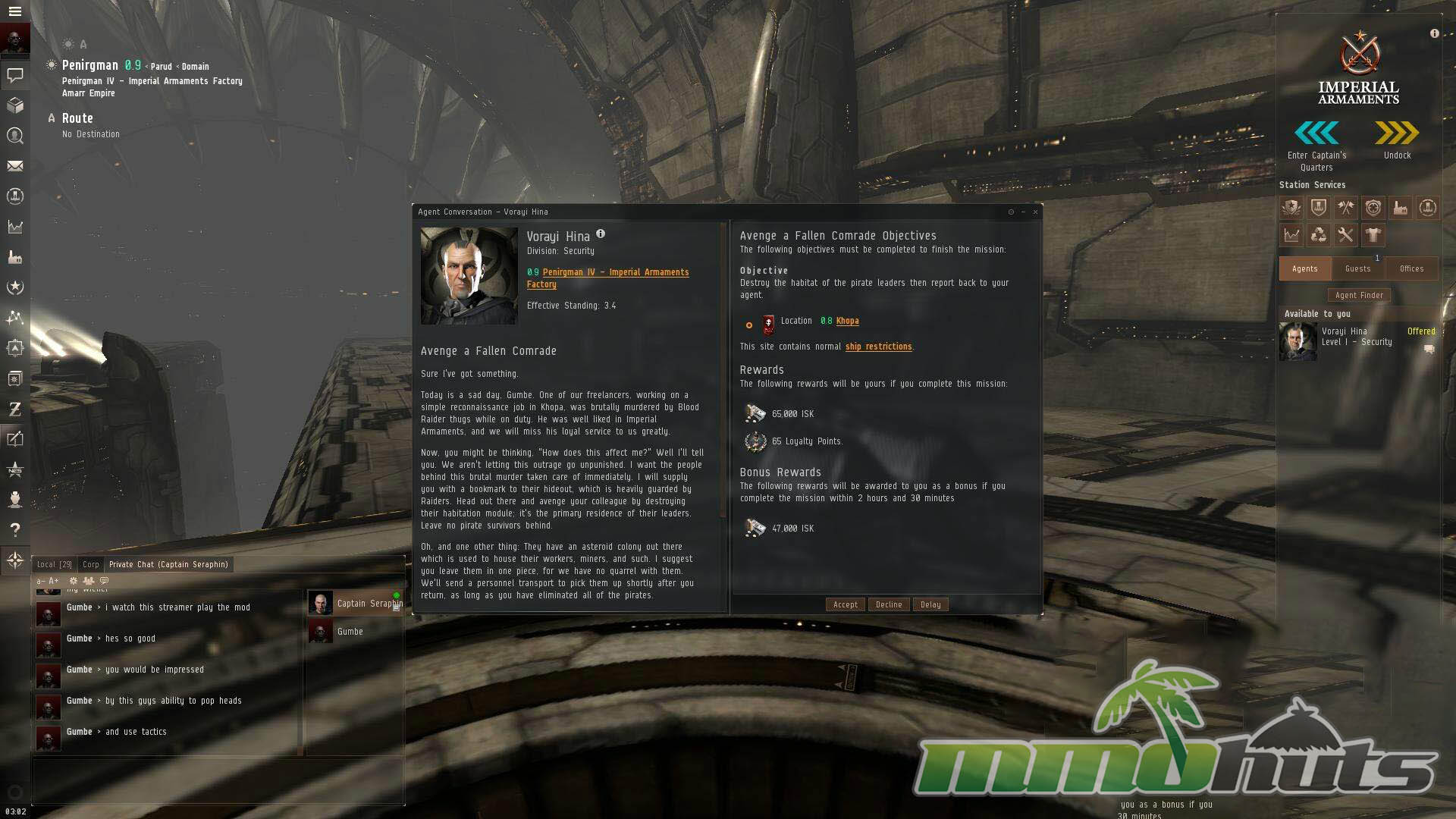
Although EVE is famous for PvP, PvE is where many pilots learn the fundamentals. Missions are available from agents in stations and come in familiar categories such as hauling, mining, and combat. They provide structure, income, and a gradual ramp-up in difficulty, which is especially helpful while you are still learning fittings and basic survival.
Missions are tiered from Level 1 to Level 5, and the higher tiers often push you toward group play or more capable ships. As you run missions for a faction, standings rise with allies and can drop with rivals, which subtly shapes where you can operate comfortably. This reputation layer adds a sense of consequence to what might otherwise be routine tasks.
Commit, Lock Targets, Manage Range
Combat in EVE is heavily systems-driven. Weapon types and ship roles revolve around range control, tracking, velocity, and damage application. Missiles and turrets behave differently, and every weapon has an effective band where it performs best. Positioning and fitting choices often matter more than fast reflexes, and the pilot who understands how to control range and manage capacitor can win fights that look uneven on paper.
Enemies appear in the Overview, and targeting is handled through the UI, either by interacting with the list or selecting objects in space. Once locked, you trigger modules and weapons via on-screen controls or hotkeys. The pacing can feel deliberate, but in organized fights it becomes intensely tactical, with decisions made in advance and executed under pressure.
This is why EVE is sometimes jokingly described as “spreadsheets in space.” Preparation, intel, ship doctrine, and logistics shape the outcome as much as what happens in the moment. That emphasis is not for everyone, but it is also what gives EVE its unique identity among MMORPGs.
Corporate Life and Politics
Corporations are the core social unit in EVE, and most meaningful gameplay becomes richer once you join one. A corporation is led by a CEO and can own assets, manage resources, and set goals, from industry operations to roaming PvP. Multiple corporations can form alliances, increasing their reach and allowing them to project power across regions of space.
Because of this structure, EVE often plays like a political sandbox. Wars are declared, borders are contested, spies are employed, and trade routes are protected or disrupted. Even if you personally prefer mining or hauling, your work can become part of a larger machine that fuels conflict and shapes regional power.
Fleet Warfare on a Rare Scale
The game’s largest battles have become notable precisely because they are difficult to find elsewhere. When hundreds or thousands of players converge, the result is a chaotic spectacle of volleys, explosions, and coordinated calls. These engagements are rarely spontaneous, they are typically the product of planning, staging, scouting, and doctrine choices made long before the first shots.
For most players, the practical route into this side of EVE is through a corporation that runs fleets and teaches new pilots how to participate. The social commitment is real, but it is also where the game’s most memorable moments tend to happen.
Why It’s Tough to Love Alone
EVE’s complexity is only part of its barrier. The other challenge is that its strongest content assumes interaction with other people. If you insist on playing solo forever, the game can start to feel like a loop of missions and errands, with fewer meaningful milestones than a traditional level-based MMO. The universe is built around cooperation, rivalry, and shared objectives, and players who never tap into that layer often miss what makes EVE special.
At its best, EVE feels like a living world with consequences. At its worst, it can feel like work if you are not connected to a group or a long-term goal that keeps the routine activities meaningful.
Final Verdict – Great
EVE Online remains one of the most distinctive MMORPGs ever made because it commits fully to player agency. The universe is enormous, the ship variety supports countless roles, and the sandbox rules allow for emergent stories that would be impossible in more tightly controlled online worlds. The trade-off is accessibility: the interface and mechanics can be intimidating, and the game demands patience, research, and long-term planning.
Players who want a casual, mostly solo theme park experience may bounce off quickly. Those willing to learn, join a corporation, and participate in the social and economic ecosystem will find a persistent universe that rewards commitment in a way few games can match.
EVE Online Links
EVE Online Official Site
EVE Online Steam Page
EVE Online Wikipedia
EVE Online Wiki [EVElopedia]
EVE Online Wikia [Database / Guides]
EVE Online Subreddit
EVE Online System Requirements
Minimum Requirements:
Operating System: Windows XP Service Pack 2 / Vista / 7 / 8, OS X, Linux
CPU: Intel Dual Core @ 2.0 GHz, AMD Dual Core @ 2.0 GHz
Video Card: GPU with 256 MB VRAM or more that supports Shader Model 3 and DirectX 9.0c (AMD Radeon 2600 XT or NVIDIA GeForce 8600 GTS)
RAM: XP SP2 – 1 GB / Vista and newer – 2 GB
Hard Disk Space: 20 GB free space
Recommended Requirements:
Operating System: Windows 7 / 8, OS X, Linux
CPU: Intel Pentium i7 Series or AMD X4 @ 2.0 GHz or greater
Video Card: AMD Radeon 6790 or NVIDIA GeForce GTX 560 or better with at least 1 GB VRAM
RAM: 4 GB or greater
Hard Disk Space: 20 GB free space
EVE Online is MAC OS X and Linux compatible
EVE Online Music & Soundtrack
EVE Online: Additional Information
Developer: CCP Games
Publisher: CCP Games
Game Engine: Trinity, Ambulation
Composer: Jón Hallur Haraldsson aka Real-X
Launch Date: May 6, 2003
Foreign Release:
Europe: May 23, 2003
United Kingdom: May 6, 2003
China: June 12, 2006
Steam Release Date: January 22, 2008
Free To Play Date: November 11, 2016
Other Platforms:
Mac OSX: November 6, 2007
Linux: November 6, 2007
Development History / Background:
EVE Online was created by Icelandic studio CCP Games and first went live on May 6, 2003. For a brief period early on (May to December 2003) it was published by Simon & Schuster Interactive, after which CCP secured the rights and moved forward as the game’s self-publisher through digital distribution. In 2013, CCP also revealed plans for an EVE Online comic through Dark Horse Comics and mentioned a television series to be directed by Baltasar Kormákur. Both projects were described as drawing from the game’s player-driven narratives, and no substantial additional details were shared after the initial announcement.