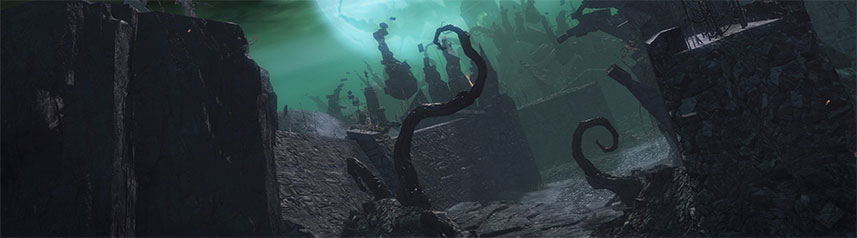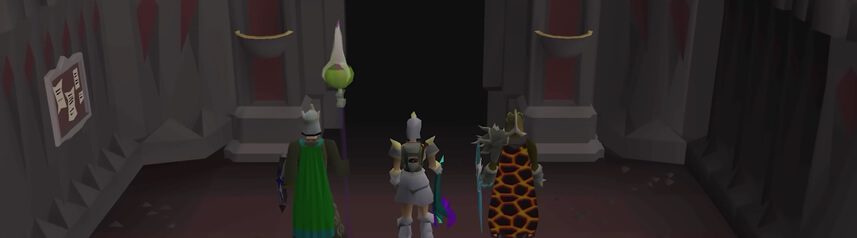
RuneScape is a long-running MMORPG set in a classic fantasy world of rival kingdoms, busy towns, and dangerous wilderness. Instead of funneling you through one main narrative, it encourages self-directed play, you can quest, train skills, barter with other players, or simply roam Gelinor looking for your next goal.
 | Publisher: Jagex Playerbase: High Type: MMORPG Release Date: Janaury 04, 2001 Pros:+Huge world to explore and grow into. +Flexible, class-free progression. +Active community and lively economy. Cons:-Performance can suffer on slower connections. -Skill training can feel very grind-heavy. -Many systems and areas are gated by membership. |

RuneScape Overview
RuneScape is a medieval fantasy MMORPG developed and published by Jagex Game Studios. It remains one of the most enduring browser-based online worlds, and its longevity is easy to understand once you see how much freedom it offers. Progression is built around doing, not distributing points. If you mine ore, your Mining skill rises, if you cook meals, your Cooking improves, and if you fight, your combat-related skills advance through use.
That approach feeds into RuneScape’s signature identity: a classless character system. There is no permanent role selection that locks you into being a tank, healer, or mage. Instead, you shape your character over time by choosing which of the 26 skills to train and how far you want to push them. One player might spend an evening chopping logs to work toward player housing goals, another might chase boss encounters with a group, and someone else might focus on trading and crafting to build wealth through the economy. PvE, PvP, questing, and skilling all coexist in the same world, and you can pivot between them whenever you feel like it.
RuneScape Key Features:
- Vast Open World – a large, interconnected map packed with towns, dungeons, and remote regions.
- 26 Skills to Train – a broad set of activities, from gathering and crafting to combat disciplines.
- Voice-Acting NPCs – occasional voiced scenes that help quests feel more character-driven.
- Hundreds of Quests – a huge library of adventures, ranging from quick errands to longer storylines.
- Frequent Updates – regular content additions and seasonal events that keep the world moving.
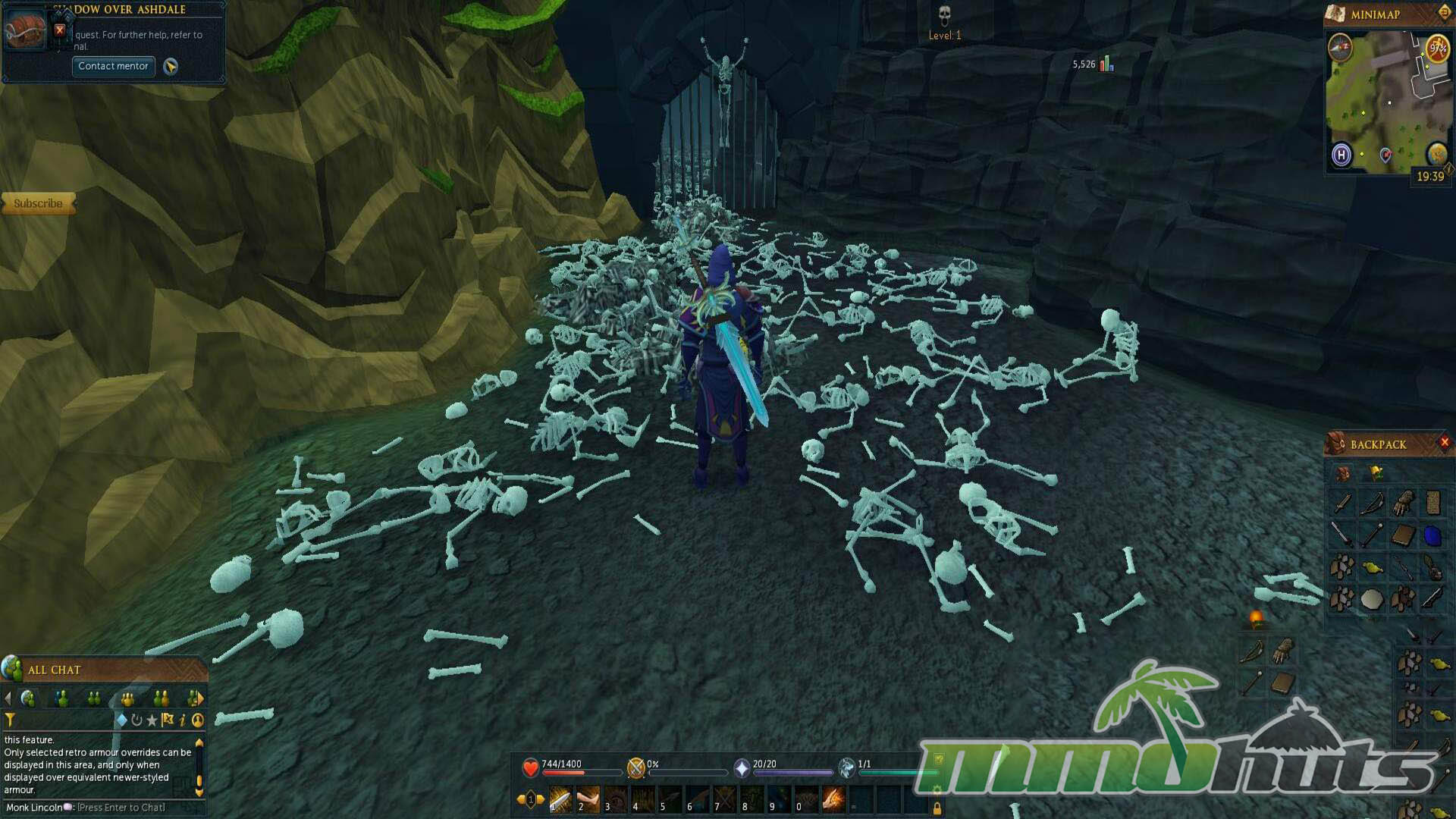
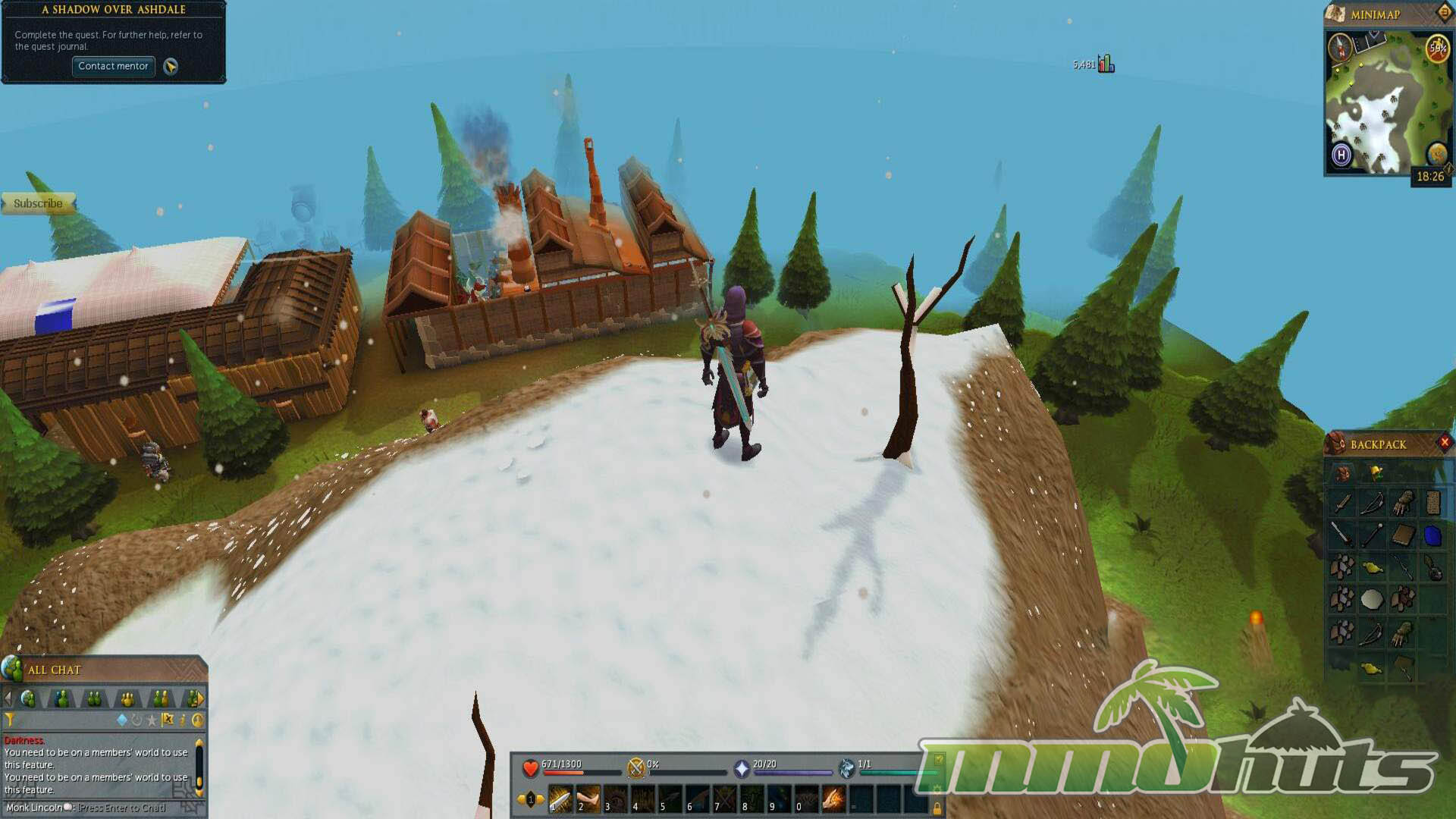
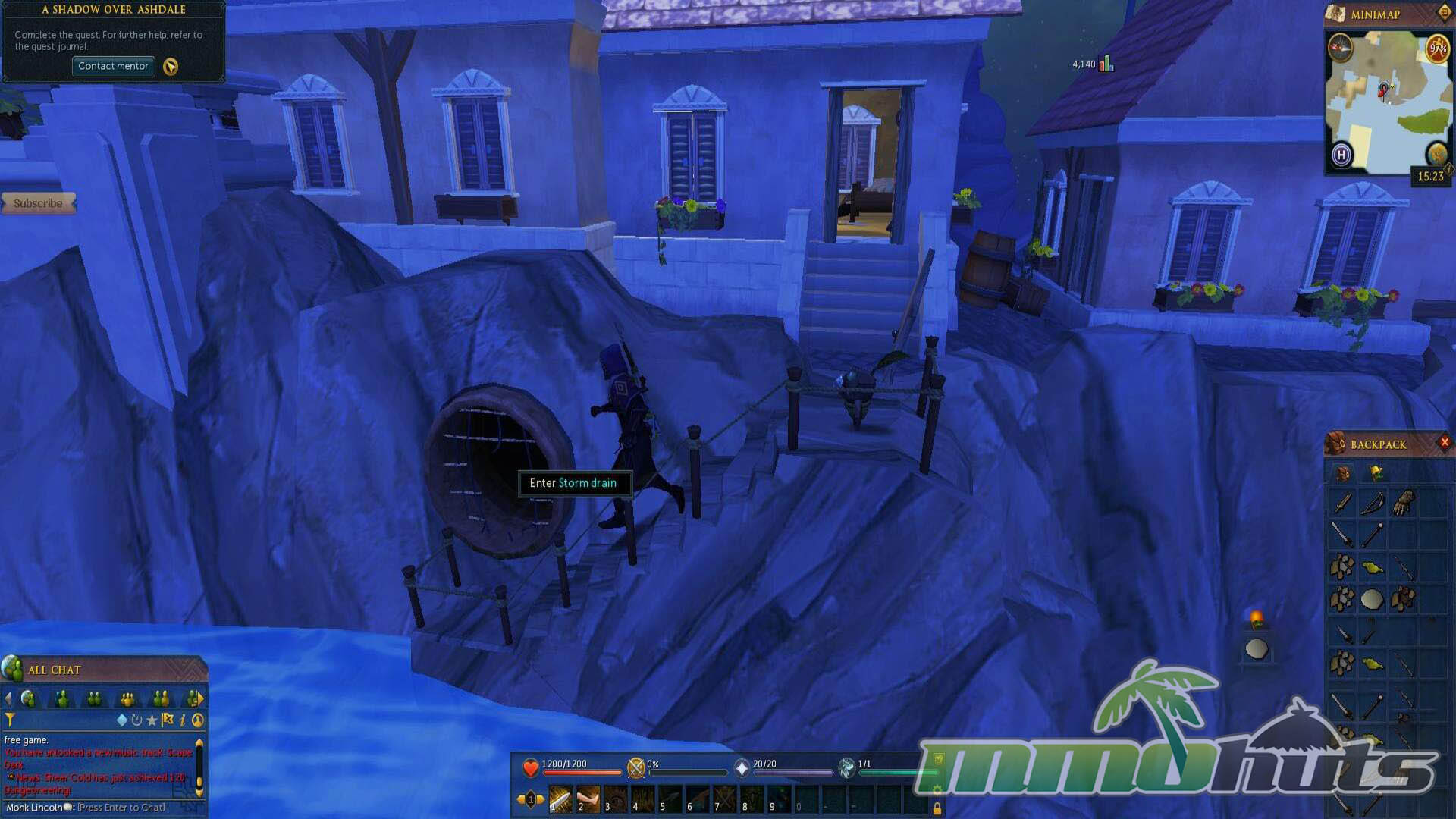
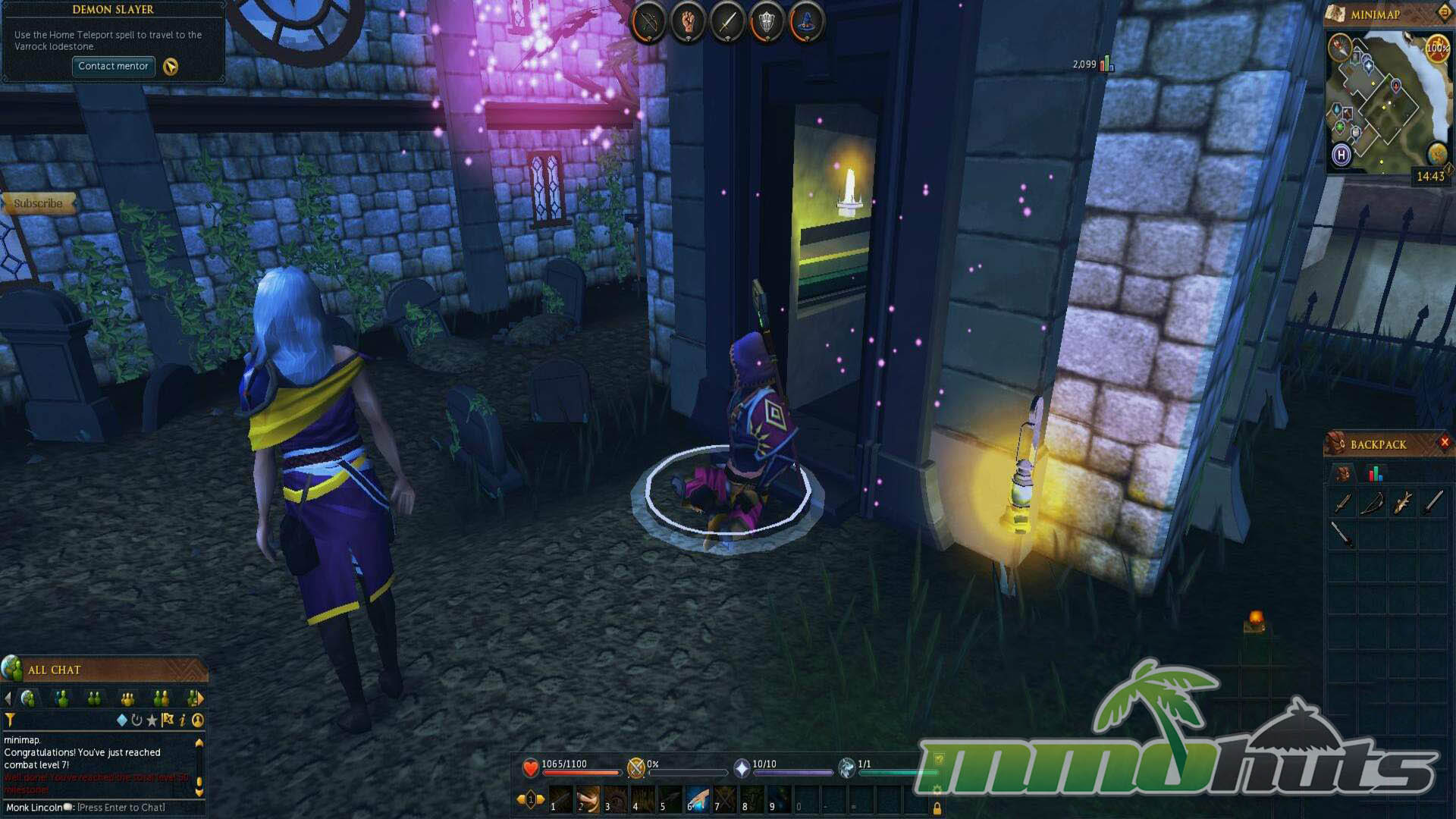
RuneScape Screenshots


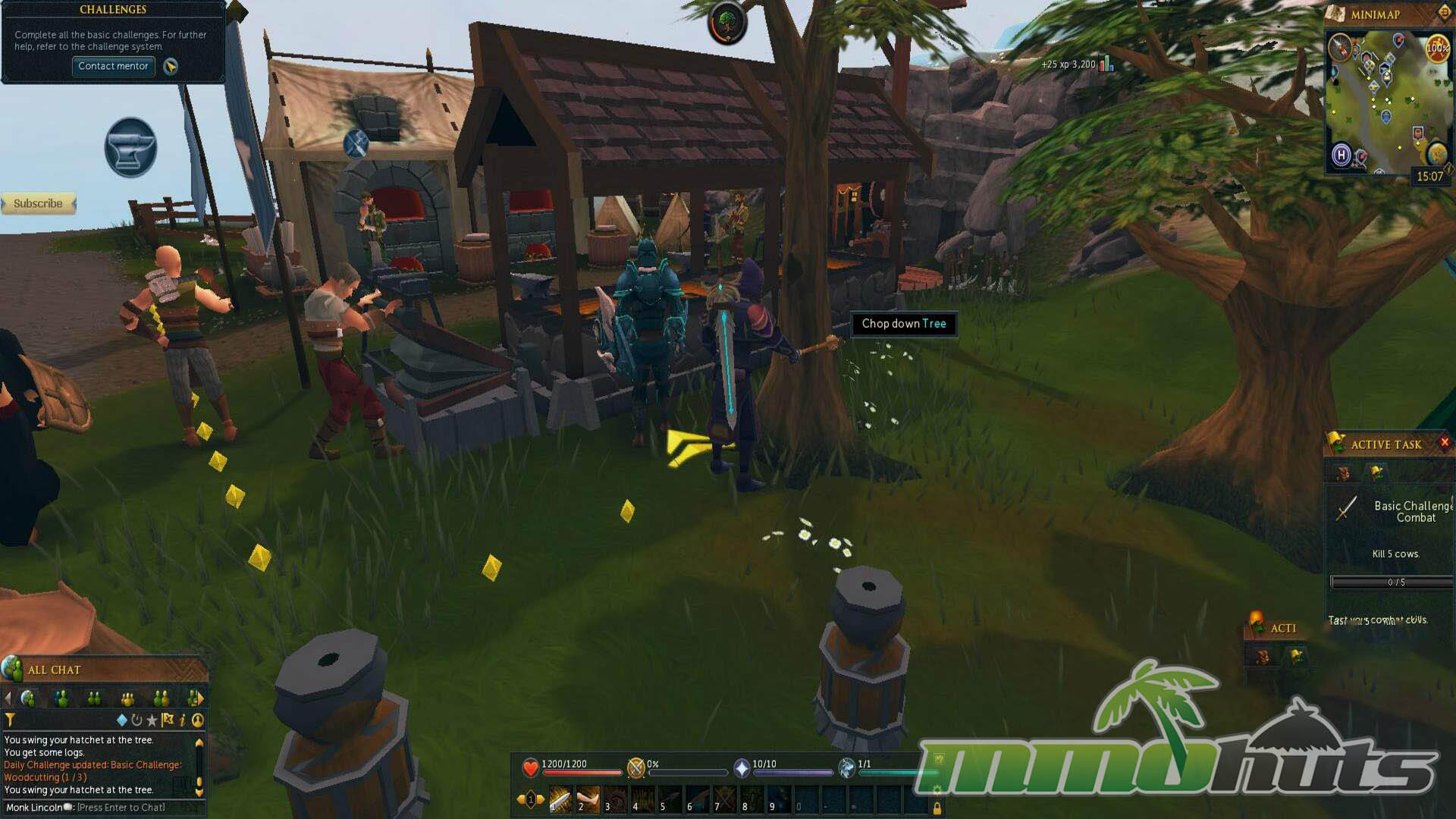
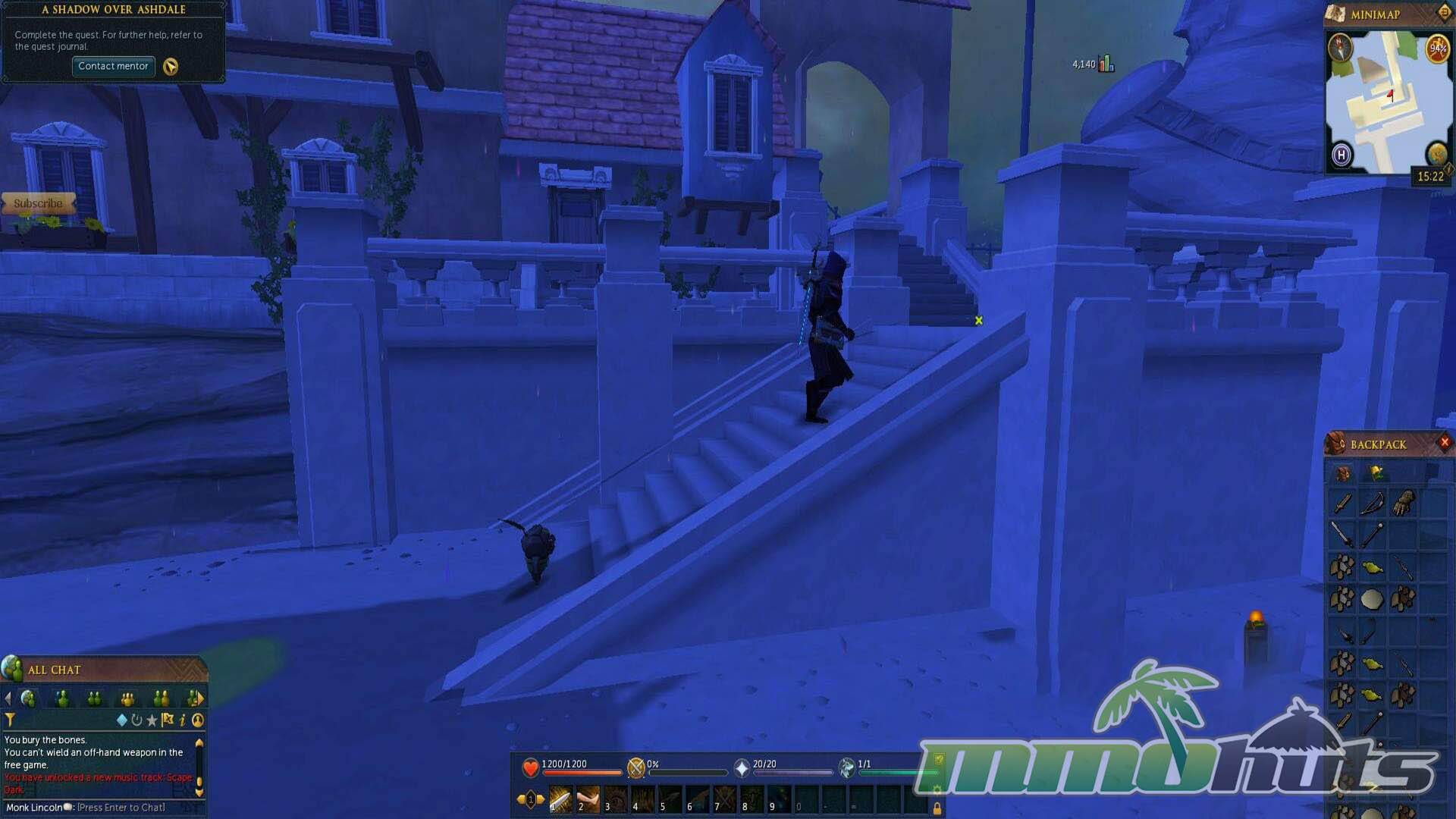
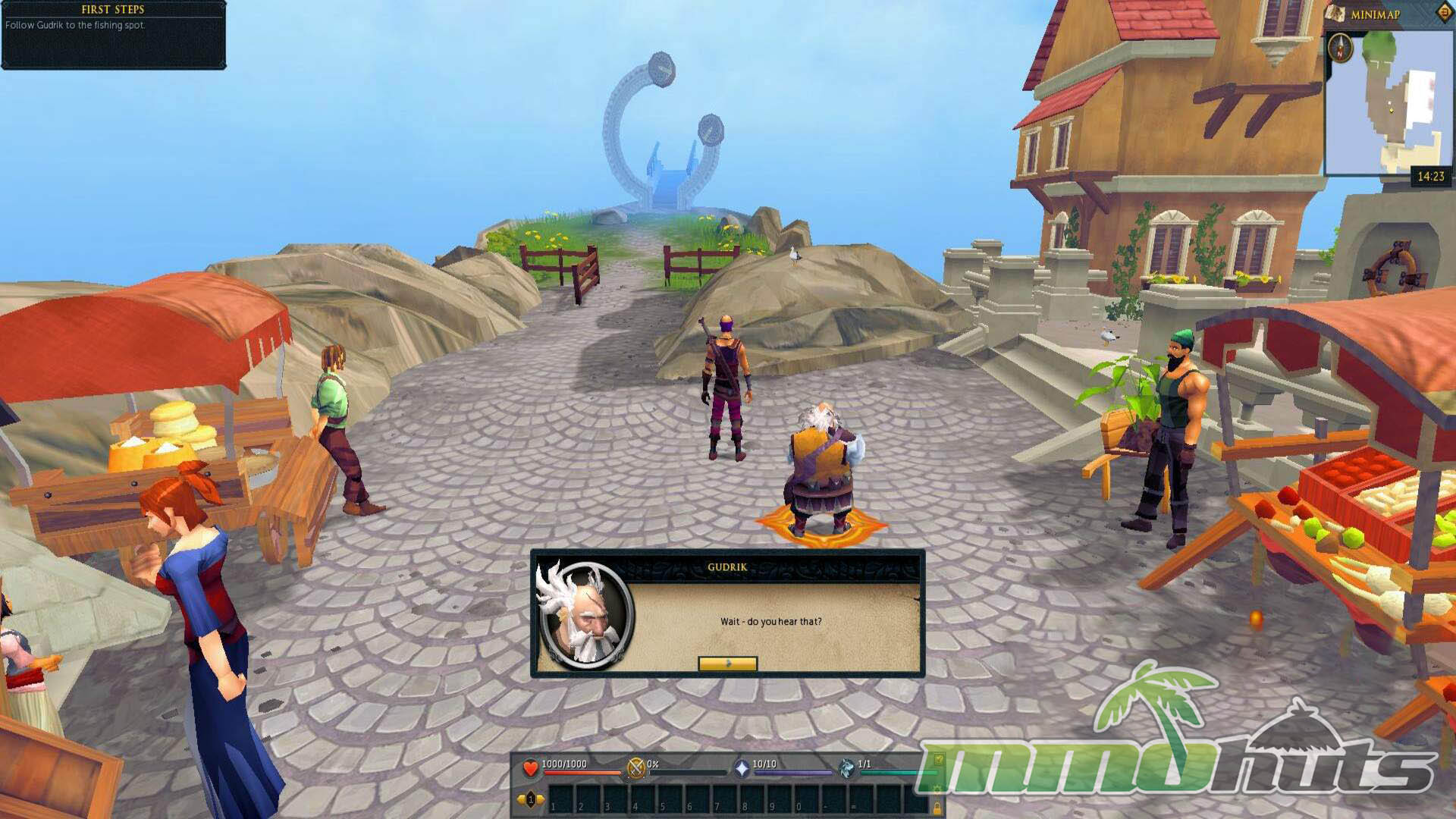

RuneScape Featured Video

RuneScape Review
RuneScape’s history stretches back to 2001, and that age is part of its appeal. It has gone through multiple eras, from a straightforward Java browser MMO to its modern RuneScape 3 form, and it still manages to welcome new players without losing the feeling of a living, persistent world. The result is a game that can be played casually in short sessions, but also supports years of long-term goals if you enjoy steady progression.
Character Creation
Creating a character is quick and approachable. You get a sensible set of options for hair, facial hair, and colors, enough to stand out in crowds without spending an hour in sliders. It does not aim for hyper-detailed customization, but it succeeds at what RuneScape needs: letting you establish a recognizable look before you step into a busy starting area where dozens of other adventurers are already moving through their own routines.
What matters more is that your identity develops through what you do. In RuneScape, your “build” is your skill list and your priorities. Two players wearing similar gear can still feel very different if one is deep into crafting and gathering while the other has focused heavily on combat training and quest unlocks.
Gameplay
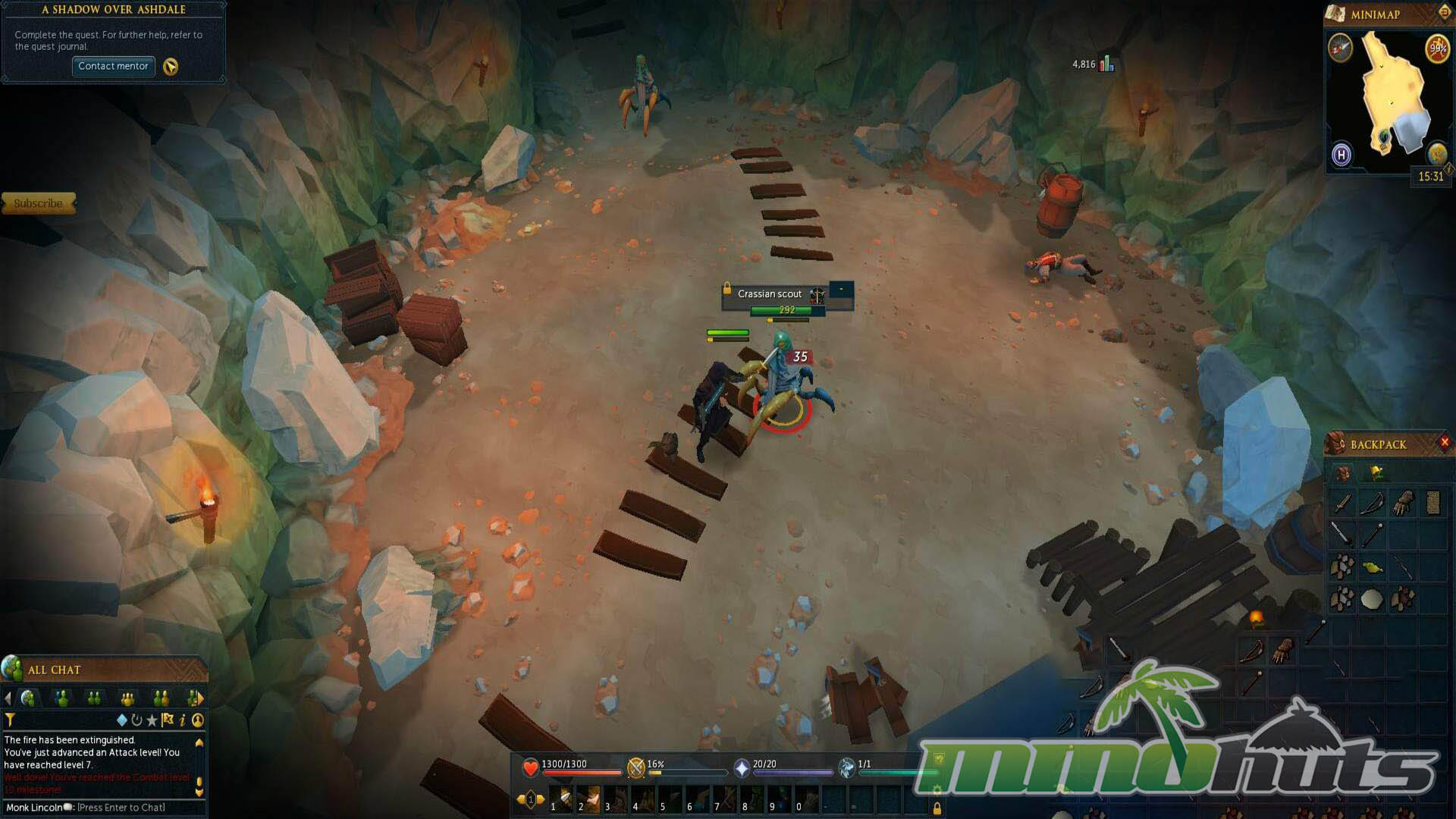
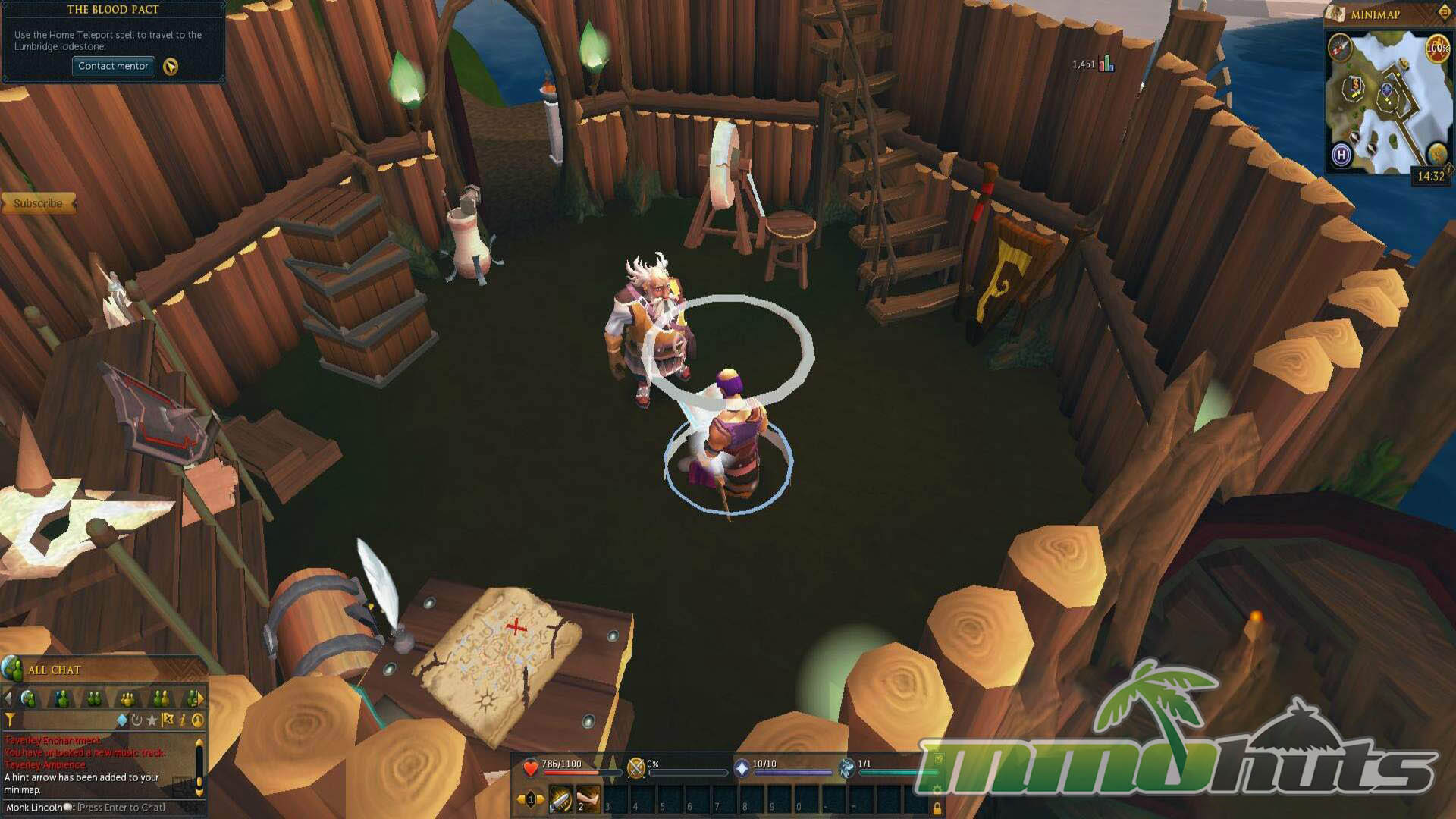
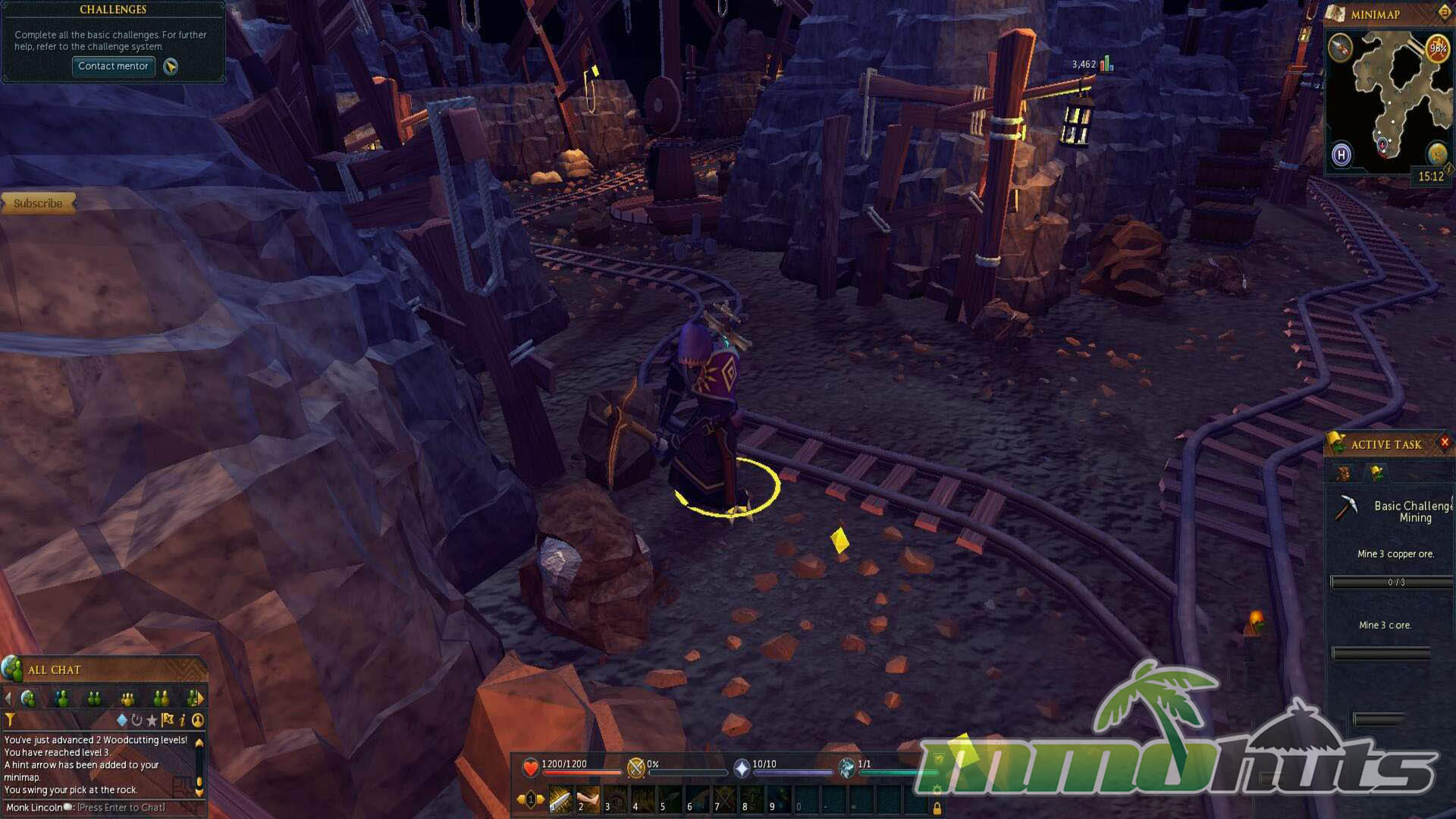
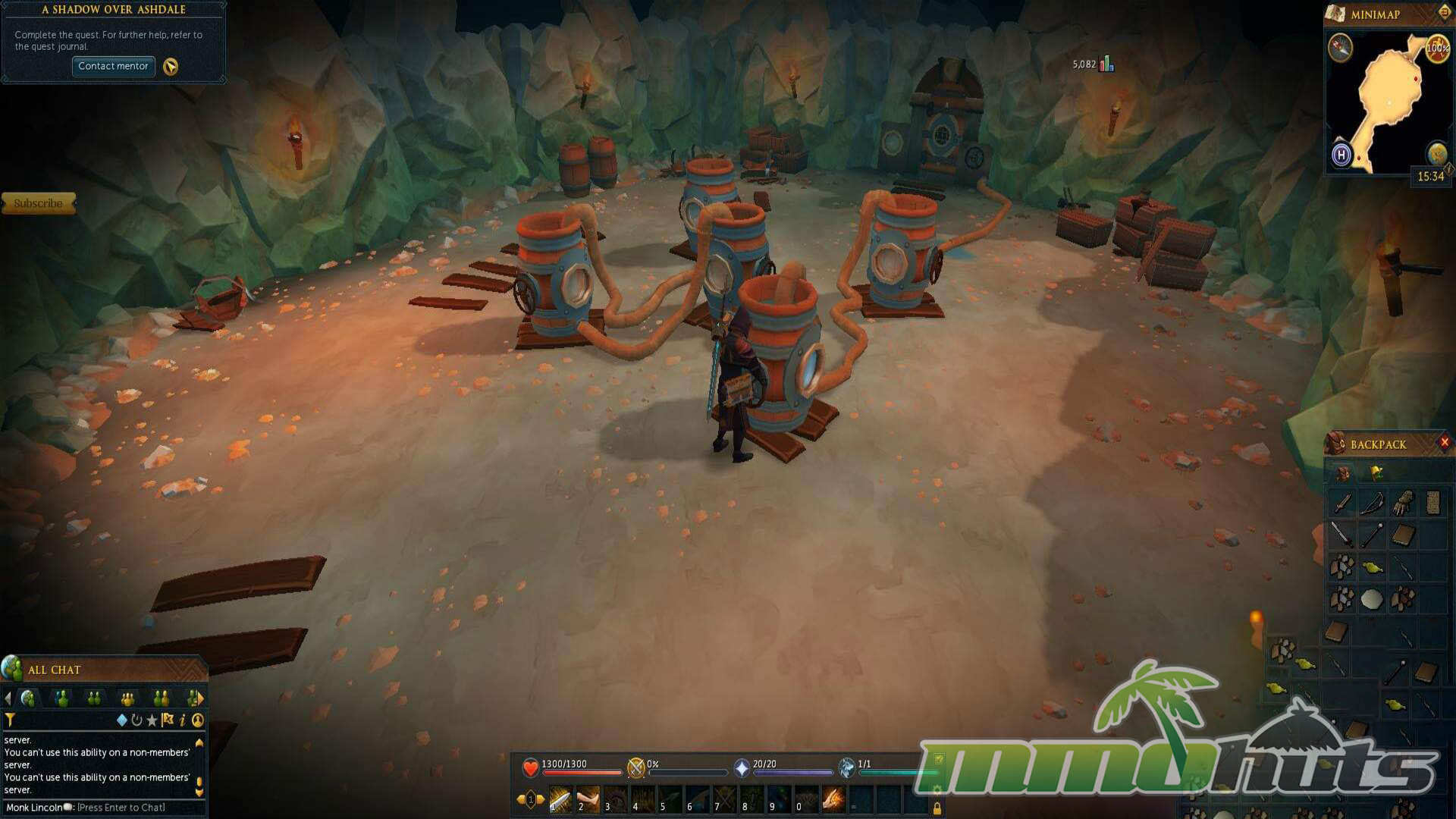
Moment-to-moment play is still rooted in point-and-click movement and interaction, which is a defining part of RuneScape’s rhythm. The interface retains familiar iconography and the game’s distinctive presentation style, even as the models and environments have improved over time. The early hours are intentionally structured to teach you the basics through simple quests and guided tasks, so you are not left guessing at every menu and system.
Combat is where the most visible modernization happened. The Evolution of Combat update brought active abilities and a hotbar, pushing RuneScape closer to the standard MMO action bar formula. That change can be divisive for long-time players who preferred purely click-driven combat, but it makes fights feel more engaged, particularly once you unlock more tools and begin thinking about rotations and situational skills rather than waiting for hits to land.
The tutorial and onboarding do a decent job explaining the essentials, and the ability to rebind hotkeys helps the UI feel less rigid than earlier versions. RuneScape’s music also deserves recognition, it is surprisingly extensive for a browser MMO, and it supports the setting well, whether you are in a peaceful town or a hostile stretch of wilderness.
PvP
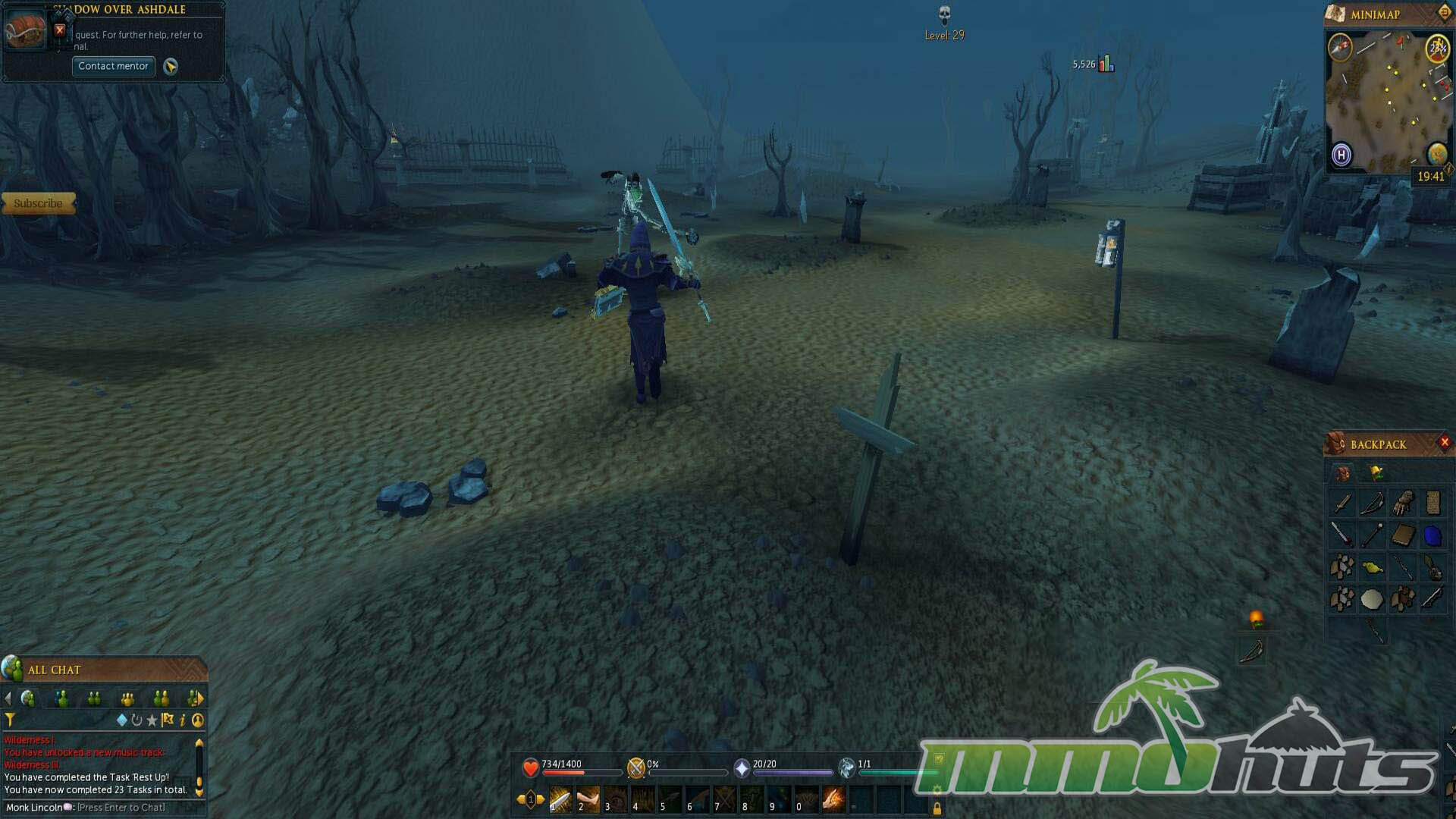
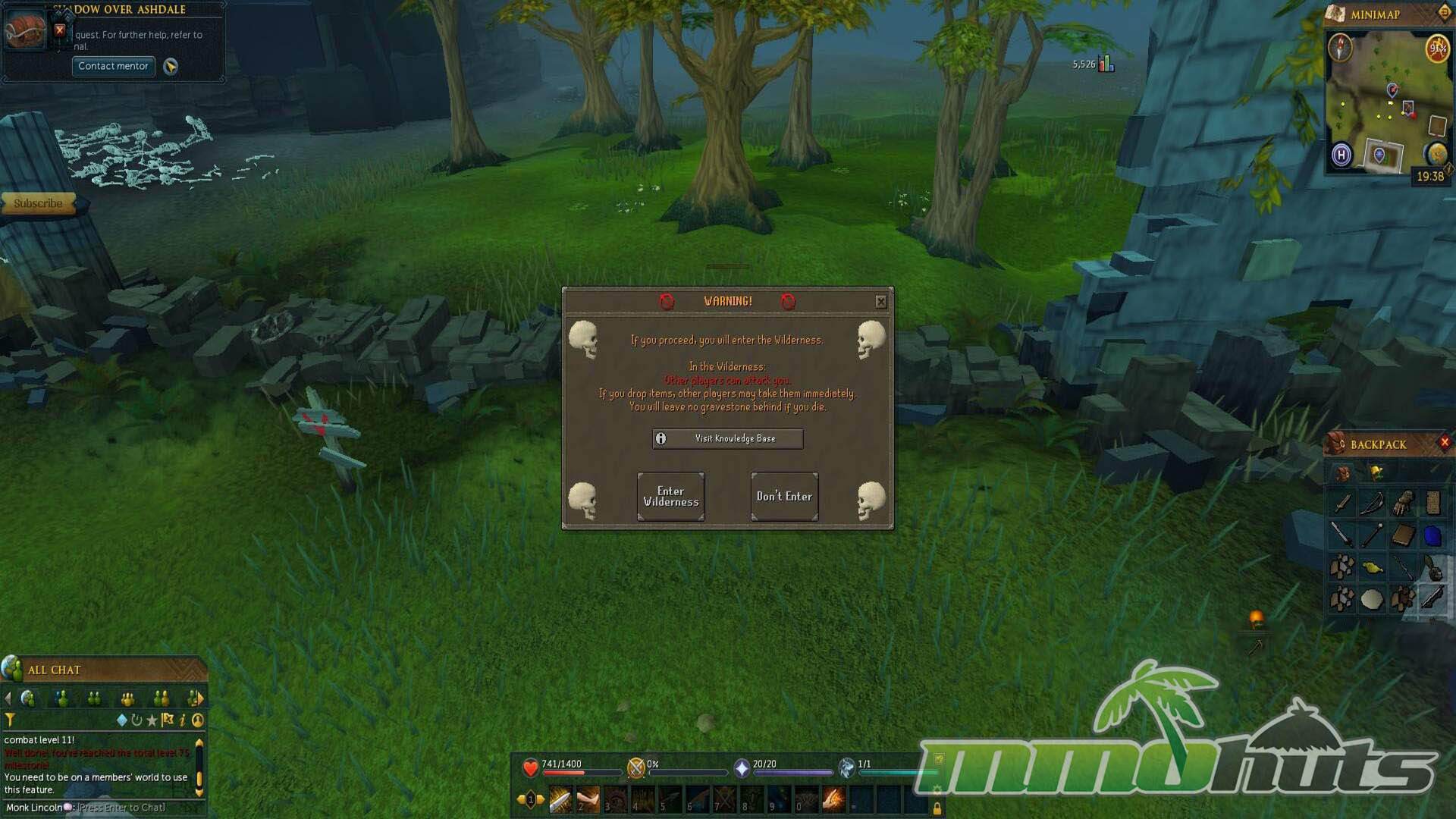
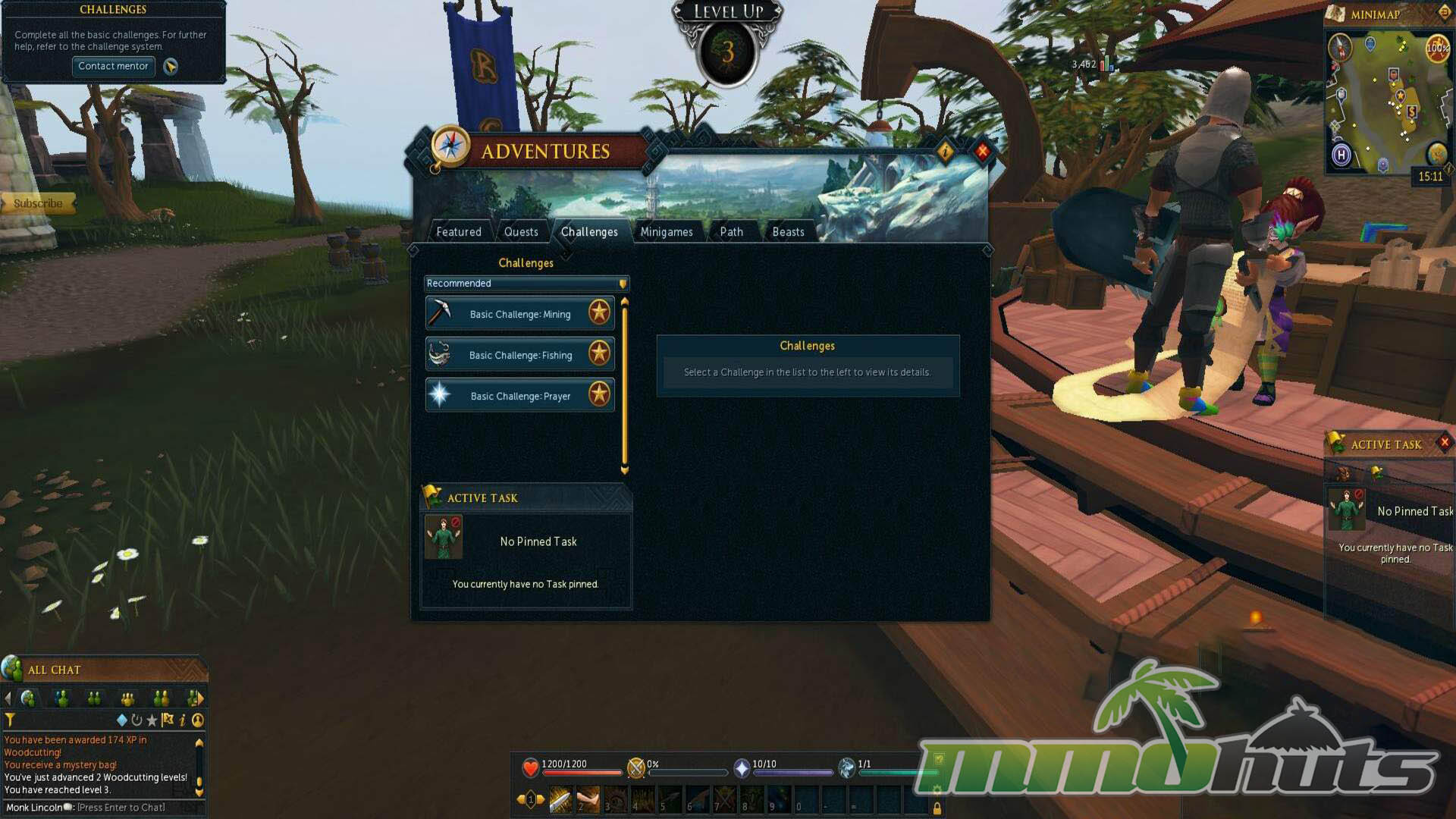
Player-versus-player combat is not something you are forced into right away. The main PvP hotspot is The Wilderness, located in the north, and the game clearly warns you before you cross into danger. That separation is helpful because it keeps routine skilling and questing from being interrupted by surprise attacks.
The Wilderness itself is intentionally unforgiving, both because of the monsters and because other players are there specifically looking for fights and loot. When a player is killed, dropped items can be collected, and the rule that you retain your three most valuable items on death provides some protection without removing the stakes. For new or returning players, it is wise to treat the Wilderness as a late-game playground until you have the levels and knowledge to manage the risks.

Enhancing The World
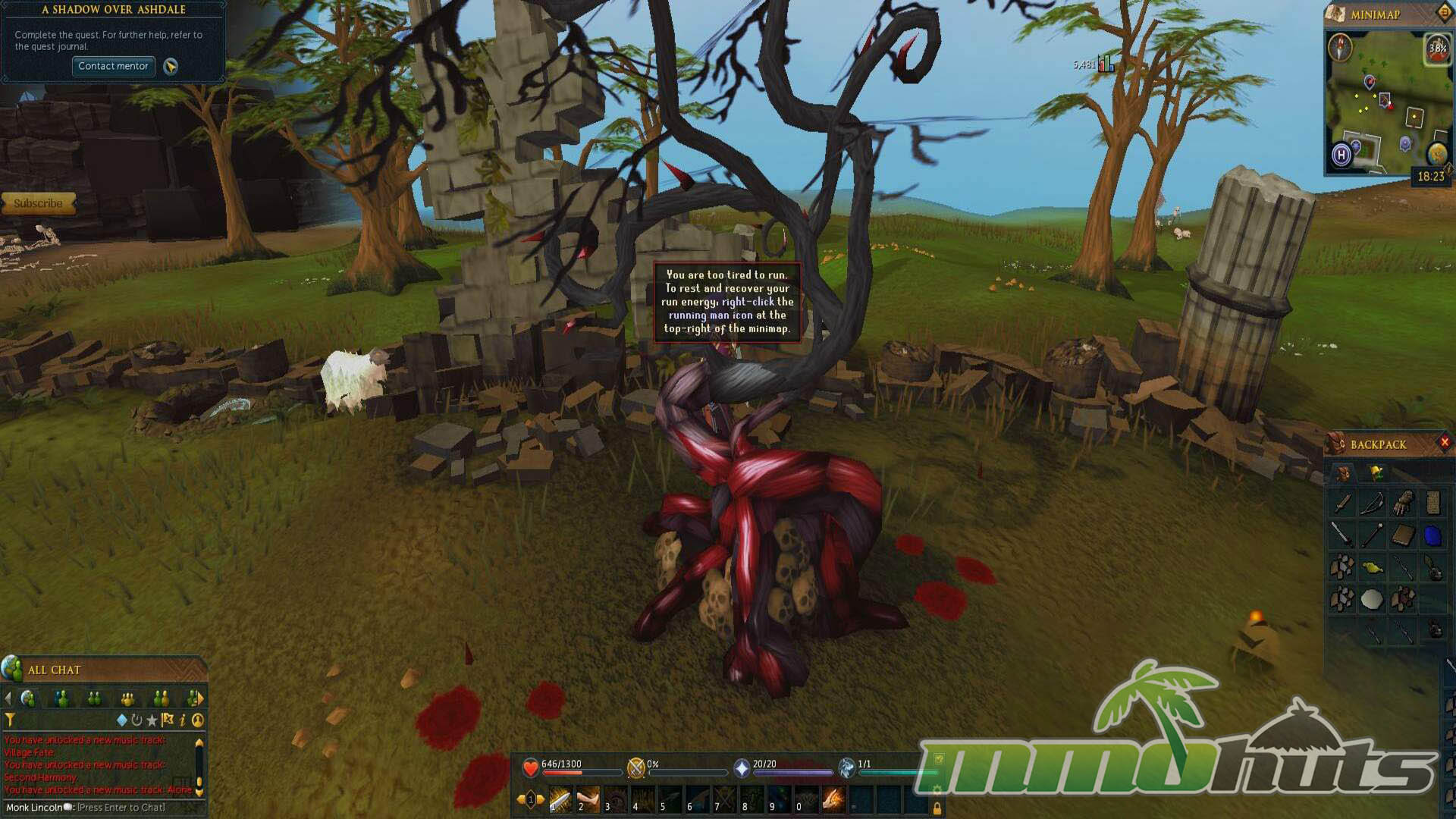
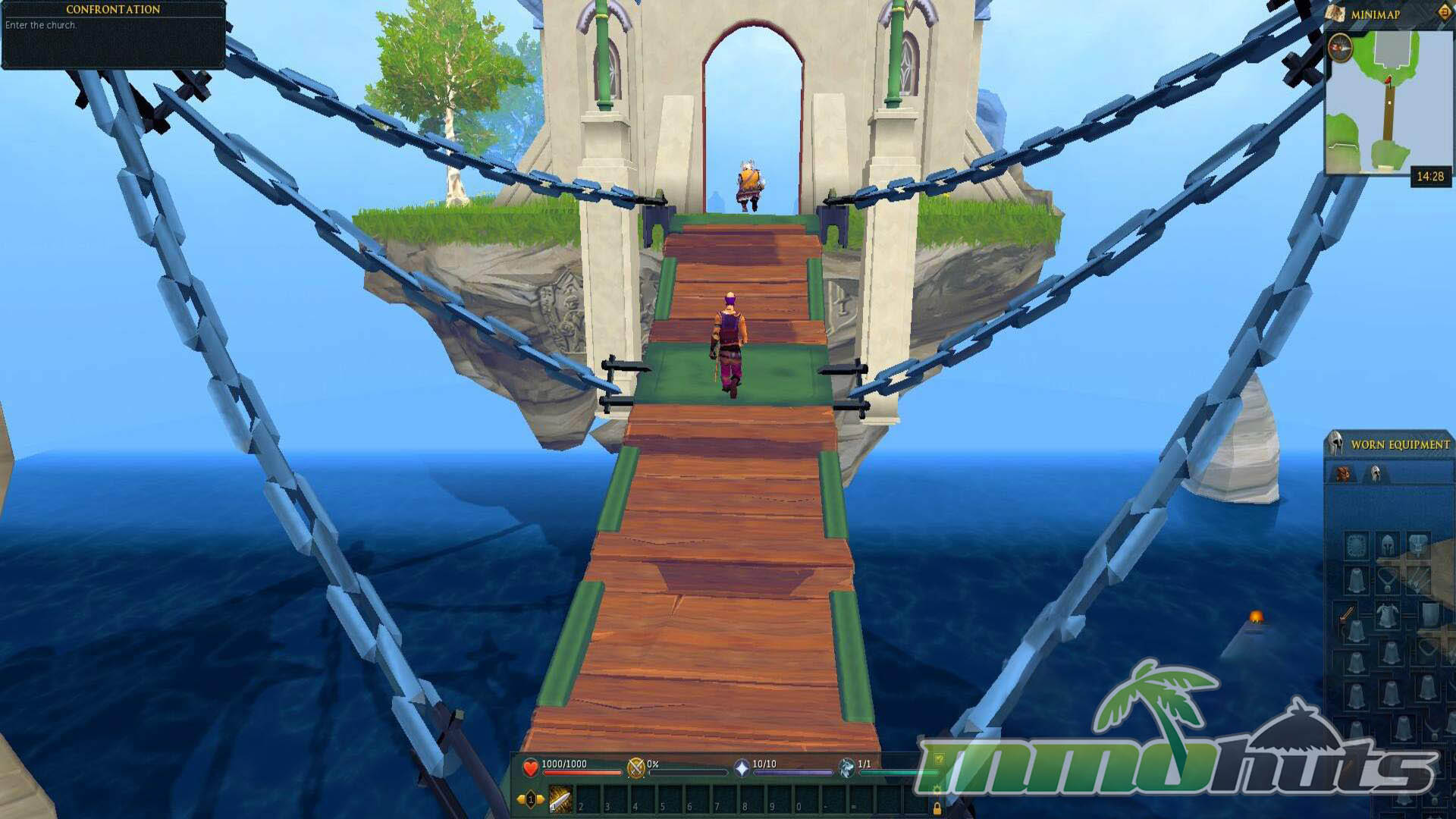
One of the biggest shocks for anyone coming back after a long break is how much cleaner RuneScape 3 looks. The world uses a stylized, modern presentation that gives characters and environments more definition than earlier versions. The improved draw distance also changes how areas feel, landscapes open up, landmarks are easier to spot, and zones read more like places than small rooms separated by fog.
The camera options are another meaningful upgrade. RuneScape no longer feels locked into a high, overhead viewpoint, you can bring the perspective down and appreciate spaces from closer angles, which helps immersion in towns and quest locations.
There is a trade-off, though. The visual improvements increase bandwidth demands, and on weaker connections the game can hitch or stutter as new areas stream in. It is not usually unplayable, but it can disrupt the flow, especially when moving quickly through detailed zones. Better optimization would improve the experience for players who rely on slower internet or older hardware.
Quests
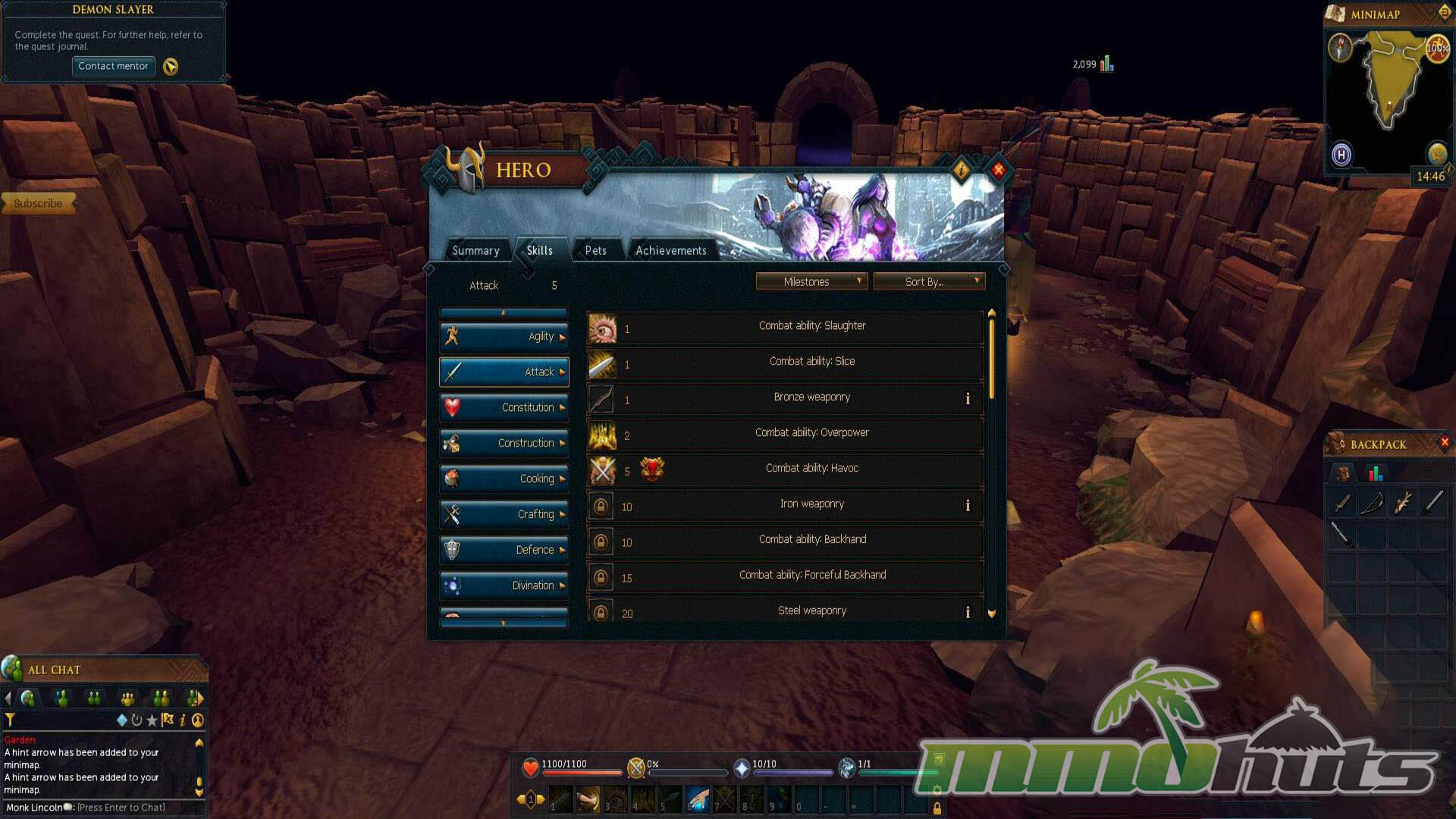
RuneScape’s quest catalogue is one of its strongest features in the modern era. There are hundreds of quests spread across the world, and they come in many flavors: short introductory tasks, longer chains that open new regions or mechanics, and plenty of side stories that exist simply to flesh out towns and characters.
The writing generally leans into familiar fantasy themes, which makes it easy to follow even if you are not reading every line of dialogue. Guidance systems and markers help you stay on track, which is useful given how large the world is and how often quests send you across multiple regions. When voice acting appears, it adds welcome personality and helps certain scenes land better than typical text-only browser MMOs.
Skills
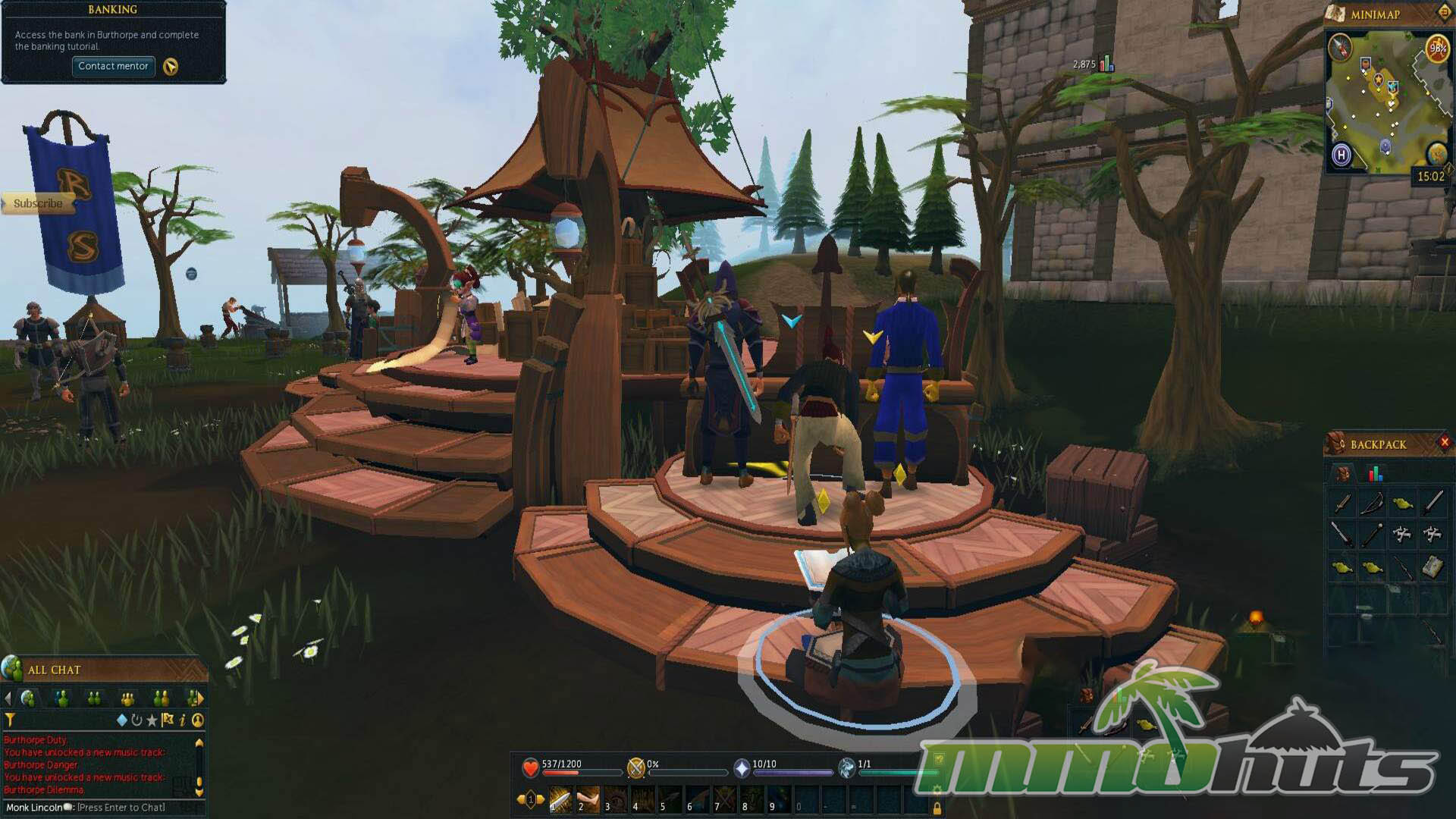
RuneScape’s skill system is still the main reason many people keep coming back. Training is straightforward to understand but can be extremely time-consuming to complete. Each skill starts at level 1 and can reach 99, and with more than 26 skills, the total journey can easily become a long-term hobby rather than a checklist you finish quickly.
The design encourages routine and incremental progress. You cut trees to raise Woodcutting, mine ore to raise Mining, fish to raise Fishing, and so on. Those numbers matter because higher levels unlock new resources, better efficiency, and additional activities. That constant trickle of unlocks is satisfying, but it also highlights the game’s biggest commitment: if you want to max many skills, you should expect repetition and long grinds, especially in the later levels.
Cash Shop
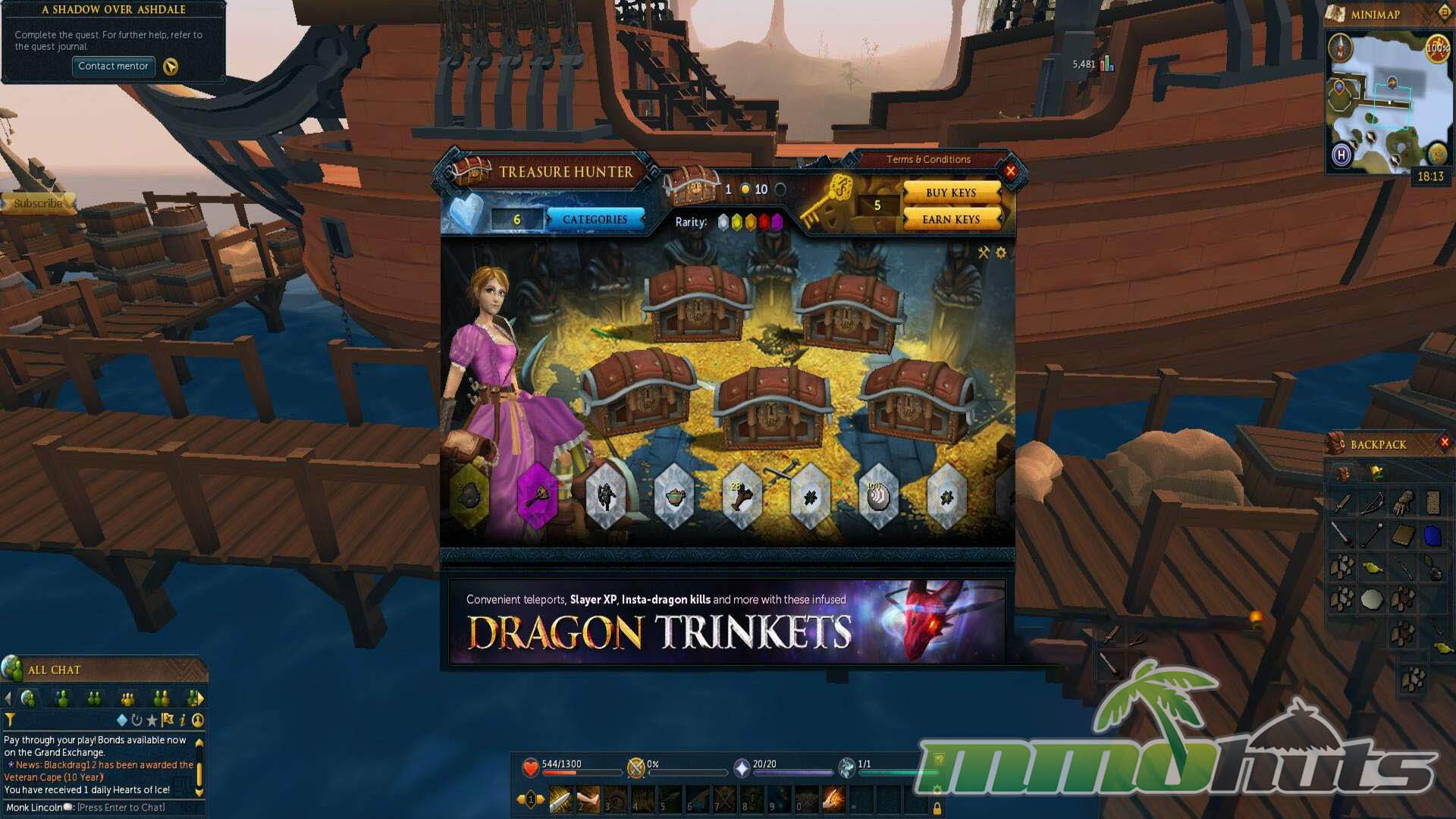
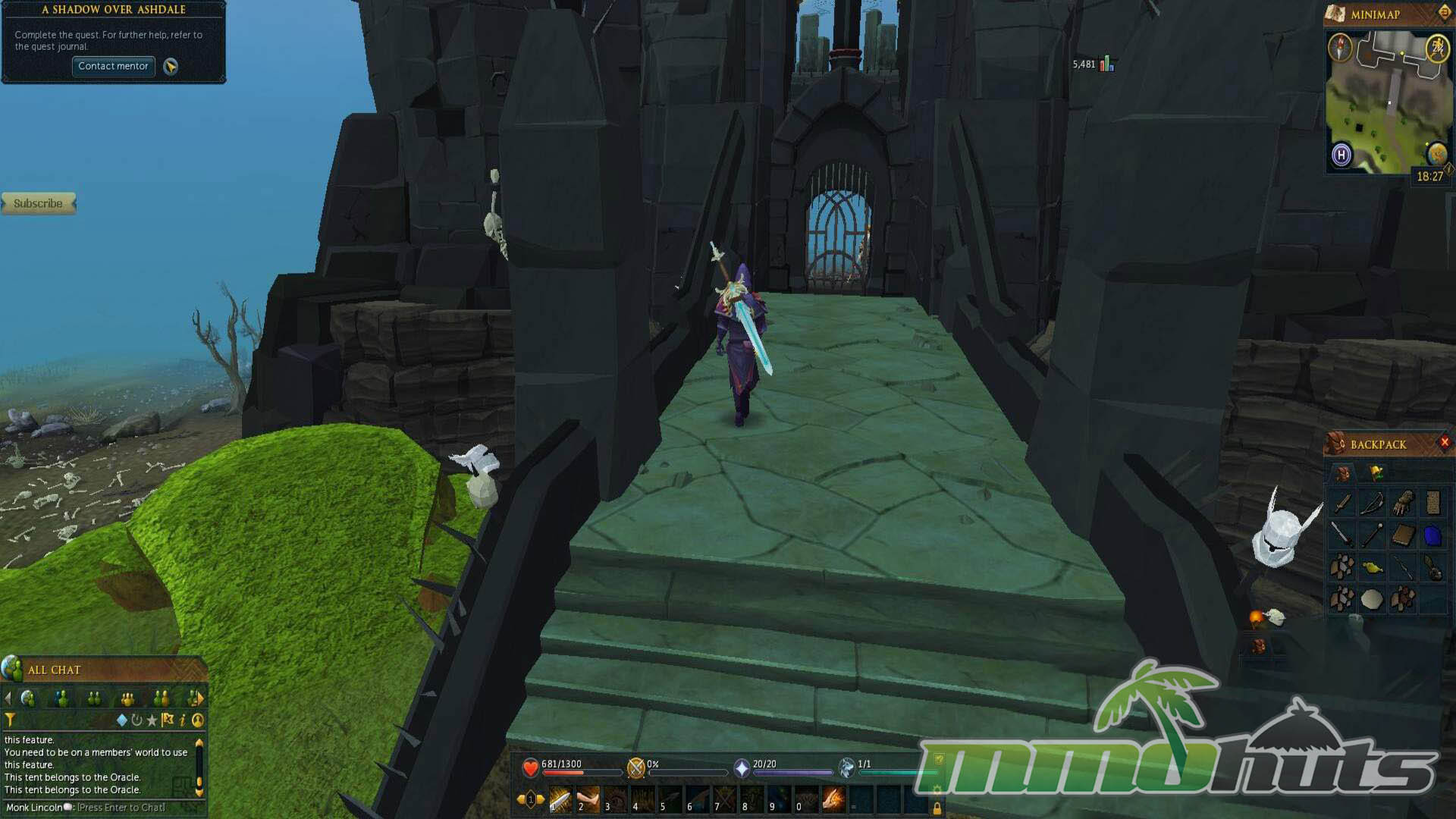
RuneScape is free to start, but a significant portion of its content is tied to membership. Many skills, items, and regions are restricted for non-members, and you will regularly bump into “members only” features while exploring. That can feel discouraging because the game is excellent at getting you invested in progress before showing you how much more is on the other side of the paywall.
Microtransactions also play a visible role, and while they are not unusual in modern online games, the overall approach can be hard to ignore. The practical reality is that RuneScape is at its best when you treat membership as part of the cost of admission. If you plan to spend serious time questing, skilling, and exploring the full world map, membership is less an optional perk and more the version of the game most players will want.
Final Verdict – Good
RuneScape remains one of the strongest browser-based MMORPGs available. Its greatest strengths are still its freedom, its deep skill progression, and the sheer amount of content built up over decades. At the same time, the modern game can feel closer to mainstream MMO conventions than it once did, and the grind and membership gates may turn away players who want a more streamlined experience.
If you enjoy long-term progression, a busy community, and the satisfaction of building your character through hundreds of small decisions, RuneScape is easy to recommend. It is a classic for a reason, and even now it stands out as one of the most complete online worlds you can access from a browser.
RuneScape Links
RuneScape Official Site
RuneScape Wikipedia
RuneScape Wikia [Database/Guides]
RuneScape Gamepedia [Database/Guides]
RuneScape Subreddit
RuneScape2007 [Old Version]
RuneScape Requirements
Operating System: XP / Vista / 7 / 8
CPU: Intel Pentium 4 or AMD Equivalent
Video Card: Any Graphics Card (Integrated works well too)
RAM: 512 MB
Hard Disk Space: 100 MB (Cache)
RuneScape is a browser based MMO and will run smoothly on practically any PC. The game was tested and works well on Internet Explorer, Opera, Firefox and Chrome. Any modern web-browser should run the game smoothly.
RuneScape Music
RuneScape Additional Information
Developer(s): Jagex
Publisher(s): Jagex
Game Engine: Java, HTML5
Open Beta: January 04, 2001
Release Date: January 04, 2001
RuneScape 2 Closed Beta: December 1, 2003
RuneScape 2 Closed Beta End: March 1, 2004
RuneScape 2 Release Date: March 29, 2014
RuneScape 3 Announcement Date: August 30, 2012
RuneScape 3 Closed Beta: April 17, 20013
RuneScape 3 Release Date: July 22, 2013.
Old School RuneScape Launch Date: February 22, 2013
Development History / Background:
RuneScape is developed and published by UK independent developer Jagex Game Studios. The project began as a browser-based title built by brothers Andrew and Paul Gower from their family home in Nottingham. The earliest public release combined simple 3D environments with 2D sprites in a top-down perspective. In December 2001, the Gower brothers formed Jagex with Constant Tedder, establishing the studio that would continue expanding the game.
In February 2002, Jagex introduced monthly membership, which added extra features for paying players, including new regions, quests, and items. A major graphical overhaul arrived in 2003 with the launch of RuneScape 2, shifting the game toward fully three-dimensional visuals. Years later, on August 30, 2012, Jagex revealed that an HTML5-based version was in development under the RuneScape 3 name. RuneScape 3 launched on July 22, 2013, bringing further visual and technical upgrades.
In February 2013, the community voted for a separate version based on 2007-era RuneScape. That initiative led to Old School RuneScape, built from an August 2007 backup and maintained by a dedicated team, with ongoing updates that aim to preserve the older style while still evolving over time.