
Genshin Impact is a free-to-play, cross-platform open world fantasy RPG that mixes real-time action combat with an ever-growing roster of characters you can swap between on the fly. It is built with a mobile-first approach, but the production values, art direction, and soundtrack make it feel closer to a full-scale console RPG than a typical phone game. If you enjoy exploration, light puzzle solving, and team-based elemental combos, it is easy to see why it has become one of the most talked-about mobile RPGs in recent years.
 | Publisher: mihoYo Playerbase: High Type: Mobile RPG Release Date: September 28, 2020 Pros: +Excellent visuals paired with memorable music. +Fast, responsive combat built around quick character switching. +Strong balance of main quests, exploration, and optional activities. +Stylish, distinctive character designs. Cons: -Gatcha system to unlock new characters. -Co-op exists, but the multiplayer side is fairly limited. |

Genshin Impact Overview
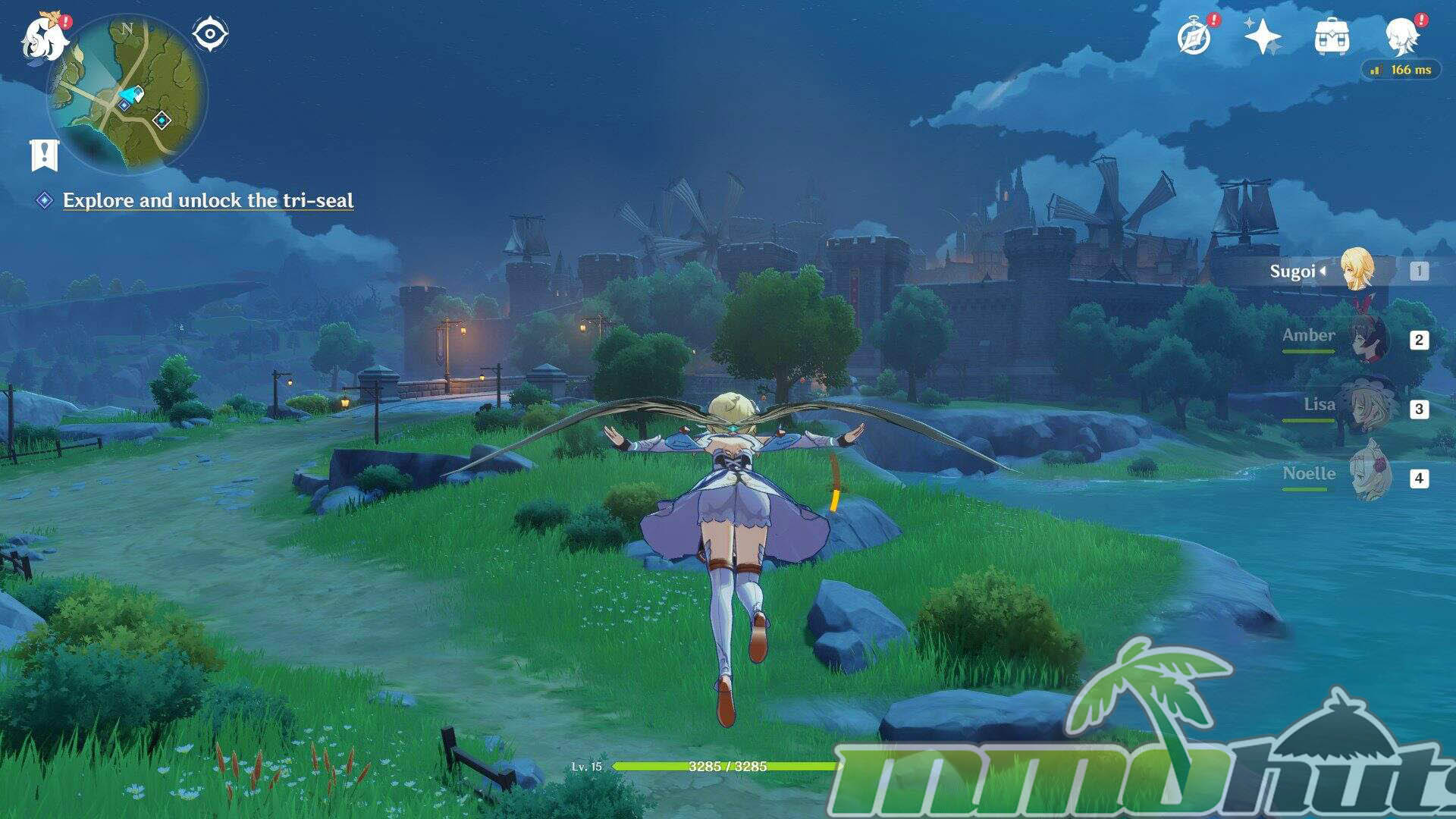
Set in the world of Teyvat, Genshin Impact is an open world action RPG with crossplay across mobile, PC, and console platforms. Created by the studio behind Honkai Impact, it focuses on responsive combat that translates well whether you are using touch controls or a traditional controller setup. Visually, it stands out immediately, and the orchestral soundtrack helps sell the sense of place as you move between regions. Most of your time is spent playing solo and exploring at your own pace, while co-op unlocks after you have progressed through the early questline. Voice options include English, Japanese, Chinese, and Korean.
Genshin Impact Key Features:
- A Long-Form Adventure – Follow a fully voiced main quest with cutscenes that gradually leads you across Teyvat and introduces its factions, characters, and mysteries.
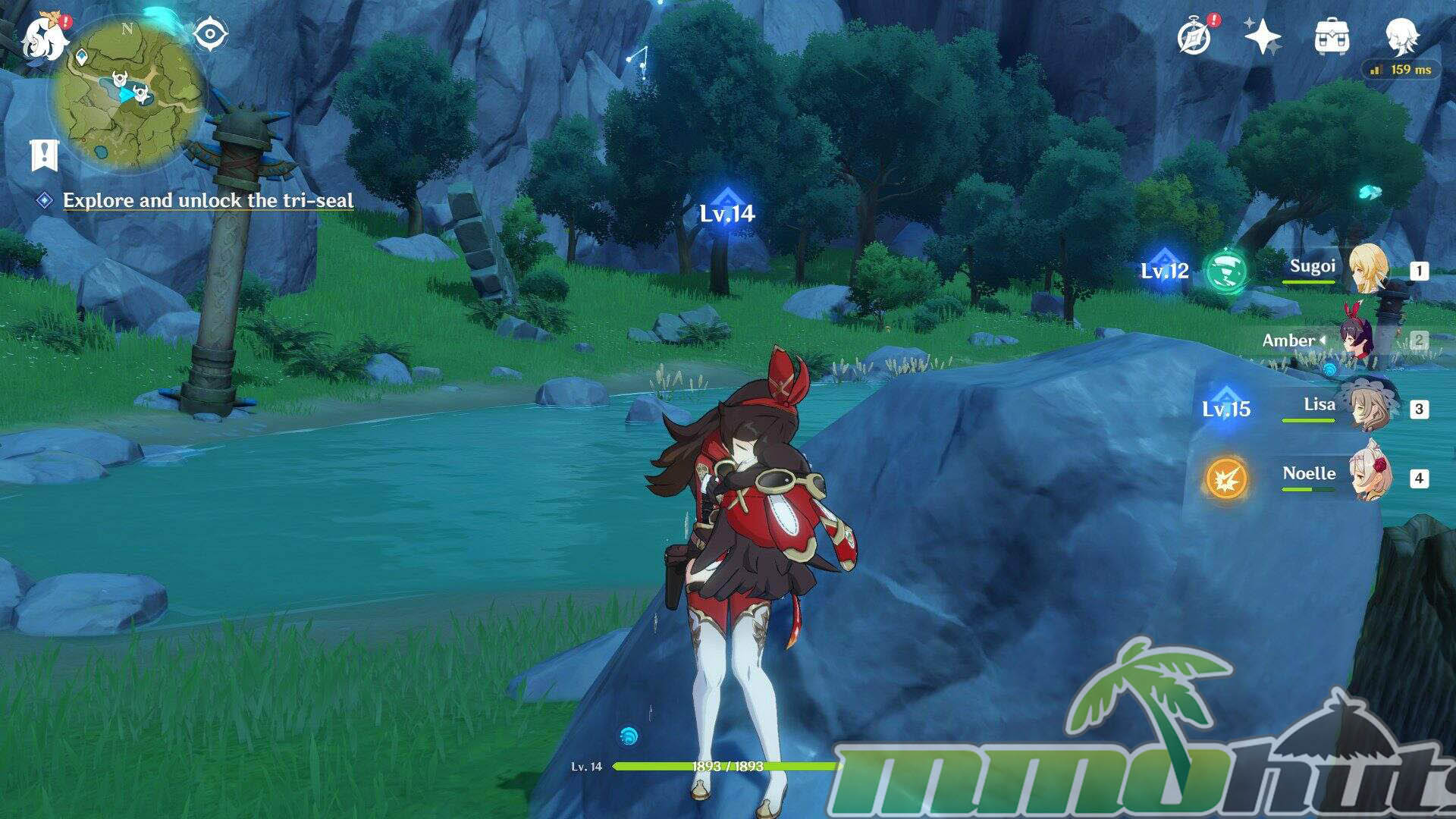
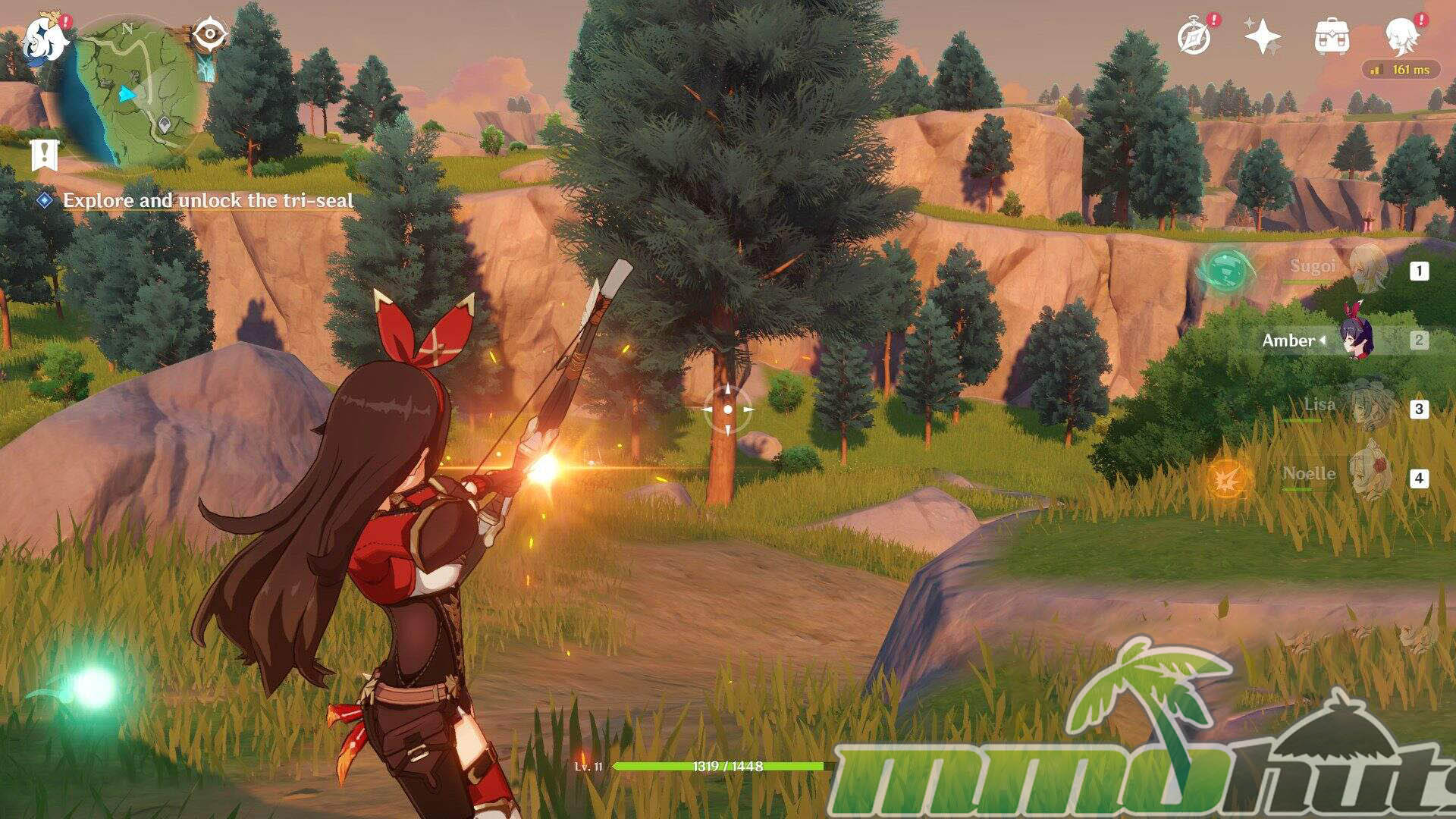
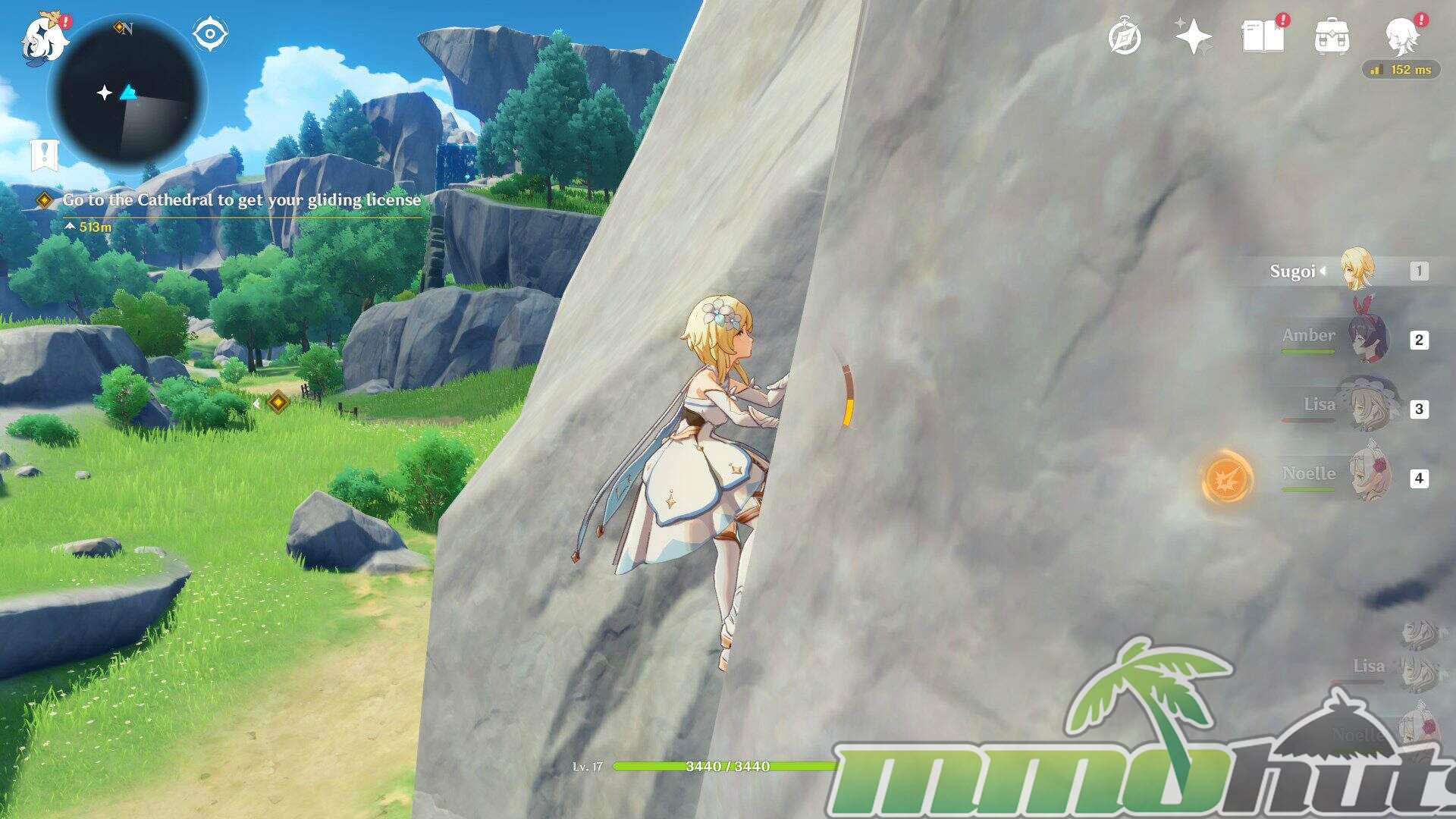
- Open-Ended Exploration – Roam freely, climb cliffs, glide from high points, and swim to reach hidden areas, puzzles, and rewards tucked away throughout the world.
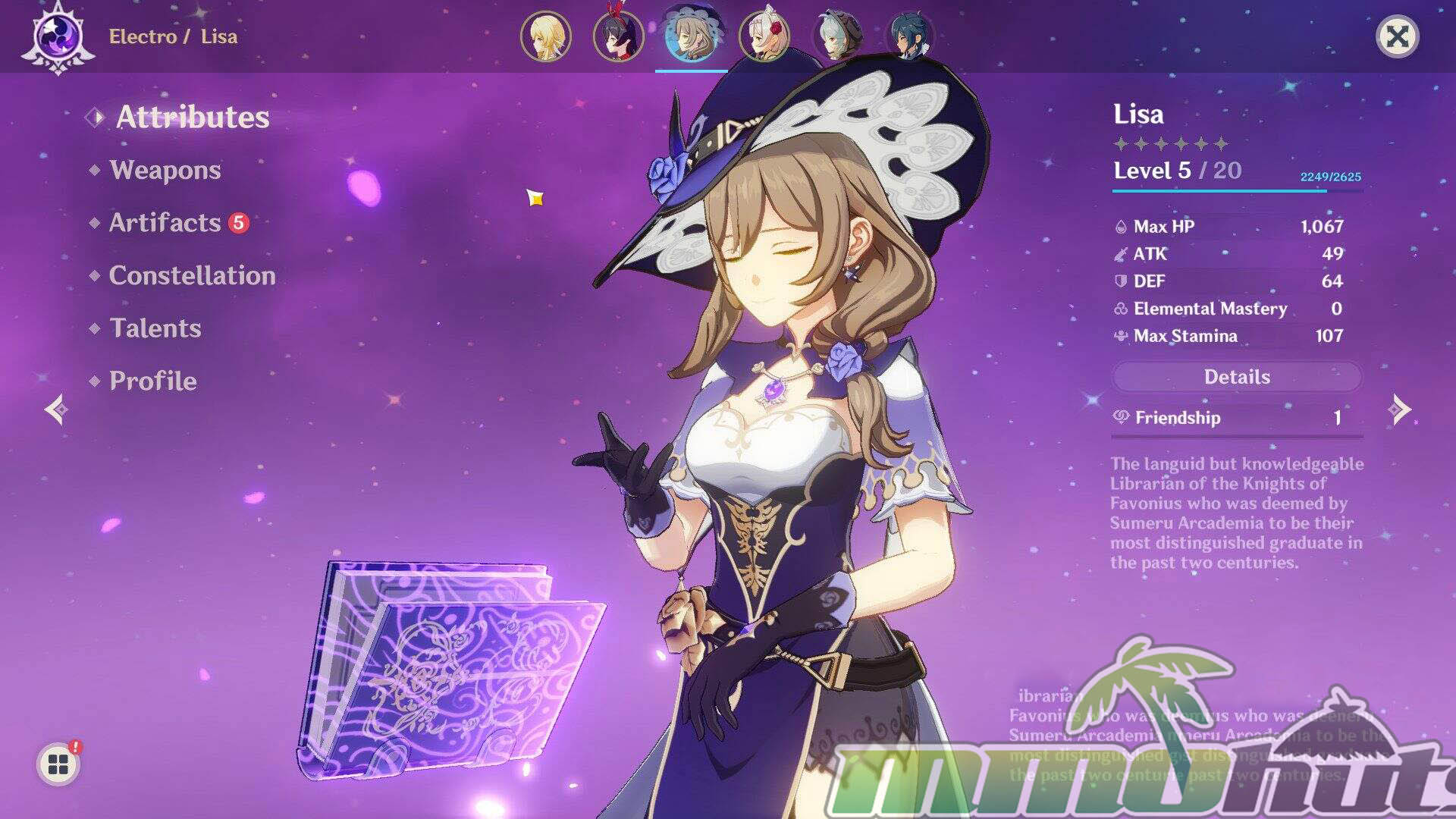
- Build a Four-Character Team – Recruit 40+ characters tied to one of seven elements: Cryo, Dendro, Pyro, Hydro, Anemo, Electro, and Geo.
- Cooking and Buffs – Gather ingredients and learn recipes, then cook meals that provide healing and temporary bonuses for your party.
- Cross-Platform Convenience – Play with cross-platform and cross-save support across PC, mobile, and console, so you can switch devices without losing progress.
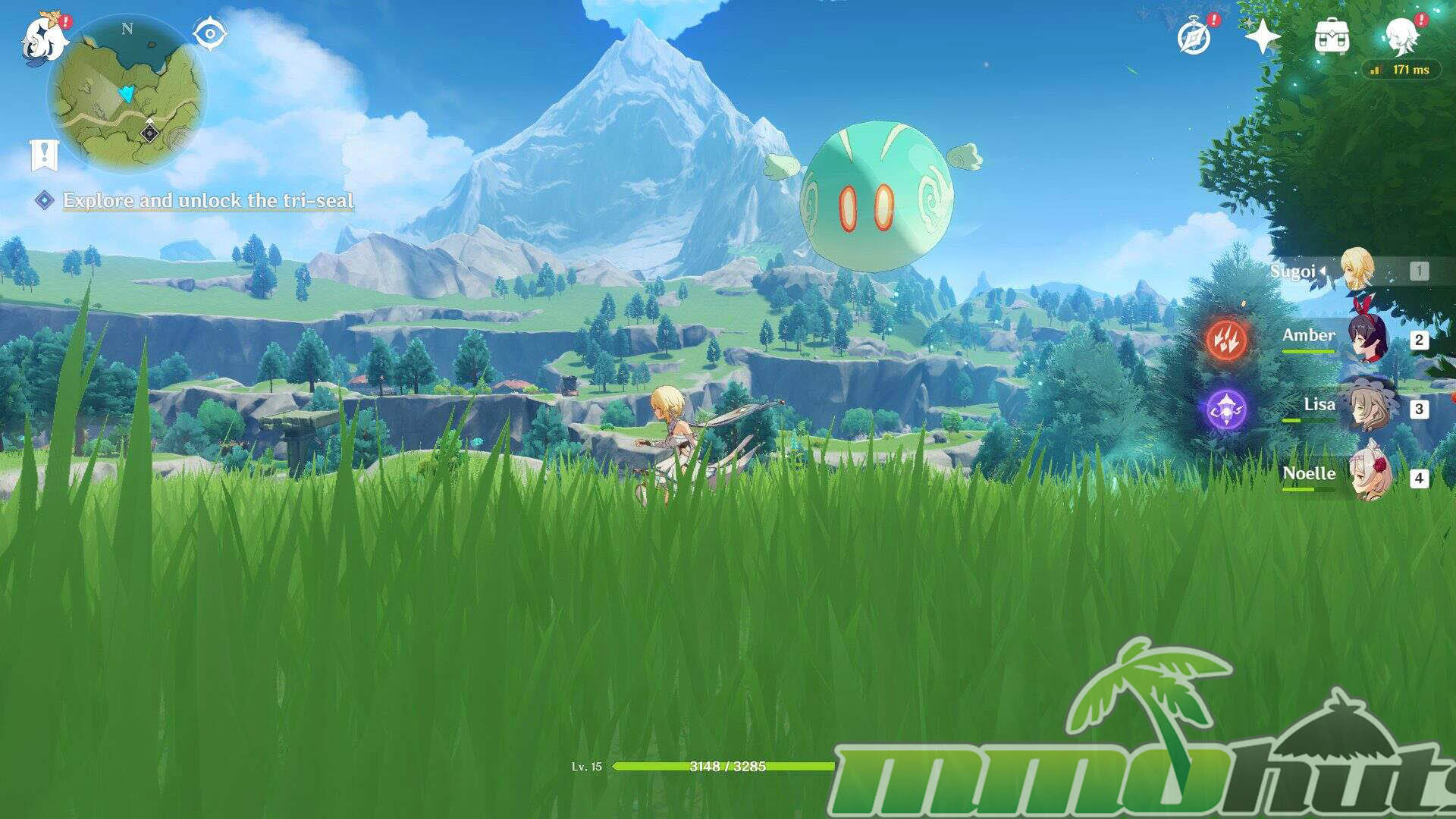
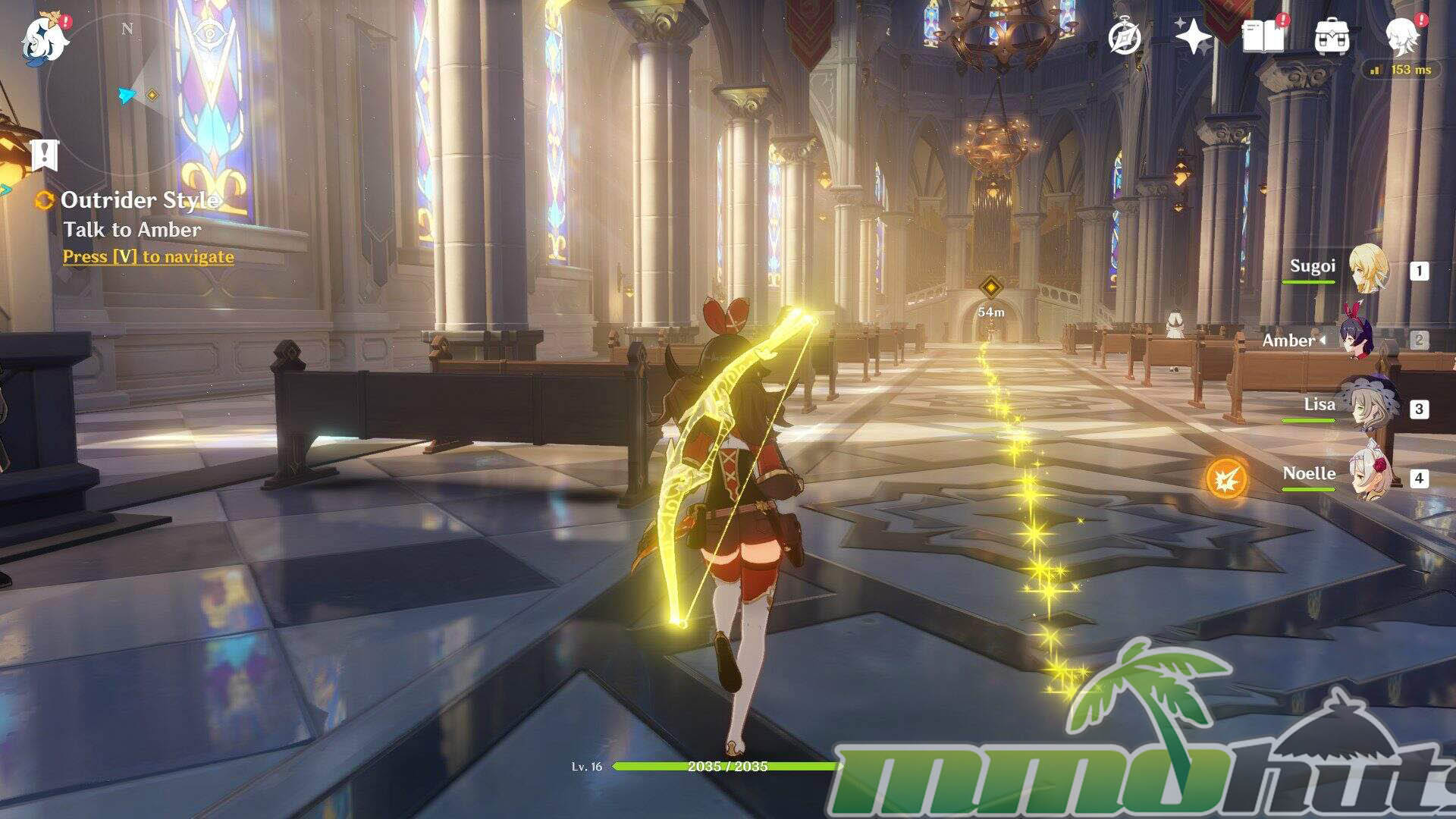
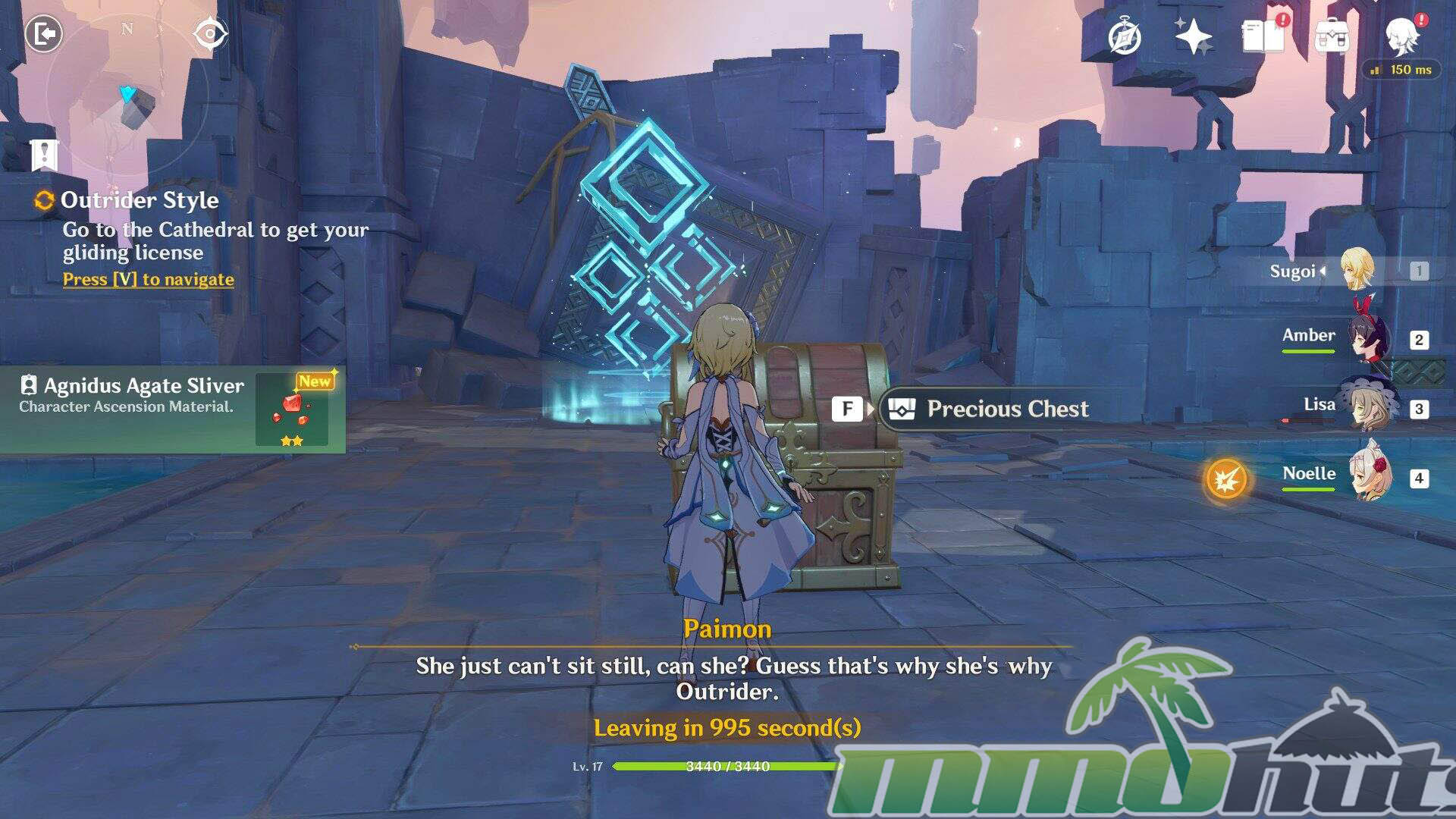
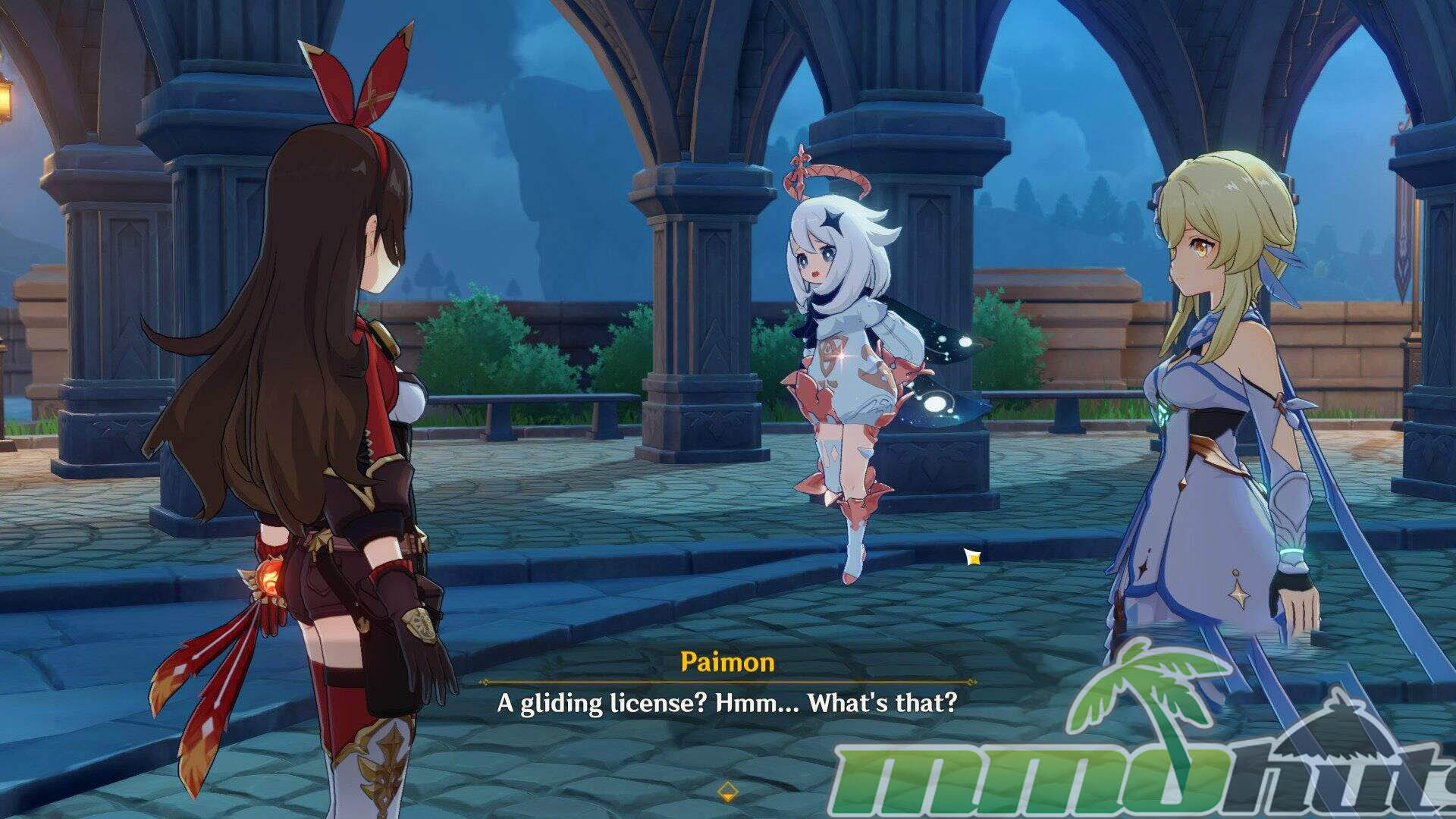
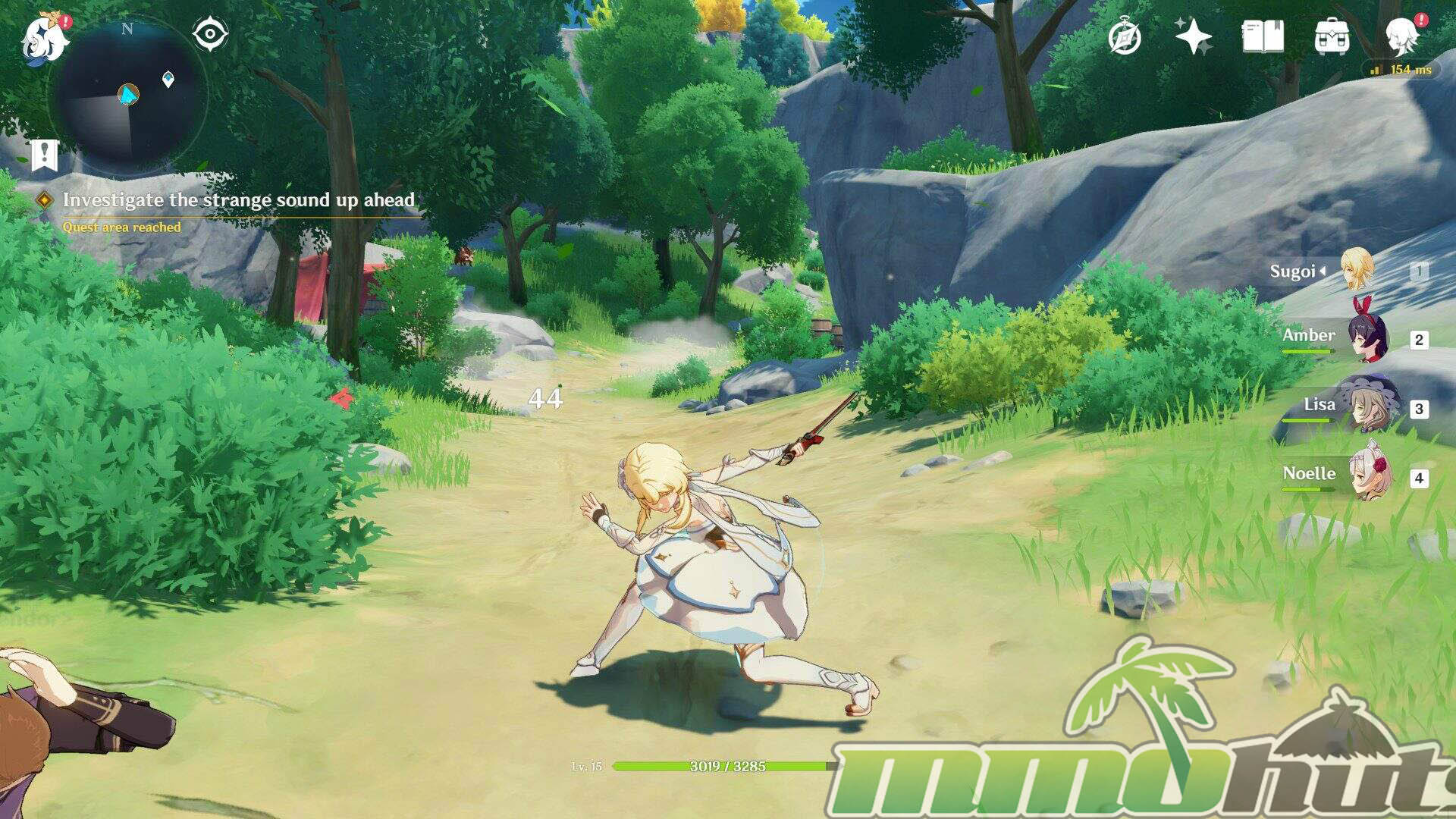
Genshin Impact Screenshots
Genshin Impact Featured Video

Genshin Impact Review
Released by miHoYo in 2020, Genshin Impact rapidly grew from “big mobile launch” into a worldwide phenomenon. Pre-release chatter often framed it through the lens of The Legend of Zelda: Breath of the Wild, mostly due to the art style and early open world footage, but the moment-to-moment structure is very much its own thing. Genshin is a character-driven action RPG built around party swapping, elemental interactions, and a gacha-based collection model that will be instantly familiar to anyone who has spent time with mobile RPGs such as Fate/Grand Order or Fire Emblem Heroes. It is free-to-play and supported by microtransactions, yet it also offers a surprisingly substantial amount of explorable content even before you spend a cent. Although designed with phones in mind, the PC version runs smoothly and looks sharp, making it one of the more comfortable ways to experience the game.
Post-launch support is a major part of Genshin’s appeal. Over time, miHoYo has rolled out large-scale updates that add regions such as Inazuma and Sumeru, along with new questlines, bosses, and playable characters. That steady expansion helps the world feel “alive” in a way many free-to-play titles struggle to maintain. The trade-off is that Genshin’s most debated feature is also central to its identity, the gacha system, which can be exciting, frustrating, or both depending on your tolerance for randomness.
Teyvat as a Setting: Regions, Culture, and Ongoing Additions
Teyvat is the main reason many players stick around. The map is structured around major nations associated with an element and an Archon, and each area carries a distinct visual theme and tone. You start in Mondstadt, which leans into a European medieval fantasy vibe, then move into Liyue, a region heavily inspired by Chinese architecture and landscapes. Later additions like Inazuma draw from feudal Japanese influences, while Sumeru blends Middle Eastern and South Asian inspirations. Importantly, these are not just different backdrops, each region tends to come with its own puzzle patterns, local materials to gather, and questlines that tie directly into the broader narrative.
The larger updates do more than extend the map, they also reshape how you explore. Inazuma, for example, emphasizes island-hopping and environmental hazards, and its content often nudges you toward using electro-themed mechanics. Sumeru shifts the feel again with contrasting rainforest and desert spaces, plus story beats that lean into politics and ancient history. It is not the same as a subscription MMO expansion model, but in terms of keeping a game relevant over years, Genshin’s cadence is closer to long-running live-service titles like Destiny 2 or Final Fantasy XIV than most mobile RPGs.
Gameplay Loop: Action Combat, Exploration, and Elemental Synergy
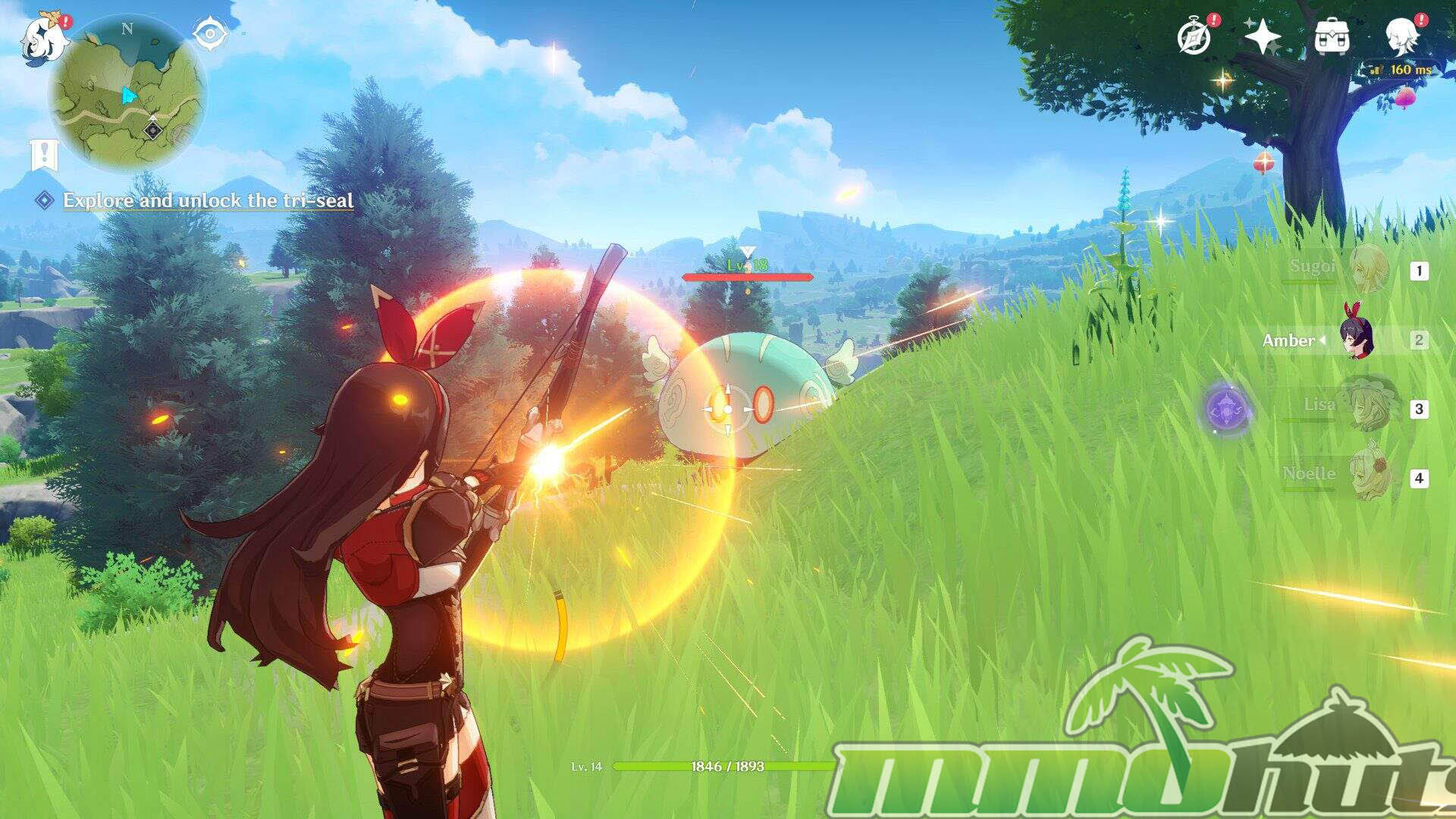
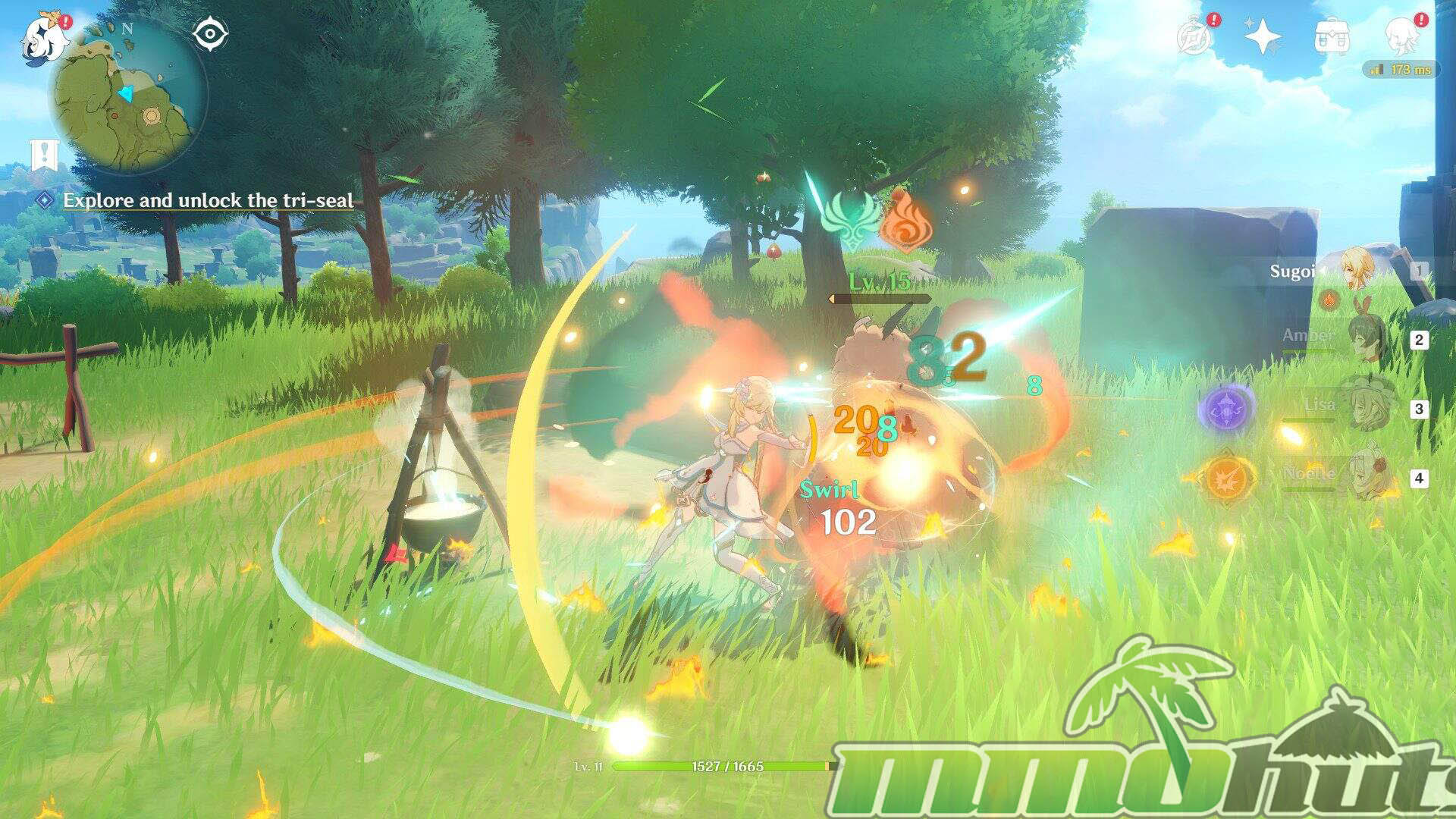
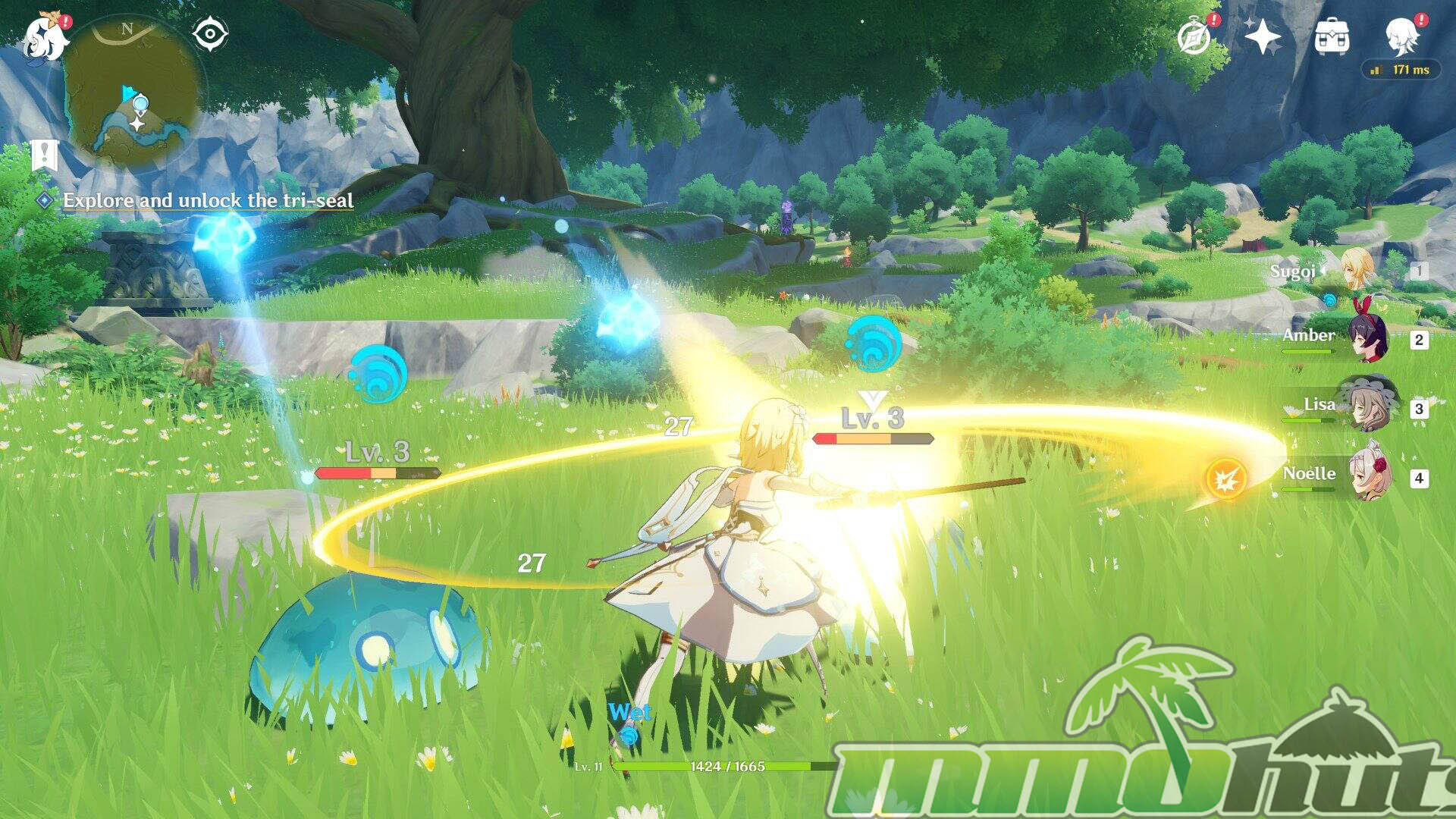
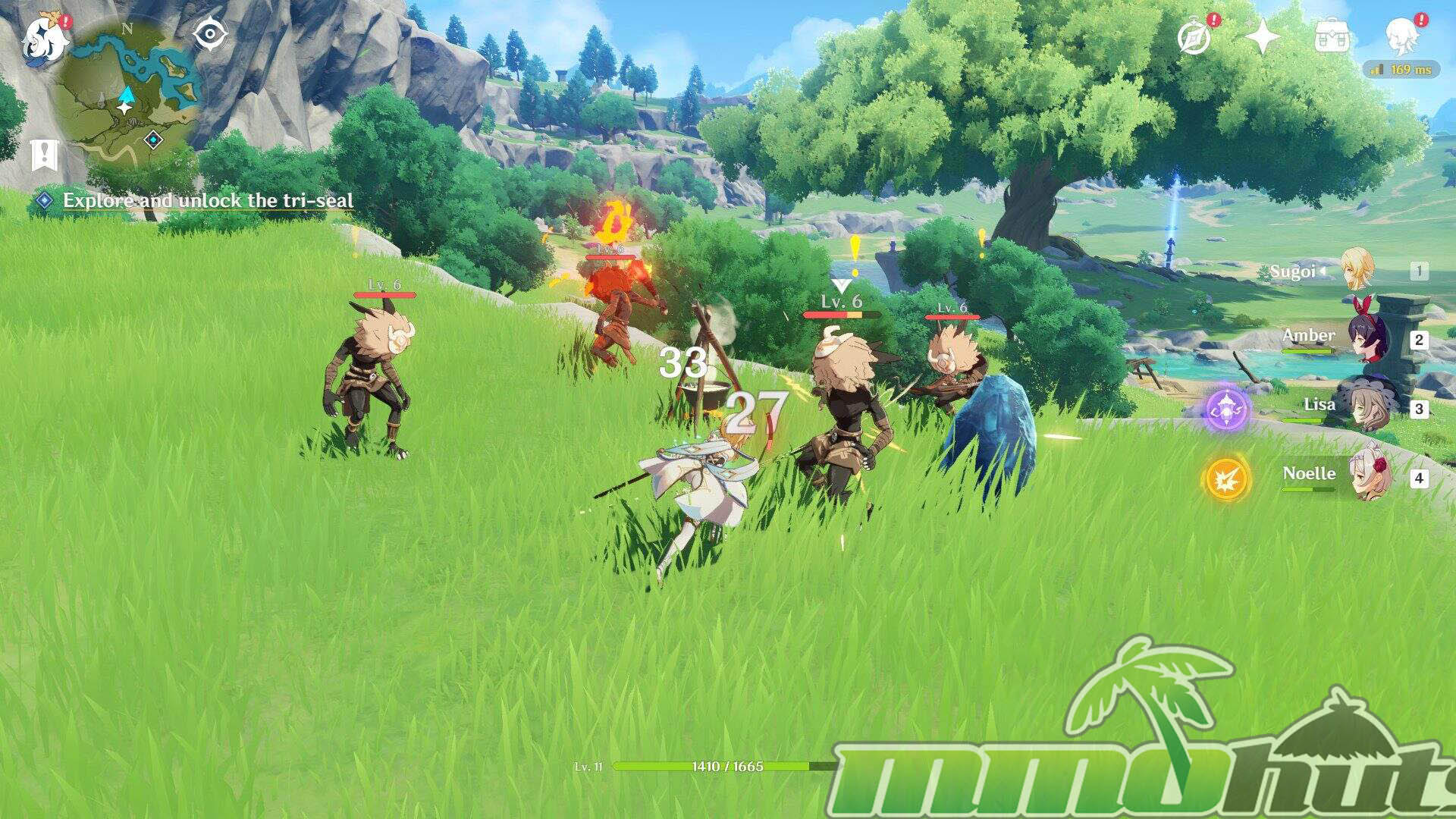
Genshin Impact’s combat is built around elements and reactions. Every character belongs to one element (Pyro, Hydro, Electro, Anemo, Cryo, Geo, or Dendro), and combining those elements produces reactions that can multiply damage, control enemies, or create chain effects. In practice, fights become less about pure button mashing and more about sequencing, applying one element, swapping characters, then triggering a reaction at the right moment. It looks flashy, but it also feels mechanically purposeful, which is a big part of why the combat remains enjoyable far beyond the tutorial.
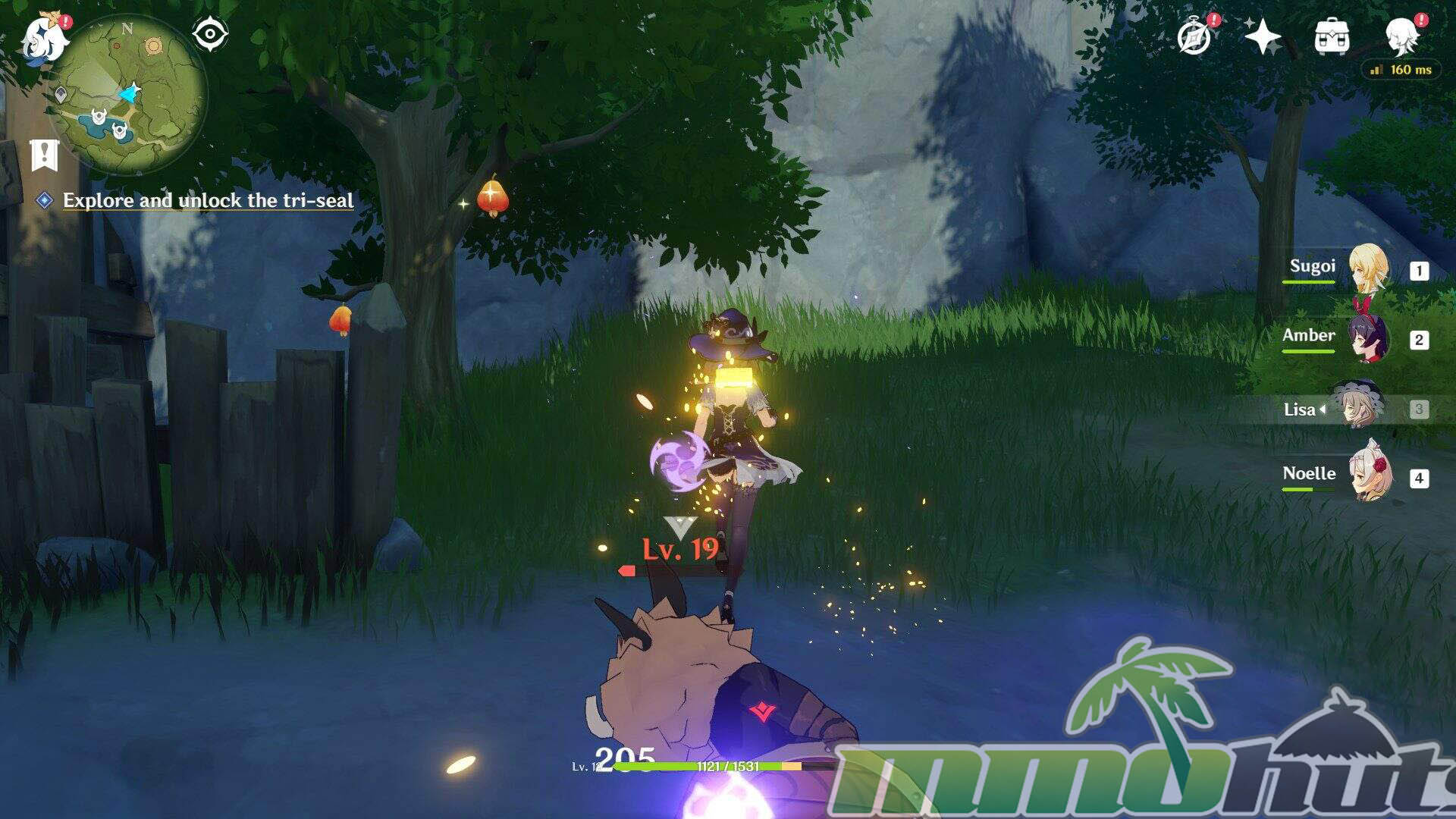
Character swapping is the core of the system. You bring up to four characters, each with their own skills and burst abilities, and rotate through them to maintain buffs, set up reactions, or respond to different enemy behaviors. The pace is quick and responsive, especially on PC and console, and it is impressive how well it holds together on mobile given the complexity. Outside of combat, elemental abilities are frequently used for traversal and puzzles, lighting objects with Pyro, freezing water with Cryo, or manipulating the environment with other elements, which helps keep exploration from feeling disconnected from your team choices.
Over time, some repetition does set in. Once you find a reliable team synergy, a lot of routine encounters can be handled with the same rotation, and the difficulty curve is not especially punishing during most of the open world. The more demanding content is typically concentrated in bosses, domains, and later-game challenges, so players looking for constant pressure may find the standard map exploration a bit too relaxed.
The Gacha Model: Rewarding Collection, Unavoidable RNG
Genshin’s character and weapon acquisition runs through the Wish system. Like other gacha games such as Dragalia Lost or Azur Lane, you are spending currency for randomized pulls, with characters split into 4-star and 5-star rarities. That structure is a clear dividing line for many players. If you enjoy building a collection and experimenting with new kits, Wishes can be genuinely fun. If you dislike RNG-heavy progression, it is easy to see the system as a constant reminder that some of the most appealing characters are not earned through straightforward gameplay.
To its credit, the game provides multiple avenues to earn currency through regular play, including daily tasks, events, and achievements. That does not remove the randomness, but it does mean free-to-play players can participate without immediately hitting a wall. Progression also includes material farming for character ascension and weapon upgrades, and those resources are often paced in a way that encourages consistent logins rather than long, single-session grinds. Players coming from traditional PC RPGs might find that pacing restrictive, while mobile veterans will recognize it as standard genre design.
The key point is that the gacha does not block the main experience. You can complete the main story and handle difficult encounters without needing any one specific character. Pulling rare characters is more about variety and optimization than access, which keeps the game playable even if you never engage heavily with the monetization.
Co-op and Online Features: Helpful, but Not a Full MMO Experience
Genshin Impact includes co-op multiplayer, but it is best viewed as a supplemental mode rather than the foundation of the game. You can group with up to three other players to explore, run domains, and fight world bosses. It is a good way to make farming or boss runs feel more social, and coordinated teams can create satisfying elemental setups with each player specializing in different roles.
At the same time, co-op has clear limitations. Many story quests are not designed around multiplayer progression, and a lot of exploration content is still oriented toward solo play. If you arrive expecting a shared-world MMO structure similar to World of Warcraft or Guild Wars 2, the online systems will feel relatively light. As long as you treat co-op as a bonus feature for certain activities, it fits the game well.
Long-Term Progression: Consistent Growth with Time Gates
Character growth is one of the game’s strongest hooks. Leveling, ascending, and gearing characters can be satisfying, especially when a new build makes your elemental reactions feel more explosive or your rotations smoother. The downside is the pace of high-end farming. Daily commissions, weekly bosses, and the resin system (used to claim many of the best rewards) put a cap on how much you can accomplish in a single sitting.
This time-gated approach works well for players who prefer a routine and like seeing steady improvement over weeks. It can be frustrating for anyone who wants to binge progression, especially those used to grind-heavy games where effort alone determines speed. It is not unusual for the genre, but because Genshin attracted a wide audience beyond typical mobile gacha fans, that design choice can be a surprise.
Presentation: Visual Style, Audio Design, and Regional Identity
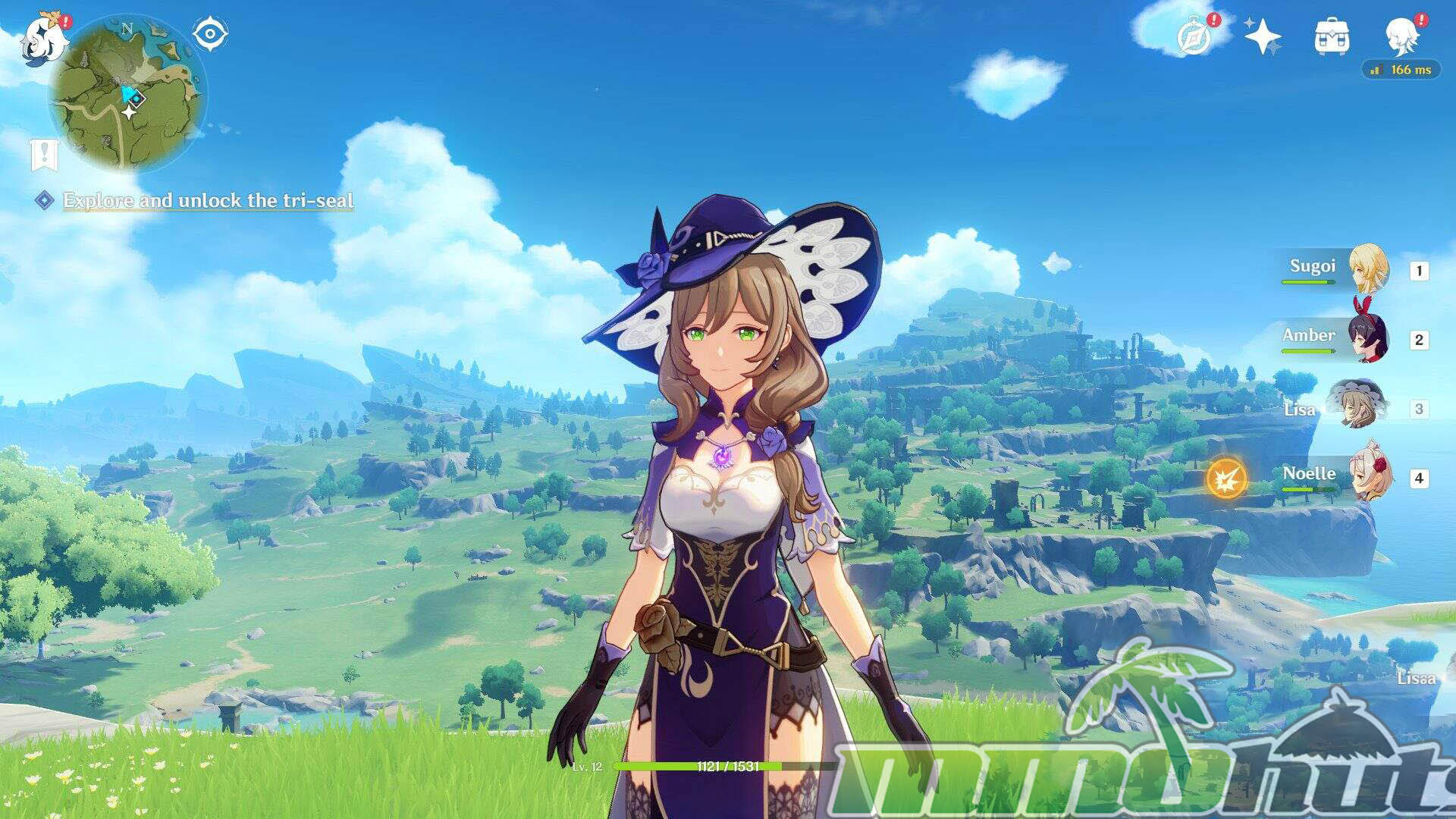
Genshin Impact’s presentation is consistently high quality. Environments are colorful and readable, character animations are expressive, and combat effects communicate elemental states clearly enough that the chaos still makes sense. The soundtrack, composed by Yu-Peng Chen, is a standout, with regional themes that help each area feel culturally distinct. Moving from Mondstadt’s lighter melodies to Liyue’s more traditional instrumentation is one of those subtle touches that makes travel feel meaningful rather than just functional.
The game also offers a strong set of voice options, including English, Japanese, Chinese, and Korean, letting players choose the tone they prefer for the story and characters. Combined with solid ambient sound design, it creates a world that feels polished and cohesive, which is a major reason Genshin stands out in the free-to-play space.
Final Verdict – Great
Genshin Impact succeeds because it delivers a large, attractive open world paired with action combat that stays engaging thanks to party swapping and elemental reactions. Its steady stream of major updates, including regions like Inazuma and Sumeru, gives players a reason to return and makes the game feel like an ongoing journey rather than a one-and-done campaign. For a free-to-play title, the overall level of craft is unusually high.
The main compromises are also clear. The gacha system and time-gated progression are fundamental parts of how the game operates, and they will not appeal to everyone, especially players who want direct, deterministic ways to unlock characters. Multiplayer exists and can be enjoyable, but it is not deep enough to satisfy anyone looking for a true MMO-style endgame.
If you want an exploration-focused RPG with strong art direction, excellent music, and satisfying combat, and you can accept the gacha and pacing mechanics that come with the model, Genshin Impact remains one of the best options on mobile and one of the most polished cross-platform free-to-play RPGs available.
Genshin Impact Links
Genshin Impact Official Site
Genshin Impact Google Play
Genshin Impact App Store
Genshin Impact Wiki
Genshin Impact Subreddit
Genshin Impact Facebook
Genshin Impact Twitter
Genshin Impact System Requirements
PC Minimum Requirements:
Operating System: Windows 7 SP1 64-bit
CPU: Intel i5 or equivalent
Video Card: Nvidia GTX 1030
RAM: 8 GB
Hard Disk: 30 GB
PC Recommended Requirements:
Operating System: Windows 10 64-bit
CPU: Intel i7 or equivalent
Video Card: Nvidia GTX 1060 or equivalent
RAM: 16 GB
Hard Disk: 30 GB
Android Minimum Requirements:
OS: Android 7.0 or above
CPU: ARM v8a 64-bit device
RAM: 3 GB
Storage: 8 GB
Android Recommended Requirements:
Operating System: Android 8.1 and above
CPU: Qualcomm Snapdragon 845 / Kirin 810 and above
RAM: 4 GB or more
Storage: 8 GB
iOS Requirements:
Operating System: iOS 9.0 and above
Storage: 8 GB
Supported Devices: iPhone 8 Plus and newer
Genshin Impact Music & Soundtrack
Coming soon!
Genshin Impact Additional Information
Developer: miHoYo
Publisher: miHoYo
Engine: Unity
Composer: Yu-Peng Chen
Announcement Date: June 2019
Closed Beta 1: June 21, 2019
Closed Beta Final: July 02, 2020
Release Date: September 28, 2020
Platforms: Microsoft Windows, PlayStation 4, Android, iOS
Development History / Background:
Genshin Impact is a free-to-play open world RPG developed and published by the Chinese gaming company miHoYo. Work on the project began in January 2017, not long after the studio shipped Honkai Impact 3rd, and it was publicly revealed in June 2019. A first beta took place that same month, with a final closed beta running through July 02, 2020. The team cited a range of inspirations, including The Legend of Zelda: Breath of the Wild and the Grand Theft Auto series, which is reflected in the game’s emphasis on open exploration and a world designed to be wandered rather than strictly linear. It is also recognized as one of the most expensive Chinese-developed video games to date, with a development and marketing budget of around $100 million USD.
Today, Genshin Impact continues to rank among the most popular mobile titles in Western markets and is widely regarded as the biggest name in the gacha genre.
Since launching in September 2020, Genshin Impact has generated over $3.7 billion in worldwide mobile revenue. About 33% of that total came from China, highlighting just how much of the game’s success has been driven by players outside its home market.