Fire Emblem Heroes
 (No Ratings Yet)
Fire Emblem Heroes is a mobile tactical RPG that adapts the Fire Emblem formula into quick, touch-friendly battles, letting you summon and build a roster of heroes pulled from across the series to tackle bite-sized maps and competitive modes.
 | Publisher: Nintendo Playerbase: High Type: Mobile Tactical RPG Release Date: February 2, 2017 Pros: +Huge roster pulled from across Fire Emblem. +Arena duels give a competitive outlet. +Classic grid, turn-based combat streamlined for phones. Cons: -Stamina can cut sessions short. -Battlefields can start to feel samey. -Tactics can be shallow compared to mainline entries. |


Fire Emblem Heroes Overview
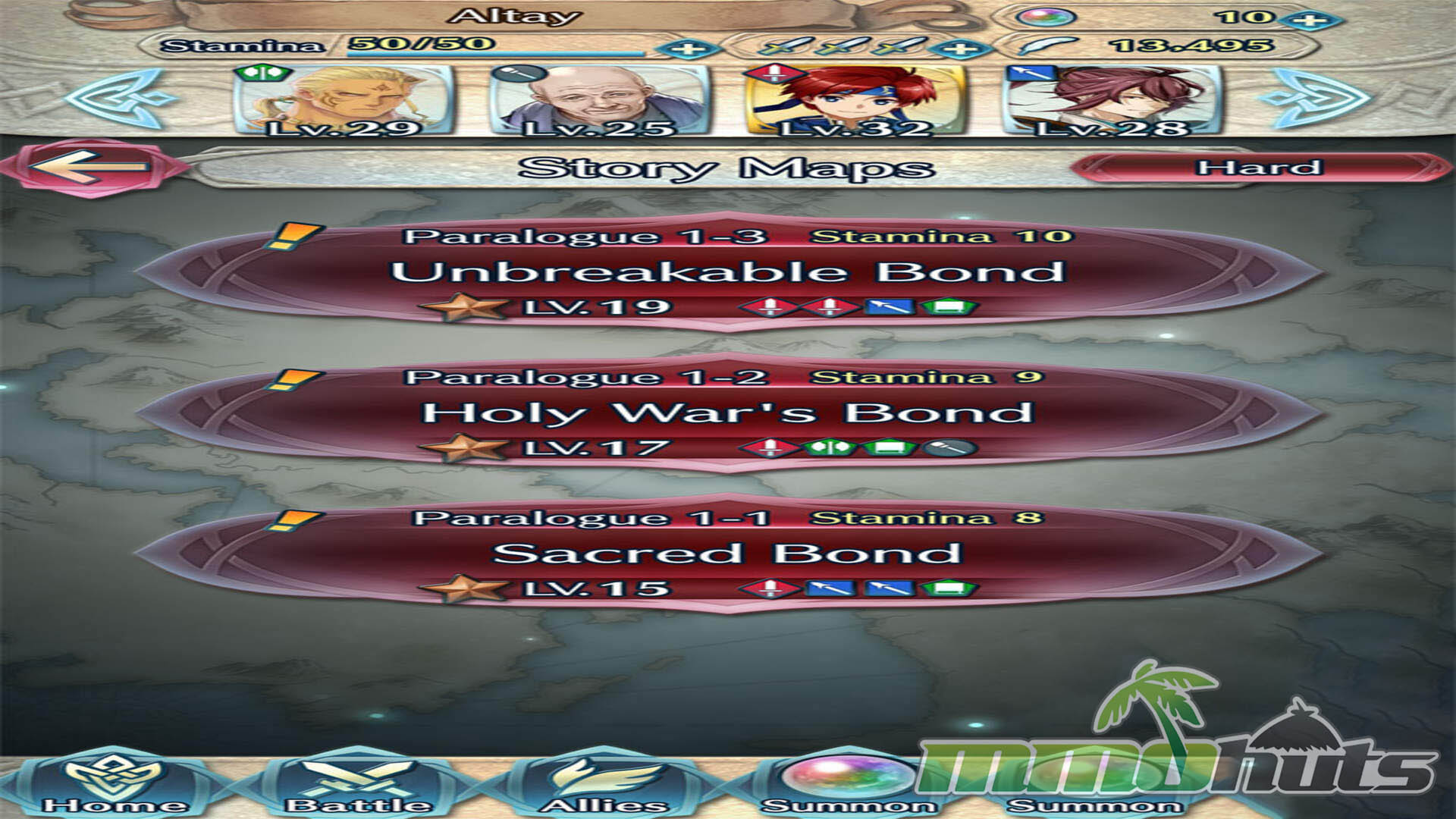
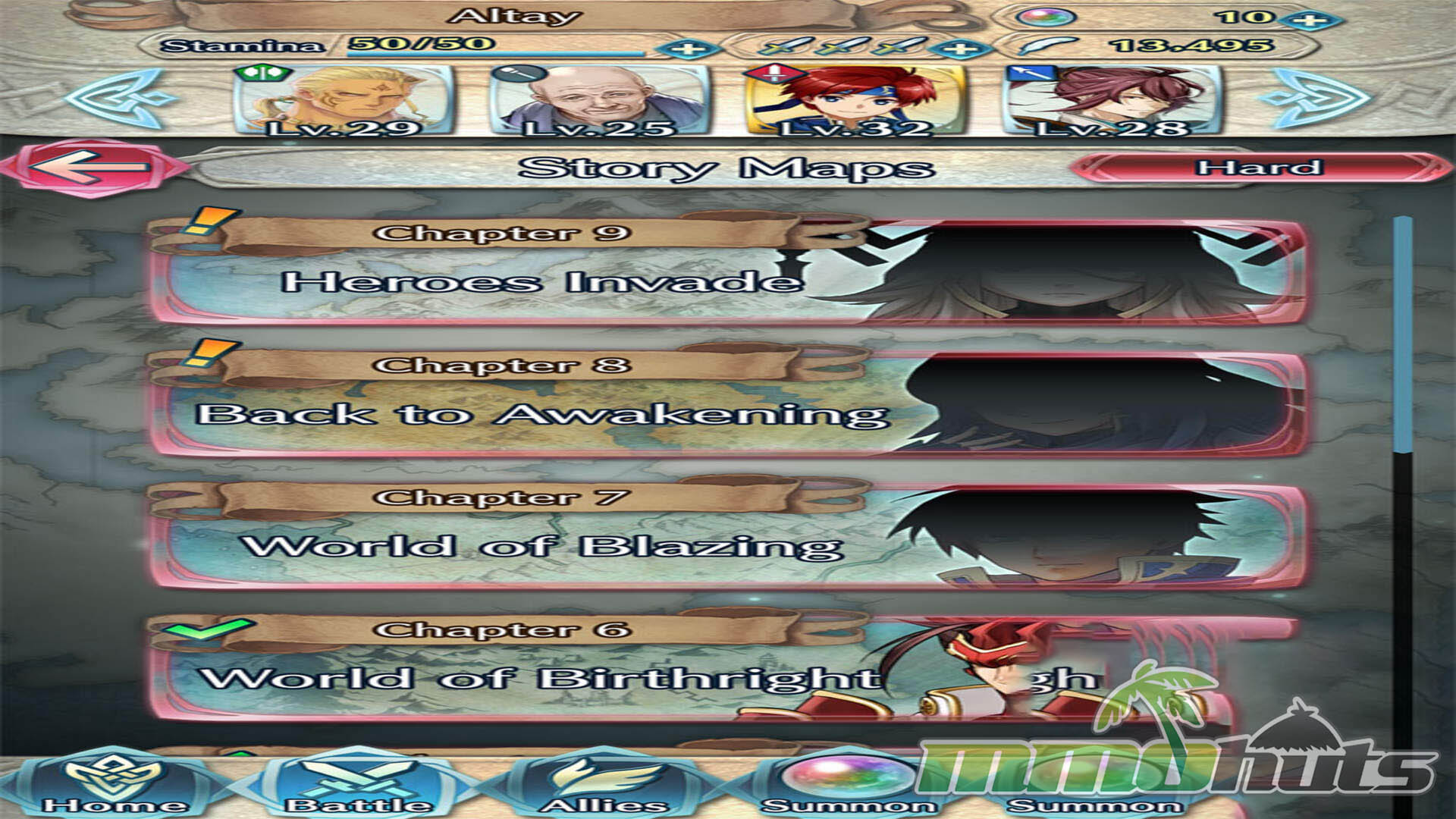
Fire Emblem Heroes frames its battles around the conflict between the Kingdom of Askr and the Emblian Empire, using that clash as a reason for heroes from many Fire Emblem worlds to appear on one battlefield. You join the Order of Heroes and push through a story campaign built from short, mission-style encounters, each designed to fit comfortably on a phone screen while still using Fire Emblem’s familiar grid and turn order.
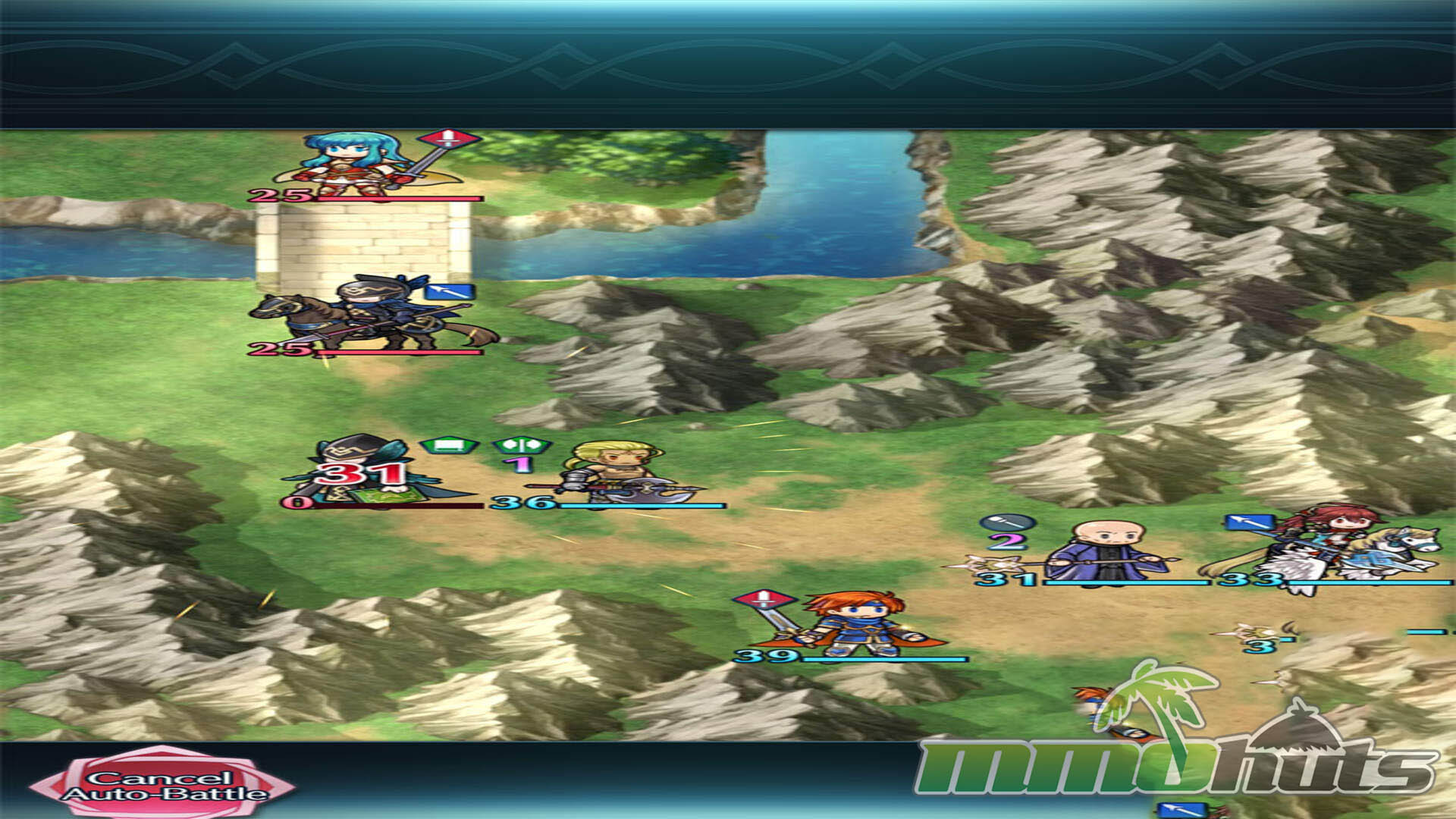
At the heart of each map is a small squad setup, you bring up to four heroes and face an opposing group that is often similar in size. On your turn, you tap a unit, move them tile by tile, and attack when in range. Combat is heavily influenced by the series’ weapon triangle style matchup, presented here as a rock-paper-scissors loop across weapon colors. Picking favorable matchups, positioning safely, and managing ranges usually matter more than elaborate long-term planning, which is part of the game’s streamlined approach.
Progression is built around collecting and developing characters. You can summon recognizable faces such as Lucina, Takumi, and Roy, then customize them with a weapon and a defensive item, plus a skill option like Astra or Night Sky. Outside the story, the game mixes in competitive play and rotating challenges. Arena Duels provide PvP matchups against other players’ teams, while limited-time Hero Battles and other special maps offer targeted fights that can reward additional allies and resources.
Fire Emblem Heroes Key Features:
- Fire Emblem Franchise for Mobile – A phone-focused take on Fire Emblem that keeps the grid-based, turn-driven identity while trimming complexity for fast sessions.
- Collect Heroes – Recruit a wide selection of characters spanning multiple Fire Emblem games, alongside new faces created for Heroes.
- Equip Heroes – Customize each unit with a weapon, a defensive item, and a chosen skill to shape how they perform in combat.
- Weapon Types – Use the cyclical advantage system (Fire Sword, Wind Axe, Thunder Lance) to create favorable engagements and avoid bad trades.
- PvE and PvP Content – Clear story battles and time-limited maps, then bring your best squad into PvP Arena Duels for competition and rewards.
Fire Emblem Heroes Screenshots






Fire Emblem Heroes Featured Video

Fire Emblem Heroes Review
Fire Emblem Heroes is one of the better examples of a console-style series being reshaped for mobile without losing its identity entirely. It clearly aims for short play sessions and steady progression, rather than the long, stressful planning that defines many mainline Fire Emblem entries. If you come in expecting deep, punishing tactics and complicated maps, the game can feel lightweight. If you want quick tactical decisions, constant roster tinkering, and a steady stream of familiar characters, it delivers a surprisingly sticky loop.
Core Gameplay and Flow
Each battle drops you into a compact grid map that is fully visible on a phone screen. You command a team of four units, and most encounters pit you against a similarly sized enemy group. Turns are simple to execute: select a hero, drag or tap to move to a tile, and attack if the target is in range. The small scale keeps fights brisk, and it also means there is less room for elaborate maneuvers. Battles can be over quickly once you gain momentum, which suits a mobile format well.
A lot of decision-making revolves around matchups. The weapon triangle style system is presented as a color-based loop that rewards choosing the right engagements, and punishes charging into a bad one. When levels and stats are close, positioning and weapon advantage can decide a fight. When the gap is large, raw power tends to take over, and the “tactics” become more about avoiding obvious mistakes than executing a complex plan.
PvP is where the limitations of the simplified system are most noticeable. Smart movement, baiting, and controlling threat ranges can win matches against similarly developed teams. However, Arena Duels can also feel like a comparison of rosters and investment, especially when you face opponents with stronger lineups. In practice, the ceiling for clever play exists, but it is narrower than in traditional Fire Emblem, and the outcome can be heavily influenced by which heroes you have and how built they are.
Balance is another recurring issue in hero-collector games. With a growing cast, some units naturally stand out and can dominate many matchups unless specifically countered. That can be fun when you are the one fielding a standout hero, but it can also make certain fights feel predetermined. The game still leaves room for counterplay through team composition and weapon matchups, yet it does not consistently reach the “every unit has a role” feel that strategy purists might want.
Story and Presentation
The narrative uses a multiverse-style premise to justify pulling heroes from different Fire Emblem worlds into the same conflict. The story scenes are brief and functional, acting as quick context before and after missions rather than long story chapters. That pacing works for the platform, you get enough motivation to understand why you are fighting, but the game rarely slows down to deliver extended drama.
Where Heroes shines is in character variety and visual appeal. The core cast is easy to like, and the constant rotation of additional heroes, both classic and new, gives the game a steady sense of novelty. Art direction is also a highlight, with characters sporting distinct looks that reflect different artists and styles across the series. Even when the maps begin to blur together, pulling a new hero and seeing their design and animations can be genuinely satisfying.
Summoning and Building a Roster
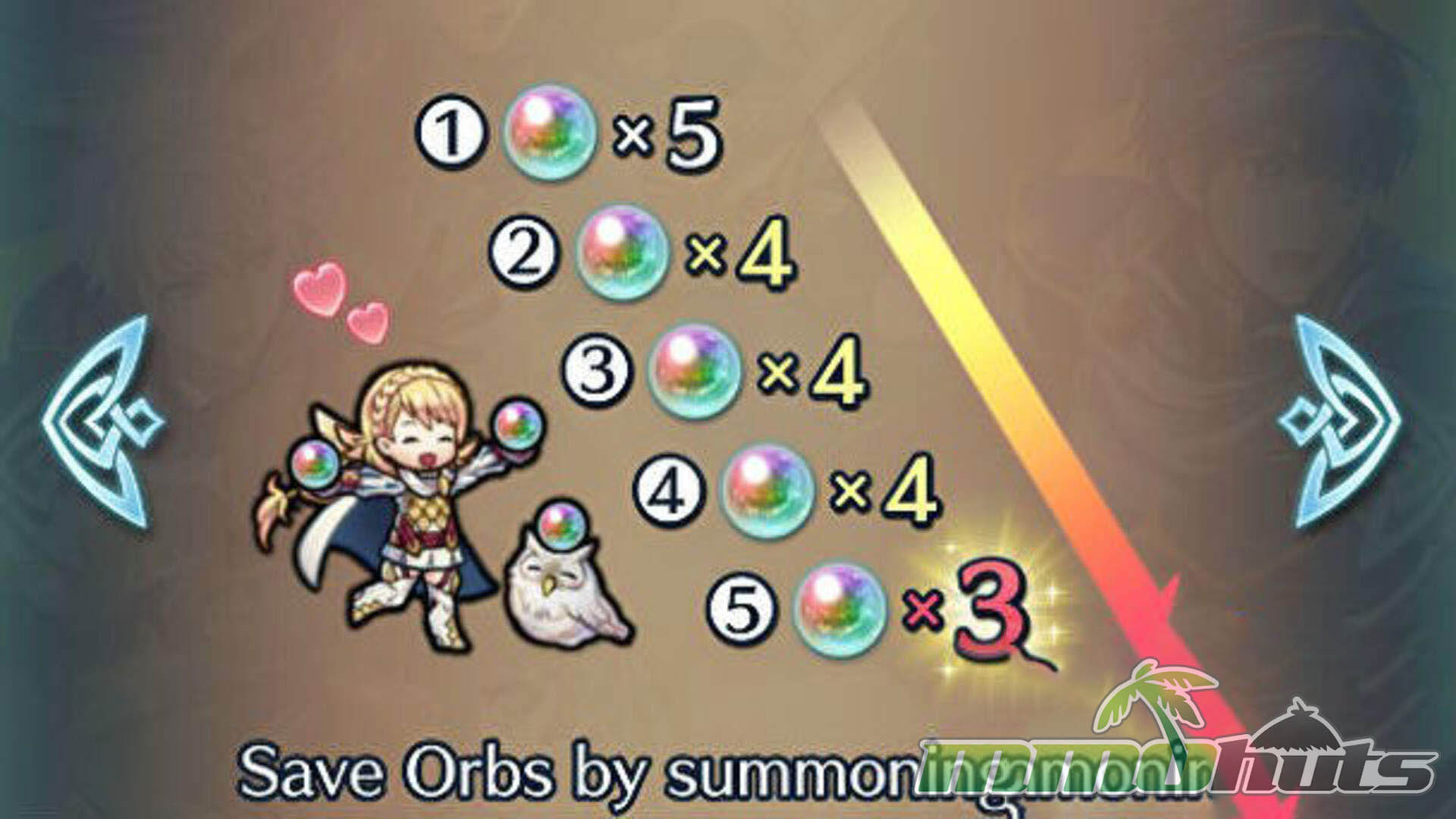
Fire Emblem Heroes is built around summoning, and it is important to be honest about what that means. New heroes primarily come from spending orbs on a color-coded summon, and the results can range from exciting to disappointing. The system is engaging in the way gacha mechanics tend to be, it is a steady cycle of anticipation, reward, and the urge to try again.
That said, spending money is not required to make progress through the main content. The game provides orbs through story completion, achievements, and other activities, especially early on. Over time the flow naturally slows, and the game encourages repeated clears across difficulties if you want to squeeze more value from the campaign. Even without paying, it is possible to assemble a capable roster, but players chasing specific favorites or top-tier teams will feel the pull of the system much more strongly.
Modes and Activities
The main story is only one part of the package. Fire Emblem Heroes regularly uses limited-time maps and special battles to keep the routine from becoming purely campaign grinding. These challenges often feature particular heroes or themed encounters, and they typically exist to provide extra rewards and goals for returning players.
Arena Duels serve as the competitive centerpiece, giving you a reason to refine your team and measure it against other players. If you care about optimization, this mode becomes an ongoing focus because it ties into progression resources and the satisfaction of climbing. Meanwhile, the Training Tower offers a more straightforward place to level units, which is especially useful when you pull a new hero and want to bring them up to speed quickly.
Having several ways to fight helps the game avoid feeling like one endless queue of identical missions. The downside is that the game’s energy limits can force you to prioritize what you want to do in a given session. Variety is present, but you cannot always engage with it on your own schedule.
Energy Limits and Session Design
The stamina system is the biggest friction point for anyone who wants to treat Fire Emblem Heroes like a long, uninterrupted tactics game. Once you are past the initial honeymoon period and you start repeating modes for progression, stamina costs can make sessions feel abruptly capped. At that stage, you either stop for a while or use items, and the game makes it clear that it is designed around returning in short bursts.
As a mobile title, that structure is not surprising. It encourages check-ins, daily play habits, and, for some players, spending. If you approach Heroes as something to play during commutes, breaks, or downtime, it fits neatly. If you want to sit for hours and grind tactics, it can become frustrating. A low-reward or reward-free mode with reduced stamina pressure would make the combat more accessible for players who simply enjoy the mechanics, but as it stands, stamina is part of the game’s pacing and monetization reality.
Conclusion – Great
Fire Emblem Heroes succeeds most when you judge it as a streamlined, character-driven tactics game built for mobile. It offers satisfying bite-sized battles, a large and appealing roster, and enough modes to keep you engaged beyond the story. Its weaknesses are also typical of the format: limited stamina can interrupt longer sessions, maps can start to feel repetitive, and the tactical depth is intentionally reduced compared to the main series. For players who want a quick strategy fix and enjoy collecting Fire Emblem characters, it remains a strong mobile option.
Fire Emblem Heroes Links
Fire Emblem Heroes Official Site
Fire Emblem Heroes Google Play
Fire Emblem Heroes iTunes App Store
Fire Emblem Heroes Facebook Page
Fire Emblem Heroes Wiki [Database/Guides]
Fire Emblem Heroes Wikia [Database/Guides]
Fire Emblem Heroes System Requirements
Minimum Requirements:
Operating System: Android 3.2 and up / iOS 9.0 or later.
Fire Emblem Heroes Music & Soundtrack
Fire Emblem Heroes Additional Information
Developer: Intelligent Systems, Nintendo EPD
Publisher: Nintendo
Directors: Kouhei Maeda, Shingo Matsushita
Producers: Masahiro Higuchi, Yu Sasaki, Hideki Konno
Programmers: Yuji Ohashi, Ryo Watanabe
Artists: Mai Kusakihara, Yusuke Kozaki
Writers: Kouta Nakamura, Kouhei Maeda, Satoko Kurihara, Yuu Ohshima
Composer: Hiroki Morishita
Platforms: iOS, Android
Languages: English, Simplified Chinese, Italian, Spanish, French, German
Release Date: February 2, 2017
Development History / Background:
Fire Emblem Heroes is a mobile tactical RPG developed and published by Nintendo, a major Japanese game company known for long-running franchises such as Super Mario Bros. and Pokemon. With Heroes, the Fire Emblem series made its first dedicated move onto mobile devices, bringing a condensed version of its grid-based strategy combat to phones and tablets. The game launched on February 2, 2017.