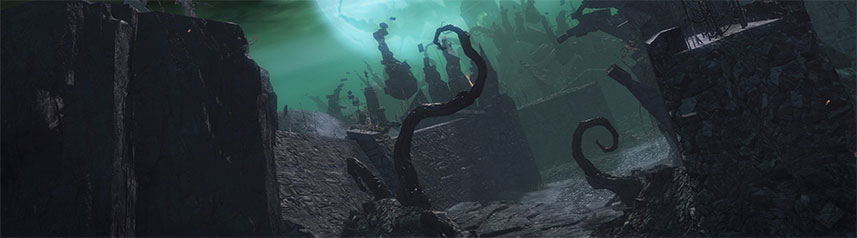
Final Fantasy XIV is a 3D fantasy MMORPG from Square Enix that leans heavily into what the studio does best, a long-form narrative, memorable music, and a steady stream of curated themepark activities. It supports everything from high-end raids to relaxed side pursuits like crafting, collecting minions, and decorating housing. If you enjoy JRPG-style storytelling in an online world, FFXIV’s main scenario can easily run well past 100 hours, and it is delivered with a level of polish that most MMOs do not match.
 | Publisher: Square Enix Playerbase: High Type: MMORPG Release Date: August 27, 2013 (NA/EU) PvP: Duels / Arenas Pros: +Robust character creator and glamours. +Outstanding soundtrack and audio. +Large selection of jobs and crafting paths. +Housing for individuals and Free Companies. +Very generous free trial. Cons: -Very limited build customization within a job. -The early hours can feel sluggish. -Main story progression gates access to a lot of endgame content. |

Final Fantasy XIV Overview
Final Fantasy XIV is Square Enix’s modern MMORPG entry in the long-running Final Fantasy series. Set in Eorzea, the game blends traditional questing, instanced dungeons, and raid progression with a story-first presentation that feels closer to a single-player RPG than a typical grind-focused MMO. You begin by choosing a race and an initial class, then grow into a wider roster of jobs and professions as the main scenario opens up the world.
One of the game’s defining ideas is that your character is not locked into a single role. Instead, you can learn multiple combat jobs and crafting or gathering professions on the same character, swapping by changing your equipped weapon. Between the main scenario, side systems, and repeatable activities, FFXIV offers a broad themepark menu that caters to both players who want structured progression and those who prefer social or collection-focused play.
Final Fantasy XIV Key Features:
- Story Driven Gameplay – presented with strong production values (visuals, music, cinematics, and frequent cutscenes).
- Character Customization – 8 playable races and 17+ playable classes to start. Thanks to the job system, you can level every class on a single character rather than maintaining multiple alts.
- Cross-Platform Play – shared servers and play between PC and Playstation 4.
- Player Housing – housing options for Free Companies (guilds) and personal ownership.
- High Level of Content – a huge amount to do, from narrative arcs and dungeons to raids, crafting, and long-term collections.
- Tons of Small Features – a wide spread of optional systems (Marriage, Golden Saucer mini games, Triple Triad, side quests, and more).
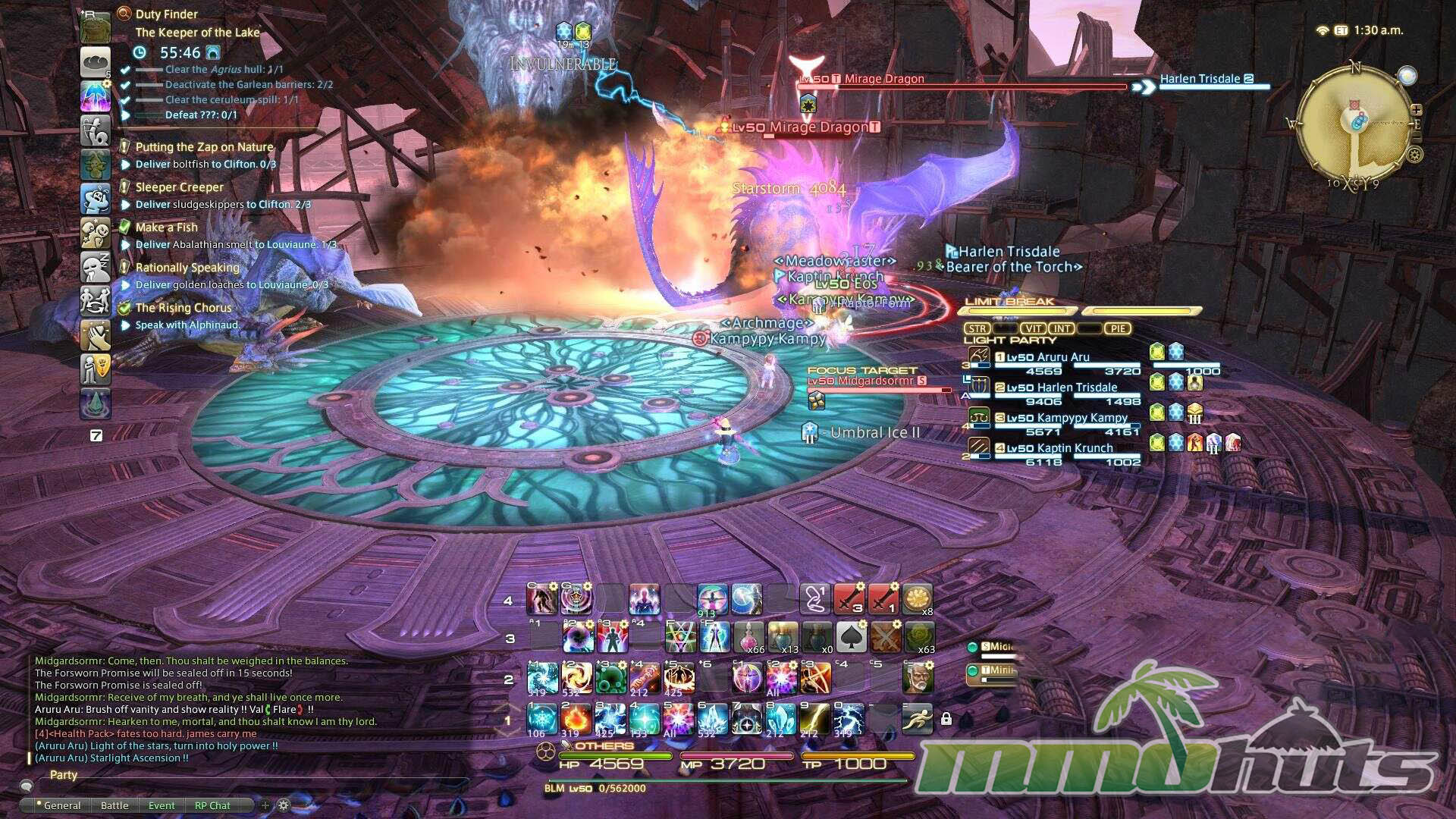
- Something For Everyone – endgame is offered in tiers, including very demanding “savage” and “ultimate” raids for dedicated groups, plus more accessible modes for the broader audience.
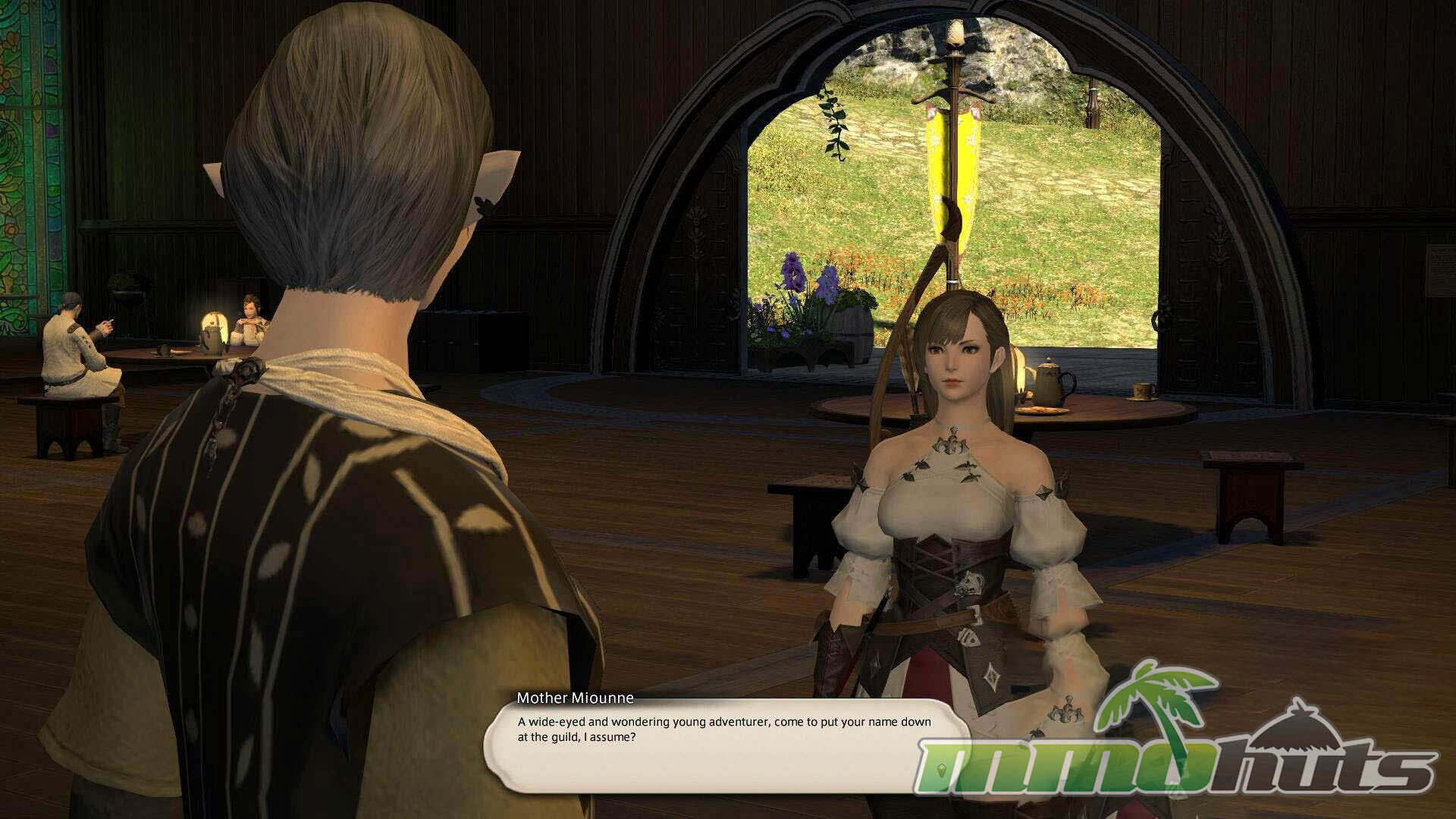
Final Fantasy XIV Screenshots

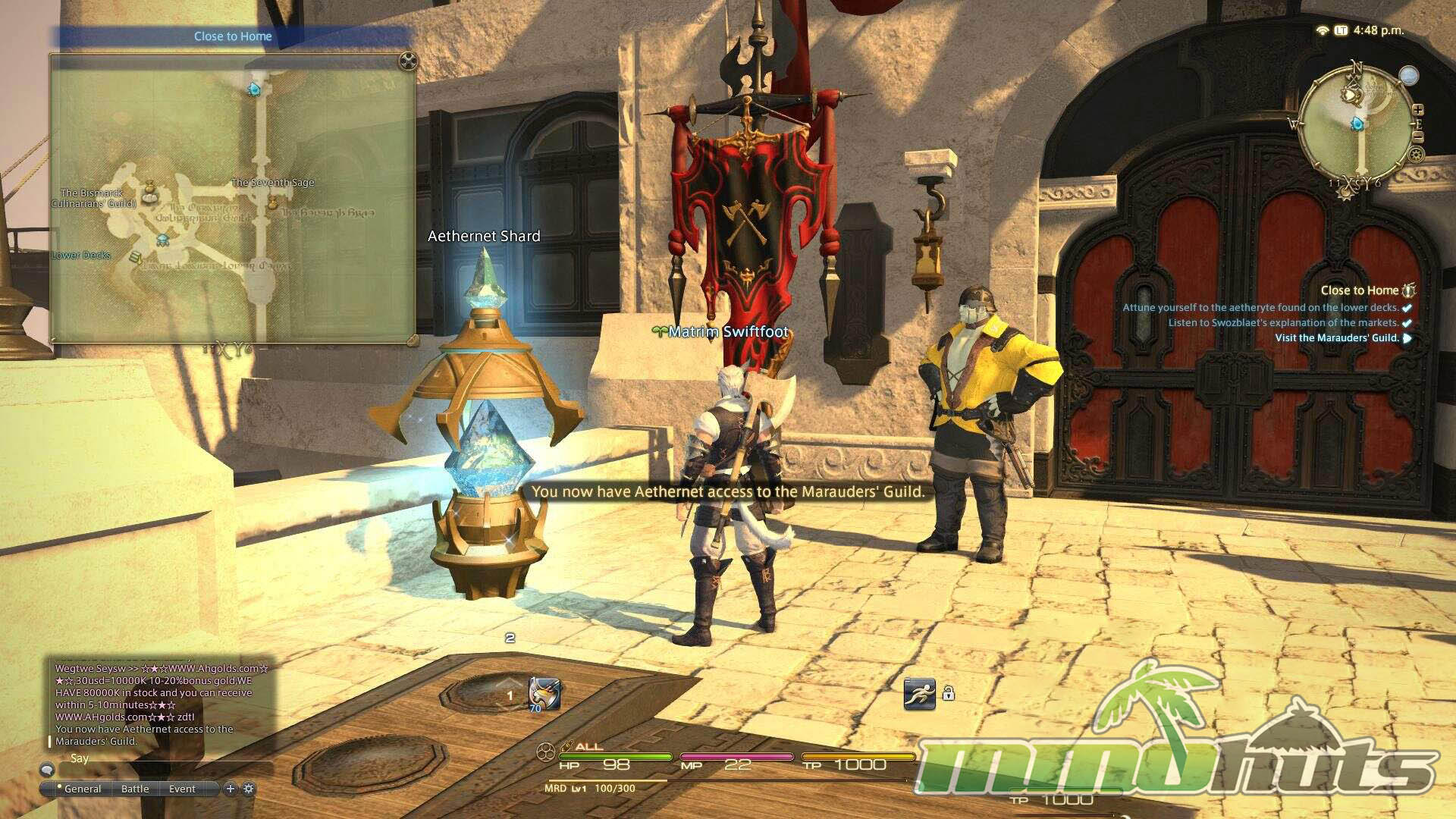

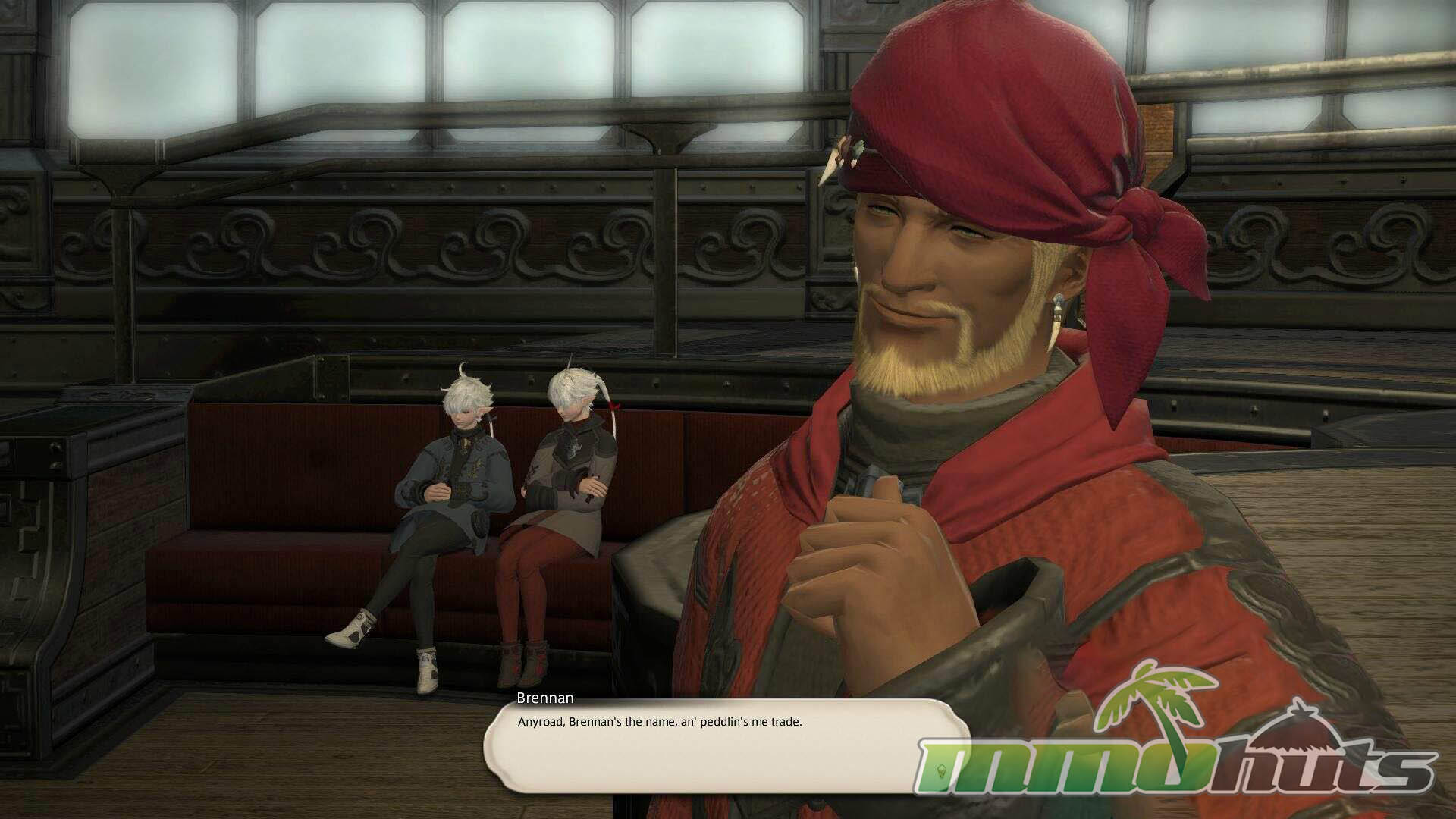

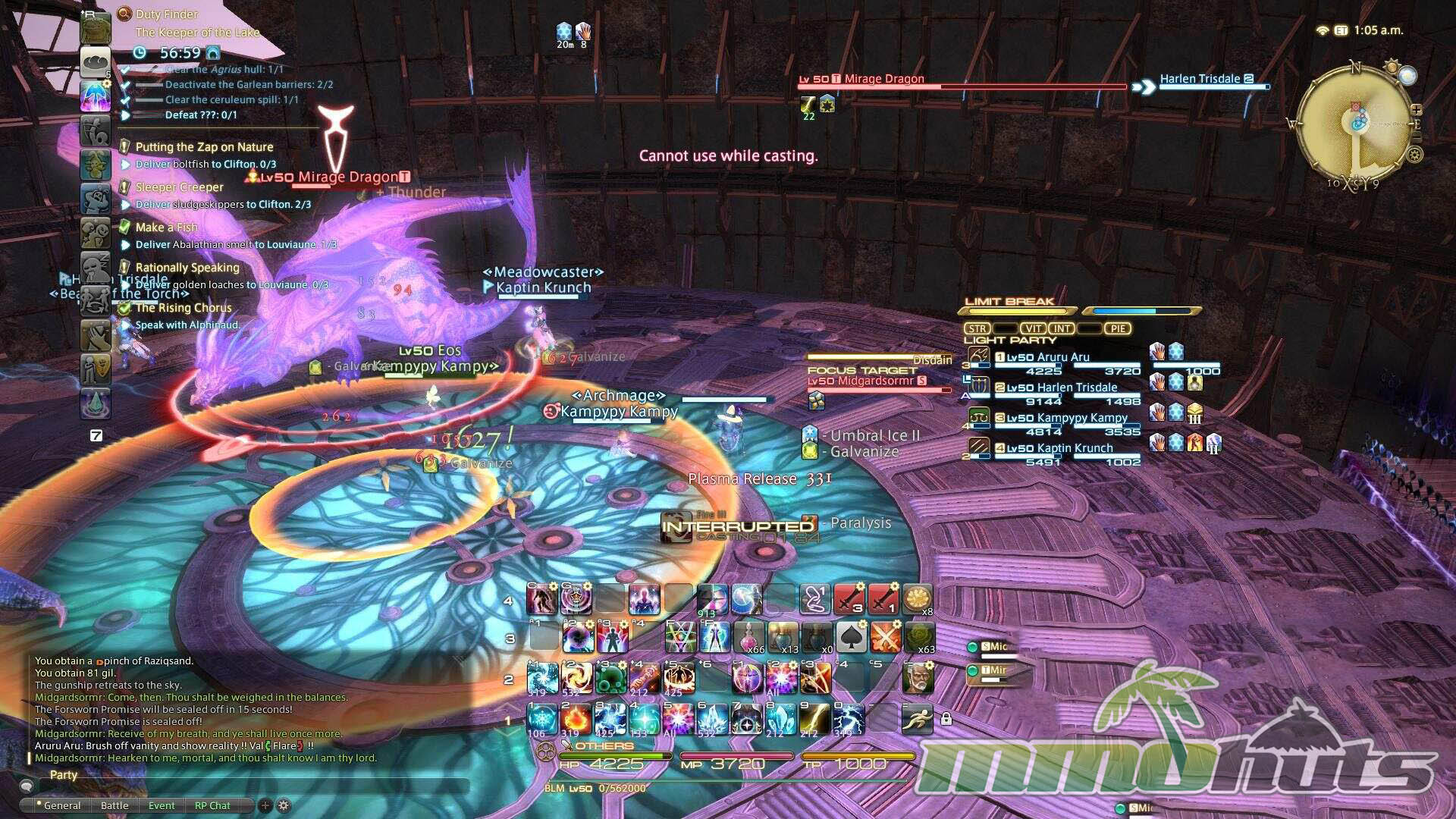
Final Fantasy XIV Featured Video

Final Fantasy XIV Classes & Races
Classes:
Disciples of War:
- Gladiator – a one-handed weapon user who can pair blades with shields for sturdy front-line play. Gladiators eventually advance into Paladins.
- Lancer – a polearm specialist built around reach and rapid combos, keeping pressure on targets with disciplined strikes. Lancers can become Dragoons.
- Marauder – an axe-wielding bruiser that leans on raw power and durability, commonly filling tank roles. Marauders can specialize as Warriors and Dark Knights.
- Pugilist – a close-range brawler focused on mobility and fast hand-to-hand techniques, trading heavier armor for speed. Pugilists grow into Monks.
- Archer – a ranged physical damage dealer that uses bows for consistent pressure from a safe distance. Archers can specialize and become Bards and Machinists.
- Samurai – A high damage 2 handed weapon wielding class that was added to the game after the Stormblood expansion.
- Dancer – a ranged physical DPS class with various supportive abilities. Became available with the launch of the Shadowbringers expansion.
- Gunbreaker – A tank class that uses a gun blade. Became available with the launch of the Shadowbringers expansion.
- Reaper – A scythe wielding melee dps class. Was introduced to the game with the Endwalker expansion.
Disciples of Magic:
- Conjurer – a nature-leaning caster that channels elemental forces through staves and canes, commonly taking on healing duties. Conjurers can become White Mages.
- Thaumaturge – an offensive spellcaster that draws on internal aether to unleash destructive magic. Thaumaturges advance into Black Mages.
- Arcanist – a grimoire-based caster that uses arcane symbols and can call Carbuncle. Arcanists can specialize as Summoners (DPS) and Scholars (Healer).
- Red Mage – a hybrid that mixes blade work with spellcasting and can sustain itself with utility and emergency healing.
- Sage – A healing class which specializes in using shields to assist their allies. Was added to Final Fantasy XIV with the launch of its 4th expansion: Endwalker.
Races:
- Hyur – the most common folk of Eorzea, easily recognized by their rounded ears and broadly human proportions.
- Elezen – tall, slender, and long-eared, with deep roots in the region and a long, complicated history alongside Hyur populations.
- Miqo’te – a catlike people with sharp senses and distinct tails, often portrayed as nimble and independent.
- Lalafell – small and quick, frequently mistaken for children at a glance, but very much a full-fledged people spread across the major cities.
- Au Ra – Introduced with the launch of the Heavensward expansion. Au Ras are humanoids with scales similar to dragons
- Roeadyn – the largest of the playable races, known for heavy builds and a culture closely tied to maritime work, mercenary jobs, and craftsmanship.
- Viera – the bunny like race that first appeared in Final Fantasy Tactics Advance. Fran from Final Fantasy 12 is perhaps the best known Viera in the franchise.
- Hrothgar – A large masculine feline race that became available once Shadowbringers launched.
Final Fantasy XIV Review
Final Fantasy XIVn (often shortened to FFXIV) is a subscription-based, pay-to-play fantasy MMORPG by Square Enix. It launched on August 27, 2013 for Windows, PS3, and PS4, and it effectively serves as a second start for the project after the original Final Fantasy XIV ended service on November 11, 2012 following a poorly received release. ARR rebuilt the game on a different engine and arrived with major changes to the interface, pacing, and overall structure, plus a fresh narrative foundation designed for long-term MMO updates.
The story begins in Eorzea, years after a catastrophic event that reshaped the realm. You step into the role of the Warrior of Light, returning to a land attempting to recover while new conflicts rise, including pressure from the Garlean Empire to the north. Even if you typically skip MMO dialogue, ARR makes it clear early that the main scenario is the spine of the experience, not just optional flavor text.
A fresh start, built around your character
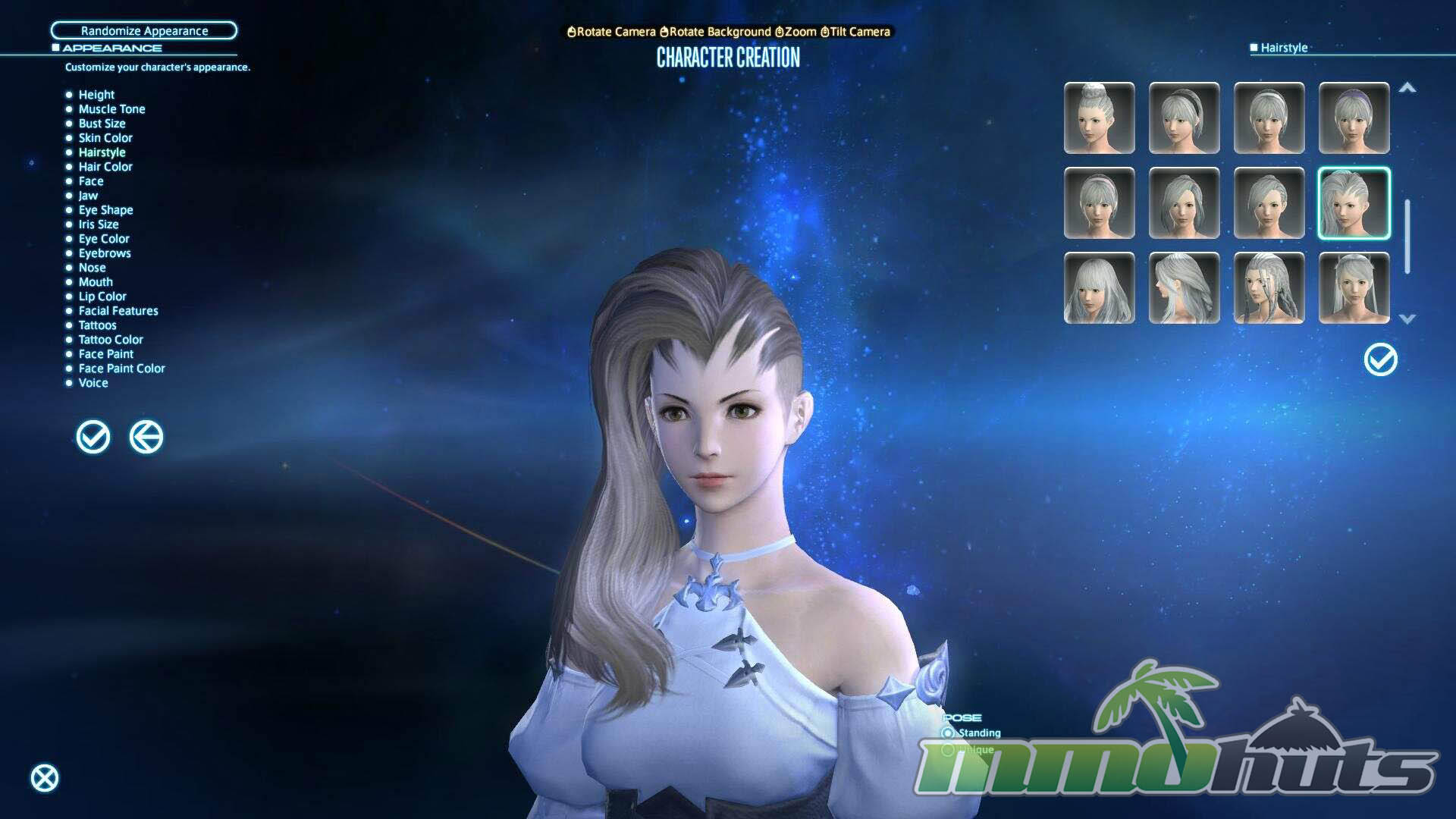
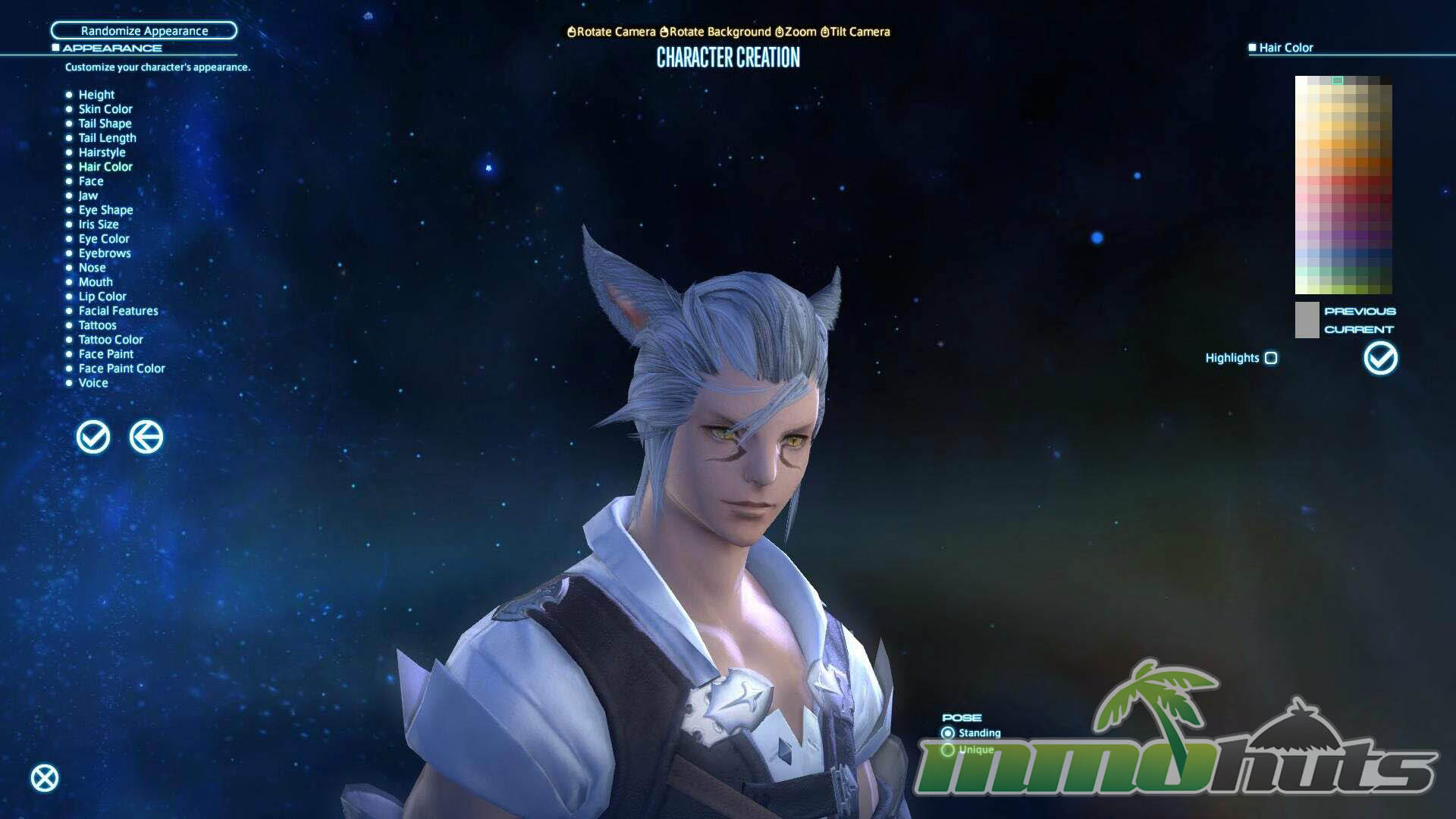
Character creation is your first big decision point, and it is more meaningful than in many MMOs, at least in terms of identity and presentation. You choose a race and gender, then a clan variant that slightly alters the look. Your starting class also determines which of the three major cities you begin in, which helps the early zones feel more tailored than a single universal tutorial.
Racial and clan stat differences exist at character creation, but in practice they are not a make-or-break choice for performance at endgame. The more important consideration is that FFXIV is designed around sticking with one character for the long haul. Since you can level multiple jobs on the same avatar, your initial character becomes your ongoing main, so it is worth taking the time to land on a look you will be happy seeing in cutscenes and social spaces.
Appearance options, plus style through gear
FFXIV’s character creator offers plenty of choices for hair, facial features, markings, and general proportions, and the game’s art direction keeps most combinations looking consistent with its world. It is not the most granular editor in the genre, since it lacks the deep face-sculpting sliders some MMOs use to produce truly unique faces. Still, between the base creator, cosmetics, and the long-term glamour game, personal style becomes a major part of the experience as you progress.
Visuals and music that carry the Final Fantasy name
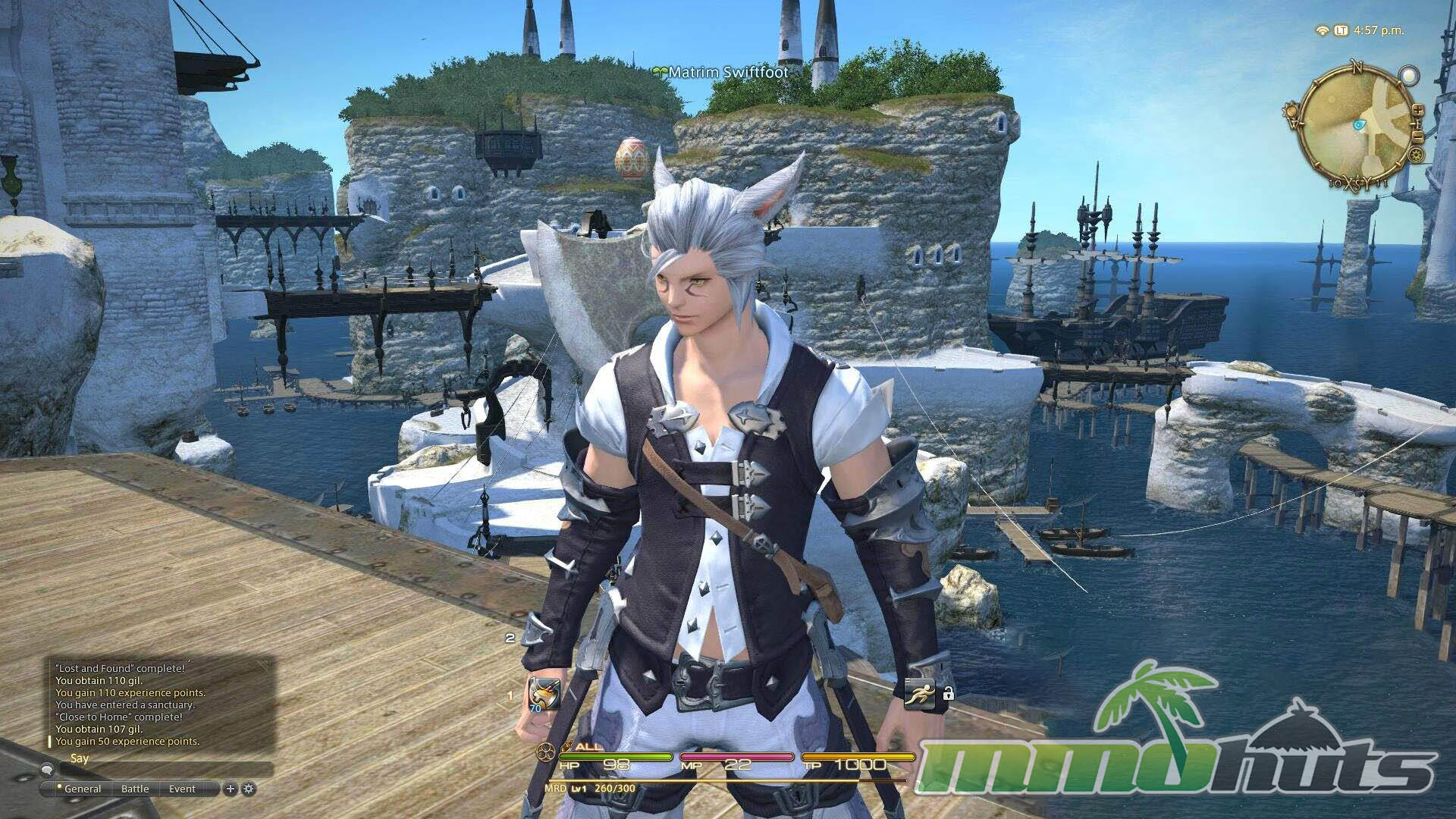
ARR’s presentation is a major reason it stands out. The zones are built to be scenic, with clear visual themes, strong lighting, and frequent “stop and look” moments. The soundtrack is equally important, shifting from calming town themes to intense boss music in a way that reinforces the game’s cinematic ambition. For series fans, familiar audio cues (including classic motifs) add extra charm, but even without that nostalgia, the audio direction is one of the strongest in the MMO space.
It is also a game that benefits from decent hardware, especially if you want the visuals to shine. While it can run on modest setups, the experience is clearly better when you can push settings higher.
Getting oriented in the opening hours
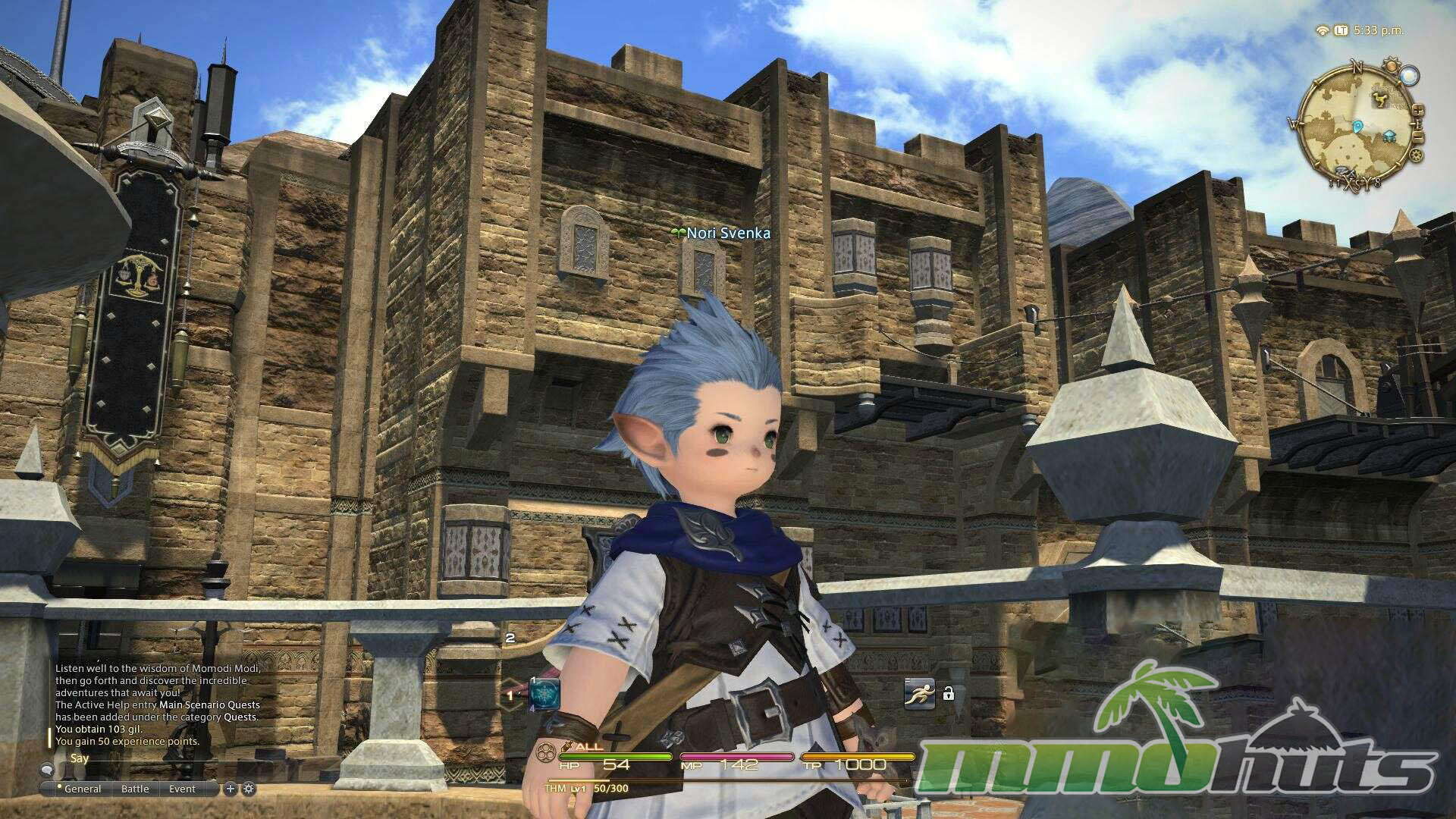
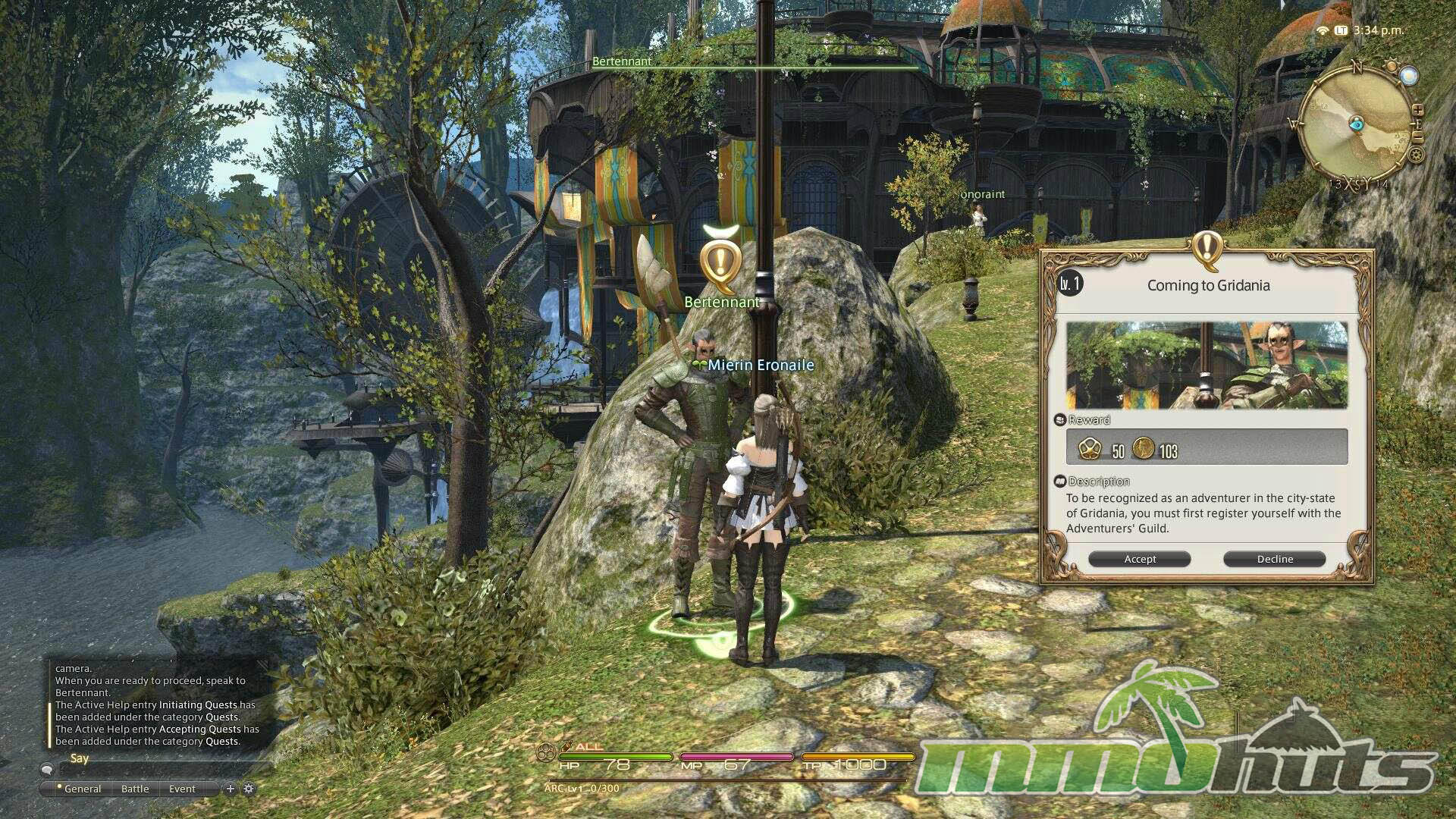
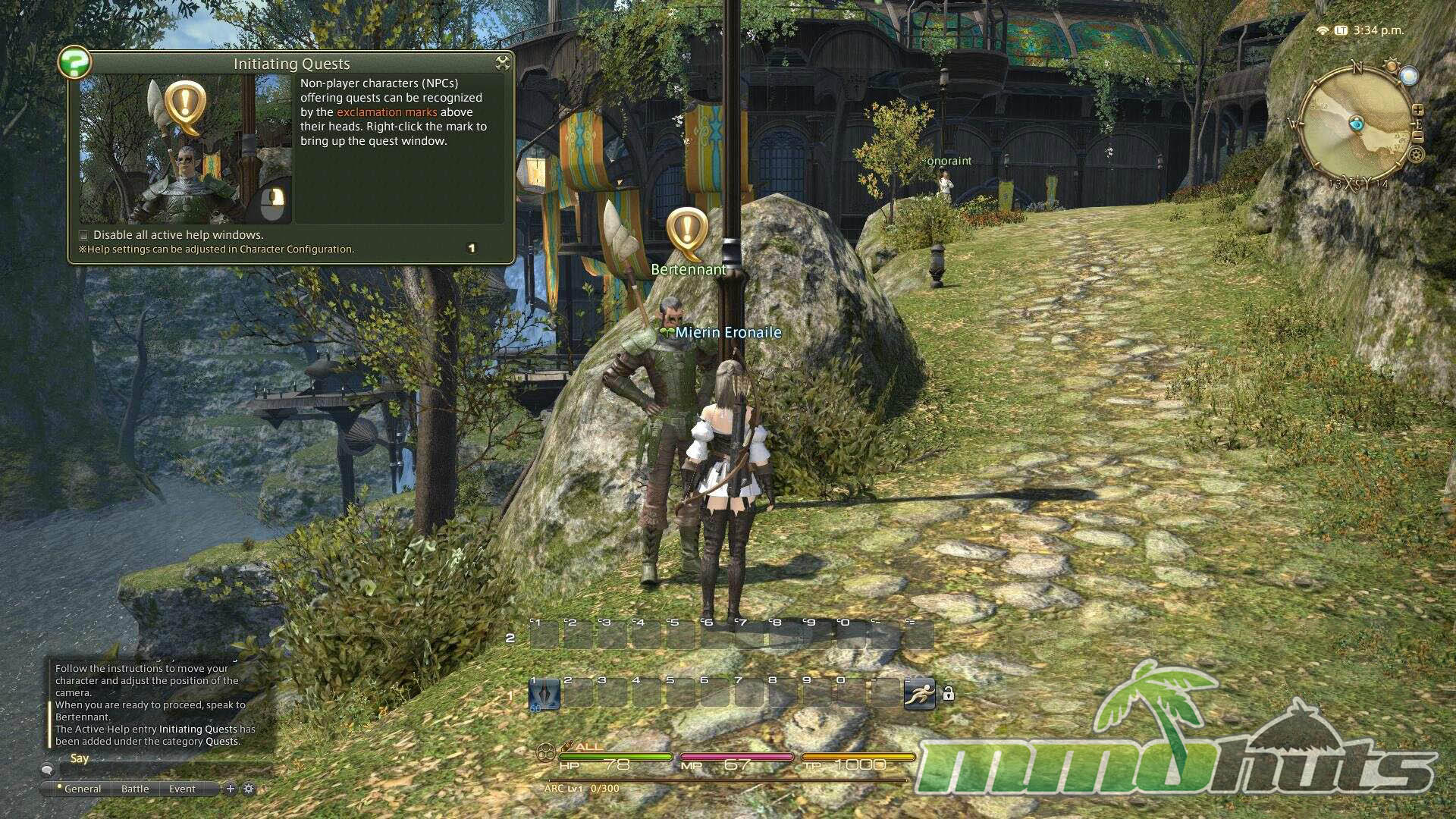
Early progression is guided heavily through cutscenes and tutorial prompts. The Active Help system frequently introduces mechanics as they appear, which is useful for newcomers but can feel intrusive if you already know MMO basics. Fortunately, it can be disabled. The game also supports both keyboard and mouse and controller play, and it does a respectable job accommodating either style, which is a big part of why it works well across platforms.
The first stretch of quests is intentionally grounded. You are not saving the world every five minutes, you are earning trust, learning the rhythm of the world, and getting pulled into the larger conflict over time.
Questing, dungeons, and the MMO routine
Structurally, ARR uses familiar themepark foundations: hub-based questing, instanced dungeons, and a steady flow of unlocks. You will spend plenty of time doing errands for locals, traveling between zones, and clearing objectives that range from combat to item collection. The difference is that the main scenario is presented with more care than most MMOs give their leveling path, so even routine tasks tend to be framed within a broader story arc.
Mounts arrive early enough to matter, and Chocobos are a signature part of the setting, fitting both mechanically and aesthetically. The game also includes crafting and gathering as full-fledged class paths rather than minor side skills, which makes non-combat progression feel legitimate instead of secondary.
FATEs and open-world activity
To break up standard questing, the game uses FATEs (Fully Active Time Events), which appear in the open world and invite anyone nearby to join in. They are clearly marked and reward experience, Gil, and Grand Company seals, making them an efficient way to level, especially when you are bringing up alternate jobs. They also add life to the zones, since you often see groups forming organically around an event, even years after ARR’s original launch.
Inventory sanity: the Armoury Chest
Gear management is smoother than in many MMOs thanks to the Armoury Chest, which stores equipment separately from your general inventory. Since the game encourages swapping jobs, you will naturally collect multiple sets of gear, and the Armoury Chest prevents that from overwhelming your bag space. It is a small system that ends up being a major quality-of-life feature once you start leveling more than one role.
One character, many jobs
The job-switching system is still one of FFXIV’s best ideas. Changing your weapon changes your class, and once you reach the appropriate point in the main scenario (around level 13), you can begin picking up other combat jobs and also unlock crafting and gathering classes. New jobs begin at level 1, and you level them independently, which keeps progression clear and helps the game maintain balance across roles.
The older cross-class skill sharing has been removed, but the core identity remains: you do not need a stable of alts to experience different playstyles. For players who like tanking one night, healing the next, and crafting in between, FFXIV makes that flexibility feel natural rather than awkward.
PvP is optional, and that is the point
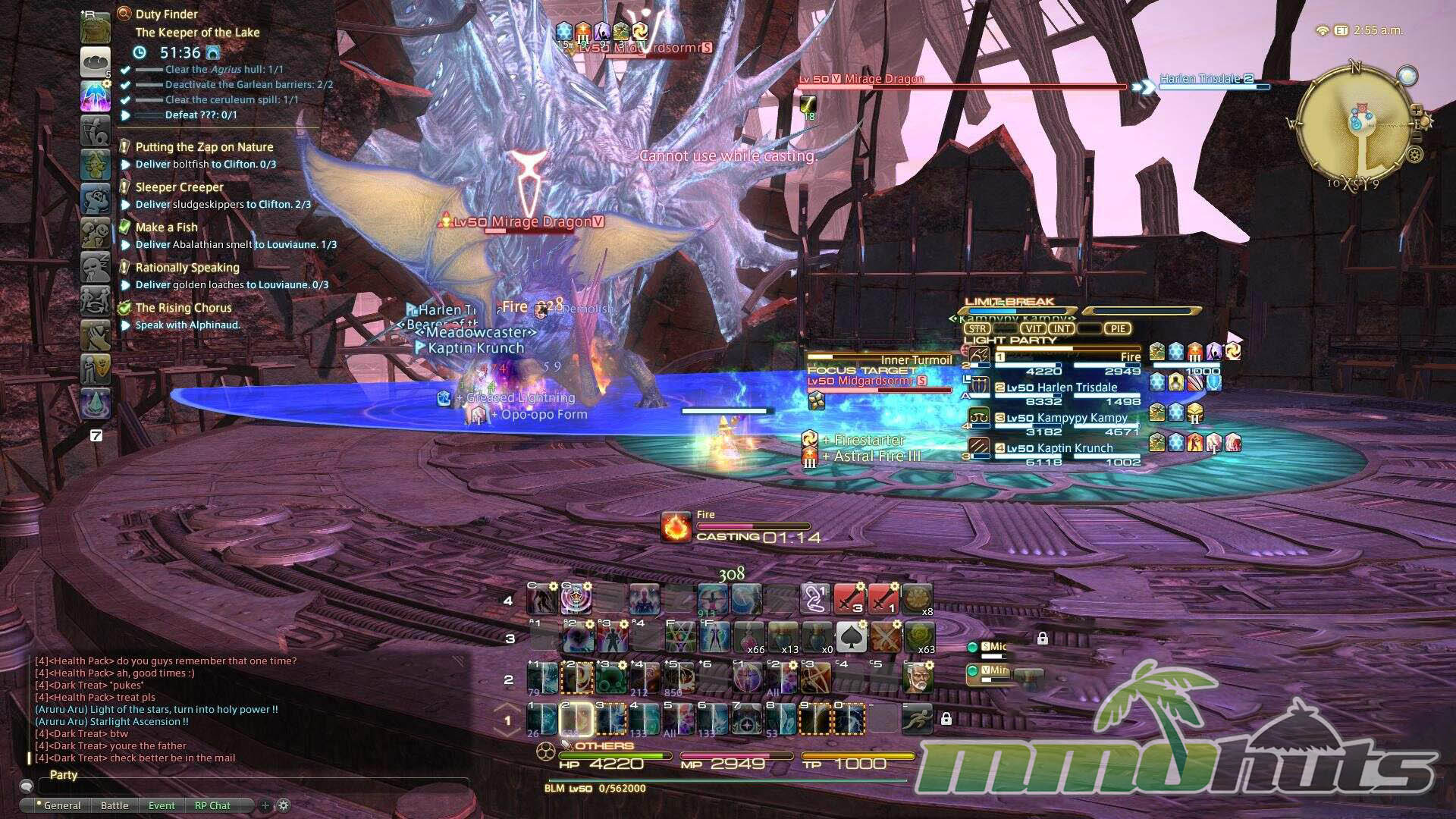
If competitive play is not your priority, FFXIV does not force it on you. PvP exists in dedicated modes rather than as open-world flagging. The Wolves’ Den focuses on small-team matches (4 vs 4) in contained arenas with obstacles, while Frontlines scales up into larger battles with up to 72 players split across three alliances. The result is a PvP suite that can be fun when you want it, but easy to ignore if you are here primarily for the story and cooperative PvE.
Side content that makes the world feel lived-in
Beyond the core PvE loop, FFXIV’s breadth is one of its biggest selling points. The Golden Saucer offers mini games and diversions, crafting has enough depth to stand as its own endgame, and housing supports both social groups and individual players. This variety matters because it gives the game multiple “resting points” where you can log in without feeling obligated to chase the next combat upgrade.
For casual players, there is a lot of satisfaction in collecting cosmetics, mounts, and minions, or simply enjoying the social side of a busy server. For more driven groups, the raid ladder offers genuine long-term challenge. Few MMORPGs manage to support both audiences without one feeling like an afterthought.
Final Verdict – Excellent
Final Fantasy XIV succeeds because it commits to a clear identity: a story-first MMO with high production values and an unusually complete set of supporting systems. Its best qualities are consistent, the world is attractive to spend time in, the soundtrack is exceptional, and the job system makes experimenting with roles far easier than in most competitors.
The trade-off is that the early pacing can feel slow, and the main scenario is not optional if you want access to a lot of the game’s most popular content. Players who want immediate endgame may find the required story journey restrictive, while players who value narrative and long-term progression will likely see that same structure as the game’s greatest strength.
Final Fantasy XIV Links
Final Fantasy XIV Official Site
Final Fantasy XIV Steam Page
Final Fantasy XIV Wikipedia
Final Fantasy XIV Wikia [Database / Guides]
Final Fantasy XIV Subreddit
Final Fantasy XIV System Requirements
Minimum Requirements:
Operating System: Vista / 7 / 8 / 8.1 / 10
CPU: Intel Core 2 Duo 3 GHz
Video Card: 512 MB VGA Card / Intel HD 3000 / HD 4000
RAM: 2 GB
Hard Disk Space: 20 GB
Recommended Requirements:
Operating System: Vista / 7 / 8 / 8.1 / 10
CPU: Intel Core i5 2.66 GHz
Video Card: GeForce GTX 660 / Radeon 7950 or better
RAM: 4 GB
Hard Disk Space: 20 GB
Final Fantasy XIV is also available on and Playstation 4.
Final Fantasy XIV Music & Soundtrack
Final Fantasy XIV Additional Information
Developer: Square Enix
Publisher: Square Enix
Composer(s): Nobuo Uematsu, Roy Yamazaki, Naoshi Mizuta, Tsuyoshi Sekito, Masayshi Soken
Engine: Crystal Tools Engine
Platform(s): Playstation 3 and Playstation 4, PC
Original Release Date: September 30, 2010 (Final Fantasy XIV)
Revamp Release Date: August 27, 2013 (A Realm Reborn)
Expansion Release Date: June 23, 2015 (Heavensward)
Second Expansion Release Date: June 20, 2017 (Stormblood)
Third Expansion Release Date: July 2, 2019 (Shadowbringers)
Fourth Expansion Release Date: December 3, 2021 (Endwalker)
Fifth Expansion Release Date: July 2, 2024 (Dawntrail)
Development History / Background:
Final Fantasy XIV was created by Square Enix and first launched on September 30, 2010. That initial version was heavily criticized and, after roughly two years, the original service ended and the team pivoted to a full rebuild, Final Fantasy XIV: A Realm Reborn. The relaunch was revealed in October 2011 and released on August 27, 2013. Work on the project began in early 2005 and took more than five years to reach its first release. With Final Fantasy XI proving that an MMO could thrive under the Final Fantasy banner, a second online entry was an obvious next step for the company. Today, FFXIV is widely considered one of the most popular MMORPGs in the West, regularly mentioned alongside genre leaders such as World of Warcraft.
The game’s 4th expansion entered early access on December 3, 2021, raising the level cap to 90 and adding two new playable classes: Reaper and Sage.
The game’s 5th expansion “Dawntrail” launched on July 2, 2024 and will introduced 2 new playable classes (Viper and Pictomancer)