Strife is a 3D, fantasy-themed MOBA that aims for a faster, friendlier match flow than many genre staples, pairing bright, stylized visuals with a roster full of quirky personalities. Its biggest twists are a companion pet system and a crafting-style item shop that lets you tune builds toward the stats you actually want, rather than forcing every hero into the same few cookie-cutter paths.
 | Publisher: S2 Games Type: MOBA Release Date: April 9, 2015 Shut Down: October 2018 Pros: +Distinctive pet companions that add build variety. +Clean UI and appealing presentation. +Several quality-of-life mechanics that reduce frustration. +Flexible crafting and item customization. Cons: -Only 1 map. |
Strife Overview
Strife is an action-forward MOBA from S2 Games, the studio known for Heroes of Newerth and the Savage series. On the surface it plays like a familiar three-lane battler, but it layers in systems designed to keep teams active and reduce common pain points, such as support players falling behind on gold or constant trips back to base. The two headline features are companion pets and an item crafting system that allows players to shape shop items to suit their preferred stat profile.
Rather than choosing only a hero, you also select a pet from a pool of more than a dozen companions. Pets bring three abilities that function like an extra mini-kit, and they are not locked to specific heroes, which opens up a lot of experimentation. Item crafting further pushes customization by letting you alter item components and apply enchantments, effectively creating variants of the same recipe for different situations.
Strife Key Features / Differences From Other MOBAs
- Hero Variety – over 30 playable Heroes, each with 3 regular abilities and an ultimate.
- Unique Pet System – every player has their own pet. Pets have 3 skills that provide benefits to their masters.
- Crafting System – that allows players to enchant/alter items in the store to match their play style.
- Shared Last Hit Gold – for both Heroes and Brawlers (Minions/Creeps).
- More Action – players regenerate health and mana quickly while out of combat, leading to more action and less retreating.
- Couriers – everyone has their own personal courier to deliver items from base (Couriers cannot be killed).
- Different Objective Rewards – huge gold rewards for killing enemy generators (equivalent to Barracks/Inhibitors) instead of stronger Brawlers.
- Other Differences – no wards. No denying. Max level 15. No gold penalty for dying.
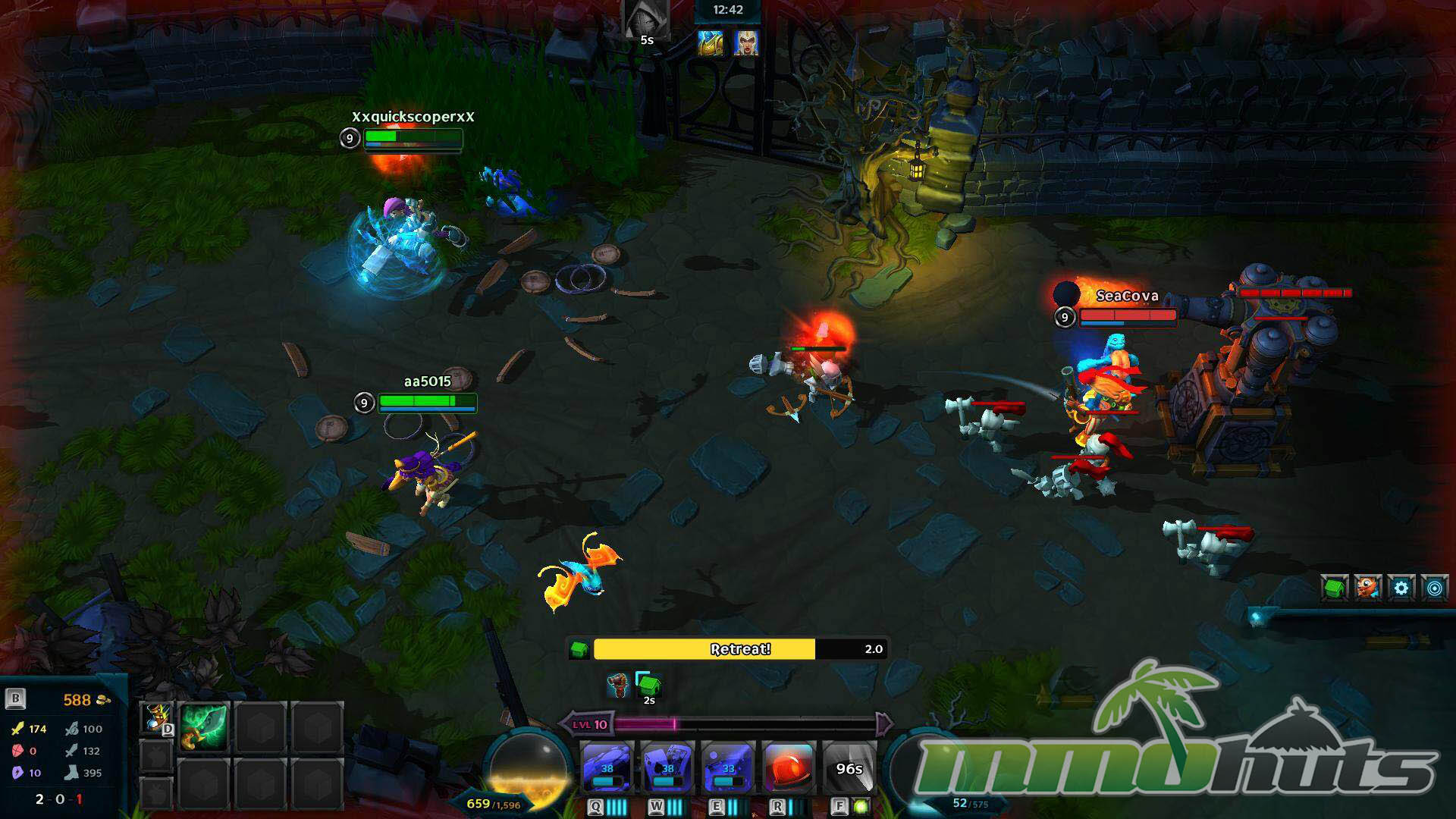
Strife Screenshots




Strife Featured Video

Strife Review
Strife is a vibrant, cartoony 3D MOBA developed and published by S2 Games. It entered the public eye through beta testing before arriving on Steam, and it positioned itself as a more approachable take on the genre, with rules and systems meant to keep players fighting instead of managing chores. It is also notably multi-platform for a MOBA, with support across Windows, Mac OS X, and Linux.
S2’s background matters here, because Heroes of Newerth proved the studio understood how to run and iterate on a competitive lane-based game. With Strife, that experience shows up less in radical reinvention and more in thoughtful adjustments to the formula, like smoothing out gold distribution, simplifying some stats, and reducing the number of team arguments that can happen over shared resources.
Getting Oriented
New players are guided through an introductory tutorial match before being pushed toward standard play. Veterans of League of Legends or Dota 2 will recognize the basics quickly, but the tutorial still helps establish Strife’s terminology and pace. A very welcome decision is that heroes are available immediately, so you can test the roster without needing to unlock characters one by one.
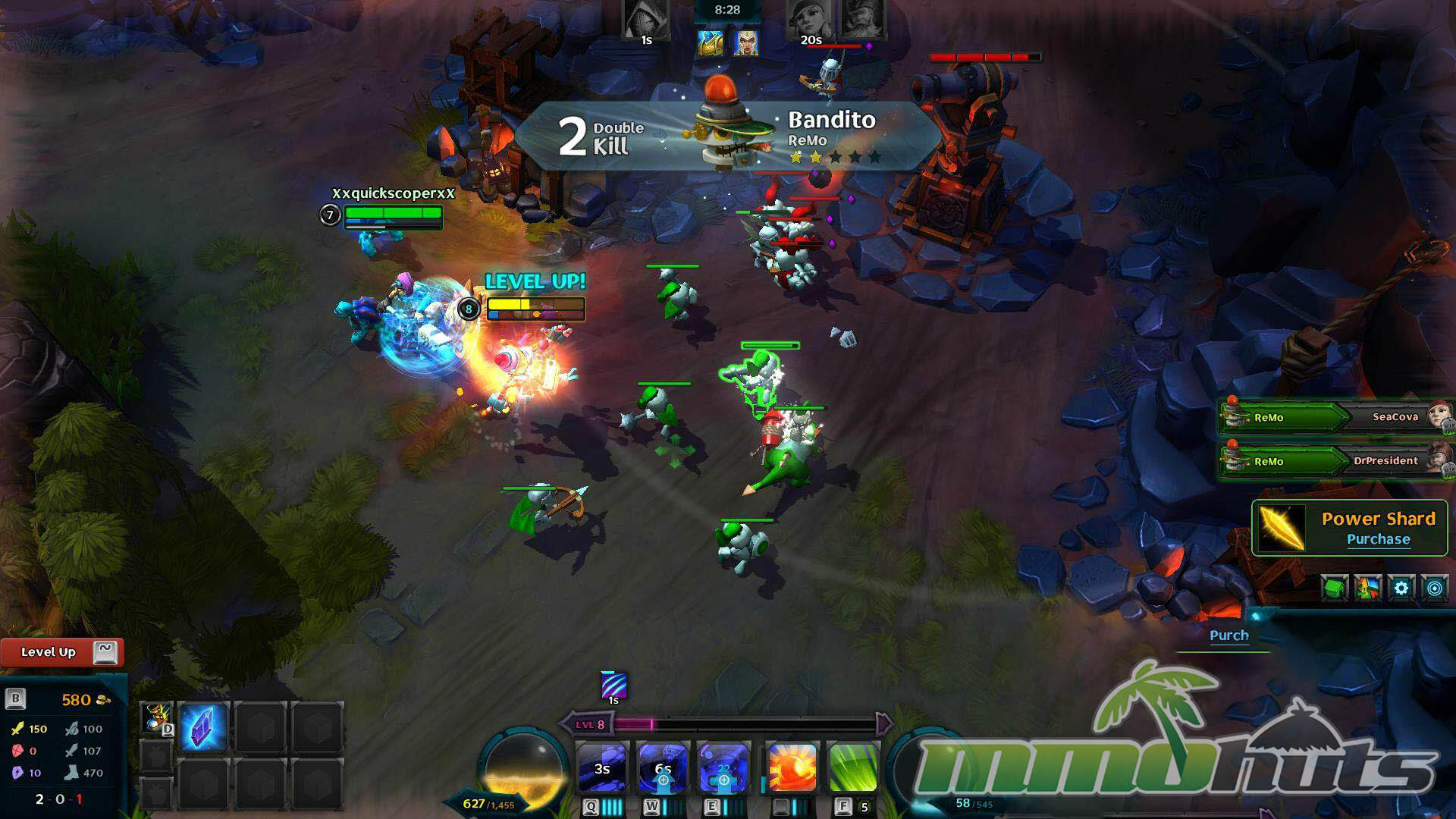
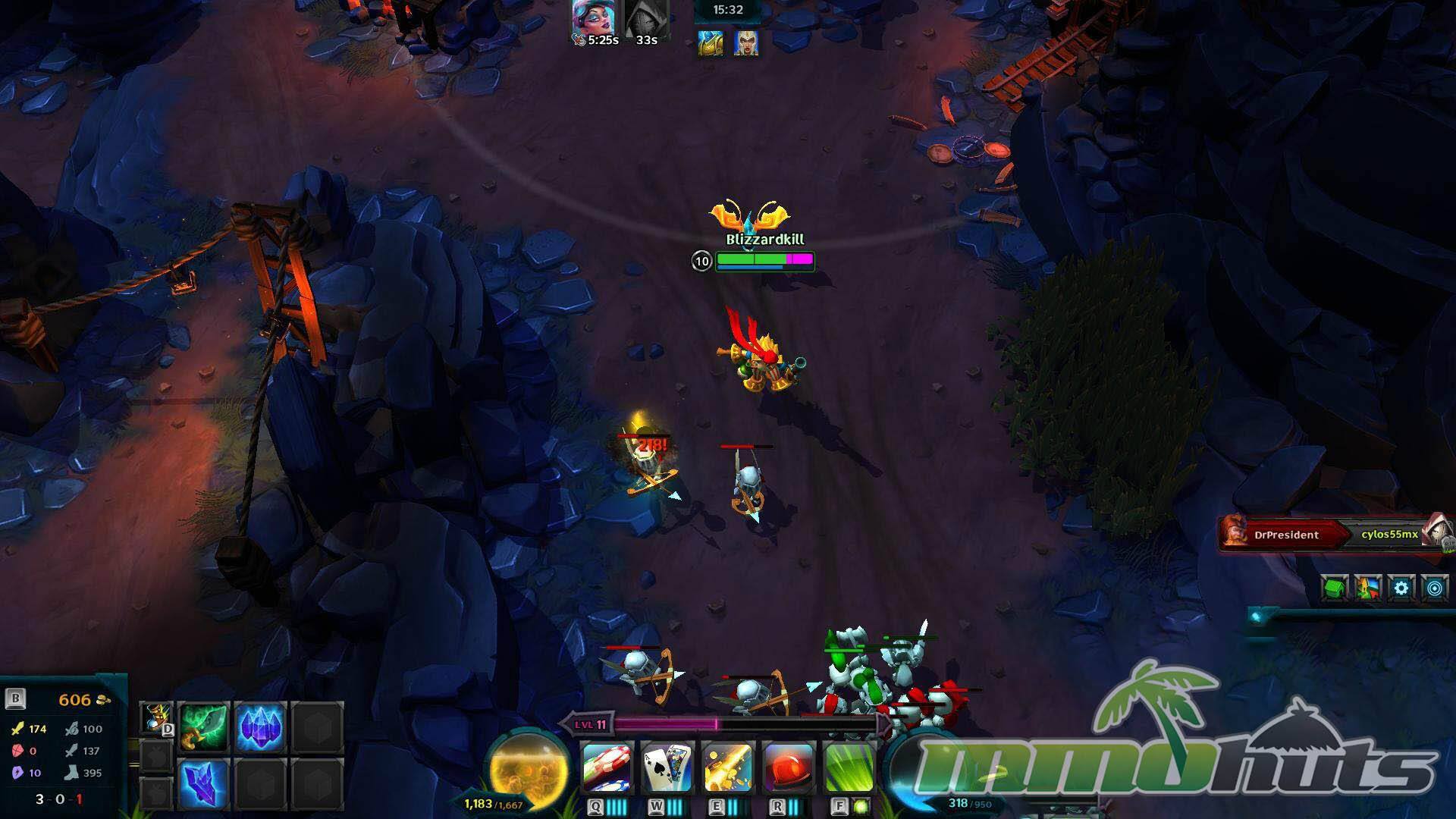
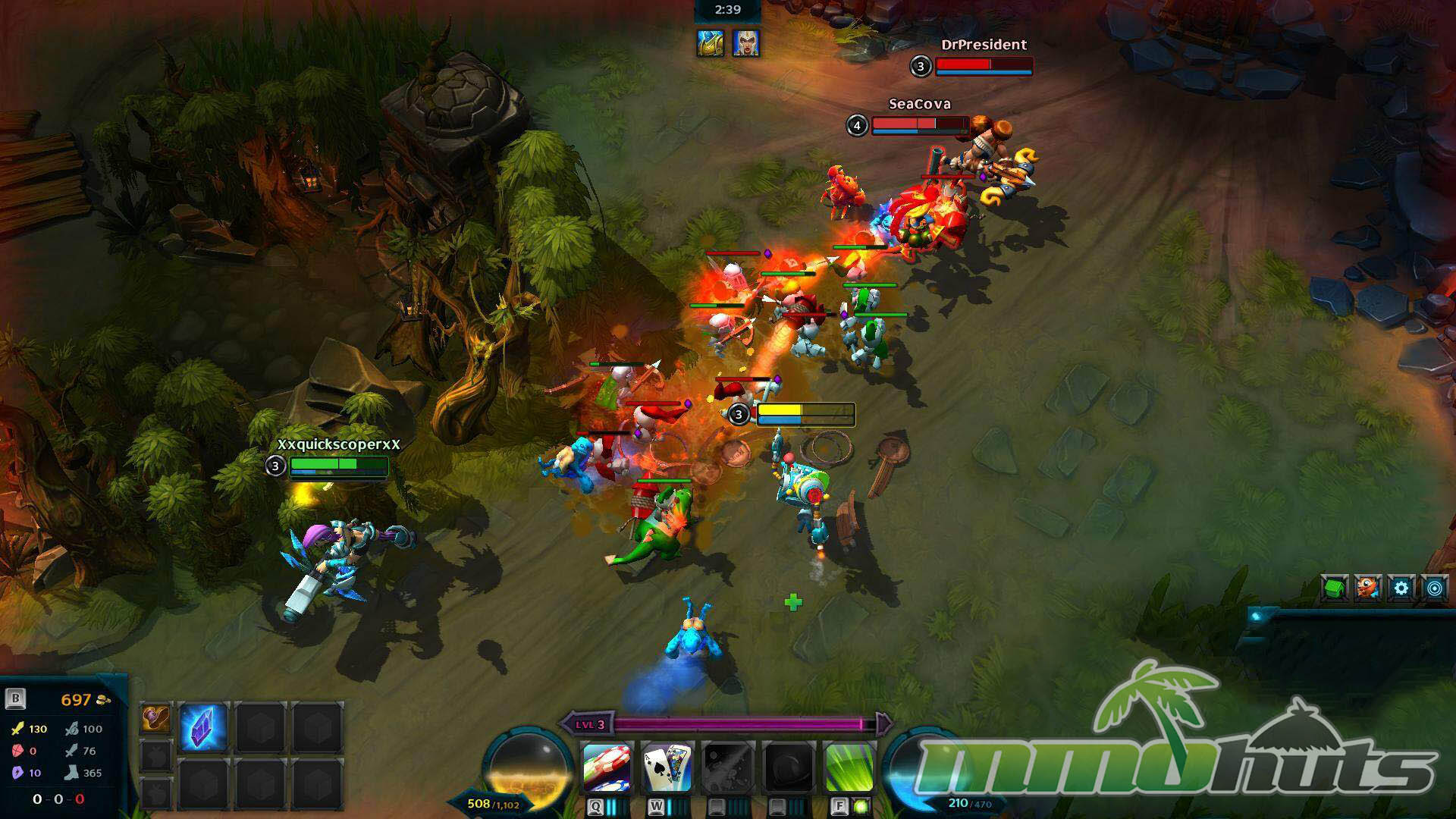
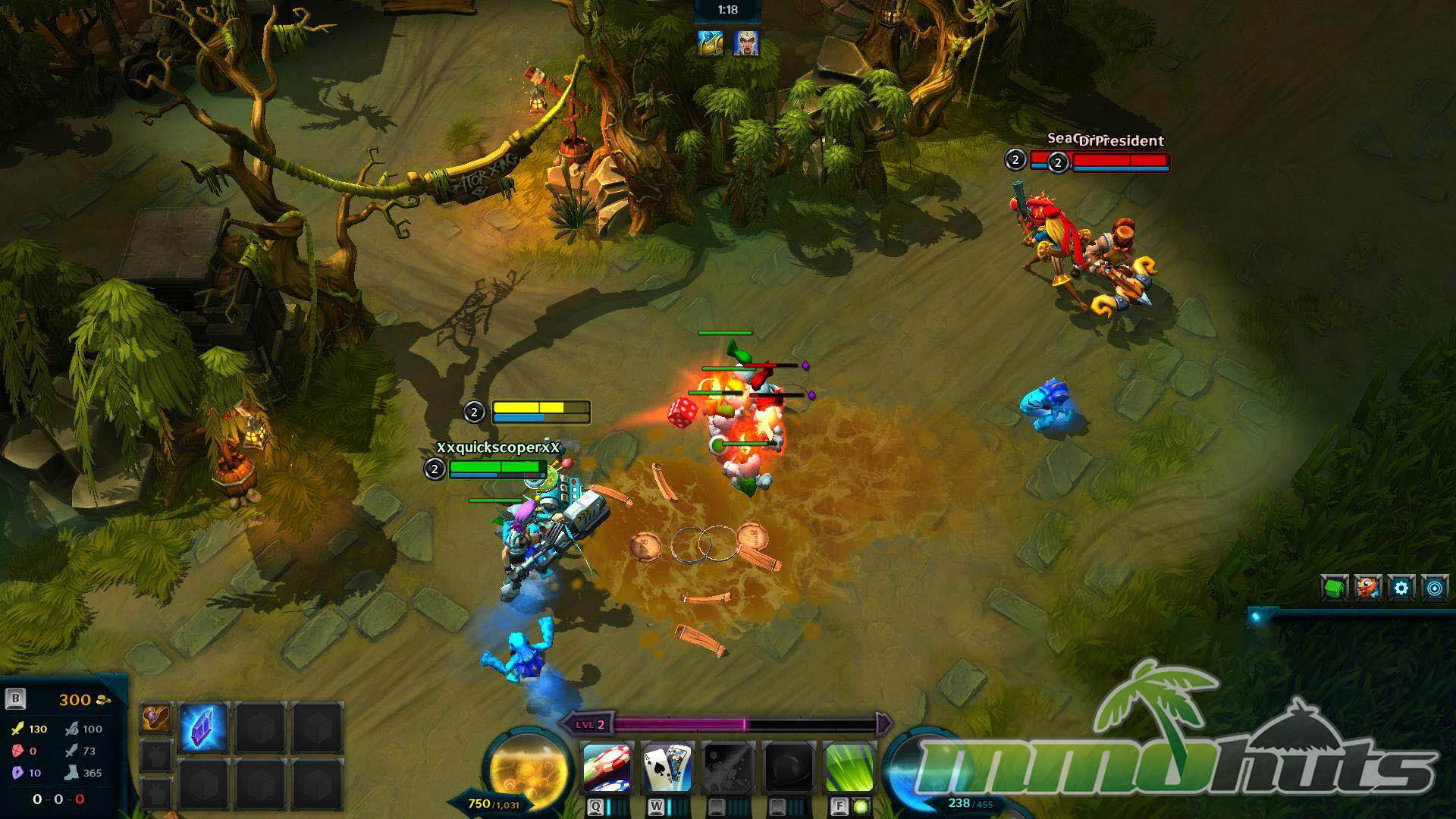
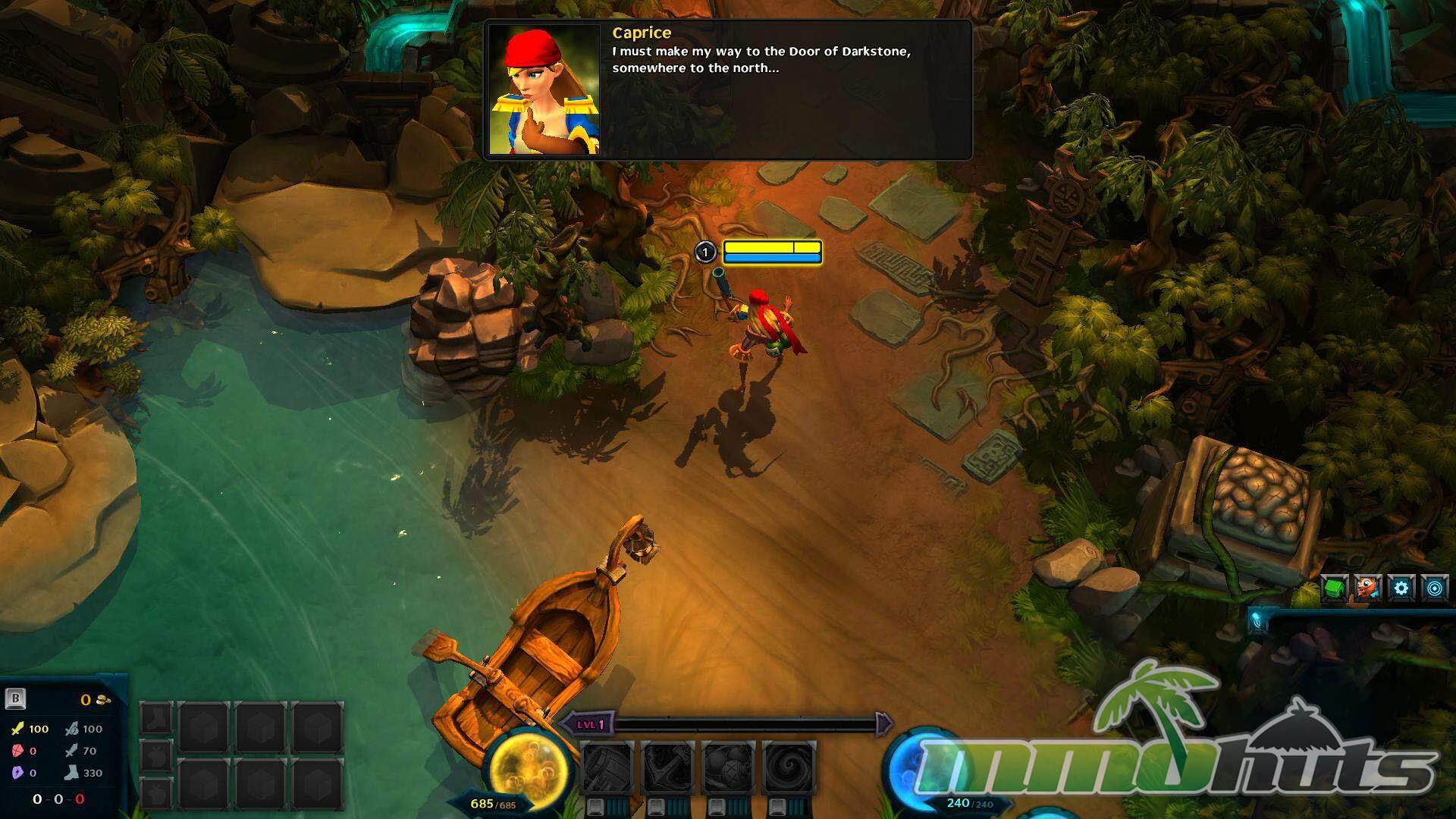
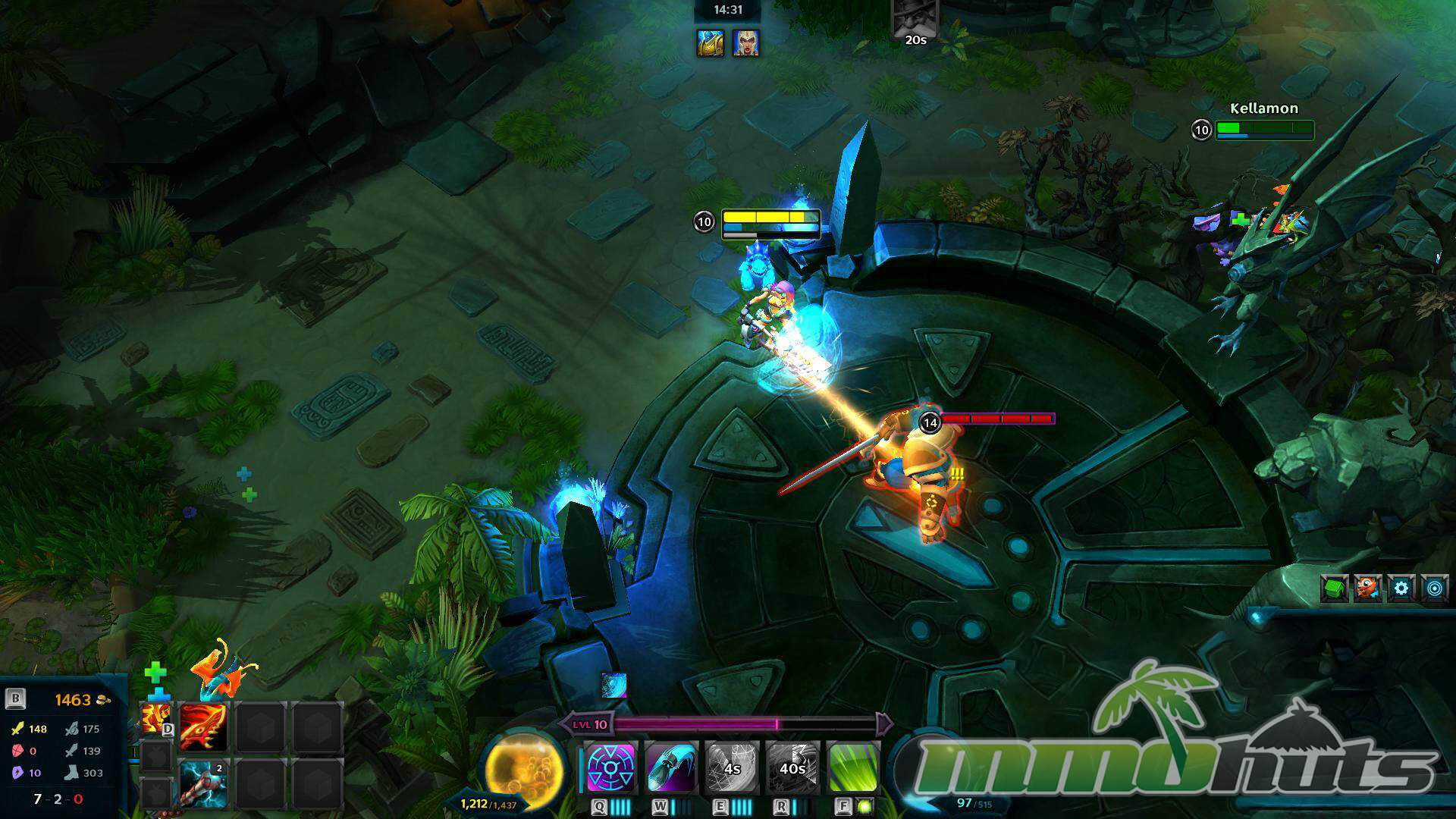
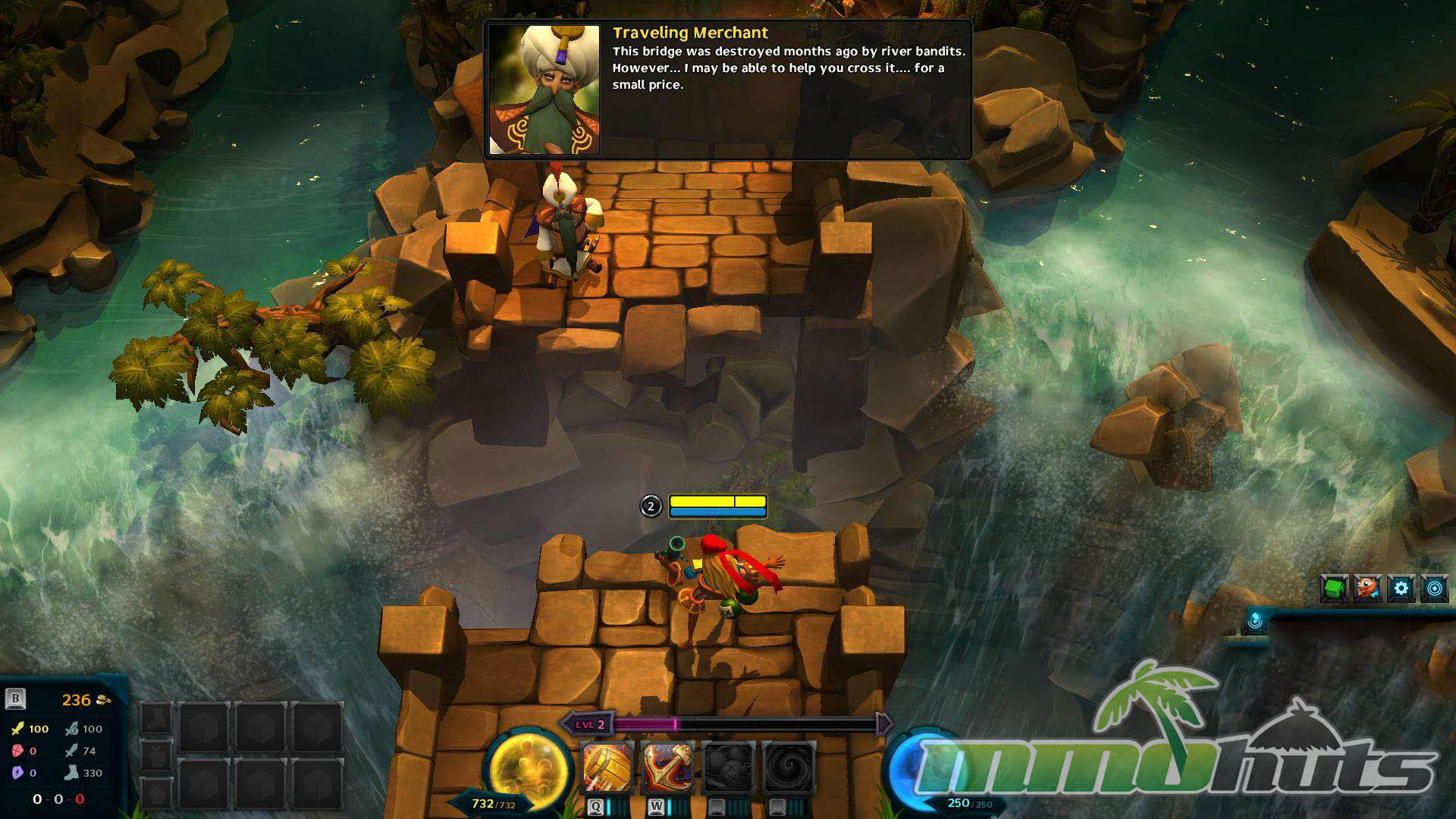
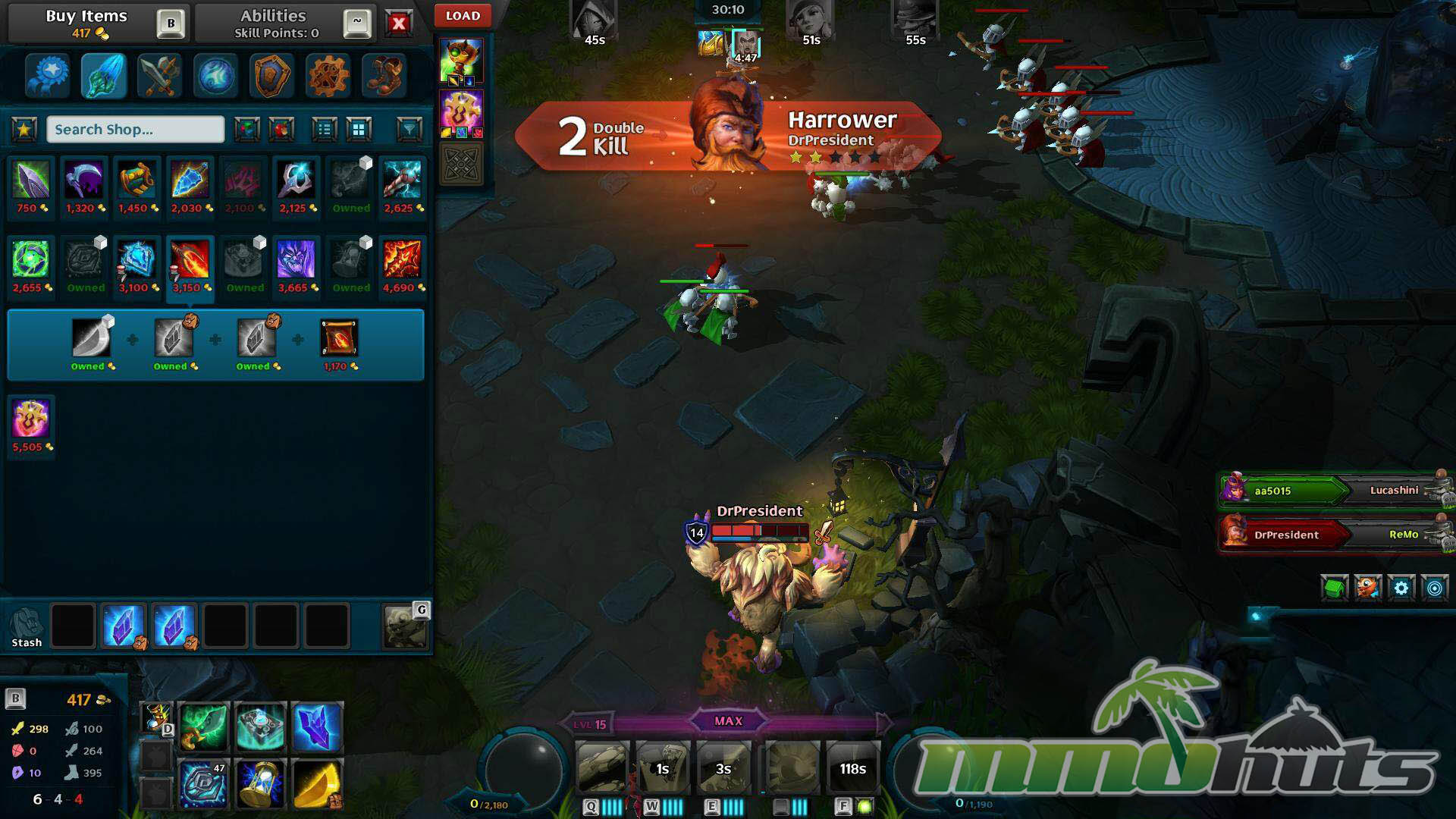
The first impression in an actual match is how sharp the game looks. The art direction leans into bold colors and readable silhouettes, and the interface is clear enough that you can keep track of fights without feeling buried in clutter. Character design is one of Strife’s strengths, with several heroes leaning into strong themes and playful personality, although not every pick feels equally inspired.
Match Flow and Core Objectives
At its foundation, Strife follows the expected MOBA structure: two teams push three lanes, break through towers, and work toward destroying the enemy’s main structure (the Crux). The jungle sits between lanes and provides neutral camps along with major targets that can swing momentum. Two notable objectives are Baldir and Cindara, each offering a lane-pushing payoff that can help close out games.
Where Strife differs is how it keeps teams engaged. Gold from last hits and nearby hero takedowns is shared with teammates in range, which reduces the pressure to funnel resources into a single designated carry. It also changes the social dynamic of laning, because contributing in fights and skirmishes feels more consistently rewarded.
Vision and item delivery are handled differently as well. There are no wards to buy and maintain, instead teams contest observatories that provide temporary vision control. On top of that, each player has their own courier for shopping from lane, and those couriers cannot be killed. It is a small quality-of-life feature that has a big impact on reducing friction, since nobody has to argue over courier usage or suffer punishments for a teammate’s mistake.
Another system that affects pacing is regeneration: after being out of combat briefly, heroes recover health and mana quickly. The result is less downtime, fewer forced retreats, and more frequent engagements, which fits Strife’s goal of keeping the match moving.
Taken together, these changes create a noticeably less punishing environment than many traditional MOBAs. The usual support tax, where one role spends most of the match funding team utilities and ends up under-equipped, is softened by shared gold and by removing mandatory purchases like wards. Instead of one person doing the “work,” the team’s responsibilities are spread more evenly through objectives like observatories and map movement.
Outside of standard matchmaking, Strife supports custom lobbies for organized play. There is also an “Adventure” mode that leans into lore and PvE-style progression, which can be a useful bridge for players who want to learn the game’s systems before committing to competitive matches. As with most MOBAs, co-op vs bots is a sensible starting point, because the genre’s fundamentals take time to internalize.
A Simpler Stat Model
Strife trims down some of the stat complexity seen in other MOBAs. Instead of splitting offensive scaling into separate physical and magical power tracks, it uses a unified “Power” stat that improves both basic damage and ability output, and it also impacts certain supportive effects. This helps a wider range of heroes stay relevant as matches progress, because itemization tends to scale more universally.
Beyond Power, you still get the familiar set of defensive and utility stats, including armor, magic armor, cooldown reduction, critical chance, lifesteal, and similar modifiers. The difference is that the core scaling feels less fragmented, which makes build decisions easier to understand at a glance.
Companion Pets and Build Identity
The pet system is Strife’s most memorable mechanic. Every player brings a pet into the match, and that pet contributes three abilities (one active and two passives). Functionally, pets feel similar to the extra utility layer offered by summoner-style spells in other MOBAs, except the pet’s kit is more thematic and can meaningfully change how a hero approaches trades, sustain, or survivability.
For example, a defensive pet can provide a reliable heal and damage mitigation, which can alter laning patterns and reduce the need to retreat. Since pets are not tied to specific heroes, you can pair aggressive picks with sustain, or defensive heroes with tools to initiate and chase. That flexibility is a big part of why Strife remains interesting even after you understand the basics.
Cosmetically, pets also come with unlockable skins, and additional pets beyond the initial options are obtained through the game’s currencies (Gems and Elixers). In practice, this means experimentation is partly gated, even if the system itself is one of the game’s best ideas.
Crafting and Shop Customization
Strife’s crafting system is the other major differentiator. Instead of treating recipes as fixed, the game allows you to modify an item by swapping its components and then optionally adding an enchantment. Using the “Grimoire” as a reference point, it has a default cost of 3,215 gold and is normally built from Power Crystal (+16 power), Mana Shard (+55 mana), and Clarity Shard (+1.2 mana/sec). However, because recipes have a component value budget, you can replace those pieces with other base components as long as the total value fits the recipe’s limit.
This leads to practical, match-to-match adaptation. If you need durability instead of mana, you can rebuild that same recipe around health components. If you want more pressure, you can bias toward Power or attack speed. The final gold cost adjusts based on the components chosen, which helps keep the system from becoming a loophole for cheap stat stacking. Enchantments add another layer by pushing the item further in a particular direction, but they also increase the total cost.
The main limitation is that crafting requires Elixers or Gems. Elixers come from play, while Gems are the premium currency. Crafted items persist, but building out a wide personal catalog of customized options can take a while unless you invest heavily.
Final Verdict, Strong
Strife delivers a polished, readable MOBA experience with a clear design goal: reduce frustration while keeping fights frequent and meaningful. Shared gold, personal couriers, fast out-of-combat regeneration, and objective-based vision all contribute to a smoother match flow, and the pet system plus crafting add genuine build variety beyond standard item shopping.
Players who enjoy MOBAs but dislike the genre’s usual busywork will likely appreciate what Strife was trying to do. Even with its limitations, its mechanics show a thoughtful attempt to modernize the formula and make teamwork feel less like a set of chores and more like consistent participation.
Strife Links
Strife Official Site
Strife Steam Page
Strife Wikipedia
Strife Gamepedia [Database / Guides]
Strife Wikia [Database / Guides]
Strife Subreddit
Strife System Requirements
Minimum Requirements:
Operating System: XP / Vista / 7 / 8 / 10
CPU: Intel Dual Core / AMD 2.4 GHz
Video Card: GeForce 8600 / Radeon 2600 / Intel HD 2000 or better
RAM: 2 GB
Hard Disk Space: 4 GB
Mac OS X Requirements:
Operating System: OS X 10.7
CPU: Intel Dual Core 2.4 GHz
Video Card: GeForce 8600 / Radeon 2600 / Intel HD 2000 or better
RAM: 2 GB
Hard Disk Space: 4 GB
Strife Music & Soundtrack
Strife Additional Information
Developer: S2 Games
Publisher: S2 Games
Other Platforms: Mac OS X and Linux
Engine: Kodiak Engine
Closed Beta Date: August 8, 2013
Open Beta Date: August 29, 2014
Steam Release Date: April 9, 2015 (Early Access)
Foreign Release:
Southeast Asia: 2014 (Asiasoft)
Russia: 2014 (Mail.ru)
Development History / Background:
Strife was developed by American game developer S2 games from Kalamazoo, Michigan and built using the Kodiak Engine. Publicly revealed on August 8, 2013 after roughly two years of development, it moved into closed beta on February 22, 2014 and then into open beta on August 29, 2014. Strife was shut down in October 2018, and the closure occurred without an official statement from the developer.