Lineage Eternal
 (No Ratings Yet)
Lineage Eternal (often referred to as Lineage 3) was a planned 3D fantasy MMORPG positioned as a true continuation of the original Lineage, a long-running title that still maintains a huge following in the genre. Although it never made it to an official launch, the project drew attention for mixing classic MMO ideas with more action-driven combat and modern conveniences like cloud-based mobile play.
 | Publisher: NCSOFT Playerbase: TBD Type: MMORPG Release Date: Canceled Pros: +A continuation of the original Lineage legacy. +Designed with mobile access in mind. +Procedural-style dungeon content. +More action-RPG focused combat and pacing. Cons: -Very little finalized public information due to cancellation. |

Lineage Eternal Overview
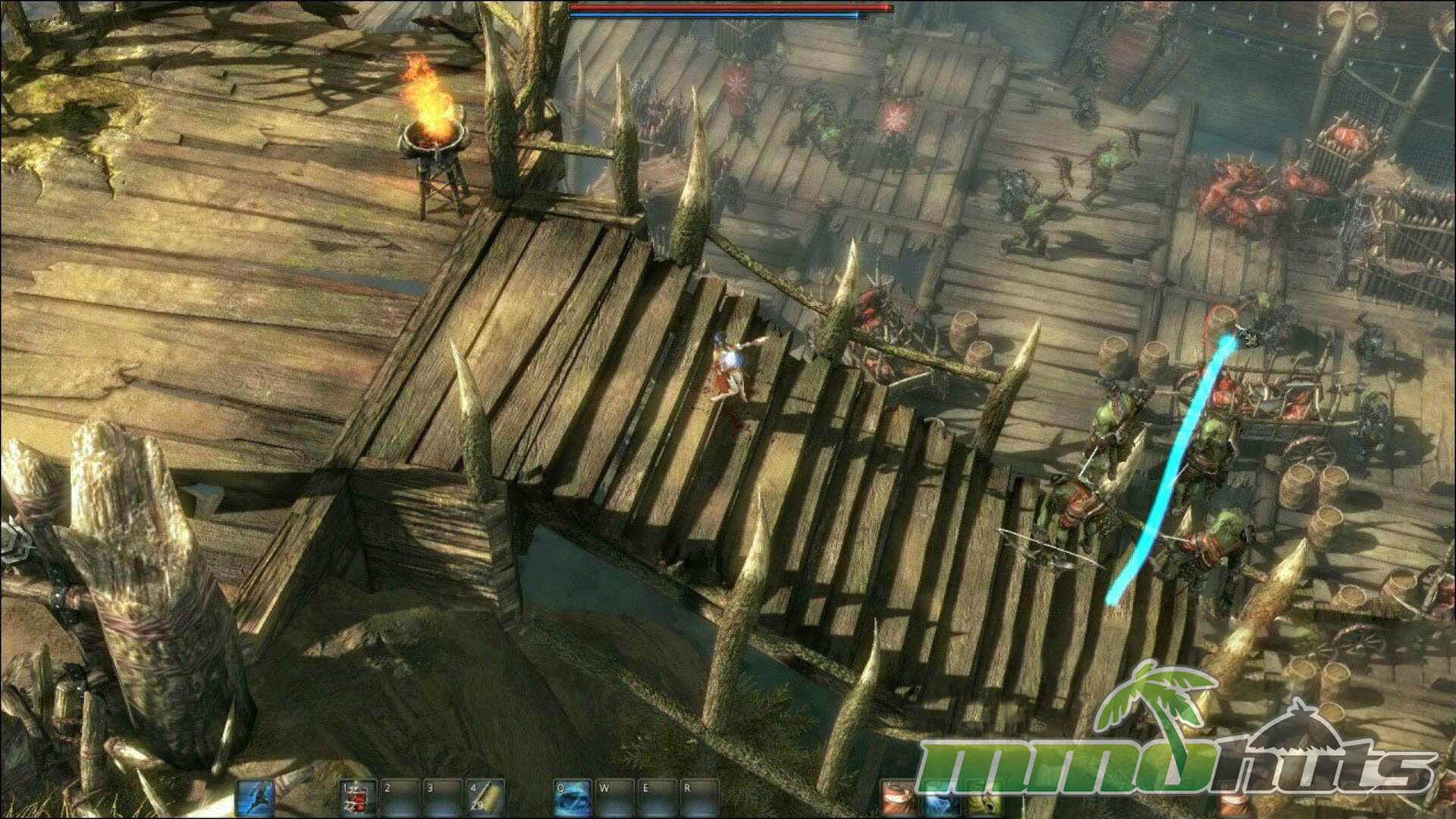
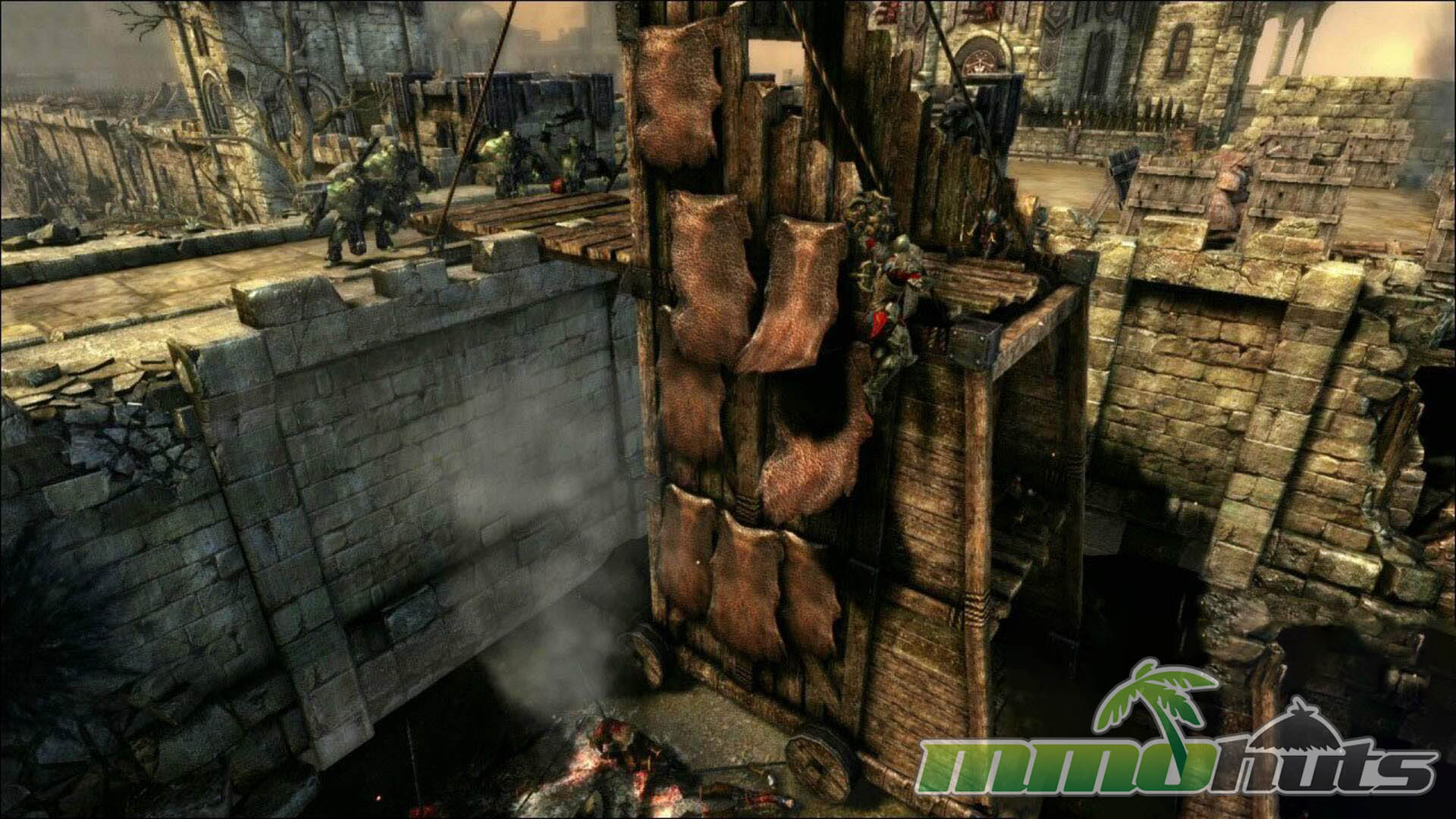
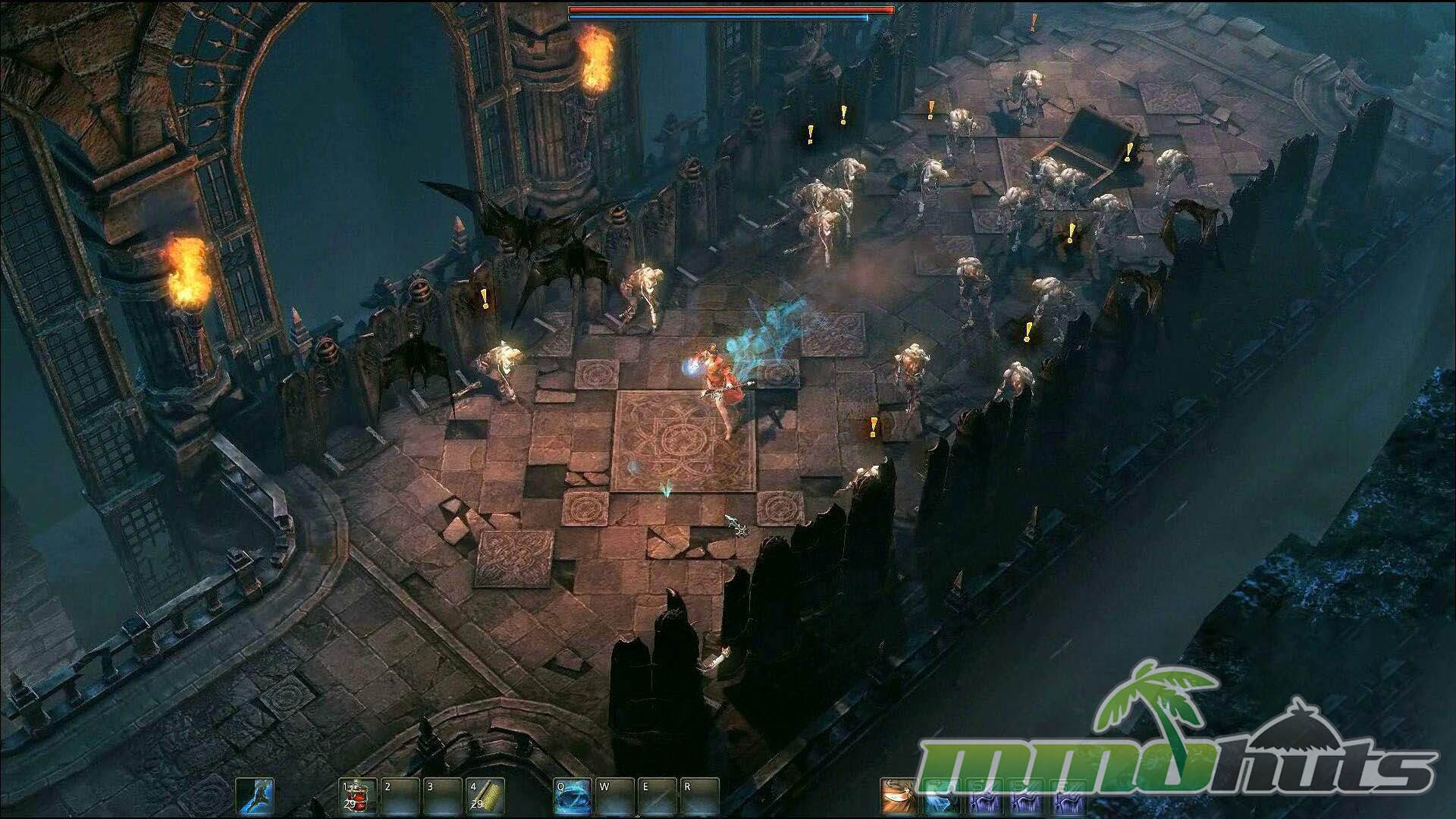
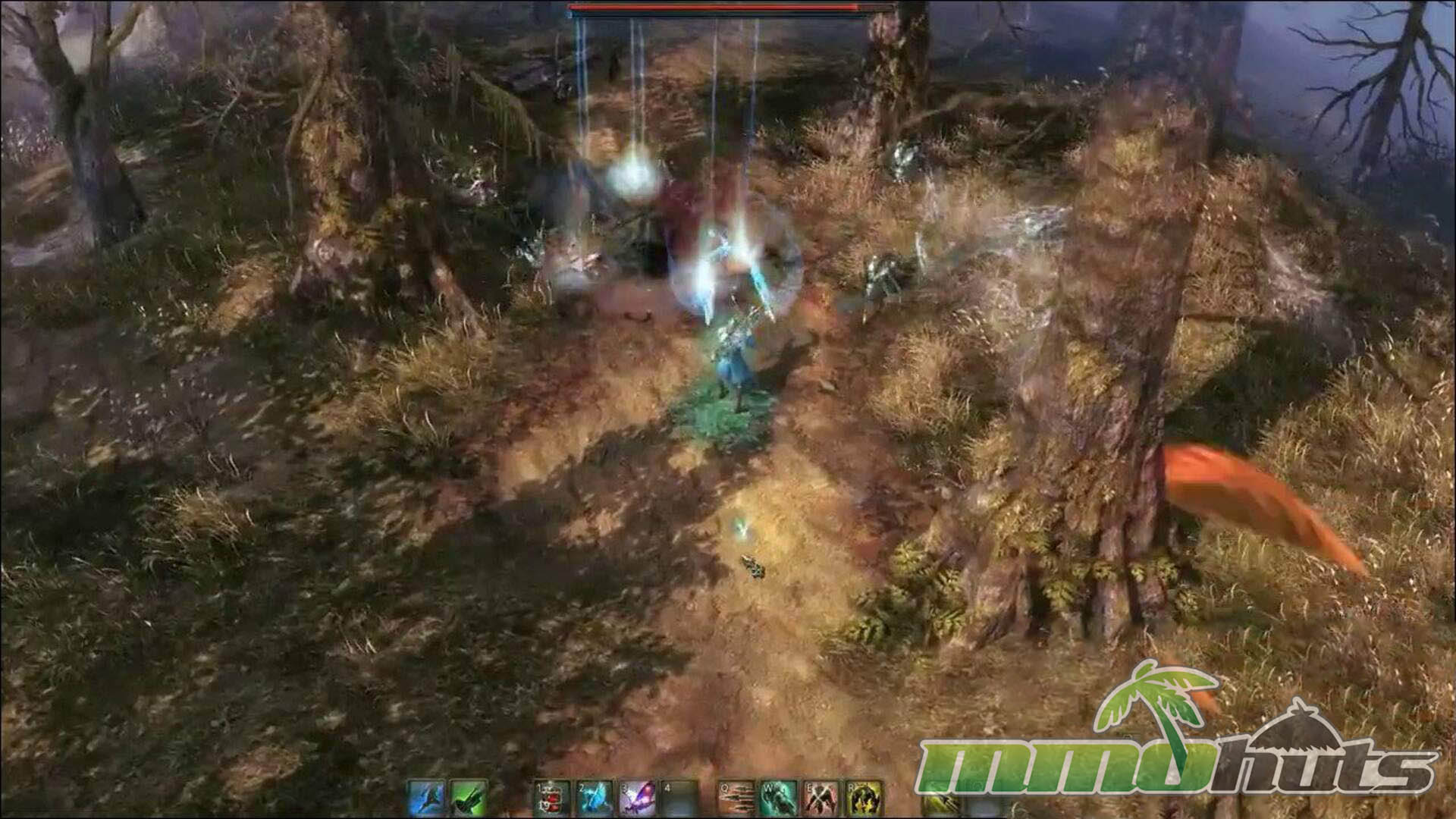
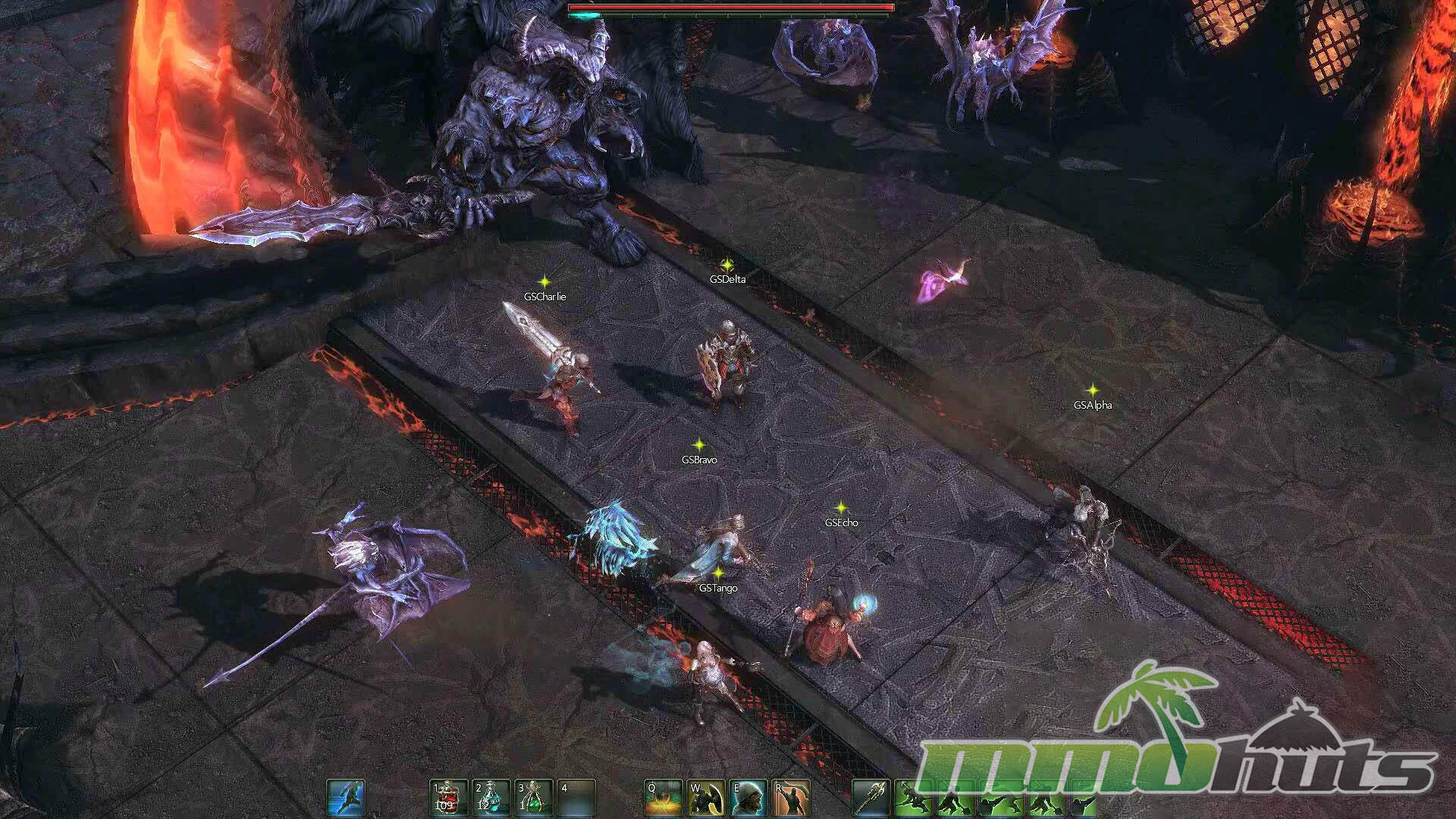
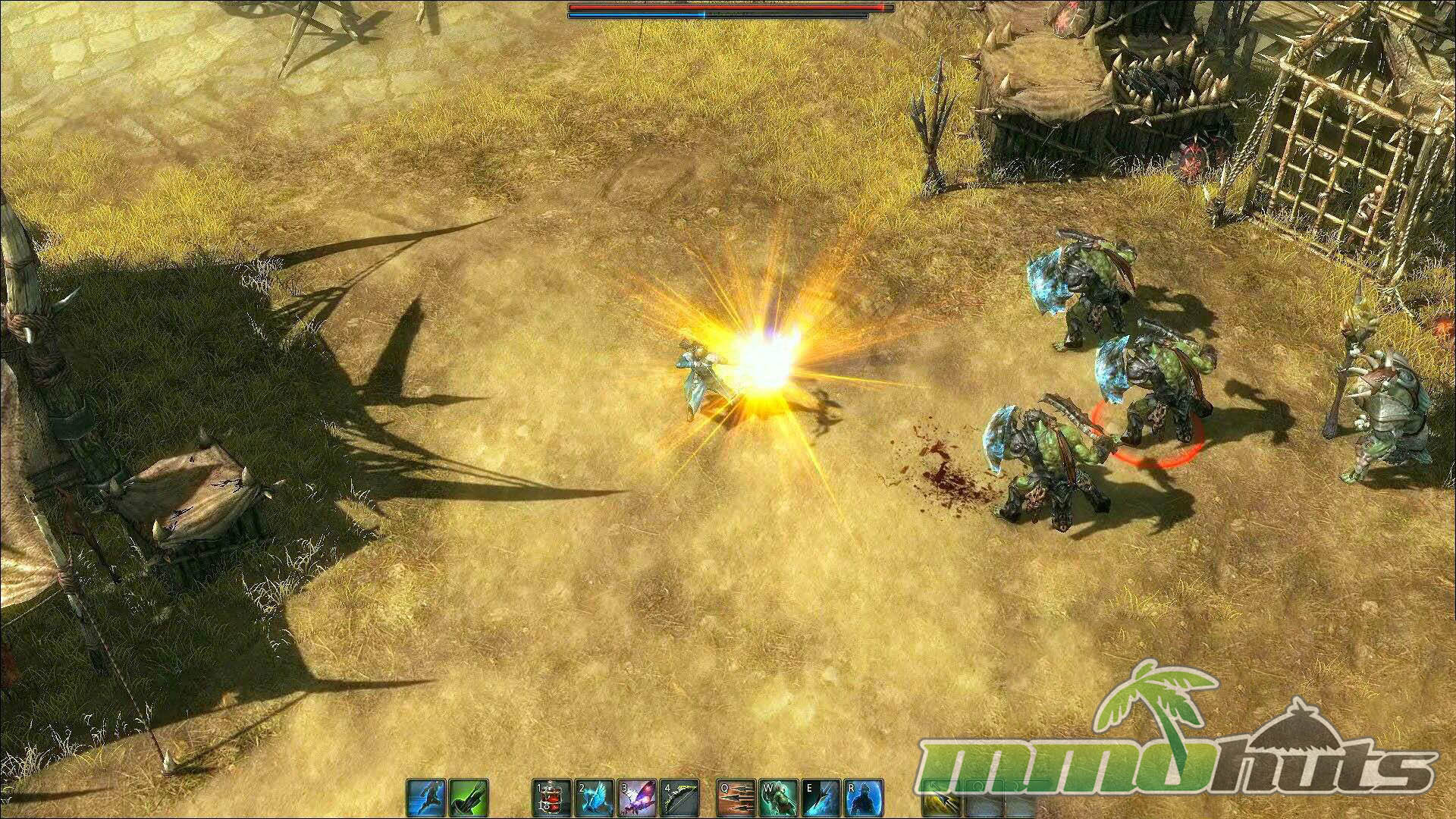
Lineage Eternal: Twillight Resistance was presented as the third main entry in the Lineage MMORPG lineage, aiming to modernize the formula without abandoning the franchise’s identity. From the footage and early descriptions, it leaned closer to an action-RPG camera and combat feel (think along the lines of Diablo 3) rather than the slower tab-target pacing many older MMORPGs are known for. Another notable design goal was to reduce traditional “go here, deliver that” quest loops, instead pushing players toward open-world activities and event-style objectives reminiscent of how Guild Wars 2 encourages exploration through dynamic content.
At the time, the project went through repeated schedule shifts and long stretches of silence. Plans discussed publicly included further closed testing, but development ultimately did not proceed in the form originally shown.
Lineage Eternal Key Features:
- Open World MMORPG – structured around roaming activities and field-event style objectives.
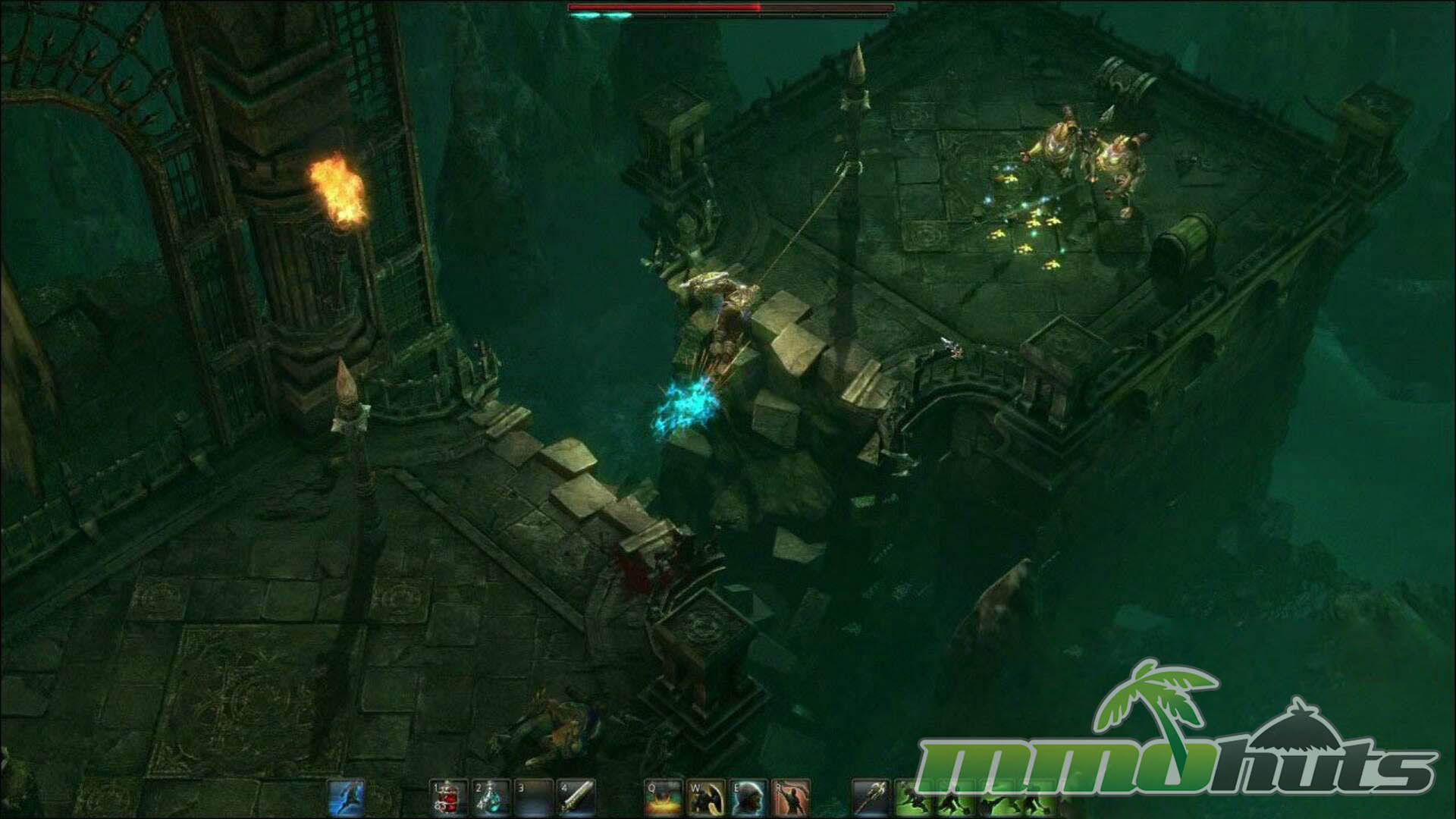
- Dynamic and Randomized Dungeons – instanced content built for variety, with layouts and encounters intended to change between runs.
- Mobile Support – cloud connect functionality was meant to enable play from mobile devices.
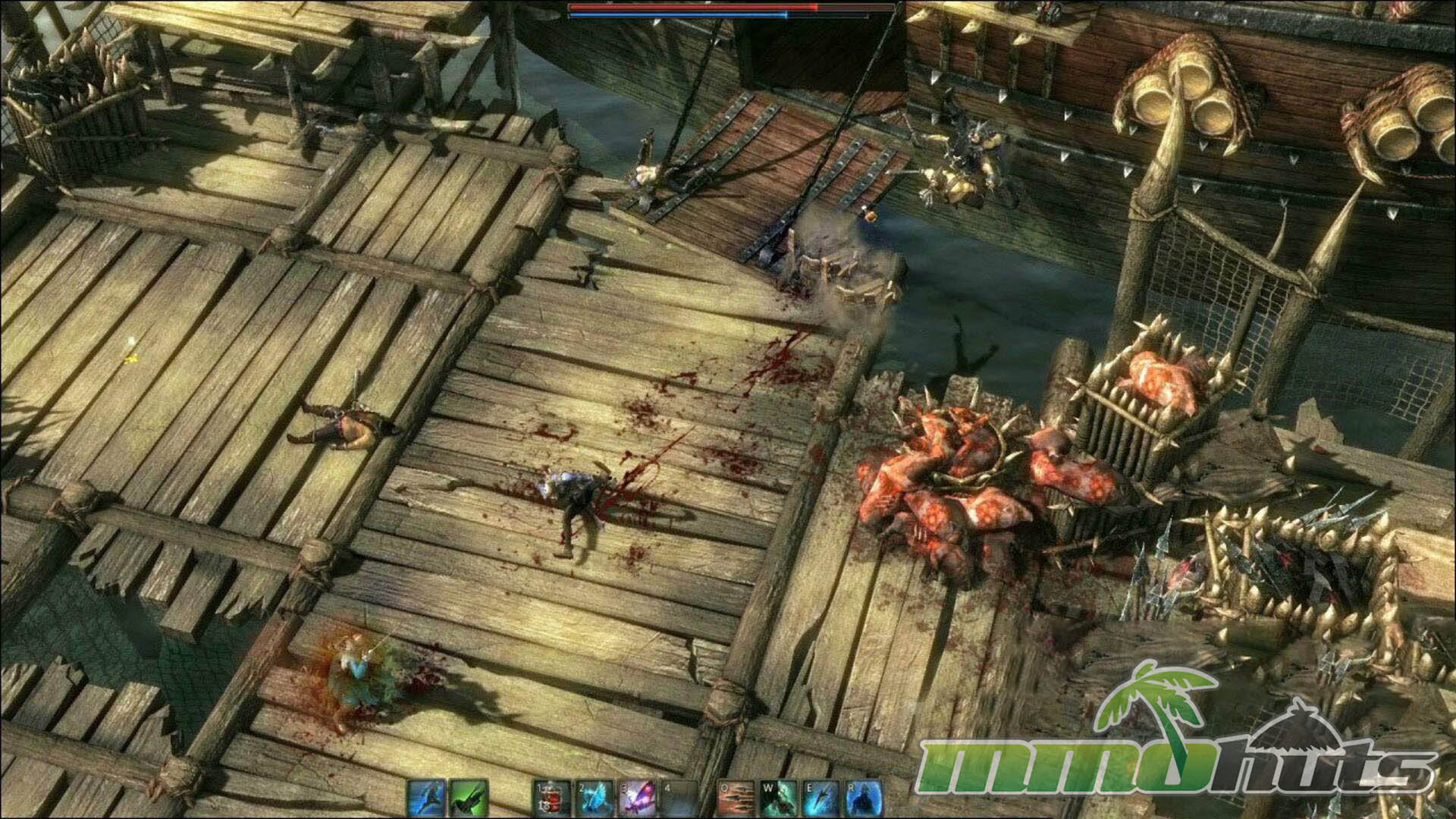
- PvP Features – arena battles and open-world PvP, including PK-style player conflict.
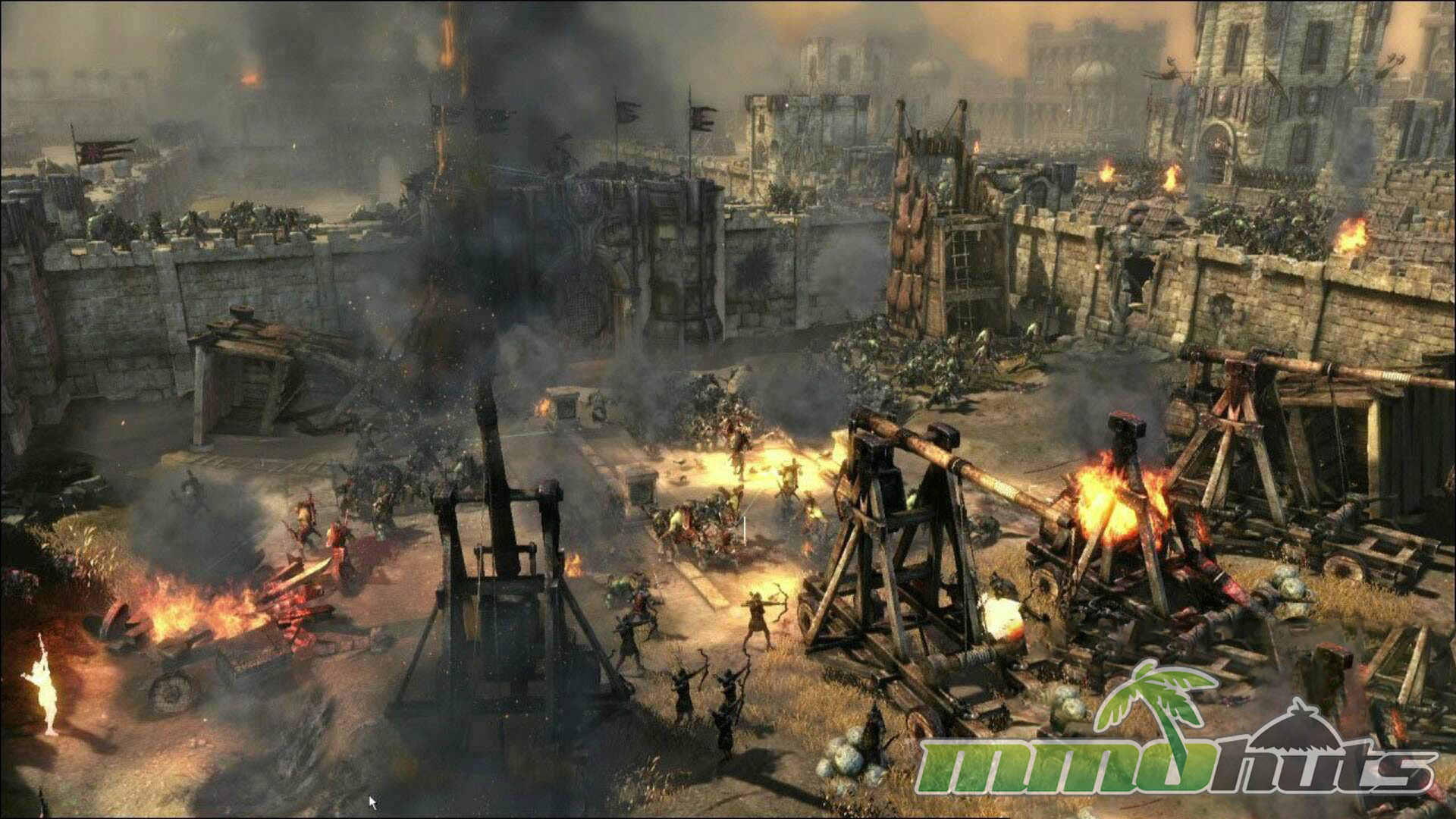
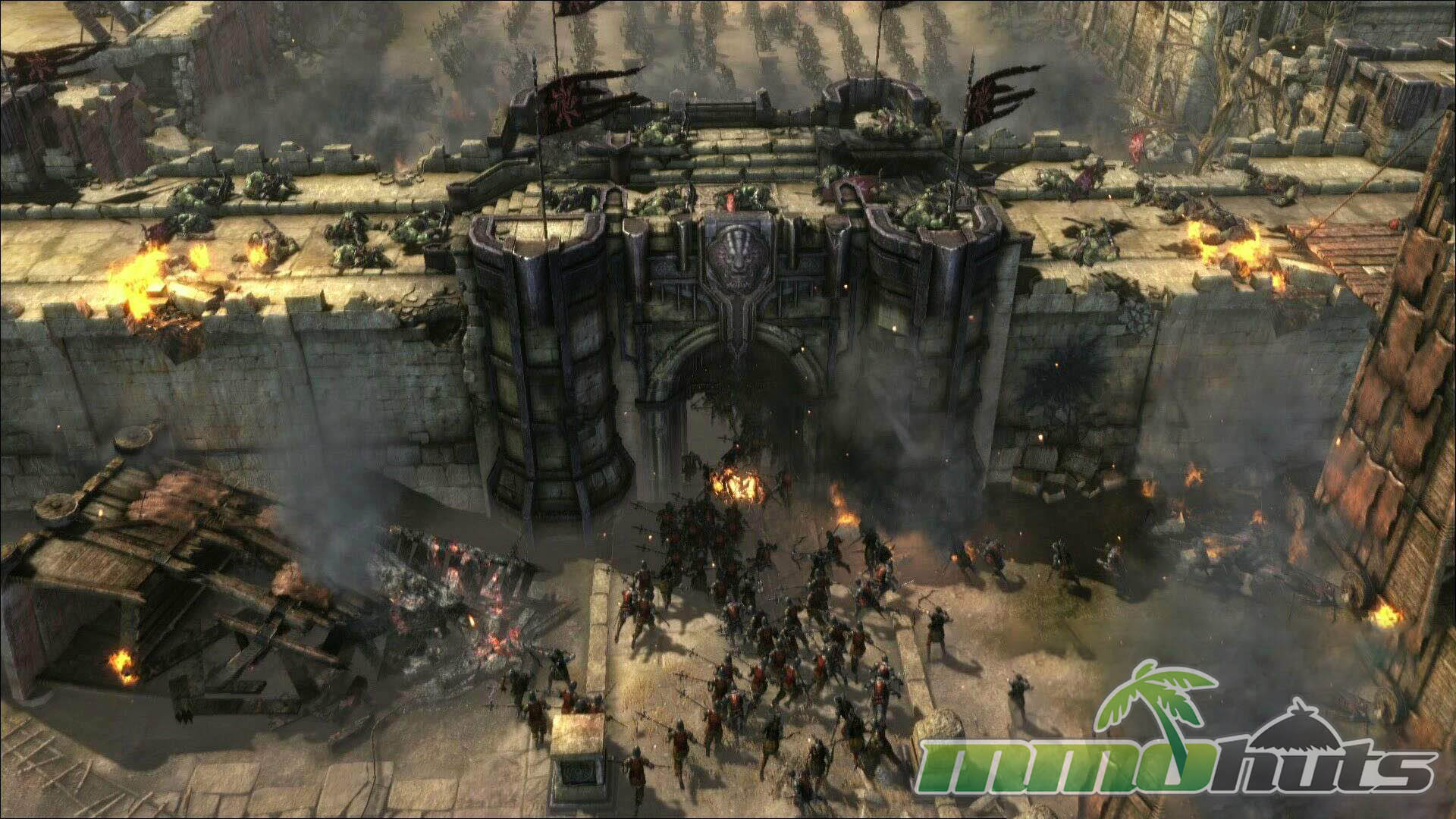
- Raiding – large-group boss encounters, including world bosses and raid targets for parties of 20+ players.
Lineage Eternal Screenshots
Lineage Eternal Featured Video
![Lineage Eternal - 2014 G-Star Vision Trailer [KR]](https://i.ytimg.com/vi/FoPyHgb9ljw/0.jpg)
Lineage Eternal Review
Lineage Eternal never reached a finalized, widely released state, so a traditional scored review is not possible. What can be evaluated is the direction NCSOFT appeared to be taking and why the concept generated interest among MMO fans.
The most striking shift was the perspective and combat tone. Instead of emphasizing hotbar rotations and stationary pulls, the game was marketed around more immediate, action-oriented play with a zoomed-out viewpoint that favors awareness and positioning. That approach had the potential to make routine combat feel faster and more readable, particularly in crowded fights where classic MMOs can become visually messy. It also would have made Lineage Eternal easier to approach for players coming from ARPGs, while still keeping the shared-world structure that defines MMORPG progression.
Another promising piece was the emphasis on field events and flexible objectives in the open world. In theory, that design reduces downtime, helps players organically group up, and keeps zones relevant beyond the leveling path. When executed well, event-driven content also makes the world feel less like a series of checklists and more like a place where things are happening whether or not you are following a quest chain.
On the other hand, the project’s long development cycle and limited finalized information made it difficult to judge the depth of its systems. Features like randomized dungeons and large-scale PvE bosses sound great on paper, but the long-term success of that content depends on reward structure, encounter variety, and how well the game balances repetition with meaningful progression. PvP, especially in a PK-capable open world, also lives or dies by its penalties, incentives, and anti-griefing rules, details that were never fully clear in public materials.
Ultimately, Lineage Eternal is best viewed as an interesting “what could have been” for the franchise: a version of Lineage that tried to meet modern expectations (action combat, event content, and cloud/mobile access) while still promising the large-scale PvE and PvP pillars that Lineage players associate with the name.
Lineage Eternal Links
Lineage Eternal Official Site
Lineage Eternal Wikipedia Entry
Lineage Eternal Subreddit
Lineage Eternal System Requirements
Minimum Requirements:
Operating System: Windows Vista / 7 / 8 / 8.1 / 10
CPU: Intel Core 2 Duo 3 GHz / AMD Athlon 64 x2 Dual Core 3600+
Video Card: 512 MB VGA Card / HD 4000 / ATI Radeon HD 6850
RAM: 2 GB
Hard Disk Space: 10 GB
Recommended Requirements:
Operating System: Windows Vista / 7 / 8 / 8.1 / 10
CPU: Intel Core i5 2.66 GHz / AMD Phenom II X4 970
Video Card: GeForce GTX 660 / Radeon 7950 or better
RAM: 4 GB
Hard Disk Space: 10 GB
Lineage Eternal has not published system requirements yet. These are estimates based on our experience. We will update the system requirements when they become available.
Lineage Eternal Music & Soundtrack
Coming soon…
Lineage Eternal Additional Information
Developer: NCSOFT (Team Eternal)
Publisher: NCSOFT
Game Engine: Unreal Engine 4
Closed Beta Date (SK): November 30, 2016
Development History / Background:
Lineage launched in 1998 and went on to become one of the genre’s most enduring successes, especially in Asian markets where it remained a major name for years. Lineage 2 arrived in 2003 as a prequel and, while it built its own community, it never fully matched the original’s cultural impact. Lineage Eternal was positioned as a way to bring the series forward again, marketed as a direct sequel with a more accessible structure and controls that were easier to pick up in shorter sessions.
A major talking point was cloud-based play, which would have allowed players to connect from mobile devices. If delivered smoothly, that kind of access can widen the potential audience and make it simpler for existing players to stay engaged outside of long PC sessions.
Publicly, the game’s timeline was marked by long delays after its initial reveal at G-Star in 2011. NCSOFT discussed global ambitions and continued testing plans, including a South Korea-only closed beta that ran from November 30th through December 4th.
After further setbacks, the original version of Lineage Eternal was ultimately abandoned in 2017. The concept was reworked into a new project under the codename “Project TL”, led by a different development team and built using Unreal Engine 4.