Final Fantasy XI is a subscription MMORPG that drops players into Vana’diel, a classic fantasy world built around long quest arcs, party-based combat, and the kind of narrative focus the Final Fantasy name is known for. Even today, its defining hook is the flexible Job system, where your character can learn and swap between dozens of roles over time rather than being locked into a single class forever.
 | Publisher: Square Enix Playerbase: Low Type: MMORPG Release Date: May 16, 2002 Pros: +Narrative-heavy MMO with a strong sense of adventure. +Flexible Job system encourages experimentation. +Party-focused design is cohesive and satisfying. Cons: -Requires a monthly subscription. -PlayStation 2 and Xbox servers are no longer available. -Visuals show their age. -Can be intimidating for new players. |

Final Fantasy XI Overview
Final Fantasy XI (FFXI) is a subscription MMORPG in the long-running Final Fantasy franchise, developed and published by Square Enix. The game launched across Windows, PlayStation 2, and Xbox 360, but at this point the Windows version is the active way to play. Unlike many MMOs that lean on a single main quest and a rush to endgame, FFXI is built around a steady stream of missions, quests, and conquest-style objectives that keep the world feeling like a lived-in place rather than a set of disconnected zones.
Character creation starts with five races and a set of initial jobs, then quickly opens into the game’s signature approach to roles. Jobs are not permanent selections; you can swap between the full lineup of 22 jobs as you progress, letting one character fill different needs depending on the group, the activity, or the kind of weapon and toolkit you want to master. Combat is designed with cooperation in mind, and the party structure supports everything from small groups to larger operations. Three parties can combine into an alliance, enabling 18-player encounters that still feel structured around teamwork rather than chaos.
Progression is tied closely to equipment and mastery. As you become proficient with certain weapon types, you unlock distinctive weapon skills, powerful techniques that act like high-impact finishers and tactical tools. Better gear and weapons come from harder battlefields and more demanding fights, which gives the loot chase a clear risk-reward curve. Outside of combat, the game supports a player-driven economy with trading and auction houses, plus crafting through Crystal Synthesis, giving crafters and merchants meaningful ways to contribute.
Final Fantasy XI Key Features:
- Storytelling at the Forefront – FFXI leans hard into narrative, with missions and zone arcs that deliver the series’ signature worldbuilding and character-driven moments throughout your journey in Vana’diel.
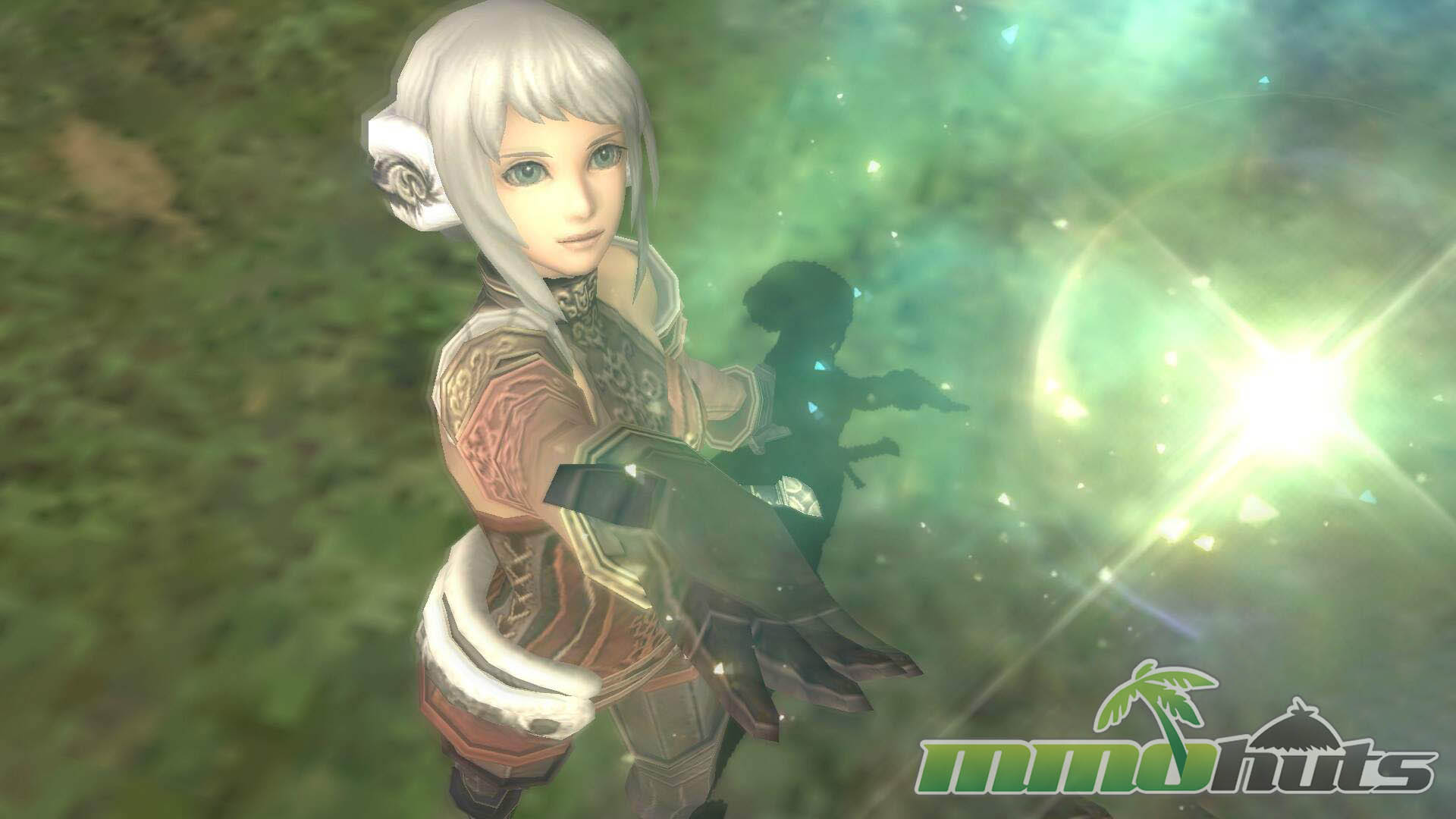
- Distinctive Looks and Equipment – between five races, solid customization options, and gear that tends to feel visually unique rather than simple palette swaps, it is easy to build a character with a recognizable style.
- Jobs You Can Switch and Master – instead of rolling alts for every role, you can rotate jobs on the same character, learning when to specialize and when to adapt to what your party needs.
- Party Play That Actually Matters – encounters and pacing are tuned around cooperation, rewarding coordinated roles and making group composition feel important instead of optional.
- A Huge Back Catalog of Adventures – with five expansions, multiple add-ons, and years of updates behind it, FFXI offers a deep pool of content for players who enjoy long-term goals.
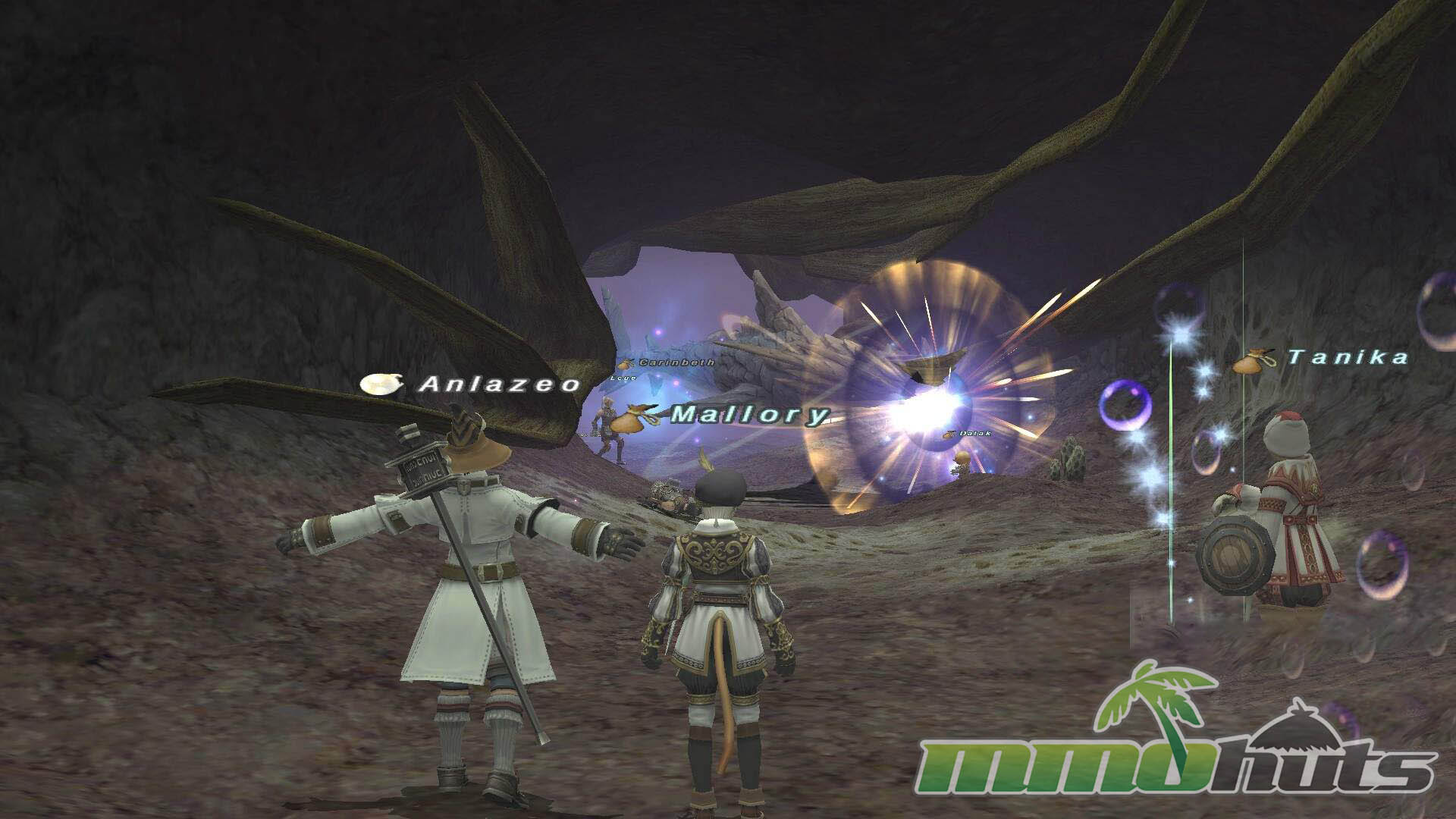
Final Fantasy XI Screenshots

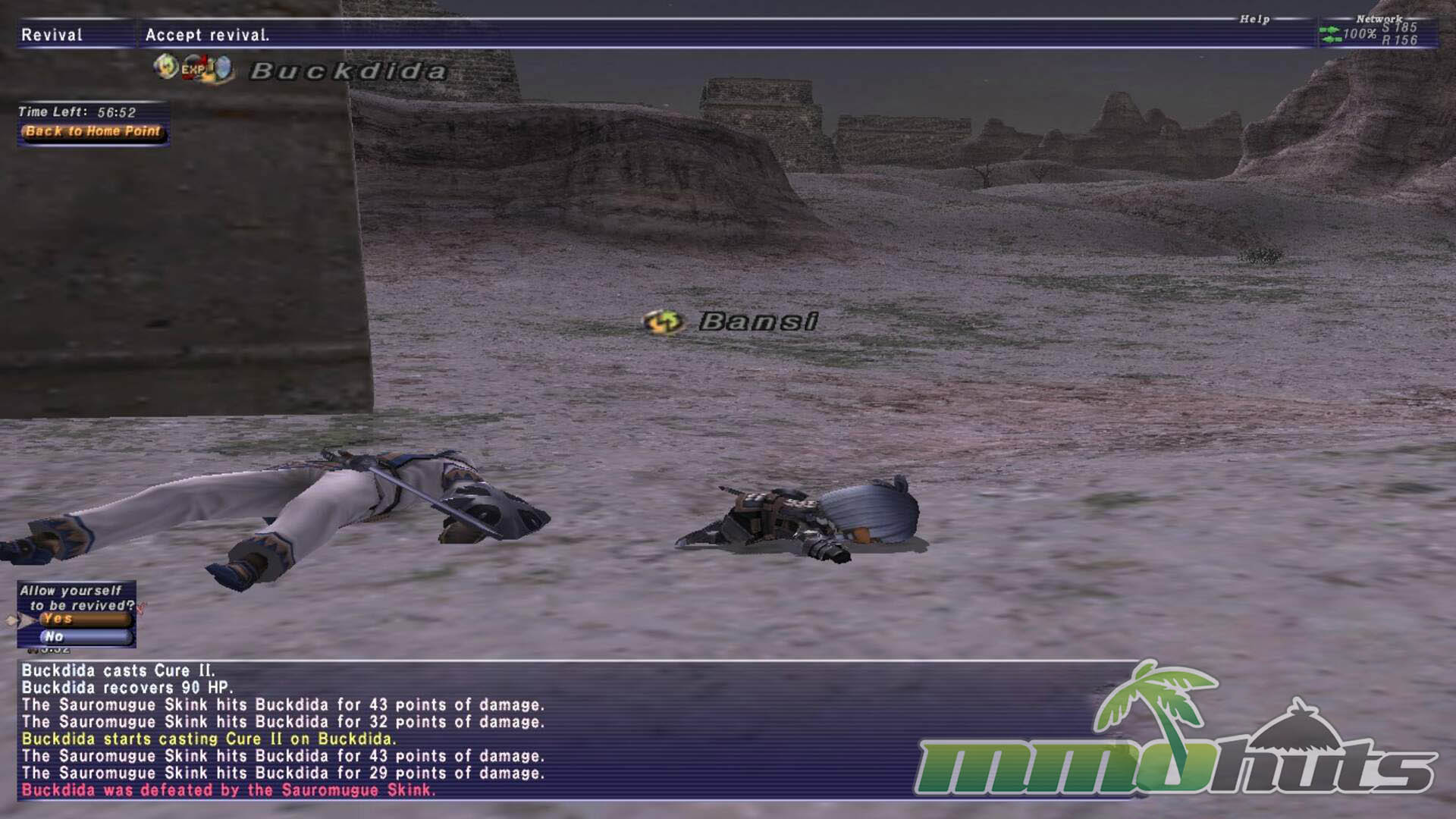
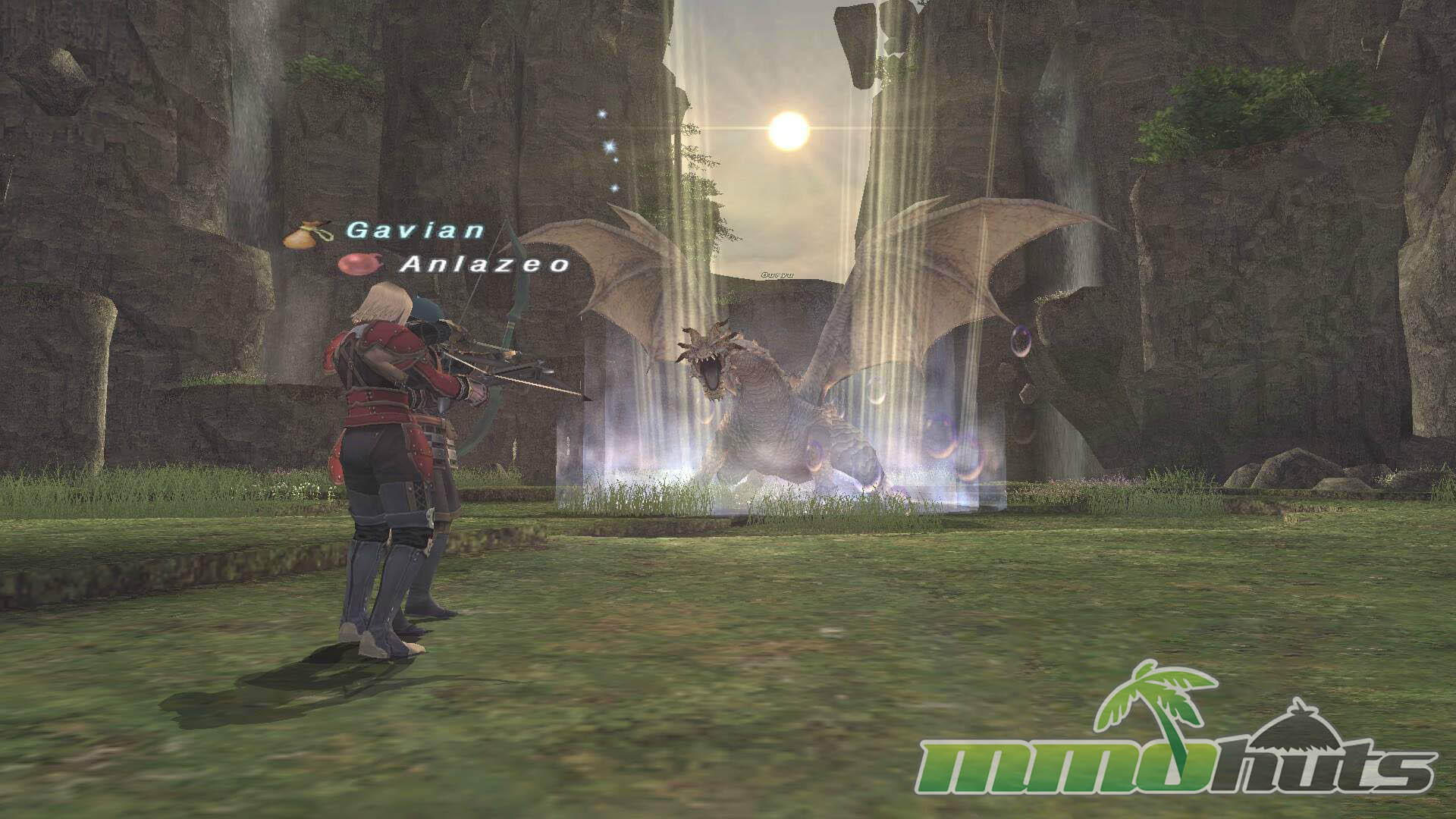

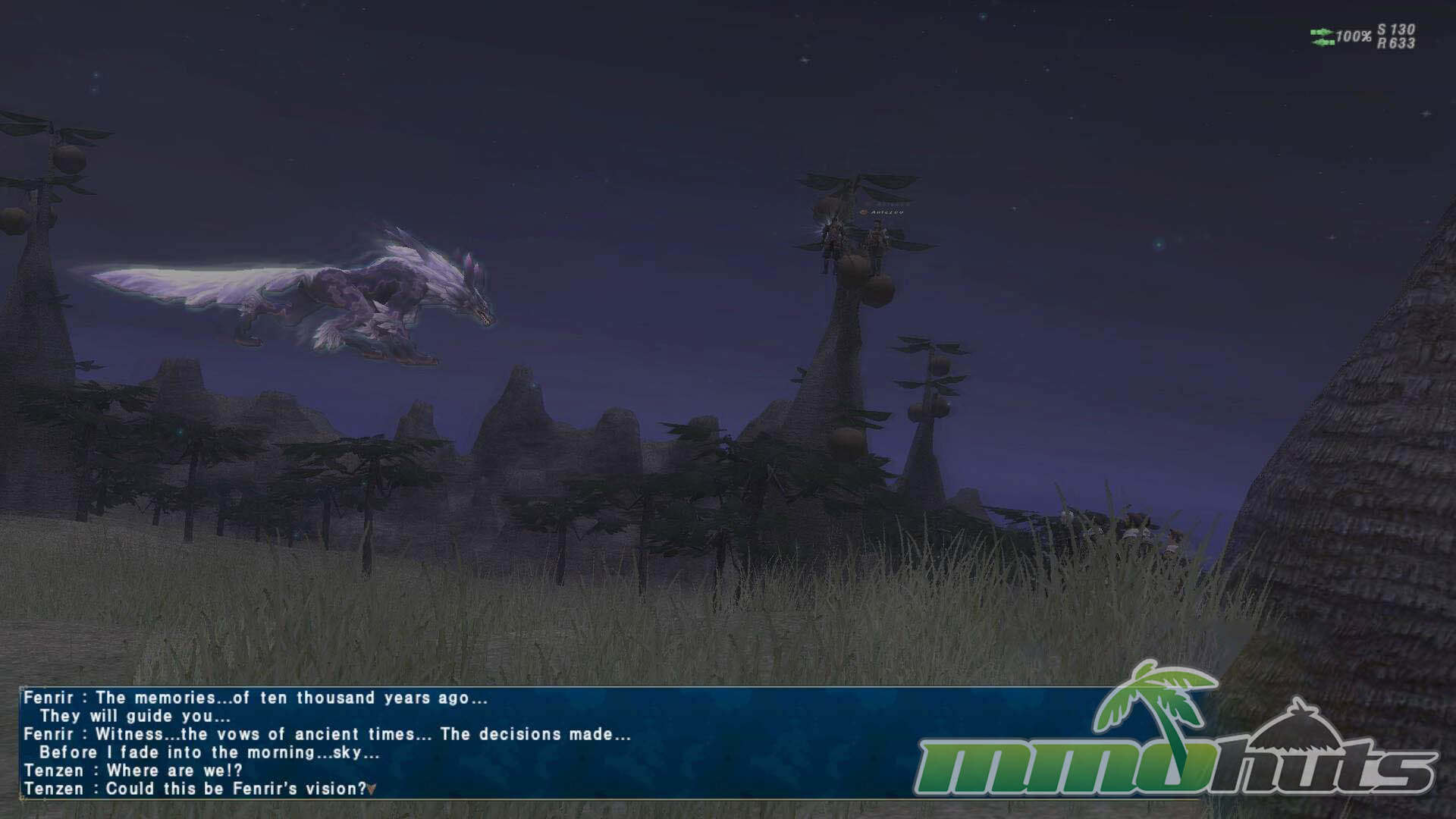
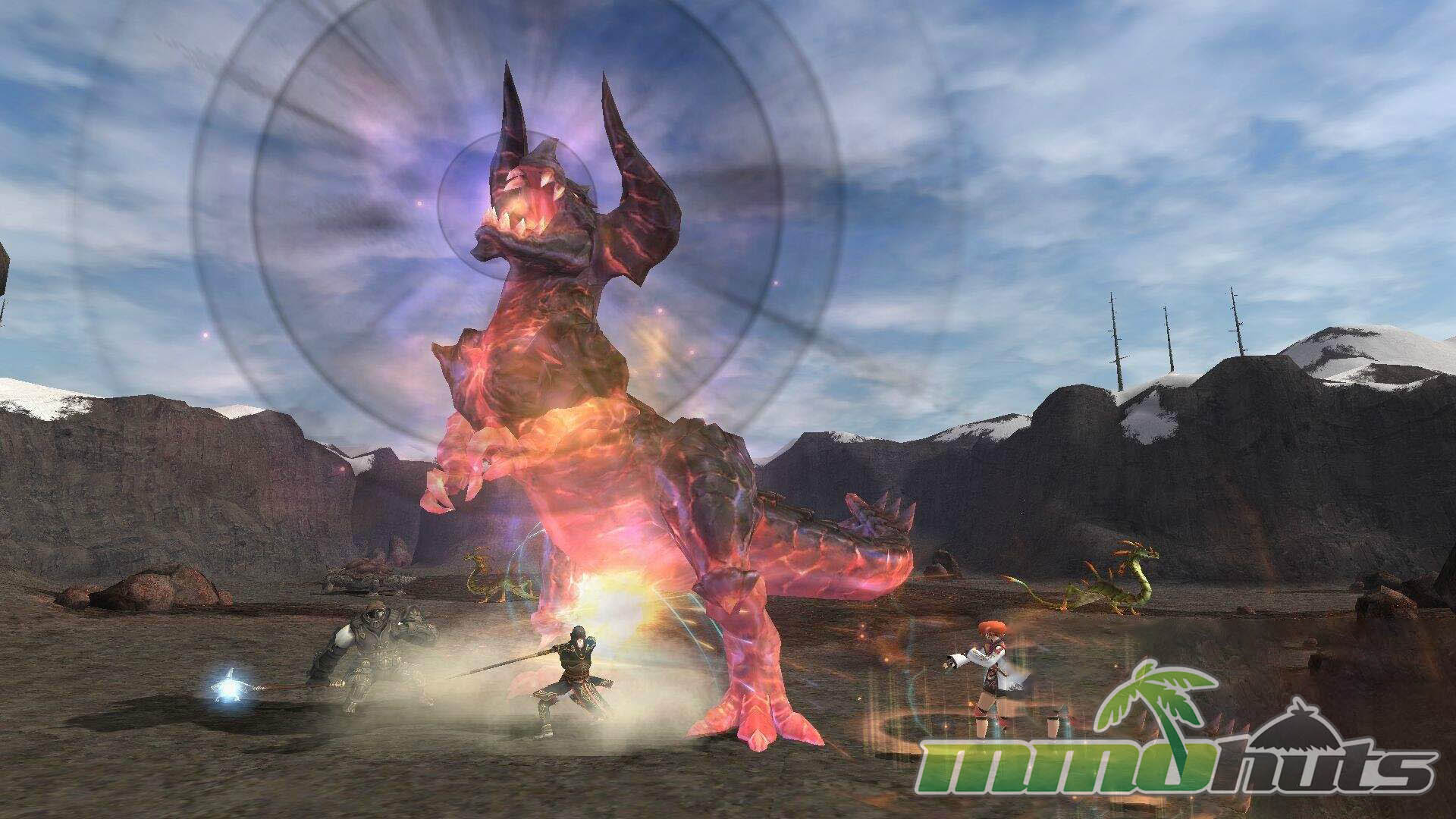
Final Fantasy XI Featured Video

Final Fantasy XI Review
Final Fantasy XI is a fascinating MMO to revisit because it is unapologetically built around deliberate pacing and social play. Where modern MMORPGs often prioritize convenience and constant solo progression, FFXI feels more like a classic online RPG, one where preparation, party roles, and knowledge of the world carry real weight. That design will not be for everyone, but for players who want an MMO that rewards commitment and collaboration, it remains one of the genre’s most distinctive experiences.
A slower, more intentional MMO
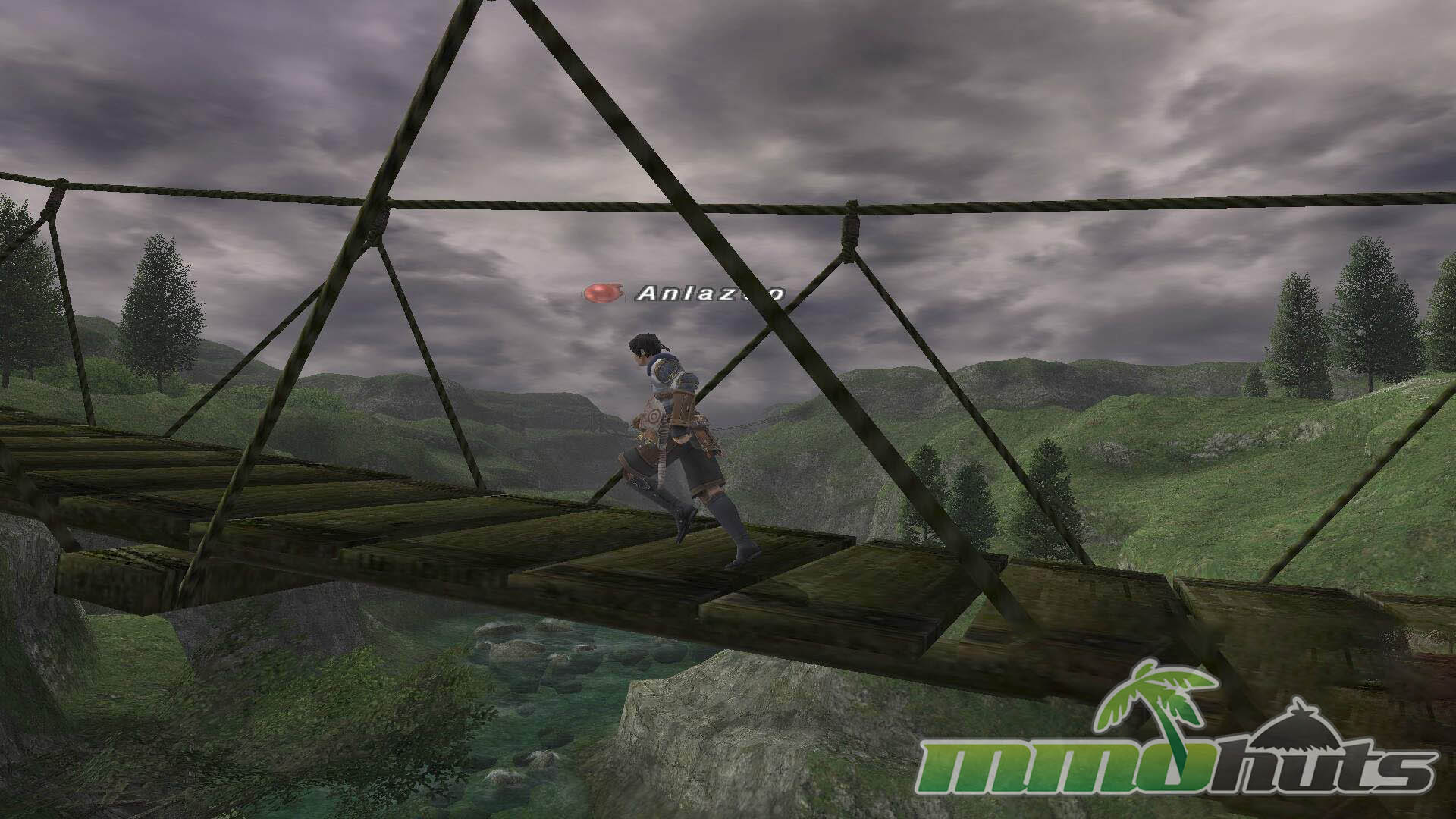
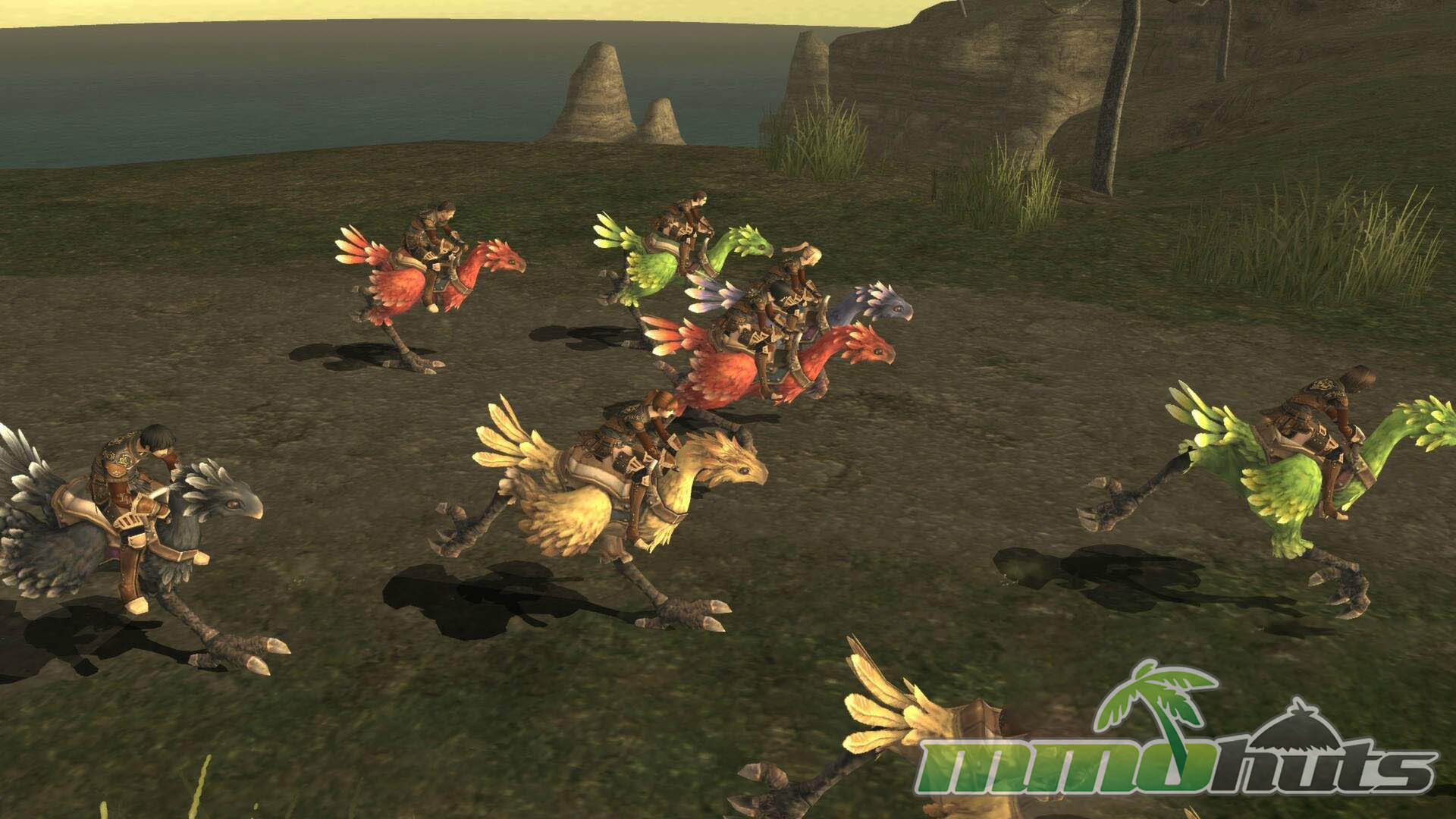
Moment to moment, FFXI is not about sprinting from objective to objective. Travel, planning, and learning your surroundings are part of the game’s identity, and the structure encourages you to treat Vana’diel as a world rather than a lobby. Quests and missions tend to push you across regions and into different types of encounters, and the overall flow supports long play sessions where you set goals and work toward them step by step.
The Job system is still the main reason to play
FFXI’s non-static Job approach is the feature that continues to set it apart. Being able to change roles on a single character creates a different relationship with progression. You are not just leveling one identity, you are building a toolbox. Over time, this flexibility makes it easier to participate in varied content, since you can adjust to what a party needs rather than being forced into “wait for the right group” scenarios because of a single locked class choice.
Group combat with real structure
Party gameplay is where the game shines most consistently. FFXI’s fights generally feel designed around roles doing their jobs, with clear value in coordination and team composition. The alliance system (up to 18 players across three parties) adds another layer for larger battles, and while it can be complex, it also creates a sense of scale that many MMOs struggle to deliver without turning into a noisy damage race.
Progression, loot, and long-term goals
Equipment matters, and the hunt for better weapons and gear has a satisfying gradient: tougher challenges tend to offer better rewards. Weapon skills add personality to different weapon choices, giving combat a sense of growth beyond raw stats. The crafting and trading systems also help round out the end-to-end loop, offering productive paths for players who like markets, materials, and self-sufficiency alongside combat.
What holds it back today
The biggest barriers are the ones you would expect from a long-running MMO. The subscription fee is a commitment, and the presentation is clearly from an earlier era. More importantly, the learning curve can be steep, especially if you are coming from modern theme-park MMORPGs that explain every system with layered tutorials and streamlined UI. FFXI often expects patience and curiosity, and it rewards players who are willing to read, experiment, and lean on the community.
Overall, Final Fantasy XI remains a landmark MMORPG with a strong narrative backbone and an unusually flexible class system. It is best recommended to players who enjoy classic MMO pacing, party-centric design, and the satisfaction that comes from mastering systems over time rather than consuming content as quickly as possible.
Final Fantasy XI Links
Final Fantasy XI Official Site
Final Fantasy XI Wikipedia
Final Fantasy XI Wikia
Final Fantasy XI Facebook Page
Final Fantasy XI Steam Page
Final Fantasy XI Subreddit
Final Fantasy XI NicoNico
Final Fantasy XI Official Forums
Final Fantasy XI System Requirements
Minimum Requirements (Windows):
Operating System: Windows Vista
CPU: Intel® Pentium®III 800Mhz or faster
RAM: 128 MB
Video Card: NVIDIA® GeForce™ series with 32 MB or ATI® RADEON™ 9000 series
Hard Disk Space: 15 GB HD space
Recommended Requirements (Windows):
Operating System: Windows 7
CPU: Intel® Pentium®4 processor
RAM: 256 MB
Video Card: NVIDIA® GeForce FX™ series or GeForce 6 series
Hard Disk Space: 15 GB HD space
Final Fantasy XI Music & Soundtrack
Coming Soon!
Final Fantasy XI Additional Information
Developer(s): Square Enix
Publisher(s): Sony Entertainment (PlayStation 2 platform), Square Enix (all other platforms)
Composer(s): Naoshi Mizuta, Kumi Tanioka, & Nobuo Uematsu
Platforms: PlayStation 2, Xbox 360, Windows, Steam
Expansion Packs:
1. Rise of the Zilart
2. Chains of Promathia
3. Treasures of Aht Urhgan
4. Wings of the Goddess
5. Seekers of Adoulin.
Closed Beta (Japan): August 2001
Open Beta (Japan): December 2001
PlayStation 2 Release Date: May 16, 2002 (Japan); March 23, 2004 (NA)
Xbox 360 Release Date: April 18, 2006 (NA); April 20, 2006 (Japan); April 21, 2006 (EU)
PC Release Date: November 7, 2002 (Japan); October 28, 2003 (NA); September 17, 2004 (EU)
Steam Release Date: April 19, 2013
Development History / Background:
Final Fantasy XI is a subscription-based MMORPG developed and published by Square Enix. It is recognized as the first cross-platform MMORPG to reach the market. The original release arrived on Sony’s PlayStation 2 on May 16, 2002 in Japan, but its adoption was hampered by the extra hardware required, including a hard drive and network adapter. Square Enix expanded to PC later that year with a Japanese launch in November, then brought the PC version to North America in October 2003 and to Europe in September 2004. The Xbox 360 edition followed in April 2006, releasing across regions that same month. Years later, the game also became available via Steam in April 2013.
Square Enix ended service for the PlayStation 2 and Xbox 360 versions on March 31, 2016, leaving Windows as the supported platform. A mobile adaptation inspired by FFXI, Final Fantasy Grandmasters, launched as a free-to-play title in Japan for Android and iOS. Square Enix also partnered with Nexon to develop a more complete mobile version of FFXI planned for release in 2016.