Azur Lane is a free-to-play mobile shoot ’em up with light RPG progression, built around collecting anthropomorphized WWII warships and taking them into side-scrolling naval battles. You steer your vanguard through dense enemy fire, time your main fleet barrages, and experiment with fleet compositions to handle different stages, bosses, and event maps.
 | Publisher: Shanghai Yostar Playerbase: High Type: Mobile Shoot ’em Up RPG Release Date (Global): July 16, 2018 Pros: +Friendly gacha and solid drop rates. +Excellent character art and presentation. +Action combat that stays interesting. Cons: -Progression can involve repetition. -PvP largely runs on auto. -Takes time to learn fleet roles and systems. |



Azur Lane Overview
Azur Lane is a 2D mobile shooter RPG developed by Shanghai Manjuu and Xiamen Yongshi. Framed around World War II-era factions and ships, the game reimagines famous vessels as “shipgirls” you recruit and train, including names like USS Enterprise, USS St. Louis, and the battleship Nagato. Moment to moment, it plays like a side-scrolling bullet-dodging shooter with a layer of RPG stats, equipment, and skills, then ties that loop to a gacha-style collection system that will feel familiar to fans of games like Girls’ Frontline or Kancolle.
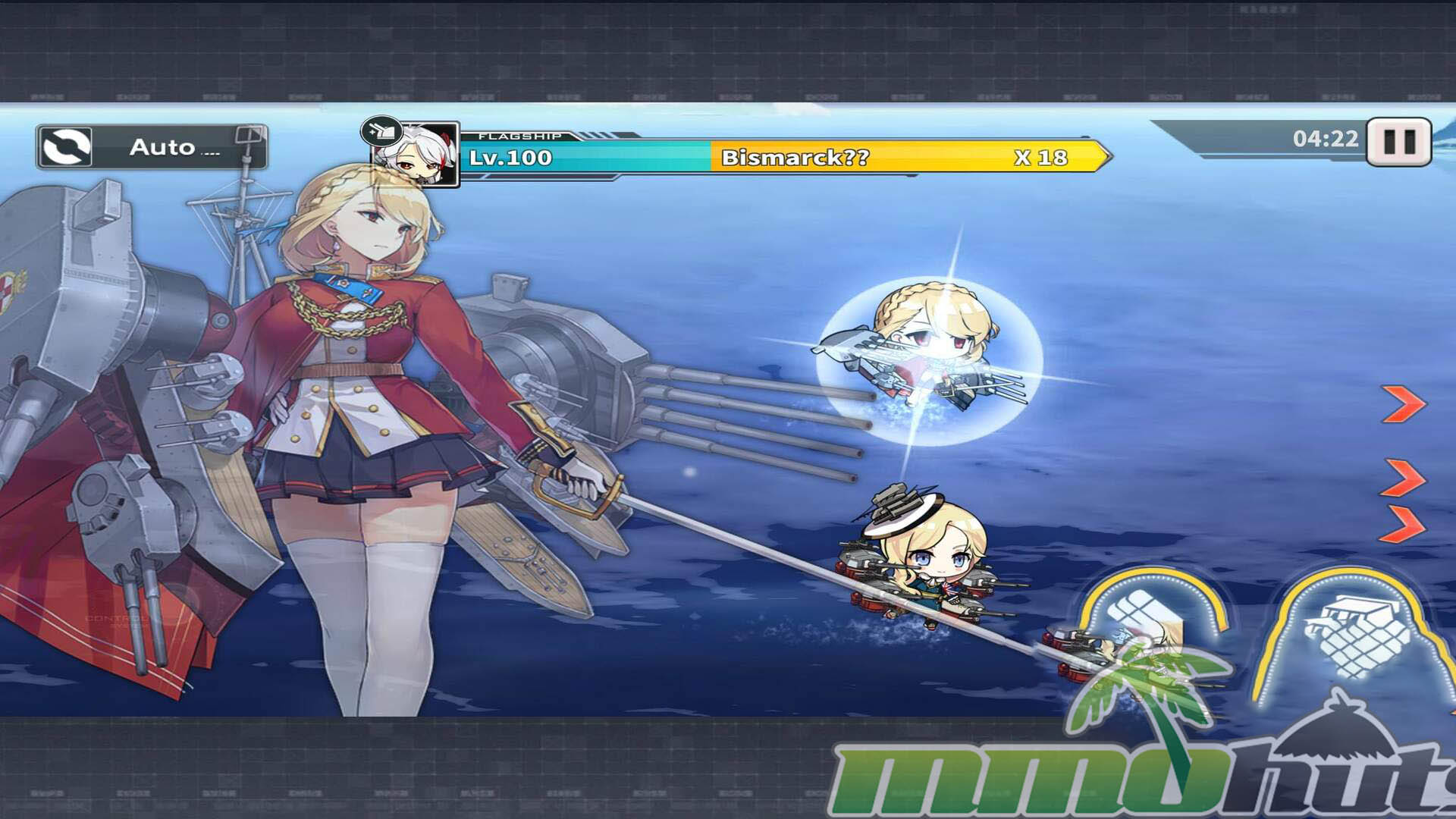
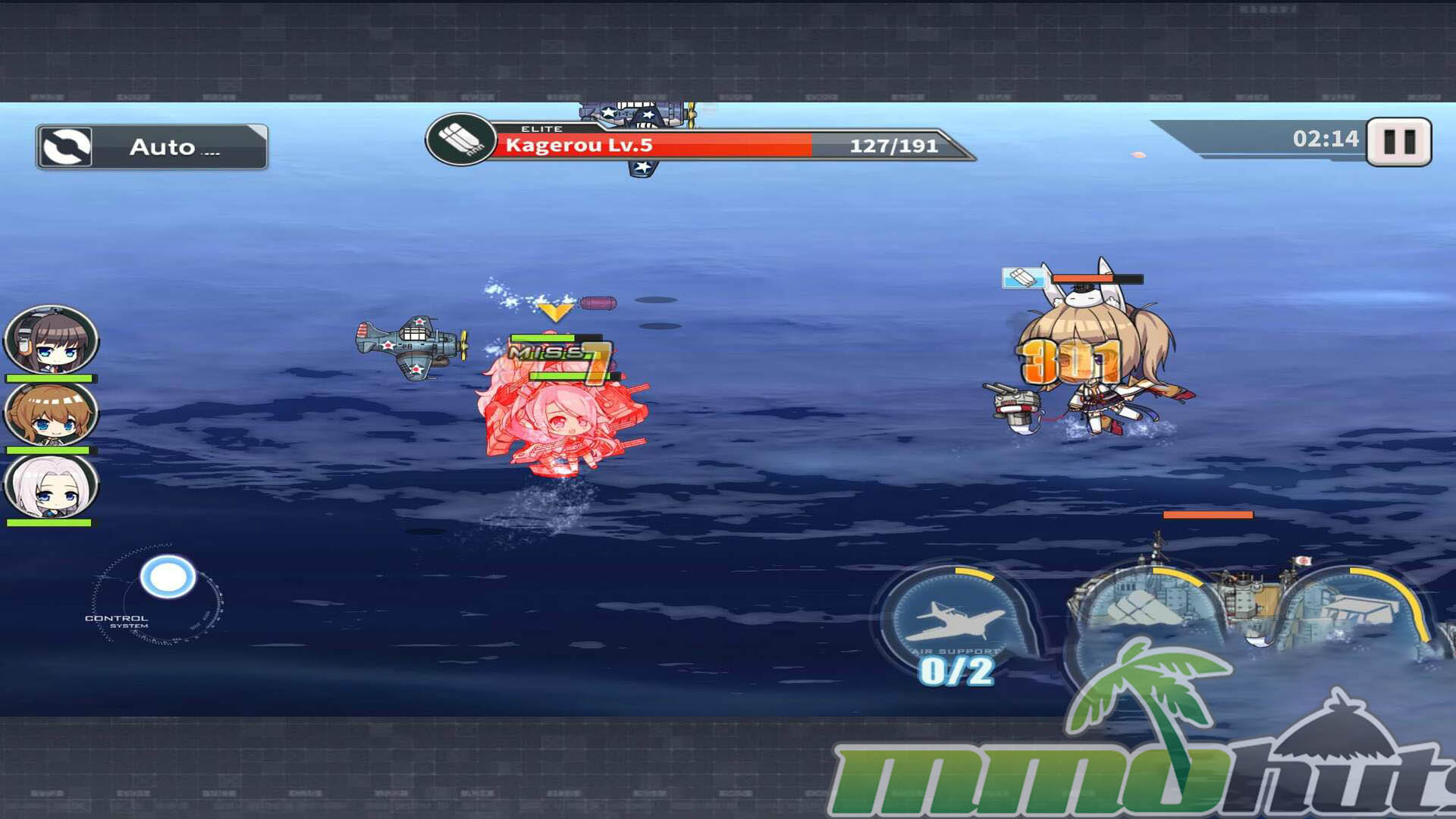
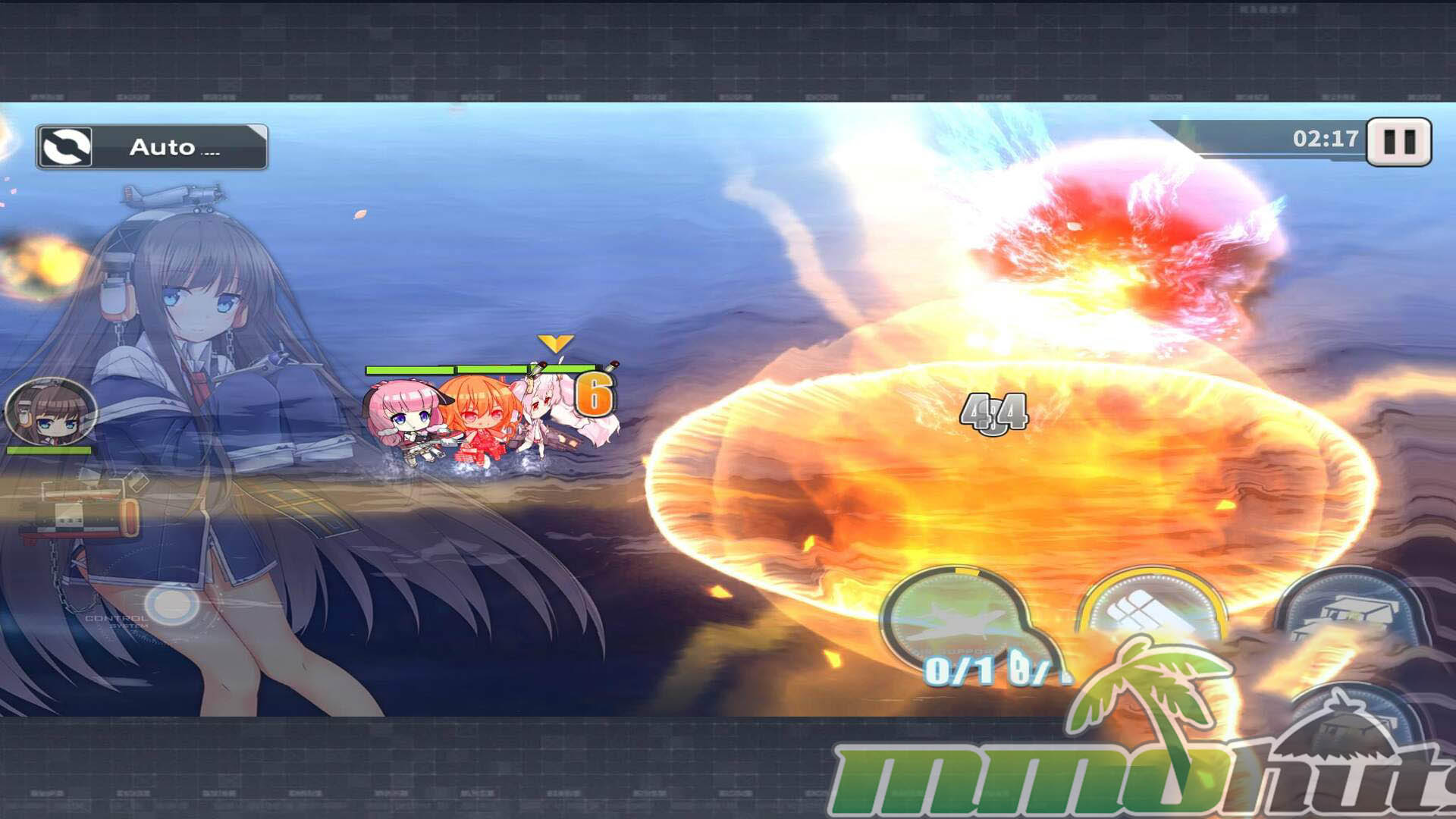
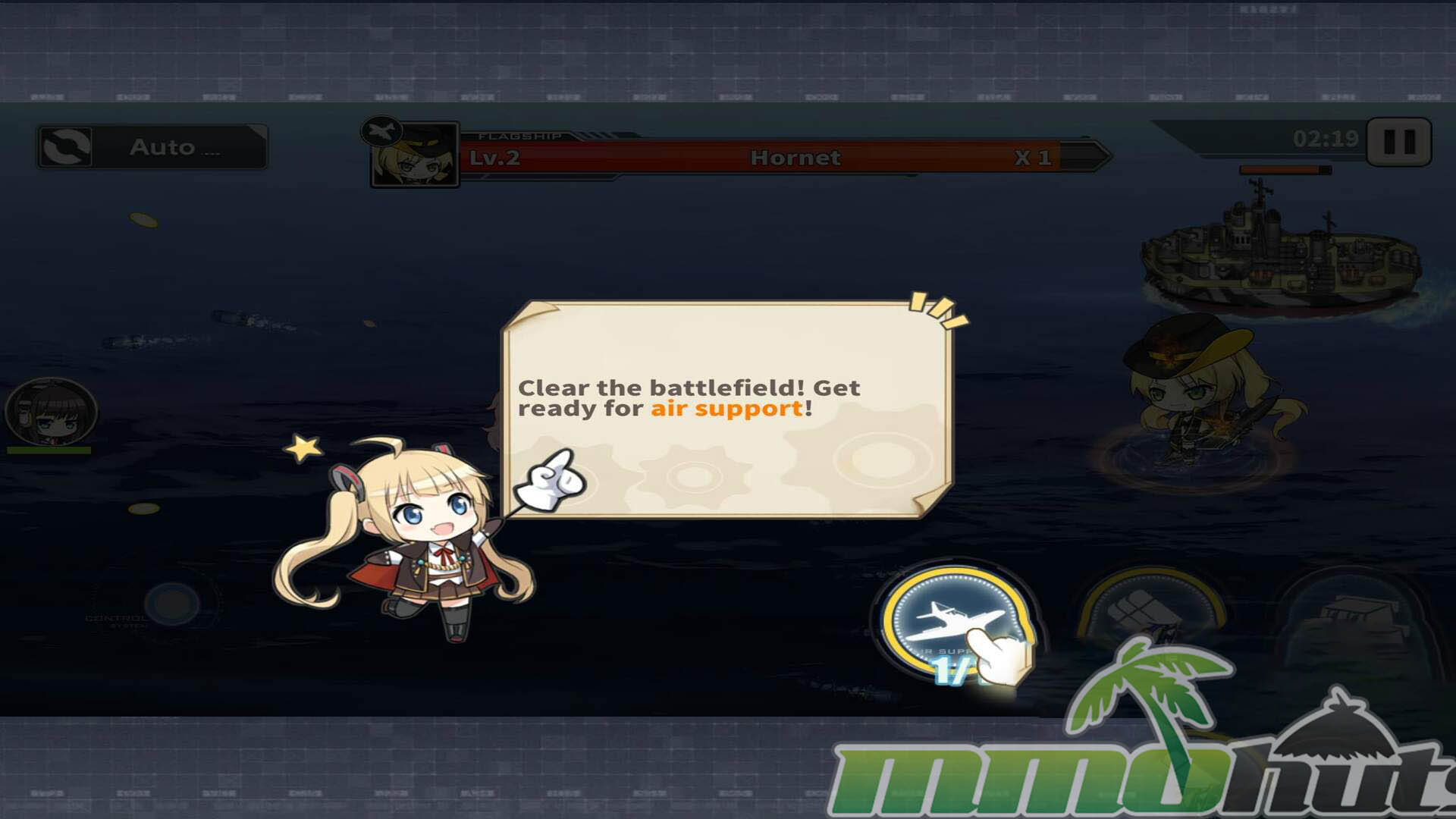
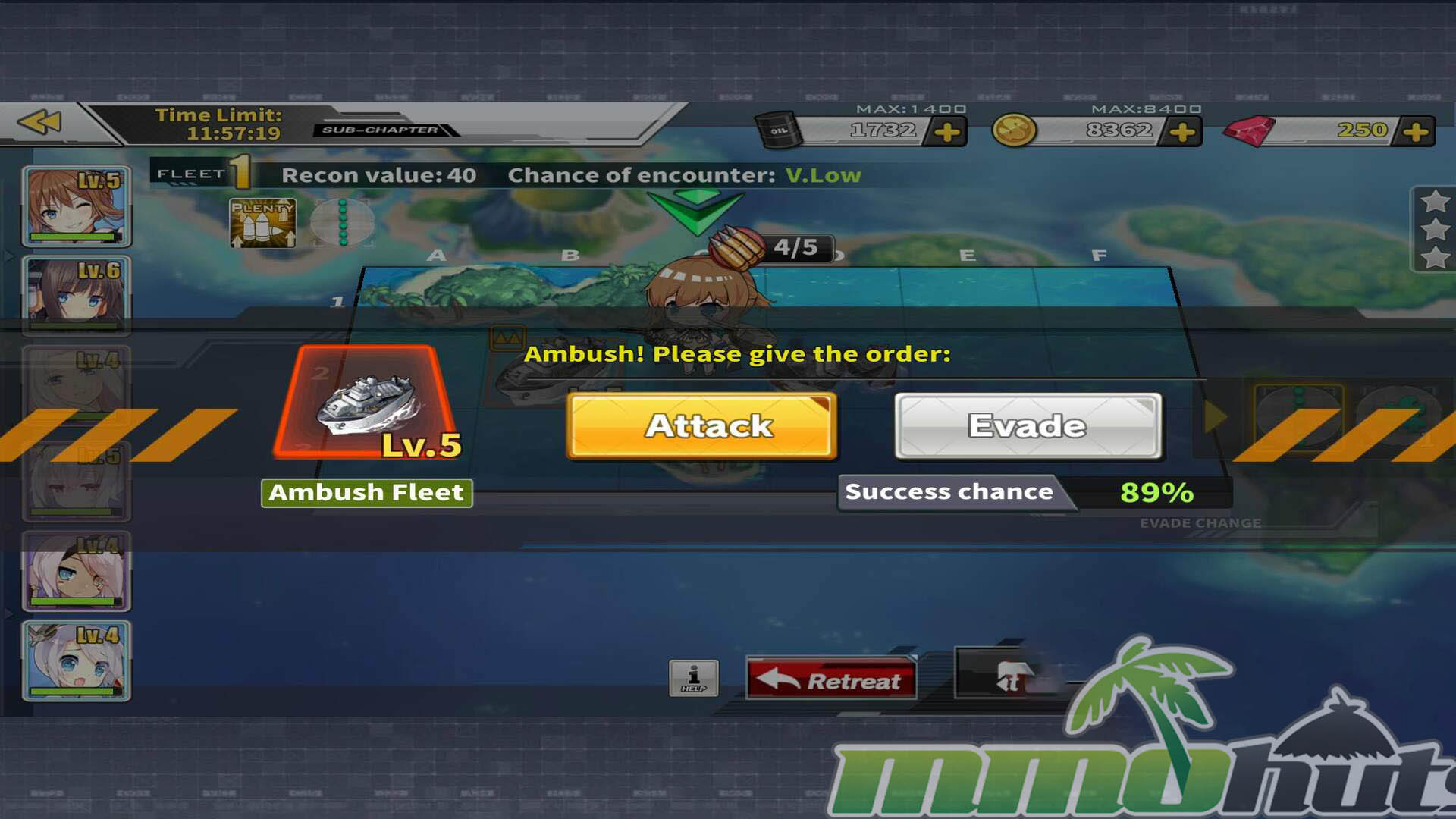
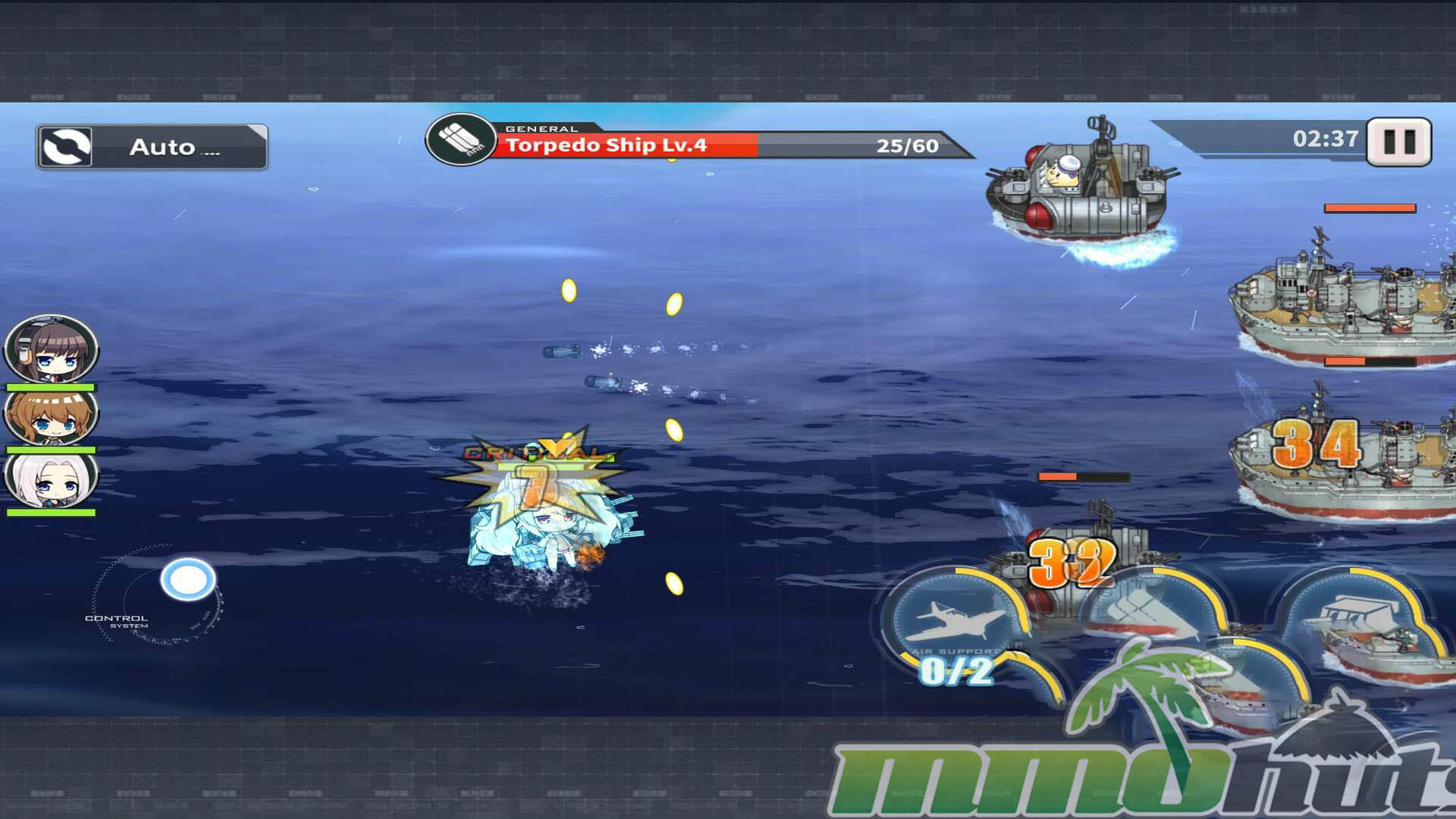
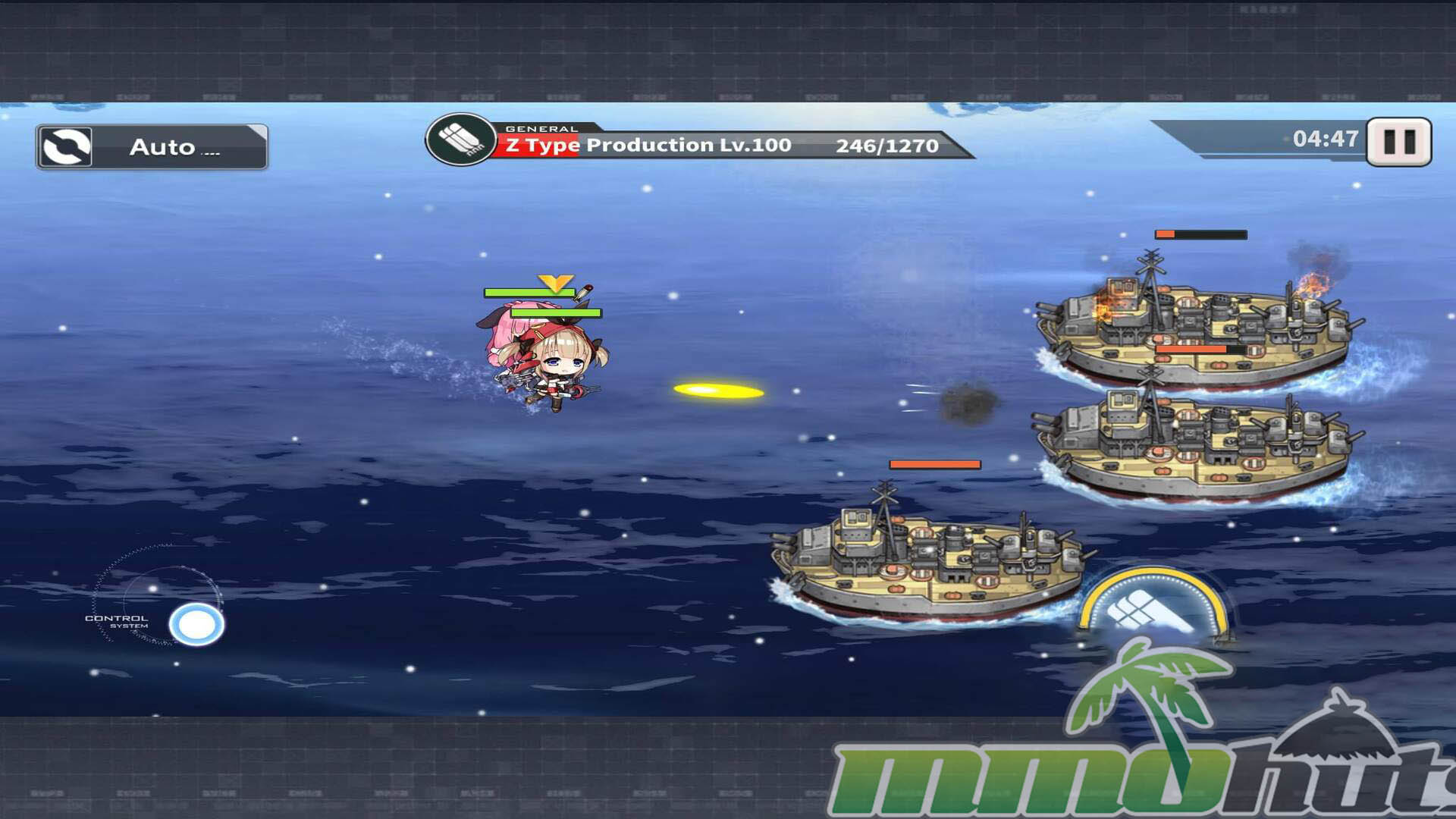
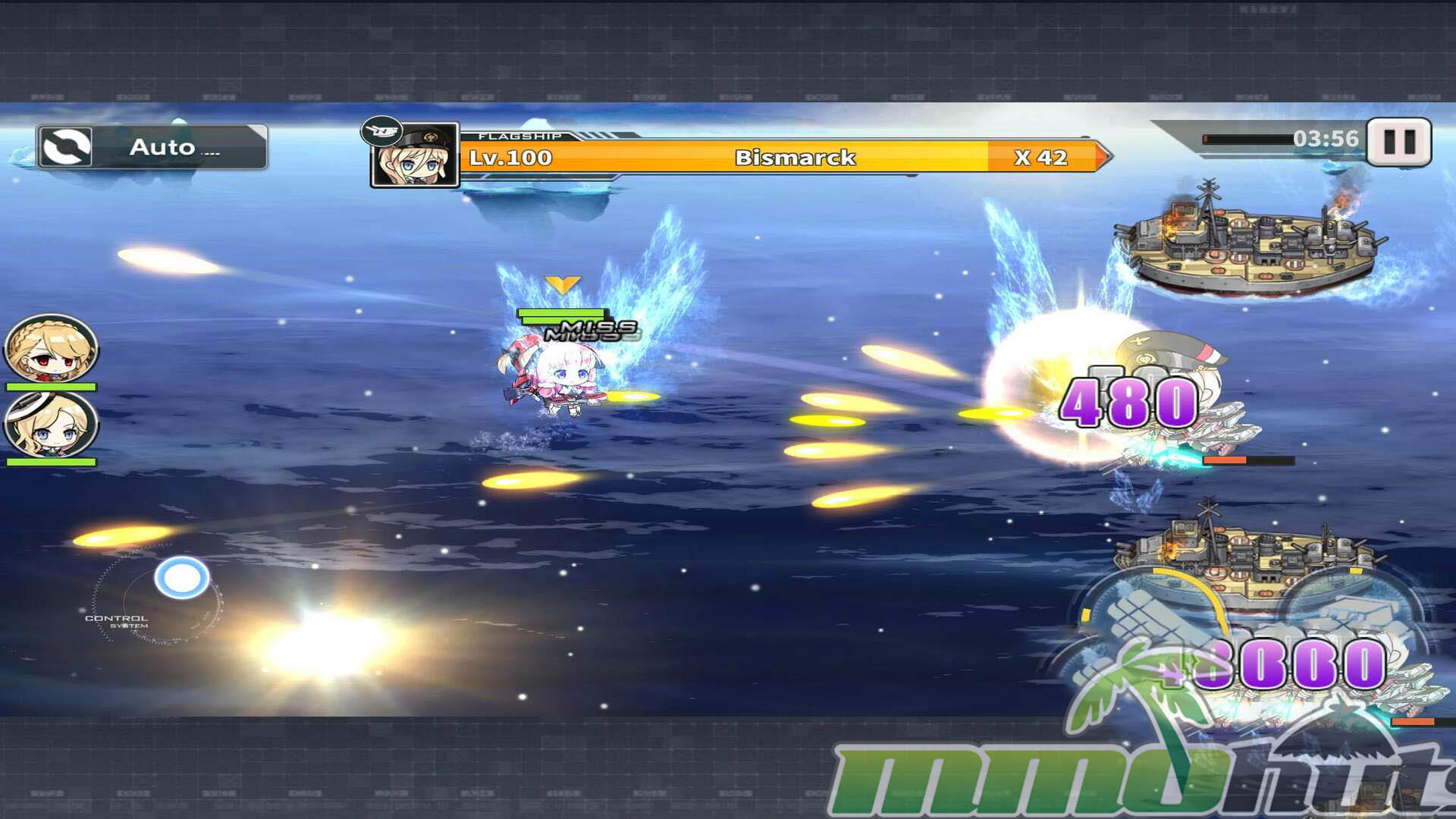
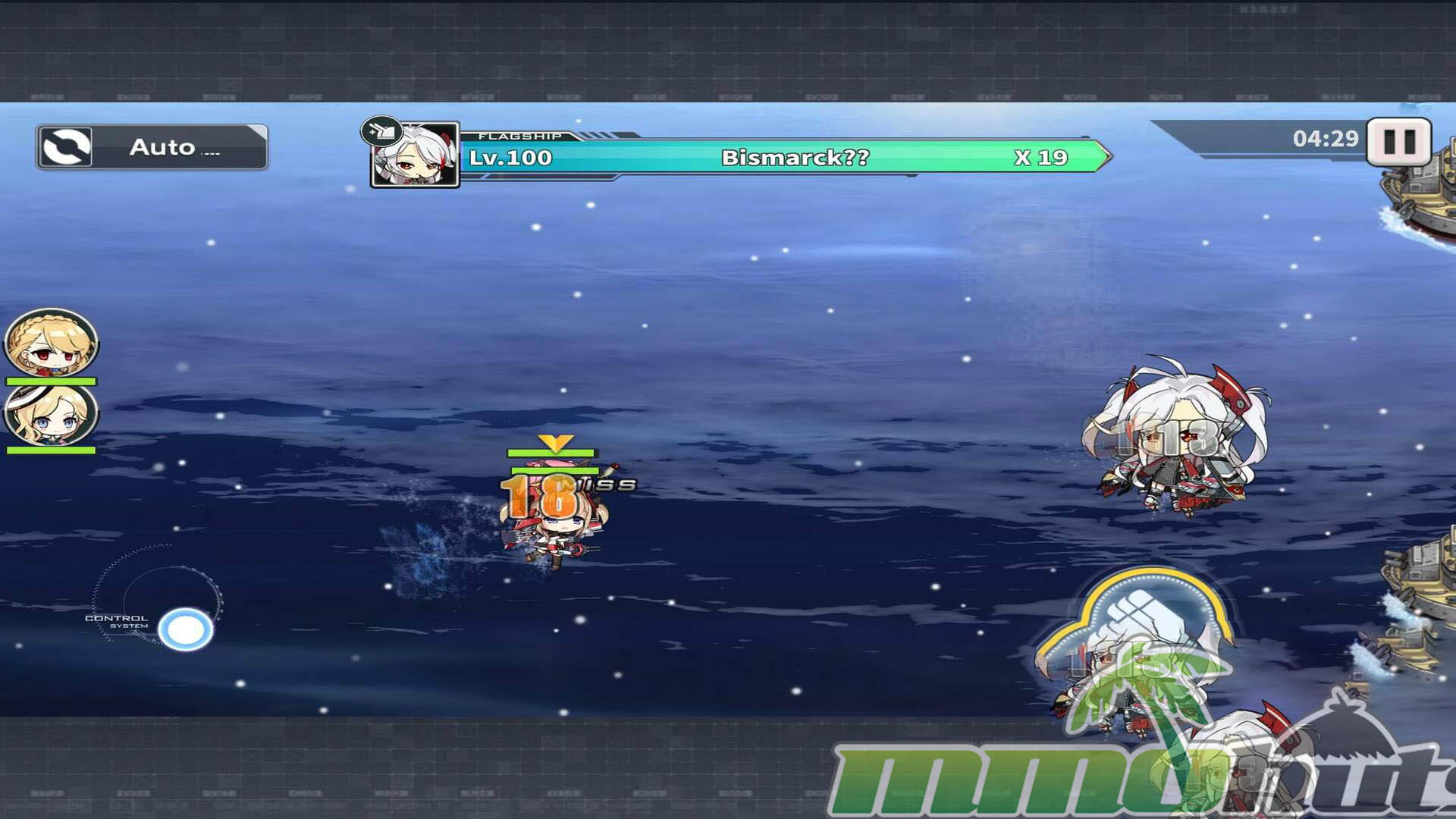
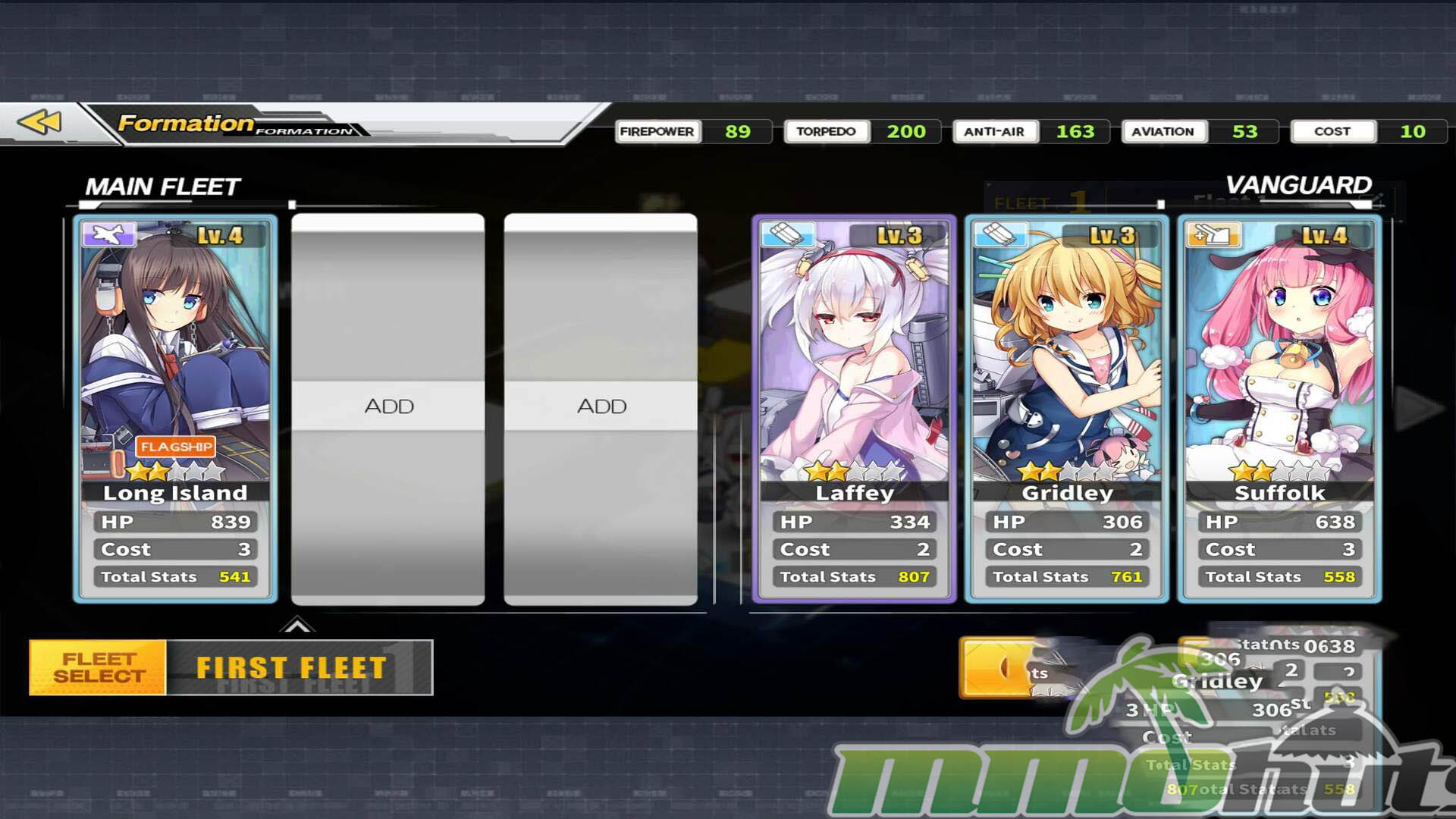
Combat is built around running two fleets at once. Your Escort (front line) is the group you actively pilot, weaving on a horizontal plane to avoid incoming patterns while your ships fire automatically. Behind them, the Main fleet functions as your heavy support, charging airstrikes and barrages that you trigger at the right time to clear waves or burst down tougher enemies. This split creates a nice rhythm, manual dodging and positioning on the front line, then decisive skill use from the back line when the screen gets crowded.
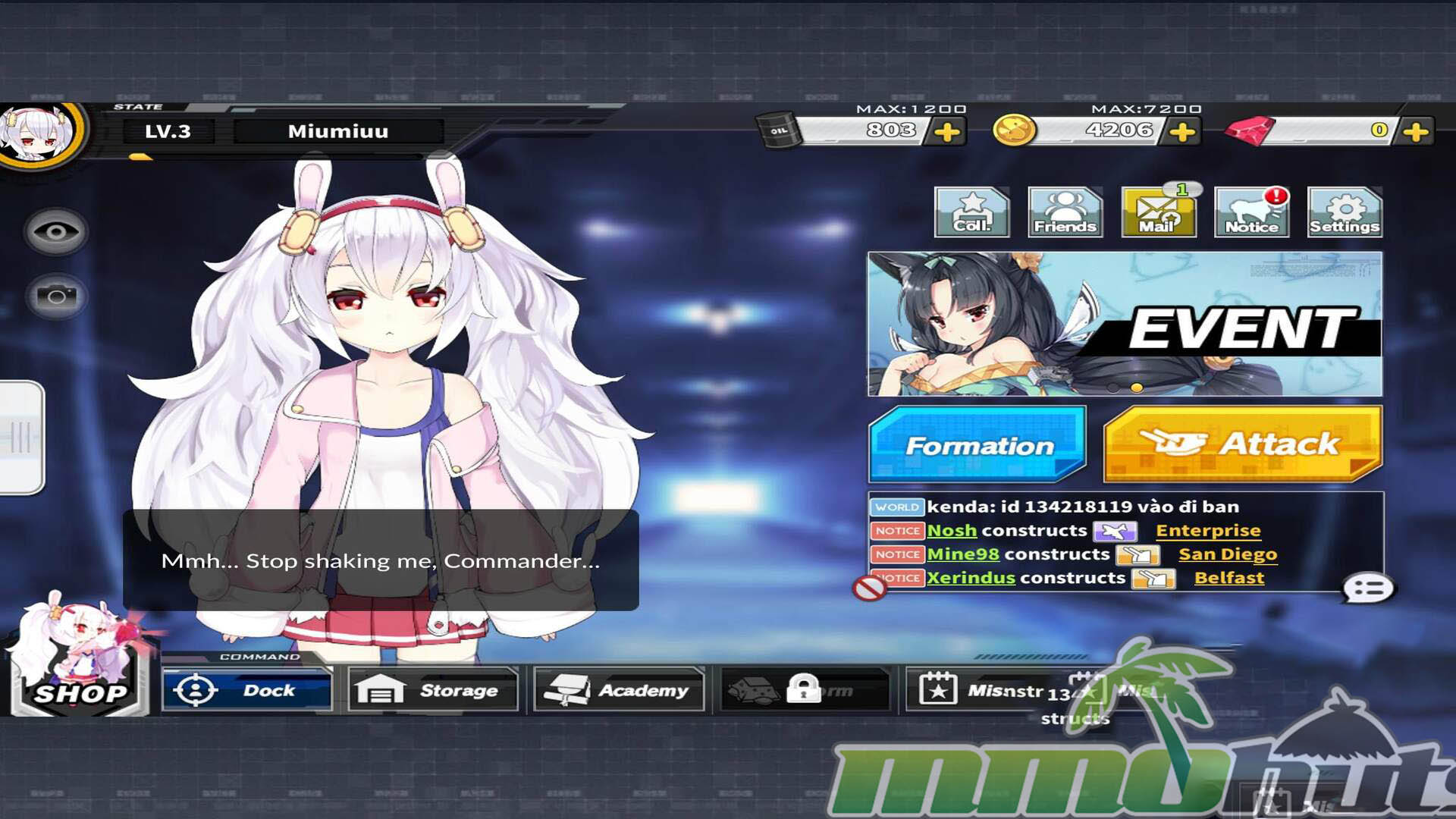
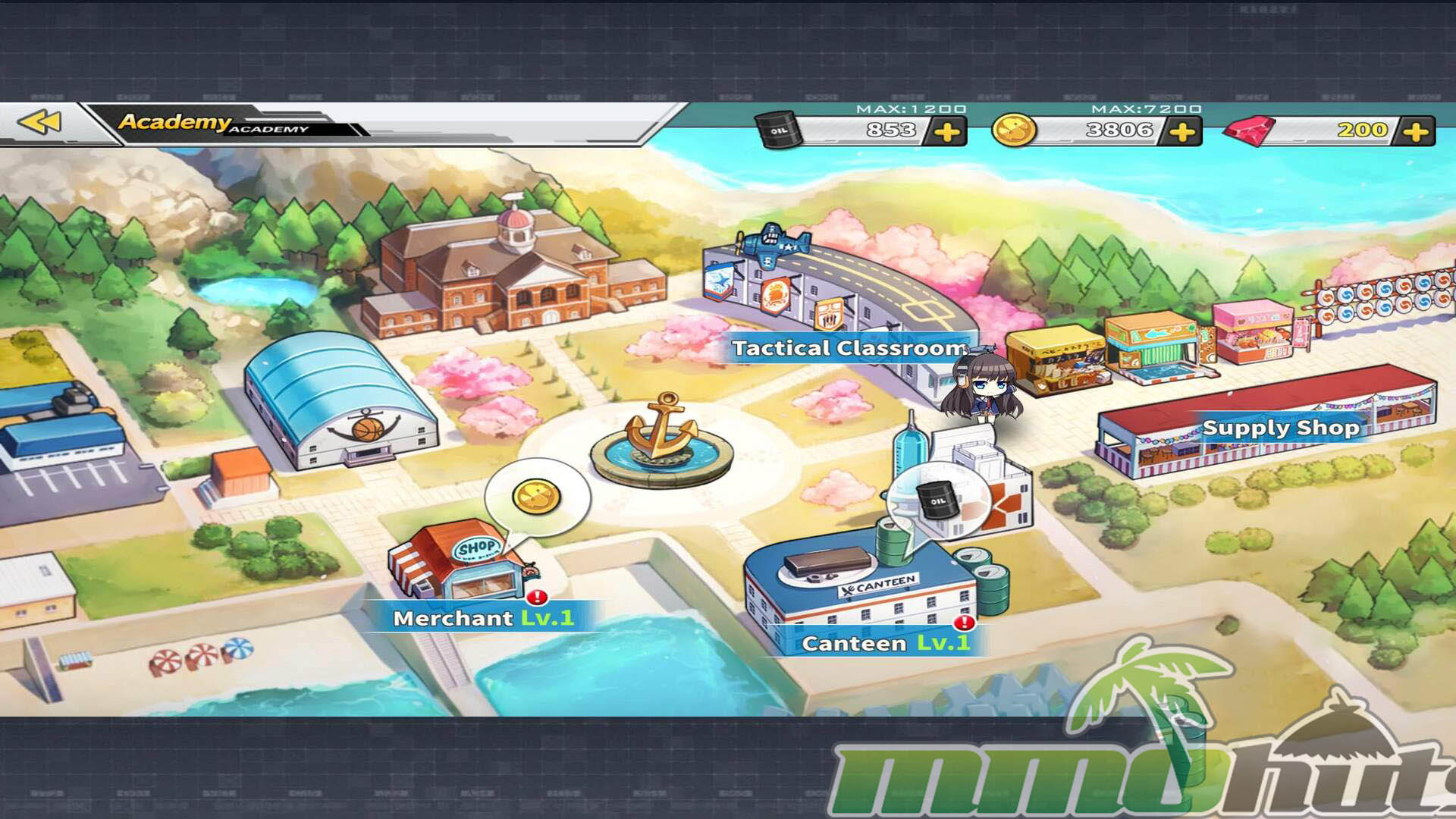
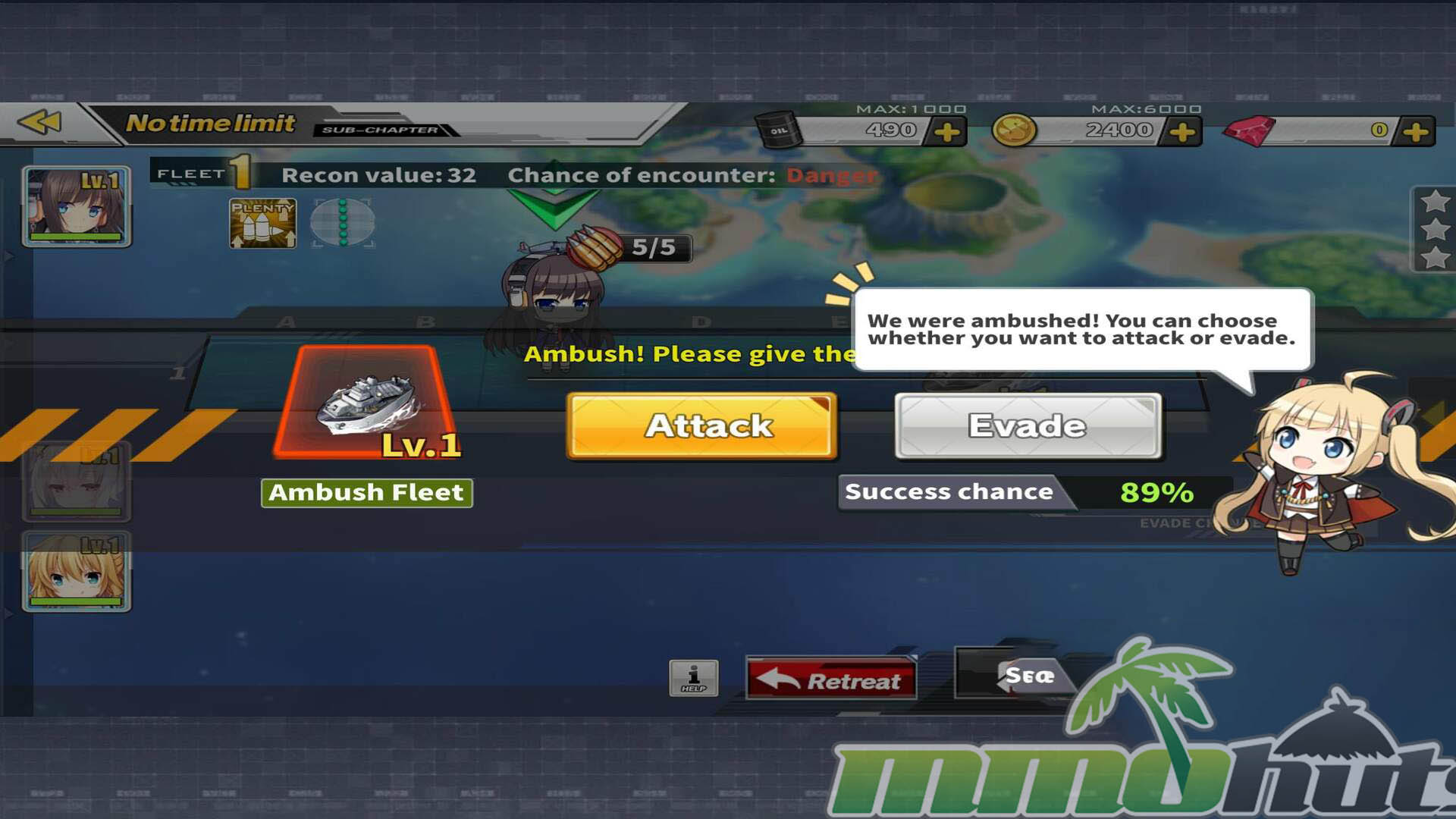
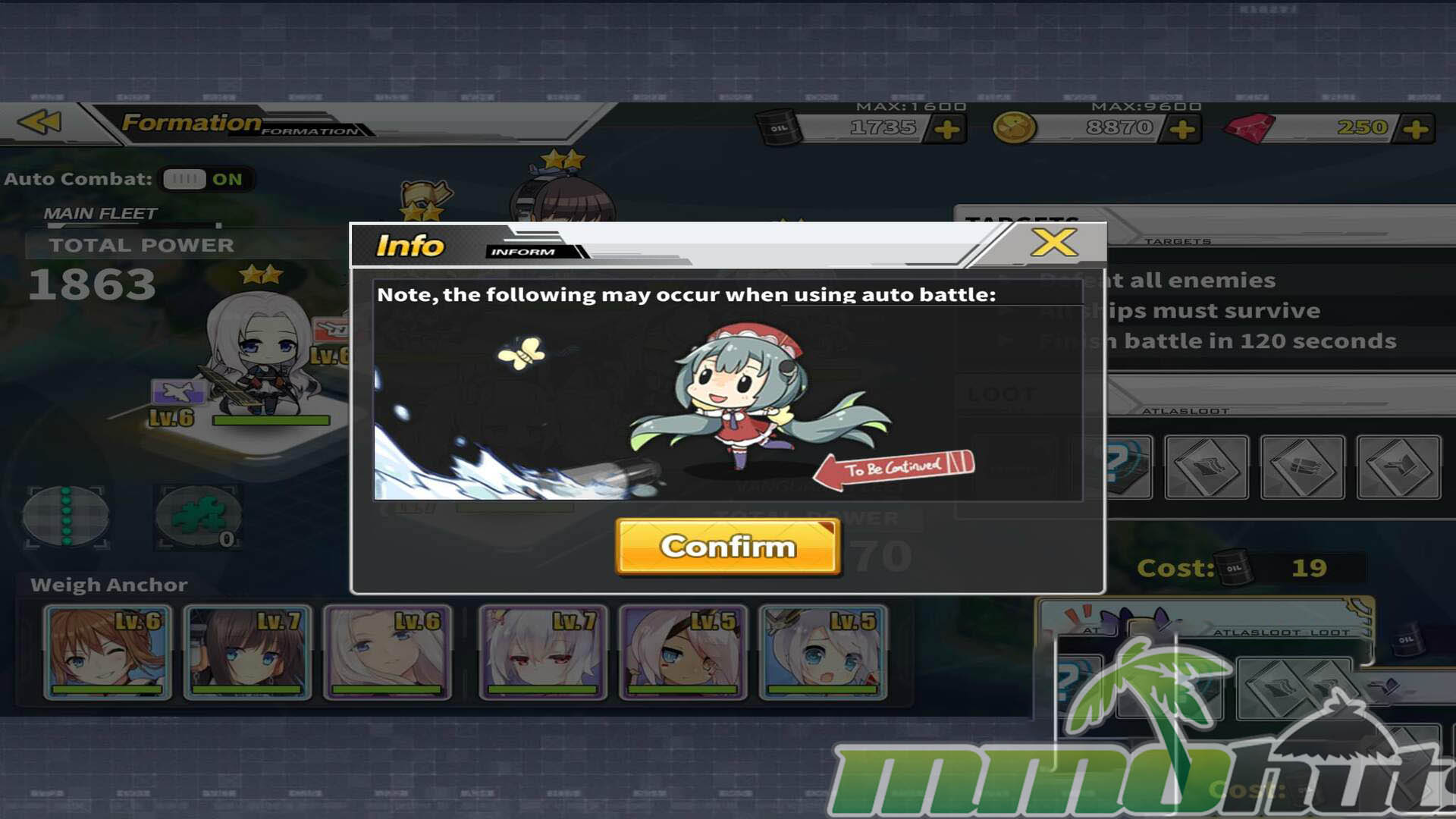
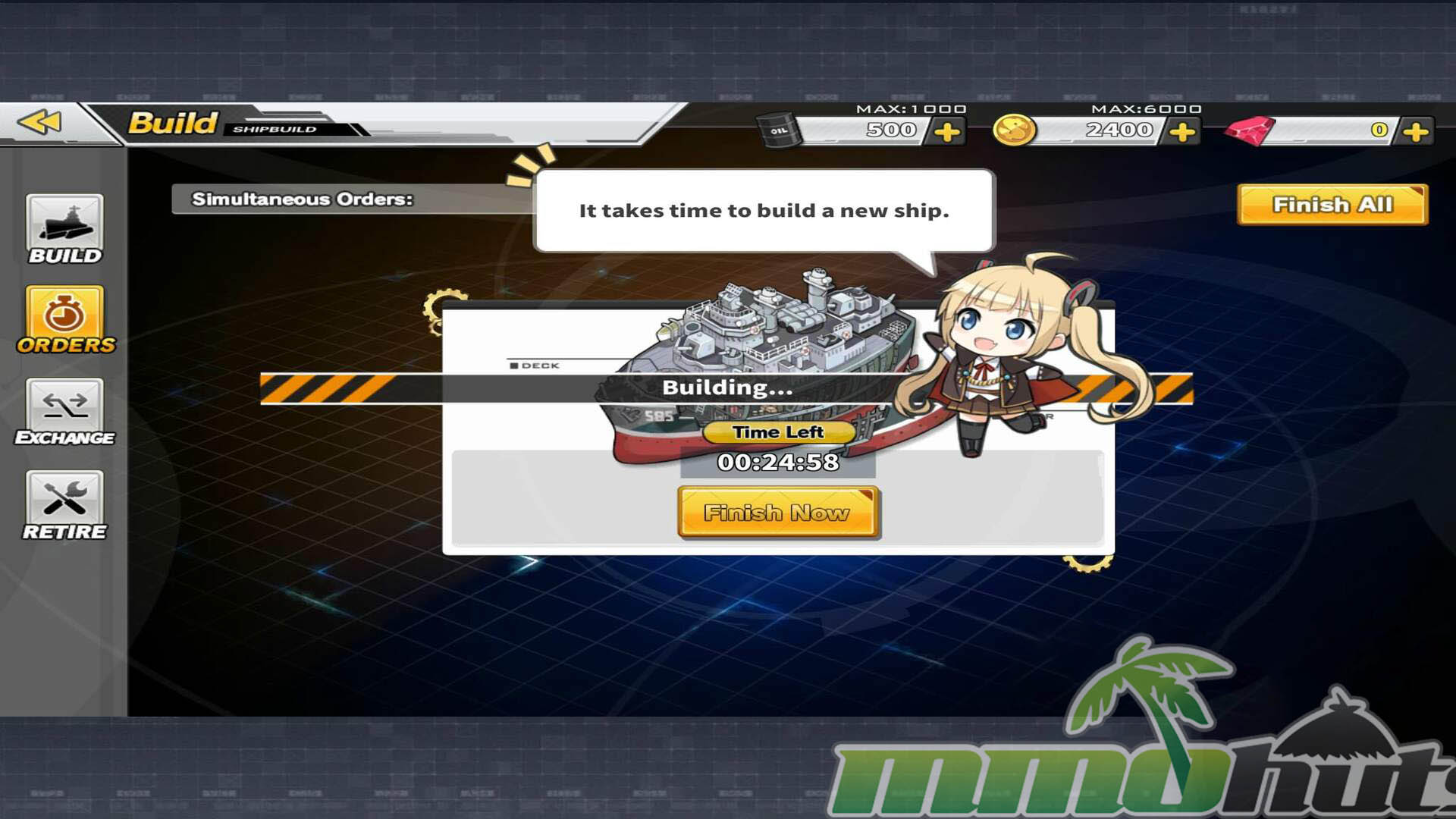
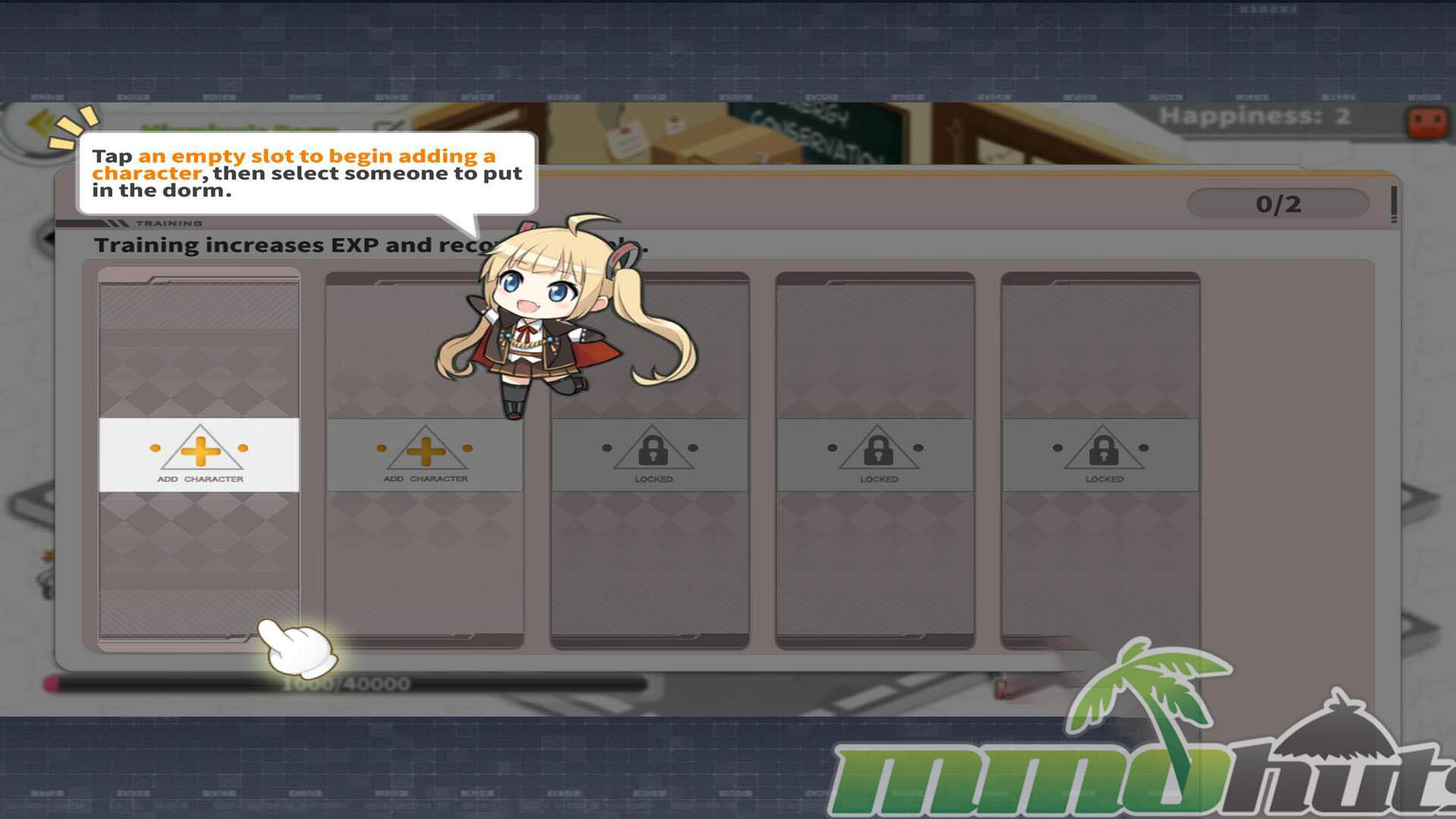
Outside of sorties, Azur Lane leans into long-term account building. You acquire ships through construction and drops, raise them through levels and limit breaks, and tune performance through gear choices and upgrades. Social and collection-focused systems, like the dorm and marriage, add additional incentives to invest in specific characters beyond pure combat efficiency. There is also an auto-battle option for routine farming, but the AI is not always optimal, so manual play still matters when you are pushing harder content or trying to squeeze out better results.
Azur Lane Key Features:
- Active Shooter Combat – pilot your vanguard to avoid bullet patterns while your fleet peppers enemies with gunfire and torpedoes.
- Manual or Auto Options – use automation for quick clears, or take control yourself when you want cleaner runs and better performance.
- Fleet Building and Upgrades – develop shipgirls with levels, skills, and equipment to fit specific roles and stage requirements.
- Live2D Character Scenes – interact with select favorites through animated Live2D presentation with voiced elements.
- Over 250 Ships – recruit a large roster across multiple ship classes, each with distinct stats, art, and gameplay niches.
Azur Lane Screenshots
Azur Lane Featured Video

Azur Lane Review
Azur Lane succeeds because it takes a collectible character game structure and anchors it to gameplay that is more hands-on than many mobile RPGs. You are not just watching numbers rise, you are actively moving through attack patterns, managing cooldown timing, and making small positioning decisions that can prevent damage or keep a boss from overwhelming your vanguard. Even when you know a stage well, the mix of enemy waves and the need to time barrages gives battles a satisfying tempo.
The fleet system is the core of the experience. Escort ships handle the immediate danger and feel like the “player character” of each sortie, while the Main fleet delivers the big moments, airstrikes, shelling salvos, and powerful skills that can flip a messy screen into a clean clear. Early on, it is easy to underestimate how much composition matters, but over time you start to see why roles exist, some ships are built for durability and evasion, others for burst damage, and carriers versus battleships can change how a fight flows.
Progression is straightforward but layered. Leveling and upgrading are familiar to anyone who plays gacha RPGs, yet Azur Lane benefits from the fact that performance is not purely about rarity. Equipment choices and skill development can meaningfully change how a ship behaves, and building a well-rounded roster is often more important than chasing a single “best” unit. That said, grinding is part of the deal, especially if you want to raise multiple fleets or optimize for tougher maps and events.
The gacha and collection side is one of the game’s biggest draws, and it tends to feel generous compared to harsher mobile titles. Between construction, event rewards, and stage drops, you can build a respectable dock without feeling forced to spend. Monetization is more noticeable in cosmetics and convenience, which fits the game’s identity as much as its combat does.
PvP exists, but it is not the main attraction. Since matches are largely AI-driven, it plays more like a roster and build check than a test of real-time skill. If you are looking for a competitive ladder where player execution decides outcomes, Azur Lane may feel limited, but for players who want another place to use their collections, it is a reasonable side mode.
Where Azur Lane shines most is presentation. Character art is consistently strong, skins are a major highlight, and the Live2D interactions make favorites feel more “alive” than static portrait collectors. If you enjoy building teams, collecting characters, and playing a shooter-style combat loop that rewards attention, Azur Lane remains one of the more distinctive options on mobile.
Azur Lane Online Links
Azur Lane Official Website
Azur Lane Official Facebook
Azur Lane Android
Azur Lane iOS
Azur Lane Wiki
Azur Lane Reddit
Azur Lane System Requirements
Minimum Requirements:
Operating System: Android 4.3 and later, iOS 9.0 and later
Azur Lane Music & Soundtrack
While Azur Lane is best known for its character art and event content, its music does a lot of quiet work in the background. Battle tracks are energetic without being overly noisy, and menu themes help keep long upgrade sessions from feeling sterile. Sound effects are clear and readable during hectic moments, which is important in a game where dodging and timing matter, and voice lines add personality for players who like to run favorites even when they are not strictly optimal.
Azur Lane Additional Information
Developer: Shanghai Manjuu, Xiamen Yongshi
Publisher: Bilibili, Shanghai Yostar, XD Global
Chinese Title: 碧蓝航线
Release Date (China): May 25, 2017
Release Date (Japan): September 14, 2017
Release Date (Korea): March 27, 2018
Release Date (Global): July 16, 2018
Development History / Background:
Azur Lane is created by Shanghai Manjuu and Xiamen Yongshi, originally put together by a small team aiming to differentiate their project from other shipgirl-themed titles. A key decision was to lean into shooter-style gameplay, giving players direct control and a more arcade-like feel than many collection RPGs. The developers also emphasized representing multiple WWII nations rather than focusing narrowly on a single region.
The game first launched in China in May 2017 with Bilibili as publisher. It expanded to Japan in September 2017, arrived in South Korea in March 2018, and later released globally in English on July 16, 2018, helping establish it as one of the more widely recognized mobile games in the ship-collection niche.