Ether Saga Odyssey is a free-to-play 3D MMORPG that drops you into a colorful take on Ancient Chinese mythology, complete with mischievous creatures you can capture, raise, and bring into combat as loyal pets.
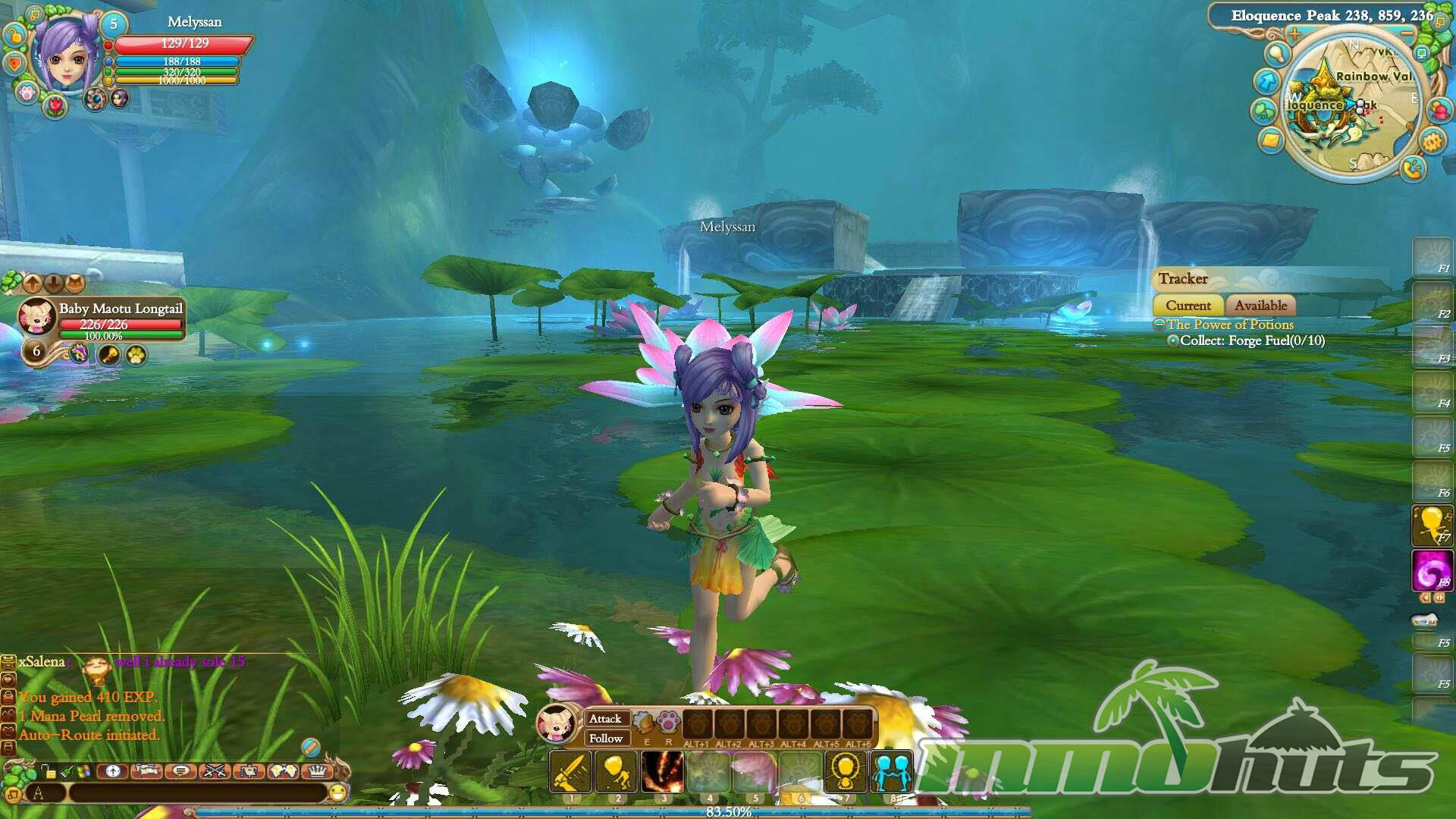 | Publisher: Arc Games Playerbase: Low Type: Fantasy MMORPG Release Date: July 1, 2009 (NA) Shut Down Date: January 4, 2016 PvP: Duels / Open World Pros: +Deep, central pet mechanics. +Solid spread of races and classes. +Possession system (auto-play) for routine tasks. Cons: -Few appearance options at character creation. -Repetitive, grind-heavy progression. -Monetization can tilt balance in PvP. |
Ether Saga Odyssey Overview
In Ether Saga Odyssey, the heavens are in disarray and adventurers are pulled into a myth-inspired conflict that sends them across a stylized fantasy “Middle Kingdom.” As a free-to-play 3D MMORPG, the game leans into bright, anime-like presentation and a steady quest-driven structure, while putting an unusually large spotlight on collectible companions. You pick from eight combat classes, each tied to a specific race, and later branch into more specialized paths as you progress. Along the way, you can capture and train a huge range of monsters, then rely on them for damage, utility, and survivability in tougher fights. Ether Saga Odyssey officially shut down on January 4, 2016.
Ether Saga Odyssey Key Features:
- Unique Stat System – allocate points into elemental attributes rather than the standard Strength or Intelligence style stats.
- Cute Pets – tame monsters throughout the world and even merge with them to gain powerful forms and benefits.
- Reputation System – quest for NPC factions and build standing that ties into progression and rewards.
- Possession – when the grind gets dull, the Possession feature can temporarily run your character to automate questing.
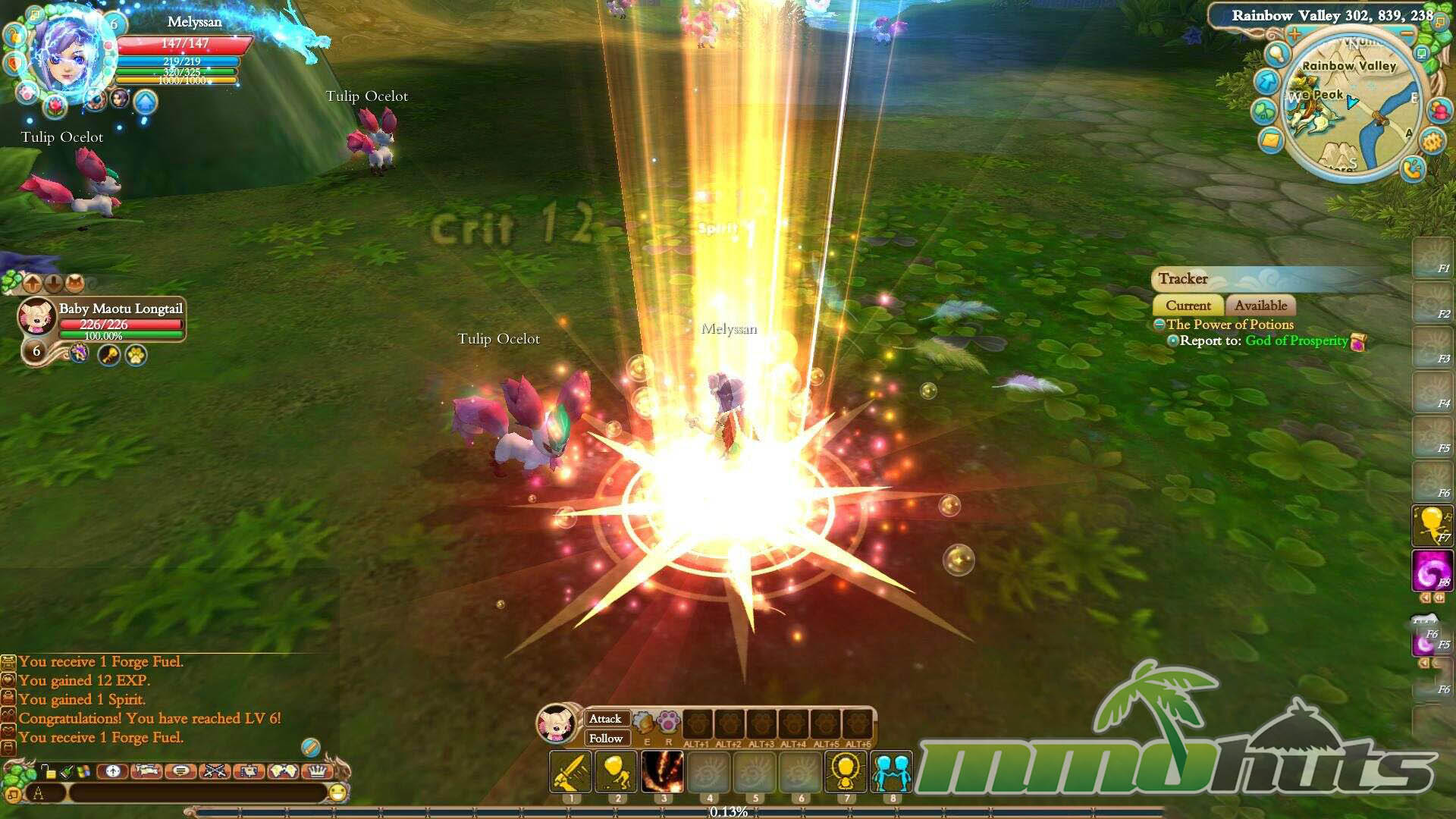
Ether Saga Odyssey Screenshots

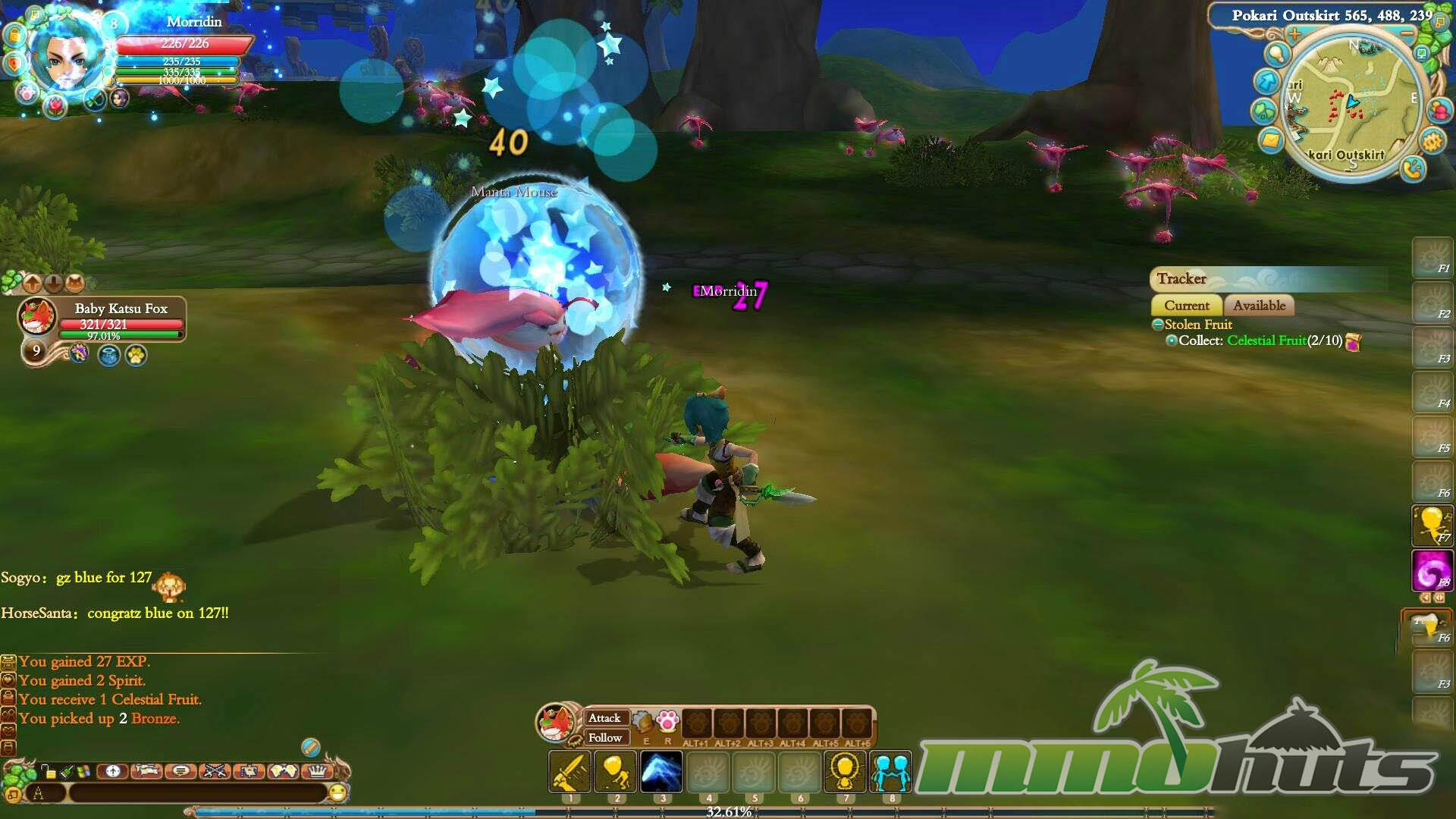
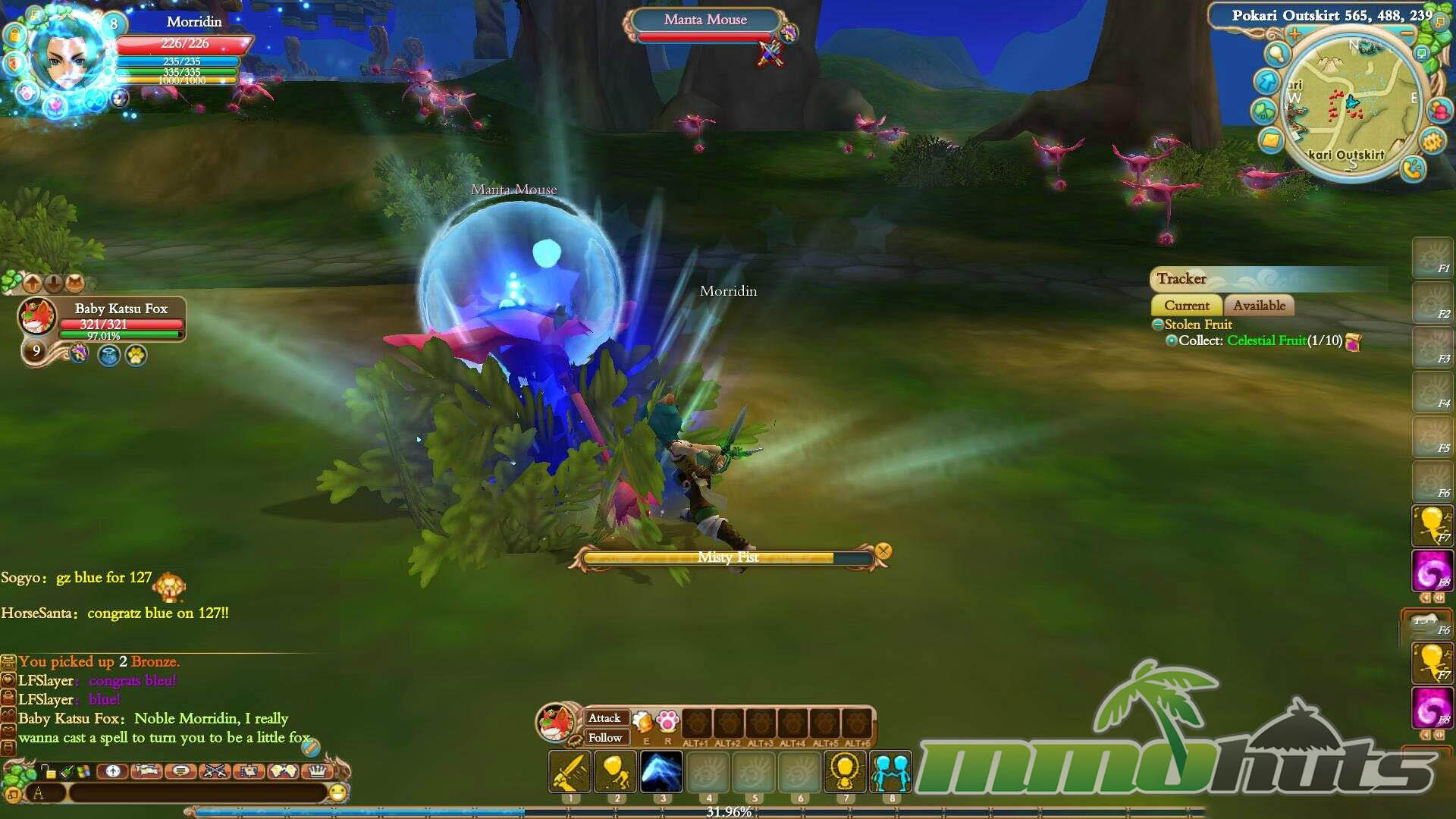
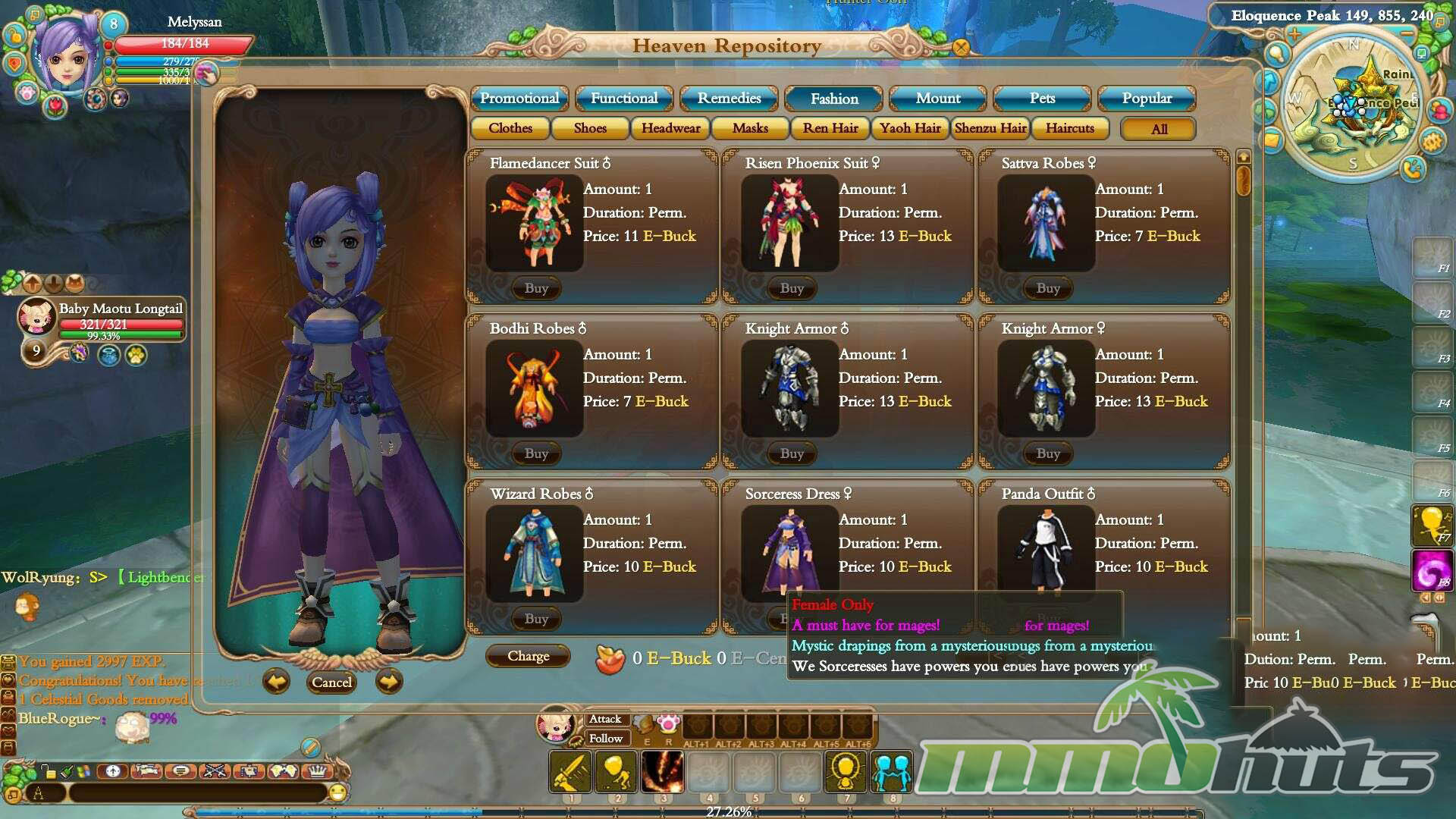

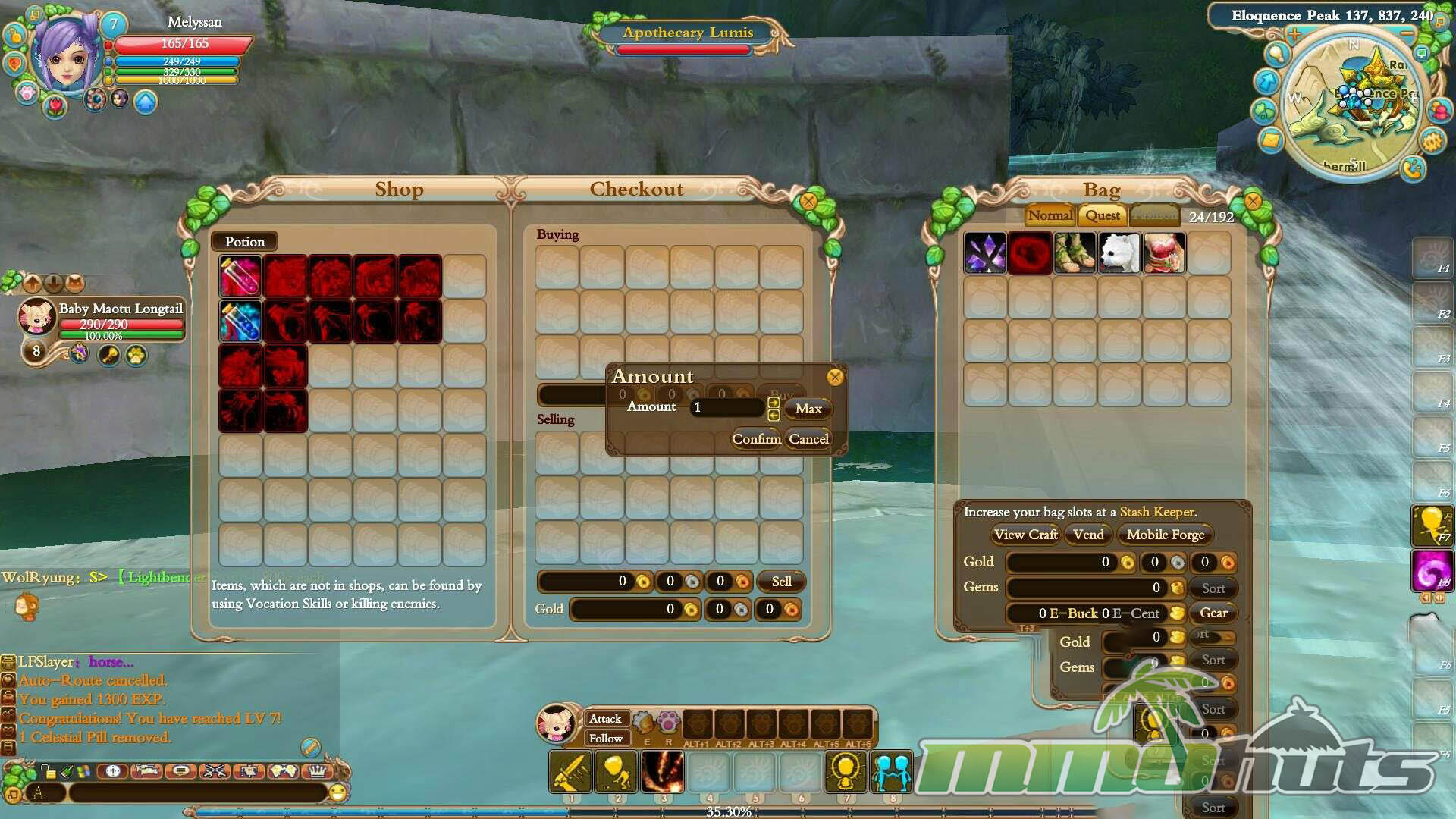
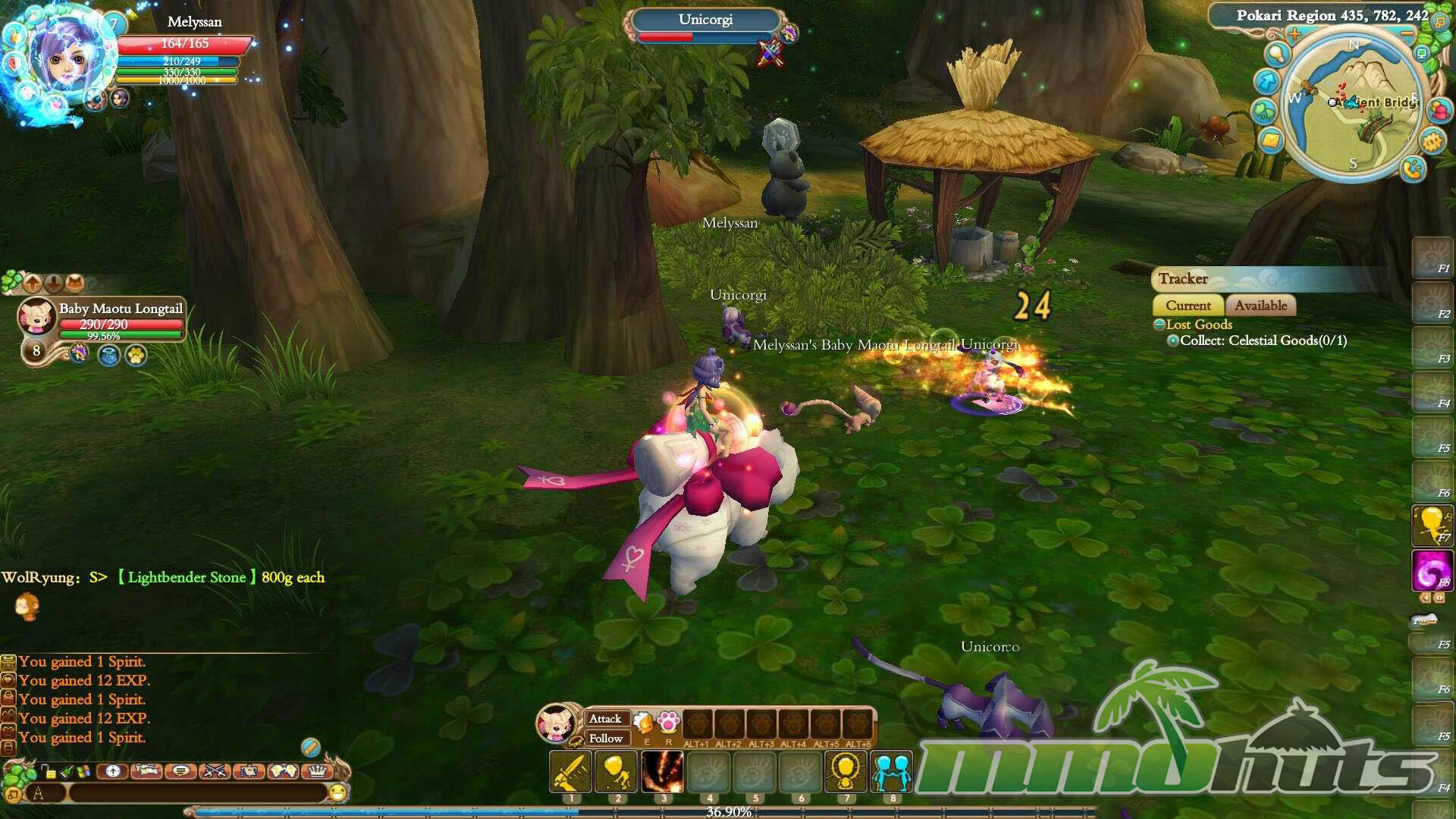
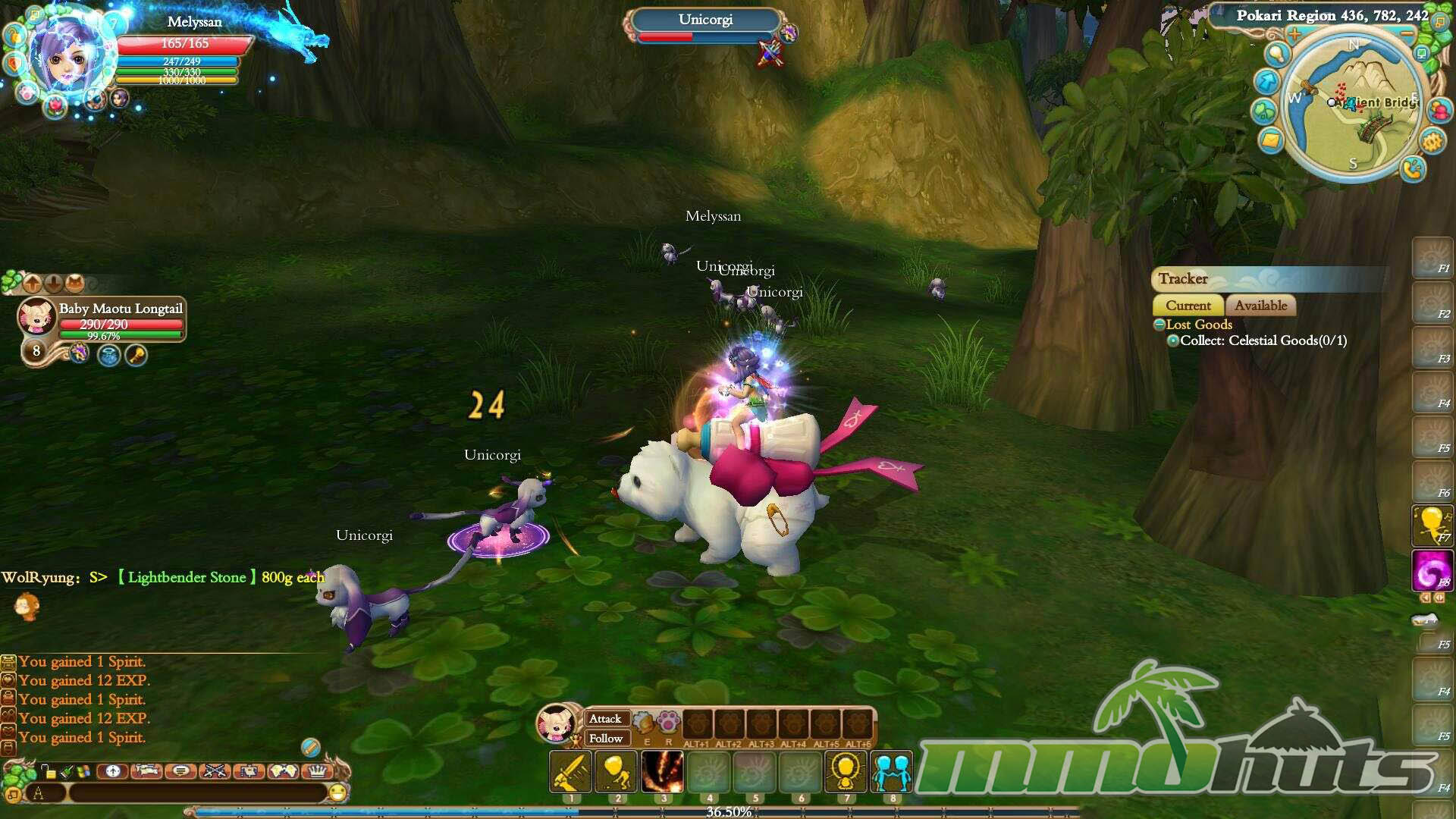
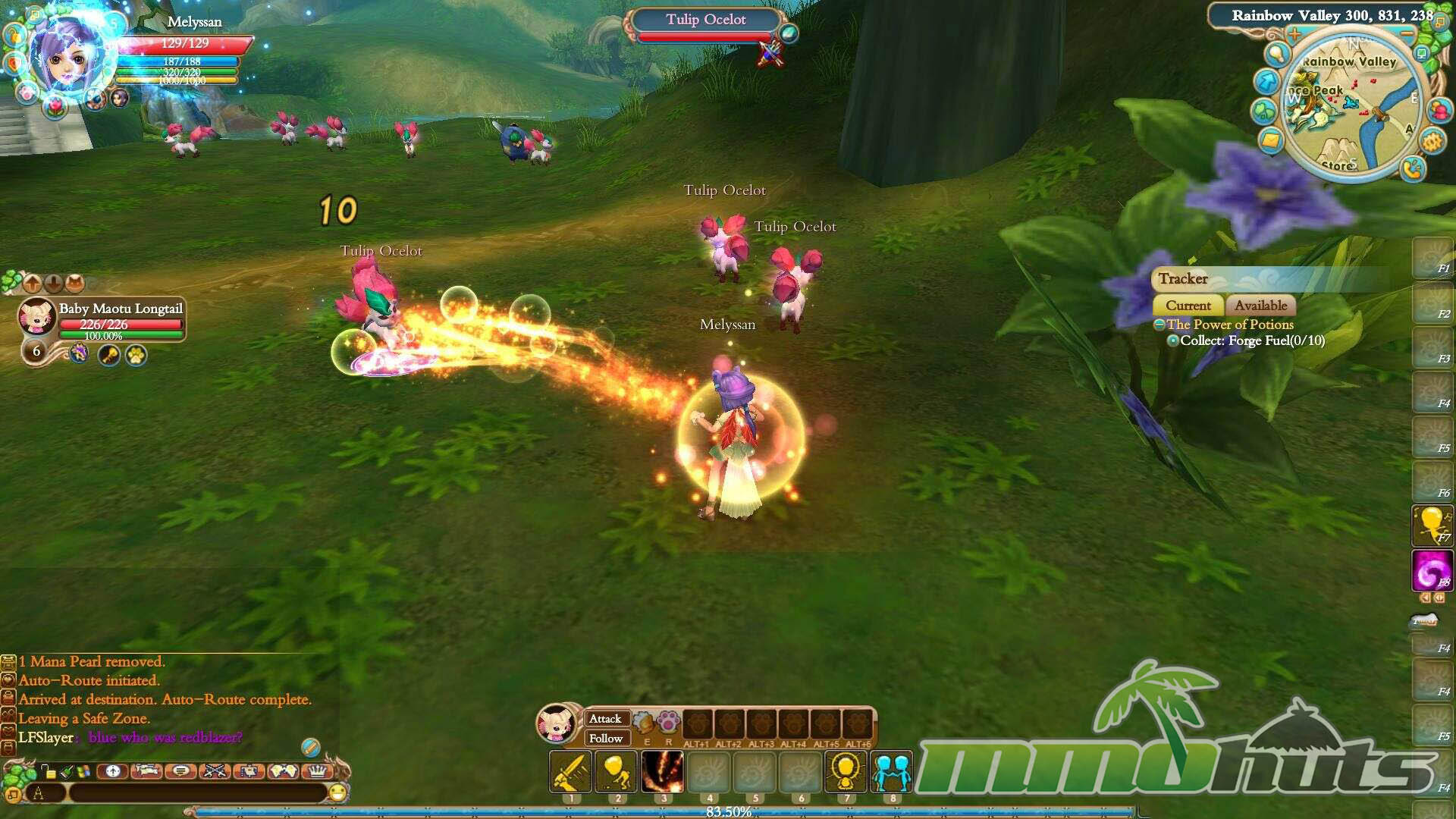
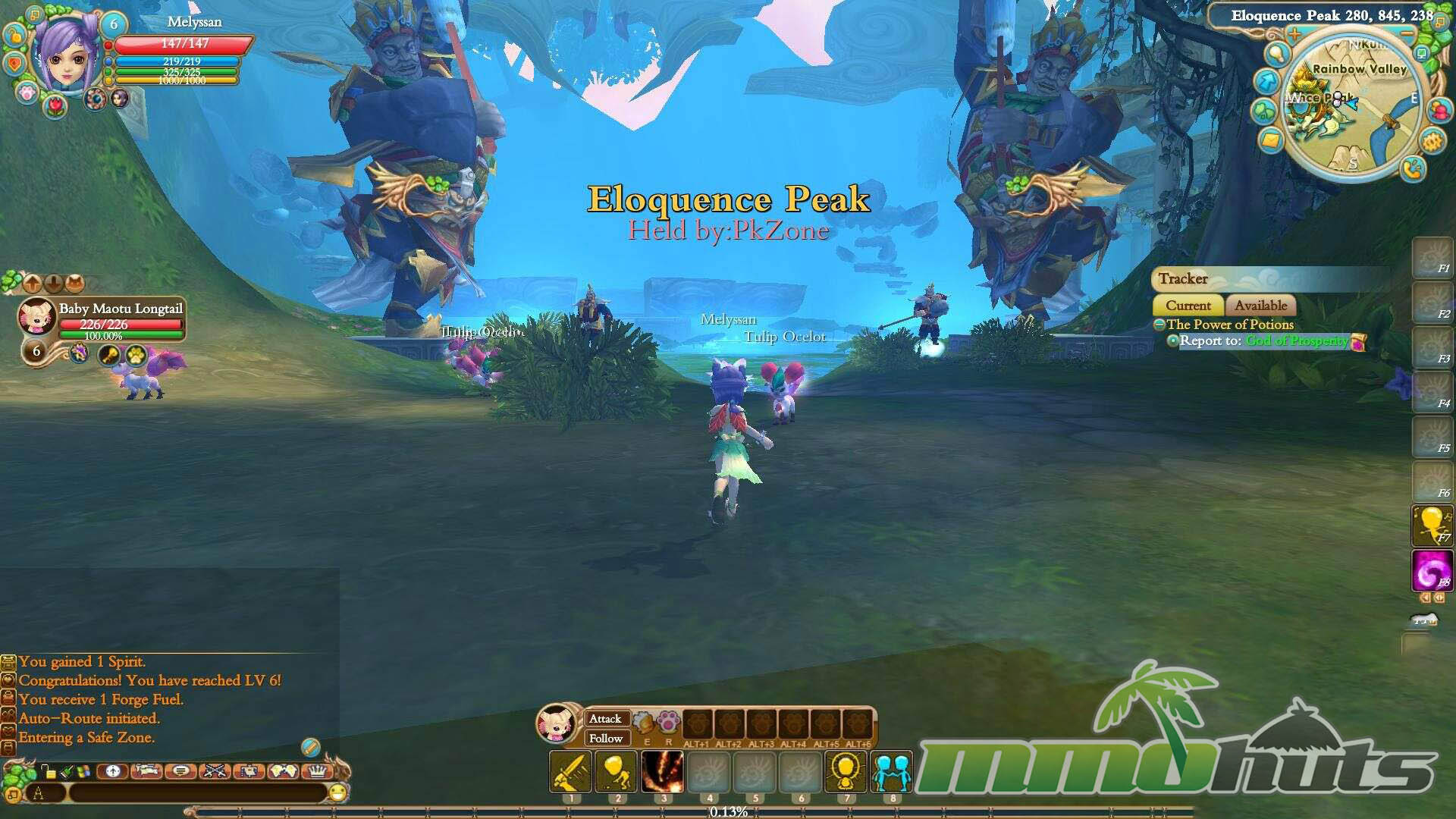

Ether Saga Odyssey Featured Video

Ether Saga Odyssey Classes
Races:
Ren – a human civilization that holds most major settlements and spreads its influence across the realm. Their duty revolves around recovering fragments of the Divine Chalice.
Shenzu – semi-divine beings focused on spiritual discipline and enlightenment. Their story task is to track down a banished general reborn as a fearsome pig demon.
Yaoh – beings that began as animals, later granted awareness by Heaven’s rulers. They are sent to uncover the whereabouts of the missing Sacred Ark.
Mogui – dragon-blooded descendants determined to prove their strength and place among the gods and the other peoples.
Classes:
Classes are race-locked with two classes per race.
Ren Dragoon – a frontline melee tank built around spears and lances. They can equip Guardian Armor, giving them top-end defensive potential.
Ren Ranger – a long-range damage dealer specializing in bows, control tools, and battlefield traps.
Shenzu Conjurer – a high-impact caster with strong offensive magic, plus supportive buffs for party play.
Shenzu Mystic – the primary healer archetype, also capable of maintaining buffs, typically wielding staves.
Yaoh Rogue – a stealthy, agile striker that leans on poisons and dagger play to bring targets down quickly.
Yaoh Shaman – a healer that can double as a sturdier support thanks to Guardian Armor access, using warhammers and applying potent debuffs.
Mogui Maven – a spell-focused class that emphasizes curses and damage-over-time pressure rather than straightforward nukes.
Mogui Hellion – a dual-axe melee brawler fueled by rage-based bursts, also able to wear Guardian Armor.
Ether Saga Odyssey Review
Ether Saga Odyssey (often shortened to ESO, though unrelated to The Elder Scrolls Online) is a fantasy, anime-styled 3D MMORPG developed and published by Perfect World Entertainment. It launched in North America on July 1, 2009, and sits comfortably among the publisher’s catalog of similarly structured online RPGs.
The setting, known as the Middle Kingdom, borrows heavily from Chinese myth, framing your journey around heavenly turmoil, missing relics, and a banished general. Your race determines which major thread you pursue, whether that means collecting chalice fragments, chasing the reincarnated general, or searching for the lost ark. The world itself is a tour of vibrant zones, including serene lakesides, dense forests, and rocky expanses populated by creatures that look adorable until they start hitting back.
A Call to Adventure
The opening flow is familiar for the era: pick a server type (PvE or PvP), choose a race and class combination, then shape your character’s look. The roster is respectable with eight classes split across four races, but the visual customization is notably thin. You are mostly picking from a small set of faces and hairstyles with limited color variation, which can make characters feel more like presets than personal creations.
no images were found
First Steps and First Quests
After the initial setup, the game eases you in with tutorial quests that cover movement, camera control, combat basics, pet handling, and key NPC functions. Once that onboarding is done, you are moved to one of four race-based regions where your main quest line begins. The interface and general feel will ring bells for anyone who has touched Perfect World, Forsaken World, or Jade Dynasty, and that shared DNA makes sense given the Angelica 3D engine.
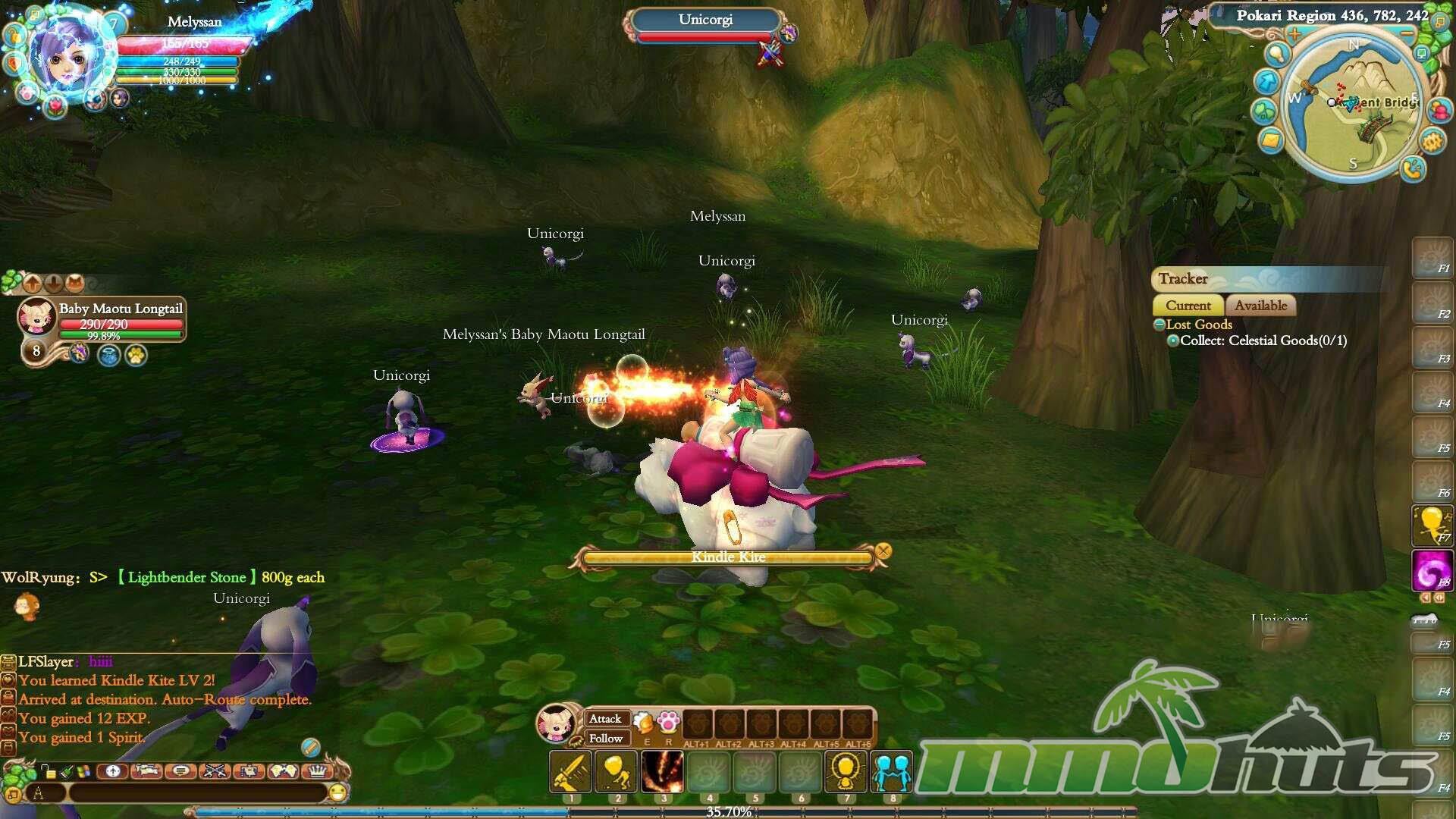
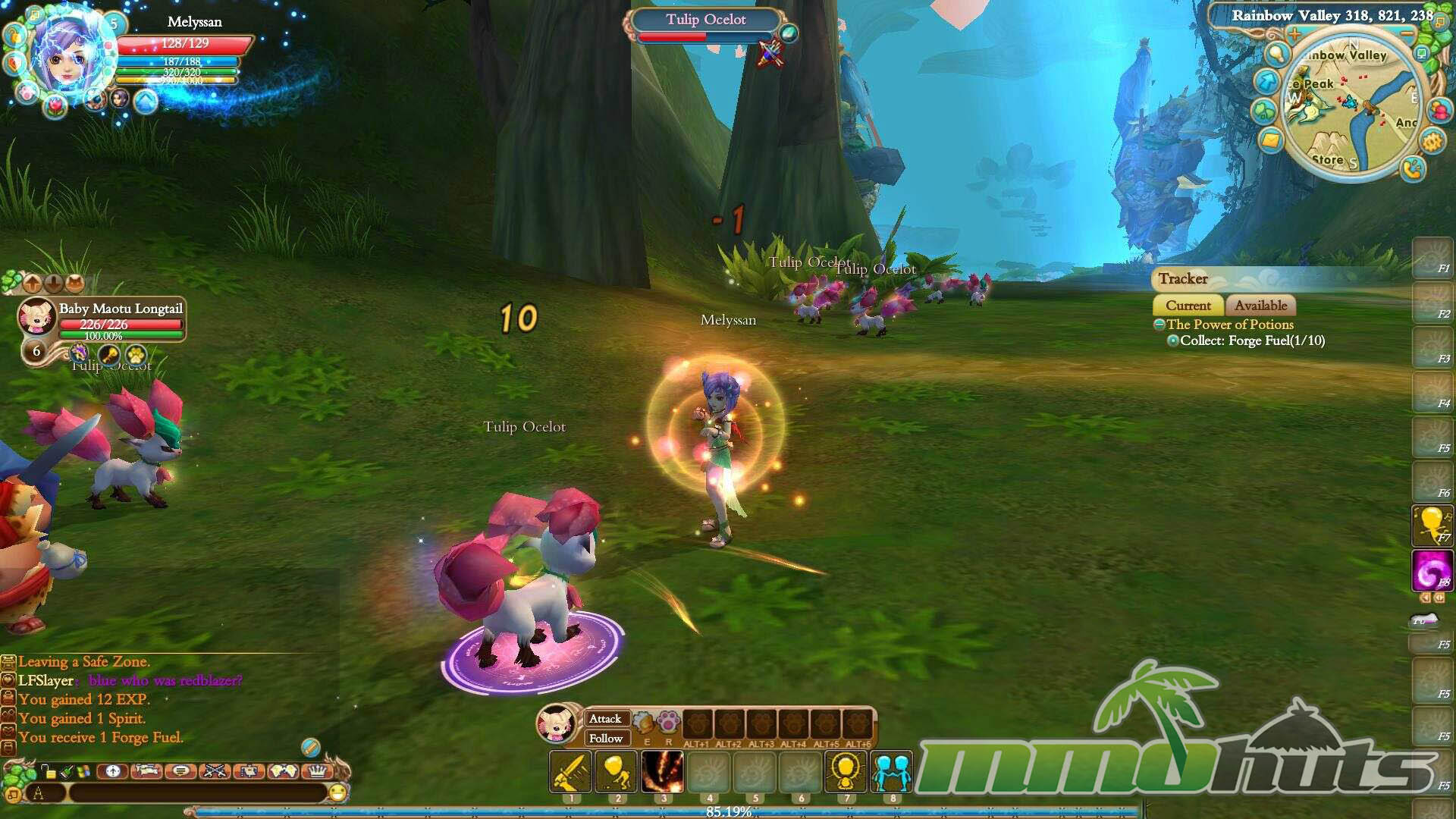
Zone design is one of the brighter points, with towns and landmarks that lean into an oriental fantasy theme, including more whimsical environments like massive tree settlements. Visually, it lands in the “pleasant and cartoony” category rather than pushing technical boundaries, and the audio does its job without becoming a standout feature. Even so, the low population late in its life was hard to miss, especially in starter areas, which tended to look emptier than an MMORPG ideally should.
The Loop: Questing and Repetition
Progression is largely driven by conventional quest chains. Expect plenty of NPC errands, kill objectives, and item collection tasks, with the usual back-and-forth between quest givers and nearby monster camps. One of the more frustrating quirks is how strictly the game separates similar objectives. If two quests ask for kills from the same enemy type, you cannot always overlap the counts cleanly, which increases the time spent grinding the same targets.
To compensate, Ether Saga Odyssey includes an automation tool called Possession. When activated (using Possessor statues and Jadeons), it can run routine tasks for you while you manage other things. You can configure basic behavior such as which skills to use, when to consume items, and what loot to pick up. It is a practical feature, particularly because inventory space can feel restrictive, and the game’s quest cadence encourages extended farming.
Elements, Abilities, and Fighting
Combat follows classic tab or click targeting with hotkey skills layered on top. Leveling grants both stat points and skill points, and the game’s main twist is that stats are assigned through elemental categories rather than traditional attributes. For example, investing in Erda (earth) boosts Strength and Defense, while Windu (wind) improves Intellect and Resilience. This system is easy to understand once you see how the elements map to familiar RPG roles, and it gives character building a slightly different flavor than the usual template.
Skills unlock as you reach the required level, then skill points are spent to increase their rank, with costs rising as you push upgrades. Build variety exists, but it is somewhat constrained because each class has a relatively modest pool of abilities. In practice, most of the PvE experience is approachable and often forgiving, with difficulty coming more from time investment than from demanding mechanics.
Pets as a Core System
If there is a signature feature here, it is the pet ecosystem. Companions are not just sidekicks for extra damage, they are a meaningful part of your power curve. You begin with a race-specific pet and, at level 15, gain the ability to capture additional creatures. Pets vary by elemental affinity and base attributes, and those traits matter because fusing with a pet can enhance your capabilities, add extra skills, and split incoming damage in a way that improves survivability against stronger enemies.
There is also a light “caretaking” layer. Pets have Belly Points, and their combat performance stays optimal as long as that meter remains above 90%. Food items can be purchased or looted to keep them fed, and while it is not a deep simulation, it does reinforce the idea that pets are an active system rather than a cosmetic accessory.
PvP Options
For players interested in fighting other players, Ether Saga Odyssey supports duels in safe zones and on PvE realms, while open-world PvP is tied to dedicated PvP servers. New characters on PvP realms are protected early on, and open PK only becomes available at level 45, at which point you can be attacked outside of towns and other safe areas. It is a straightforward structure that encourages leveling before fully committing to riskier zones.
The Cash Shop Problem
The cash shop is where the game’s reputation becomes hard to ignore. The community often described it as pay-to-win, and the store offerings reinforce that perception through power-affecting items and access advantages. Examples include purchases that make pets more viable for PvP, instance access via keys that can translate into stronger gear opportunities, and equipment that can create a major combat gap between spenders and strictly free-to-play characters.
There is an option to exchange in-game currency for premium currency, but long-term inflation undermined its usefulness, with rates rising dramatically over time (from around 200:1 to as high as 2000:1). Even if gold could be farmed with enough effort, matching paying players still demanded a significant time commitment.
Final Verdict – Good
Ether Saga Odyssey delivers the expected pillars of a classic free-to-play MMORPG: quest-driven progression, approachable combat, a colorful world, and a surprisingly robust pet system that gives the game its own identity. At the same time, it struggles with thin character customization, a grind that can feel artificially stretched, and monetization that can distort fairness, especially in competitive contexts. It is an interesting snapshot of its era and worth understanding for its pet mechanics and myth-inspired flavor, but it is not the kind of MMORPG that meaningfully redefines the genre.
Ether Saga Odyssey Links
Ether Saga Odyssey Official Site
Ether Saga Odyssey Wikipedia
Ether Saga Odyssey Official Wiki (Database / Guides)
Ether Saga Odyssey System Requirements
Minimum Requirements:
Operating System: XP / Vista / 7 / 8
CPU: Pentium 4 @ 1 GHz
Video Card: Nvidia GeForce 4 Ti4200 / ATI Radeon 8500
RAM: 1 GB
Hard Disk Space: 8 GB
Recommended Requirements:
Operating System: XP / Vista / 7 / 8
CPU: Dual Core 2.5 GHz+
Video Card: Nvidia GeForce FX 5200 / Radeon 9500
RAM: 3 GB
Hard Disk Space: 8 GB
Ether Saga Odyssey Music & Soundtrack
Coming soon!
Ether Saga Odyssey Additional Information
Developer(s): Perfect World Entertainment
Publisher(s): Perfect World, Gameastor, Arc Games
Engine: Angelica 3D Engine
Closed Beta Date: February 2, 2009
Open Beta Date: March 17, 2009
Shut Down Date: January 4, 2016
Foreign Release:
China: June 26, 2008 (Published by Perfect World’s Wanmei.com Portal)
Taiwan: August 26, 2009 (Published by Gameastor)
Development History / Background:
Ether Saga Odyssey was created by major Chinese MMORPG studio Perfect World Entertainment and built on the company’s proprietary Angelica 3D engine. It debuted in China in 2008 and later received a U.S. localization in 2009. Its narrative foundation draws inspiration from the classic Chinese novel “Journey to the West.” In North America, it originally launched under the name “Ether Saga Online” before being rebranded as “Ether Saga Odyssey”. Like several long-running free-to-play MMORPGs (such as Mu Online, Knight Online, and Ragnarok Online), it also developed a notable private server community over time.