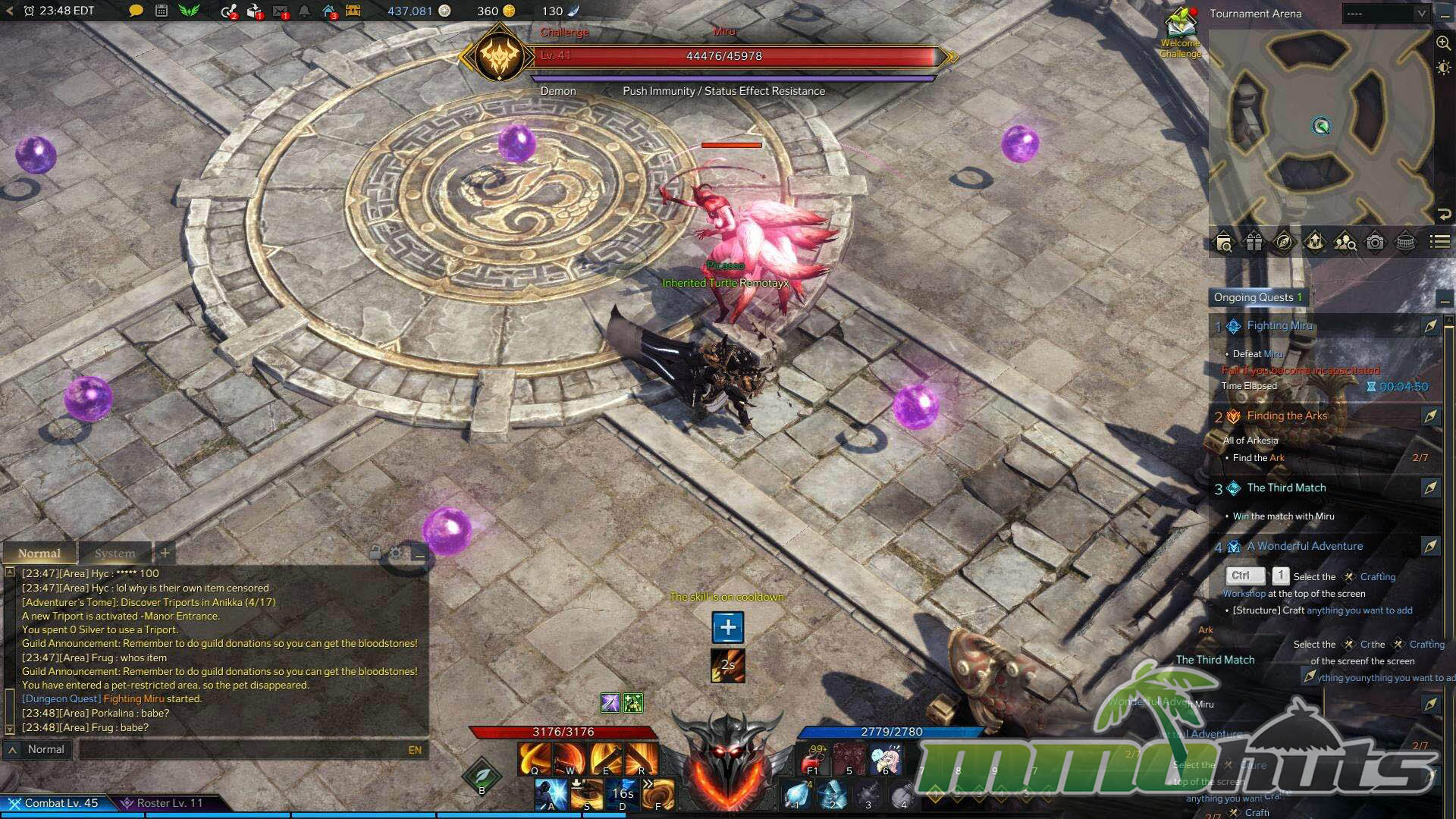
Lost Ark is a 3D fantasy MMORPG that plays like an action RPG, with an isometric camera, flashy skills, and combat built around positioning and timing. It mixes continent-sized zones with instanced activities, then expands the adventure further once you unlock sailing and begin hopping between islands. Between raid bosses, collectible hunting, and a steady stream of progression systems, it aims to be a long-term MMO that always gives you something to work on.
 | Publisher: Amazon Playerbase: High Type: MMORPG Korean Release Date: November 07, 2018 Global Release Date: February 11, 2022 PvP: Arenas Pros: +Impactful, skill-driven action combat. +Tons of collectibles and side objectives. +Well-structured arena PvP. +Strong endgame encounters (especially raids). Cons: -Takes time to learn its many systems. -Early leveling can feel like a slog. -Storytelling is serviceable rather than memorable. -RNG-heavy upgrades can test patience. |

Lost Ark Overview
Lost Ark blends the rapid, combo-forward feel of games like Diablo 3 with MMO staples such as large zones, group dungeons, and long-term character progression. You spend time in open areas completing story quests and side activities, then shift into instanced content for structured challenges like dungeons and raids. A major hook is the sailing layer, which turns the world map into a broader exploration game where you chart routes, visit unique islands, and chase rewards that feed back into your character’s growth. The game first arrived in South Korea in 2018, with the global English release following later in February 2022.
Lost Ark Key Features:
- Set Sail for Adventure – take command of your own ship, roam the seas, and seek out islands, secrets, and treasure.
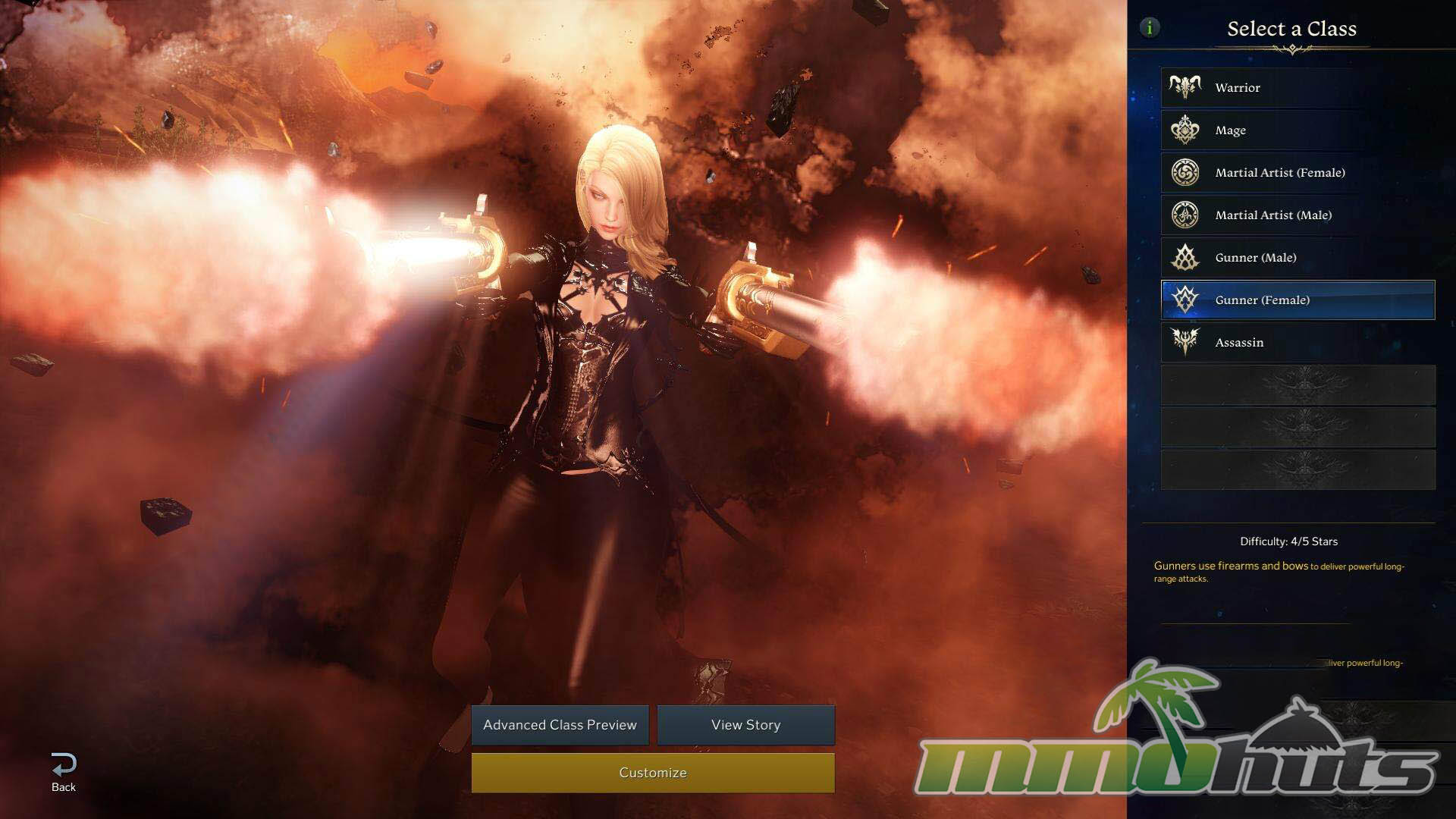
- 15 Playable Classes – choose from Warrior, Martial Artist, Gunner, Mage, or Assassin, then branch into multiple advanced job paths.
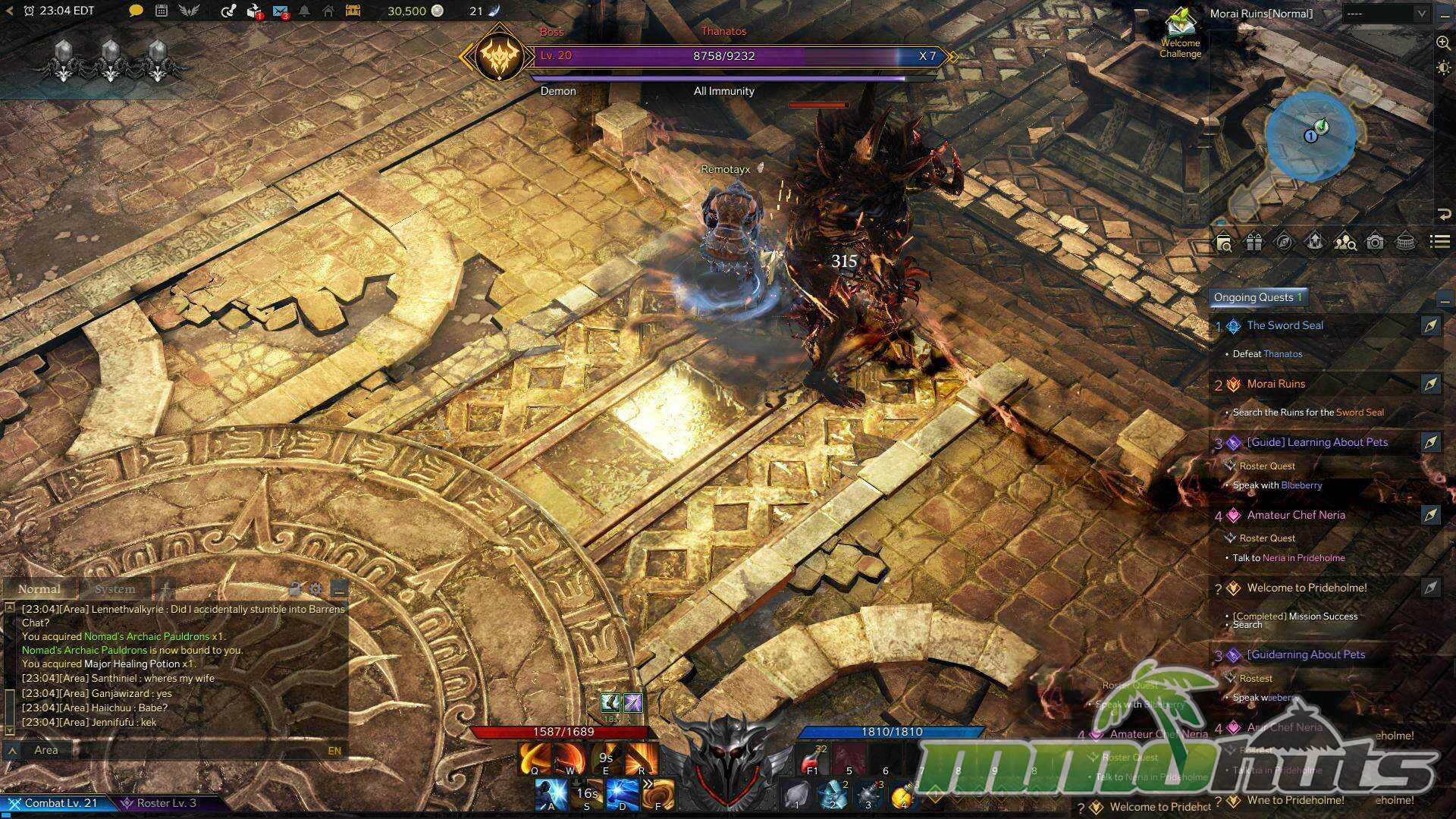
- Raid Bosses and Cinematic Dungeons – join a group for set-piece encounters with mechanics-driven fights and interactive arenas.
- The Colosseum – queue into 1v1 or 3v3 arena matches for competitive PvP.
- Tripod Skill System – customize abilities by selecting different modifiers that change how core skills behave.
- Mini Games – unwind with tavern diversions, including a monster card game and other light activities.
- Live Your Life – gather resources through life skills like mining, fishing, logging, and archaeology.
- Island Ownership – claim and oversee your own island, shaping it around your goals.
Lost Ark Screenshots
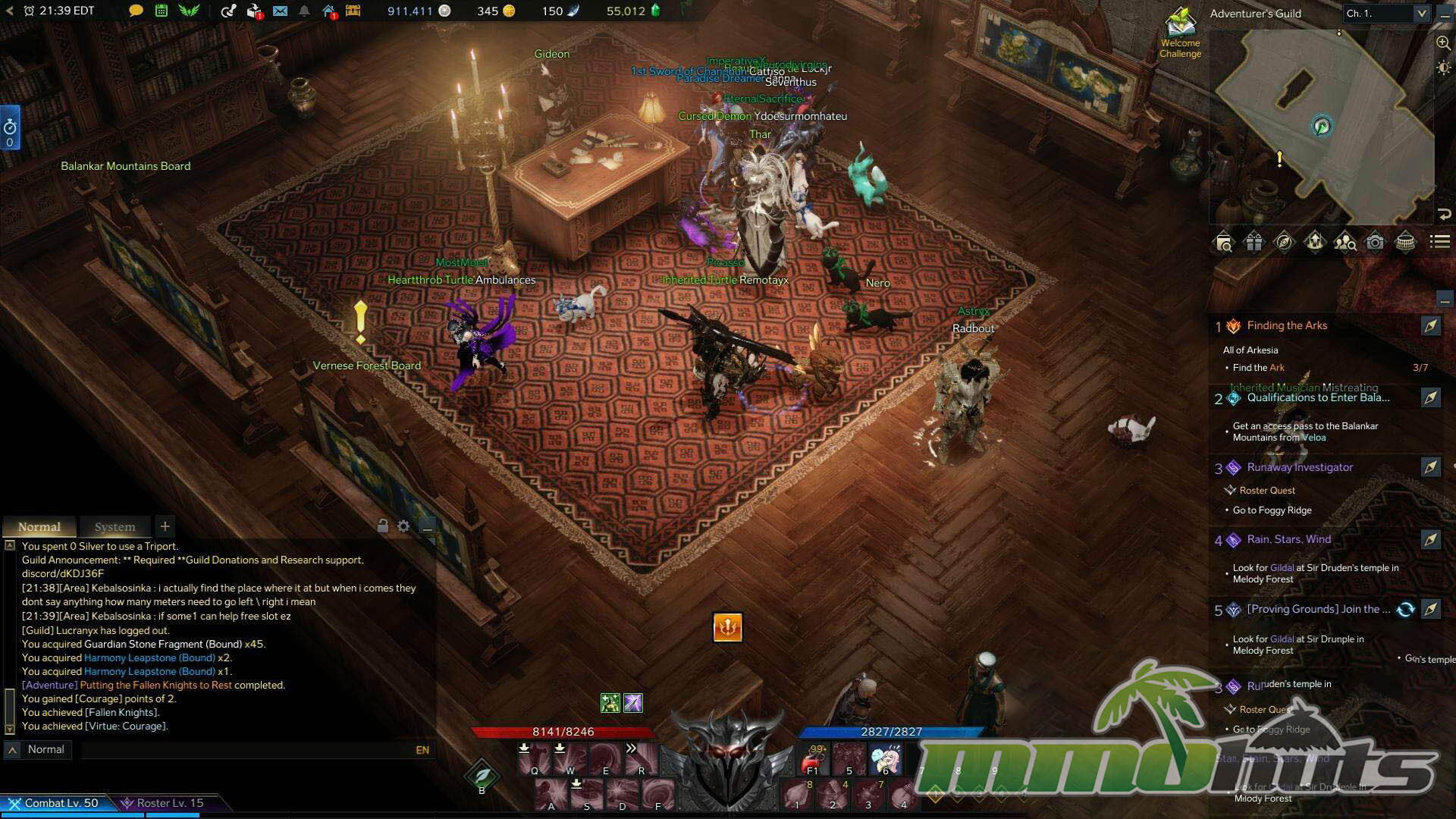
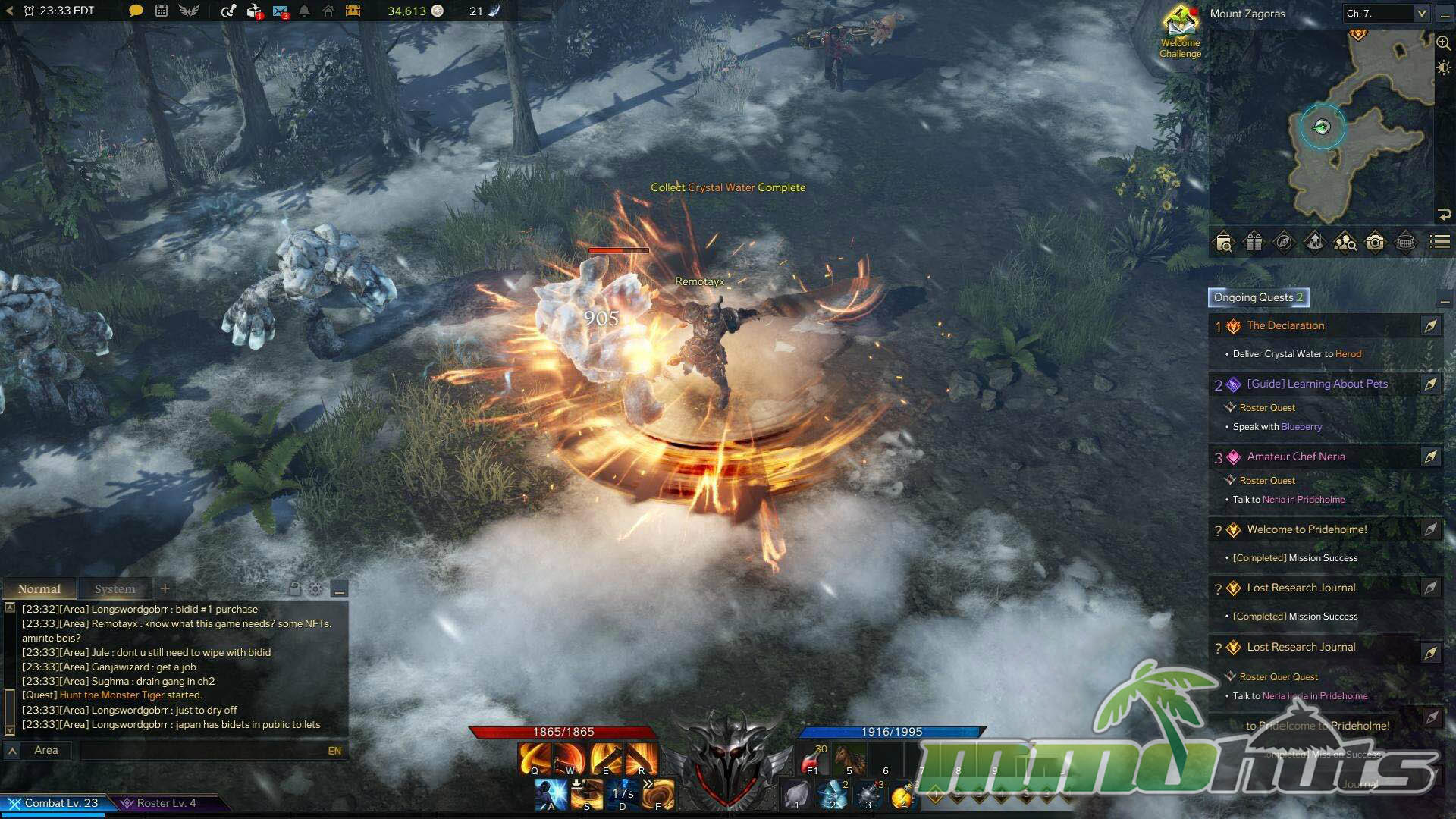

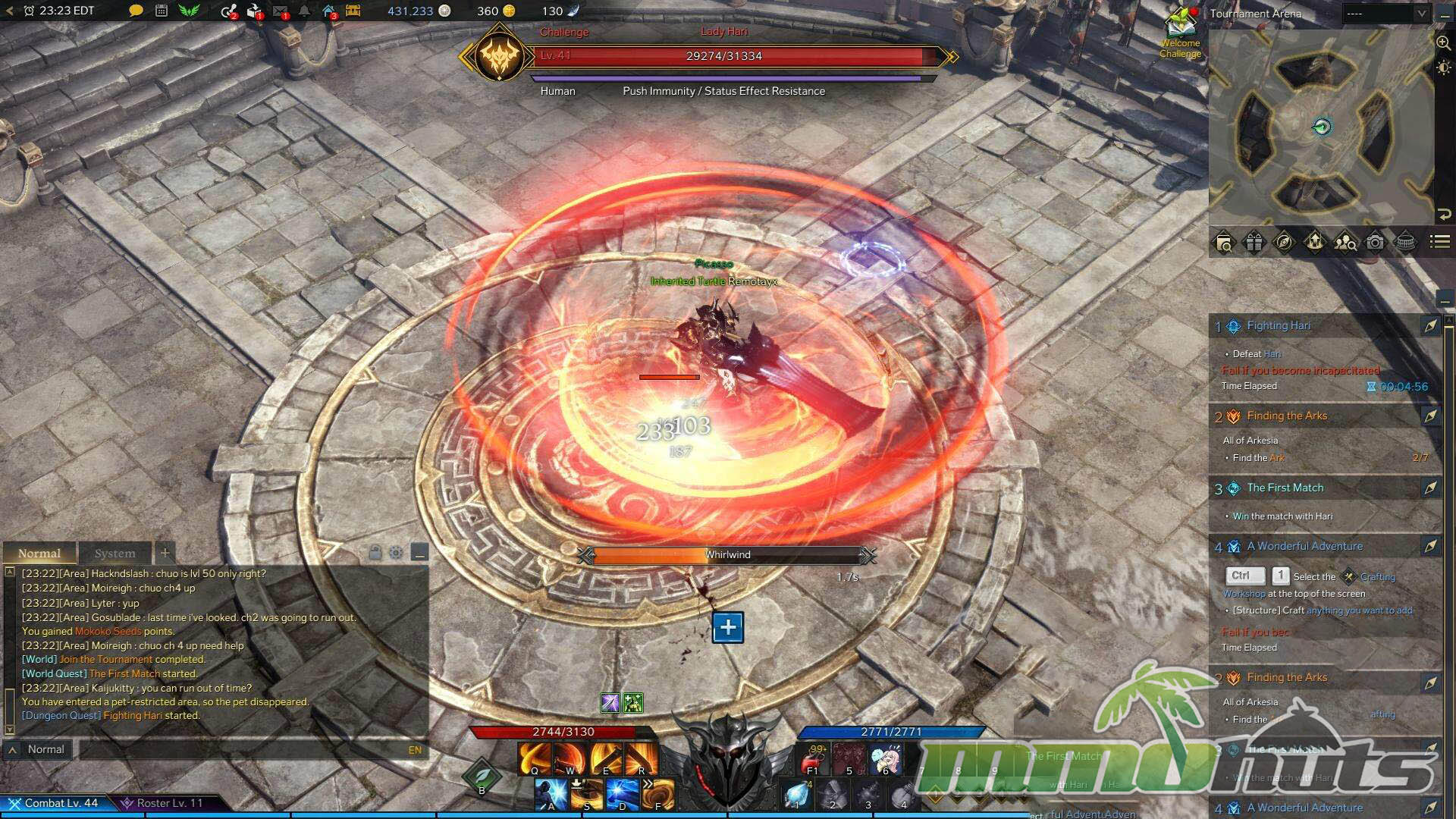
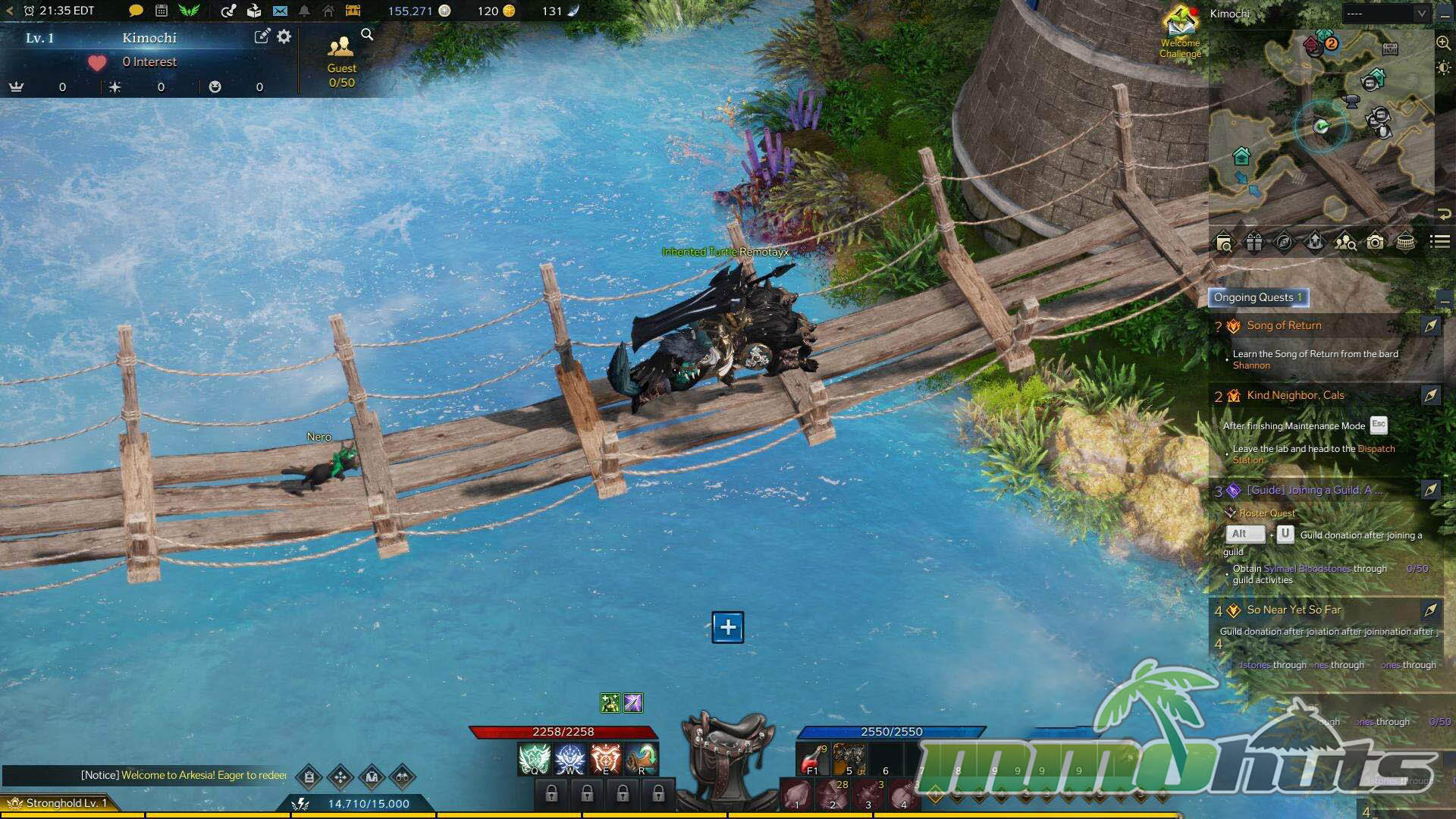


Lost Ark Featured Video
Lost Ark Classes
- Warrior – Lost Ark’s durable frontline archetype with heavy armor and melee pressure. Advanced options include Berserker, Paladin, and Gunlancer.
- Martial Artist – a fast, technique-focused brawler style class built around mobility and combos. Specializations include Striker, Wardancer, Scrapper, and Soulfist.
- Gunner – the ranged damage dealer family, leaning on firearms and gadgets. Specializations include Gunslinger, Artillerist, Deadeye, and Sharpooter.
- Arcana – a ranged DPS class that channels magic through enchanted cards. Her roulette-like card draw can produce different effects that alter how skills play out.
- Mage – the primary spellcaster group, covering supportive and damage-focused roles. Specializations include Bard and Sorceress.
- Assassin – a lightly armored melee DPS archetype built for aggressive bursts and mobility. Specializations include Shadowhunter and Deathblade.
Lost Ark Review
Lost Ark is a free-to-play Korean MMOARPG, designed around action combat and a steady endgame loop of daily and weekly activities. It launched first in South Korea and later rolled out to other regions with localized versions. Development is shared between Smilegate and Tripod Studio, and the global publishing is handled by Amazon.
Classes
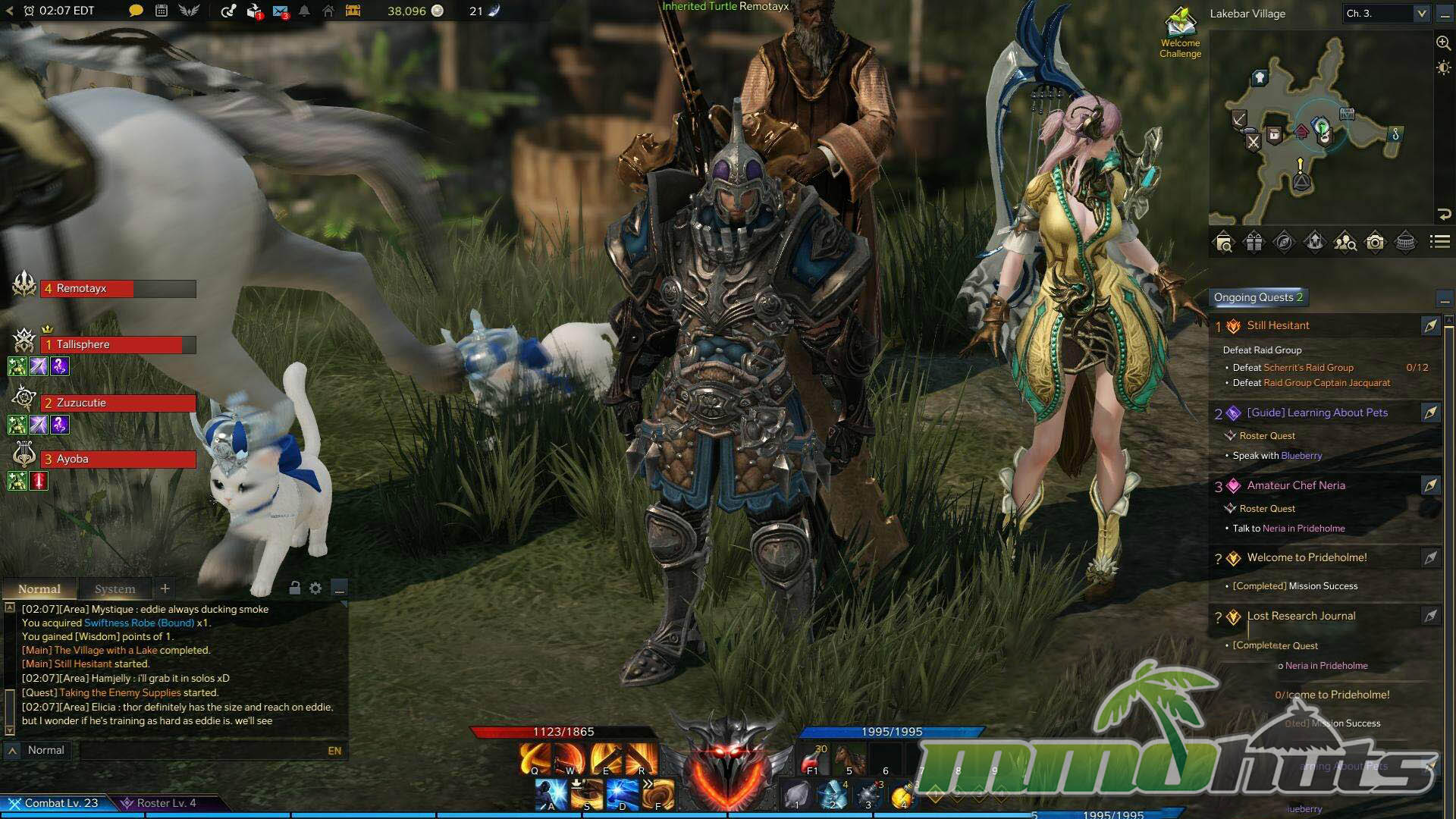
Class design is one of Lost Ark’s biggest strengths. Each option has a distinct tempo, skill cadence, and visual identity, and the game does a good job making even similar roles feel different in practice. Traditional MMO roles exist in a looser form. There is no classic threat table that lets a tank “hold” a boss in the usual way, so encounters are more about reading patterns, dodging, and using short windows to contribute damage or utility. Some classes can taunt briefly, but it functions more like a tactical interruption than a permanent aggro solution.
Support play also has its own identity here. Instead of nonstop healing to erase mistakes, supports are often planning around incoming damage, layering shields, and providing party buffs at the right moments. Cooldowns and limited “panic buttons” mean the whole group still needs to respect mechanics, which keeps fights engaging even when you have a support in the party.
One drawback is that many classes are gender locked. That limitation stands out in a modern MMO, even if the character creator gives you plenty of tools to fine-tune facial features and overall look within the available templates.
Once you clear the early campaign, the game becomes far more welcoming to alt characters. You can set up additional characters that bypass large portions of the story so you can bring new classes into endgame faster. Since many daily and weekly rewards are per character, the overall structure naturally rewards players who enjoy rotating between multiple characters, rather than only investing in a single main.
Leveling Experience
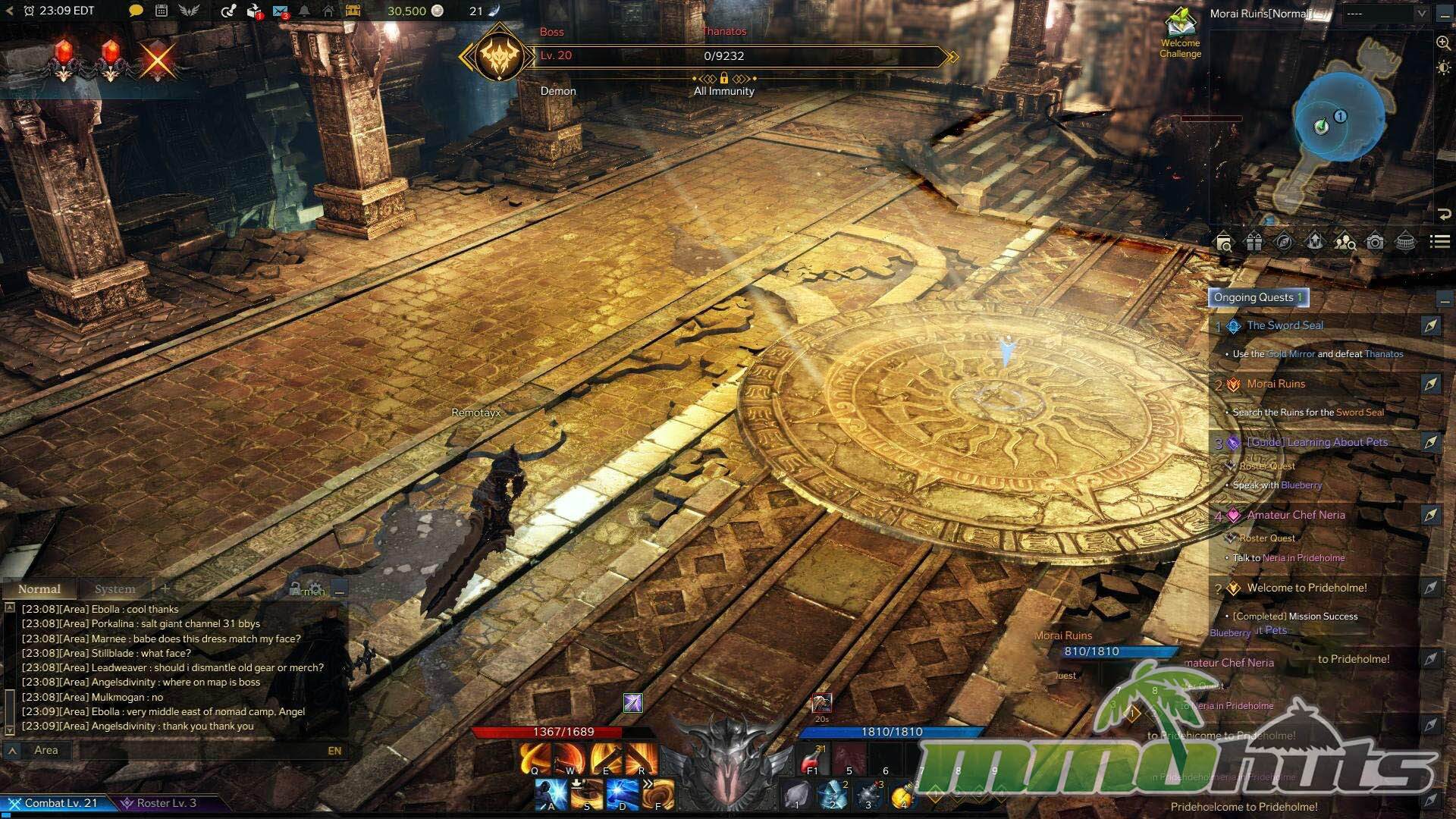
The journey to max level is where Lost Ark feels the least confident. Combat is excellent, but the leveling content often does not demand much from it. A lot of the time is spent moving between NPCs, clicking through dialogue, and completing low-resistance objectives that end before they have time to become interesting. Enemy packs frequently evaporate in a single rotation, so there is little tension until you reach more demanding instanced content later on.
Progression through the starting regions eventually leads into the sailing system, which is where the world opens up. After traveling through the major early areas and reaching North Vern, the game pivots toward its long-term structure and begins introducing the endgame progression path. That transition is important, because many players who bounce off Lost Ark do so before reaching the point where the game’s best content becomes the focus.
A major incentive for finishing North Vern is the pair of Power passes. These let you bring additional characters past earlier questing and move them toward later stages (beyond Shushire, which follows North Vern). After that, you can also work toward creating more Powerpasses through your Stronghold using gold, further lowering the friction of experimenting with different classes.
Currency
Lost Ark is generous with rewards, but it can be overwhelming because it uses many different currencies. Silver is the everyday money you earn constantly through routine play and general content. Gold is the more significant currency for player-driven trade and important costs, and the ways you generate it are largely tied to specific activities with daily and weekly limits. Beyond those two, there are plenty of currencies tied to particular systems or activities, which makes organization and prioritization part of the learning curve.
Pay-To-Win
Monetization in Lost Ark tends to spark debate, mostly because real money can be converted into premium currency and then into gold through the economy. In practical terms, that means spending can accelerate item level progression, and some players have spent very large amounts early to reach soft caps quickly. That kind of shortcut fits many definitions of pay to win, even if it does not automatically translate into better play.
Where the conversation shifts is PvP. The primary competitive modes are normalized, so gear advantages do not decide matches, and performance is more about build choices, execution, and teamwork. For PvE, the “win condition” is often the progression journey itself, learning encounters, building characters, and gradually moving into tougher content. Spending money to skip parts of that loop is possible, but it also reduces the amount of game you actually get to play.
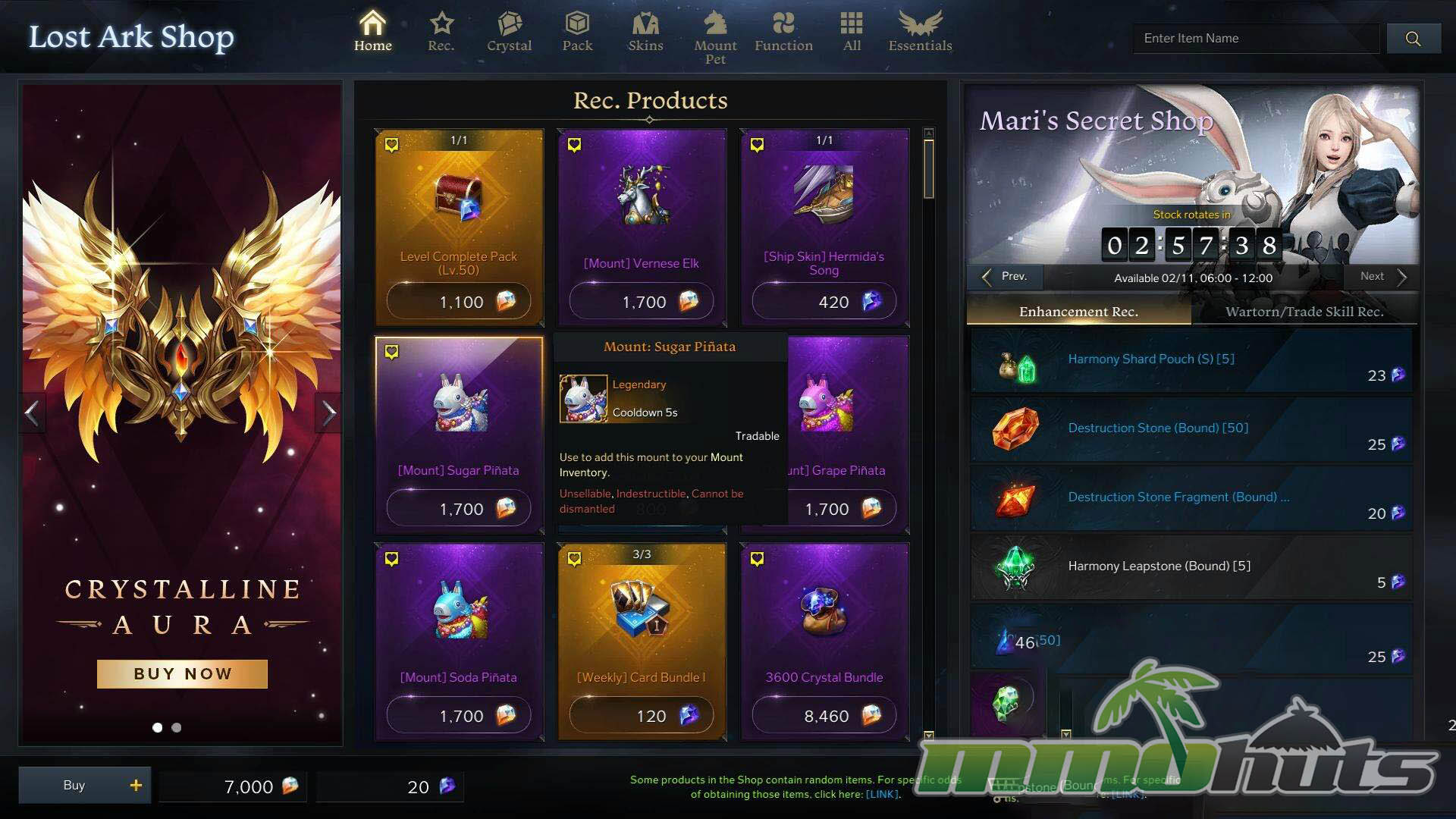
The purchase that most players will notice first is the Crystalline Aura. It functions like a monthly subscription-style perk package and is primarily about convenience. Two standout benefits are additional Bifrost slots (custom teleport points with a cooldown) and expanded pet functions, which can include practical tools like remote access to services. Convenience can matter in a grind-focused MMO, because it reduces downtime and frustration during repeated activities.
From my time with the game, the shop feels more like a mix of optional comfort features and acceleration rather than constant pressure to pay. Many players will be satisfied playing for free, and those who do spend often do so for quality-of-life improvements or cosmetics rather than feeling forced into it.
Endgame
Lost Ark’s endgame is built around a straightforward rhythm: complete time-gated content for materials, then use those materials to improve gear through honing, which raises item level. Item level gates most dungeons and raids, so progression is a cycle of unlocking new tiers, learning new encounters, and repeating content to prepare for the next hurdle.
Honing
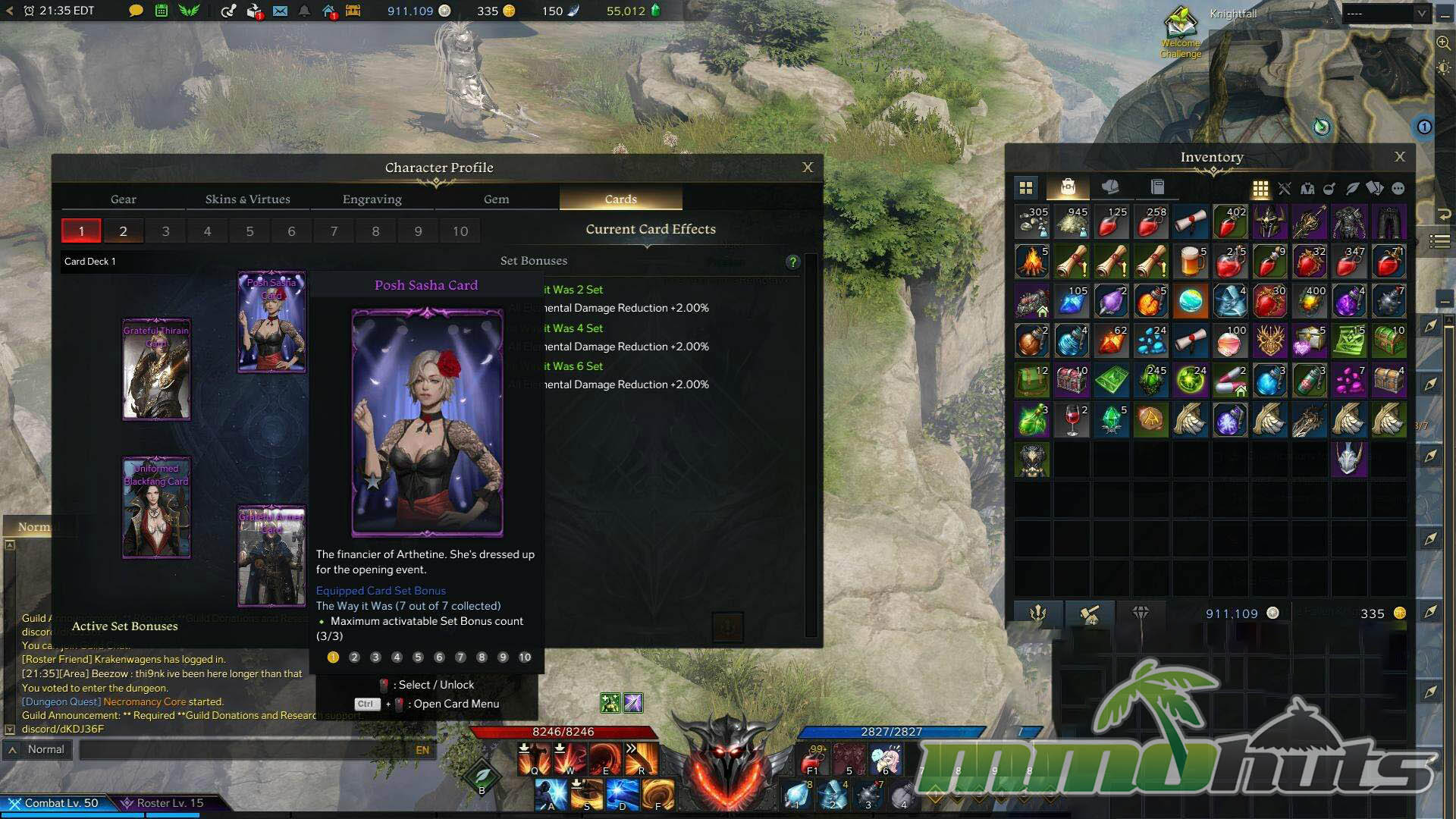
Honing is the central upgrade system, and it is also the source of many players’ frustration. Early upgrades are reliable, but higher levels introduce lower success chances. This approach is common in Korean MMOs, and while it provides long-term goals, it can feel punishing when luck runs cold. The upside is that honing gives structure to the endgame, because it ties almost every activity into a single, understandable purpose.
Chaos Dungeons
Chaos Dungeons are a daily staple, completed twice per day on each character for rewards. They are fast, monster-dense runs that lean into Lost Ark’s combat strengths, clearing waves efficiently and enjoying the spectacle of large-scale skill effects. They are not typically difficult, but they are satisfying and efficient for materials.
Guardian Raids
Guardian Raids are another daily activity, also offering rewards twice per day. These fights are boss-focused encounters for up to four players, featuring heavy hits and mechanics that demand attention. Guardians can punish mistakes quickly, and some attacks can drop players in one or two hits depending on gear and execution. When the fight design clicks, Guardian Raids are exciting, but pacing can vary, and some encounters can feel like long bouts against a very sturdy target.
Abyssal Dungeons
Abyssal Dungeons are weekly instances that resemble traditional MMO dungeons more closely, with a broader space, trash encounters, and a culminating boss fight that asks the group to handle mechanics properly. Since they are limited per week per character, they feel more like scheduled “key content” than a quick daily check-in.
Between Chaos Dungeons, Guardian Raids, and Abyssal Dungeons, you have the core pipeline for honing materials. For me, Chaos and Abyssal content tends to feel the most consistently enjoyable, while Guardian Raids can be either excellent or somewhat tedious depending on the specific boss and group coordination.
Horizontal Content
Lost Ark also has a substantial amount of progression that is not purely about item level. This “horizontal” content is often where the game’s sense of scale and completionism shines, rewarding persistence with incremental power gains, collectibles, and quality-of-life unlocks.
Islands
The island system is one of the game’s defining features. With well over a hundred islands to visit, there is always another short quest chain, activity, or themed location to check off. Many islands function as compact stories or focused objectives, making them ideal for players who like bite-sized goals.
Adventure Tome
Each continent has an Adventure Tome that tracks completion progress. Filling it out encourages exploration and engagement with side systems, and it provides rewards that make completion feel worthwhile rather than purely cosmetic.
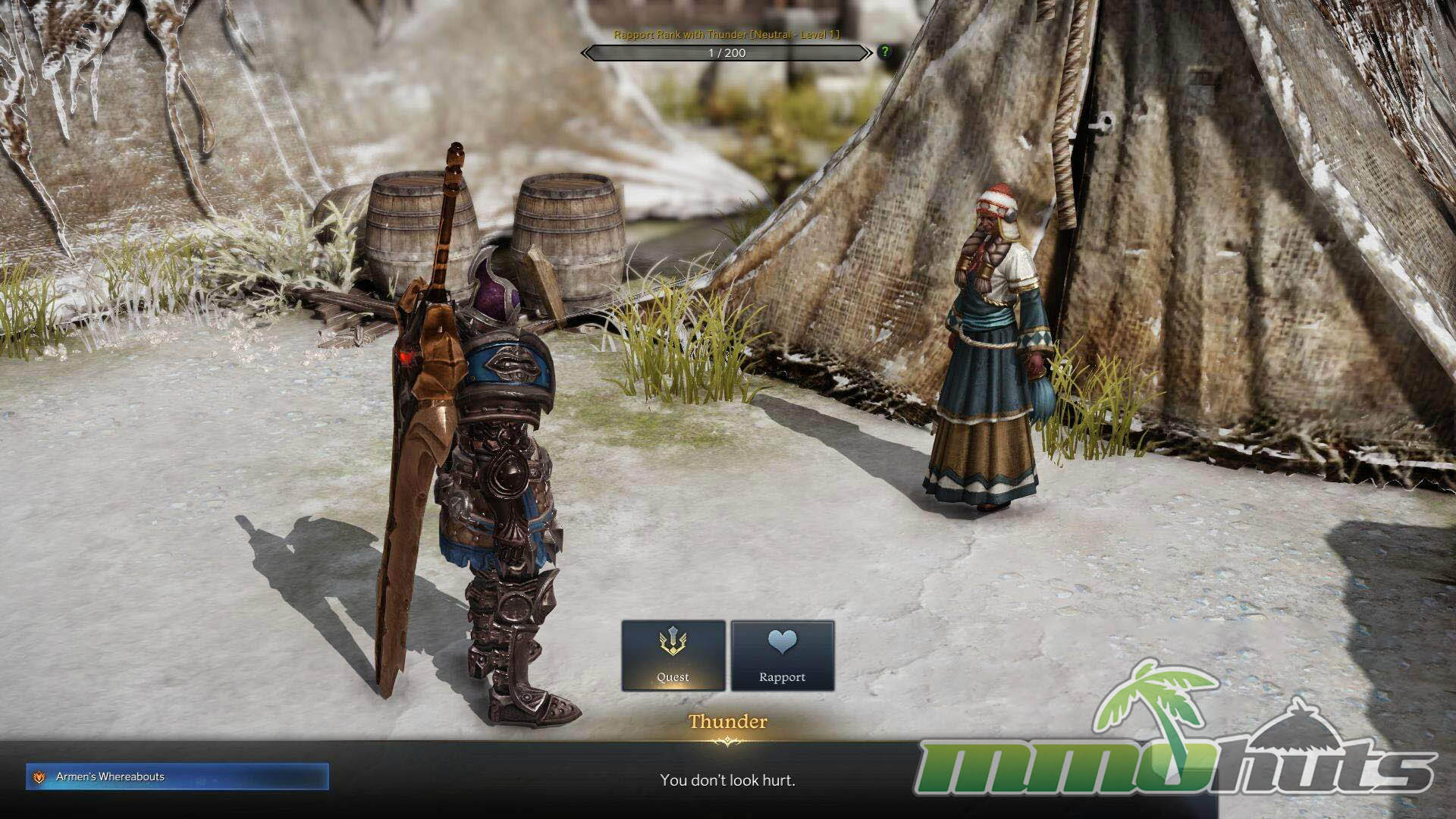
Rapport
Rapport adds a social progression layer through relationships with NPCs. It is time-gated via daily limits, which can slow progress, but it also gives the game a steady long-term checklist for players who enjoy routine and planning.
Taken together, Lost Ark’s endgame works well because there is always an obvious next step, whether you want high-pressure group content, efficient daily farming, or slower collectible-driven progression. That variety is a major reason the game holds attention once you are past the early leveling stretch.
Final Verdict – Great
Lost Ark’s weakest stretch is the early leveling, which can feel like a long introduction that underuses the combat system. If you push through to endgame, the game becomes far more compelling, with strong class identity, satisfying action combat, and a deep menu of raids, dungeons, and horizontal goals. For players who enjoy structured progression and are happy to maintain a daily and weekly routine (especially with a couple of alternate characters), Lost Ark is an easy MMORPG to recommend.
Lost Ark System Requirements
Minimum Requirements:
Operating System: Microsoft Windows 10 and higher (64 bit only)
CPU: Intel i3 or AMD Ryzen 3
Video Card: NVIDIA GeForce GTX 460 / AMD HD6850
RAM: 8 GB
Hard Disk Space: 50 GB
Recommended Requirements:
Operating System: Microsoft Windows 10 and higher (64 bit only)
CPU: Intel i5 or AMD Ryzen 5
Video Card: NVIDIA GeForce GTX 1050 (or AMD equivalent)
RAM: 16 GB
Hard Disk Space: 50 GB
Lost Ark Music & Soundtrack
Coming soon…
Lost Ark Additional Information
Developer: Smilegate Tripod Studio
1st Closed Beta Date: Late 2015 (Korea)
3rd Closed Beta Date: May 23, 2018 (Korea)
South Korean Open Beta: November 7, 2018
Global English Closed Beta: Nov 4, 2021
Western Release: February 11, 2022
Development History / Background:
Smilegate, widely recognized for the long-running success of CrossFire in Asia, took a larger swing with Lost Ark, aiming for a hybrid of open-world MMO exploration and instanced, raid-like challenges. The studio’s plan for broader international availability took time to materialize, with regional launches following the Korean schedule and rollout. South Korea entered open beta on November 7, 2018.
Amazon Game Studios later confirmed it would publish Lost Ark in the West, announcing plans in June for a Fall 2021 window. The global English closed beta began on November 4, 2021, and the full Western release arrived on February 11, 2022 (with founders pack head-start access beginning on February 8).