CrossFire is a lobby-based tactical FPS built around quick rounds, low time-to-kill firefights, and straightforward team objectives. You enlist with one of two rival mercenary groups and jump between a wide range of PvP and co-op modes, with progression tied to ranks, unlocks, and an in-game shop.
 | Publisher: Z8Games Playerbase: High Type: MMOFPS Release Date: May 3, 2007 Pros: +Small install size and runs on modest PCs. +Plenty of modes and maps to rotate through. +Regular login and daily reward hooks. +You can own weapons permanently via GP. Cons:-Many desirable items are gated by currencies and shop rotations. -Visuals and animation quality feel old. |

CrossFire Overview
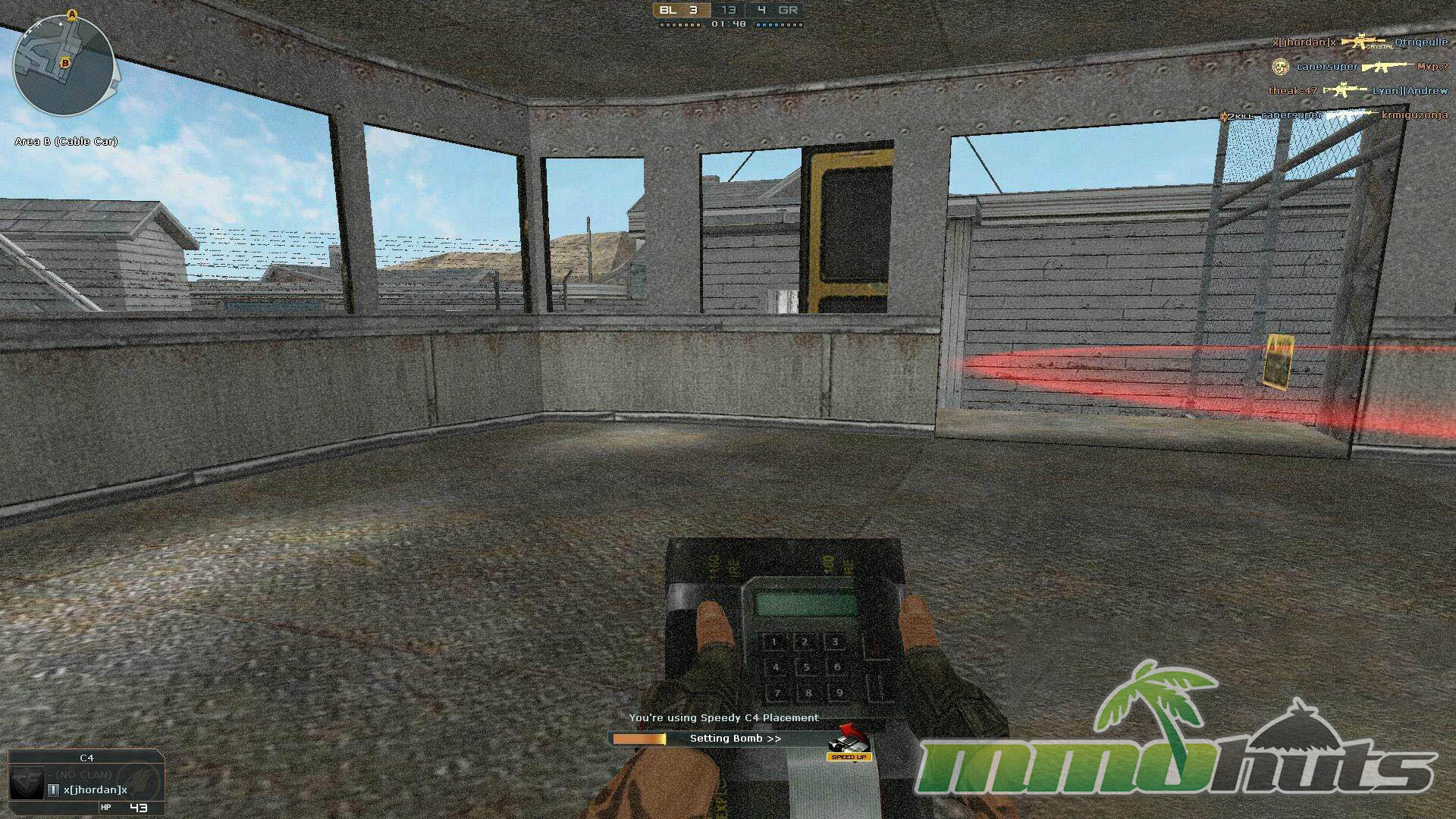
CrossFire is a first-person tactical shooter developed by South Korean studio SmileGate. It frames its matches around two private military factions, Global Risk and Black List, but the real draw is the competitive loop, not narrative. Most modes are objective-driven and reward coordination, whether you are trading angles in Search and Destroy style rounds or holding lanes in classic team firefights.
Matches award experience and currency, letting players climb through 100+ ranks. Higher ranks expand what you can buy with the standard in-game currency, Game Points (GP), while premium cosmetics and special items are offered through real-money purchases. In practice, CrossFire aims for the feel of older competitive shooters, short load times, quick respawns in many modes, and action that starts almost immediately after joining a room.
CrossFire Key Features:
- Quick, decisive gunfights – built to feel like classic competitive FPS pacing.
- Lots of modes to choose from – including team deathmatch, co-op waves, search and destroy, and free for all.
- Friendly hardware demands – designed to run well on a wide range of PCs.
- Loadout and cosmetic options – guns, characters, and utility items are heavily shop-driven.
- Ongoing support – frequent updates focused on balance and fresh content.
CrossFire Screenshots
CrossFire Featured Video

CrossFire Review
CrossFire drops you into a modern conflict where Global Risk (GR) and Black List (BL) compete across maps inspired by real-world locations and familiar FPS archetypes. The faction choice is mostly thematic, it is there to split teams and give the game its identity rather than to define distinct playstyles. If you are looking for a story campaign or deep lore, it is minimal here. CrossFire’s appeal is the moment-to-moment shooting, quick matchmaking via rooms, and the ease of hopping into a match for a few rounds.
Getting Started and Finding Your Feet
The first thing CrossFire communicates is that it wants you in a match quickly. After initial setup, you pick from a limited set of character models that primarily serve as visual variety. There is no class system in the traditional sense, your effectiveness comes from positioning, aim, and the weapons you bring.
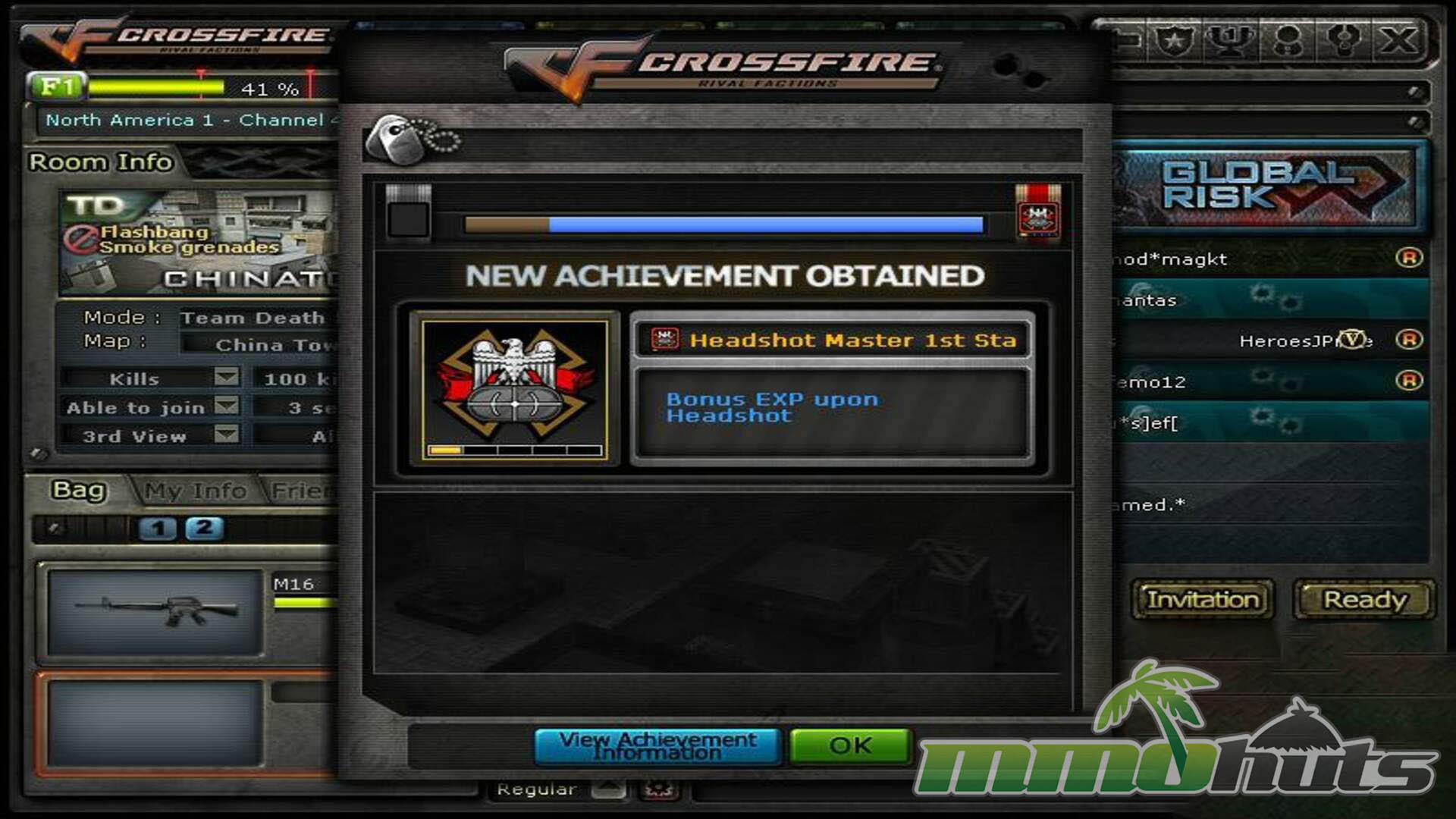
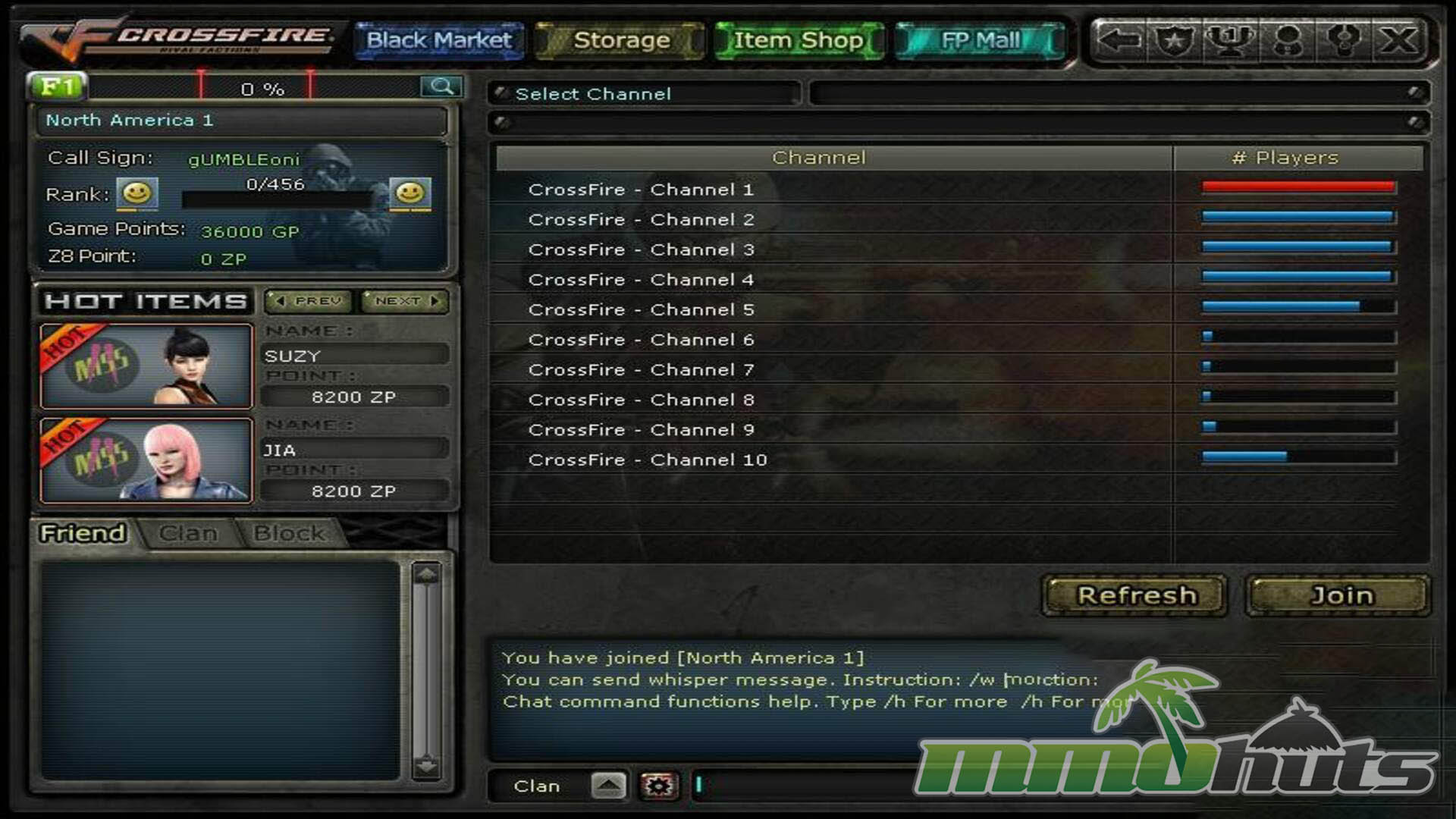
The lobby and room browser can look busy at first, with lots of tabs, abbreviations, and stat panels. After a bit of time it becomes practical, you can track your performance metrics, see friends and clan members, and jump between servers with a clear idea of what mode is running. A basic tutorial exists for players who do not have PC shooter fundamentals down, covering standard movement keys and common actions. Veterans can skip it and go straight into the server list, using quick join if they just want to get into the next available match.
Fast Kills, Familiar Modes
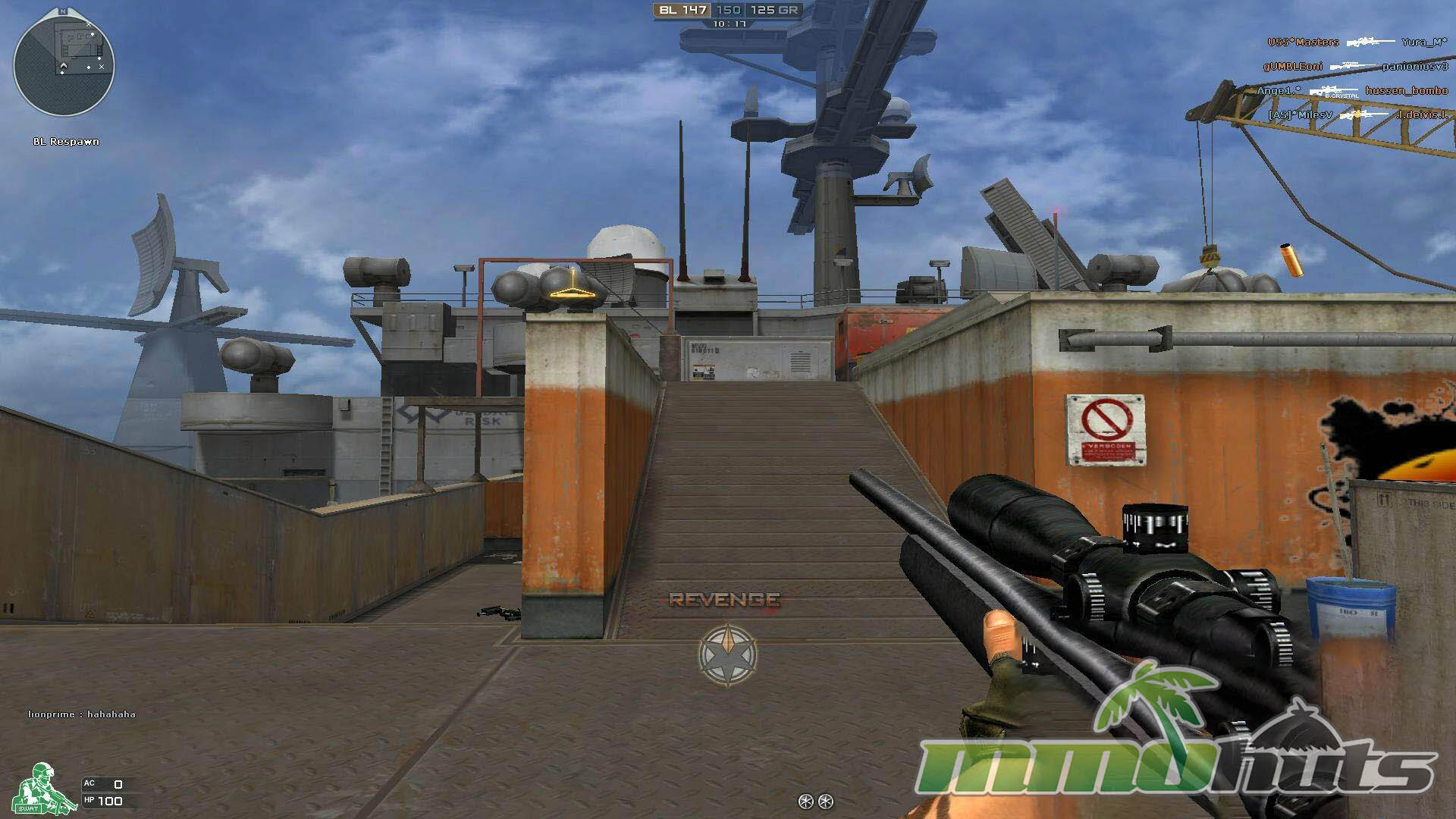
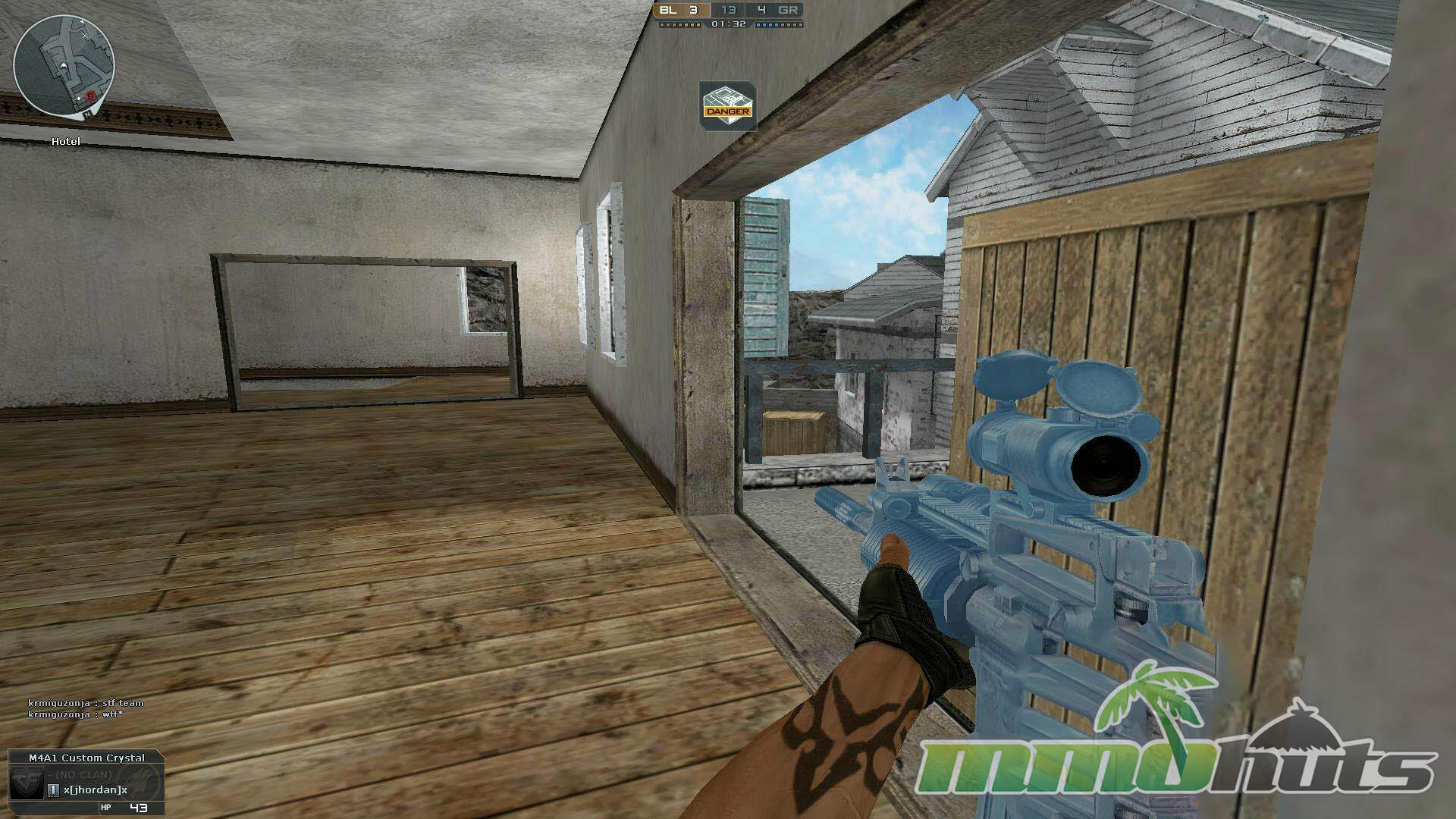
CrossFire’s core gunplay is built around fast engagements where mistakes are punished quickly. You are rarely far from the action, especially in popular modes like Team Deathmatch, where compact maps and simple spawns keep the pace high. On smaller arenas, it often becomes a contest of controlling choke points, timing grenades, and winning short duels. Good aim matters, but so does learning angles and common routes, because a clean burst or a headshot can decide a fight before the opponent can react.
Respawn-based modes also make CrossFire easy to play in short sessions. Dying is not a long setback, you are usually back within seconds, which keeps the match moving and reduces downtime. The result is a pick-up-and-play shooter that rewards repetition and map knowledge without demanding a huge time commitment per game.
Beyond the staples, CrossFire mixes in a surprisingly broad selection of maps and novelty modes. Some arenas are clearly built around specific rule sets rather than being all-purpose battlegrounds. One of the more playful examples is a soccer stadium variant where teams spawn with knives and fight over a ball, trying to carry it into the opposing goal. It is a simple rules twist, but it shows how the game’s movement and melee systems can support something other than standard gunfights.
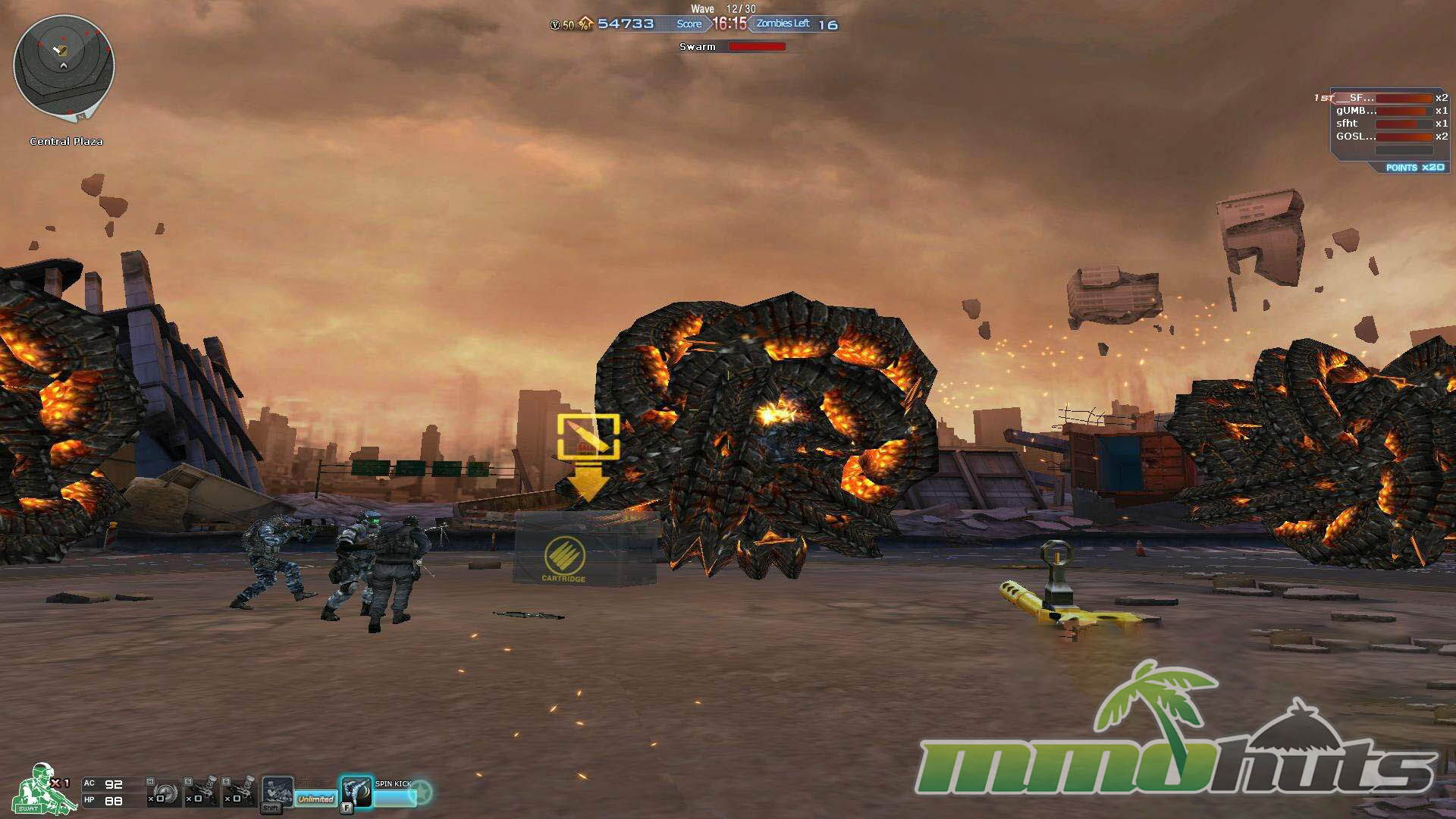
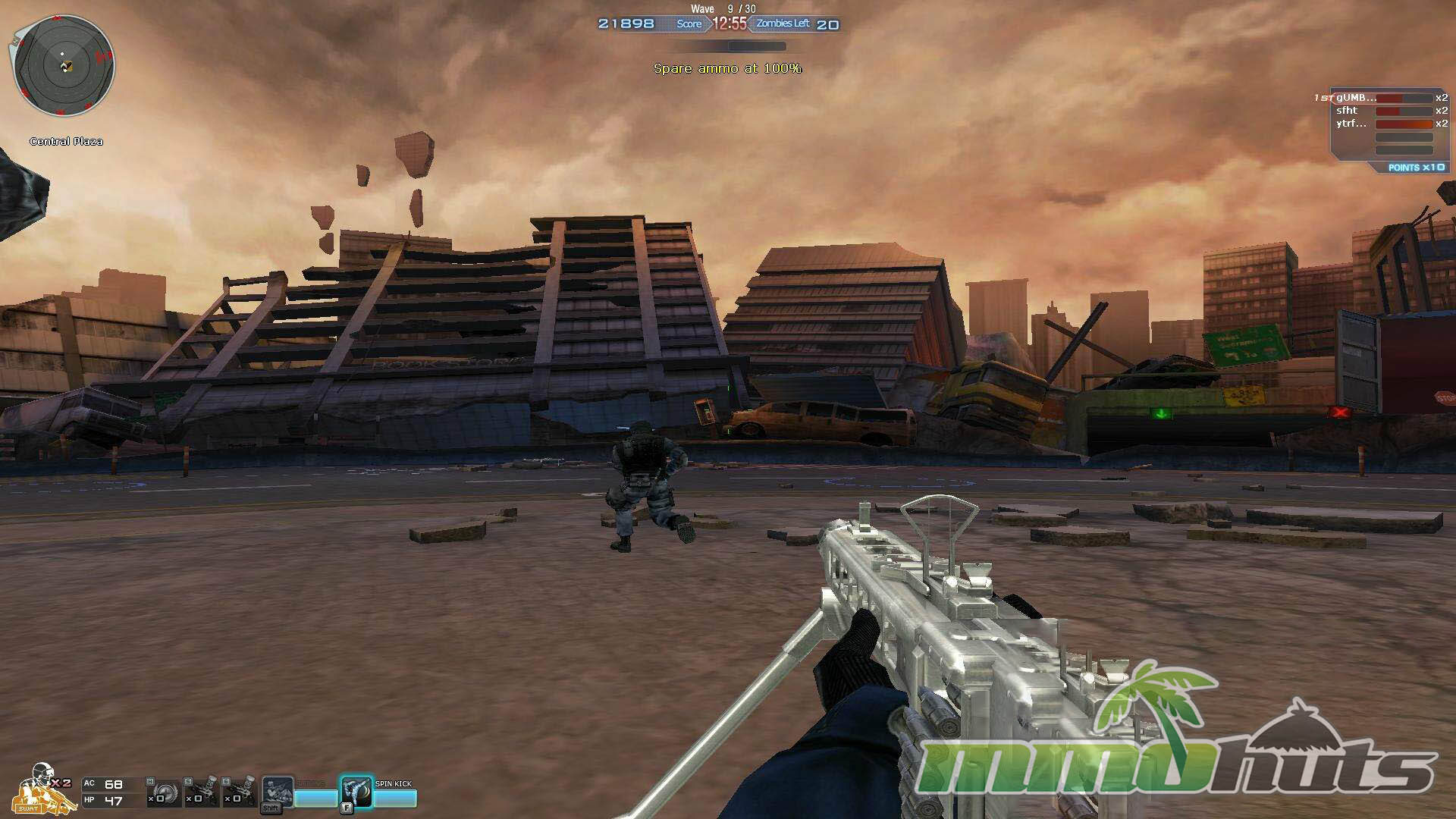
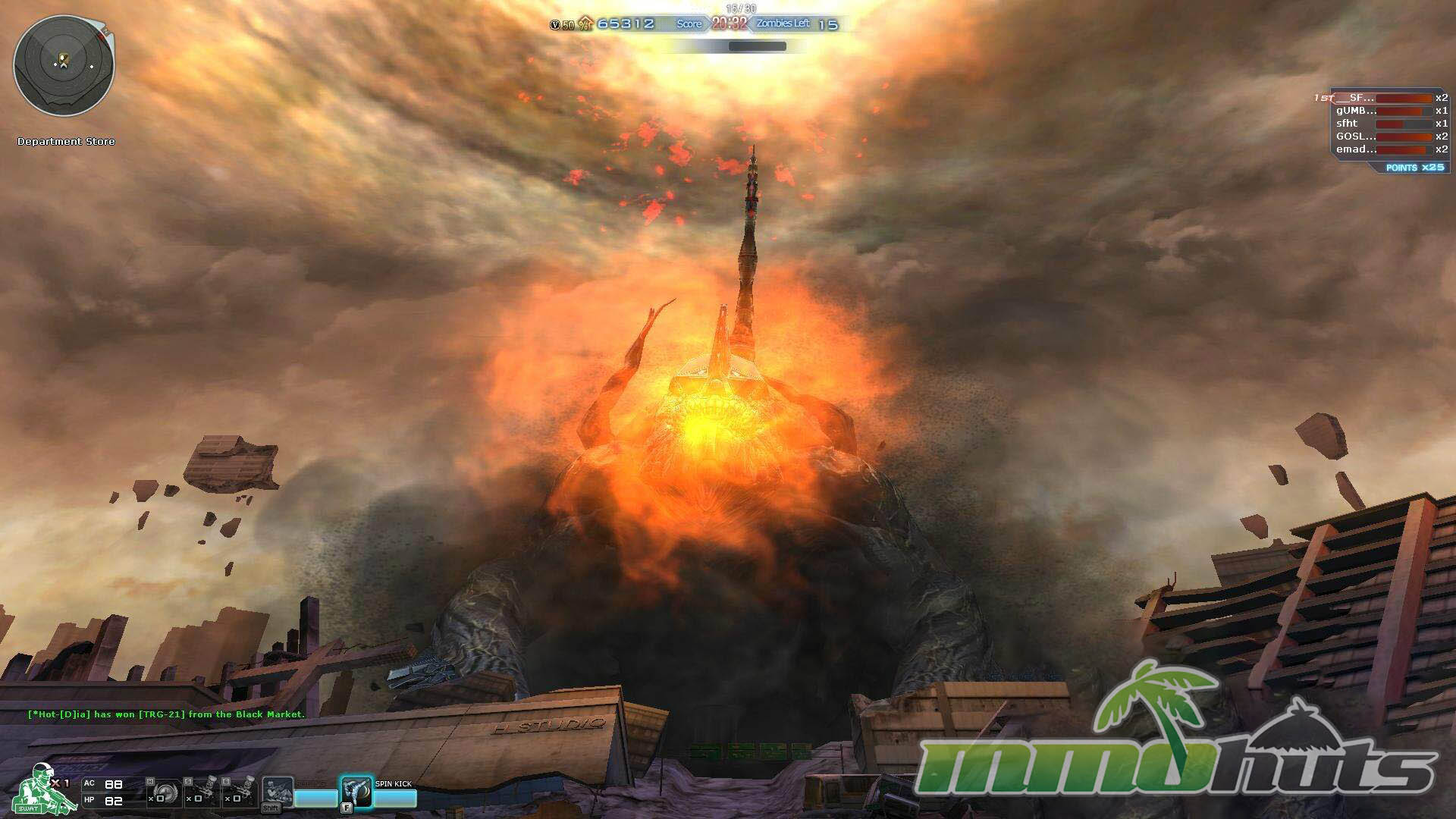
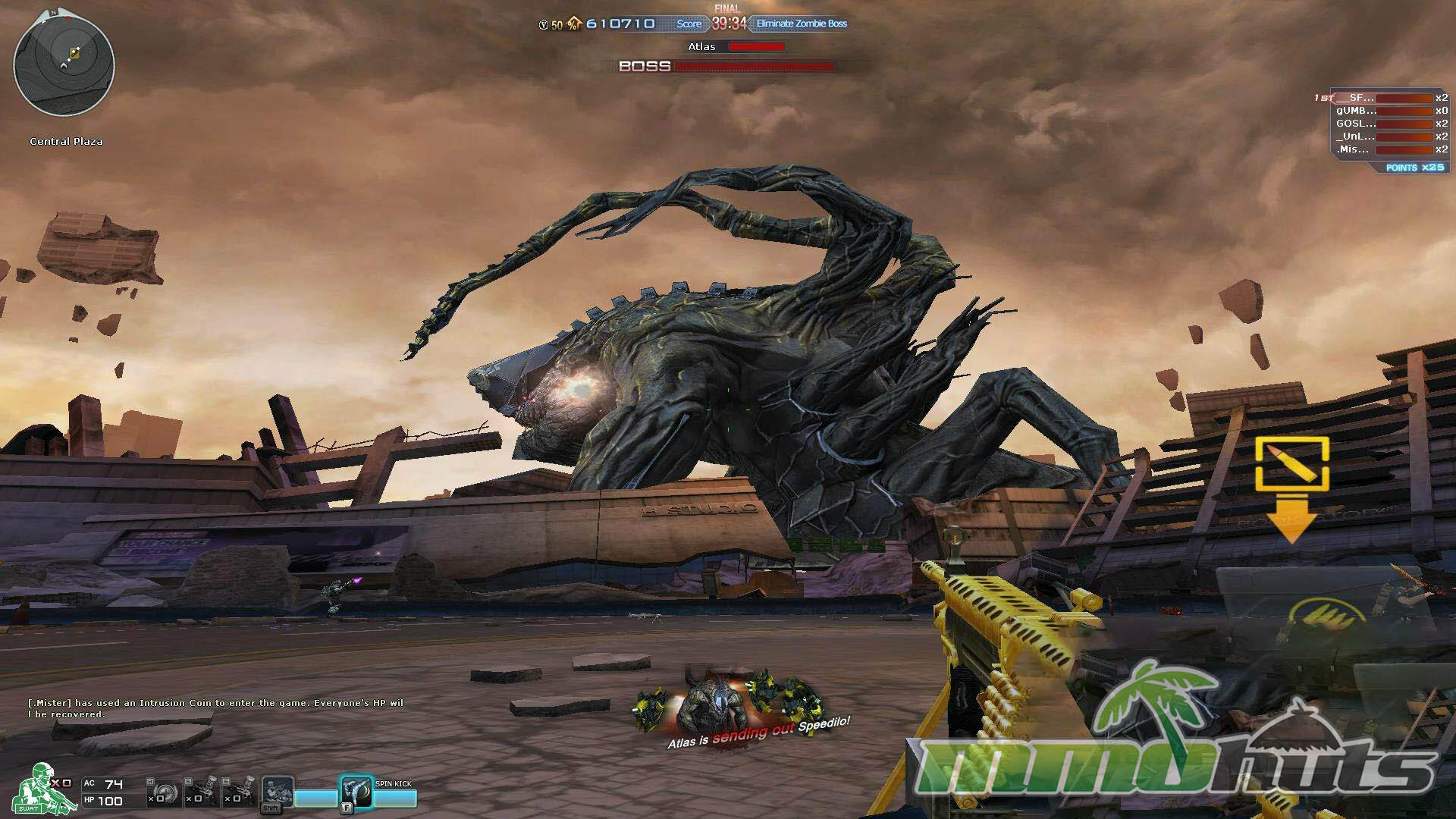
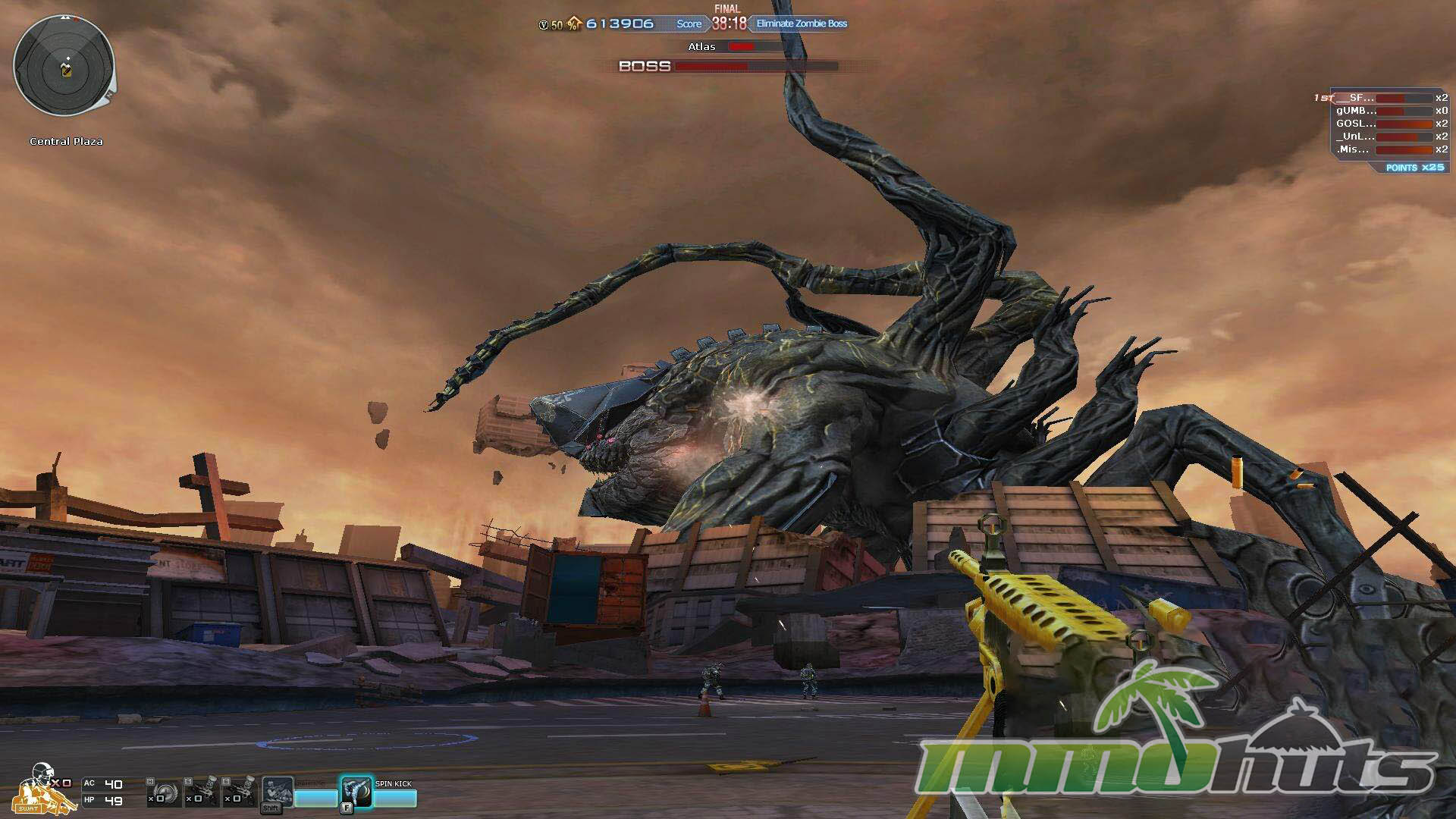
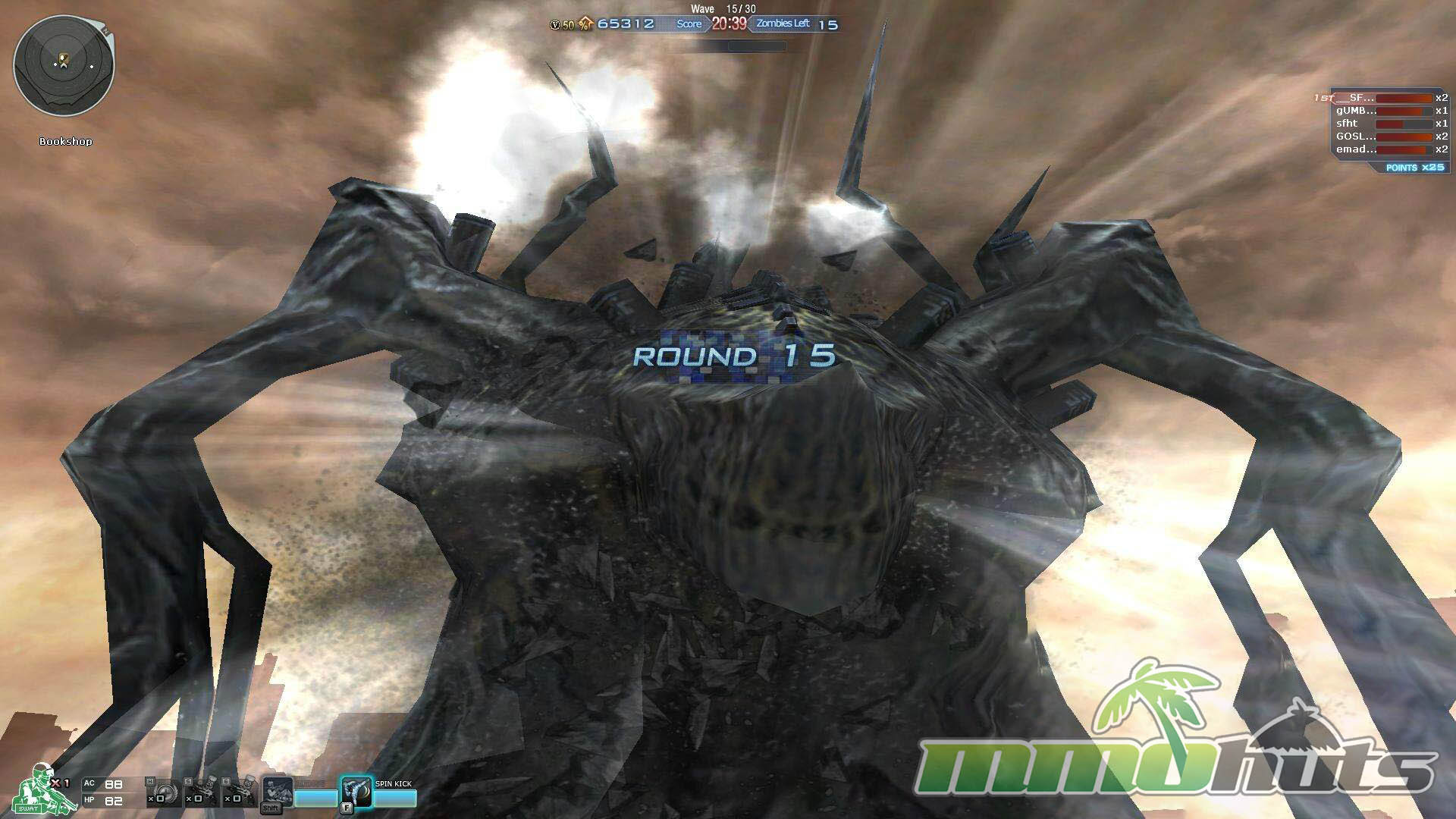
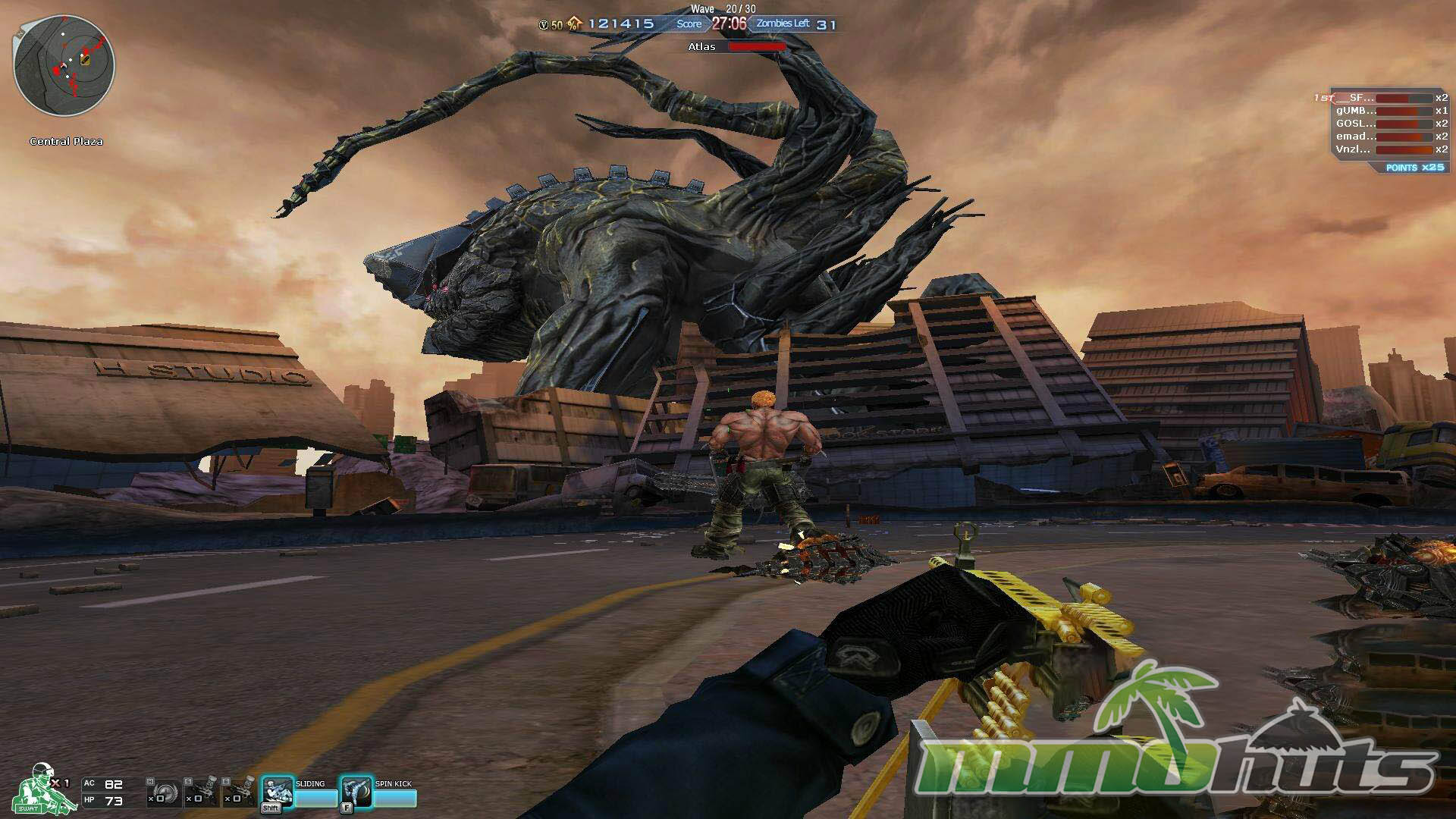
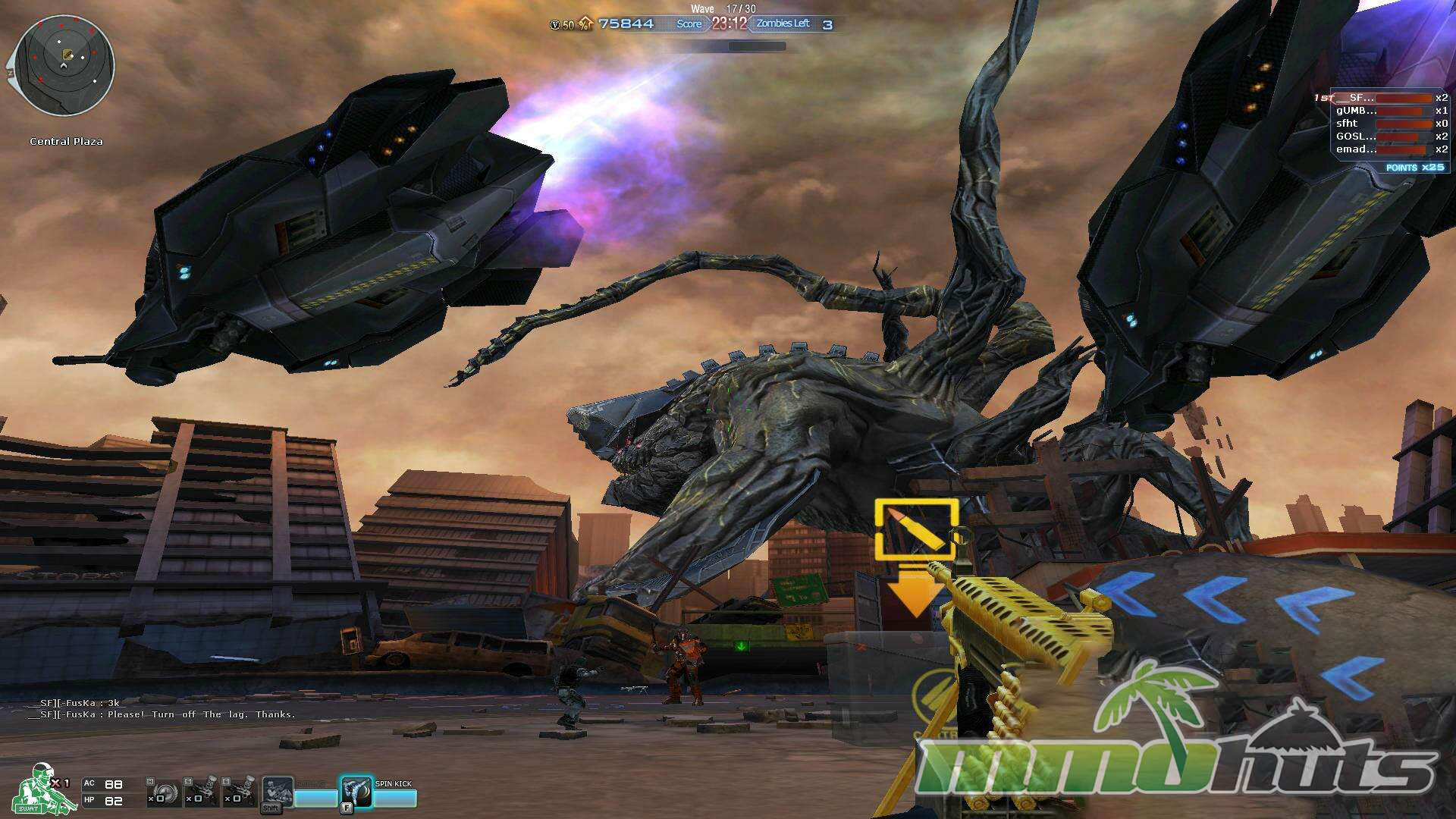
Co-op also has a place in the rotation through Zombie Mode. Instead of competing against other players, you and your team hold out against waves of NPC enemies until a large boss joins the fight. The scoring structure encourages constant damage output, so sustained fire and crowd control become the main priorities. It is not as tactical as PvP, but it is a useful change of pace and a straightforward way to play with friends.
Weapons, Currency, and the Shop Loop
CrossFire begins with two basic loadouts: an M16 rifle set and an M700 sniper set, each paired with standard secondary tools like a knife and grenades. Those starter weapons are functional enough to learn the game and contribute, but the broader arsenal sits behind the shop system.
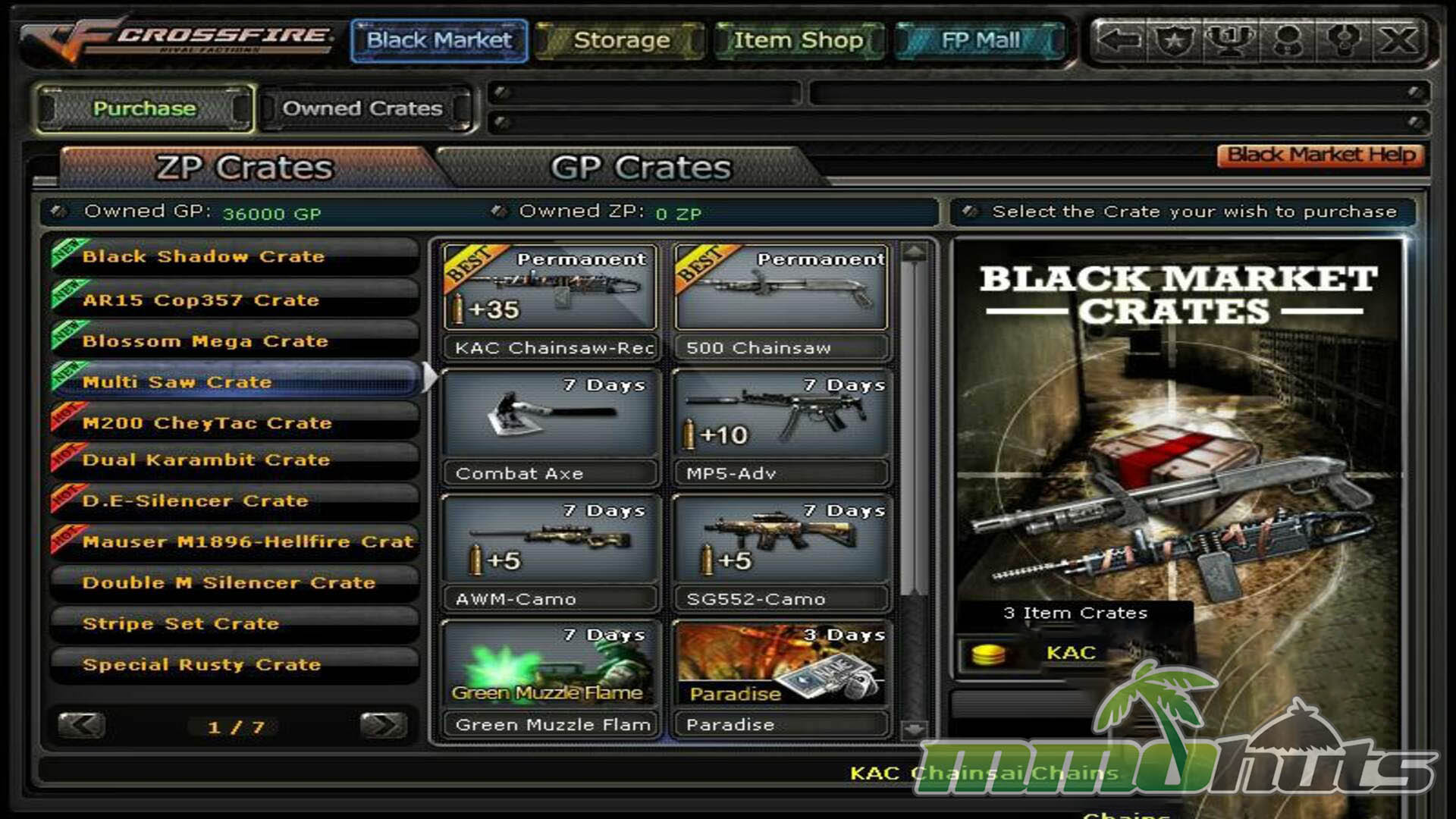
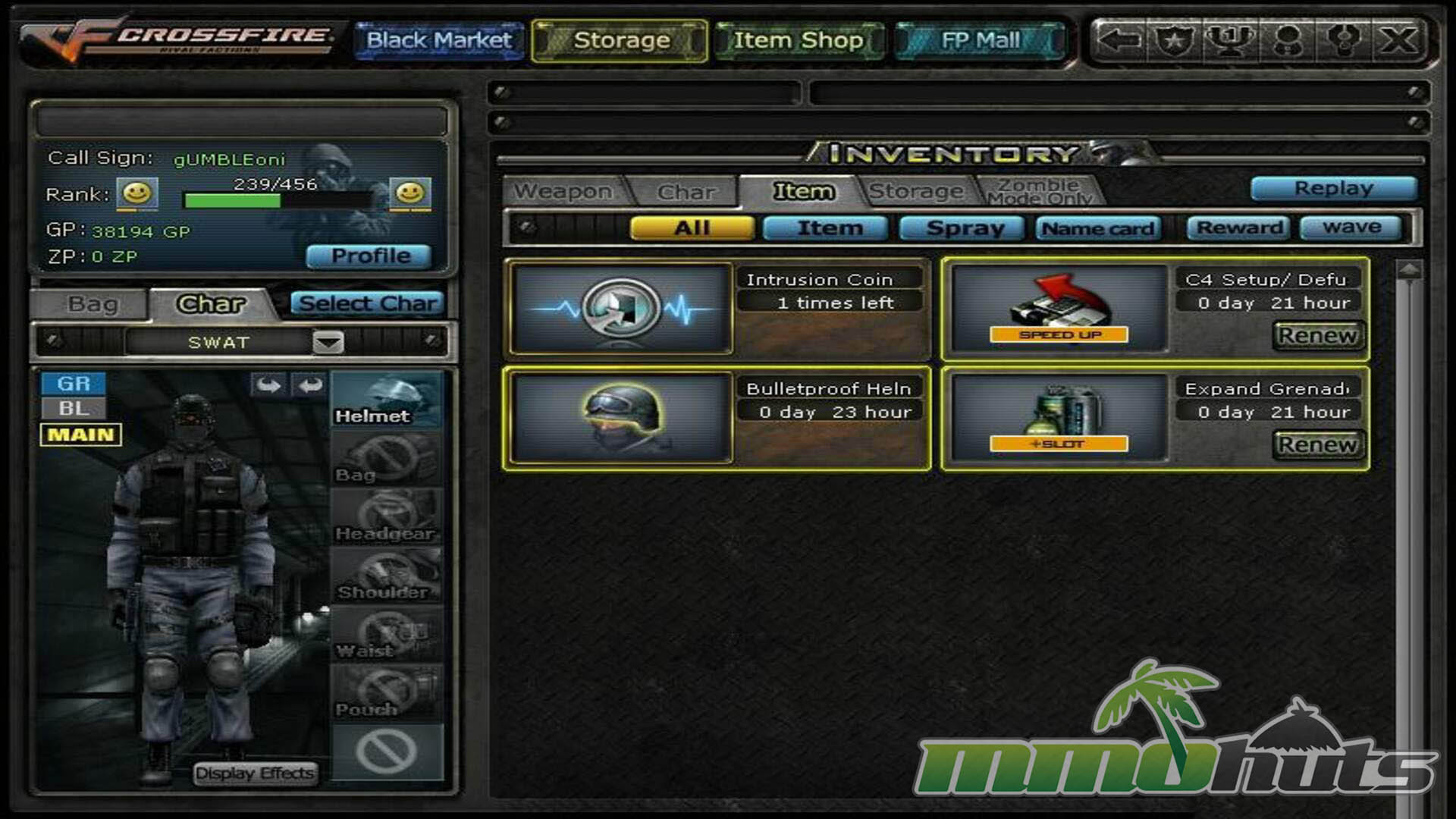
Progression revolves around GP, earned through playing matches and performing well, and ZP, the real-money currency. GP purchases cover a wide range of practical items, including weapons, utility, and characters, while certain premium offerings and cosmetic variations lean on ZP. There is also a “black market” crate system for items that are not directly sold in the main store.
A key friction point for new players is cost versus early income. Weapons can be expensive relative to what you start with, and many items have rank requirements, so you cannot immediately buy top-end gear. Because GP accumulation can feel slow, it is smart to spend cautiously until you have a clear idea of which weapon types you enjoy. Another consideration is maintenance, since gear can degrade with use, which creates an additional GP sink over time.
ZP can also be used to accelerate progress, including converting into GP. Many ZP items are time-limited, commonly lasting around a week for certain standout melee weapons or specialty firearms. In practice, you are often paying for rarity, novelty visuals, or themed variants rather than a completely different game experience.
CrossFire also includes FP, a referral-based currency earned when new players sign up through you. It provides a percentage of their experience as they play, although the benefit tapers as they gain levels, which helps prevent the system from being abused indefinitely.
Ranks and Long-Term Progress
Every match contributes experience toward your rank, and CrossFire’s rank ladder is long, stretching beyond 100 steps. Ranking up does two things that matter: it expands access to shop options and it can gate certain servers that are designed for particular tiers of players. Outside of practical unlocks, rank is also a status marker, with increasingly specific titles that signal time invested and experience. Early levels move quickly, but the climb slows down, and reaching the top end is clearly designed as a long-term goal for dedicated regulars.
Final Verdict – Great
CrossFire does not try to reinvent the FPS genre, and it does not need to. Its visuals show their age, and the monetization structure can make the shop feel more important than it should be. Still, the lightweight client, low system demands, and immediate action make it extremely accessible, especially for players who miss the straightforward rhythm of older competitive shooters. When CrossFire is at its best, it is a clean loop of fast rounds, familiar modes, and enough variety to keep a nightly session from feeling repetitive.
CrossFire Requirements
Minimum Requirements:
Operating System: Windows 7 32 bit
CPU: Amd Athlon 64 X2 Dual Core, Intel Core 2 Duo T6400 2GHz
RAM: 4GB Ram
Video Card: GeForce 9500 GT, AMD Radeon HD 6450, Intel HD 3000
Hard Disk Space: 15 GB
Recommended Requirements:
Operating System: Windows 7 / 8 / 10 at 64 bit
CPU: Amd Ryzen 3 1200 Processor @ 3.1 GHz, Intel Core it-3470
RAM: 8GB Ram
Video Card: GeForce GT 630, Radeon HD 6570, Intel HD Graphics 6000
Hard Disk Space: 15 GB
CrossFire Music
Coming Soon!
CrossFire Additional Information
Developer(s): SmileGate
Publisher(s): Neowiz Games
Game Engine: Lithtech Jupiter EX
Korean Release Date: May 3, 2007
China Release Date: April 28, 2008
North American Release Date: January 30, 2009
Open Beta: January 30, 2009
Development History / Background:
CrossFire was created by SmileGate in South Korea and released with publishing support from Neowiz Games. For regions outside Korea, publishing partners typically operate through Neowiz to bring CrossFire to their local markets. In China, Tencent handled publishing exclusively beginning April 28, 2008. For North America, distribution has been managed by Z8Games, a company also known for distributing Lost Saga and formerly Metin 2. CrossFire has over 400 million subscribes globally (50 million active users) and generated more than $4.5 billion since 2007. SmileGate is currently working on Lost Ark, a overview hack-and-slash MMORPG.