Metin 2 is a 3D fantasy MMORPG that leans heavily into old-school progression, faction conflict, and fast, arcade-like melee. Players pick from five classes, pledge themselves to one of three kingdoms, and spend most of their time questing, farming dense monster packs, and occasionally clashing with rival players through duels or open-world PvP.
 | Publisher: Gameforge Playerbase: Low Type: Fantasy MMORPG PvP: Duels/Kingdom Warfare/Open World Release Date: June 29, 2007 (NA / EU) Pros: +Satisfying hack-and-slash style combat for an older MMO. +Several PvP formats tied to factions and player choice. +Runs well on modest hardware. Cons: -Aged visuals will be a hurdle for many. -Very limited character creation. -Progression is grind-heavy, especially early on. |

Metin 2 Overview
Metin 2 is a fantasy MMORPG developed by Ymir Entertainment, first launched in Korea in 2004 and later released in North America and Europe in 2007. It takes place on a single, shared continent where three kingdoms compete for power, territory, and bragging rights. Early on you commit to one of the factions, then build your character around one of five classes, with most of them branching into two specializations to sharpen their role and combat style.
At its core, Metin 2 is built around constant monster hunting, gear improvement, and PvP that ranges from friendly duels to more chaotic open-world encounters. Combat is one of the game’s defining traits, you can play it like a classic point-and-click MMORPG or use a more hands-on control scheme that encourages repositioning and timing while you carve through tightly packed enemy groups. That mix of accessible controls and relentless progression is what still attracts the niche audience that sticks with it today.
Metin 2 Key Features:
- Five classes – choose Warrior, Shaman, Ninja, Sura, or Lycan, then develop your character through class specializations (except Lycan).
- Numerous PvP Options – test yourself in duels, fight enemy kingdoms, or enable open PvP and invite trouble anywhere.
- Low System Requirements – the game is lightweight and remains playable on a wide range of PCs.
- Dynamic Fighting System – switch between click-to-attack convenience and a more active, hack-and-slash approach.
- Grind To The Top – leveling and gearing are intentionally old-school, with a strong emphasis on repeated mob farming.
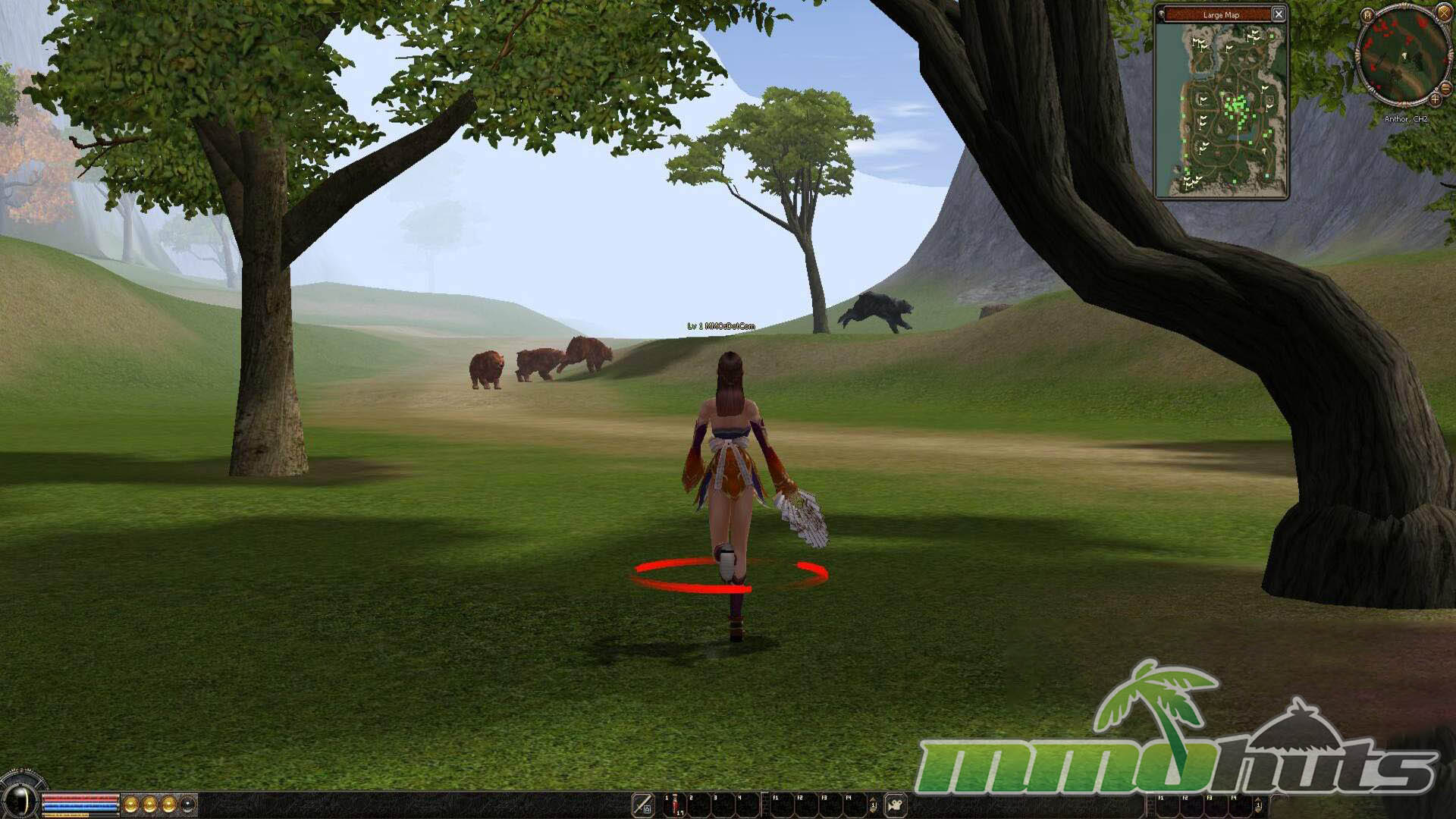
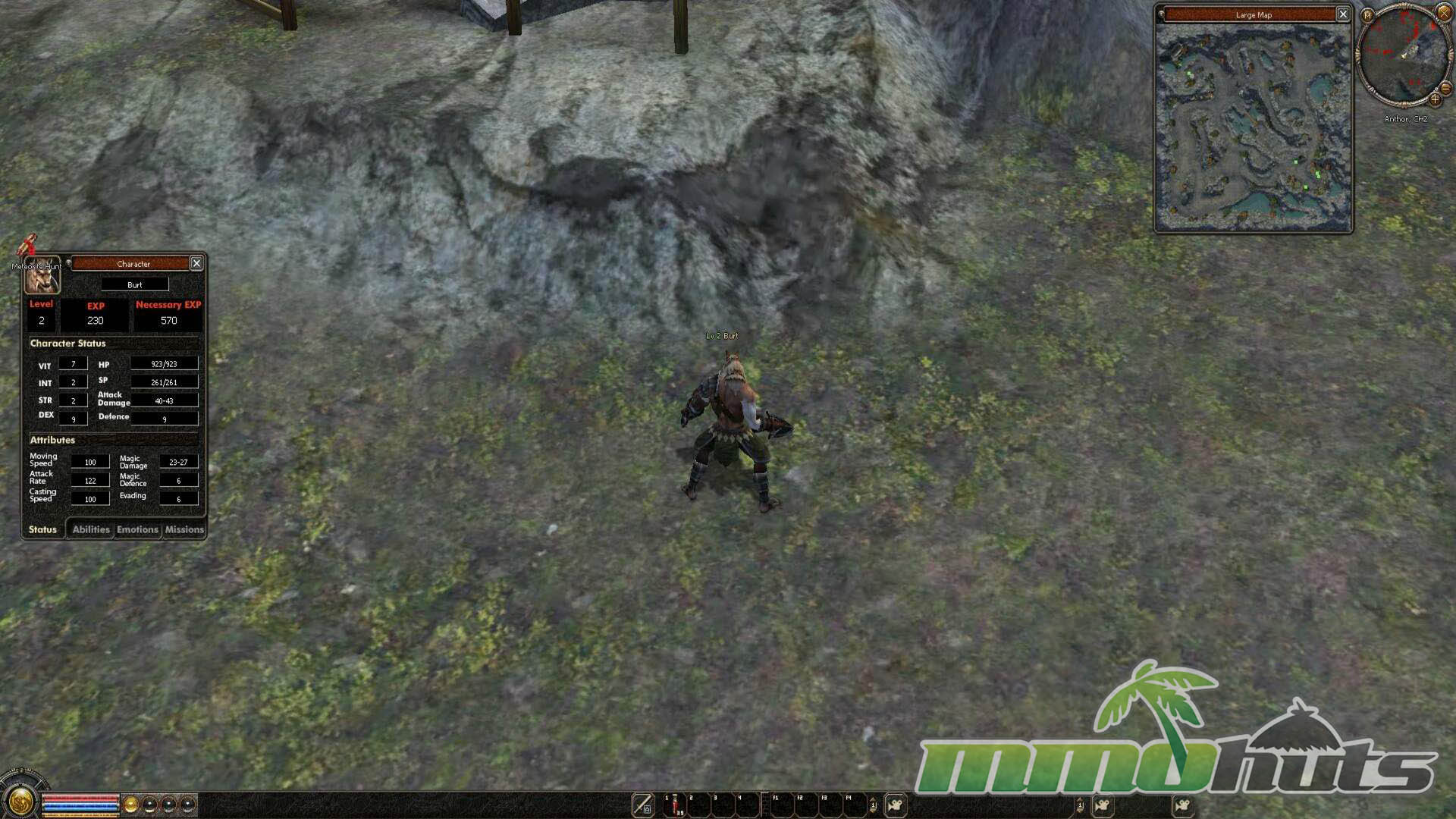
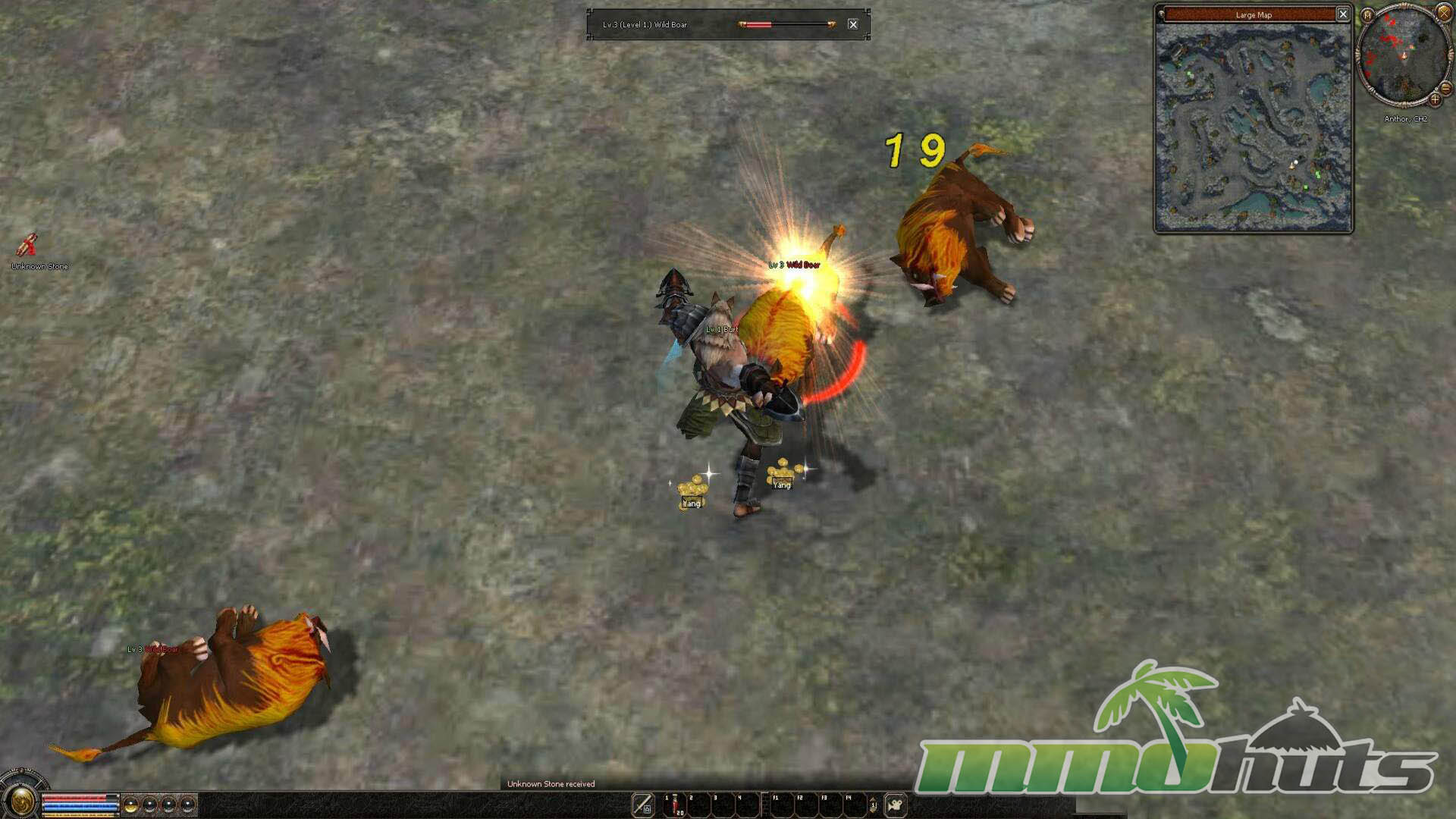
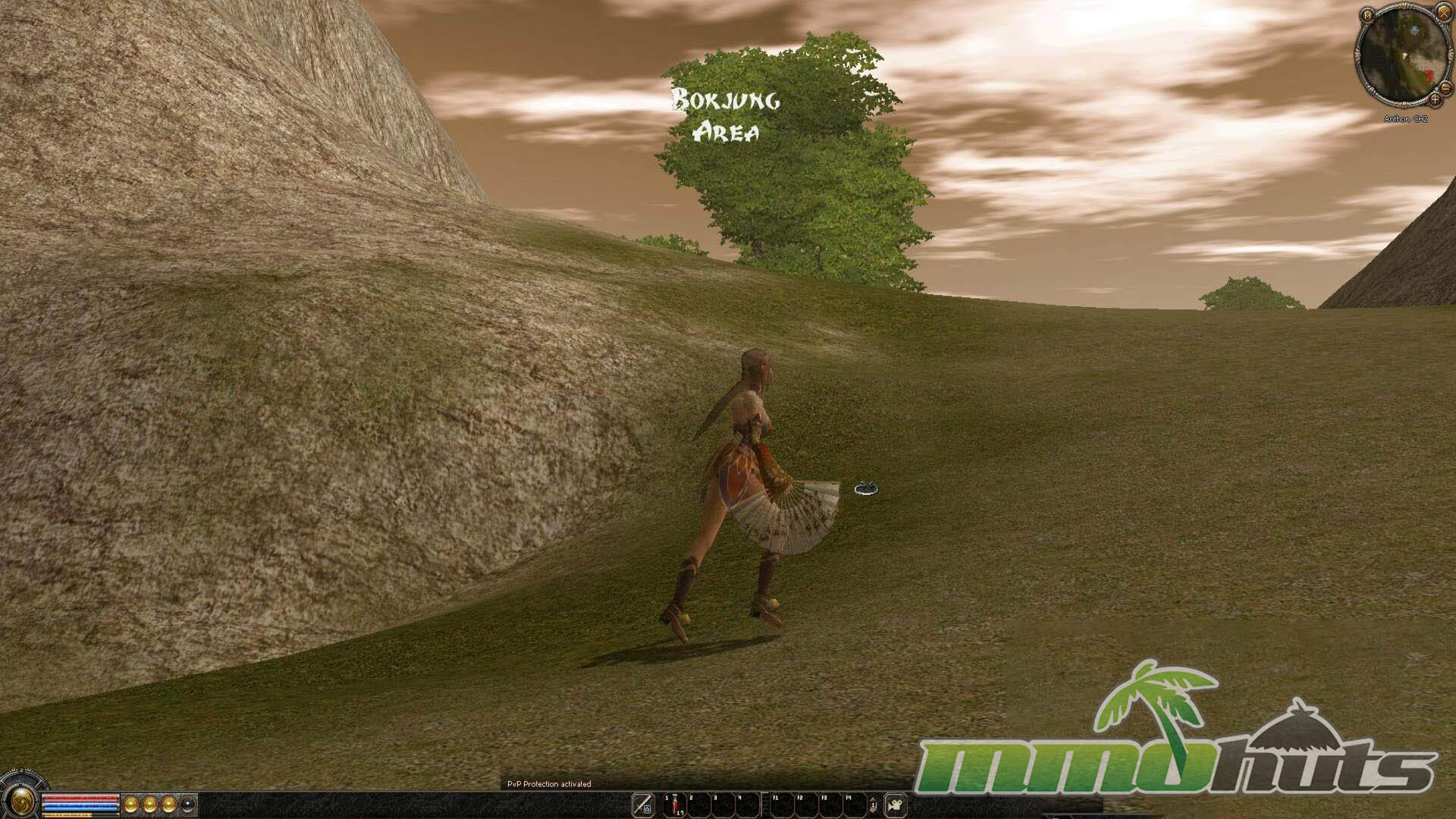
Metin 2 Screenshots
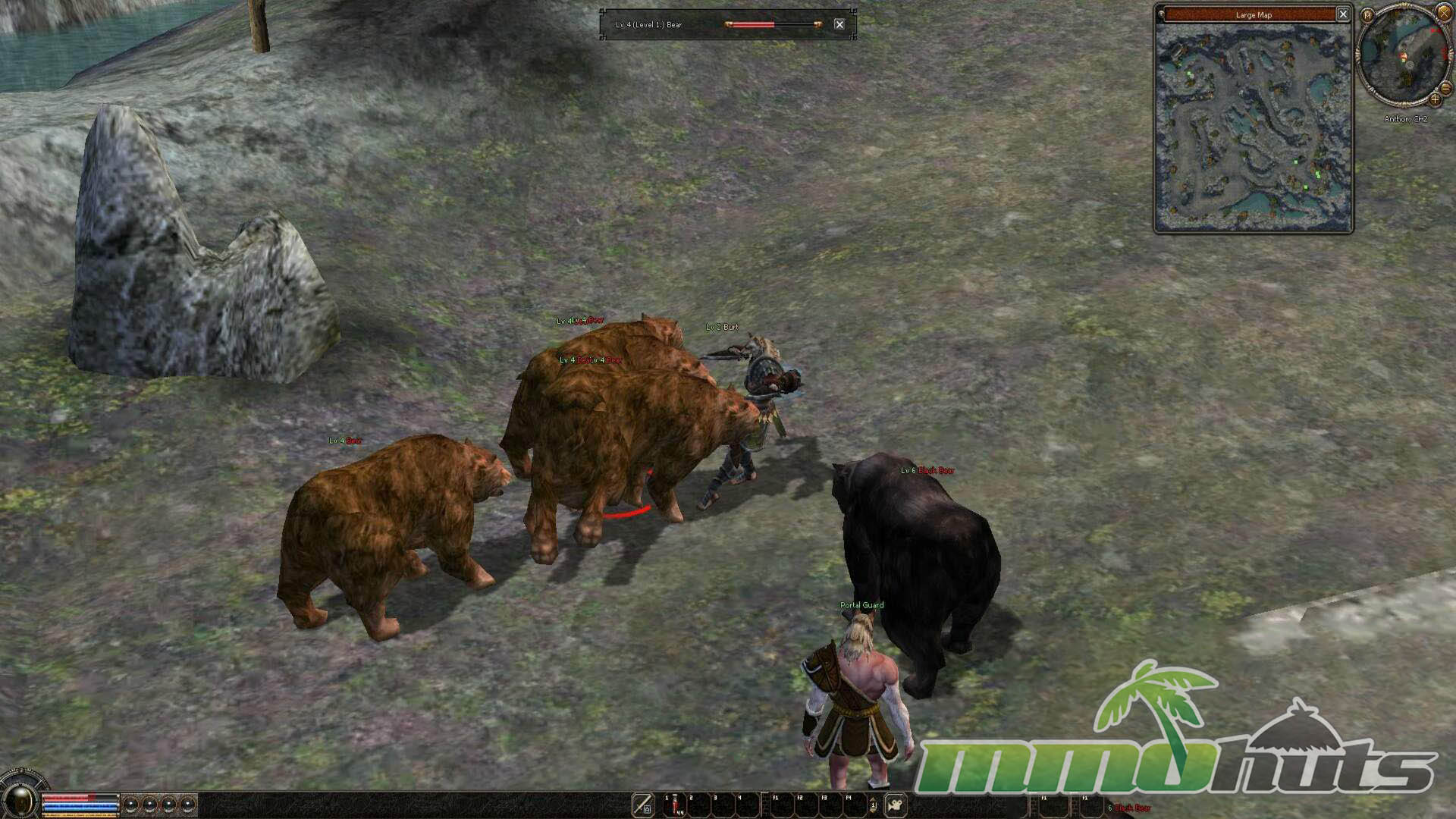

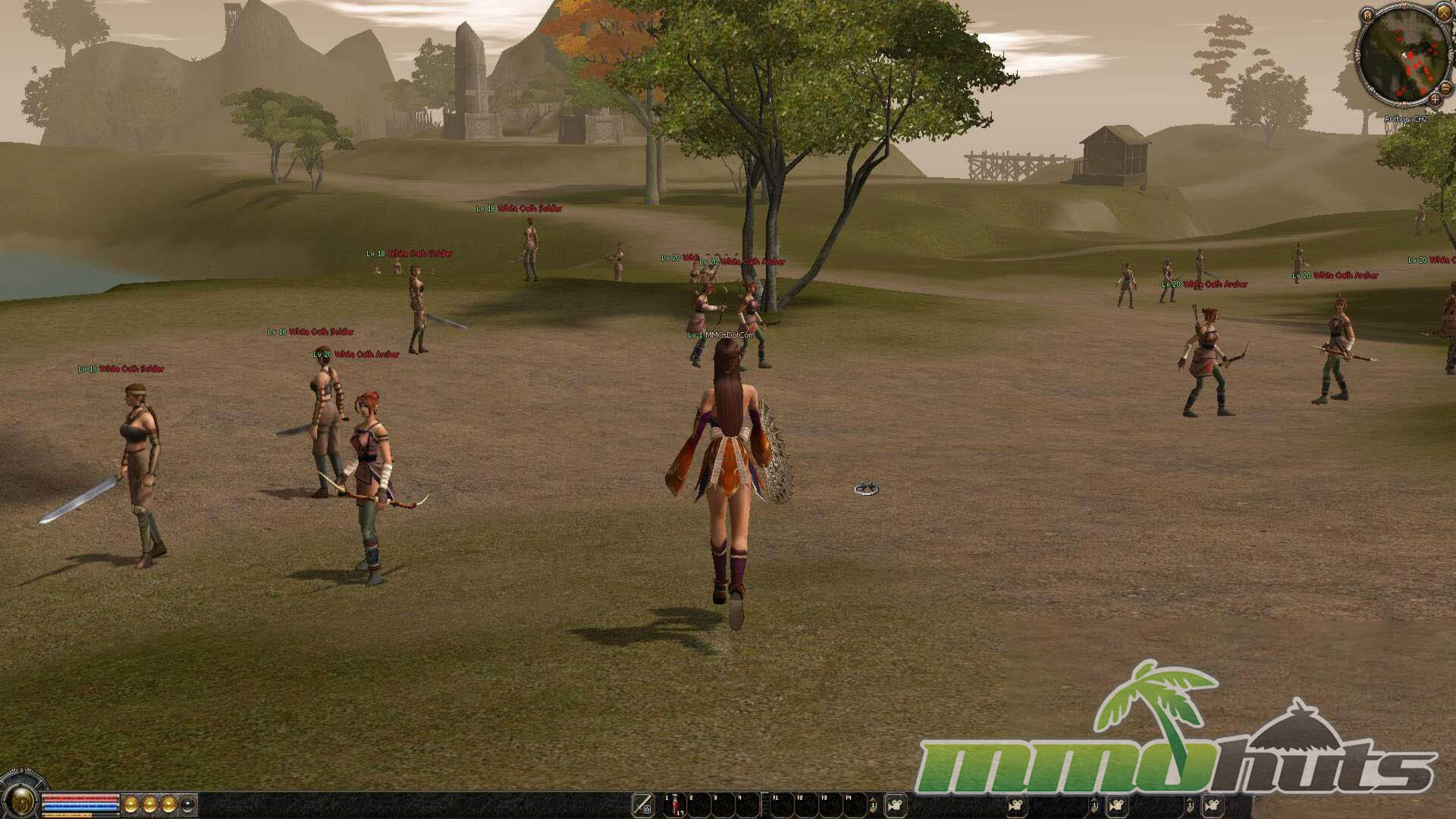
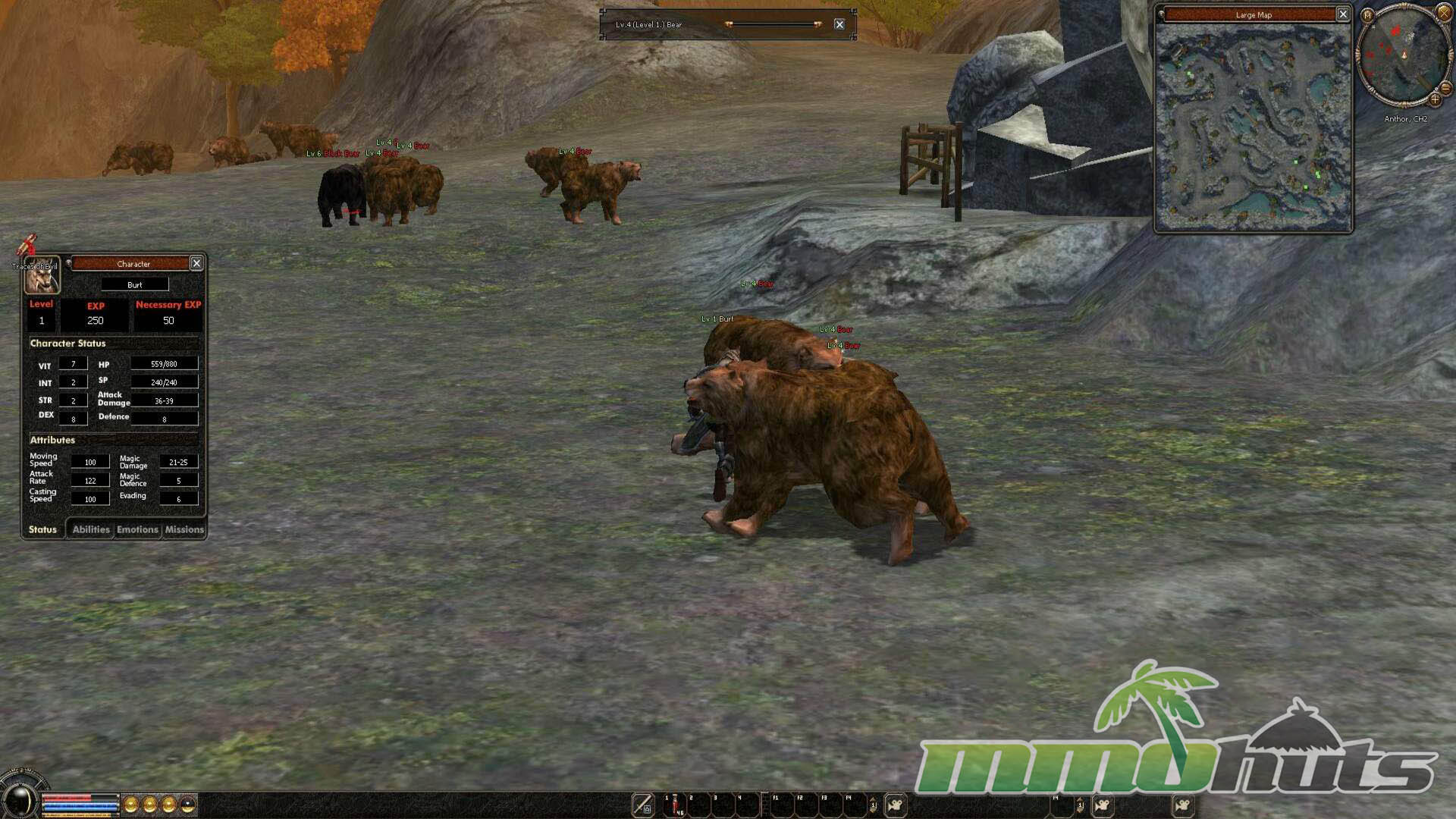
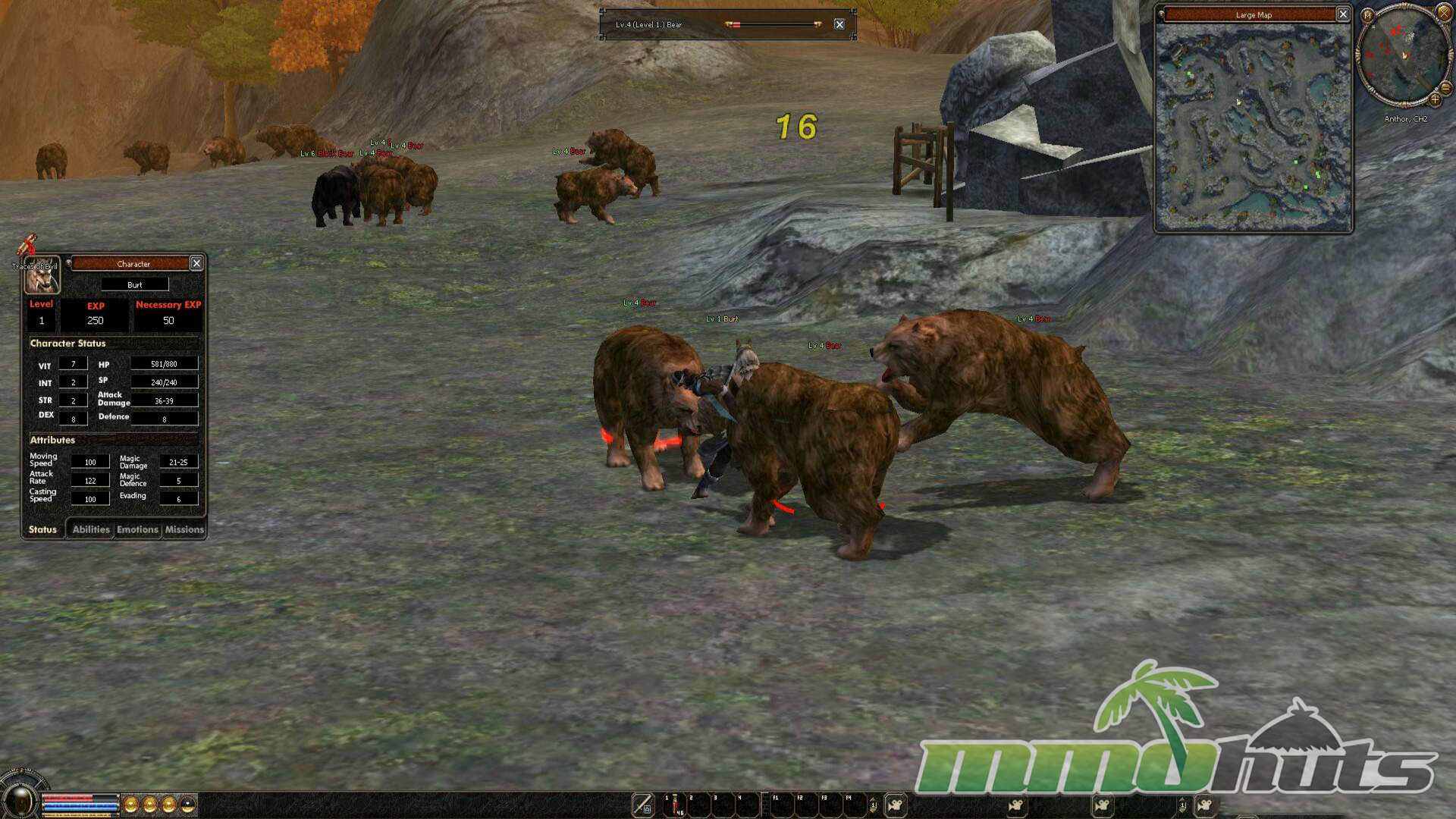
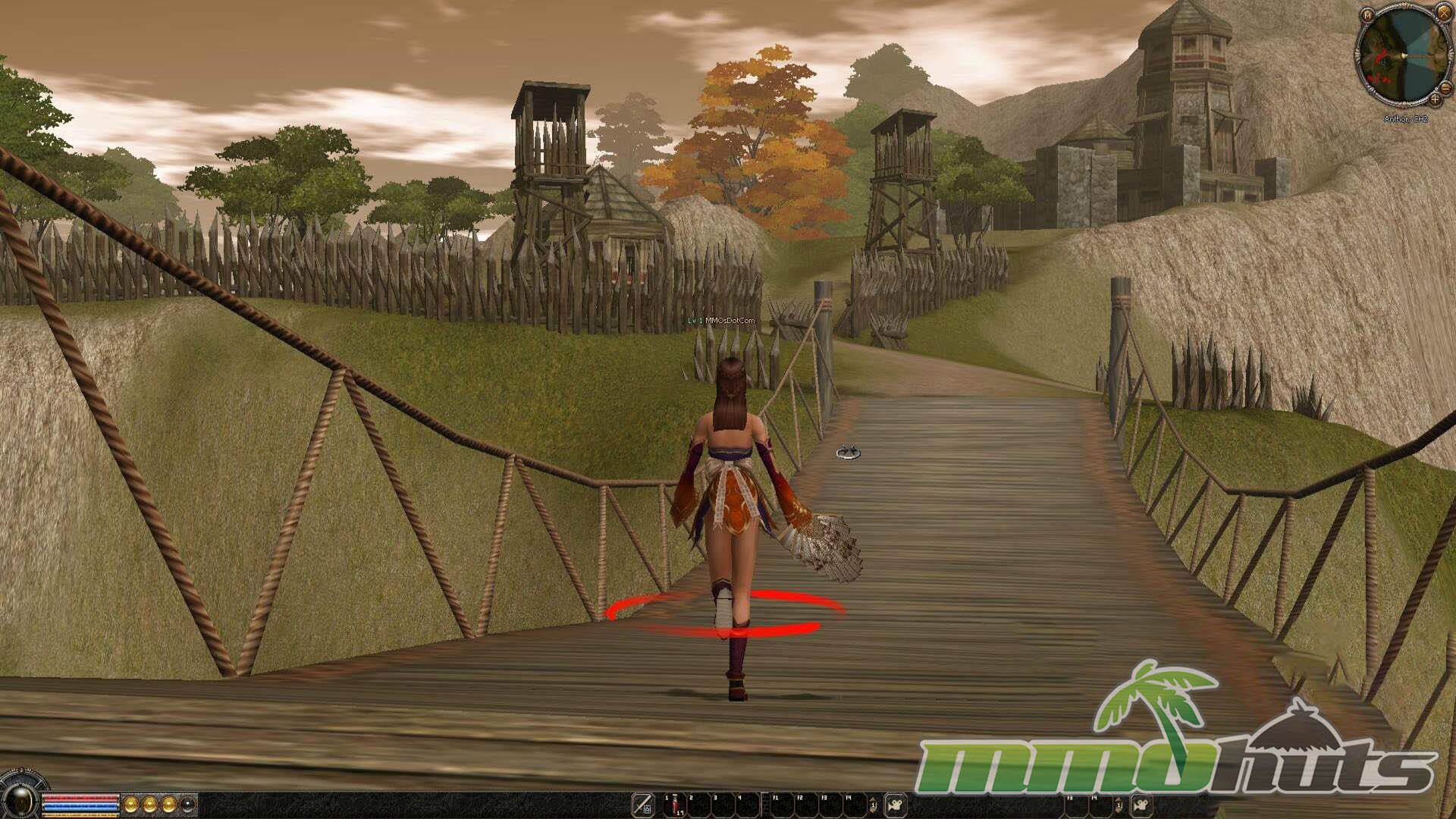
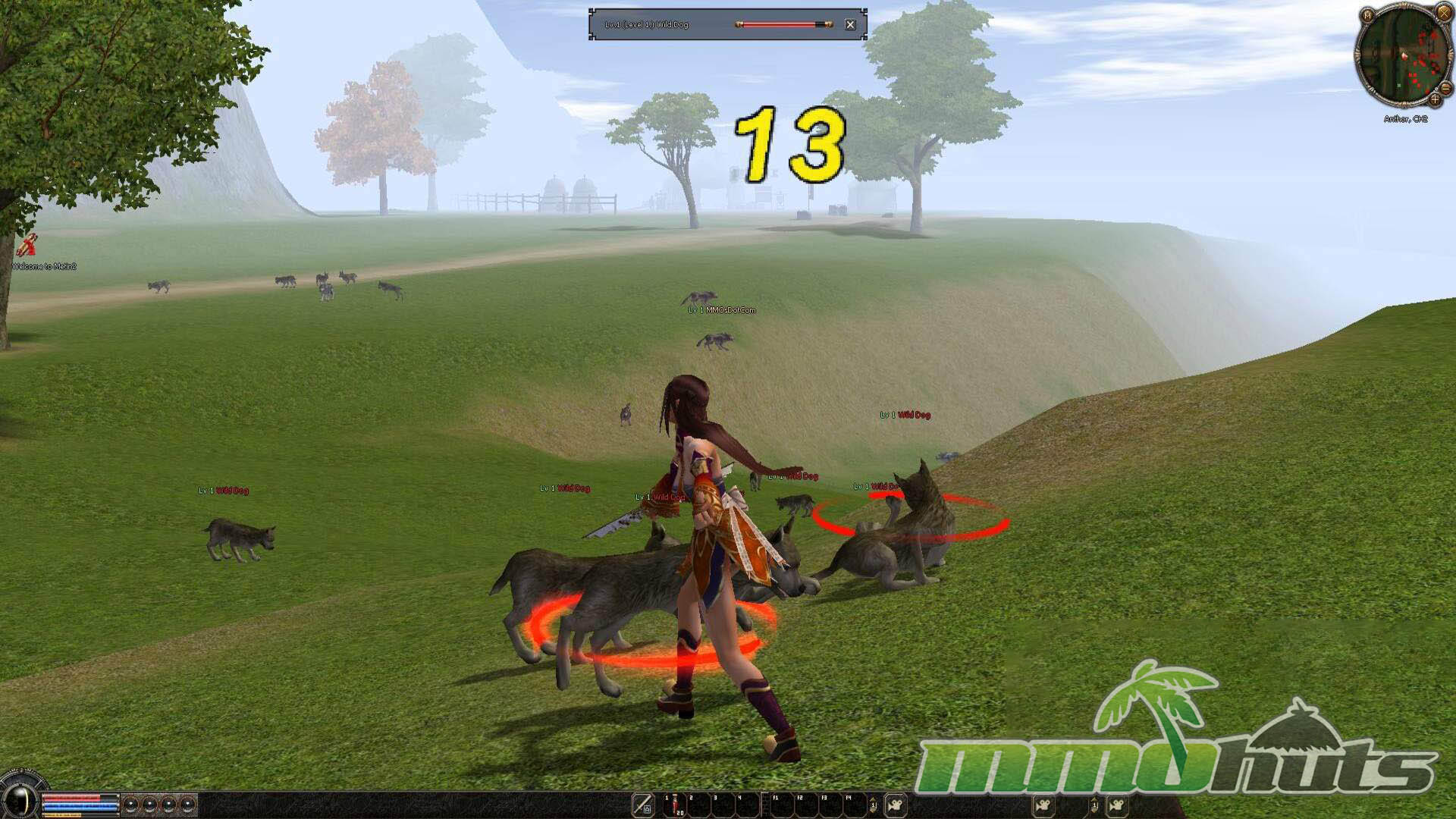

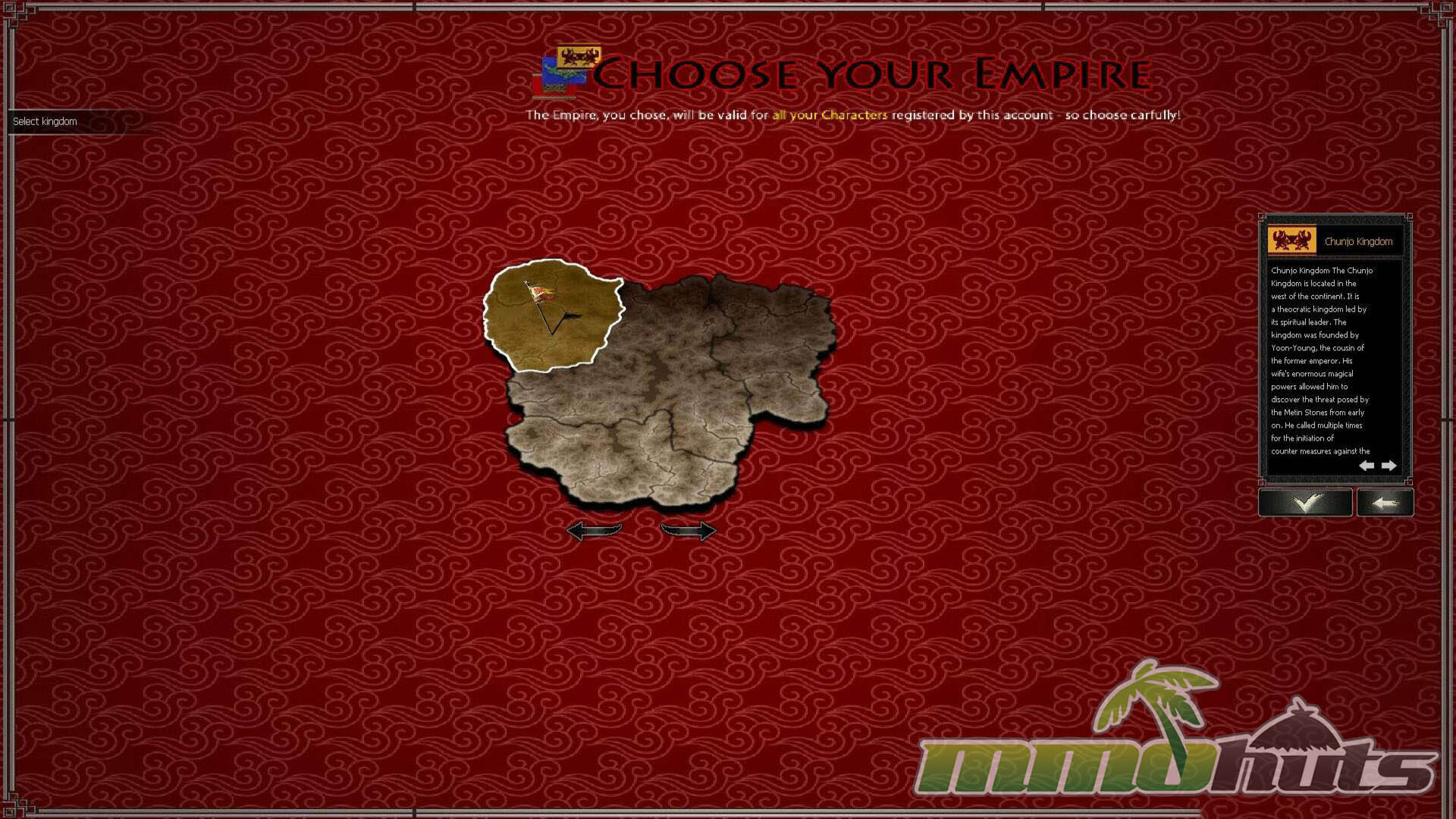
Metin 2 Featured Video

Metin 2 Review
Metin 2 is the kind of MMORPG that feels like a time capsule. It came from an era where long sessions of mob farming were the expected path forward, PvP was a major identity hook, and convenience features were rare enough to be monetized later. That design can be charming if you enjoy older online RPGs, but it also means the game asks for patience right away, especially if you are approaching it with modern MMO expectations.
What surprised me most is that the game’s reputation for action-oriented combat is not entirely nostalgia. Even today, Metin 2 tries to keep fighting more involved than simple hotbar rotations. The issue is that the surrounding systems, visuals, and pacing show their age, and the official servers do not always provide the lively world that helps these older designs shine.
Getting Set Up
Your first major decision is picking an empire: Chunjo Kingdom, Shinsoo Kingdom, or Jinno Kingdom. The choice matters for faction PvP and where you spend your early levels, but the game does not do a great job of giving new players context for what separates them beyond names and general theme. In practice, most newcomers will choose based on aesthetics, friends, or where the population seems to be.
After that, you select one of the five classes: Warrior, Ninja, Sura, Shaman, or Lycan. The lineup covers familiar archetypes, with the Lycan standing out as the more unusual option. Character creation is extremely limited, with basically just gender and a small set of preset looks. If you enjoy making a unique avatar, Metin 2 is not going to meet you halfway, it is more about the build you develop and the gear you earn than how your character looks at level one.
Thrown Into the World
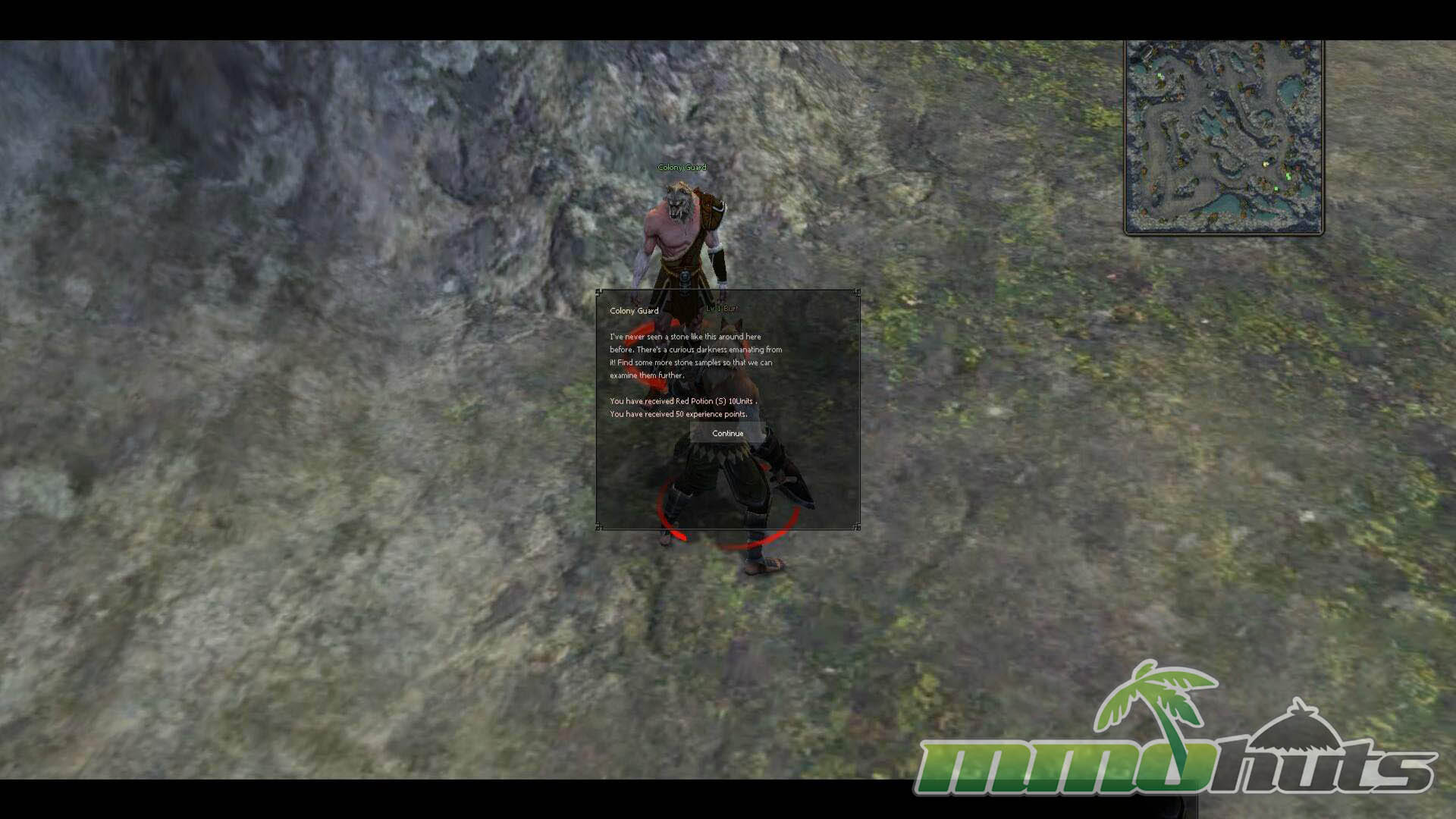
Once you load in, the game quickly points you toward early NPCs and basic tasks, but it still has that older MMO feeling of being dropped into a world that assumes you will figure things out as you go. You are sent between quest givers, asked to thin out local wildlife, and nudged toward the broader premise involving the setting’s mysterious stones, though the storytelling is not the primary focus.
Movement supports both WASD navigation and click-to-move, which is a nice nod to different play styles. The downside is that travel can feel sluggish, and with quests that send you back and forth, the early minutes can be more about jogging across town than making meaningful decisions. In a modern game, you would expect faster pacing or more early tools to reduce downtime, but Metin 2 keeps it simple.
Combat
Metin 2’s combat is split between two main approaches. You can rely on point-and-click targeting and let your character do the work, which is ideal for long grinding sessions. Or you can use the more active control scheme, moving and attacking in a way that feels closer to an early action MMORPG. For its time, that flexibility was a selling point, and it still gives the game a distinct rhythm compared to many tab-target classics.
The active style is not as polished as modern action combat systems, camera control and positioning can feel awkward, and hit feedback is not always clean. Still, it is functional, and it does reinforce the game’s preference for fighting groups rather than single targets. Many monsters cluster tightly, and engaging one often pulls others, which pushes you toward sweeping attacks and constant farming loops.
Leveling and Progression
If there is one thing to know about Metin 2, it is that progression is intentionally grind-forward. Even early levels can feel slow if you are expecting quest chains to carry you. The game frequently asks you to gather drops, clear specific mobs, or interact with objectives that can spawn dangerous swarms. That creates a natural pressure to stop, farm, improve your gear, and come back stronger.
The UI uses a set of orbs rather than a standard experience bar, and as you accumulate experience, you gain stat points in smaller increments rather than only at level-up. It is a neat idea that makes growth feel more continuous, but the interface is also quite small, so tracking your progress at a glance can be harder than it should be.
Overall, Metin 2 rewards persistence more than experimentation. If you enjoy settling into a routine, optimizing your farming spots, and slowly pushing numbers upward, it can be satisfying. If you want constant new mechanics and guided progression, it can feel punishing.
Visuals and Presentation
Metin 2’s graphics are firmly from an older era, with simple terrain, limited environmental detail, and lots of repeated assets. On the upside, that is exactly why it runs well on low-end systems. On the downside, players coming from newer MMORPGs may find the world hard to take seriously, especially when you spend long stretches fighting the same few enemy models with minor color variations.
The character and monster animations are serviceable, and combat is readable enough, but the overall presentation can feel flat. Where the game does better is audio, the soundtrack is competent and helps give zones some identity, even if parts of it feel dated in a way that reflects the game’s age.
Enemy variety is also a weak point. Many zones rely on multiple versions of the same creature type packed into dense areas. It does keep the grind moving, but it also makes the world feel more like a training field than a believable place.
Private Servers
For players who remember Metin 2 fondly, private servers are often where the community energy is strongest. These servers commonly tweak experience rates, adjust drop tables, and sometimes shift the focus further toward PvP. They can also feel more social, since many players there are veterans who already understand the game’s systems and are specifically looking for that classic loop.
Of course, the quality and stability of private servers can vary, and language barriers can be a factor depending on where a server is hosted and who it is aimed at. Still, if your goal is to find a more active environment than the official servers provide, private servers are worth researching.
PvP
PvP is one of Metin 2’s defining features, at least in concept. You can duel other players, participate in conflict between kingdoms, or opt into a mode that makes you attackable more broadly in the open world. That layered approach gives PvP different levels of commitment, from controlled fights to riskier roaming encounters.
The practical challenge is population. With a low playerbase on official servers, it is not always easy to find consistent PvP action at the levels where it matters. There is also a progression gate, you need to put in time before you can access the full range of PvP options. If PvP is the main reason you are interested, you will likely have better luck finding it on a community server where players are specifically there for fighting.
Cash Shop
Metin 2 includes an item shop that sells a mix of cosmetics, convenience items, and short-term power boosts. Some purchases smooth out common friction points, like collecting currency or accelerating leveling, while others provide temporary stat improvements through rings, amulets, and similar items.
It is not the most extreme pay-to-win setup in the genre, but it does create a noticeable gap between players who spend and those who do not, especially when the underlying game already demands long grind sessions. In a title built around repetition, anything that shortens that repetition can feel significant.
Final Verdict – Fair
Metin 2 still has a clear identity, faction-based PvP, a grind-centric progression model, and combat that tries to be more active than many MMORPGs of its generation. The problem is that much of the surrounding experience feels thin today: visuals are dated, enemy variety is limited, and the pacing can be exhausting unless you genuinely enjoy long farming sessions.
For returning players with nostalgia, or for anyone planning to join an active private server community, Metin 2 can still deliver the specific style of MMO it was built to be. For most new players looking for a modern, content-rich MMORPG, it is difficult to recommend outside of curiosity and genre history.
Metin 2 Links
Metin 2 Official Site
Metin 2 Steam Page
Metin 2 Wikipedia
Metin 2 Reddit
Metin 2 Wiki [Database/Guides]
Metin 2 System Requirements
Minimum Requirements:
Operating System: Windows XP, Windows Vista, or Windows 7
CPU: Pentium 4 1.5GHz or Athlon XP 1700+
Video Card: GeForce 3 Ti 500 or Radeon 8500 Series 64MB
RAM: 512 MB
Hard Disk Space: 2 GB
Metin 2 Music & Soundtrack
Metin 2 Additional Information
Developer(s): Ymir Entertainment (now owned by Webzen Games)
Original Release Date: 2004 (Korea)
Release Date: June 29, 2007
Development History / Background:
Metin 2 was developed by Ymir Entertainment and launched in Korea in 2004. It followed the earlier 2D MMORPG Metin, which used a top-down perspective similar in feel to games like Ultima Online, and that original title was never officially localized into English. Over time, Metin 2 expanded internationally across Europe, the United States, Singapore, and other regions, building a large global registration base and reporting strong monthly activity at its peak. Webzen Games acquired Ymir Entertainment on January 26, 2011.
Publishing for Metin 2 in North America changed hands over the years. It was published by Subo Games (also associated with Prison Tale), then by Z8 Games, and later by Gameforge. Webzen is known for a variety of free-to-play MMORPGs, including Flyff, Age of Wulin, Archlord 2, and Sevencore.