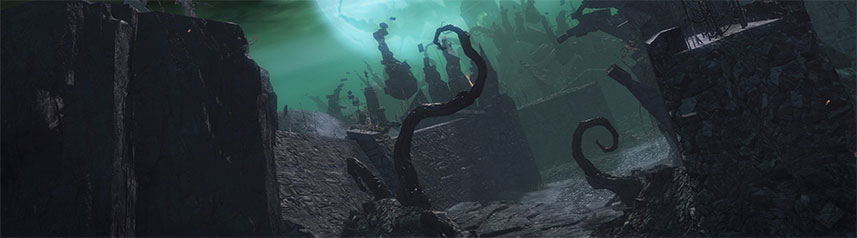
Archlord 2 is a PvP-driven 3D fantasy MMORPG set in Chantra, a parallel take on the world from the original Archlord. Built as a spiritual follow-up, it leans hard into faction conflict, letting players pledge themselves to either the Azuni or the Crunn and work toward large-scale warfare that can reach 200 vs 200.
 | Publisher: Webzen Type: MMORPG Release Date: July 8, 2014 (NA/EU) Shut Down Date: November 24, 2015 PvP: Open World / Duels / Battlegrounds / Arena Pros: +Massive battles that scale up to 200 vs 200. +Flexible weapon-based roles instead of fixed classes. +Memorable soundtrack and strong presentation. Cons: -Story and questing rarely stand out. -Cash shop influences power and progression. |
Archlord Shut Down on November 24, 2015
Archlord 2 Overview
Archlord 2 launched in 2014 as a 3D fantasy MMORPG with a clear priority: get players into faction conflict and keep them there. The game takes place in Chantra, positioned as a parallel-world interpretation of the setting fans might recognize from the first Archlord. The central choice is faction, Azuni or Crunn, and that decision affects which races you can play.
Although the game is playable as a traditional PvE grinder, its identity is tied to player conflict. PvP becomes available starting at level 40, at which point the game expects you to stop thinking purely in terms of quest routes and start preparing for skirmishes, battleground schedules, and contested zones.
Instead of locking characters into rigid classes, Archlord 2 begins with four broad archetypes, then pushes you toward a weapon-based skill approach where your loadout defines your role more than a class label.
Archlord 2 Key Features:
- Weapon-defined roles – rather than choosing a permanent class, your skill access is determined by what you equip, including 2H Swords, 1H Swords, Pistols, Crossbows, and Staves.
- Base + Weapon progression – advancement is split into base levels and weapon levels. Base levels grant stat points (Str, Int, Agi, Sta, and Spr), while weapon levels provide skill points tied to your chosen armaments.
- Faction based PvP – side with either Azuni or Crunn and fight for dominance, including very large-scale battles that can reach 200 vs 200.
- Polished presentation – strong visuals for its era, a clean interface, and audio that adds weight to combat and war scenarios.
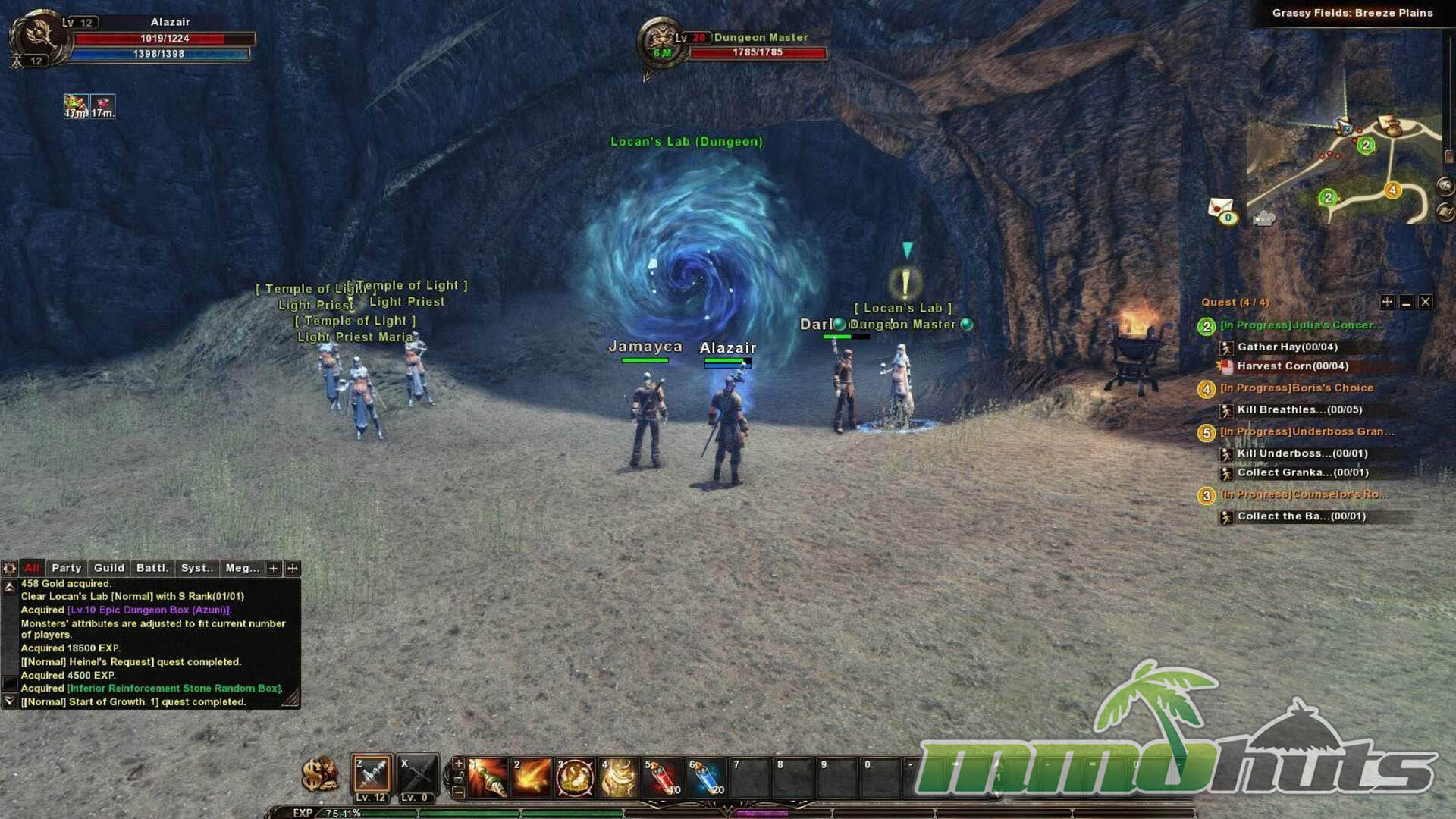
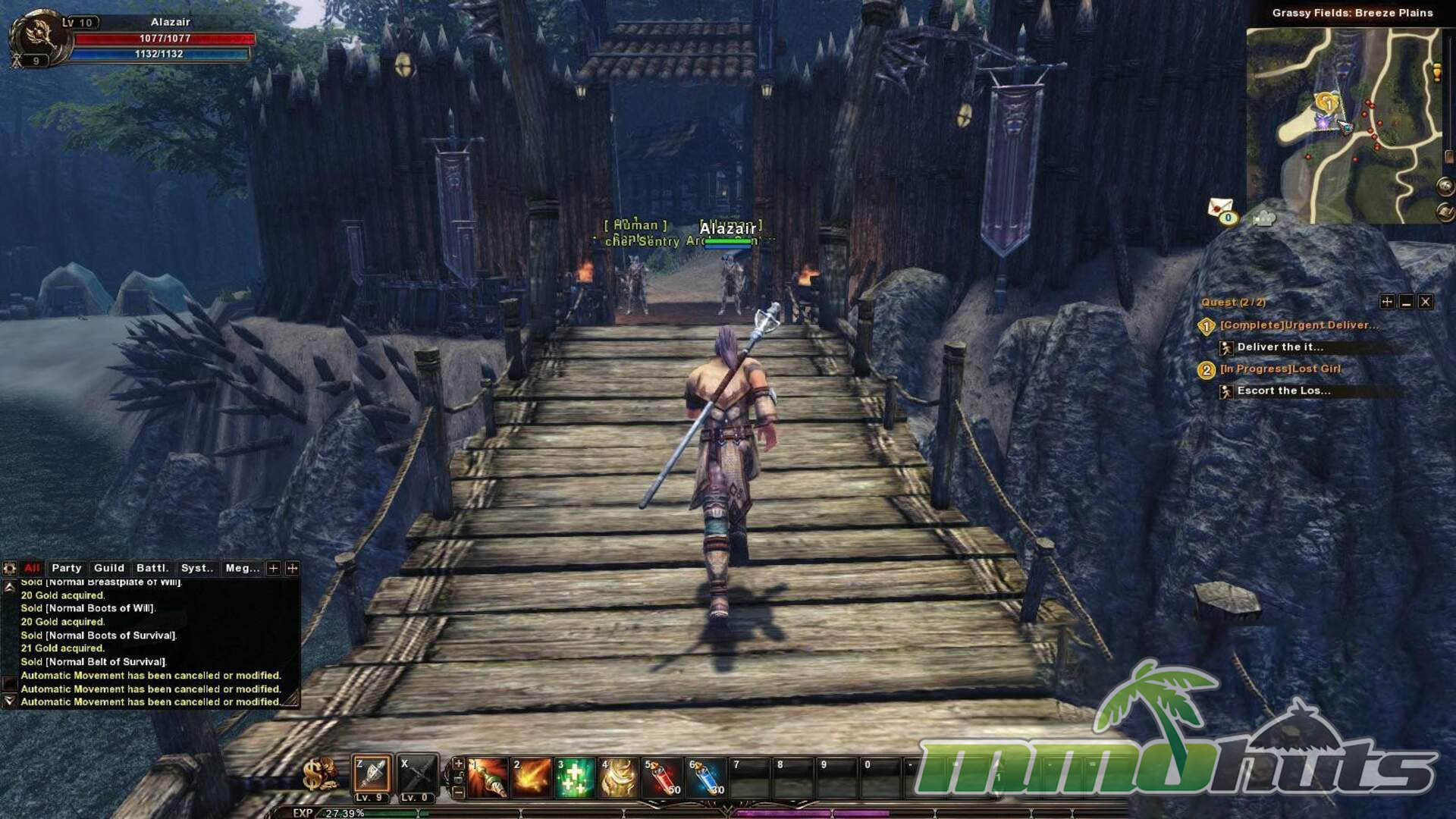
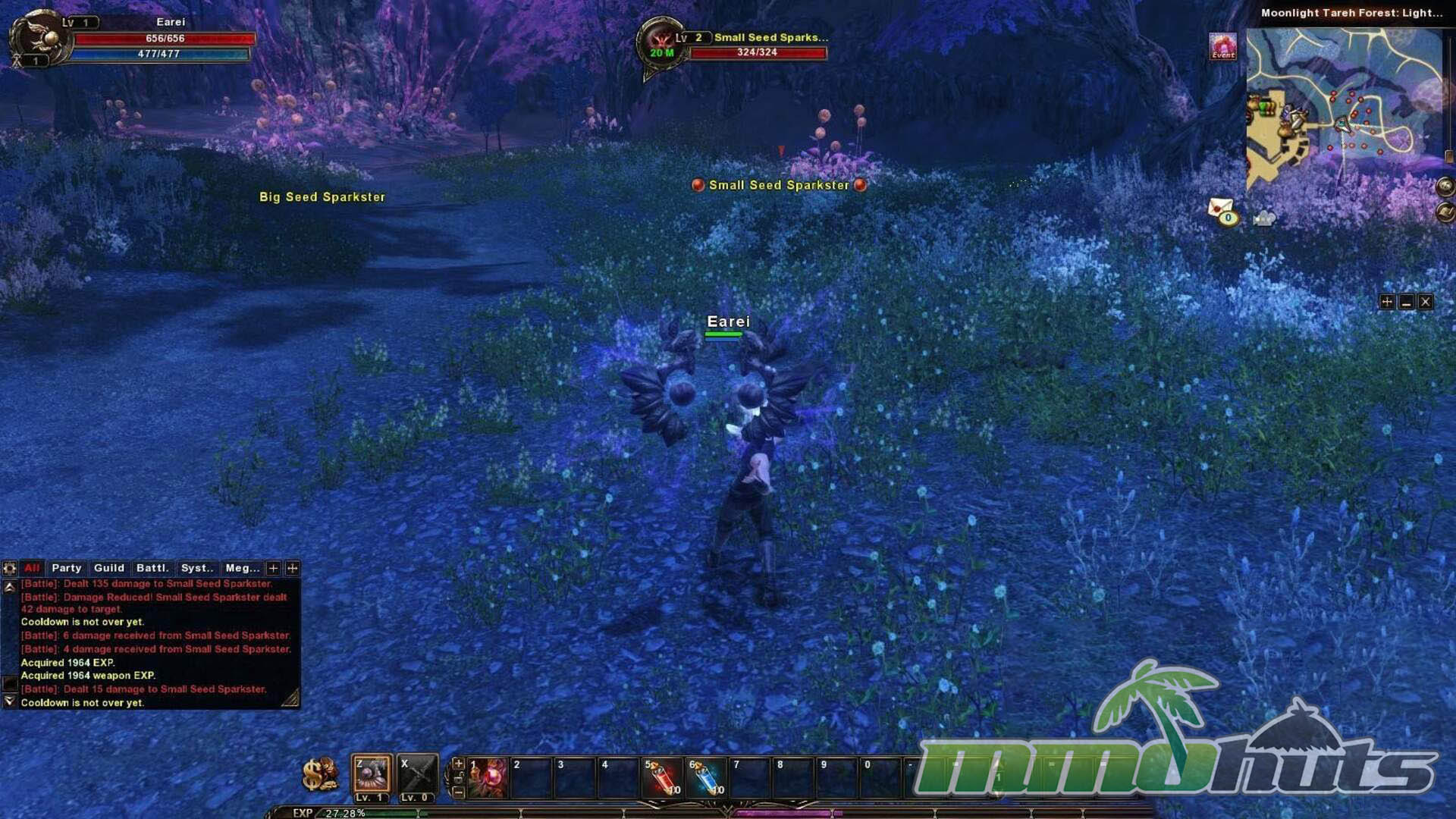
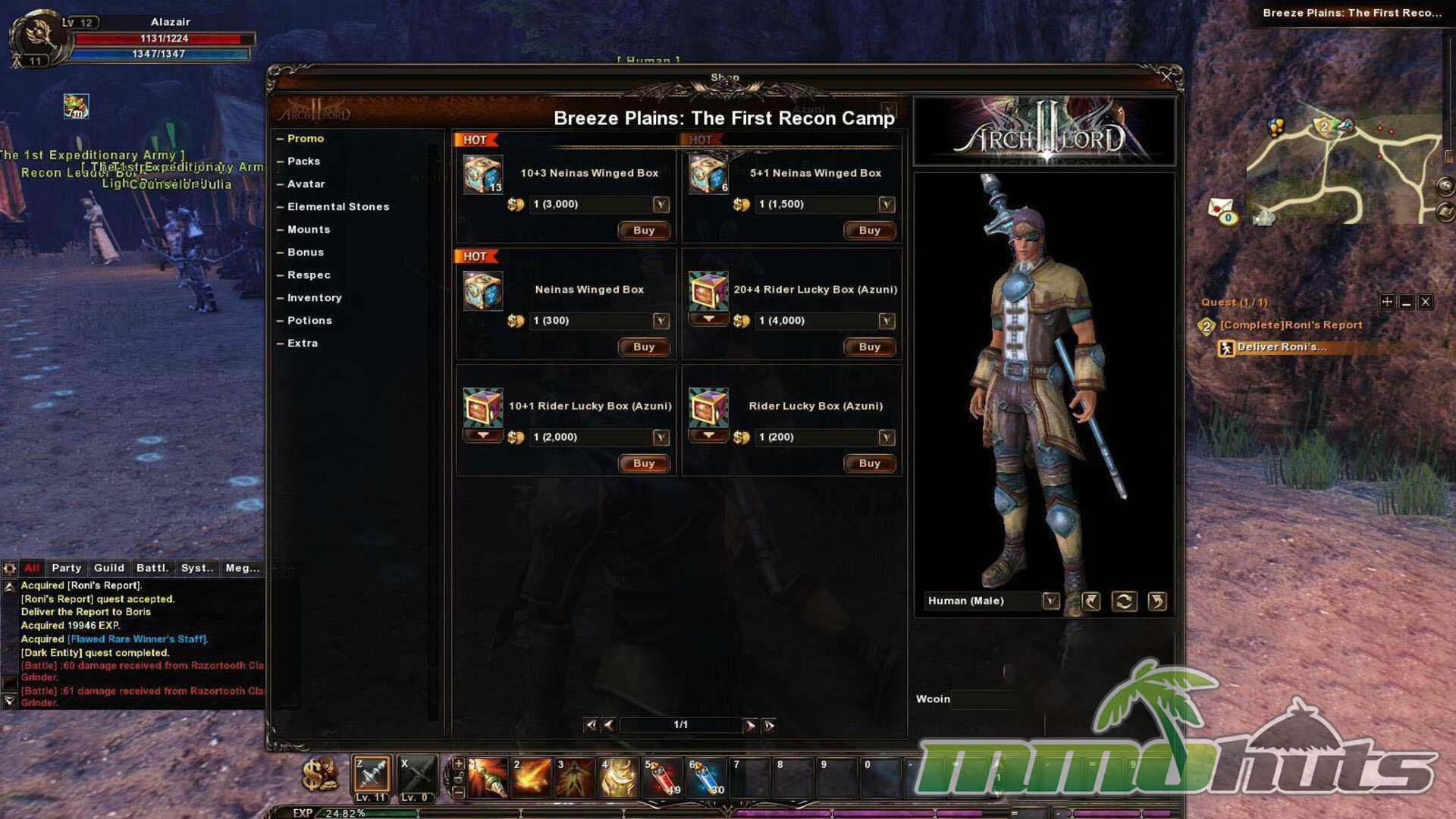
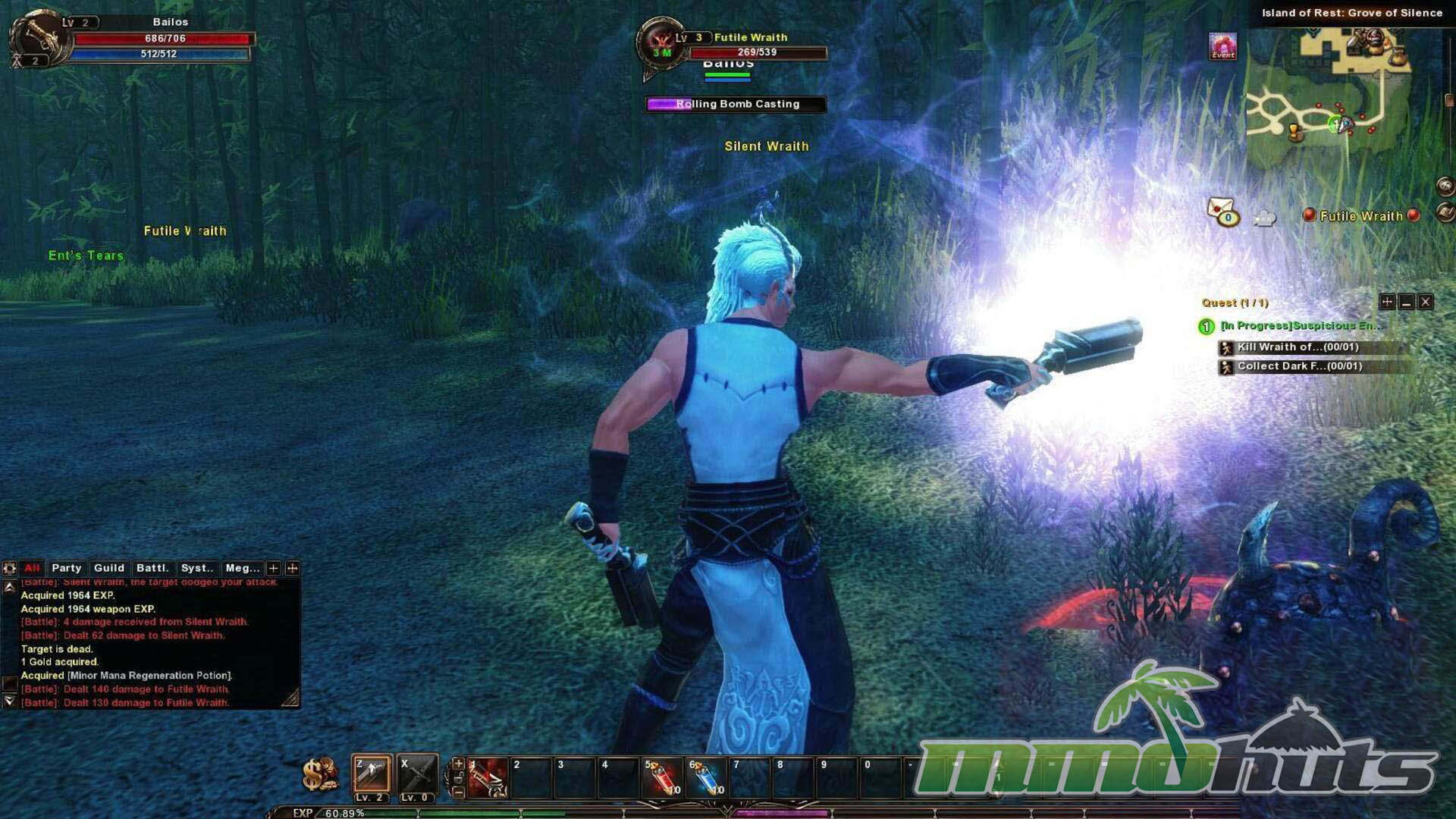
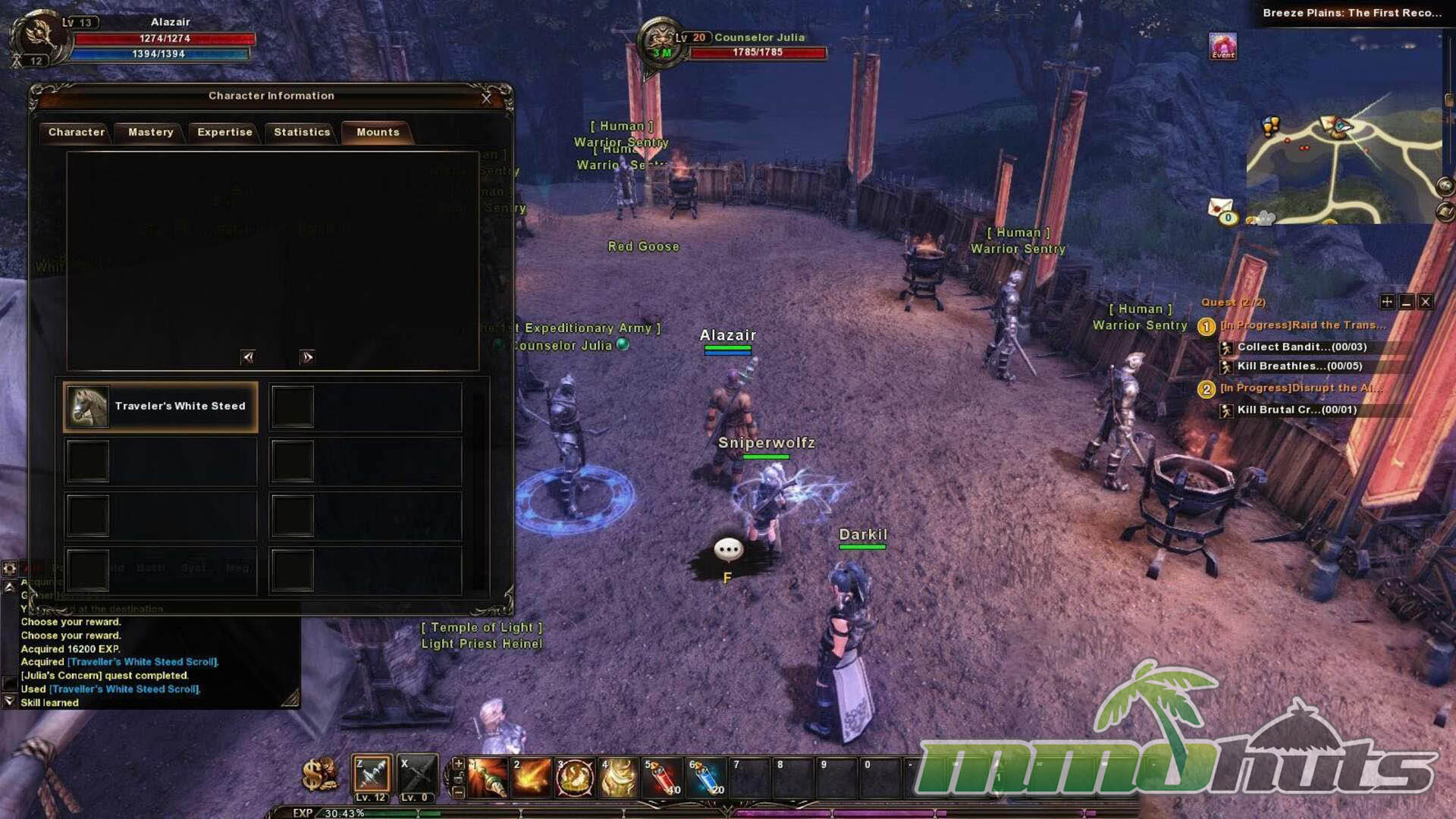
Archlord 2 Screenshots
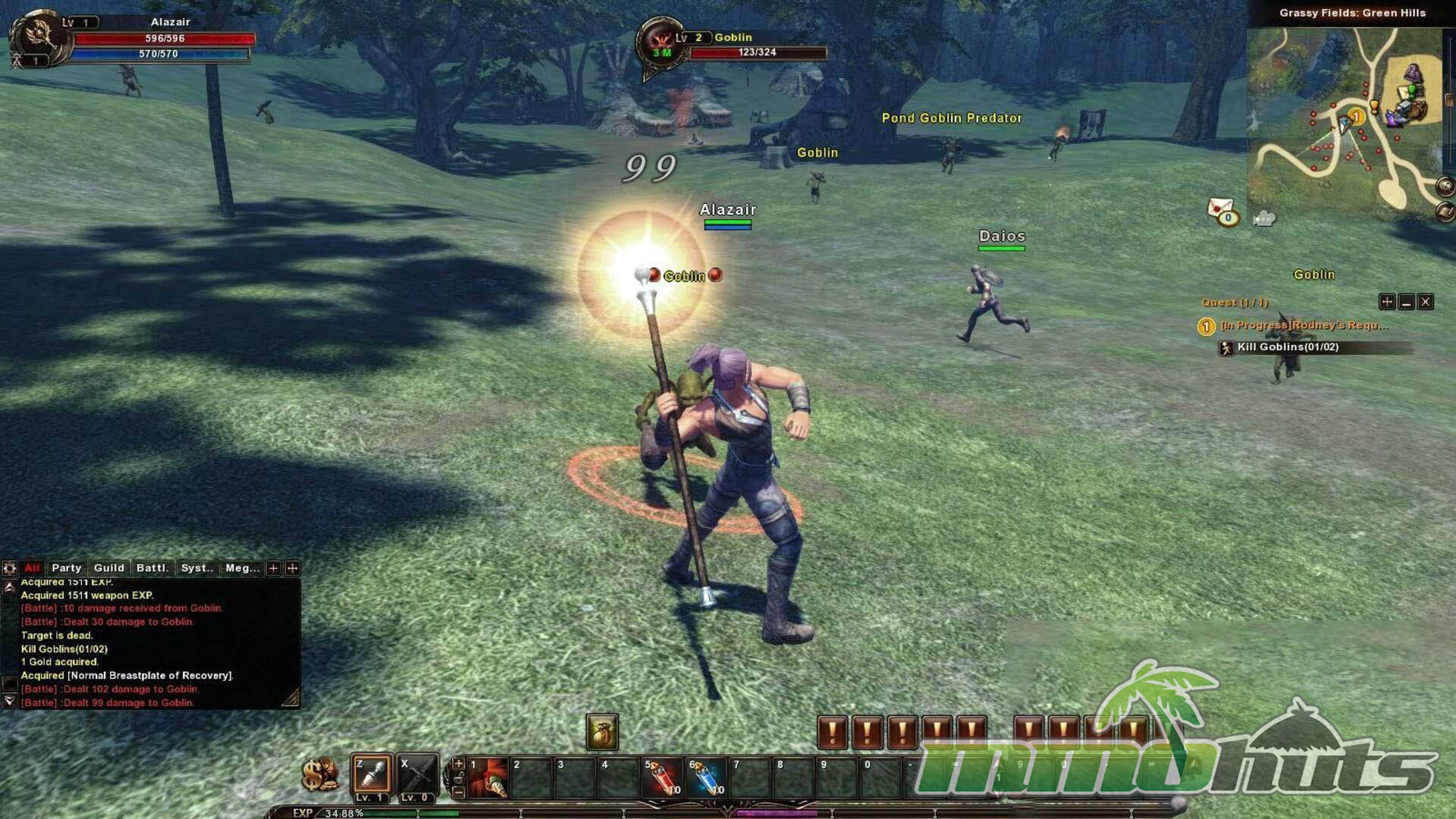
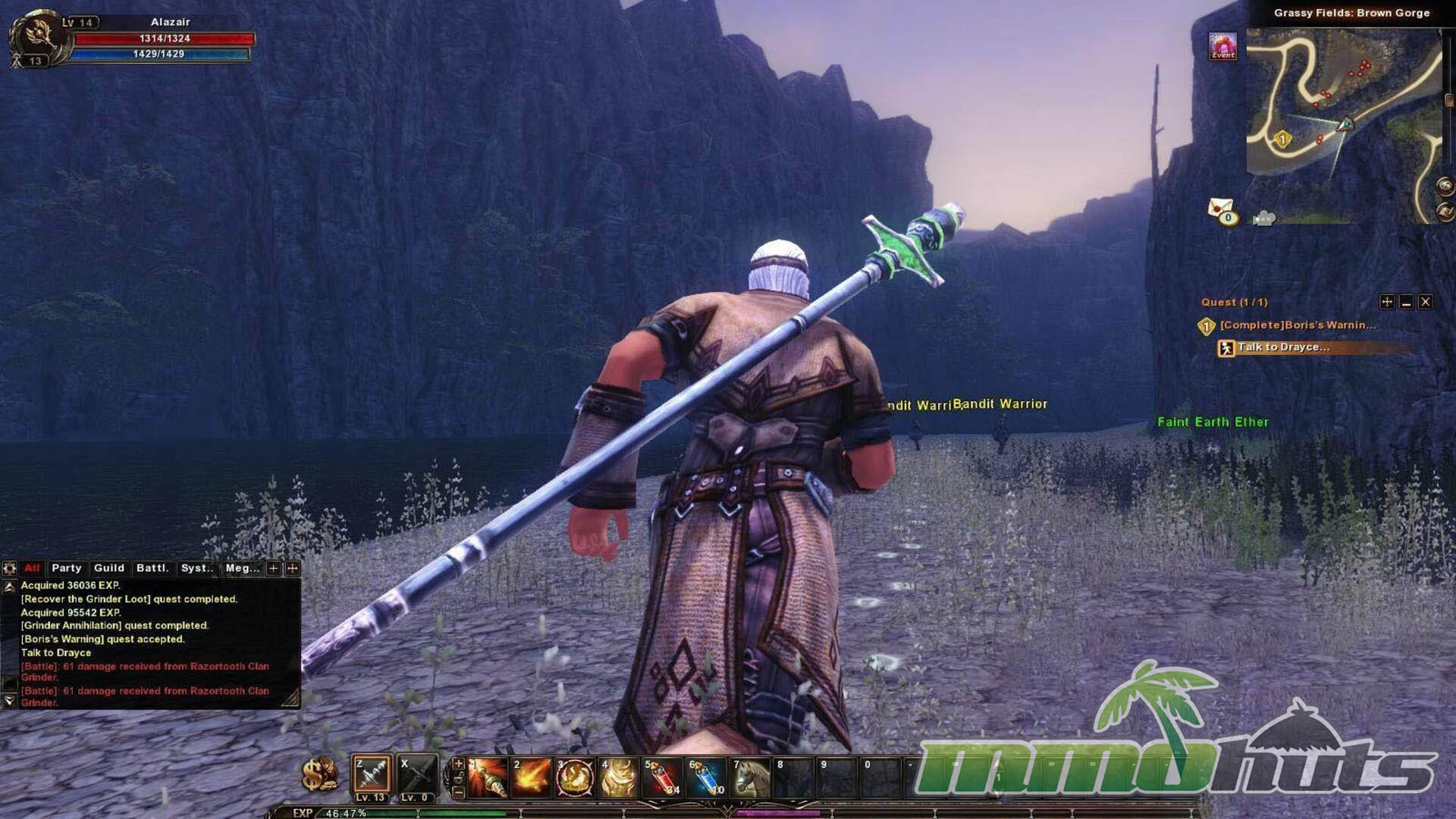
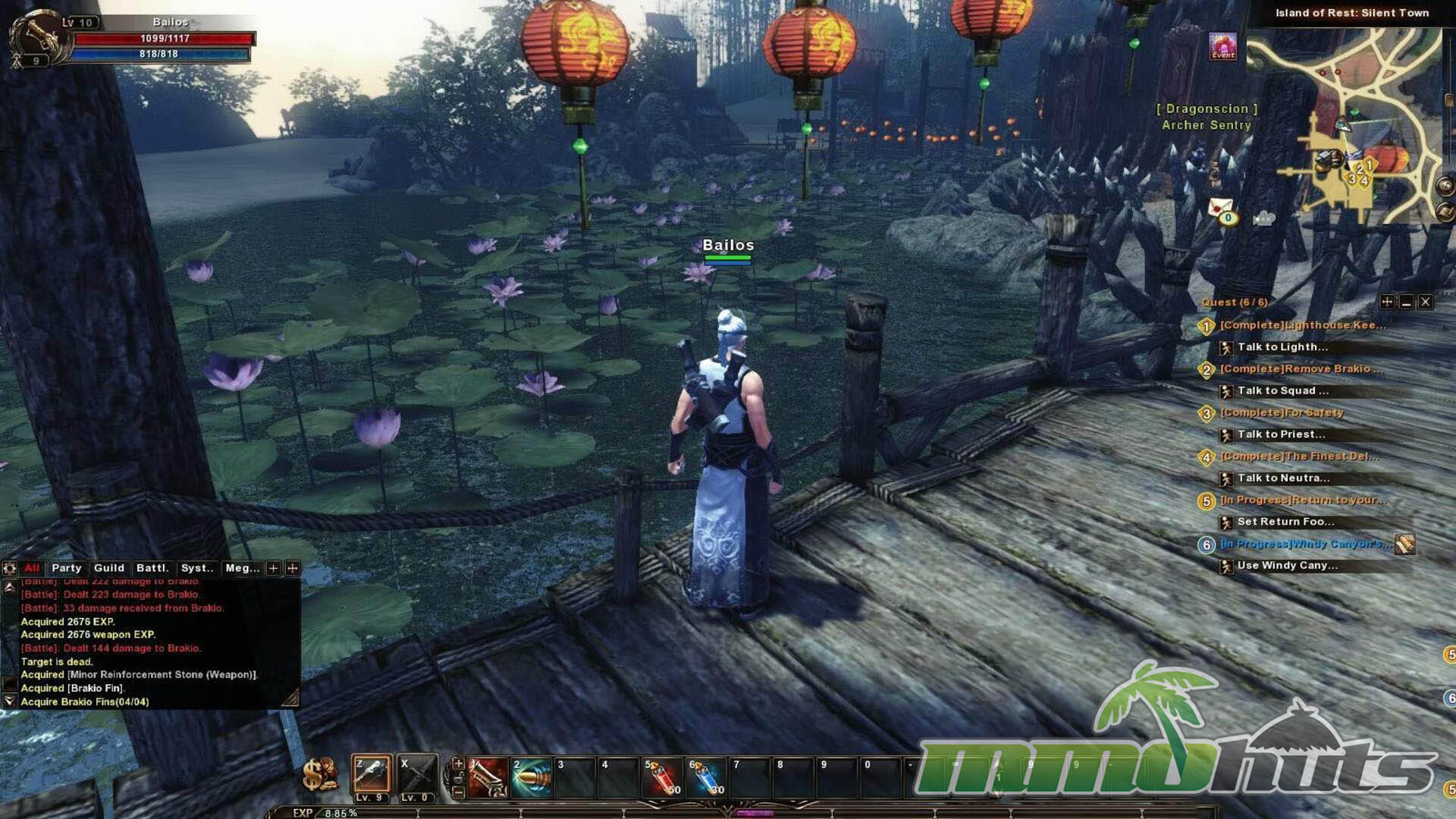
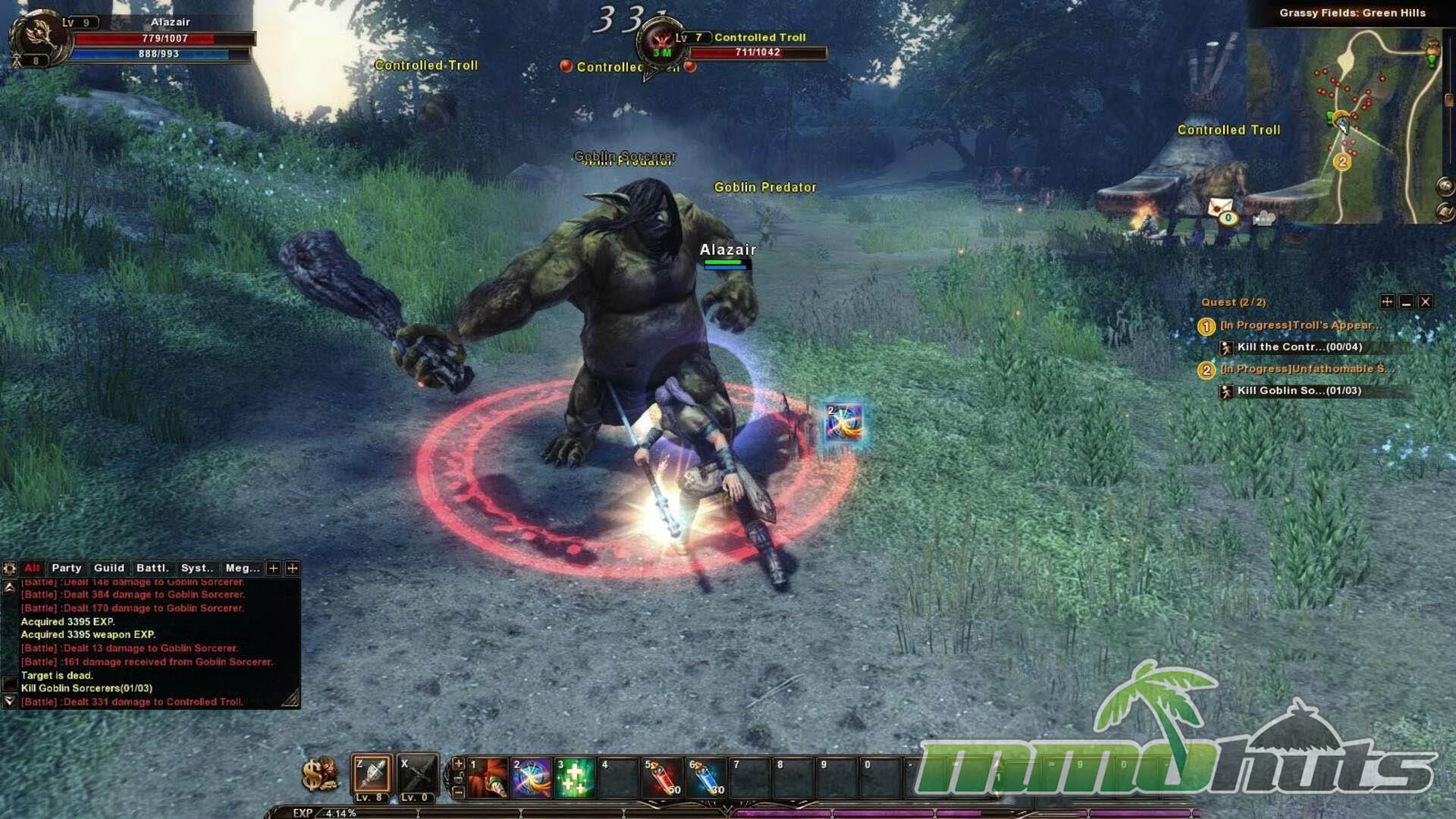

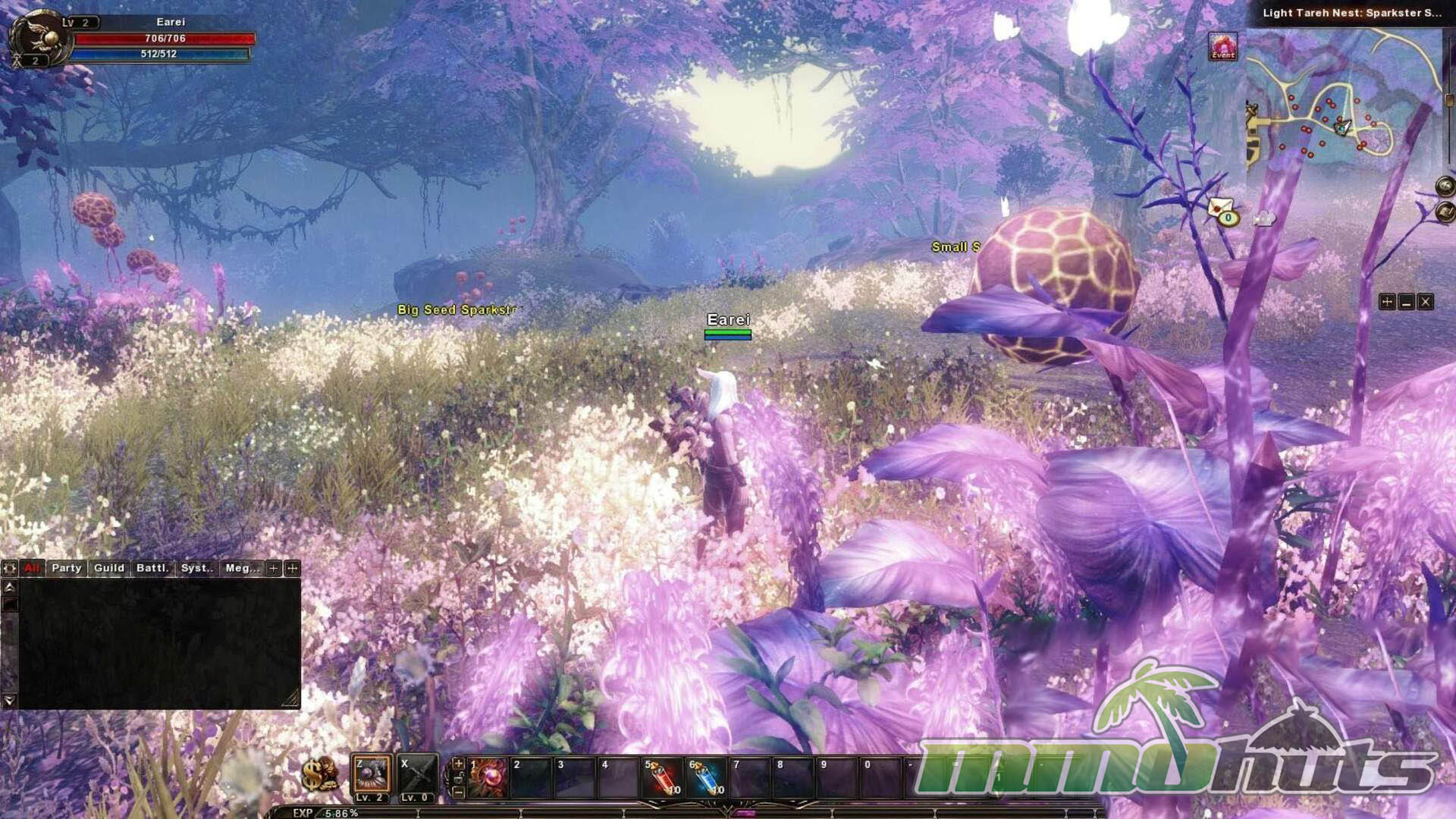
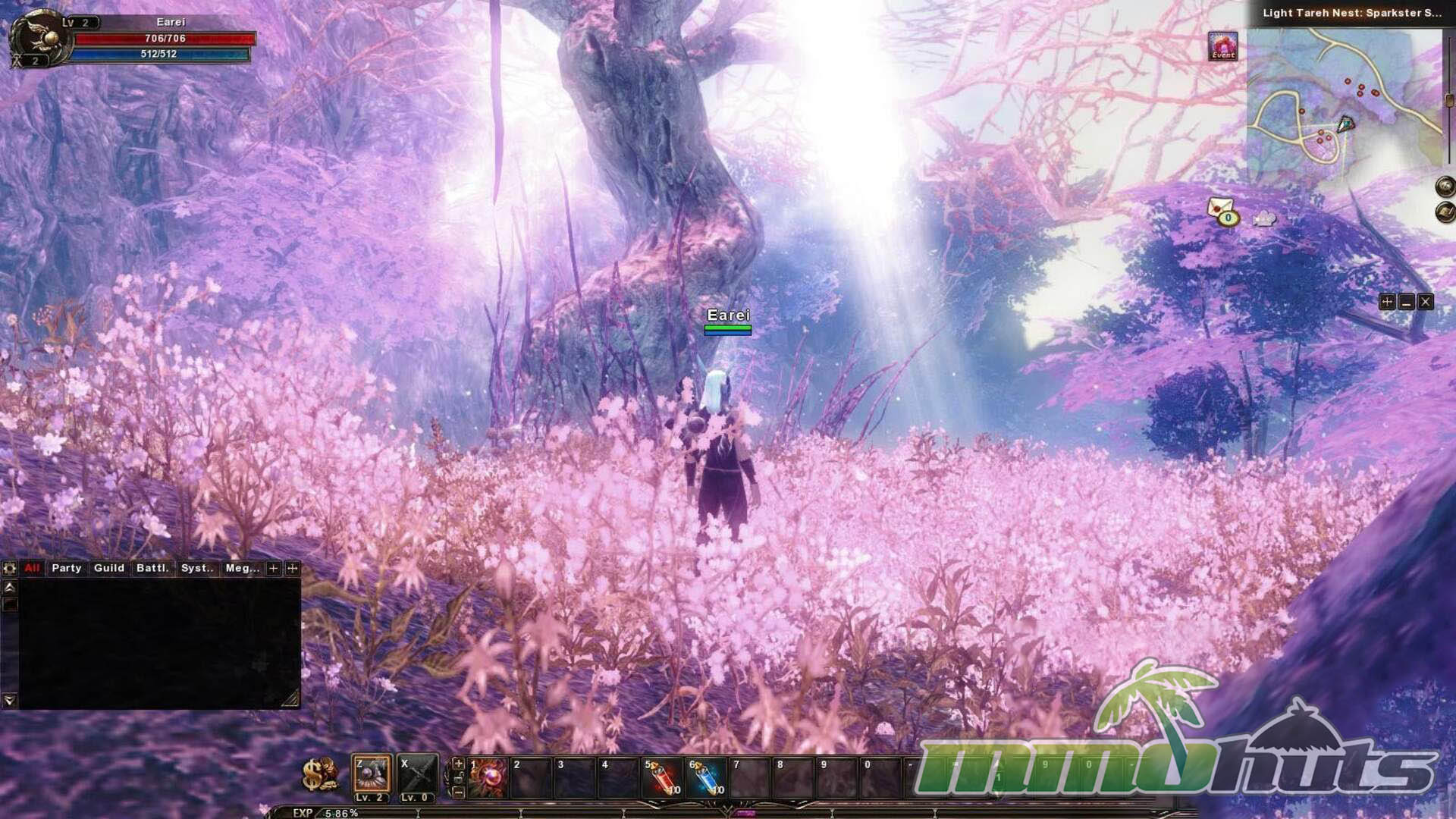
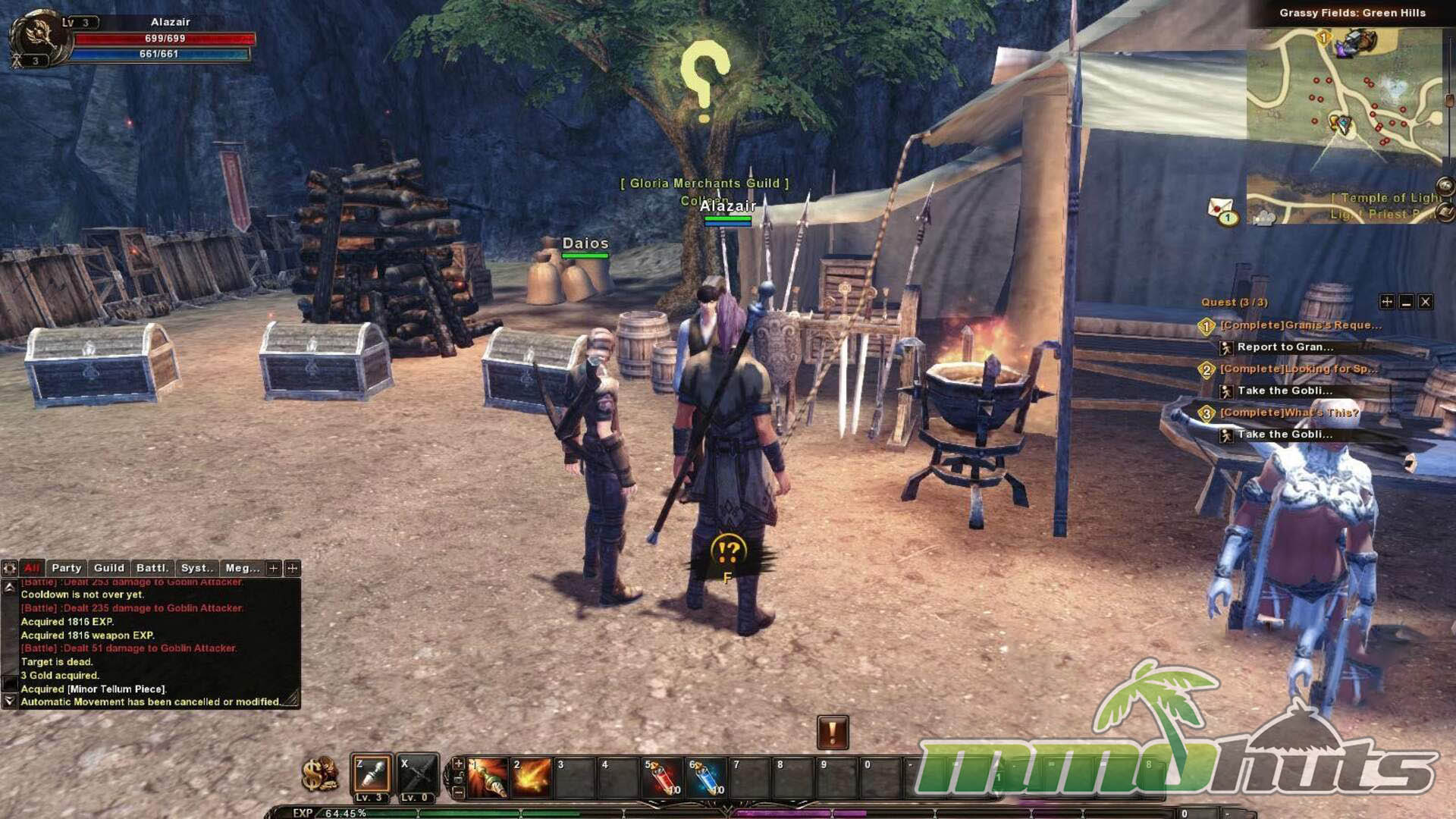
Archlord 2 Featured Video

Archlord 2 Classes
Even without strict classes, Archlord 2 still nudges players into familiar MMO jobs through its archetypes and weapon options. In practice, most characters end up fitting one of these roles depending on build and equipment:
- Tanks are built to absorb punishment and hold the front line. They lean on high defense and protective play, with Humans using sword and shield and Orcs using lances and shields.
- Melee DPS focus on heavy, close-range damage, typically with large two-handed swords. Their kit emphasizes strong offensive skills and sturdier health pools so they can stay engaged in brawls.
- The Ranged DPS fights from distance, Humans with crossbows and Orcs with bows. Their toolkit tends to be flexible, mixing damage with traps or control to keep opponents at arm’s length.
- Mages can be shaped in two general directions. Staff or wand users lean more toward support and healing with some damage, while orb or pistol setups push the magical kit toward ranged offense.
Archlord 2 Review
Archlord 2 is a 3D fantasy MMORPG developed and published by Webzen, released July 8, 2014. Its defining hook is PvP, supported by a weapon-driven progression system that makes role switching far less restrictive than in most traditional class-based MMOs. On the presentation side, it aims for a harsher, more grounded look than the bright theme-park style many fantasy MMORPGs prefer, and it features a soundtrack by Cris Velasco (known for work heard in franchises like God of War and Mass Effect 3).
Getting Started
Character creation offers more flexibility than you might expect from a PvP-focused MMO of its period. Even though factions limit race selection, the customization tools for height, body proportions, facial features, and eye color help reduce the sense that everyone is a clone in the early zones.
At launch, faction choice also effectively meant committing to one side per server. Later, the Eternal Strife expansion (released December 15, 2014) introduced the Moonelf and Dragonscion races and also allowed players to create characters for both factions on the same server, which made experimenting with the opposing side much easier.
In moment-to-moment play, Archlord 2 supports both click-to-move and WASD movement, so it accommodates different MMO habits. Questing is streamlined as well, with navigation assistance that can move your character toward objectives, keeping the early game focused on fighting and leveling rather than getting lost in the world.
Early Progression and Learning the Systems
The opening stretch is fairly direct: you follow quest lines that mostly funnel you between grinding areas, with the world doing only a modest job of teaching the deeper systems. The part that quickly stands out is progression, because it is split into two distinct tracks.
Base levels provide stat points for five attributes, while weapon levels provide skill points that unlock and strengthen weapon-specific abilities. This structure encourages testing different weapons early, but it also creates a long-term consideration: if you commit too heavily to one stat direction, swapping to a completely different role later can feel inefficient.
That problem is sharper because stat points cannot be freely redistributed without spending money through the cash shop. With a level cap of 60 (as of this review), there is limited room to make major stat detours without affecting PvP performance later. Webzen raised the cap to 60 with the Stardust land update on June 16, 2015, which helped, but it did not eliminate the underlying tradeoff.
The system does reward smart planning. Roles that share core stats pair well for weapon swapping, for example Strength builds can pivot between Tank and Melee DPS more naturally than a build trying to jump between heavy melee and Intelligence-driven magic. The game also makes swapping practical in combat by allowing weapons to be assigned to the Z and X keys. When you change weapons, your skill bar changes with it, which makes adapting to team needs much smoother than in MMOs where respeccing is a full rebuild.
Weapon choice at character creation matters too. Your starting weapon receives bonus skills and earns two skill points per level, while secondary weapons gain one per level. Over time, this creates a clear “main weapon” identity even if you still keep a secondary option for flexibility.
PvP Focus
PvP is the feature Archlord 2 is built around, and it is where the design feels the most confident. The game offers multiple ways to fight other players, ranging from quick duels to structured arena play and large faction battles.
Duels work in the expected MMO fashion, allowing players on the same faction to test builds and mechanics without the chaos of an open conflict zone.
Contested areas provide a more open faction-war feel, similar in concept to how some MMORPGs treat mixed-faction quest zones. A useful restriction here is that these areas are level-locked, which reduces the classic problem of high-level players endlessly hunting low-level characters. The zones are divided into ranges (level 5-10, 15-20, 25-30, and 35-41), and once a player hits the level cap they cannot enter them at all. It is not a perfect solution, but it does keep the fights more competitive within each bracket.
Skirmishes unlock at level 30 and serve as the first major structured PvP step. These are 5 vs 5 matches across three arenas with distinct goals. Aquila Arena is a straightforward race to a kill target, Land of Red Tears revolves around destroying the enemy Sentry before yours falls (a structure-focused mode with a MOBA-like flavor), and Valley of Cries is a control-point mode where holding relic zones accelerates scoring.
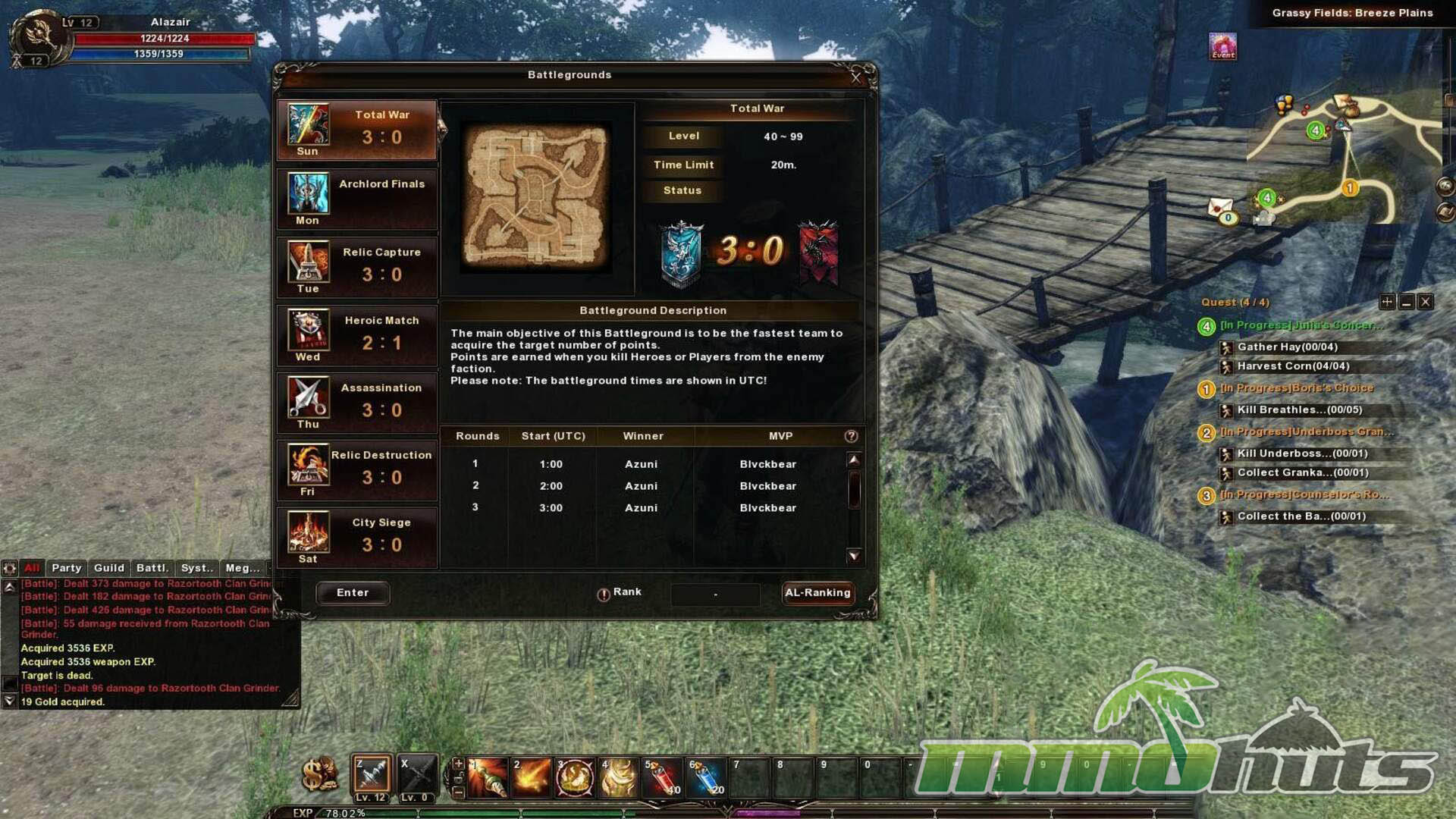
Battlegrounds are the headline activity and the place where the game’s faction theme comes alive. There are seven modes scheduled across the week, and the scale can become enormous, including battles that reach 200 vs 200. The variety helps prevent the endgame from collapsing into a single optimal queue.
The weekly rotation includes Relic Capture on Monday (a multi-point control mode), Heroic Match on Tuesday (kill count victory), Assassination Battle on Wednesday (targeting the opposing leader NPC), Relic Destruction on Thursday (objective demolition), City Siege on Friday (split into alternating offense and defense for each faction), and Total War on Saturday (a straightforward battle for points through kills).
Sunday is the capstone. Performance throughout the week awards battleground points, and the Top 60 players are invited into a free-for-all. The winner becomes the Archlord of the server, a title that comes with special armor, a dragon mount, unique Archlord abilities and stat boosts, and recognition in the Archlords hall of fame that records each server’s winners. It is a strong incentive structure for PvP players, especially those who enjoy long-term competitive goals rather than isolated matches.
Cash Shop and Monetization Impact
Archlord 2 includes a cash shop offering a mix of convenience items and power-adjacent options. Beyond cosmetics and mounts, there are potions and various bonuses tied to gold, experience, and item drop rates.
The most meaningful purchases are the ones that affect build flexibility, including items to reset attributes and weapon skill points. After the Eternal Strife expansion, players could also reset their main weapon, transferring the main-weapon bonuses and extra skill point gains to another weapon type. While that does make experimenting less punishing for paying players, it also reinforces a pay-to-win impression, especially when combined with the ability to purchase certain gear directly for cash.
Final Verdict – Great
Archlord 2 does not always make its best case in the opening hours, where the pacing and questing can feel more utilitarian than memorable. Once players reach the PvP ecosystem the game is designed around, it becomes far more compelling. The battleground rotation, the huge 200 vs 200 conflicts, and the long-term chase to earn the Archlord title give the endgame a clear identity.
Add in the weapon-based role swapping, solid visuals, and a standout soundtrack, and it becomes an especially good fit for players who want competitive MMO PvP without committing to a long, story-heavy leveling journey. Monetization issues and a weak narrative hold it back from being an easy universal recommendation, but for PvP-focused players, it delivers a lot of what it promises.
Archlord 2 System Requirements
Minimum Requirements:
Operating System: Windows XP, 7, 8
CPU: Intel Pentium Dual Core E6600 3 GHz / AMD: Phenom 2 X2 560
Video Card: Nvidia GeForce 8800 GTS with 512MB or ATI Radeon HD 4770 with 512 MB
RAM: 2 GB
Hard Disk Space: 8GB
Recommended Requirements:
Operating System: Windows XP, 7, 8
CPU: Intel Core 2 Quad Q6600 2.4 GHz / AMD Phenom 9750 Quad Core
Video Card: nVidia GeForce GTX 560 with 1024 MB / ATI Radeon HD 6950 with 1204 MB
RAM: 4 GB
Hard Disk Space: 8GB
Archlord 2 Music & Soundtrack
Archlord 2 Additional Information
Developer: Webzen
Composer: Cris Velasco
Closed Beta Date: April 15, 2014 – May 15 – 2014
Open Beta Date: July 8 2014
Foreign Release:
South Korea: October 17, 2013
Development History:
Archlord 2 follows the original Archlord, which released in 2 005. The first title was developed by NHN and Codemasters, while Archlord 2 lists Webzen as the developer. It is worth noting that Webzen acquired NHN Games, which likely meant experience and staff carried over even if the credits changed.
Work on Archlord 2 started years before release, as early as January 2010, when it was reportedly known internally as “Project A2”. Unlike the first game, which launched with a subscription model before shifting to free-to-play, Archlord 2 was built around free-to-play from the outset. The game runs on the Gamebryo 3D Engine, an engine also used by titles such as Warhammer Online and Atlantica Online.
Archlord 2 shut down for good on the Webzen portal on November 24, 2015.