Ultima Online is a classic fantasy MMORPG built around a living, persistent world where players create their own stories through exploration, trade, crafting, and conflict. Often cited as one of the genre’s defining early successes, it still stands out for its unusually flexible skill-based character growth, meaningful risk in PvP, and the simple satisfaction of carving out a home and a reputation in Britannia, whether as a dungeon delver, merchant, sailor, or outlaw.
 | Publisher: Broadsword (Electronic Arts) Playerbase: Low Type: Fantasy MMORPG Release Date: September 24, 1997 Pros: +Flexible, action-driven skill progression. +Player housing and ownership. +Huge persistent world with real freedom. Cons: -Aging visuals. -Old-fashioned, awkward UI. -Time-intensive grinding across most activities. |

Ultima Online Overview
Ultima Online is a fantasy MMORPG and is widely remembered as the first commercially successful title to prove that a shared online world could work at scale. You begin by selecting a starting profession, but that choice functions more like a launch point than a permanent class. Progression revolves around an open skill system where you improve by doing, so practicing stealth improves hiding, crafting improves trades, and fighting improves combat abilities.
Once you enter Britannia, the game is intentionally hands-off. You can roam across towns, wilderness, and dungeon spaces with very few artificial barriers, choosing your own goals rather than following a strict theme-park route. That freedom comes with danger: combat is quick and unforgiving, and death can cost you your belongings because corpses can be looted. The economy and social layer are equally important, since gathering and crafting can turn into a full playstyle, especially when you establish a home and sell goods to other players. For players who prefer adventure over land, sailing opens up a different flavor of exploration, with the sea offering both treasure and threats.
Ultima Online Key Features:
- Open ended skill system – 58 skills and 720 skills points to be allocated, with skills capping at 100.
- Robust Professions – crafting and harvesting are central to the player economy, enabling dedicated traders and specialists.
- Enormous Persistent world – a broad world to travel and settle in, with room for exploration, danger, and ownership.
- Brutal PvP – player conflict is high-stakes; when you die, your body can be looted and gear loss is a real possibility.
- High Sea Exploration – buy a ship and head out onto the ocean for travel and treasure hunting, but expect aquatic threats.
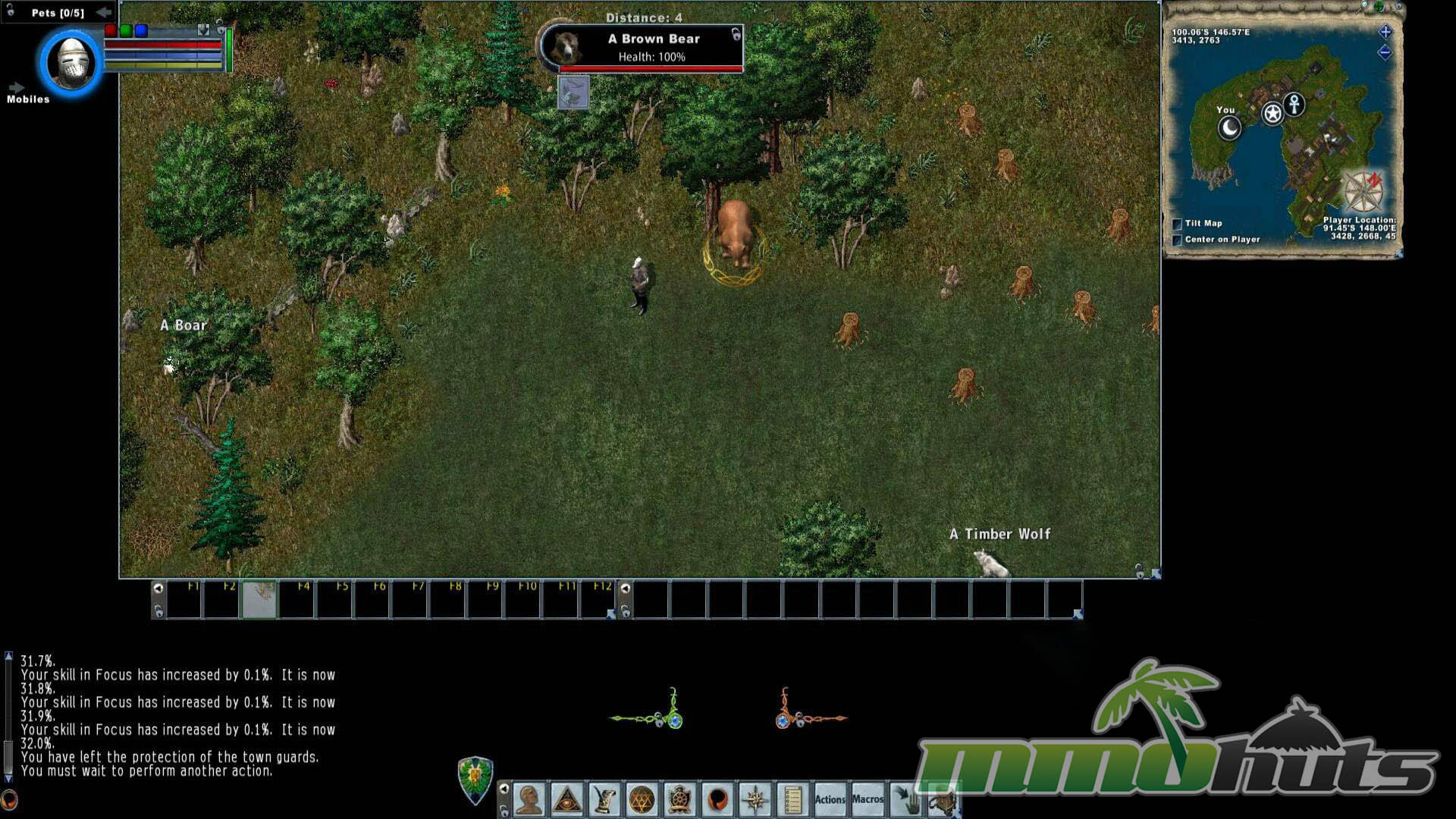
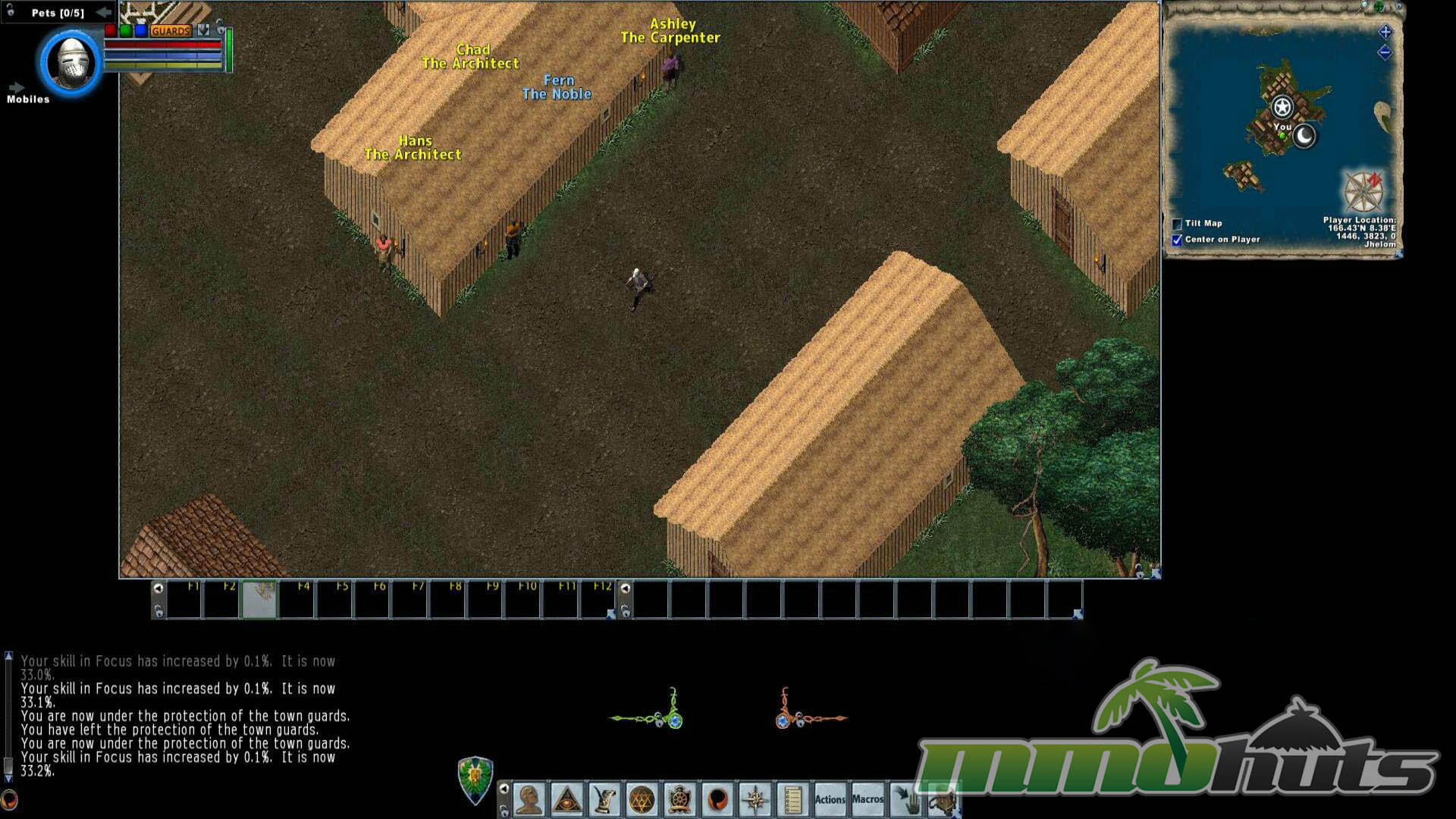
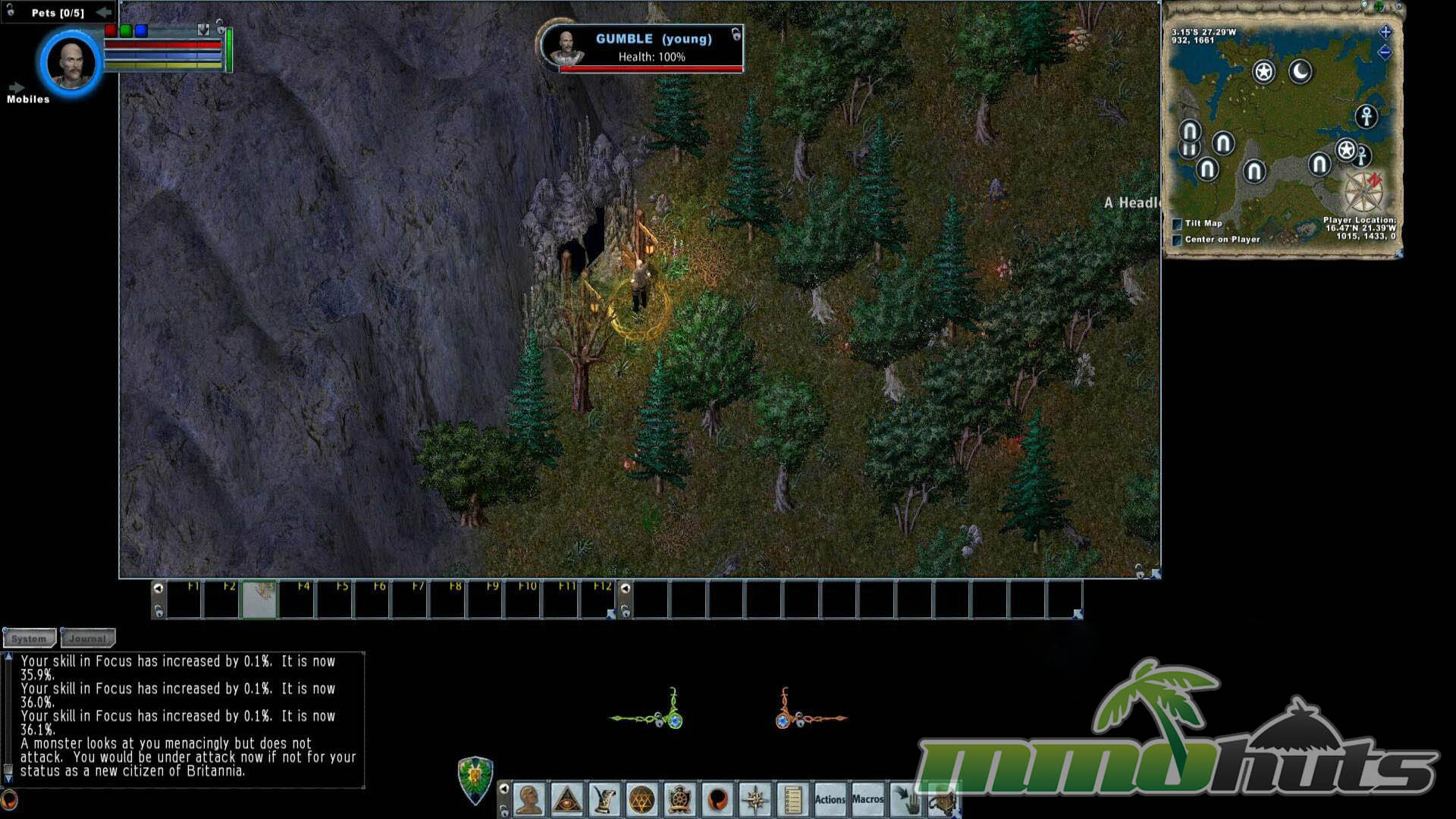
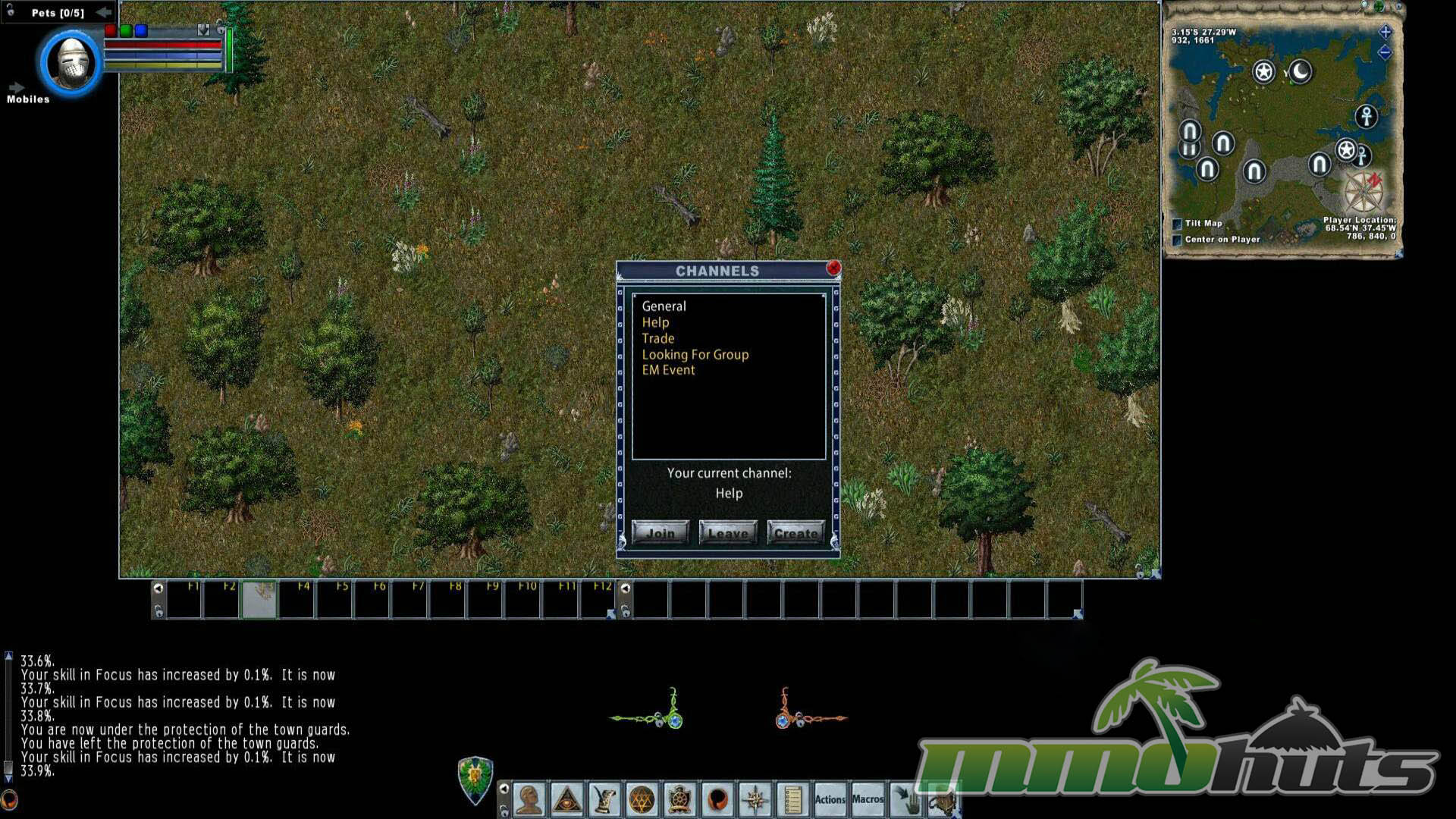
Ultima Online Screenshots


Ultima Online Featured Video

Ultima Online Review
Ultima Online occupies a special place in MMO history, not just because it arrived early, but because its design priorities still feel unusual today. Rather than pushing everyone through the same quest ladder, it emphasizes systems, community interaction, and player-driven consequences. Even after decades of genre evolution, it remains one of the clearest examples of a sandbox MMO where the world is the content, and your choices determine the pace and the payoff.
That said, it is not a gentle game. It expects patience, tolerance for older interfaces, and a willingness to learn through mistakes. If you approach it with modern convenience in mind, the friction can be surprising. If you approach it as a long-running virtual world with its own rhythms, it becomes easier to appreciate why so many players still treat it as a home.
Character Creation: A Starting Point, Not a Cage
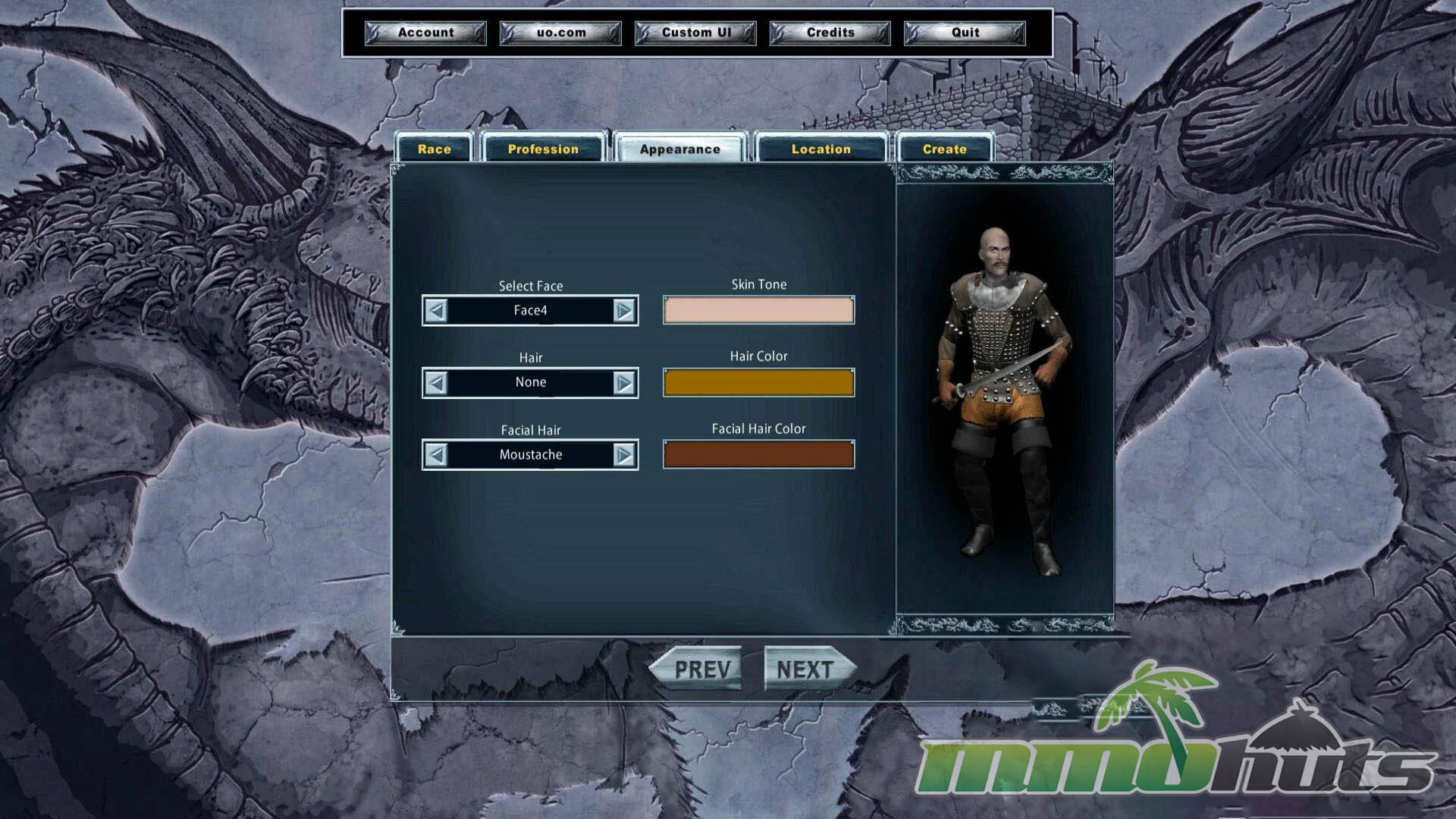
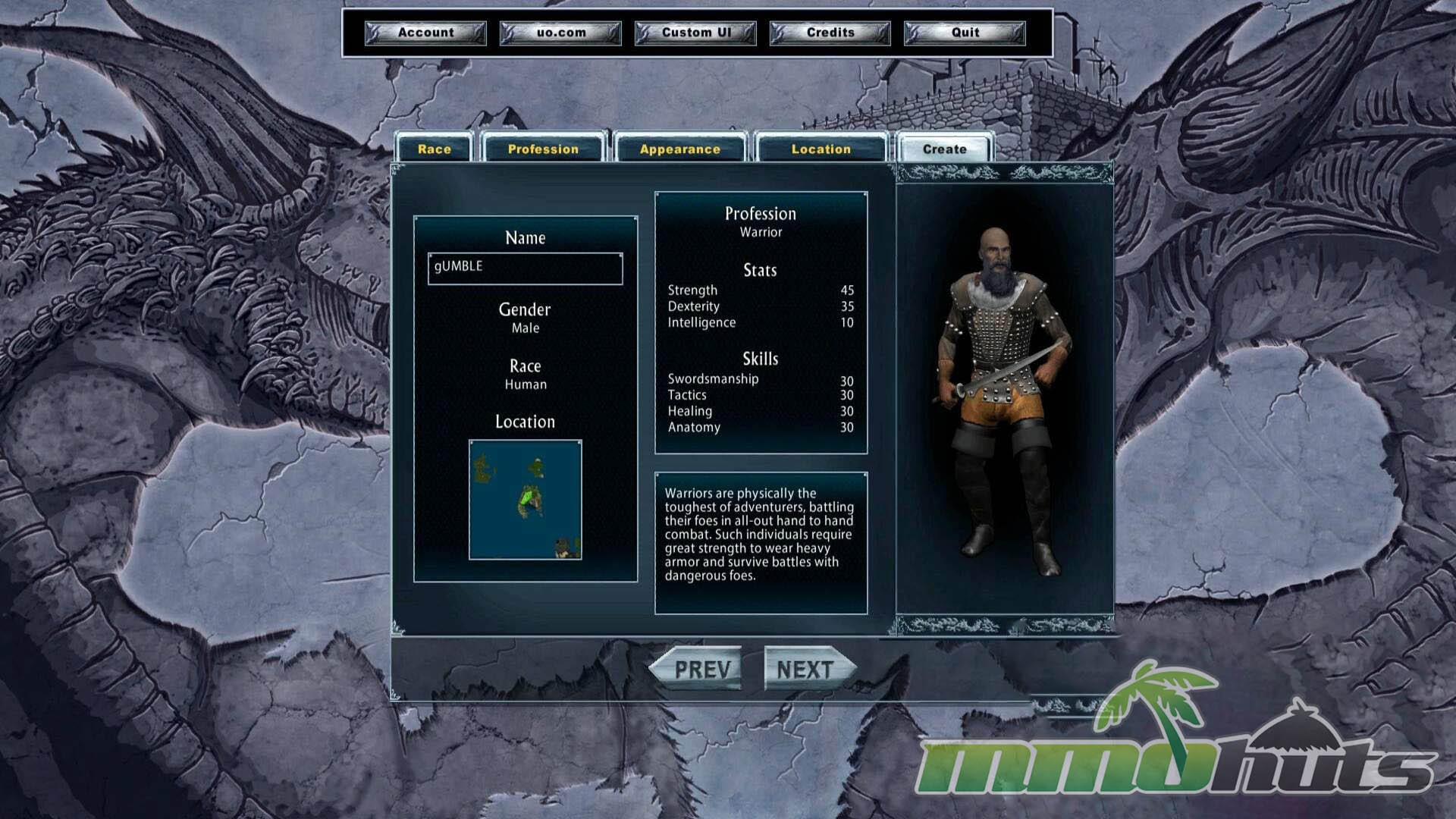
The opening character setup is straightforward, and the key thing to understand is that your initial profession does not lock you into a rigid role. It sets you up with a baseline of capabilities, but the game’s identity is built on the idea that you can pivot. Train the actions you care about and your character gradually reshapes around that routine.
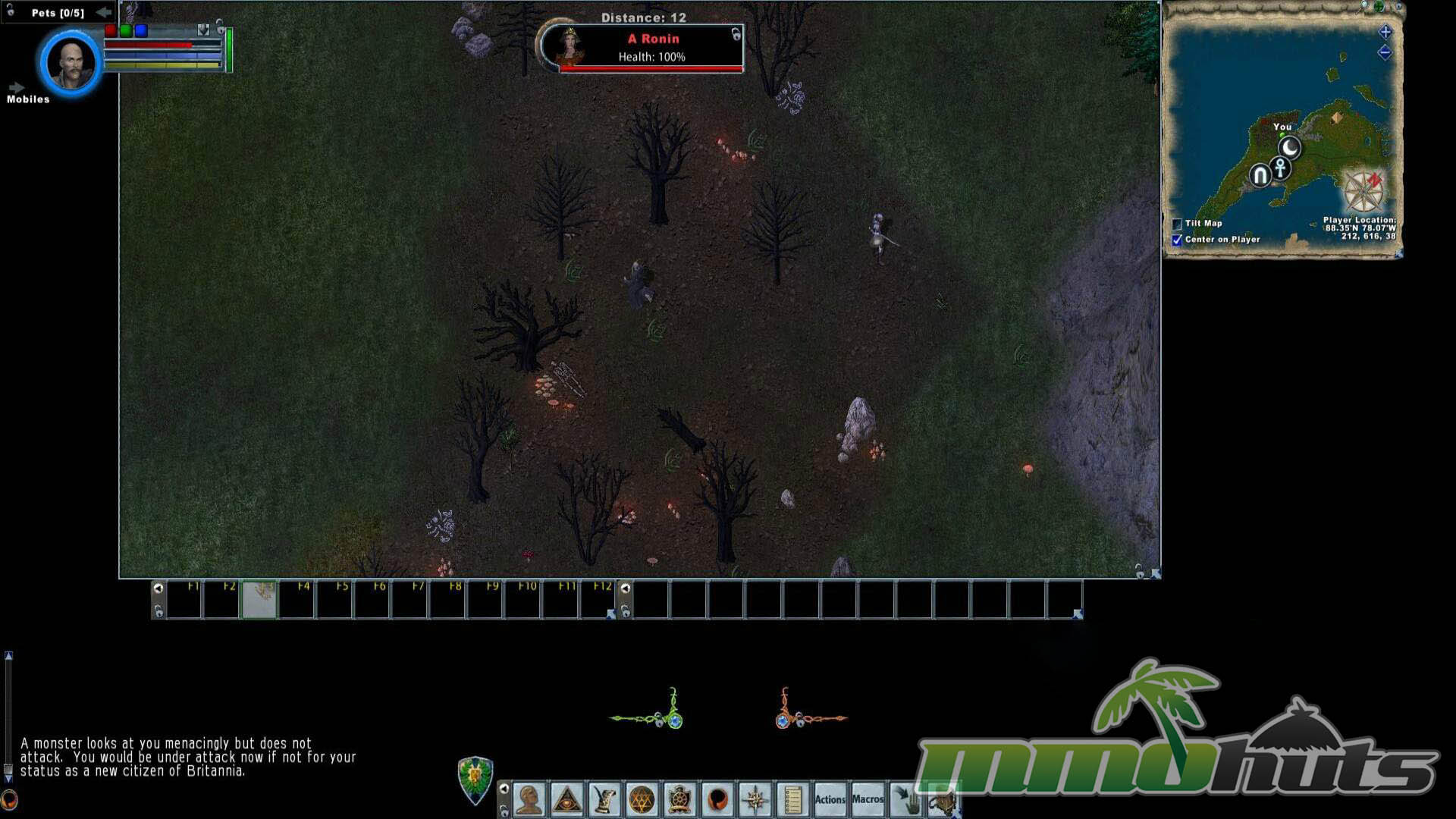
Visually, customization is modest, and the top-down perspective means your look is less central than in modern MMOs. Still, it is enough to create an identity, which matters in a game where names, reputations, and player recognition can carry real weight over time. Starting in New Haven provides a gentle entry compared to being thrown directly into the harshest corners of the world.
Freedom Through Skills
Ultima Online’s defining trait is its skill-based progression. There are 58 skills and a shared pool of 720 points to distribute at maximum, with each skill capped at 100. In practice, that means you cannot be perfect at everything, so most characters settle into a handful of specialties. You can create a traditional fighter, a crafting-focused merchant, a stealthy thief, a tamer, or hybrid combinations that surprise opponents and open up creative play.
Skill management also introduces a strategic layer. Skills can be set to rise, fall, or stay locked. Once you approach the overall cap, improving something new often means letting another skill decline. It is a system that encourages experimentation while also rewarding planning, particularly for players who want a clean, focused template for PvP, crafting efficiency, or specific group roles.
With multiple character slots available, it is common to spread your playstyles across different avatars. That approach also helps with the game’s economy and logistics, since crafting, combat, and niche utility skills can each demand serious time investment.
Combat Basics and the Reality of the Grind
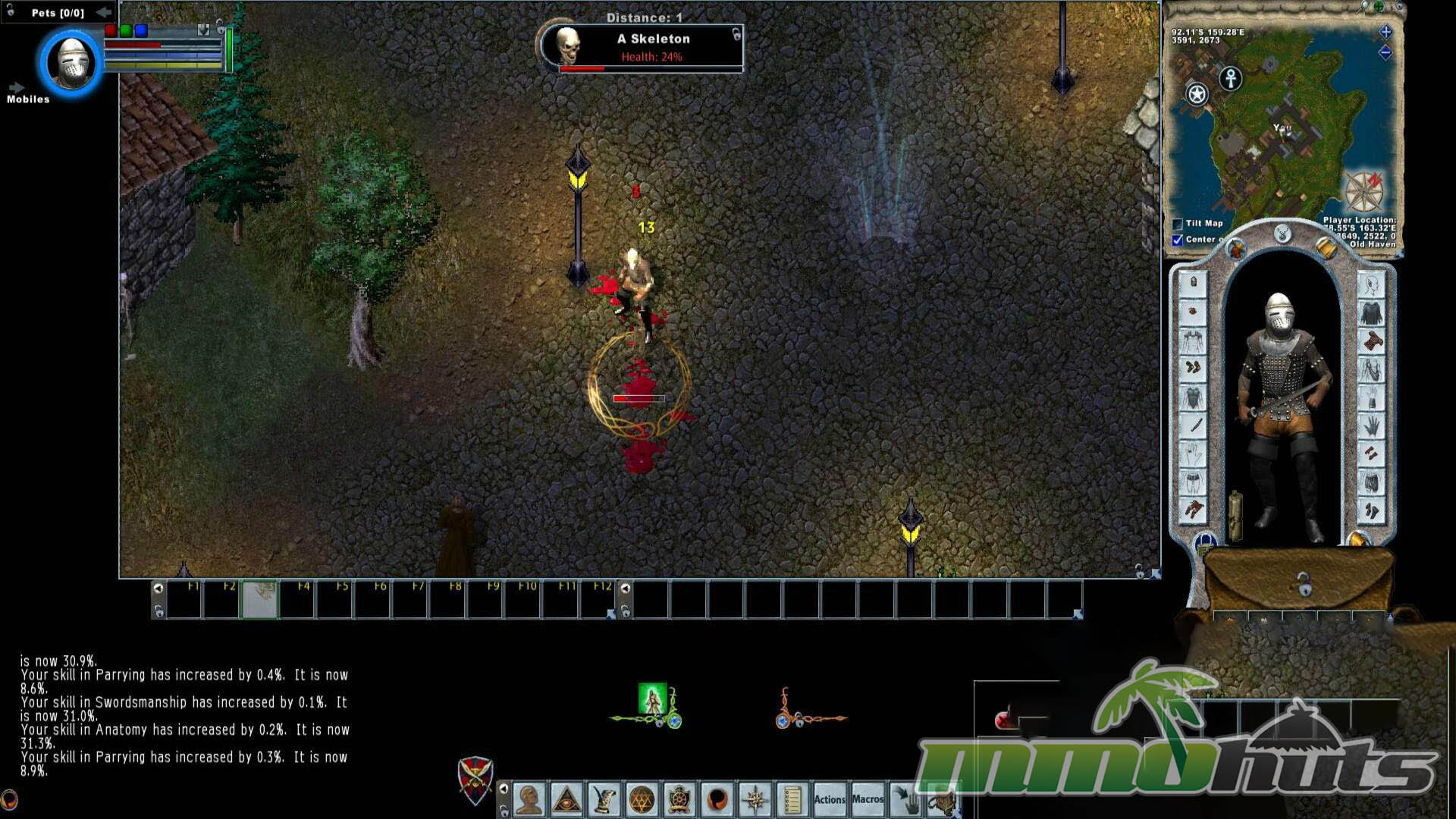
Combat in Ultima Online is mechanically simple compared to modern action combat systems. You toggle into war mode and engage targets directly, managing distance and basic actions more than elaborate rotations. The simplicity is not necessarily a flaw, but it does place more emphasis on preparation, knowledge, and progression. A character with better-developed skills and resources will feel dramatically more capable.
Different playstyles add complexity in their own ways. Casters rely on reagents and careful spell use. Archers fight from range and manage positioning. Tamers invest in controlling creatures that can function as powerful allies. The game supports mixing these approaches, and some of the most effective builds leverage multiple systems rather than leaning on a single weapon skill.
The major barrier is time. Ultima Online is built around repeated practice, whether that means fighting the same monster types for hours, harvesting materials, or training utility skills. The payoff is a slow but satisfying sense of competence, but it requires a mindset that enjoys old-school progression. Players looking for rapid rewards will likely bounce off quickly.
Presentation: Aged, Yet Distinct
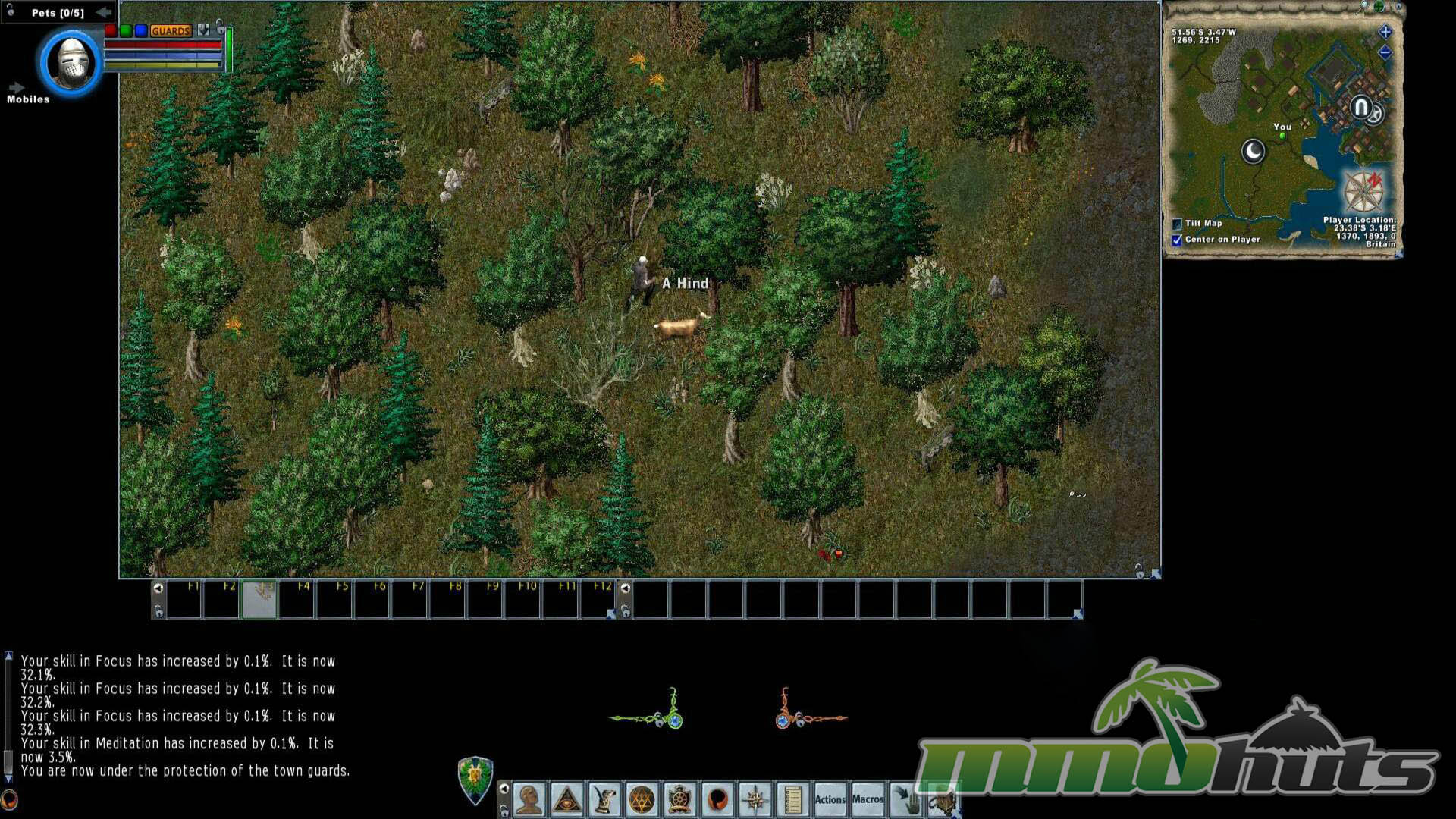
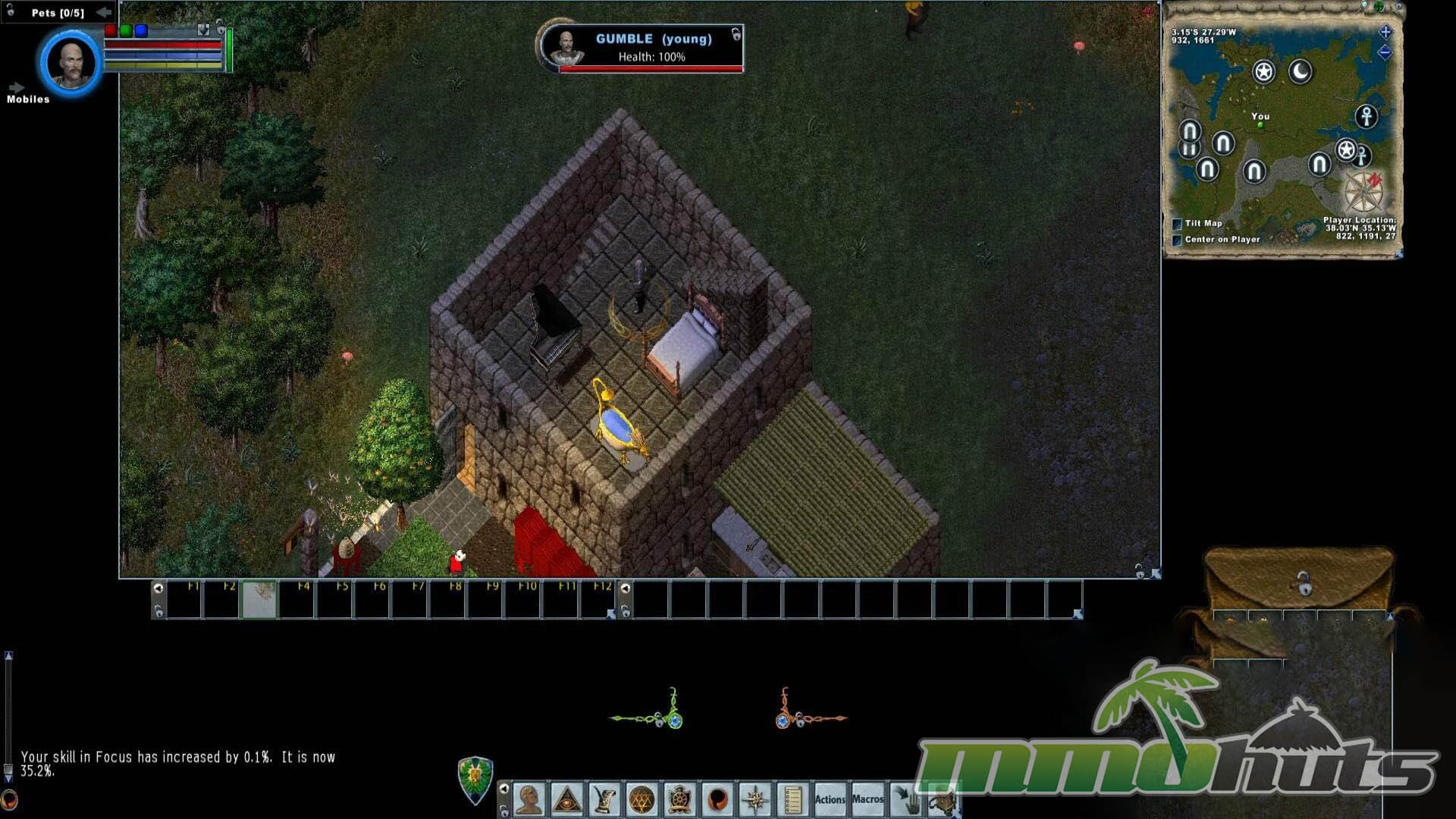
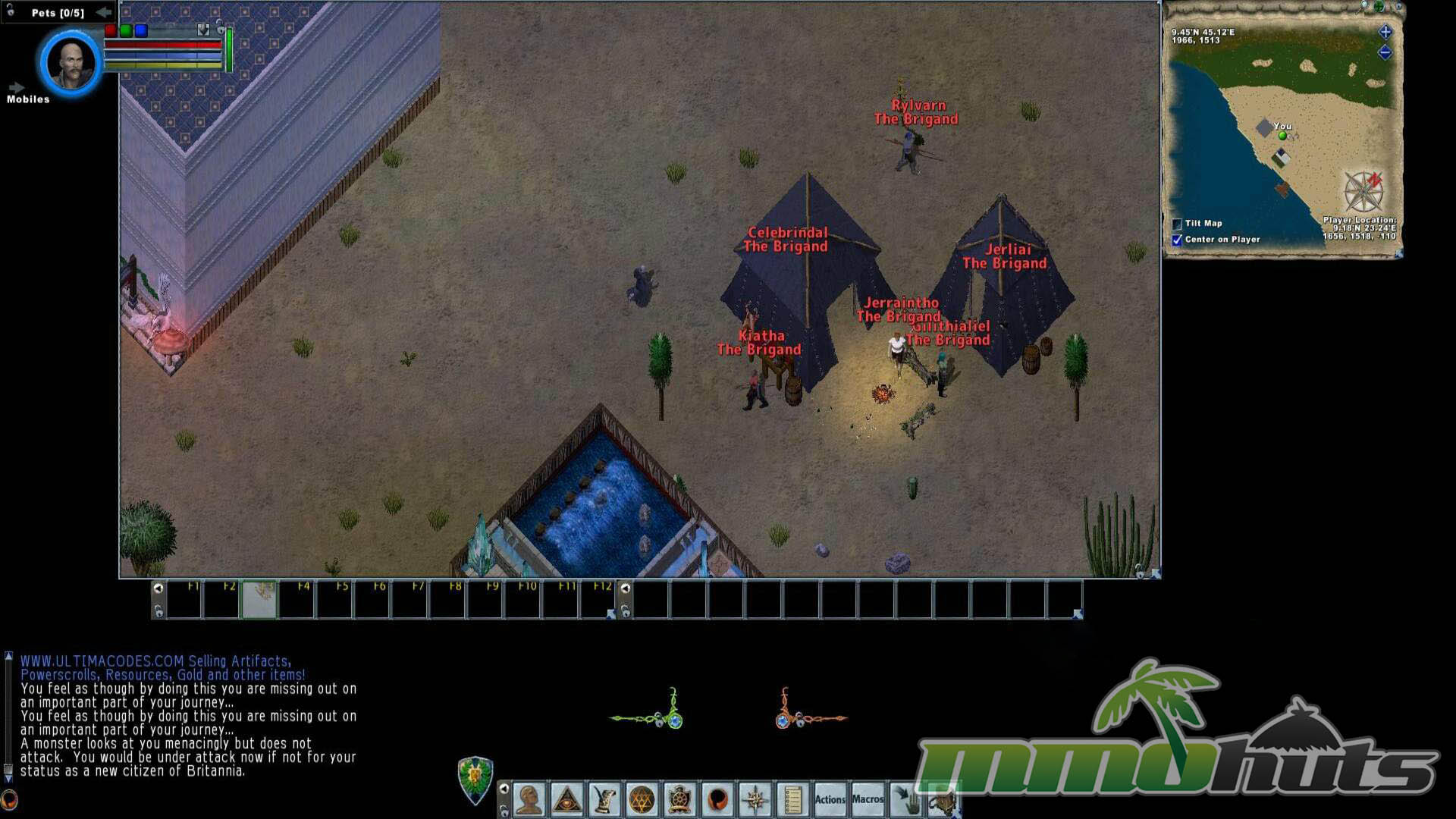
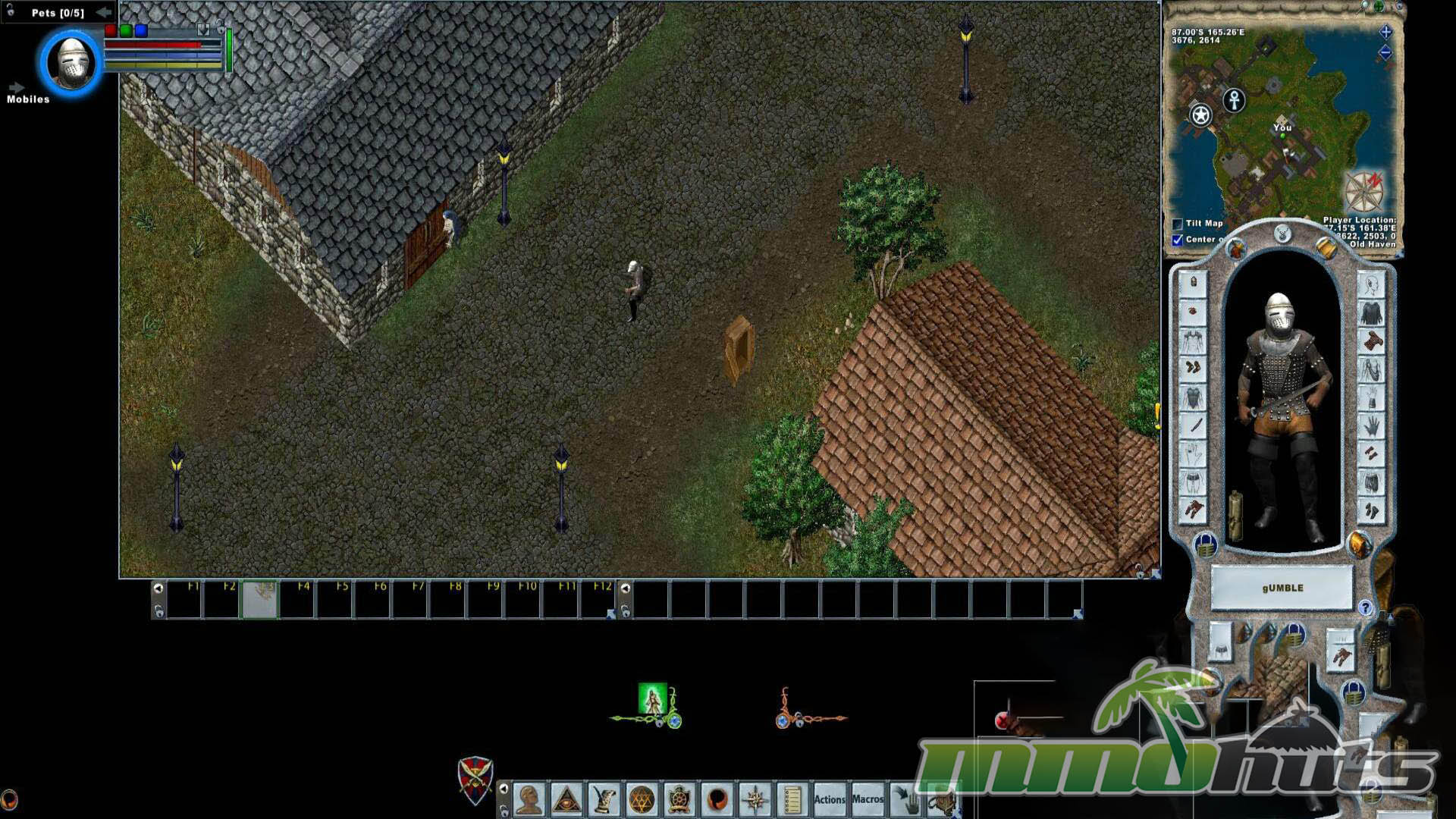
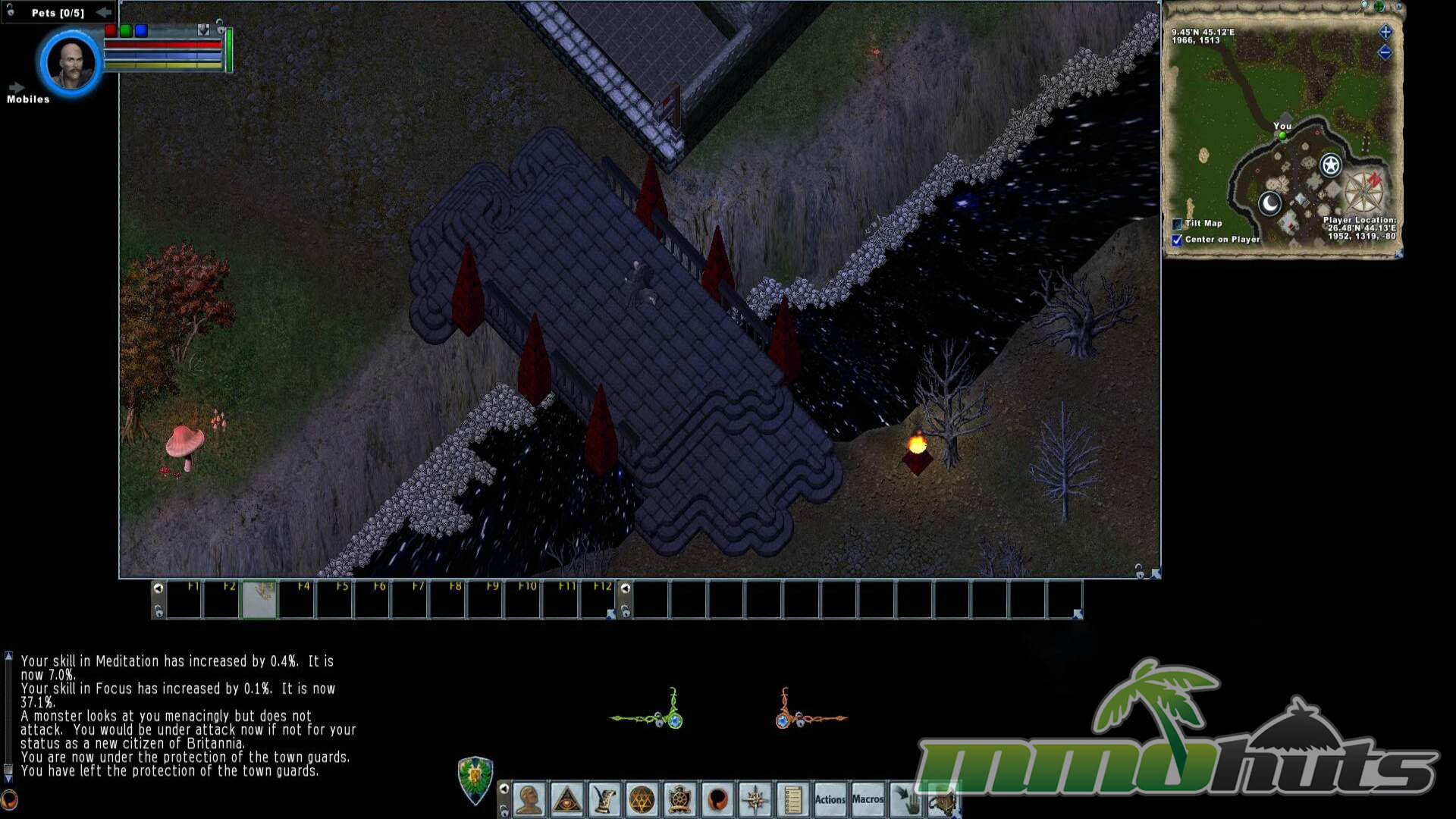
Ultima Online shows its age, but it also has a cohesive visual language that still works when viewed on its own terms. Years of updates have helped the overall clarity compared to the earliest era, and the top-down style makes the world readable even when character models are simple. The environment design, from roads and town layouts to forests and ruins, does enough to support the imagination, which is an important part of the game’s appeal.
Audio remains one of its strongest atmospheric tools. The soundtrack by Kirk Winterrowd helps define the tone of the world, making travel and downtime feel like part of a larger fantasy setting rather than just mechanical movement between objectives.
PvP: High Stakes, Low Mercy
Player versus player combat is where Ultima Online’s reputation for harshness is fully earned. Encounters can end quickly, and the consequences can be severe because your corpse can be looted. This creates genuine tension when traveling with valuables and makes even routine dungeon trips feel risky if you are not prepared.
The skill gap is also real. Experienced players understand timing, positioning, build optimization, and the practical tricks of the world. For newcomers, that can feel punishing, especially when you are still learning how to manage inventory, escape routes, and the broader rules of engagement. For those who enjoy meaningful risk, though, UO’s PvP offers a kind of adrenaline that many modern MMOs intentionally avoid.
Crafting and Gathering: A Long-Term Commitment
Crafting and resource collection are not side activities here, they are major pillars of the game’s economy and identity. Mining, for example, requires patience, tools, and a plan for hauling heavy loads. Without pack animals or careful inventory management, you will quickly find yourself weighed down and forced to retreat.
Progressing a profession can be slow, and the game rewards players who research systems and efficiencies. Community guides are particularly helpful for new crafters, since many professions have specific best practices. It is also worth noting that trainers can raise many skills for gold, which can reduce early tedium and help you reach a functional baseline before you commit to the longer stretch of progression.
If you enjoy being self-sufficient and supplying other players, crafting can be extremely satisfying. If you dislike repetitive training loops, it will feel like work.
Private Servers and Alternate Experiences
Beyond the official experience, Ultima Online has a long tradition of private servers. These communities often aim to recreate particular eras, rule sets, or difficulty levels, and many are geared toward veterans who want a more extreme sandbox atmosphere. Depending on the server, you may find fewer safety nets and a more ruthless social environment.
Private servers can also offer different training and progression expectations, including setups where skill macros and accelerated growth are common. For some players, that is a welcome way to experiment with builds and PvP without the full time commitment. For others, the official environment remains the best place to experience the game’s long-term world building.
Final Verdict – Excellent
Ultima Online’s influence on MMORPG design is hard to overstate. It established expectations for persistent online worlds, player economies, housing, and emergent social gameplay long before those features became standard talking points. Even now, its commitment to open-ended play and meaningful consequences gives it a distinct personality.
At the same time, it is difficult to recommend as a casual entry point for players raised on modern quality-of-life standards. The interface can feel awkward, the visuals are undeniably dated, and the progression demands a level of patience many newer MMOs do not ask for. For players who want a sandbox with real risk, deep systems, and a world that feels shaped by its community, Ultima Online still delivers something rare.
Ultima Online Links
Ultima Online Official Site
Ultima Online Wikipedia
Ultima Online Reddit
Ultima Online UOGuide [Database/Guides]
Ultima Online Wikia [Database/Guides]
Ultima Online System Requirements
Minimum Requirements:
Operating System: Windows XP, Windows Vista, or Windows 7
CPU: Celeron 1GHz or Duron 2.0GHz
Video Card: GeForce FX 5200 or Radeon Xpress 1200 Series
RAM: 256 MB
Hard Disk Space: 1 GB
Ultima Online is Linux compatible
Ultima Online Music & Soundtrack
Ultima Online Additional Information
Developer(s): Origin System (1997-2004), Electronic Arts (2006-2014), Broadsword (2014-Present)
Prouder(s): Richard Garriott
Designer(s): Raph Koster, Starr Long, Rick Delashmit, Ralph Koster
Composer(s): Kirk Winterrowd
Other Platforms: Linux
Beta Release: August, 1997
Release Date: September 24, 1997
Expansions:
- Ultima Online: The Second Age – October, 01, 1998
- Ultima Online: Renaissance – May 4, 2000
- Ultima Online: Third Dawn – March 07, 2001
- Ultima Online: Lord Blackthorn’s Revenge – February 24, 2002
- Ultima Online: Age of Shadows – February 11, 2003
- Ultima Online: Samurai Empire – Novemeber 02, 2004
- Ultima Online: Mondain’s Legacy – August 30, 2005
- Ultima Online: Stygian Abyss – September 08, 2009
- Ultima Online: Time of Legends – 2015
Development History / Background:
Ultima Online was initially created by Texas-based Origin Systems and grew out of Richard Garriott’s vision (widely known through his “Lord British” persona). Key members of the early team included Starr Long, Rick Delashmit, and Ralph Koster. When it launched on September 24, 1997, it quickly found a paying audience and became a landmark for the MMO space. Garriott departed Origin Systems in 2000, which fueled years of community speculation around changes to the world and the presence of his in-game figure. He later reunited with Starr Long on a separate project, Shroud of the Avatar: Forsaken Virtues.
Over the years, Ultima Online’s development responsibilities shifted between teams. Electronic Arts oversaw development from 2004-2006, then after acquiring Mythic Entertainment in 2006, Mythic continued work on the game until 2014. On February 06, 2014, development moved to the newly formed Broadsword studio, which announced a new expansion called Time of Legends planned for release sometime in 2015.