Fallen Earth is a 3D MMORPG developed by Reloaded Productions and published by K2 Network. Set in 2156, it drops players into a post-apocalyptic sandbox inspired by the Grand Canyon, where you play as a clone trying to keep what is left of humanity alive while dealing with raiders, mercenaries, mutants, and stranger threats in the wasteland.
 | Publisher: K2 Network Playerbase: Shut Down Type: MMORPG Release Date: September 22, 2009 Relaunch Date: Oct 28, 2021 Pros: +Huge sandbox zone to explore. +Deep, practical crafting. +Flexible, open-ended character progression. +Questing with an engaging tone Cons: -Controls take time to learn. -UI can feel cluttered. -Bugs and oddities show up. |

Fallen Earth Overview
Fallen Earth is a post-apocalyptic, survival-leaning 3D MMORPG from Reloaded Productions, published by K2 Network. It blends MMO questing and character building with gunplay that often feels closer to an FPS than a traditional tab-target RPG, especially when you choose to play in first-person. The setting is the year 2156, long after a nuclear catastrophe and a deadly virus collapse civilization in an event remembered as the Fall. What remains of society clings to life in a harsh wasteland modeled on the Grand Canyon region, where settlements are fragile and every supply chain looks improvised.
Players step into the role of a clone with an urgent need for rare DNA and the freedom to shape themselves into almost any kind of survivor. You can approach combat in third-person or first-person, scavenge and craft what you cannot reliably buy, and develop everything from raw combat proficiencies to mutation-based powers. The core loop revolves around traveling between outposts, taking jobs that stabilize local communities, and pushing deeper into dangerous territory to secure materials, knowledge, and the genetic resources that keep your character going.
Key Features
- Crafting Mechanics – crafting sits at the heart of progression, not as an optional side activity.
- Extensive Character Customization – a wide set of appearance options helps characters stand apart.
- Massive Geographically Accurate Sandbox World – the playable space is built around the Grand Canyon area.
- Factional PvP – organized conflict focused on territory, objectives, and town upgrades.
- Open Class Character – build your clone through Stats, Skills, and Mutations rather than locked classes.
Fallen Earth Screenshots



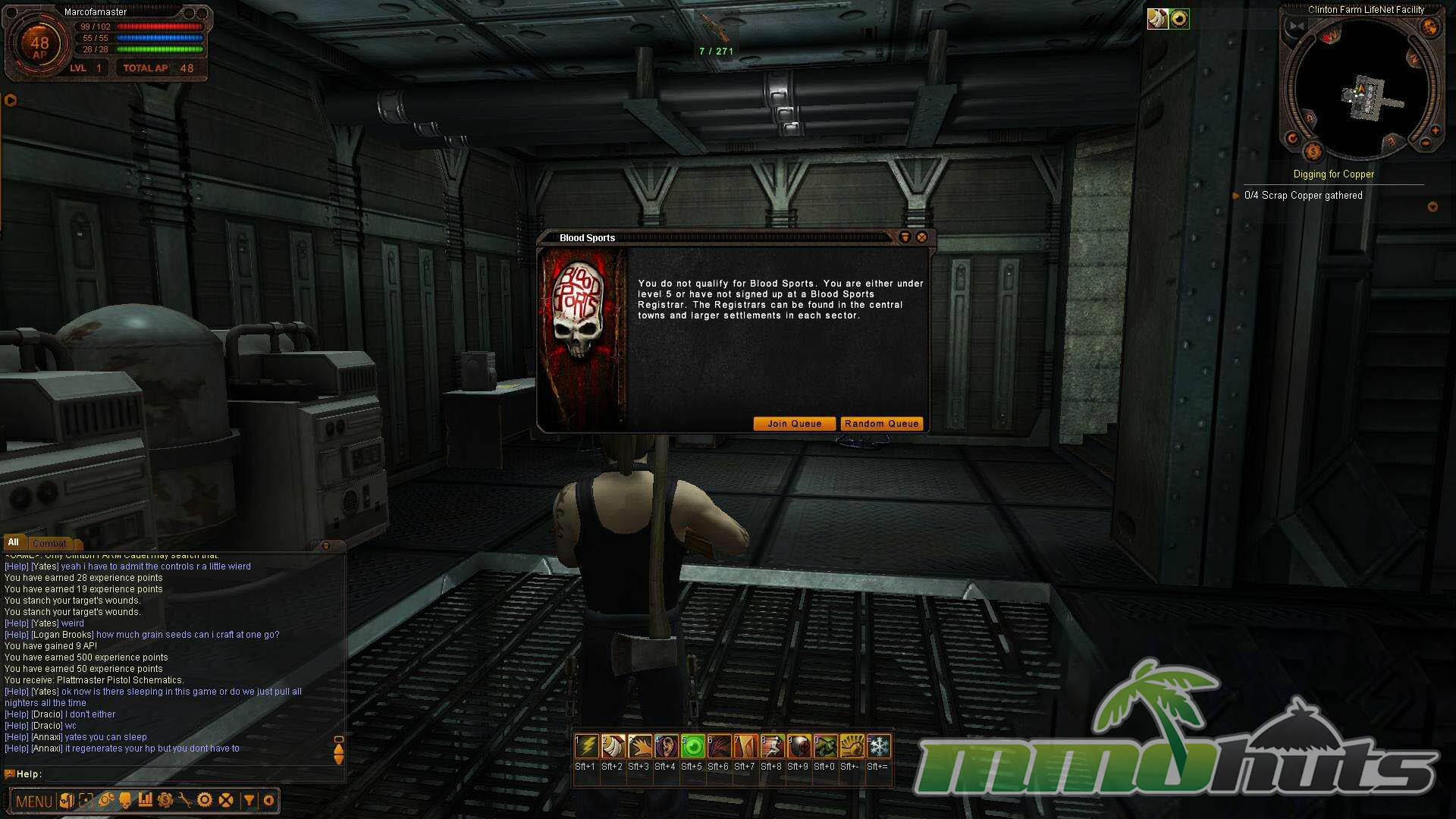
Fallen Earth Featured Video

Fallen Earth Review
Fallen Earth takes place in 2156, a world where the old rules are gone and the remnants of civilization are constantly pressured by hostile factions and mutated dangers. Instead of casting you as a chosen hero, it frames you as a clone with the potential to become almost anything, provided you can survive long enough to develop the right skills and secure the DNA you need. That premise supports a game that leans heavily into player-driven builds, practical crafting, and long stretches of travel and exploration across a wide-open wasteland.
First Steps Out of the Tank
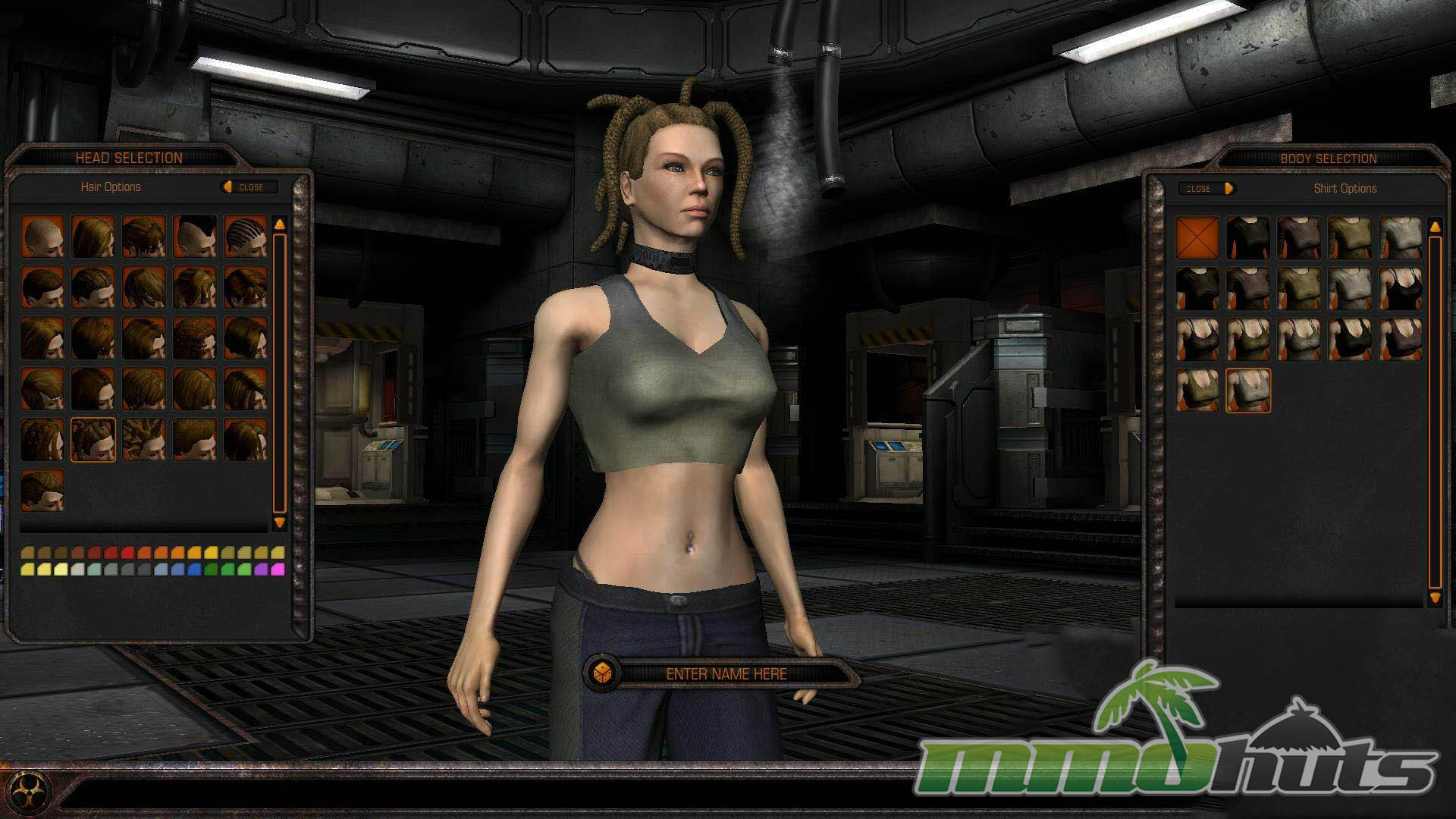
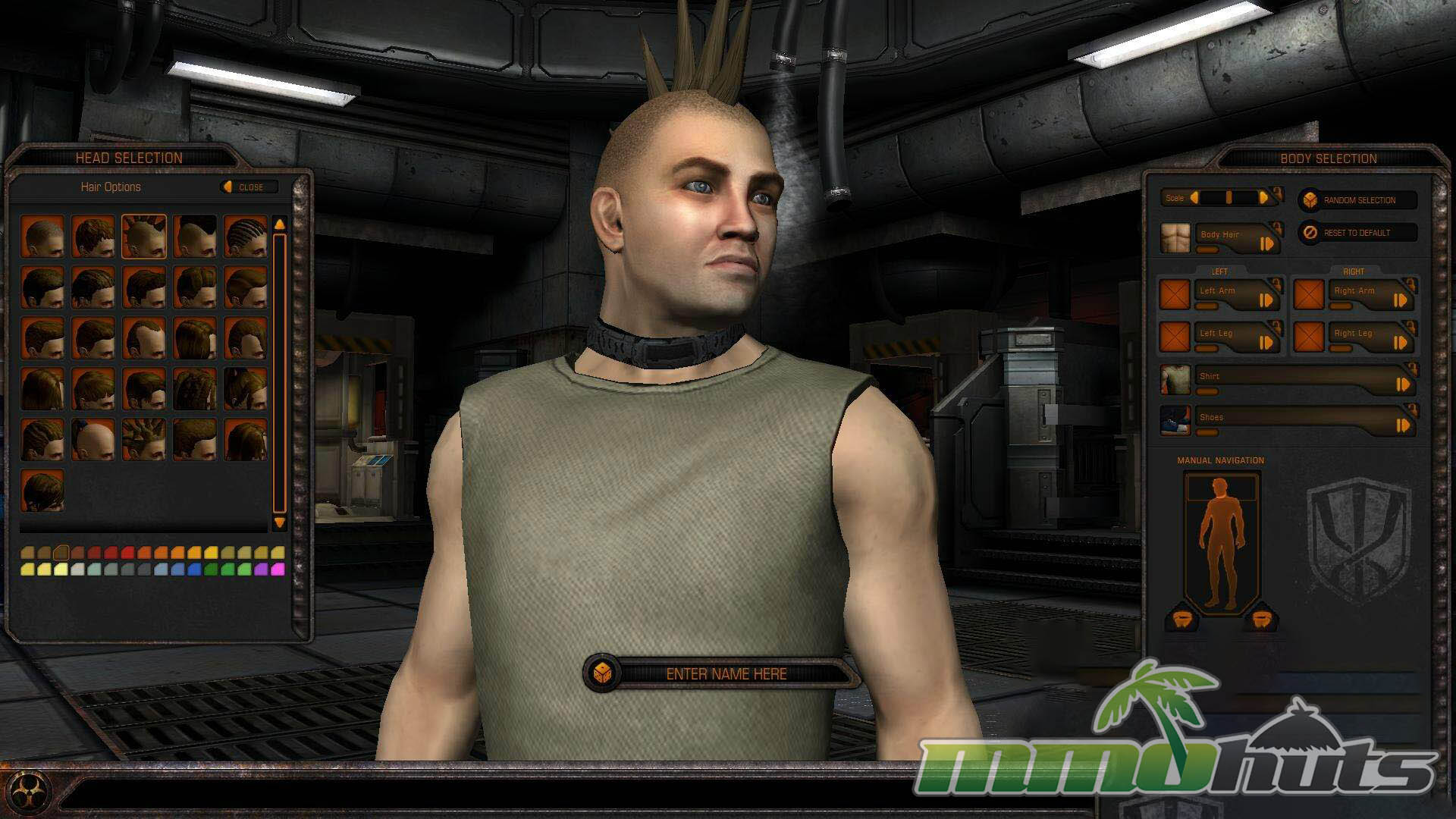
Character creation gives you a respectable set of options for a game of its era, including choices for facial features, hair, clothing, and cosmetic details like tattoos and piercings. It is not the modern slider-heavy approach seen in newer MMOs, so you will still notice familiar-looking faces out in the world, but it does enough to make your clone feel like yours. One limitation worth keeping in mind is that accounts start with a single character slot, with a second available through an extra purchase, so it is worth taking your time before finalizing your look.
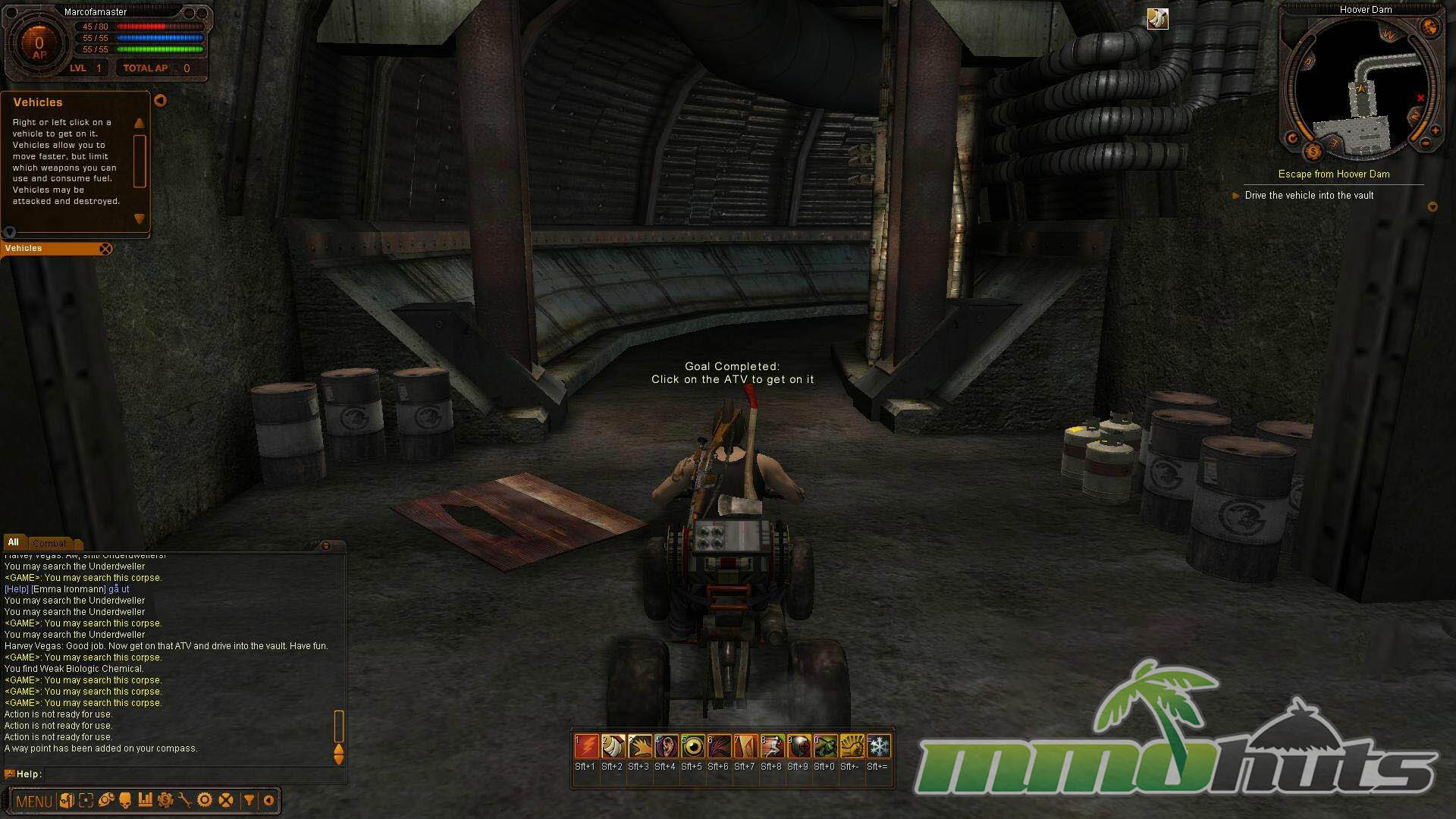
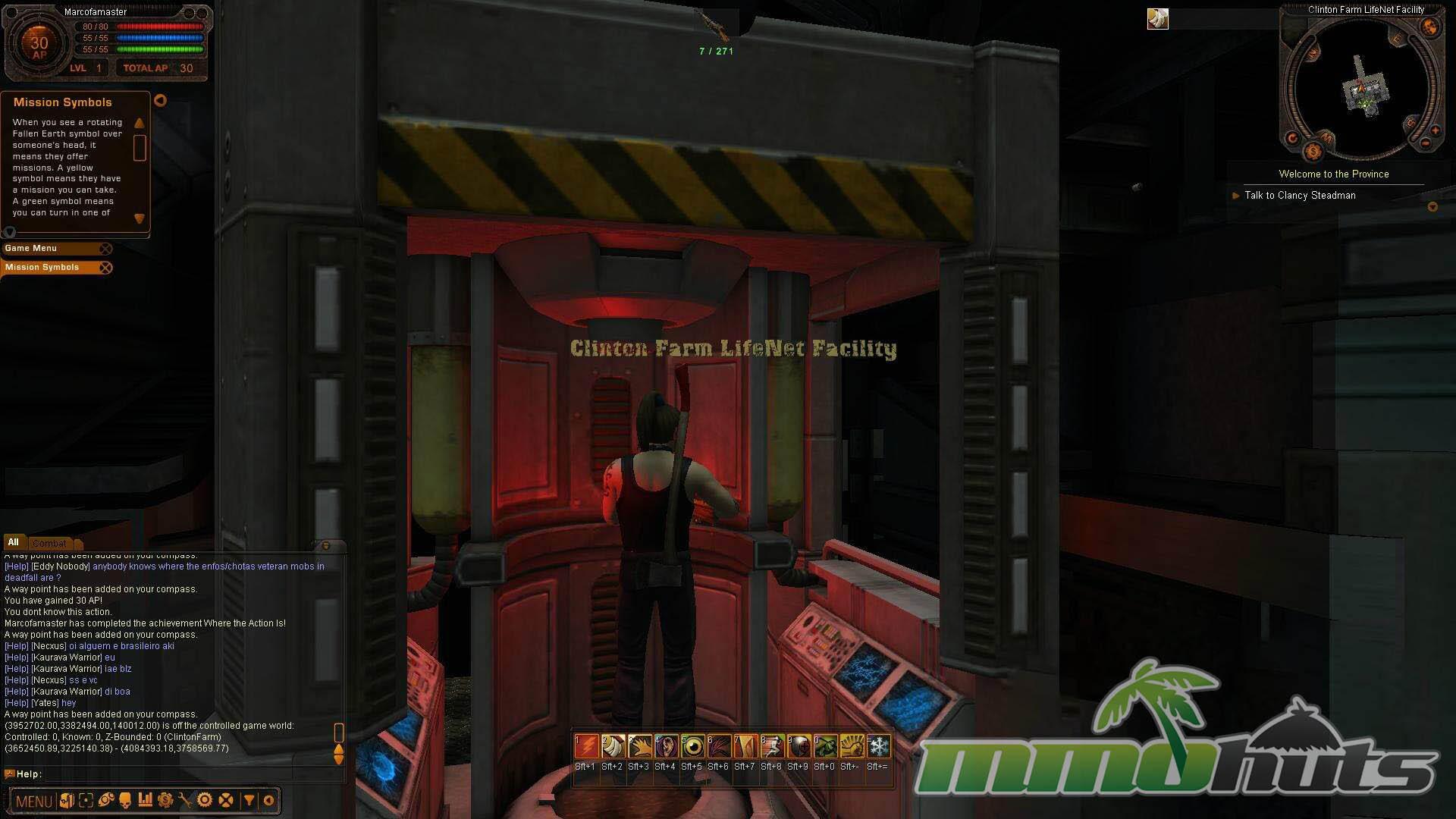
After you lock in your character, the game begins beneath Hoover Dam with a story-focused introduction that doubles as a tutorial. It is fairly short, but it establishes the setting, explains why clones matter, and teaches the basics without overwhelming you. Players who want to jump ahead can skip the tutorial from the first terminal, but it is worth completing at least once because it provides useful context and a sense of the game’s tone.
Finding Your Place in the Wasteland
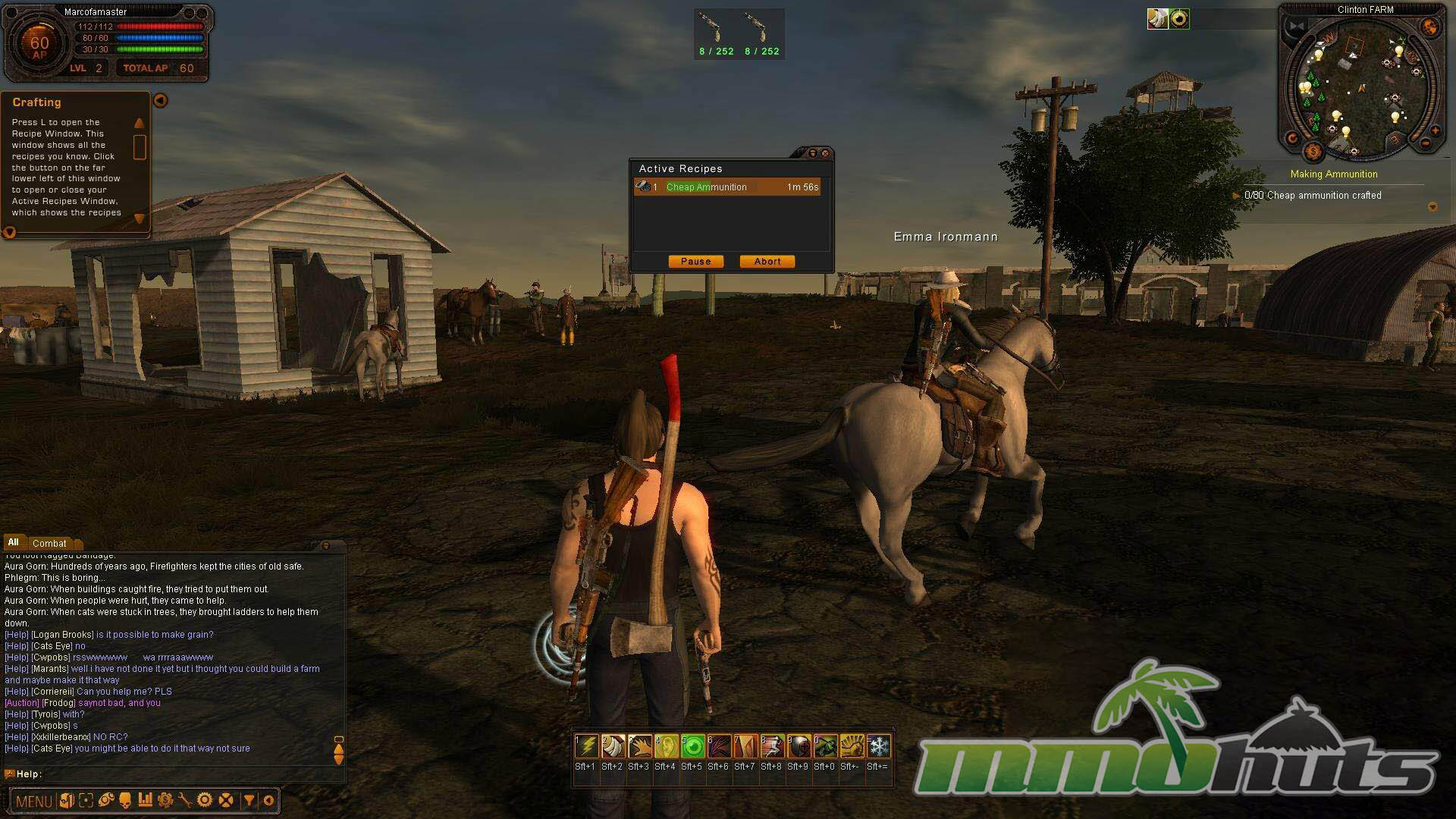
Once the opener ends, you choose between three initial areas: Clinton FARM, Boneclaw, and Midway. The differences are mostly about early bonuses and the flavor of your first tasks, not a permanent fork in the road. The regions sit close enough that you can visit the others without much trouble, which fits the game’s sandbox spirit.
Travel also reinforces the setting. Fuel is scarce and pricey, so your early movement tends to be grounded and practical rather than vehicle-centric. The result is a frontier feel, long rides between locations, and a lot of time spent learning the map and deciding which risks are worth taking.
A Grand Canyon Sandbox with a Ruined-World Mood
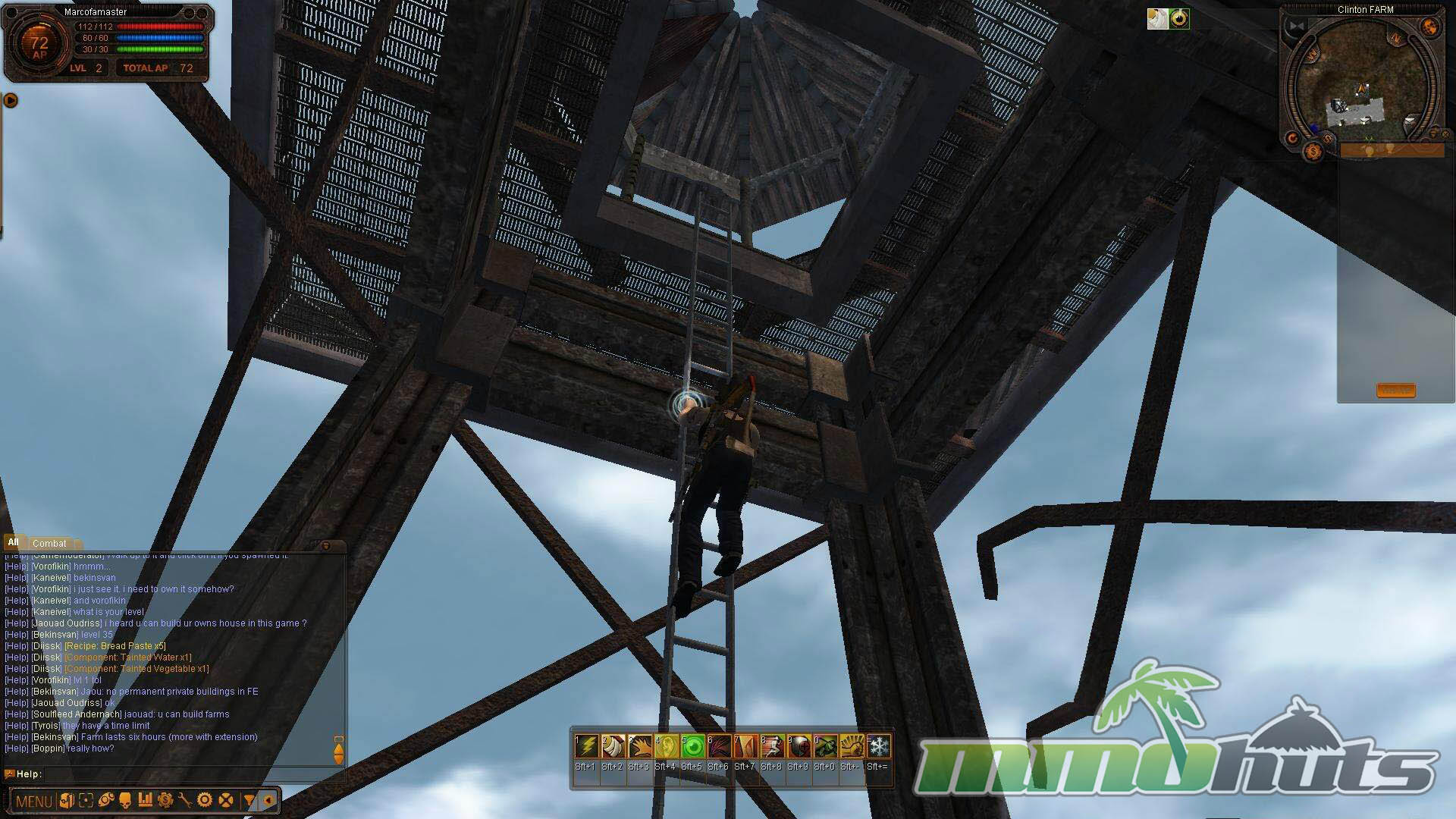
The world is one of Fallen Earth’s biggest strengths. It is a large, geographically accurate space around the Grand Canyon, filled with ruined infrastructure, derelict vehicles, scavenger camps, and makeshift defenses that sell the idea of a society rebuilding from scraps. Simply moving through the environment does a lot of storytelling, and players who enjoy wandering off the main road will find plenty of small details that make the wasteland feel lived in.
That said, the game’s age shows most clearly in character presentation. Models and animations can look stiff, and NPCs and enemies sometimes move in ways that feel dated. Audio work is functional rather than memorable, and the experience is occasionally interrupted by visual quirks or bugs such as clipping or awkward NPC placement. The writing helps compensate, as quest dialogue often has a dry edge that keeps routine errands from feeling completely lifeless.
Questing for the Settlements
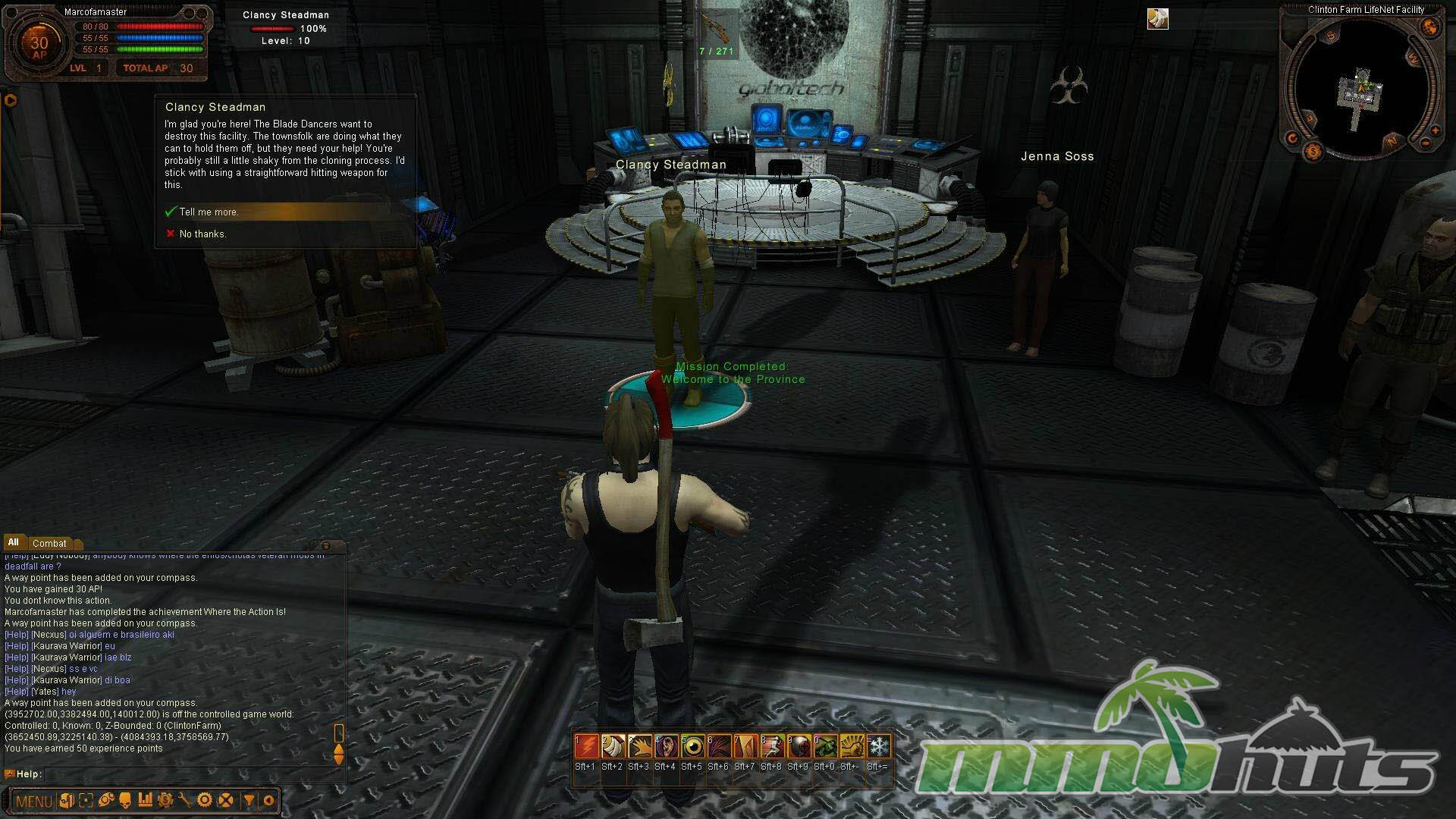
Moment to moment, Fallen Earth is still an MMO built around helping towns survive. Expect the familiar rhythm of delivery jobs, clearing out hostile groups, and tackling objectives that keep trade routes and settlements functioning. Rewards typically include Chips as currency, experience, and books that teach or unlock skills. You can generally pick up tasks as long as you meet the level expectations of the quest giver, which keeps progression moving even if you prefer to bounce between areas.
The downside is that a portion of the quest catalog leans on repetition, particularly kill-focused objectives. The game does try to add variety through the setting and NPCs, but if you have played many MMOs, you will recognize a lot of the structure.
Building a Clone, Not Picking a Class
Fallen Earth’s progression is built around four pillars: Attributes, Skills, Mutations, and Tradeskills. Attributes function like permanent stat boosts and serve as the foundation for your build. Skills provide active abilities with temporary effects, including combat techniques and utility boosts, and using them consumes Stamina. Mutations act as an additional layer of power that can be active or passive, fueled by Gamma instead of Stamina, and they are designed to complement the way you fight.
Tradeskills cover crafting and repair, and they are not just flavor. They determine whether you can produce ammunition, maintain gear, and build useful equipment in a world where vendors cannot reliably supply everything. In practice, this open structure encourages experimentation. You can aim for long-range gunplay, melee specialization, or a crafting-centric role, and you are not boxed into a single class identity. Stats, Skills, and Mutations advance by spending Ability Points earned through leveling, while Tradeskills improve through use, rewarding players who craft consistently.
Crafting as a Core System
Crafting is where Fallen Earth separates itself from many theme-park MMOs. Because the setting treats manufactured goods as scarce, being able to produce essentials like ammunition and weapons matters early. Tradeskill books, obtained through questing or trade, teach recipes and open up the crafting economy, which can be a major part of your character’s identity rather than an afterthought.
Gathering materials involves searching the world for resource nodes and components, then turning them into useful items through real-time crafting. The process does not lock you in place, so you can keep playing, travel, or even log out while crafting continues. Over time, it becomes easy to understand why some players focus heavily on crafting, both for self-sufficiency and for earning Chips by selling to others.
Conflict with Rules, Not Chaos
A harsh setting invites player conflict, but Fallen Earth does not treat the entire map as a free-for-all. PvP is limited to designated zones, which reduces random ganking and keeps the broader world more approachable for players who primarily want PvE progression. While that design choice is less “anything goes” than some survival games, it supports more structured PvP.
The game’s PvP revolves around coordinated objectives, including capturing and defending Conflict Towns, and that focus pushes players toward teamwork. Death in PvP typically sends you back to safe areas unless allies revive you, which further encourages group play and planning rather than purely individual skirmishing. If you want a post-apocalyptic MMO where PvP exists but is framed around objectives, Fallen Earth’s approach makes sense.
Subscription Options and the Cash Shop
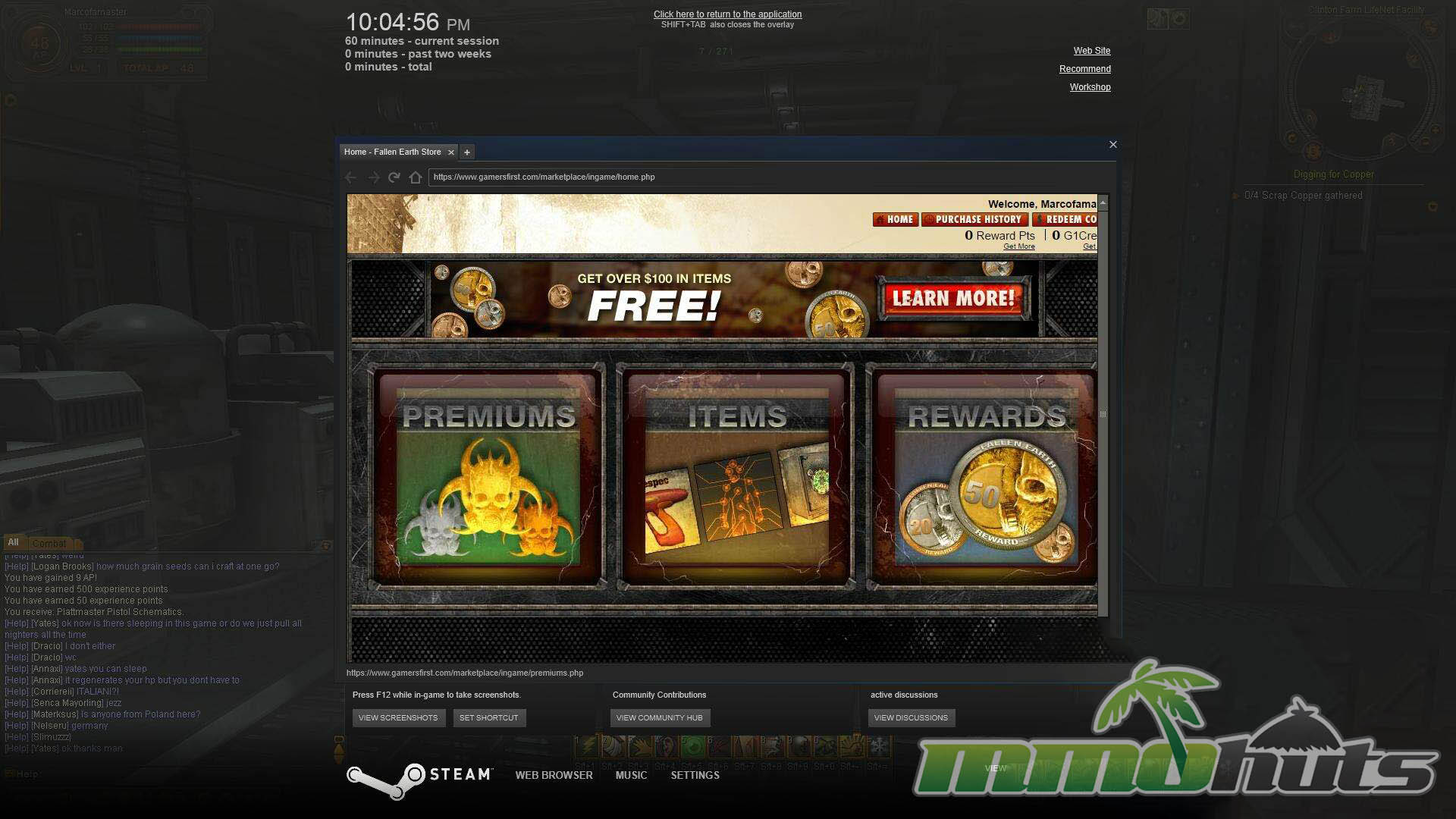
Fallen Earth has offered both subscription play and a free option. The free route comes with limitations, including reduced gains in most areas aside from experience points. Like many free-to-play MMOs, it also sells premium items through a currency called G1 Coins, purchased with real money. The advantages can be noticeable, but they generally sit in the familiar space of convenience and incremental benefits rather than instantly invalidating non-paying players.
The Final Verdict: Good
Fallen Earth is at its best when you treat it as a systems-driven MMO built around survival flavor, exploration, and self-reliance. Its strongest points are the open class progression, the meaningful Tradeskill and crafting ecosystem, and the sense of scale created by its sandbox take on the Grand Canyon region. On the other hand, the visuals and animations feel dated, the interface can be a hurdle, and bugs can undercut immersion.
For players who enjoy post-apocalyptic settings and like shaping a character through flexible skills rather than fixed classes, it remains an interesting MMO to explore, particularly if you value crafting as more than a side activity.
Fallen Earth Links
Fallen Earth Official Site
Fallen Earth Wikipedia
Fallen Earth Wikia [Database/Guides]
Fallen Earth Requirements
Minimum Requirements:
Operating System: XP SP3, Vista SP1, Windows 7
CPU: Intel Core 2 Duo 1.8 GHz or Athlon 64X2 2.4 GHz
RAM: 2 GB for XP, 3 GB for Vista, 2 GB for Windows 7
Video Card: nVidia GeForce 6600 or ATI Radeon X1300
Hard Disk Space: 10 GB
Recommended Requirements:
Operating System: XP SP3, Vista SP1, Windows 7
CPU: Intel Core 2 Quad 2.40 GHz or equivalent
RAM: 3 GB for XP, 4 GB for Vista, 3 GB for Windows 7
Video Card: nVidia GeForce 8800GTS, ATI Radeon 3870
Hard Disk Space: 10GB
Fallen Earth is Mac OS X compatible.
Fallen Earth Music
Coming Soon!
Fallen Earth Additional Information
Developer(s): Reloaded Productions (Formerly Icarus Studios and Fallen Earth)
Publisher(s): K2 Network
Game Engine: Icarus Platform
Alpha Release: August, 2008
Closed Beta: February, 2009
Open Beta: August 17, 2009
Release Date: September 22, 2009
Steam Release Date: September 22, 2009
Free To Play Date: October 12, 2011
Shut Down: October 14, 2019
Relaunch Date: Oct 28, 2021 (Fallen Earth Classic)
Development History / Background:
Fallen Earth was created by North Carolina developer Reloaded Studios, previously known as Icarus Studios and Fallen Earth. In June 2008 the team announced the project had reached feature-complete status, and an update posted in October of that year indicated the game’s content was finished. A Mac OS X beta build followed on March 10, 2010, using Wine technology (an open source compatibility layer) and requiring an Intel-based Mac system. In June 2011, Fallen Earth was acquired by Reloaded Productions, the company associated with APB Reloaded and Hawken, and it was distributed through GamersFirst. Around that period, the game’s move toward a free-to-play model was announced and later implemented on August 1, 2011. Fallen Earth received the Best-Online-Only Game of 2009 award from Game Industry News and was a runner-up for Best New MMO of 2009 from Beckett Massive Online Gamer. The game later shut down on October 14, 2019.
A ‘Classic’ version of Fallen Earth relaunched on October 28, 2021.