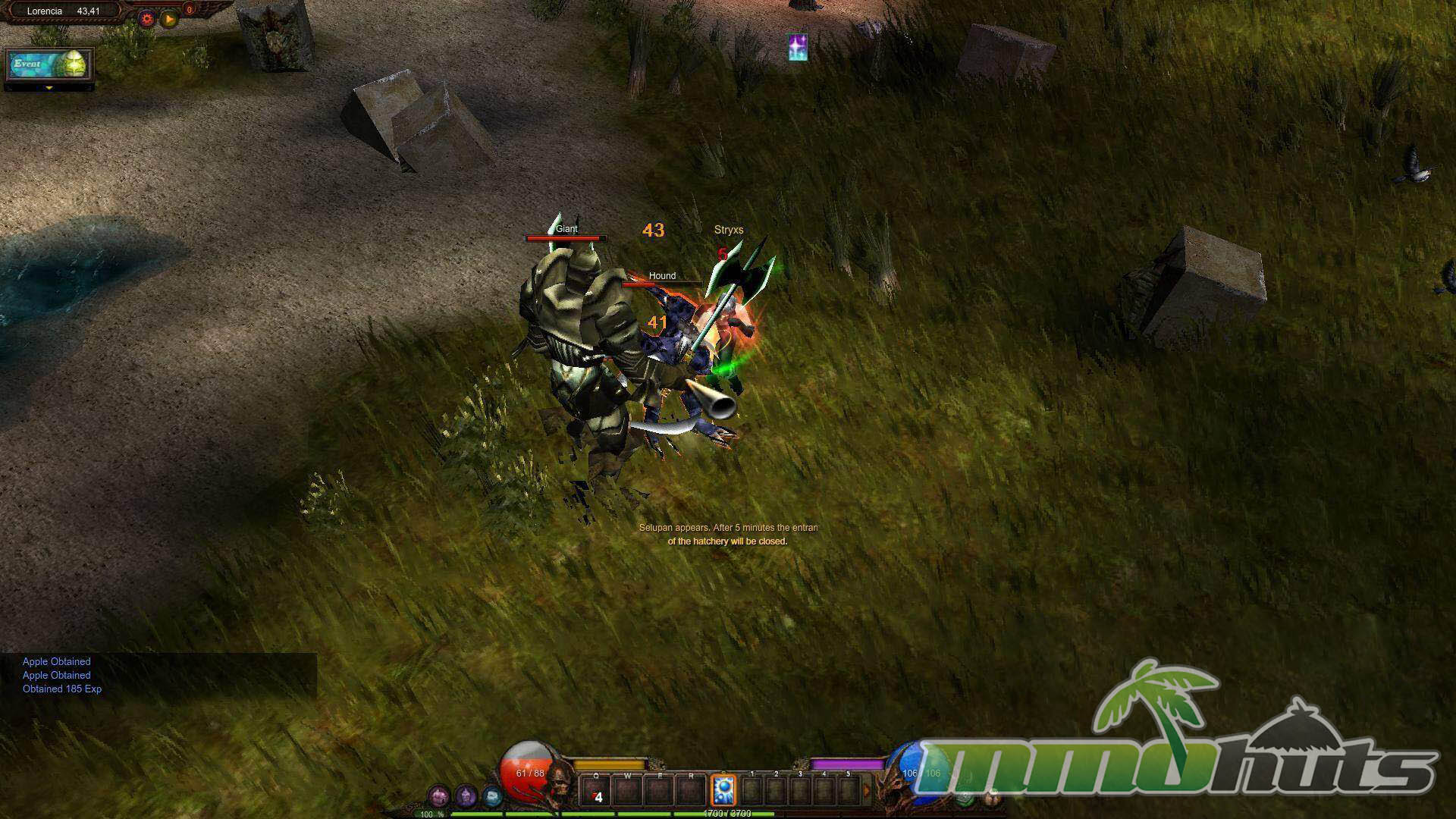
Mu Online is a classic 3D fantasy hack-and-slash MMORPG that clearly takes cues from old-school action RPG design. It uses an isometric, top-down viewpoint and leans heavily into fast monster farming, gear hunting, and long-term character growth rather than cinematic storytelling or modern quest-driven leveling.
 | Publisher: Webzen Playerbase: High Type: MMORPG PvP: Duels / Open World Release Date: October 6, 2003 (NA/EU) Pros: +Satisfying Diablo-like loop of killing and looting. +More than a decade of updates and systems to explore. +Extremely high level ceiling (1,100+). +Speed servers support rapid progression. Cons: -No meaningful character appearance options. -Only three starter classes at the beginning. -Progression is grind-heavy and repetitive. -Questing is minimal. -No built-in auction house. |

Mu Online Overview
Mu Online is a long-running MMORPG that began as a pay-to-play title and later transitioned into a free-to-play model. Even with its 2003 origins, it maintains a notably active community, largely because the core loop is straightforward and addictive: fight monsters, upgrade gear, and keep pushing levels. The presentation and click-to-move combat will feel immediately familiar to players who grew up on isometric dungeon crawlers. There are seven total classes available, though access is not equal, two classes unlock through progression and two are tied to the cash shop.
Mu Online Key Features:
- Years of Systems and Activities – after more than twelve years of updates, there is a large backlog of features, areas, and progression paths for new and returning players.
- A Long Road to the Top – with a level cap that stretches beyond 1,100, the game is designed for extended grinding and incremental power gains.
- Gear Hunting at the Core – dungeon-style zones and monster camps feed into a constant hunt for stronger equipment and better stat rolls.
- Open PvP as a Default – outside towns, players can clash in the open world (and if that is not your style, non-PvP server options exist).
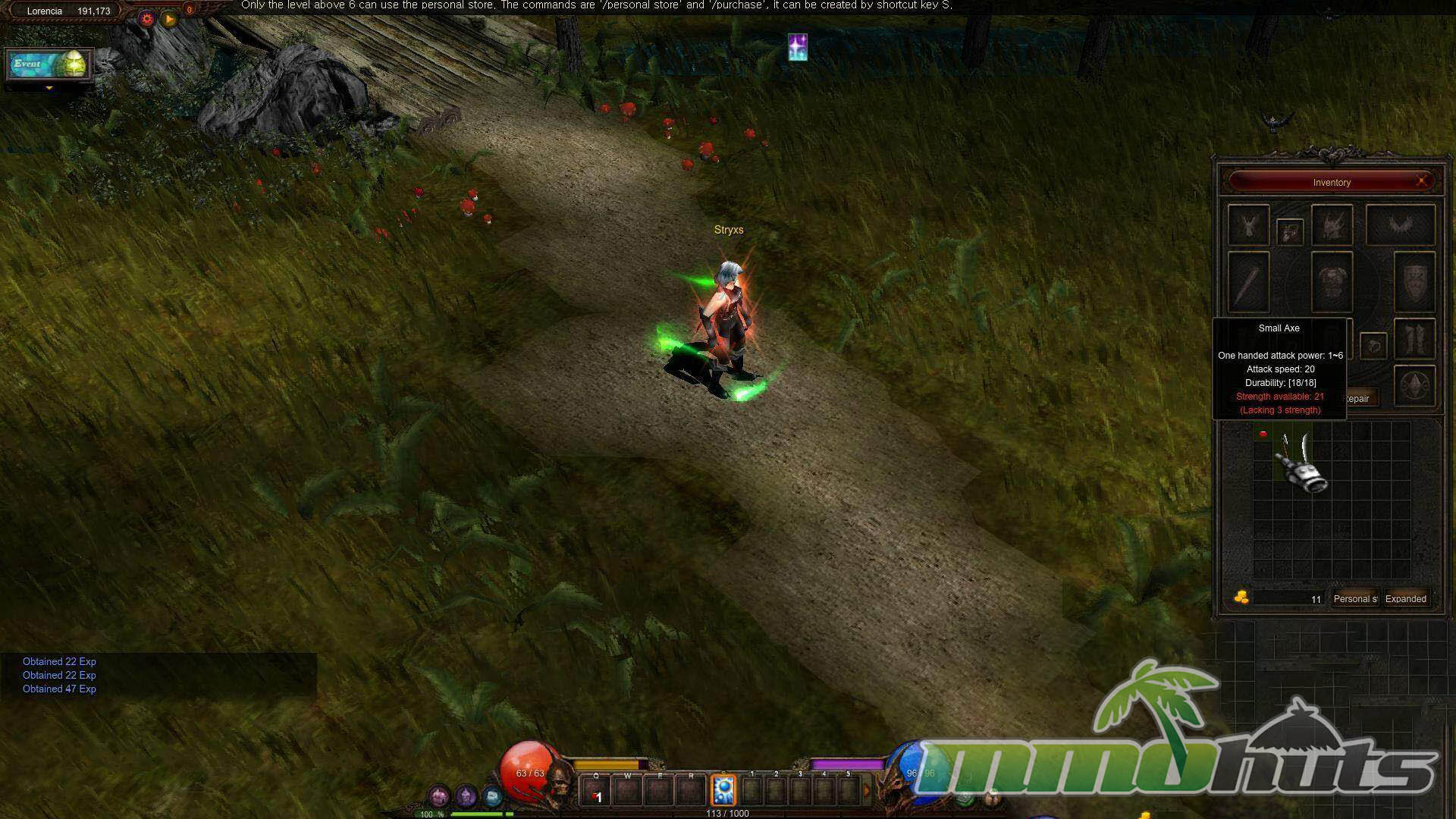
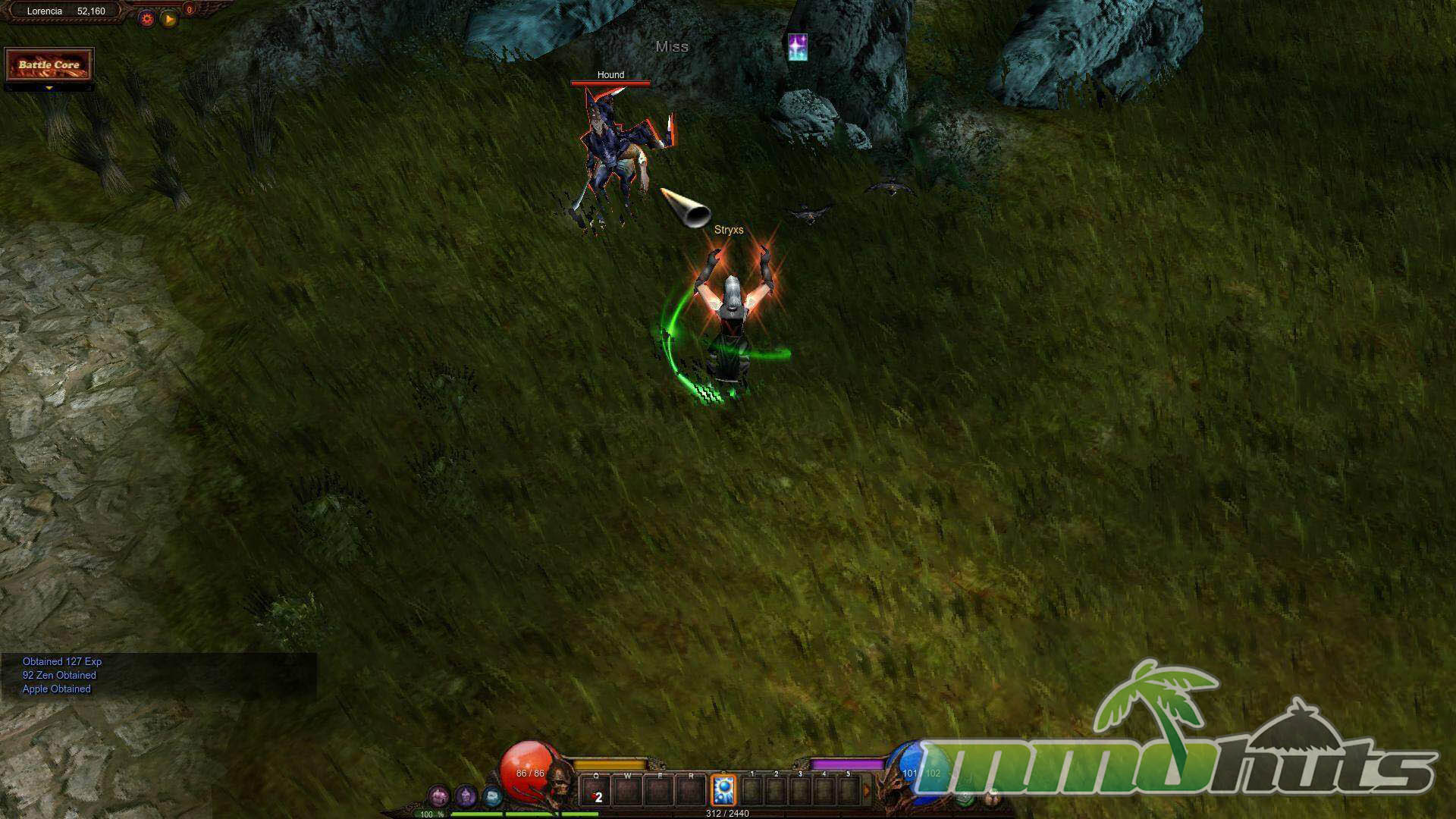
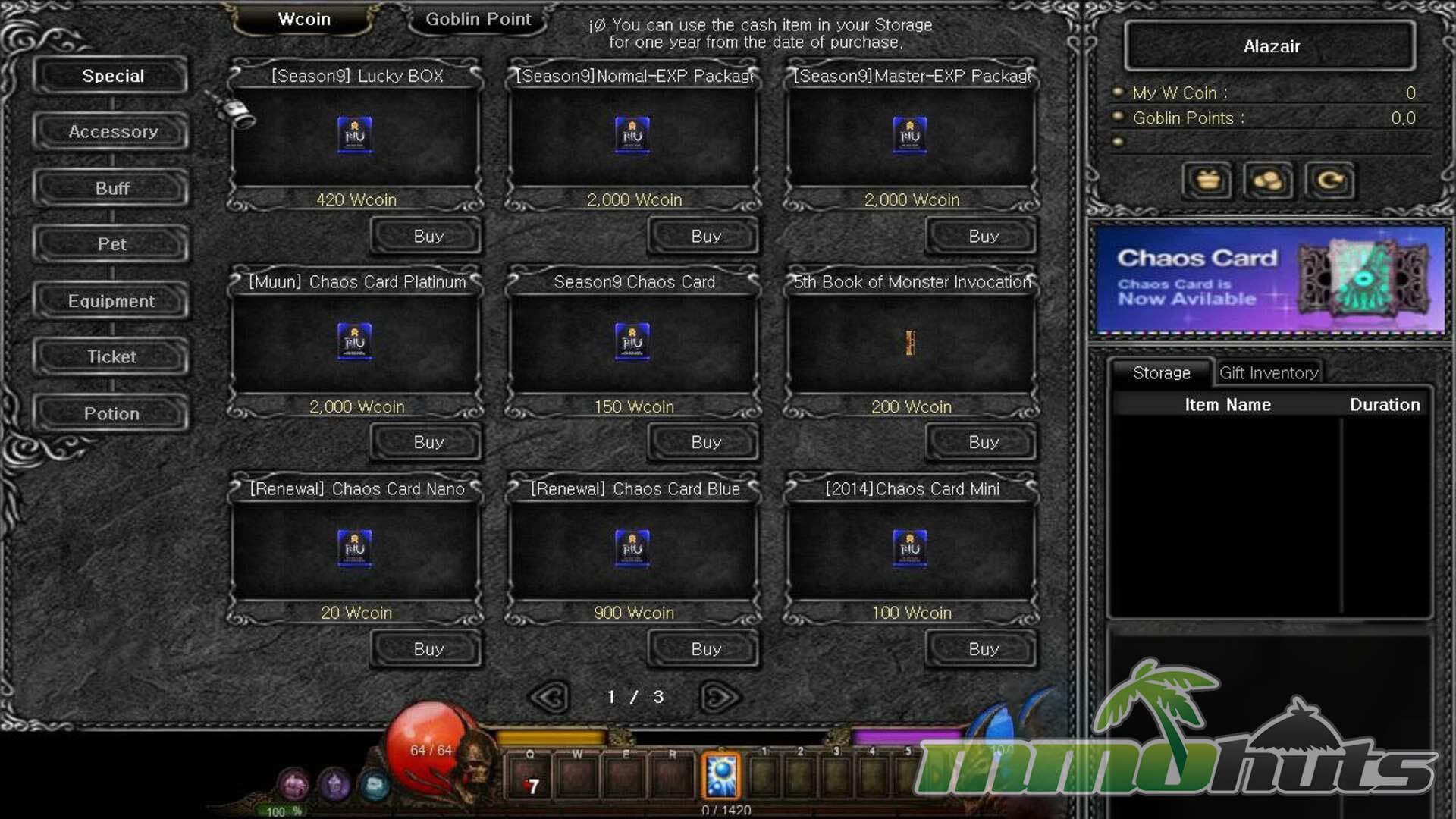
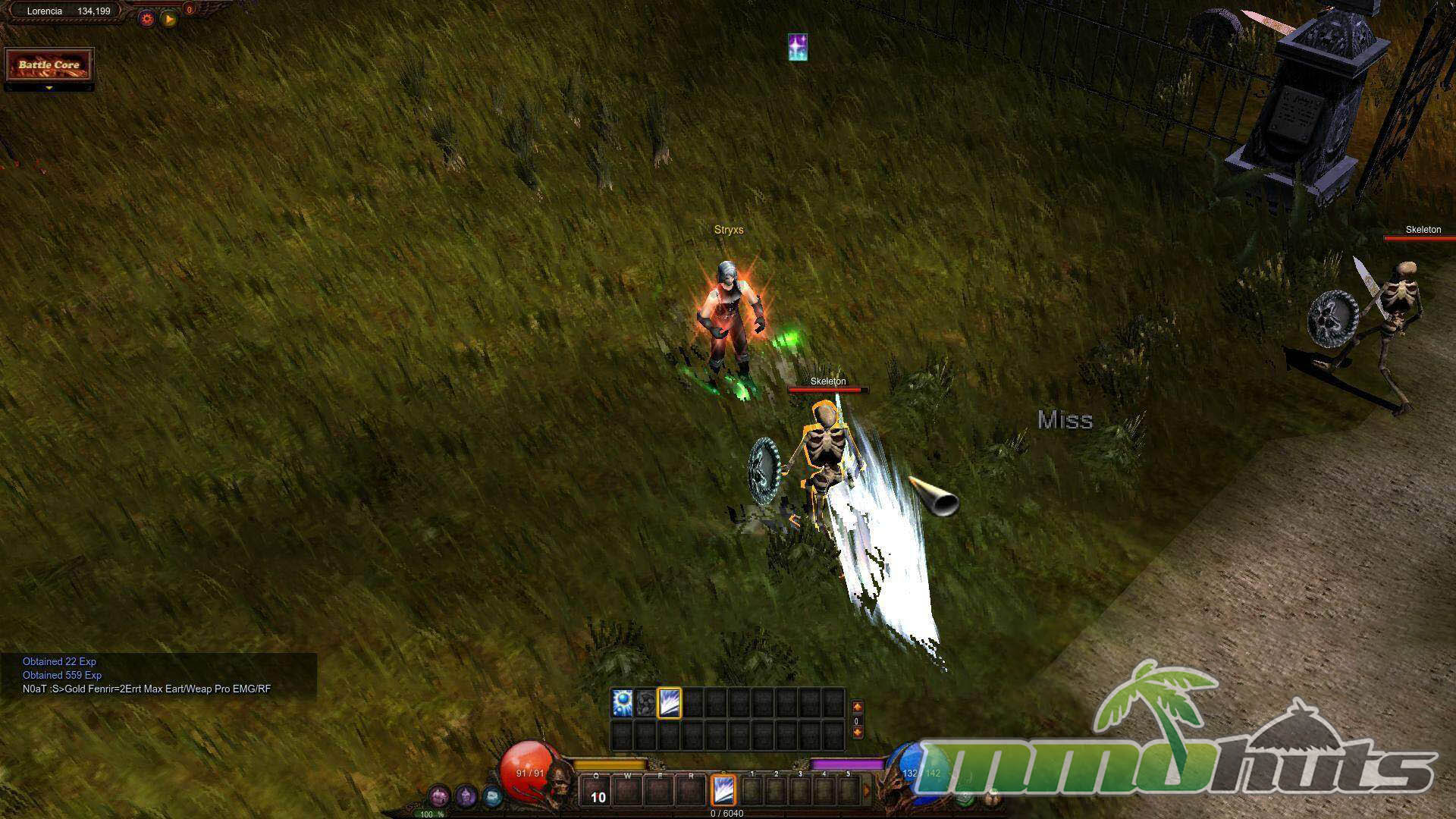
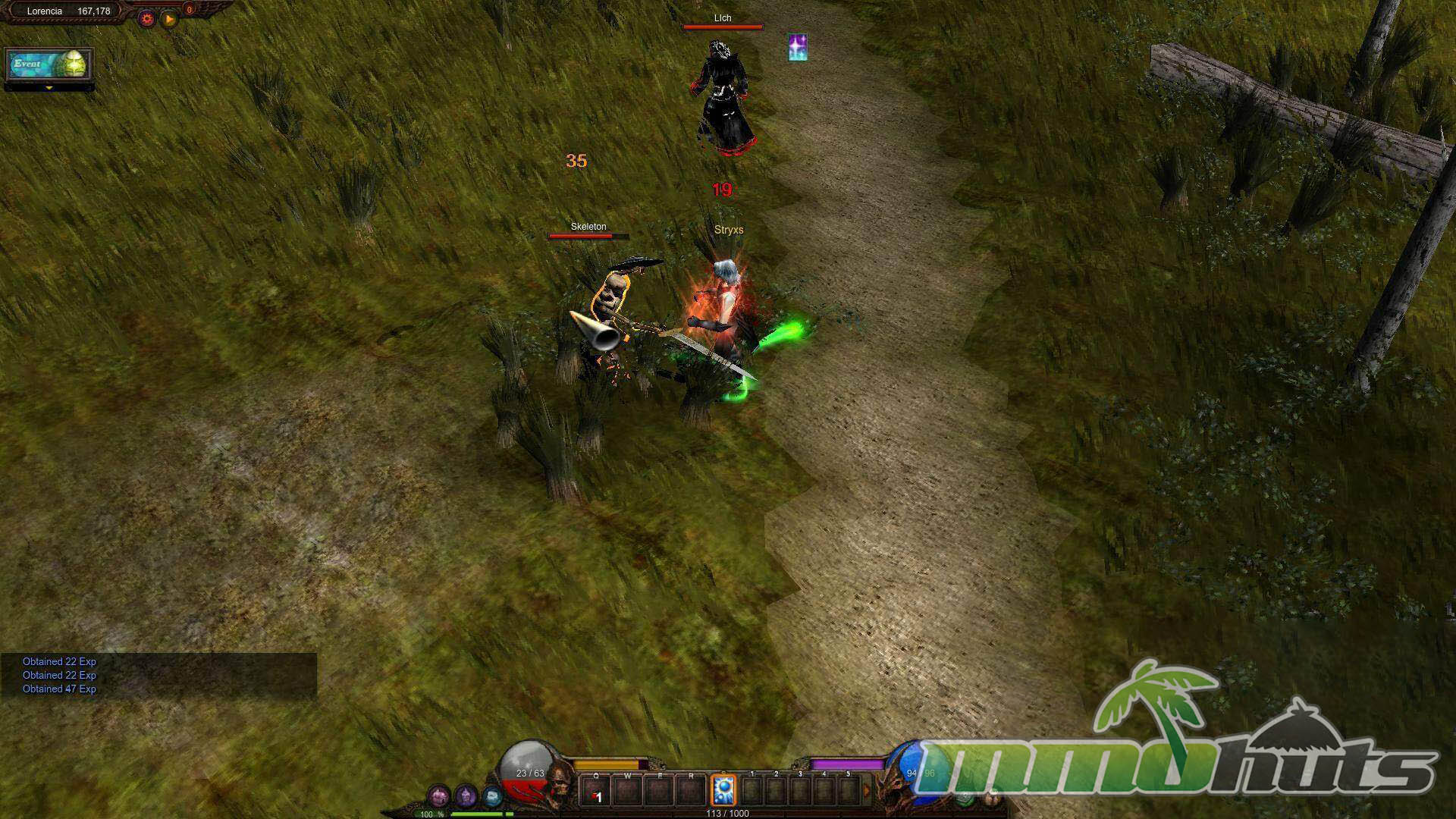
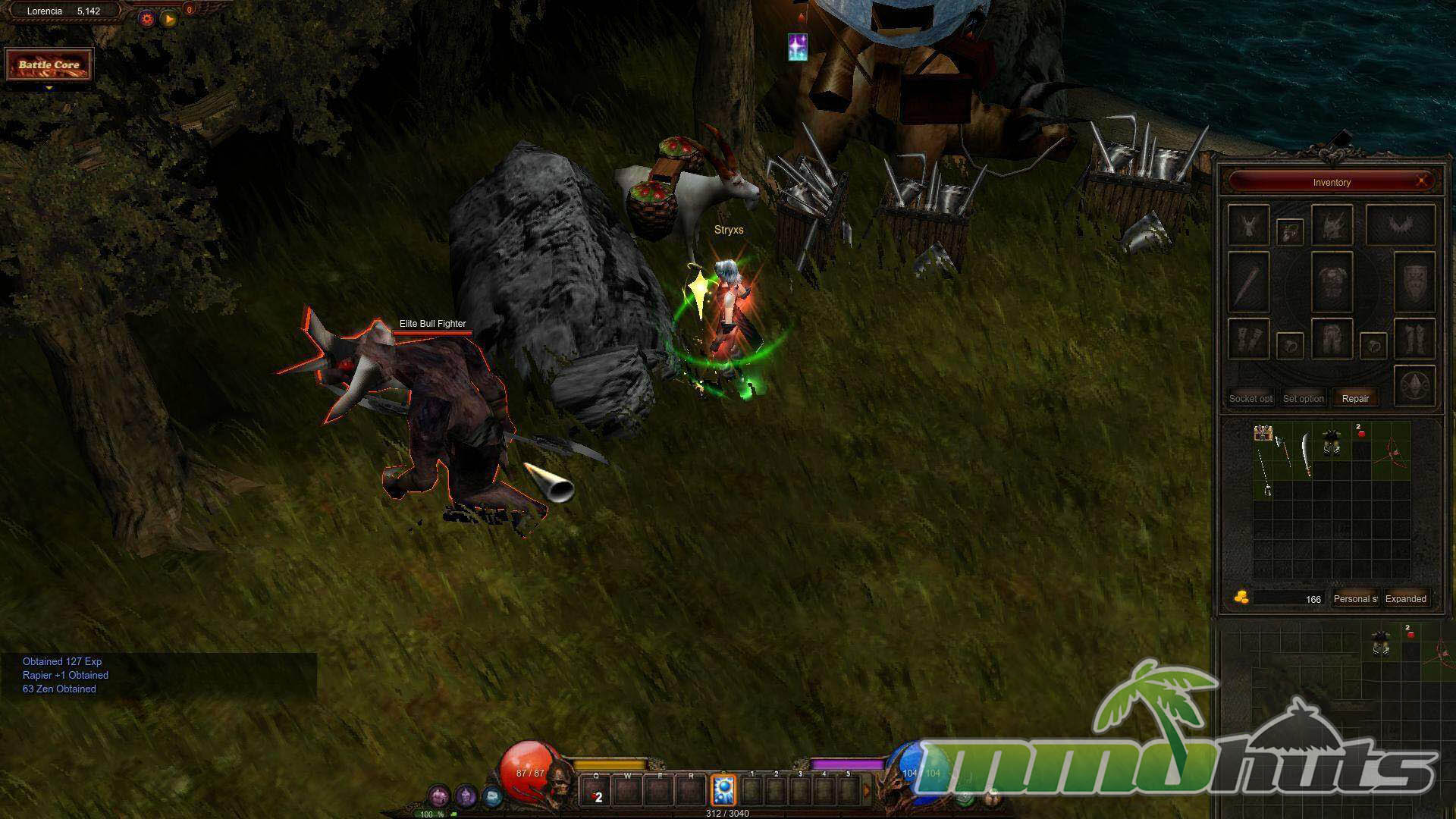
Mu Online Screenshots





Mu Online Featured Video

Mu Online Classes
The Dark Wizard is the traditional glass-cannon caster, relying on spell damage to delete targets quickly, including AoE options for packs. The tradeoff is what you would expect, low durability and a rougher early game if your gear lags behind.
The Dark Knight fills the frontline role with higher survivability and sturdier defenses. Their early progression can feel more basic offensively, but they have the durability to keep grinding efficiently.
Fairy Elves mix ranged combat with support tools, giving them a flexible identity that can contribute damage while also providing healing utility.
Magic Gladiators blend melee weapon use with spellcasting, borrowing the feel of both knight and wizard playstyles. This class is unlocked after reaching Level 220.
The Dark Lord fights alongside companions such as the Dark Raven and Dark Horse, with a mounted, commander-like theme. This class is unlocked after reaching Level 250.
Summoners focus on scroll-based summons and disruptive magic that weakens or disables enemies. This class can only be used after purchasing it from the cash shop.
Rage Fighters emphasize strength-based, charged attacks and self-enhancing buffs that improve their brawling power. This class can only be used after purchasing it from the cash shop.
Mu Online Review
Mu Online is a 3D hack-n-slash fantasy MMORPG developed and published by Webzen. Its standout trait is longevity, it has been running for well over a decade and still pulls in a healthy population for an older title. That age is impossible to miss: the visuals, animations, and general presentation are firmly rooted in the early 2000s era. The upside is that the game remains actively maintained, and the modern version has accumulated years of content and progression layers. Mu previously had different regional publishing arrangements, but today the global service is handled directly by Webzen.
Getting into the Game
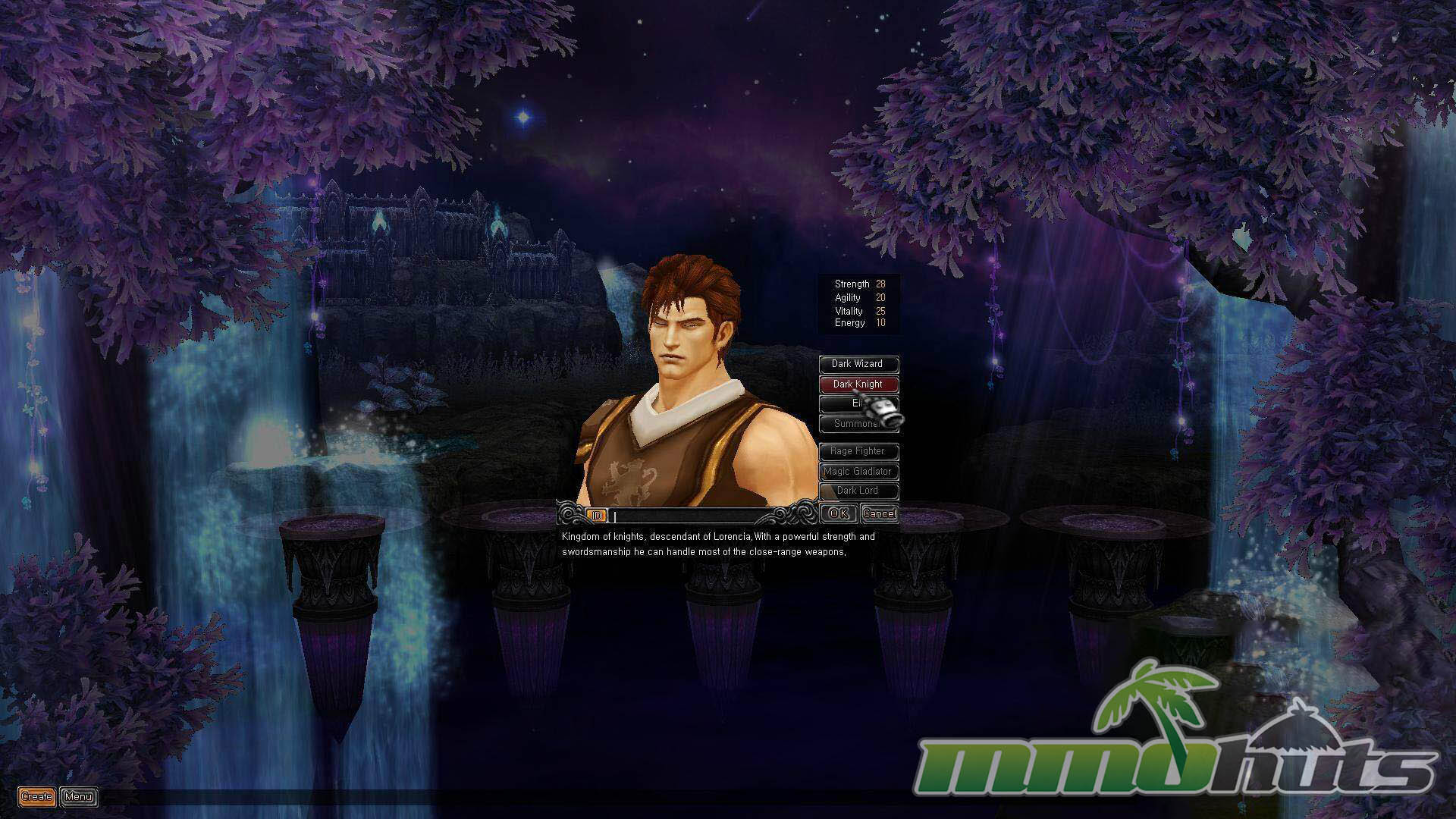
The first friction point is character creation, because there is essentially no cosmetic control. Each class has a fixed look, with no sliders or appearance choices to personalize your avatar. On top of that, classes are gender locked: Summoners and Fairy Elves are female, while the rest are male. For an MMORPG, this feels restrictive, especially when many games from the same era offered more freedom. That said, Mu Online’s identity is closer to an action RPG where the character is primarily defined by class, gear, and stats rather than roleplay cosmetics, so it aligns with its Diablo-inspired roots.
Moment-to-moment controls are simple: click-to-move, click-to-attack, and hotkeys (1 through 9) for skills. The simplicity is a strength, but the interface can feel dated and occasionally awkward, especially when you are first learning how to assign and manage abilities. Navigation also leans on the map (TAB) more than modern MMORPGs, since you will often be farming outside town and need to orient yourself quickly. Skills are not automatically granted, you buy them from trainers, which makes early progression feel like a steady drip of upgrades rather than an explosive ability unlock curve.
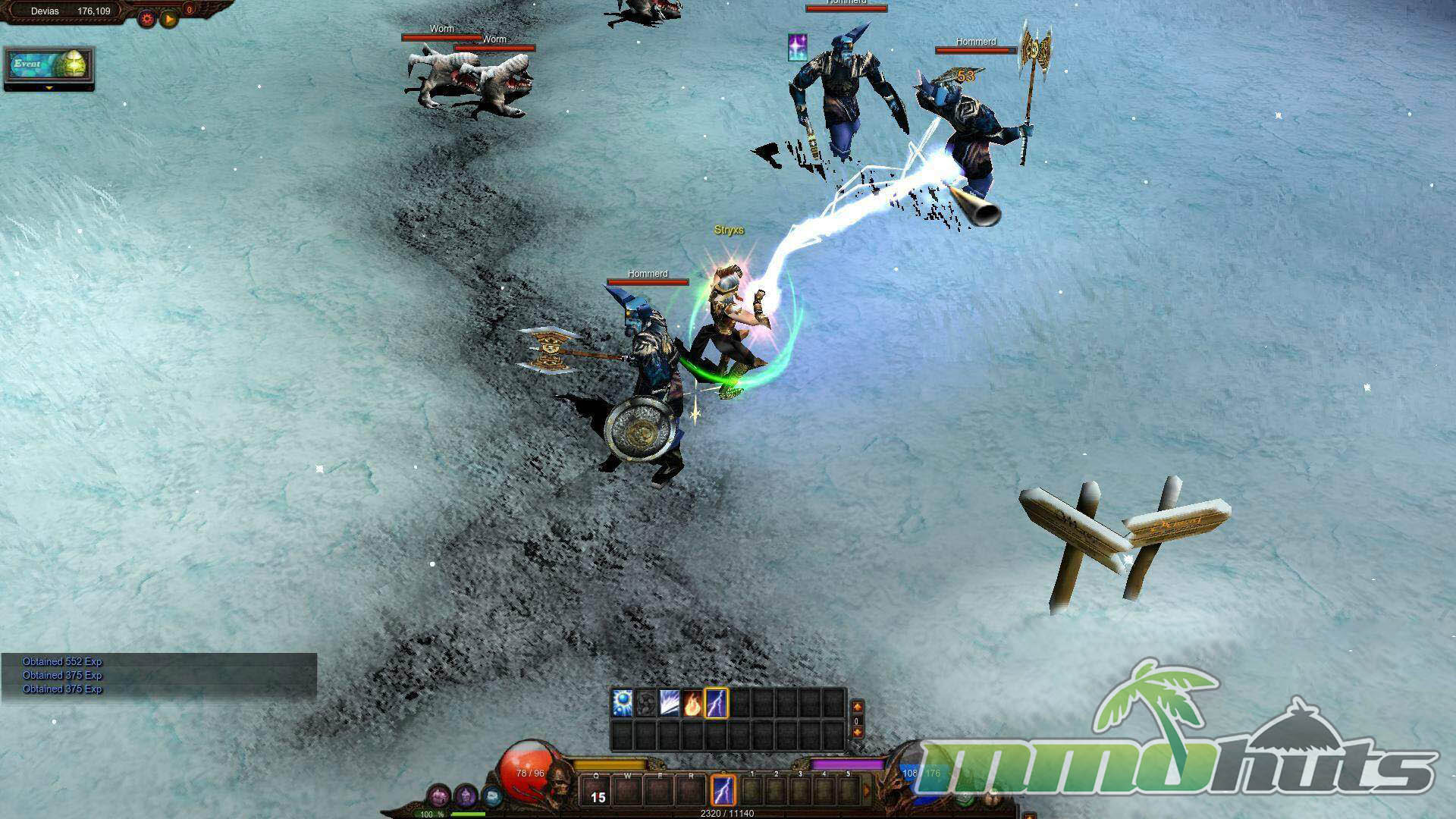
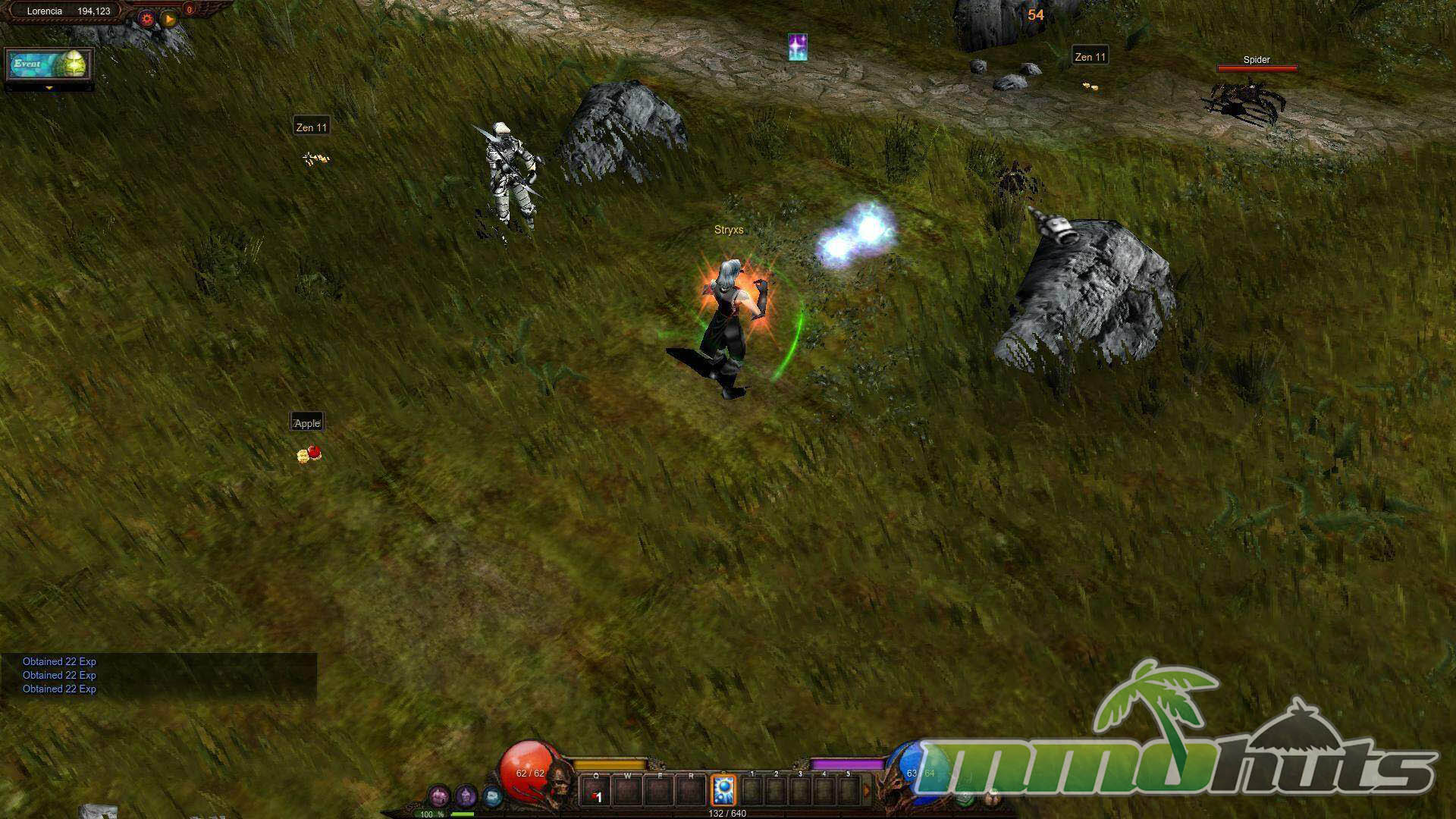
Once you step out into the field, the game’s action RPG DNA becomes obvious. The isometric view, the combat pacing, and the gear chase all echo classic dungeon crawlers. Where it differs from the best ARPGs is structure: Mu Online does not put narrative front-and-center, and the experience is far more about repetition and efficiency than story beats. Whether that is a flaw or a feature depends on what you want from an MMO.
Early Progression and Quest Flow
The initial guidance is easy to overlook, since the first tutorial steps live inside menus and can be missed if you are eager to start fighting. If you follow them, you will see a short sequence of functional quests that mostly exist to introduce UI features and basic systems before pushing you toward monster hunting.
After that, the questing layer thins out. Many objectives boil down to killing specific enemies, and there is not a robust chain-driven quest path that carries you smoothly through long stretches of leveling. If you prefer modern MMORPG pacing with frequent story quests and varied tasks, Mu can feel bare. If you enjoy classic grind loops, the lack of quest density is less of an issue, because the game is designed around farming.
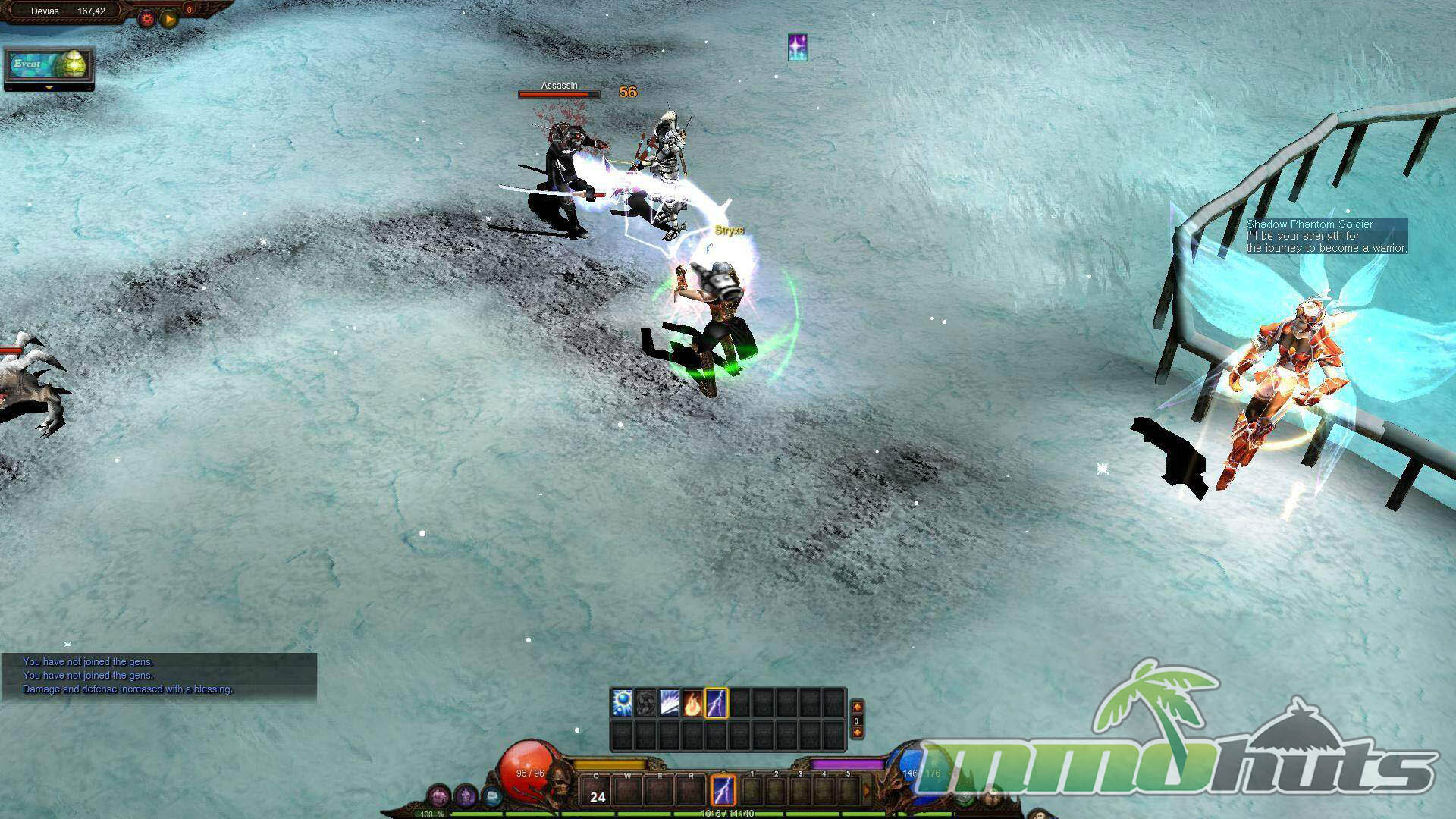
Difficulty also spikes in a way that encourages preparation rather than blind wandering. Early on, you can receive a helpful attack and defense buff from a town NPC, and it makes a noticeable difference when you are undergeared. Once that support falls off, fights that were trivial can suddenly become punishing, particularly if you pull multiple monsters. In practice, it is smart to refresh that buff before long grinding sessions at low levels, and to rely on the town’s kill quests and tutorial tasks to stabilize your early power curve.
Class Availability and Feel
Mu Online starts you with only three choices, which is limiting even for older MMORPG standards. Discovering that two classes are locked behind higher level milestones and two more are cash shop purchases makes the starter trio carry a lot of weight, since most new players will spend a meaningful amount of time with them.
In the earliest hours, the starter classes can feel more alike than different because everyone leans on basic attacks and a small skill list. The gap widens later as gear improves and class kits fill out. Dark Knights tend to have the smoothest leveling due to survivability, Fairy Elves benefit from range and support utility, and Dark Wizards can feel more fragile until their damage and toolkit catch up. The game becomes more engaging once your hotbar expands and you can start building a rhythm around stronger abilities rather than repeated basic swings.
Loot and Progression Loop
The loot system is one of Mu Online’s strongest hooks. Like many ARPG-inspired games, a major part of progression is not just finding higher-tier items, but finding the right versions of those items. Randomized stat bonuses create a constant incentive to keep farming because an upgrade is not only about item type, it is about whether the roll matches your build. A caster wants the kind of stats that support spell use, while other classes benefit more from physical-oriented bonuses. This RNG-driven chase is the same psychological engine that keeps players running content in games like Diablo 3 and Path of Exile, and it works well here, especially for players who enjoy incremental optimization.
PvP
PvP is baked into the game’s identity. Outside safe zones, players can fight in the open world (though non-PvP servers exist for those who want a purely PvE experience). To keep the world from devolving into nonstop griefing, the game uses a punishment system for repeated player killing. Players who rack up too many kills become outlaws, effectively marking themselves as targets for others. The risk is not just reputation, there is also the possibility of losing equipment when killed, which becomes a meaningful deterrent once gear starts to matter.
Beyond open world encounters, Mu Online includes expected competitive modes like duels, guild wars, and event-based PvP. It is a style of PvP design that was more common in the era Mu launched, and it will appeal most to players who miss that older, harsher MMO atmosphere.
Private Servers and Closing Impressions
As with several long-running Korean MMORPGs, Mu Online has a massive private server ecosystem. Given that the official Webzen service is free-to-play and retains a strong population, private servers are mostly a curiosity unless you are specifically seeking unusual rates, custom rules, or niche communities.
Mu Online’s biggest advantage is also its biggest obstacle. The game has been supported for many years, which means there is a lot to do, but the underlying presentation and early-game structure can feel dated to new players. For veterans, the appeal is clear: familiar systems, long-term progression, and a gear chase that can easily consume entire evenings. For newcomers, enjoyment will depend on tolerance for grinding and older UI conventions.
Final Verdict – Good
Mu Online is enjoyable in bursts, especially if you approach it like an action RPG with MMO trappings rather than a modern narrative-driven online world. Its age shows through dated visuals and limited character personalization, and the questing is not robust enough to carry players who dislike grinding. Still, the game has an active, loyal community and a proven loop of farming, gearing, and pushing levels. If you can accept its old-school presentation and want a long-term grind with open PvP as an option, Mu Online remains worth trying. With a level cap of 400+, there is a substantial amount of leveling and farming ahead.
Mu Online System Requirements
Minimum Requirements:
Operating System: Windows XP
CPU: Pentium 4 2 GHz
Video Card: Any 3D Graphics Card
RAM: 1 GB
Hard Disk Space: 2 GB
Recommended Requirements:
Operating System: Windows XP
CPU: Pentium 4 2 GHz
Video Card: Any 3D Graphics Card
RAM: 1 GB
Hard Disk Space: 2 GB
Mu Online was released in 2001. The game will run smoothly on almost any modern computer.
Mu Online Music & Soundtrack
Mu Online Additional Information
Developer: Webzen
Foreign Release(s):
Webzen, Mu Online’s developer, operates the global version of Mu, called Mu Global, on Webzen.com with no IP restrictions.
Development History / Background:
Mu Online was created by South Korean developer Webzen and officially launched on October 6, 2003. It is among the earliest Korean MMORPGs still receiving active support. Strong popularity at home encouraged Webzen to bring the game to a wider audience through an English-language global service. That success also led to an attempted follow-up, Mu 2, which was planned on Unreal Engine 3 but ultimately cancelled after extended development trouble and a poor reception to what was shown. Even today, Mu Online remains one of Webzen’s dependable revenue generators. Also, much like Ragnarok Online and MapleStory, it has a huge private server scene that continues to thrive alongside the official version.