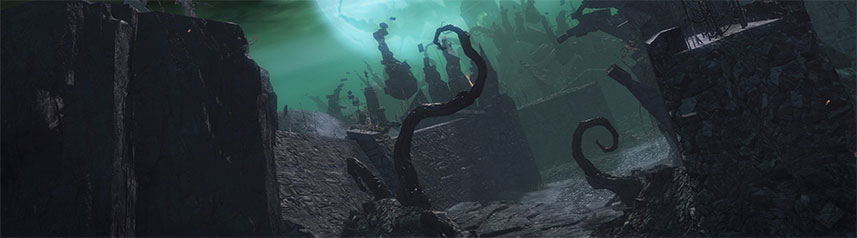
Path of Exile is a 3D action RPG that deliberately channels the feel of older loot-driven classics while layering on modern, system-heavy design. Under its gritty presentation is a game built around deep character planning, an unusual bartering economy, and a skill system that lets you reshape how abilities behave rather than simply upgrading them on a linear track. If you miss the era when ARPGs expected you to learn, experiment, and occasionally fail, PoE is designed for exactly that audience.
 | Publisher: Grinding Gear Games Playerbase: High Type: ARPG PvP: Duels / Arenas / CTF / Tournaments Release Date: October 23, 2013 Pros: +Extremely flexible builds through passive tree and item setups. +New mechanics and seasonal content keep the meta moving. +Leagues for casual play, competition, and permadeath. +Shop is cosmetic, no power for sale. Cons: -A demanding learning curve for new players. -Visuals and UI can feel old-fashioned. |

Path of Exile Overview
Path of Exile is a dark, systems-first ARPG that was clearly built by genre fans who wanted more than straightforward skill trees and gold-based loot loops. The first real “welcome” is the passive skill tree, a sprawling web that can overwhelm new players in minutes, but also signals what PoE does best, it gives you tools and expects you to make meaningful choices with them.
Once you start understanding the game’s core pillars, the depth becomes its main draw. Gear is more than a stat stick because socket colors and links interact directly with skills. Currency is not a single number in your inventory, it is a collection of orbs that double as crafting and trading items. When those systems click, Path of Exile becomes a sandbox for build-making where two characters of the same class can play radically differently.
The campaign offers a substantial amount of content to clear, but the long-term loop is aimed at players who enjoy chasing incremental upgrades, tuning builds, and repeating content efficiently in search of better drops and better rolls.
Path of Exile Key Features:
- Build Freedom Through Systems – your character is defined by passive choices, socketed gems, and linked supports, letting you tailor playstyles in unusually granular ways.
- Fair Free-to-Play Model – there is a cash shop, but it does not provide direct gameplay power, you can compete without spending.
- Designed for Repeat Play – multiple modes and league structures encourage rerolls and experimentation rather than a single “finished” character.
- PvE Focus With PvP Options – most progression comes from PvE, but there are dedicated PvP activities for players who want structured competition.
- Appeals to Diablo 2 Fans – the tone, item hunt, and character planning echo classic ARPG design, with a heavier emphasis on customization.
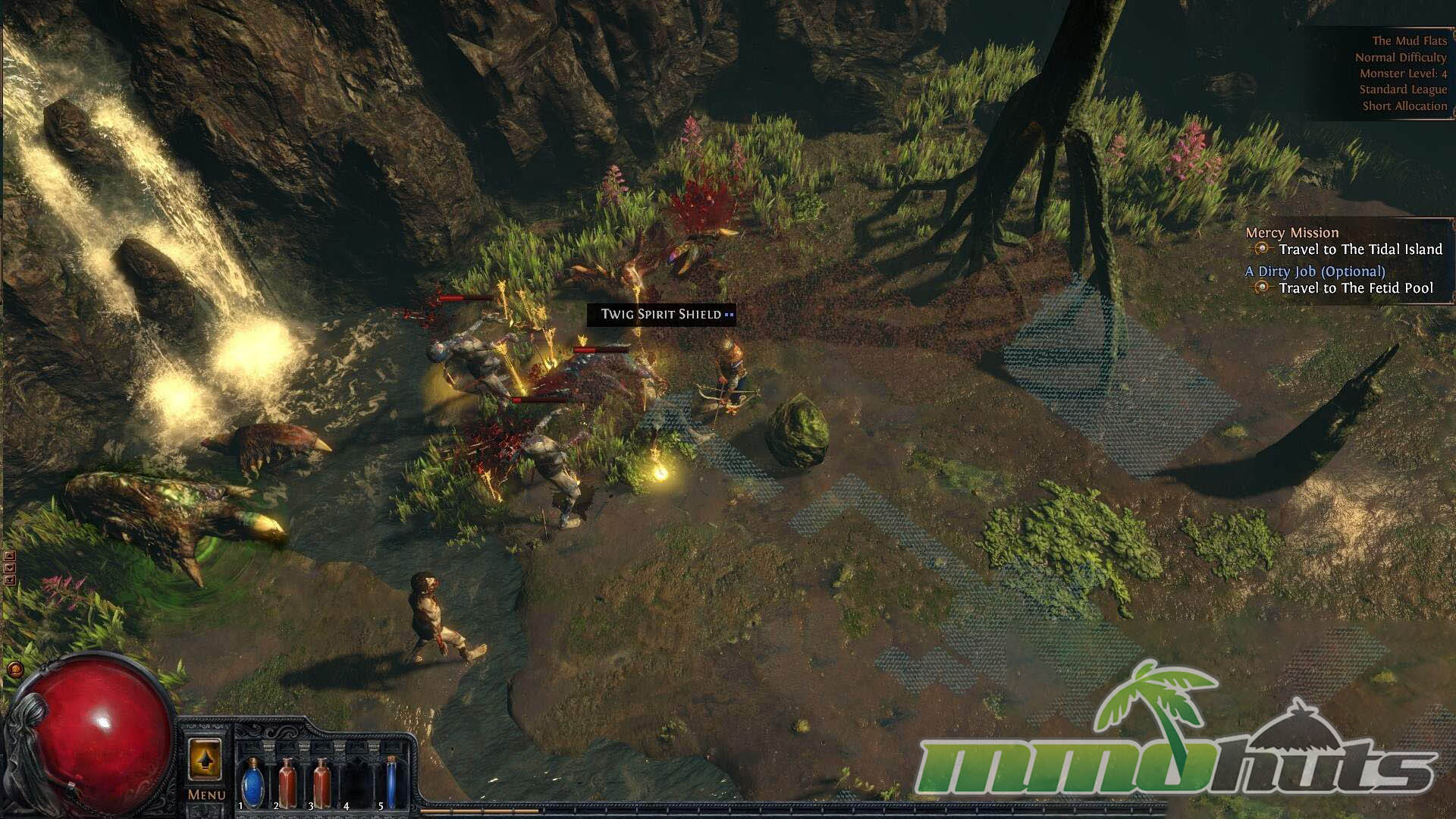
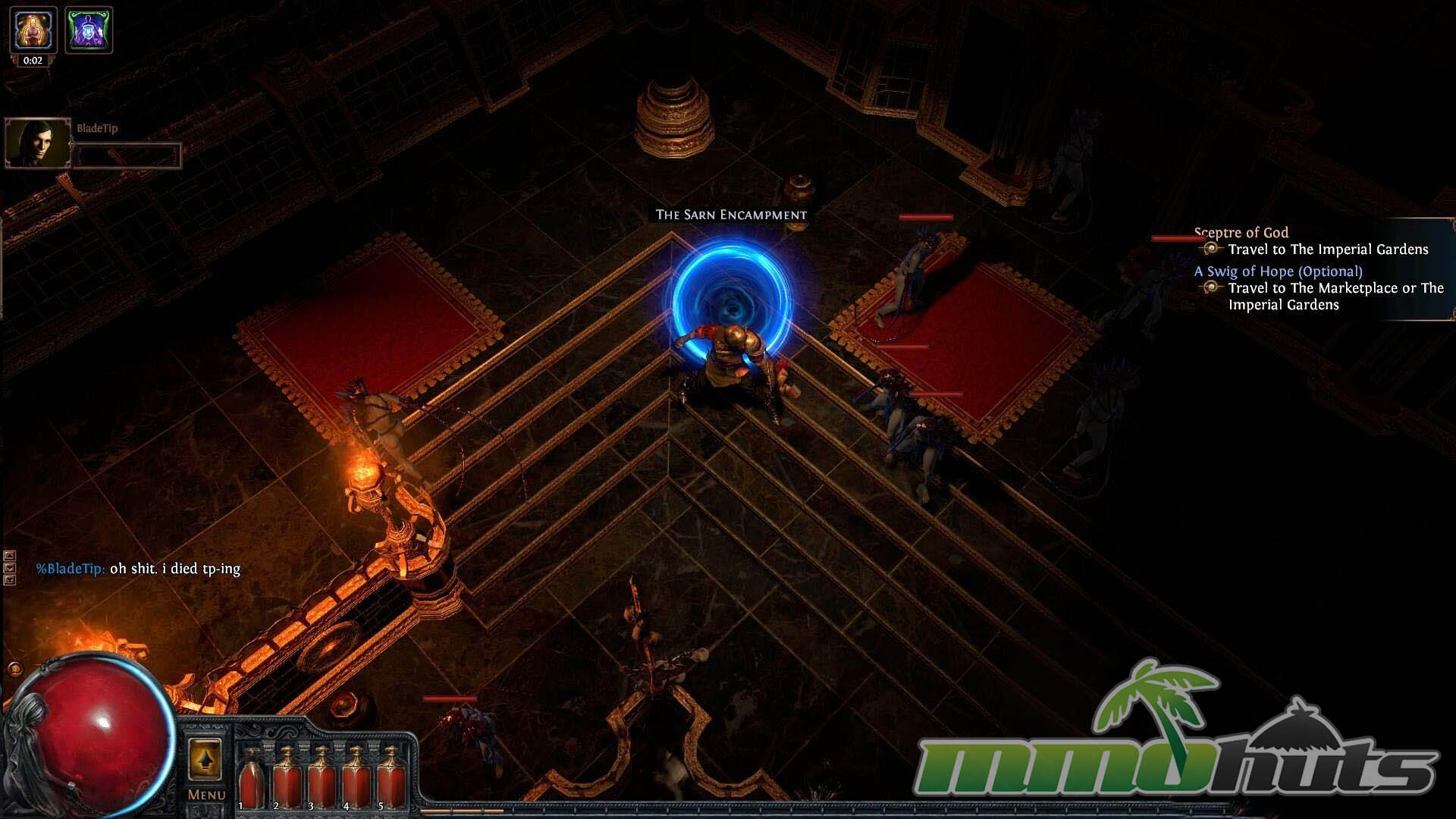
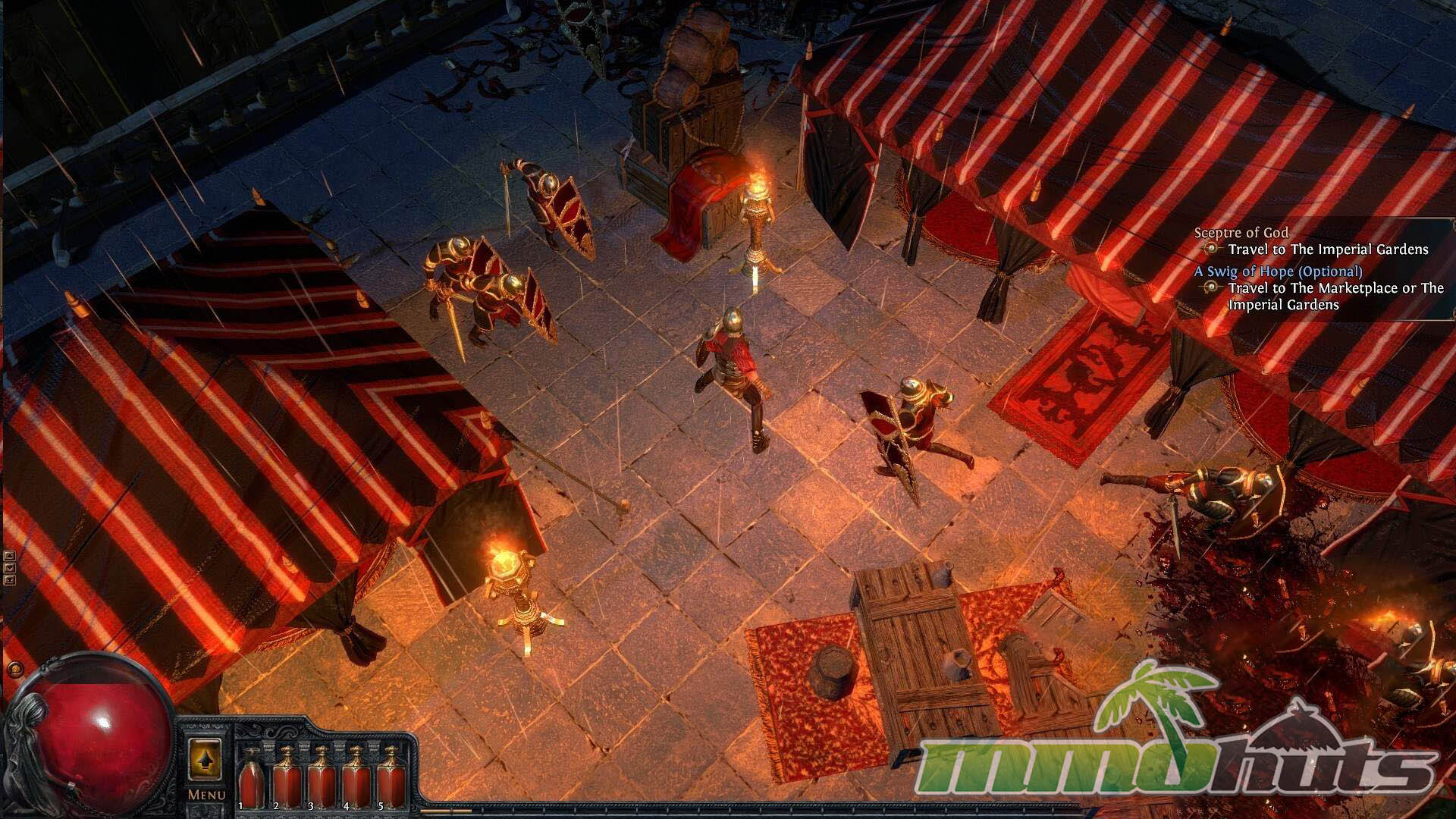
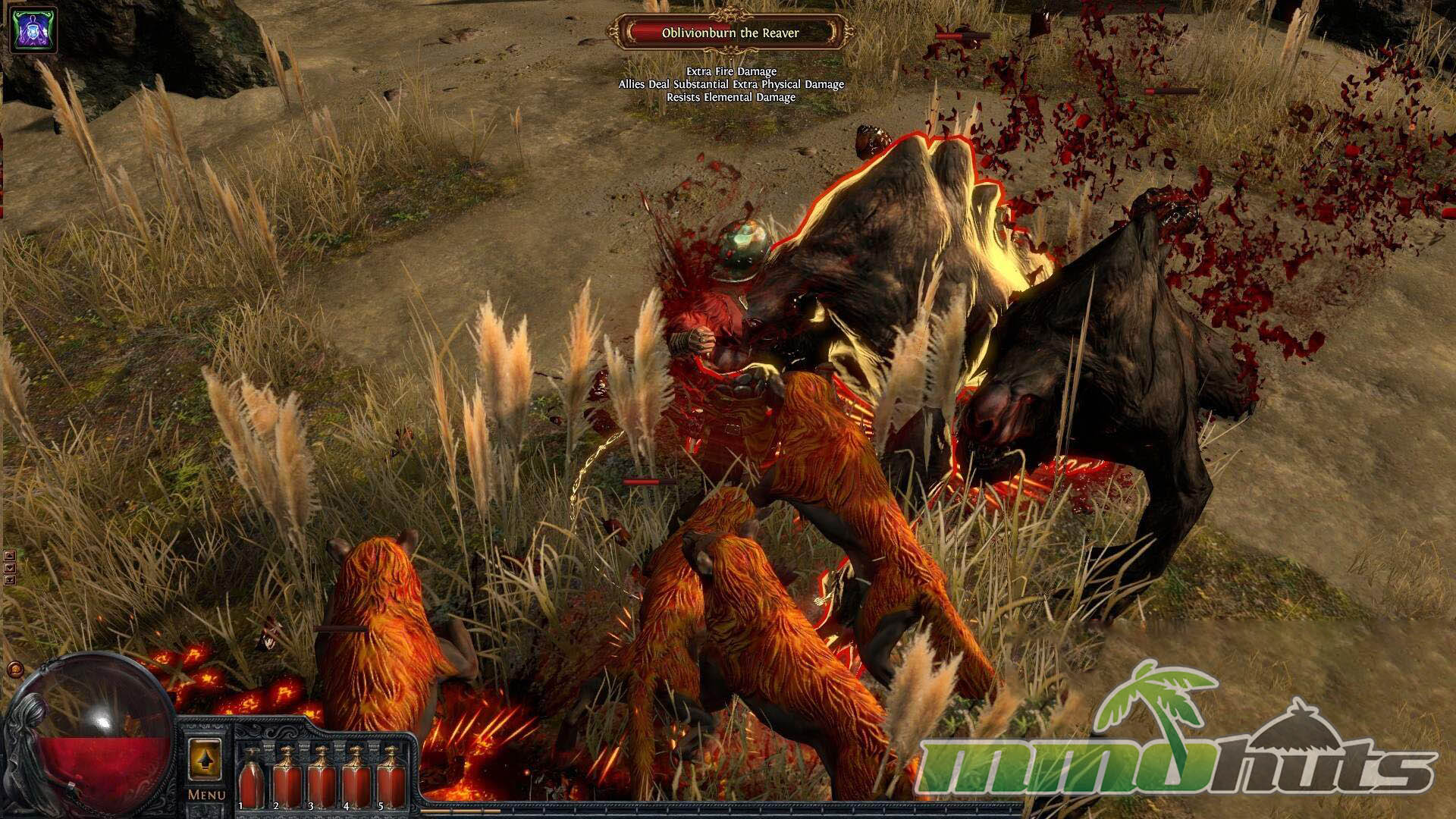
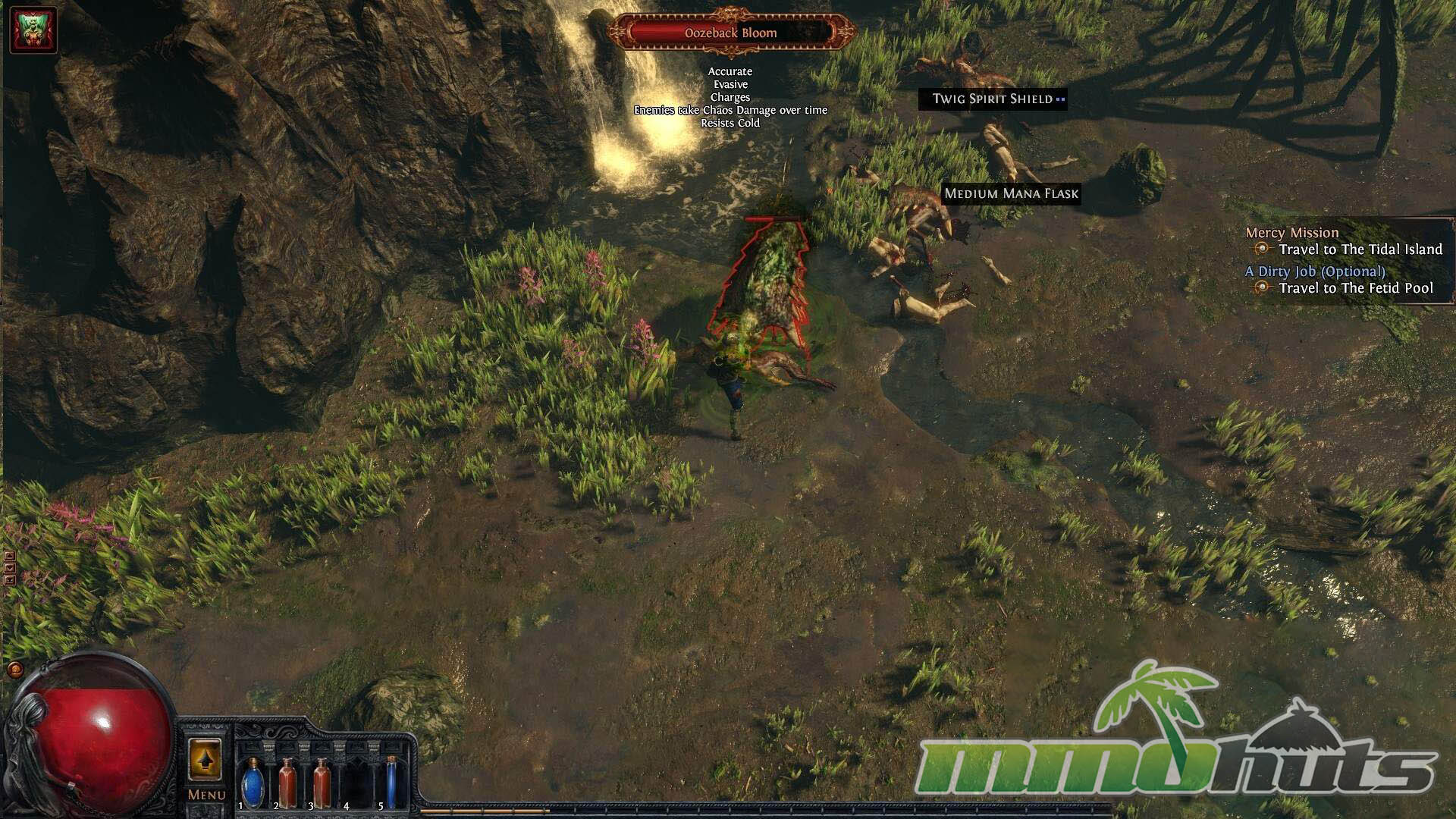
Path of Exile Screenshots
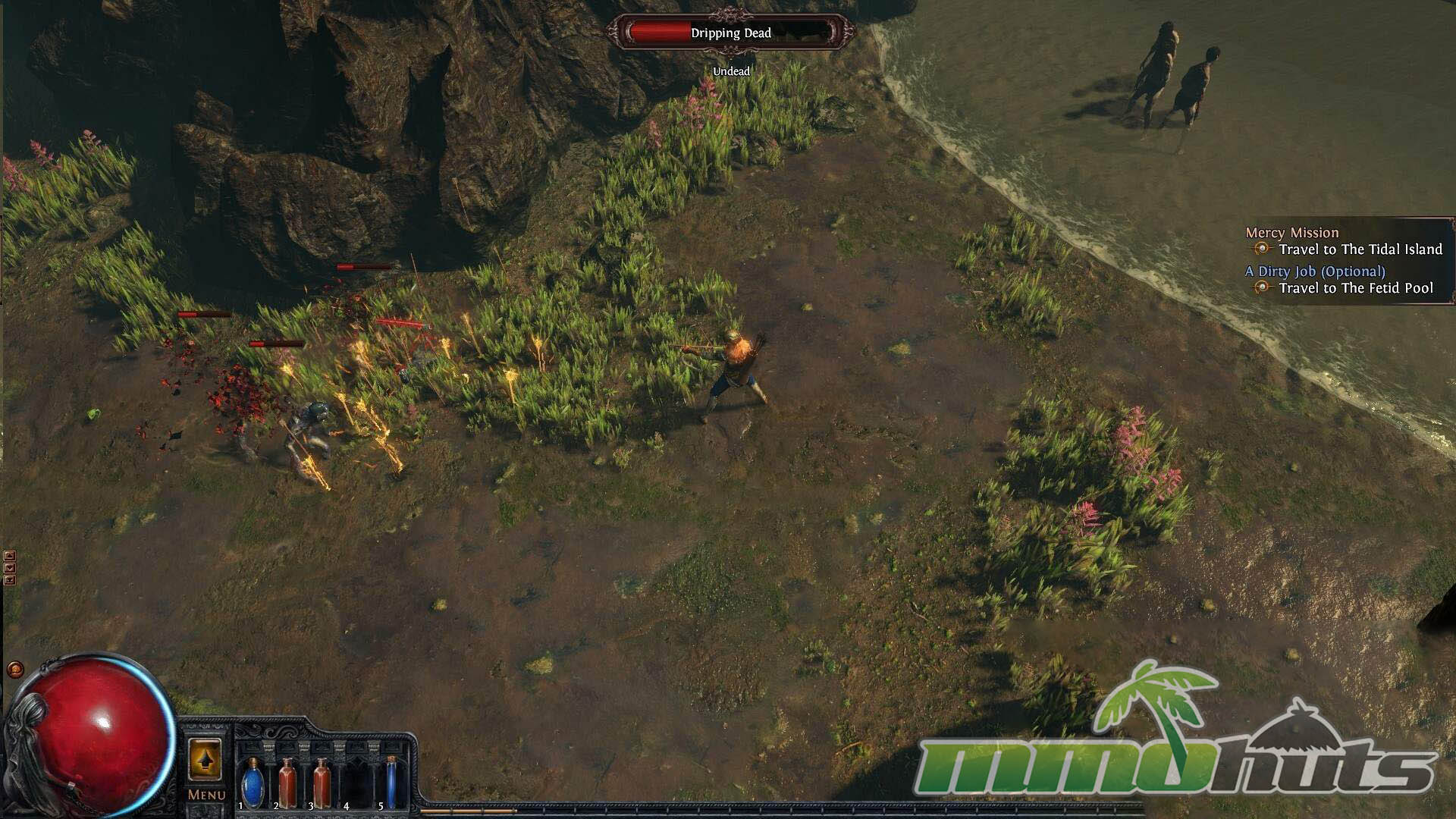
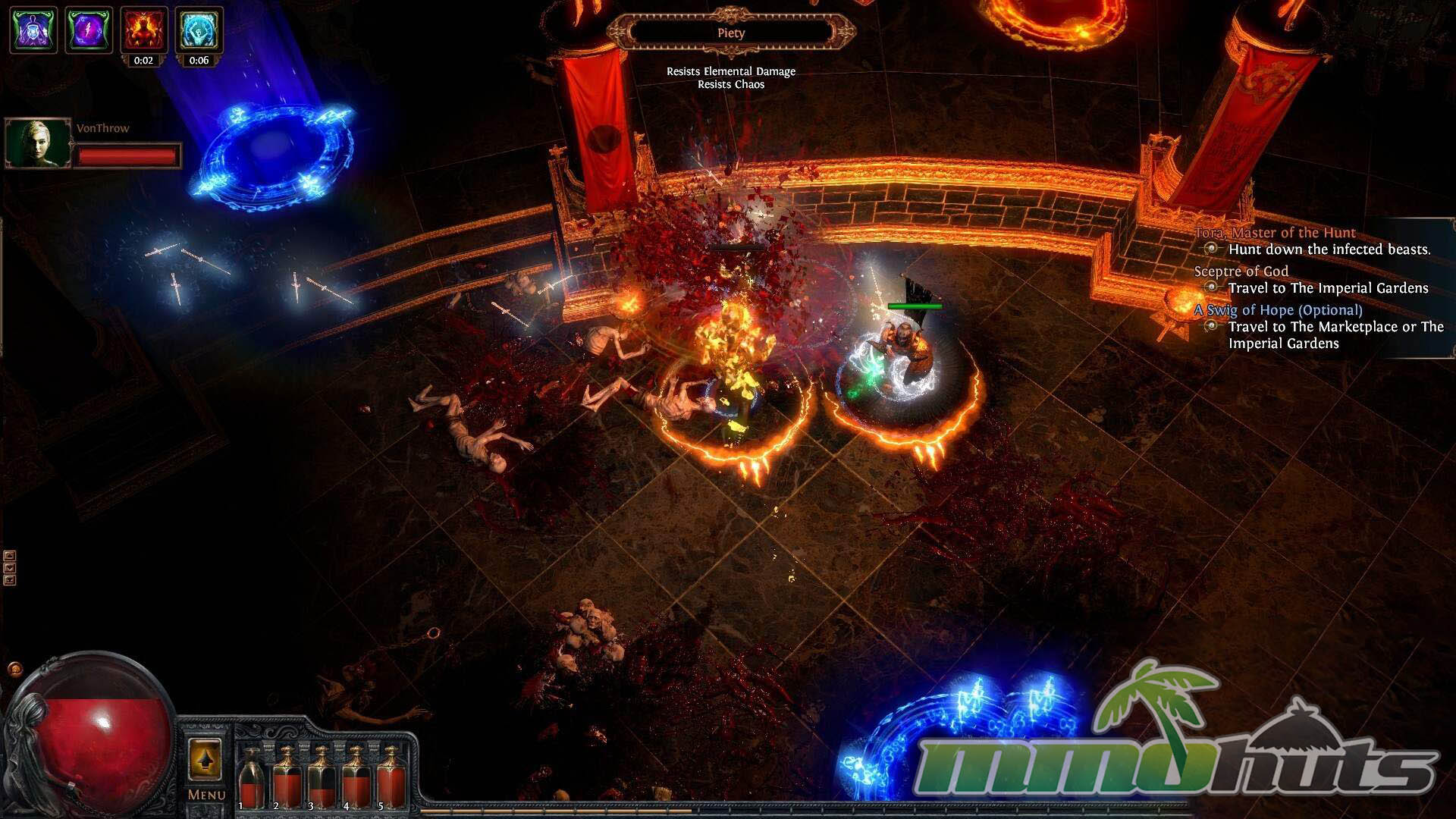
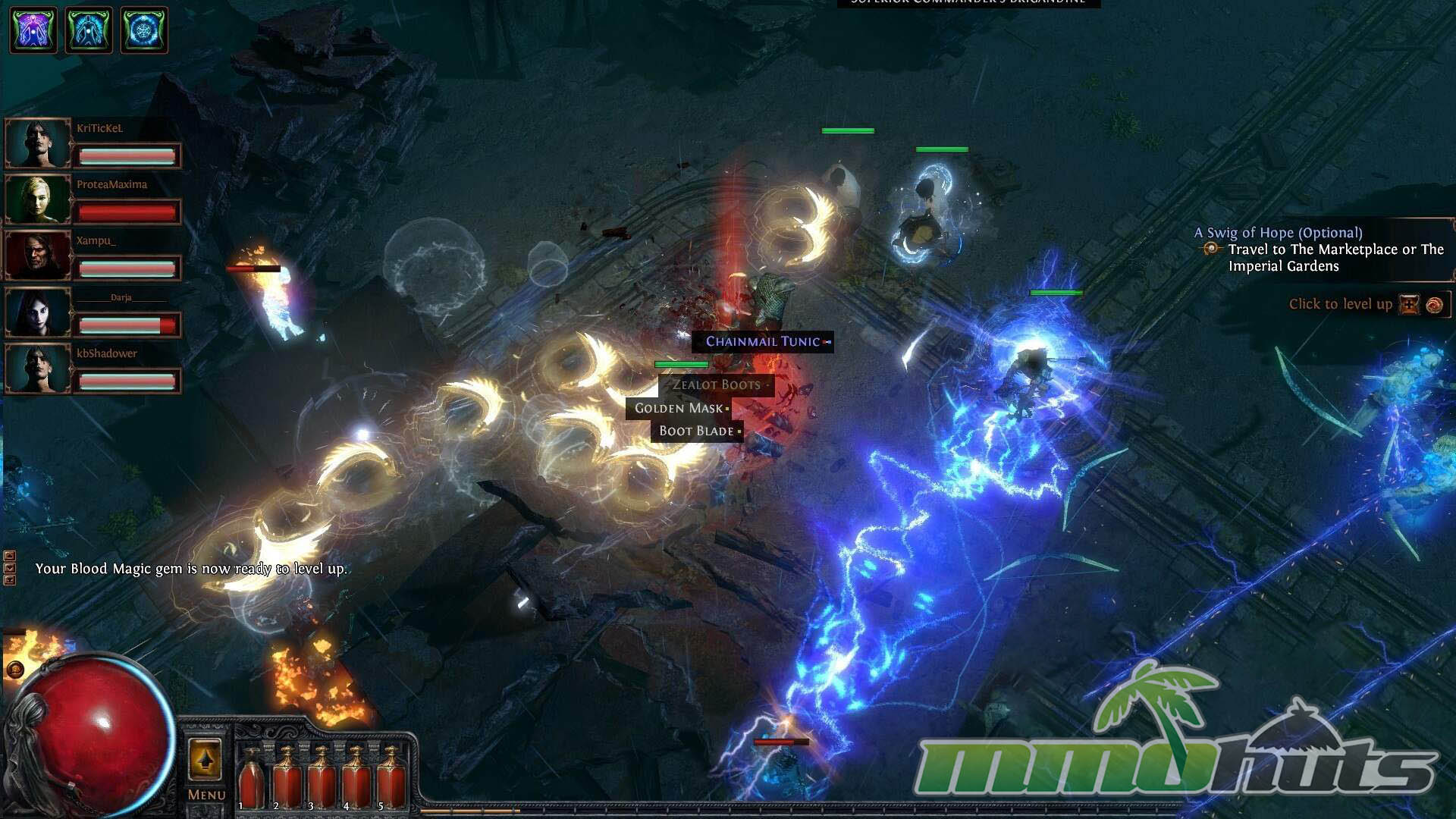
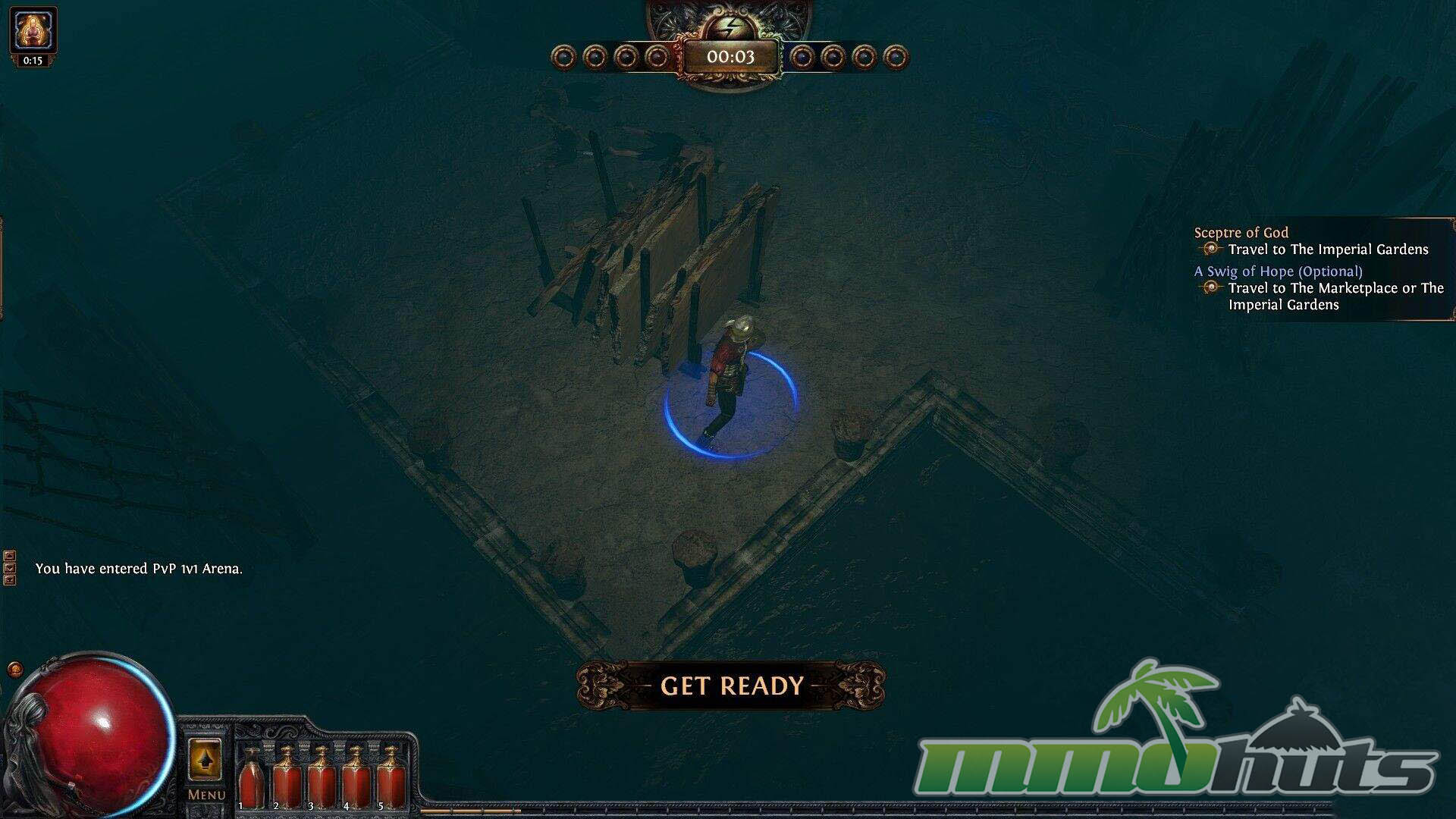
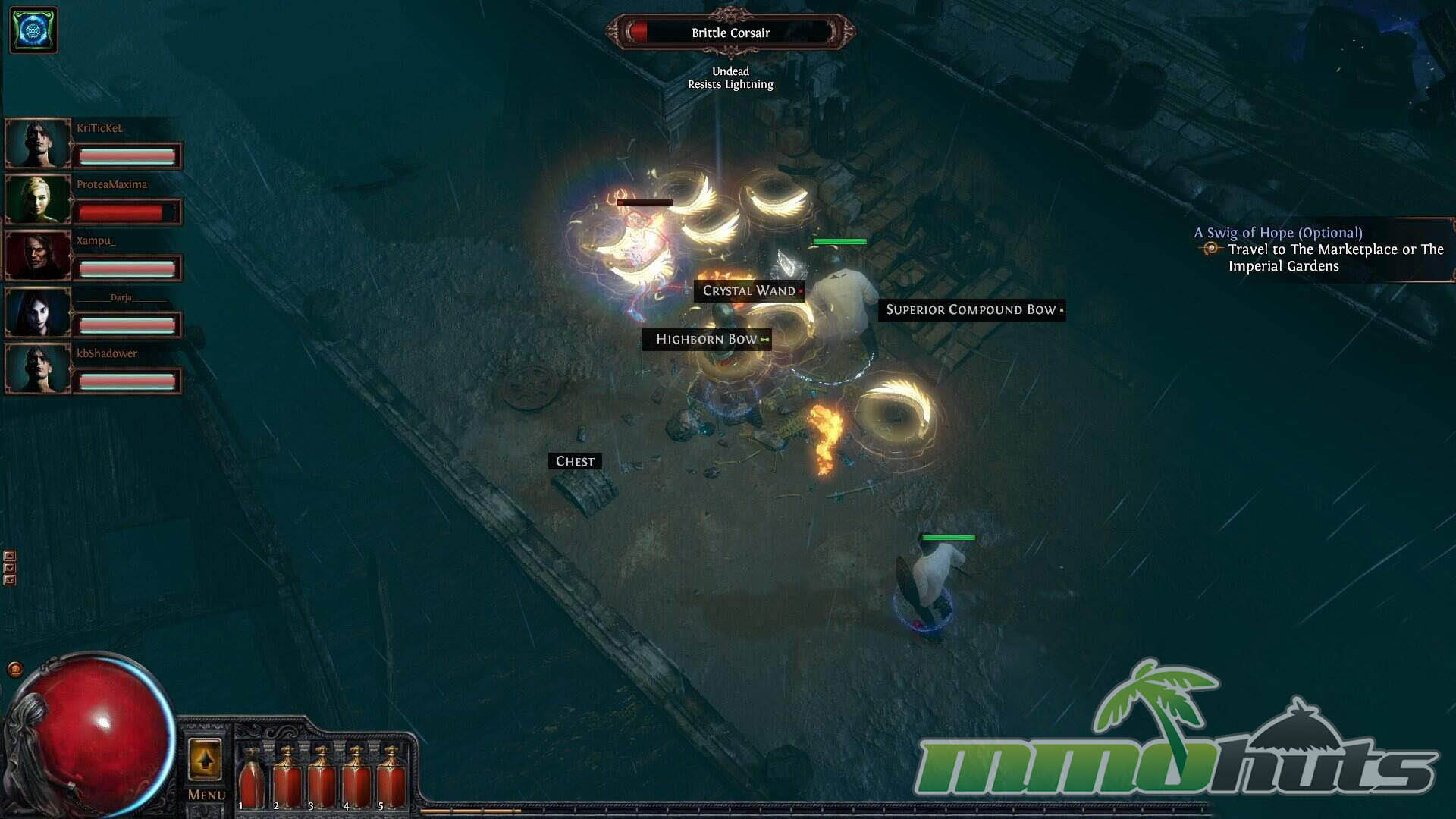

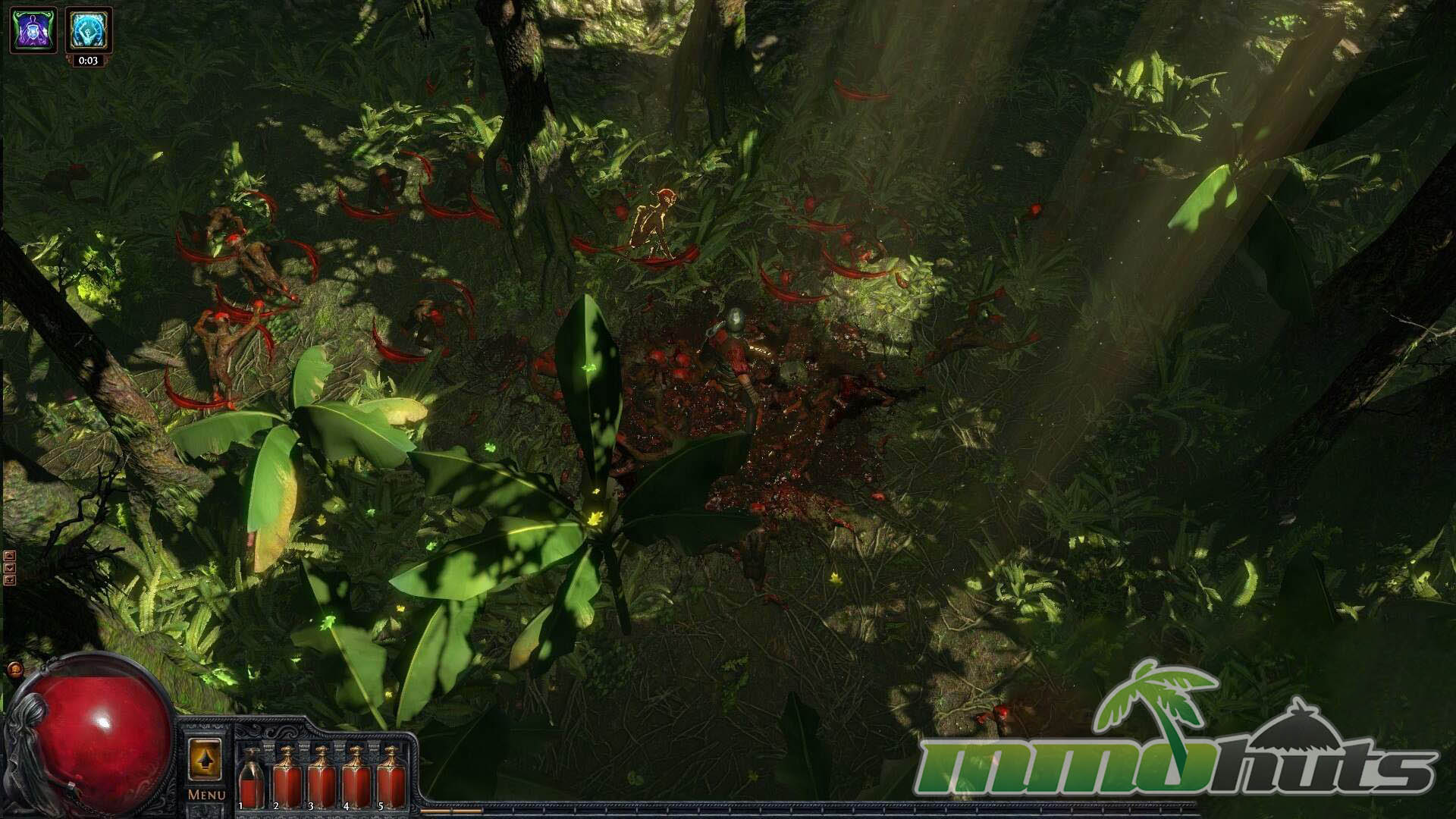
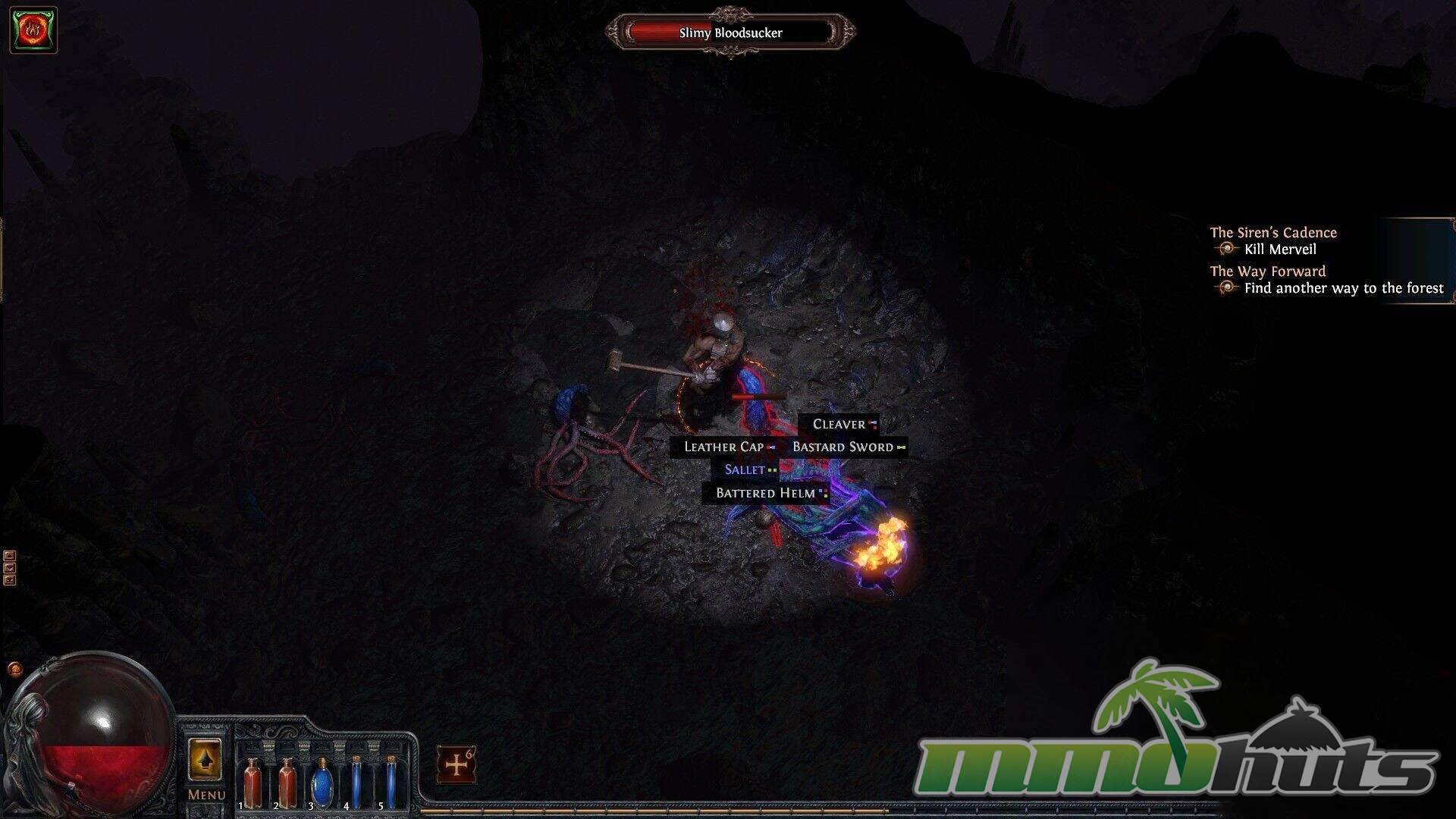
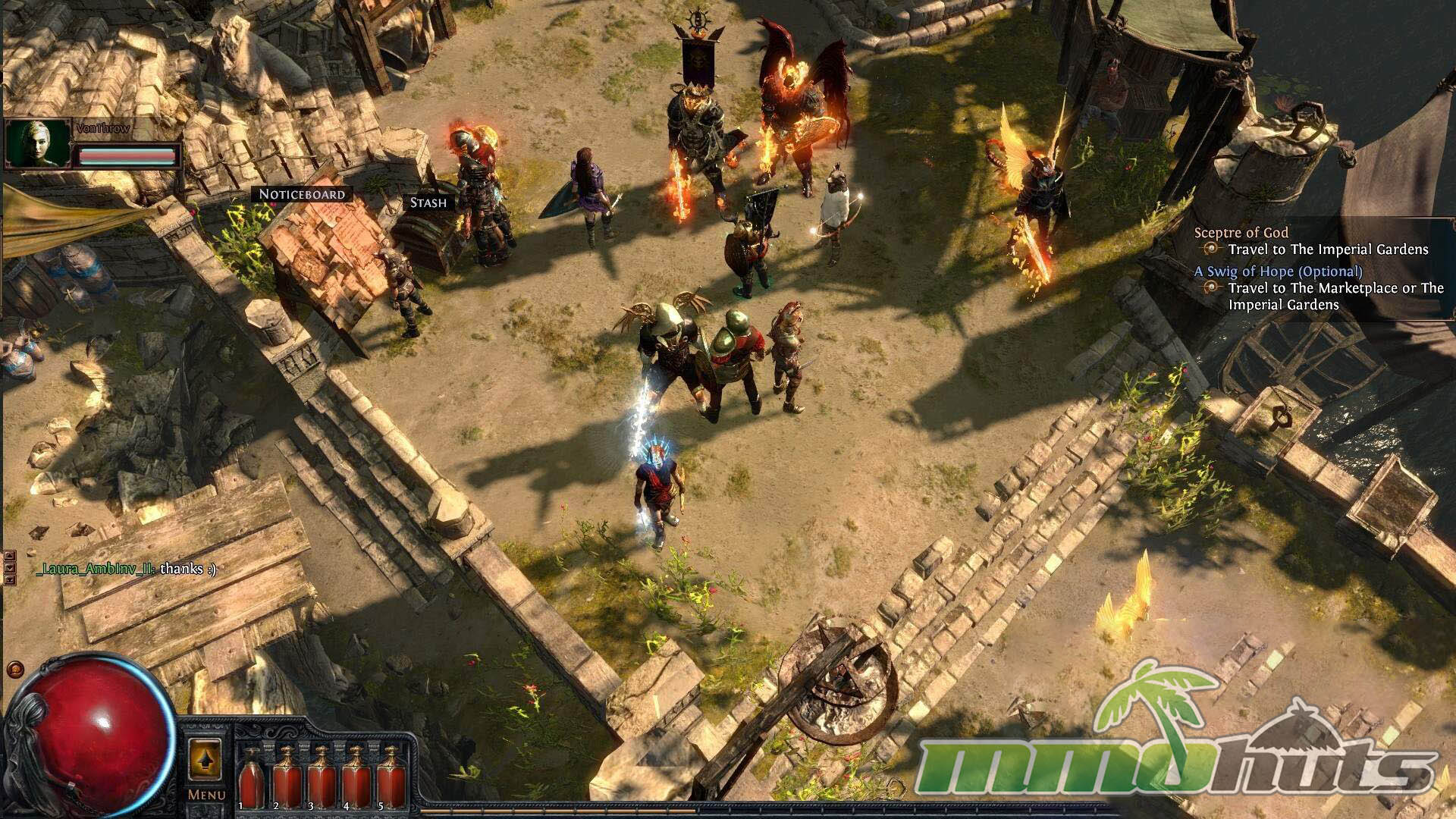

Path of Exile Featured Video
![[ExileCon 2023] Path of Exile: Trial of the Ancestors Trailer](https://i.ytimg.com/vi/LJNGeWTO5_s/0.jpg)
Path of Exile Classes
Path of Exile offers 7 playable classes. Each one is associated with one or two of the game’s three core attributes: Strength, Dexterity, and Intelligence, while the Scion sits at the crossroads of all three. Although classes have distinct starting positions and themes, the shared passive tree means your final build depends more on your planning than on your initial pick.
- Marauder – the Strength-focused bruiser, built around close-range power and durability, typically paired with heavy armor.
- Ranger – the Dexterity specialist, often leaning into mobility, evasion, and ranged weapon play.
- Witch – the Intelligence class, generally oriented toward spell damage and control, with lighter defenses that rely on magical protection.
- Templar – a Strength/Intelligence hybrid that bridges melee and magic, often combining toughness with spell utility.
- Shadow – a Dexterity/Intelligence hybrid suited to fast strikes and trickier tools like traps and mines for battlefield control.
- Duelist – a Strength/Dexterity hybrid that can flex between melee brawling and weapon-based ranged options.
- Scion – a Strength/Dexterity/Intelligence hybrid unlocked by rescuing her right before the final boss on Normal difficulty, offering a highly flexible starting position for experimentation.
Path of Exile Review
Path of Exile is a dark fantasy 3D ARPG developed by Grinding Gear. It is published by Grinding Gear in Europe and the US, and by Garena in South East Asia. It was launched on January 23, 2013 in open beta, and it can be found both on Steam and on the game’s website. Players who loved Diablo 2’s mood and build planning will immediately recognize the influences, even though PoE has its own identity through currencies, sockets, and league-driven progression.
Surviving the Wraeclast Exile
The game takes place in Wraeclast, a hostile continent tied to the crumbling legacy of an old empire and now used as a dumping ground for criminals from Oriath. Your character begins as an exile trying to stay alive long enough to carve out a future, which fits the harsh, scavenger-like tone of the item hunt and bartering economy.
Character appearance options are limited compared to many modern RPGs. Instead, Path of Exile leans into class identity and build flexibility. You choose from seven classes (Duelist, Marauder, Ranger, Shadow, Templar, Witch, and Scion), with the Scion unlocked later by rescuing her before the final boss on Normal difficulty. Each class lines up with one or two attributes, and your leveling choices ultimately revolve around how you invest into those stats and the passive bonuses surrounding them.
Moment to moment, PoE plays like a traditional point-and-click hack-and-slash. You move and attack with the mouse, then trigger skills with hotkeys, creating that familiar rhythm of kiting, bursting packs, and managing cooldown-like resource costs. It shares a lot of DNA with Diablo 2, including a grim tone and randomized zones, but the build system and itemization push it in a more technical direction. The result is an ARPG that rewards planning as much as reflexes.
Multiplayer is also handled in a way that prioritizes clarity. Outside of hub towns, you will not constantly run into strangers unless you party up, which reduces common frustrations like contested objectives and messy loot situations. The downside is that the world can feel quiet when you are adventuring alone, but for many players that tradeoff is worth it, especially when focusing on efficient PvE progression.
The Passive Web and Gem-Driven Skills
PoE’s reputation largely comes from how it handles character growth. First is the enormous passive tree, less a “tree” and more a connected network of incremental bonuses. It is shared across all classes, with your class determining the starting location. The layout broadly reflects Strength, Dexterity, and Intelligence regions, but the real strategy is how you route through it, picking up survivability, damage scaling, and utility in the right proportions. With around 100 points available by the time you approach maximum level, inefficient paths can be costly, and smart planning pays off.
The second pillar is the socket and gem system. Abilities are not learned from a class trainer, they come from skill gems placed into equipment sockets. Sockets have colors (red, green, blue) aligned with the three attributes, which influences what types of gems fit naturally into your gear. Where the system becomes truly interesting is linking sockets. Support gems can modify a skill gem when placed in a linked socket, changing how the ability functions rather than merely boosting a number. This is the foundation of build crafting in PoE: the same skill can be turned into a fast-clearing tool, a single-target boss killer, or a utility setup depending on which supports you connect. Since gems can be moved between items freely, you are encouraged to test combinations early and refine later.
Long-Term Play: Difficulties, Leagues, and PvP
Path of Exile keeps players invested through several overlapping progression tracks: difficulty progression, league structures, and PvP activities. After finishing the campaign, you can replay on higher difficulty settings to access stronger loot and tougher encounters. The three difficulties are Normal, Cruel, and Merciless, and they help extend the lifecycle of a character while pushing you to shore up weaknesses in your build.
Leagues are the larger framework that defines the game’s economy and seasonal cadence. Permanent leagues include Standard and Hardcore. Standard is the default, while Hardcore adds a harsh penalty where death sends your character back to Standard, with the upside of accessing a more intense risk-reward environment. Temporary leagues come in different formats, most commonly Challenge leagues and Race leagues. Challenge leagues tend to arrive every few months with new mechanics, a fresh economy, and a set of challenges with prizes. Race leagues are timed events ranging from very short bursts to month-long competitions, focused on who can gain the most experience within the limits. When temporary events end, characters usually migrate back to Standard, or in some cases go to the Void league, where they become inaccessible but remain as keepsakes.
PvP exists in multiple forms including duels, tournaments, capture the flag, and a dedicated free-for-all zone. There are also PvP-focused events, including a PvP race league where players can invade each other’s instanced areas. PvP uses experience modifiers tied to deaths and kills (a 30% penalty on death and a 30% bonus for killing a player), which creates high stakes and, inevitably, room for players to be disruptive. Even so, the breadth of PvP options is notable in a genre where competitive modes are often limited or ignored.
Trading, Currency Orbs, and Personal Hideouts
Instead of a traditional gold economy, Path of Exile uses a bartering system built around crafting currency. NPC vendors and players trade using various orbs and items that have functional value, such as identifying gear or rerolling modifiers. That choice does more than add complexity, it ties directly into the game’s theme of survival and scavenging, and it makes trade feel more like exchanging useful tools than stacking an abstract number.
On top of that, PoE includes player housing via Hideouts. These spaces can be decorated and customized, and they connect to progression through Masters, NPCs who offer missions and crafting options. There are 7 Hideouts, and earning them through gameplay provides a satisfying sense of ownership, especially for players who spend a lot of time trading, crafting, or optimizing between runs.
Monetization and the Cosmetic Shop
Path of Exile’s cash shop is focused on cosmetics. While many free-to-play games blur the line between convenience and advantage, PoE’s store is widely regarded as one of the more player-friendly approaches, with purchases centered on appearance rather than raw power. The game’s long-term popularity alongside this model reflects both consistent content support and a community willing to invest in a fair ecosystem.
Final Verdict, Excellent
Path of Exile succeeds because it commits to depth. It is not the easiest ARPG to approach, and the first hours can feel like learning a new language of sockets, links, currencies, and passive routing. However, for players who enjoy build crafting, loot optimization, and a competitive league environment, it offers an enormous amount of long-term value. If you want a Diablo 2-like experience with a modern live-service cadence and no pay-to-win pressure, Path of Exile remains an easy recommendation.
Path of Exile Links
Path of Exile Official Site
Path of Exile on Steam
Path of Exile Wikipedia
Path of Exile Subreddit
Path of Exile Gamepedia (Datebase/Guides)
Path of Exile Metacritic
Path of Exile System Requirements
Minimum Requirements:
Operating System: Windows XP / Vista / 7 / 8
CPU: Intel Pentium 4 3.0 GHz / AMD Sempron 3600+
Video Card: Nvidia Geforce 6600 GT / ATI Radeon HD 3470
RAM: 1 GB
Hard Disk Space: 8 GB
Recommended Requirements:
Operating System: Windows 7 / 8
CPU: Intel Core 2 Duo E6600 2.4 GHz / AMD Opteron 2218 or better
Video Card: Nvidia GT 240 / ATI Radeon HD 2900 Pro or better
RAM: 2 GB or more
Hard Disk Space: 8 GB
Path of Exile Music & Soundtrack
Path of Exile Additional Information
Developer: Grinding Gear Games
Lead Designer: Chris Wilson
Lead Programmer: Jonathan Rogers
Lead Artist: Erik Olofsson
Composers: Adgio Hutchings, Gautier Serra
Alpha Date: June 2010
Open Beta Date: January 23, 2013
Steam Release: October 23, 2013
Foreign Releases:
South East Asia: November 14, 2013 (Garena)
Expansions:
Sacrafice of the Vaal (March 5, 2014) – Added new bosses, currency, zones, leagues, and PvP modes.
Forsaken Masters (August 20, 2014) – Added recruitable NPCs, customizable personal hideouts, and new PvP modes.
The Awakening (July 10, 2015) – Added 4th act, jewel system, and fixed Desync issues.
Ascendancy (March 4, 2016) – Added Ascendancy classes, the Labyrinth, enchantments, and divination cards.
Atlas of Worlds (September 2, 2016) – Introduced vast improvements to the end-game mapping system.
The Fall of Oriath (August 4, 2017) – Added 6 new acts, a new story progression, the Pantheon system, new skill gems, and unique items.
War for the Atlas (December 8, 2017) – Reworked the endgame Atlas of Worlds system.
Betrayal (December 8, 2018) – Introduced new Masters, reworked mastercrafting, added hideouts, and new maps
Conquerors of the Atlas (December 13, 2019) – Added new endgame content, further revamped the Atlas of Worlds, added 4 new influenced item bases, and enhanced versions of support gems called ‘Awakened Support Gem’
Echoes of the Atlas – (January 15, 2021) – Adds anew Epilogue storyline and introduced Atlas passive trees which strengthens Master and challenge league content in the Atlas region.
Siege of the Atlas (February 4, 2022) – Totally revamps the Atlas of the Worlds system, adds 4 new pinnacles bosses, and consolidates the entire atlas passive skill tree into one giant tree.
Development Background
Path of Exile started as a passion project from ARPG enthusiasts who felt the genre was stagnating and wanted to rebuild its depth from the ground up. After roughly three years of work, the game was publicly revealed on September 1, 2010. By January 21, 2013, Path of Exile had raised $2.2 million USD through crowd-funding, becoming an early example of that model working at scale. Grinding Gear Games was later acquired by Tencent on May 21, 2018 (a majority stake has been acquired). Since release, it has remained among the most played free-to-play titles in Western markets, helped by frequent updates and a strong league-driven community.