Ragnarok Online is a long-running fantasy MMORPG with clear Norse-inspired themes, built around class progression, party-based monster hunting, and competitive guild warfare. Its signature look blends a 3D isometric world with expressive 2D sprites, and it has remained popular thanks to deep character builds, social play, and a steady flow of events and community activity.
 | Publisher: WarpPortal (Gravity) Playerbase: Medium Type: MMORPG Release Date: August 31, 2002 Pros: +Huge variety of classes and builds. +Castle-focused guild PvP. +Large world with dungeons and bosses. Cons: -Progression relies heavily on grinding. -Dated, awkward UI. -Uneven localization and translations. |

Ragnarok Online Overview
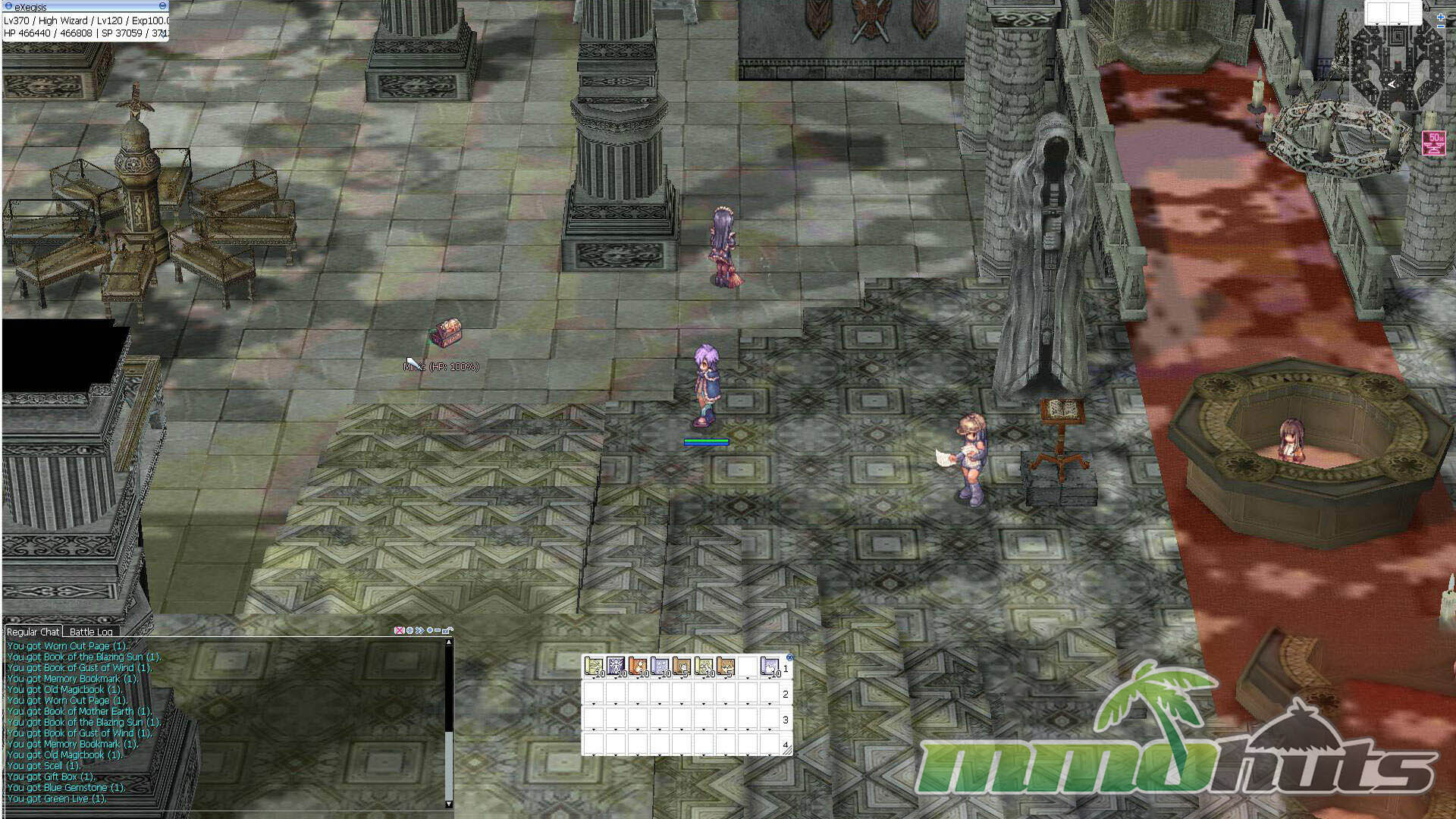
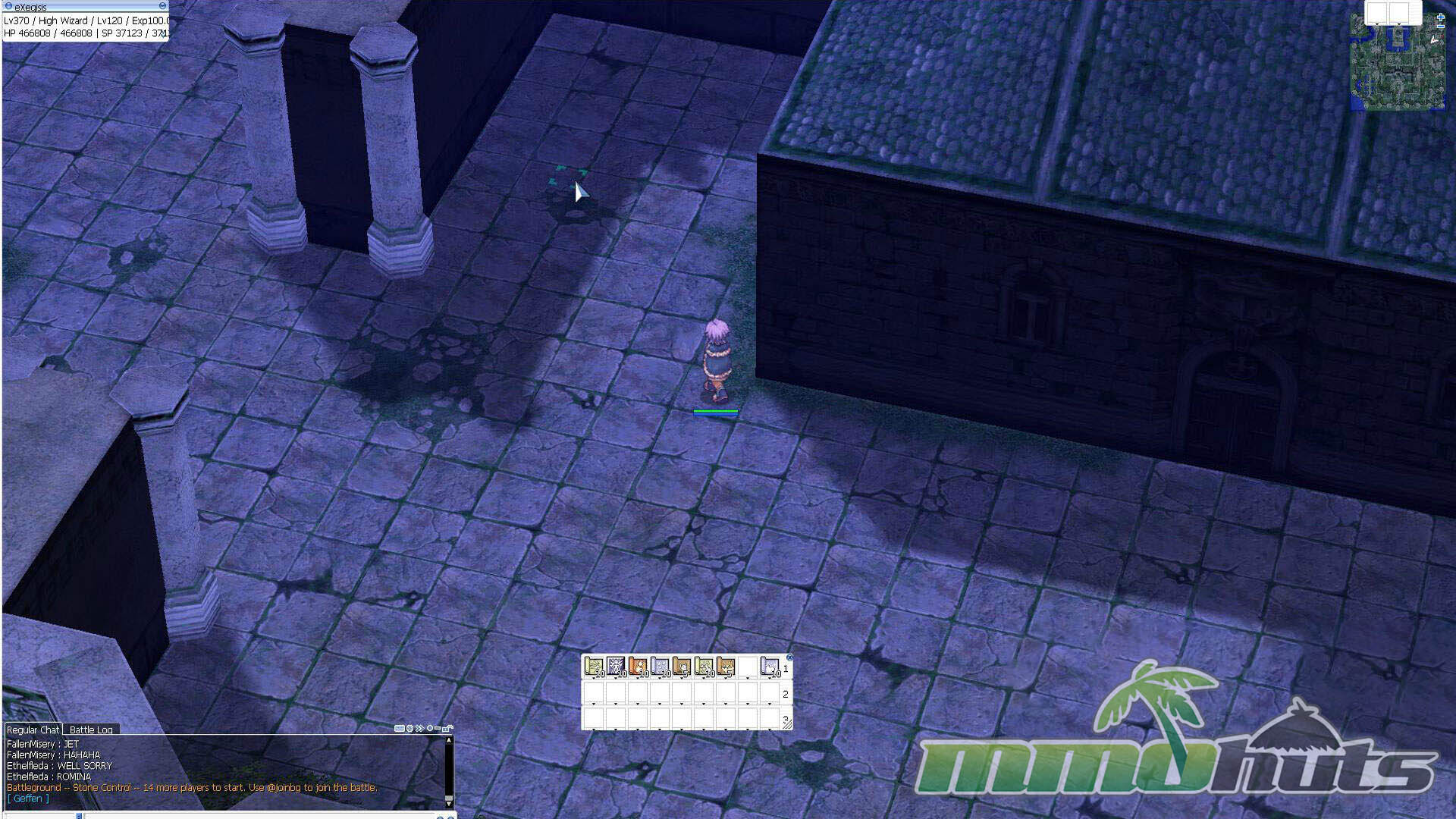
Ragnarok Online (RO) is an isometric MMORPG from Gravity, adapted from Lee Myung-jin’s manwha Ragnarok. Visually, it stands out by pairing a 3D environment with detailed 2D character and monster sprites, a style that still feels distinct compared to many modern MMOs. The core loop is classic RO: venture out into fields and multi-floor dungeons, defeat monsters for experience and drops, and gradually refine a build through stats, skills, equipment, and cards.
Where the game really opens up is in its job system and social play. With so many job paths, most players can find a role that fits, whether that is front-line tanking, supportive healing, burst spellcasting, or farming efficiently for items and zeny. Grouping up is strongly encouraged for tougher content, especially boss hunts and deep dungeon runs, and guild membership matters if you want to participate in the game’s most iconic competitive mode, War of Emperium. On top of progression, RO offers plenty of cosmetics and recurring events, giving players something to do beyond pure leveling.
Ragnarok Online Key Features:
- Large Scale PvP – rival guilds battle over castles and long-term control.
- Over 50 Unique Classes – broad job choices with distinct skill kits and roles.
- Enormous World – extensive zones, dungeons, and boss encounters to tackle.
- Unique Isometric Art Style – combines 2D sprites with a 3D world for a recognizable look.
- Weekly Events – rotating activities and contests that reward participation and community engagement.
Ragnarok Online Screenshots




Ragnarok Online Featured Video

Ragnarok Online Classes (Jobs)
Every character begins as a Novice, then unlocks job changes by raising Job Levels. After reaching base level 99 and job level 50, characters can “transcend,” resetting back to level 1 while gaining access to stronger job advancements and new skill options. This layered progression is one of RO’s defining systems, and it rewards players who plan builds early (stats, skills, and gear choices tend to matter more than in many quest-driven MMOs).
- First Class (lvl 10) – Swordsman, Mage, Archer, Merchant, Thief, Acolyte
- Second Class (lvl 40) – Knight/Crusader, Wizard/Sage, Hunter/Bard/Dancer, Blacksmith/Alchemist, Assassin/Rogue, Priest/Monk
- Transcendent Second Class – Lord Knight/Paladin, High Wizard/Scholar, Sniper/Minstrel/Gypsy, Mastersmith/Biochemist, Assassin Cross/Stalker, High Priest/Champion
- Third Class (lvl 70) – Rune Knight/Royal Guard, Warlock/Sorcerer, Ranger/Masetro/Wanderer, Mechanic/Geneticist, Guillotine Cross/Shadow Chaser, Arch Bishop/Sura
- Expanded Classes – TaeKwon Kid -> Soul Linker/TaeKwon Master, Ninja -> Kagerou/Oboro, Gunslinger, Super Novice
Ragnarok Online Review
Even by MMO standards, Ragnarok Online has had an unusually long life. It is an older game with older habits, but it also has a personality and mechanical identity that many newer titles struggle to replicate. The mix of isometric exploration, sprite-based charm, and a job system that meaningfully changes how you play is the core reason RO still earns recommendations, especially for players who enjoy building characters with intent rather than simply following a quest trail.
Starting Out and Making a Character
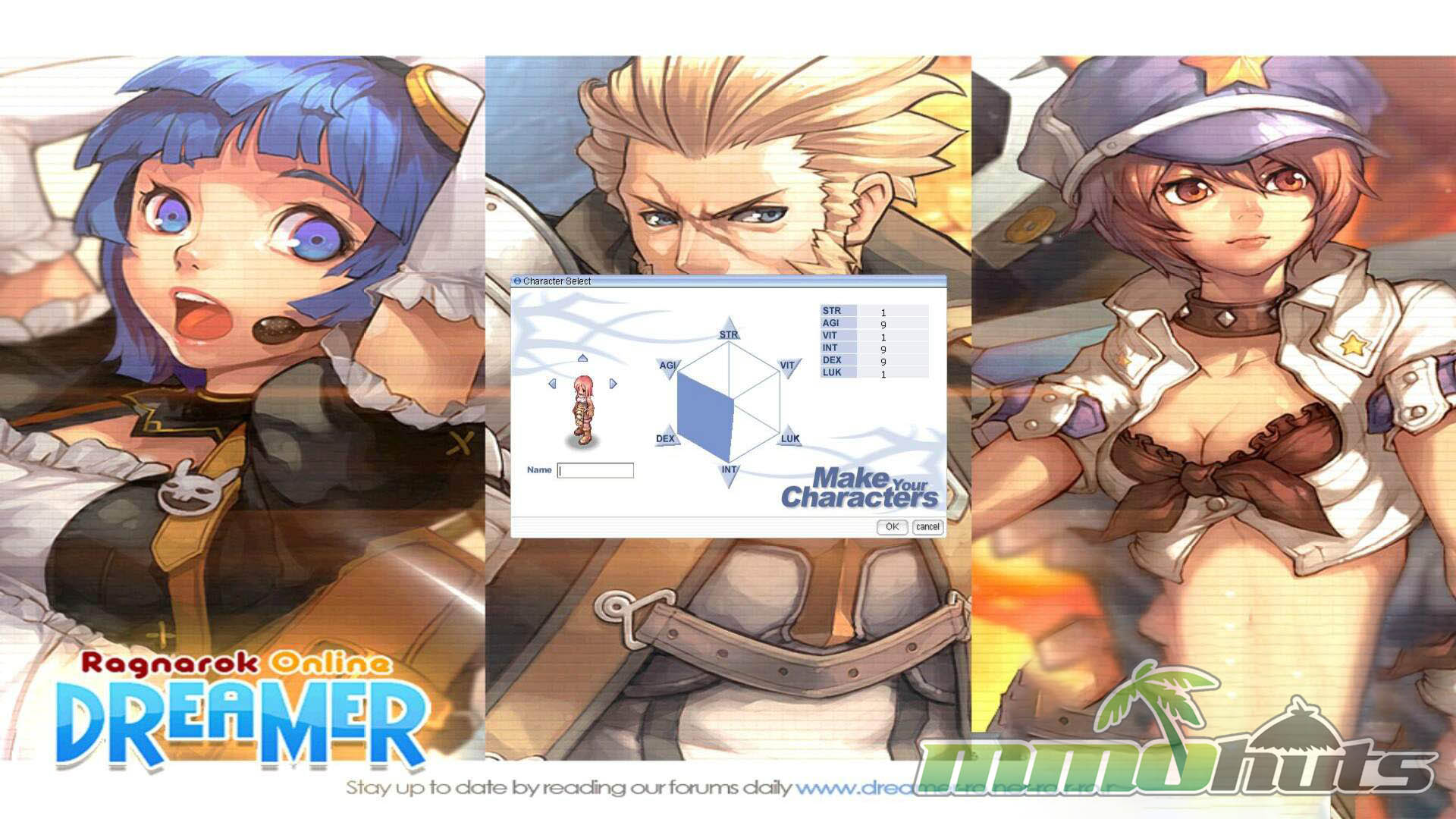
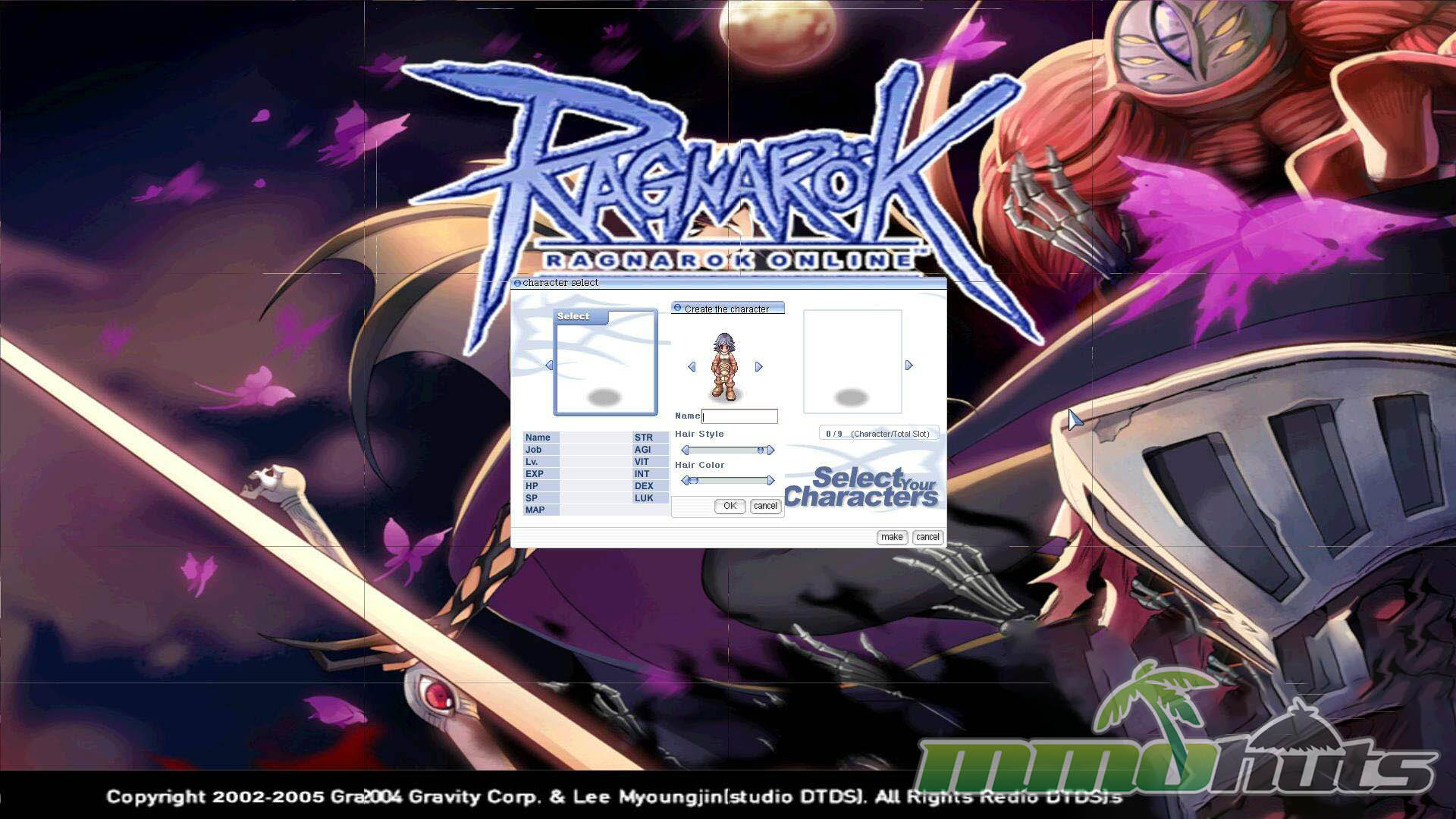
Character creation is straightforward to the point of being spartan. You pick a gender, choose a hairstyle, and select a color, then you are in. If you are used to modern character editors full of sliders and facial options, RO can feel limiting at first. On the other hand, the game pushes individuality into equipment and cosmetics rather than the initial editor.
A key quirk is that most gear does not dramatically change your base look the way it would in many MMOs. Your job largely defines your silhouette, and the most noticeable customization often comes from headgear. Hats and other cosmetic pieces are not just minor accessories here, they are a major part of visual identity, and collecting them becomes its own long-term goal for a lot of players.
Enter Rune Midgard and you are immediately asked to start shaping your build through stat allocation. That early decision-making matters. If you already have a job path in mind, you can distribute points to support it, and if you do not, it is easy to end up with a character that feels inefficient. Because RO is an older-style MMO where grinding is central, the difference between a well-planned build and a messy one becomes very noticeable over time.
Movement, Maps, and the “Old MMO” Feel
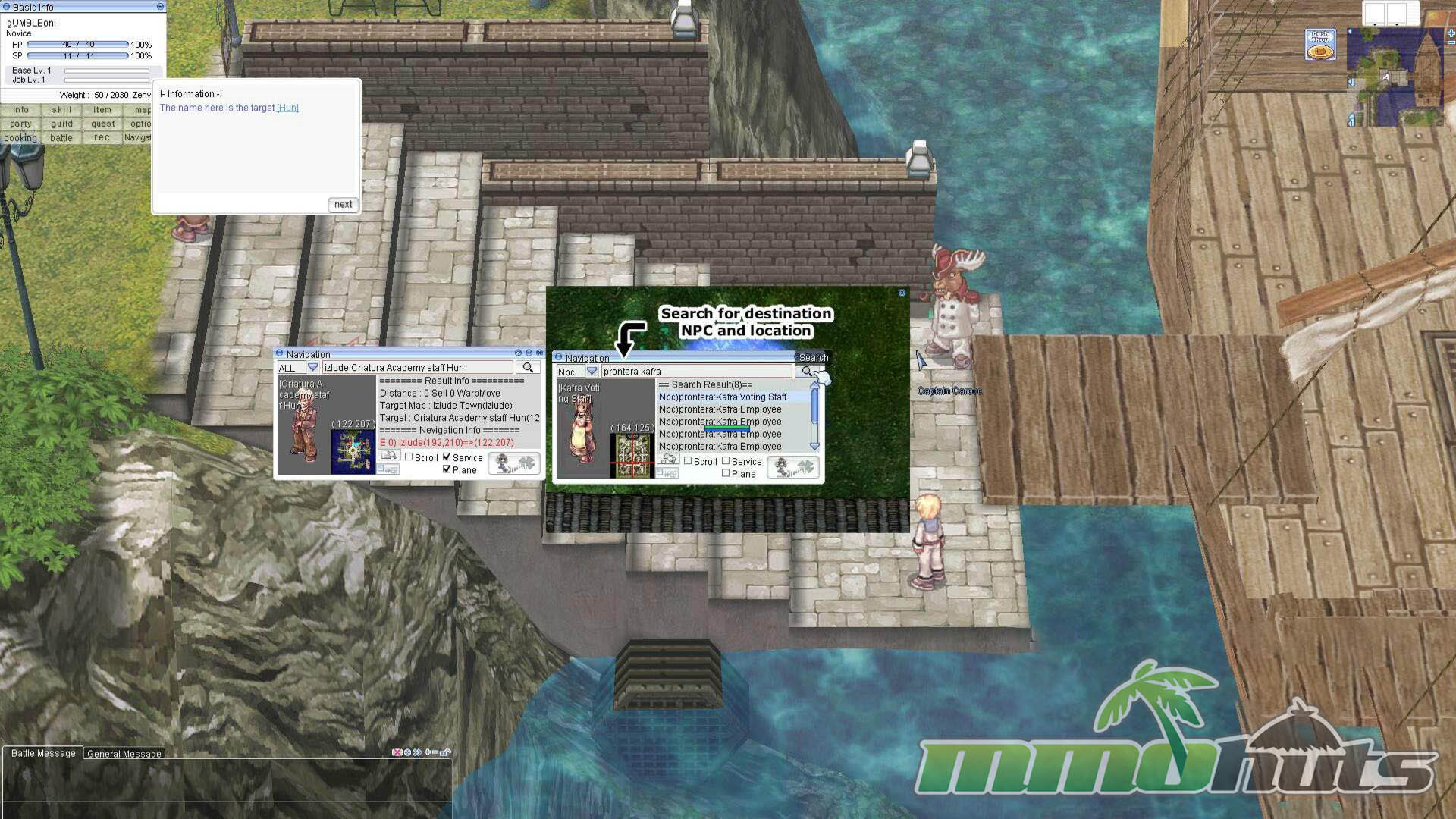
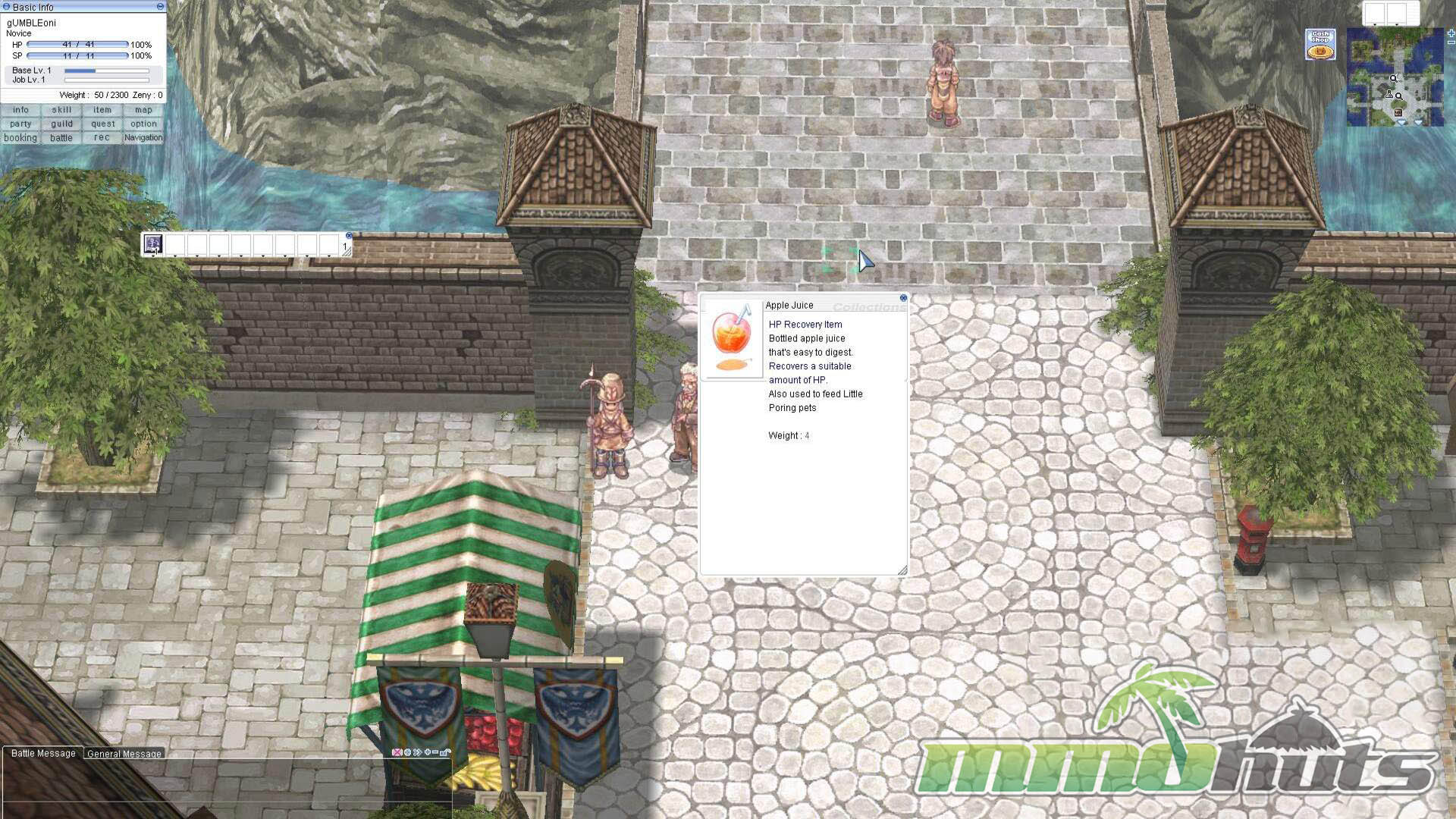
RO uses tile-based movement under the hood, with point-and-click navigation and clear coordinate-based locations. It is simple and readable, and it makes the world feel like a series of purposeful maps rather than one continuous landscape. A mini-map keeps you oriented, and the world map helps you understand how zones connect.
The downside is that movement and targeting can feel stiff compared to modern action MMOs. When you are trying to reposition in a crowded pull or escape a cluster of monsters, the pathing can occasionally do something you did not intend. In everyday PvE that is mostly manageable, but in PvP, where timing and spacing matter, it can be a genuine limitation you have to learn to play around.
Combat That Still Feels Satisfying
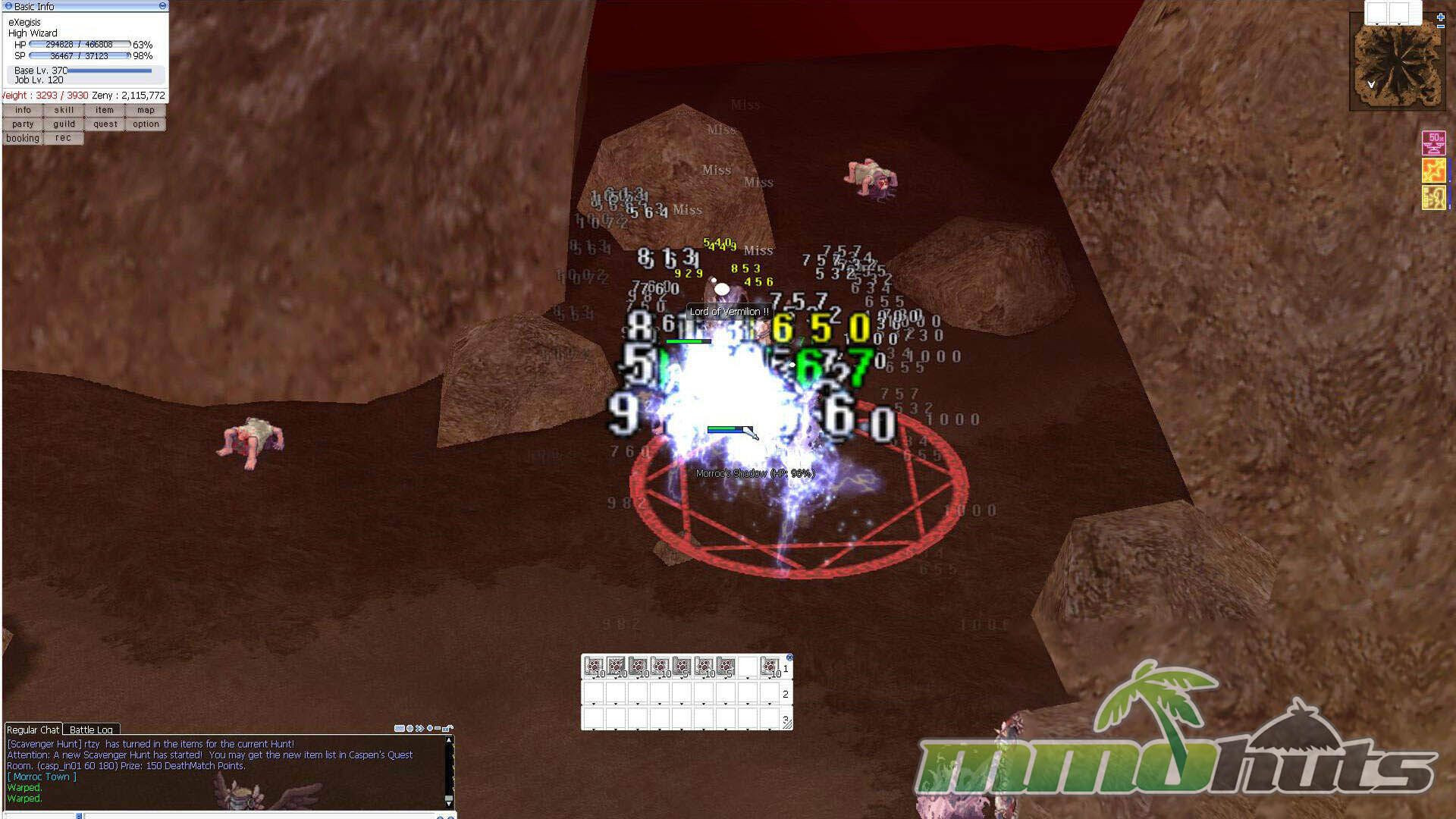
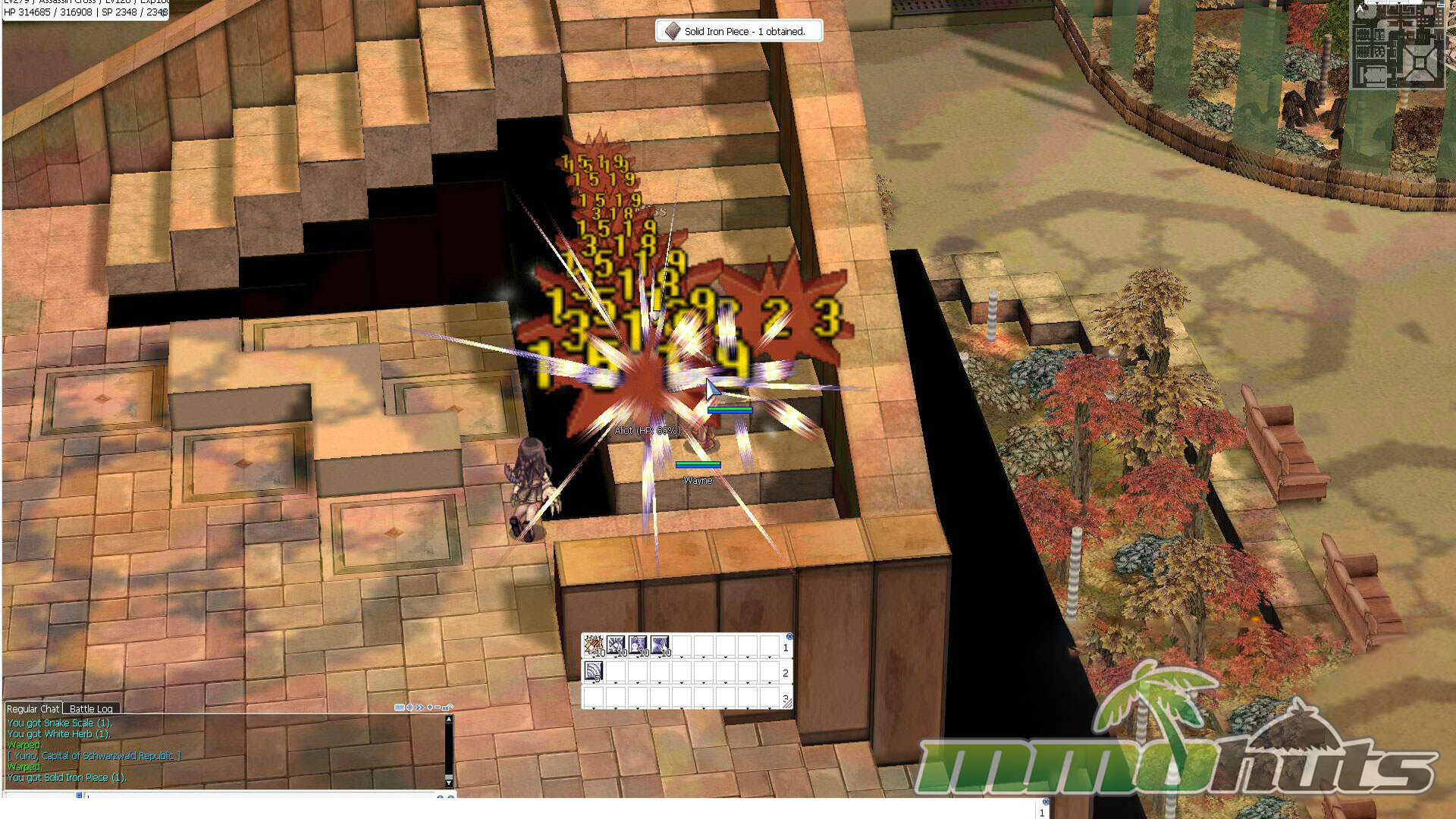
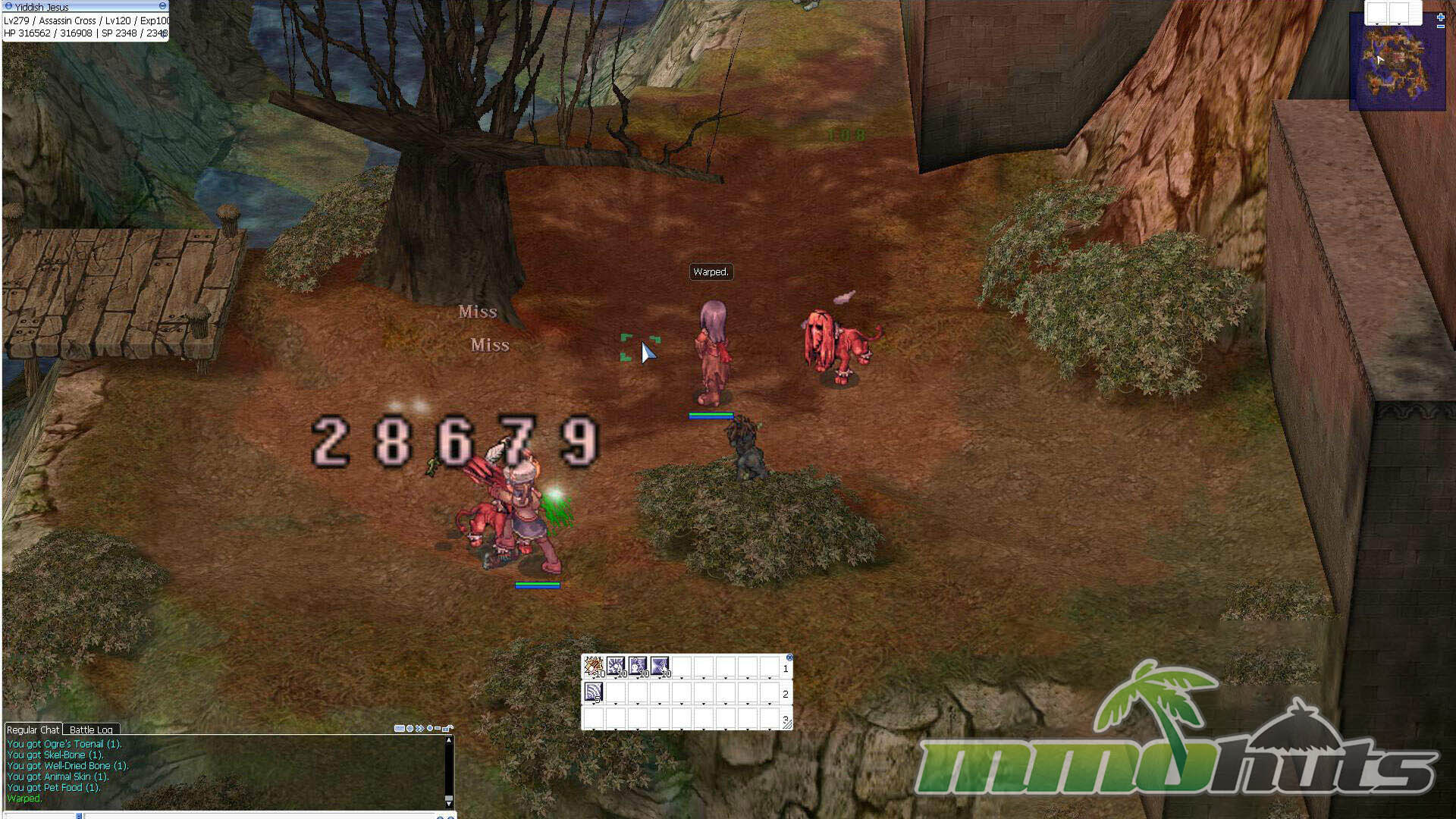
Despite its age, RO’s combat loop remains surprisingly rewarding. The game communicates hits, kills, and drops in a very clear way, and the feedback of enemies bursting and scattering loot is part of its charm. Early on you are limited in tools, but as skills unlock, the pacing improves and your class identity begins to show.
The official server experience also leans on introductory quests and guidance, which can be helpful for brand-new players, even if the writing and presentation sometimes feel dated. Ultimately, RO’s best moments are still found in the classic rhythm of hunting, looting, and steadily getting stronger through repetition and planning.
Two Progression Tracks: Base Level and Job Level
Ragnarok Online’s progression is split between base level and job level, and understanding the difference is essential. Base level primarily dictates your stat growth, while job level controls your class development and skill points. Early RO is defined by working toward job level 10 so you can leave Novice behind and commit to a first job.
From there, job choices become increasingly consequential. Each first class funnels into specific second-class options, and that decision shapes your role in parties, your farming efficiency, and your PvP viability. Later, the transcend system adds a major long-term loop: you reach 99/50, reset to level 1, and climb again into stronger transcendent jobs with expanded skill kits. After that, third jobs add another layer of specialization and power, with a maximum of 175/60 for third class characters. Third jobs can also shift gameplay in ways that are not always a simple upgrade, so research and planning remain important.
RO’s skill lists can become large, and not every ability is equally valuable in every context. The game rewards players who understand utility skills, enemy behaviors, and party roles, especially in harder dungeons and competitive modes.
MVP Hunts and High-End Targets
Boss hunting is one of RO’s most enduring forms of endgame entertainment. The game uses the term “MVP” for its bosses, and many of them sit deep inside dungeon layouts that encourage coordinated party play. MVP encounters are often less about raw reflexes and more about preparation: bringing the right composition, having appropriate stats and gear, and knowing what the boss can do.
The reward structure is also part of the appeal. MVPs can drop rare items, including cards that can significantly alter builds when slotted into equipment. The low drop chances create long-term goals, and the unique visuals of RO’s larger monsters give these fights a sense of occasion that still holds up.
Gear Refinement, Cards, and Build Customization
Character power in RO is strongly tied to equipment. Refining increases the effectiveness of weapons and armor, and over time it becomes a routine part of optimizing a character. Crafting exists as well, but it is gated behind specific jobs, most notably Blacksmith, which means the economy and social trade can matter if you are not on a crafting path yourself.
The card system is one of RO’s standout mechanics. Monsters can drop cards that grant stat boosts or special effects when placed into slotted gear. That turns many normal enemies into meaningful farm targets, because even a modest card can support a specific build, and powerful cards can define PvP setups. It is a system that encourages experimentation and research, and it gives grinding a purpose beyond pure experience.
War of Emperium and Other PvP Options
RO’s signature PvP mode is War of Emperium, a scheduled guild-versus-guild struggle for castles. The objective is to break the Emperium crystal inside the castle, and the guild that lands the final hit claims ownership. Castle control is not just bragging rights, it provides practical benefits, including access to a guild dungeon and the ability to set up defenses like guardians to slow future assaults.
For players who prefer smaller-scale conflict, PvP rooms and arenas in major cities offer a more immediate, less structured environment. These spaces can be brutal for newcomers. Success is tied to class knowledge, match-up understanding, and the ability to anticipate control skills and burst windows. RO PvP has a steep learning curve, but it is also one of the reasons dedicated communities stick with the game for years.
Cash Shop Considerations
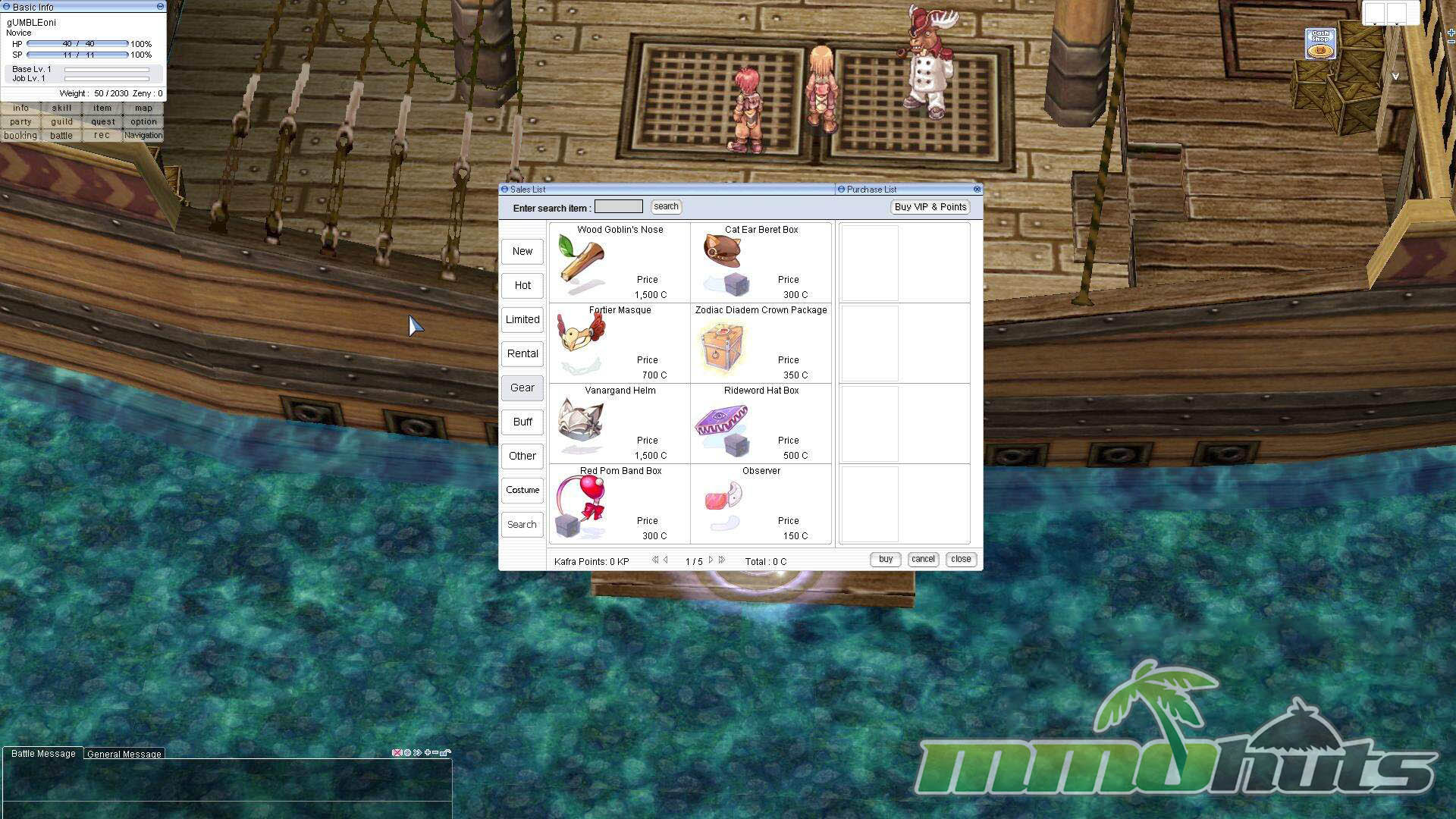
Modern RO includes a cash shop, and it leans heavily into cosmetics, which fits a game where visual identity is often expressed through headgear. Many items are clearly aimed at standing out in crowded towns. Some offerings can look strong on paper, but a notable limitation is that many items are time-limited, often expiring after a week. That design encourages ongoing spending if you want to keep specific looks or conveniences.
As with many long-running MMOs, the presence of a cash shop is a factor to consider depending on how you prefer to engage with progression and cosmetics, especially if you are sensitive to temporary item models.
A Game That Expects You to Grind
Ragnarok Online is unapologetically grind-focused. Leveling, farming cards, hunting MVPs, and refining gear all push you toward repetition. For some players, that structure is the entire appeal: goals feel earned, and high-level characters represent real time investment. For others, it can feel slow and repetitive, particularly if you expect a quest-driven theme park experience.
The official server has made efforts to smooth the path with quests and guidance, but the heart of RO is still the same, you pick a target and you farm, because the drop you want or the level you need is not going to hand itself to you.
Official Servers vs Private Servers
RO has a well-known private server scene, and it exists for a reason. Many players enjoy RO’s systems but want different rates, different caps, or quality-of-life conveniences such as easier travel. Private servers often adjust experience rates, offer customized content, and provide NPC tools that reduce downtime, which can make activities like MVP hunting feel more accessible.
That said, private servers vary widely in stability, rules, and balance. If you are choosing where to play, it is worth thinking about what you want from RO: the slower, official progression with a more standardized ruleset, or a customized environment that changes pacing and convenience.
Final Verdict – Great
Ragnarok Online remains a standout MMORPG because its simple presentation hides a surprisingly deep set of systems. The job paths, card-based equipment customization, and guild-centered PvP give it long-term structure that still works today. Its biggest obstacles are also the ones that define it: a dated interface, uneven text presentation, and a progression model built around grinding. If you enjoy methodical character building and classic MMO farming loops, RO is still easy to recommend, especially if you find a server community that matches your preferred pace.
Ragnarok Online Links
Ragnarok Online Official Site
Ragnarok Online Wikipedia
Ragnarok Online Steam
Ragnarok Online Wikia [Database/Guides]
Ragnarok Online Rate My Server [Database]
Ragnarok Online Top 100 Servers [Private Servers]
Ragnarok Online Requirements
Minimum Requirements:
Operating System: Windows-based
CPU: Pentium II, 400MHz (or better)
RAM: 128 MB RAM
Video Card: Any with 3D Acceleration & at least 16MB on-board RAM
Hard Disk Space: 2 GB available space
Recommended Requirements:
Operating System: Windows 7
CPU: Pentium Dual Core or Better
RAM: 2 GB RAM
Video Card: Nvidia GeForce 8000 or better
Hard Disk Space: 3 GB available space
Ragnarok Online Music
Ragnarok Online Additional Information
Developer(s): GRAVITY
Publisher(s): GRAVITY
Korea Release Date: August 31, 2002
North America Release Date: June 1, 2003
Europe Release Date: April 15, 2004
Australia Release Date: December, 2005
Update History:
Over the years, Ragnarok Online has continued to evolve through regular “Episode” content updates. A major turning point arrived with the Renewal update, released on June 17, 2009, which significantly changed the game’s progression and balance direction.
Episode 1 – Star of the Adventure (August 3, 2002)
Episode 2 – Lutie (December 17, 2002)
Episode 3 – Comodo (Feburary 4, 2003)
Episode 4 – War of Emperium (May 2, 2003)
Episode 5 – Juno – Forgotten Legacy of an Ancient Era (July 15, 2003)
Episode 6 – Beyond Rune-Midgard (October 7, 2003)
Episode 7 – Village of the Utan Tribe – Umbala (January 27, 2004)
Episode 8 – City of the Dead – Niflheim (February 23, 2004)
Episode 9 – Branch Job System (April 19, 2004)
Episode 10 – The Republic of Schwarzwald (March 29, 2005)
Episode 11 – The Religous Nation, Arunafeltz (July 11, 2006)
Episode 12 – Nightmoare of Midgard, Destruction of Morroc (October 17, 2007)
Episode 13 – Ash Vacuum / Encounter with the Unknown / El Dicastes (June 25, 2008)
Episode 14 – Bifrost / Eclage / Decisive Battle (July 1, 2010)
Episode 15 – Fantasmagorica / Fantasmagorica Second Story – Memory Record (July 2, 2013)
Episode 16 – Banquet of Heroes (February 25, 2015)
Development History / Background:
Ragnarok Online (subtitled The Final Destiny of the Gods) was created by South Korean developer GRAVITY Co., Ltd., drawing its setting and characters from the manwha Ragnarok by Lee Myung-jin. That source material also inspired an anime adaptation titled Ragnarok the Animation. Over time, GRAVITY expanded the franchise with multiple mobile releases that let players revisit familiar classes and themes, though not always within the exact same world structure as the PC version. Ragnarok Mobile Story Online launched in Japan on Android and iOS with an experience intended to mirror the PC edition. Ragnarok Online: Valkyrie Uprising is another free mobile title on Android and iOS that keeps the traditional feel but with fewer class options. Ragnarok Online: Ash Vacuum is a strategy entry available on Android and iOS. The franchise also continued on PC with Ragnarok Online 2: Legend of the Second, which officially launched on May 1, 2013. While GRAVITY is best known for MMORPGs and has published other PC games such as ROSE Online, the company’s output in later years has leaned more toward mobile projects.