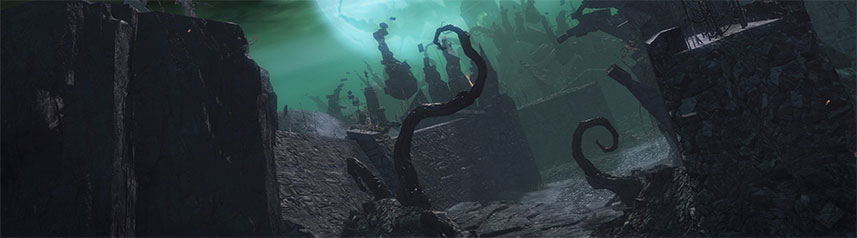
ROSE Online was a fantasy MMORPG with an anime styled presentation, built around hopping between different planets and pushing back the influence of Hebarn, the god of malice. As a Visitor acting on behalf of Arua, the goddess said to have created these worlds, you spend most of your time questing, grinding monsters, and slowly building a character through stats, skills, and gear while exploring a setting that mixes classic fantasy with light science fiction.
 | Publisher: WarpPortal (Gravity) Type: MMORPG Release Date: December 1, 2005 Shut Down: February 11, 2019 PvP: Open World Pros: +Expansive universe spread across 7 planets (Not all out yet). +Easy to pick up for newcomers. +Very high level ceiling (230+). Cons: -Heavy grind from start to endgame. -Cash shop advantages can feel pay-to-win. -Small remaining community. |
Rose Online Overview
ROSE Online casts you as a Visitor, a champion tied to the goddess Arua, tasked with keeping multiple worlds from falling under Hebarn’s corruption. The structure is familiar for its era, with quest givers, monster hunting, equipment upgrades, and long stretches of leveling, but the planetary travel angle gives it a broader sense of place than many early MMORPGs. Development is credited to Gravity Interactive, the company associated with Ragnarok Online, which is also reflected in ROSE’s bright, stylized look and old-school progression.
Rose Online Key Features:
- High Level Cap – A long climb to a level cap of 230+ supported by quests and steady mob grinding. Character growth is shaped heavily by how you allocate stat points.
- 4 Playable Classes – You begin as a classless Visitor and pick a path at level 10 (Dealers, Hawkers, Muses, Soldiers), with two job advancements per class opening up at level 100.
- Numerous ways to Travel – Movement is spiced up with options like carts, mounts, Castle Gears, and even air travel, helping the world feel more “lived in” than simple on-foot trekking.
- Cosmetics Galore – A deep pool of costumes and novelty looks, letting you lean cute, silly, or mechanical depending on what you collect.
- Play with others – Grouping is strongly encouraged, with party play providing major experience boosts compared to solo grinding.
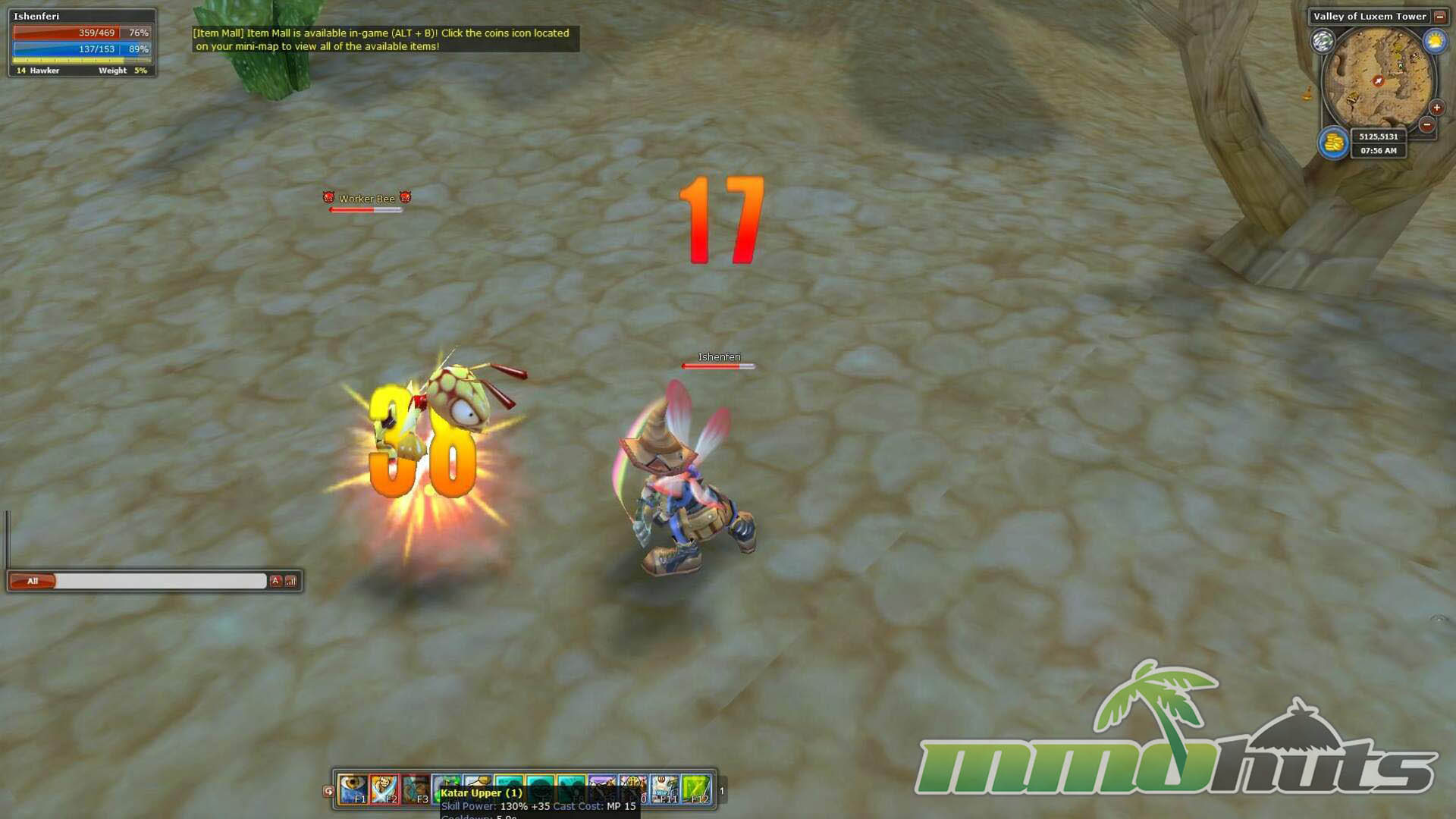
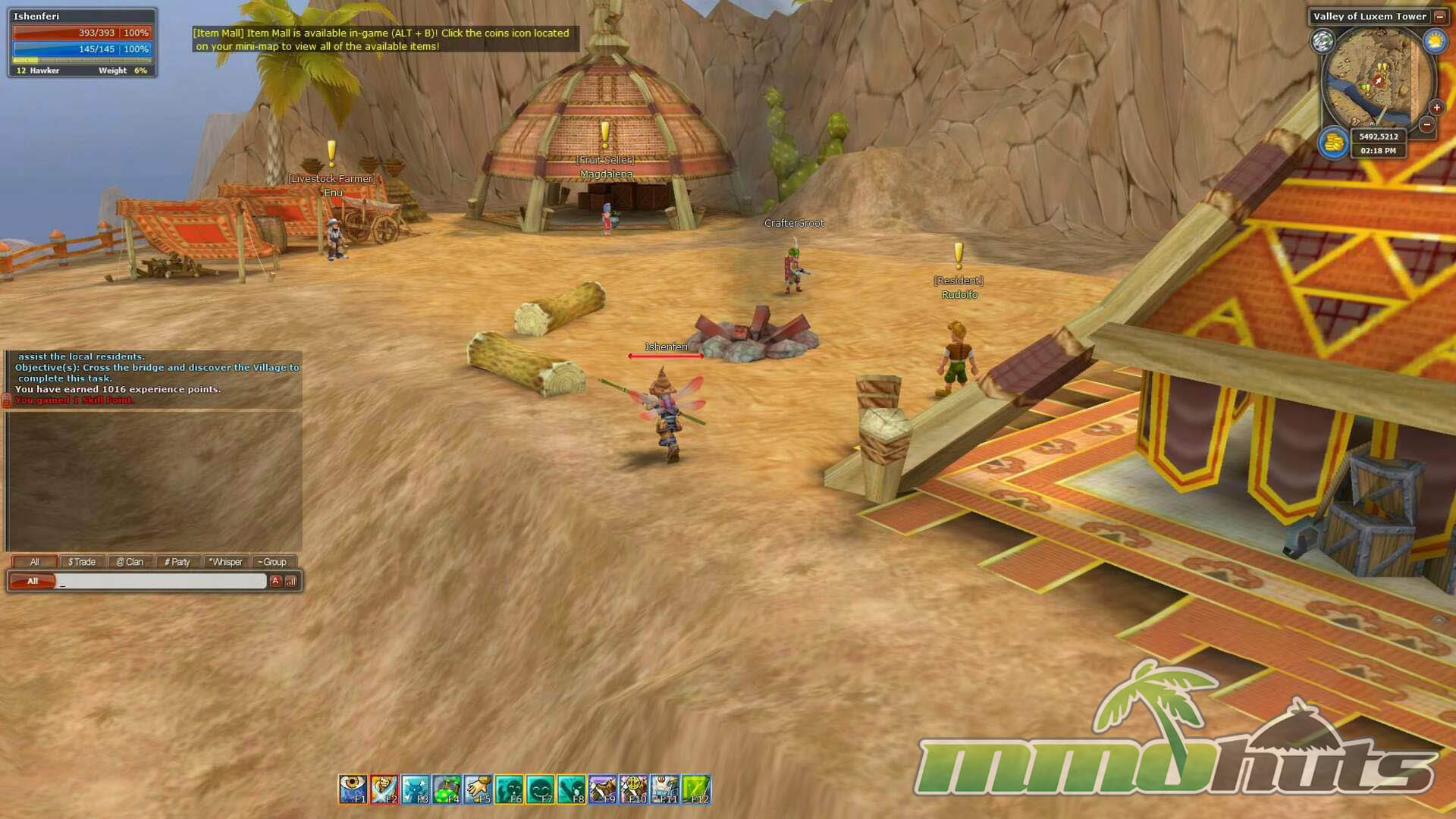
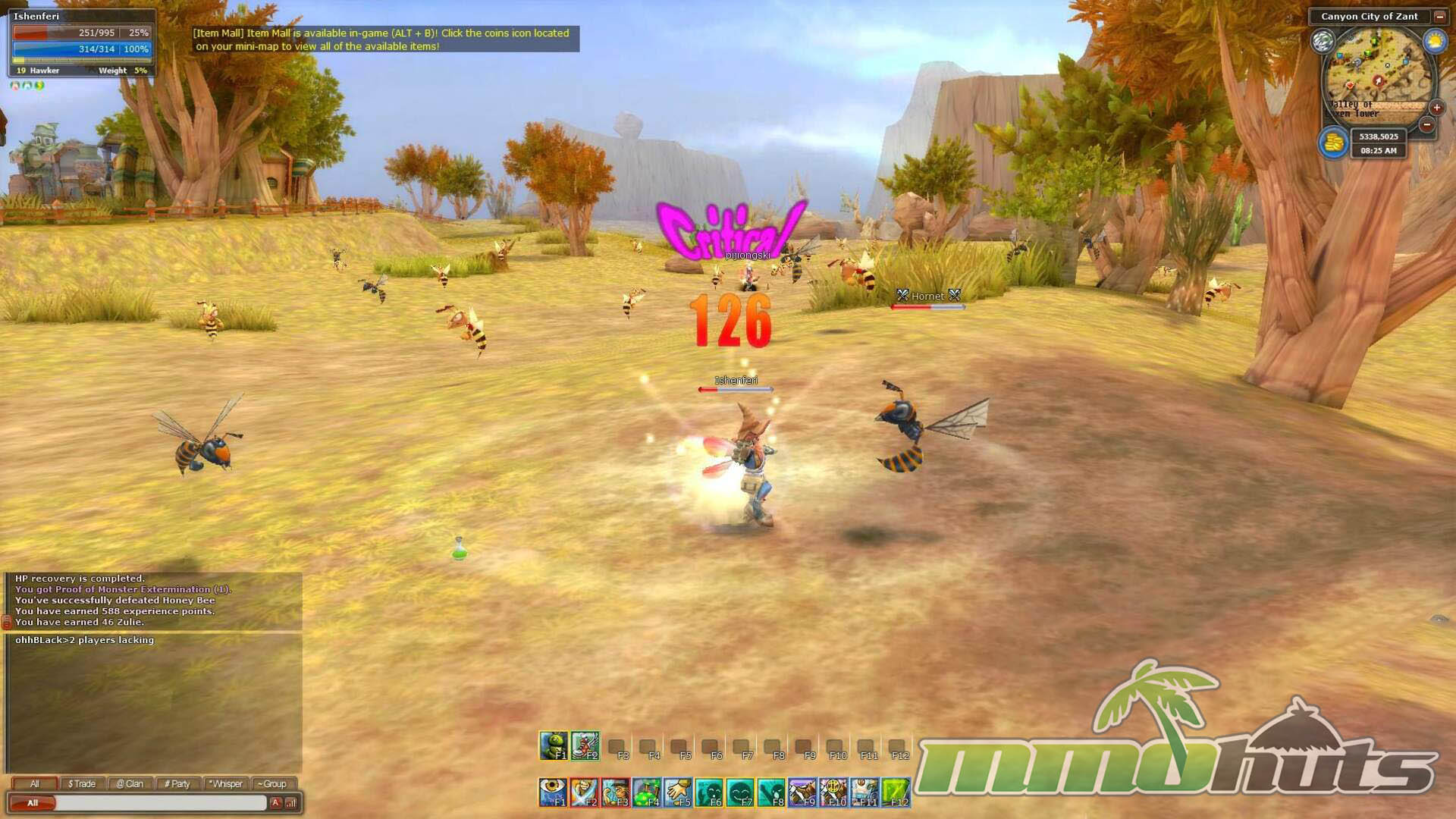
Rose Online Screenshots
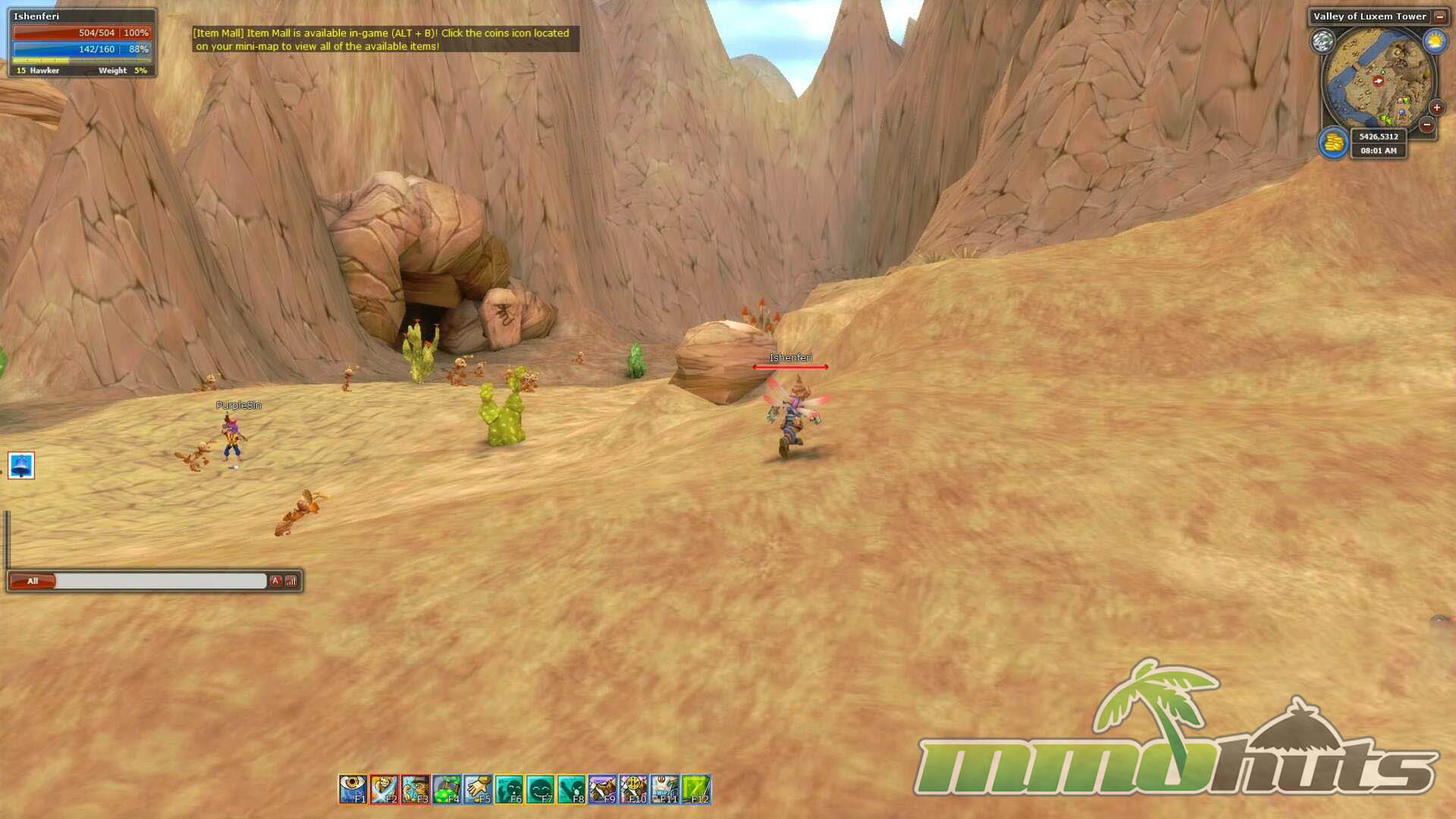
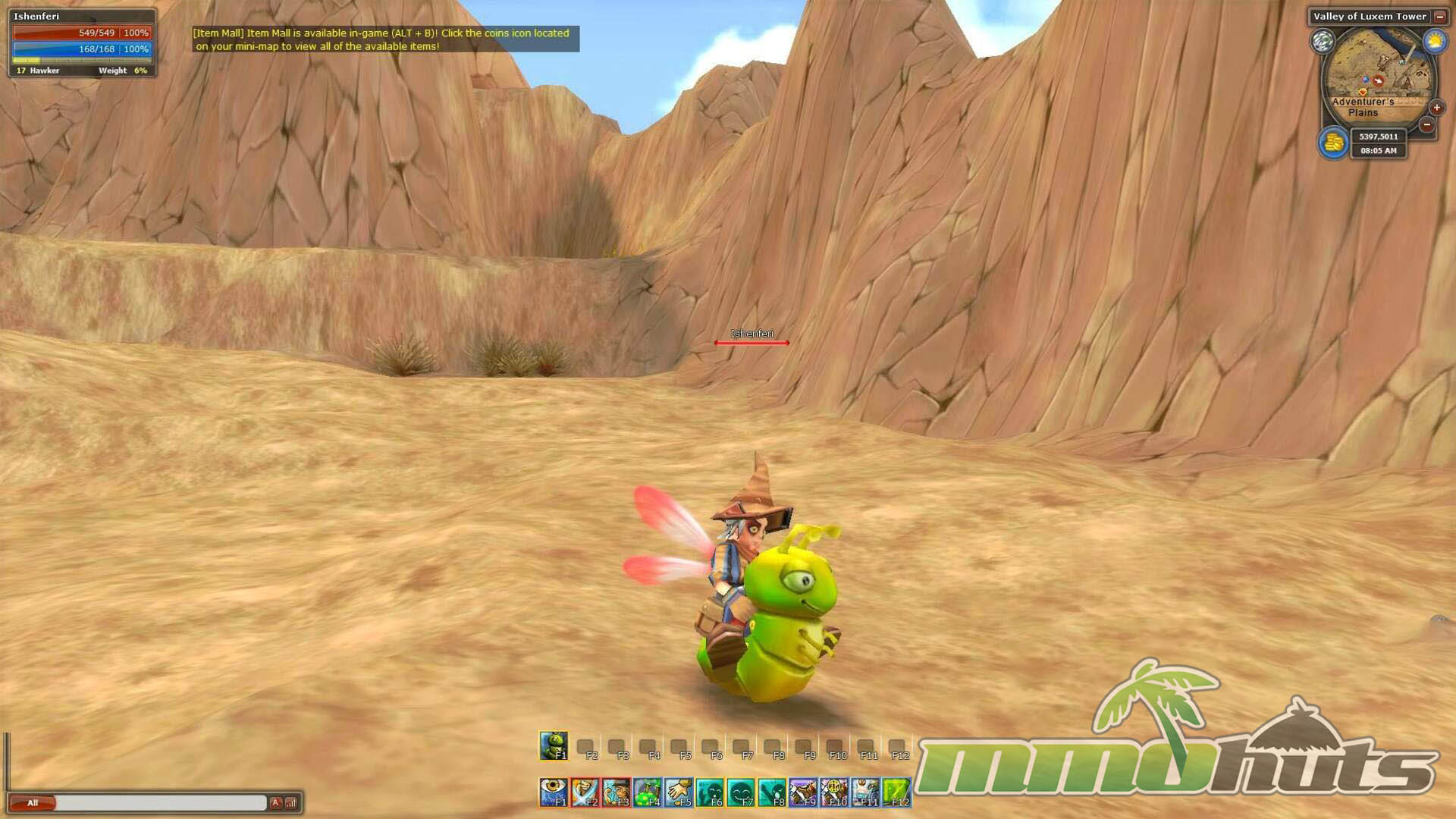
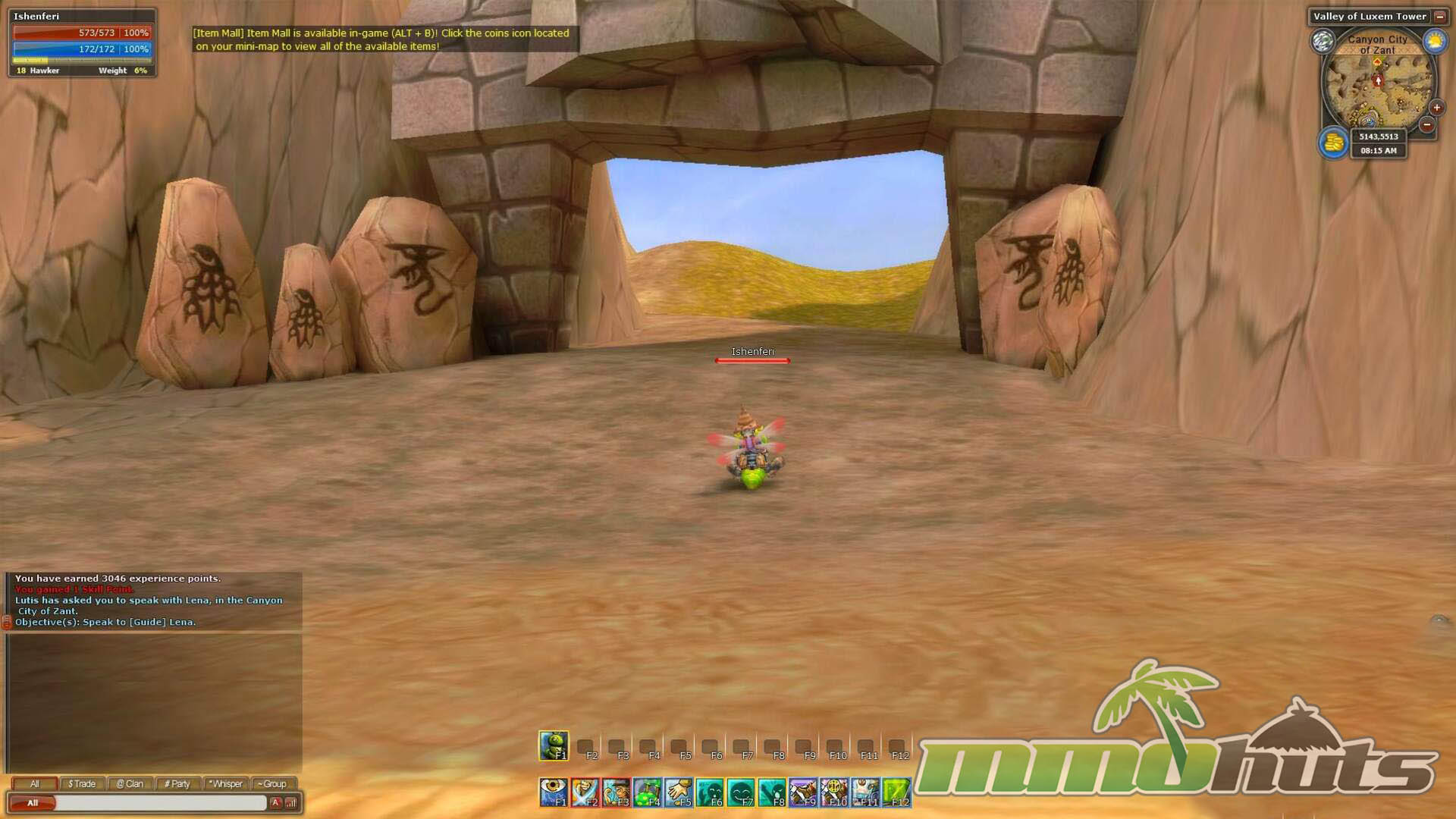
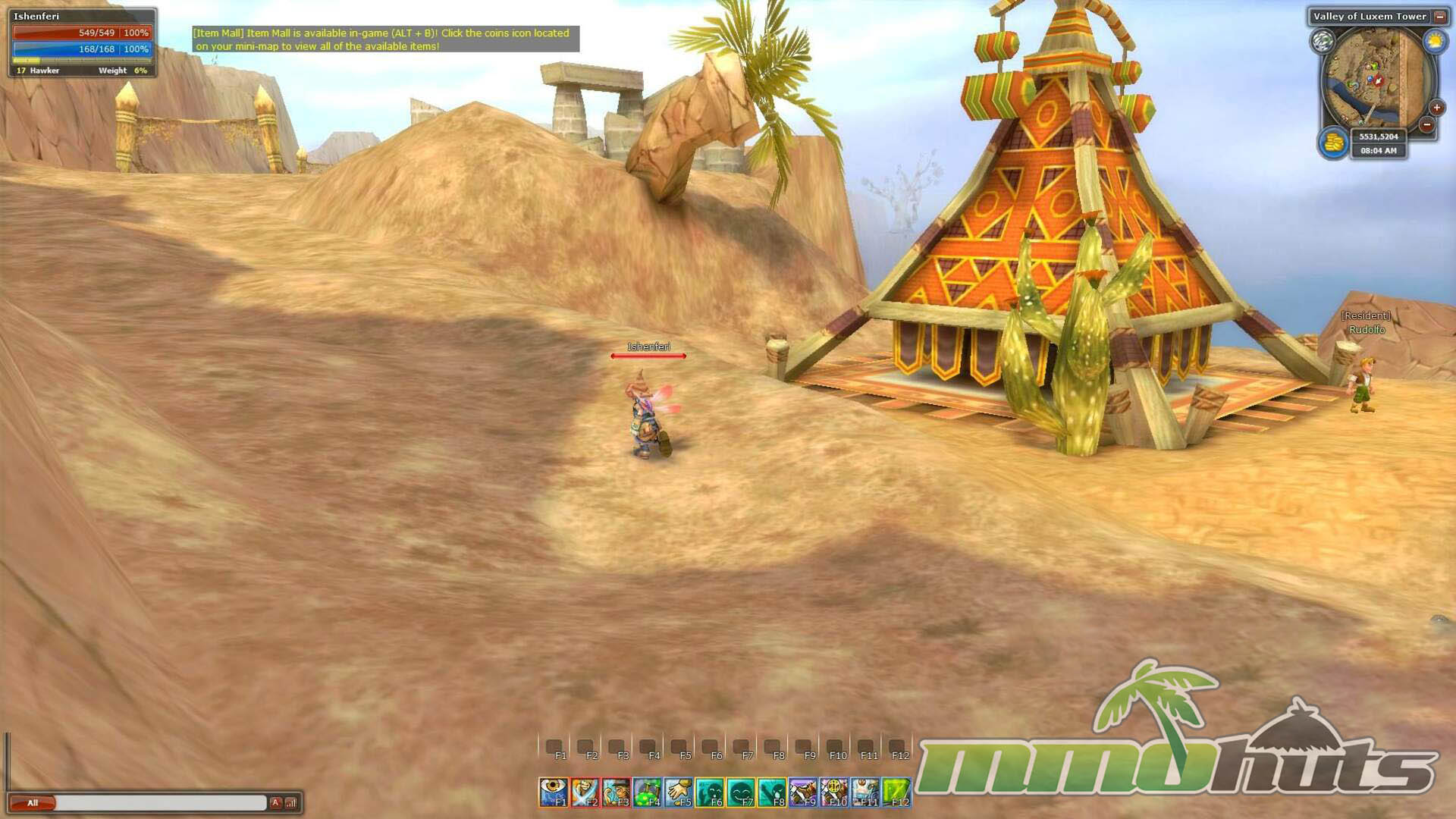
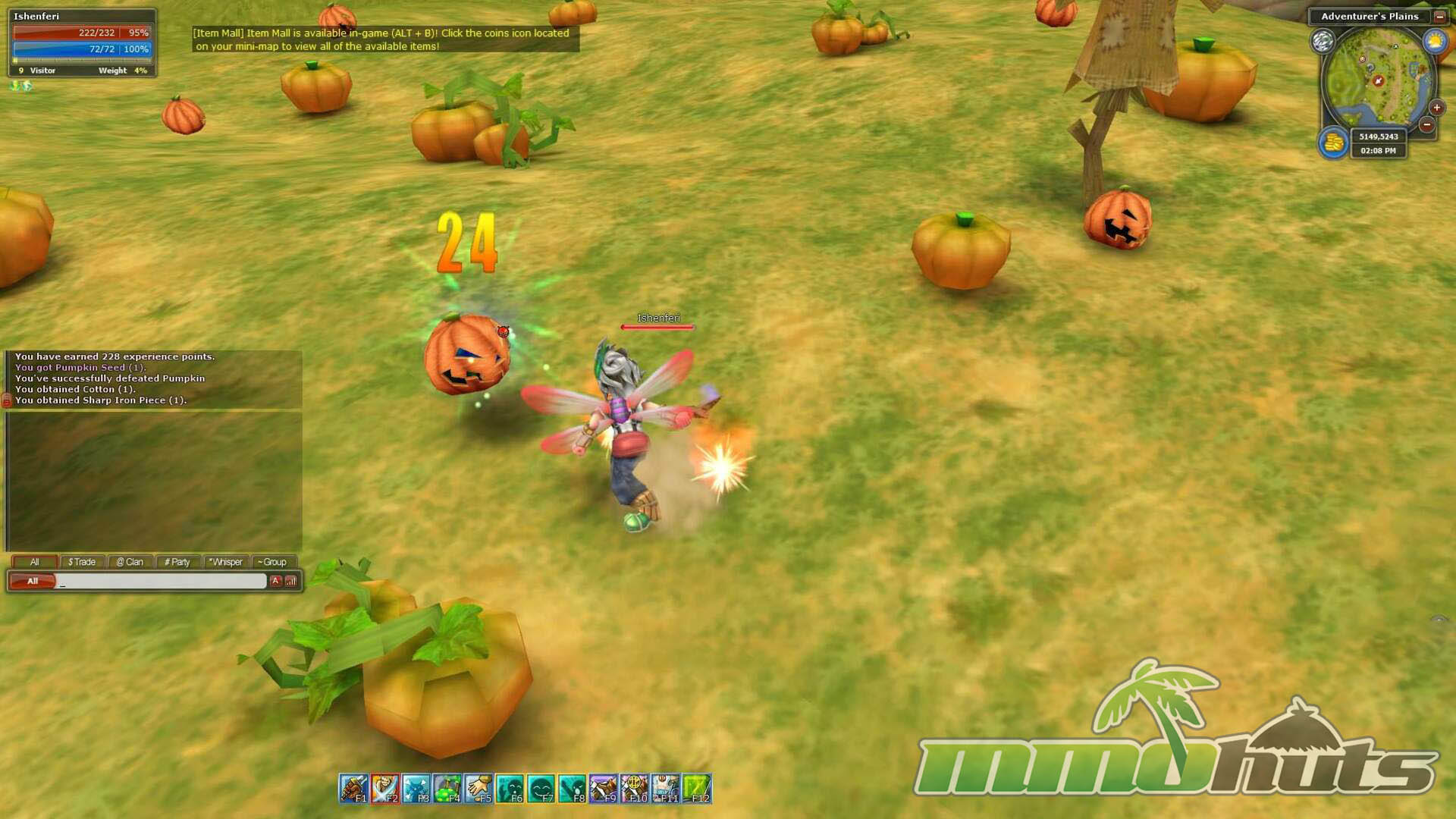
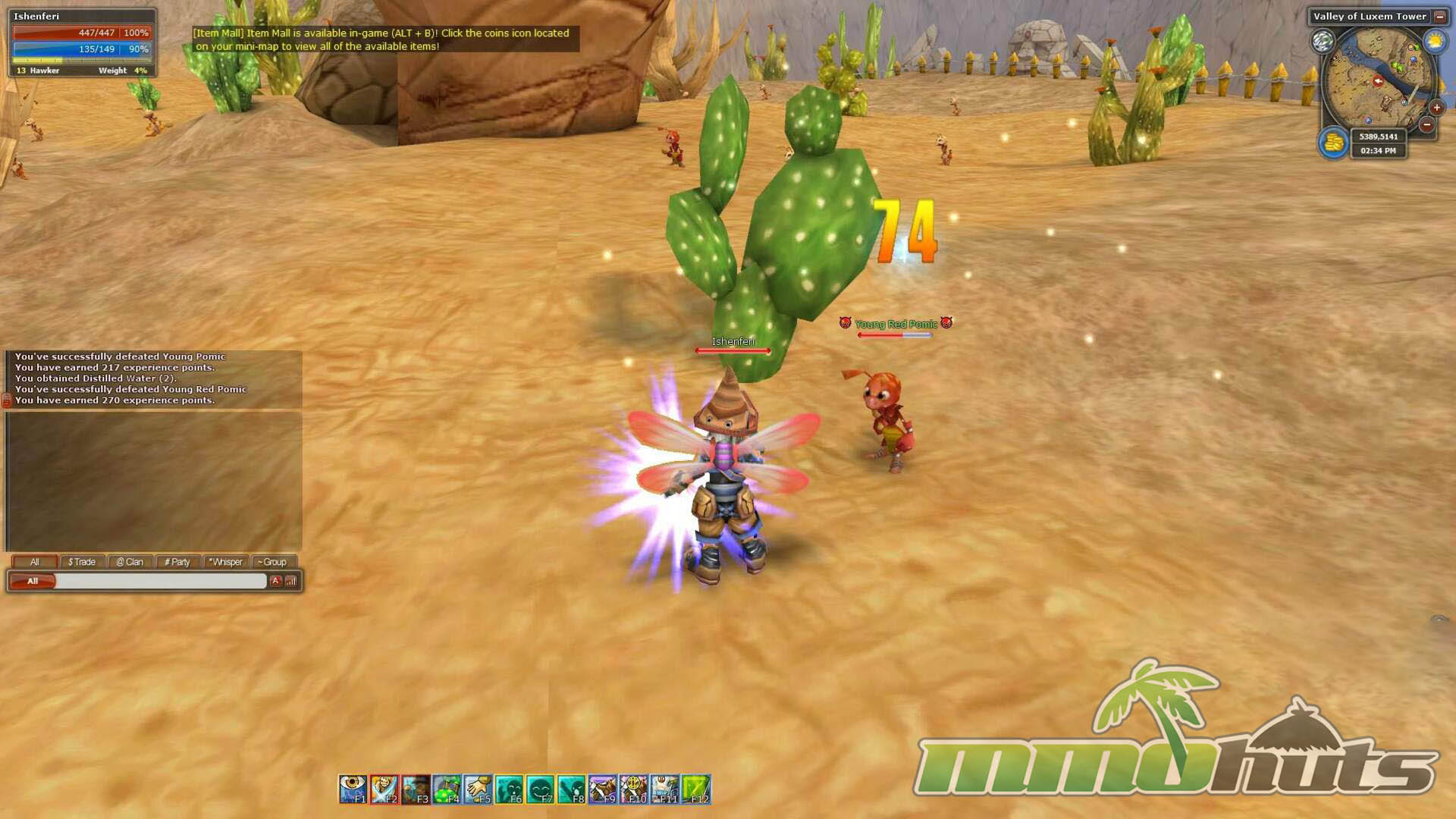

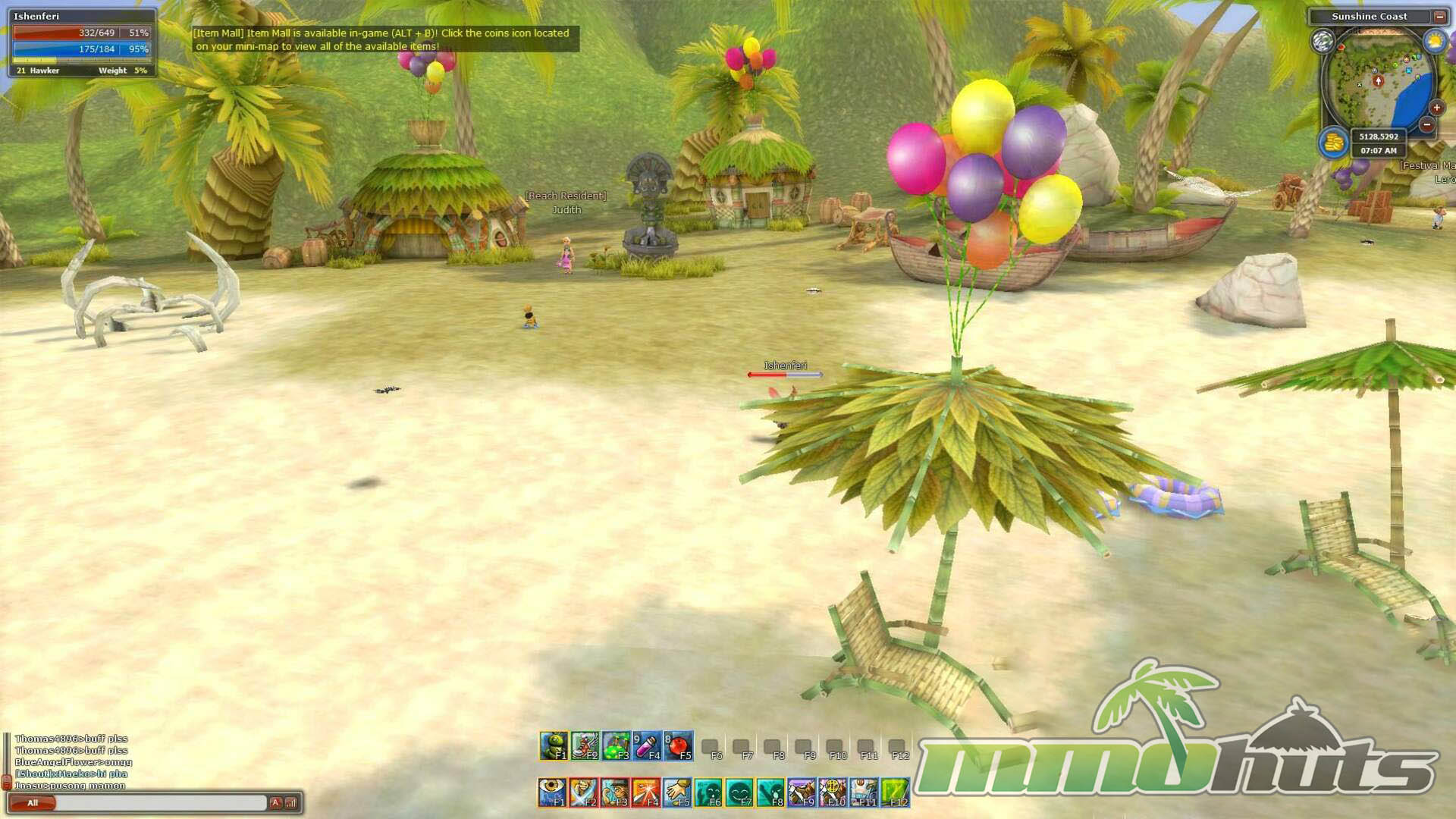
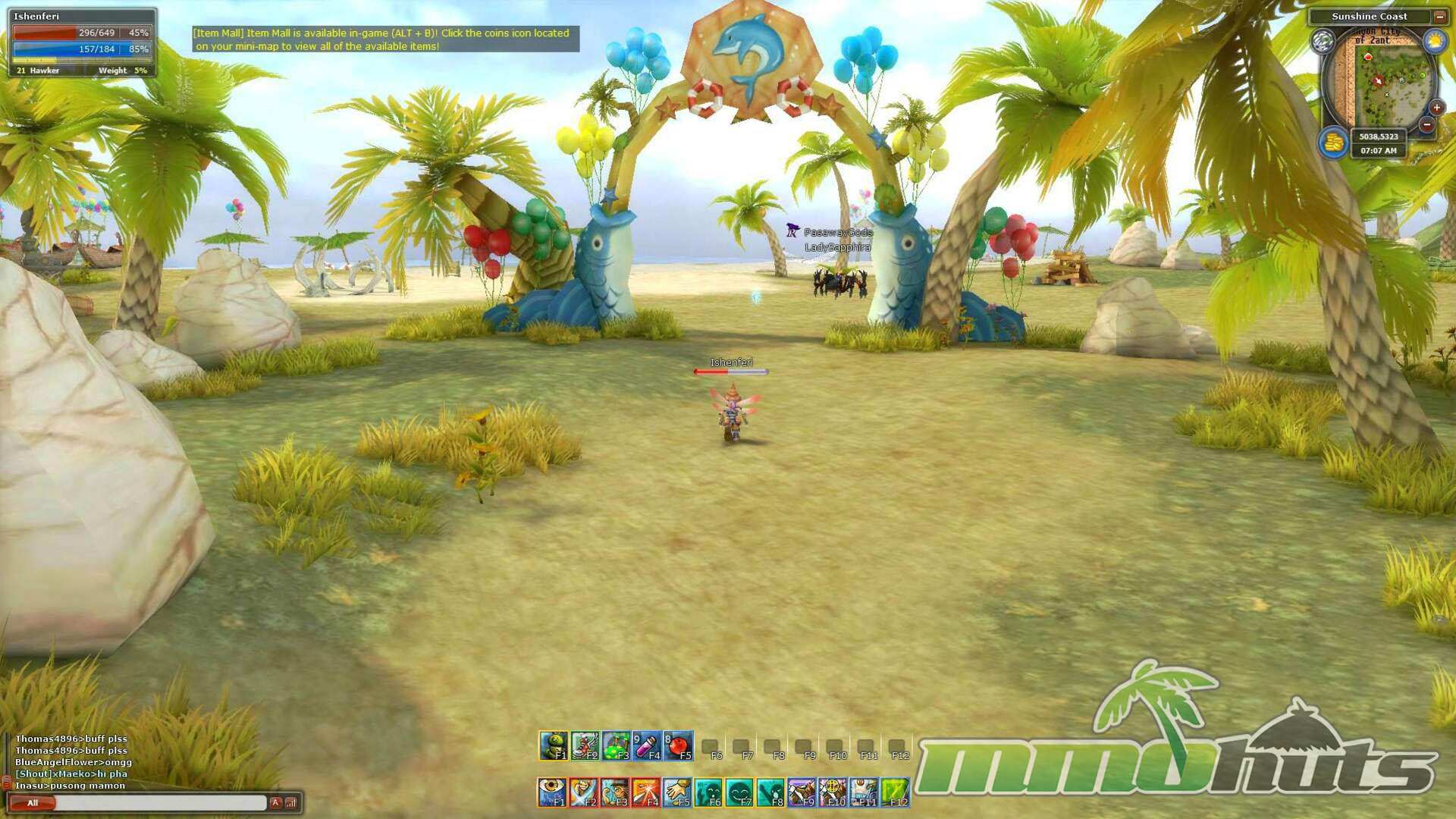

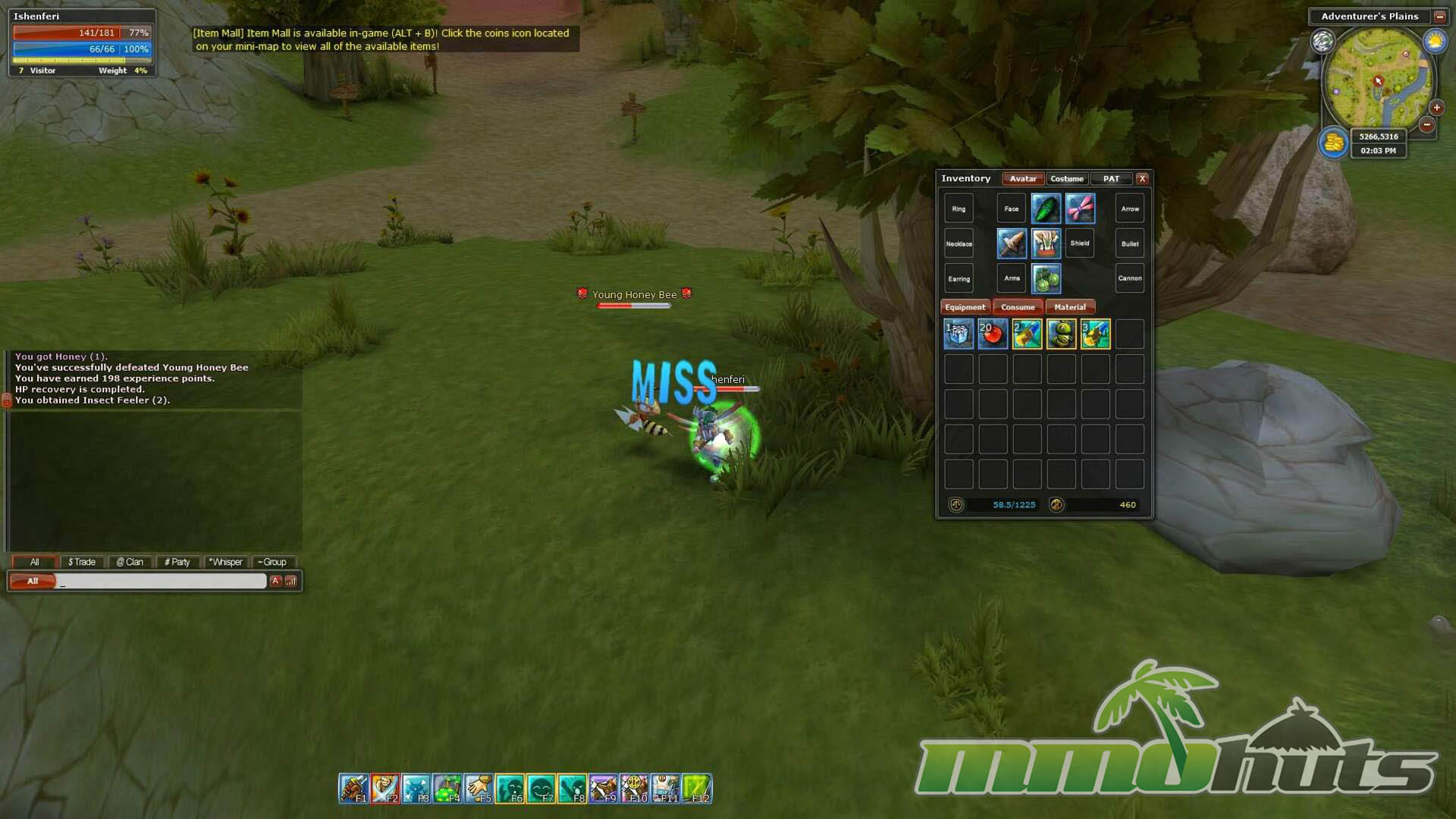
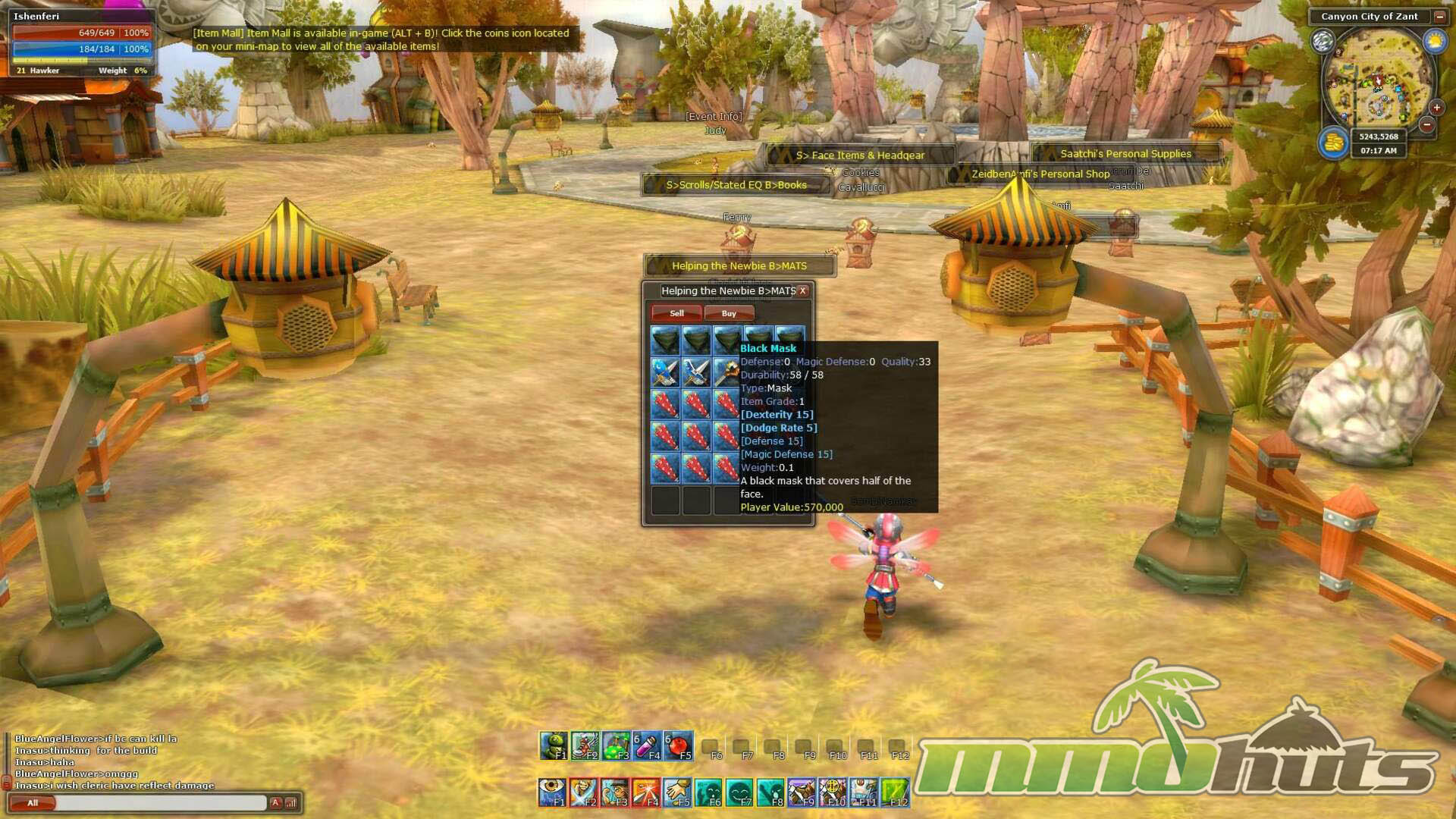
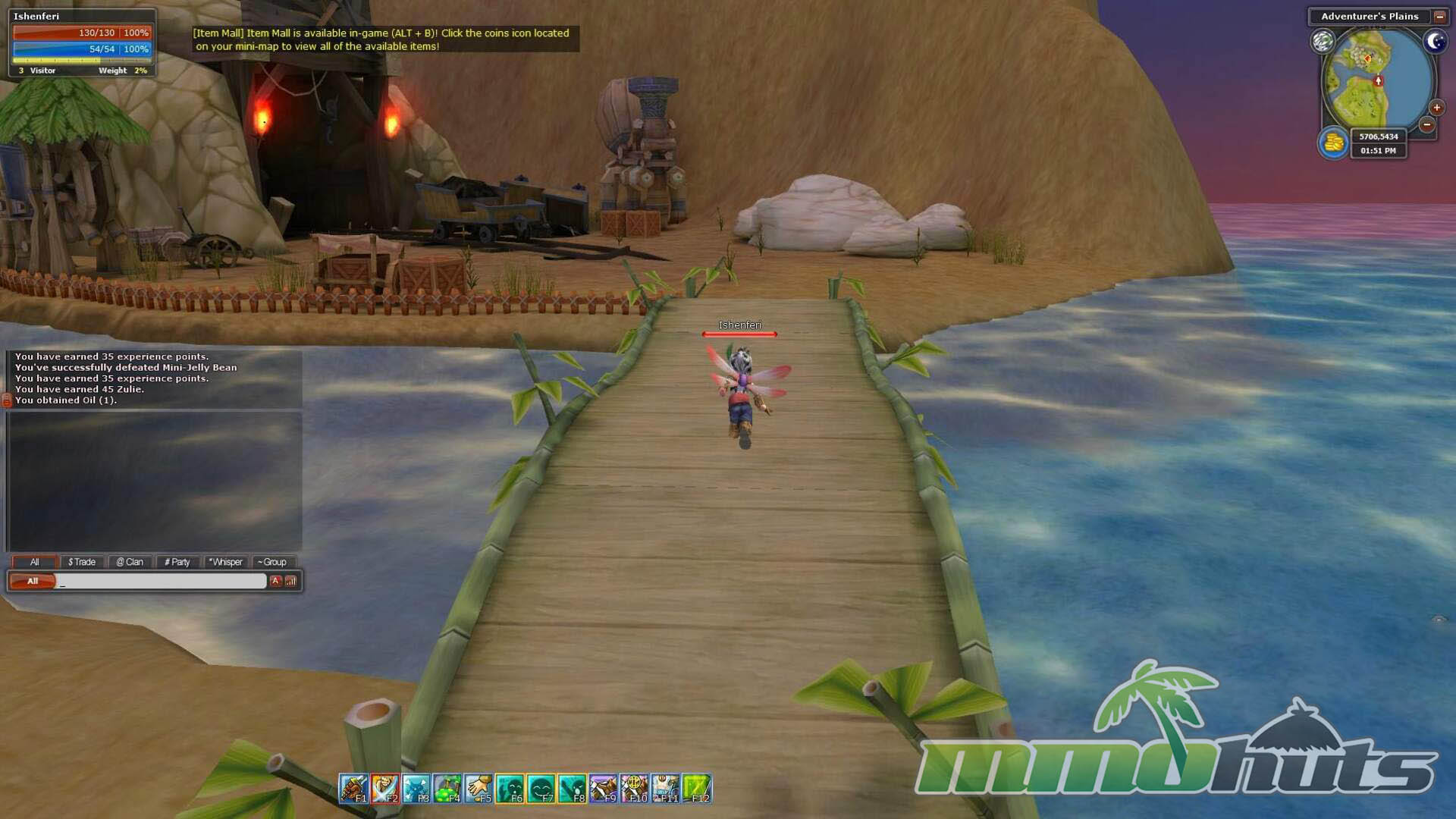
Rose Online Featured Video

Rose Online Classes
There are five classes (counting visitor) available in ROSE Online:
Visitors are your starting identity before you commit to a specialty. In the story framing, they are spirits dispatched by Arua to Junon to fight back against the Devil Pest affliction associated with Hebarn’s influence. Mechanically, Visitors have basic starter skills and can equip a wide range of early weapons, then formally choose a class at level 10.
Dealers function as ROSE Online’s crafting and economy focused class, with tools that support production and quality-of-life perks like increased carrying capacity and NPC price benefits. In combat they typically fight at range using guns and launchers. At level 100, Dealers can specialize as either Bourgeois or Artisans.
Hawkers fill the agile damage dealer niche, combining rogue-like speed with hunter-style weapon options. They lean on mobility and evasion, often boasting strong Dodge Rates, and can build toward bows and crossbows or close-range weapons like katars and dual swords. At level 100, Hawkers can specialize as either Raiders or Scouts.
Muses are ROSE Online’s spellcasters and support backbone. Depending on build choices, they can focus on offensive magic or lean into buffs and healing for group play. Their weapon options center on wands and staffs, and their endgame direction usually splits into damage versus healing roles. At level 100, Muses can specialize as either Mages or Clerics.
Soldiers are the durable melee core, with access to an unusually broad set of weapon types including one and two-handed swords, blunt weapons, spears, and axes. They are designed to hit hard up close, and their stat priorities tend to reflect that. At level 100, Soldiers can specialize as either Knights or Champions.
Rose Online Review
ROSE Online (short for Rush On Seven Episodes Online) is a fantasy MMORPG that first launched on December 1, 2005. The original development traces back to Triggersoft, while Gravity Interactive handled ongoing development and publishing for North America and Europe. The premise is straightforward but effective for an older MMO, you play a Visitor sent to defend Junon and other planets from Hebarn, an antagonist who has even claimed a world and stamped it with his name. Visually it sits in the same broad family as other bright Korean MMORPGs, and while it is dated, the colorful art direction helps it age better than many realistic games from the same period.
Getting Started
Character creation is simple and era-appropriate: name, gender, face, hair, and hair color. From there, your identity is shaped mostly through what you wear, since costumes and equipment do most of the heavy lifting for customization. The deeper personalization comes later via stat allocation and skill choices, which can meaningfully change how two players of the same class perform.
Control-wise, ROSE Online uses the familiar point-and-click movement common to classic MMORPGs, with keyboard movement available as an alternative. The interface relies heavily on hotkeys and menu shortcuts, and the default bindings can feel slightly awkward on some setups, especially if you are playing on a laptop where function keys may require an extra modifier. Skills can be triggered from the hotbar or activated through the UI, and the rest of the game systems (inventory, character sheet, and so on) are accessed through key combinations.
The Early Game Loop
The opening hours are built around teaching by repetition: take quests, defeat nearby monsters, turn in rewards, upgrade gear, then push outward. New players are guided into the basics quickly, including how to use consumables, equip items, and interact with NPCs. Each level grants stat and skill points, and ROSE’s stat system is notable because the cost to raise a stat increases as you invest further. That scaling encourages planning rather than mindless dumping into one attribute.
Skills are generally unlocked with a small point investment, then improved by adding more points to increase effectiveness. Some abilities require additional points upfront, so even early on you are making tradeoffs. The best approach is to decide what weapon style and role you want, then support it with stats that prevent common frustrations. A melee Soldier, for example, may want damage stats, but ignoring accuracy-related stats can lead to whiffs against higher-level enemies. Likewise, Hawkers benefit from committing to either ranged or melee skill lines, rather than spreading points too thin.
Core Gameplay Feel
Moment to moment, ROSE Online is a mix of charming world design and very traditional progression. Much of your time is spent rotating between quest hubs and monster camps, and the pace is unmistakably grind-heavy. Where ROSE distinguishes itself is in how it frames its systems within the setting. Features like carts and Castle Gears feel less like arbitrary mechanics and more like part of the world’s identity, which helps the game feel cohesive even when you are doing routine MMO tasks.
The tone also leans into a blend of science fantasy, with technology and magic existing side by side. That combination gives the game a different flavor than purely medieval fantasy MMOs, and it makes moving between planets feel like more than a simple zone change.
Progression, however, can feel uneven. With major class decisions happening at level 10 and then not again until level 100, there is a long stretch where advancement is mostly incremental. If you enjoy the older style of MMORPGs where steady leveling and efficient monster farming are the main appeal, this is not necessarily a flaw. It is also one of those games where partying is strongly rewarded, and the experience bonuses for grouping can make the grind dramatically more manageable, and more social.
Build variety is one of the brighter points. The skill list is large enough that two characters in the same class can still feel distinct depending on which branches they invest in. Even within a single class, you can end up with players who complement each other through specialization, rather than everyone converging on one identical setup.
PvP exists and can be fun in bursts, but it is not the primary endgame driver in the way it is for more competitive MMORPGs. With a high level cap of 230, there is a lot of leveling content before PvP becomes the main focus for most players, and the game’s smaller population often makes the available modes feel more like community activities than a high-stakes ladder.
PvP
ROSE Online offers multiple ways to fight other players, but the overall ecosystem is more casual than hardcore. You will find clan-focused areas, open sparring spaces, dedicated PvP maps, and three structured PvP game zones.
Clan fields are restricted to clan members, and they are designed around inter-clan conflict rather than internal duels. Players in other clans are treated as enemies, and the areas also include monsters across a range of levels. The two clan fields are Junon Clan Field and Luna Clan Field.
The training ground is closer to a free-for-all environment, where players can openly fight, including organized clan battles if groups enter together.
For open PvP blended with standard PvE, ROSE includes two PvP-enabled zones: Desert of the Dead and Sikuku Ruins. These maps allow player combat while still supporting typical monster hunting and questing, making them the closest thing the game has to a true mixed-activity danger zone.
At level 100, three PvP game zones become available: Draconis Peaks, Crystal Defenders, and Akram Arena.
Draconis Peaks revolves around objective play, with teams aiming to capture the opposing Dragon Eggs while also dealing with the added pressure of slaying the enemy dragon. Victory comes from collecting all eggs or leading on points when time expires.
Crystal Defenders assigns teams as attackers or defenders. Defenders protect crystals that rotate between three possible spawn locations. Attackers win by destroying the crystal three times before the timer runs out, while defenders win by holding the line.
Akram Arena follows a similar attacker-defender structure, but with a sequence of crystal objectives: attackers push to destroy a Sunrise crystal, then a Sunset crystal appears mid-map for the final win condition. Defenders can counterplay by destroying the Dusk crystal in the attackers’ base, which forces attackers back to their starting area.
Participation in these modes awards Honor points, which are spent on PvP-oriented gear, weapons, skills, and items.
Cash Shop
The cash shop is the main source of ROSE Online’s pay-to-win reputation. Purchasable items can offer direct power, including equipment that scales with your level and pieces that significantly boost attack power or core stats. On top of that, class skill lists tied to weapon power and speed can widen the gap between paying and non-paying players. Premium membership adds further advantages through increased experience gain and improved drop rates.
In practice, how much this hurts depends on what you want from the game. Since ROSE is not built around relentless endgame PvP competition, many players can still enjoy the leveling journey, quests, and social grinding without constantly feeling pressured. That said, anyone who cares about parity in PvP, or who dislikes monetized power in principle, will likely find this a serious drawback.
A Strong Private Server Scene
Even after the official service ended, ROSE Online remained notable for its private server ecosystem. Some MMORPGs develop long afterlives through unofficial communities, and ROSE fits that pattern, offering alternative rulesets, faster leveling, and custom twists depending on the server. In the past, private servers also appealed because ROSE originally launched with a subscription before later becoming free to play in 2008. While the official version eventually removed that barrier, the desire for different rates and customized experiences kept private servers relevant, and they continue to be the main way many players revisit the game today.
Final Verdict – Good
ROSE Online does not reinvent the MMORPG formula, but it delivers a coherent, colorful world with a distinctive planet-hopping theme and enough build flexibility to keep leveling interesting for the right audience. The grind is substantial, and the monetization can create uncomfortable power gaps, especially for players who want fair PvP. Still, the game’s party-focused leveling, approachable class structure, and stronger-than-average attention to lore for its era make it a solid pick for players who appreciate classic MMORPG pacing and do not mind an old-school progression style.
Rose Online Links
Rose Online Official Site
Rose Online Wikipedia
Rose Online Wiki (Database / Guides)
Rose Online Official Game Guide
Rose Online System Requirements
Minimum Requirements:
Operating System: Windows XP, Windows Vista, or Windows 7
CPU: Pentium 4 2 GHz+
Video Card: GeForce 2 MX 400 / Radeon 7000+
RAM: 1 GB
Hard Disk Space: 3 GB
Recommended Requirements:
Operating System: Windows XP, Windows Vista, or Windows 7
CPU: Pentium 4 2.5 GHz+
Video Card: GeForce 2 MX 400 / Radeon 7000+
RAM: 2 GB
Hard Disk Space: 5 GB
Rose Online was released back in 2005. It should run well on practically any modern system.
Rose Online Music & Soundtrack
Rose Online Additional Information
Developer: TriggerSoft / Gravity Interactive
Game Engine: ZnZin Engine
Release date (NA/EU): December 1, 2005
Foreign Release:
South Korea: July 7, 2005
Shut Down: February 11, 2019
Development History / Background:
ROSE Online was initially created by the South Korean studio TriggerSoft using the ZnZin Engine. In 2005, TriggerSoft was acquired by Gravity Corporation, which is why ROSE is often associated with Gravity’s broader MMO portfolio. Over time the game became well known for its private server community, with many servers offering different experience rates and varying levels of custom content. ROSE launched with a subscription model, later switching to free to play in 2008. Gravity ultimately ended the official service on February 11, 2019, but private servers still keep the game playable for dedicated fans.