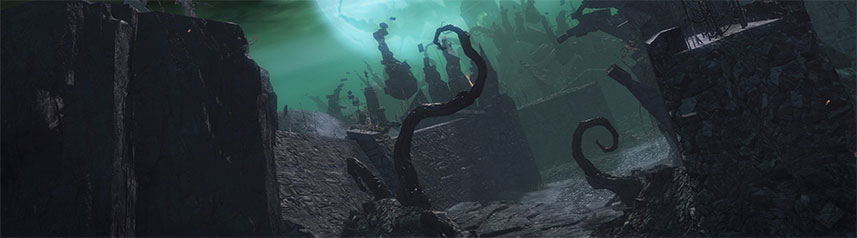
Dark Age of Camelot is a medieval fantasy MMORPG set in the turbulent years after King Arthur’s death, when his legacy fractures into three competing realms. You pick a side, then build a character from 21 races and 45 classes, quest through a myth-inspired world of dungeons and monsters, and eventually join Realm versus Realm warfare where territory and keeps are always up for grabs.
 | Publisher: Electronic Arts Playerbase: Low Type: Subscription MMORPG Release Date: October 10, 2001 PvP: Realm v. Realm Pros: +Massive variety of races and classes. +A lot of zones, dungeons, and systems to dig into. +Iconic three-realm RvR that helped define MMO PvP. Cons: -Interface feels dated and awkward. -Tough onboarding for newcomers. -Older visuals can be a hurdle. -Occasional balance frustrations. |

Dark Age of Camelot Overview
Dark Age of Camelot (DAoC) is a medieval fantasy MMORPG developed by Mythic Entertainment. Launched in 2001, it has endured as one of the genre’s long-running staples, often mentioned in the same breath as Ultima Online and EverQuest. The premise leans into classic legend, with Arthur gone and the land splintered into three rival realms locked in an escalating war. Your realm choice matters because races and classes are realm-specific, and that identity carries through leveling, grouping, and endgame PvP.
Progression follows the traditional MMO arc of its era, taking you from beginner zones into higher-level regions as you grow in power, aiming for the level 50 cap. Along the way you tackle quests, explore dungeons, and gear up through loot and crafting. The signature feature, however, is the large-scale three-way Realm versus Realm conflict, where Albion, Hibernia, and Midgard collide for control of keeps, objectives, and frontier territory.
DAoC’s worldbuilding draws heavily from Arthurian themes alongside Norse and Celtic mythology, and many areas borrow the feel of real-world geography. Outside of combat, there is an economy with player trading, and a housing system that lets dedicated players buy property and set up merchants, turning your home into a practical part of the market. With seven free expansions added over the years, the amount of content is substantial for anyone interested in an older-school MMO with a strong PvP backbone.
Dark Age of Camelot Key Features:
- Deep Race and Class Roster – pick from 21 races and 45 classes, tied to your chosen realm with distinct starting areas and flavor.
- Realm versus Realm Warfare – a three-faction PvP struggle built around objectives, territory, and coordinated battles.
- Myth-inspired Setting – a post-Arthurian world that blends Arthurian, Norse, and Celtic influences.
- Player Housing – purchase property and employ merchants, giving wealth and crafting a meaningful place in the economy.
- Expansive Back Catalog – seven free expansions broaden the world, activities, and places to explore.
Dark Age of Camelot Screenshots
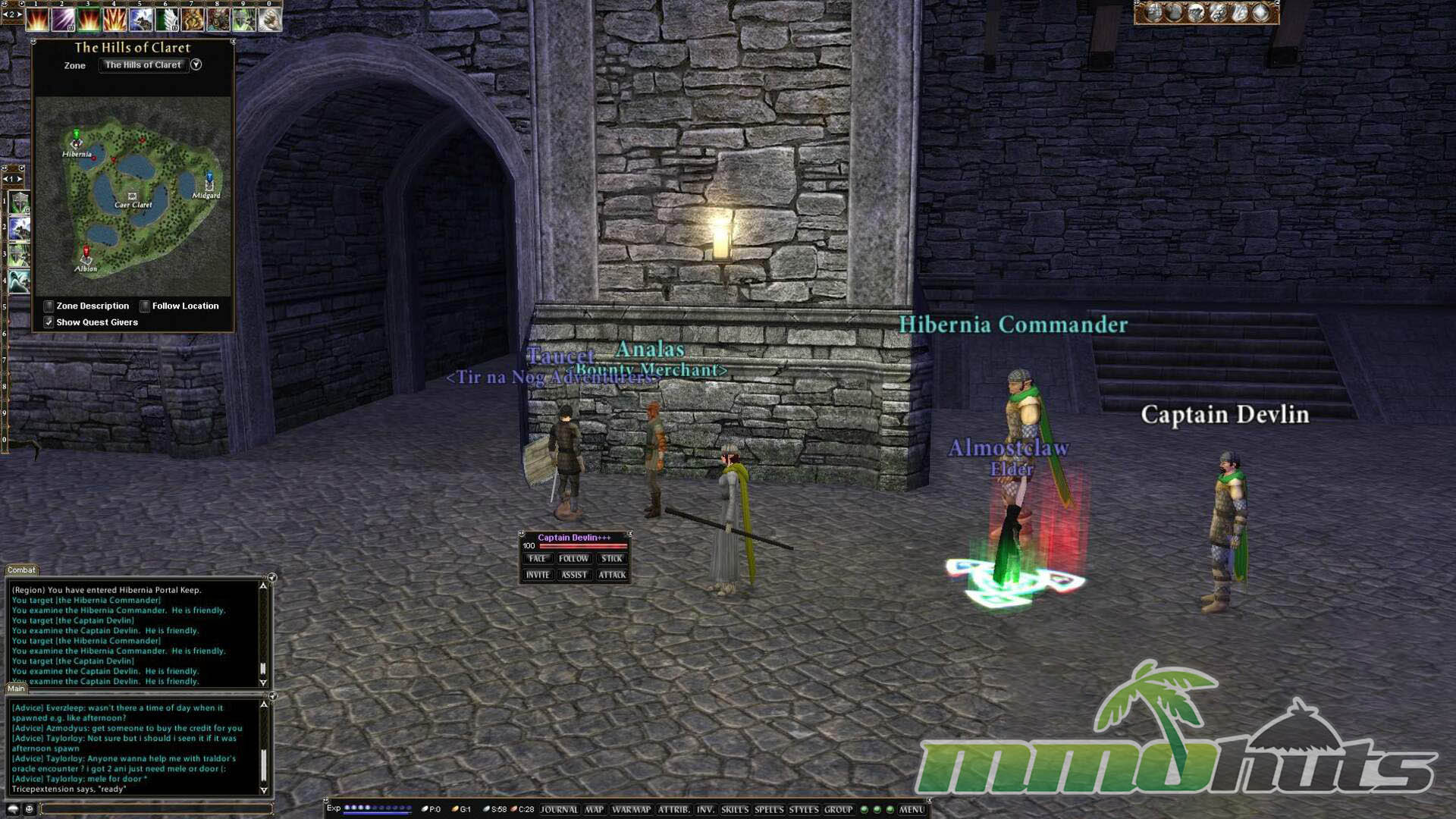
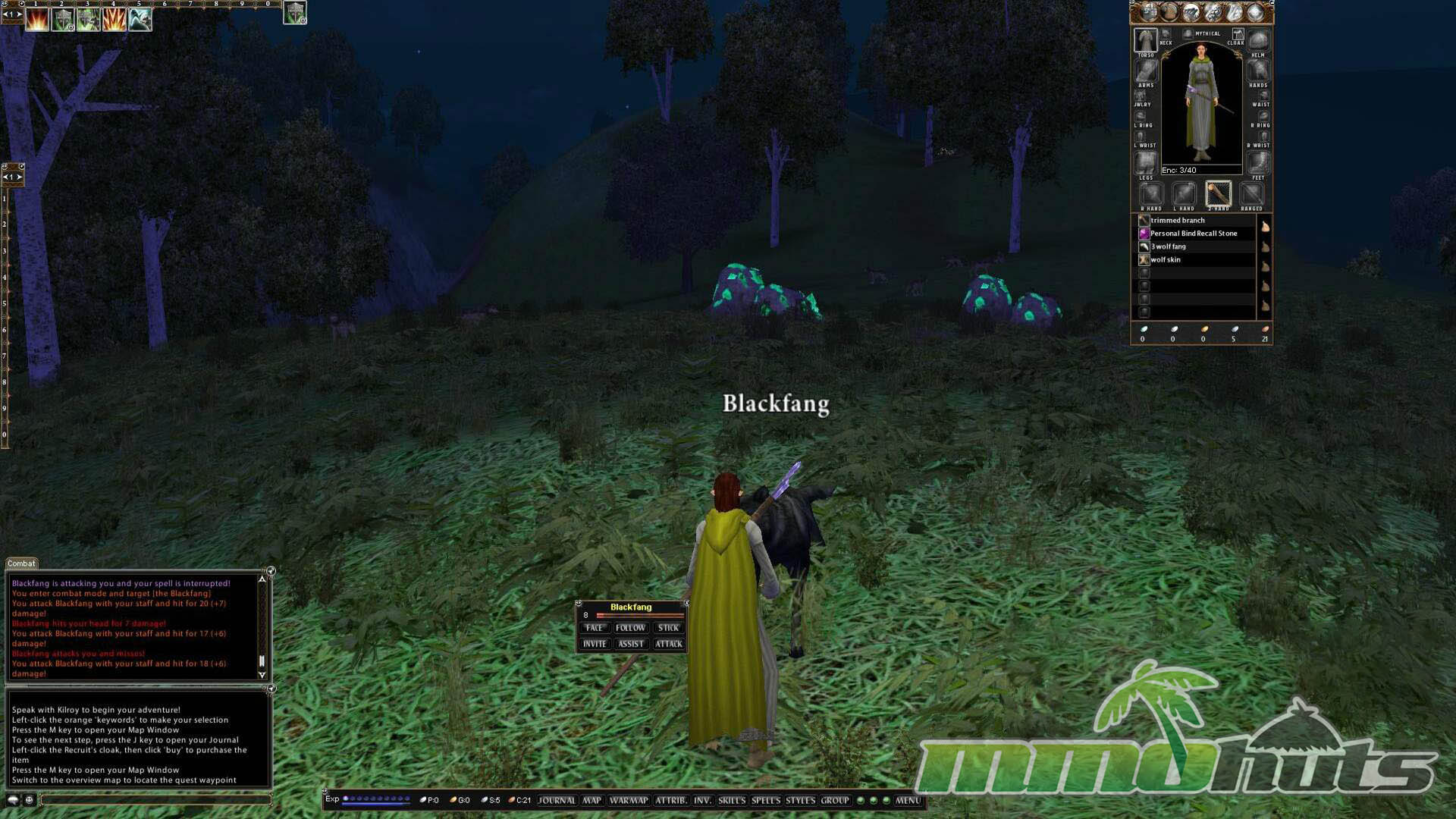
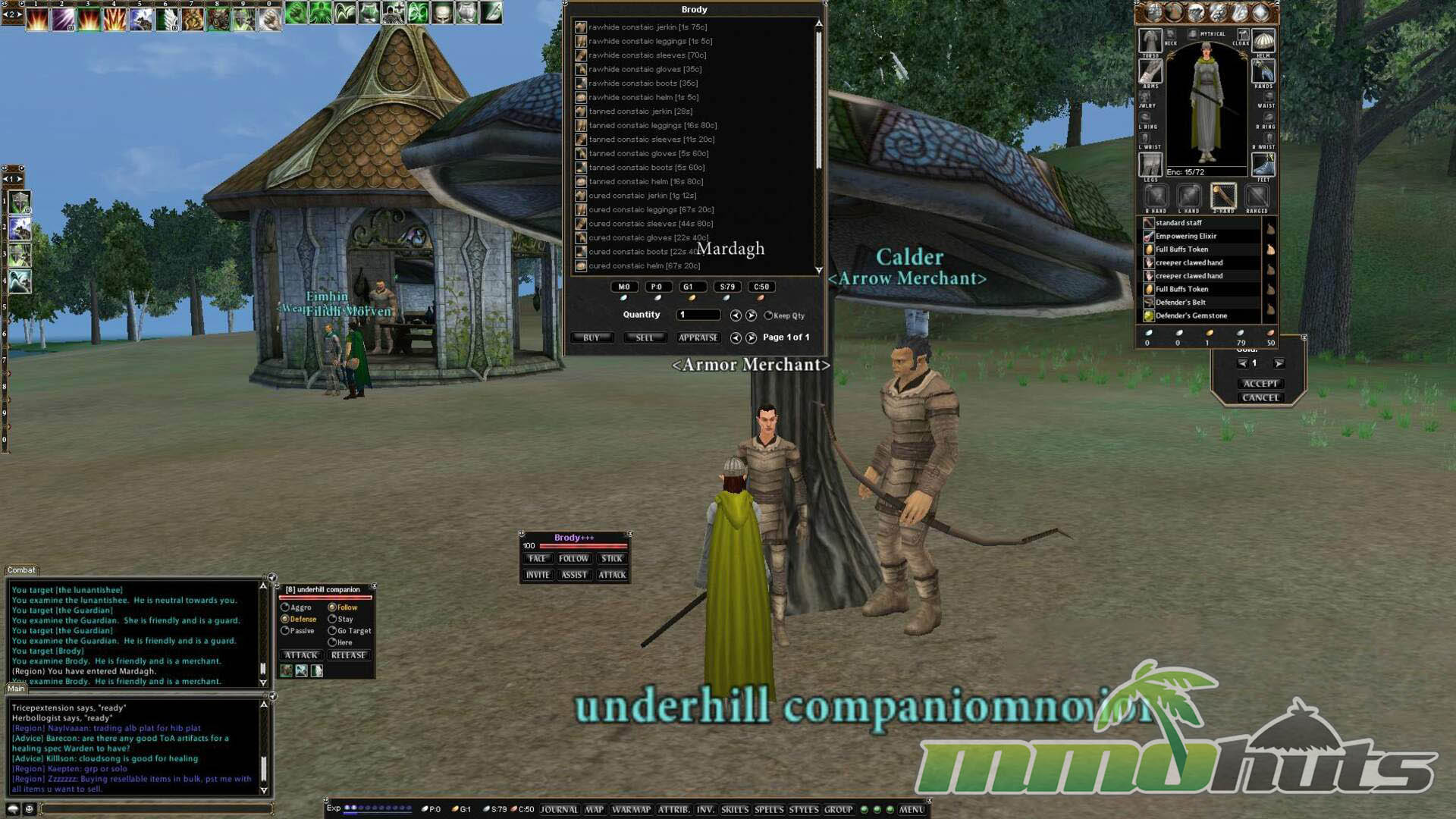
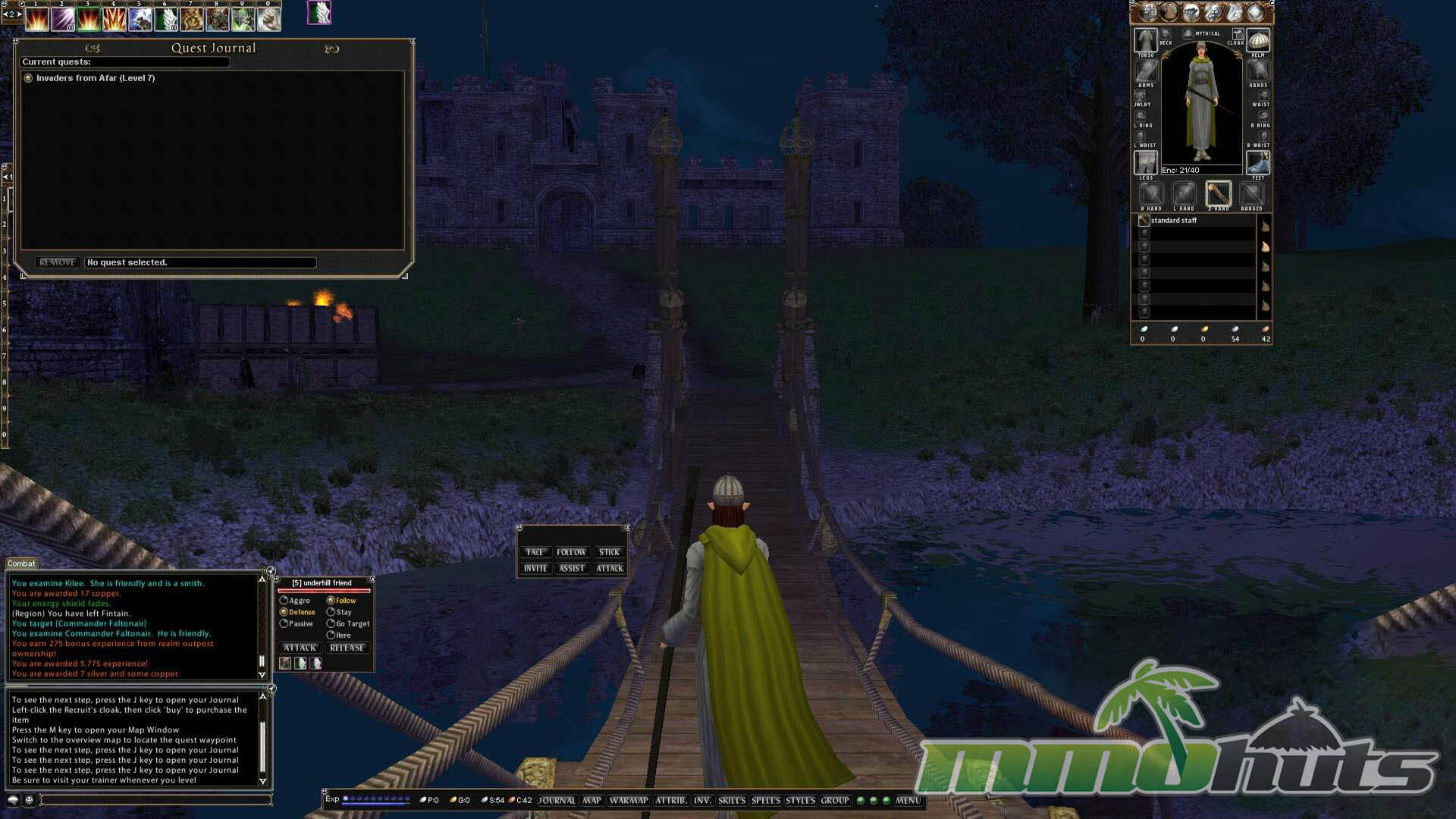
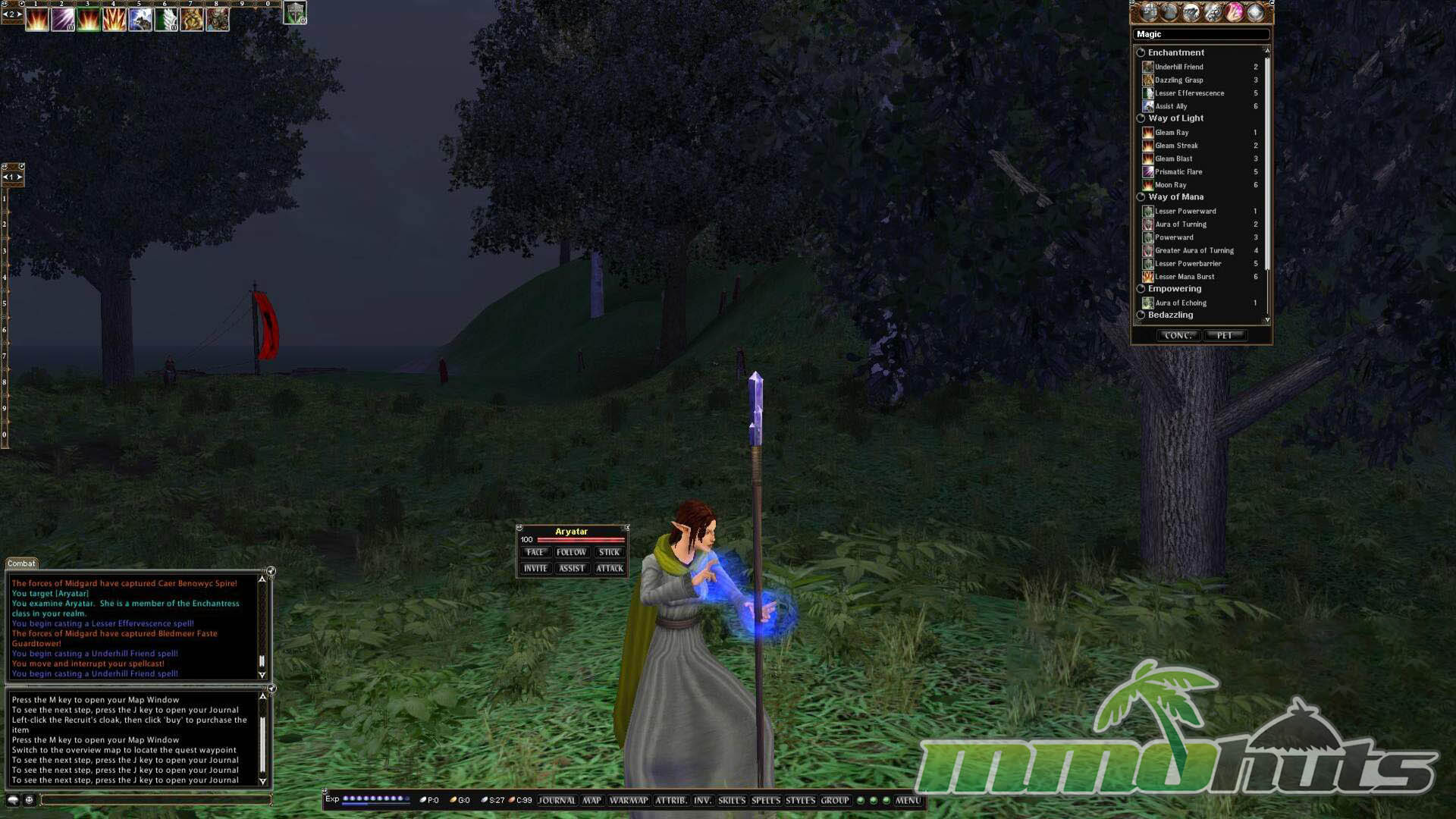
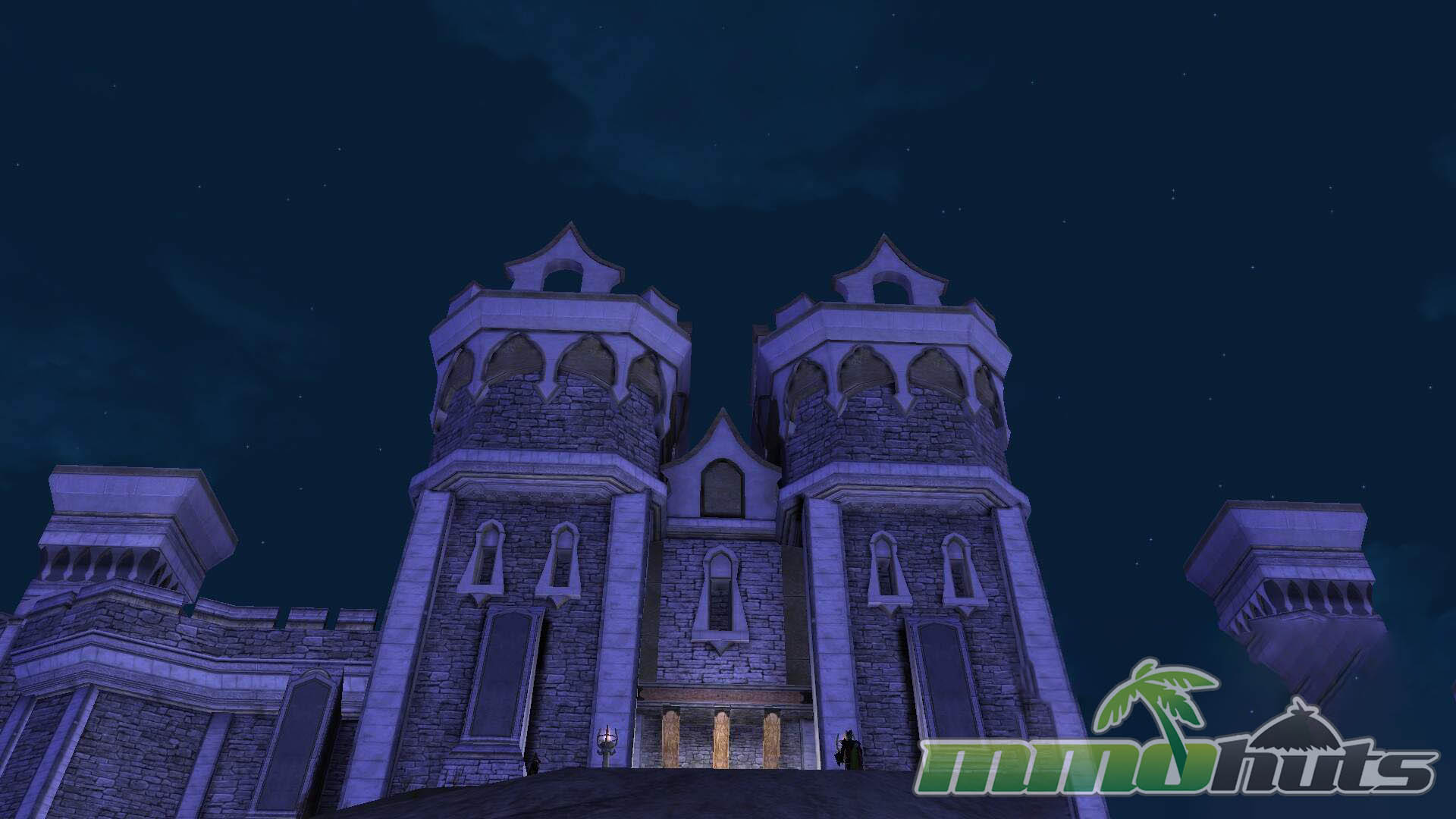
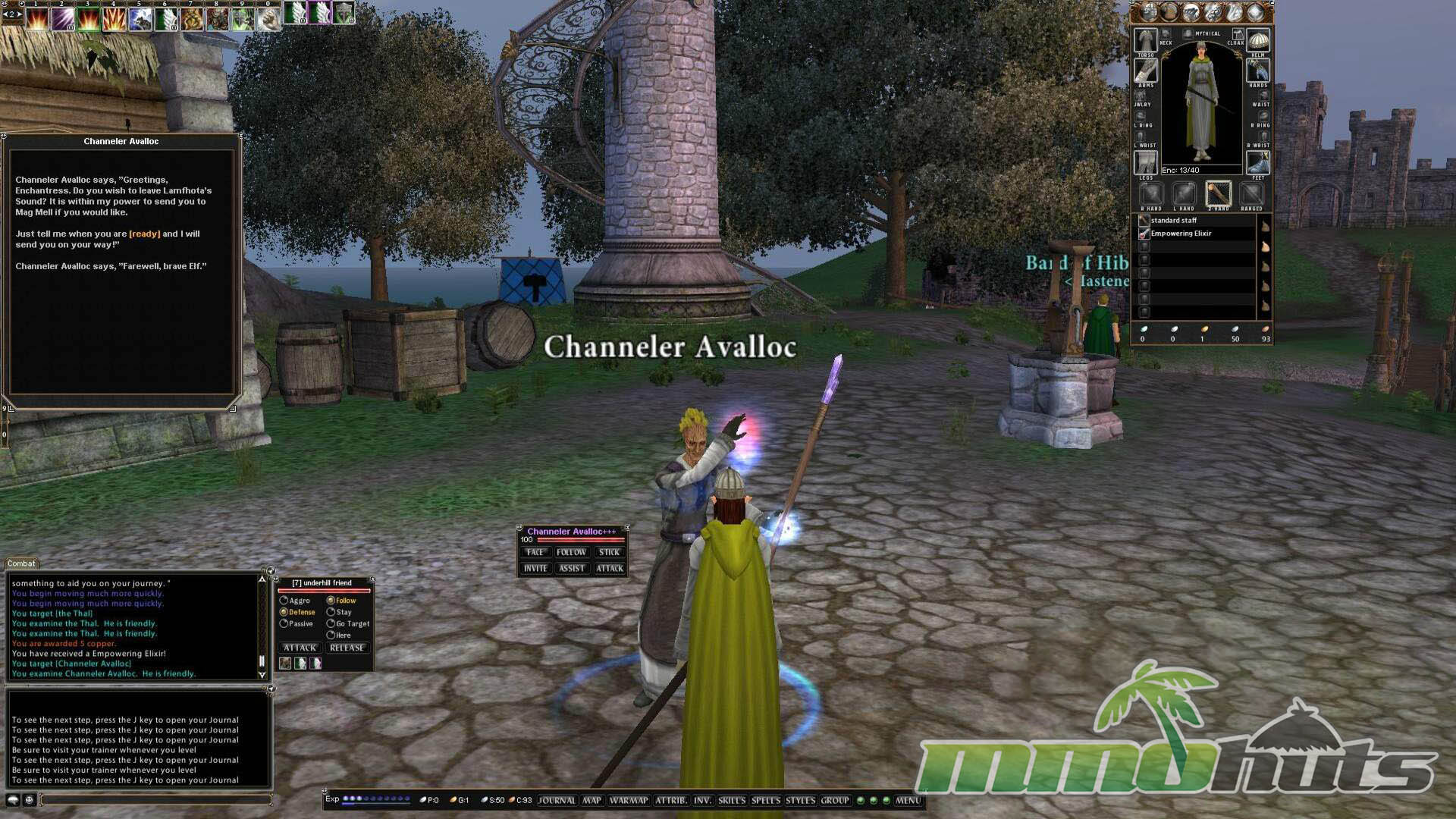
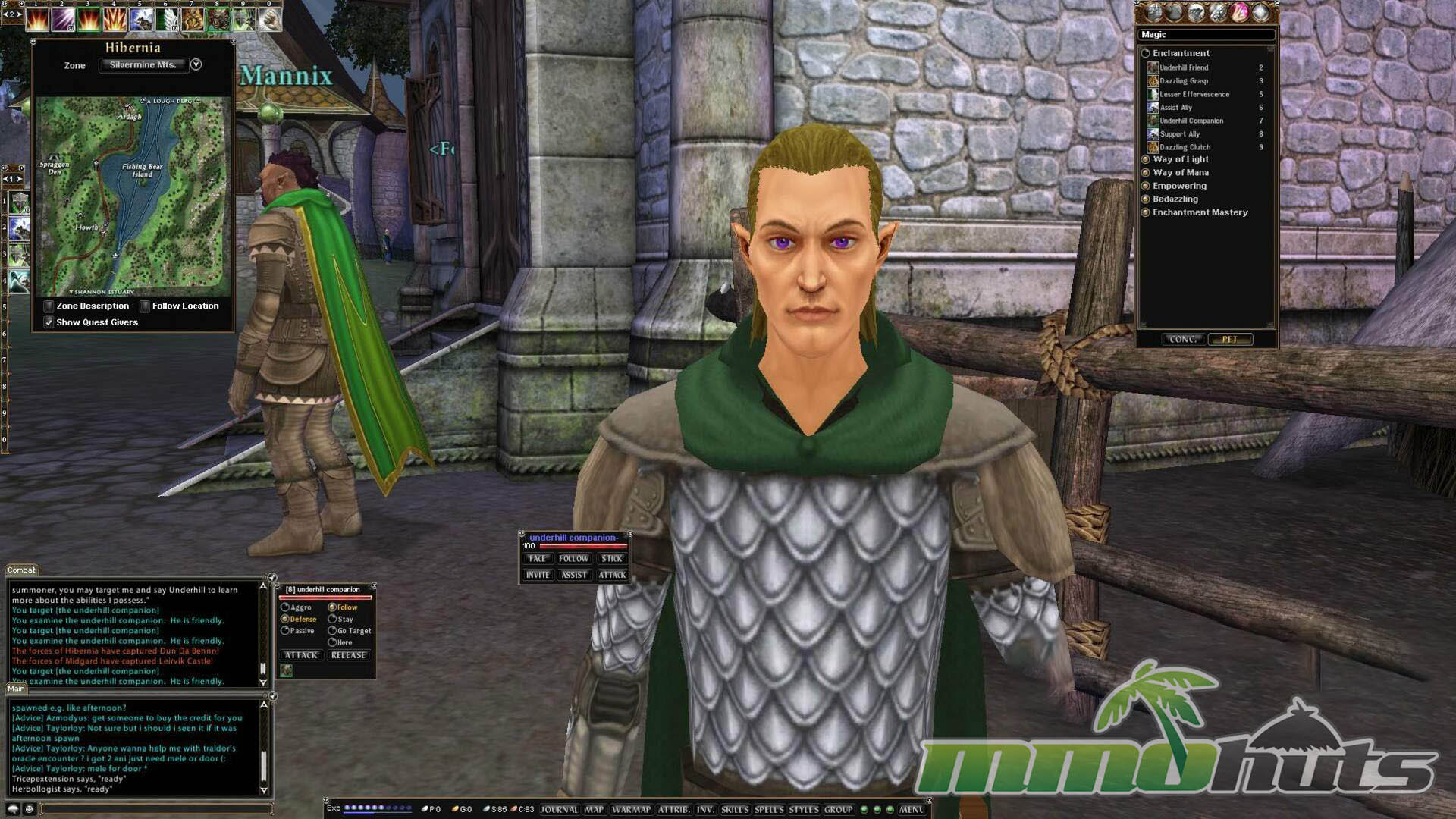

Dark Age of Camelot Featured Video

Dark Age of Camelot Review
DAoC arrived at a time when MMORPGs were still defining what the genre could be, and its biggest contribution is easy to recognize even today, it treats faction conflict as a central pillar rather than a side activity. The game’s story frame is straightforward but effective: Arthur is gone, stability is gone with him, and three cultures with their own mythic roots are fighting to shape what comes next. That setup gives the world a strong sense of identity, and it also explains why Realm versus Realm combat feels like more than just a queueable battleground.
Picking a Realm and Building a Character
The first meaningful decision is which realm to represent: Albion, Hibernia, or Midgard. Each has its own look, its own lore inspirations, and most importantly, its own exclusive race and class options. That realm-locked design is one of DAoC’s defining traits, it encourages pride in your side and makes enemies feel genuinely “other,” especially once you begin encountering them in contested zones.
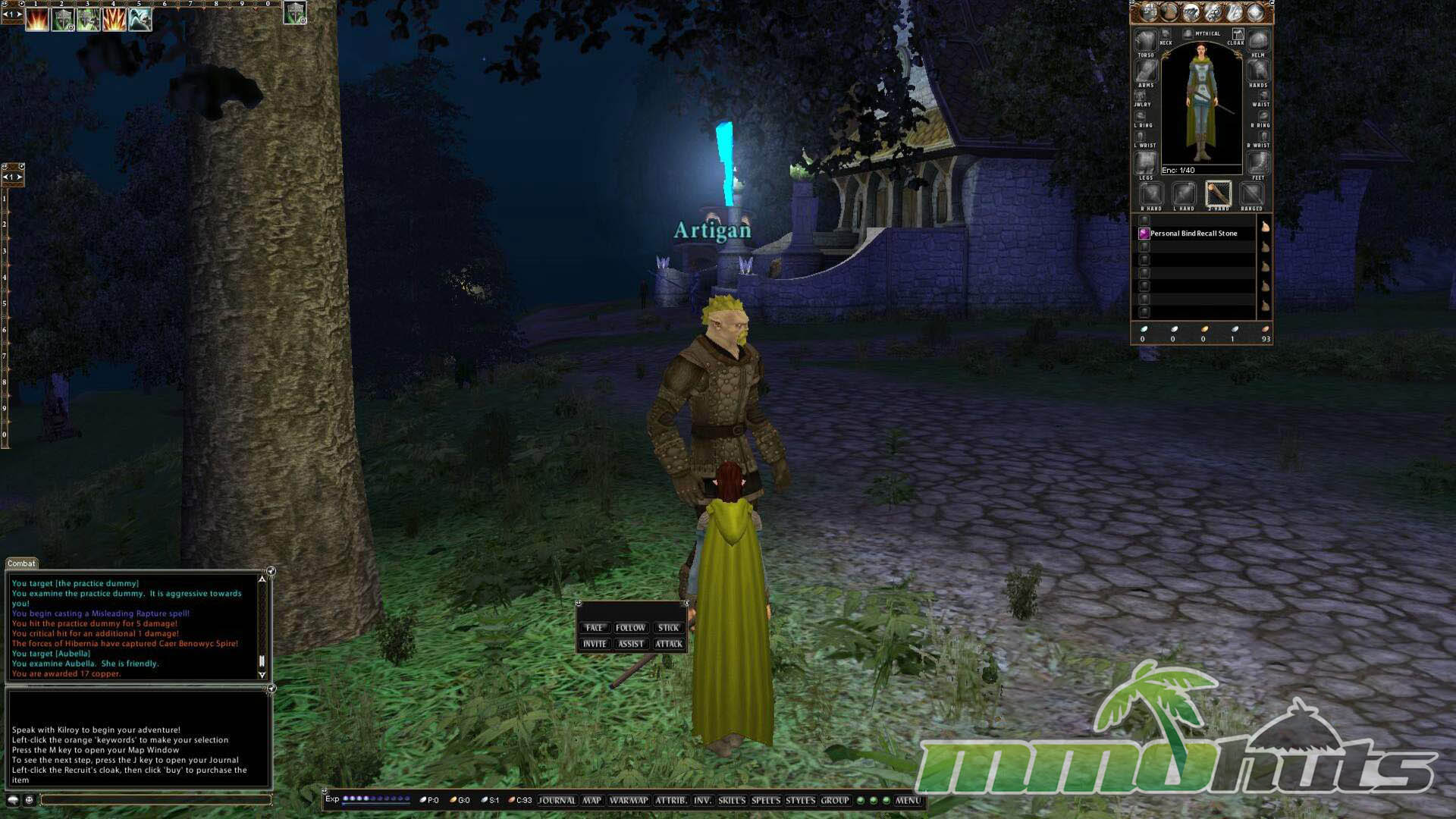
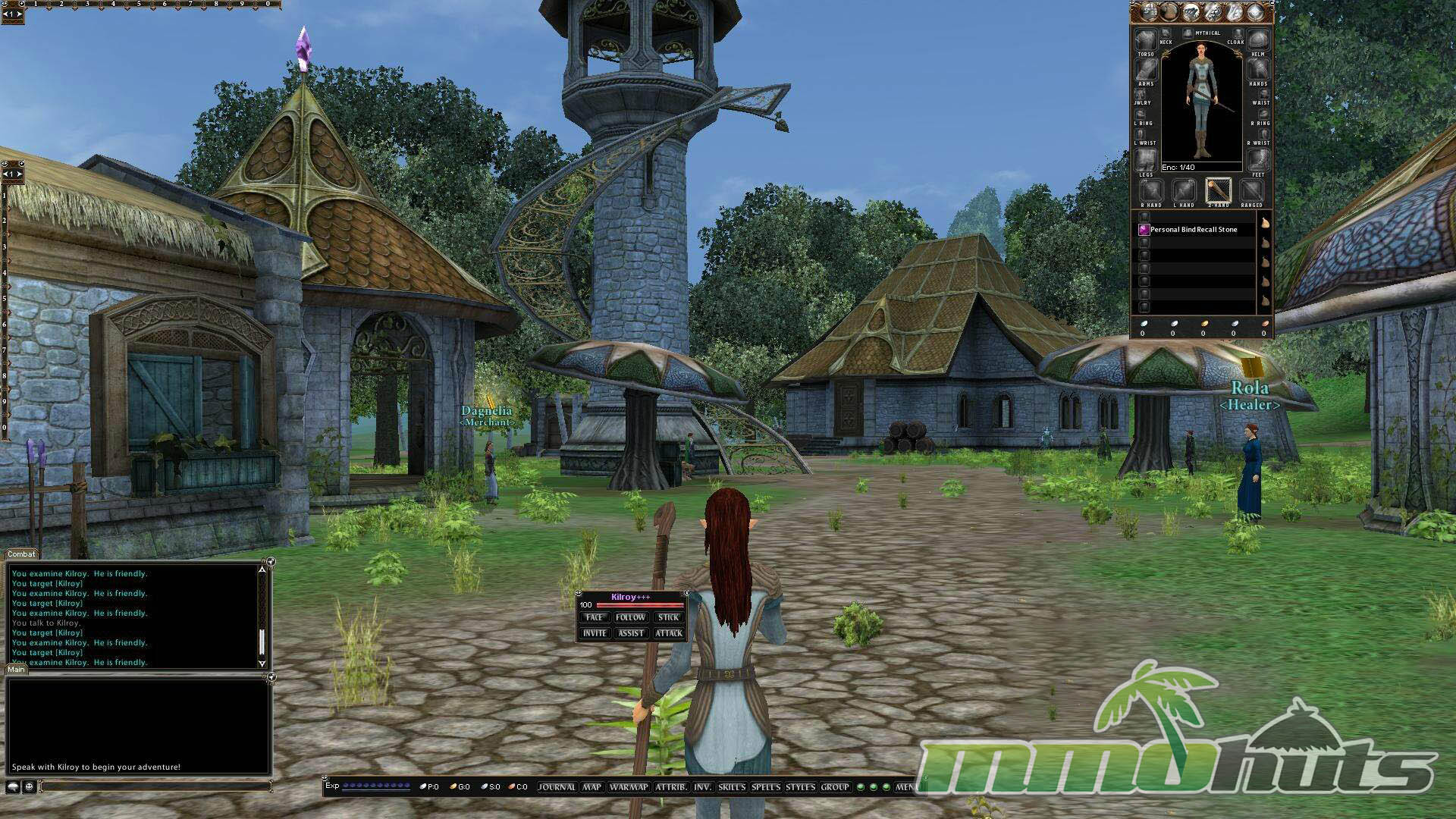
Character creation reflects its 2001 roots. The sheer range of races and classes is impressive, but the cosmetic tools are modest by modern standards, with limited face and hair selections rather than detailed sliders. What you do get, and what matters far more in play, is a broad class ecosystem with distinctive roles and toolkits. Many classes feel purpose-built for group play and realm warfare, which is part of why DAoC still attracts players who like structured PvP and classic MMO group dynamics.
Presentation: Atmosphere Over Modern Fidelity
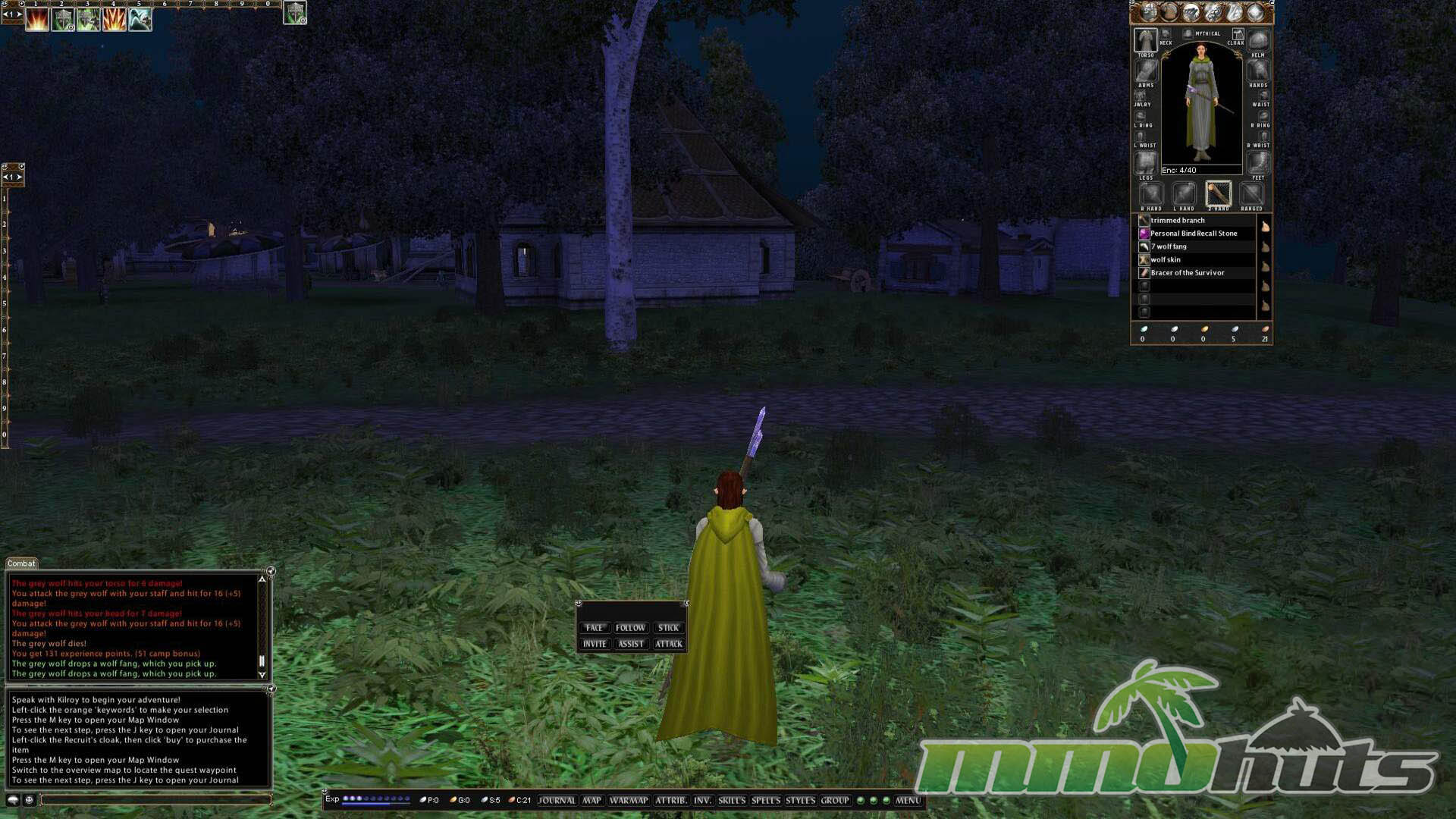
Visually, DAoC is clearly from an earlier generation, but it can still land a convincing mood. Zones have a grounded, old-world fantasy vibe, and the lighting, weather, and day-night cycle help the setting feel like a place rather than a series of game levels. Water and distant scenery can look better than expected for the era, while character animations and facial expression are understandably stiff.
Audio is similarly “of its time.” Spell effects and combat sounds are functional, and the ambient soundscape does a lot of work in selling the outdoorsy feel of the world. When the music comes in, it generally fits the mythic tone well, even if it lacks the cinematic layering players might expect from newer MMOs. The result is a presentation that is dated but coherent, it supports the setting rather than distracting from it.
Interface and Usability: The Biggest Barrier
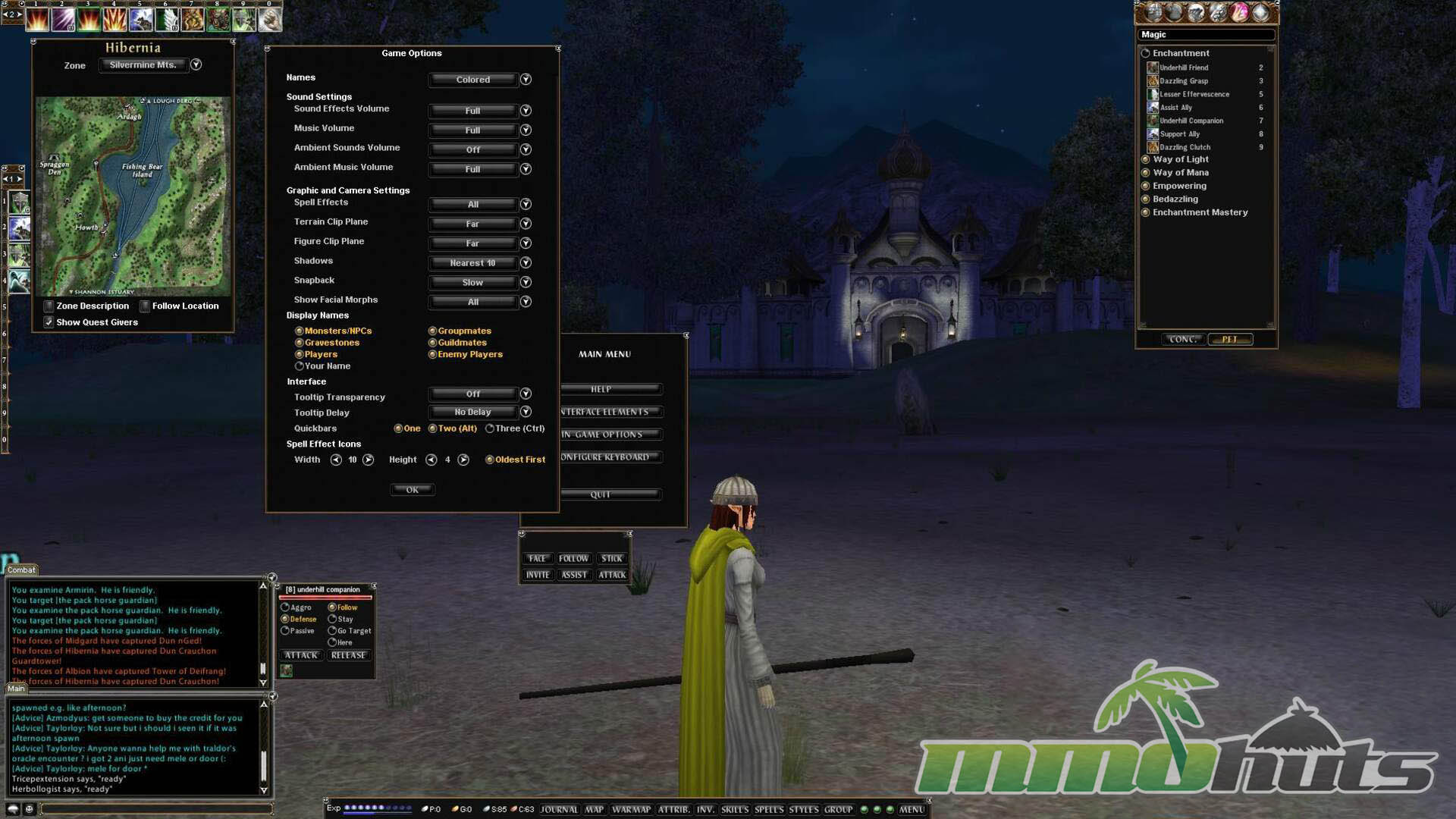
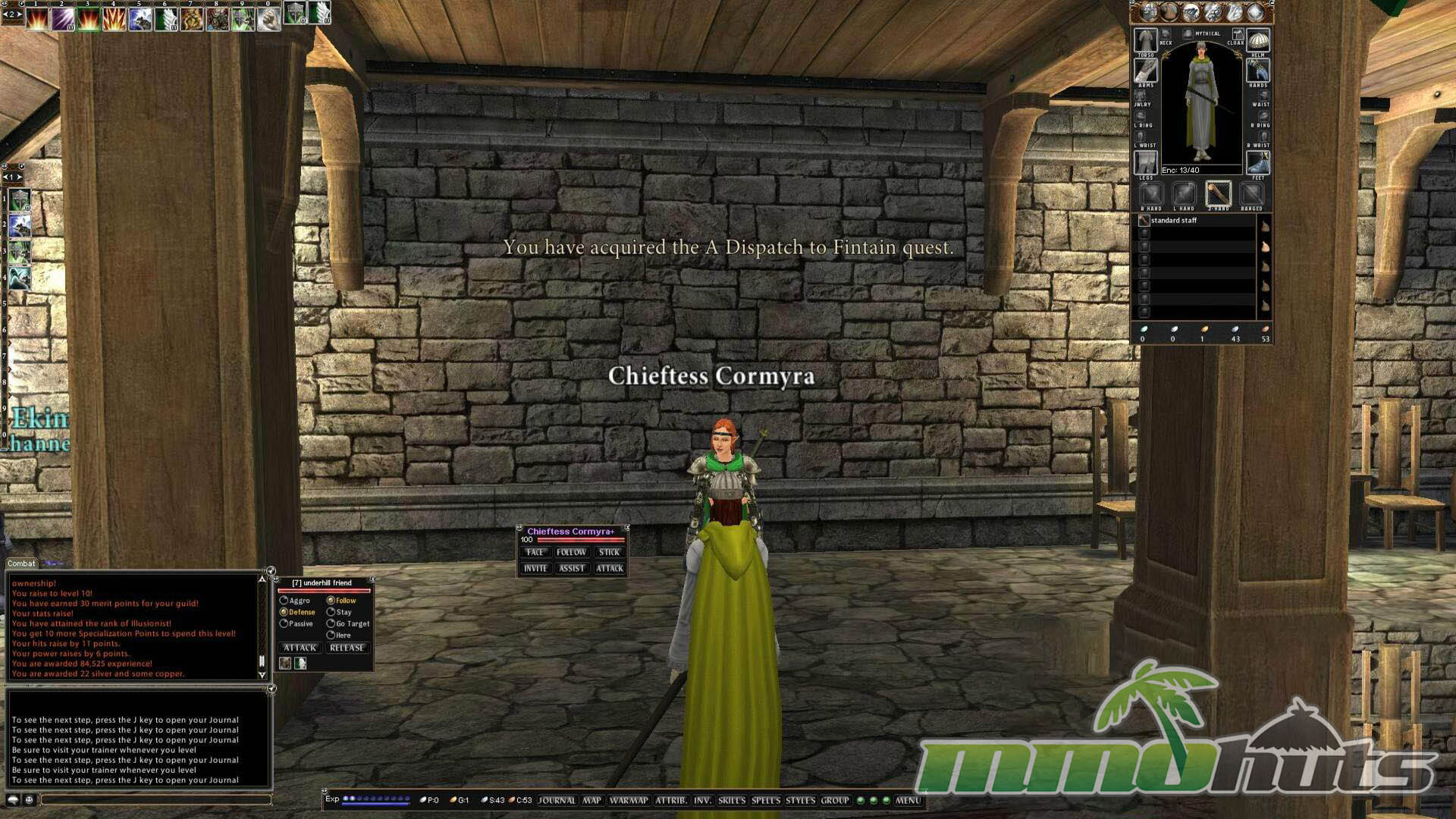
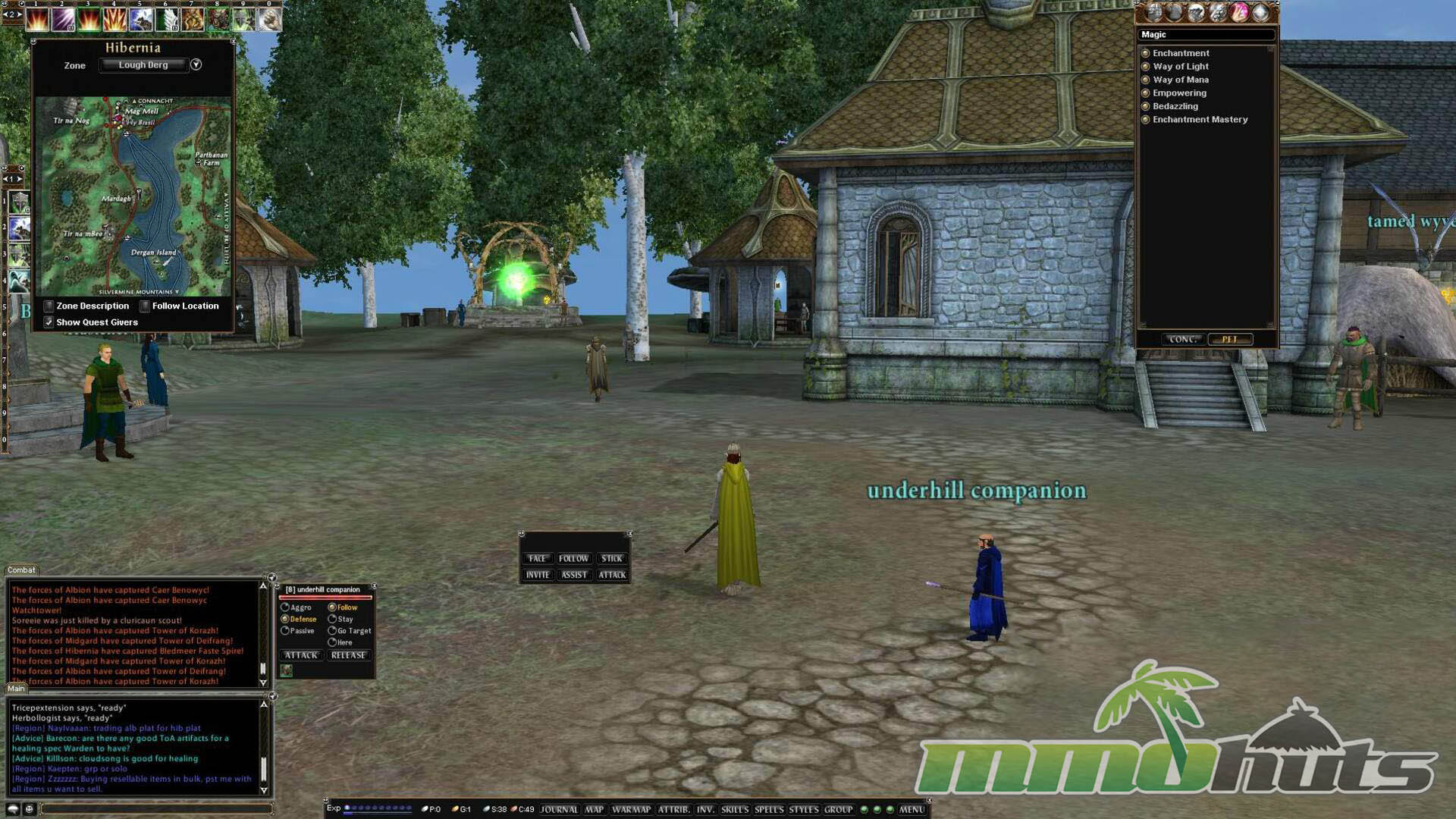
The roughest edge for new players is the user interface. Window scaling and readability can be a real issue at modern resolutions, with small text, small buttons, and layouts that feel unintuitive if you are used to contemporary MMO standards. DAoC does allow customization, but the default arrangement can make the early hours feel more difficult than they need to be.
This matters because DAoC is not a game that holds your hand. When the UI itself is fighting you, the learning curve feels steeper, and that can push curious newcomers away before they reach the systems that make the game special. Veteran players often acclimate quickly, but it remains the most obvious “age” marker in day-to-day play.
Combat and Class Kits
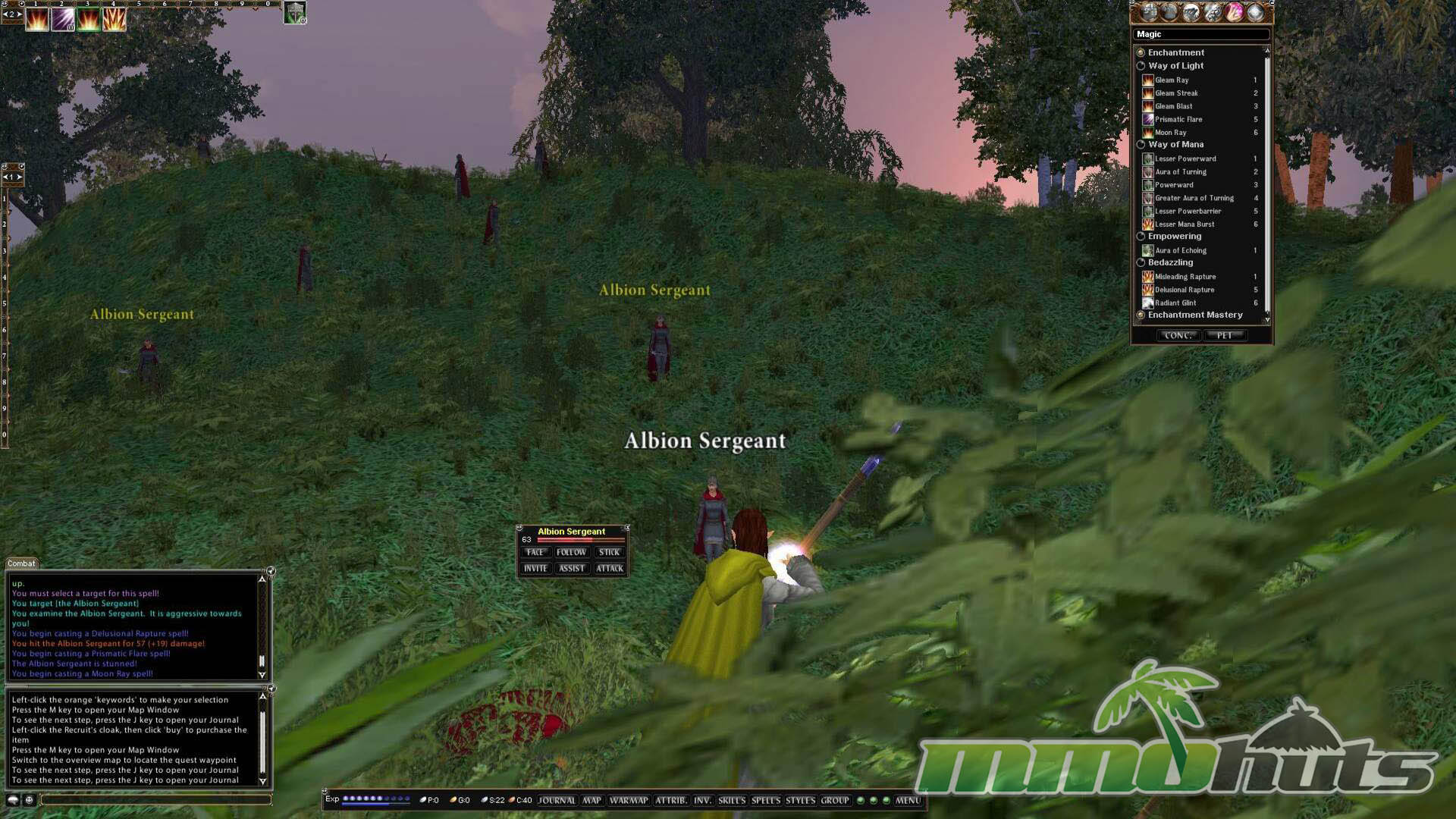
Moment to moment combat is relatively direct: target an enemy, use abilities, manage positioning, and keep your rotations and utility tools in mind. Where DAoC stands out is not flashy animation or modern action combat, but the breadth of class abilities and the way those abilities matter in group situations. You tend to gain tools steadily as you level, and before long you have enough spells or skills to make fights feel tactical rather than purely repetitive.
The class design encourages planning, especially when you start thinking about crowd control, debuffs, and coordination. In a group, roles are clearer than in many modern “everything can do everything” designs, and that structure becomes increasingly important once you step into PvP. The downside is that the same interface issues that affect readability also affect combat flow, hotbars and key binds can feel awkward until you spend time tuning the setup.
Exploration and World Flavor
DAoC’s world is one of its best arguments for sticking with it. Regions lean into Celtic, Norse, and Arthurian influences, and you will frequently notice place names and cultural cues that ground the setting in recognizable myth and geography. That attention to theme gives each realm a distinctive personality, which helps the faction conflict feel like more than a color swap.
Navigation can be frustrating, though. Maps are zone-focused and not always convenient for planning longer routes, and the interface makes it harder than it should be to quickly parse landmarks and markers. Quest text and careful observation matter, and players accustomed to heavy GPS-style guidance may find the pacing slower. If you enjoy older MMOs where learning the world is part of the challenge, it is easier to appreciate.
Leveling, Quests, and Dungeons
Progress is driven by a mix of questing and combat, sending you across level-appropriate zones as you grow stronger. DAoC uses clear quest indicators, which helps keep momentum moving compared to some of its contemporaries. Dungeons appear throughout the leveling journey, and they tend to reinforce the game’s focus on grouping, with quests and encounters that are more satisfying with a party.
The overall structure will feel familiar to anyone who has played classic theme park MMOs: you move from region to region as your level rises, you replace gear steadily, and you build out your toolkit one ability at a time. The difference is that DAoC’s endgame context is always present in the background, leveling is not just “content before the real game,” it is also preparation for participating in realm warfare.
Realm versus Realm PvP
DAoC’s reputation largely rests on RvR, and it earns it. On standard servers such as Ywain, PvP is concentrated in specific areas rather than being open everywhere. While dedicated PvP servers once existed, they were shut down in April 2013, and the current structure focuses on the established realm war zones and battlegrounds.
What makes RvR compelling is the three-way dynamic. With three realms involved, alliances and pressure points shift naturally, and fights do not always collapse into a predictable two-sided stalemate. Objectives like keeps create a reason to organize beyond simply chasing kills, and the best moments come when groups coordinate pushes, defenses, and counterattacks. If you enjoy PvP that feels like a campaign instead of a match, DAoC still has a unique flavor.
Final Verdict – Excellent
Dark Age of Camelot is undeniably old, and it shows most in its interface and general usability. Still, its strengths are not museum pieces, they are design choices that many newer MMORPGs rarely match: realm identity, a huge class lineup, and PvP built around objectives and territory rather than disposable arenas. The setting’s mythological grounding also gives the world a tone that feels more mature and cohesive than many fantasy MMOs.
If you can tolerate dated presentation and are willing to learn an older UI, DAoC remains worth playing for anyone curious about MMO history or anyone chasing large-scale, purpose-driven PvP with real faction commitment.
Dark Age of Camelot Links
Dark Age of Camelot Official Site
Dark Age of Camelot Wikipedia
Dark Age of Camelot Reddit
Dark Age of Camelot Wikia [Database/Guides]
Dark Age of Camelot System Requirements
Minimum Requirements:
Operating System: Windows XP, Windows Vista, or Windows 7
CPU: Pentium 4 2.0 GHz or equivalent
Video Card: 3D acceleration card with 64 MB video RAM
RAM: 512 MB
Hard Disk Space: 3.5 GB
Recommended Requirements:
Operating System: Windows XP, Windows Vista, or Windows 7
CPU: Pentium 4 3.0 GHz or equivalent
Video Card: 256 MB ATI X800 or Nvidia GeForce 6800 series or higher
RAM: 1 GB or more
Hard Disk Space: 3.5 GB
Dark Age of Camelot Music & Soundtrack
Dark Age of Camelot Additional Information
Developer(s): Mythic Entertainment, Brosword Online Games
Publisher(s): Vivendi Games, Electronic Arts
Designer(s): Mark Jacobs, Matt Firor, Rob Denton
Engine: Gamebryo (originally NetImmerse 3.0 engine), Foliage: SpeedTree
Release Date: October 10, 2001
EU Release Date: February, 2002
Expansions:
- Shrouded Isles: November 12, 2002
- Foundations: June 18, 2003
- Trials of Atlantis: October 28, 2003
- New Frontiers: June 22, 2004
- Catacombs: December 7, 2004
- Darkness Rising: October 11, 2005
- Labyrinth of the Minotaur: November 5, 2006
- New New Frontiers (Patch): September 5, 2015
Development History / Background:
Dark Age of Camelot was created by Mythic Entertainment, with the Arthurian framework chosen in large part because it was public domain and avoided licensing complications. The project’s development costs exceeded $2.5 million, with a team of 25 full-time developers working for 18 months. After multiple rejections, the game ultimately found a publishing deal with Vivendi Games. DAoC sold 51,000 copies in its first 4 days, and its subscriber count climbed to nearly 250,000 by July 2002. The leetspeak term “QQ” is often credited to a Dark Age of Camelot message board before spreading to other online games. In 2010, Ten Ton Hammer named Dark Age of Camelot the Best PvP Game of the Decade. On December 23, 2012, Camelot Unchained was announced as a spiritual successor, led by Mark Jacobs at City State Entertainment, with a PvP-first design and three competing realms.