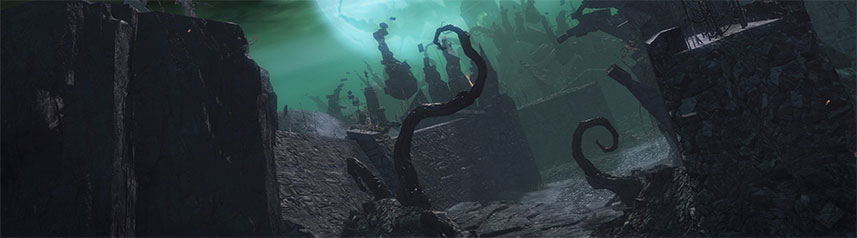
EverQuest is a classic 3D fantasy MMORPG set in the vast realm of Norrath, and it remains one of the longest-running online worlds still officially operating. With sixteen races and sixteen classes to pick from, it leans heavily into old-school adventuring, long dungeon crawls, and raid nights that reward planning and teamwork. The sheer scale is still its calling card, with hundreds of zones spread across decades of expansions and a style of progression that expects patience.
 | Publisher: Daybreak Game Company Playerbase: Low Type: MMORPG Release Date: March 16, 1999 PvP: Server Specific/Duels/Open World Pros: +An enormous backlog of adventures and zones. +A dedicated community with deep game knowledge. +Regular expansions over the years. Cons: -Visually dated compared to modern MMOs. -Interface and systems can feel dense at first. -Steep onboarding and a demanding learning curve. |

EverQuest Overview
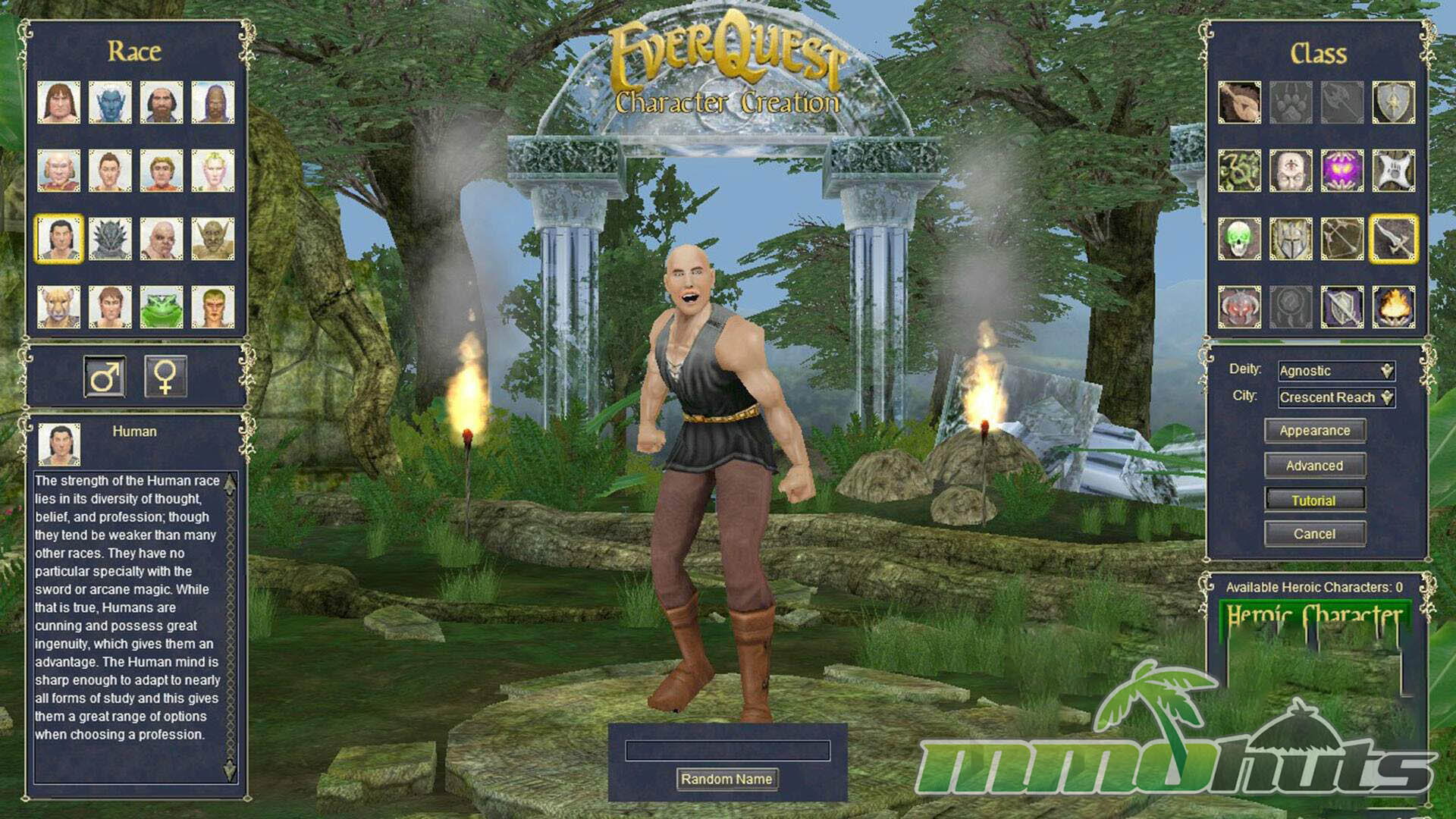
EverQuest is a medieval fantasy MMORPG developed and published by Daybreak Game Company (previously Sony Online Entertainment). Arriving shortly after Ultima Online, it helped define the genre and was a landmark title for bringing a fully three-dimensional engine to mainstream MMO audiences. Character creation is still surprisingly broad, offering sixteen races and sixteen classes, with each class generally fitting into one of five practical group roles, Tank, Damage dealer, Caster, Crowd Control, or Healer.
From there, the game is about committing to the journey across Norrath, fighting through hostile wilderness, delving into dungeons, improving your spellbook and abilities, and slowly assembling gear that makes the next challenge possible. Guild play is central to the experience, especially once you begin engaging with the game’s raid culture, where coordination and defined responsibilities matter as much as raw stats. With 21 expansions released since launch (often on a yearly cadence), EverQuest has grown into a massive archive of MMO history, totaling more than 500 zones and a style of progression that still feels distinct from modern theme-park designs.
EverQuest Key Features:
- Huge World Footprint – more than 500 zones ranging from open wilderness to deep dungeons, ruins, and sprawling underground areas.
- Meaningful Character Choice – sixteen classes and sixteen races with different strengths, limitations, and play patterns.
- Raid-Focused Group Play – large encounters that reward planning, communication, and role discipline.
- 21 Expansions and Counting – a long history of added zones, systems, and endgame targets through regular expansion releases.
- Classic MMO Leveling – a grind-heavy climb from 1 to 105 that emphasizes persistence and efficiency.
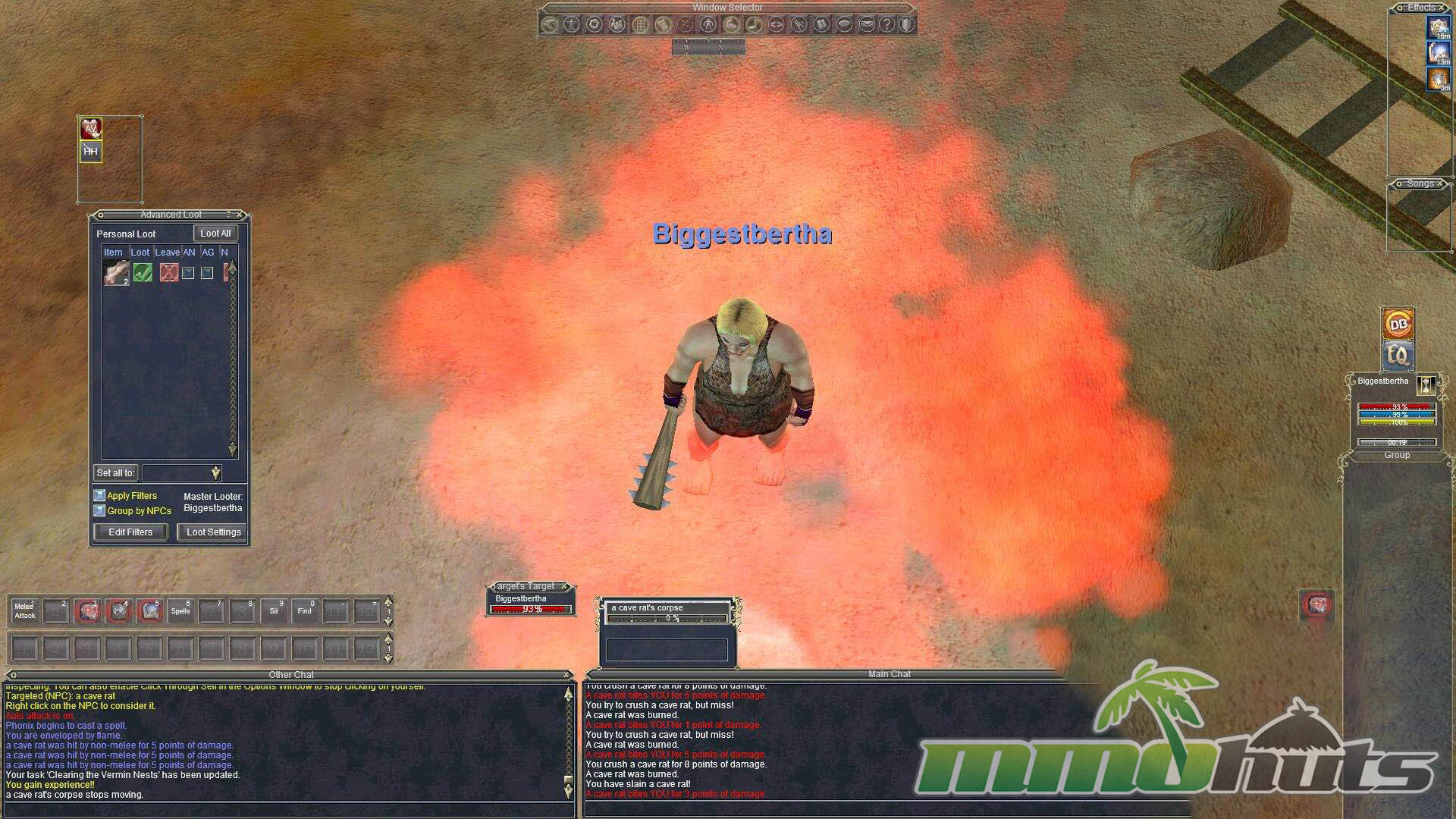
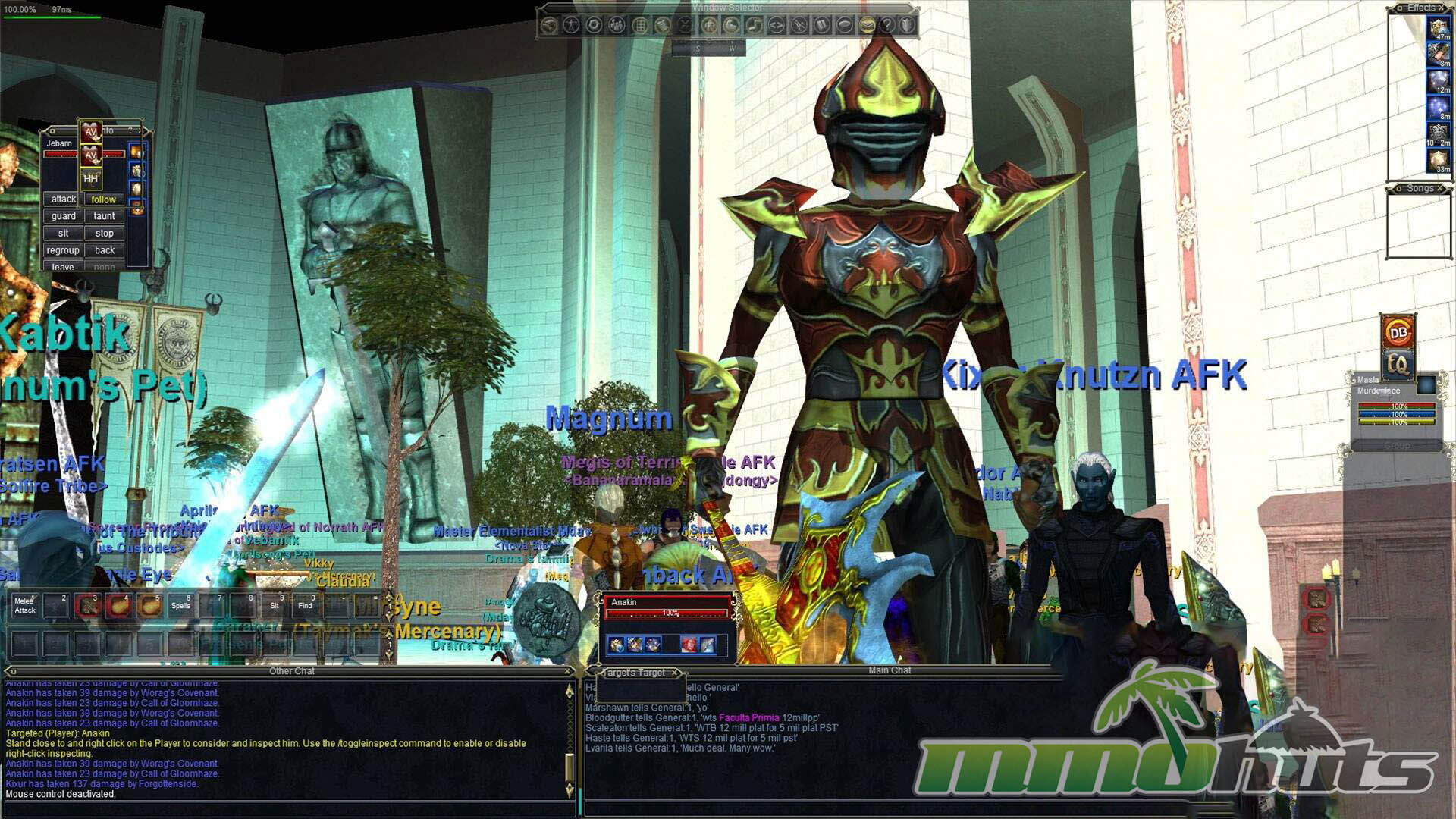
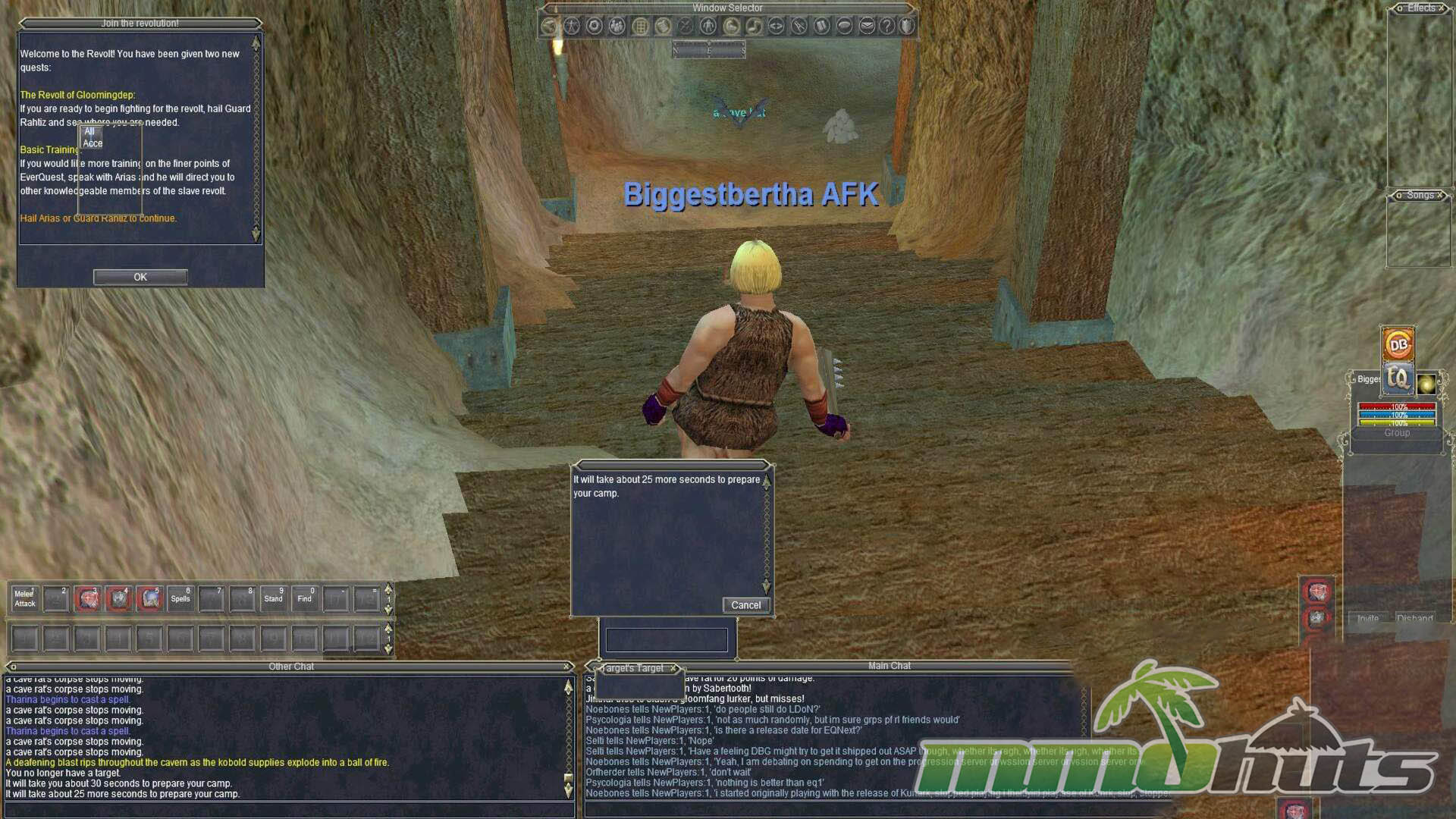
EverQuest Screenshots


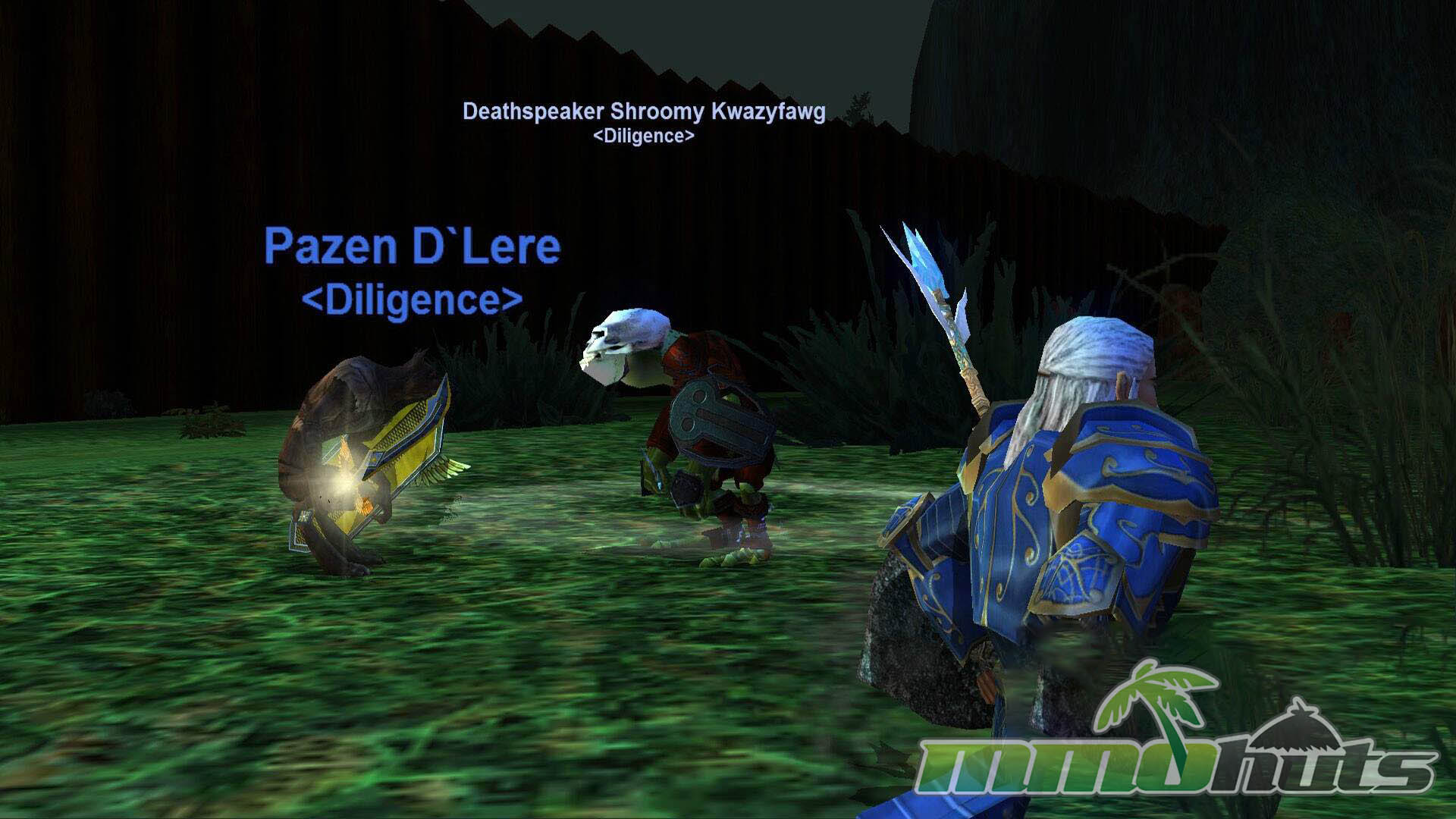

EverQuest Featured Video

EverQuest Review
EverQuest carries a reputation that is hard for any MMO to match, both as a historical milestone and as a still-living game with decades of accumulated systems. Approaching it today can feel like stepping into a museum that is also an active hobby community, the fundamentals are familiar to MMO players, but the pace, the expectations, and the amount of information thrown at you can be startling. With 21 expansions behind it, no single playthrough captures everything, so this review focuses on how the game feels for a modern player trying to understand what makes it endure.
Building Your Character
EverQuest’s character creation immediately communicates its old-school roots. The range of options is large (sixteen races and sixteen classes), and those choices are not purely cosmetic. Race can meaningfully affect what you can play, which reinforces the setting and gives the world a sense of internal rules. It also means you may need to compromise if you have a very specific fantasy in mind, since not every race-class pairing is available.
The game also leans into lore presentation in a way many modern MMOs skip. A lot of context is delivered through text, and while it is easy to ignore, it is also one of the better ways to feel grounded in Norrath’s cultures and conflicts. If you enjoy role-play, or even just want your character to feel like they belong somewhere, EverQuest gives you plenty to work with before you take your first steps outside a starting area.
Early Moments and Interaction
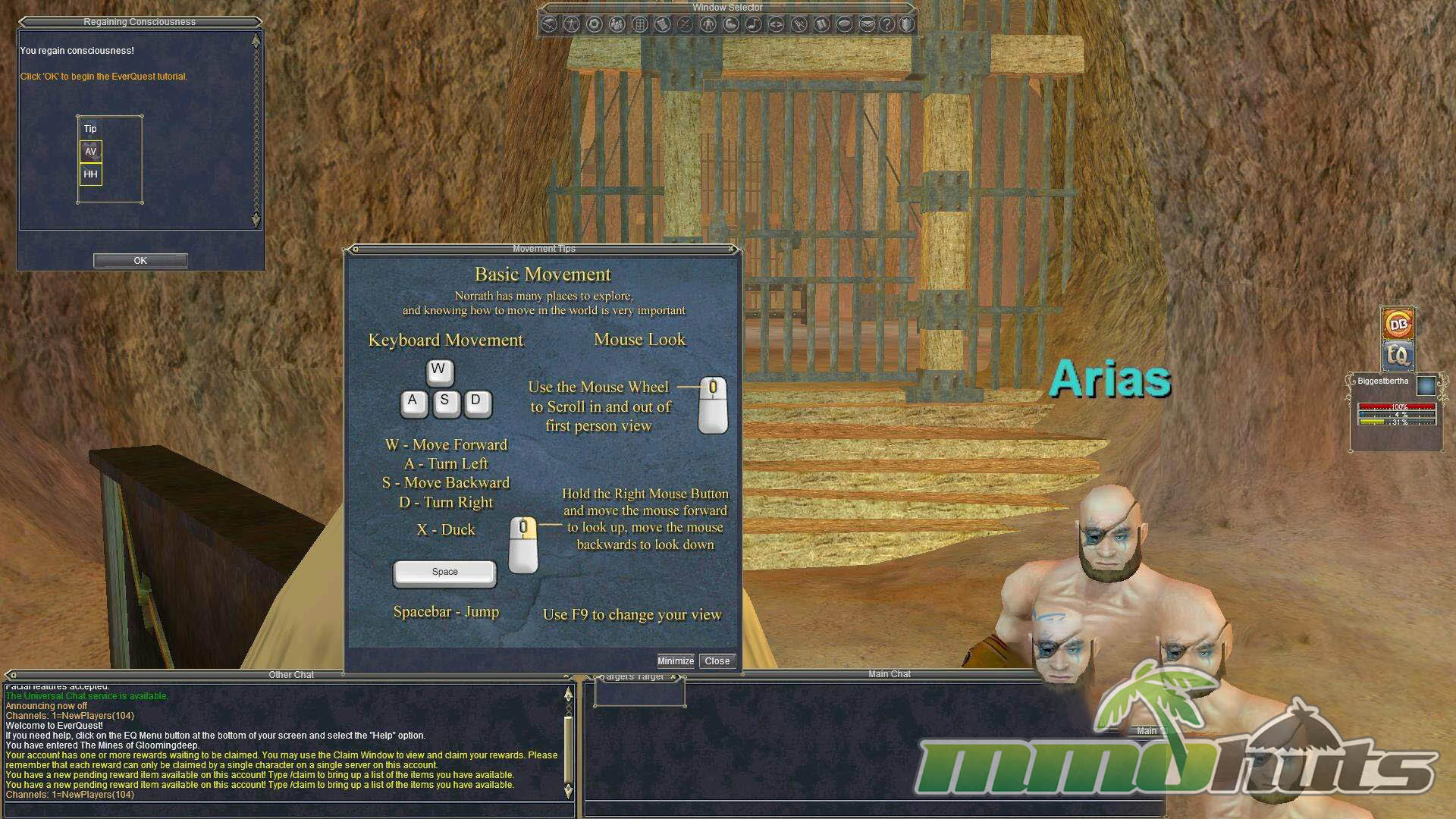
One of the most striking differences compared to newer MMOs is how EverQuest handles communication and quest flow. It has a design lineage that still feels close to tabletop and text-driven RPGs, where paying attention to dialogue, keywords, and your chat log matters. The game does not reliably funnel you with obvious markers and glowing indicators, so your first hours are often spent learning how to read the world rather than following a highlighted trail.
That approach can be frustrating if you expect constant direction, but it also creates a specific kind of immersion. When you have to actively engage with NPCs and the interface to understand what is being asked of you, the world feels less like a checklist and more like a place that exists independent of your character.
Progression That Assumes Patience
EverQuest’s progression is unapologetically traditional. There is questing, but leveling is not dependent on a modern quest treadmill, and much of your advancement can come from fighting monsters efficiently, learning safe pulls, and understanding how your class functions in a group. Class-specific tasks tend to stand out as more important, while many other goals are self-directed, explore a region, find camps, learn which enemies you can handle, and keep moving.
Norrath’s scale is still impressive. Travel can take a long time, and that distance changes how you think about risk and preparation. At the same time, the current population being labeled as low means some early regions can feel empty, with players clustering in specific areas, guild hubs, or endgame content. The upside is that quiet zones can feel mysterious and untouched, which is a mood modern MMOs often struggle to create. The downside is that the social energy is not evenly distributed across the leveling curve.
Combat and the Road to Raids
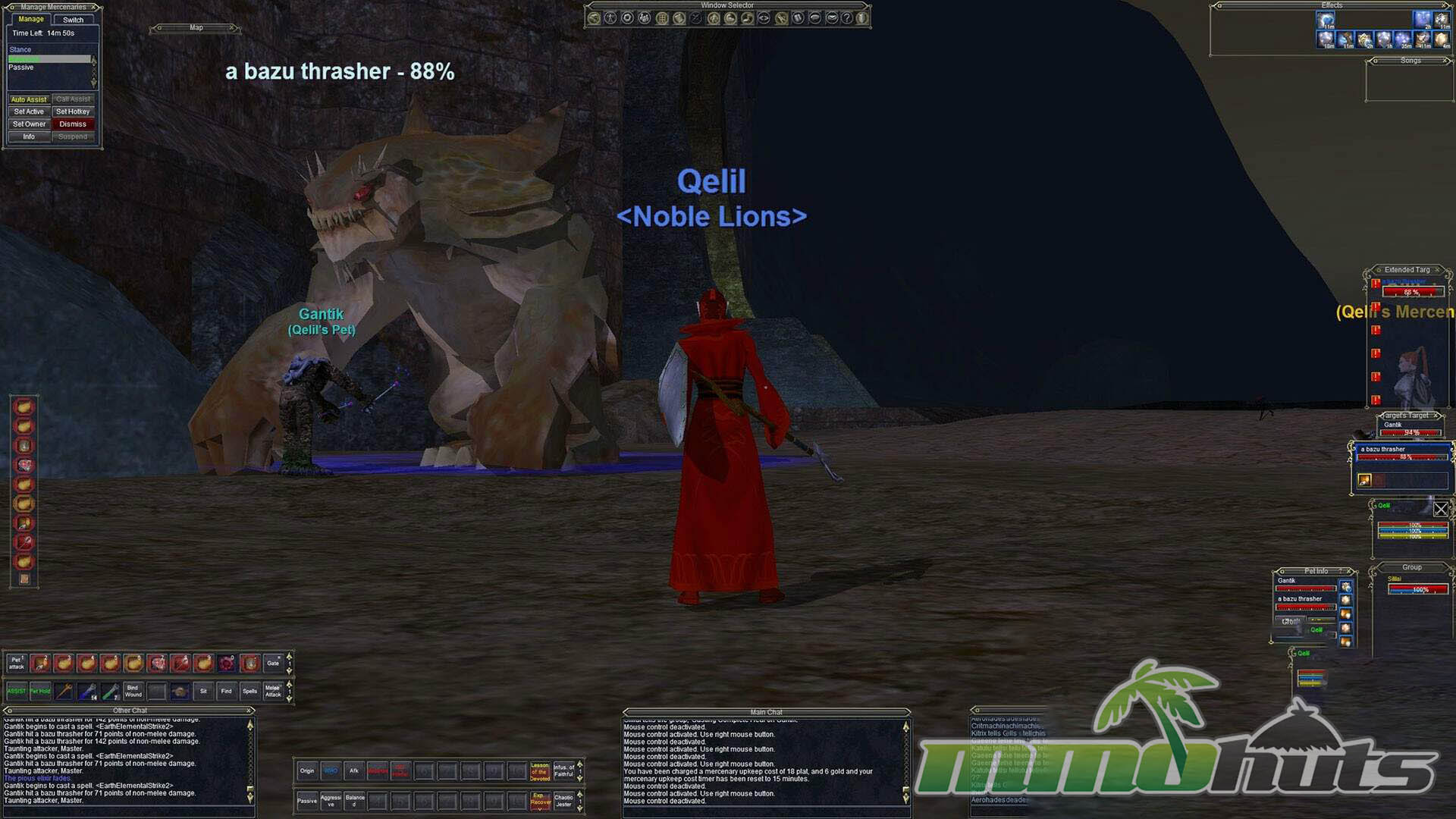
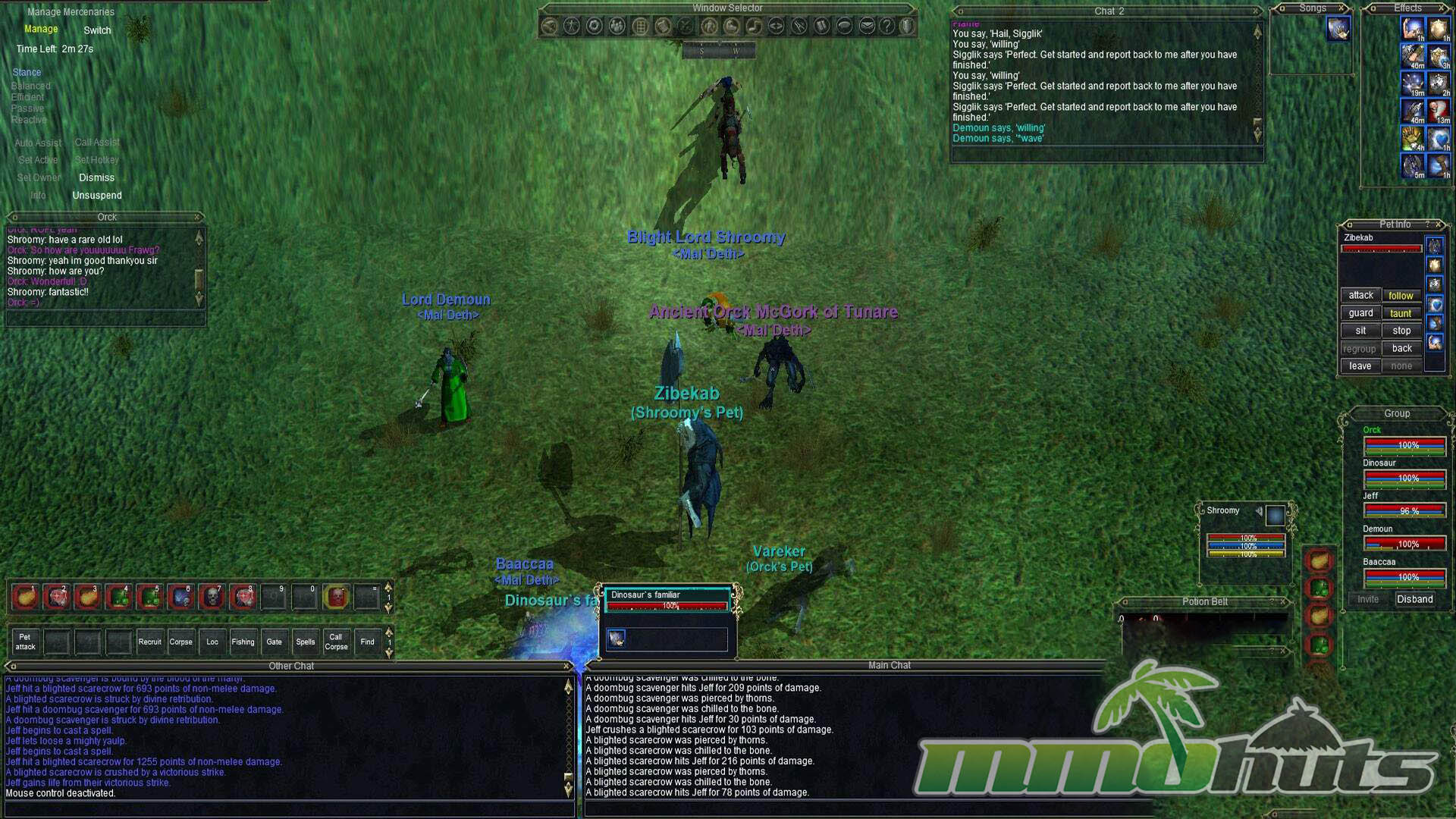
Moment-to-moment combat shows its age in animation and feedback, but the underlying MMO rhythm remains recognizable. You buff, you manage resources, you position carefully, and you learn which fights are safe and which are a fast route back to your bind point. The simplicity of the visuals can hide how much preparation matters, particularly for group play where crowd control, healing timing, and threat management can decide encounters.
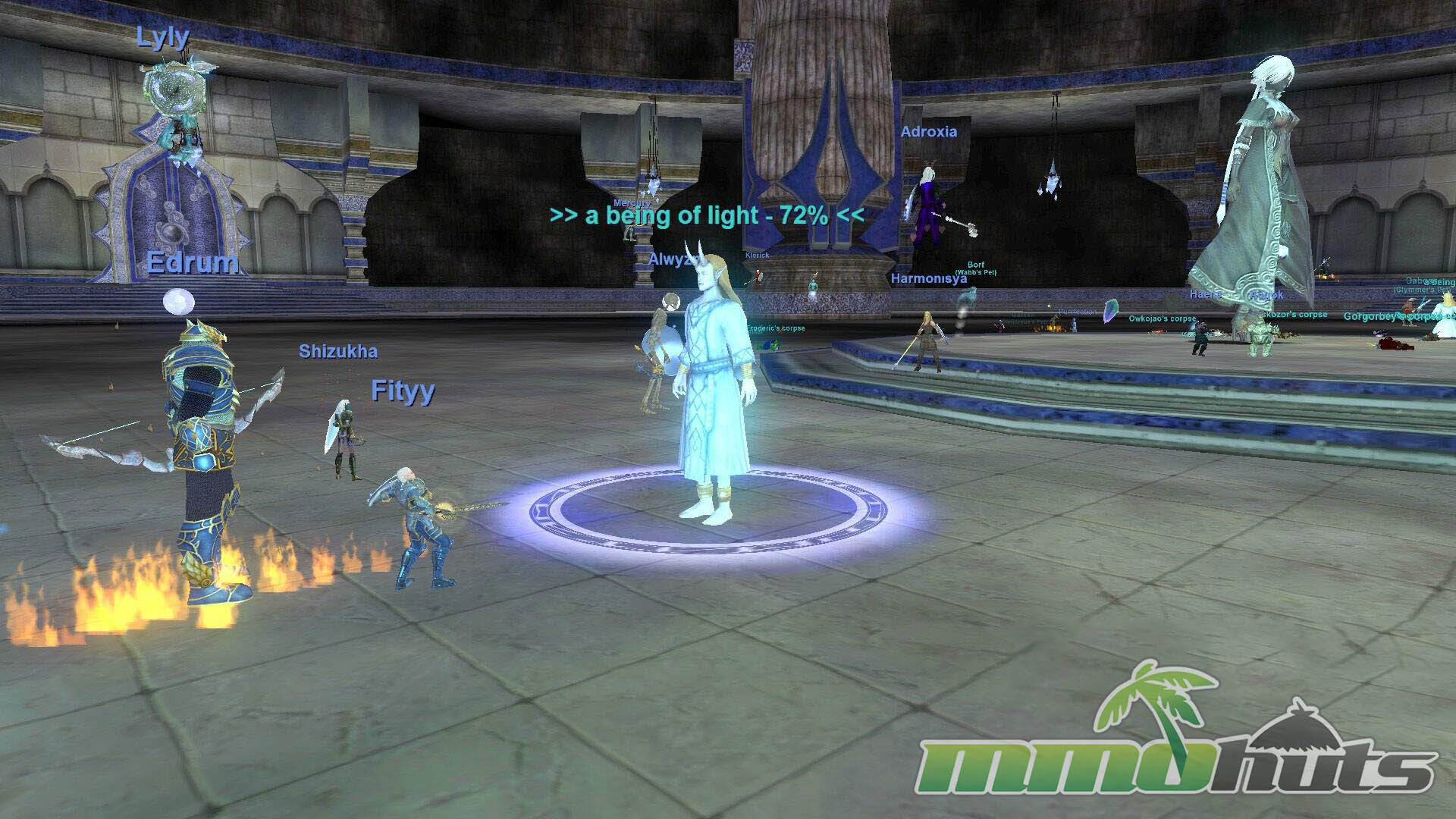
Where EverQuest still earns respect is in its raid culture and encounter expectations. Endgame is where many veterans spend their time, and the game’s long history of raid content creates a deep ladder of goals. The Darkened Sea (a paid expansion) added seven additional raids on top of an already large endgame catalog, and the general style of raid play emphasizes coordination and problem solving rather than just raw damage. Modern conveniences like instancing help with accessibility compared to the earliest days, when competition for raid spawns could dominate server politics.
World Atmosphere, Visuals, and Audio
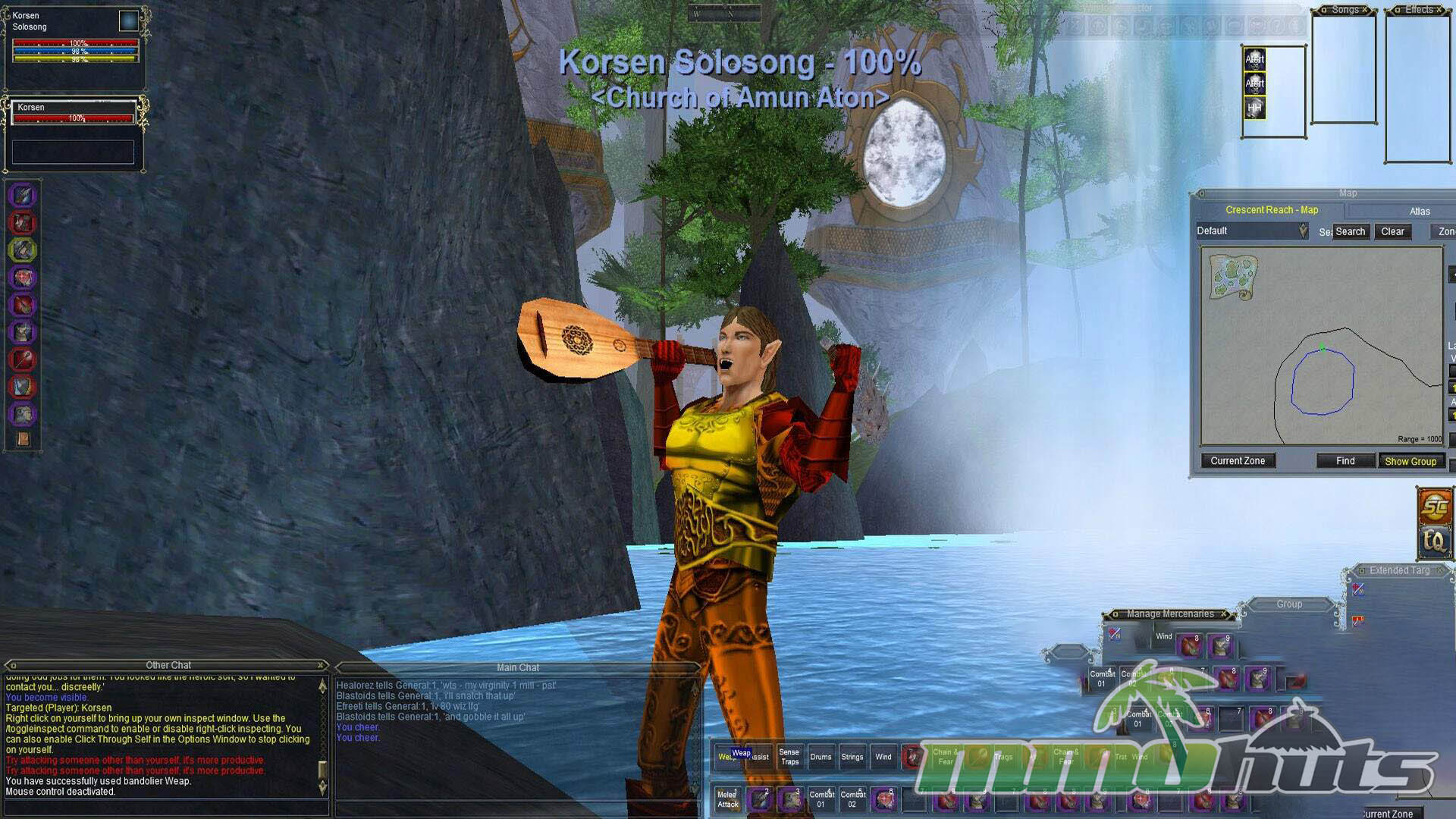
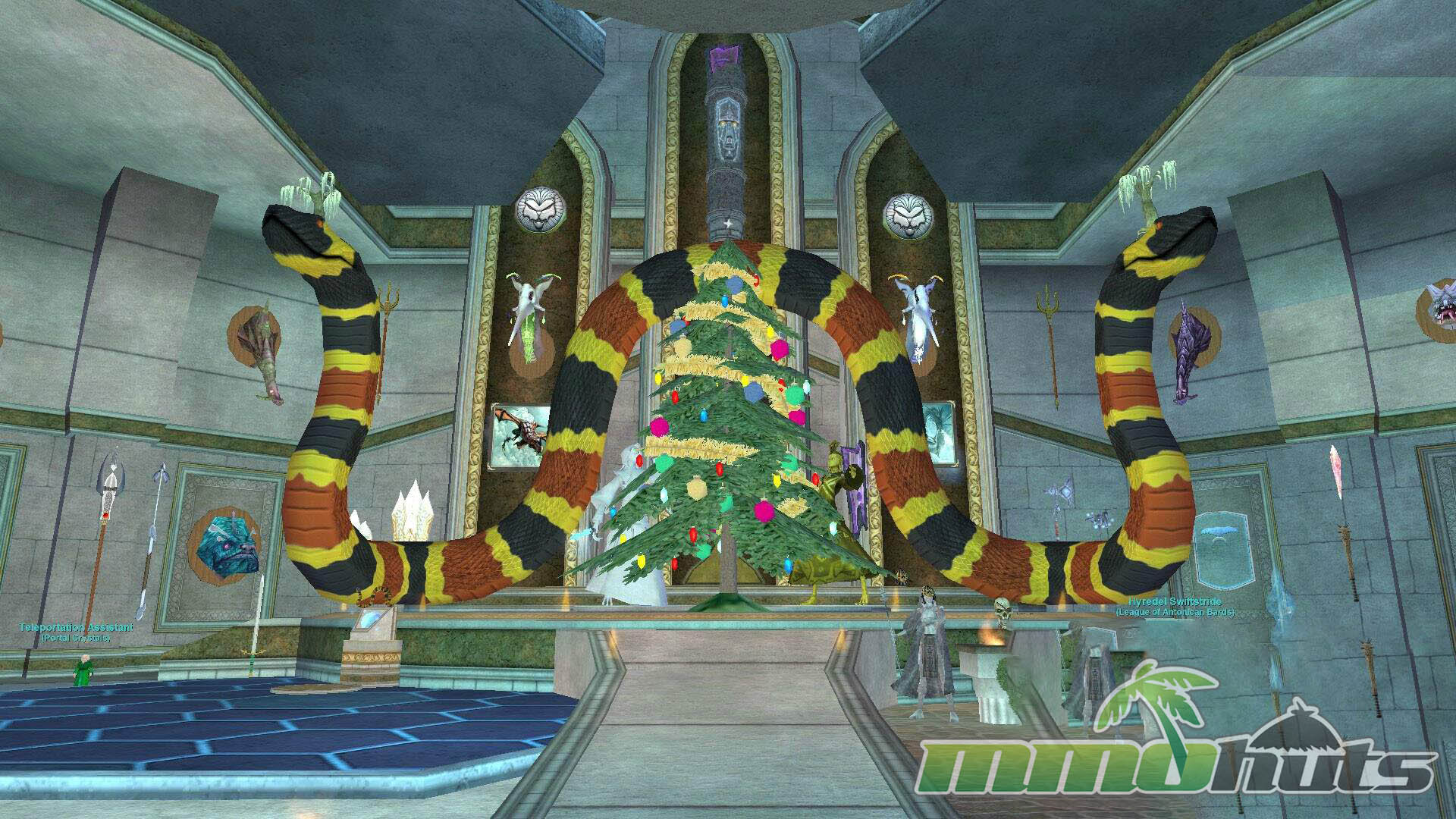
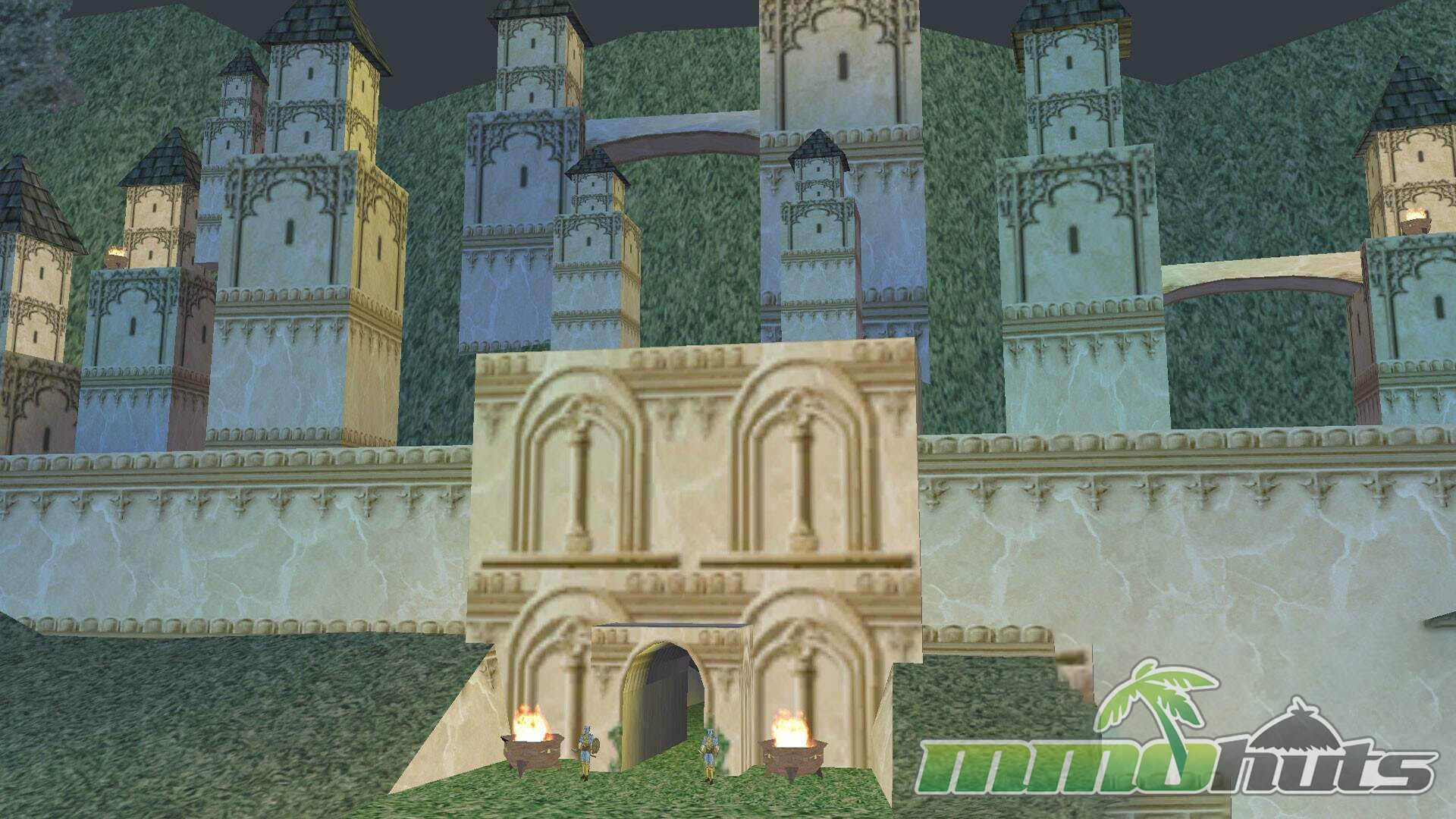
It is impossible to talk about EverQuest without acknowledging that it looks like a game from 1999, even with years of incremental updates. Character models and environments will not compete with contemporary MMOs that prioritize cinematic presentation. That said, the art direction still aims for a more grounded fantasy tone than the bright, exaggerated style many later games adopted, and it holds together better than you might expect once you adjust to it.
Audio does a lot of work here. The soundtrack supports the feeling of travel and discovery, and it helps sell the idea that you are on a long adventure rather than moving between theme-park rides. If you are the type of player who values mood and a sense of place, EverQuest still delivers moments where the world feels surprisingly alive.
The Core Loop: Grinding, Camp Play, and Commitment
EverQuest is, at its heart, a grind-driven MMO. Progress is earned through repetition, knowledge, and persistence. You will spend time camping spawns, refining pulls, and learning which areas match your current power. Enemy variety exists across the world, but the leveling experience often comes down to mastering the pace of combat and finding efficient routes rather than constantly experiencing bespoke quest narratives.
This is also where the game filters its audience. Players who enjoy long-term goals, incremental upgrades, and the satisfaction of slowly becoming stronger will find a lot to like. Players who want fast onboarding, constant novelty, and frictionless solo play may bounce off quickly.
Free-to-Play, Membership, and the Marketplace
EverQuest can be played for free, with the newest expansion content sitting behind a purchase. The game also regularly encourages upgrading to membership, and while the prompts can be distracting, the benefits are real for anyone planning to stick around. Membership includes perks such as additional character slots, access to progression servers, expanded guild functionality, and other quality-of-life improvements that add up over time.
There is also an in-game marketplace using Daybreak Cash (DB). Members receive 500 DB at the start of each month and a 10% discount on marketplace purchases. The store includes cosmetics and convenience items, and it also offers some gear intended to make leveling smoother. As with many older MMOs that have evolved monetization over time, it is worth understanding these systems early so you can decide how invested you want to be.
Progression Server
If your interest in EverQuest is tied to nostalgia, or to seeing what early MMO design felt like closer to its original form, progression servers are one of the best reasons to subscribe. Ragefire and Lockjaw are designed to recreate the early-era experience and are available to All Access members ($14.99 a month). While not every element is perfectly preserved (some quality-of-life changes remain, and certain visual updates are not rolled back), the structure is intended to approximate the launch-era cadence and community feel more closely than standard servers.
For many players, these servers are also where the social side of EverQuest is easiest to find, since shared milestones and era-based content give people natural reasons to group and organize.
Final Verdict – Excellent
EverQuest is not a convenient MMO, and it does not try to be. It is a foundational piece of the genre that still offers a particular style of world building, progression, and group dependency that modern designs often smooth away. If you can accept dated presentation and a demanding learning curve, you will find a game with extraordinary depth, a massive amount of content, and a community that treats knowledge as a long-term craft. It is best approached as a commitment rather than a quick tour, but for the right player, it remains one of the most rewarding MMORPGs to experience.
EverQuest Links
EverQuest Official Site
EverQuest Steam Page
EverQuest Wikipedia
EverQuest Reddit
EverQuest Gamepedia [Database/Guides]
EverQuest Wikia [Database/Guides]
EverQuest System Requirements
Minimum Requirements:
Operating System: Windows XP, Windows Vista, or Windows 7
CPU: Pentium 4 3.0GHz or Sempron 3600+
Video Card: NVIDIA Ti 4800 or ATI 9800
RAM: 1 GB
Hard Disk Space: 15 GB
Recommended Requirements:
Operating System: Windows XP, Windows Vista, or Windows 7
CPU: Pentium Dual Core G6960 2.93GHz or Phenom II X3 B75
Video Card: NVIDIA 6800 or ATI x1800
RAM: 4 GB or more
Hard Disk Space: 15 GB
EverQuest Music & Soundtrack
EverQuest Additional Information
Developer(s): Daybreak Game Company, Verant Interactive
Concept Deign: John Smedley
Original Designer(s): Brad McQuaid, Steven Clover, Bill Trost
Original Box Cover Art: Keith Parkinson
Character Artist: Milo D. Cooper
Steam Release Date: December 13, 2012
Launch Date: March 16, 1999
Expansions:
- The Ruins of Kunark: April 24, 2000
- The Scars of Velious: December 5, 2000
- The Shadows of Luclin: December 4, 2001
- The Planes of Power: October 29, 2002
- Legacy of Ykesha: February 25, 2003
- Lost Dungeons of Norrath: September 9, 2003
- Gates of Discord: February 10, 2004
- Omens of War: September 14, 2004
- Dragons of Norrath: February 15, 2005
- Depths of Darkhollow: September 13, 2005
- Prophecy of Ro: February 21, 2006
- The Serpent’s Spine: September 19, 2006
- The Buried Sea: February 13, 2007
- Secrets of Faydwer: November 13, 2007
- Seeds of Destruction: October 21, 2008
- Underfoot: December 15, 2009
- House of Thule: October 12, 2010
- Veil of Alaris: November 15, 2011
- Rain of Fear: November 28, 2012
- Call of the Forsaken: October 8, 2013
- The Darkened Sea: October 28, 2014
Development History / Background:
EverQuest is developed by Daybreak Game Company, formerly Sony Online Entertainment. The project began from an early concept associated with John Smedley, and development was shaped by key figures including Brad McQuaid, Steven Clover, and Bill Trost. In 1999, EverQuest was developed under Sony’s 989 Studios and the spin-off Verant Interactive, and it was published by Sony Online Entertainment. Its three-dimensional engine was a major differentiator at the time, and it helped set expectations for what an MMO world could look like and how it could feel to inhabit.
Although it launched without the certainty of becoming a phenomenon, EverQuest grew rapidly, and within its first year it surpassed Ultima Online in subscriptions. Since then, 21 expansions have expanded the maximum level and added new zones, continents, playable options, and additional systems that kept the game evolving. Daybreak later released EverQuest II in 2004, and another title in the franchise, EverQuest Next, is currently in development.
EverQuest is also known for having an active private server scene. A major reason is the strength and accessibility of the EverQuest emulator project (EQEmu), which has enabled many community-run servers, including free-to-play options and servers with custom content.