
Chain Chronicle is a free-to-play, anime-styled mobile MMORPG that mixes party-based RPG progression with a lane-based defense battle system. Instead of relying on standard turn rotations, fights play out across multiple lanes where positioning matters, and swapping units at the right moment is often the difference between holding the line and getting overwhelmed. It is also a notably polished mobile title for its era, with striking character art and extensive Japanese voice work from well-known talent.
 | Publisher: Gumi Playerbase: High Type: Mobile MMORPG Release Date: December 8, 2014 (NA/EU) Shut down Date: February 28, 2016 Pros: +Easy to get into and understand. +High-quality presentation for a mobile RPG. +Distinct lane-based combat. +Beautiful anime-inspired character art. Cons: -Energy/stamina limits long play sessions. -Monetization can create power gaps. |

The Global Version of Chain Chronicle has Shut Down
Chain Chronicle Overview
Chain Chronicle sits in an interesting space between mobile RPG and light strategy. You build a team from Arcana (the game’s umbrella term for collectible cards, including characters and upgrades), then take that squad into missions where enemies stream down three lanes. Rather than simply watching numbers trade back and forth, you are expected to actively manage placement and timing, shifting units to plug gaps, protect fragile backliners, and focus damage when tougher waves arrive.
Outside of combat, the structure is familiar to anyone who has played character-collection RPGs. You spend time in menus recruiting, improving gear and units, and selecting stages. What helps Chain Chronicle stand out is how much effort it puts into individual character episodes and story scenes, with a larger narrative about rallying a volunteer force to protect Yggdra from invading darkness. The writing is presented with frequent cutscenes and plenty of personality in the roster, making it feel closer to a classic JRPG than many mobile titles that treat story as an afterthought.
Chain Chronicle Key Features:
- Tactical Combat – a lane-defense battle format where you reposition your party to answer threats, manage pressure, and keep enemies from breaking through.
- Character Classes – form teams from Knights, Clerics, Archers, Soldiers and Wizards, each filling a clear role in both offense and defense.
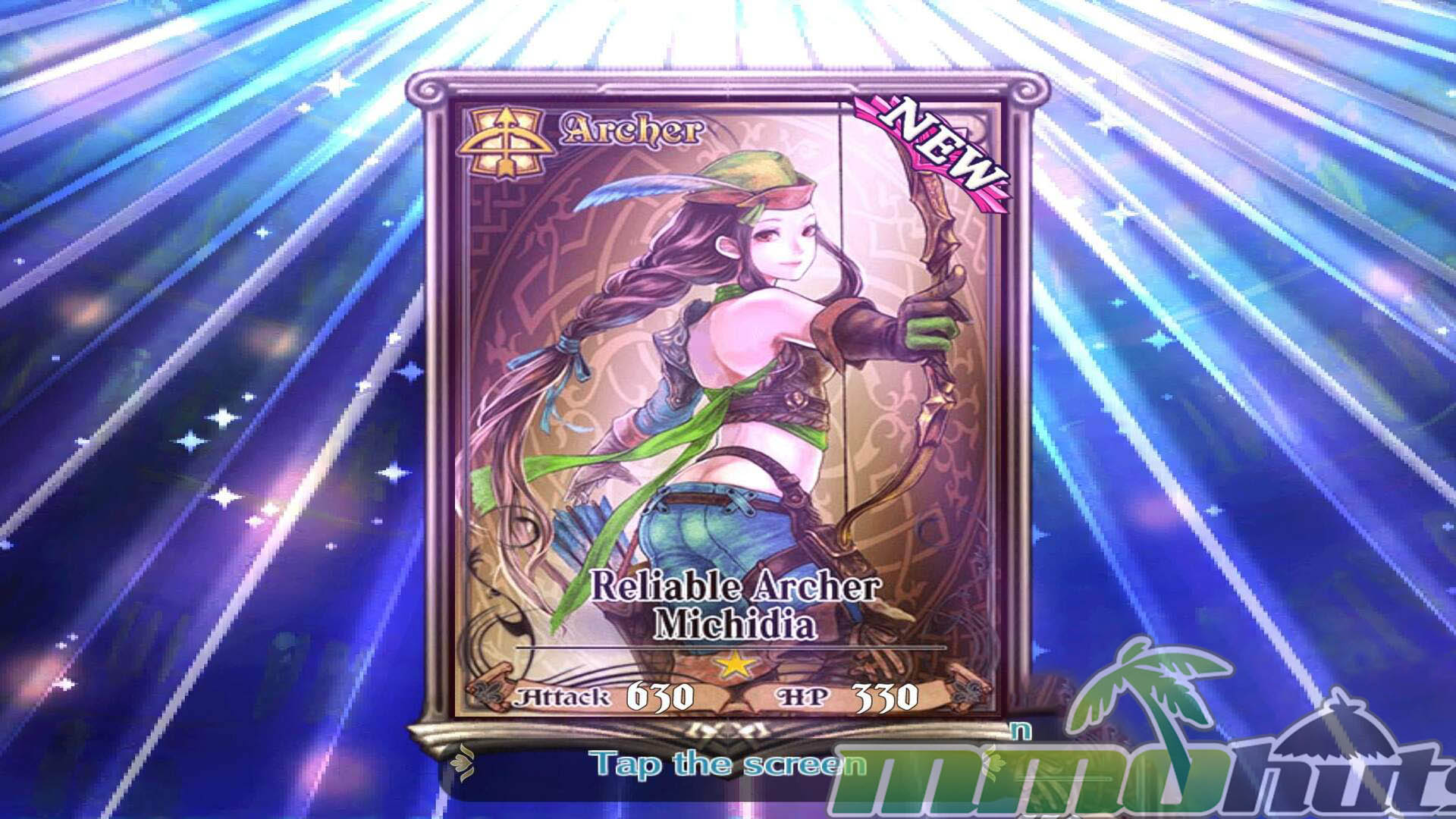
- Recruitable Characters – collect over 150 allies via the Arcana system, then use duplicates and spare pulls to strengthen the units you actually want to run.
- Great Visuals and Audio – high-end character illustrations and strong voice work that give the roster real identity.
- Strong Story – a main campaign supported by character-focused scenes that add context and motivation beyond simple grinding.
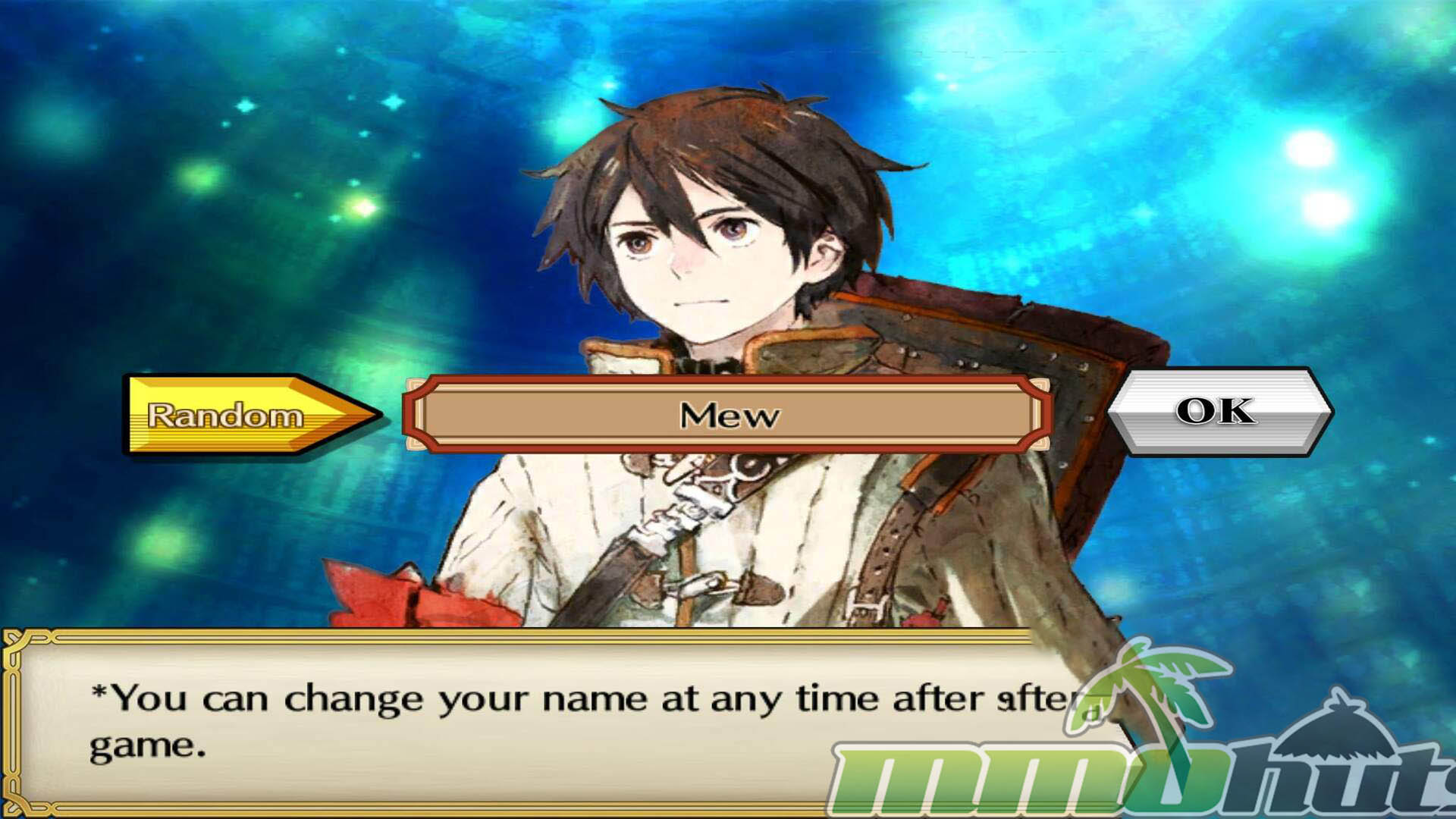
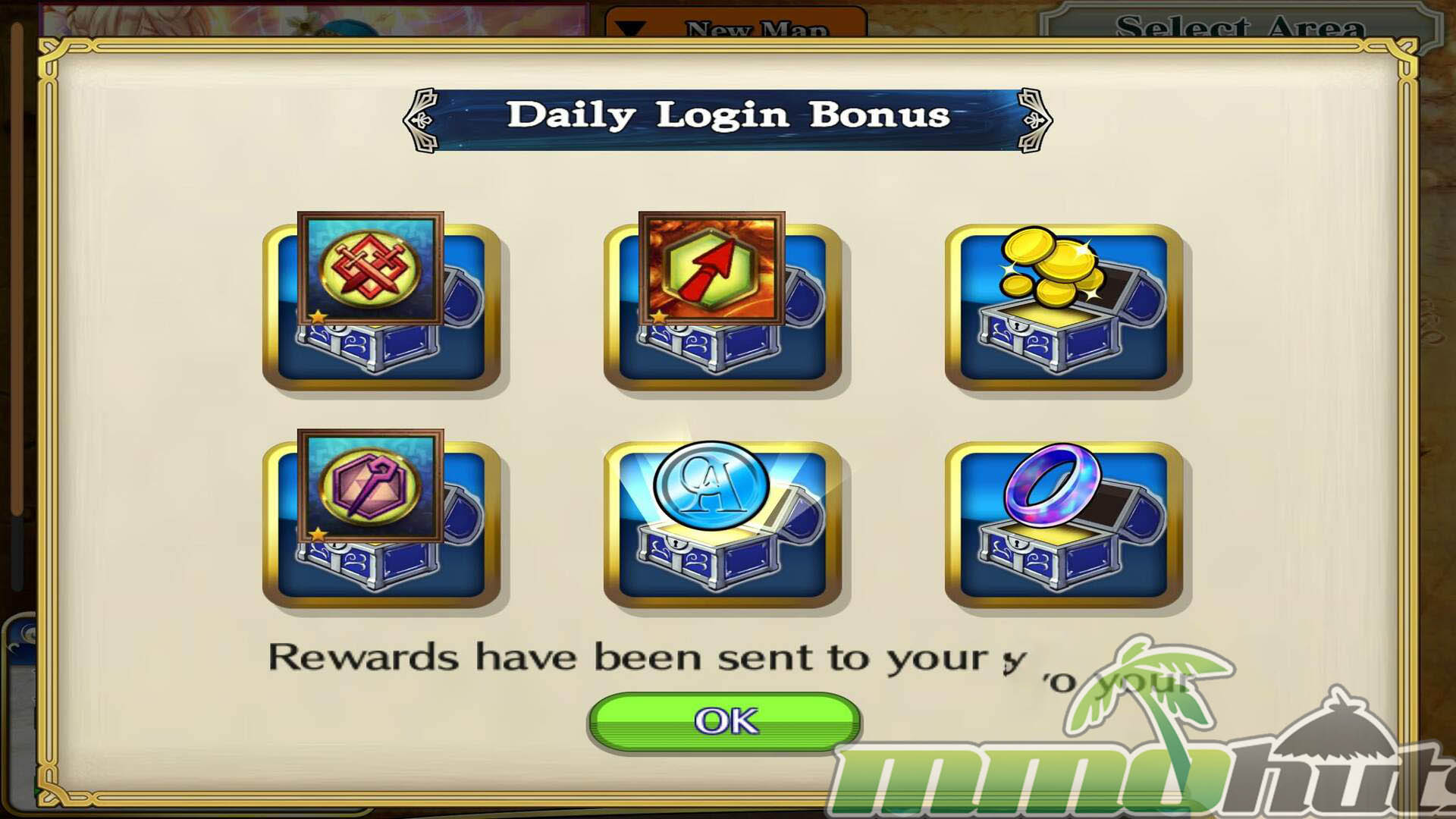
Chain Chronicle Screenshots


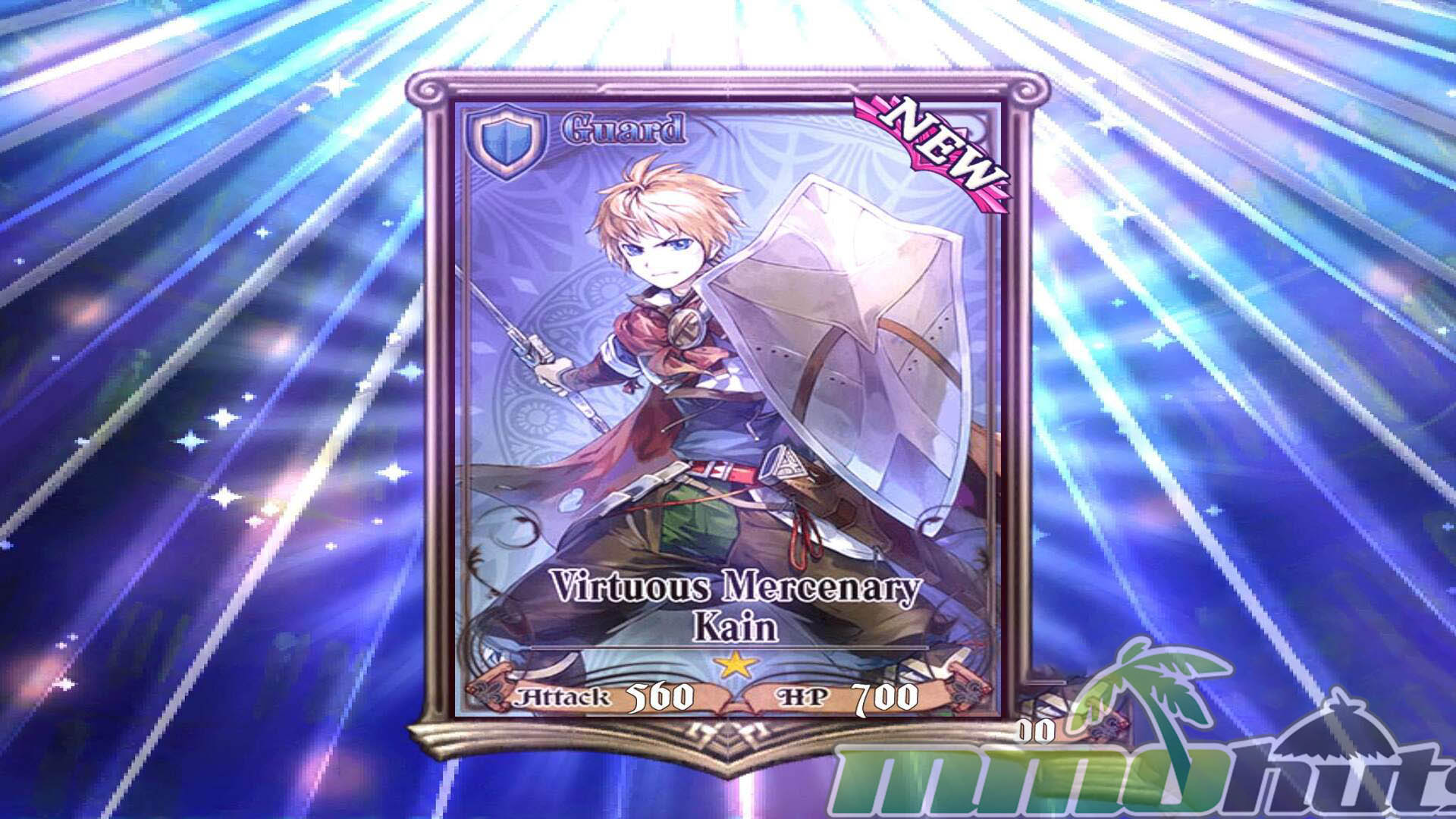
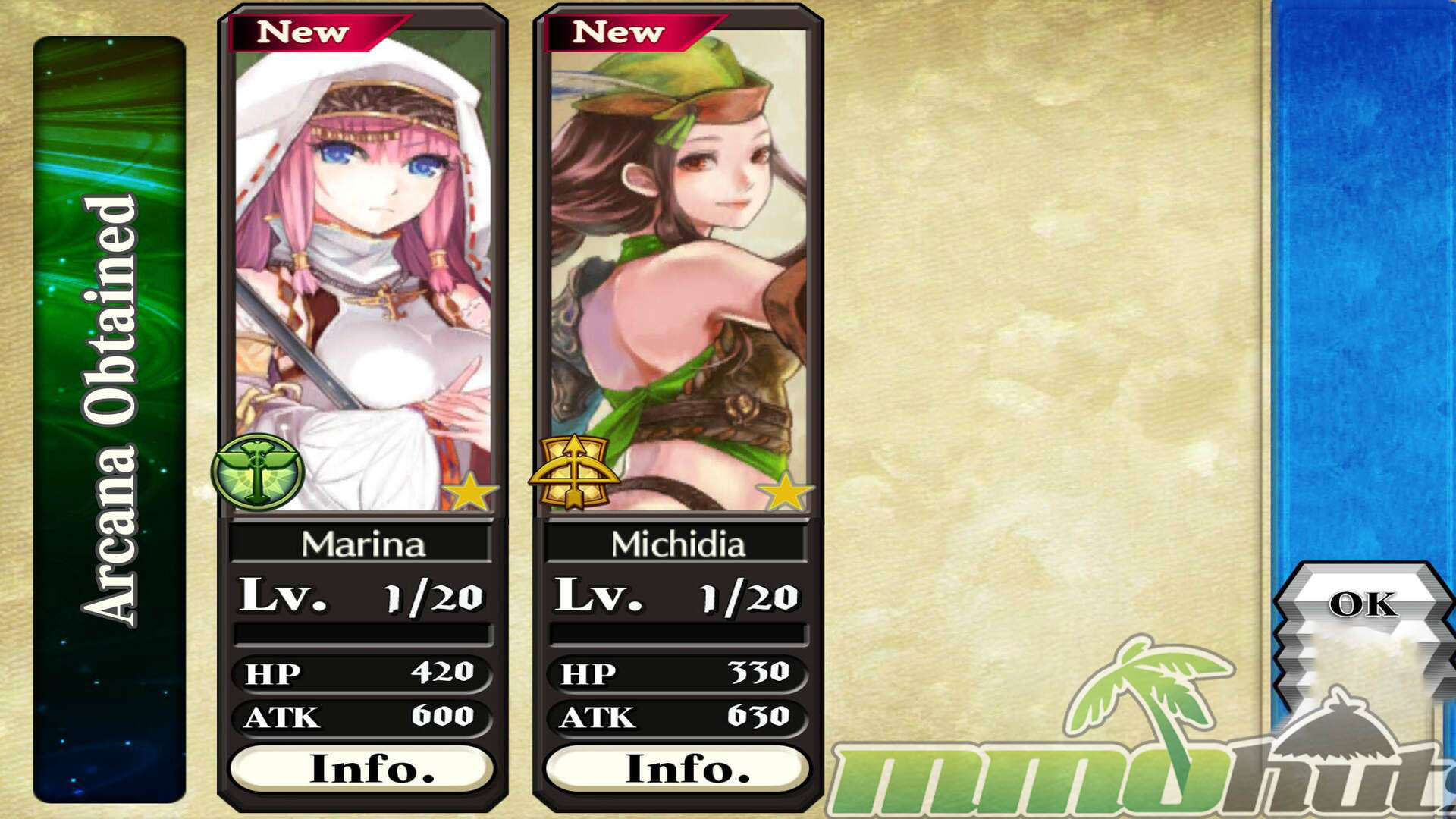
Chain Chronicle Featured Video

Chain Chronicle Review
Chain Chronicle is a free-to-play mobile RPG developed by Sega Networks and published by Gumi Inc. It first arrived in Japan on iOS and Android on July 26, 2013, and later launched in English for NA/EU on December 8, 2014. The game drew a large audience during its run, reporting over 5 million downloads worldwide, and its core appeal is easy to see, it combines accessible mobile progression with battles that ask for real attention instead of autopilot play.
One of the biggest strengths is how “complete” it feels as a package. The presentation is confident, with character art that looks like it belongs in a dedicated anime project, and voice performances that give even minor recruits a memorable hook. Mechanically, the line-defense combat loop is simple to understand but has enough movement and timing to keep missions engaging.
Setting and Story Focus
Chain Chronicle leans harder into narrative than many games in its category. You play as the leader of a volunteer army, accompanied early on by a fairy companion named Pirika, in the world of Yggdra. The broader conflict centers on a fallen capital and the rise of a “Black Army,” which pushes the remaining forces into a desperate effort to regroup and resist. Early chapters introduce key allies, including Phoena, a character tied to a mystery surrounding her past, and the campaign uses these relationships to keep the journey moving.
Story scenes are delivered in a classic JRPG style, with dialogue sequences between missions and occasional player responses that add flavor even if they do not branch the plot. While you do not roam a shared world with a custom avatar in the typical MMORPG sense, the game still sells the idea of traveling across regions, recruiting help, and growing a force over time.
The “anime RPG” identity also comes through in the way battles are presented. Characters appear as chibi-style versions of their illustrated selves during combat, and the overall visual language strongly echoes traditional Japanese RPGs. If you enjoy story-driven mobile games with lots of character interactions, Chain Chronicle clearly aims to deliver that, rather than treating the plot as a thin excuse for gacha pulls.
Combat and Mission Flow
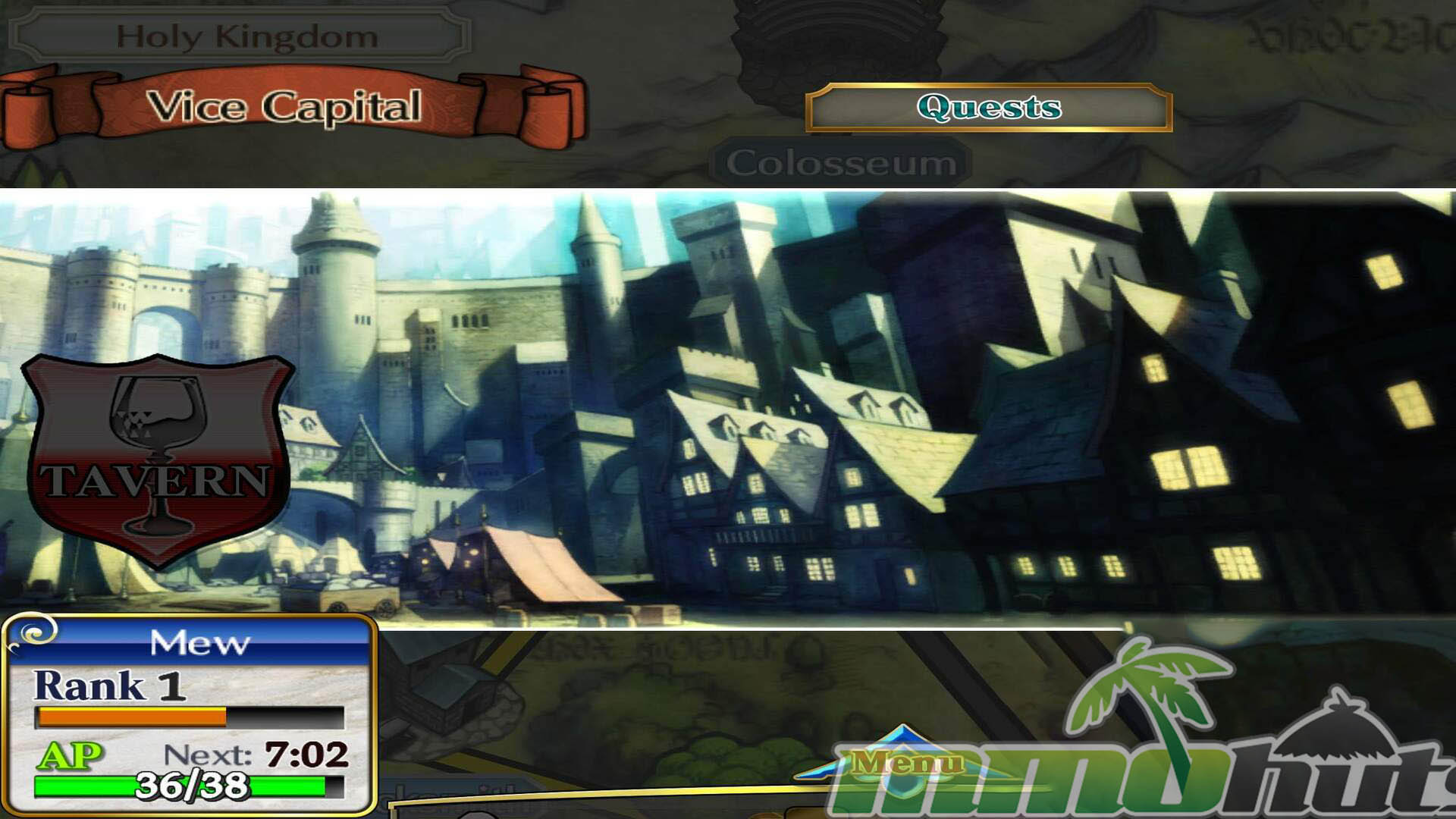
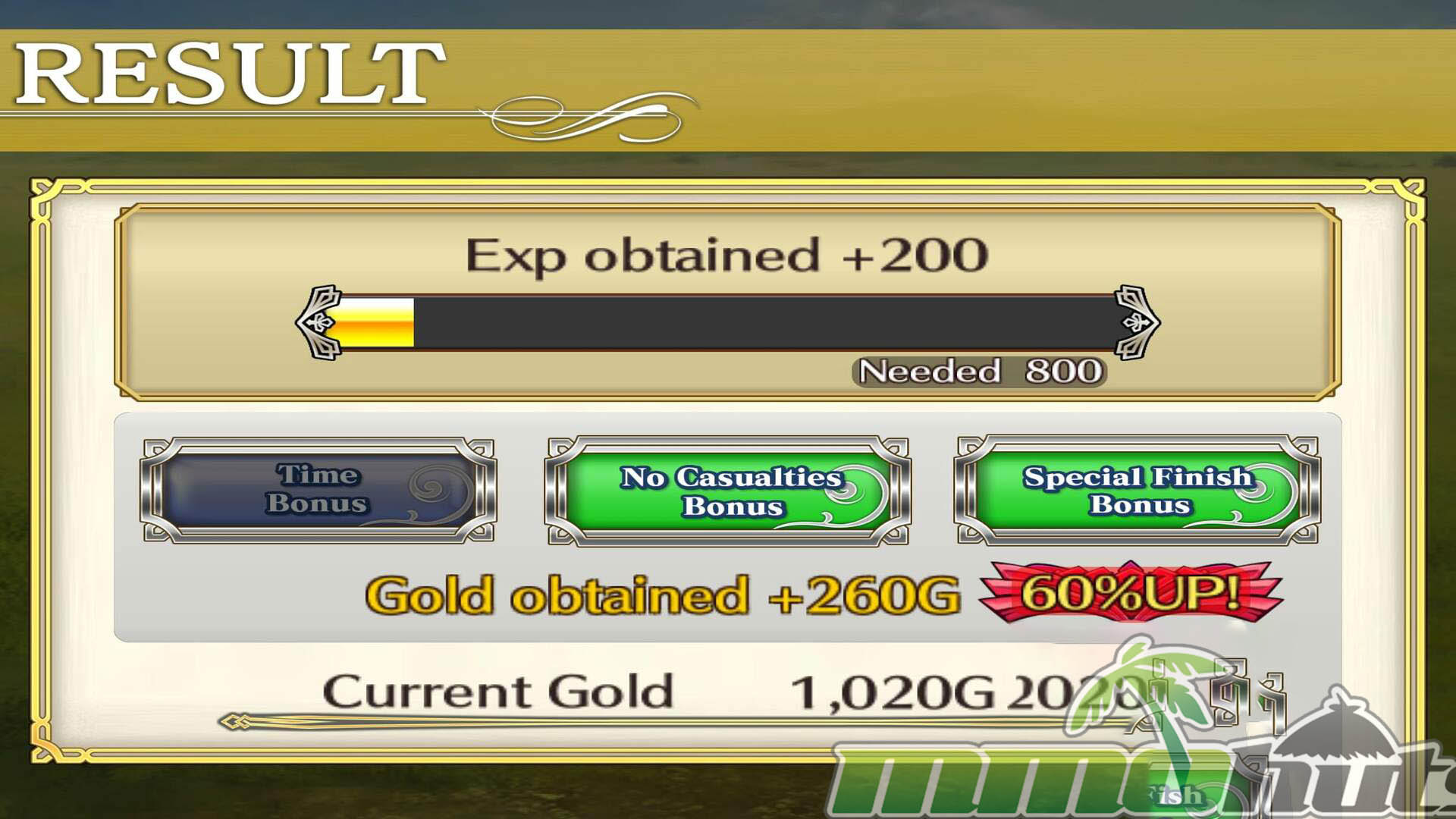
The overall loop alternates between menu management and stage-based missions. From the hub, you select quests, handle recruiting, manage upgrades, and prepare teams. Completing stages provides rewards that feed back into progression, including Arcana used for powering up your roster and expanding options.
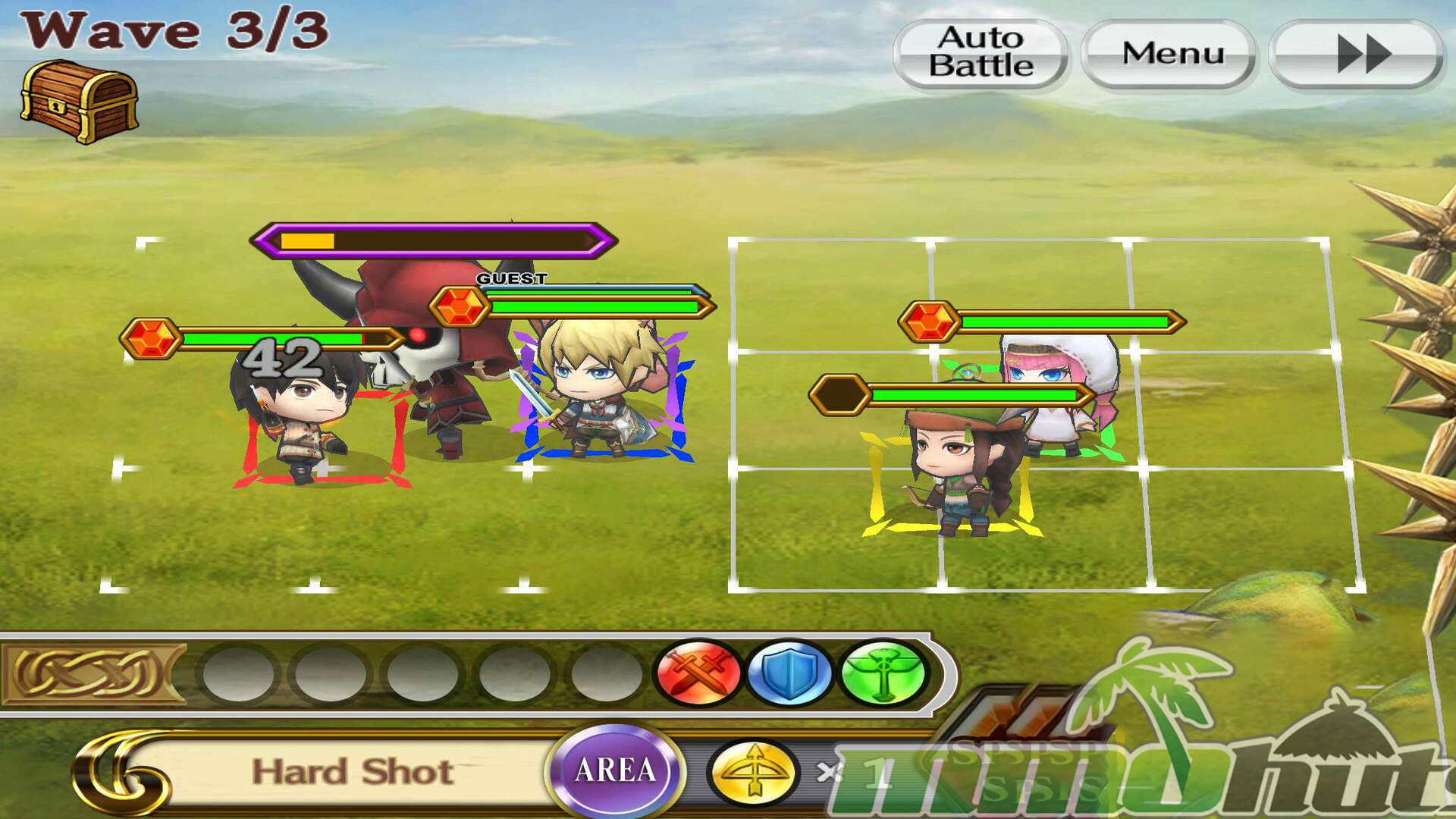
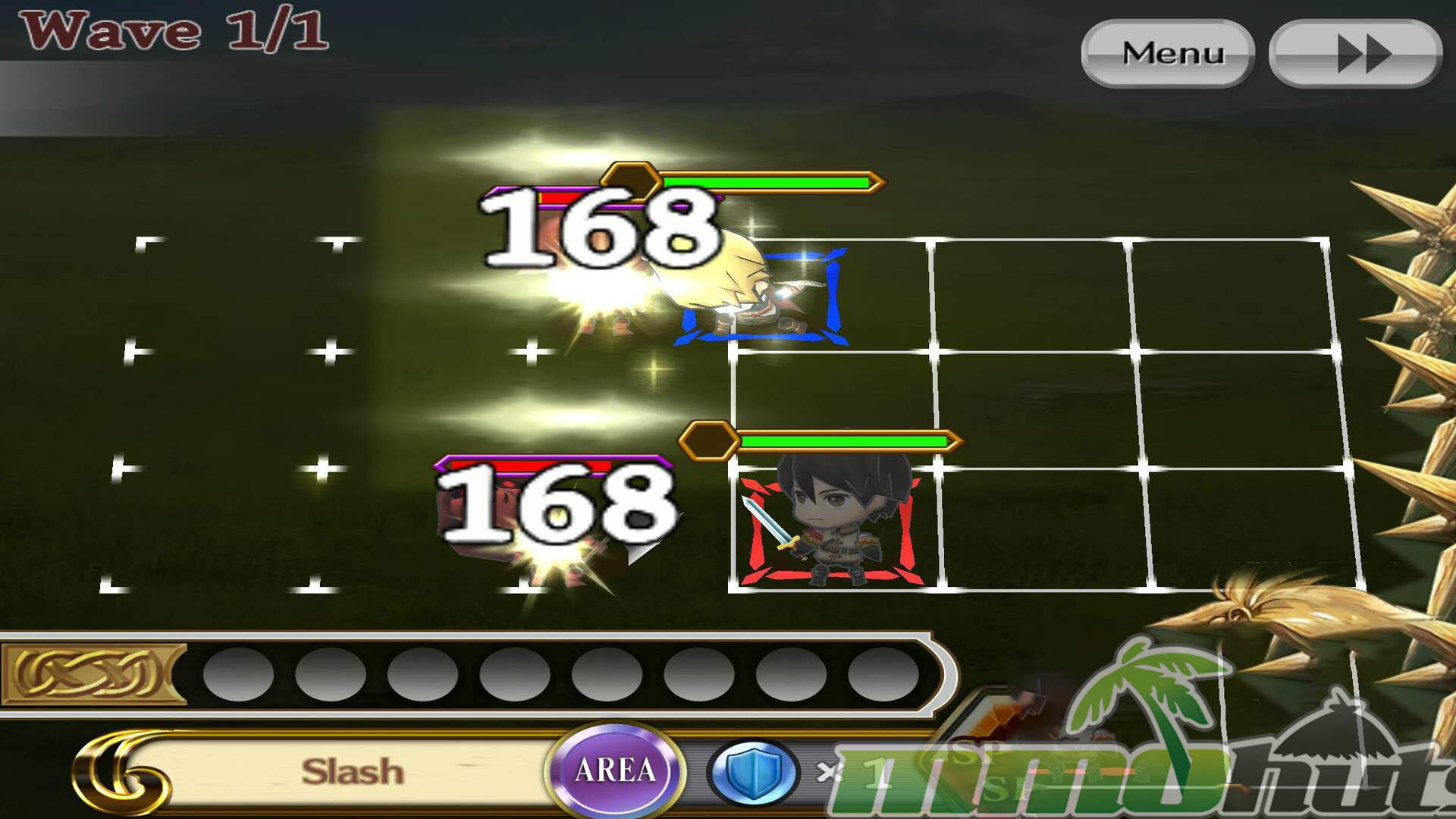
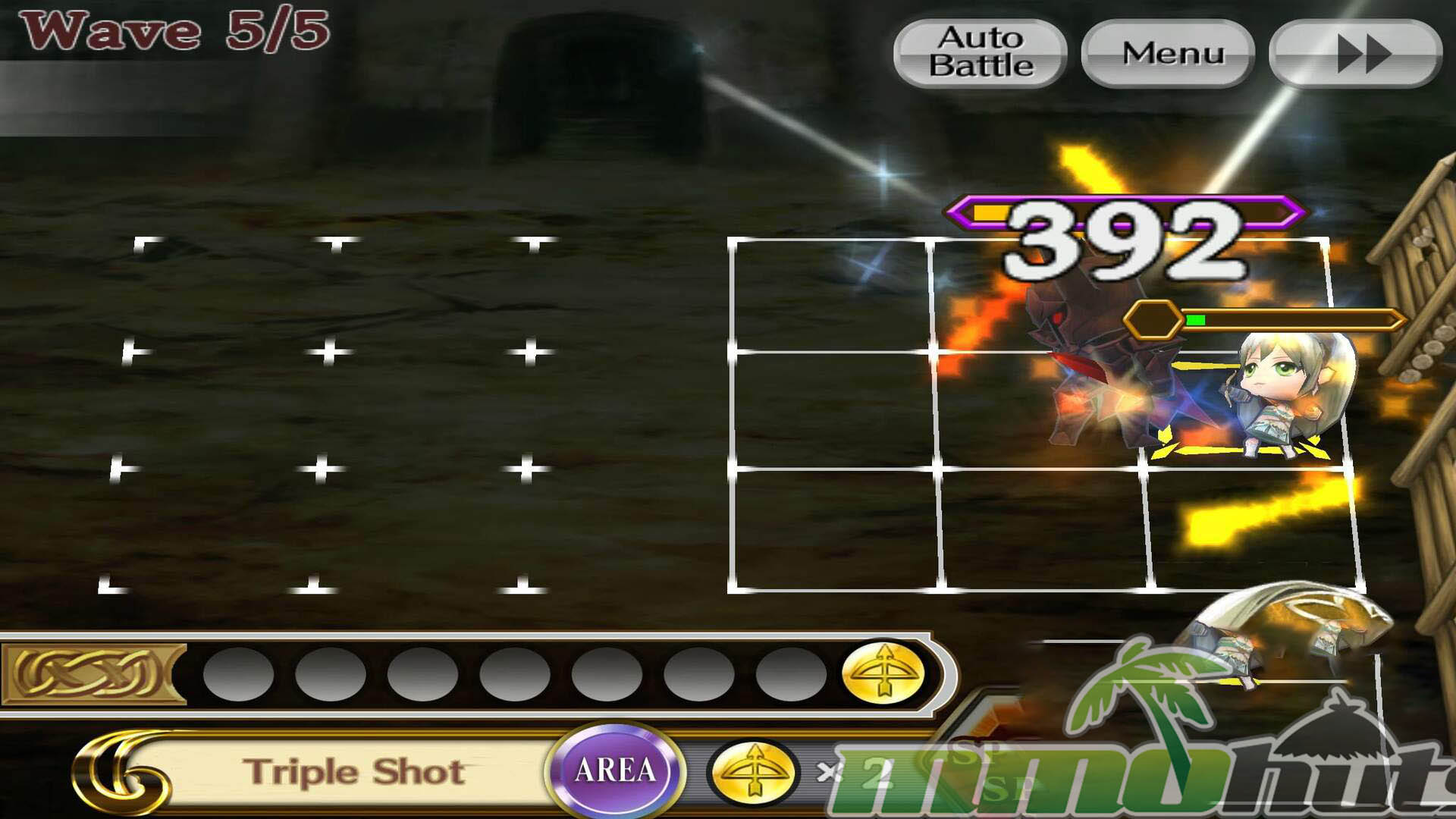
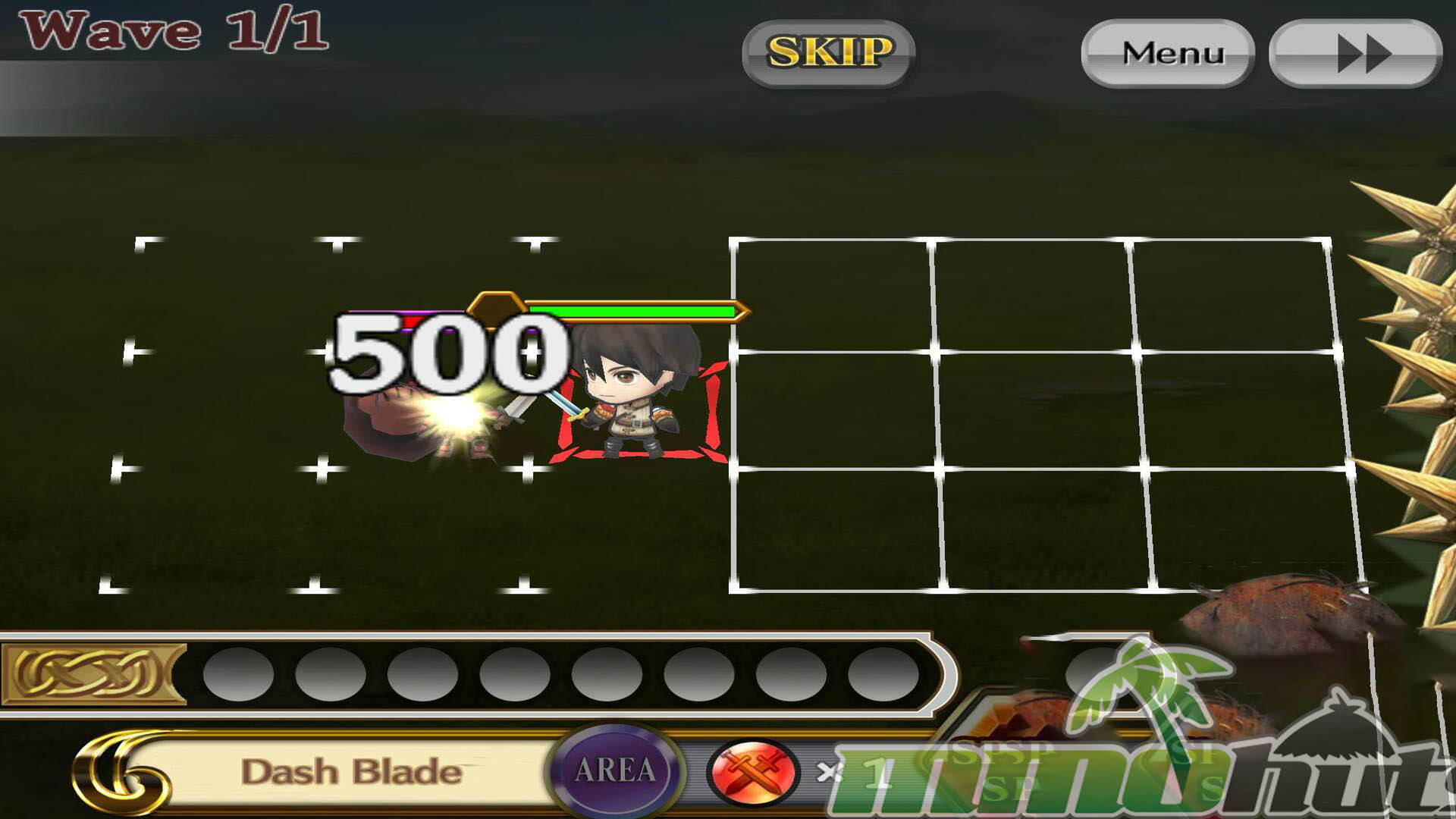
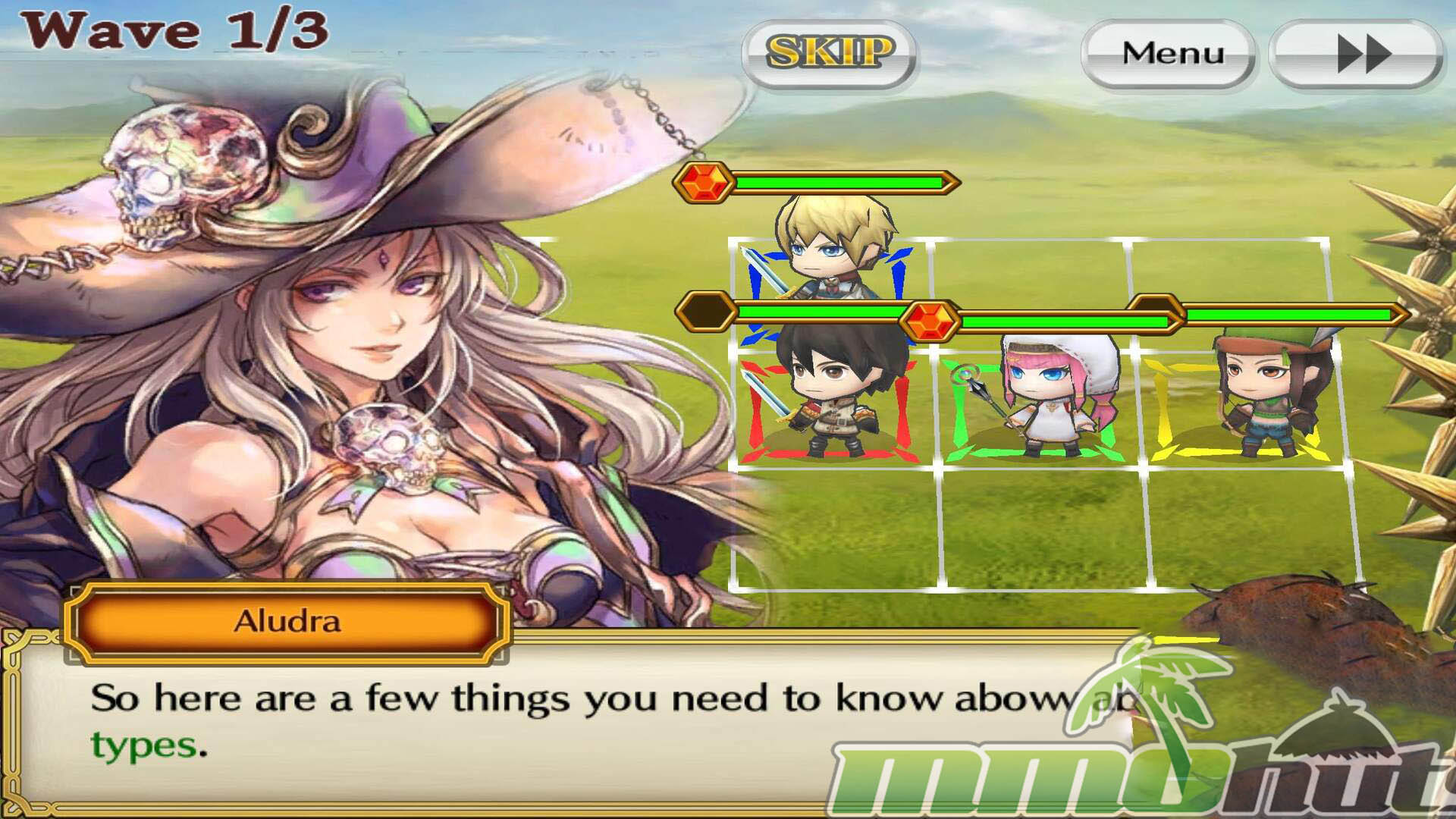
Where Chain Chronicle differentiates itself is in the fight itself. Battles play out as a lane-defense encounter with a 3 by 3 grid for your side facing an enemy grid. Only four characters can be deployed at once, with two additional units sitting in reserve to swap in if someone drops. You can also bring a helper unit tied to friends and their selected leader character, which gives a social incentive even without direct competitive modes.
Enemies arrive in waves, and stages tend to emphasize different threats, forcing you to react. Fragile damage dealers need protection, sturdier frontliners need to be moved to the right lane at the right time, and mana-based skills reward patience and planning. It is a system that stays readable on a phone screen while still giving you meaningful choices moment to moment.
The one catch is pacing. Like many mobile titles, Chain Chronicle uses a stamina system, which naturally limits marathon sessions. If you prefer to grind for hours at a time, the game’s built-in breaks can feel restrictive.
Roles and Team Building
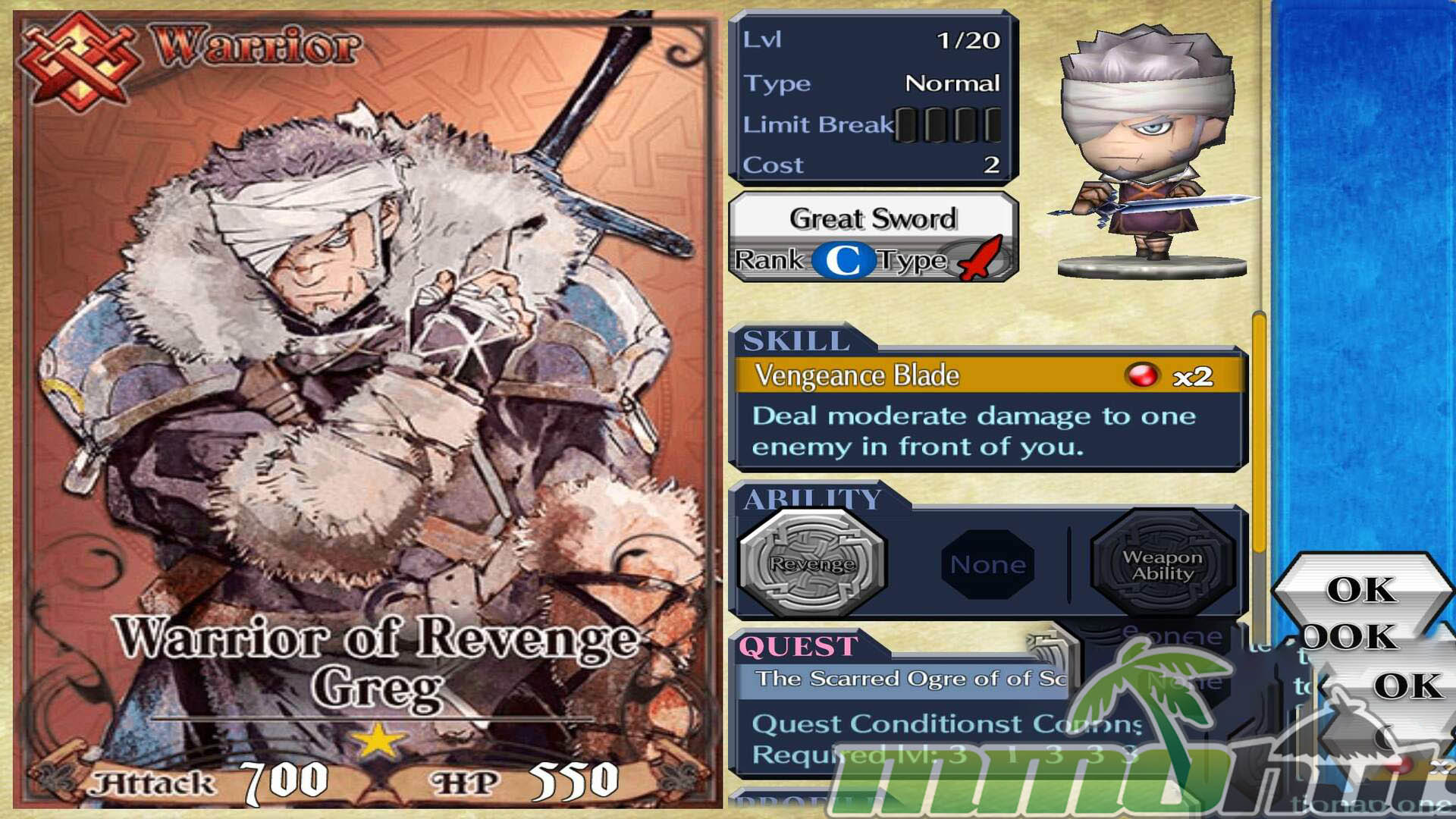
Units come with fixed classes that match their theme and backstory. The core set includes Soldier, Knight, Archer, Wizard and Cleric. Each class has a clear job, and the game encourages you to respect matchups and lane responsibilities rather than stacking only your favorite designs.
There is also a rock-paper-scissors style relationship in play (Soldiers > Knights > Archers and Wizards > Soldiers), which makes team composition more than a simple power check. With rarity ranging from 1 to 5 stars, higher-star pulls generally bring stronger performance, but smart formation and active swapping can still matter a great deal, especially when you are progressing through new content.
Recruiting, Collecting, and Arcana
Collection is a major pillar here. New characters enter your roster through Arcana, obtained from gameplay drops and from recruiting systems that resemble other popular mobile gachas. The game offers standard recruiting with “Arcana coins,” and premium pulls using “Prysma.” Like similar systems, results are randomized, with pulls ranging from 1 to 5 stars.
Prysma is harder to earn without paying, and the premium recruiting has better guarantees (at least 3 stars or higher), which can create a noticeable advantage for spenders. That said, the impact is softened by the lack of PvP, you are not directly competing against other players in a ranked environment, so the pressure to spend is more about efficiency and roster variety than keeping up with a meta.
Recruitment also ties into content pacing. As you add allies, additional map areas and quests open up, often accompanied by side stories that flesh out the new characters. It is an effective way to keep the game from being only a straight shot through the main plot, and it gives completion-minded players reasons to keep experimenting with the roster.
Progression and Enhancing Your Team
Powering up characters revolves around enhancement and upgrades paid for with gold. You can feed spare cards into a character to increase their level, and there are additional systems that reward duplicates, such as raising level caps by combining identical character cards. Equipment and weapons can also be improved through these mechanics, creating the familiar mobile RPG loop of building favorites and gradually rounding out a deeper bench for tougher missions.
Because combat rewards flexible lane coverage, it is often valuable to invest in more than a single “carry.” Having a few reliable options across roles makes stages feel less like raw stat checks and more like tactical puzzles.
Currencies and Monetization
Chain Chronicle uses multiple currencies, each serving a different purpose: Gold, Prysma, Arcana coins and Fortune Rings. Gold is primarily your upgrade fuel and can also be obtained by selling cards. Arcana coins cover basic recruiting. Fortune Rings come from selling Arcana of 3 star rarity or higher, and they feed into a Ring Exchange Shop that offers items and even certain 5 star cards (notably priced at 70 rings per card). Prysma sits at the top as the premium currency, used for stamina refills, rare recruits, and other convenience options.
This system offers several paths to progress without paying, but it is still clearly built around the idea that spending accelerates collection and strength. If you are comfortable playing at a steady pace and treating rare pulls as long-term goals, the free route can still be satisfying.
Presentation and Audio
The game’s art direction is one of its strongest hooks. Character illustrations are detailed and expressive, and the recruit animations and voiced lines give each new addition a small moment to shine. Voice work is a genuine highlight, featuring recognizable Japanese voice actors such as Jun Fukuyama, Akira Ishida and Maaya Uchida. Even when you are not actively using a character, the collection aspect remains appealing for players who enjoy building a roster for its own sake.
For a mobile title, the overall production value is consistently high, and it helps the game feel like more than a simple gacha wrapper around repetitive battles.
Final Verdict – Great
Chain Chronicle succeeds because it treats combat as an active system, not a background animation, and supports it with strong art, voice work, and a story that is actually worth following. It is easy to recommend on its design merits alone, especially to players who like character-driven mobile RPGs but want something a bit more tactical than standard turn-based menus.
The main drawback is the stamina pacing. Costs rise, and regeneration is slow enough that longer sessions can be interrupted frequently at higher levels. Even so, for the time it was available globally, Chain Chronicle offered a well-rounded and distinctive take on mobile RPG design.
Chain Chronicle Links
Chain Chronicle Official Site
Chain Chronicle Official Wiki (Database / Guides)
Chain Chronicle Google Play Store
Chain Chronicle Apple Store
Chain Chronicle Wikia (Database/Guides)
Chain Chronicle Facebook Page
Chain Chronicle System Requirements
Minimum Requirements:
Operating System: Android 2.3.3 or later, iOS 6.0 or later
Chain Chronicle Music & Soundtrack
Chain Chronicle Additional Information
Developer: Sega Networks
Publisher: Gumi
Platforms: Android, iOS
Release Date: December 8, 2014
Chain Chronicle’s global release was handled by Gumi Inc., a Southeast Asia based publisher known for other mobile titles such as Brave Frontier, Puzzle Trooper, Wakfu Raiders, and more. While Gumi is headquartered in Singapore, the company operates across multiple countries in the region. Development, meanwhile, came from Sega Networks in Japan.
Service for the global version was scheduled to end after an announcement on January 18, 2016, with the servers officially shutting down on February 28, 2016.