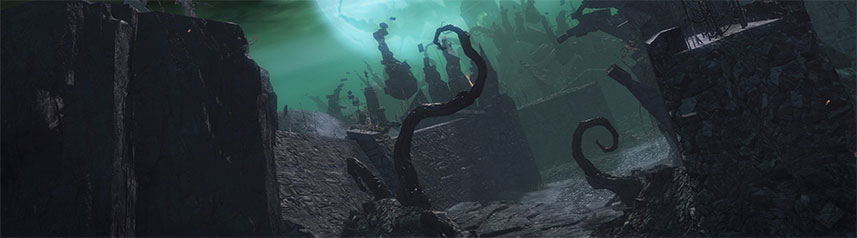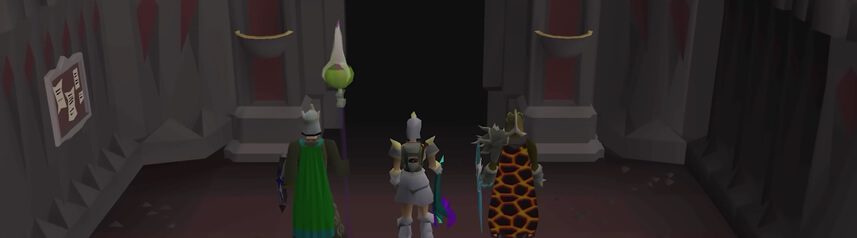
EverQuest Next was envisioned as a free-to-play 3D fantasy MMORPG and the next big installment in the long-running EverQuest franchise. It was set to bring players back to Norrath, but through an alternate timeline where familiar locations and names could resurface with fresh context, shifting alliances, and new conflicts. The concept also pushed a more sandbox-oriented direction, aiming for a world where player activity could have real consequences across the environment. EverQuest Next was ultimately cancelled in early 2016.
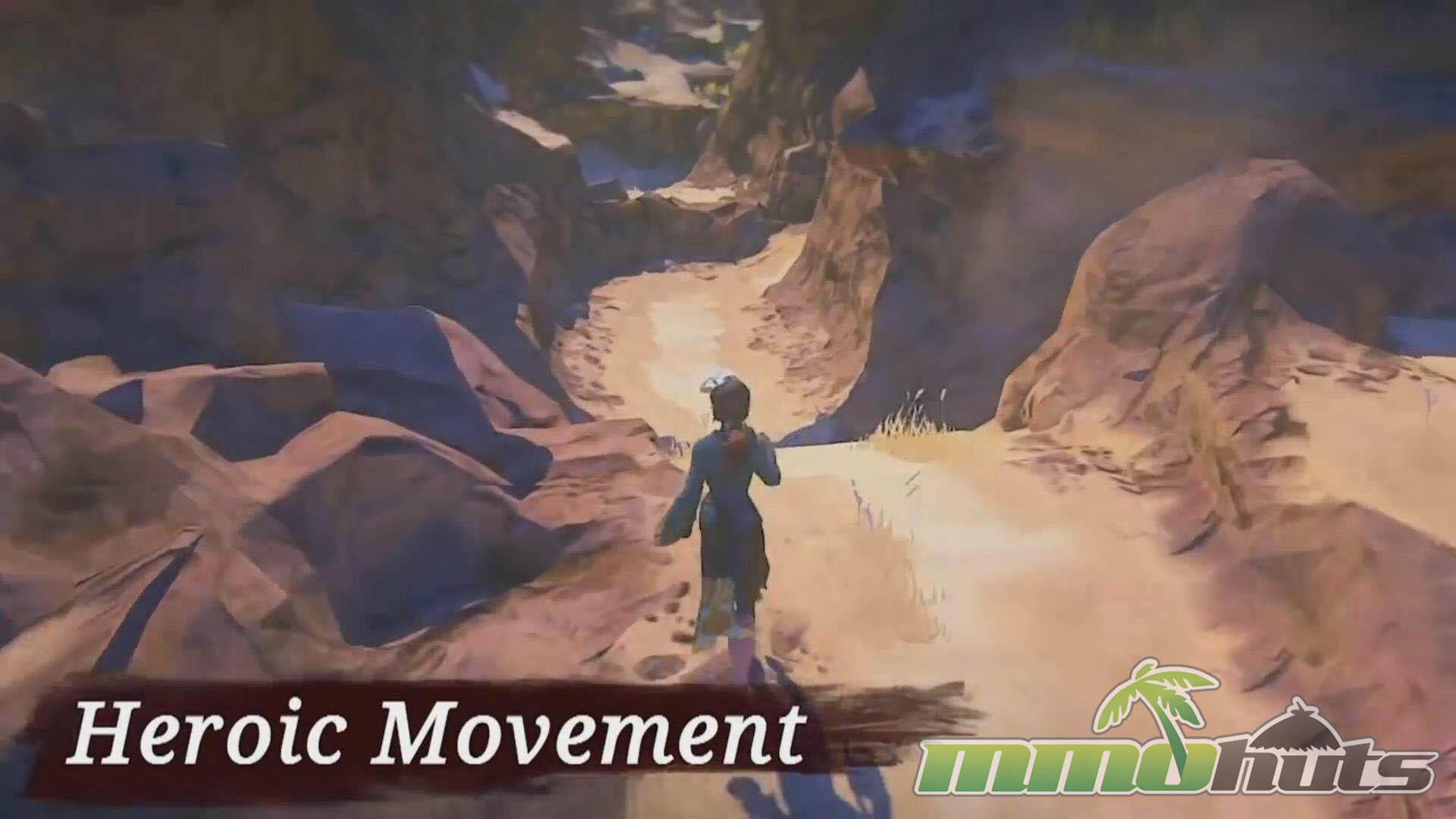 | Publisher: Daybreak Game Company Playerbase: TBD Type: MMORPG Release Date: CANCELLED PvP: Yes (Details unavailable) Pros: +Large selection of classes. +Flexible multi class ability system. +Breakable, interactive terrain. +World reacts to player activity. Cons: -TBD |
EverQuest Next Overview
EverQuest Next was presented as Daybreak Game Company’s premier MMORPG, built as a contemporary reinvention of the series rather than a straightforward sequel to EverQuest or EverQuest II. This take on Norrath was meant to be instantly familiar in look and feel, while existing in a parallel continuity where major details could change significantly—down to faction behavior and how regions connected to the larger narrative.
From a tech standpoint, the project ran on the ForgeLight Engine and was marketed around improved lighting, richer environmental detail, and a complete day/night cycle designed to shape the mood of exploration. The overall vision also leaned away from a purely static “theme park” structure, with events and outcomes intended to evolve in response to player behavior.
Progression was framed as less about traditional levels and more about earning, unlocking, and combining options from an expansive class lineup. The plan included 40 classes and 8+ races, plus a multi-class framework where characters could pull select skills from different classes to craft a build suited to their role and preferred style of play. EverQuest Next was cancelled.
EverQuest Next Key Features:
- Huge Variety & Multi Classing – A broad roster was planned, featuring 40 classes and 8+ playable races. The design also allowed skills to be shared across classes so players could assemble a personalized character setup.
- Dynamic World – Actions taken by the community were intended to leave lasting marks on Norrath. NPCs were also described as having their own goals and behaviors, with AI that could react to and be shaped by player influence.
- Real Destructible Environments – The world was built around terrain and structures that could be broken and reshaped.
- Siege Warfare – Siege engines were expected to matter significantly in both PvE encounters and PvP conflicts.
- High Production Value – The project aimed for strong presentation, including impressive visuals, a quality soundtrack, and a refined user interface.
- SoE Emote – A webcam-driven facial recognition feature was planned to power custom emotes, alongside standard emote options.
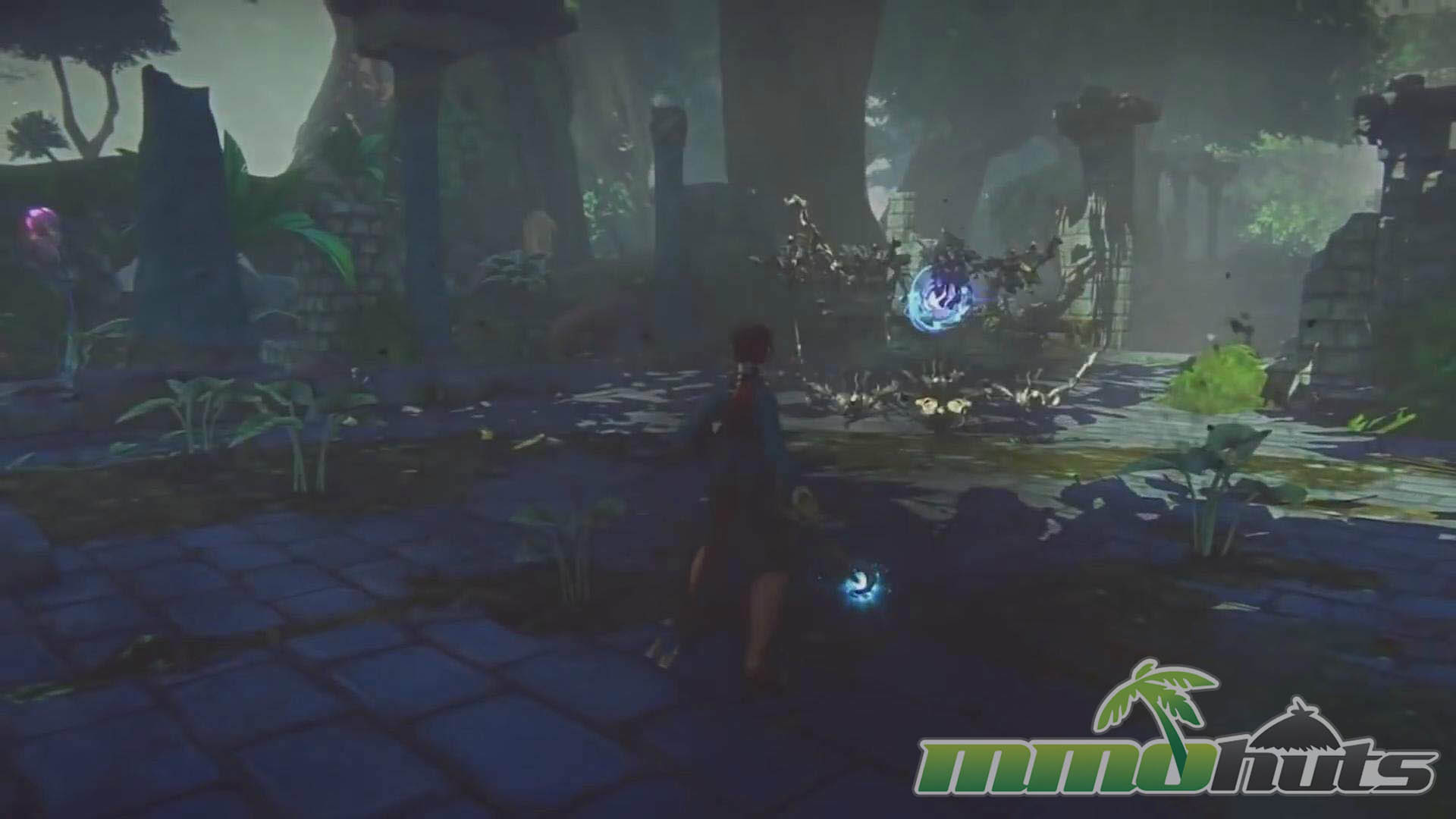
EverQuest Next Screenshots
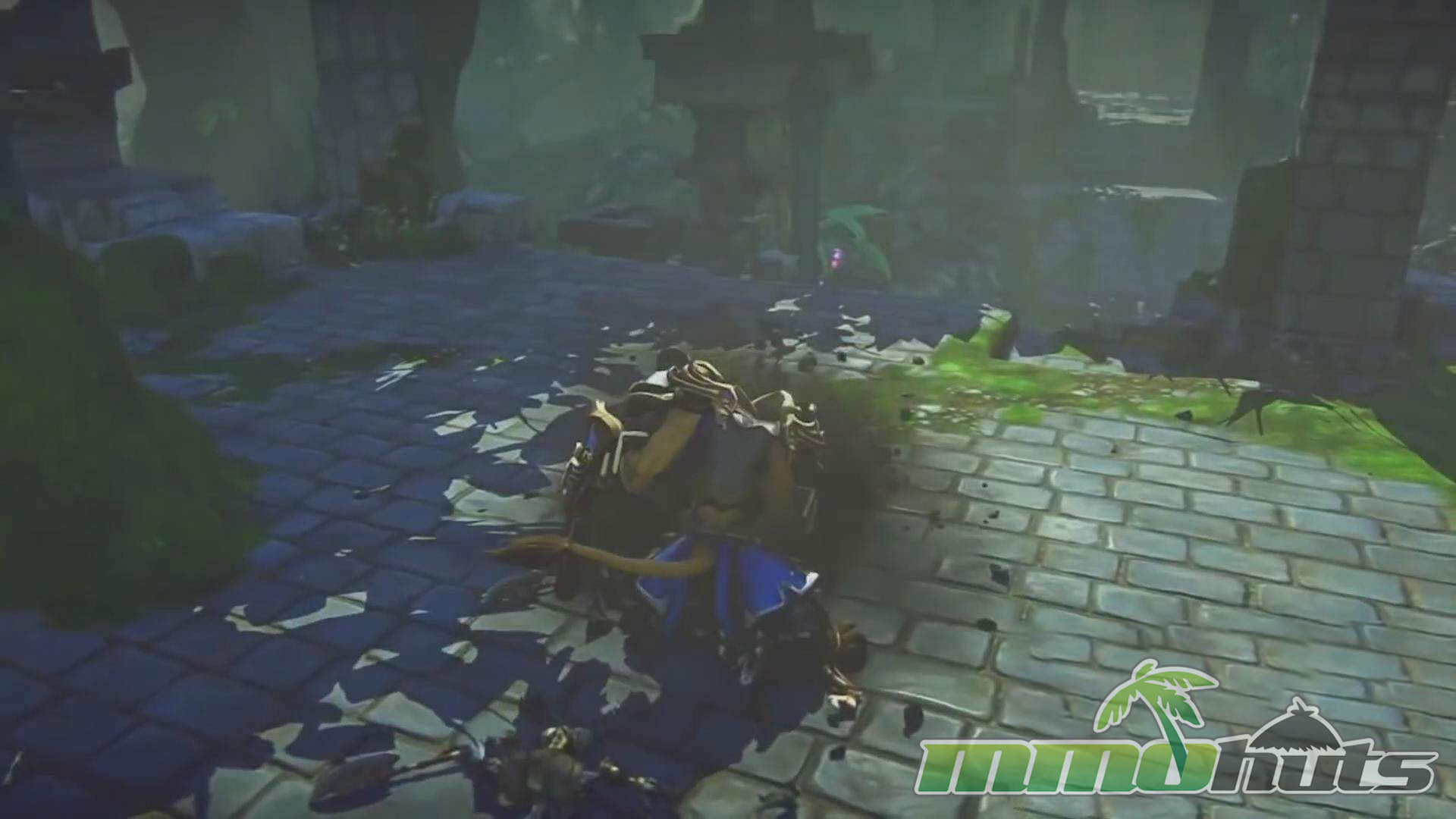
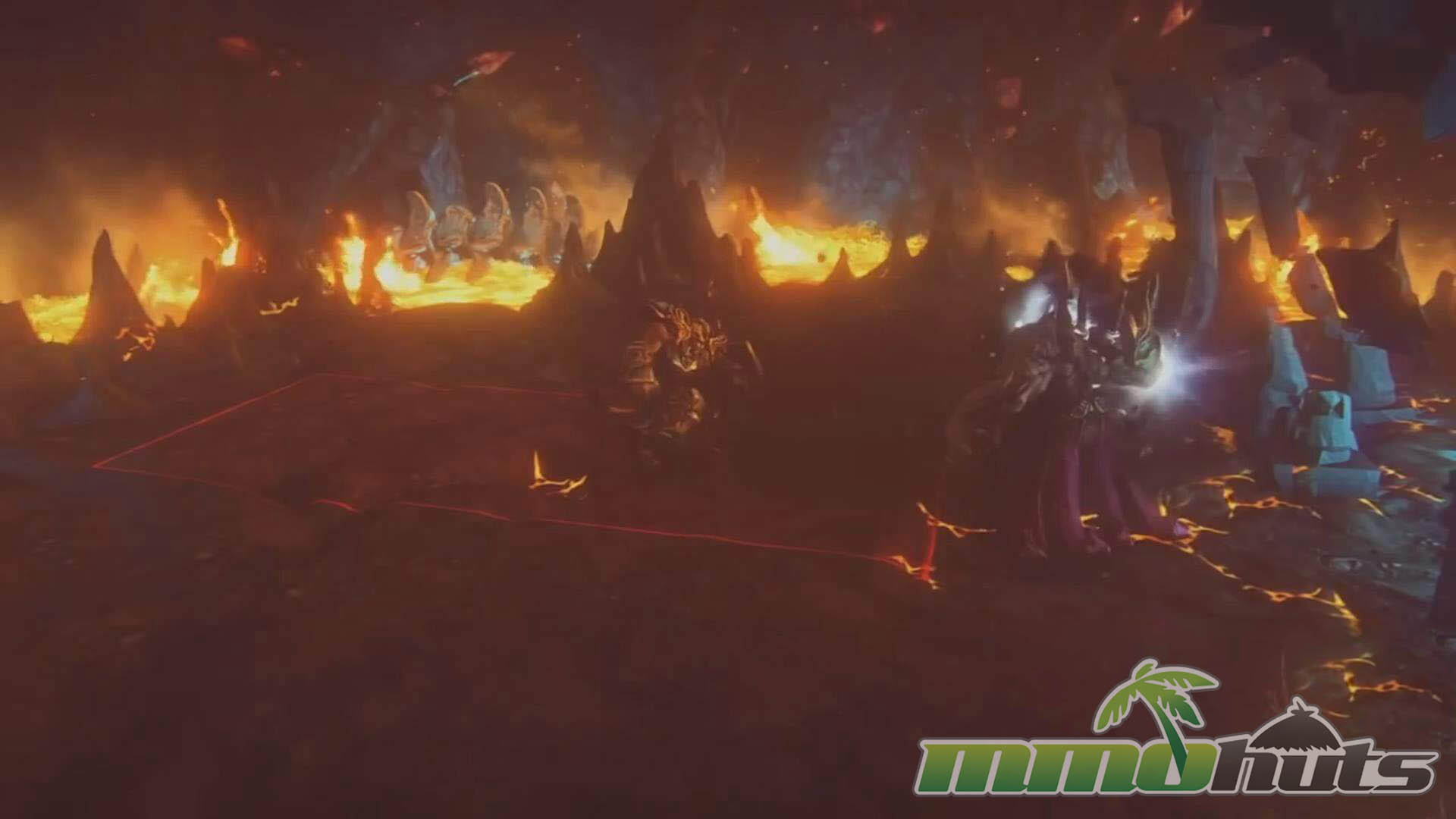
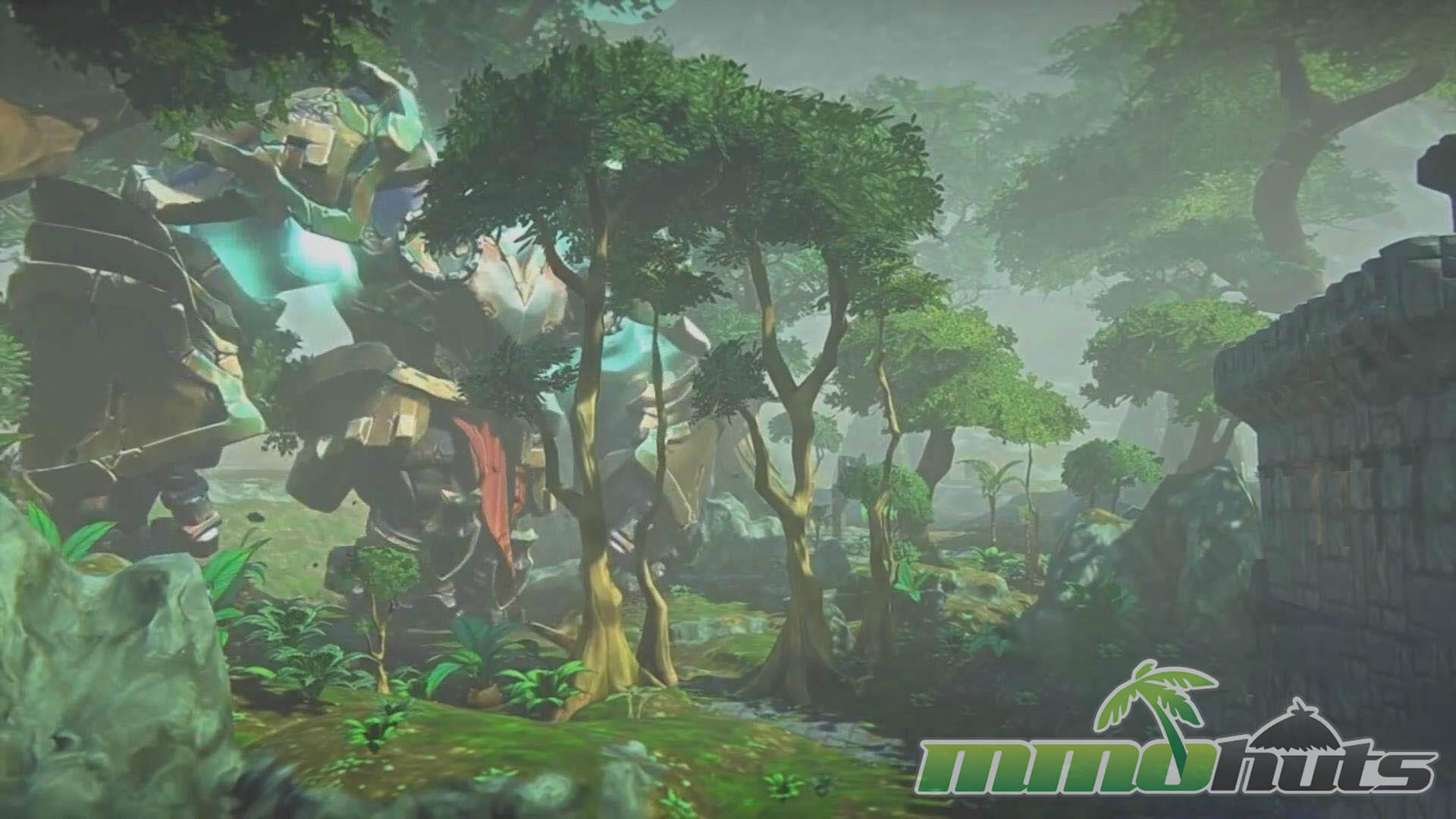


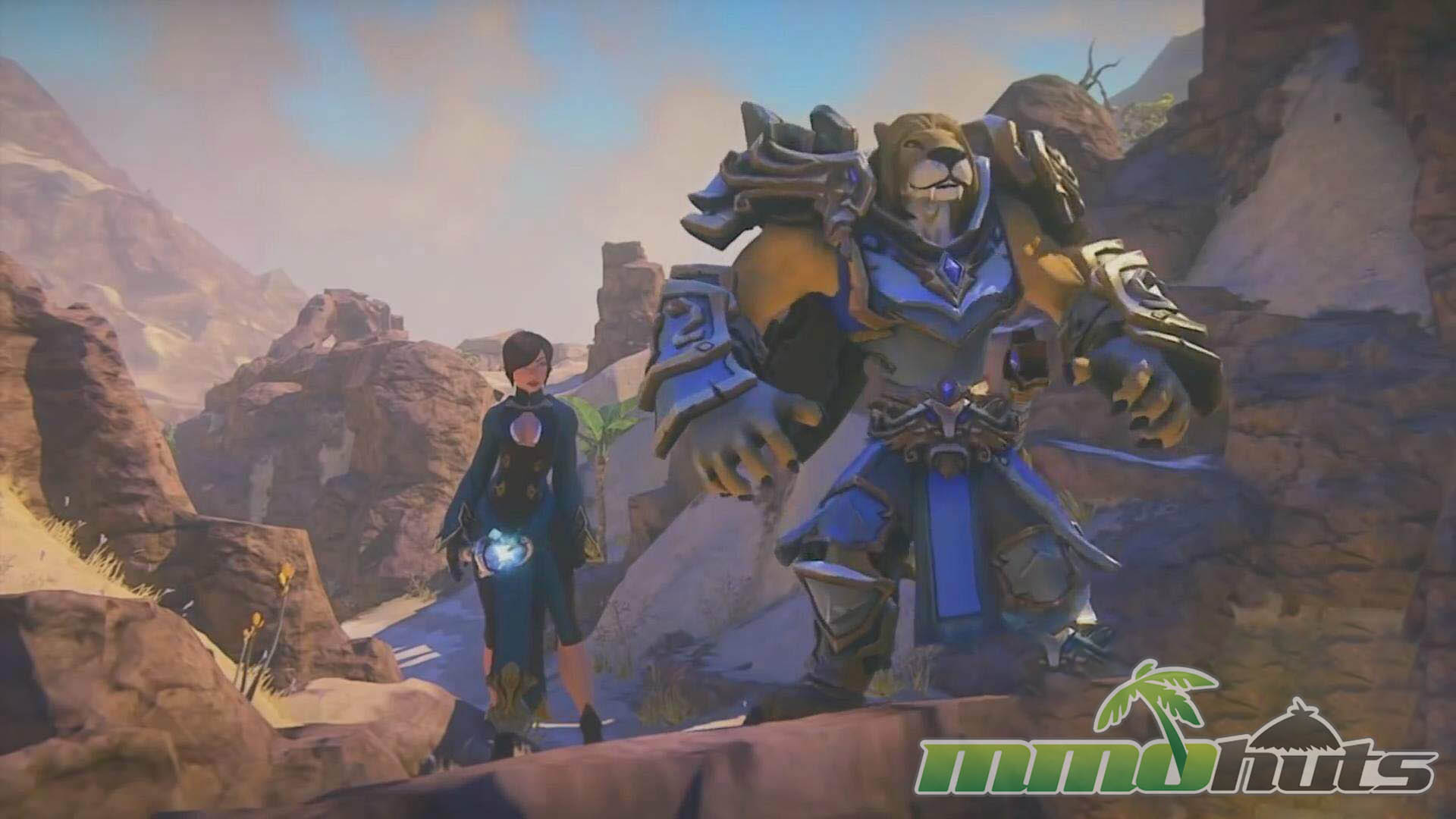
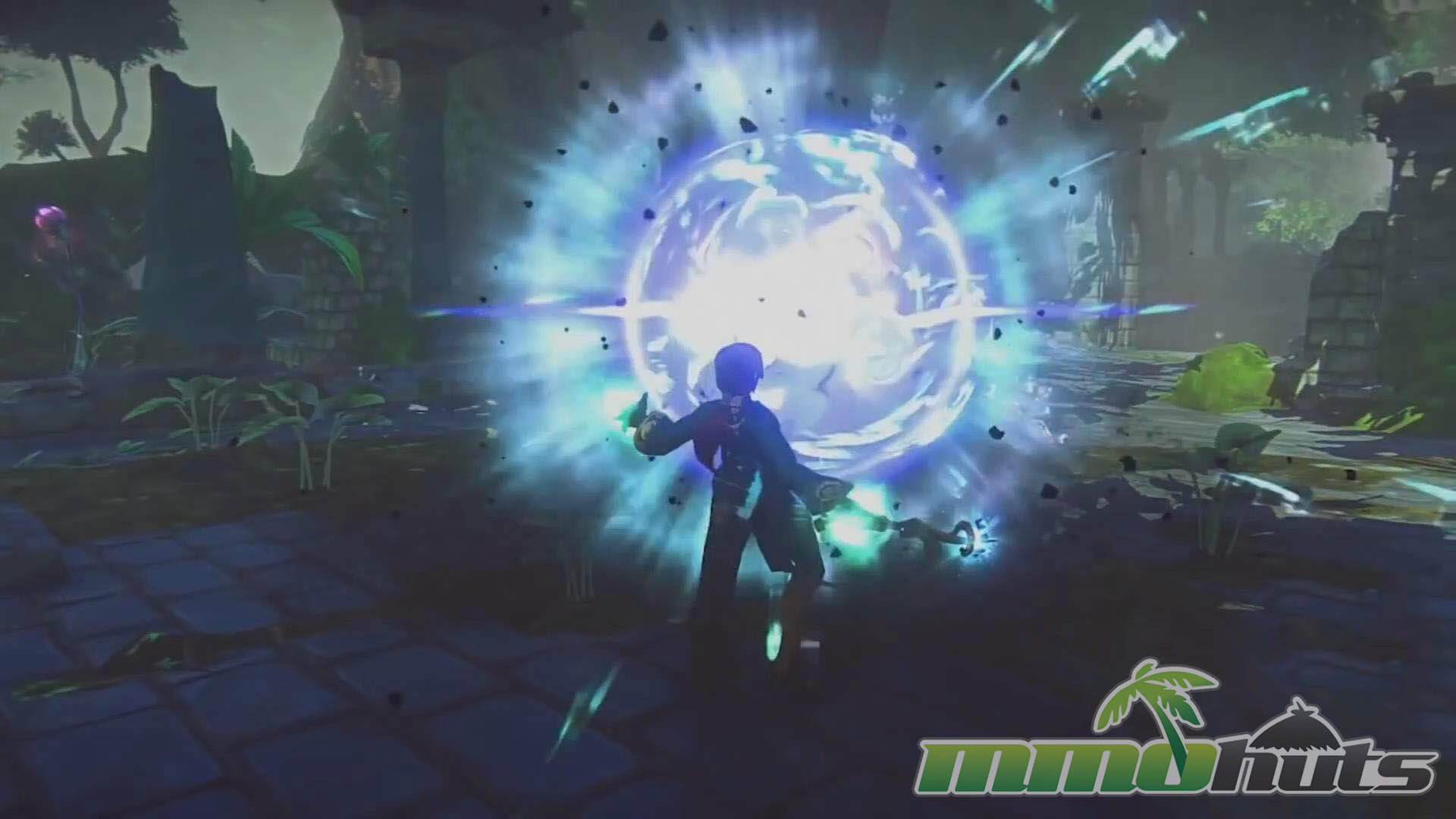
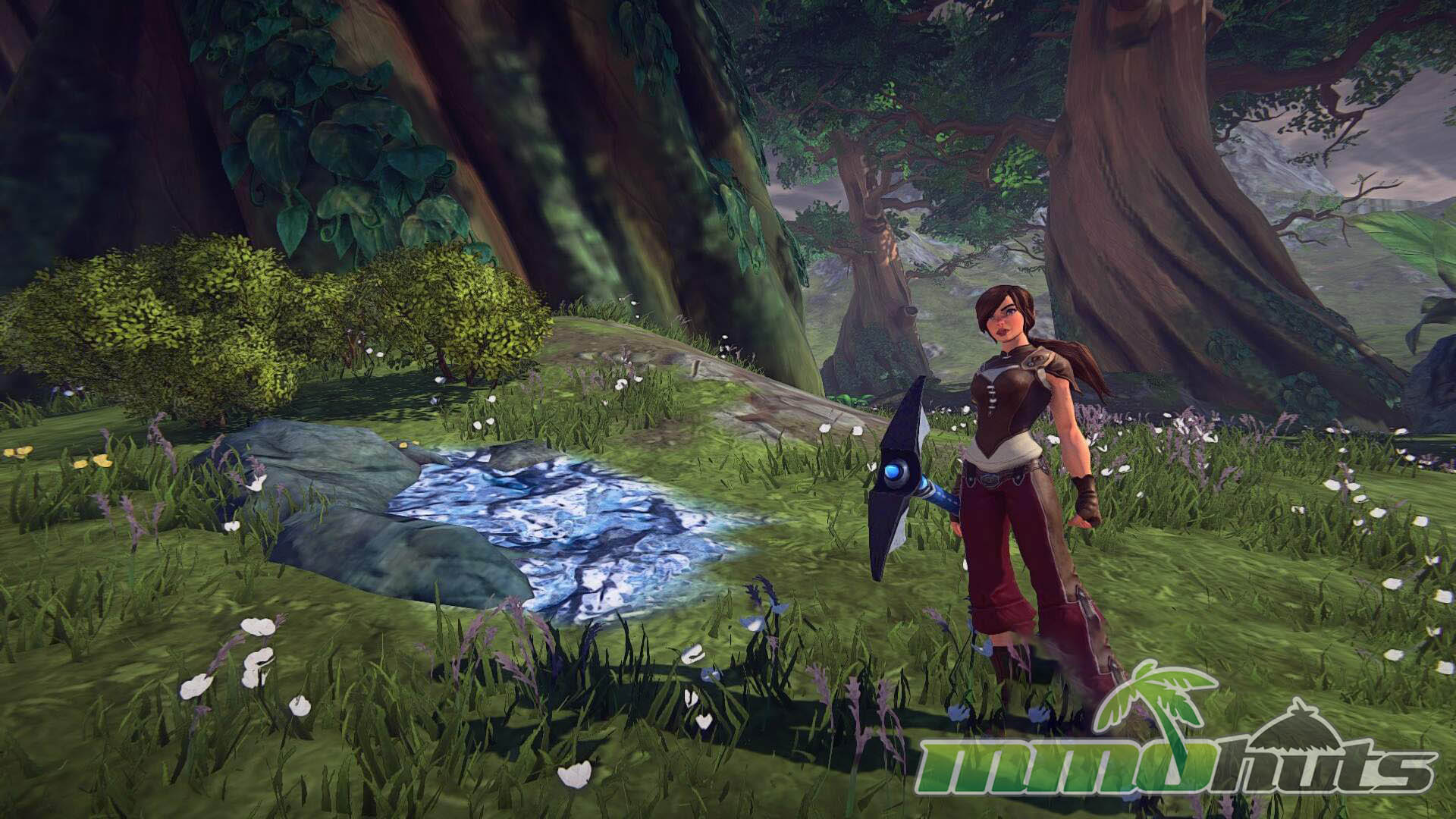
EverQuest Next Featured Video

EverQuest Next Review
Since EverQuest Next never launched, it can’t be rated the way a released MMO can—with endgame cadence, balance revisions, and long-term community stability all taken into account. What can be weighed instead is the direction the team outlined and the reasons the project captured so much attention from MMORPG players.
Its most interesting promise was making Norrath feel reactive, with large-scale shifts arising from what players did instead of being limited to fully scripted, regularly reset scenarios. If executed well, that could have produced memorable server narratives—the sort of emergent stories many veterans feel modern MMOs rarely deliver. The emphasis on destruction also pointed toward a game that wouldn’t treat the terrain as immutable, potentially changing how parties approached exploration, PvE objectives, and siege-focused situations.
The class vision was similarly bold. With 40 classes and the ability to blend abilities via a multi-class system, it could have encouraged experimentation and the pursuit of new synergies rather than constant rerolling to fill a different job. The usual challenge with that kind of freedom is clarity and balance—especially in PvP—because highly flexible builds can be tough to read quickly and even harder to tune.
In the end, EverQuest Next stands out as one of the era’s most talked-about cancelled MMO projects, largely because its central ideas aimed at long-running genre frustrations: worlds that don’t change, predictable quest structures, and too few opportunities for player-driven moments.
EverQuest Next Links
EverQuest Next Official Site
EverQuest Next Reddit
EverQuest Next Wiki (Database / Guides)
EverQuest Next Gamepedia (Database / Guides)
EverQuest Next System Requirements
Minimum Requirements:
Operating System: Windows 7 / 8 / 10
CPU: Intel i5 Dual Core / Phenom X3 or better
Video Card: GeForce GTX 275 / Radeon HD 4890 or higher
RAM: 4 GB
Hard Disk Space: 20GB
Recommended Requirements:
Operating System: Windows 7 / 8 / 10
CPU: Intel i5 Quad Core / Phenom X6 or better
Video Card: GeForce GTX 560 / HD 6870 or better
RAM: 8 GB
Hard Disk Space: 20 GB
EverQuest Next has not released official system requirements yet. The specs listed here came from the EverQuest Next alpha testing period. This section will be revised once official requirements are published.
EverQuest Next Music & Soundtrack
No official soundtrack release or finalized in game track list was provided prior to cancellation. If additional music information is ever archived from the project’s development era, this section can be updated accordingly.
EverQuest Next Additional Information
Developer: Daybreak Game Company
Game Engine: Forgelight Engine
Platforms: Windows & Playstation 4
Game Designer(s): Darrin McPherson
Composer(s): Jeremy Soule
Development History / Background:
EverQuest Next was in development at Daybreak Game Company in San Diego, California, and used the Forgelight Engine as its technical foundation. The project’s public reveal took place at PAX East 2013, following earlier hints that a new EverQuest related title was being considered, including mentions connected to the EverQuest 10th Anniversary Book in 2009.
A notable aspect of the plan was the split between the core MMORPG (EverQuest Next) and a companion creation focused experience originally called EverQuest Next Landmark. Landmark later rebranded to simply “Landmark” and functioned more like an online sandbox building space than a conventional MMO, with players designing structures and experimenting with tools that were intended to support the broader EverQuest Next vision.
Despite years of interest and discussion around its design goals, EverQuest Next was cancelled in early 2016.