
Jade Dynasty
 (No Ratings Yet)
Jade Dynasty is a 3D fantasy MMORPG with a wuxia influence, drawing heavily from Chinese mythology and the Zhu Xian setting. It mixes traditional questing and dungeon progression with social systems like marriage and master-apprentice bonds, plus large-scale guild conflict through fort battles.
 | Publisher: Arc Games Playerbase: Low Type: MMORPG Release Date: June 15, 2009 Shutdown Date: June 5, 2018 PvP: Fort Battles / PvP Channels Pros: +Distinct races and faction choices. +Attractive visuals, especially water and environments. +Plenty of events and side activities to rotate through. +Convenient features like auto-navigation. Cons: -Questing can become formulaic. -Character creation has limited cosmetic range. -Automated grinding and offline progression reduce the sense of earned advancement. |
Jade Dynasty Overview
Jade Dynasty is a fantasy MMORPG built around martial-arts themes and ancient-Chinese-inspired regions, with an emphasis on faction identity, long-form progression, and a surprisingly broad list of side systems. Alongside the usual staples (quest hubs, dungeons, pets, crafting, and PvP), it also leans into social play through marriage and master-apprentice relationships. The game also includes an in-client automation feature (the Esper system), which can handle extended grinding and is a defining part of its overall pacing. Over its lifespan it received multiple expansion releases, and it ultimately offered 14 playable factions (classes) in total.
Jade Dynasty Key Features:
- Wide Variety of Classes – play across three races with fifteen class options available.
- Extensive Skill Trees and Leveling System – advance through multiple tiers and reshape your build through ascension-style progression.
- Great Graphics – strong environmental presentation, with water rendering that still stands out.
- Built-In Botting System – the Esper feature can automate combat and farming to reduce manual grinding.
- In-Game Events – regular activities and event rewards that encourage community participation.
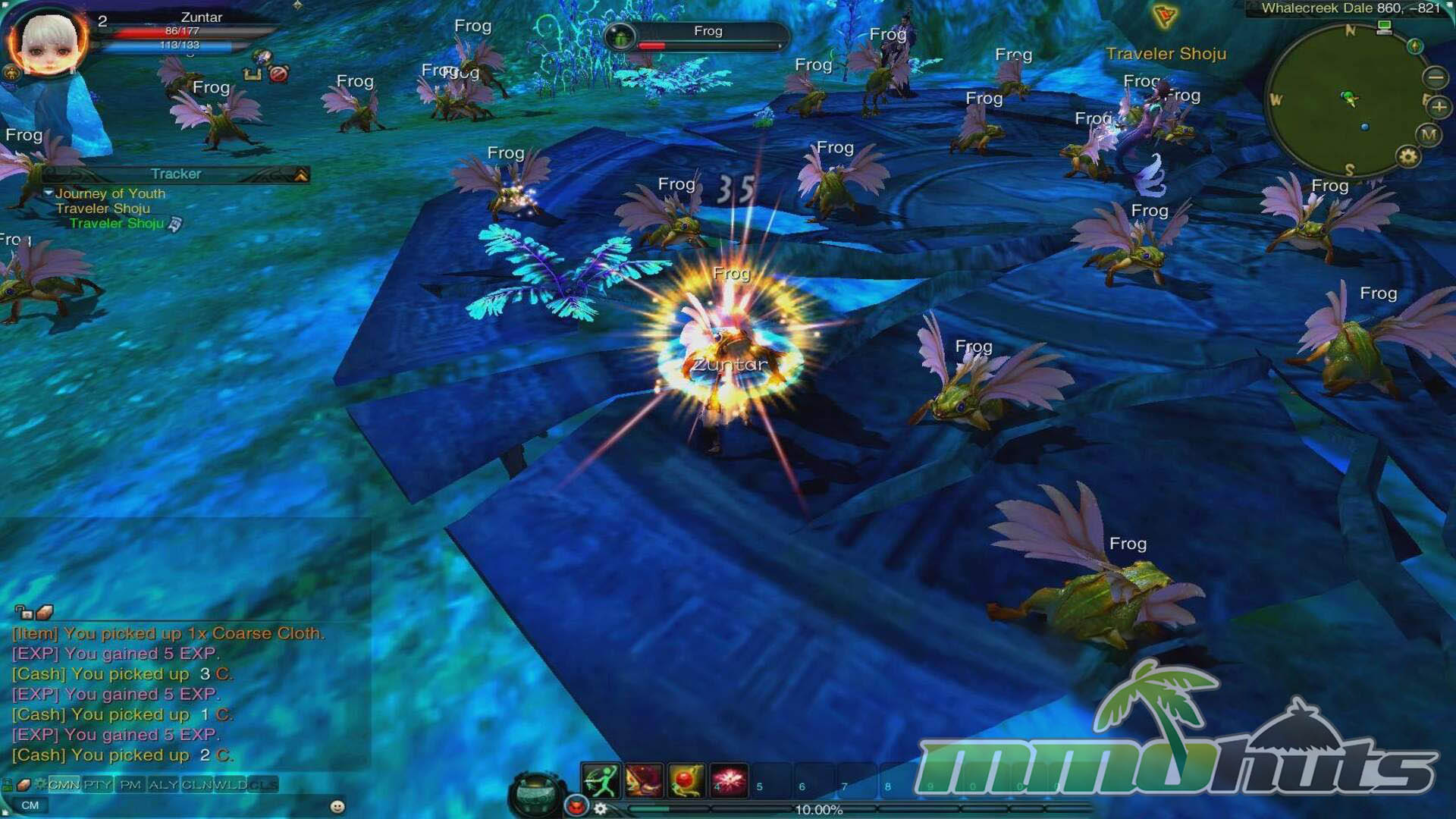
Jade Dynasty Screenshots

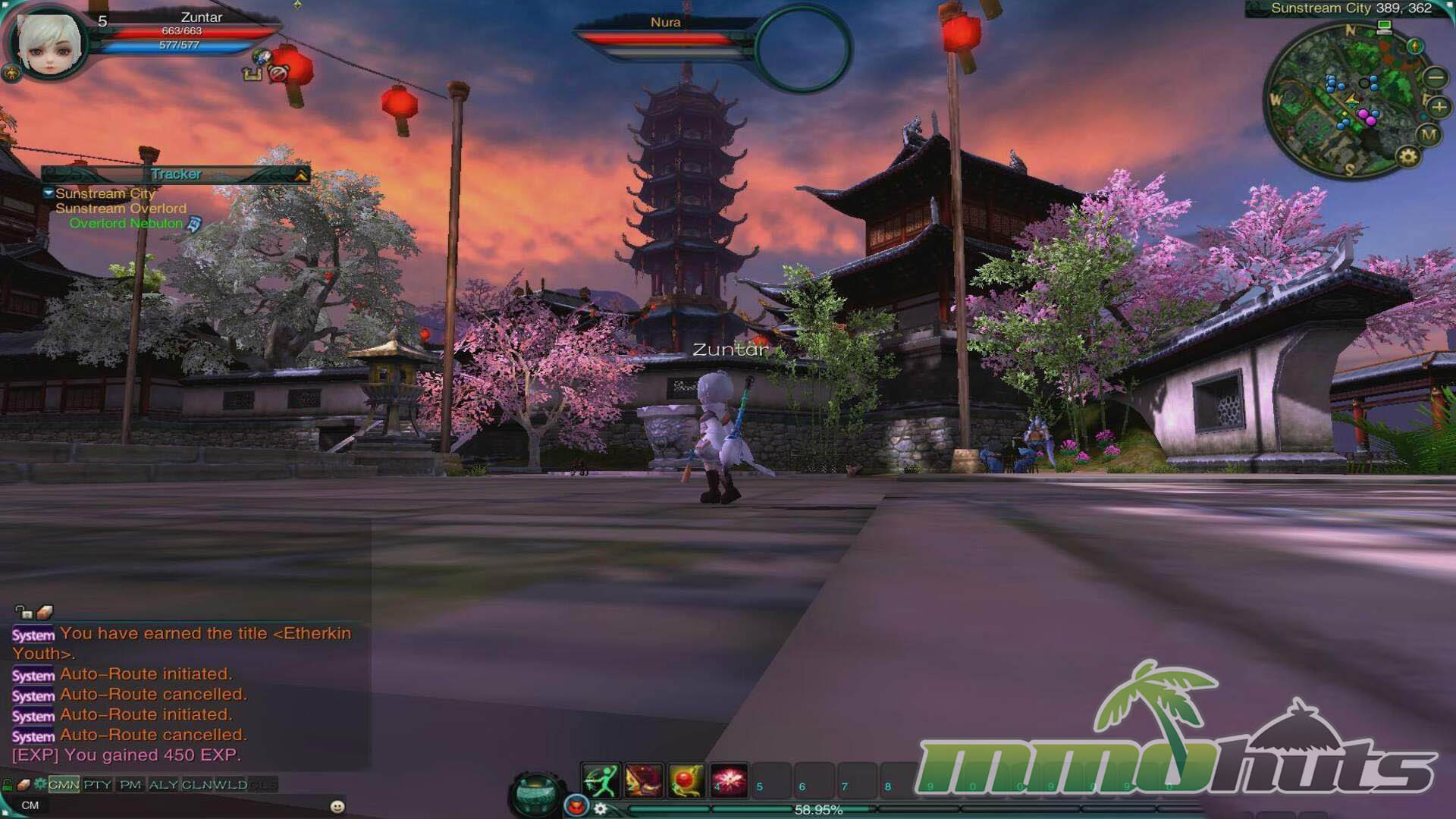
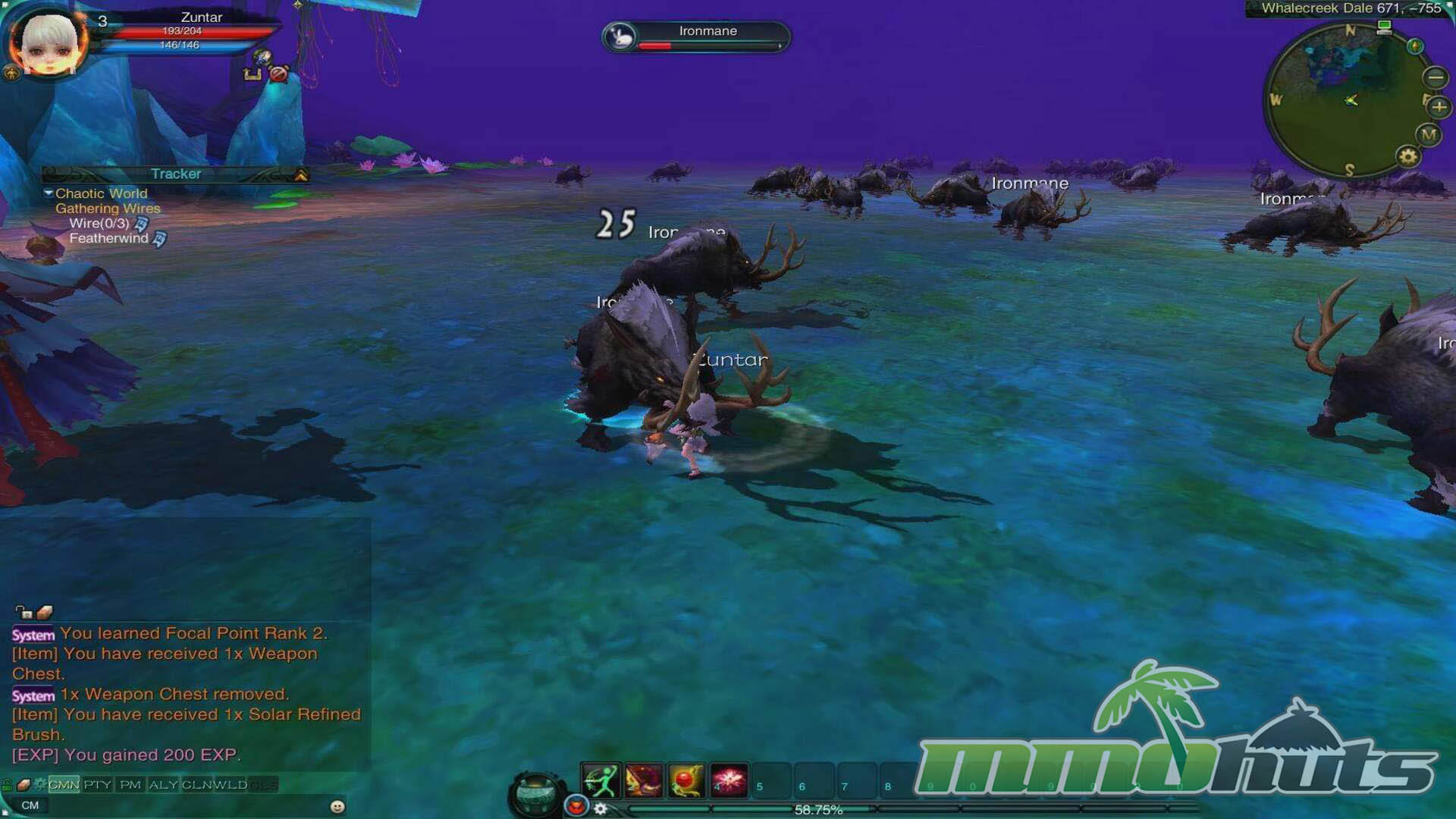

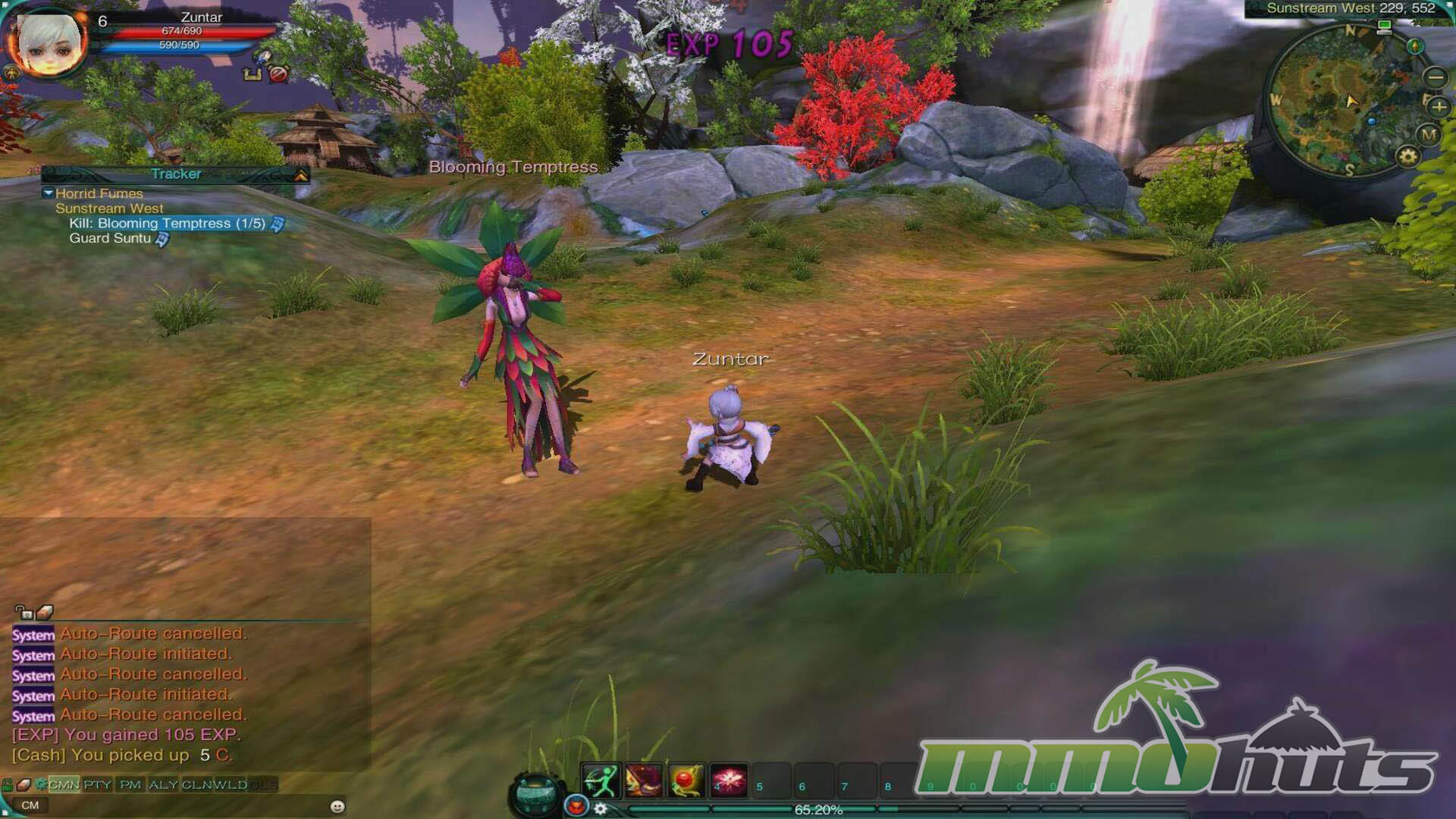

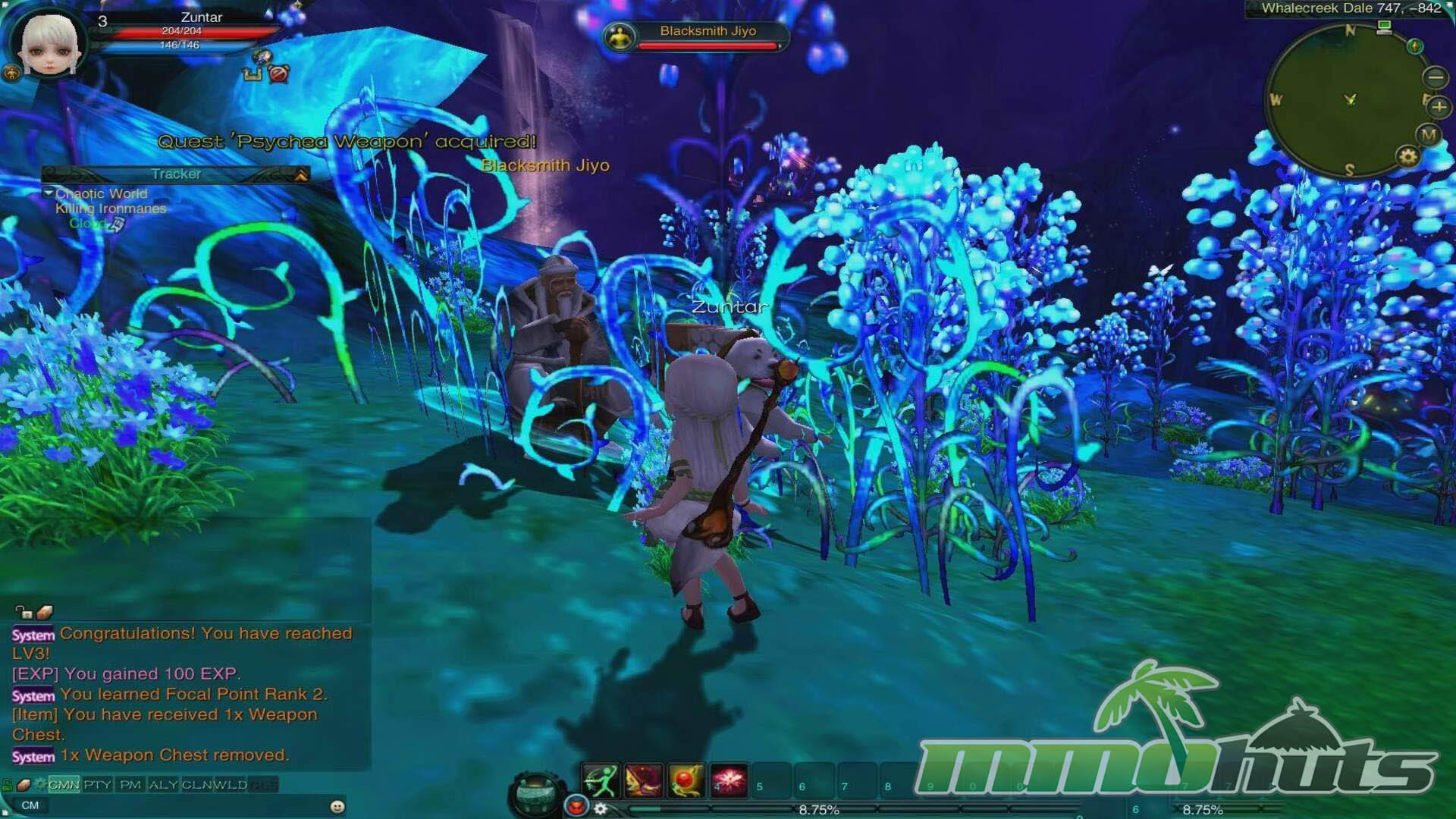
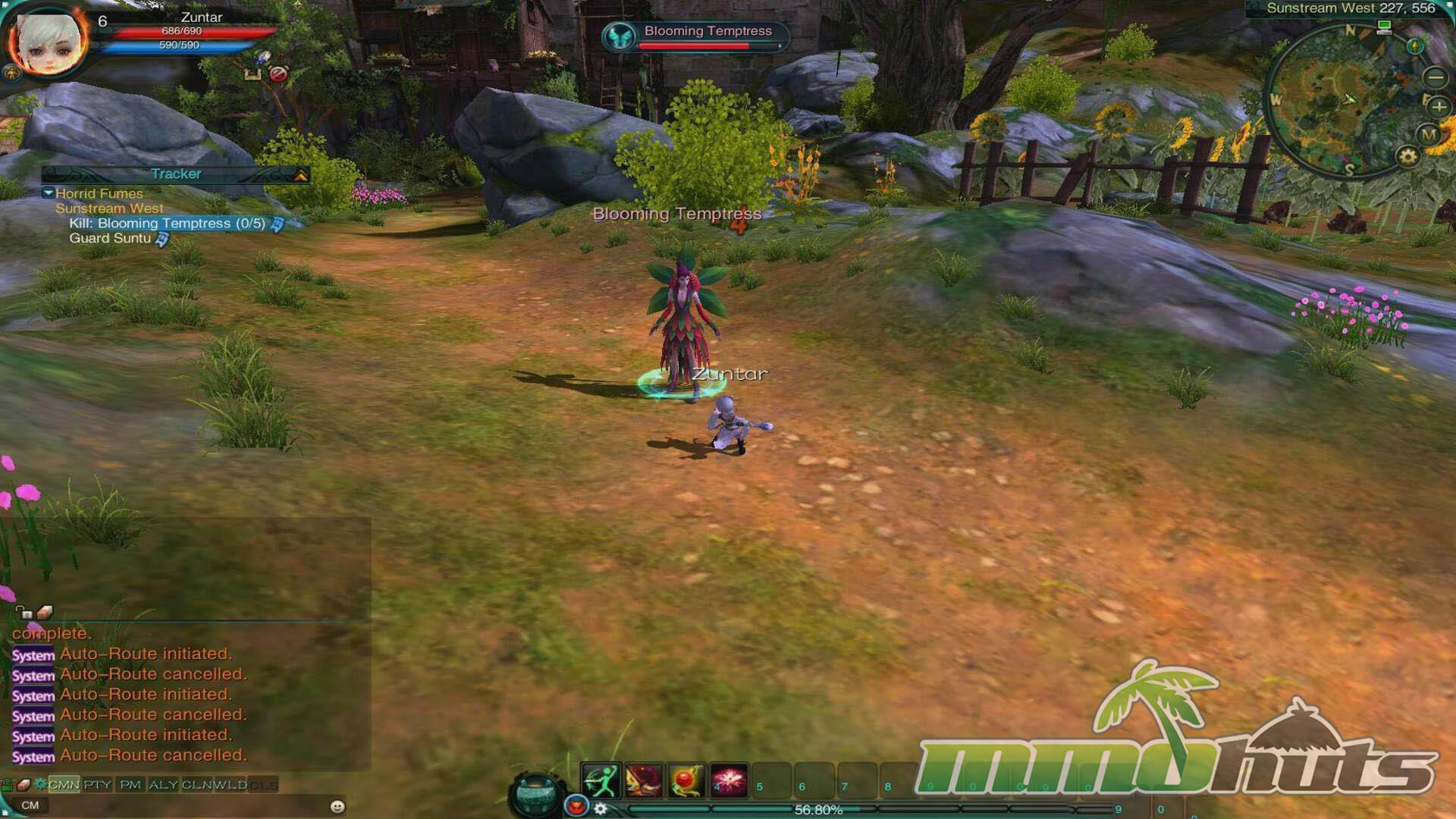

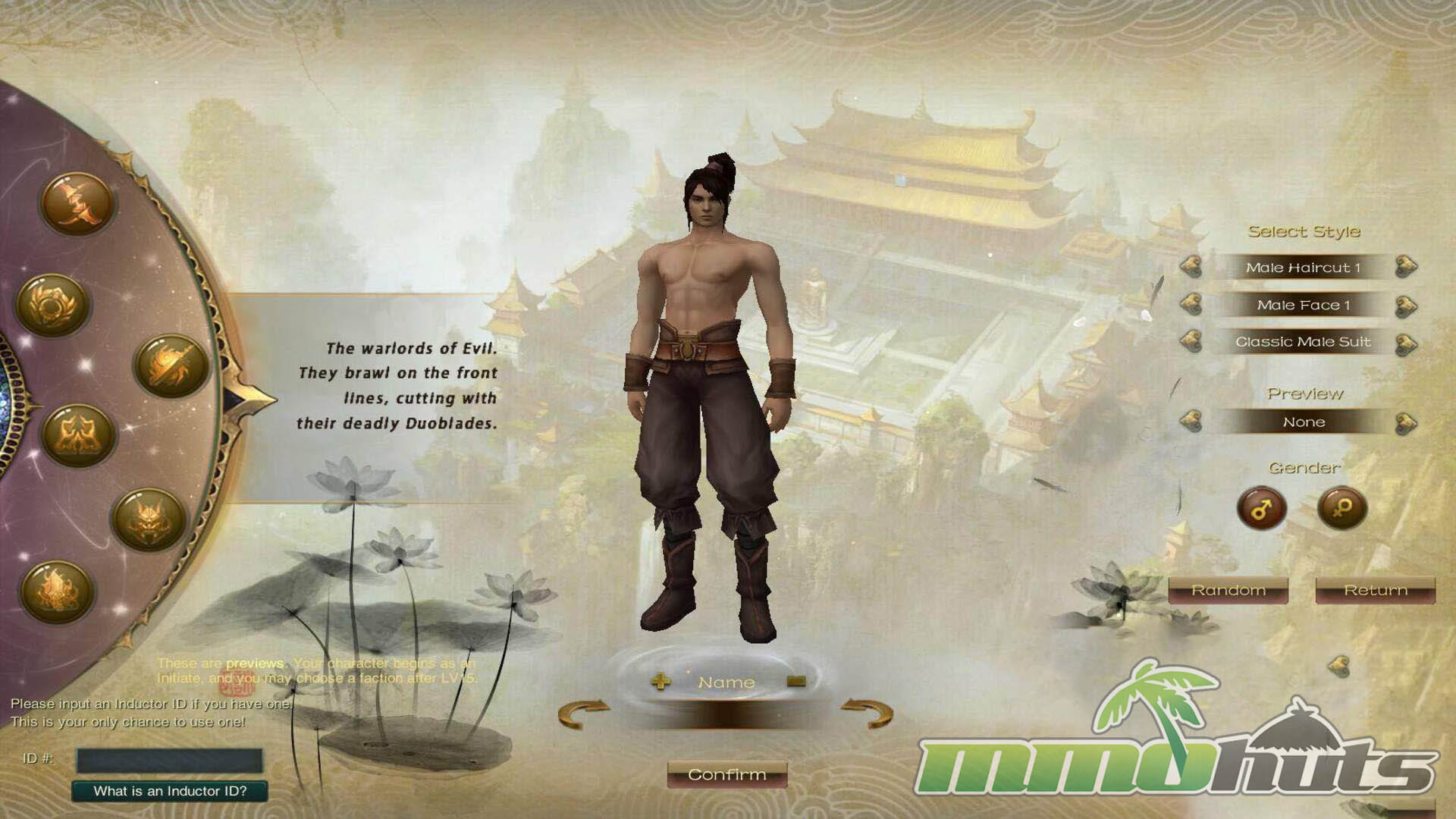

Jade Dynasty Featured Video

Jade Dynasty Classes and Races
Human Classes:
- Jadeon – disciplined fighters who blend weapon mastery with spellcasting, suited to players who like a balanced toolkit.
- Skysong – monk-like casters focused on support play, reinforcing allies with healing and buffs while disrupting opponents.
- Lupin – agile assassins built around burst windows, critical-heavy pressure, and quick debuffs, but they punish mistakes with low durability.
- Vim – a darker, more ruthless faction often described as anti-paladin in spirit, trading morality for raw power and intimidation.
- Modo – the necromancer-style option, flexible due to two forms, one favoring close-range fighting and the other leaning into ranged matchups.
- Incense Mage – justice-driven casters from Incense Valley, functioning as a hybrid that can support while still contributing serious damage.
Athan Classes:
- Balo – axe-wielding brutes with high health who are comfortable absorbing punishment and anchoring fights.
- Arden – fox-spirit descendants that fight as nature archers, gaining new summon options as they progress, with excellent range but fragile defenses.
- Rayan – stealth specialists who leverage shadow techniques and cloning tricks to create dangerous combo bursts.
- Celan – performance-themed fighters (the game’s bard-like faction), using chained effects to pivot between buffs, heals, and damage as needed.
- Forta – straightforward melee damage dealers designed to stay glued to targets and win through sustained pressure.
- Voida – spellcasters that juggle light and darkness, powering one side up to improve cooldowns and amplify the impact of select abilities.
Etherkin Classes:
- Psychea – small, doll-like summoners who control space with traps and large mechanical or celestial companions.
- Kytos – centaur-like cat warriors (male-only due to a gender lock) that charge into battle and can even act as a mount for allies heading to the front.
Jade Dynasty Review
Jade Dynasty (known as Zhu Xian in China) is a 3D martial-arts-themed MMORPG developed and published by Perfect World. It originally launched on May 21, 2009, and later received five major expansions, with Regensis positioned as the most recent.
Early Steps and First Impressions
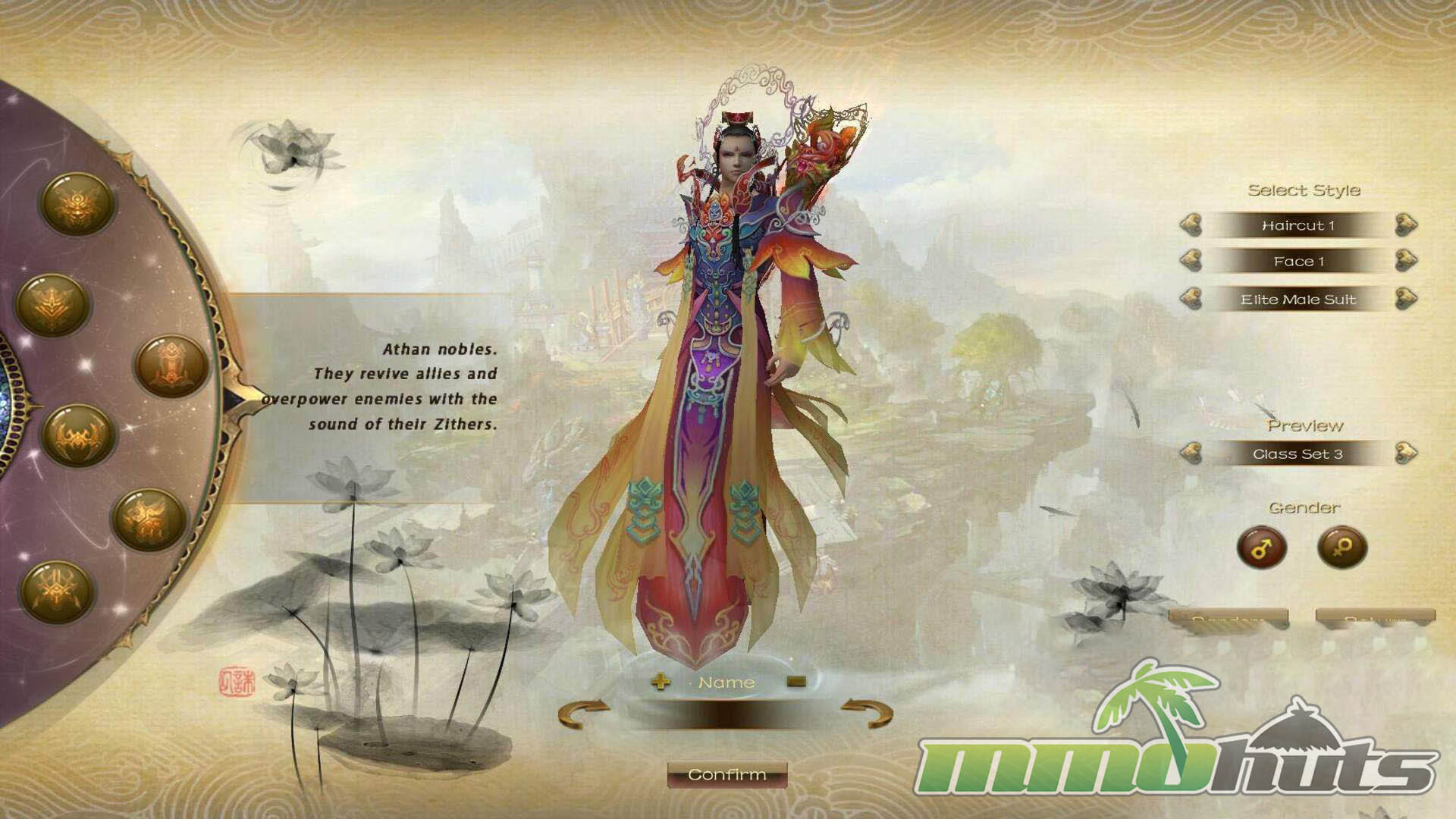
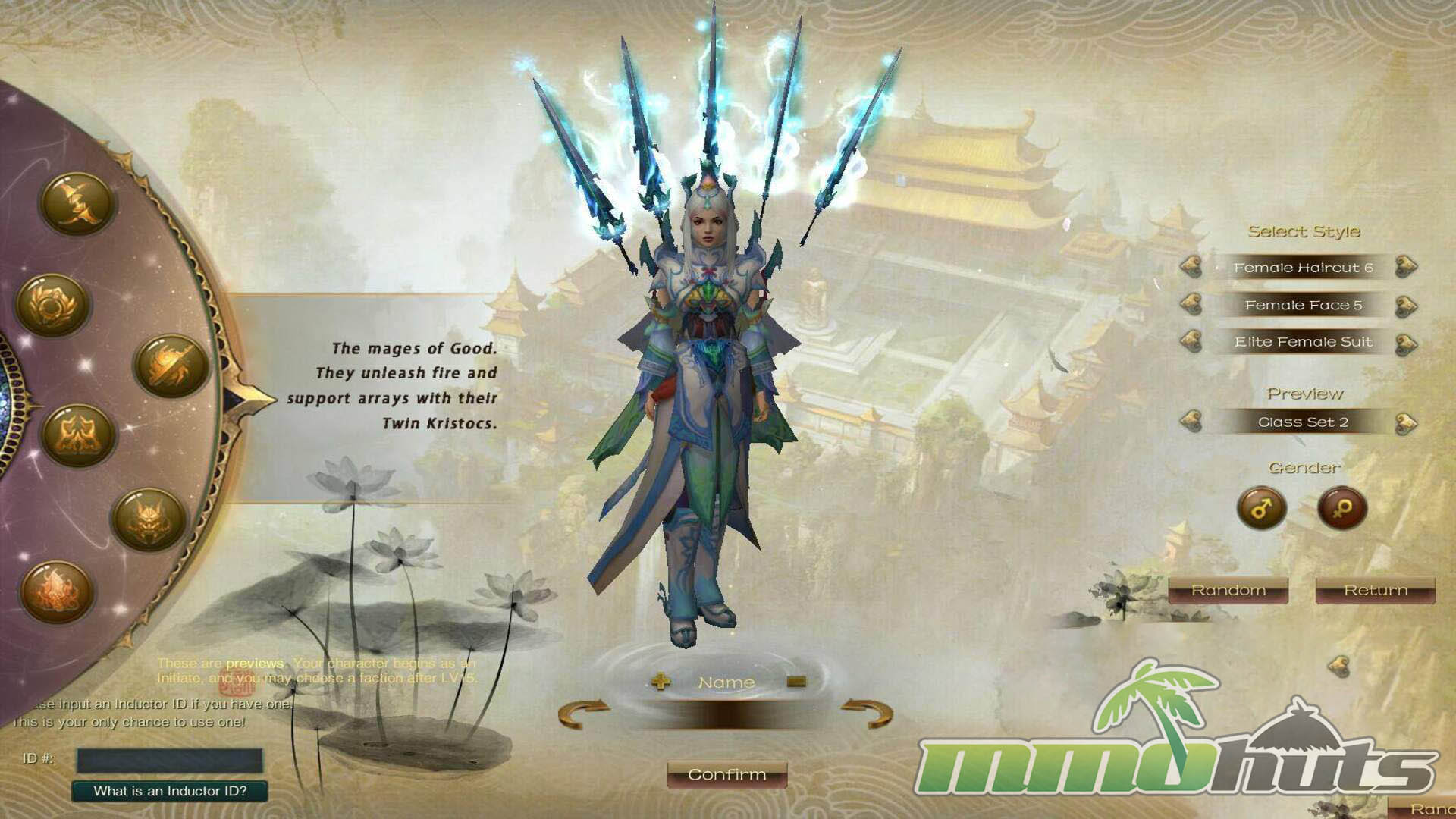
Getting into Jade Dynasty is fairly painless, largely because the Arc client keeps the process straightforward and familiar for anyone used to modern game launchers. After selecting a server, character creation puts you in front of three races and fourteen classes to start with. Cosmetic variety is serviceable rather than deep, you mostly pick from a limited set of faces and hairstyles, but it covers the basics.
One nice touch is the ability to preview high-tier armor looks for the class you are building, which helps set expectations about the long-term visual style. The Etherkin race, added later with Regenesis, stands out immediately because its two classes (Psychea and Kytos) look and feel intentionally different from the more traditional human and Athan silhouettes.
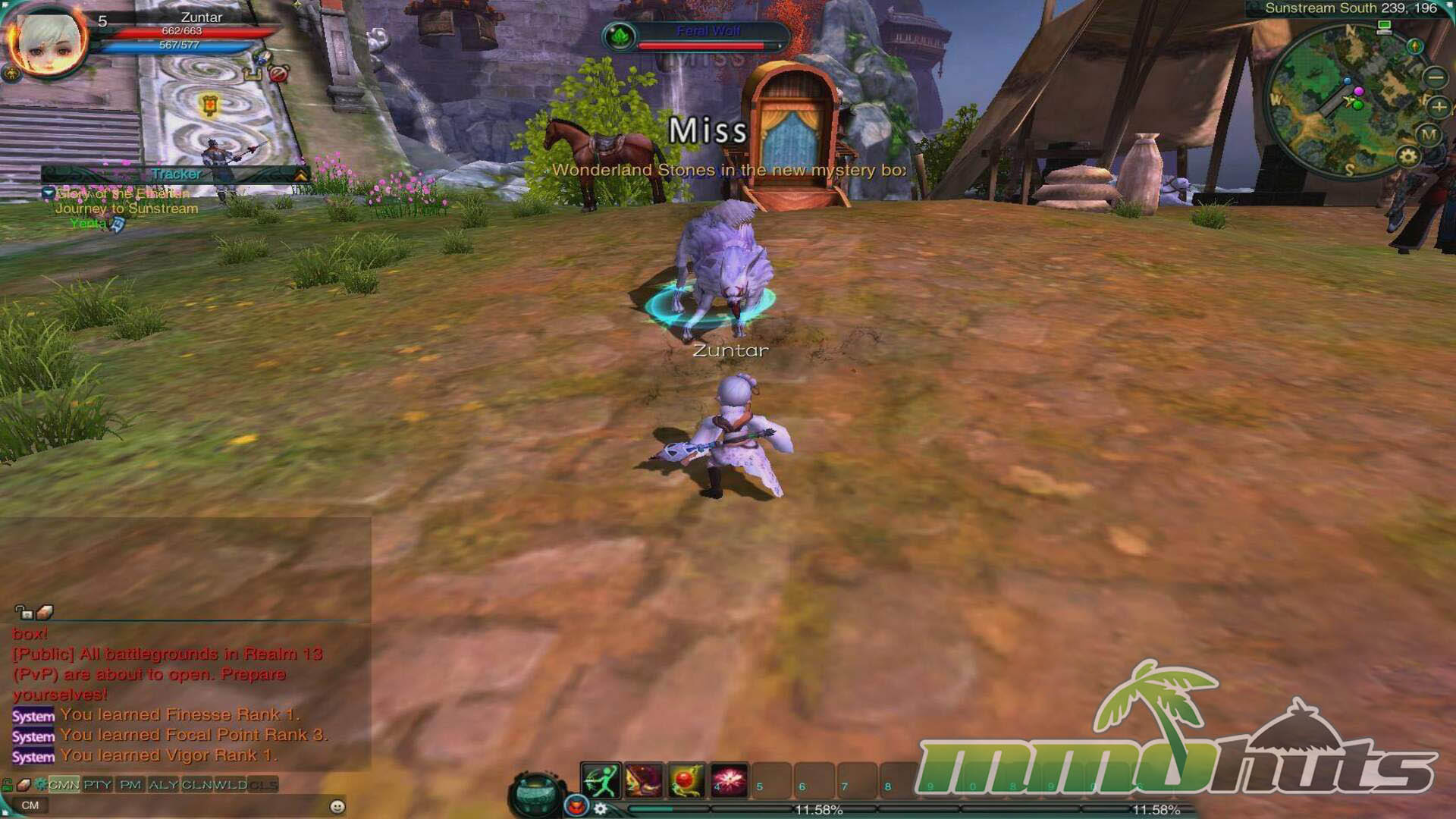
In terms of presentation, Jade Dynasty shares some visual DNA with other Arc Games offerings, especially in how zones and character effects are framed. The game’s questing flow is built for efficiency, with a tracker that lets you click objectives and automatically move to the correct location. It is convenient and time-saving, even if it reduces the sense of navigating the world yourself. Controls support standard WASD movement, and there is also a click-to-move option for players who prefer a more hands-off approach.
The Esper System and Automated Play
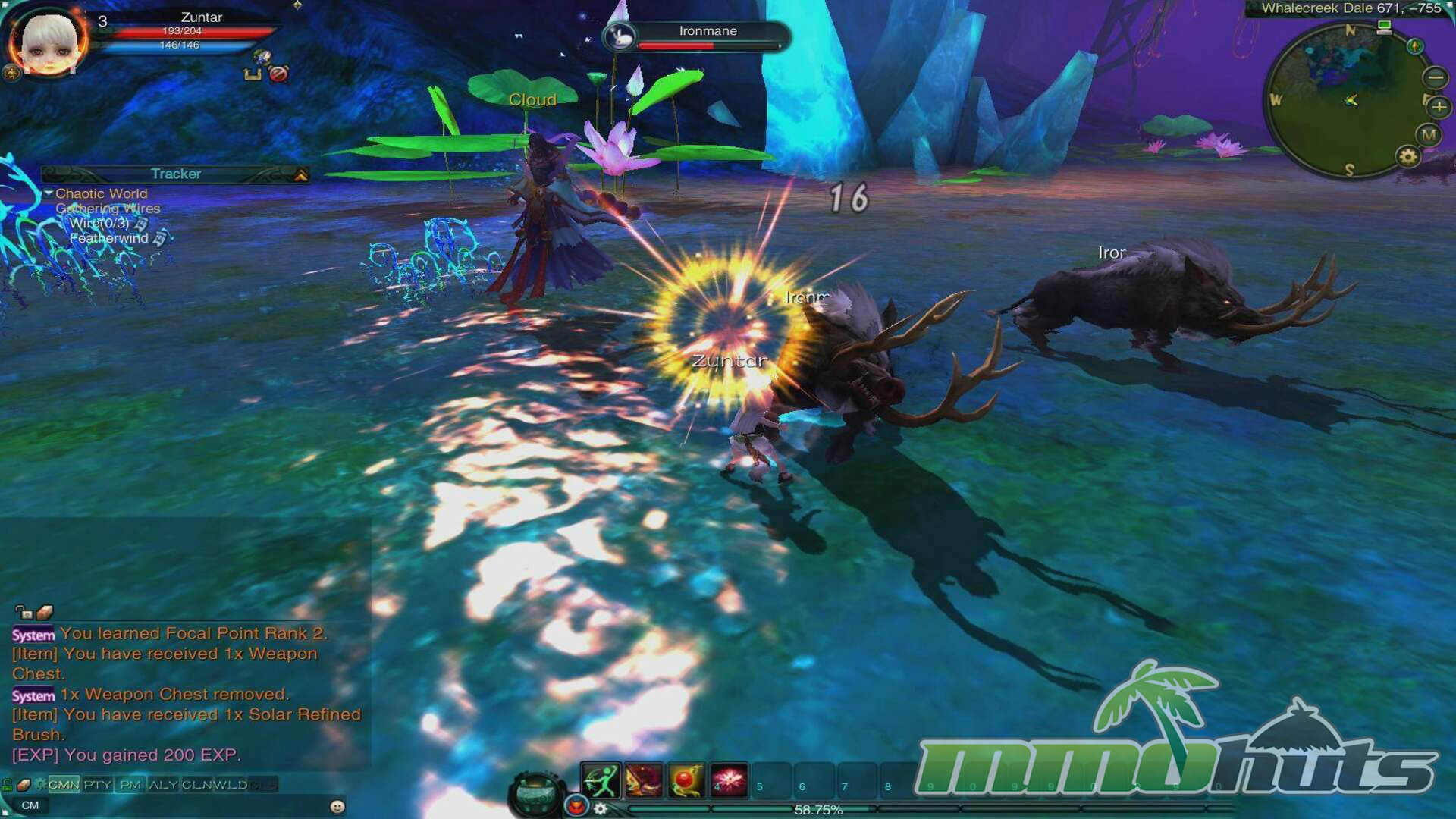
The feature most people associate with Jade Dynasty is the Esper, a built-in automation tool that can grind enemies for experience and drops. It is not purely a convenience button either, the Esper also functions as an item with stats, it can level up, and it can unlock extra skills and visual changes over time.
There is an obvious upside: the game does not force players into endless manual farming, and it also reduces the need for third-party bot programs. That said, the downside is equally clear. When progress is efficient while you are away from the keyboard, active play can start to feel optional, and that changes the feel of accomplishment. For players who want a more traditional MMO loop, this system can make the overall experience feel less personal and less earned.
Pets and Getting Around the World
Pets are a meaningful part of the PvE experience, acting as extra damage, additional tanking help, and a progression track of their own through leveling and appearance changes. They add a bit of long-term flavor to the character journey, especially for players who enjoy companion systems.
Travel is handled through a mix of services and items. Skylords provide town-to-town teleporting for a fee. Skyblades enable flight travel but are temporary and tied to energy items, with their own leveling through repeated use. Mounts exist in both temporary and permanent varieties, but permanent options are heavily associated with the cash shop, with only short-duration mounts commonly appearing through quests. Teleport charms can also be purchased and can send you to objectives or previously visited towns. In practice, some content feels tuned with these charms in mind, which can be frustrating for strictly free players.
Skill Tiers and Long-Term Progression
Class growth is structured around five tiers, unlocked through level milestones and quest chains. Each tier adds new skills and expands your build options, encouraging players to plan ahead rather than simply upgrading a single linear kit. Humans have an additional wrinkle, they begin as an Initiate and only transition into their chosen tiered path after reaching Level 15, while Athans and Etherkins begin their tier progression immediately from Level 1.
At higher levels, Jade Dynasty layers on multiple advancement systems: Ascension, Affinity, and Chroma. Ascension effectively rewinds you back to Level 15 while granting additional stats and benefits as you climb again, with outcomes influenced by when you choose to ascend and which skills you prioritize. Ascension also raises the level cap to 160, making it central to end-game progression.
Affinity becomes available at Ascended Level 90 through quests, offering three paths (Dagos, Fuwa, and Felkin). Each Affinity grants extra skills and opens a new zone for dedicated grinding and loot. Chroma is the next layer, unlocked at Ascended Level 120 once an Affinity is chosen. By consuming Chroma Beads, you gain Chroma levels that provide further skills and stat bonuses. With 20 Chroma skills for each Affinity/class pairing, the late game ends up offering a notable amount of build variety.
Monetization: Marketplace, Treasure Chest, and Brocade Box
Jade Dynasty’s business model centers on the Marketplace cash shop. The game is playable without paying, but there is a clear advantage to spending, especially when it comes to convenience and mobility. The shop’s catalog is broad, covering buffs, pets, mounts, flight tools, consumables, cosmetics, gems, storage, respec items, and teleportation options.
New characters also receive a Treasure Chest that delivers shop items at five-level intervals, which helps early progression feel smoother. The Brocade Box ties into a referral system: a new player can enter a code from a Level 60+ character to receive one, and the higher-level player earns bonus cash-shop currency as the recruit levels. It is one of the more direct ways the game encourages social recruiting, and it also provides a path for free-to-play users to gain some momentum through community connections.
The biggest sticking point is still mounts: permanent mounts being largely locked behind the cash shop can make the world feel less welcoming to players who expect basic travel tools to be earned through gameplay.
What Else Is Here
Beyond leveling and gearing, Jade Dynasty includes a wide set of MMO staples and social hooks: PvP battlegrounds, clan structures, alliances, marriage, master-apprentice progression, crafting, and end-game PvE content like dungeons and raids. It also features periodic activities such as fairs and fishing competitions that help break up the routine. Given how long it ran and how many updates it accumulated, there is a substantial amount of content and systems for players to explore.
Final Verdict – Good
Jade Dynasty holds up as an enjoyable MMORPG with strong class variety, attractive visuals, and a progression model that offers multiple layers for long-term players. It is not without rough edges, minor bugs and oddities can show up, and the automation and monetization choices will not appeal to everyone. Still, for players who enjoy wuxia-flavored worlds and do not mind convenience-heavy systems, it is an MMO that was easy to recommend at least trying.
Jade Dynasty Links
Jade Dynasty Official Website
Jade Dynasty Official Wiki (Database / Guides)
Jade Dynasty Wikipedia Page
Jade Dynasty System Requirements
Minimum Requirements:
Operating System: Windows XP SP2 / 2000 / Vista / 7
CPU: Intel Pentium 4 2.8 GHz / AMD Athlon XP 2600+
Video Card: Nvidia GeForce 9500 GT / ATI Radeon HD 3850
RAM: 1 GB
Hard Disk Space: 8 GB
Recommended Requirements:
Operating System: Windows 7 / 8
CPU: Intel Core 2 Duo 2.8 GHz / AMD Equivalent or better
Video Card: Nvidia GeForce 8800 GTX / ATI Radeon 4850 or better
RAM: 4 GB or better
Hard Disk Space: 8 GB
Jade Dynasty Music & Soundtrack
Jade Dynasty Additional Information
Developer: Perfect World Entertainment
Game Engine(s): Angelica 3D
Closed Beta Date: May 21, 2009 – June 14, 2009
Foreign Publishers:
China: Beijing Perfect World
Europe: Perfect World Europe
Shutdown Date: June 5, 2018