Project Gorgon is an MMORPG that mixes modern conveniences with the kind of old-school, community-driven design many long-time MMO players miss. It is primarily a PvE sandbox where experimentation is the point, you develop your character by using and discovering skills, and the world’s social fabric matters more than racing to an endgame checklist.
 | Publisher: Elder Game, LLC Playerbase: Low Type: MMORPG Release Date: March 13, 2018 (Early Access) Pros: +Huge skill selection with constant discovery. +NPC favor makes progression and quests feel personal. +Boss fights have memorable curse consequences. Cons: -Very limited character creation options. -Interface can be awkward to manage. -Movement often feels stiff. |

Project Gorgon Overview
Project Gorgon is a sandbox MMORPG led by Eric Heimburg (known for work on Asheron’s Call) alongside Sandra Powers, a producer with credits including Asheron’s Call and EverQuest II. Instead of leaning on player conflict, it frames the sandbox around cooperation and shared PvE goals, with a world that rewards curiosity and social play. Character growth is skill-driven rather than class-locked, you can push a wide range of combat and non-combat skills to their caps independently, and you are encouraged to build your own identity through what you practice, not what you selected on a creation screen.
The world itself aims for immersion through systems that make NPCs feel less like vending machines for quests. Many NPCs have preferences and expectations, and they open up over time rather than dumping a chain of tasks on you immediately. Out in the field, bosses are more than loot piñatas. If you lose, some of them inflict a lasting curse, creating a tangible reason to regroup and come back prepared rather than simply respawning and moving on.
Project Gorgon Key Features:
- Sandbox – pursue advancement in the order and style you prefer.
- Skill-based – uncover and train a wide range of skills through active use.
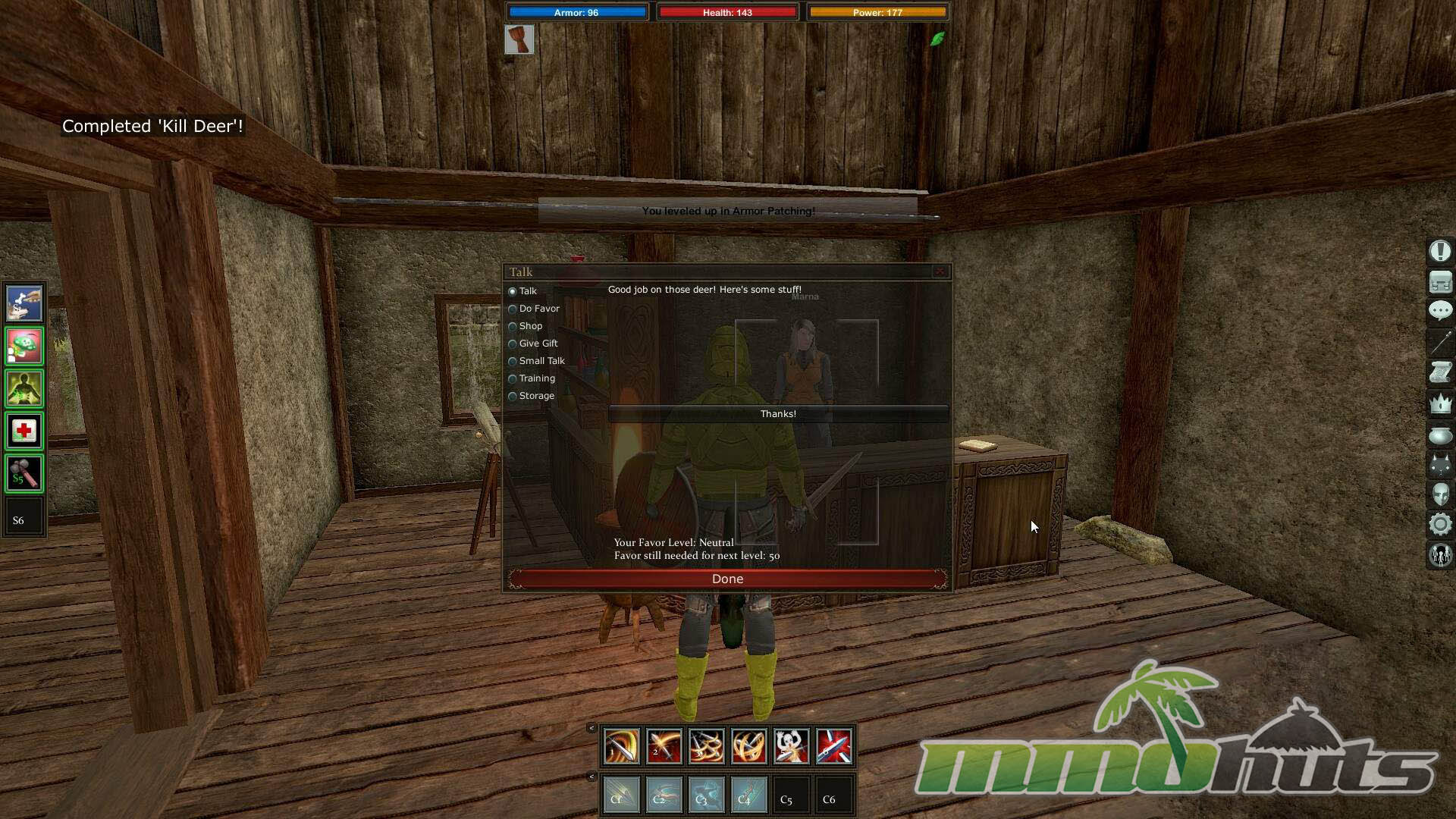
- Earn the favor of NPCs – increase favor via quests and gifts to unlock additional opportunities.
- Curses – losing to certain bosses can leave you afflicted until you overcome them.
- Animal forms – embrace Lycanthropy with transformations tied to the real lunar cycle, or suffer a curse that leaves you living life as a cow.
Project Gorgon Screenshots
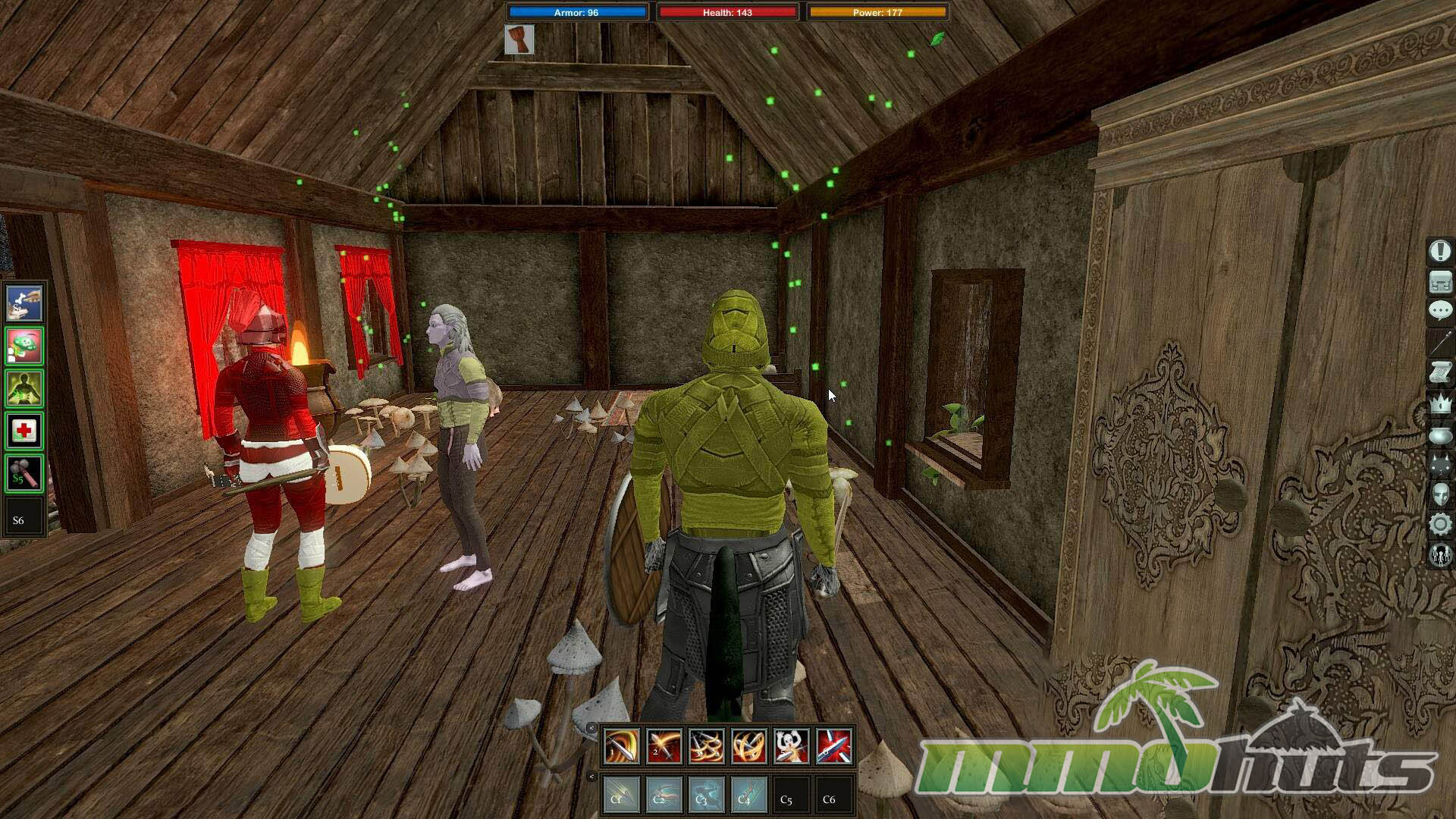

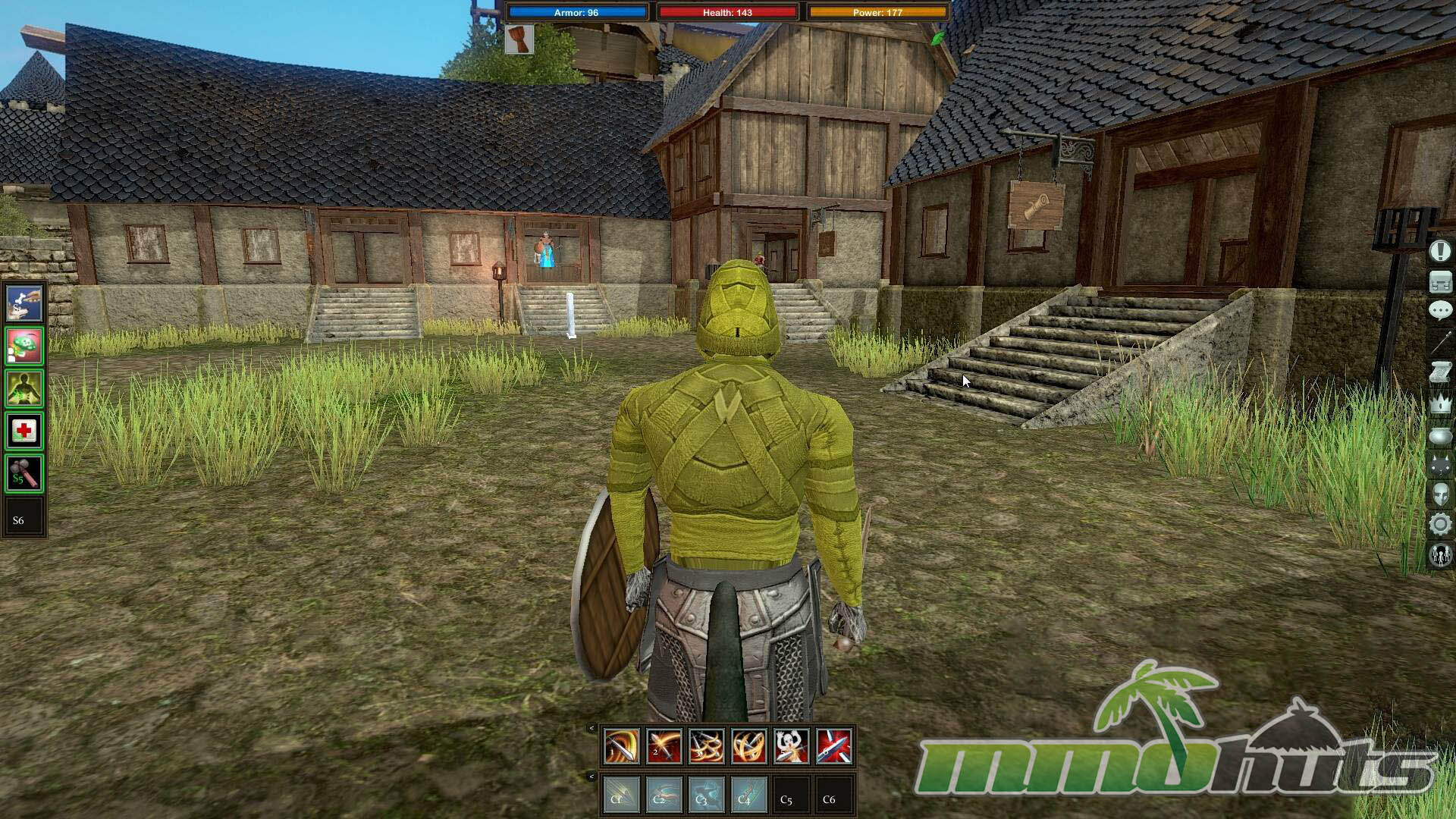
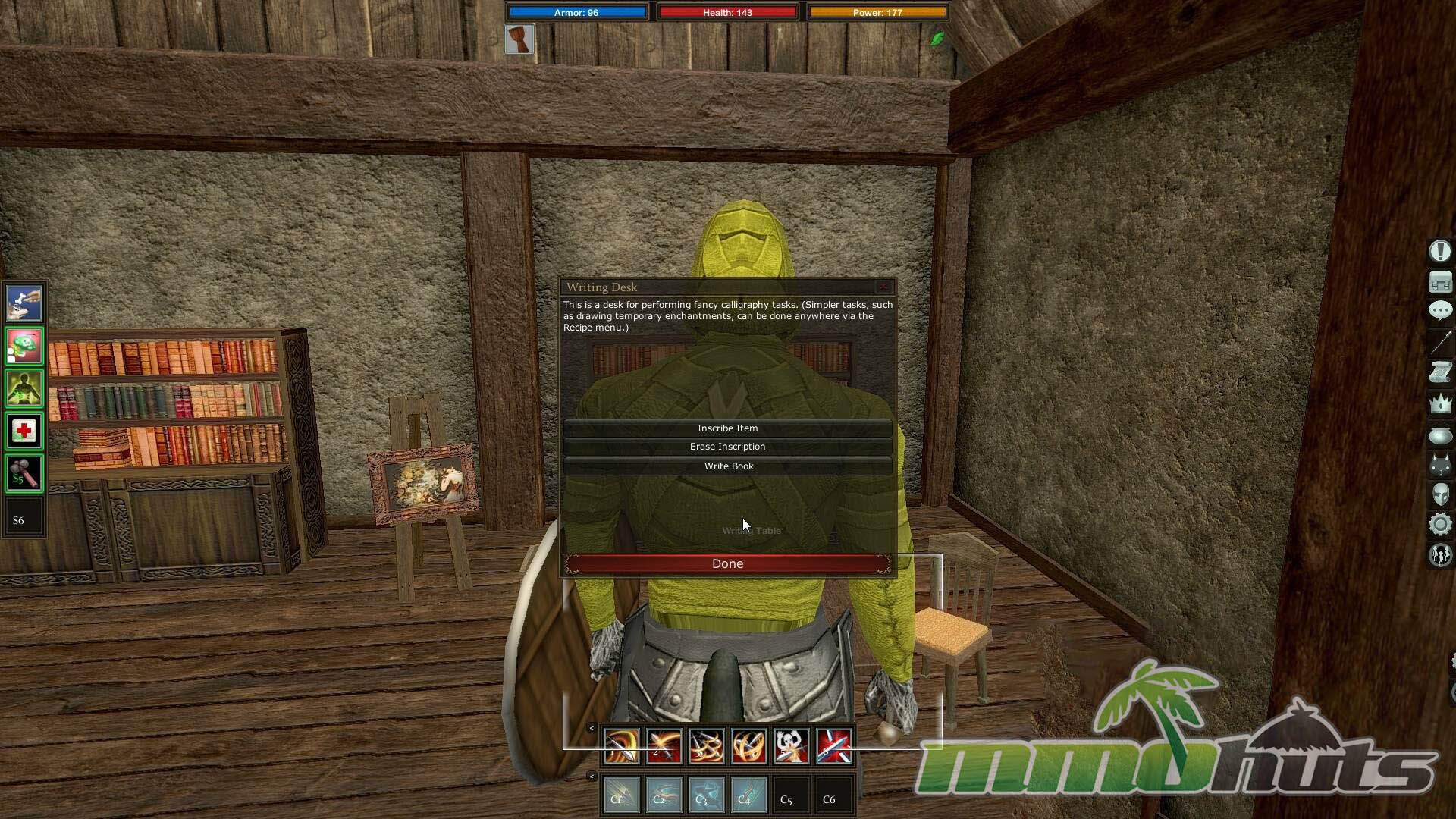
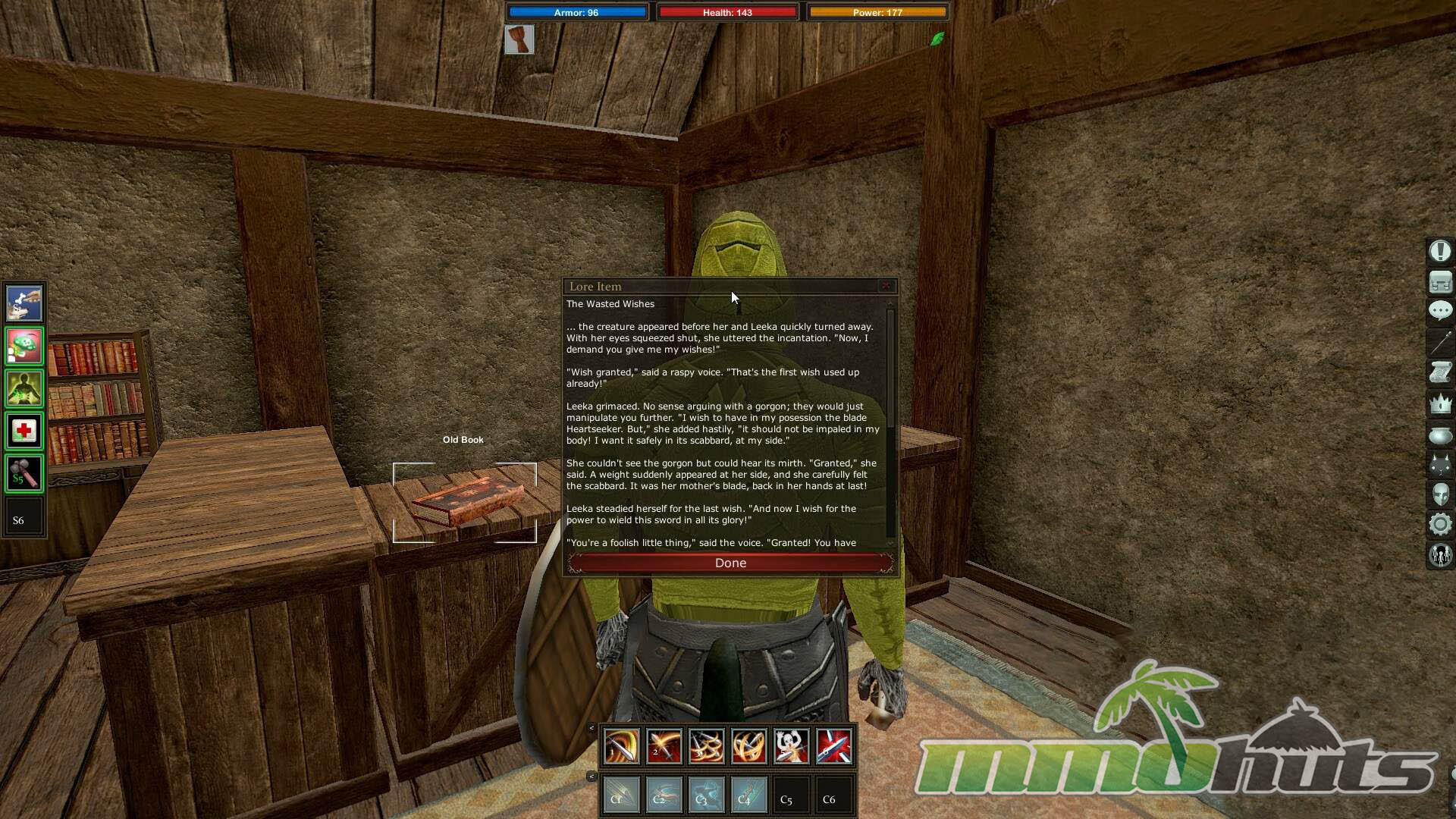


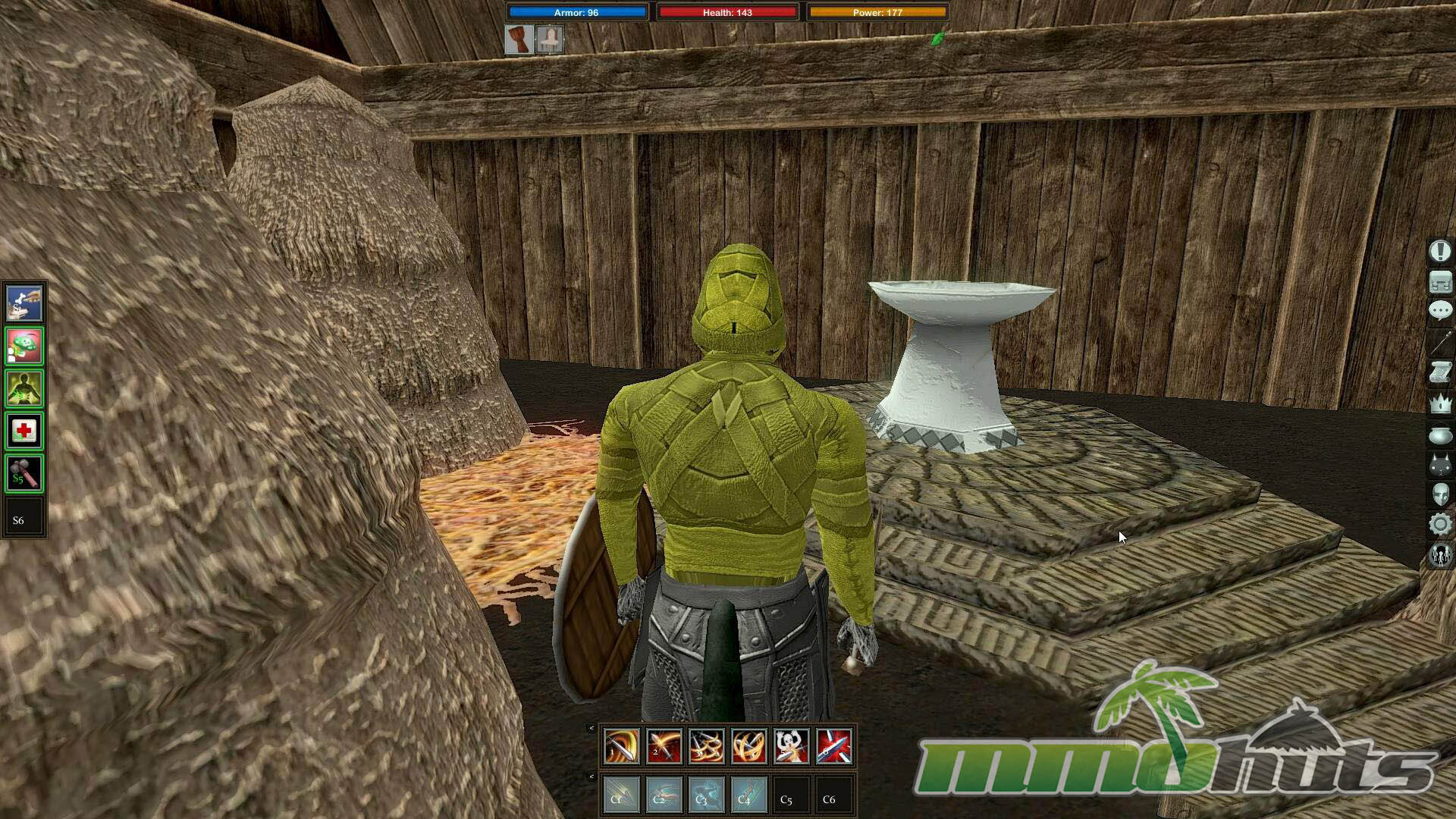

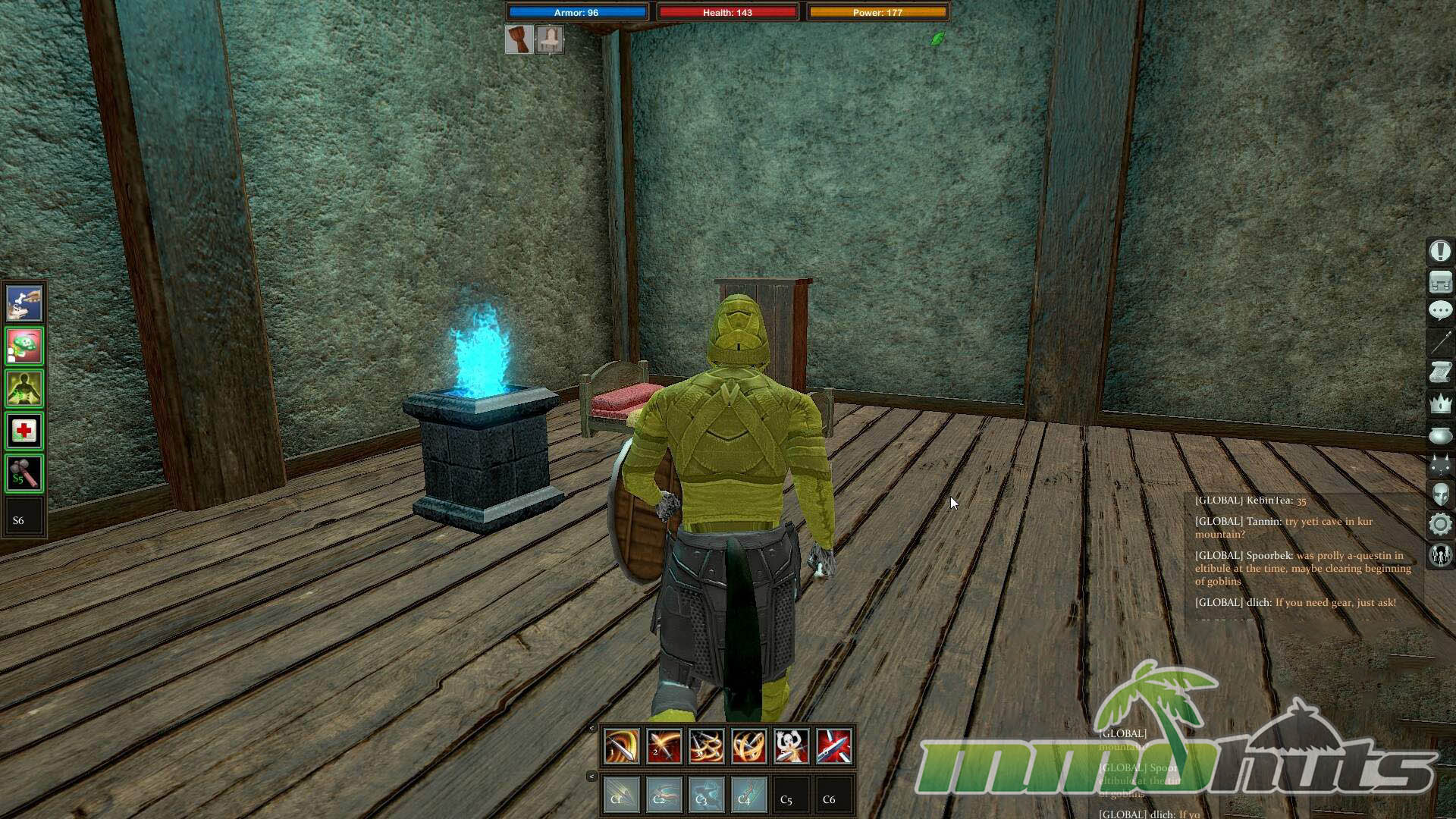
Project Gorgon Featured Video

Project Gorgon Review
Note: This review reflects impressions formed during an early pre-release build made available through the game’s Kickstarter period. Some systems and presentation have evolved over time.
Project Gorgon has often been compared to a modern take on Asheron’s Call, and the resemblance is less about visuals and more about philosophy. It is a systems-forward MMO that expects players to learn by doing, talk to each other, and treat the world as a place to inhabit rather than a themepark ride to complete. It is also notable for its scope relative to its small team, with an ambitious set of mechanics that would be unusual even in a larger-budget MMO.
The result is a game that can feel rough around the edges, but also one that routinely surprises you with how many different directions your character can grow. If you enjoy experimentation, oddball builds, and a PvE sandbox where progress comes from knowledge as much as numbers, Gorgon offers a distinctly different flavor from most modern MMORPGs.
First Steps
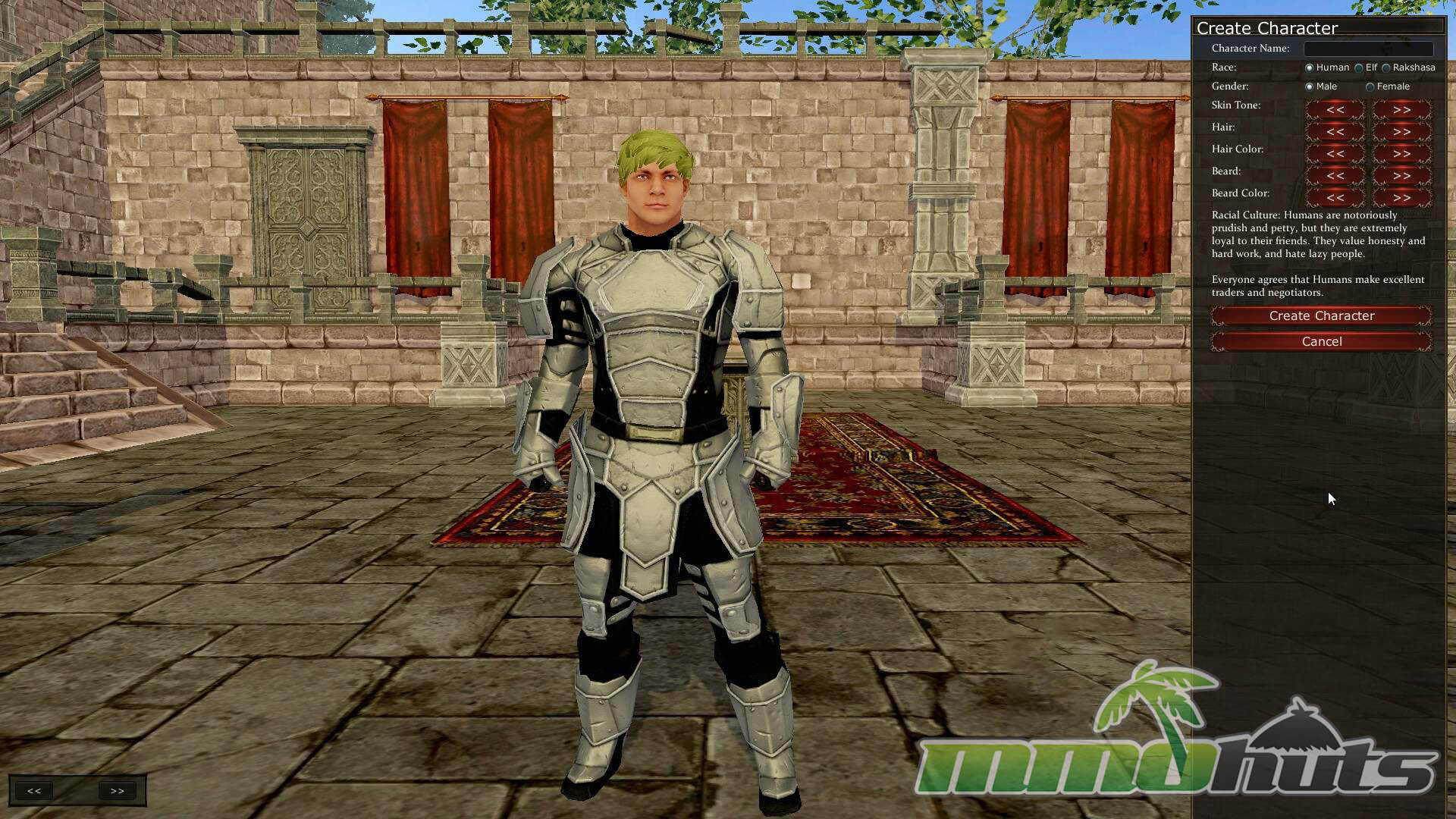
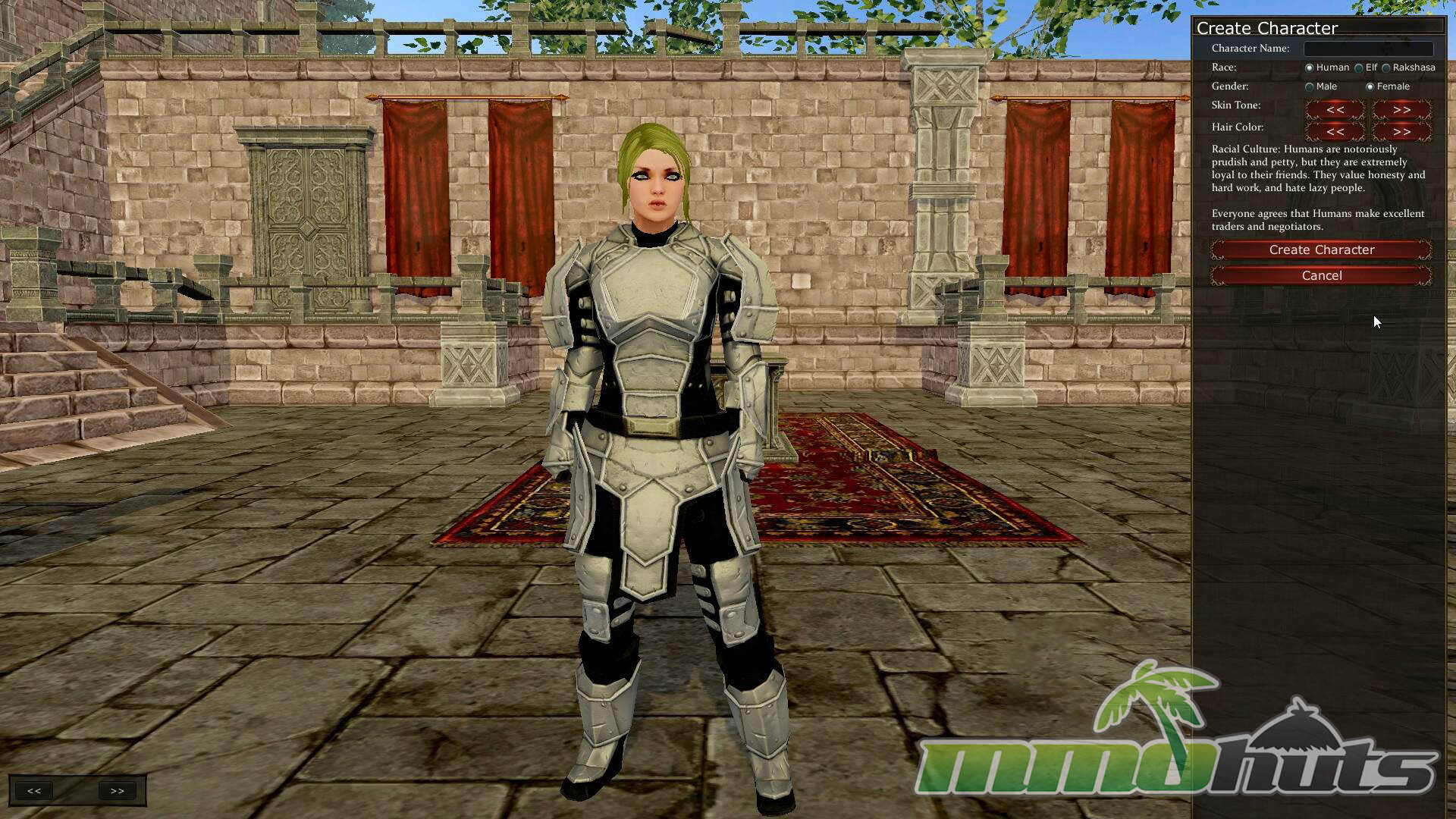
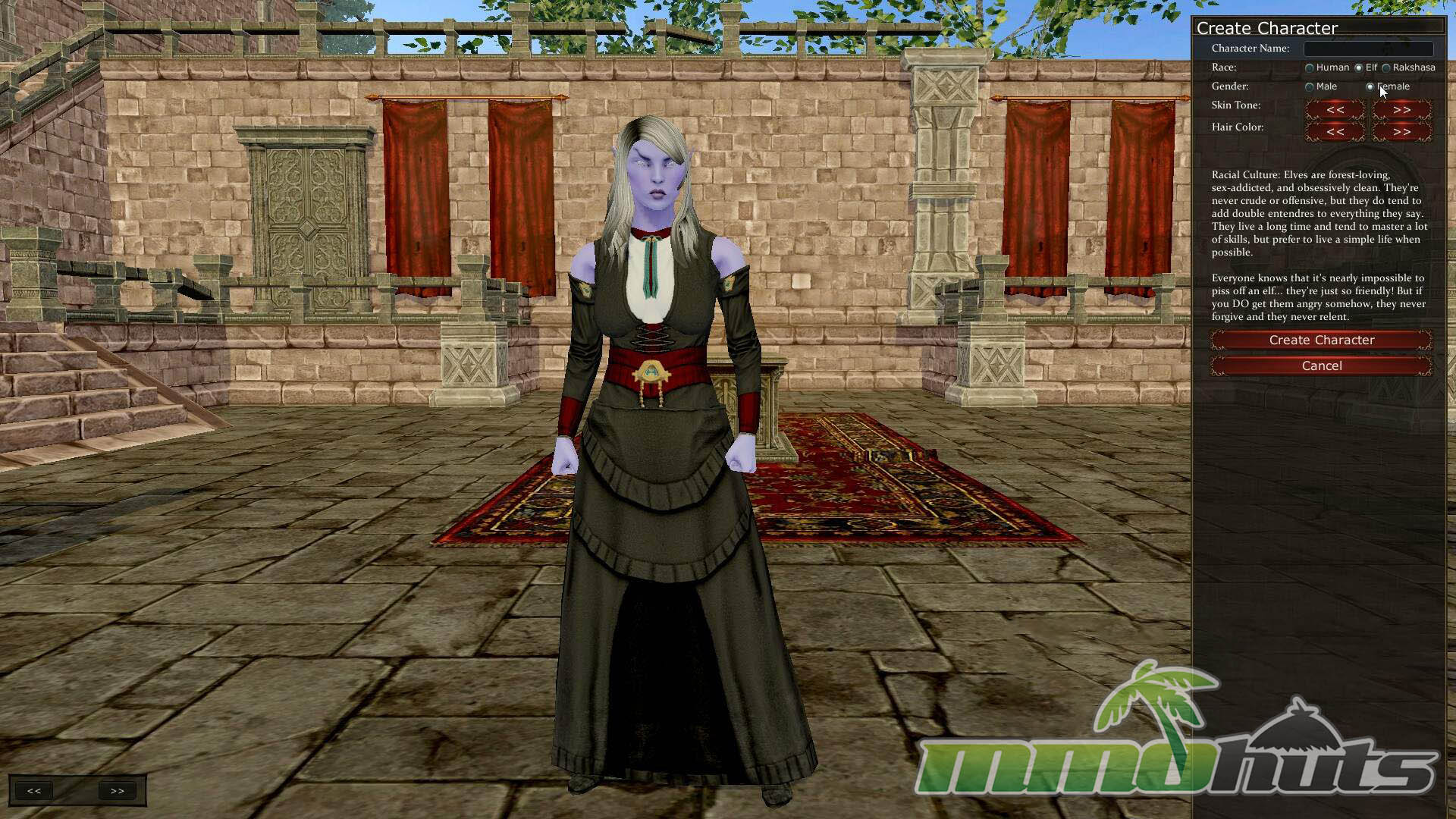
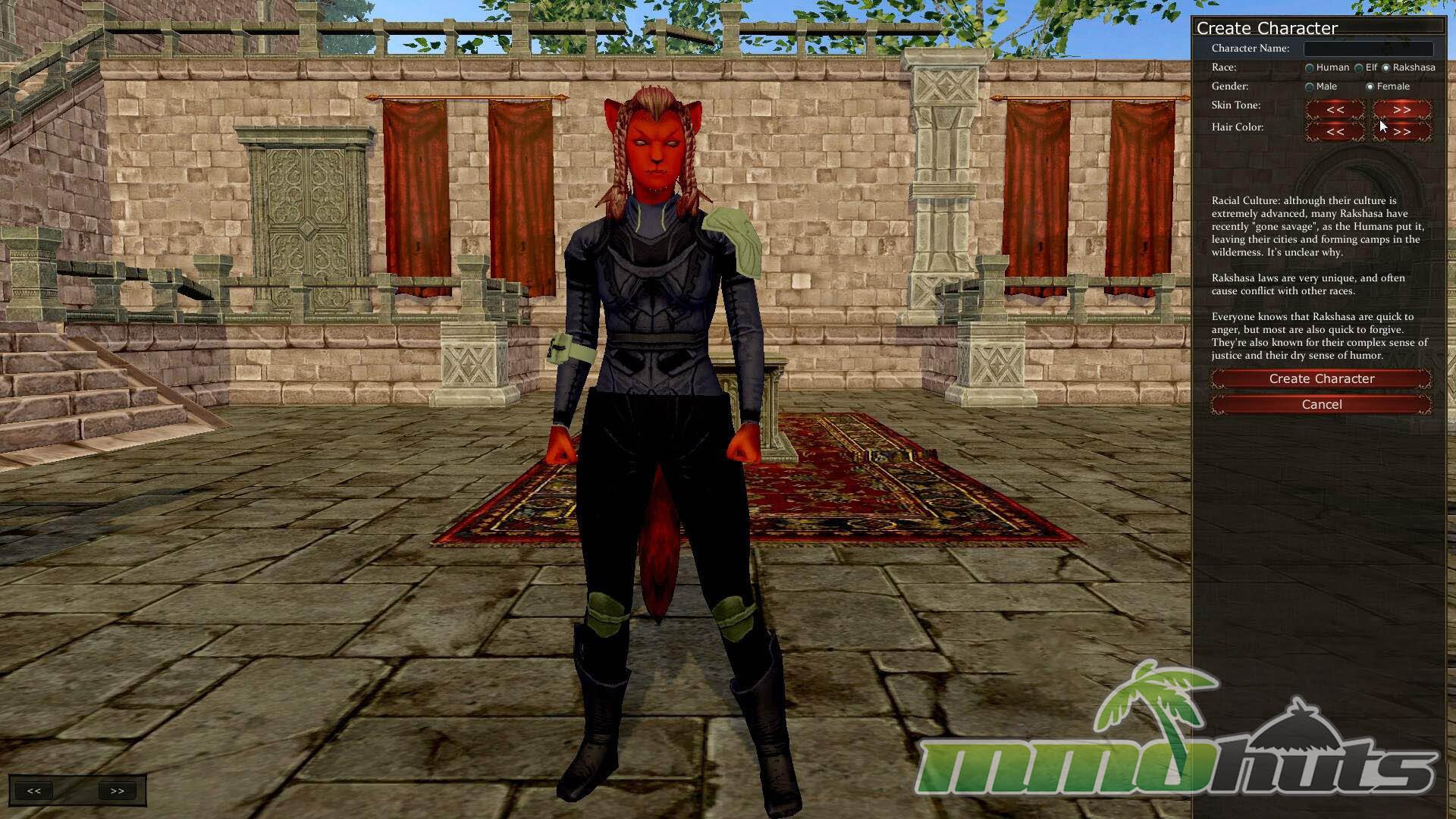
The initial onboarding is not the game’s strongest hook. Character creation is extremely barebones, with only a few race options (oddly labeled as “classes”), gender selection, and very limited color choices. If you are used to modern MMOs with sliders and detailed face sculpting, this will feel dated immediately, and it is hard to craft a unique-looking avatar right from the start.
After that, the opening scenario drops you into a prison cell with a straightforward “figure out how to get out” setup. It reads like a tutorial, but it does not hold your hand with the sort of rigid quest tracking many players expect. In the moment it can feel plain, almost too quiet, until the game’s defining trait begins to show itself.
The first time you interact with the environment and receive experience for it, the game’s intentions become clear. You are not only leveling a character, you are building a catalog of competencies, and nearly everything you do can become a skill track.
A Skill System That Keeps Unfolding
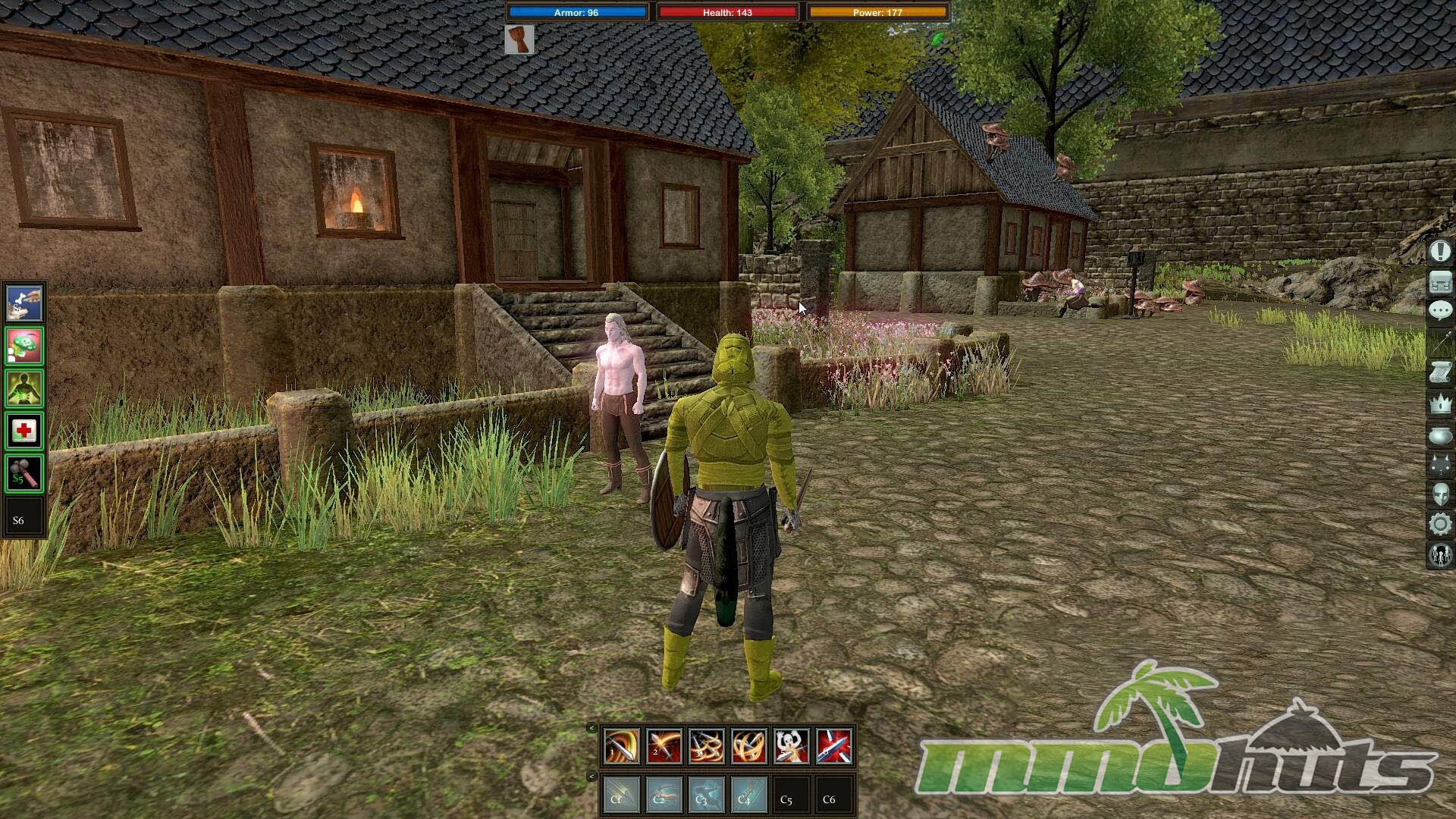
Project Gorgon’s skill list is the centerpiece, and it is unusually broad even by sandbox standards. The most striking part is how often you stumble into new progression lines simply by behaving like a curious player. Gathering, exploration, and experimentation are not side activities, they are often the main way you define your character.
A simple example is harvesting. Picking mushrooms advances Mycology, and different mushroom types require different Mycology levels to collect. Other gatherables feed into separate progressions, such as Foraging, which reinforces the idea that the game wants you to specialize through practice rather than funnel you into a generic “gathering” skill.
Combat follows the same philosophy. Weapon styles are trained independently, so swords, shields, bows, and other options become their own paths. Even stranger (in a good way), some “combat skills” are transformations or conditions, with Lycanthropy being the standout. It is not just a cosmetic form, it is a combat identity, and the game ties its transformation behavior to the real-world lunar cycle, which is the kind of detail you almost never see in this genre.
Then there are the niche systems that make the world feel like it has extra layers. Autopsying defeated creatures, for instance, becomes its own avenue of advancement, with Anatomy experience subdivided by creature type. The fact that there is even a dedicated category like “Dinosaur Anatomy” for autopsying chickens communicates exactly what kind of game this is, earnest in its mechanics, and not afraid to be weird.
[b]World Tone and Personality[/b>
Gorgon’s setting is not built to be a perfectly coherent high fantasy epic. It is eclectic, sometimes intentionally goofy, and often memorable because it refuses to be predictable. You can move from familiar fantasy spaces into situations that feel like they belong in a more surreal RPG, and that contrast is part of its charm.
The standout “signature” feature is the boss curse system. Bosses are meant to be taken seriously, and losing can carry a lasting consequence that changes how you play until you resolve it by defeating the source. Some curses are simply inconvenient, others are socially hilarious, with the notorious cow transformation being the one most players remember. It is both punishment and story generator, because the world reacts differently when a “cow” is chatting in town like it is the most normal thing in the world.
That said, the game’s environments can also show their iterative development. Some spaces feel unfinished or awkwardly arranged, and you will occasionally run into areas that lack the visual cohesion you would expect from a more polished production. These rough spots do not erase the game’s strengths, but they can pull you out of the experience, especially early on when you are still deciding whether the game’s idiosyncrasies are for you.

Freedom Versus Guidance
Sandbox MMOs often struggle with the “what now?” problem, and Project Gorgon tries to meet players halfway. You can ignore quests and still make meaningful progress through skill training, exploration, and combat. At the same time, towns provide NPC-driven tasks for players who prefer a bit of structure.
The twist is that these quests are not primarily about loot or traditional narrative arcs. They are largely about building relationships via a favor system. Completing tasks increases your standing with an NPC, and higher favor unlocks more interactions and additional quests. Progressing favor is not only about finishing objectives, either, you may need to bring gifts to move the relationship forward.
This approach can feel slower and more repetitive than a typical quest chain, but it also makes the world feel more personal. You are not just helping “the quest hub,” you are earning trust with specific characters. For players who enjoy roleplay-adjacent systems or community-driven progression, this can be surprisingly effective.
Interface and Feel
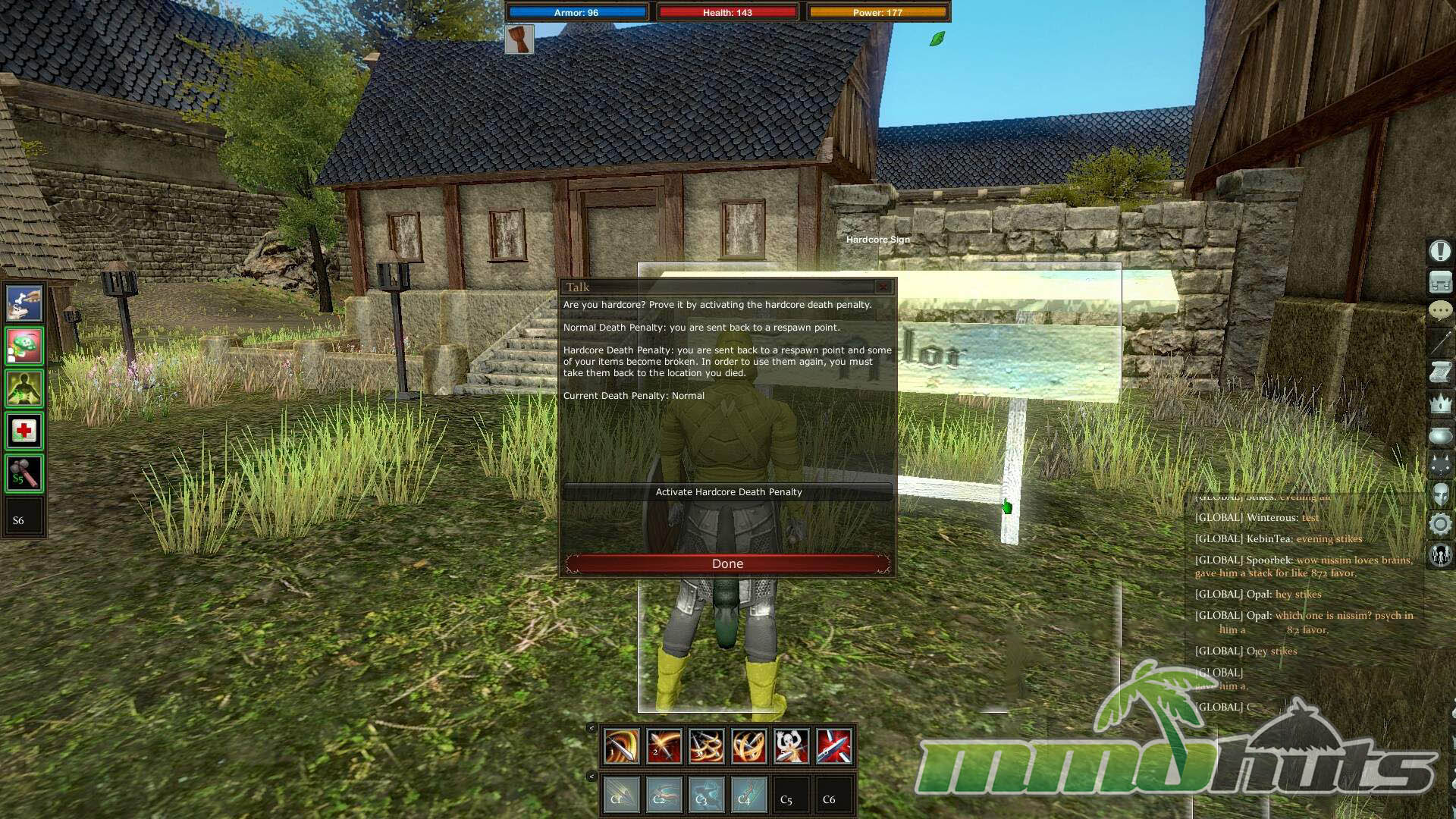
Project Gorgon is clearly comfortable borrowing from older MMO sensibilities, and that includes its presentation. The UI has personality and theming, but it can also be unintuitive in day-to-day use. Some information panels feel sparse, and the quest log can become hard to manage once you have accumulated a significant list. Tools like better sorting or searching would go a long way, particularly because quest titles do not always make their requirements obvious.
Movement is the area most likely to frustrate players accustomed to smoother modern controls. There are moments where the restrictions and animations do not line up in a satisfying way, creating a rigid feel. It is playable, and the ability to strafe is welcome, but the overall locomotion lacks the fluidity many players expect.
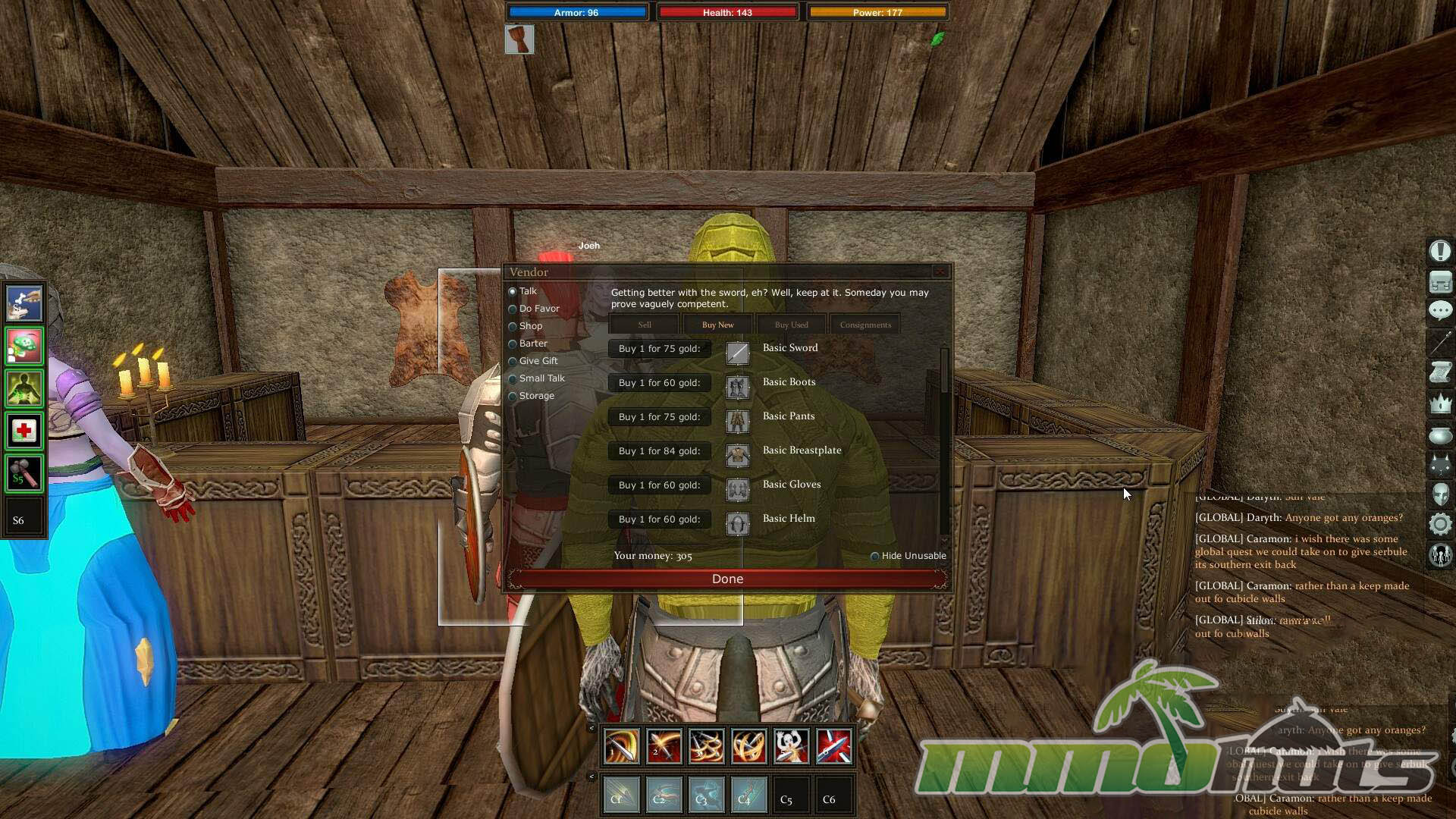
Combat, on the other hand, holds up better. It uses tab targeting, but without a traditional auto-attack, which pushes you to stay engaged rather than letting the basics run in the background. The ability to swap between two combat styles adds flexibility, though it comes with practical limitations. You cannot freely mix every skill with every weapon, and swapping equipment mid-fight still has meaningful timing considerations, so planning your loadout matters.
Final Verdict – Good
Project Gorgon succeeds most where it takes risks, a skill-based sandbox structure that keeps revealing new avenues of progression, a world with a distinctive sense of humor, and PvE systems that encourage players to work together rather than treat each other as content. It is not a sleek or immediately welcoming MMO, and the limited character customization, awkward UI moments, and stiff movement can create friction, especially in the opening hours.
For players who can look past the rougher presentation, there is a surprisingly deep MMO here with a rare focus on experimentation and social worldbuilding. It is the kind of game that can turn a setback into a story, whether that is a boss curse you need to clear or a town conversation you have while stuck in an absurd form. If you have been waiting for a PvE-focused sandbox MMO with old-school sensibilities and modern twists, Project Gorgon is still an easy recommendation to watch and explore.
Project Gorgon Links
Project Gorgon Official Site
Project Gorgon Kickstarter
Project Gorgon Reddit
Project Gorgon Wiki
Project Gorgon Developer’s Blog
Project Gorgon System Requirements
Minimum Requirements:
Operating System: 64-bit Windows Vista or higher
Recommended Requirements:
Operating System: 64-bit Windows Vista or higher
Project Gorgon is also compatible with Mac OS X.
Project Gorgon Music & Soundtrack
Coming Soon!
Project Gorgon Additional Information
Developer(s): Elder Game
Publisher(s): Elder Game
Engine: Unity
Release Date (Pre-Alpha): November 2, 2012
Steam Early Access Date: March 13, 2018
Full Release Date: 2019 (tentative)
Development History / Background:
Project Gorgon is developed by industry veterans Eric Heimburg and his wife, Sandra Powers. Work on the project started in 2009, and the team first went to Kickstarter on October 3, 2012. That campaign, and a second Kickstarter that began on August 27, 2014, did not reach their goals, but development continued regardless. A later Kickstarter launched on July 24, 2015 succeeded, and after multiple alpha stages the game arrived on Steam Early Access on March 13, 2018.