
Pocket MapleStory was a free-to-play 2D fantasy mobile MMORPG that adapted the classic MapleStory formula into a zone-based persistent world built for phones. It kept the series’ colorful, anime-inspired look, side-scrolling combat, familiar monsters and towns, and a steady stream of quests, then layered on party dungeons, boss fights, and story scenes designed for shorter play sessions. As a companion-style version of the long-running PC MMORPG, it leaned heavily on nostalgia while simplifying travel and progression for mobile play.
 | Publisher: Nexon Type: Mobile MMORPG Release Date: October 27, 2015 Shut Down: October 27, 2017 Pros: +Charming 2D presentation. +Shared persistent world structure. +Real-time side-scrolling combat. +Huge quest volume. +Story scenes add personality. Cons: -Noticeable pay-to-win pressure. -Questing can feel grind-heavy. -Controls can be finicky on touch screens. |
Pocket MapleStory Shut Down on October 27, 2017
Pocket MapleStory Overview
Pocket MapleStory is a 2D, zone-based MMORPG developed and published by NEXON Company, NEXON’s mobile branch also known for the mobile MMORPG Legion of Heroes. It reimagines MapleStory for touch devices with comparable art direction, maps, monsters, and side-scrolling combat, but with a more streamlined pace aimed at mobile sessions. You battle through platform-filled areas, clear large numbers of quests, and progress through class-specific storylines that use dialogue and cutscenes to keep things moving. Along the way, you can join a guild, group up, and challenge dungeon instances and bosses for better rewards. For long-time fans, it is essentially Maple World condensed into a phone-friendly format.
Pocket MapleStory Features:
- Persistent, Zone-based World – Travel through recognizable towns and hunting grounds, with platforming maps, NPC hubs, and portals that connect each area.
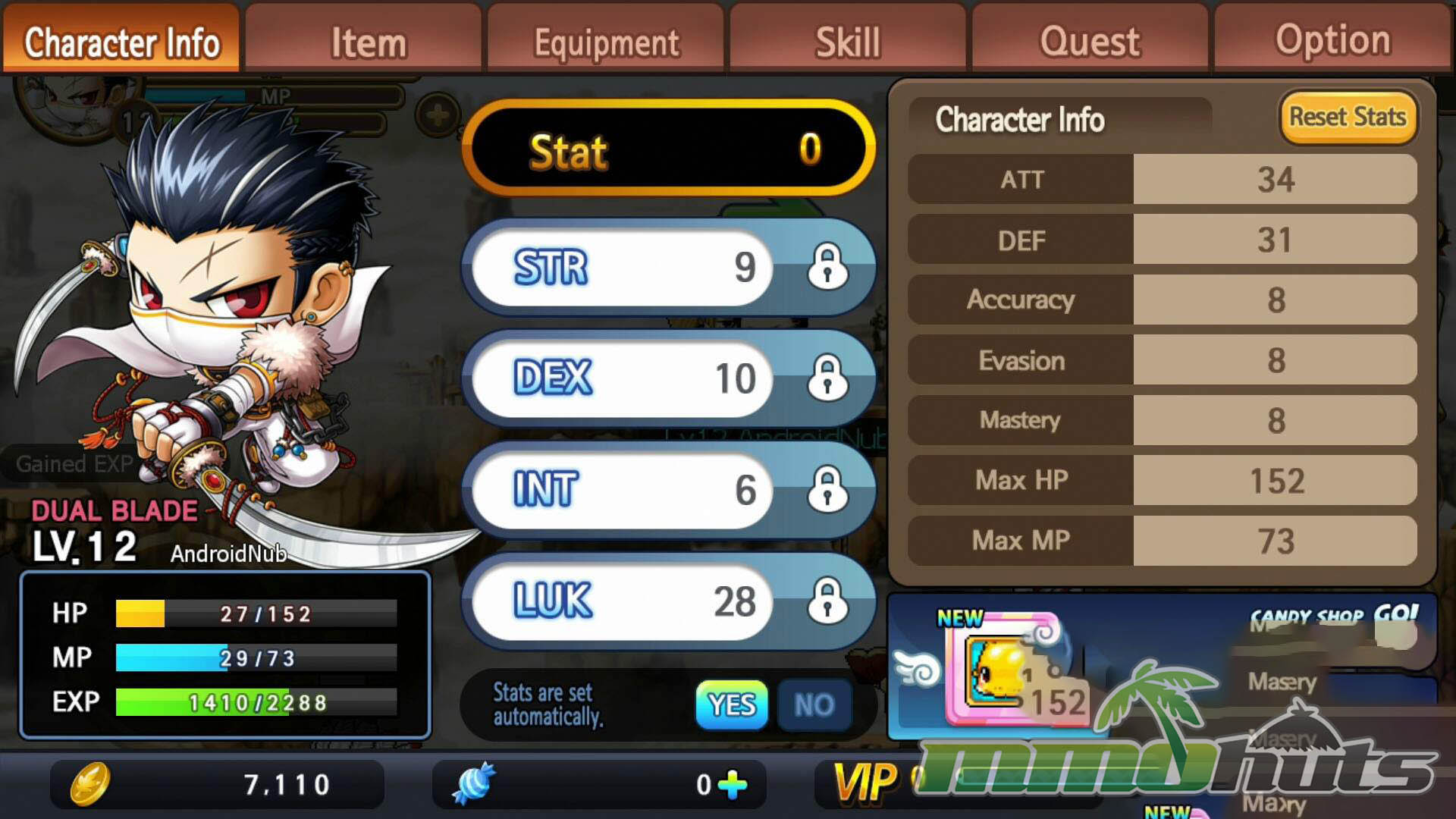
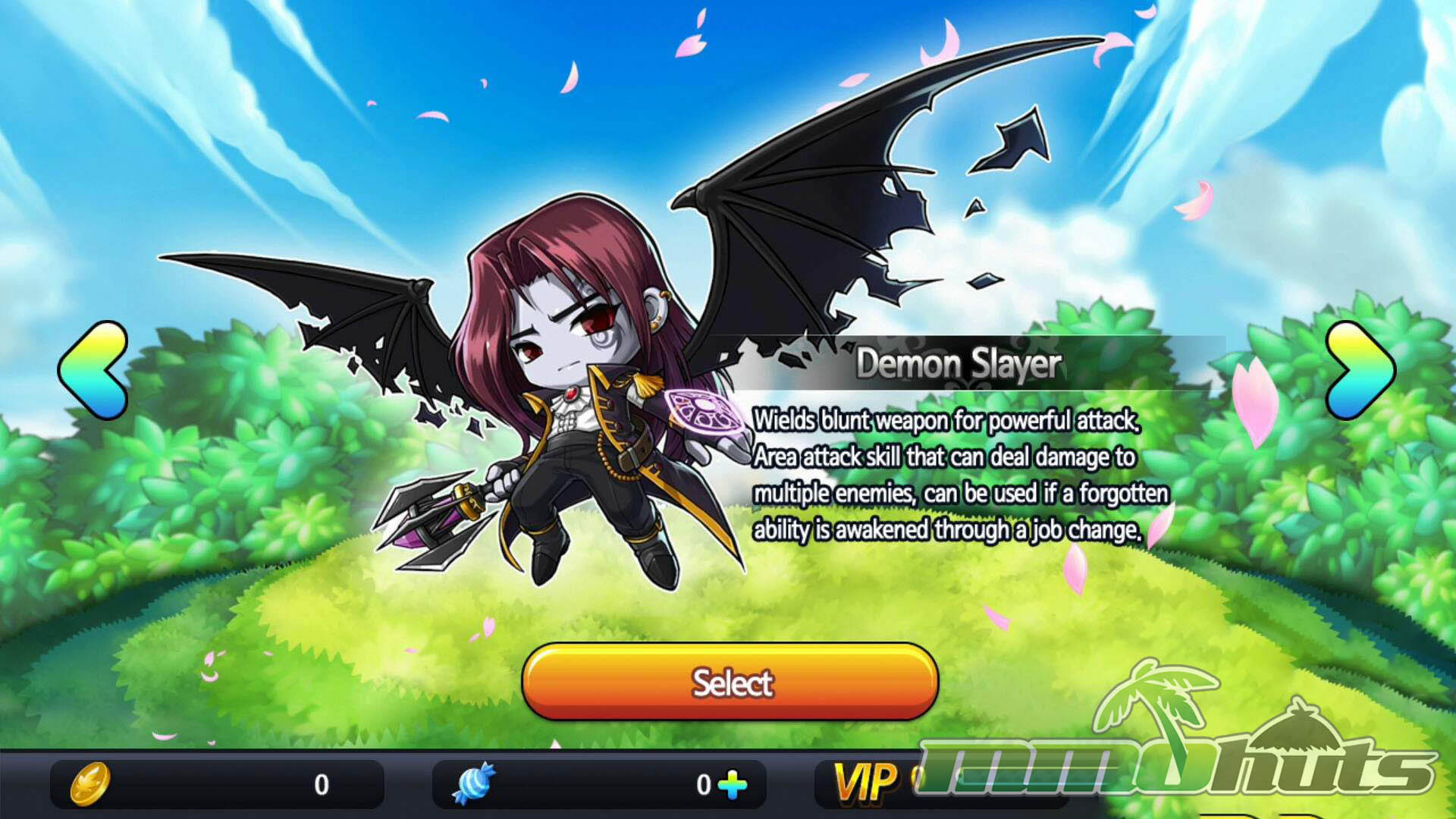
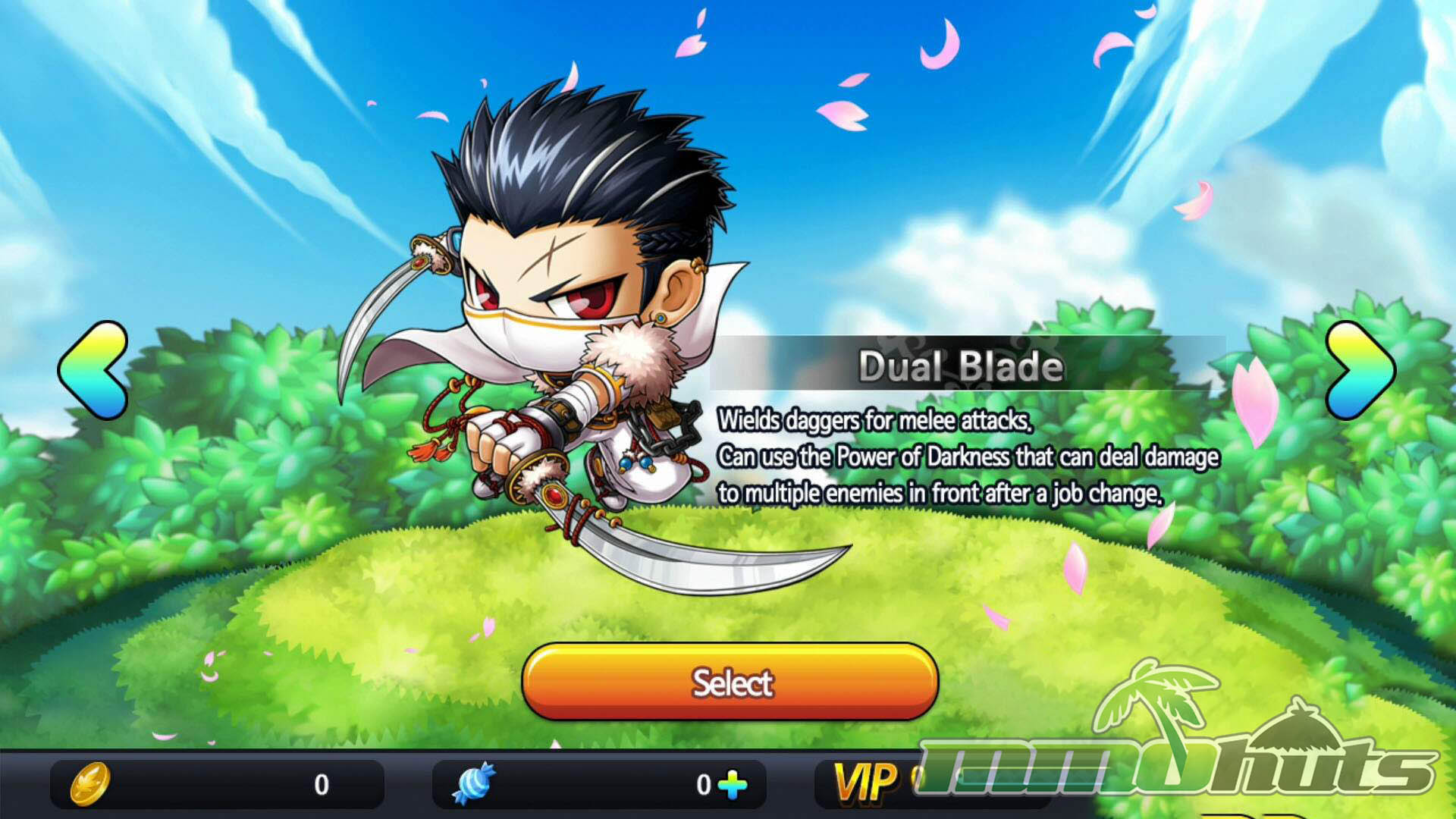
- Three Classes to Choose From – Pick from Demon Slayer, Dual Blade, or Angelic Buster, each with distinct combat styles and their own narrative path (with more planned at the time).
- Cute 2D Graphics – Enjoy bright, anime-styled visuals, expressive monsters, and the familiar MapleStory look translated cleanly to mobile screens.
- Hundreds of Quests – Work through a large quest catalogue, including routine hunting tasks and story quests that add cutscenes and character interactions.
- Dungeons – Form a party of up to 4 players total and tackle instanced dungeons and boss encounters for valuable loot and progression materials.
Pocket MapleStory Screenshots


Pocket MapleStory Featured Video

Pocket MapleStory Review
Pocket MapleStory is a free-to-play, side-scrolling fantasy MMORPG from NEXON, positioned as a mobile take on the long-running PC hit MapleStory. It originally appeared in Korea in 2013 and gained major traction across Asia, benefiting from the franchise’s reputation and recognisable presentation. The worldwide release (outside of South East Asia, which operated under a different publishing arrangement) arrived on October 27, 2015, but the global community never reached the same momentum. In practice, the game delivers a compact MapleStory experience that is easy to pick up and immediately familiar, but it also inherits some old-school grind and introduces mobile monetisation that can feel heavy.
Starting Out, Classes, and Progression
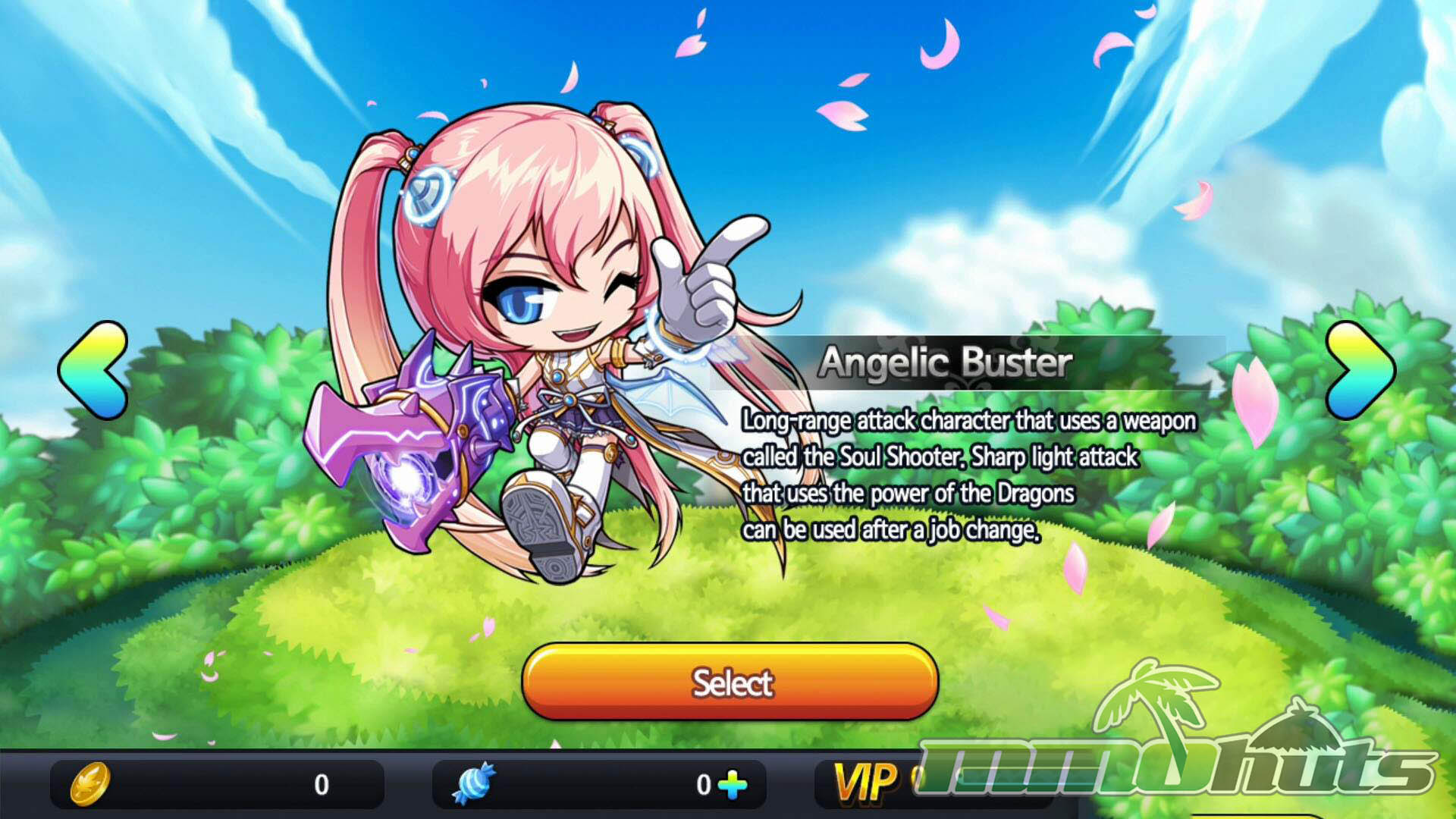
At the beginning, players choose from three classes that are gender-locked, Demon Slayer, Dual Blade, and Angelic Buster. Demon Slayer fills the bruiser role with broad attacks designed to hit groups efficiently. Dual Blade focuses on fast melee strings and multi-hit skills that excel at single-target damage. Angelic Buster plays like a ranged damage dealer, using Soul Shooters to keep distance while clearing enemies quickly.
Even with only three options, the moment-to-moment feel differs based on range, mobility, and skill behaviour, and the game allows players to begin allocating skill and stat points after level 10. The first job step at level 10 is more of a formal handoff from the prologue phase into the class you already selected, rather than a dramatic class change. Where the system disappoints is character appearance, there is effectively no visual customisation at creation, with most look changes pushed toward cash-based options later.
A Familiar Maple World, Scaled Down
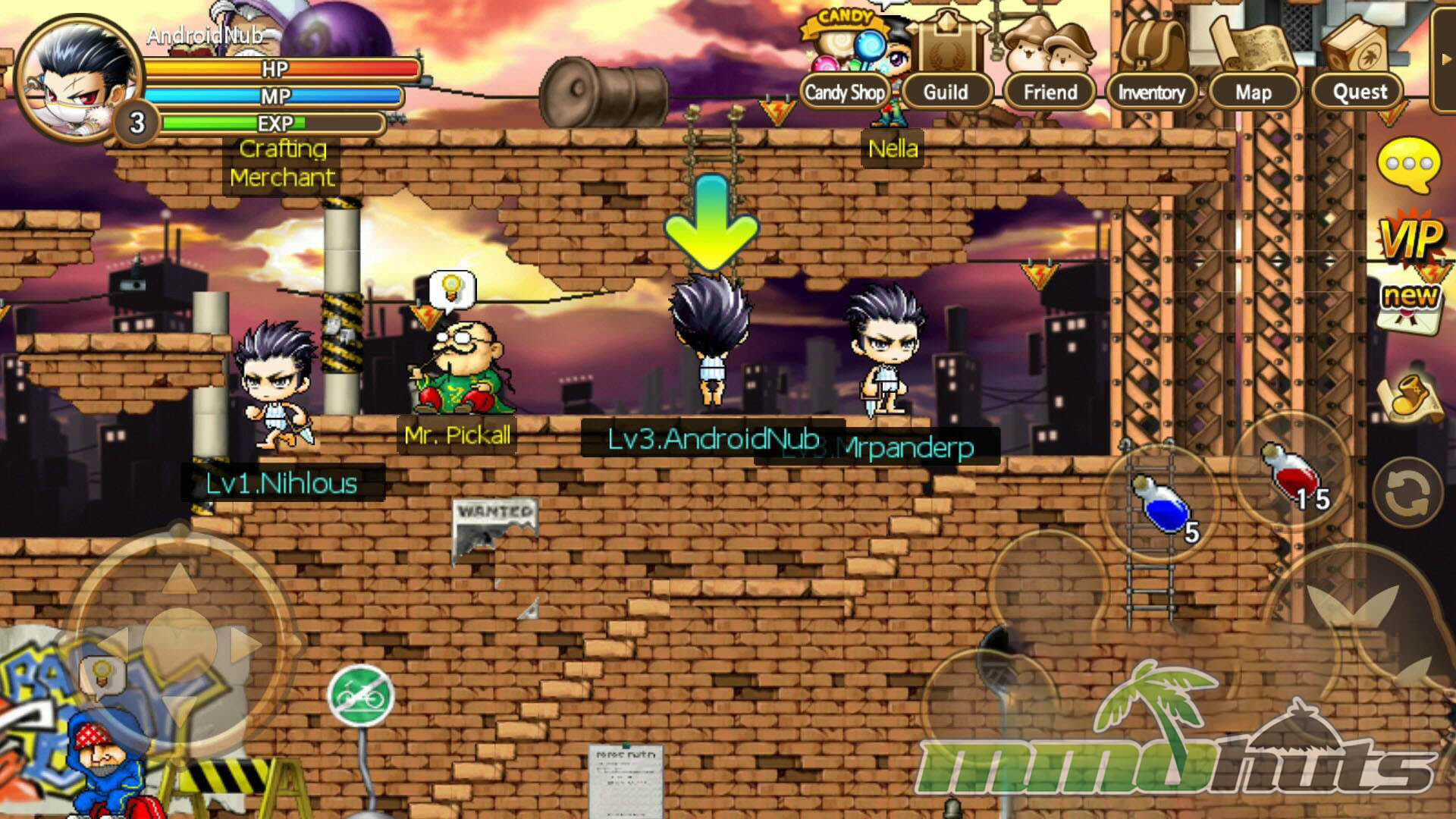
The overworld is persistent and divided into zones, each map built with the classic MapleStory platform layout and portal exits at the edges. Veterans will immediately recognize the design language, ropes and ladders, layered platforms, and monster-filled corridors that encourage constant movement. Town names and the overall vibe mirror the original, and the soundtrack and creature roster strongly reinforce that sense of continuity.
That said, the mobile version is clearly compressed. Areas are smaller and traversal is trimmed so you spend less time simply running between points of interest. The result is a “mini” MapleStory that captures the identity of the PC game while trying to respect mobile pacing.
Quests as the Core Loop
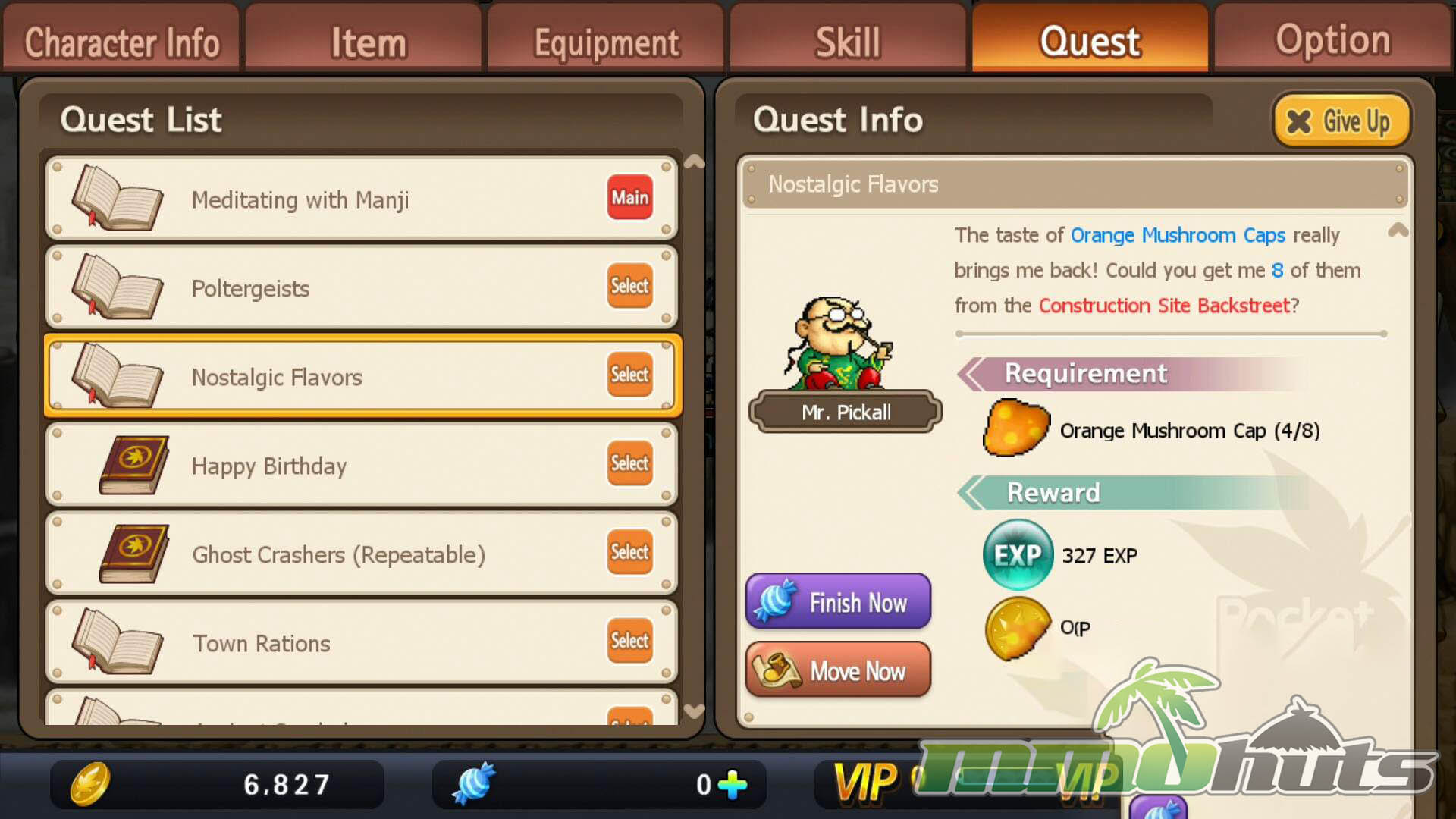
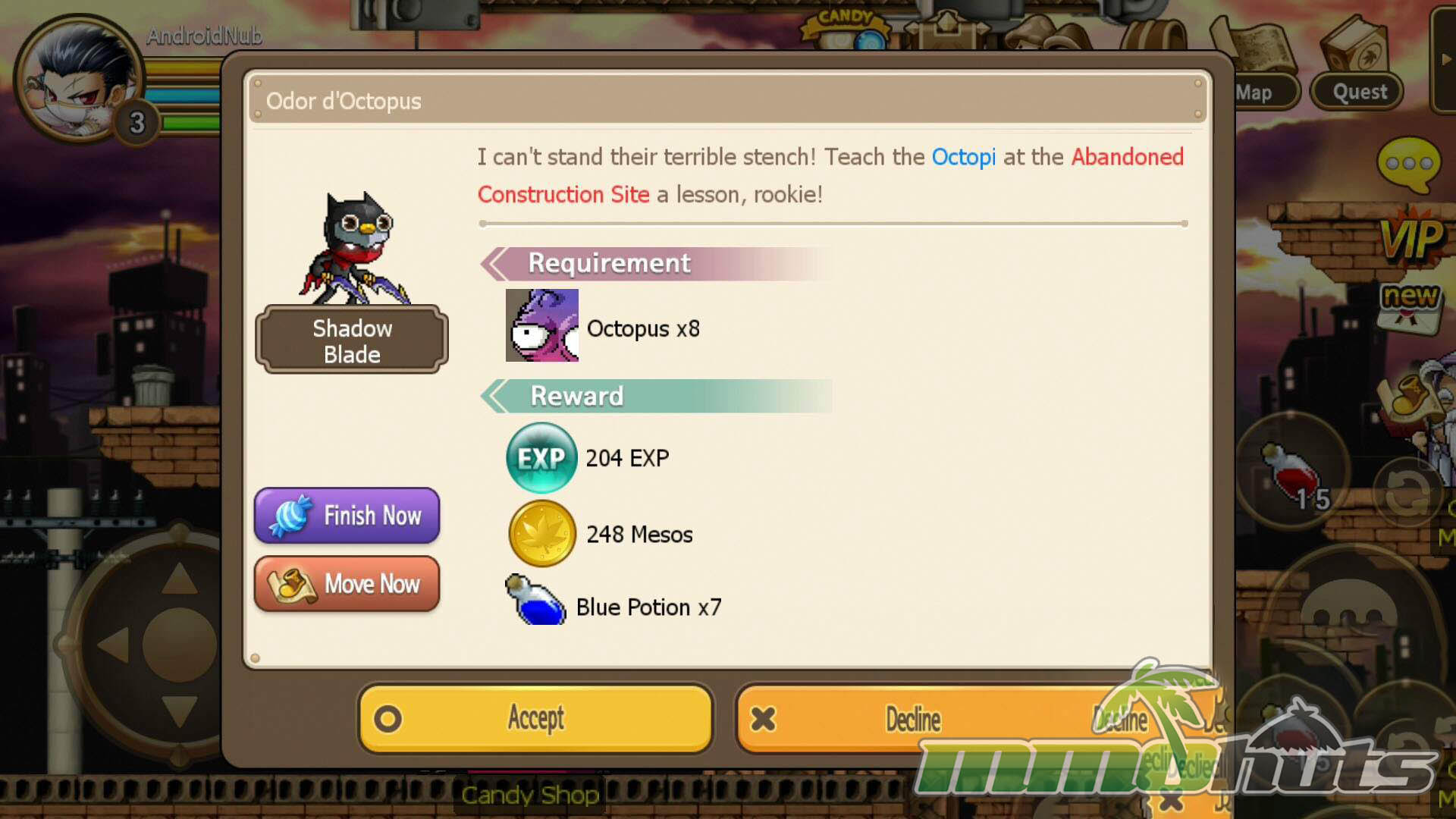
Questing is the backbone of Pocket MapleStory, and it follows a traditional MMORPG structure. Most tasks boil down to defeating specific monsters, collecting drops, and turning objectives in for experience and currency. There are a lot of quests, and many are repeated variations designed to support leveling and farming rather than tell a story.
Because the primary activity is moving from map to map clearing monster packs, the game can become repetitive, especially during stretches where progress is gated by level. One of the most mobile-friendly additions is quest teleportation, which jumps you straight to objectives and reduces the downtime that would otherwise come from traveling across multiple maps. It is a practical convenience, and it also makes the game feel more focused, for better or worse.
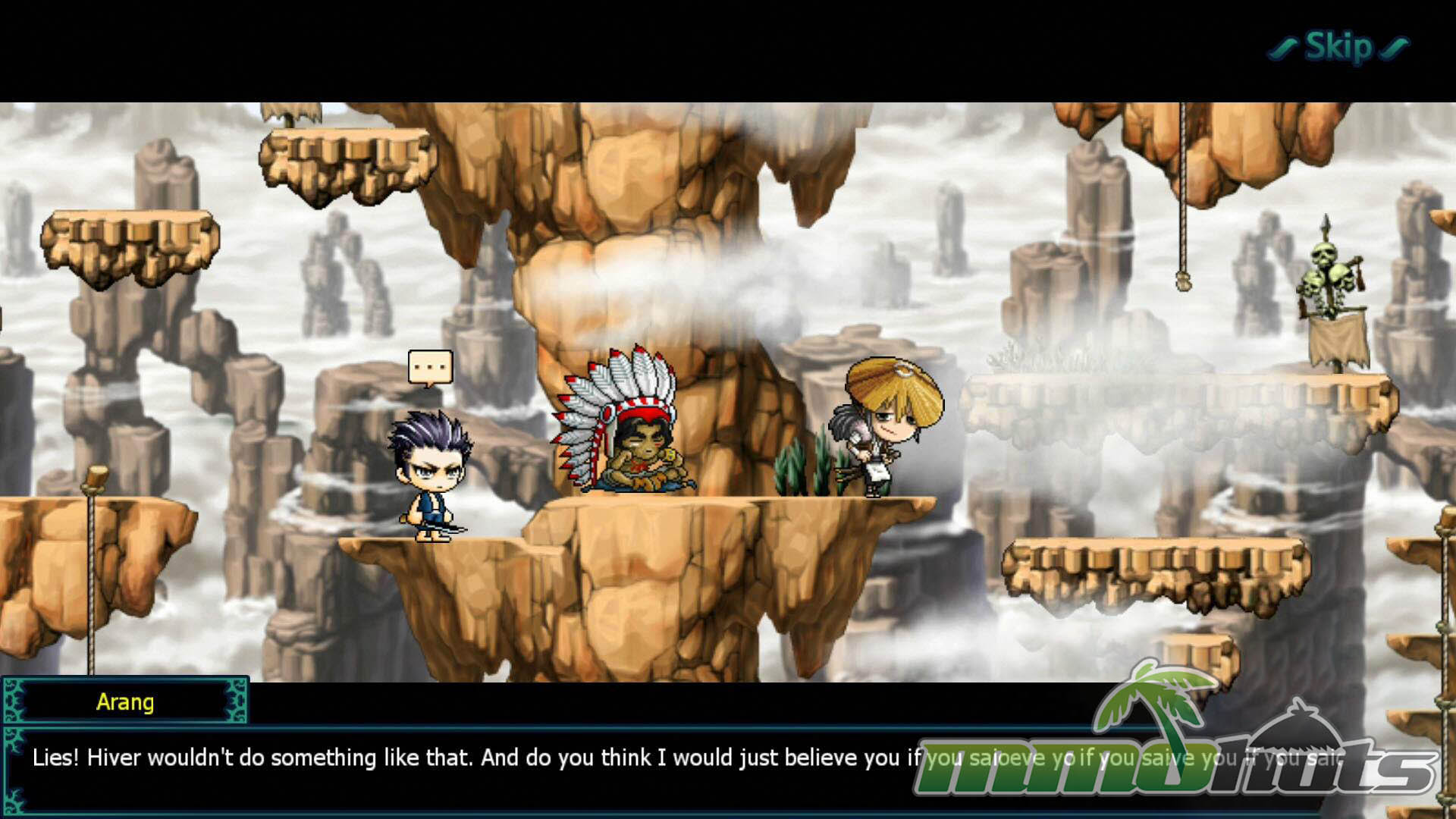
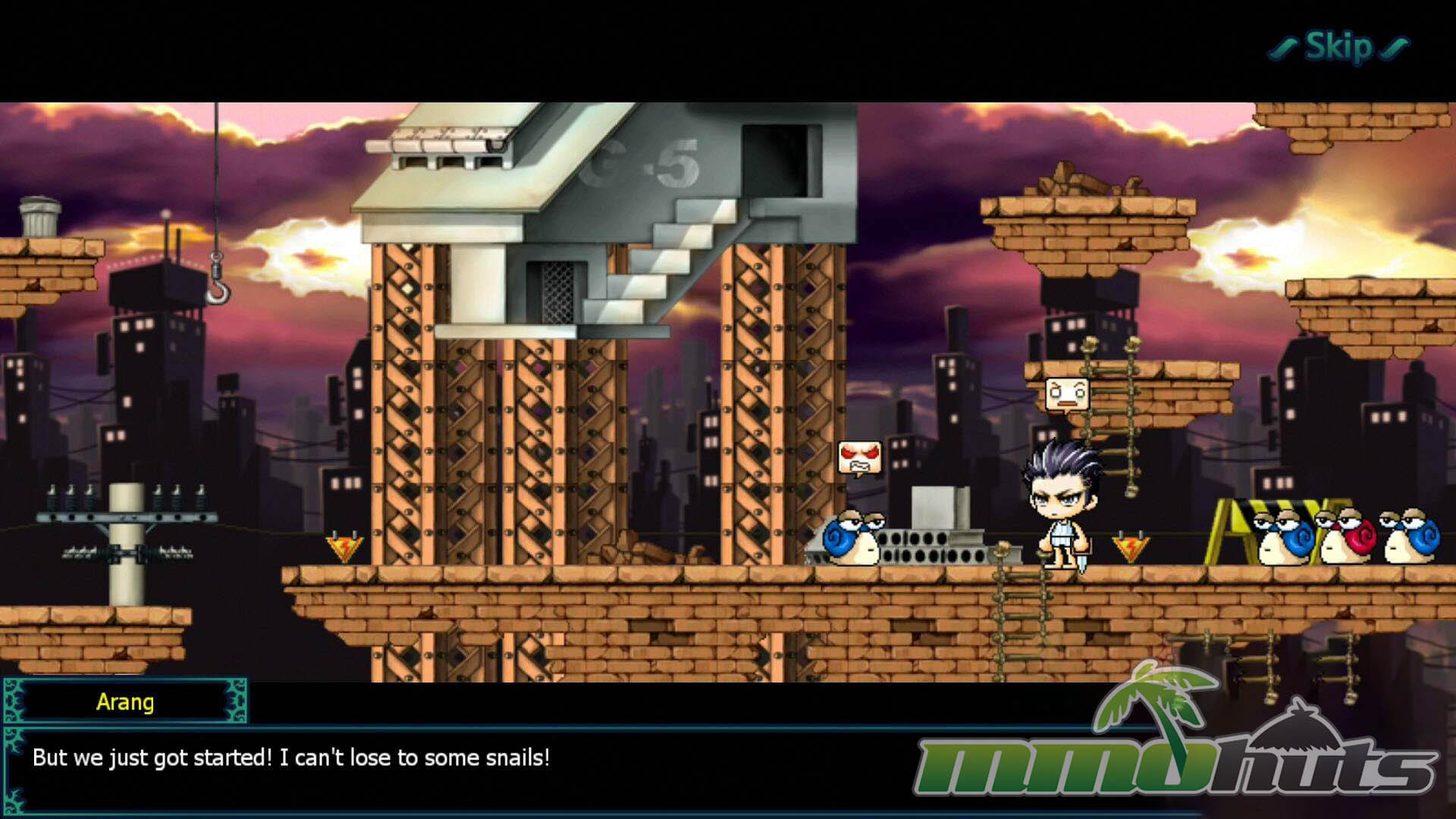
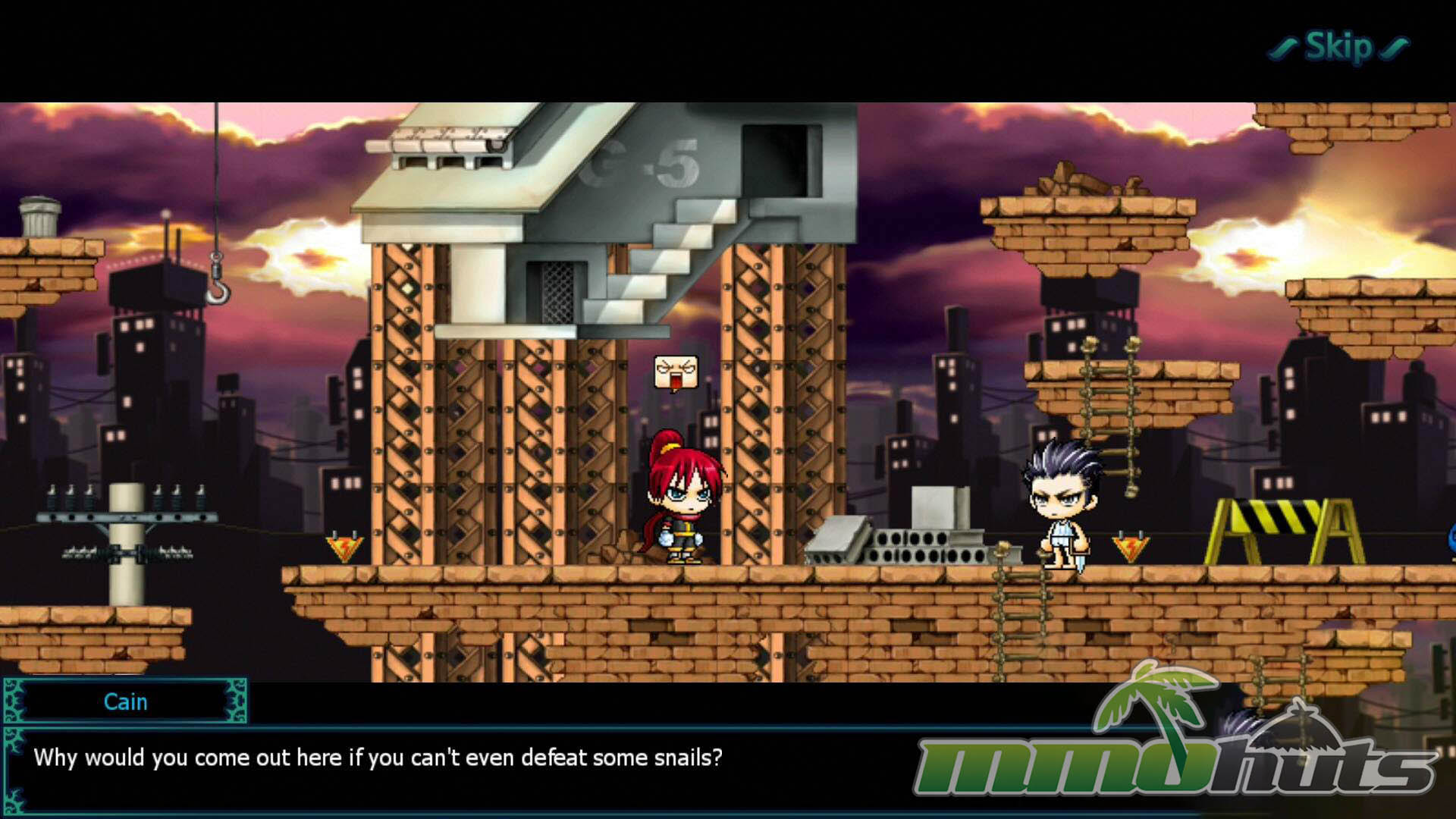
Pocket MapleStory also tries to add more narrative structure than many players remember from early MapleStory. Each class has its own storyline and introduction, with dialogue and cutscenes presenting you as a defined character rather than a blank slate. The writing is light and often playful, sometimes a bit corny, and it clearly aims for a younger audience. Even when the objectives remain fairly standard, these story segments help break up the routine and give players a reason to care about the next chapter.
Side-Scrolling Combat on a Touch Screen
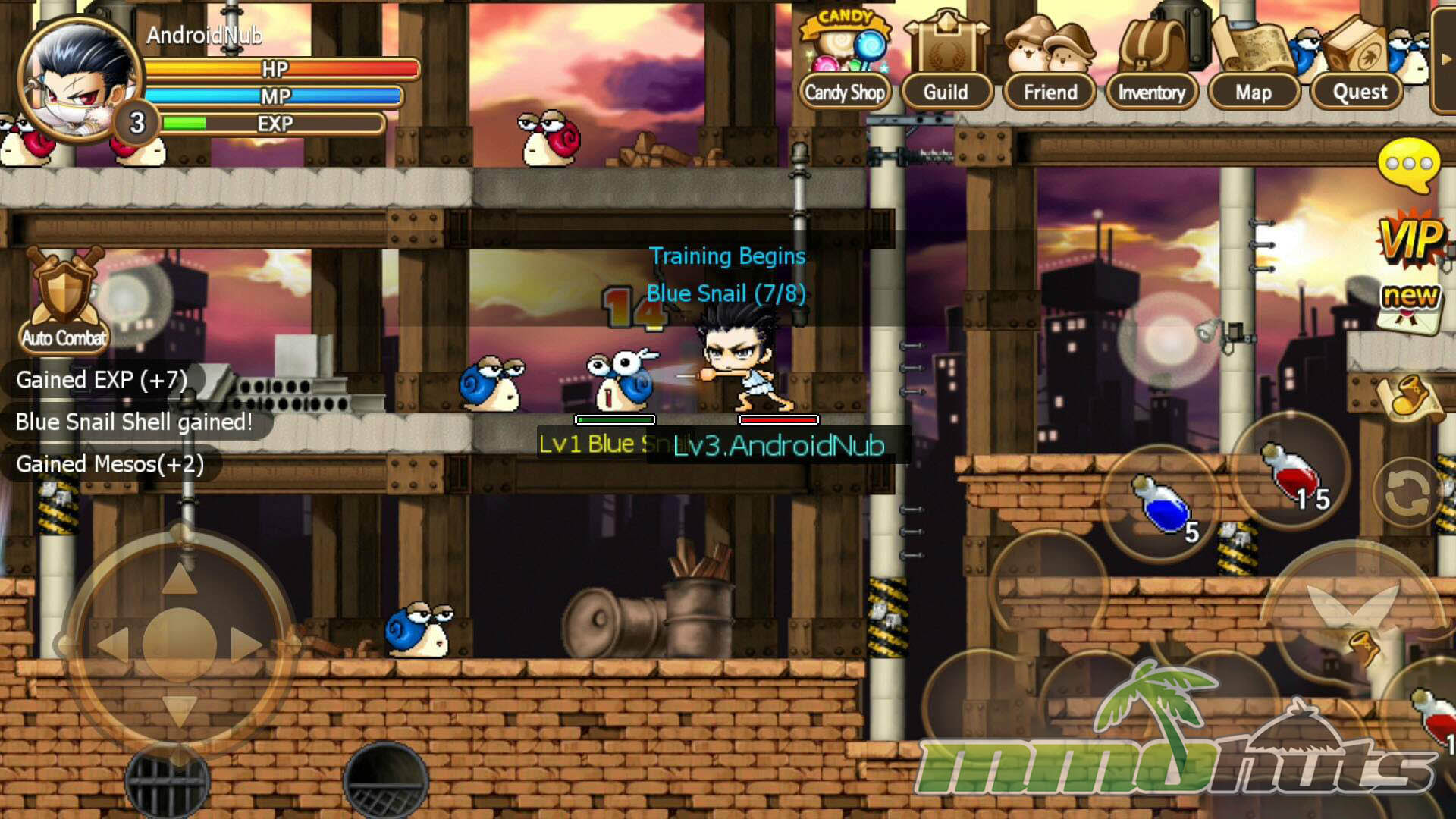
Combat stays true to MapleStory’s side-scrolling roots: enemies roam back and forth, contact damage matters, and skills push you toward managing spacing while chaining attacks. Movement can be handled via a joystick or D-pad option, and the interface includes buttons for basic attacks, jumping, potions, and a small set of skill hotkeys (four slots).
In theory, it is simple and readable. In practice, touch controls can feel unreliable, especially when precise left-right movement is required to avoid hits. On PC, “hit-and-step-back” kiting is a natural rhythm, but on a small virtual pad it is harder to execute consistently, which can make combat feel clumsier than it should.
To compensate, the game includes Auto-Combat, letting your character handle routine fighting during grind-heavy questing. It speeds up leveling, but it is not a true idle system because you still need to monitor survivability, enemies can chip you down quickly if you are not paying attention.
Dungeons, Parties, and Boss Encounters
Beyond open-zone leveling, Pocket MapleStory offers instanced dungeons that unlock as you advance. These runs support parties of up to four players total and typically involve clearing groups of monsters across multiple rooms and platform segments before facing a boss. The boss fights are where the game is at its best, attacks are more threatening, patterns are more noticeable, and teamwork matters more than in standard questing.
Dungeons also serve an important pacing function by breaking up the routine of zone grinding, and the rewards (gold, experience, equipment) give them real value. The catch is access: dungeon attempts rely on Dimensional Mirrors, which come from the Cash Shop or specific quests and events, limiting how often you can run them. A guild system helps with social structure and party formation, but the overall dungeon loop is still tied to consumable entry items.

Cash Shop and Monetisation Pressure
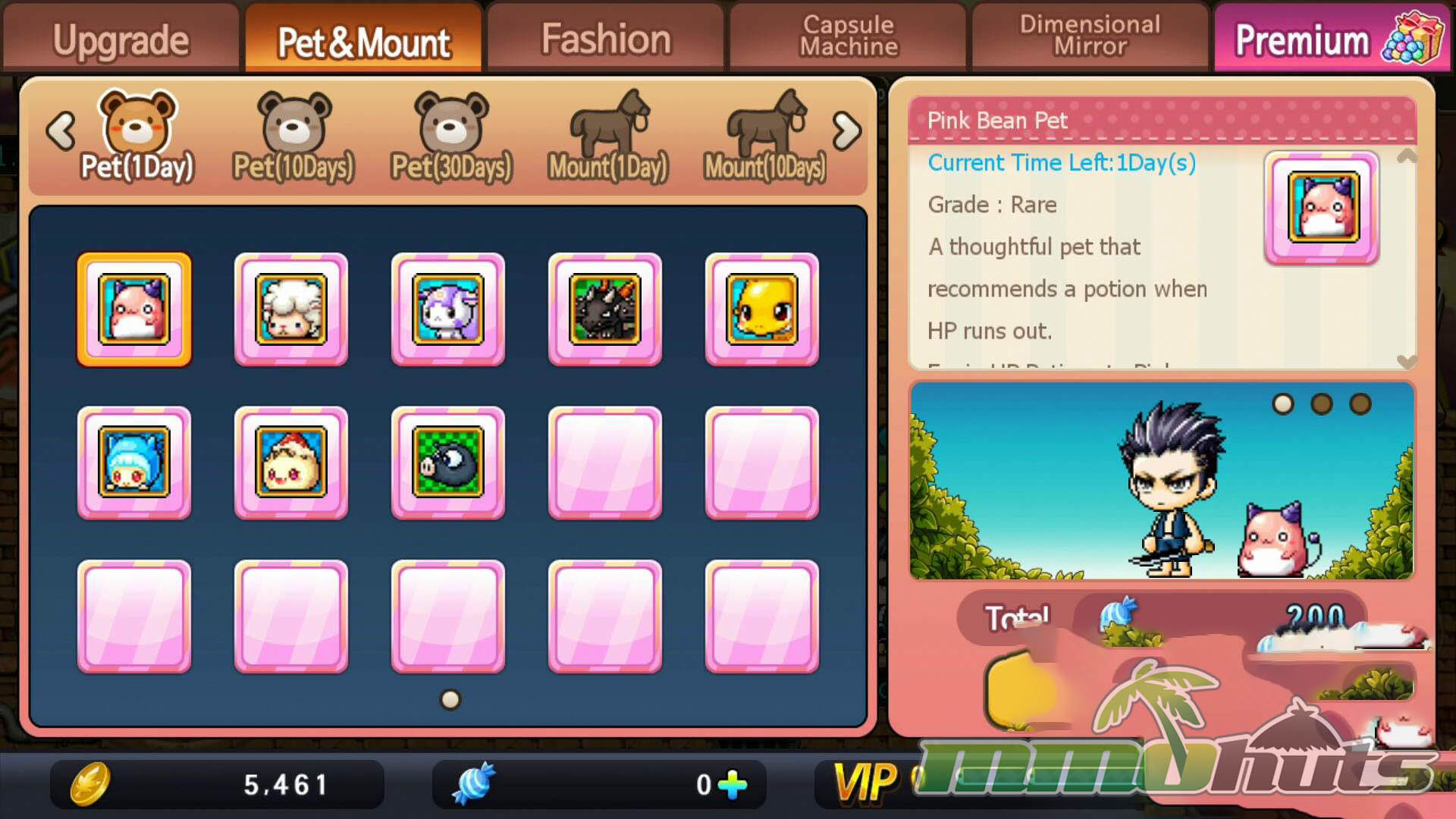
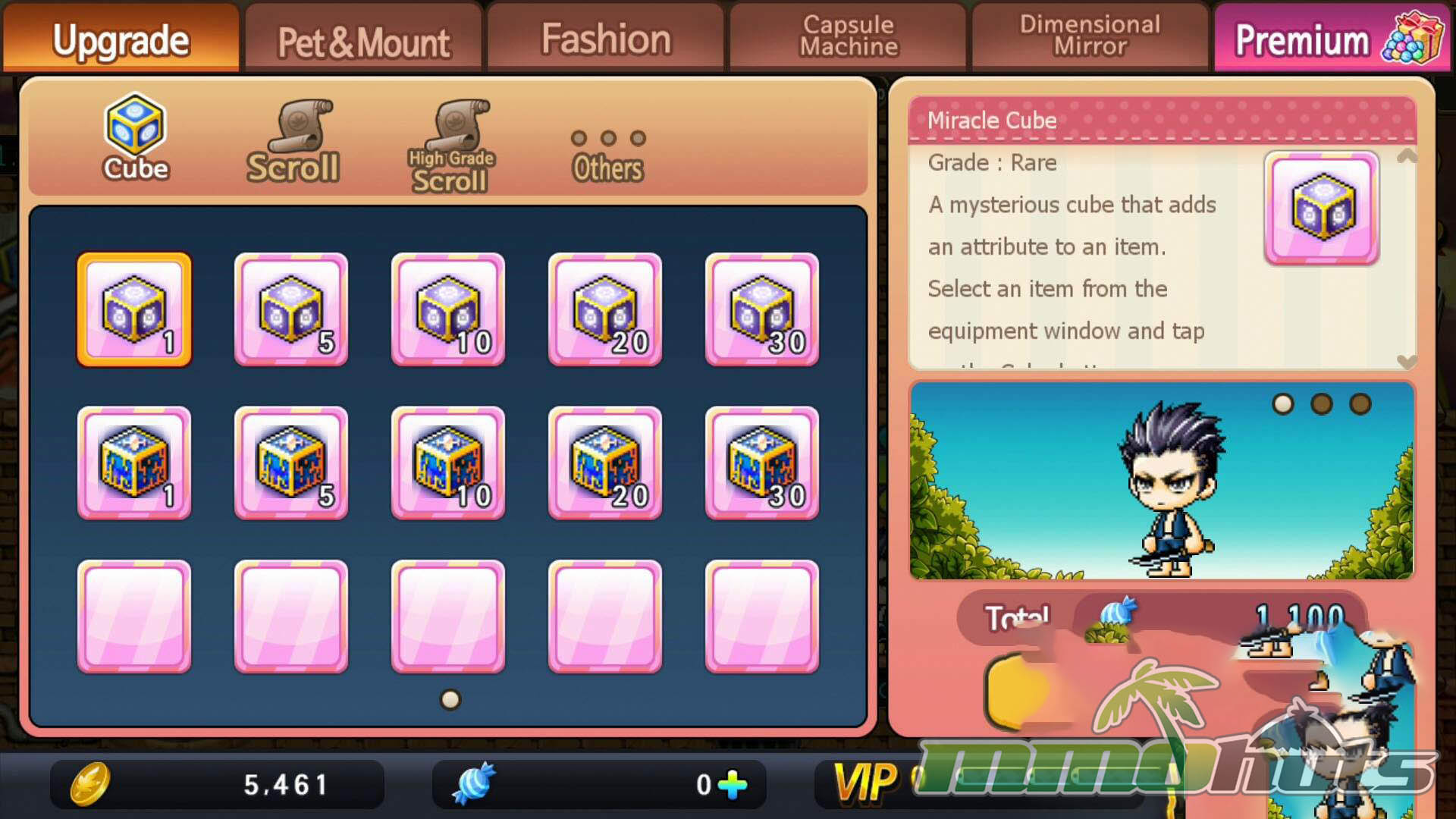
Like many mobile MMORPGs, Pocket MapleStory’s in-app purchases provide meaningful advantages. The Cash Shop includes Upgrade Cubes and Scrolls for improving gear, time-limited Pets (1 to 30 days) that assist with loot pickup and potion reminders, cosmetic outfits, Capsule Machines that dispense random equipment, Dimensional Mirrors for dungeon entry, and experience boosts. Most purchases require Candies (premium currency), with a few lower-end options available through non-premium means.
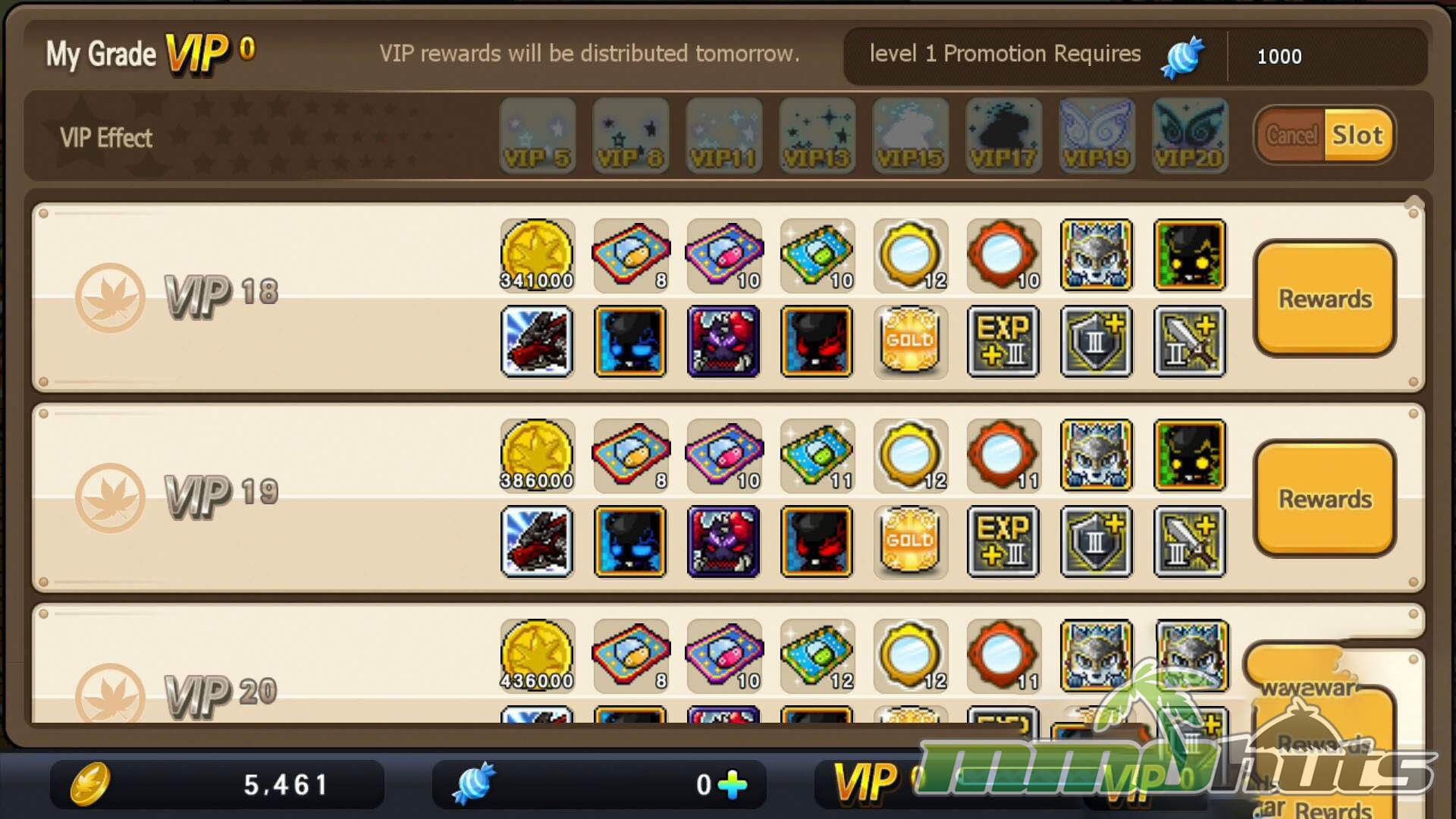
The most impactful paid elements are gear enhancement tools, premium capsule pulls, and boosts that speed progression. Capsule Machines can award equipment from level 0 to 80, including rare and extremely strong pieces, some of which are not obtainable elsewhere. On top of that, a 20-tier VIP system provides escalating benefits for spending, such as gold, capsule tickets, mirrors, pets, mounts, and additional stat or experience perks. While dedicated free players can progress through grinding and smart play, the power gap created by spending is significant, and it strongly shapes the game’s long-term balance.
Final Verdict – Good
Pocket MapleStory successfully translates the look and feel of MapleStory into a mobile-friendly package, complete with familiar maps, side-scrolling combat, fast travel for questing, and class-focused story segments. However, the experience is weighed down by touch controls that can be frustrating, a progression loop that leans heavily on repetitive grinding, and monetisation systems that offer clear competitive advantages. It is best suited to devoted MapleStory fans looking for a portable dose of nostalgia, rather than players seeking a polished, fully modern mobile MMORPG.
Pocket MapleStory Links
Pocket MapleStory Official Site
Pocket MapleStory iOS
Pocket MapleStory Google Play
Pocket MapleStory System Requirements
Minimum Requirements:
Android 2.3.3 and up / iOS 6.0 or later.
Pocket MapleStory Music & Soundtrack
Pocket MapleStory Additional Information
Developer: Nexon
Publisher: Nexon
Platforms: Android, iOS
Release Date: October 27, 2015
Shut Down: October 27, 2017
Pocket MapleStory was developed and published by NEXON, the Korea-based company known for a wide range of online titles, including MapleStory, Mabinogi, and Vindictus. The game first launched in Korea in 2013 and went on to accumulate over 7 million downloads across Asia in the following two years. It later released globally on October 27, 2015, but saw limited participation compared to its earlier regional success, with one likely factor being that South East Asian players were region-locked due to AsiaSoft/Playpark’s publishing rights for the SEA version. As a mobile adaptation, it reused many recognizable elements from the PC game, including NPCs, monsters, maps, and class themes, while aiming for shorter sessions and faster navigation. NEXON, which also published the mobile MMORPG Legion of Heroes, ultimately shut Pocket MapleStory down in October 2017 as the company moved on to its successor, MapleStory M.