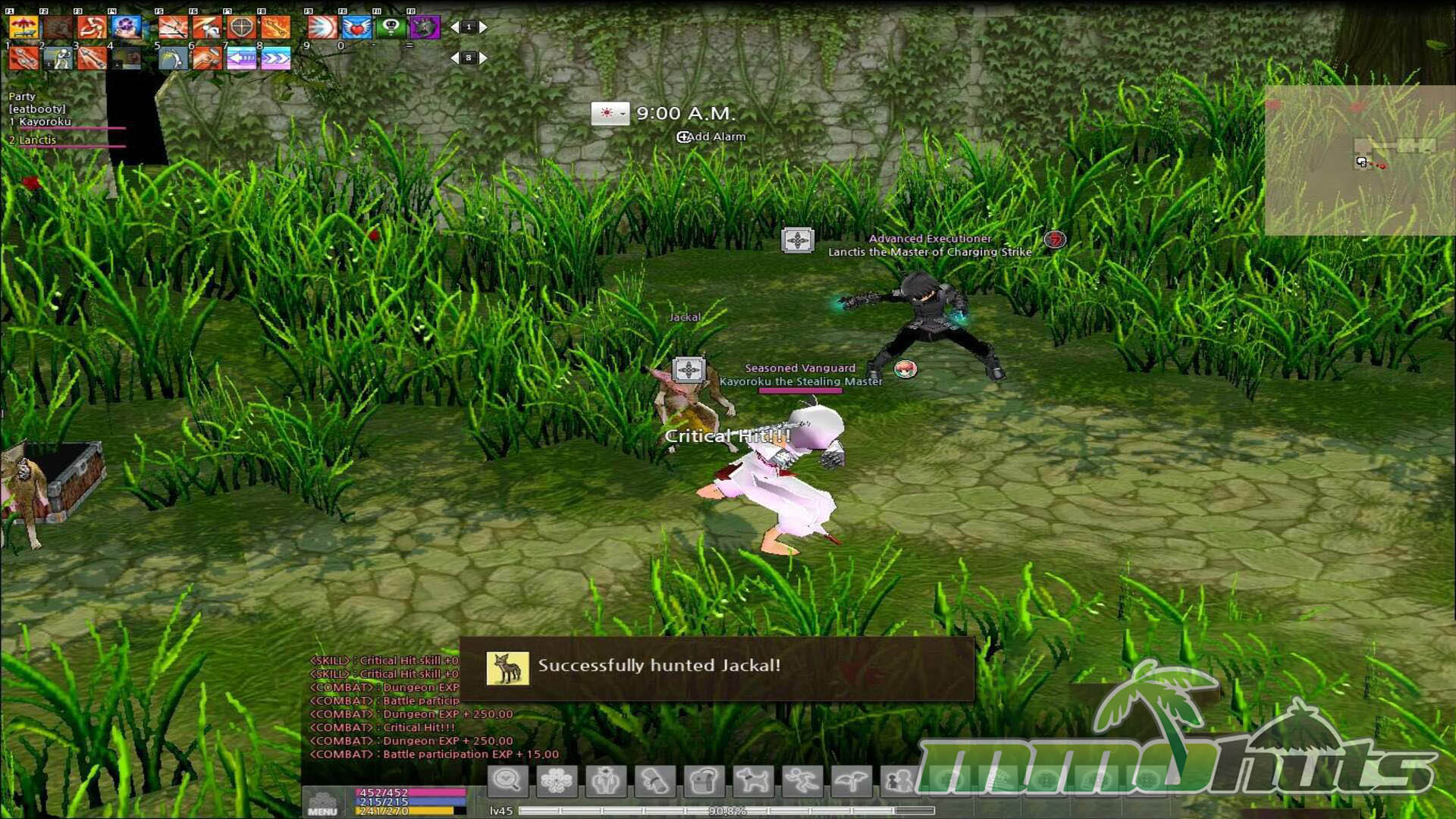
Mabinogi is a 3D fantasy MMORPG with an anime-influenced presentation and a surprisingly broad “fantasy life” focus. Alongside traditional adventuring, it encourages players to settle into Erinn as an everyday citizen, you can manage a homestead, raise pets and farm animals, craft outfits, write music, run shops, and even participate in marriage and community events.
 | Publisher: Nexon Playerbase: Medium Type: MMORPG Release Date: March 27, 2008 (NA) PvP: Duels / Arenas Pros: +Distinctive art direction. +Progression centered on training skills. +Rich set of social and life-sim activities. +Generally welcoming community. Cons: -Free accounts face multiple limitations. -Not very beginner-friendly at first. -Ongoing issues with quests, combat, and visuals. -Balance problems with pets and certain combat options. |

Mabinogi Overview
Mabinogi has always stood a little off to the side of the mainstream MMO crowd, in a good way. Its storybook character art and older 3D visuals are immediately recognizable, but what really sets it apart is how the game treats “progression” as more than combat levels. You can spend an evening grinding dungeons, or you can spend it composing songs, training life skills, decorating your home space, and chatting in town, and both approaches feel like legitimate ways to play.
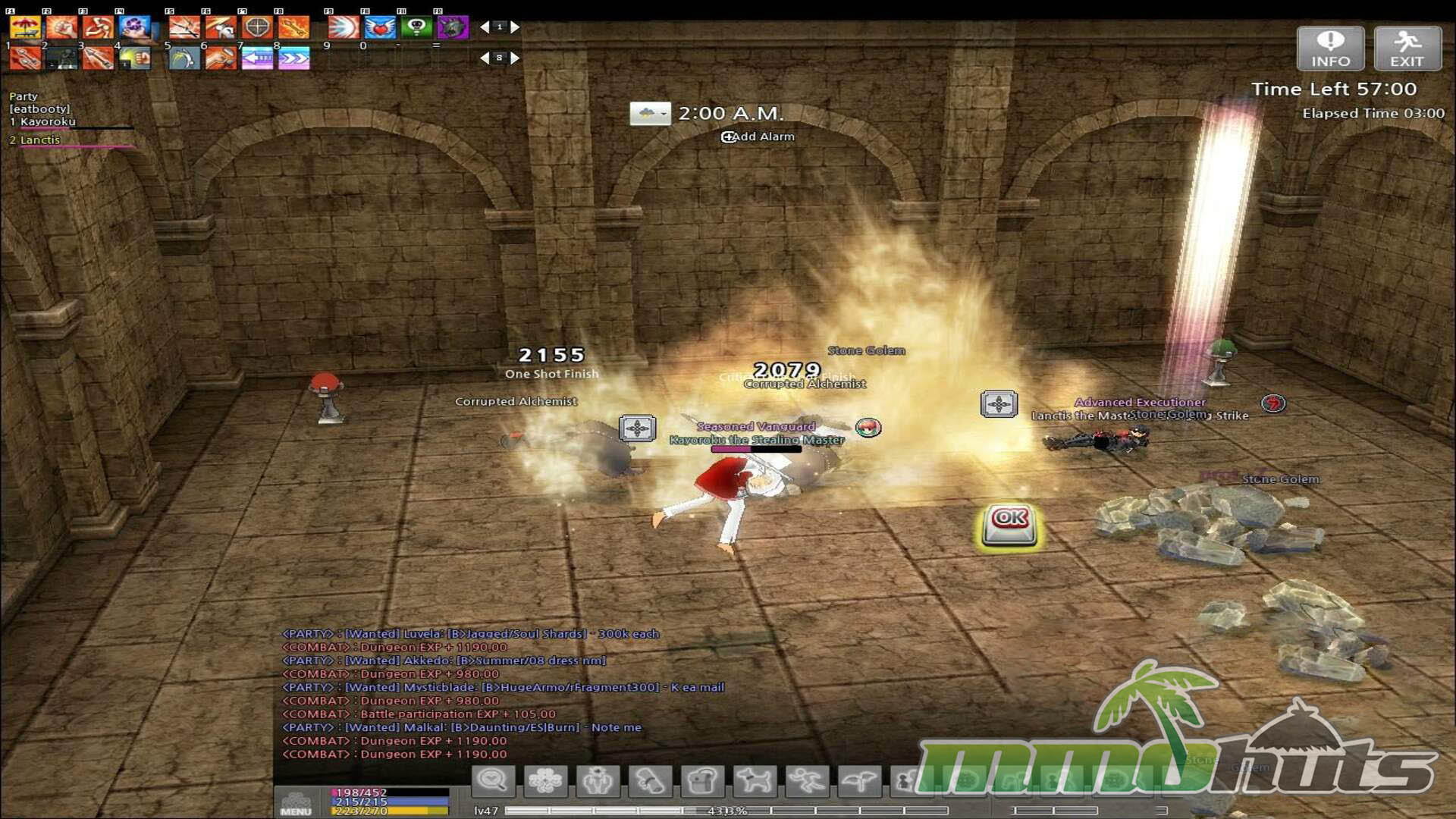
On the combat side, Mabinogi leans into timing and decision-making rather than mindless auto-attacks. A lot of encounters reward reading your opponent, choosing the right skill at the right moment, and understanding counters. It can feel unusual if you are used to hotbar rotations, but once it clicks, the system has a tactical rhythm that many MMOs simply do not offer. Combined with the game’s many noncombat systems, Erinn comes across less like a theme park and more like a living hobby world you can shape over time.
Mabinogi Key Features:
- Skill System — progression is built around training and ranking individual skills through use and ability points. Skills are grouped into eight categories: Life, Combat, Magic, Alchemy, Fighter, Bard, Puppeteer, and Dual Gunner.
- Character Aging — choose a starting age and one of three races (Human, Elf, or Giant). Your character ages one year per real-world week, influencing stat growth and awarding ability points. Weekly rebirths let you reset to a new starting age and adjust gender and appearance.
- Write and Play Music — create custom tracks on music scrolls, then perform them with instruments like flutes, lutes, and ukuleles.
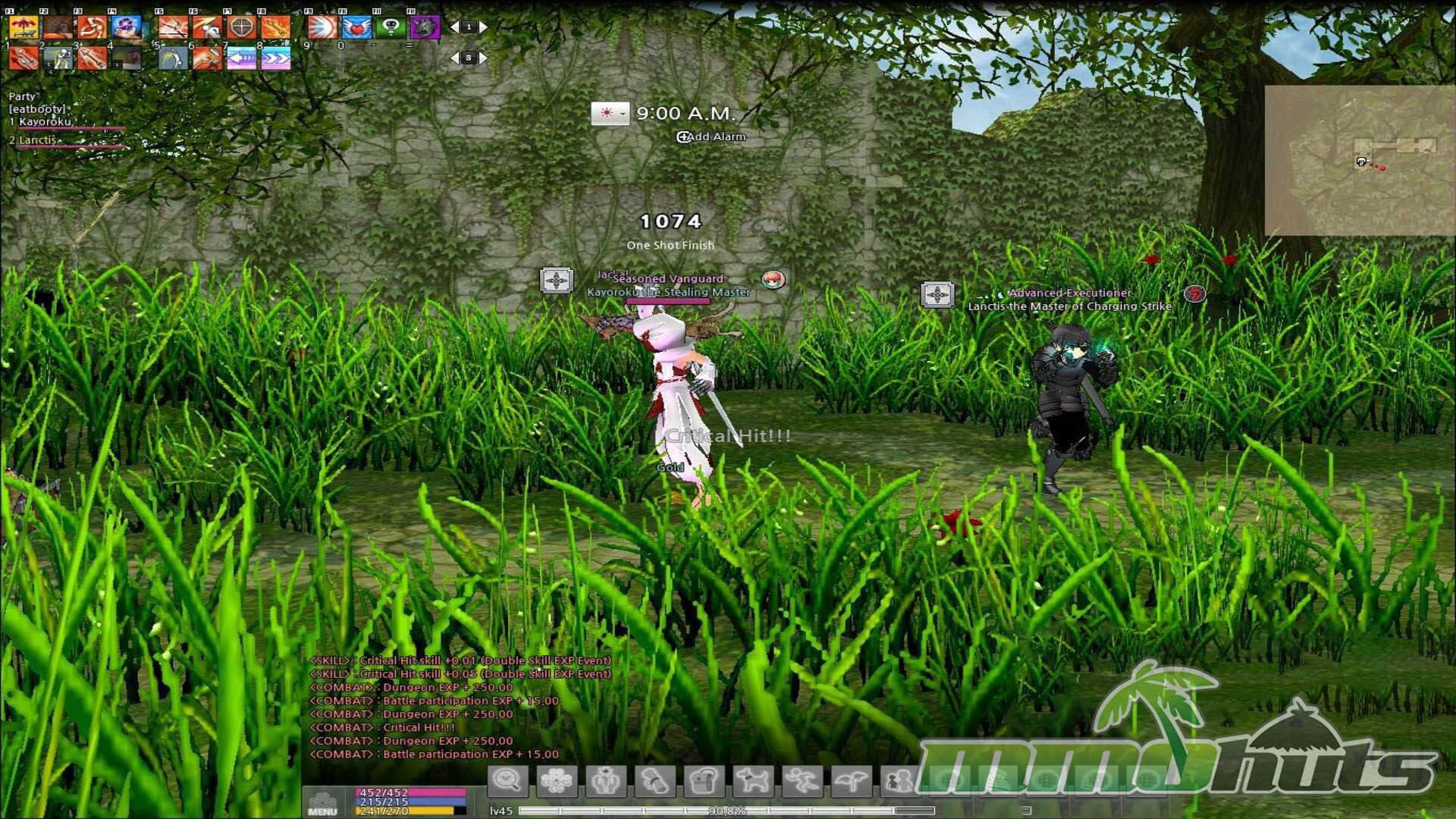
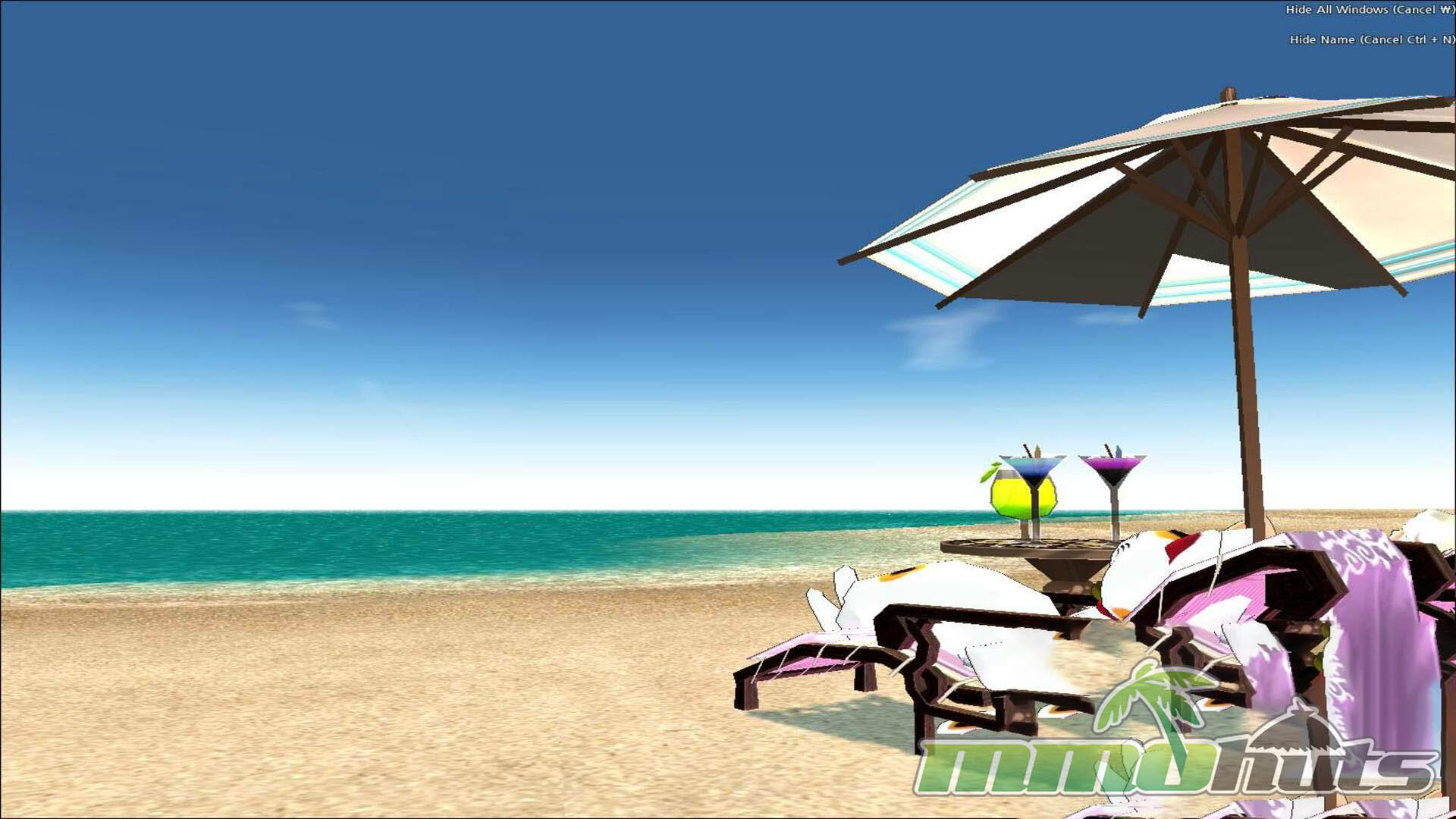
- Weather and Time System — time advances on an internal clock, with one in-game day passing every 36 minutes of real time. Weather shifts dynamically with cloud cover, rainfall, thunder, and related effects.
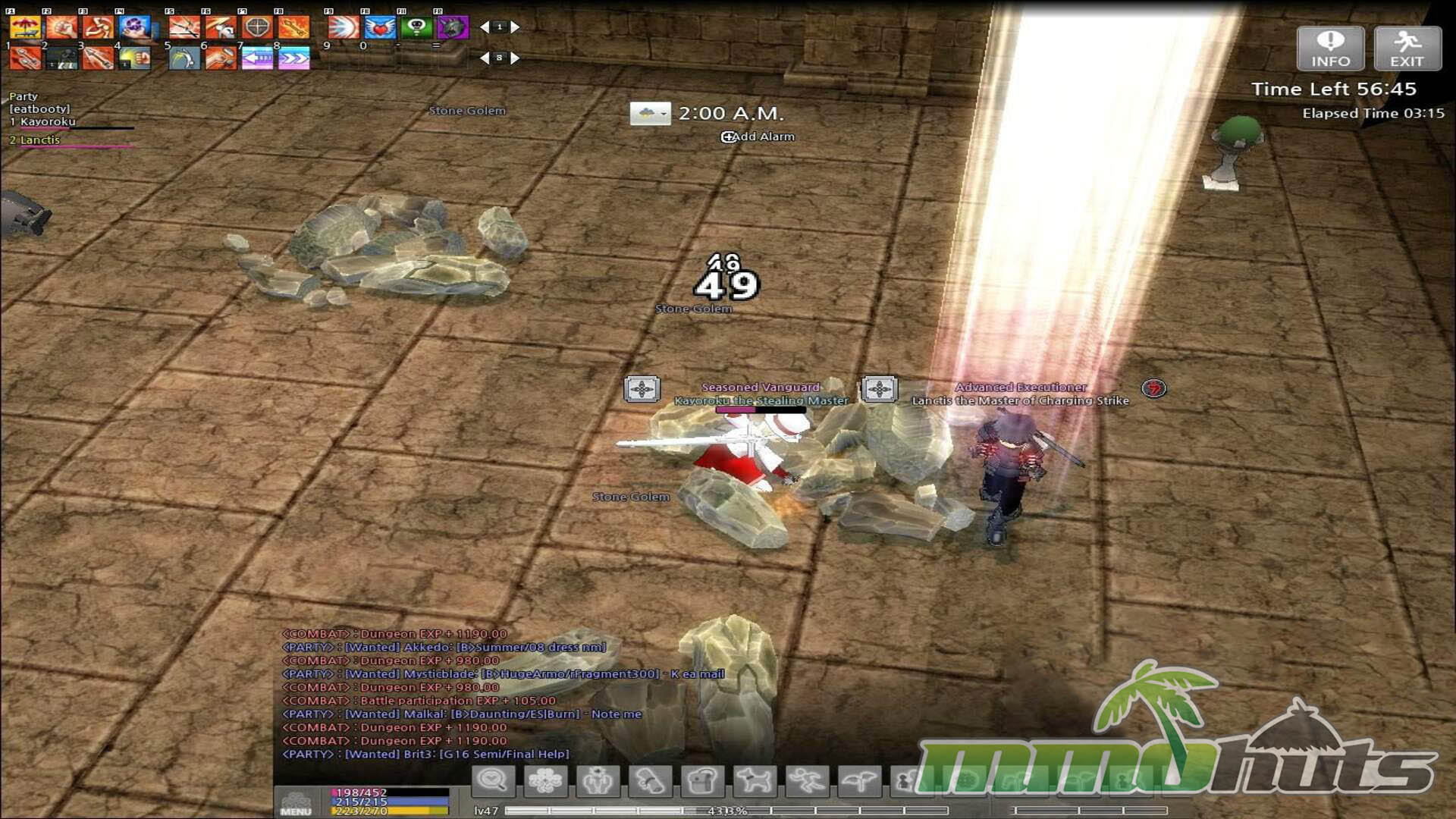
- Dungeons — instanced dungeons generate randomized layouts, with additional repeatable fixed instances available through Shadow and Theatre missions.
- Live a Fantasy Life — other immersion systems include achievements, titles, exploration quests, NPC part-time jobs, marriage, crafting and gathering, player-run shops, city trading, and more.
Mabinogi Screenshots
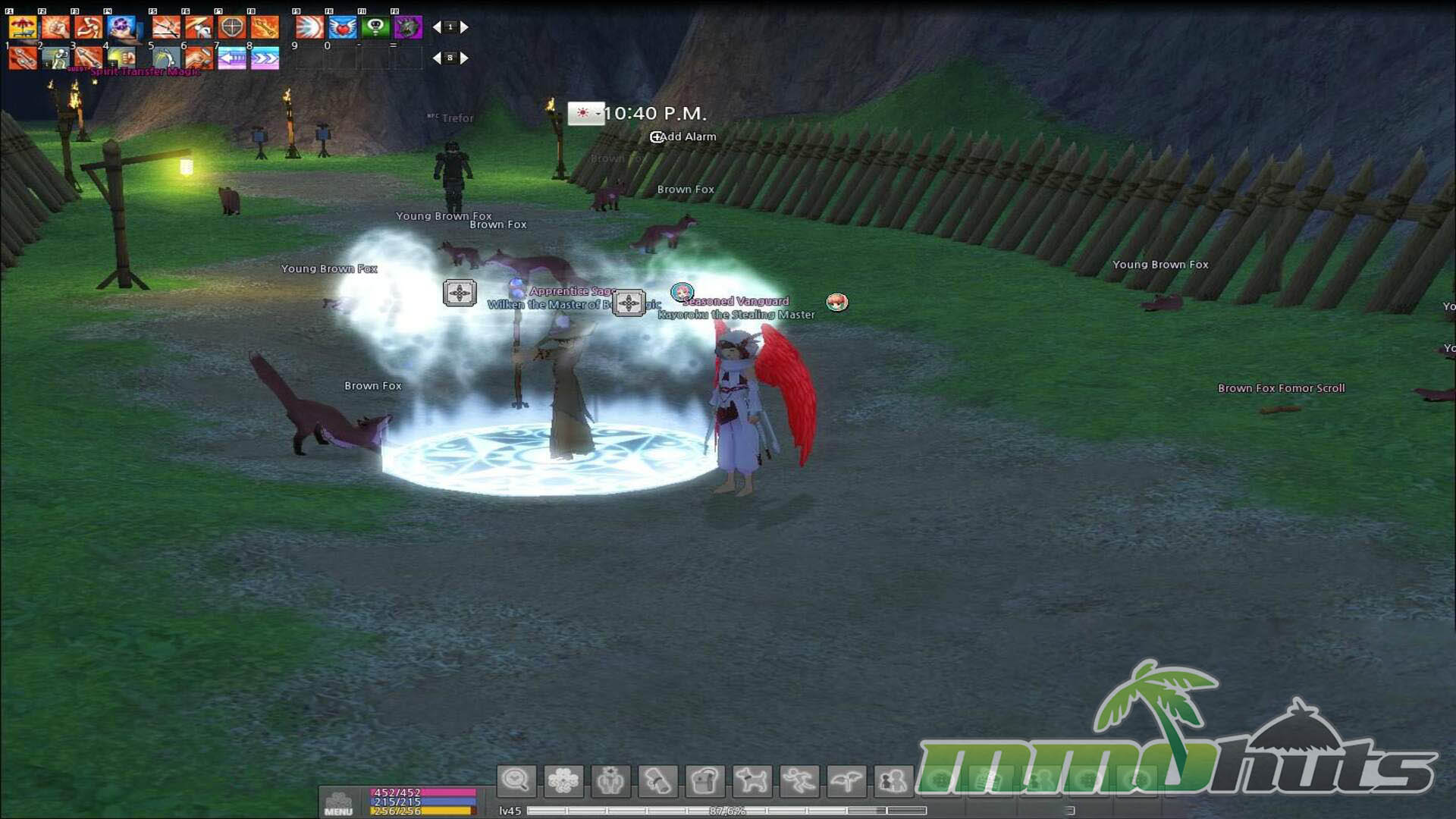
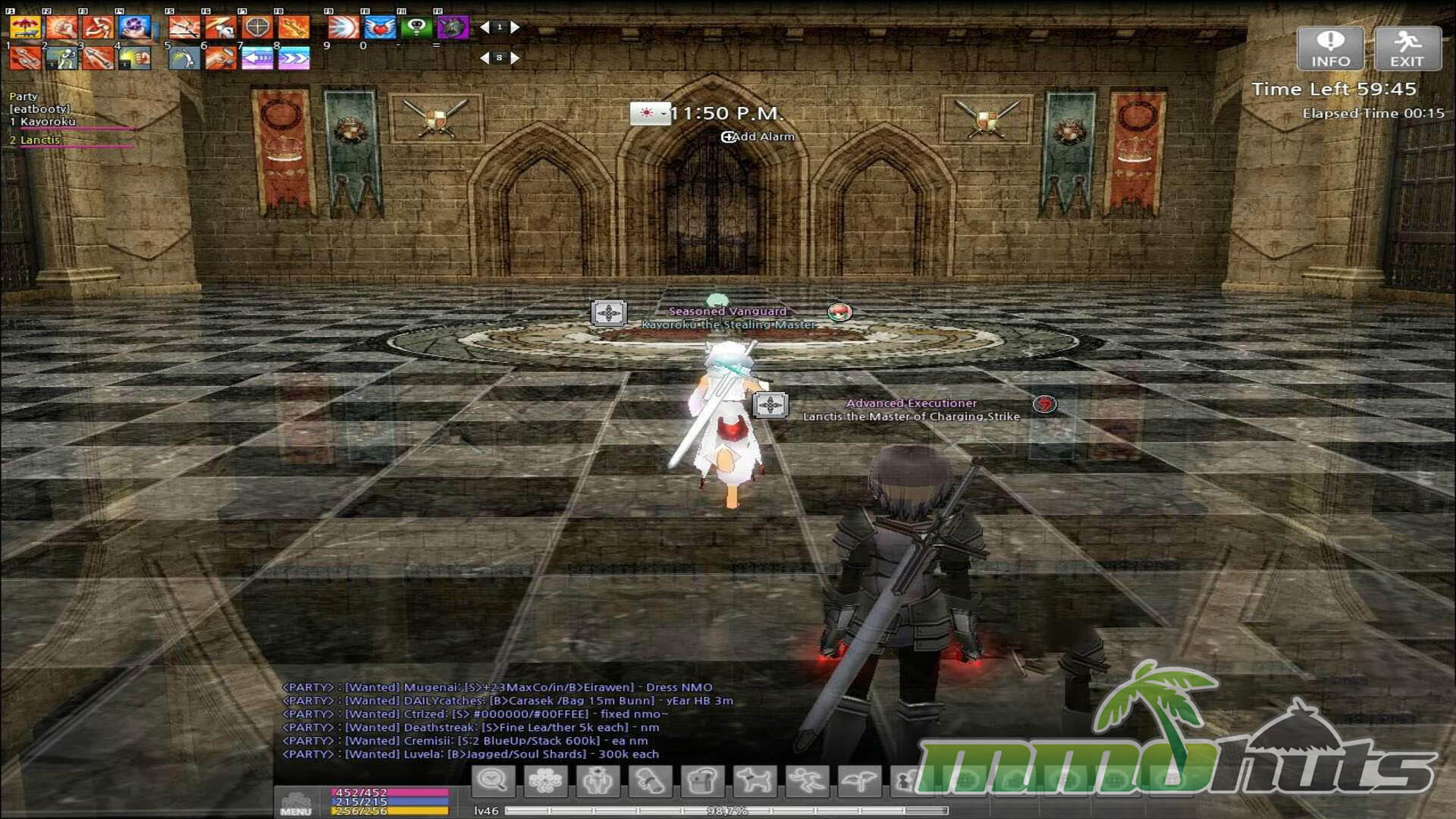
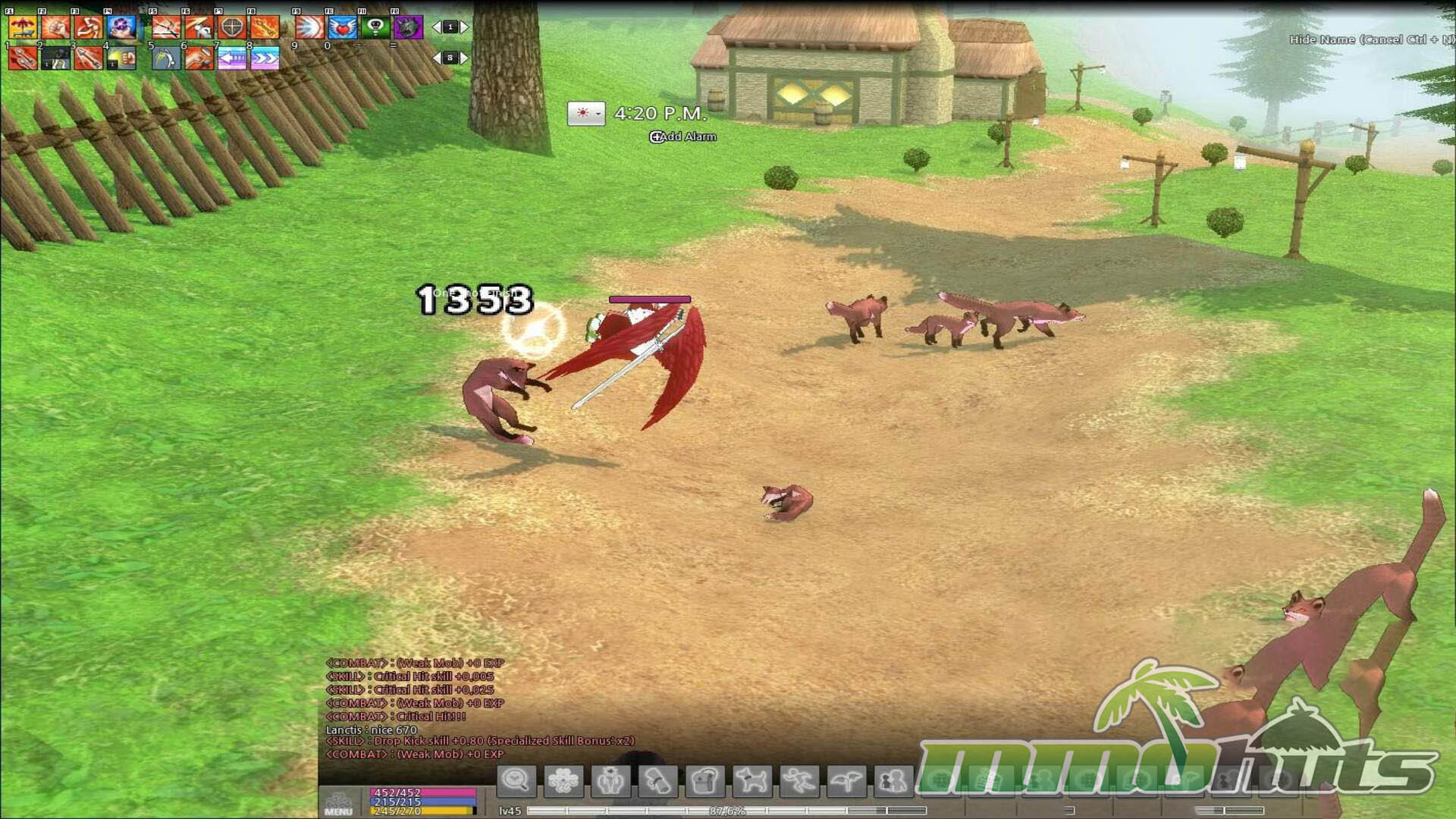
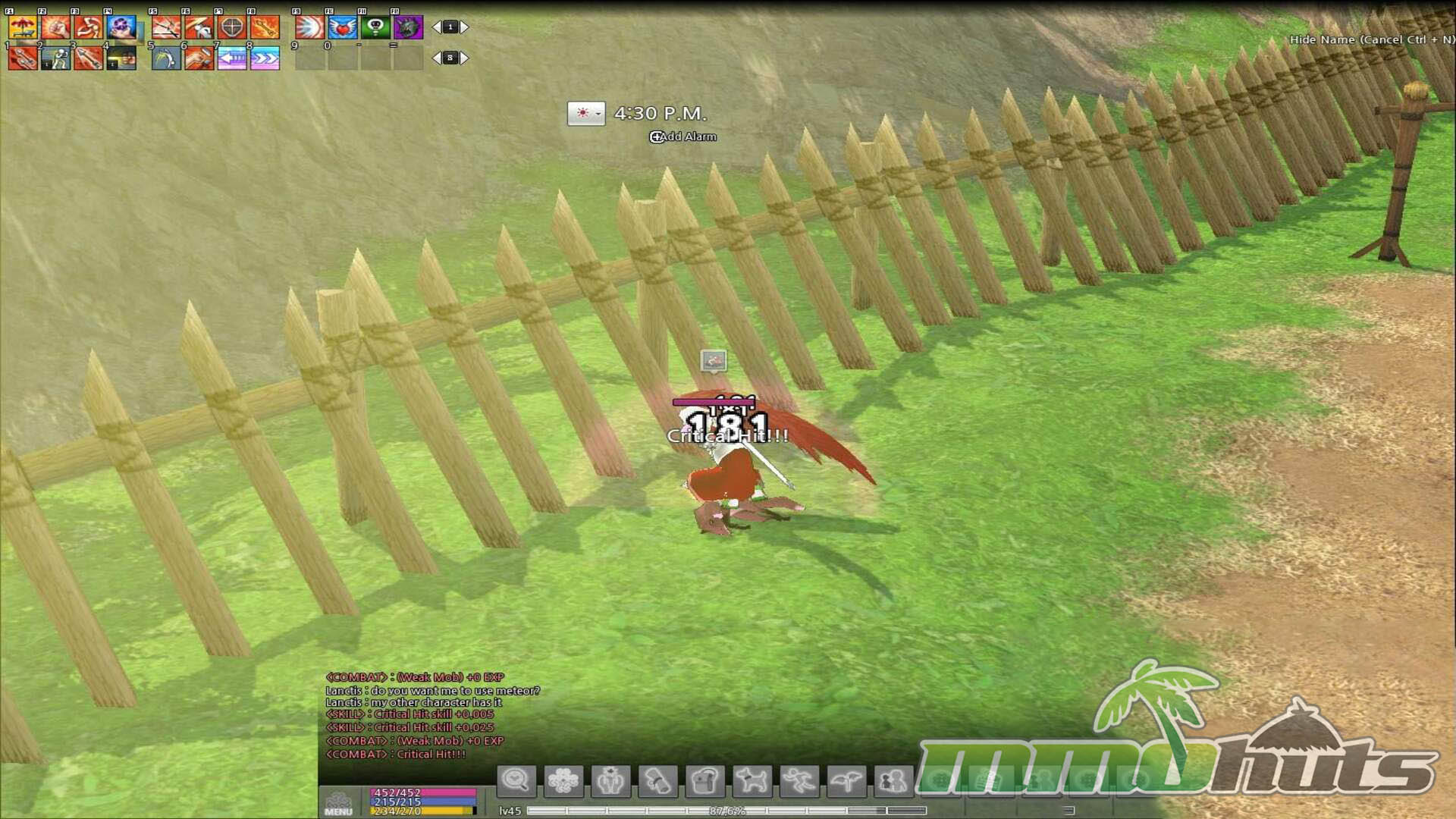

Mabinogi Featured Video

Mabinogi Review
Mabinogi is a free-to-play MMORPG published by Nexon and developed by devCAT. Its title draws from the Mabinogion, a collection of Welsh legends, while much of the game’s fantasy flavor is loosely inspired by Irish mythology. For North America, the closed beta began on January 30, 2008, followed by a pre-open beta for Fileplanet users on March 5, 2008, and then open beta on March 6, 2008. The official NA release date was March 27, 2008. There was also discussion of an Xbox 360 version in 2007 in Seoul, South Korea; development reportedly finished in 2009, but it never launched due to business decisions. Today, Mabinogi is available via Nexon’s site and is also distributed on Steam.
The reason Mabinogi still draws new accounts after so many years is that its core identity remains uncommon. The game mixes a charming anime-styled aesthetic with deep character building and a combat model that feels closer to a mind game than a DPS race. On top of that, it uses a progression philosophy that emphasizes long-term account growth through skill ranks and total level rather than treating your current level as the only measure of power. If you enjoy experimentation and building a character over months instead of sprinting to a cap, Erinn has plenty to offer.
Starting Out, Servers and Character Setup
Your first major choice is the server, presented in an order that makes it easy to spot the busier worlds. After that, you pick a race, Human, Giant, or Elf. For most new players, Human is the safest first character because it is flexible and does not push you into a narrow niche early on, you can always create additional characters later if you want to experience the strengths of Elves or Giants.
Character creation then asks you to choose a Talent, which acts like an initial specialization, before moving into appearance options. Ages range from 10 to 17, and while you do not sculpt body shapes, there are plenty of presets and cosmetic selections (hair, face, eyes, colors) to create a recognizable look without spending an hour in sliders. Once you confirm your choices, the game drops you into Erinn with the expectation that you will define your own routine.
General Gameplay
Erinn is structured as an open world with a lot of parallel activities rather than a single mandatory track. You can focus on combat content such as dungeons, raids, field bosses, PvP, and guild-related fighting, but the game is equally happy to let you lean into noncombat play. Many players spend serious time on the economy, part-time jobs, crafting, gathering, homestead development, and social systems, and those paths are not treated as side distractions.
For players who want narrative direction, Mabinogi includes multiple main quest lines that cover different arcs of the setting. Quality can vary from one chain to the next, but they generally provide structure, unlocks, and a sense of momentum. Exploration also matters, with multiple regions and continents that feel meaningfully different in tone and purpose.
A Tactical Take on MMO Fighting
Mabinogi’s combat is often described as “strategic” because it asks you to think about what your opponent is doing, not just what your cooldowns are. The foundation is point-and-click, but the flow is shaped by timing, counters, and picking appropriate tools for the situation. It can feel slower or stricter than modern action combat at first, especially for players used to constant movement and animation canceling.
Where the system shines is variety. Beyond familiar melee and magic, you can build around options like puppetry and dual guns, and you are not locked into a single class identity forever. In practice, that flexibility becomes the game’s long-term hook: you can broaden your kit over time, mix styles, and pivot your play as new content or personal preferences change.
Reset to Grow, The Rebirth Loop
A defining feature of Mabinogi is how it reframes “level.” Your current level matters, but not in the usual MMO sense of being the one number that defines your strength. The bigger picture is your skill ranks and your total accumulated level over time. The game supports this with the Rebirth System, which lets you reset your character back to level 1 while keeping skill ranks and the stats gained from those skills.
Rebirth also ties into the age mechanic, letting you choose a new starting age when you rebirth. Appearance changes such as hair and skin color can be tied to cash shop options, which is worth keeping in mind if you like frequent cosmetic adjustments.
The practical result is that a rebirthed level 1 character can be far stronger than a player who simply pushed a single life to a high current level without building skill ranks and total level. Rebirth used to be monetized, but it is now free and can be done weekly in real-world time. It becomes a planning tool: leveling slows as you climb, so rebirthing on a regular cadence helps you keep earning ability points efficiently.
Because rebirths can continue indefinitely, Mabinogi supports a “many lives” style of progression. Over time, you can genuinely become a character who cooks, crafts, performs, and fights competently, switching focus depending on what you feel like doing that week.
Skill Ranks Drive Real Power
Even though current level is not the whole story, leveling still matters because it awards ability points. Those points are the fuel used to rank up skills, and higher ranks often demand a steep investment. Skills typically progress from F up through A, then from 9 down to 1, with effectiveness scaling accordingly, whether that is damage, utility, or improved success rates.
You also gain ability points from sources beyond leveling, including aging and various quests, events, and systems. The end result is a progression model that rewards consistency and broad engagement, rather than simply grinding one dungeon until a bar fills.
Talents as Flexible “Classes”
Mabinogi’s Talent System (previously referred to as the Destiny System) is essentially its answer to a class framework. Choosing a Talent makes associated skills easier to train and provides bonus stats aligned with that style, for example strength for melee-oriented play, intelligence for magic, or dexterity for ranged options.
The important distinction is that Talents do not hard-lock your character. You can still learn and rank other skills, and you can swap Talents whenever you rebirth. This encourages experimentation and makes it realistic to change roles without rerolling your entire character. There are also “Hero Talents” that require additional spending to access, typically offering broader benefits. In practical terms, most players can build effective characters without relying on those paid options, especially if they plan their training and take advantage of events.
What Mabinogi Gets Right
At its best, Mabinogi feels like one of the closest things MMOs have to a fantasy life simulator. The amount of noncombat content is not just a checklist, it is woven into the game’s identity. Crafting, commerce, music, homestead play, and social systems have enough depth that they can become a player’s primary “endgame,” not just a break between dungeons.
The social atmosphere also tends to be a strong point, with guilds, player-run shops, and community events creating natural reasons to interact. Veteran players do have advantages through total level and long-term accumulation, but the game has historically used systems like Talents and periodic AP and skill-related events to help newer players catch up and find their footing.
Where the Game Shows Its Age
Mabinogi’s weaknesses are also hard to ignore. PvP balance is a frequent complaint, and many builds centered on ranged pressure or crowd control can feel disproportionately effective compared to straightforward melee approaches. While melee has tools, even fights often favor players who can keep distance, lock opponents down, or burst safely.
The monetization reputation is another sticking point. While many cash shop items function as convenience or time-savers, real-money spending can be converted into in-game wealth through multiple routes. Since gear and upgrades can heavily influence performance, that ability to accelerate funding can create a “pay-to-progress faster” environment that some players will interpret as pay-to-win, depending on their tolerance for shortcuts.
Technical issues also play a role. The engine is older, and you can feel it in movement oddities, occasional clunkiness, and inconsistent polish. The use of Hackshield is additionally controversial because of its history of not fully solving botting and related problems, which can affect the economy and the general feel of certain areas.
Final Verdict – Great
Mabinogi remains a rare MMO that genuinely supports multiple playstyles without treating noncombat systems as filler. If you want a long-running online world where you can dungeon crawl one day and spend the next composing music, running a shop, or building up life skills, it delivers a distinct experience that still feels different from most modern releases.
The trade-off is that you have to accept an aging engine, a learning curve that can be steep early on, and a cash shop that offers plenty of ways to speed up progress. For players who can look past those drawbacks, the steady stream of updates and events, plus the strength of its community-driven “fantasy life” core, make Mabinogi easy to recommend, especially with friends.
Mabinogi Links
Mabinogi Official Site
Mabinogi Steam Page
Mabinogi Wikipedia Entry
Mabinogi World Wiki [Database / Guides]
Mabinogi Subreddit
Mabinogi Metacritic Page
Mabinogi System Requirements
Minimum Requirements:
Operating System: 7 / 8
CPU: Intel Dual Core 2.5 GHz or AMD equivalent
Video Card: GeForce 7600 GS / Radeon X1300
RAM: 4 GB
Hard Disk Space: 8 GB
Recommended Requirements:
Operating System: 7 / 8
CPU: Intel i5 2400 or better
Video Card: GeForce 560 TI or better
RAM: 4 GB or more
Hard Disk Space: 10 GB
Mabinogi Music & Soundtrack
Mabinogi Additional Information
Developer: devCAT
Closed Beta Date: January 29, 2008 – February 5, 2008
Open Beta Date: March 5, 2008 – March 26 2008
Foreign Release:
Korea: June 22, 2004
Japan: April 26, 2005
China: November 22, 2005
Hong Kong: July 21, 2005
Taiwan: July 21, 2005
North America: March 27, 2008
Oceania: June 20, 2008
Europe: May 26, 2010 (EU service was closed on July 18, 2012)
Major Updates:
Chapter 1
Generation 1: Advent of the Goddess
Generation 2: Paladin
Generation 3: Dark Knight
Chapter 2
Generation 4: Pioneers of Iria
Generation 5: Elves of the Desert
Generation 6: Giants of the Snowfield
Generation 7: Ancient Secrets of Irinid
Generation 8: Dragon
Chapter 3
Generation 9: Alchemist
Generation 10: Goddess of Light
Generation 11: Sword of the Gods
Generation 12: Return of the Hero
Chapter 4
Generation 13: Hamlet
Generation 14: Romeo and Juliet
Generation 15: Merchant of Venice
Generation 16: Macbeth
Chapter 5
Generation 17: Shamala and Nightmare
Generation 18: The Saga: Iria
Chapter 6
Generation 19: The Divine Knights
Development History / Background:
Fantasy Life Mabinogi takes its name from Welsh legend, while much of the worldbuilding pulls loosely from Irish mythology. At launch, the game included time restrictions for free players, a limitation that was later removed with the arrival of Chapter 3.
An Xbox 360 edition was announced in 2007 at the Gstar conference, but despite reports that development concluded in September 2009, the release was canceled due to business decisions.
A related prequel, Mabinogi Heroes (released in the West as Vindictus), launched on January 21, 2010. It is set several hundred years before the original and uses a notably different approach to gameplay and visual style. Another project, Mabinogi II: Arena, was shown at G-Star 2012, but development was discontinued in January 2014.