Perfect World is a 3D fantasy MMORPG rooted in Chinese mythology, set in the legendary realm of Pangu. Players pick from ten distinct classes and progress through PvE questing and PvP conflicts, building out skills, gear, pets, and other tools on the road to level 100.
 | Publisher: Arc Games Playerbase: Medium Type: MMORPG Release Date: September 2, 2008 (NA/EU) Pros: +Excellent character creator with lots of control. +Massive Territory War battles. +Login bonuses and daily freebies. Cons: -Progression can become grind-heavy. -Longstanding technical quirks. -UI and controls show their age. |

Perfect World Overview
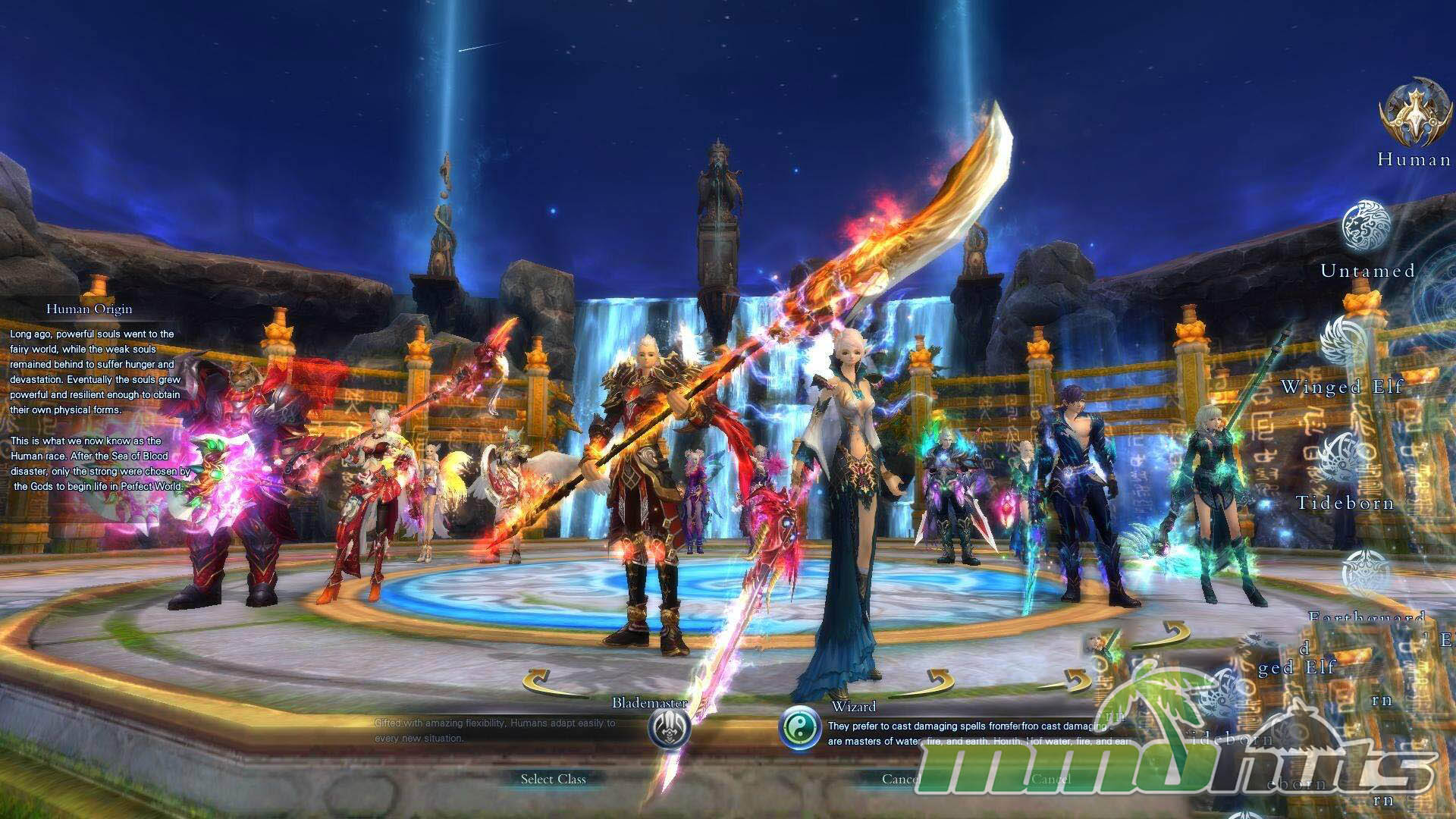
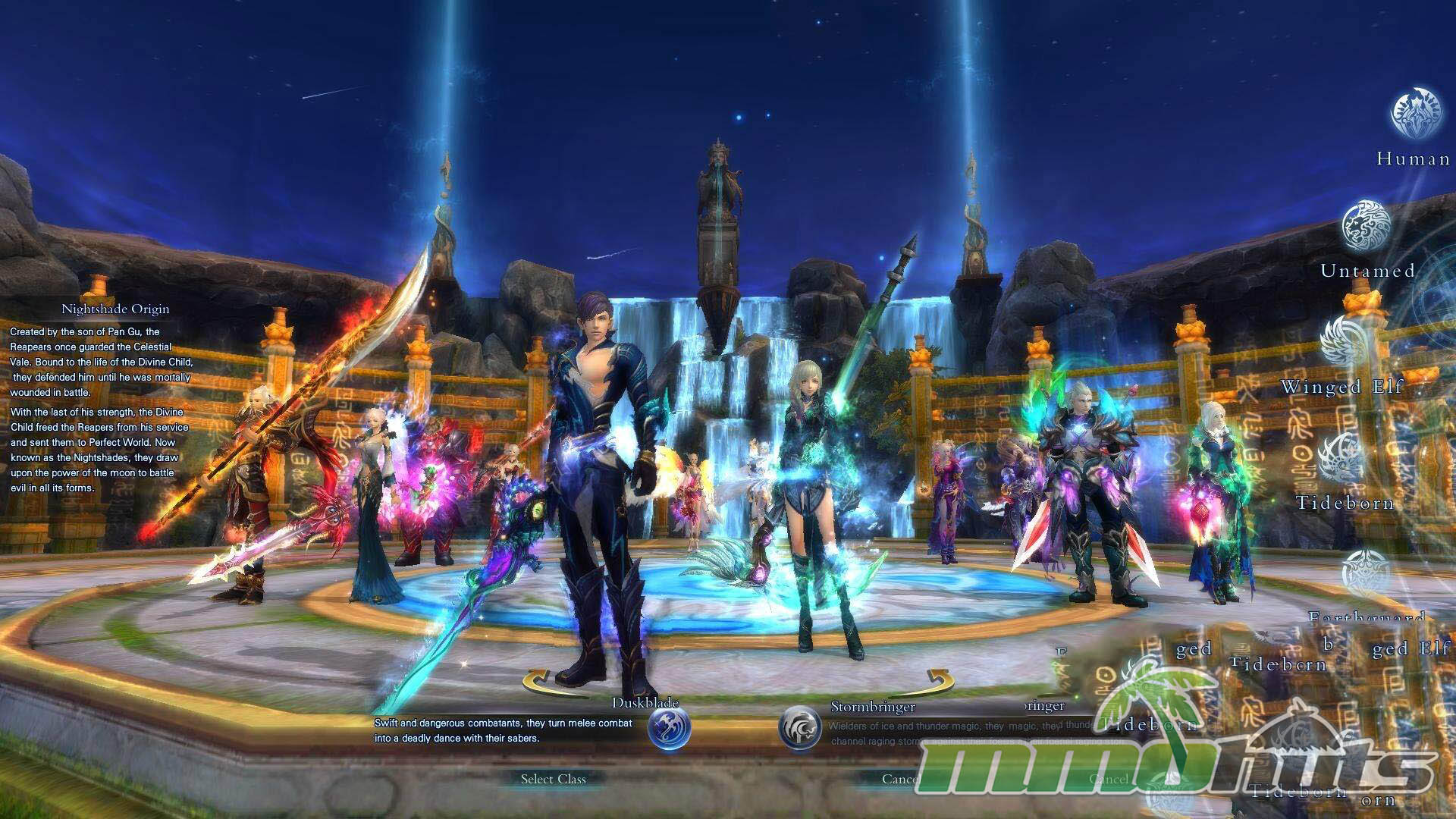
Perfect World is a 3D fantasy MMORPG developed by Chinese online-gaming company Perfect World. Its setting leans heavily into Chinese myth, using the world of Pangu as a backdrop for questing, dungeon runs, and clan-driven conflict. At the start, you choose from ten classes with clearly defined roles and playstyles, ranging from ranged damage and burst casters to tanks and dedicated support.
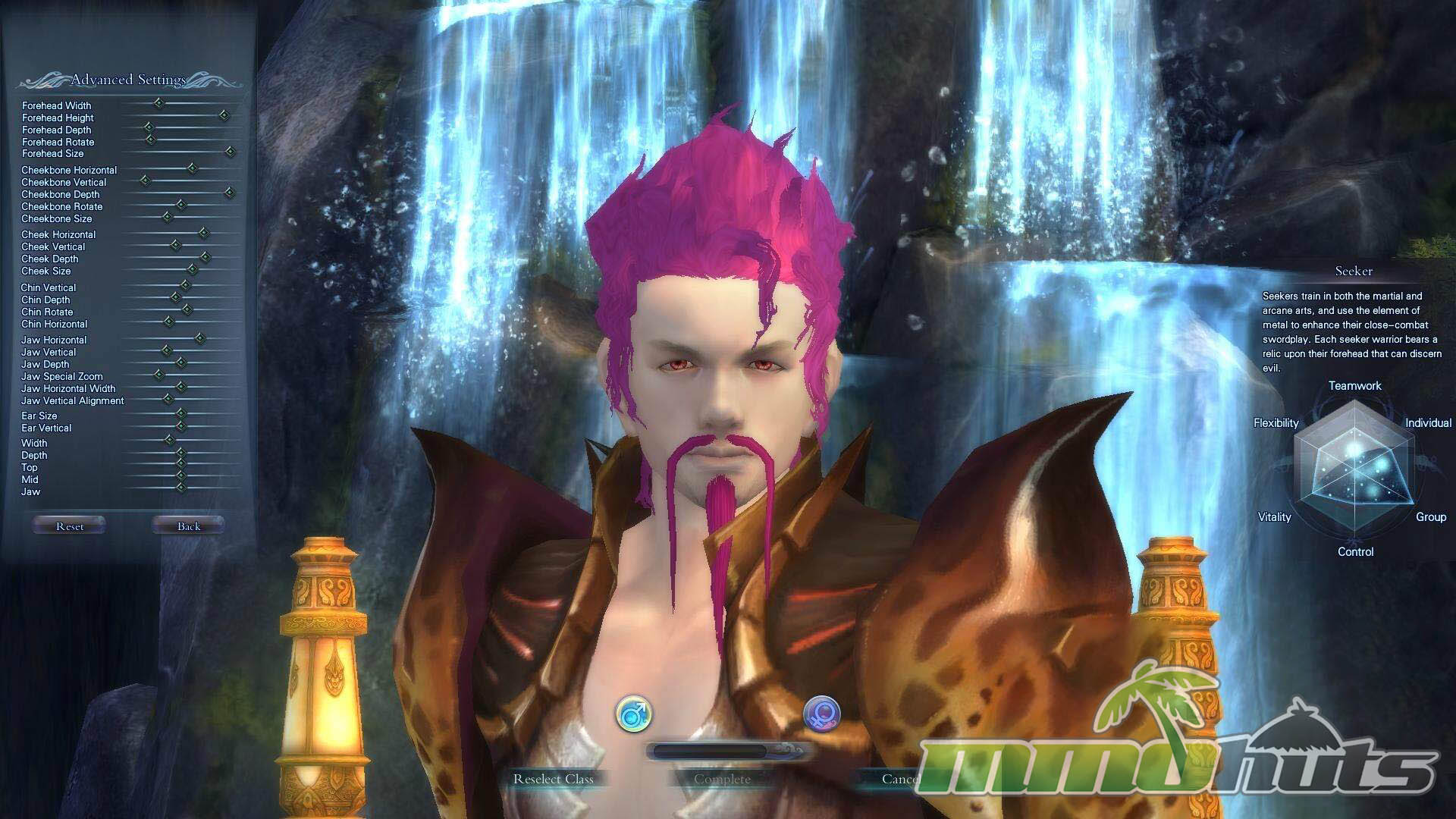
One of the game’s long-running talking points is its character creation, which offers unusually granular control over facial structure and body proportions. Once you are in-game, the core loop is familiar for the genre, follow quest chains, defeat monsters, gather items, and steadily unlock new skills and equipment as your level climbs. Progress also opens up more toys like pets, along with additional ways to build out your character for different situations.
Socially, Perfect World pushes players toward guild life, supporting large rosters (up to 200 members). That matters because much of the game’s identity comes from group content, including instanced runs, open-world boss fights, and its headline PvP mode. Territory War pits massive forces against each other in 80v80 battles where coordination and preparation can matter as much as individual builds.
Perfect World Key Features:
- Territory War – 80v80 battles where races/classes fight for territory on maps to claim as their own.
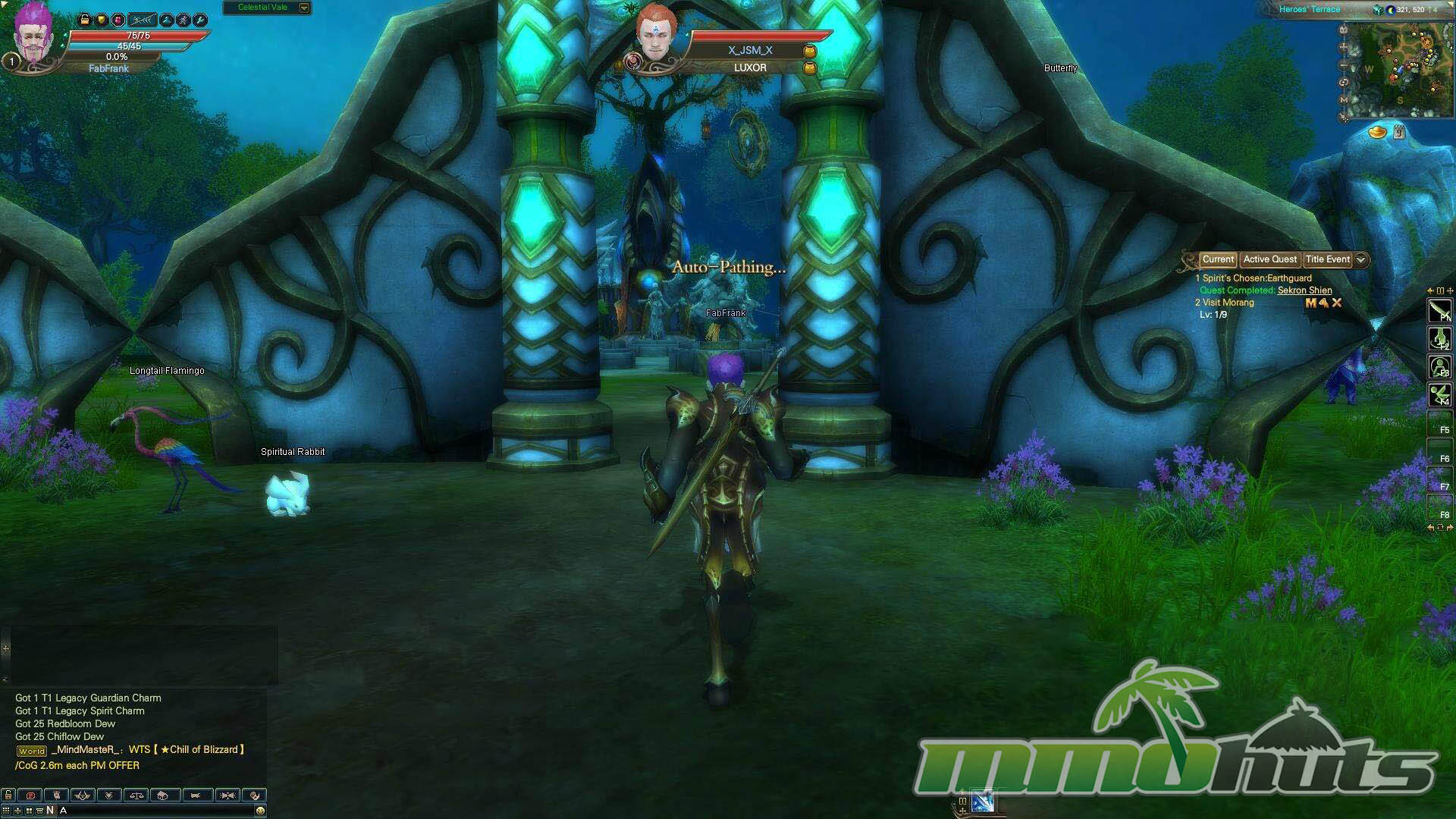
- Auto-Navigation – character navigates its way without player input to pre-designated coordinates.
- Daily Rewards – players receive free items for logging in.
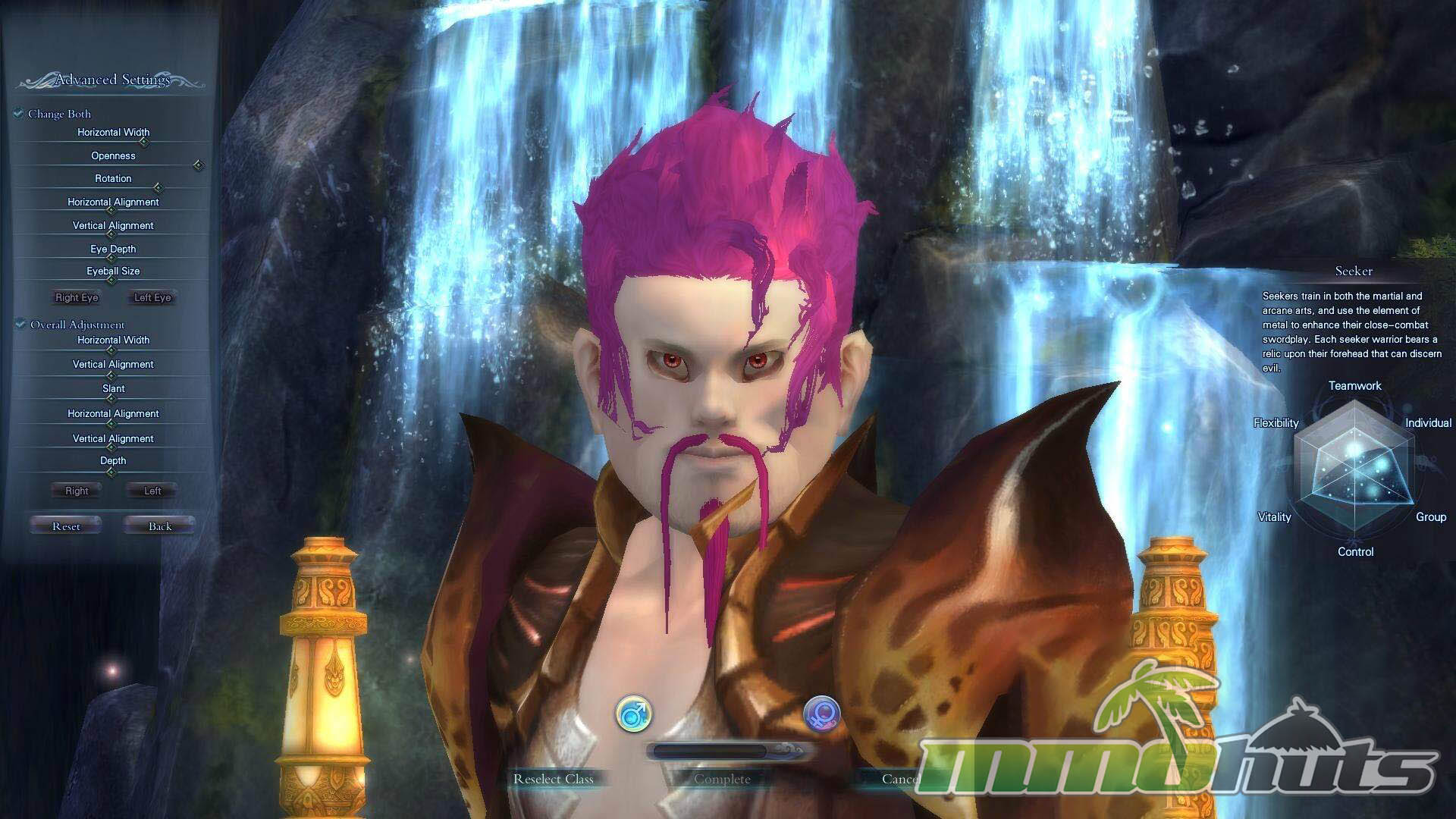
- Character Customization – comprehensive character customization allows players to adjust nearly all aspects of their characters features.
- Unlocked Content – unlock new skills, pets, experience, and weapons.
Perfect World Screenshots

Perfect World Featured Video

Perfect World Classes
- Archer – Archers serve as the iconic ranged damage dealers, with strong mobility and the standout perk of flight at level 1. They excel at picking targets off from a distance and leaning into critical hits for consistent DPS.
- Assassin – Built around stealth and sudden pressure, Assassins are designed to dominate duels through surprise engages and heavy crit-based burst. In 1v1 situations, they can be especially threatening when played patiently.
- Barbarian – Barbarians are durable front-liners that can soak damage while still hitting hard. Although they naturally fit the tank role, their kit and builds can also favor mobility and aggressive play to stay on top of targets.
- Blademaster – A flexible melee fighter with crowd control tools, the Blademaster shines when it can disrupt enemies with stuns and manage groups. It is a strong pick for players who like controlling tempo in fights.
- Cleric – The primary healer archetype, Clerics keep parties alive and can even resurrect allies. They are also resilient in a pinch thanks to self-sustain, and they gain flight early while scaling into stronger spellcasting later on.
- Mystic – Mystics blend damage, support, and summoning, calling in pets or plant-like helpers while applying buffs and area effects. Their toolkit makes them valuable in groups, especially when fights get crowded or chaotic.
- Psychic – Often associated with PvP, Psychics are fast casters with defensive tricks that punish attackers. Reflect-style effects and debuff interactions can make them dangerous even when they are playing reactively.
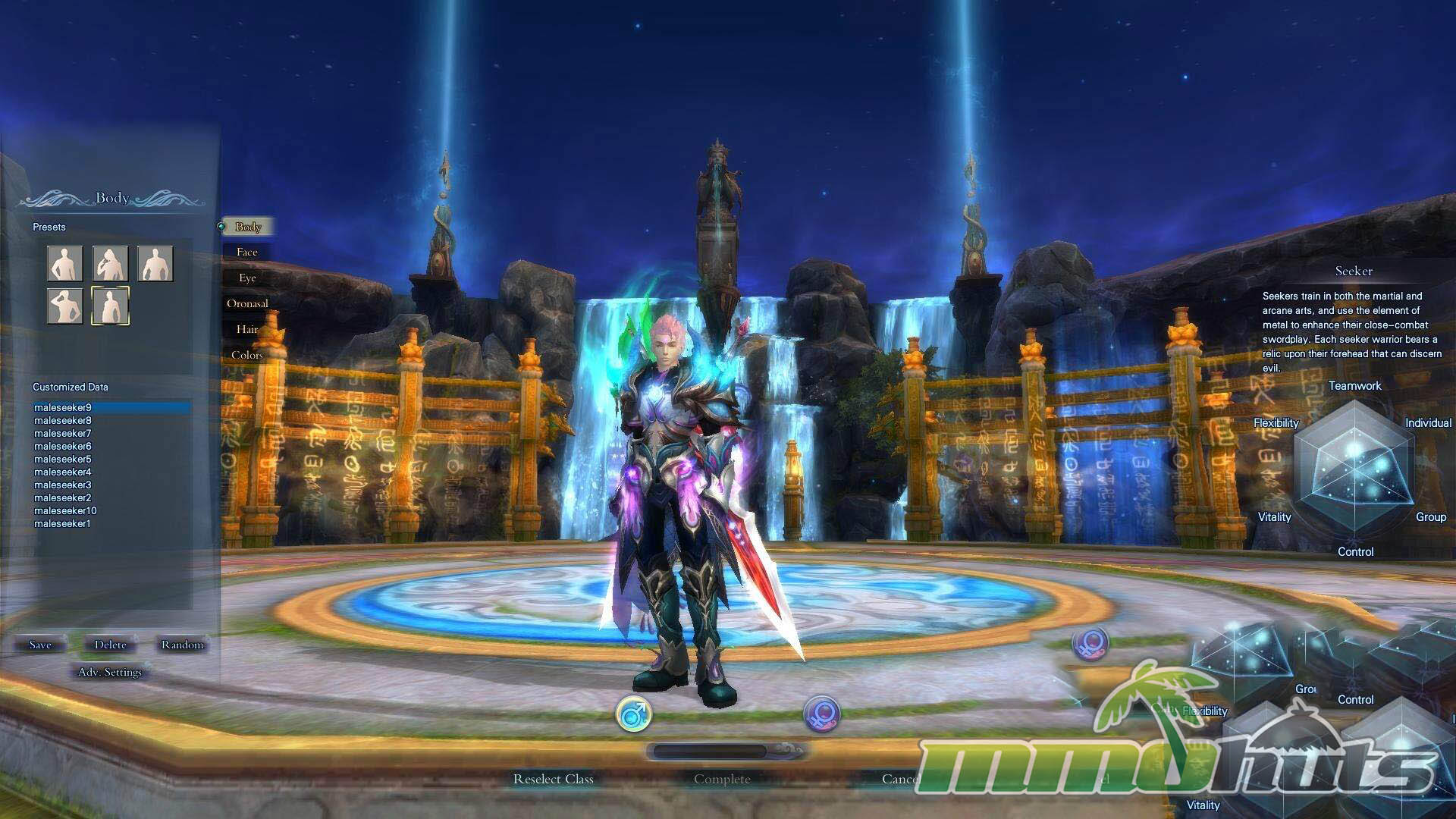
- Seeker – Seekers are heavy-armored sword users that combine staying power with steady pressure. They can take a beating, contribute utility, and remain effective while wearing opponents down over time.
- Venomancer – Venomancers fight alongside animal companions and can switch into a fox form to emphasize physical defense and close-range presence. Alternatively, they can lean into their magic side for ranged poison-based offense.
- Wizard – Wizards trade safety for explosive spell damage, relying on channeled casts to deliver big bursts. With elemental magic and defensive options, they can be built either for raw offense or for better survivability under pressure.
Perfect World Review
Perfect World takes a myth-inspired setting and frames it in the familiar structure of a classic-era MMORPG. The premise revolves around Pangu and a world that is not as harmonious as it should be, with hostile forces spreading and the playable races caught up in restoring balance. It is not a story-first MMO in the modern sense, but it does use its mythology as a consistent theme for zones, enemies, and class identity.
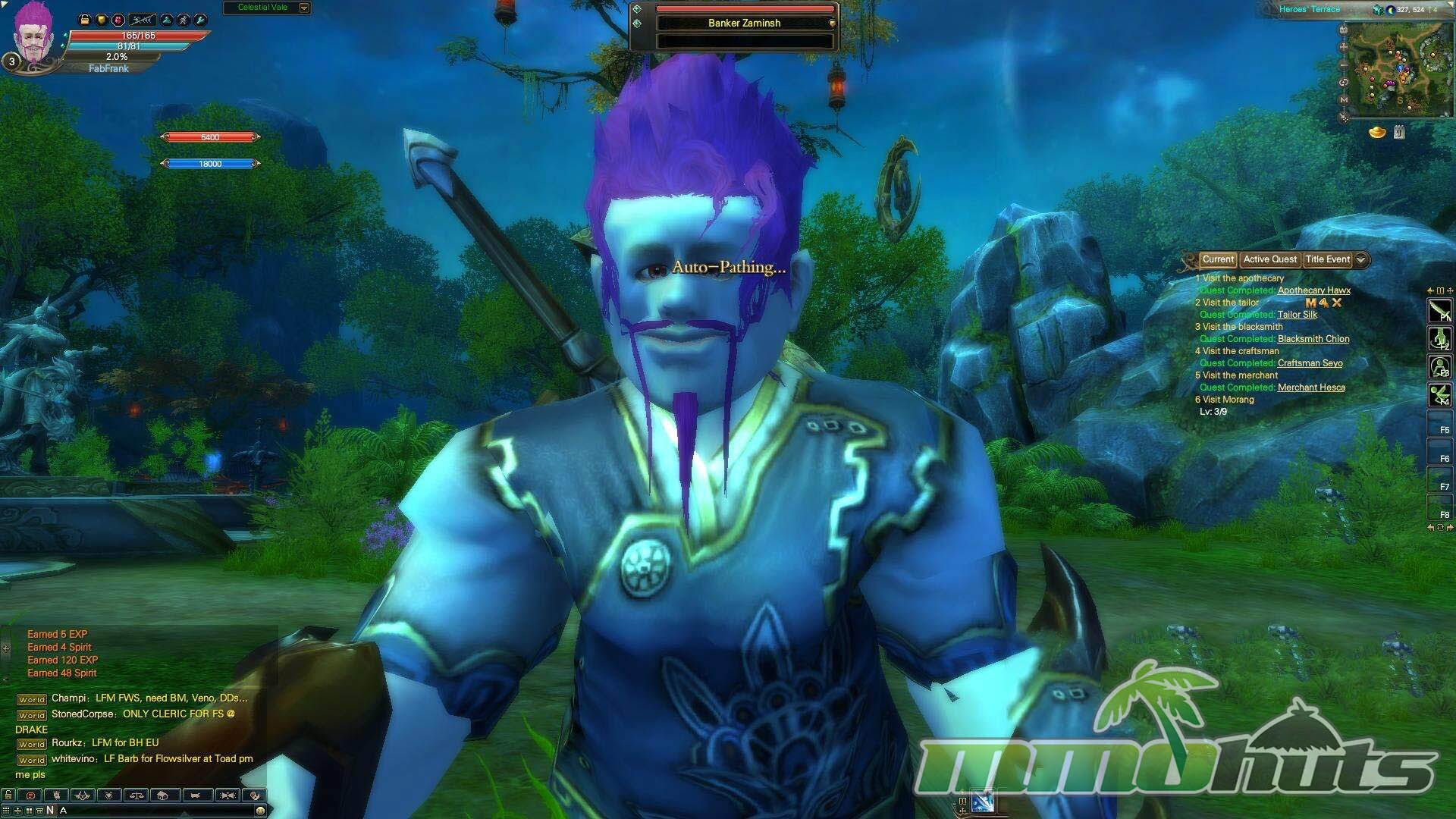
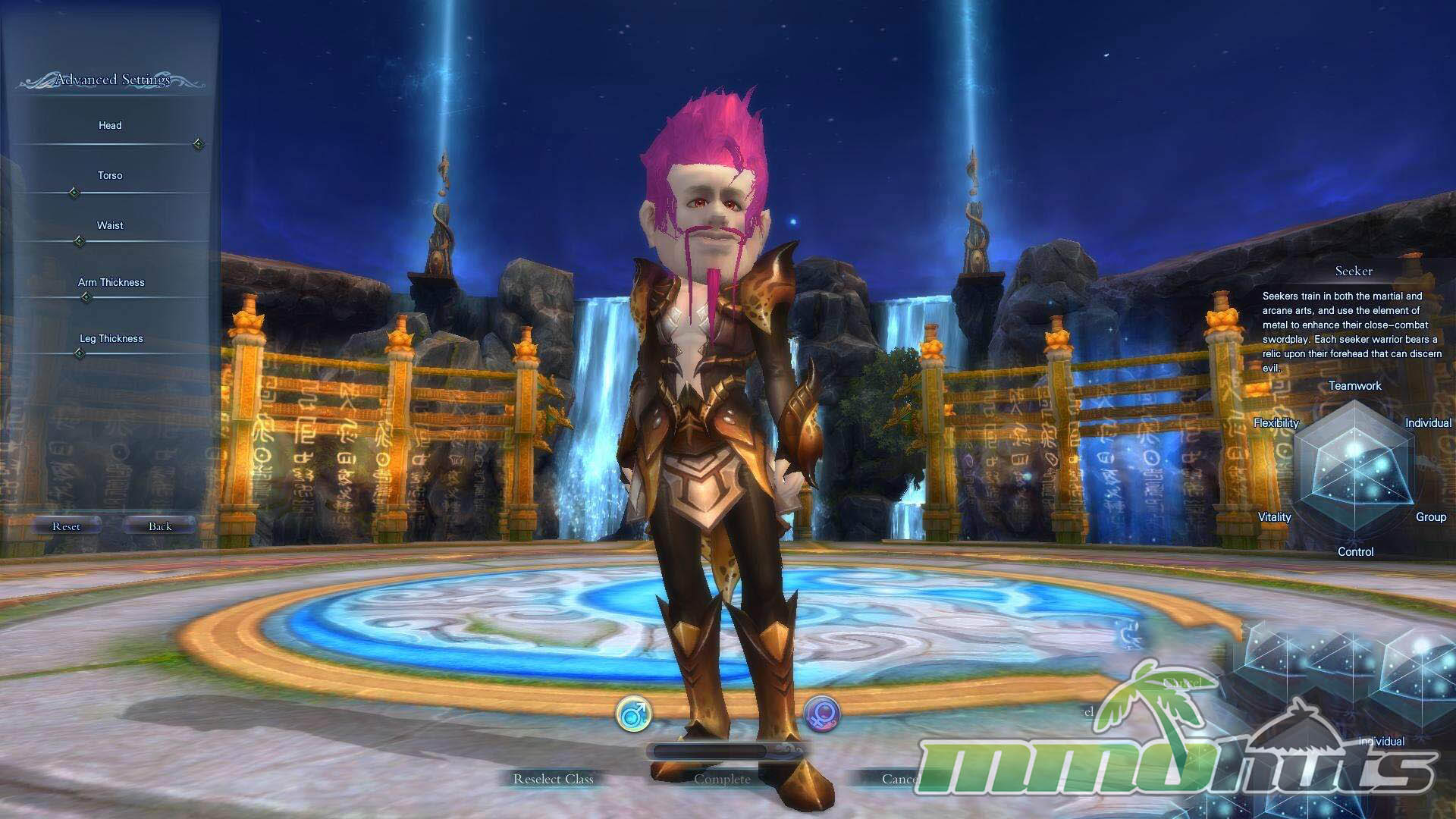
Character creation is where the game immediately tries to stand apart. Even by MMO standards, the “advanced” options are unusually deep, with sliders that let you reshape the face and body in ways that can look impressively detailed or intentionally absurd. If you enjoy spending time perfecting a look (or experimenting until you end up with something bizarre), Perfect World still holds up as one of the more memorable creators in the genre.
Building a Hero (or a Monster)
The editor is the kind that can keep you busy longer than the opening tutorial. It is not just hair and a few facial presets, it is granular control over features like eyes, jaw, and overall proportions. The upside is clear: you can make a character that does not feel like a clone of everyone else in town. The downside is that it is easy to go too far, and the game happily lets you do it.
That freedom is part of the charm, especially in an older MMO where many competitors locked players into rigid templates. If customization is a major factor for you, this is one of Perfect World’s most enduring strengths, and it is the feature that still feels genuinely distinctive.
Movement, Camera, and Early Friction
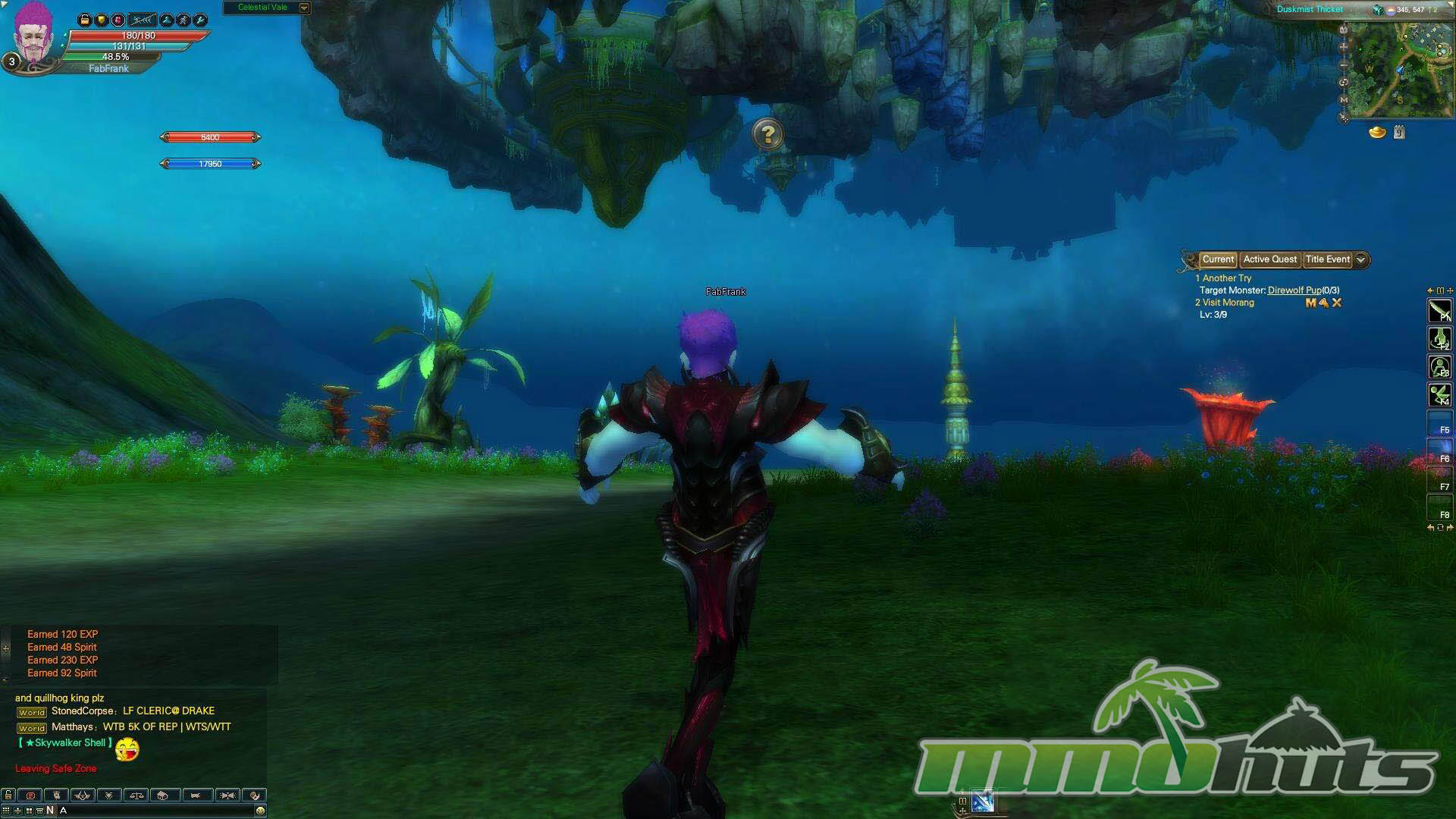
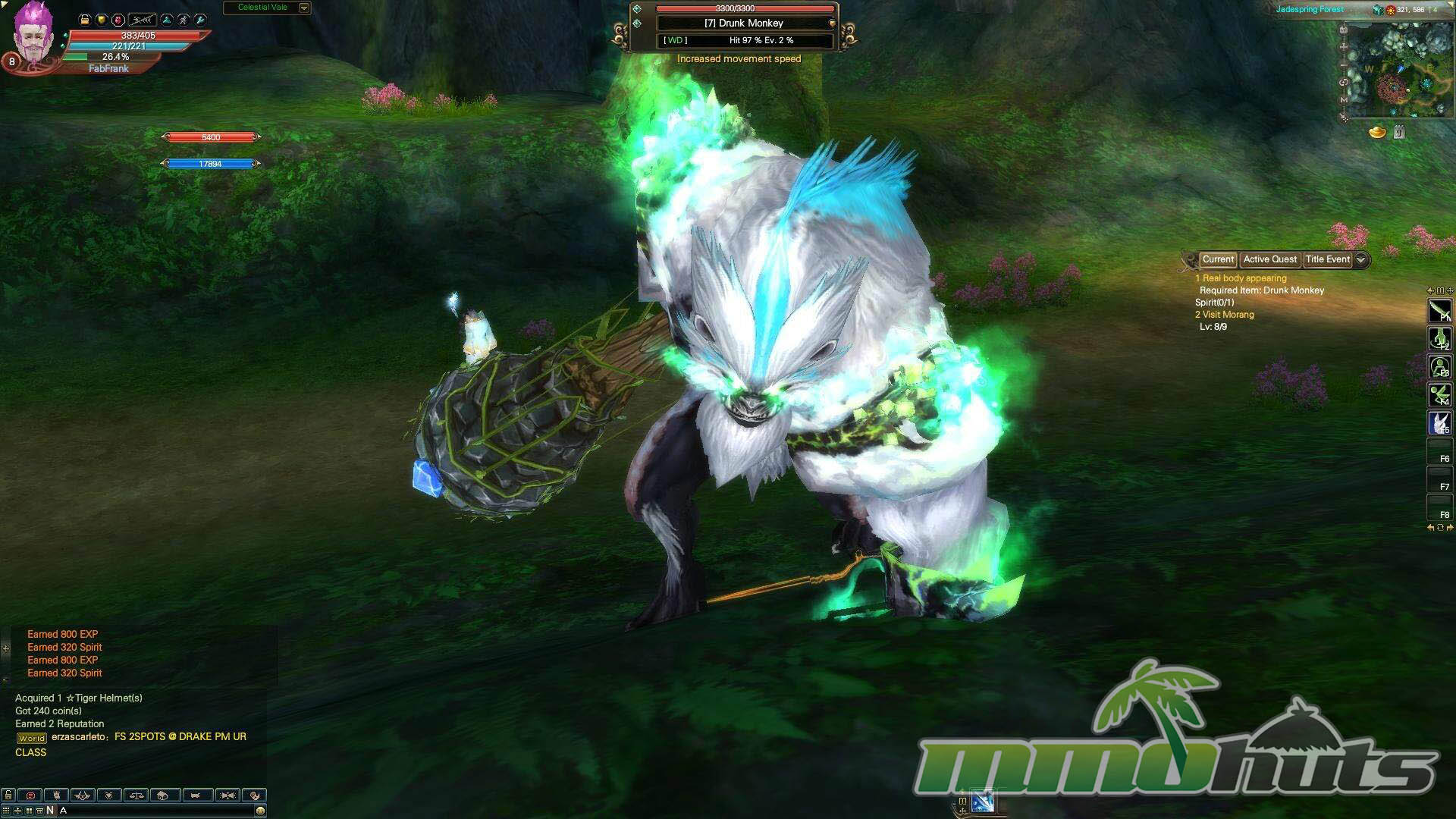
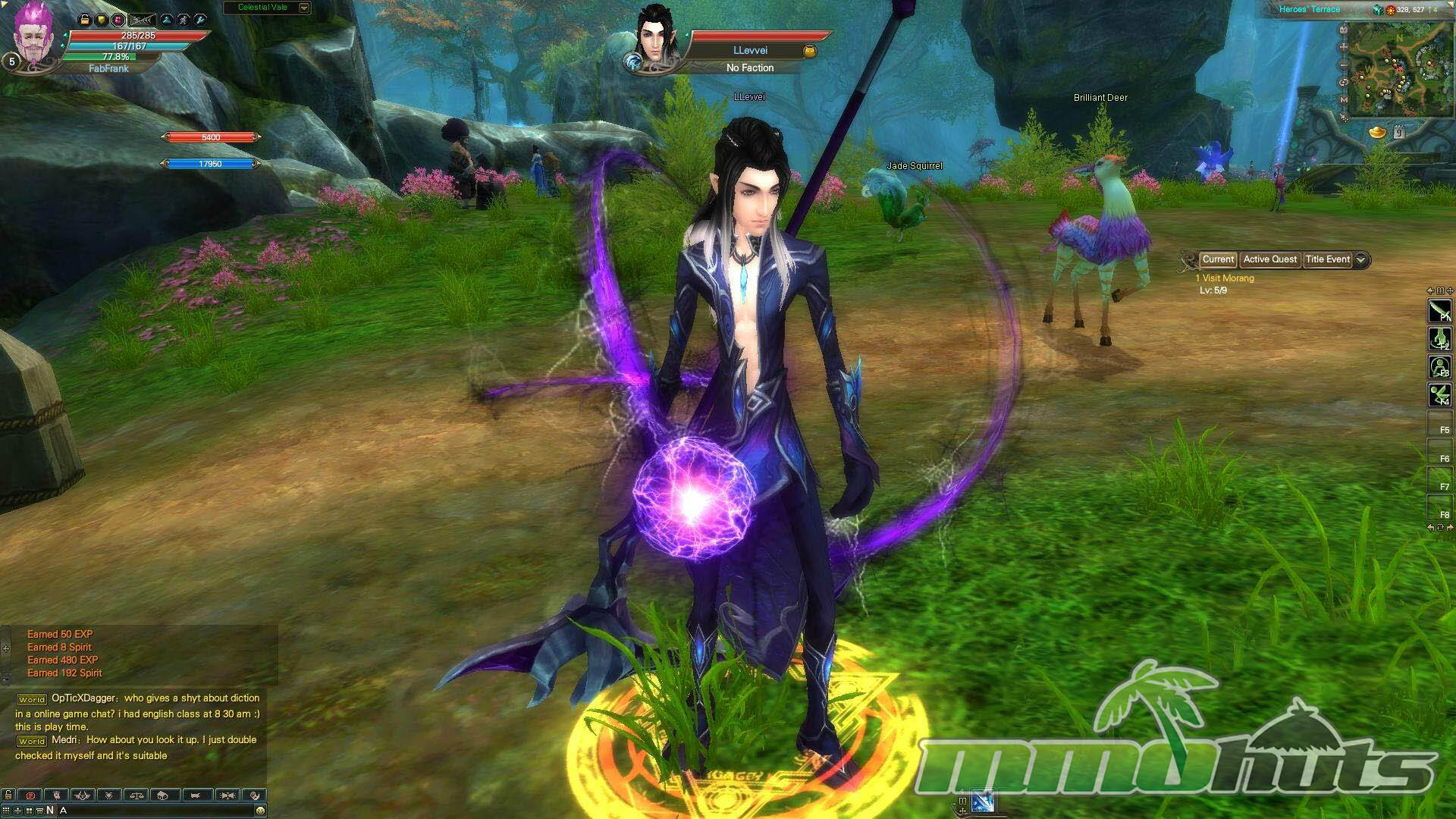
Once you step into the world, the age of the interface becomes more apparent. Basic movement is straightforward, but the camera and input expectations can feel inconsistent compared to more modern MMOs. Rotating the view relies heavily on mouse input, and there are moments where different click behaviors overlap in ways that can lead to accidental movement.
It is not unplayable, and players do adjust, but the first hour can feel clumsy as you learn what the game expects. The same goes for the movement flair, jumping and mid-air motion are exaggerated and floaty, and while it can be entertaining, it also reinforces that this is a product of a different era of MMO design.
Quest Flow and Convenience Features
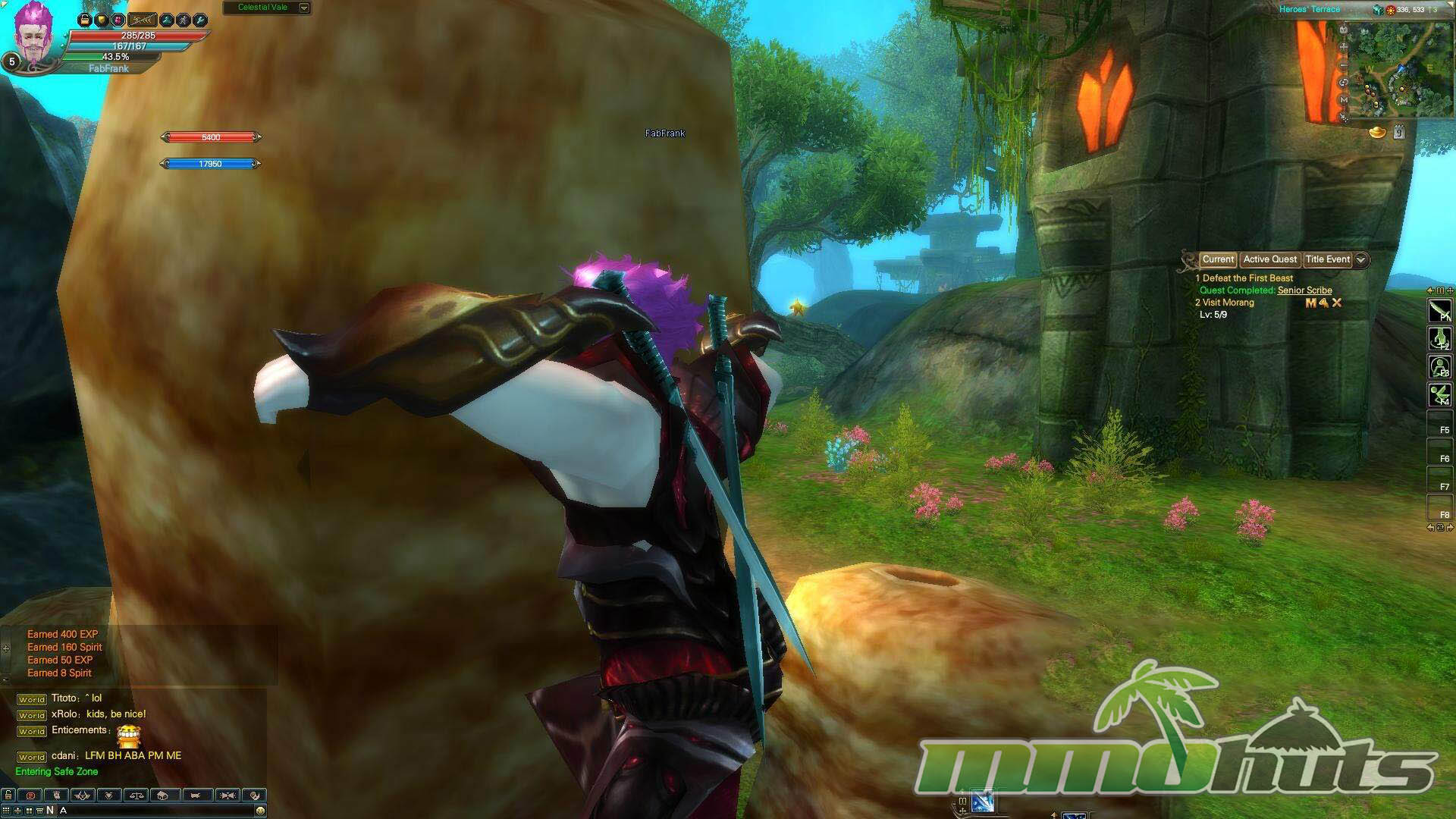
The leveling path is largely driven by quest markers and simple objectives. Early tasks are quick and repetitive: travel to a spot, defeat a small number of enemies, return for the next instruction, then repeat. The pacing can feel like it prioritizes constant motion over interesting encounters, and it is common to spend as much time running as fighting.
Perfect World tries to smooth this out with auto-navigation. Clicking a quest entry can send your character toward the relevant NPC or location without manual pathing. When it works, it is a helpful quality-of-life tool for long travel. When it fails, it tends to fail in predictable ways: getting snagged on terrain, wandering into hostile packs, or arriving somewhere slightly off-target. It is still useful, but it is not the “set and forget” solution it first appears to be.
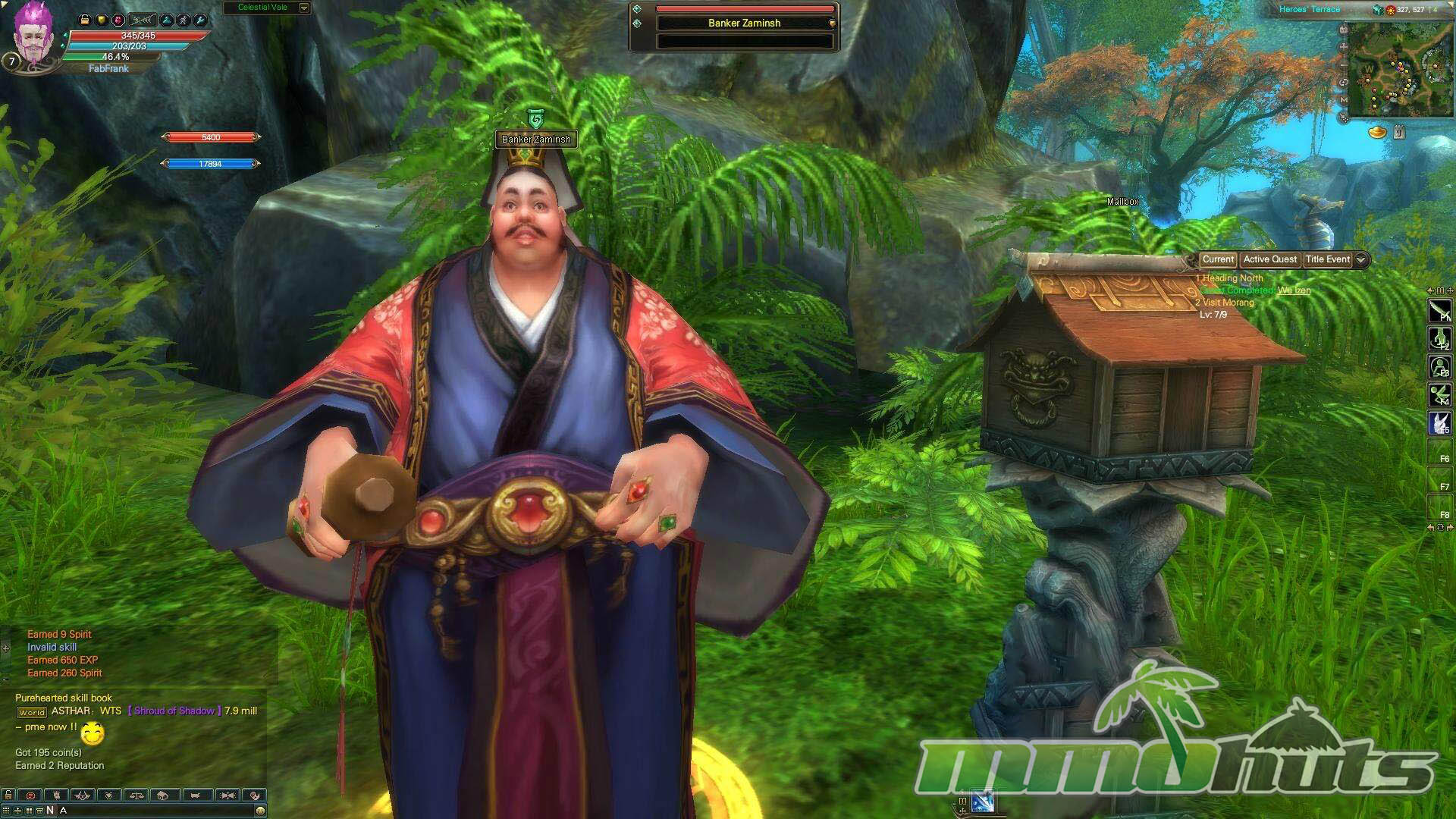
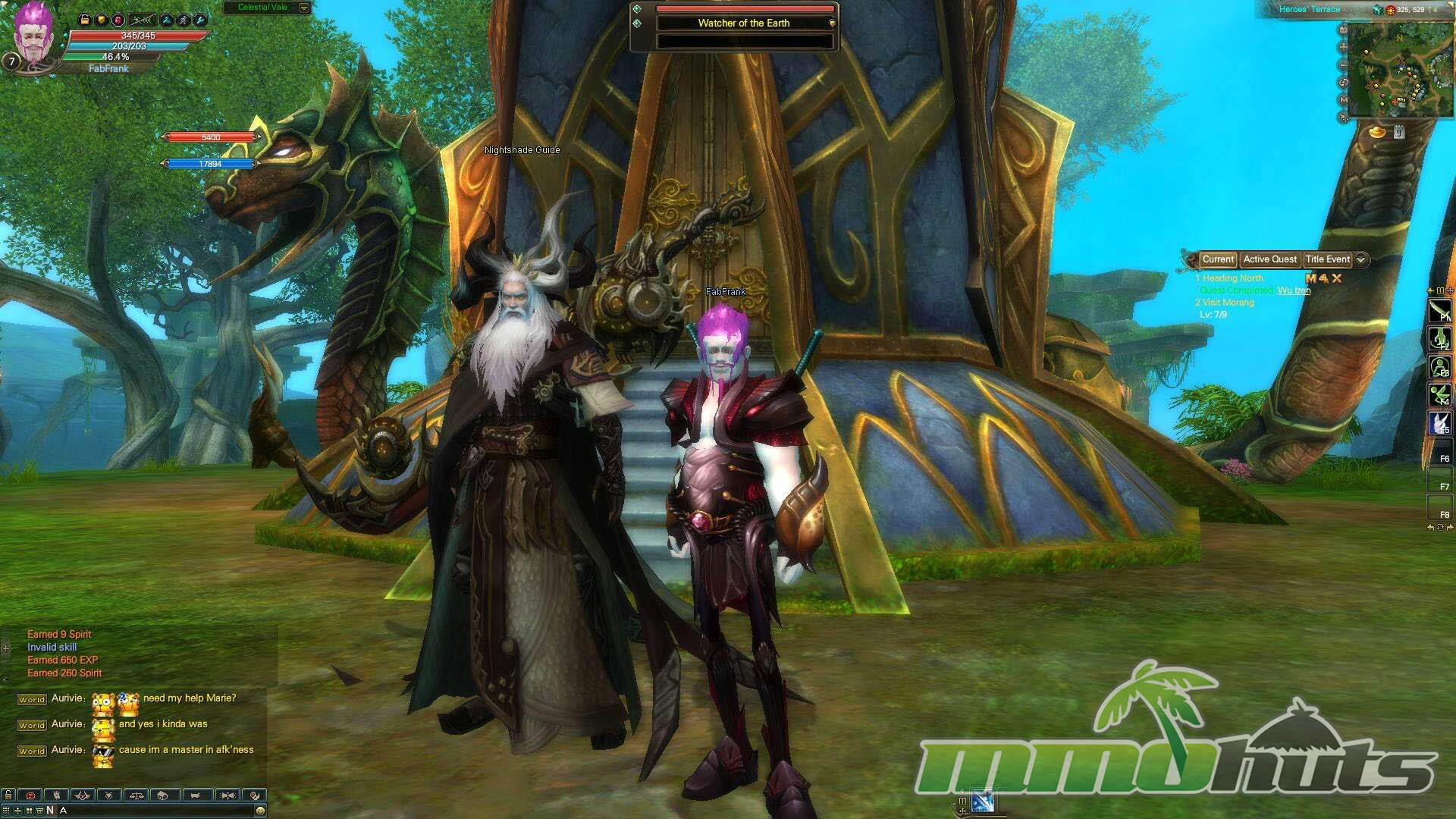
A positive note is the quest log support for finding missed tasks. If you fall into a gap where you are unsure what to do next, the interface does provide a way to locate available quests and route you toward them, which reduces the chance of getting completely stuck.
Audio That Helps, Until It Does Not
The soundtrack fits the theme well, leaning into calm, traditional-sounding melodies that match the mythic tone. The problem is how abruptly tracks can fade and restart as you move between small map boundaries. Instead of feeling like a seamless score, it can come off as a loop repeatedly resetting, which is distracting during routine travel.
Outside of that quirk, the overall sound design is serviceable. Combat audio and ambient effects do their job, even if they do not deliver the punch or clarity you might expect from newer titles.
Combat Feel and Early-Game Difficulty
At its core, Perfect World combat follows the traditional hotbar model: basic attacks supplemented by skills mapped to numbered keys. In the early levels, the experience is often very forgiving. Enemies tend to fall quickly, and you can spend a long stretch using only a small handful of abilities. That makes the opening hours accessible, but it also limits the sense of danger or accomplishment.
Another issue is feedback. Hits and skill effects do not always feel as responsive as they should, and engagement range can be hard to read at times. When animations and sound cues do not line up cleanly, combat can feel less impactful, even when the underlying numbers say you are performing well.
Where the Game Gets Interesting: PvP Scale and Endgame Realities
The mode that still defines Perfect World for many players is Territory War. Large-scale 80v80 fights create a kind of organized chaos that few MMOs attempt, and the broader territory system gives guilds a reason to coordinate beyond simple bragging rights. It is the part of the game where teamwork, preparation, and class composition can matter in a way that routine questing does not.
Open-world PvP also becomes a bigger factor after level 30, when you are flagged outside safe zones. That can be exciting for players who enjoy risk and rivalry, but it also means the leveling experience can turn hostile quickly depending on your server environment.
The uncomfortable topic is the cash shop’s influence on competitive play. While you can certainly play Perfect World without spending, PvP effectiveness often pushes players toward convenience and power items such as charms and faster mounts. In practice, that can create a noticeable advantage for paying players, particularly at higher levels where optimization matters. If your main goal is fair, skill-forward PvP, this is a meaningful drawback.
At endgame, much of the routine centers on instances in smaller groups (parties of six) and the familiar MMO cycle of earning currency and improving gear. Without large raid structures, the long-term hook depends heavily on your interest in PvP, social goals, or the satisfaction of incremental upgrades.
Final Verdict – Good
Perfect World remains a recognizable MMORPG from its time, with standout ideas that still have appeal, especially its unusually powerful character creator and its large-scale Territory War battles. At the same time, it carries the weight of its age in interface design, early-game pacing, and combat feedback, and its PvP ecosystem can feel pressured by cash shop advantages.
For players who enjoy classic MMO progression, guild-driven conflicts, and experimenting with character builds and appearances, there is still something here. If you are looking for modern quest design, responsive combat feel, or a competitive environment that is less influenced by spending, Perfect World can be difficult to recommend beyond curiosity and nostalgia.
Perfect World Links
Perfect World Official Site
Perfect World Wikipedia
Perfect World Wikia [Database/Guides]
Perfect World Requirements
Minimum Requirements:
Operating System: Windows 2000/XP/Vista/7
CPU: 1 GHz
RAM: 1 GB RAM
Video Card: GeForce 4 Ti4200 64MB or ATI Radeon 8500 64MB
Hard Disk Space: 8 GB available space
Recommended Requirements:
Operating System: Windows 2000/XP/Vista/7
CPU: Dual-Core 2.5 GHz CPU
RAM: 3 GB RAM
Video Card: GeForce FX 5200 128MB or ATI Radeon 9500 128MB
Hard Disk Space: 8 GB available space
Perfect World Music
Perfect World Additional Information
Developer(s): Beijing Perfect World
Publisher(s): Beijing Perfect World, Level Up Games!, Games-Masters Ltd., Perfect World Entertainment, Arc Games
China Release Date: July, 2005
Closed Beta: August 19, 2008 (English Version)
Open Beta: September 2, 2008 (English Version)
International Release Date: September 2, 2008
Development History / Background:
Perfect World launched in China in July 2005 and was created by the China-based online game company Perfect World. The English release followed later, arriving on September 2, 2008 for primarily English-speaking regions. The broader company has also been associated with other online titles, including Neverwinter, Swordsman Online, and Jade Dynasty. On May 31, 2011, Perfect World bought Cryptic Studios, responsible for games such as City of Heroes/Villains and Star Trek Online, from Atari for $50 million. On October 8, 2012, Valve Corporation agreed to grant Perfect World rights to Dota 2 operations in mainland China.