Neverwinter is a free-to-play 3D action MMORPG that drops players into the Forgotten Realms, using Dungeons and Dragons as its foundation. Rather than relying on tab-targeting, it leans into a more active combat style where you line up attacks, watch enemy windups, and dodge danger zones. Between recognizable DandD locations, a campaign-forward quest flow, and a strong emphasis on instanced content, it aims to feel like a playable tabletop adventure, just with a hotbar and real-time movement.
 | Publisher: Arc Games Playerbase: High Type: MMORPG Release Date: June 20, 2013 PvP: Arenas Pros: +High-quality voice work and presentation. +Questing that prioritizes narrative. +Responsive, action-focused fighting. +Foundry tools add a steady stream of community content. Cons: -Some store purchases feel close to quality-of-life necessities (bag space). -Arena matchmaking can feel lopsided. -Certain features and content are gated behind spending. |

Neverwinter Overview
Neverwinter invites you into a digital take on classic Dungeons & Dragons adventuring, built around quick combat, voiced story quests, and a steady rhythm of instanced encounters. You begin by choosing from 13 distinct races with their own bonuses, then pair that choice with one of seven playable classes. From there, the game can be played two ways, follow the authored campaigns through well-known corners of the Forgotten Realms, or dive into community-driven content by tackling, and even building, custom adventures and campaigns through the Foundry.
Neverwinter Key Features
- Old-school setting, modern MMO flow – A Forgotten Realms MMORPG with a strong focus on narrative quests and DandD flavor.
- Action-first fighting – Abilities are aimed and movement matters, with a feel closer to action MMOs like Tera than traditional tab-targeting.
- Lots of character options – A wide selection of classes and races, including 8 playable classes and 13+ races.
- Community adventures – The Foundry lets players publish their own missions and campaigns, and there are rewards for running them.
- Two main currencies – Gold and Astral Diamonds, both earnable in-game, with Diamonds serving as the premium-value currency.
Neverwinter Screenshots




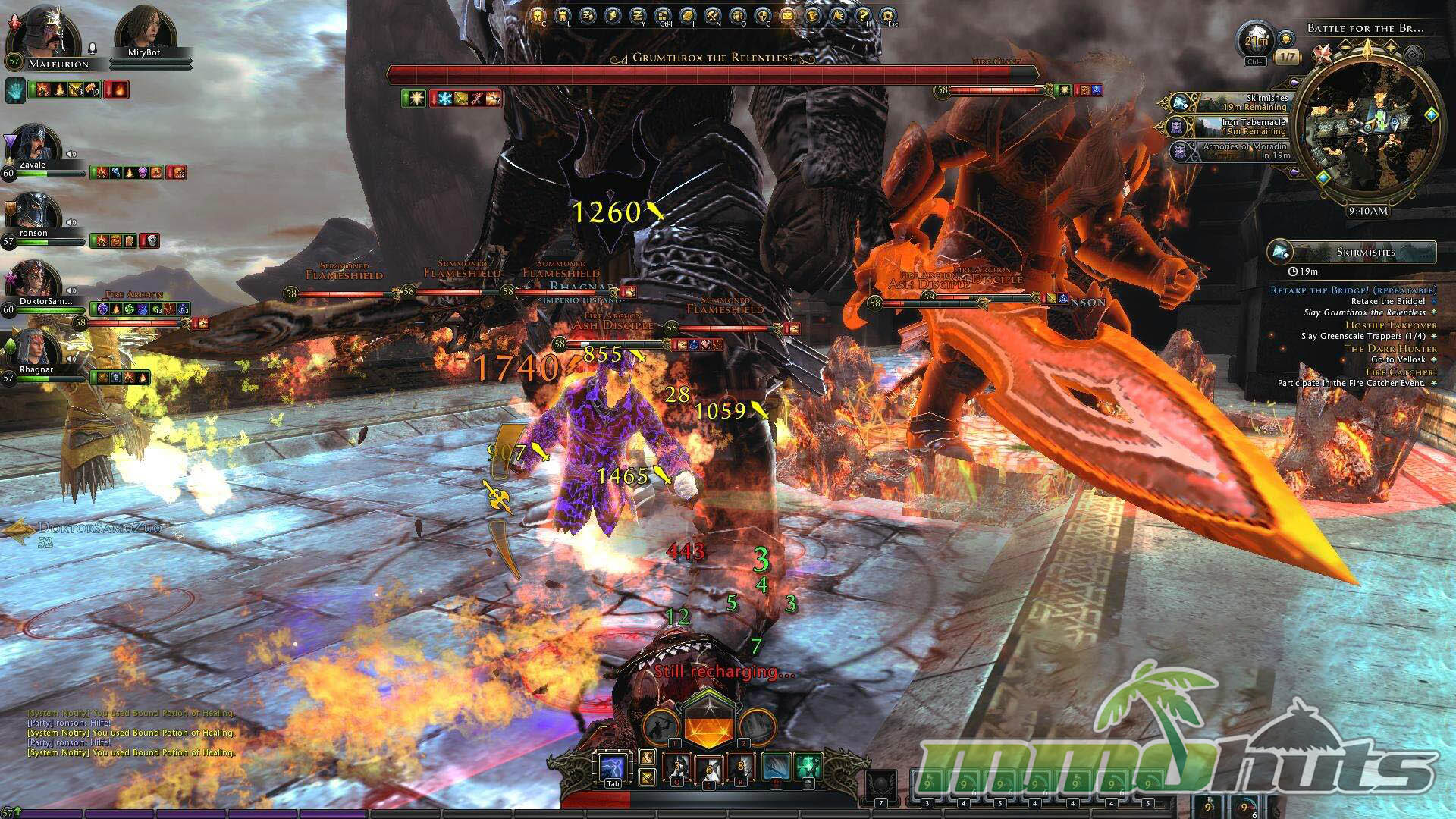
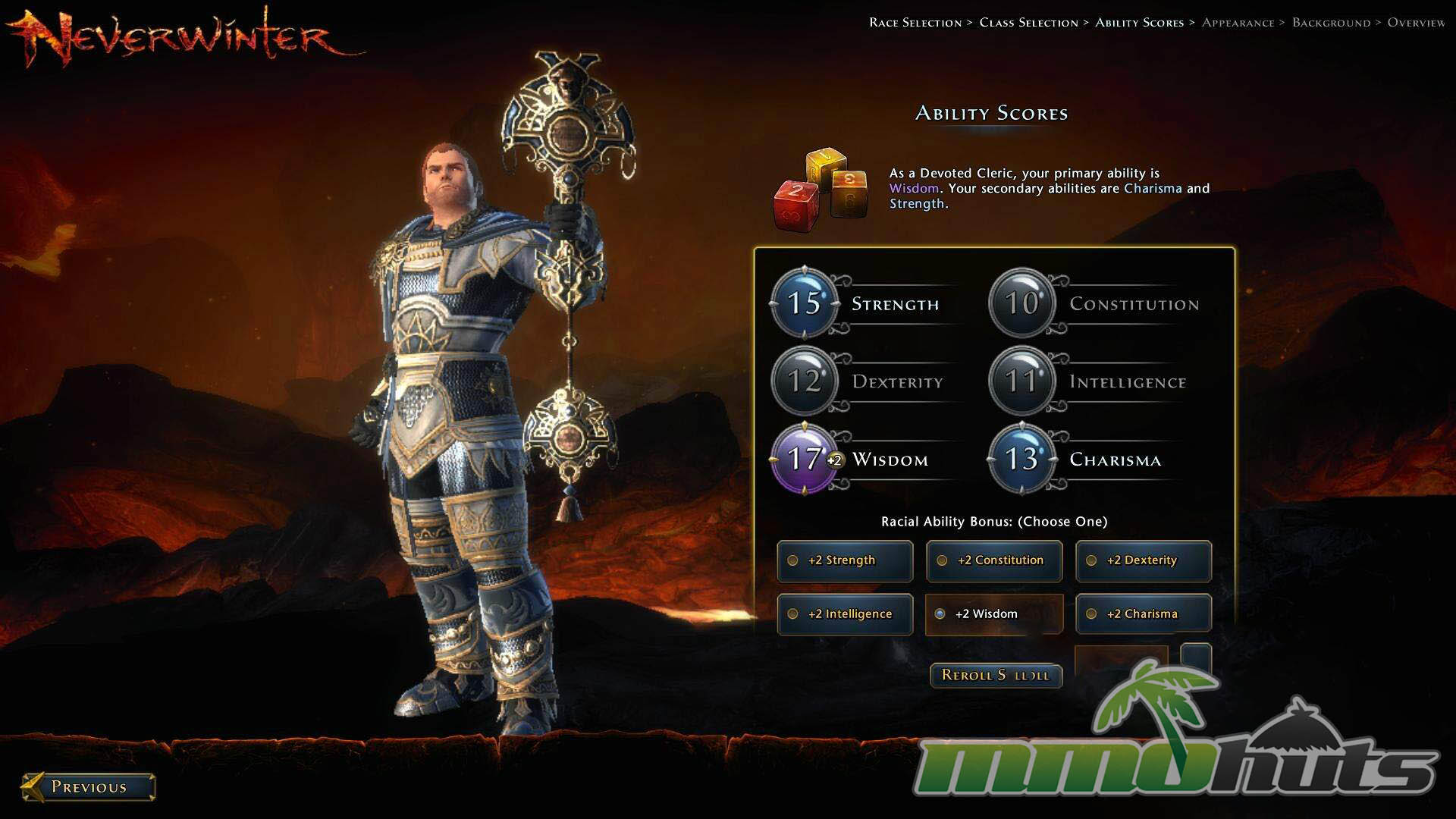
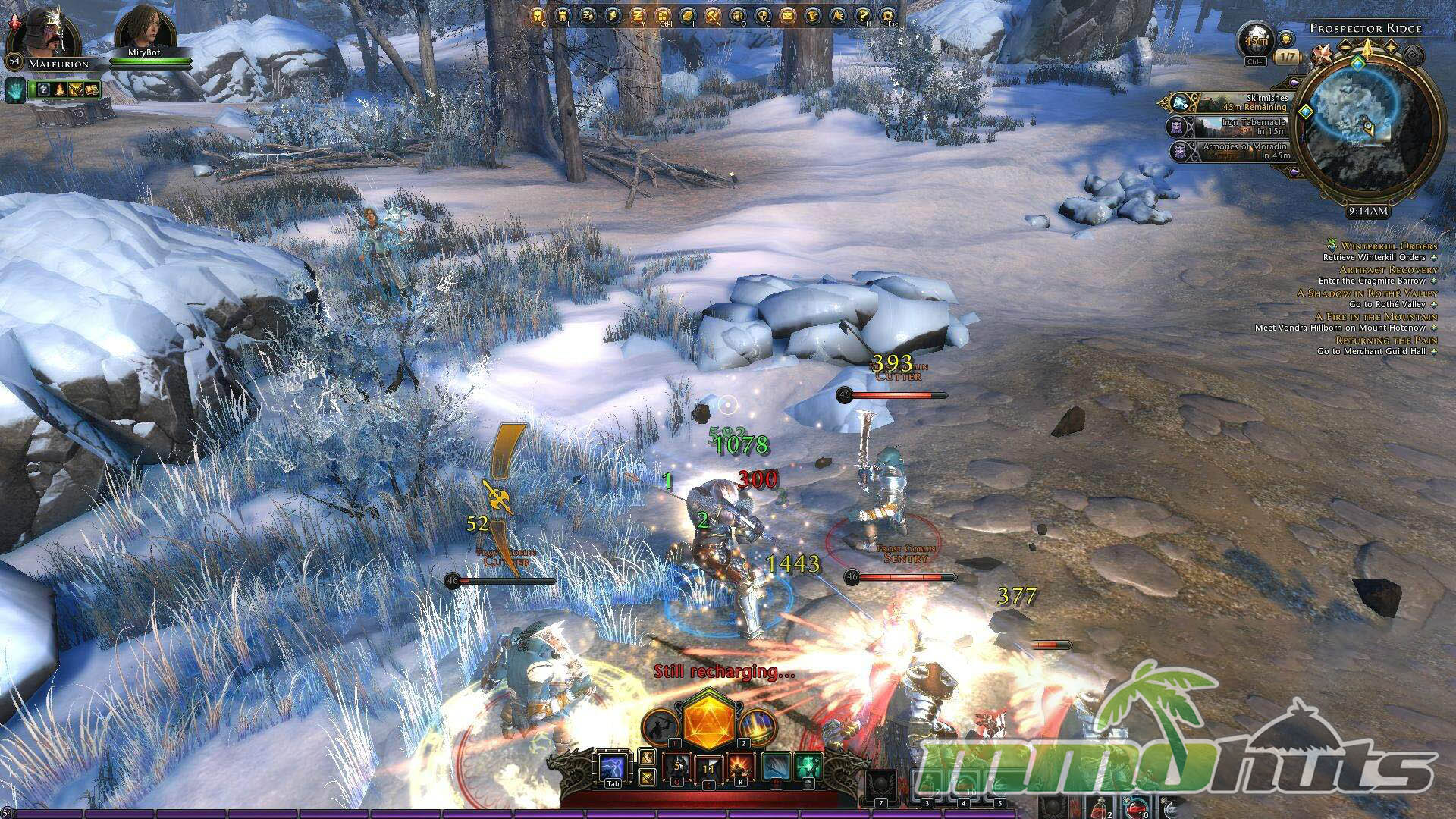
Neverwinter Featured Video

Neverwinter Classes and Races
Races:
- Half-Orc – built for aggression and durability, with boosts geared toward critical damage and in-combat mobility. They receive faster run speed during combat, additional critical damage, plus +2 Dexterity and +2 to either Constitution or Strength.
- Human – flexible and easy to fit into most builds, offering increased defense, extra Heroic Feat points, and +2 to any ability stat.
- Wood Elf – a stealthy forest guardian archetype with bonuses that favor precision. They gain critical chance, resistance to slow effects, and +2 Dexterity with +2 to either Intelligence or Wisdom.
- Moon Elf – wanderers with benefits tied to resource flow and survivability. They gain Action Point and Stamina regeneration bonuses, resistance to crowd control, and +2 Intelligence with +2 to either Dexterity or Charisma.
- Sun Elf – similar in function to Moon Elves, leaning into Action Point gains and crowd control resistance. They receive +2 Intelligence and +2 to either Dexterity or Charisma.
- Half-Elf – a hybrid option focused on broad stat utility, granting +2 Constitution, +2 to either Charisma or Wisdom, and +1 to a non-class Ability Score.
- Drow – dark elves whose kit revolves around debuffing foes. Their attacks can apply Darkfire to reduce enemy defenses, and they receive +2 Dexterity with +2 to either Charisma or Wisdom.
- Menzoberranzan Renegade – a Drow variant themed around underdark treachery, with attacks that can trigger Faerie Fire to lower enemy Power and Defense. They gain +2 Dexterity and +2 to either Charisma or Wisdom.
- Dwarf – sturdy and resistant, with protection against Knock, Repel, and Damage-Over-Time effects. They receive +2 Constitution and +2 to either Strength or Wisdom.
- Halfling – small but slippery, offering a chance to Deflect attacks and resistance to crowd control. They gain +2 Dexterity and +2 to either Charisma or Constitution.
- Tiefling – an offensively inclined choice that increases damage against weakened enemies and can reduce an attacker’s Power when hit. They gain +2 Charisma and +2 to either Constitution or Intelligence.
- Dragonborn – a high-impact option with increased Power and Critical Strike, plus improved healing from spells and abilities. They gain +2 to any two stats.
- Metallic Ancestry Dragonborn – a Dragonborn variation with similar benefits at a reduced level, plus extra Hit Points. They gain +2 to any two stats.
Moon Elves, Menzoberranzan Renegade, Dragonborn, and Metallic Ancestry Dragonborn are only available to Founders.
Classes:
- Control Wizard – an area-control caster that shapes fights with crowd control and high multi-target damage. Often played as a Striker or DPS, and limited to cloth armor.
- Devoted Cleric – a support-focused class built around healing and party buffs, with tools for snares and knockback-style control. Clerics wear chain armor.
- Great Weapon Fighter – a heavy-hitting melee bruiser that trades shields for two-handed damage. Despite the offensive focus, scale armor keeps the class from feeling fragile.
- Guardian Fighter – a classic tank built around shields, plate armor, and staying power. They excel at absorbing punishment and bringing control to chaotic encounters.
- Hunter Ranger – a hybrid attacker able to swap between ranged and melee styles, using traps, movement, and timing to maintain pressure.
- Oathbound Paladin – described at the time as an upcoming class, positioned as a blend of Cleric-like healing and Guardian-style durability.
- Scourge Warlock – a curse-oriented damage dealer with pet-like Soul Puppets and utility that can convert enemy souls into support for allies.
- Trickster Rogue – a stealth-driven skirmisher that wins through positioning, burst damage, and deception. Rogues wear leather armor and use dual blades and thrown weapons.
Neverwinter Review
Neverwinter is a free-to-play action MMORPG from Cryptic Studios, published by Perfect World Entertainment (now called Arc Games). It entered open beta on April 30, 2013, followed by its official release on June 20, 2013.
At its core, the game is a Dungeons & Dragons adaptation that uses the 4th Edition rules set, and it stands alongside Dungeons & Dragons Online as one of the notable DandD MMORPGs. The setting centers on the city of Neverwinter and nearby regions in the Forgotten Realms. The narrative setup revolves around Valindra, an undead sorceress, and the mounting threat posed by her forces, with players stepping into the role of adventurers trying to keep the city from falling.
Building your adventurer
The opening presentation does a good job establishing stakes, with a cinematic that frames the conflict before you ever swing a weapon. Character creation follows, and it immediately highlights one of Neverwinter’s strengths, plenty of race choices and meaningful racial bonuses. There are 13 races to pick from, although four are reserved for Founders. Class selection then narrows you into a role, with seven available at the time and an eighth class described as on the way. Importantly, the game does not lock you into strict race and class pairings, so a non-traditional combination is still completely viable if you are chasing a specific role-play concept.
Visually, the character creator provides enough knobs to make a distinct hero, even if the overall art direction skews slightly stylized rather than gritty realism. You can choose preset features, then refine them with sliders, add scars or tattoos, and generally get close to the archetype you want. Role-play options extend into background details like hometown, affiliations, and a custom backstory other players can view. It is flavor rather than power, but it fits a game that puts narrative front and center. Another welcome choice is the naming system, allowing duplicate names and spaces, which helps avoid immersion-breaking naming conventions.
Exploring the Forgotten Realms
Your first steps take place near the gates of Neverwinter, with a tutorial that leans on tooltips and voice-over guidance whenever a new system appears. Instead of a massive seamless world, the experience is concentrated around Neverwinter itself and the surrounding areas, which gives the game a more curated pace.
Presentation is one of the game’s consistent high points. Environments are detailed, the city feels populated, and the audio work reinforces the setting with fitting music and frequent voice acting. The result is an MMO that often feels closer to a guided fantasy campaign than a checklist of anonymous quest hubs. Fans of the setting will also appreciate nods to major locations like Baldur’s Gate and Icewind Dale.
Questing with momentum
Neverwinter’s strongest PvE content tends to be its story-focused questing. While combat objectives still exist, the quests generally make more sense in context than the usual MMO routine of endless, arbitrary extermination. Some tasks are designed around actions other than fighting, and even when you are asked to clear enemies, the premise is usually grounded in the local story beats.
Progression is quest-driven and leveling to the current cap (70) can take time, with a significant portion of experience coming from running narrative content. Beyond developer-authored quests, the game also points players toward Foundry missions via NPCs in many zones. Players unlock the ability to build Foundry content at Level 15, enabling everything from short missions to multi-part campaigns.
The Foundry and community content
If there is one system that gives Neverwinter its long-term variety, it is the Foundry. Even if you never create a quest yourself, the library of player-authored missions can meaningfully extend the game, especially when you want a break from standard dungeons or zone quest lines. Completing Foundry adventures provides tangible rewards, including experience and loot, so they are not just side curiosities.
Quality varies, as you would expect from any creation platform, but there are standout campaigns that show real effort in pacing and storytelling. Sorting tools (popularity, length, and other filters) make it easier to find the best options. When you discover a well-crafted series, it can feel surprisingly close to playing through a community-made module from a tabletop group.
Combat that prioritizes movement
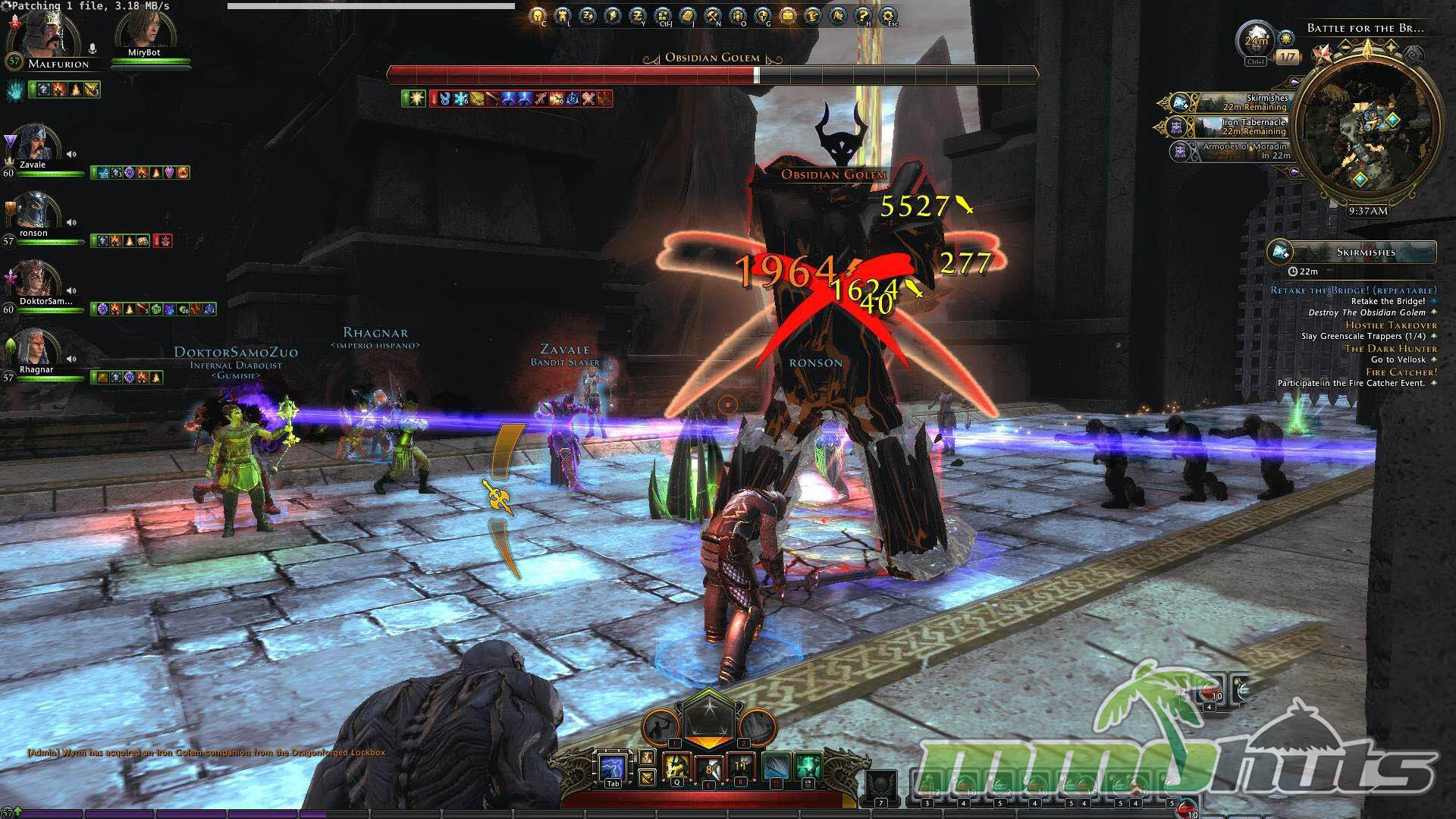
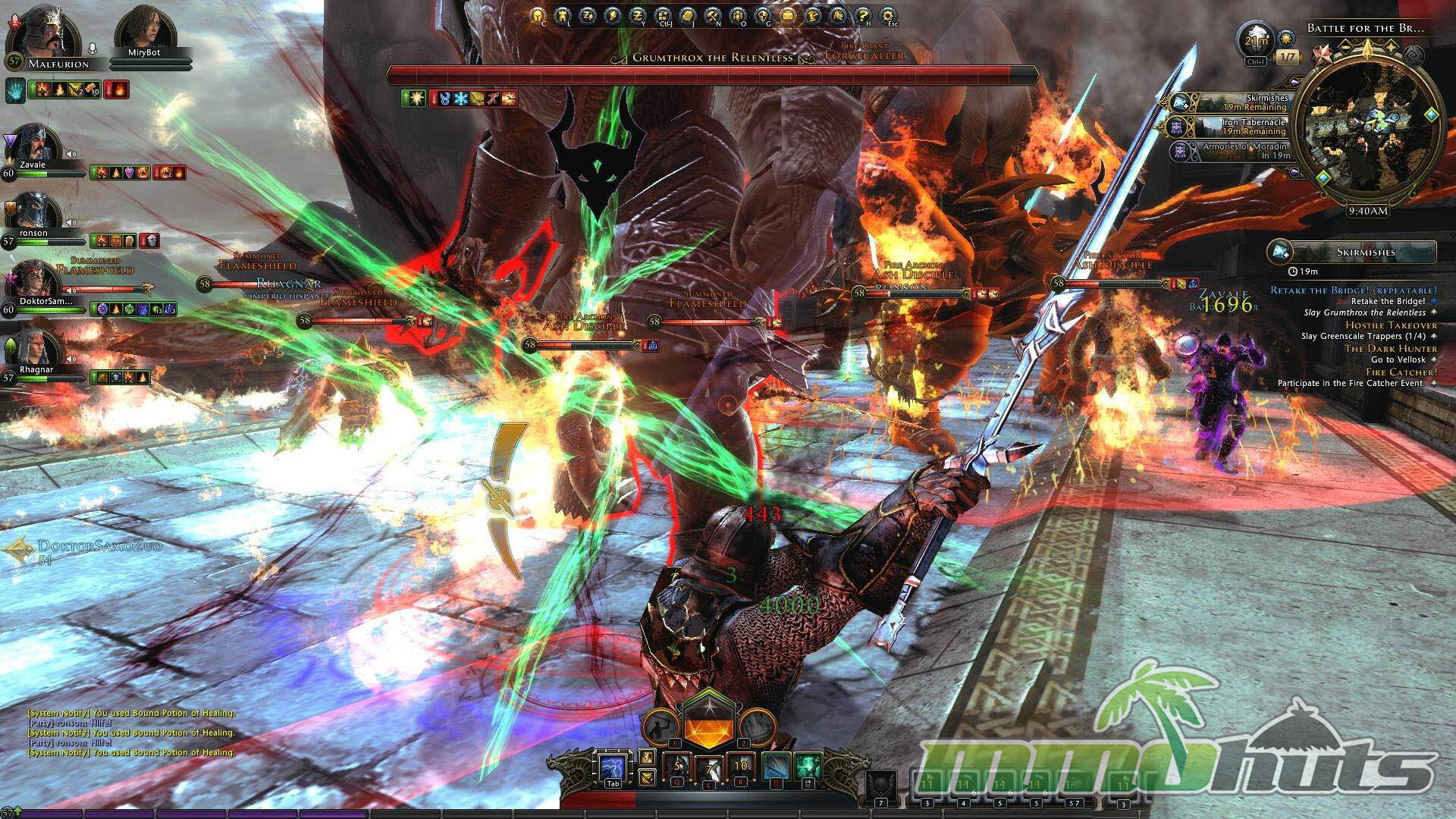
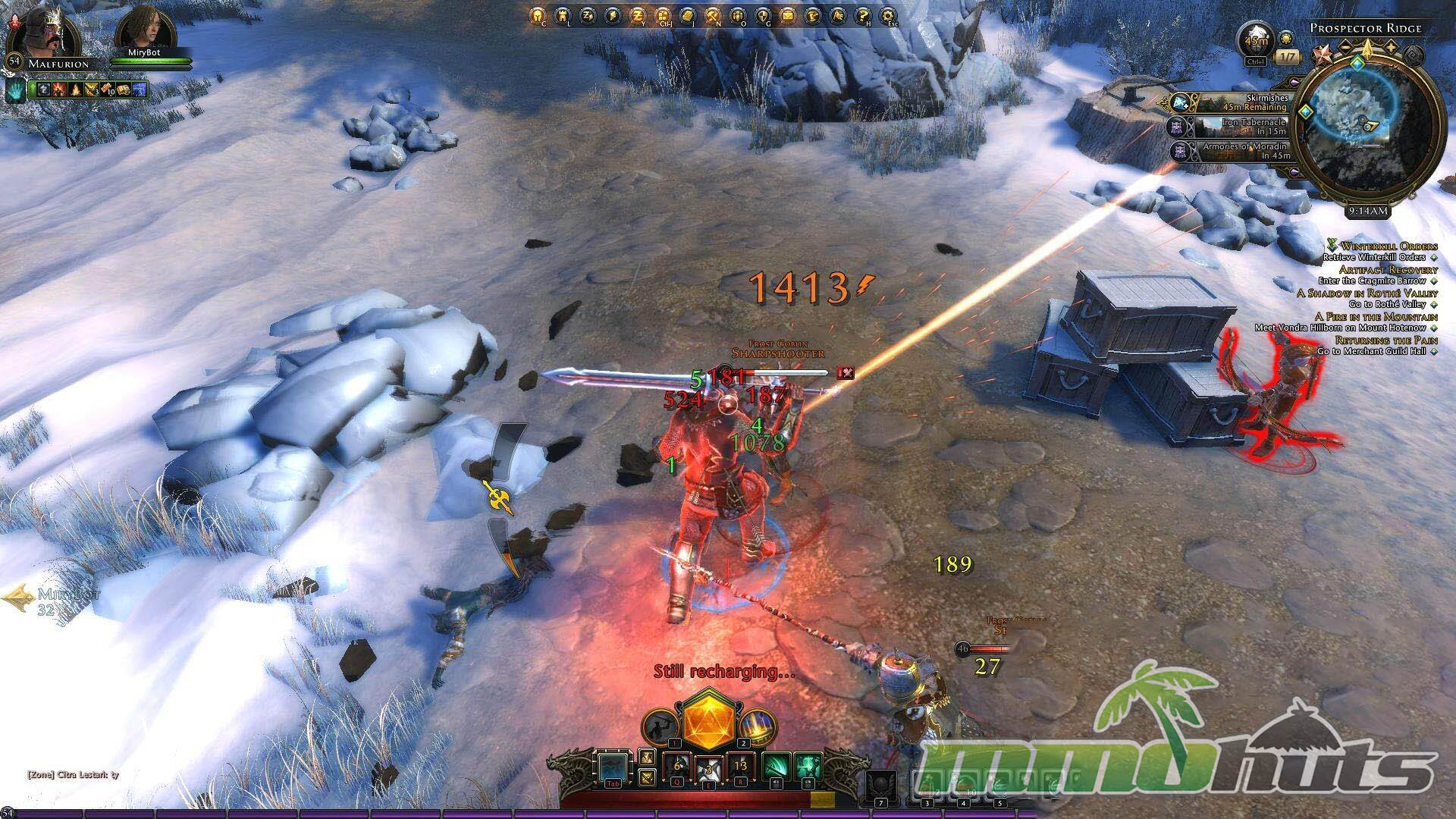
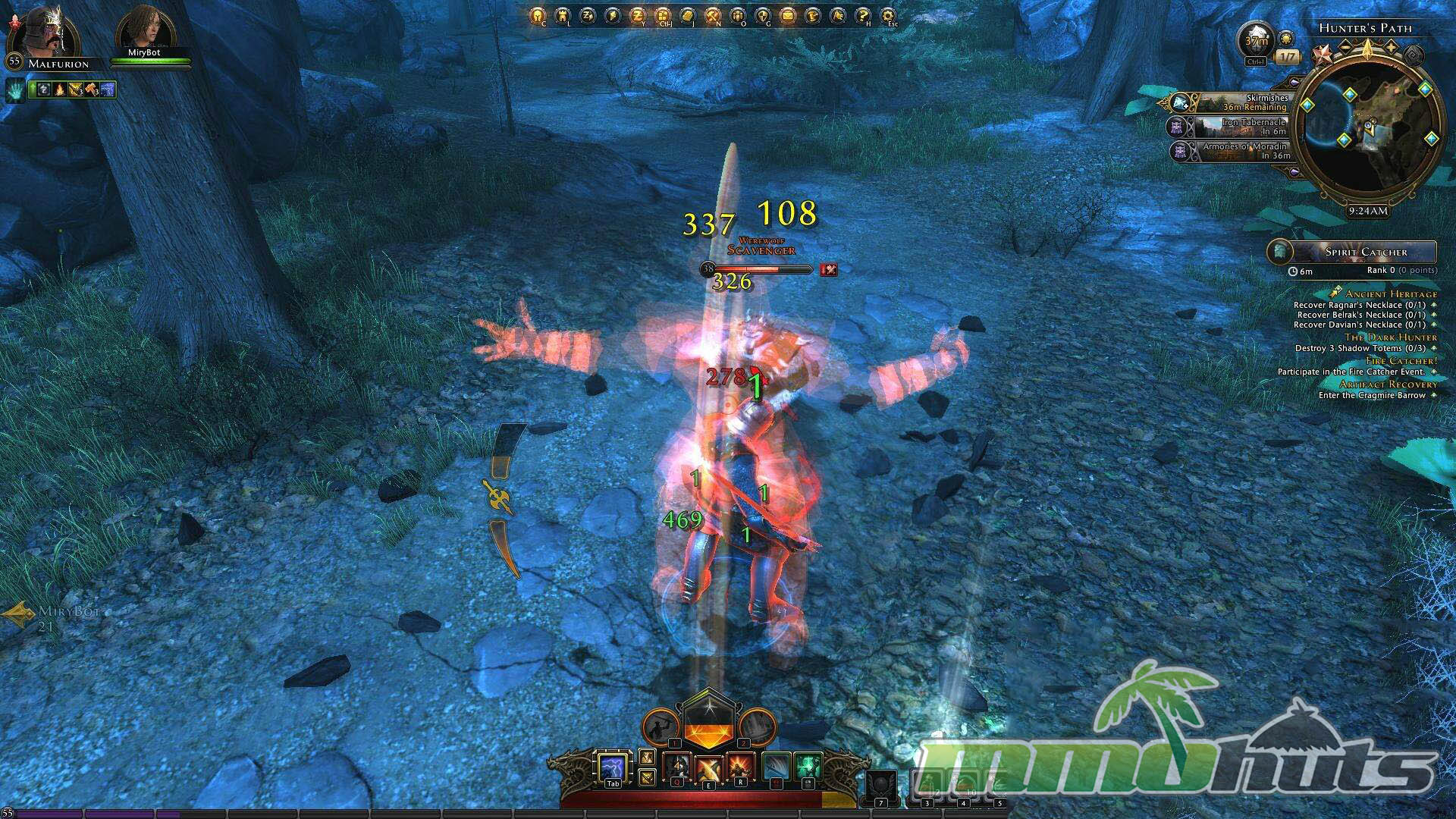
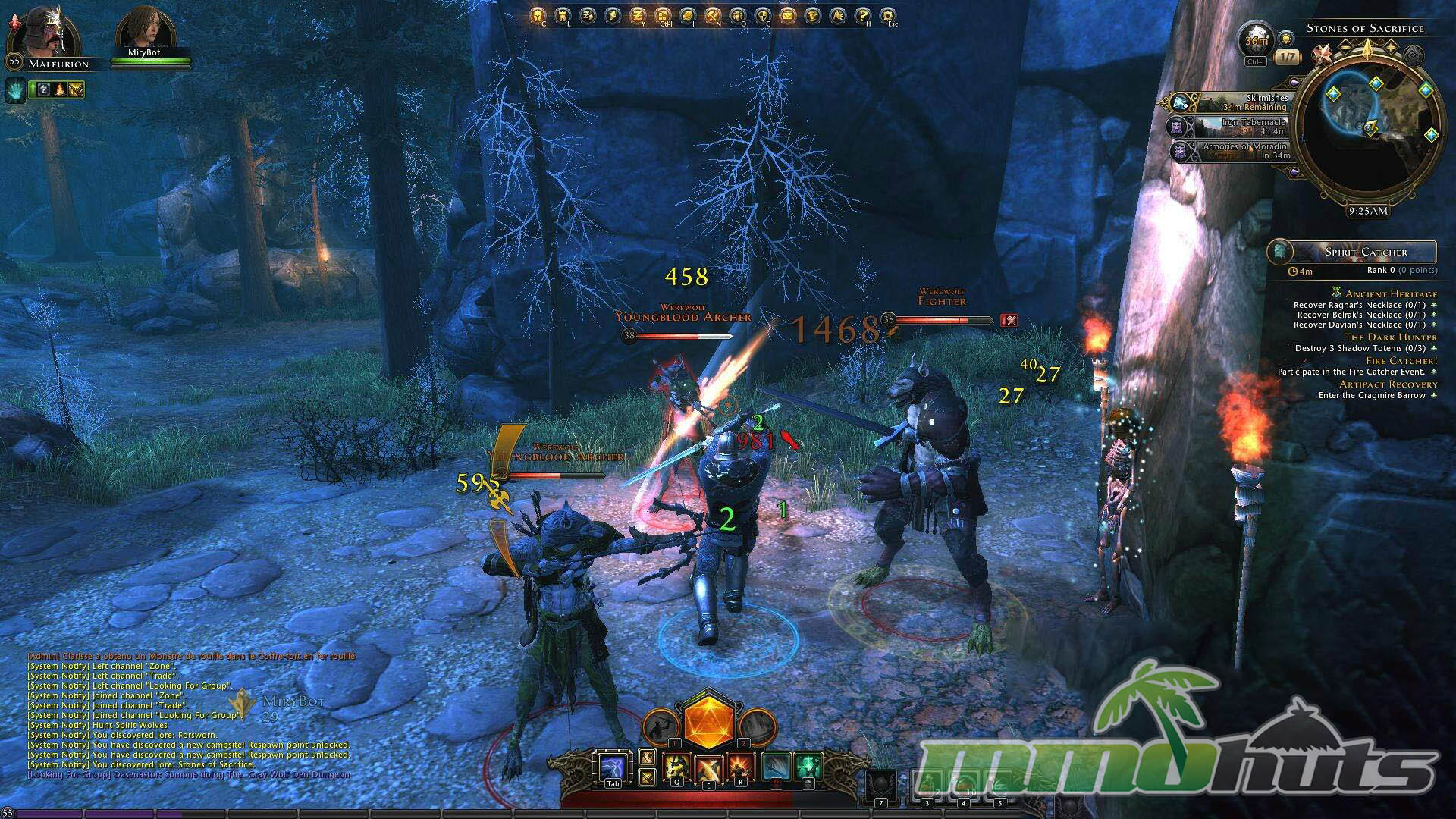
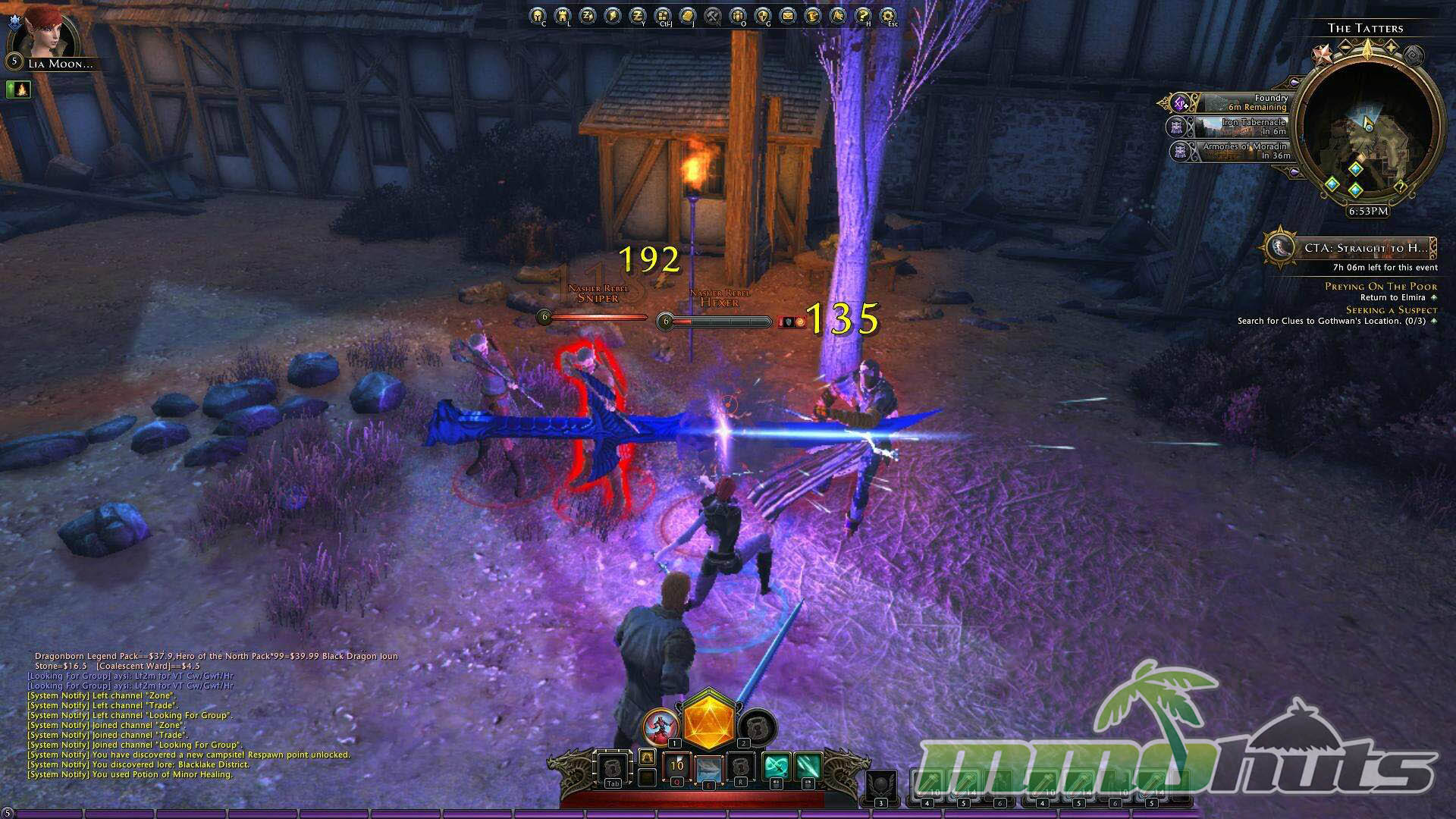
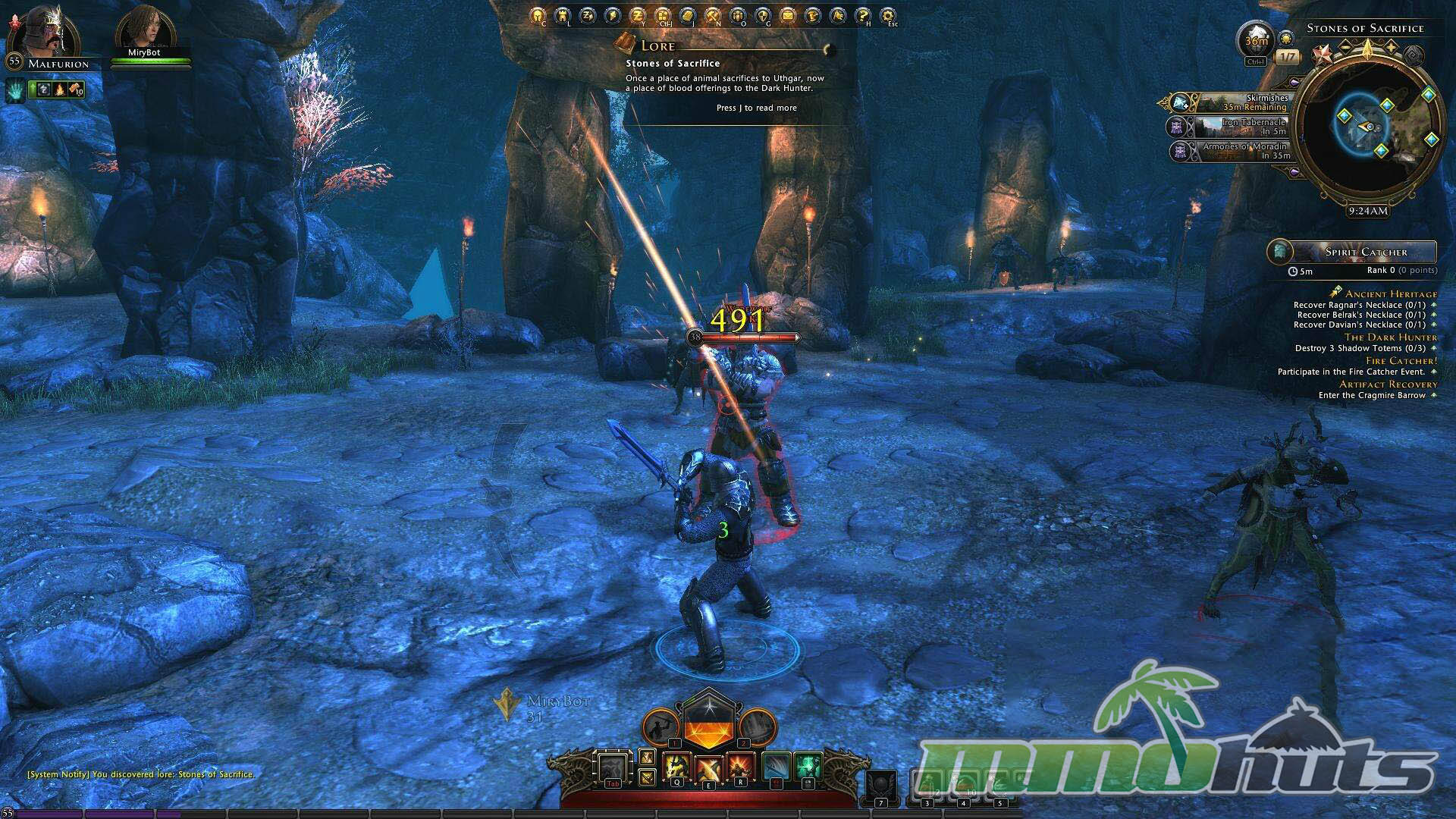
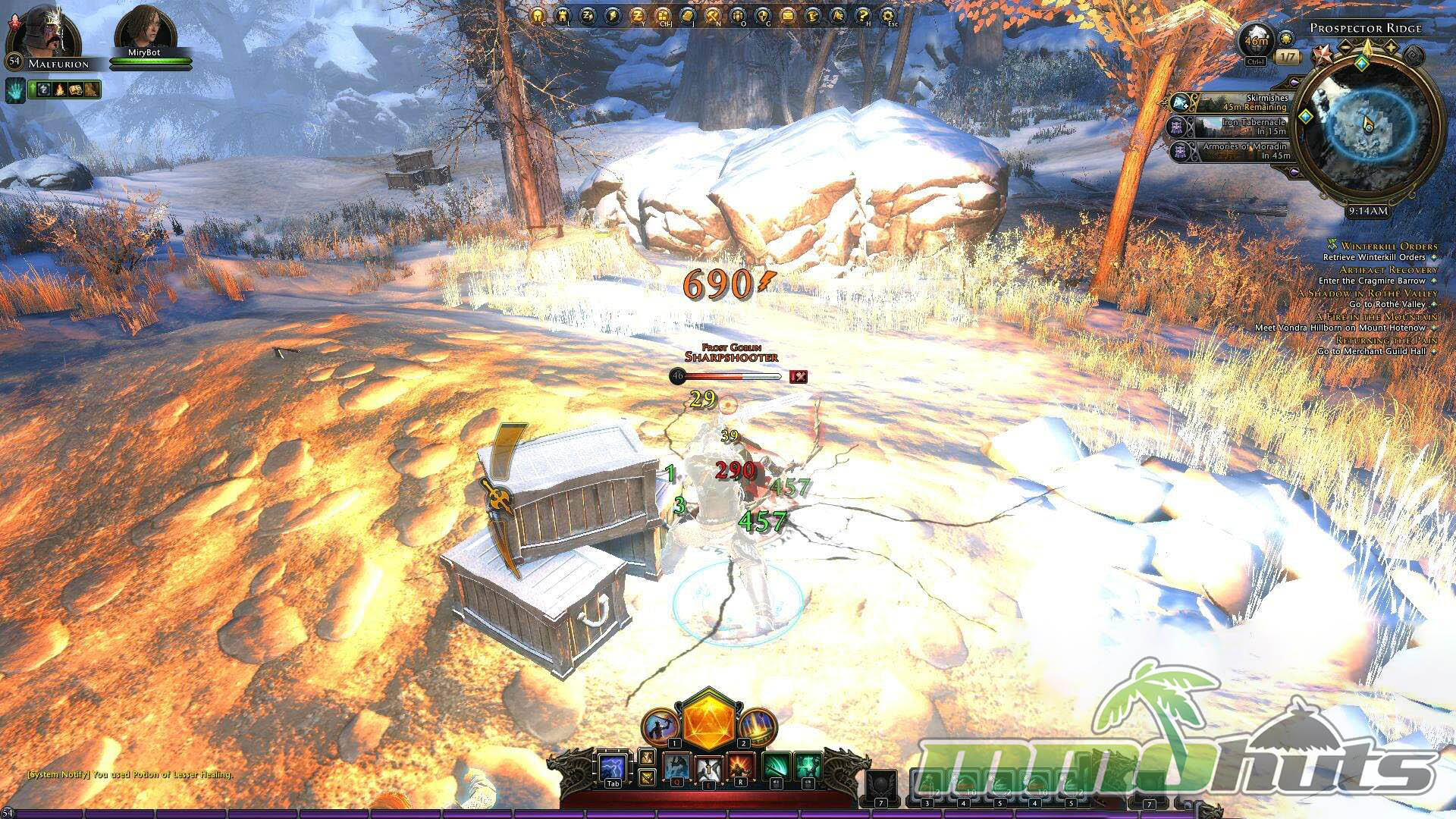
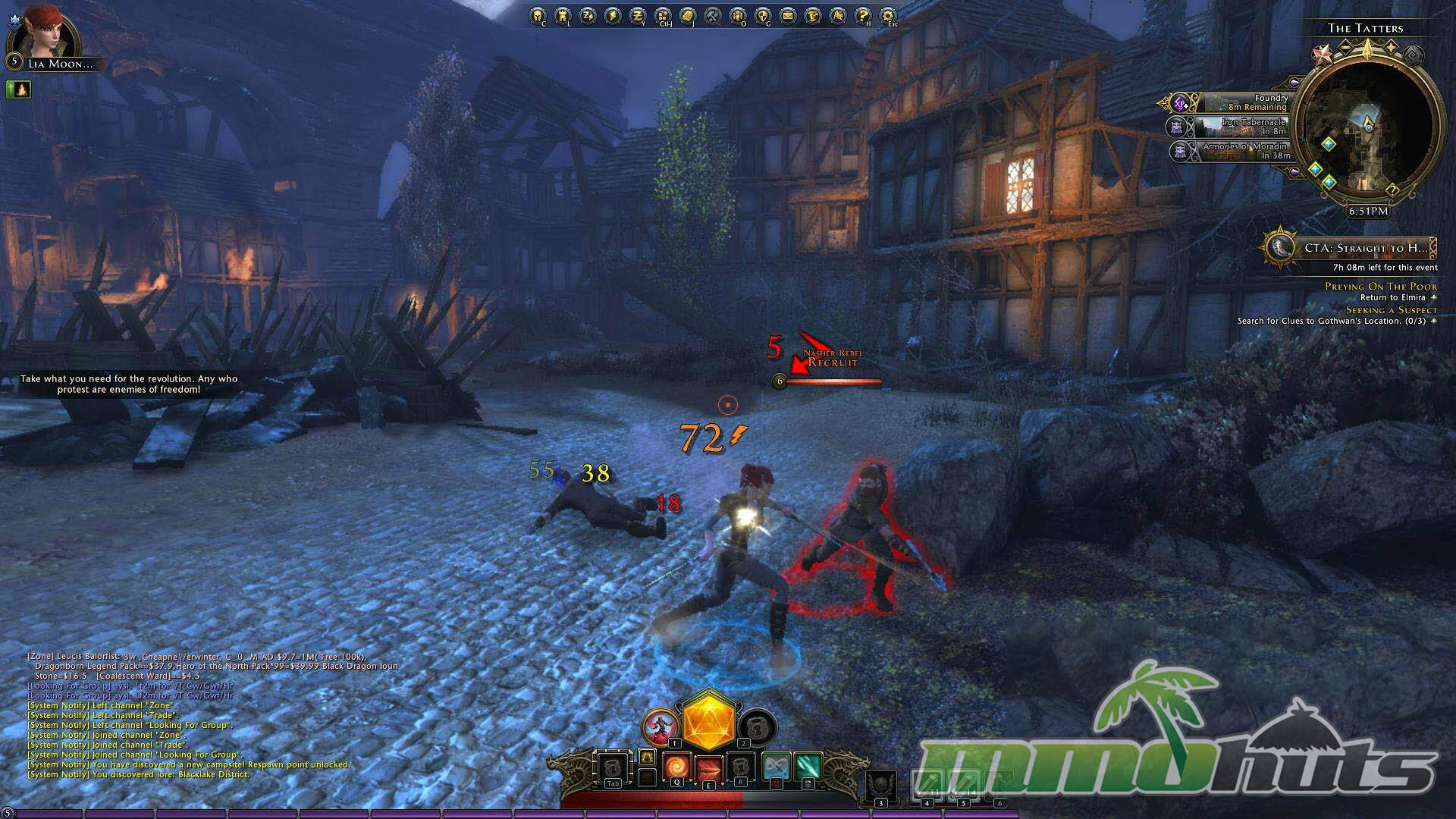
Moment-to-moment gameplay is defined by its real-time combat. Attacks and many abilities require aiming, positioning matters, and the WASD movement scheme encourages constant adjustments rather than standing still and cycling cooldowns. The ability layout also avoids the sprawling hotbar style typical of older MMORPGs, using a smaller set of keys such as Q, E, R, 1, 2, Shift, and Tab.
Enemies communicate danger through animations and warning cues, and the game also uses ground indicators to show where attacks will land. The indicators make encounters readable, sometimes to the point of being forgiving, but the overall system stays engaging because you are always moving and reacting. Healing is also managed differently than in many MMOs because there is no natural Hit Point regeneration. Instead, recovery comes from potions or resting near campfires placed throughout the world.
Powers, points, and build decisions
Abilities in Neverwinter are called “Powers,” and you gain access to them automatically at certain levels. You then invest skill points earned from leveling to improve those Powers and unlock additional ones. At Level 30, choosing a Paragon Path opens further specialization choices and expands build direction.
Respeccing is possible, but it is tied to an item that can be purchased with real money, so experimentation has a cost. Outside of combat Powers, each class also has gathering-oriented skills tied to professions and crafting materials, with kits letting you interact with nodes normally reserved for other classes.
Because you can only equip a limited set of abilities at once, build planning matters. For example, investing heavily into more than two “at-will” abilities rarely pays off since only two can be slotted. Between feats, Power upgrades, and Paragon options, the system supports multiple viable approaches without drowning you in endless hotbar management.
PvP arenas
Although Neverwinter is heavily PvE and lore-focused, it includes PvP for players who want structured competition. PvP is arena-based, and Domination is the featured mode, pitting teams of five against each other to control objectives. The first side to reach 1000 points takes the match.
Participation rewards Glory Points, which can be spent on PvP gear. The overall system is accessible, but players looking for varied PvP formats or a broader competitive ecosystem may find the offering limited.
Zen Market and currencies
The Zen Market sells a typical MMO assortment, mounts, refining materials, convenience boosts, extra inventory, and additional character slots. Zen can be purchased with real money or acquired through Astral Diamonds, keeping the premium store connected to in-game progression. The items are not portrayed as outright game-breaking, but they can smooth friction points, especially storage management. Cosmetic options like costumes and armor dyes also play a big role for players who enjoy customizing appearance.
In addition to gold, Astral Diamonds serve as a higher-value currency that is more difficult to earn. Rough Astral Diamonds can be gained through events, high-level content, and Invocation. Invocation is unlocked through a quest at level 11 and allows you to pray at campfires, altars, or through an NPC in Protector’s Enclave. Rewards vary, including experience, items, or stat bonuses. Invoking also grants one Ardent Coin and one Celestial coin per day, plus Rough Astral Diamonds for the first three Invocations of that day.
Professions and long-running tasks
Crafting and professions take a broader approach than many MMORPGs. You are not restricted to a tiny selection, and you do not need to hunt down trainers for every recipe. Professions unlock via a Level 10 quest, and progression is managed by hiring craftsmen, collecting resources, and assigning tasks using available Profession slots.
Players can have up to nine Profession slots, and materials can be gathered using class skills or kits on resource nodes across the world. Tasks can have profession level requirements and they continue in real time even when you log off, which makes the system feel closer to an asynchronous management game. Completing tasks grants profession experience, and the Leadership profession can reward Astral Diamonds, though those tasks tend to take significantly longer than most alternatives.
Final Verdict – Excellent
Neverwinter succeeds where many free-to-play MMORPGs stumble, it delivers strong audiovisual presentation, satisfying action combat, and questing that feels meaningfully tied to the world. Its DandD identity comes through in tone and structure, and the Foundry adds a community-driven layer that can keep the game fresh far beyond the main campaigns.
The trade-offs are worth noting. PvP is narrow in scope, and parts of the cash shop can feel uncomfortably close to required convenience. Still, for players who want a story-forward MMO with responsive combat and a deep pool of content to explore, Neverwinter remains an easy recommendation, especially at its price point.
Neverwinter Links
Neverwinter Official Website
Neverwinter Steam Page
Neverwinter Wikipedia
Neverwinter Wikia (Database / Guides)
Neverwinter Gamepedia
Neverwinter Subreddit
Neverwinter System Requirements
Minimum Requirements:
Operating System: Windows XP / 2000 / Vista / 7 / 8
CPU: Intel Pentium 4 1 GHz / AMD Equivalent
Video Card: GeForce 4 Ti4200/ Radeon 8500 64 MB
RAM: 1 GB For Windows XP
Hard Disk Space: 8 GB
Recommended Requirements:
Operating System: Windows 2000 / XP / Vista / 7 / 8
CPU: Dual-Core 2.5 GHz CPU / AMD Equivalent or better
Video Card: GeForce FX 5200 128MB / ATI Radeon 9500 128MB or better
RAM: 2 GB for Windows Vista / 3 GB for Windows 7 and 8
Hard Disk Space: 8 GB
Neverwinter Music & Soundtrack
Neverwinter Additional Information
Developer: Cryptic Studios (Subsidiary of Perfect World)
Head Designer(s): Jack Emmert and Shane Hensley
Other Platforms: Windows, Xbox One, Playstation 4
Closed Beta Date: February 8, 2013 to April 14, 2013.
Open Beta Date: April 30, 2013
Foreign Release:
China: January 1, 2015 (Published by Perfect World Entertainment as Neverwinter Online)
Development History / Background:
Neverwinter began as a Cryptic Studios project before Perfect World Entertainment acquired the studio. The game was announced on August 23, 2010 and spent more than three years in production before launching on June 20, 2013. Despite sharing its name with the Neverwinter Nights series, this is a separate title set in the Forgotten Realms. Early on, the concept was framed as a co-operative multiplayer experience in the vein of Torchlight, but it later shifted into a full MMORPG after Cryptic was purchased by Perfect World. That pivot pushed development back into early 2013 from the previously planned 2011 window. After release, the game continued to receive expansions and updates and later made its way to Xbox.