
Paragon is a third-person sci-fi action MOBA built around team fights, lane pressure, and hero mastery, but presented from an over-the-shoulder perspective that makes every skillshot and duel feel more personal. Instead of a classic item shop, matches revolve around a deck-and-card loadout system, shifting power progression into pre-match planning and smart in-game upgrades.
 | Publisher: Netmarble Type: Third-person MOBA Release Date: 2016 Shut Down Date: April 26, 2018 Relaunch Date: Dec 5, 2022 Playerbase: Medium Pros: +Striking visuals and effects. +Large map with meaningful rotations. +Deck-based card progression adds strategy. +Combat feels satisfying in third-person. Cons: -Smaller overall community. |
Paragon Overview
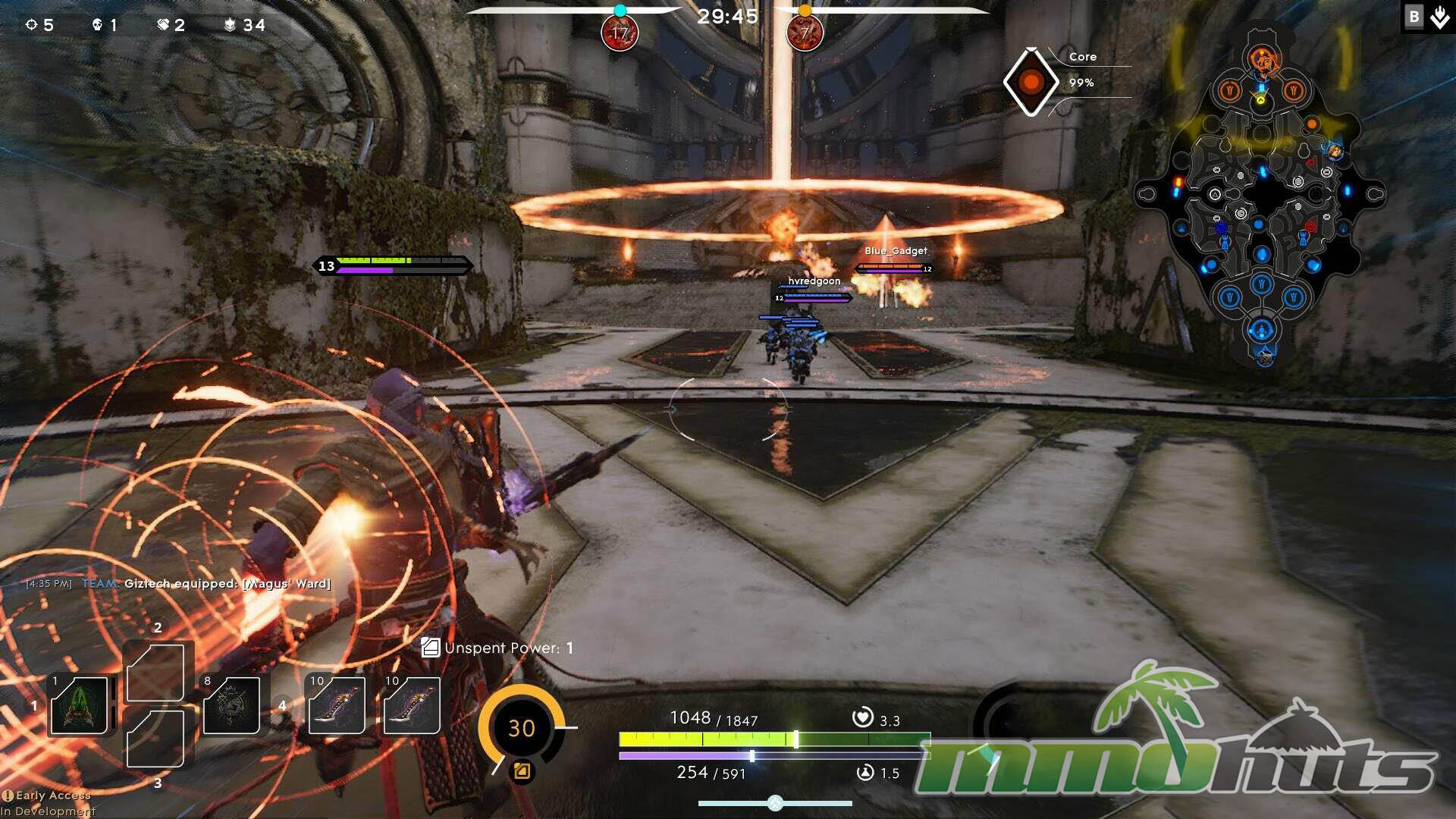
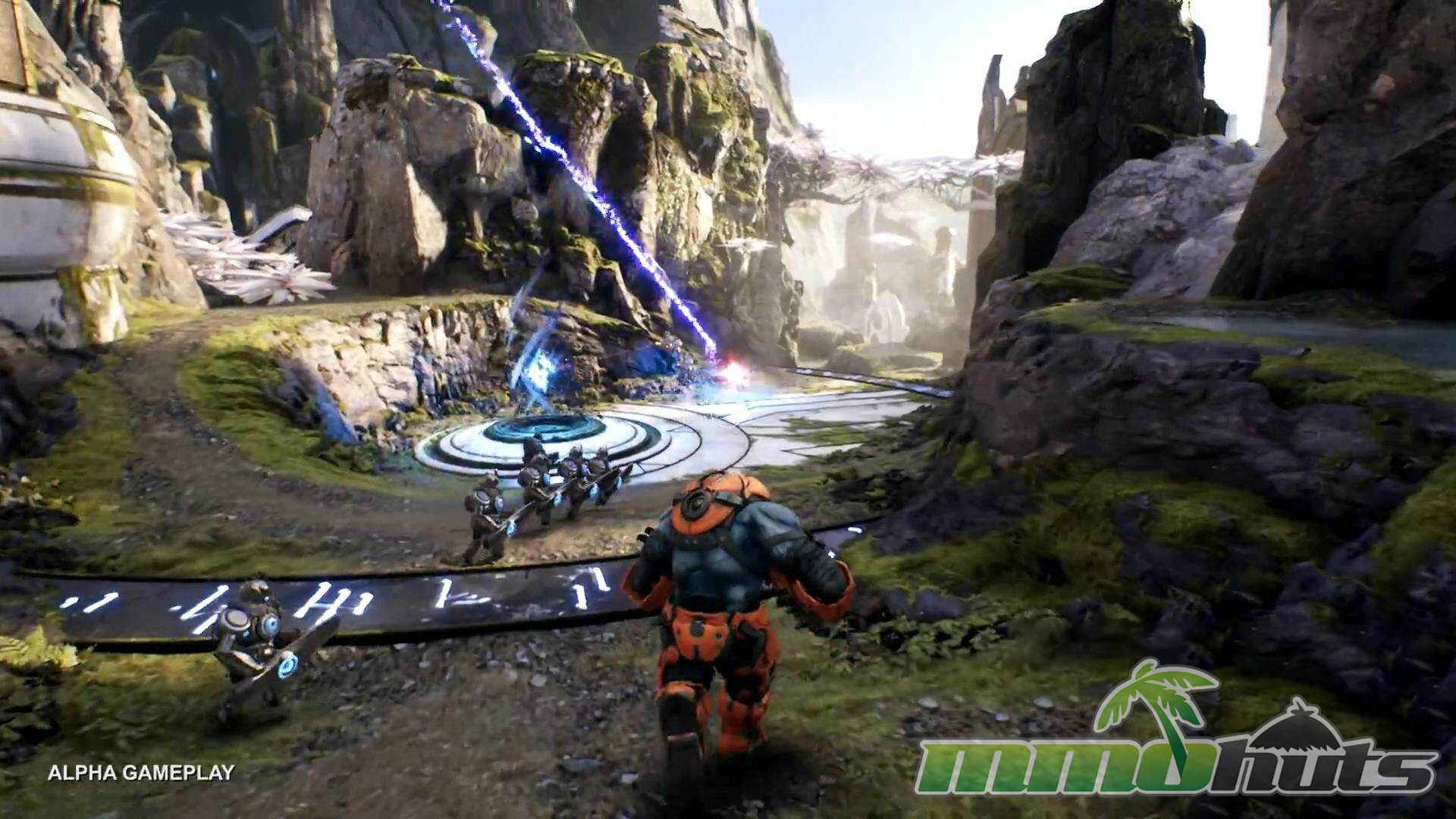
Paragon is a sci-fi themed MOBA originally created by Epic Games that translates the familiar lane-and-jungle formula into a third-person action format. Matches are structured as 5v5 battles on a three-lane map, with waves of AI-controlled minions marching forward, defensive towers guarding key paths, and player-controlled heroes trying to create openings through coordinated pressure. The win condition is straightforward: break through the enemy’s defenses and destroy their core before they do the same to yours.
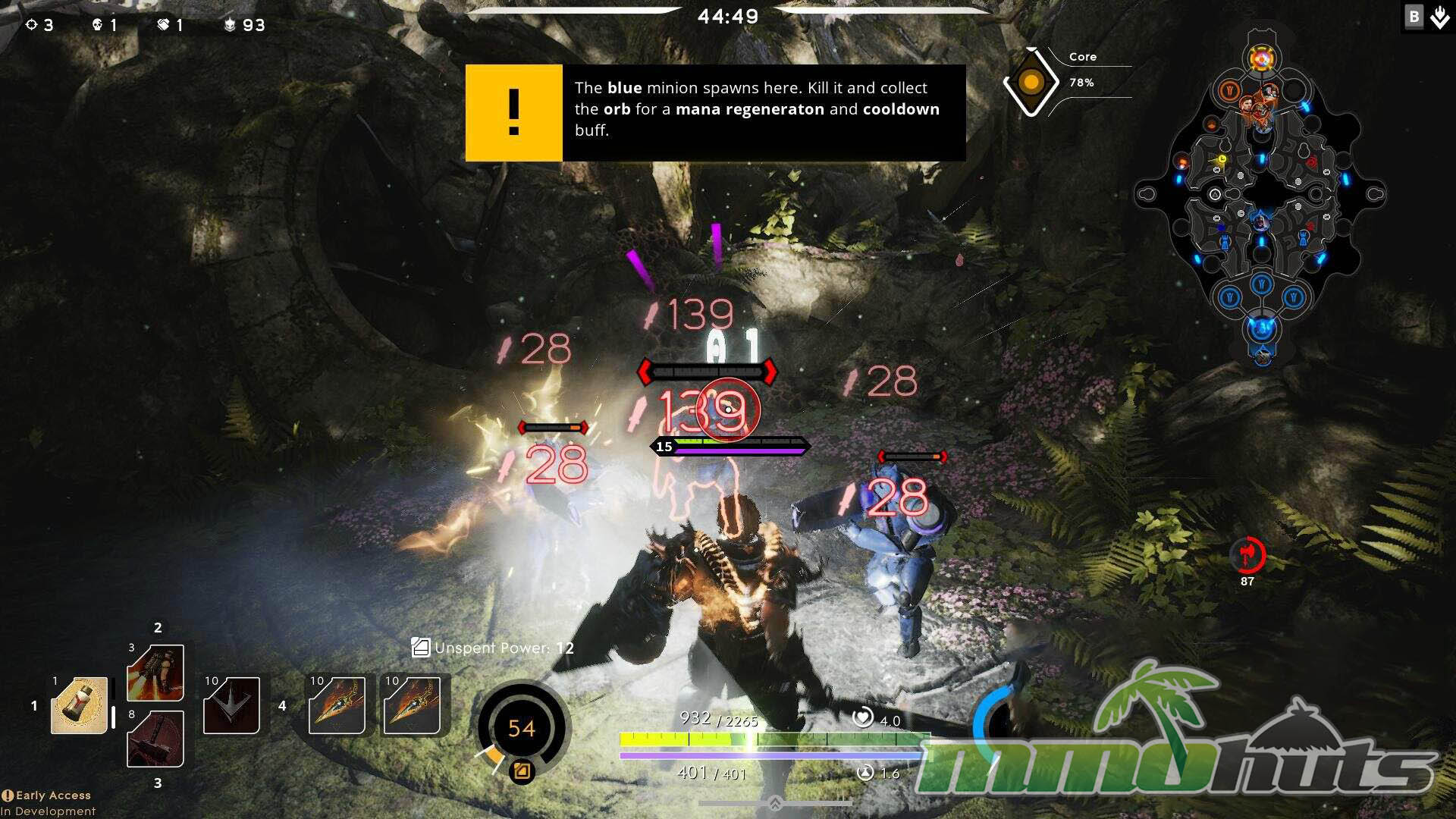
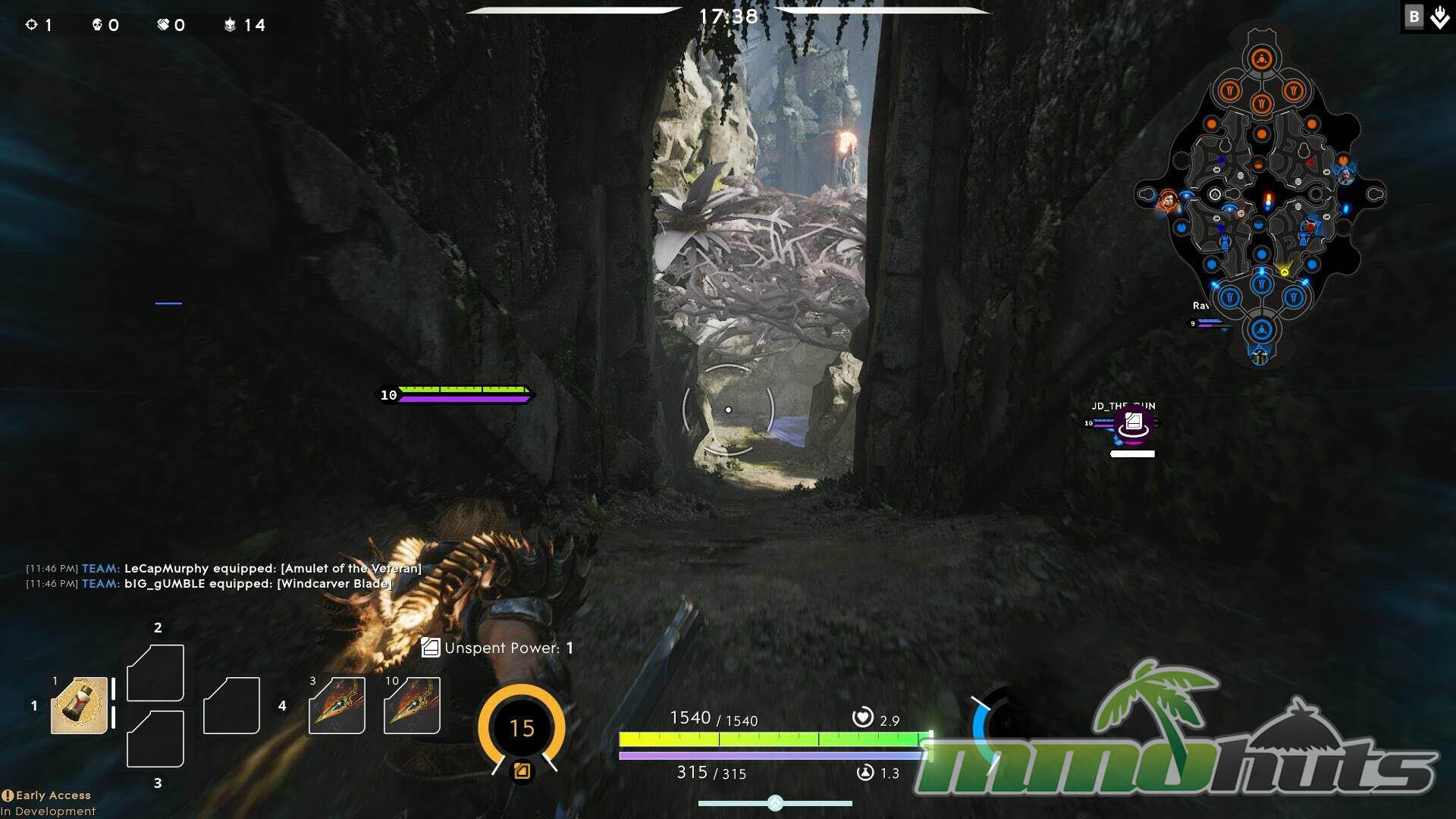
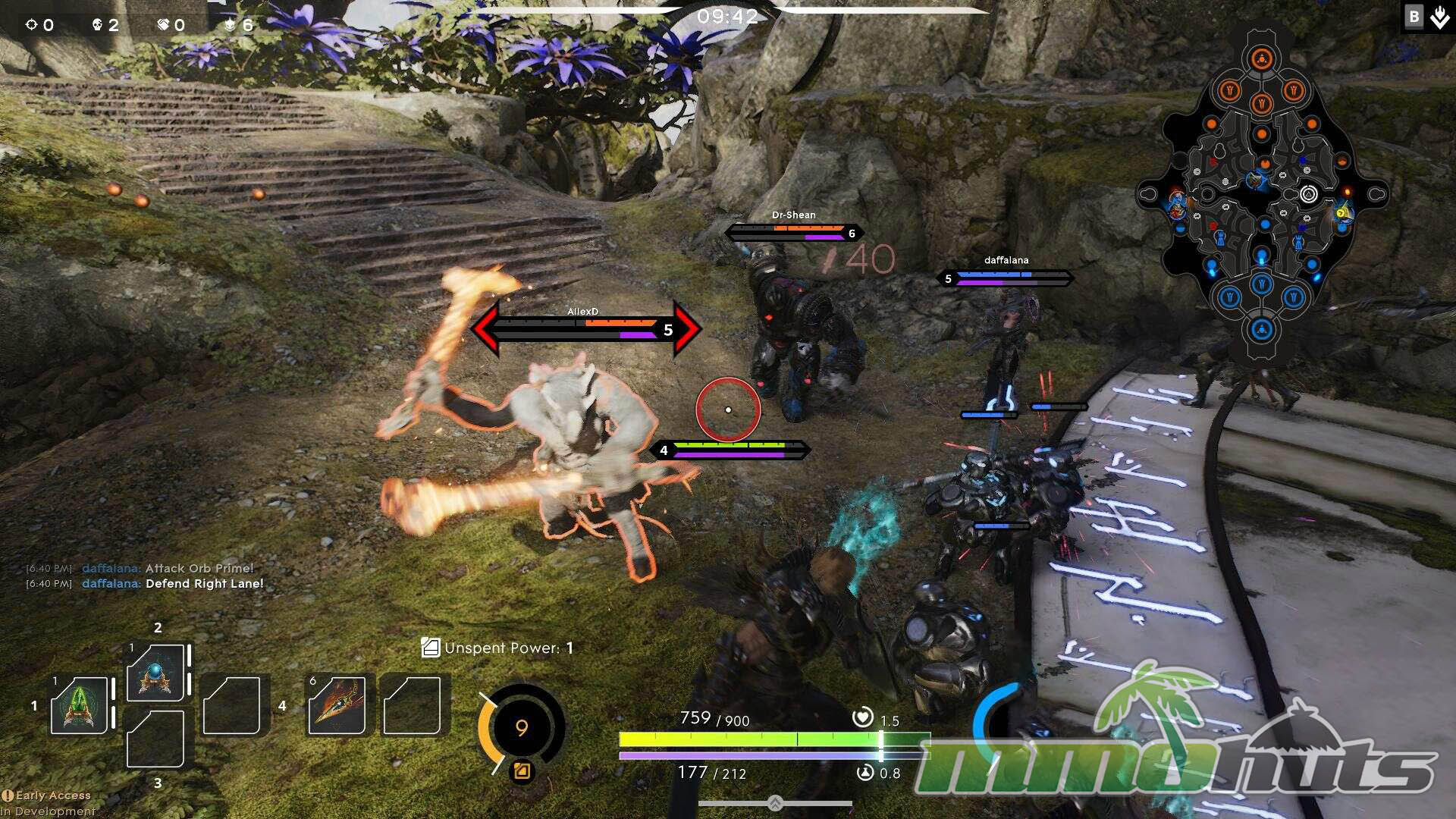
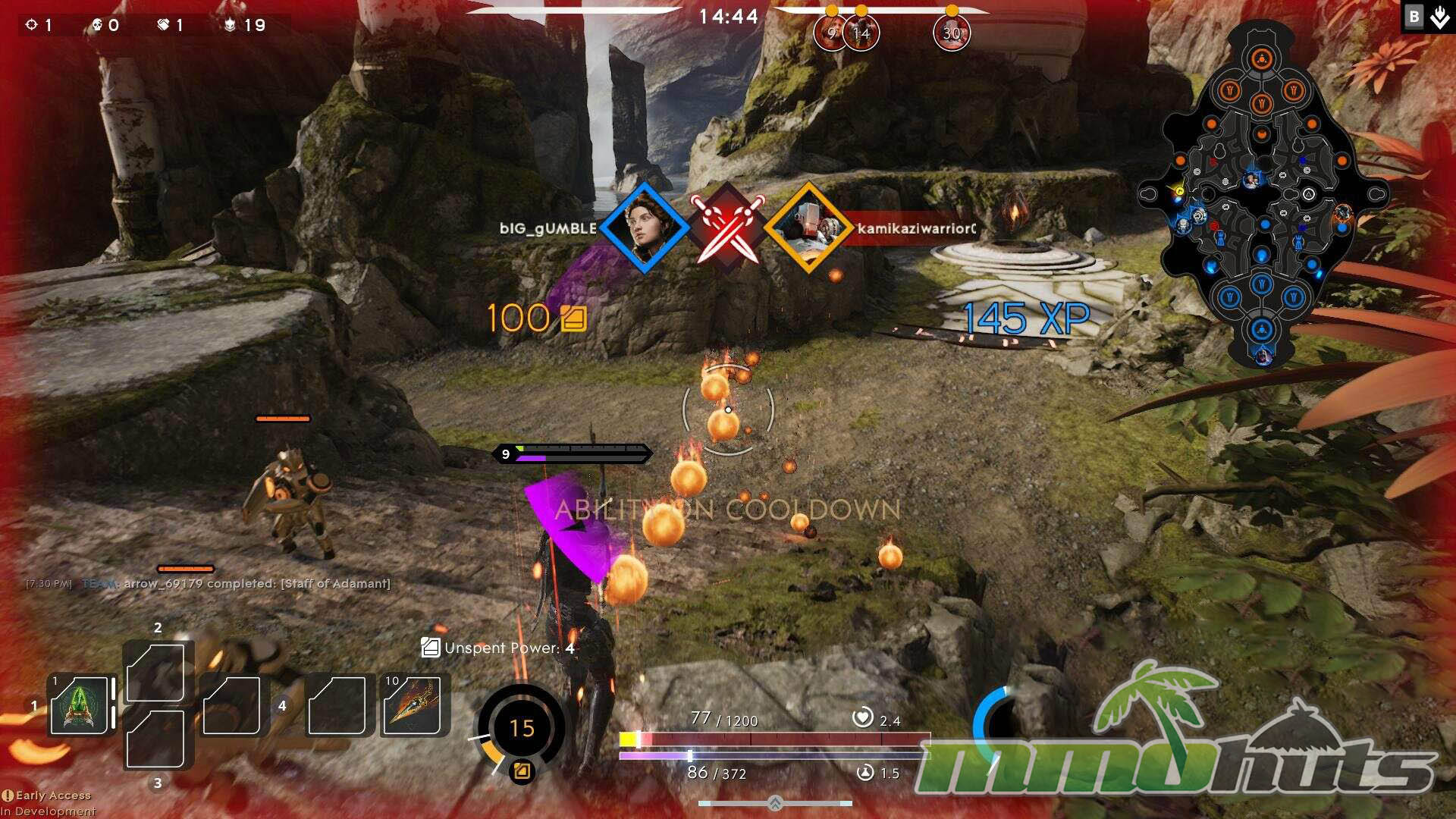
Where Paragon separates itself from many genre peers is how it feels moment to moment. Positioning matters more because sightlines, terrain, and the camera angle make engagements read like an action game rather than a top-down strategy board. Teams can brawl directly in lane, set up ambushes by rotating through the jungle, or play slower and scale into later fights depending on hero choices and how the match develops.
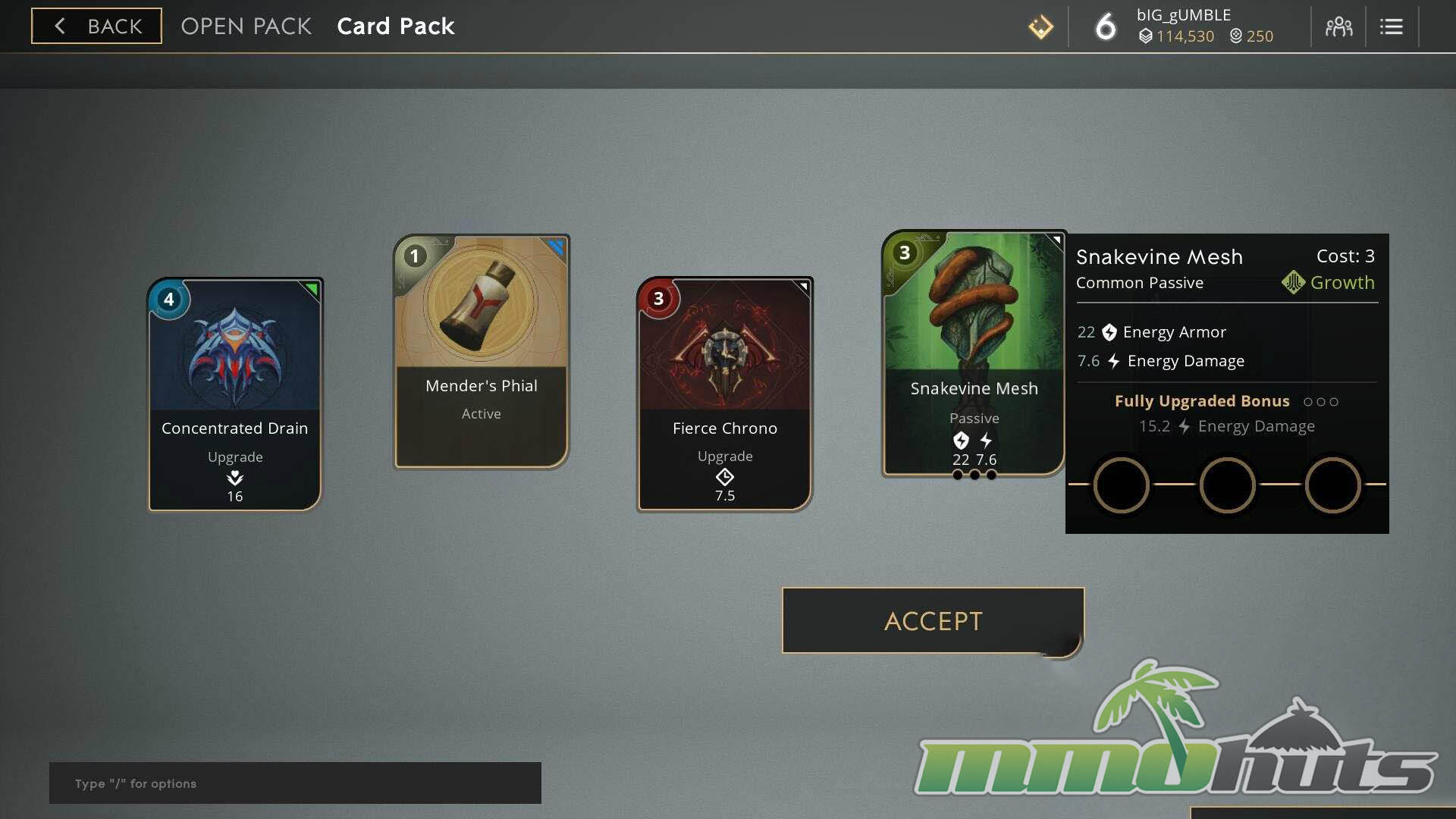
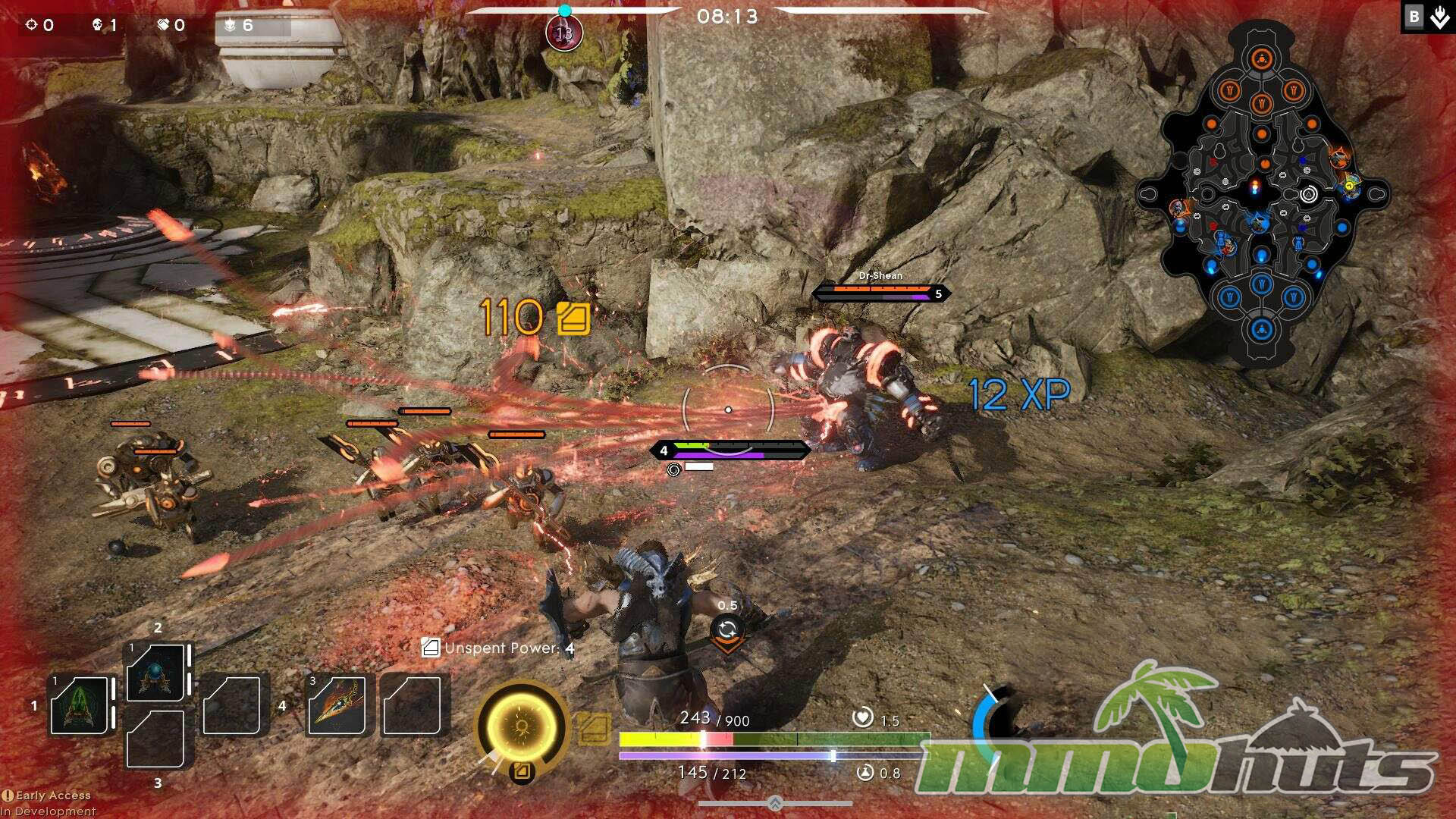
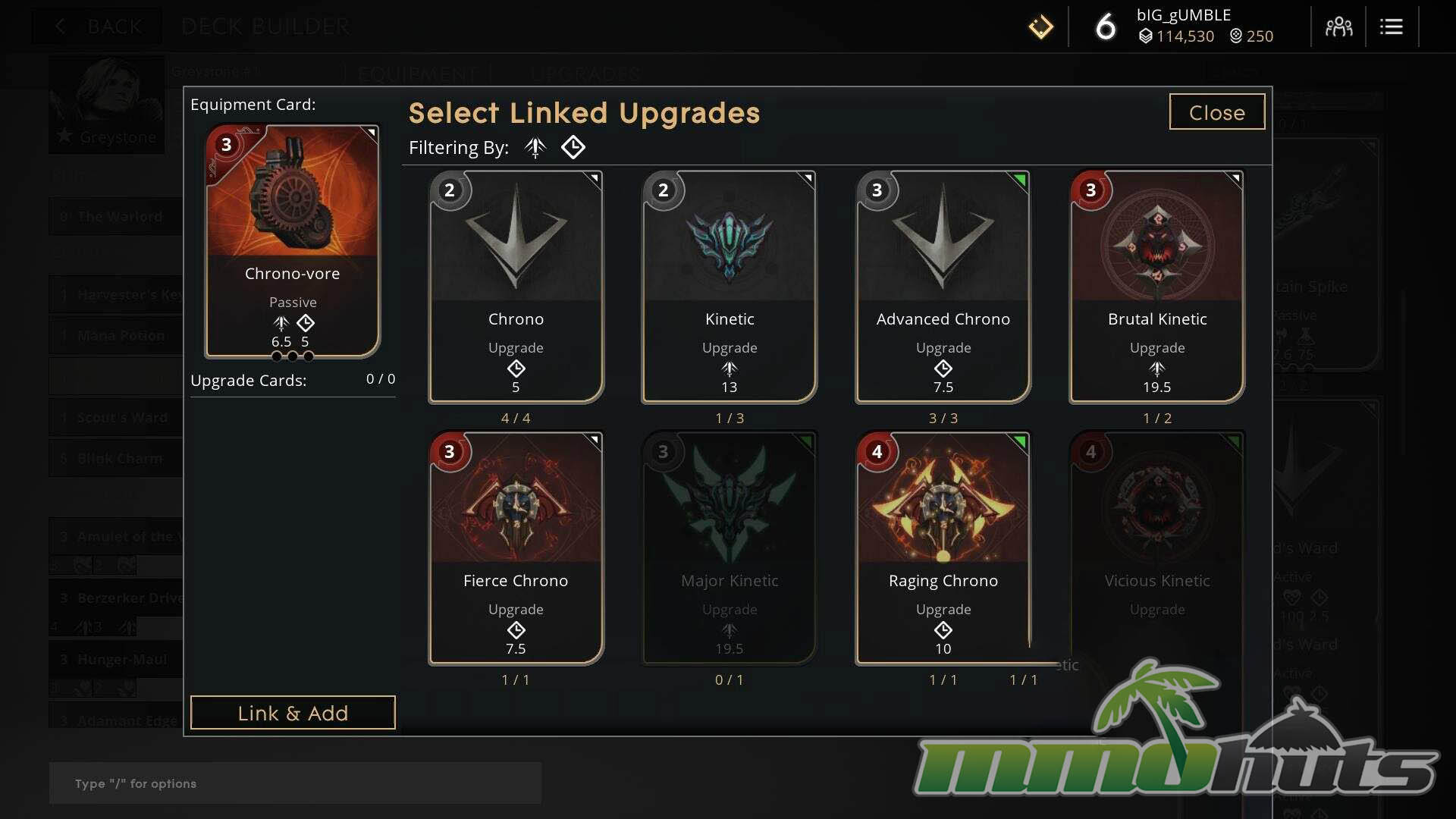
Progression inside a match is handled through a card system instead of a traditional item shop. You bring a deck and upgrade into stat boosts and effects through card choices, which adds a layer of planning outside the match while still allowing adaptation during play.
Paragon Key Features:
- Third Person MOBA – battle from an over-the-shoulder viewpoint that emphasizes movement, aim, and spatial awareness
- Skill-Based Combat – abilities reward accuracy and timing, especially when landing shots under pressure.
- Distinct Heroes – pick from a varied hero lineup with different kits, strengths, and combat jobs.
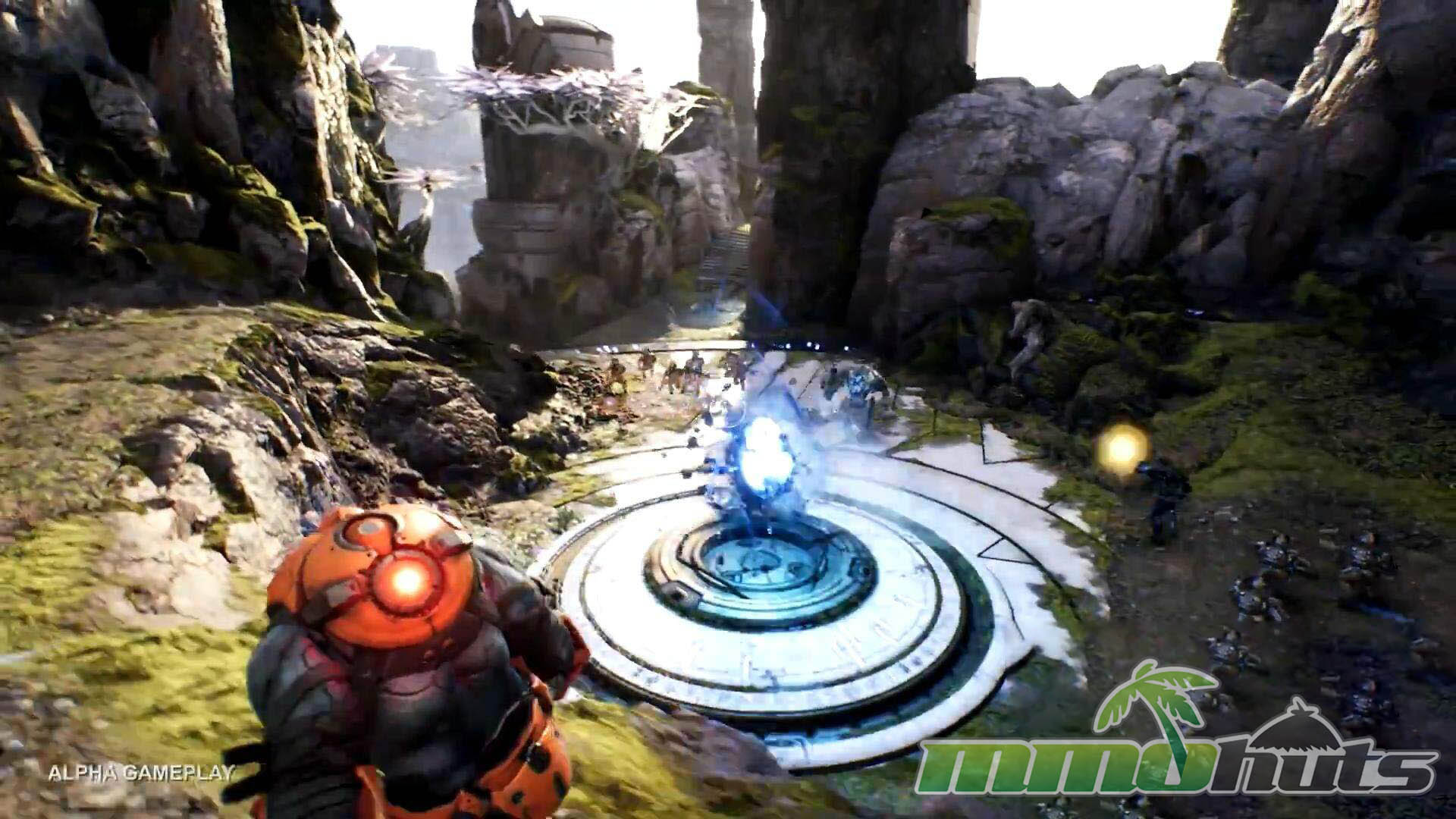
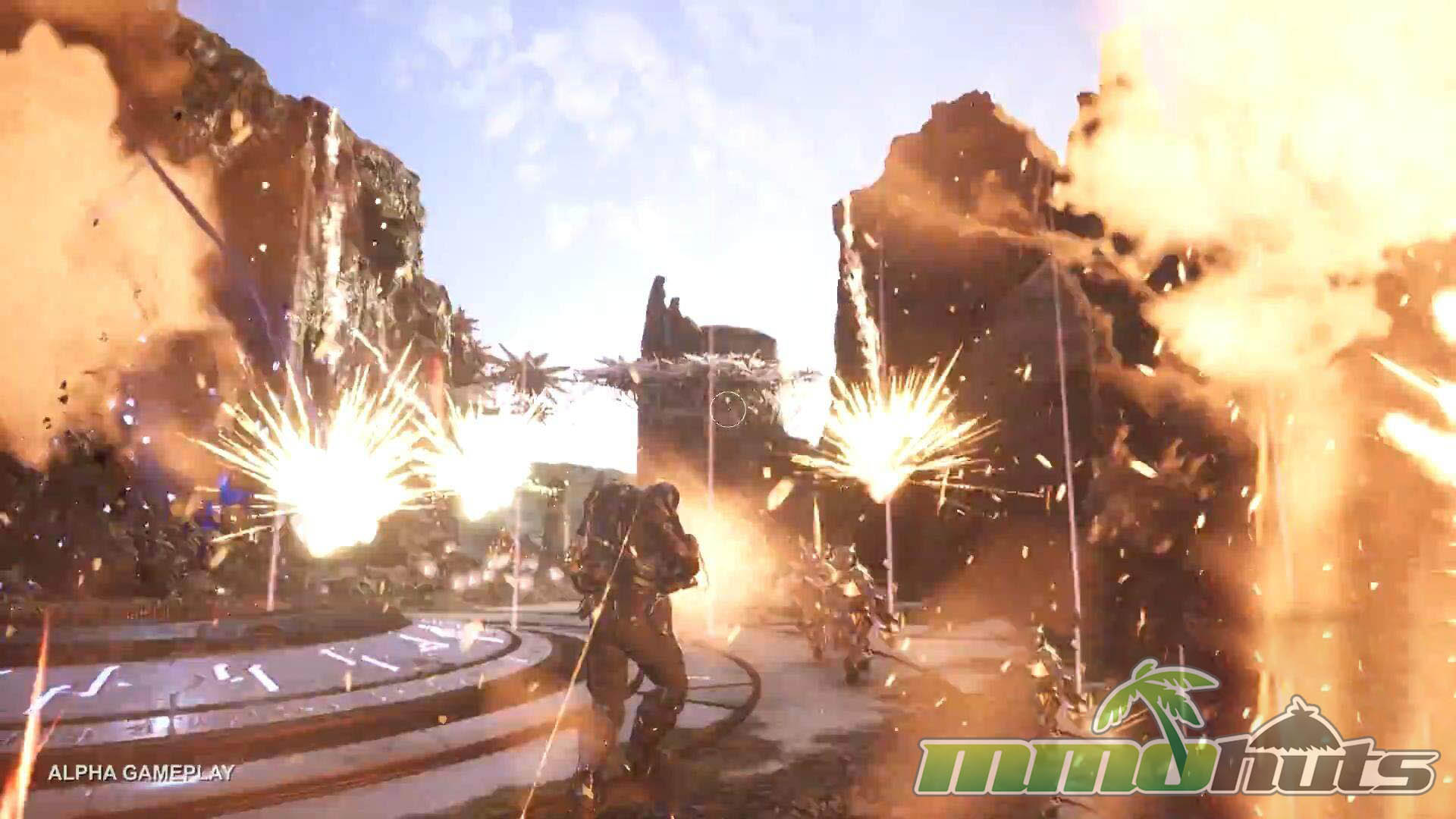
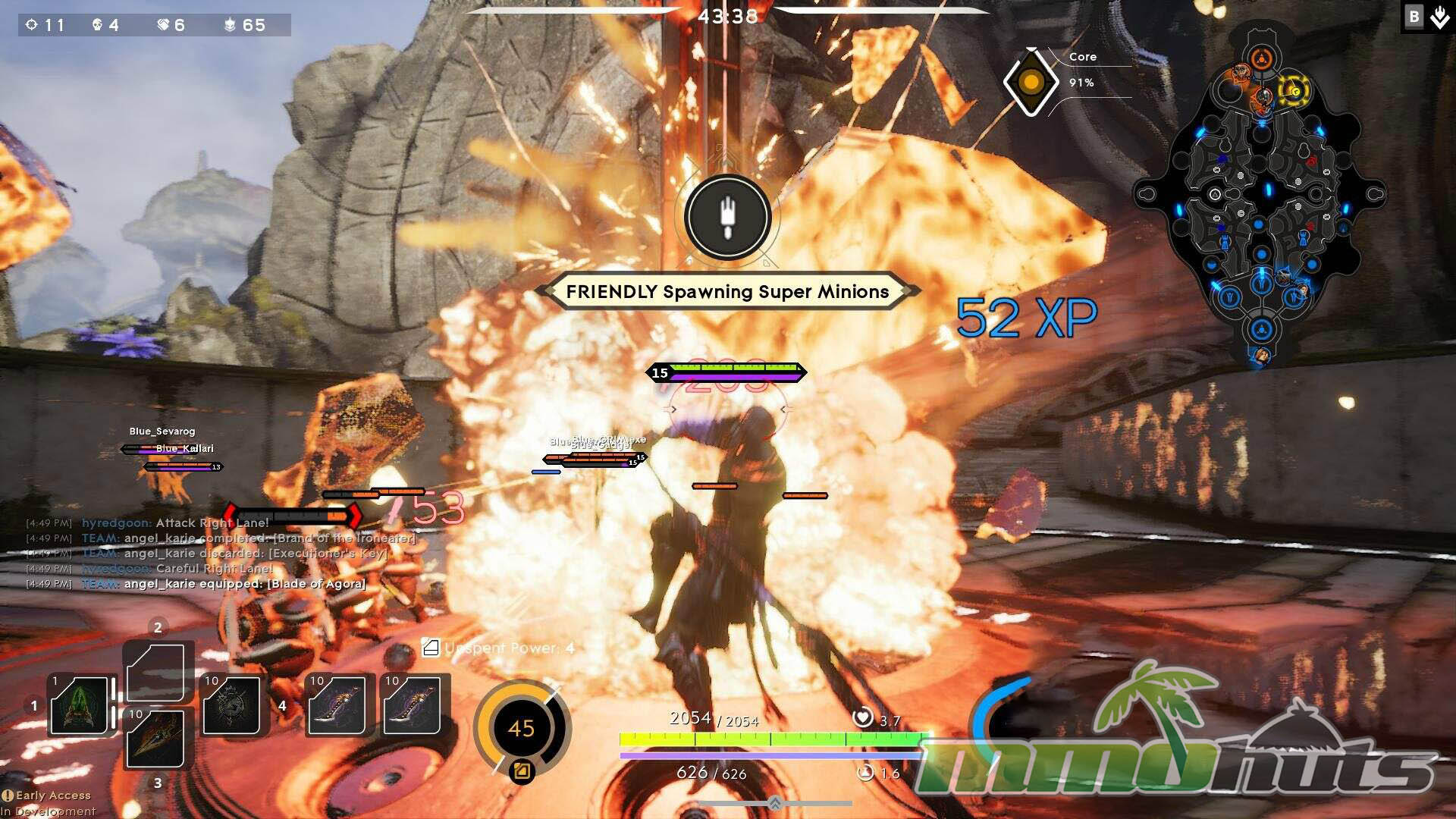
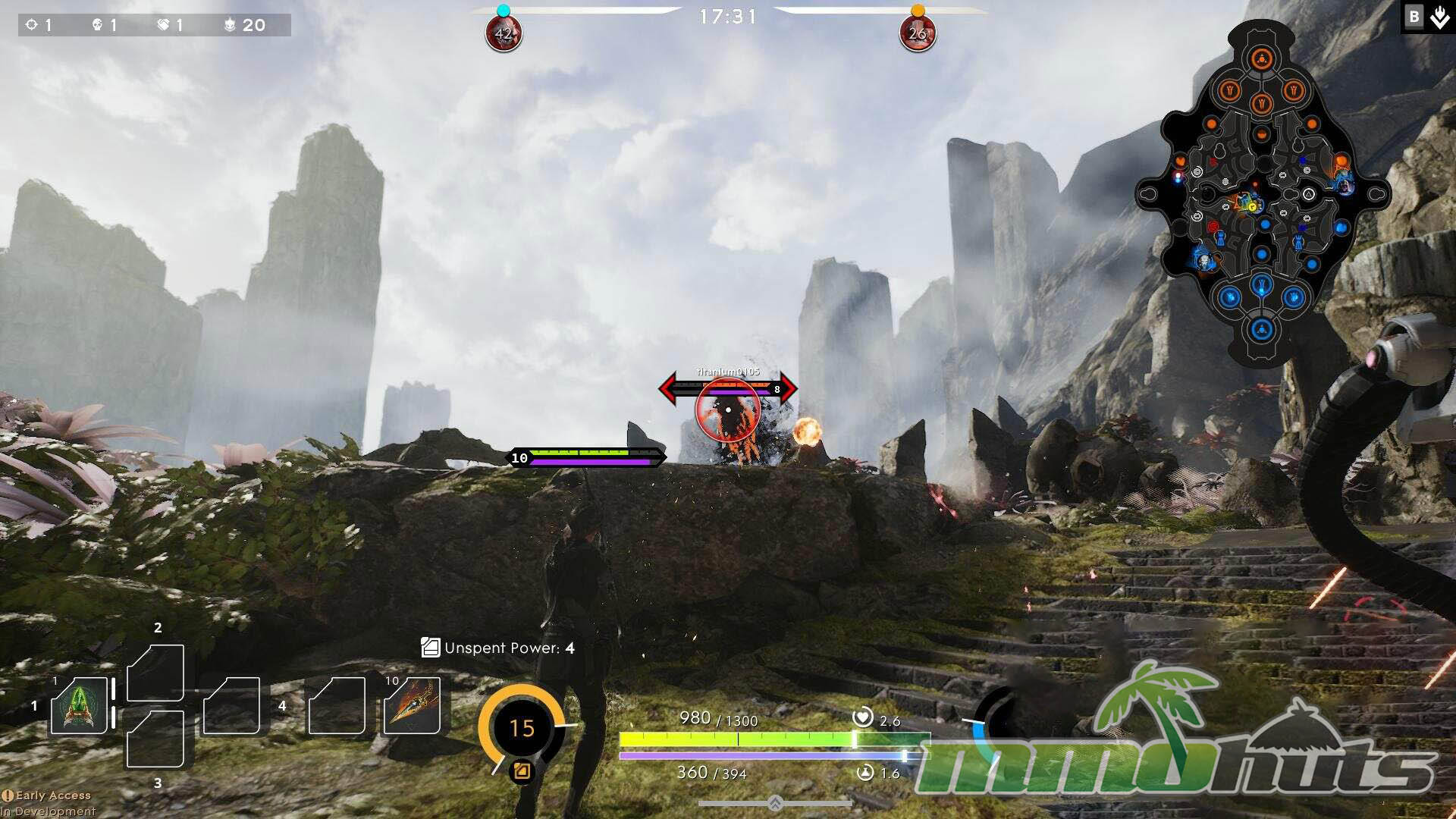
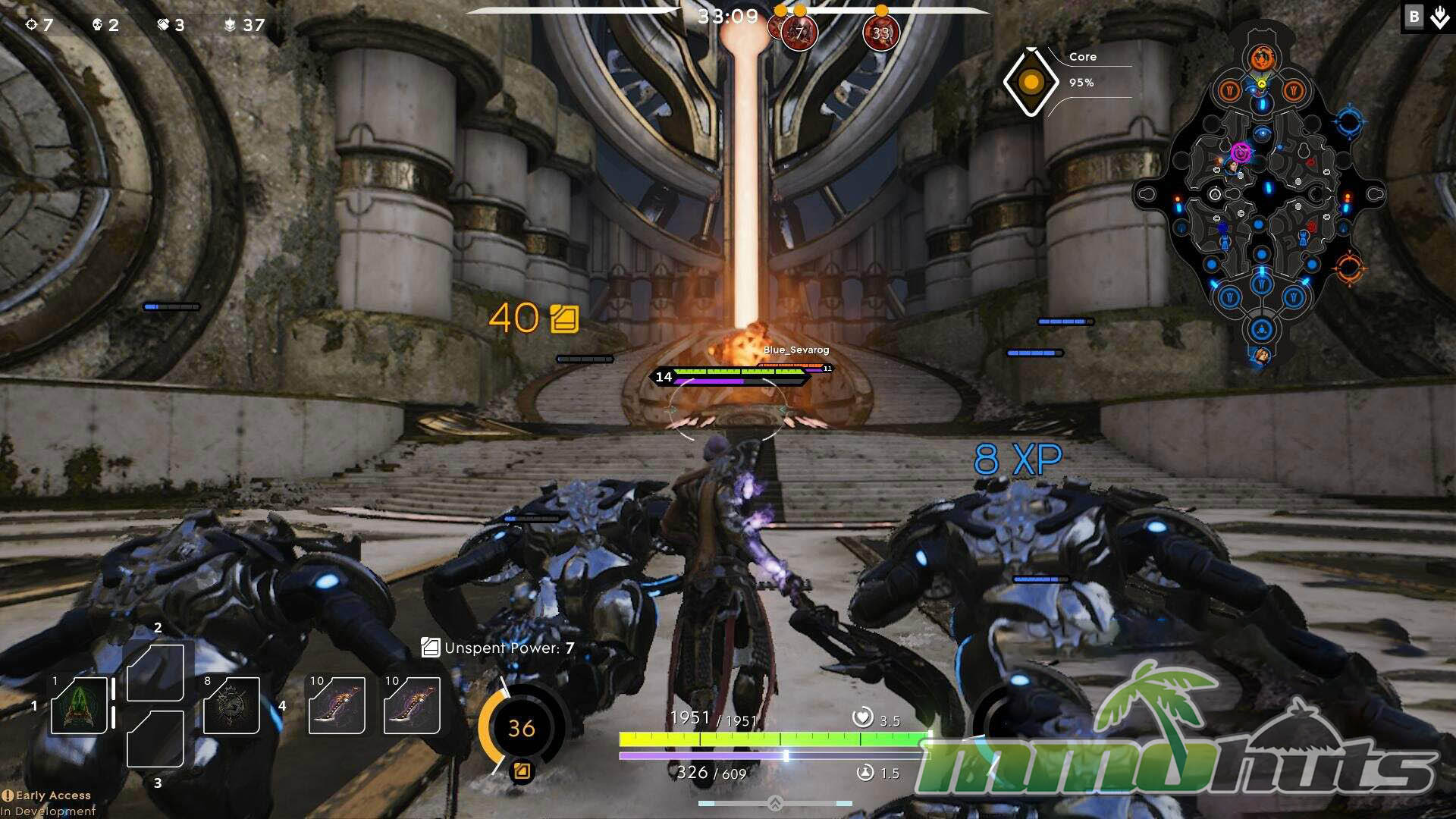
- Stunning Graphics – powered by Epic Games’ Unreal Engine 4, with high-end character models and strong environmental detail.
- Card Collecting – build decks and earn cards to influence match builds and open up different playstyles.
Paragon Screenshots

Paragon Featured Video

Paragon Review
Paragon aims to do what many MOBAs struggle with: keep the strategic structure of the genre intact while making the action readable and tactile. Controlling a single hero in third-person makes last-hitting, trading in lane, and skirmishing in the jungle feel immediate, and the presentation is one of the game’s biggest strengths. Unreal Engine 4 gives Paragon a polished look with strong lighting, dense map geometry, and effects that make abilities easy to appreciate in motion. Visually, it is consistently impressive, even if the heavier use of blur and post-processing can feel overbearing depending on your preferences.
Sound design lands in a more mixed place. Individual ability effects and voice work do their job, but the overall soundscape can feel oddly quiet during downtime. In a genre where tension often builds through music and escalating audio cues, the relative lack of in-match background music can make slower moments feel flatter than they should, particularly when waiting on respawns or watching a fight unfold from the sidelines.
Getting Started and First Matches
One of Paragon’s biggest hurdles is onboarding. Rather than offering a robust, playable tutorial that walks you through the rhythm of lanes, objectives, and power progression, the game leans on an external video and a handful of in-match prompts. For experienced MOBA players, the basics are familiar enough to improvise, but new players are likely to feel underprepared, especially when the card system becomes relevant.
Early account restrictions also shape those first hours. Before you are fully opened up to standard PvP play, you are pushed into AI modes until reaching account level 3. In practice, that is a short grind, but it is still a noticeable gate that delays learning against real opponents, where rotations, ganks, and punish windows are much more pronounced.
The Core Objective and Match Flow
At its heart, Paragon follows the classic three-lane MOBA blueprint. Two teams advance behind minion waves, chip down towers, and fight for control of the map until one side can break into the enemy base and destroy the core. If you have played DOTA-style MOBAs, the strategic beats will feel recognizable, even though the camera angle changes how you read threats and execute fights.
The third-person perspective creates a different kind of tension: you have less omniscient information than in top-down games, and awareness is earned through positioning and camera discipline. That is a real strength, but it also changes pacing. Many matches can feel more measured and less explosive than players might expect from action-oriented presentation. While some games hit a clear mid-game acceleration around the 10 to 15 minute mark, Paragon often stays in a steadier tempo, with fewer sudden swings and less constant pressure to brawl.
Typical match length still spans the usual MOBA range, from around 20 minutes to over an hour, depending on coordination and skill gaps. The issue is not that matches are long, it is that the game can sometimes feel like it is taking a while to reach its most exciting moments. Players who prefer fast rotations and frequent team fights may find the pace too restrained compared to more aggressive competitors.
Deckbuilding Instead of an Item Shop
The most distinctive system in Paragon is its replacement of the standard item shop with cards. In most MOBAs, gold and items are the main knobs for growth and situational adaptation. Here, you instead rely on a deck that you build over time, choosing cards that grant stat increases and effects that shape how your hero develops throughout a match.
Conceptually, it is a smart way to give players meaningful build identity and long-term collection goals, and it can make match decisions feel more curated. The tradeoff is accessibility. New players not only need to learn hero kits and lane fundamentals, they also need to understand deck composition and card value, which is a lot to absorb without a guided, hands-on tutorial.
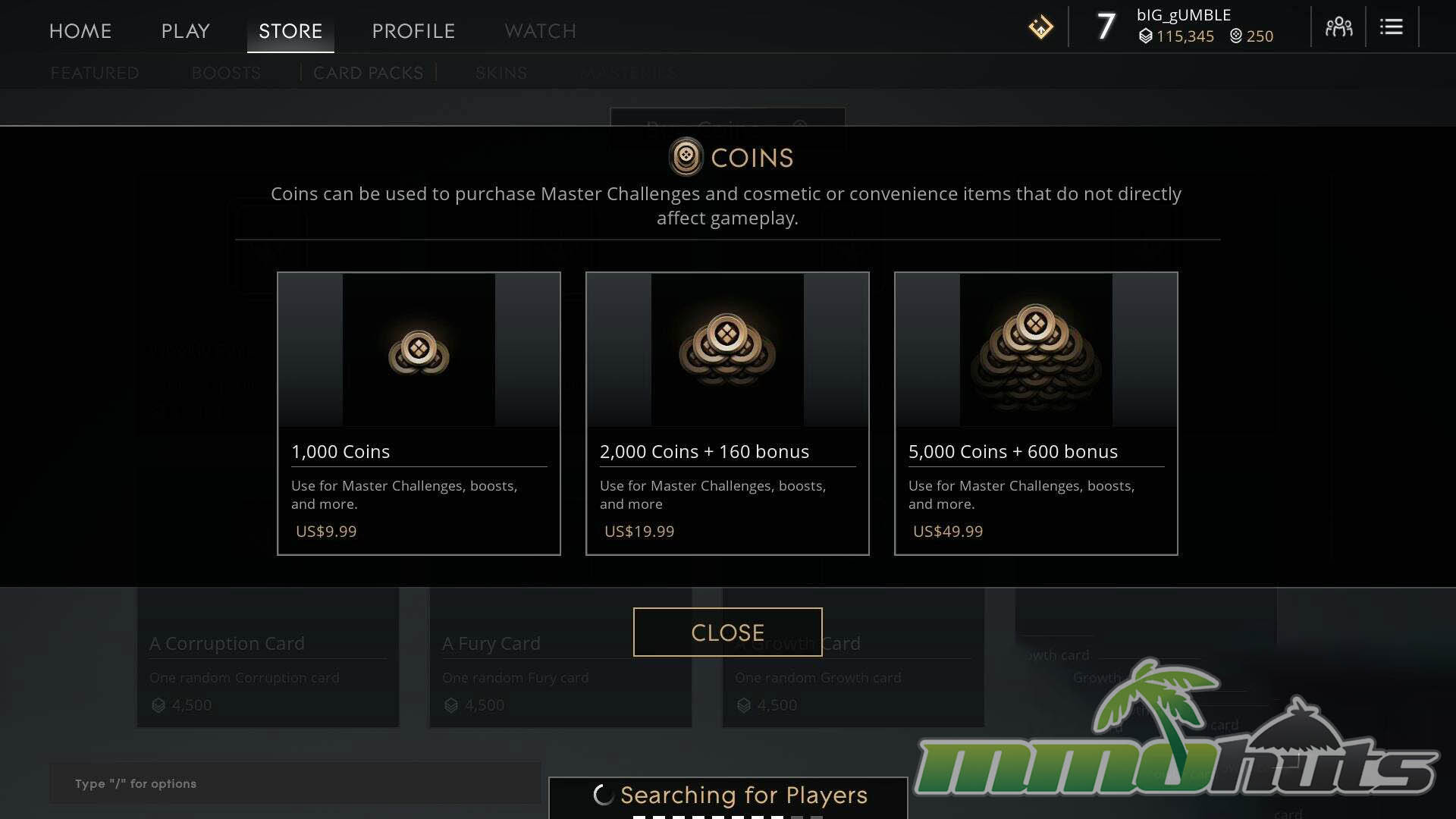
Cards are earned through play and can also be obtained via the cash shop using in-game currency called Reputation points. Any system that ties power options to collection can raise fairness concerns, particularly in competitive genres, but matchmaking generally does a reasonable job of keeping games from feeling completely lopsided due to card advantage alone.
Progression, Rewards, and Unlocks
Paragon rewards players with experience and Reputation points after matches, whether you win or lose, with victories granting a noticeably larger payout. Account experience increases your level and gradually unlocks important features, including broader access to modes and systems like deckbuilding. Leveling also feeds into the card loop, handing out card packs along the way, which reinforces the sense of long-term progression.
Heroes also have their own leveling track tied to usage, granting cosmetic rewards such as skins and additional card packs at milestones. Reputation points primarily support store purchases and can be spent on Hero challenges that lead to Master skins for the hero you complete them with, giving dedicated players a clear “main a character” goal.
A notable upside is hero access. Rather than rotating a limited free roster, Paragon allows players to use any hero in its expanding lineup without requiring real-money purchases. When you do spend money, it is largely aimed at cosmetics and convenience boosts that do not directly change match power, keeping the monetization from feeling overly intrusive in day-to-day play.
Final Verdict – Good
Paragon is easy to respect and harder to fully embrace. Its production values are excellent, and the third-person viewpoint gives familiar MOBA fundamentals a more physical, action-driven feel. The card system is also genuinely interesting, offering strategic depth and build planning that can make heroes feel more customizable.
At the same time, the overall pacing can come across as too subdued for a game that looks like it wants to be a high-intensity brawler, and the audio presentation does not always match the visual energy. For players who enjoy a slower, methodical MOBA with strong visuals and an unusual progression system, Paragon has a lot to like. For those chasing constant aggression and rapid match tempo, it may not deliver the excitement the format suggests.
Paragon System Requirements
Minimum Requirements:
Operating System: Windows 7/8/10 64-bit
CPU: Core i5 2.5 Ghz
Video Card: 1 GB NVIDIA GeForce GTX 460, AMD Radeon HD 6870, Intel HD Graphics 4600, or equivalent DX11 GPU
RAM: 4 GB
Direct X: DX11
Hard Disk Space: 15 GB
Recommended Requirements:
Operating System: Windows 7/8/10 64-bit
CPU: Core i5 2.8 Ghz
Video Card: 2 GB Nvidia GTX 660 or AMD Radeon HD 7870 equivalent DX11 GPU
RAM: 8 GB
Direct X: DX11
Hard Disk Space: 15 GB
Paragon Music & Soundtrack
Coming soon!
Paragon Additional Information
Original Developer: Epic Games
Relaunched Developer: Netmarble
Engine: Unreal Engine 4
Other Platforms: PS4
Early Access Release (Closed Beta): March 18, 2016
Open Beta Release: August 16, 2016
Official Release Date: TBA
Shut Down Date: April 26, 2018
Relaunch Date: Dec 5, 2022
Development History / Background:
Paragon was developed by the American studio Epic Games and built using Unreal Engine 4, the company’s own widely used engine. The project was first revealed on November 04, 2015, and later entered Closed Beta Early Access on March 18, 2016, with access provided to selected players and those who purchased Founder’s Packs. Epic then moved the game toward Open Beta and a free-to-play model on August 16, 2016.
After Fortnite’s rise in popularity, development focus shifted, and Paragon ultimately shut down on April 26, 2018 as resources were redirected. The game later returned in a new form when Netmarble relaunched it as ‘Paragon: The Overprime” on December 5, 2022.