Swordsman Online was a 3D MMORPG built around action-leaning combat and flashy wuxia movement. Players could choose from ten martial arts schools, each designed to feel distinct, then take on questing, instanced bosses, and PvP in a stylized Ancient China setting that leaned heavily on atmosphere and traversal.
 | Publisher: Arc Games Type: MMORPG Release Date: July 03, 2014 Shutdown Date: June 5, 2018 Pros: +Beautifully crafted zones and architecture. +Ten martial arts schools with clear identity. +Robust character creation options. Cons:-Unrewarding early skill growth. -Questing and combat loops can feel repetitive. |
Swordsman Online Shut Down on June 5, 2018
Swordsman Overview
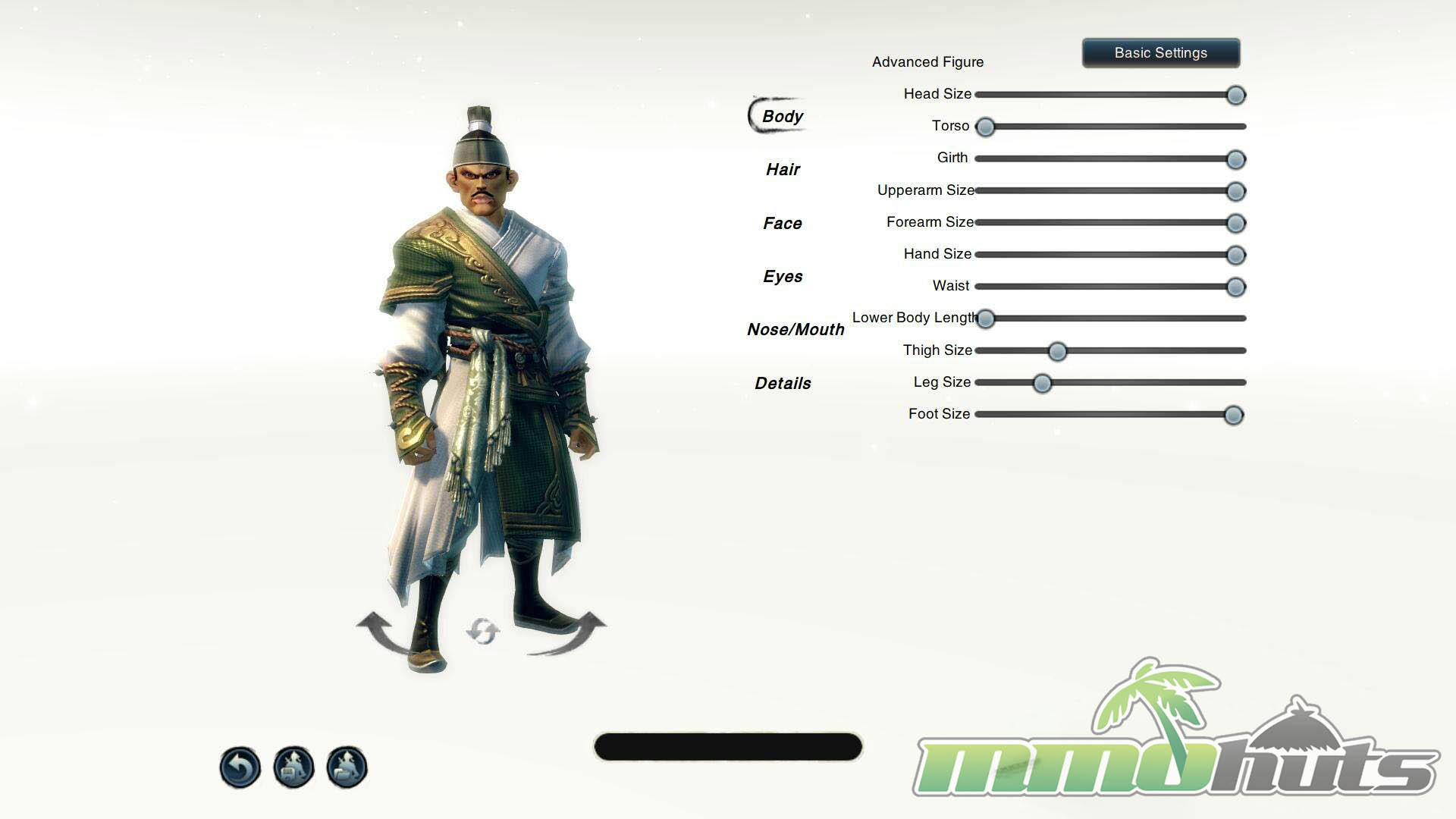
Swordsman was a 3D MMORPG from Perfect World Entertainment that framed its world and tone around wuxia fiction, drawing from Louis Cha’s novel The Smiling, Proud Wanderer. One of the game’s biggest hooks was its extensive character creator, which offered enough sliders and options that most players could end up looking noticeably different even before cosmetics entered the picture. From there, you picked one of ten martial arts schools (classes), each with its own toolkit and combat rhythm, then leveled to unlock additional abilities that expanded your combo potential and overall flow.
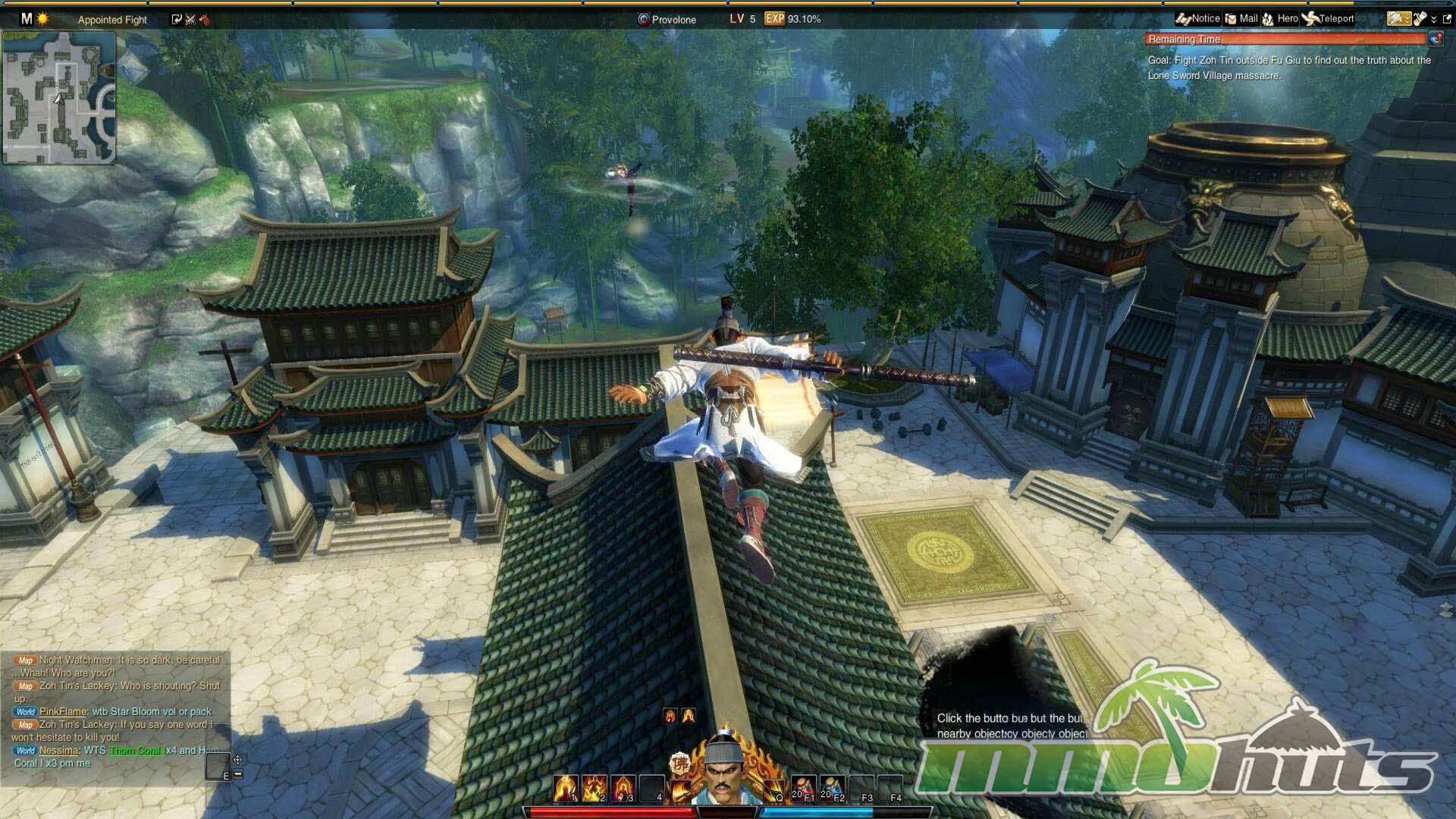
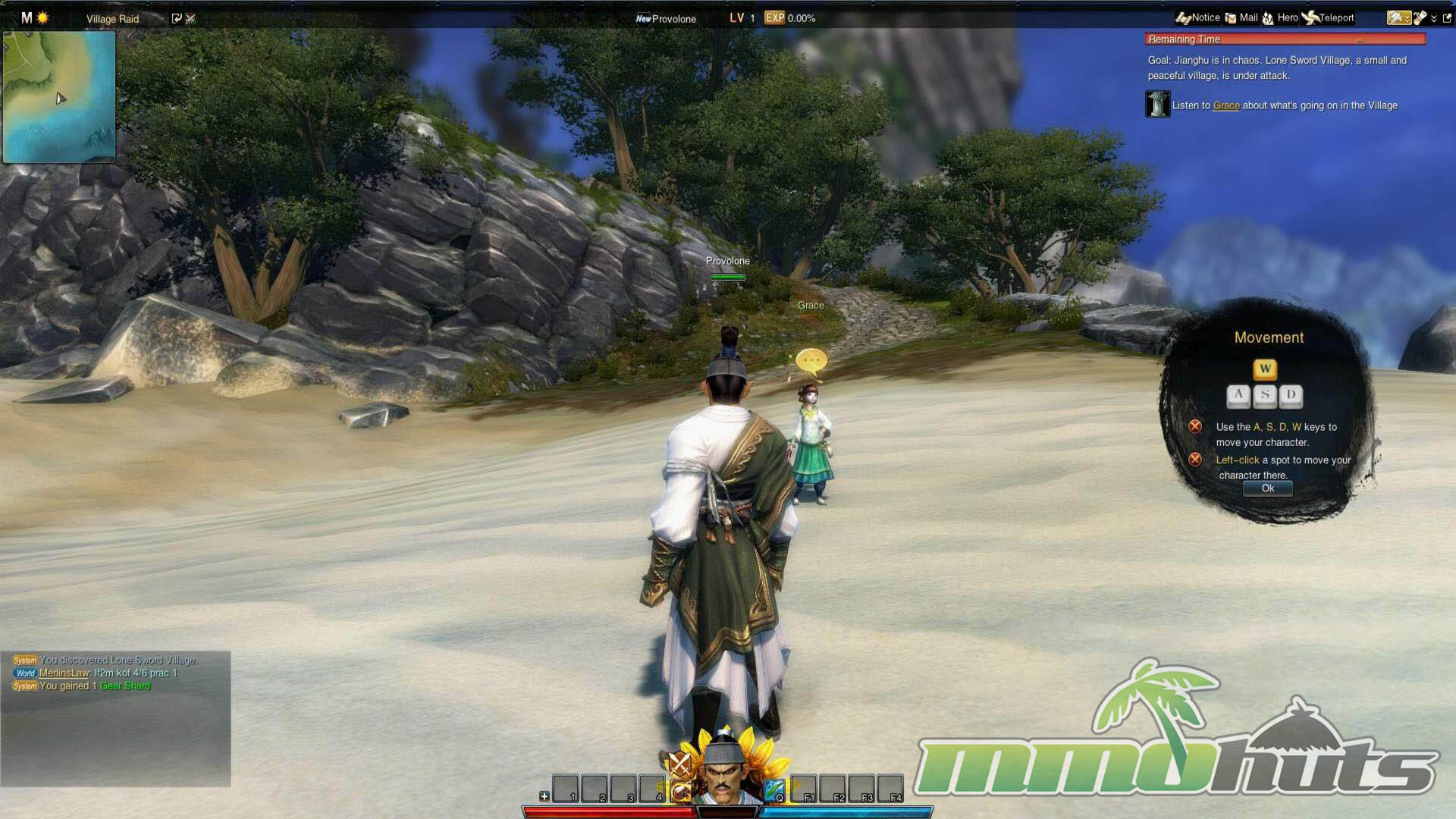
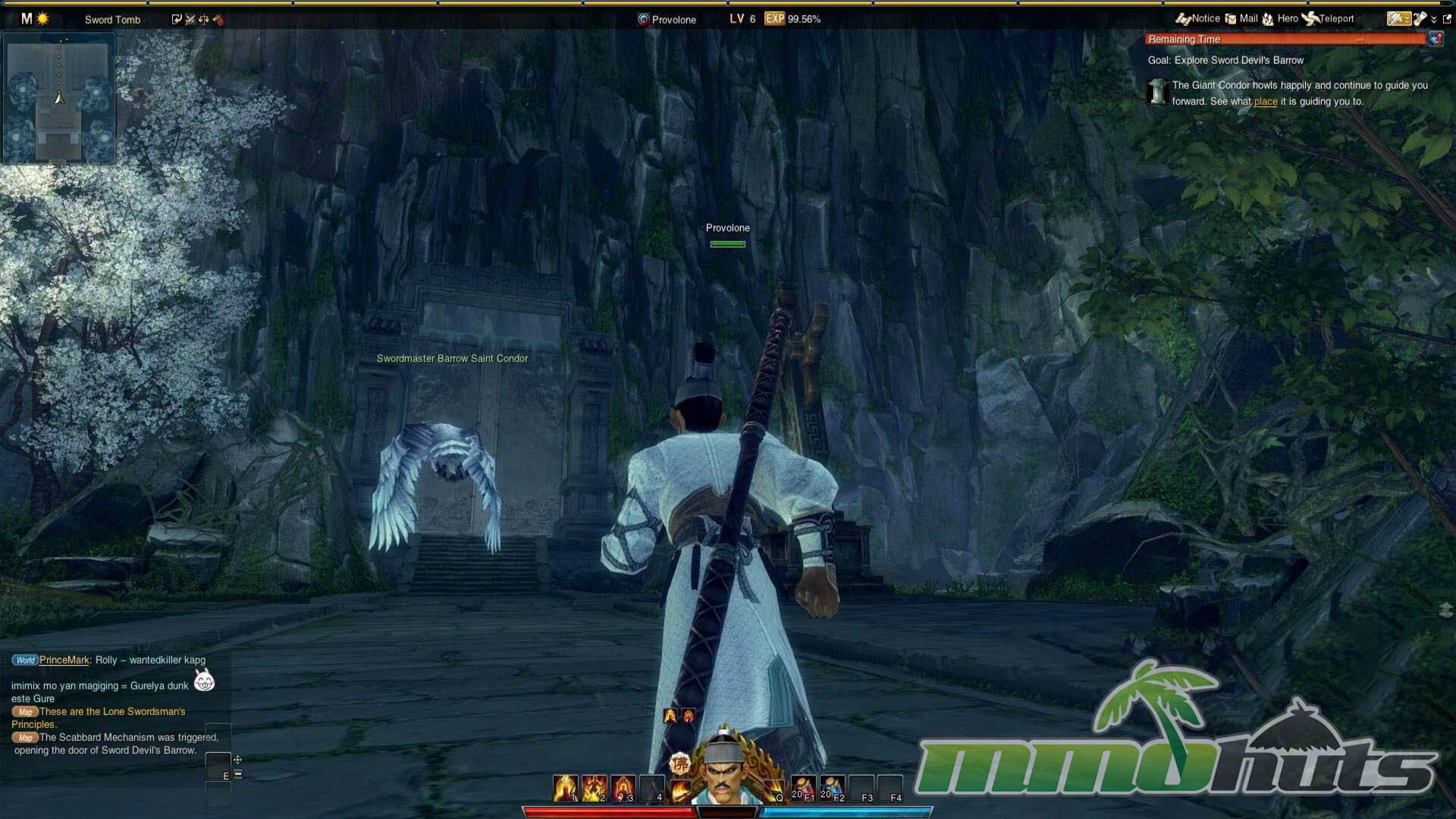
The game put a lot of effort into presentation. Cities leaned into ornate, historical-inspired architecture, while the broader landscape paired calm music with scenic vistas that encouraged roaming. Movement also leaned into wuxia spectacle, with acrobatic traversal that let you bound across rooftops and reposition quickly in combat. For players who preferred convenience, Swordsman included auto-navigation that could carry you directly to objectives with minimal manual input.
At end game, the focus shifted toward instanced content with multiple boss fights and PvP options, including a stat-balanced arena designed to emphasize execution and class knowledge rather than raw gear advantage. World PvP was also present, adding risk to routine questing and travel.
Swordsman Key Features:
- Ten Martial Arts Classes – offering unique playstyles.
- Auto-Questing – navigates to your objective automatically.
- Three Different Control Schemes – cater to every player’s preferred control scheme.
- Polished Environments – visually polished and create an atmosphere invoking Ancient Chinese mythology.
- World PvP – hunt other players or fear for your life as you quest.
Swordsman Screenshots


Swordsman Featured Video

Swordsman Classes
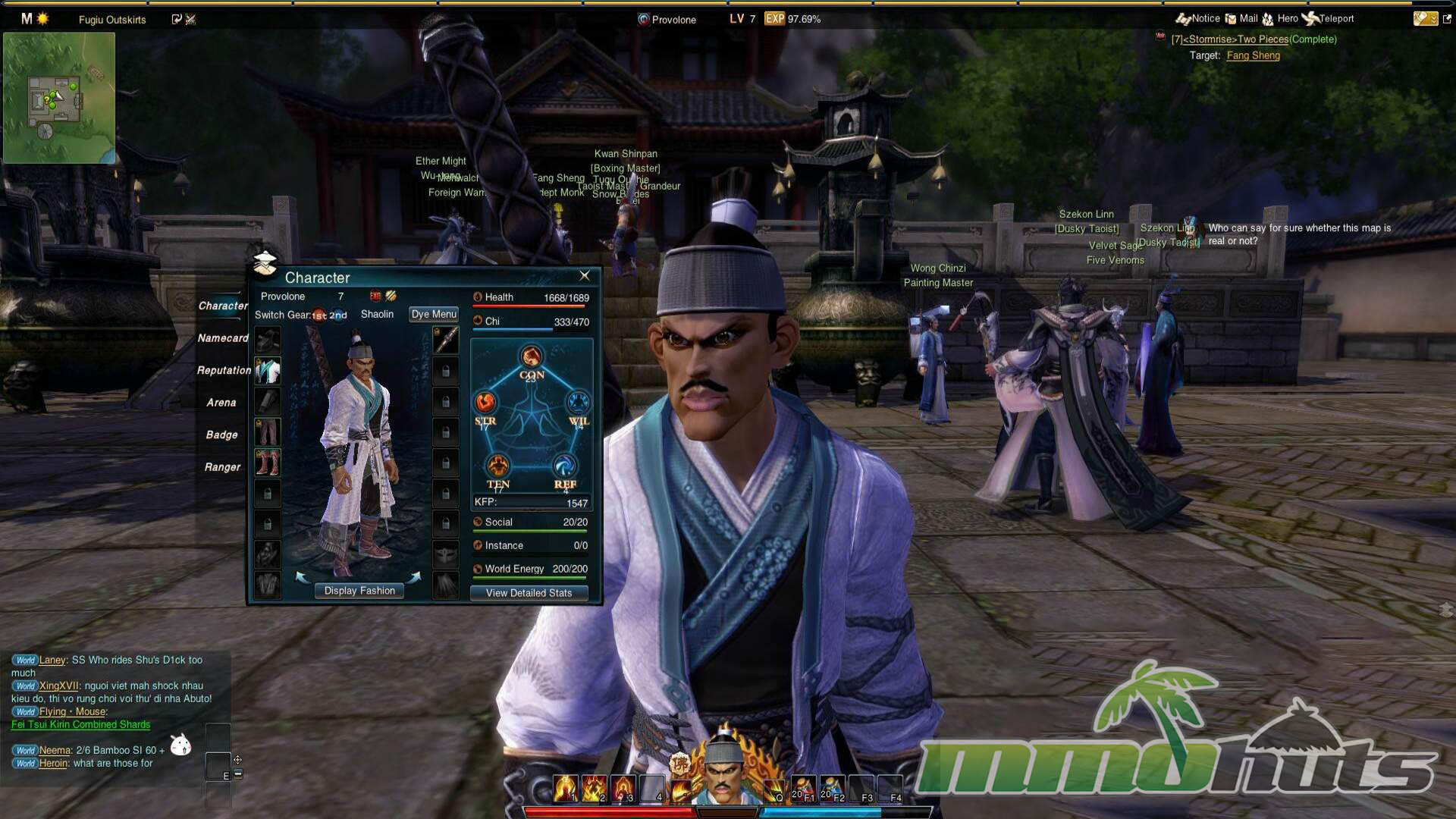
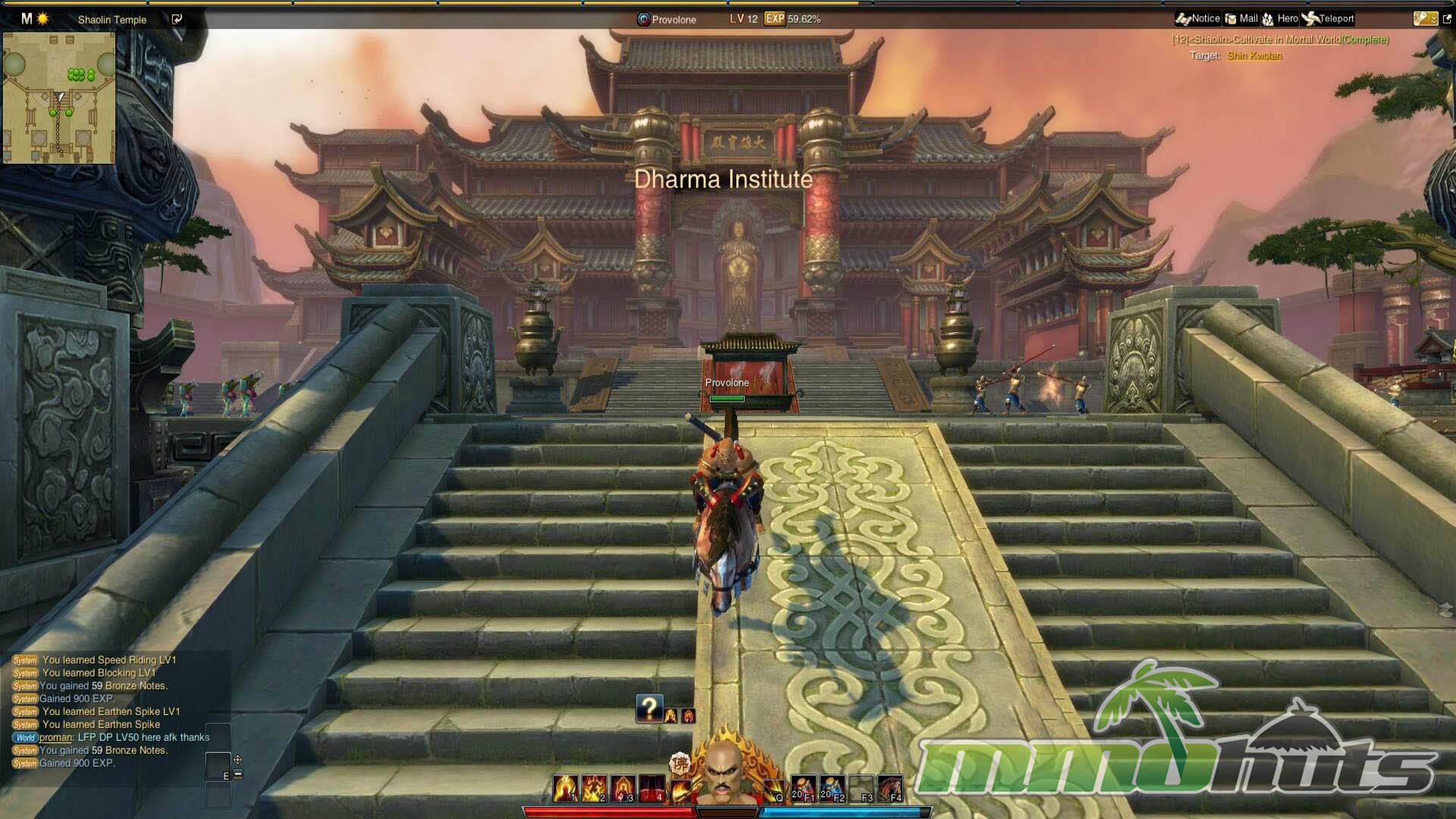
- Shaolin: Tradition credits Shaolin monks with shaping kung-fu into an art, and in Swordsman they fit the role of durable frontline fighters. They combine solid melee presence with strong defensive tools, using a Bo staff that can split into multiple sections for wide, sweeping attacks. Their crowd control is not their strongest suit, but they can absorb pressure and keep enemies close, making them reliable protectors when a group needs someone to stand their ground.
- Wu-Tang: Wu-Tang disciples draw on Taoist ideas of balance and flow, translating that theme into a support-leaning kit with ranged offense. They bolster allies’ effectiveness while cutting into enemy health from a safer distance, and their toolkit includes multiple area attacks that make them comfortable in group fights. Between buffs and ranged pressure, they often feel like a flexible backbone class in parties.
- Splendor: Splendor channels chi into elegant swordplay, focusing on fast, high-impact bursts that can end fights quickly when executed well. Their one-handed longsword style emphasizes precision and tempo, rewarding players who like to stay aggressive and capitalize on openings. In practice, they are built to delete targets before opponents can stabilize.
- Infinity: Infinity blends protection and power, drawing on Buddhist-inspired themes while using Endo to weather danger and then retaliate with force. Although the school is largely made up of warrior nuns, it is not restricted by gender. Their playstyle revolves around controlled dashes, smart timing, and turning stored energy into explosive damage, which makes them feel sturdy without being slow.
- Harmony: Harmony’s signature is deception and tempo, pairing music-themed presentation with a combat role that fits the game’s assassin archetype. Their weapons are concealed within instruments, and they mix melee and ranged pressure while leaning heavily on illusions and close-range control. When the kit clicks, they can overwhelm targets with sudden speed and disorienting setups.
- Sun and Moon Cult: This school fights with Sun and Moon daggers, using agility to pressure single targets hard. Their skillset supports both ranged dagger throws and dangerous close-in play, letting them decide when to commit. Played well, they thrive on quick engagements and life-draining aggression rather than prolonged brawls.
- Five Venoms: Spun off from the Sun and Moon Cult, Five Venoms presents a deadly contrast of beauty and brutality. Using a soft whip and poison-focused techniques, they specialize in area control and crowd disruption while steadily wearing opponents down. They are particularly effective when fights become chaotic and groups need to be managed.
- Zephyr: Zephyr is a Taoist offshoot that mixes ranged fan attacks with palm strikes when enemies close the gap. Their chi manipulation leans into elemental control, including freezes that can lock down ranged threats. With fire and ice AoE options plus defensive ice shielding that hinders nearby foes, Zephyr is well suited to handling packs and shaping the battlefield.
- House Tong: House Tong plays as a fully ranged specialist that relies on precision fire and trap placement to control space. They can pressure multiple targets with handguns, use throwing tools for knockbacks, and punish careless approaches with snares and stuns. When positioned well, they can dictate fights by keeping threats at arm’s length.
- E’mei: E’mei, like Infinity, is primarily associated with nuns (while still allowing men), and it balances Exo and Endo for a hybrid approach. The school is strongest when supporting allies and weakening enemy defenses, and it brings high AoE ranged damage to group encounters. In 1v1 PvP, that support-first identity can be a disadvantage, but in coordinated play it can be valuable.
Swordsman Review
Swordsman set out to deliver a wuxia-flavored MMORPG that felt more kinetic than the tab-target standards many players associate with the genre. Its foundation, a world inspired by The Smiling, Proud Wanderer, gave it a clear identity, and the first hours generally reinforced that with Chinese voice work, stylized towns, and traversal that encouraged rooftop hopping and quick repositioning. Even years later, it is easy to see why the game appealed to players who wanted “martial arts MMO” vibes rather than a more conventional fantasy template.
Character Creation That Actually Matters
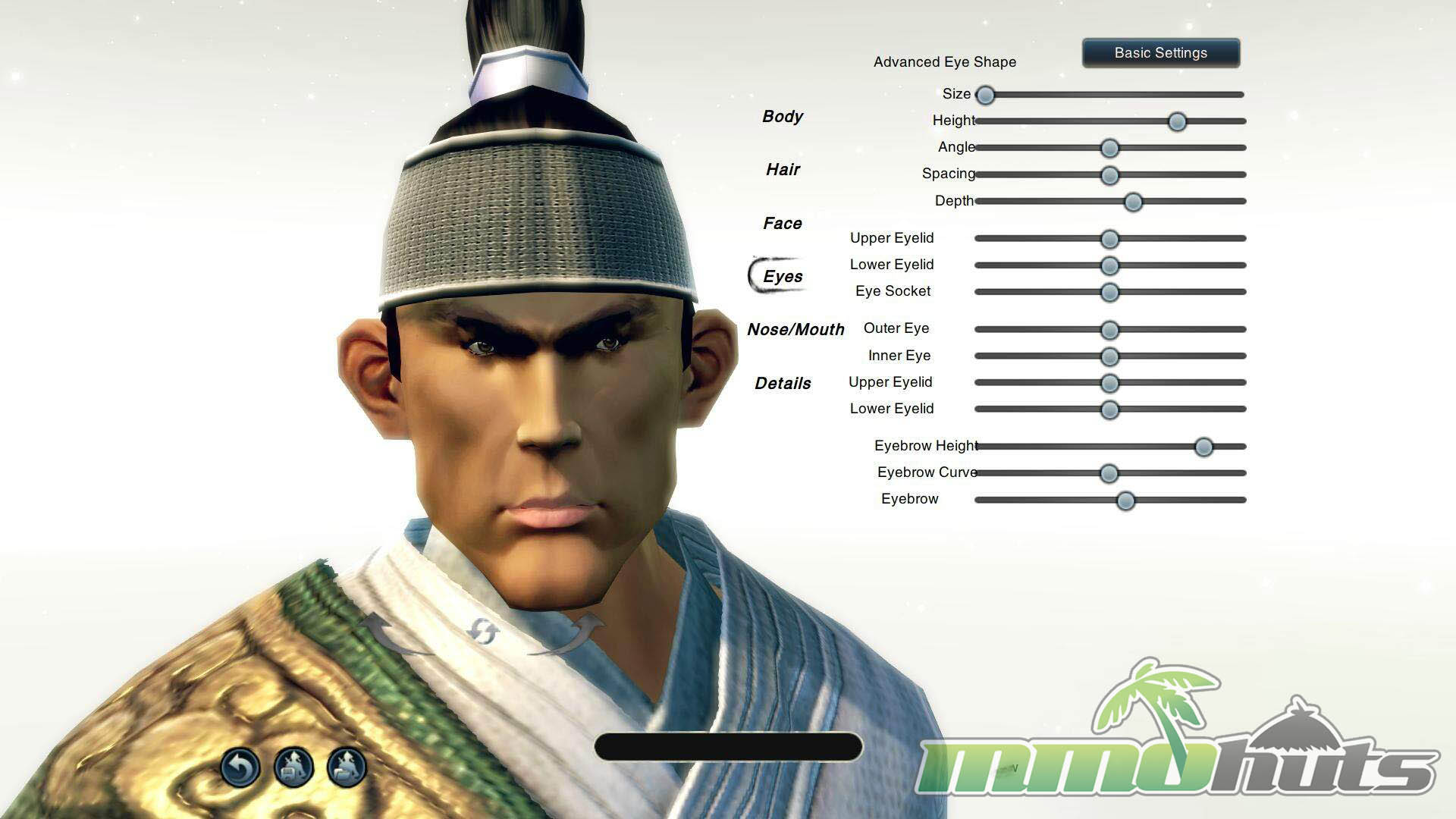
One of Swordsman’s most memorable strengths was the character creator. The slider-based system let you meaningfully adjust proportions and facial features, offering far more control than many Western MMORPGs of the same era. It did not push the extremes as hard as some other Perfect World titles, but the tradeoff was that characters tended to look less like accidental caricatures and more like believable heroes, assuming you aimed for that.
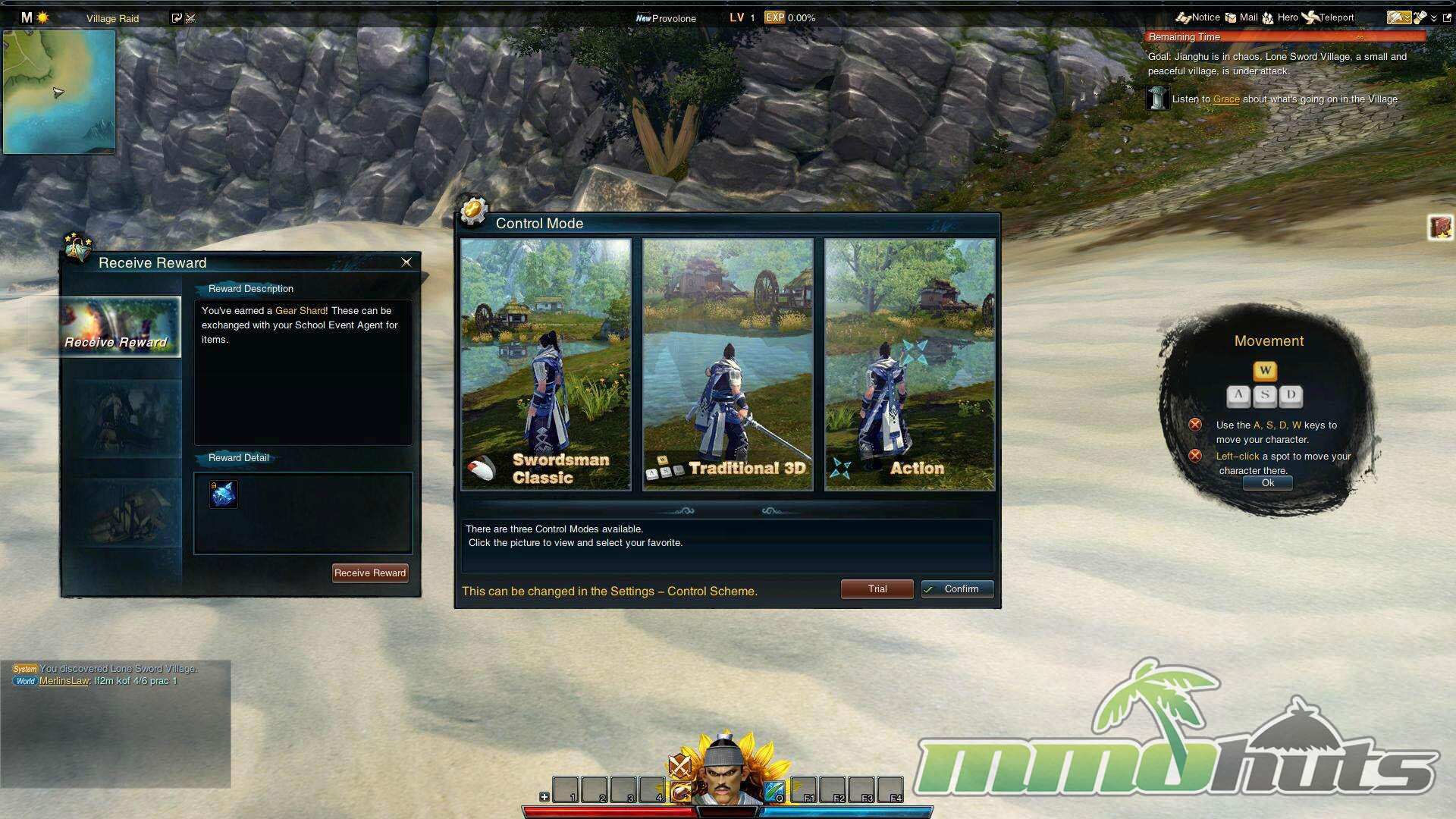
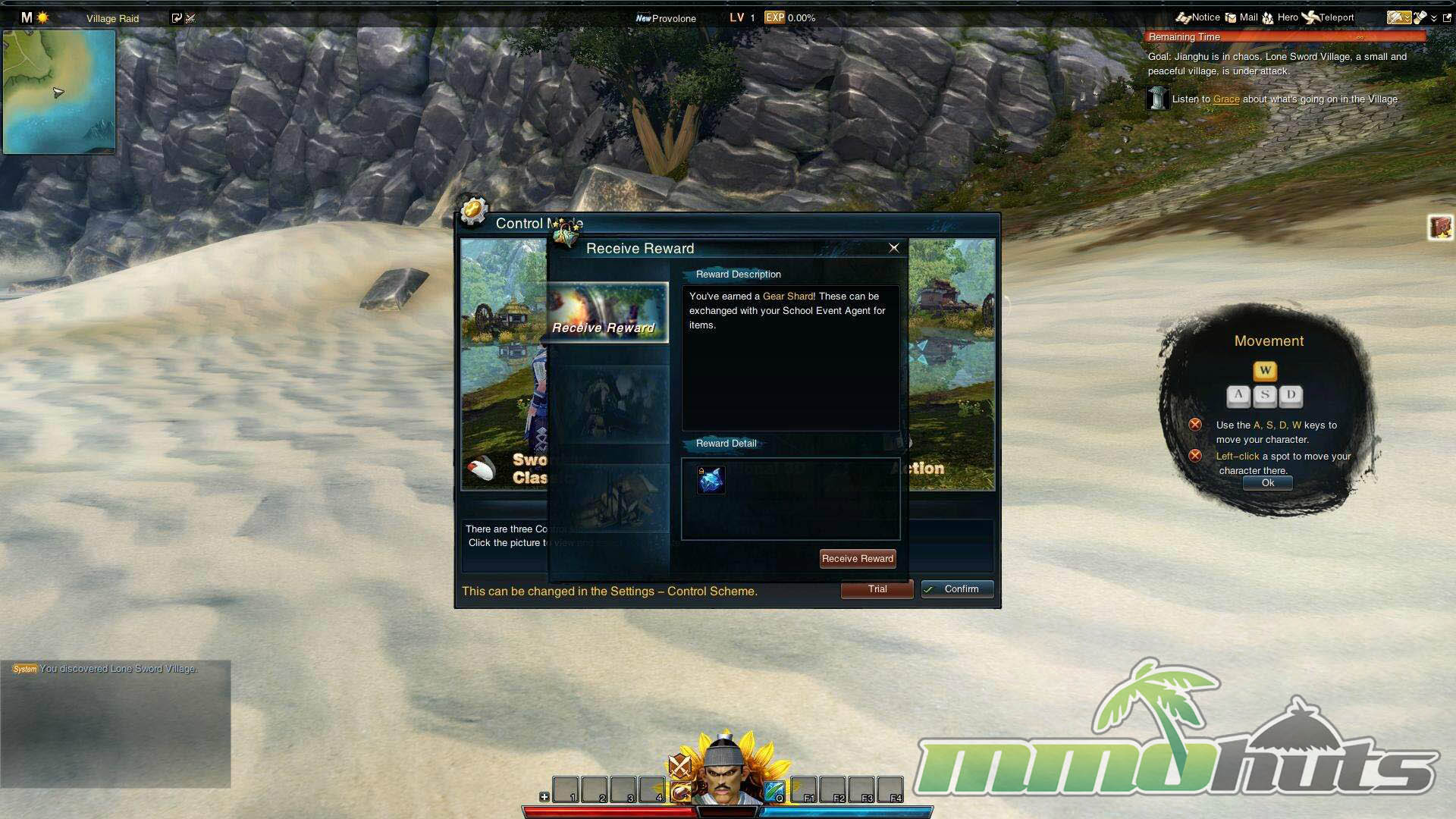
Control preferences were also accounted for. The game offered three distinct control schemes, including a mouse-click “classic” style, a traditional WASD setup, and an action-oriented option. That flexibility helped Swordsman accommodate a wider range of MMO players, whether you preferred the familiar rhythm of older MMORPGs or wanted something that felt closer to an action game.
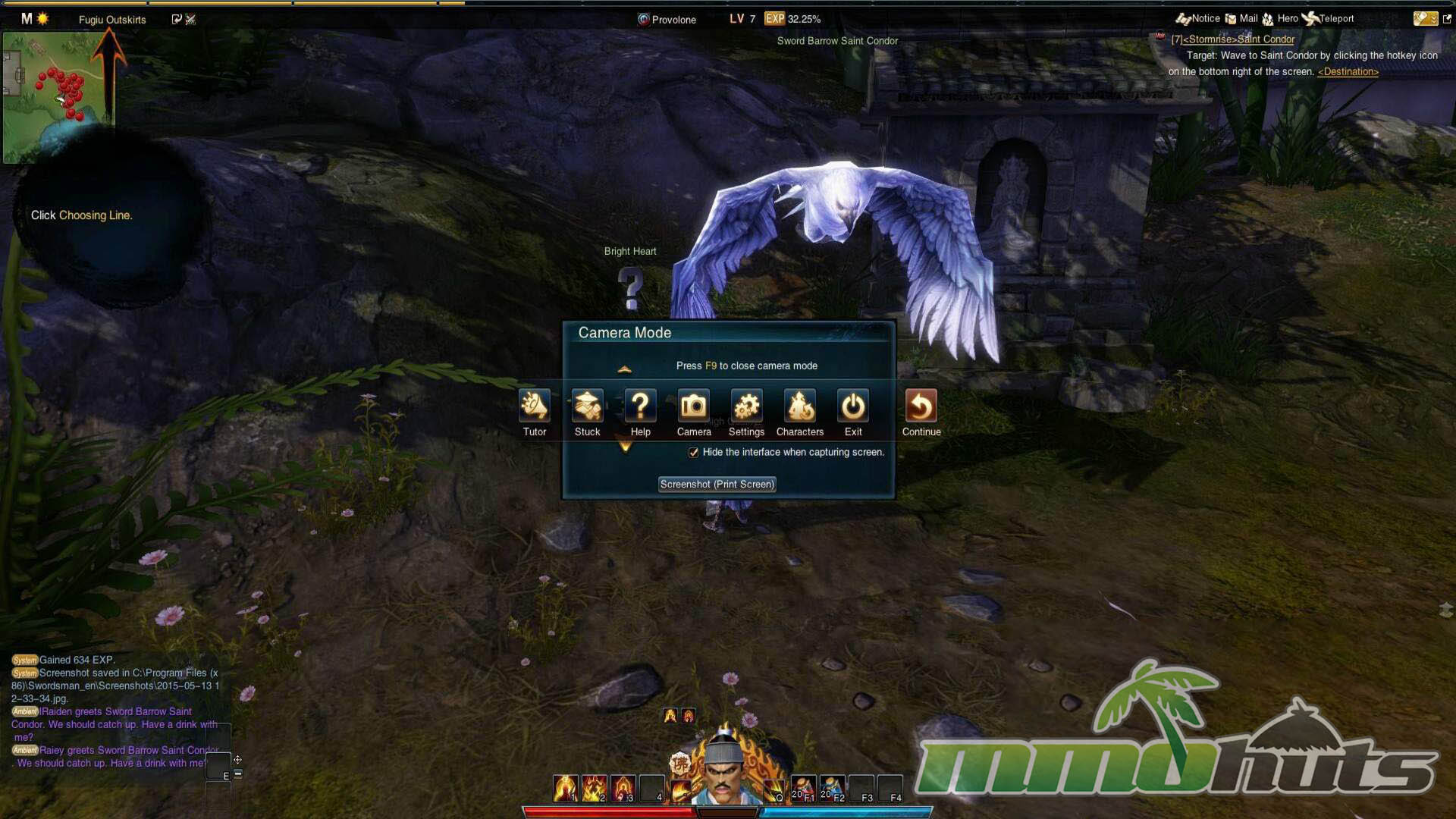
The game’s environments were another highlight. Towns were particularly strong, with ornate structures and pleasing lighting that made them feel inviting rather than purely functional. In the open world, distant haze and color grading helped landscapes feel larger than they were, and the overall presentation supported the fantasy of wandering through a mythic version of Ancient China. Performance and rendering could be inconsistent in places, but the art direction generally did a lot of heavy lifting.
Combat Feels Good, Systems Less So
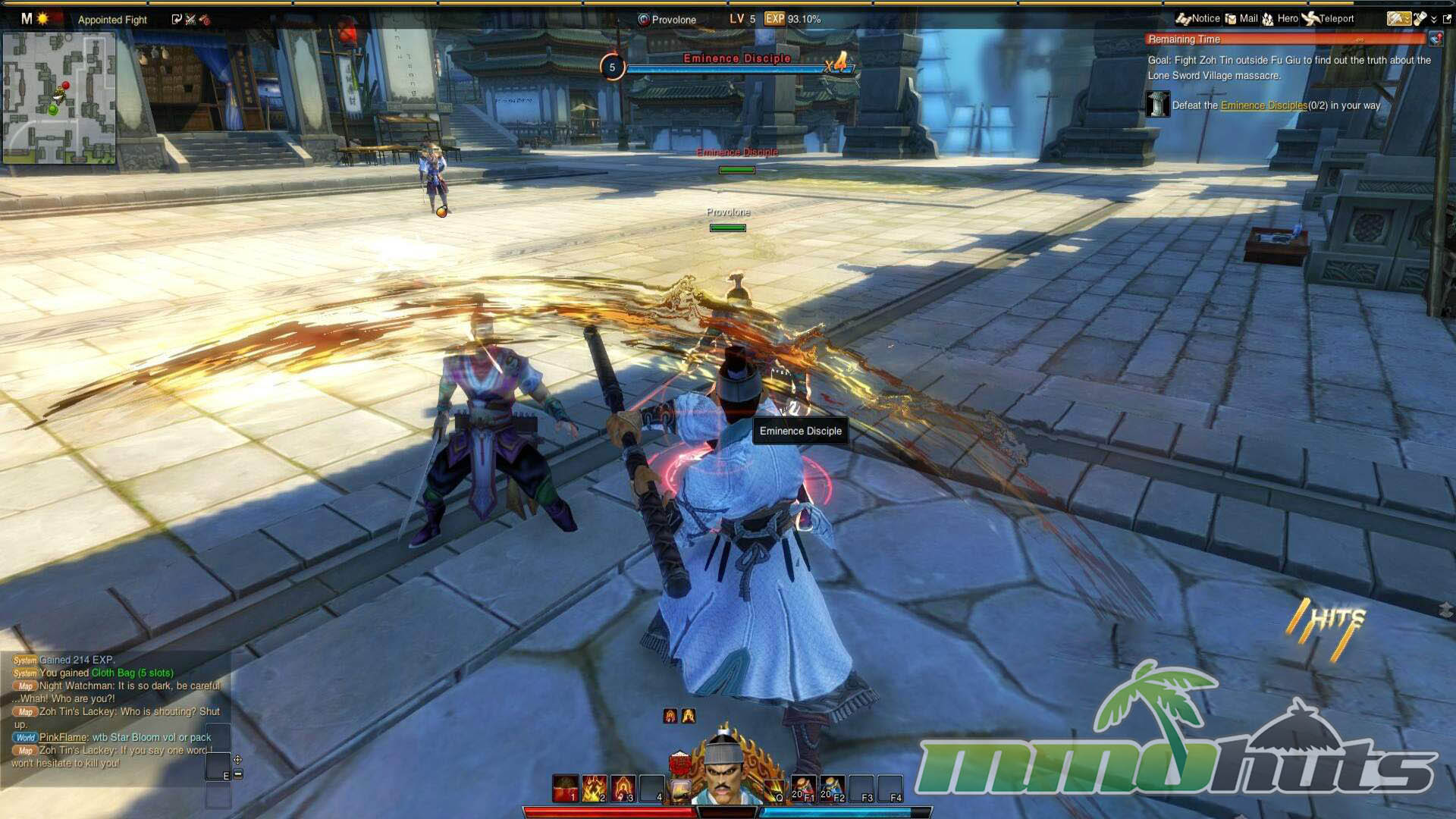
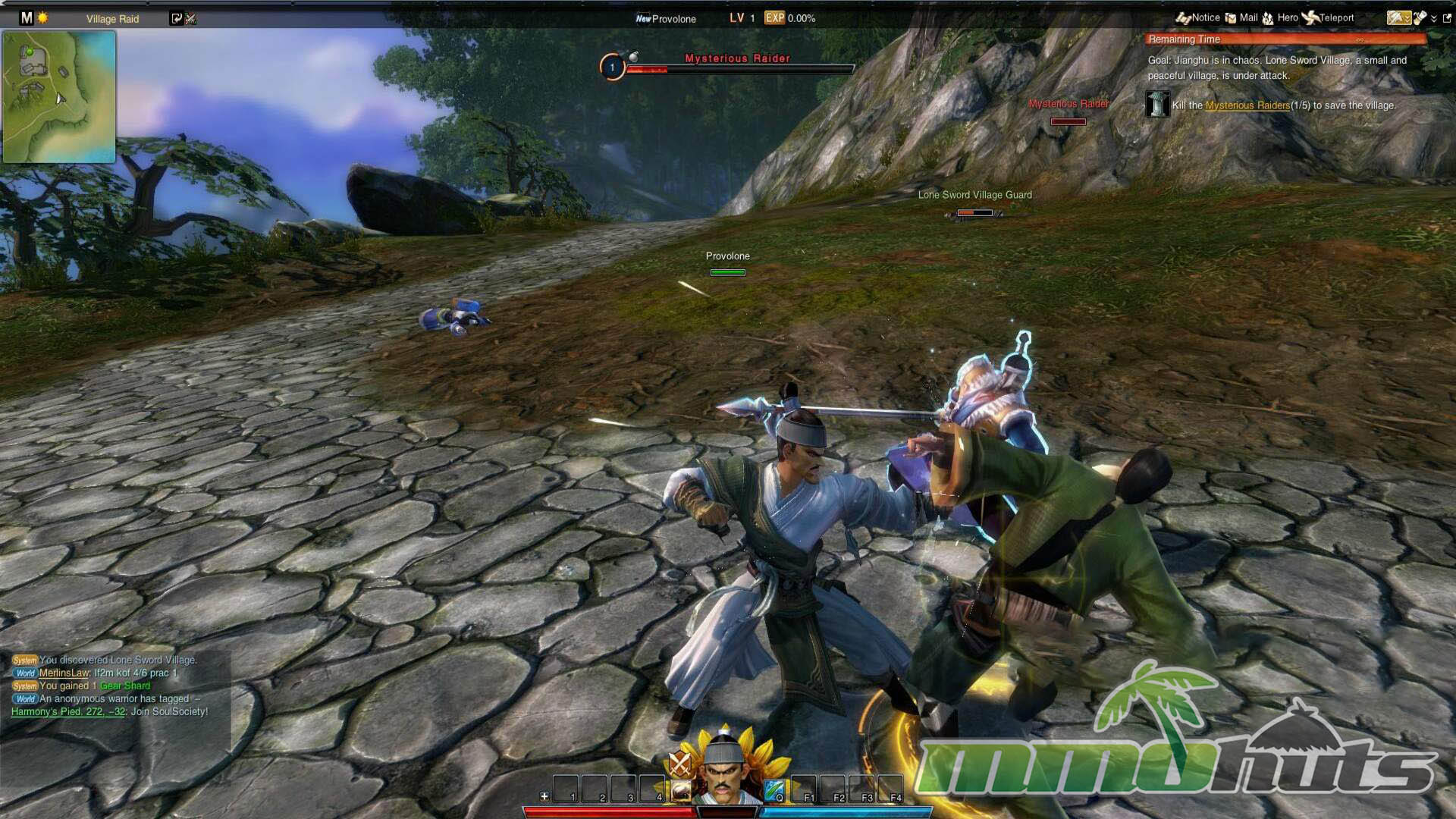
Moment to moment fighting had a satisfying baseline. Attacks had punchy sound design, and animations sold the impact well enough that basic encounters could be enjoyable even when the enemies themselves were not particularly interesting. Early combat largely revolves around straightforward inputs, closing distance, landing hits, and punctuating the sequence with a heavier strike, and it is easy to understand why players would stick with it at first.
Where the experience started to wobble was progression and variety during the leveling path. Skills arrived in a way that could feel oddly segmented, and the early kit for many schools did not offer much room to experiment. Because there is no meaningful stat allocation or skill point management during normal leveling, gaining levels often felt like a background process rather than a moment of power growth. When a game is asking you to repeat hundreds of fights, that sense of incremental reward matters, and Swordsman did not always provide it.
Auto-Navigation: Convenient, Sometimes Too Convenient
Swordsman’s quest UI and auto-navigation were built for speed. Quest targets were highlighted clearly, and a couple of clicks could send your character to the next objective without much thought. For players who primarily wanted to reach the next combat encounter, it removed friction and kept the pace moving.
The downside is familiar to anyone who has played MMOs with aggressive automation. When the game plays large parts of the travel and engagement loop for you, it becomes easier to disengage from the world itself. It can also make questing feel like a checklist rather than an adventure, which is a shame in a setting that is otherwise designed to be scenic and atmospheric.
Schools and Identity
Choosing a school was still one of the better moments in the early game because it was where the fantasy of your character crystallized. The ten options were thematically distinct and generally readable in combat, from defensive frontliners to agile dagger users and ranged specialists built around traps or elemental chi. Even if the early levels could feel limited, the class concepts themselves were strong, and the game did a good job of presenting them as martial traditions rather than generic MMO archetypes.
As you approached the point where additional abilities opened up, combat did improve, mostly because you finally had more buttons that mattered and a clearer sense of rotation. The problem is that the road to that point could feel too flat. When the most effective approach is repeatedly using the same small set of skills for a long stretch, the game risks turning its action combat into routine rather than expression.
Questing and Enemy Density
The game rarely lacked for things to hit. Enemy groups were plentiful, often to the point where they felt placed primarily to support the grind rather than to create believable encounters. That density helped keep leveling efficient, but it also made large sections of the world feel like combat lanes filled with waiting targets. When combined with automation tools, the result could drift toward a “process” instead of a journey.
Still, the tactile feedback of combat, especially the impact sounds and fluidity of hits, made those encounters more tolerable than they might have been in a less polished game. Swordsman was at its best when you chose to play actively and lean into movement and positioning instead of letting systems do the work.
Story Delivery That Struggles to Hold Attention
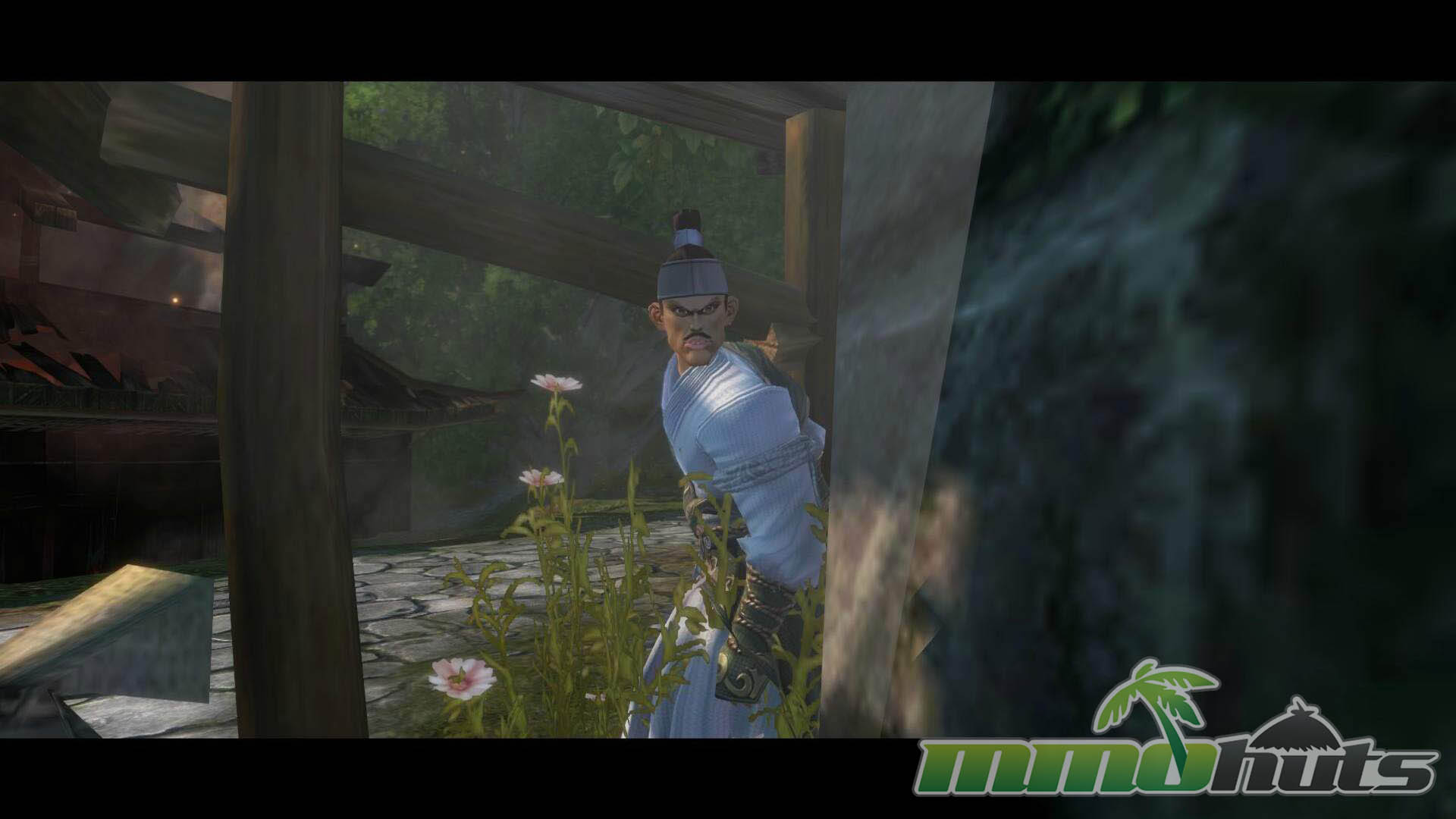
Swordsman clearly wanted to tell a story in a recognizable wuxia framework, but the pacing and presentation often made it easy to tune out. Cinematics and transitions could feel disjointed, and the broader quest loop did not do much to make the narrative feel urgent. While the Mandarin voice work helped maintain cultural flavor and immersion, it could not fully compensate for storytelling that did not consistently connect scenes into a compelling throughline.
PvP: A Better Outlet for the Combat
PvP was one area where Swordsman’s combat systems made more sense. The stat-balanced arena format meant fights leaned more toward execution, timing, and understanding matchups, which suited a martial arts MMO. World PvP also added tension to routine play, particularly when you were traveling between objectives. That risk can be frustrating, but it also gives the open world a sense of consequence that many theme park MMOs lack.
Monetization and the Marketplace
The cash shop did not dominate the experience during normal play. It was present, but it was not constantly pushed into your face, and much of what stood out leaned toward cosmetics and mounts. For players wary of pay-to-win pressure, that relatively low-profile approach was a welcome change of pace, even if the broader free-to-play structure still encouraged convenience features and optional spending.
Final Score – Good
Swordsman was at its strongest when you focused on what it did uniquely well: a convincing wuxia atmosphere, attractive environments, satisfying impact in combat, and a class roster with clear martial identity. Its weaknesses were less about theme and more about structure, with early progression that could feel unrewarding and a questing loop that leaned too heavily on repetition and automation. For fans of wuxia fiction and Louis Cha’s work, it offered a distinct flavor that many MMORPGs never attempted, even if the moment to moment journey did not always match the promise of its setting.
Swordsman Links
Swordsman Official Site
Swordsman Steam Page
Swordsman Wikipedia
Swordsman Arc Store
Swordsman Gamepedia [Database/Guides]
Swordsman Requirements
Minimum Requirements:
Operating System: Windows XP, Vista, 7, or 8
CPU: Intel Pentium 4 2.0 GHz and above
RAM: 2 GB RAM (3 GB or more recommended for Vista/7/8)
Video Card: DirectX 9.0 level CPU (Geforce 9800GT or newer) with 1GB Video RAM or more.
Hard Disk Space: 8 GB Free Space
Recommended Requirements:
Operating System: Windows XP, Vista, 7, or 8
CPU: Core 2 Duo E4400 2.0GHz
RAM: 3 GB RAM
Video Card: GeForce GT 740
Hard Disk Space: 8 GB Free Space
Swordsman Music
Coming Soon!
Swordsman Additional Information
Developer(s): Beijing Perfect World
Publisher(s): Perfect World Entertainment
Game Engine: Angelica III
Closed Beta: June 16, 2014
Closed Beta End Date: June 27, 2014
Open Beta (Early Access Keys): July 1, 2014
Open Beta (Official): July 3, 2014
Steam Release Date: January 28, 2016
Release Date: July 3, 2014
Shutdown Date: June 5, 2018
Development History / Background:
Swordsman is produced by Perfect World Entertainment and can be played exclusively on Arc. The game was released on July 3, 2014 to all players. Swordsman is based on the best-selling Chinese novel The Smiling, Proud Wanderer (Xiao Ao Jiang Hu) by Juan Hu. It is a wuxia novel, literally translating to “martial hero,” that concerns the adventures of martial artists in Ancient China. The term “wuxia” was introduce to Western audiences in Ang Lee’s 2000 film Crouching Tiger, Hidden Dragon. Stylistically, Swordsman emanates many atypical wuxia characteristic such as exaggerated acrobatic prowess and martial arts skills. Perfect World Entertainment is famous for bringing Chinese games to an English language audience, including Perfect World, Jade Dynasty, and Ether Saga Online. The company is also famous for publishing the Dungeons and Dragons MMORPG Neverwinter. Swordsman Online was released through the Steam platform on January 28, 2016. Swordsman shut down on June 5, 2018.