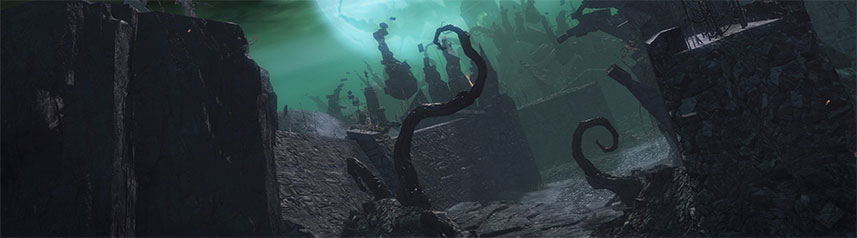
Tower of Fantasy is a free-to-play, cross-platform open world sci-fi fantasy RPG that blends anime style visuals with real-time action combat. You create your own character, collect powerful weapons tied to Simulacra, and roam a shared world packed with story quests, exploration, and co-op activities.
 | Publisher: Level Infinite (Tencent) Playerbase: High Type: Mobile RPG Release Date: August 11, 2022 (Global) Steam Release Date: October 19, 2022 Pros: +Robust character creator with lots of style options. +Strong presentation with sharp visuals and memorable music. +Snappy combat built around swapping weapons. +A satisfying loop of story missions, exploration, and side activities. Cons: -Gacha-driven progression for many top weapons and Simulacra. -Co-op exists, but some multiplayer offerings feel limited compared to full PC MMOs. |



Tower of Fantasy Overview
After Earth becomes uninhabitable, humanity seeks a future on the far-off planet of Aida, a world where advanced technology and fantasy styled mysteries sit side by side. Tower of Fantasy aims to deliver a large-scale RPG experience on mobile while also supporting PC play with cross-play, so it is easy to switch between devices without feeling like you are playing a separate version.
At a glance it is often compared to Genshin Impact because of its open zones, traversal, and combat pacing, but Tower of Fantasy leans harder into the shared-world side of things. You will regularly see other players in the field, run group content, and engage with MMO-like systems more often than in many single-player-first gacha RPGs.
Tower of Fantasy Key Features:
- Campaign-Driven Progression – A long main quest line with cinematics and voice work that steadily introduces new regions, systems, and activities.
- Large Open Zones – Roam across varied areas with puzzles, bosses, collectibles, and resources that reward curiosity and thorough exploration.
- Customize and Collect – Build an anime-inspired avatar using a surprisingly capable character creator, then expand your options with Simulacra obtained through progression and gacha.
- Real-Time Action Battles – Fast combat with dodges, combos, and weapon skills, where good timing can create openings and turn fights in your favor.
- Shared-World Multiplayer – Co-op dungeons, group events, PvP modes, and open-world encounters that encourage teaming up rather than playing entirely solo.
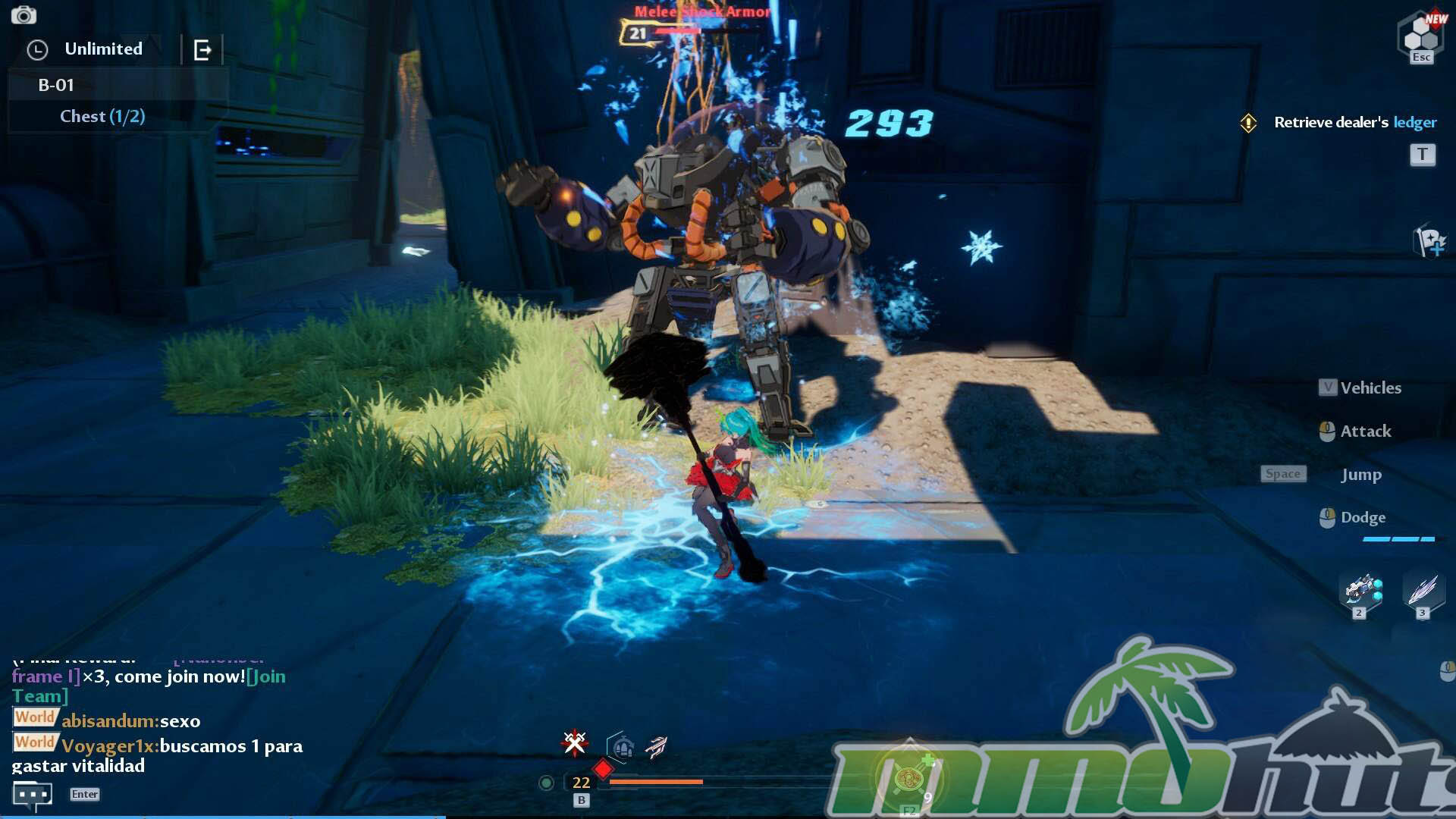
Tower of Fantasy Screenshots

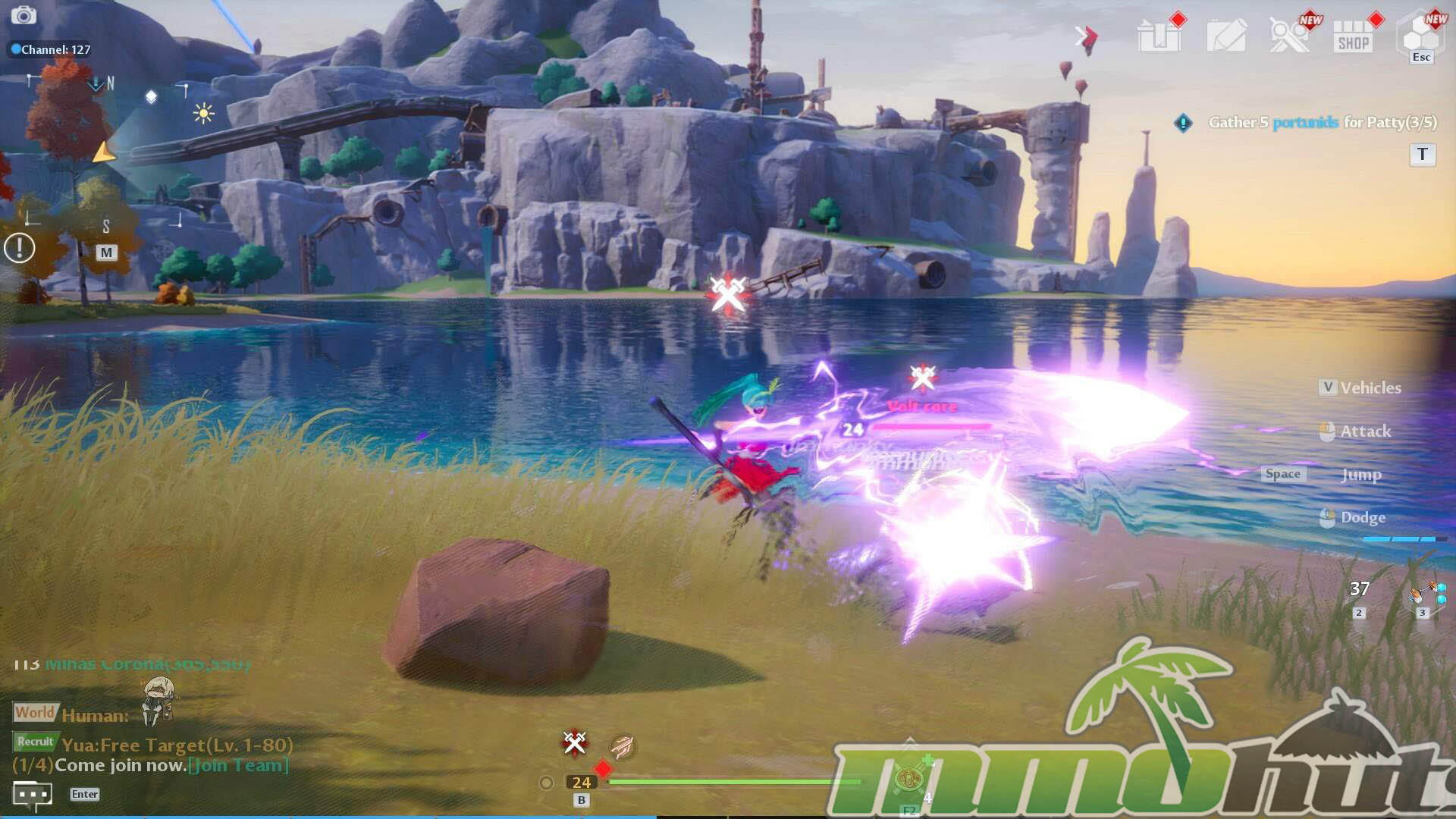
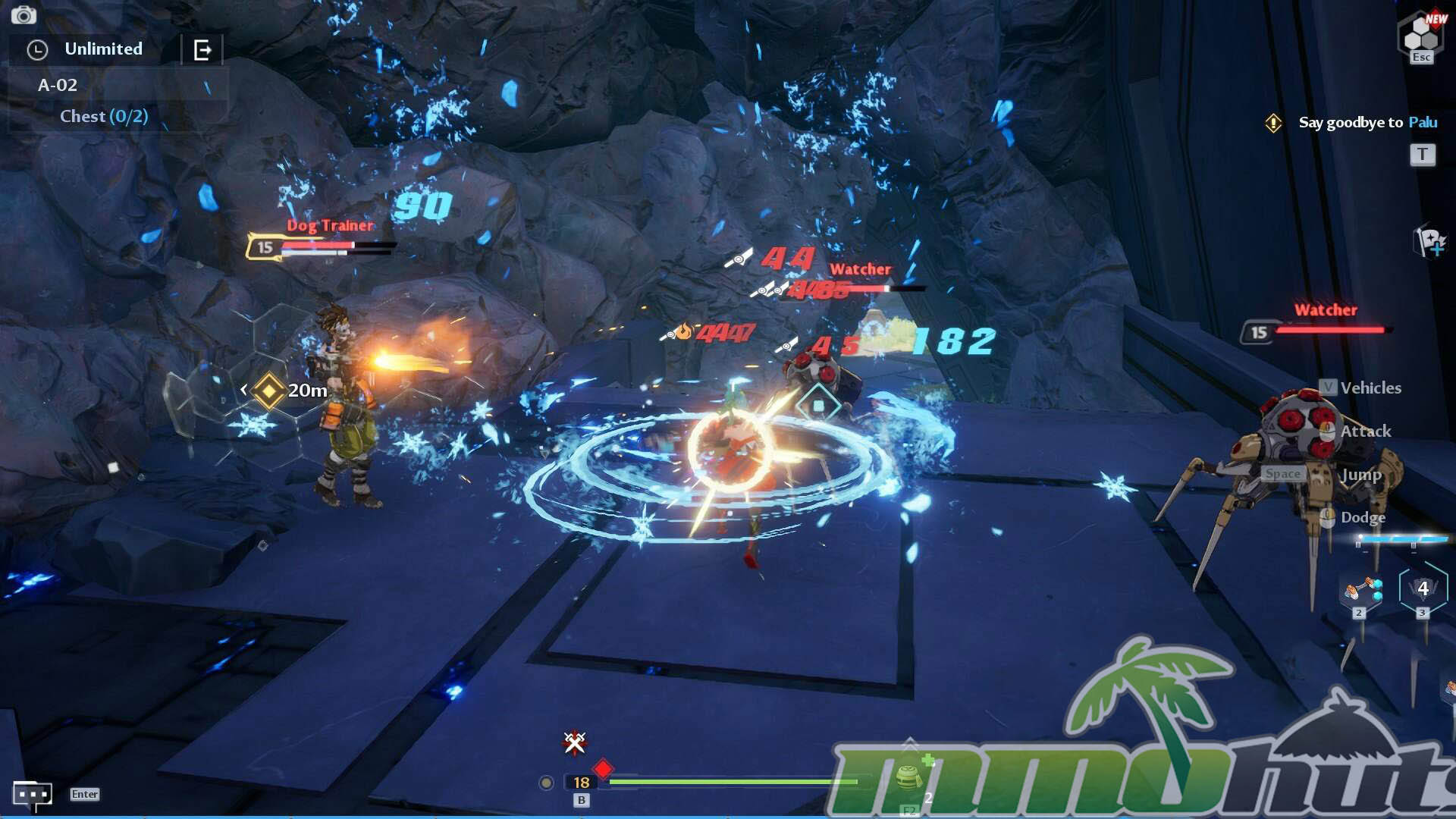
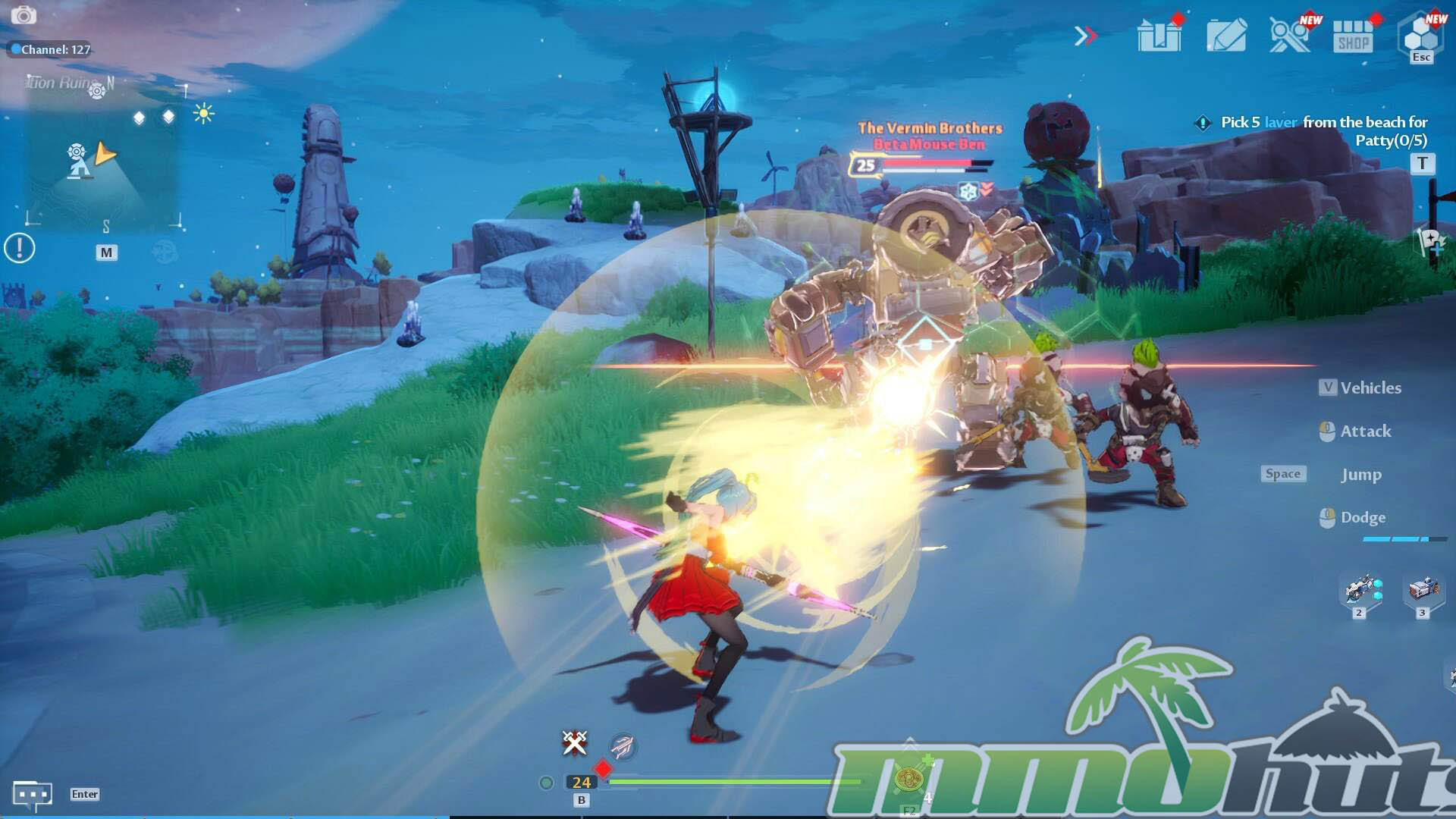

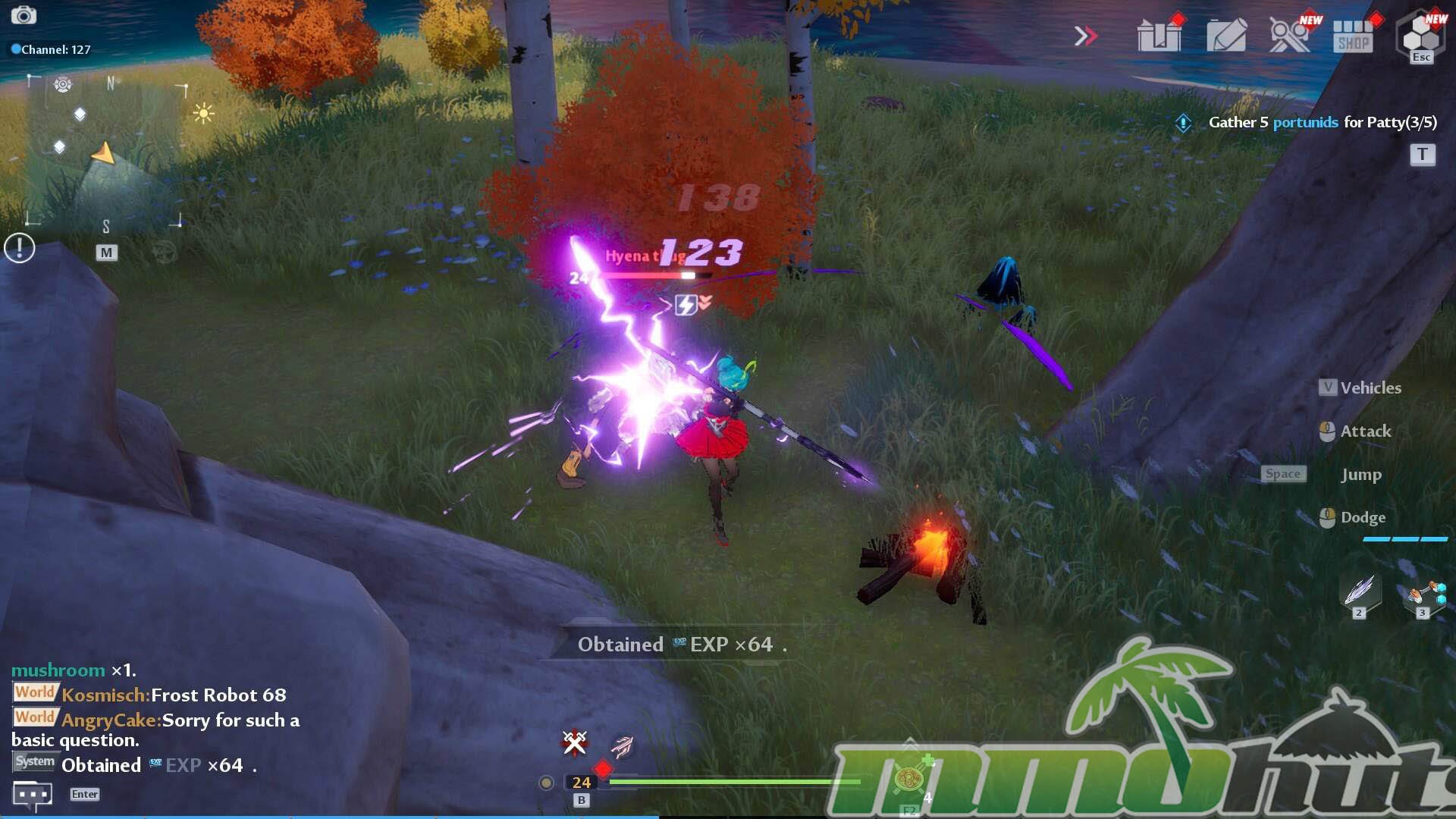
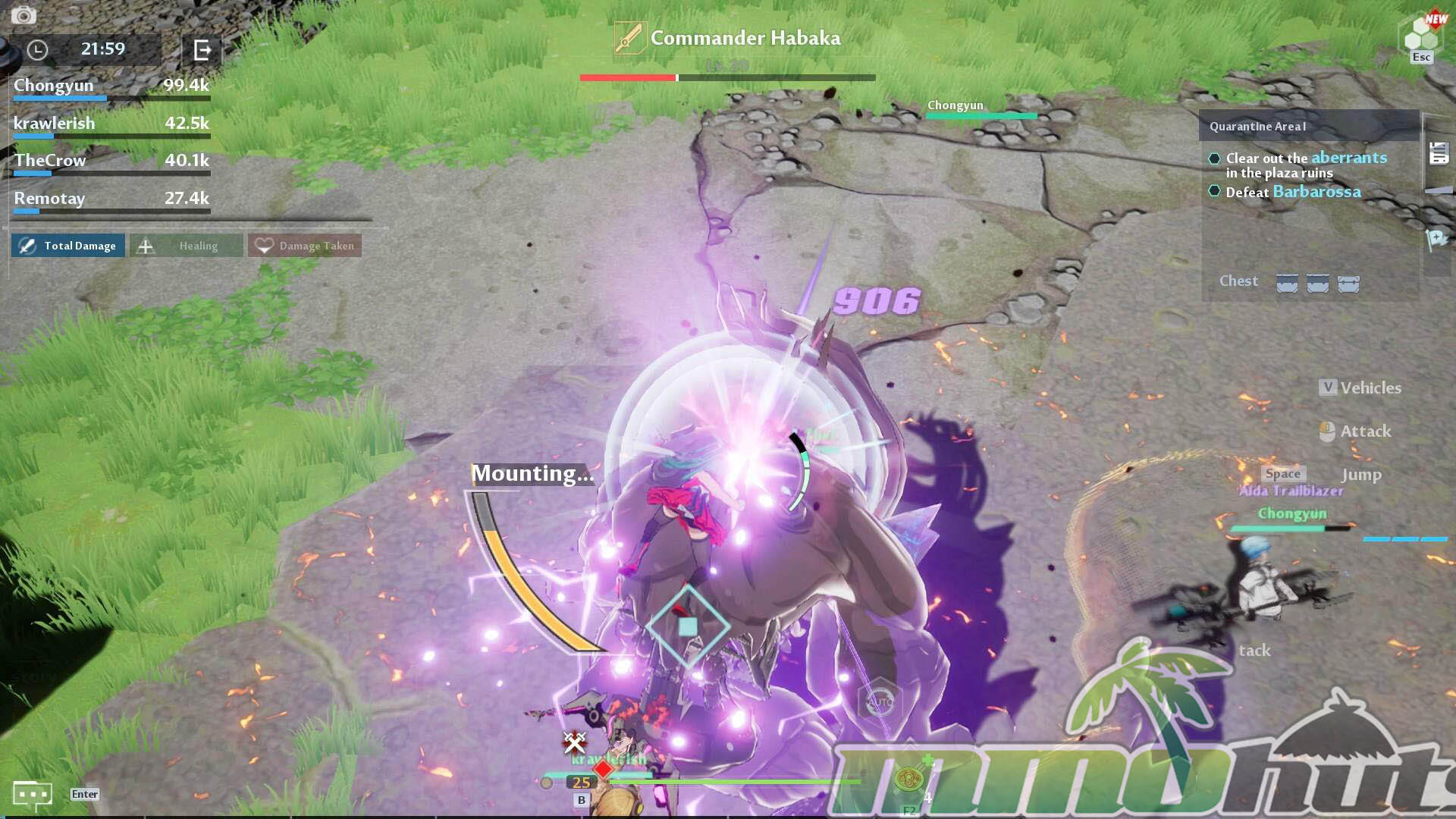
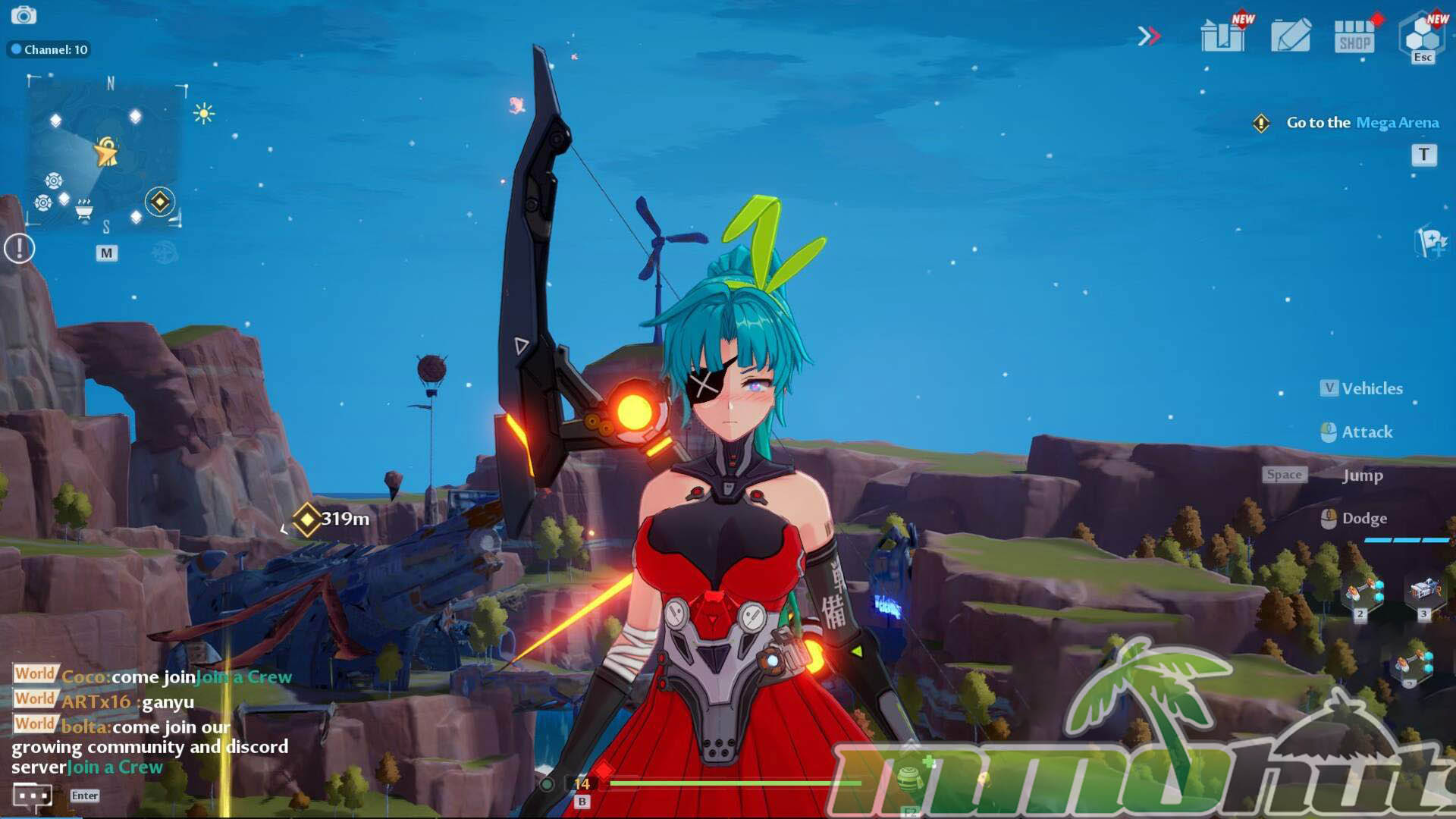

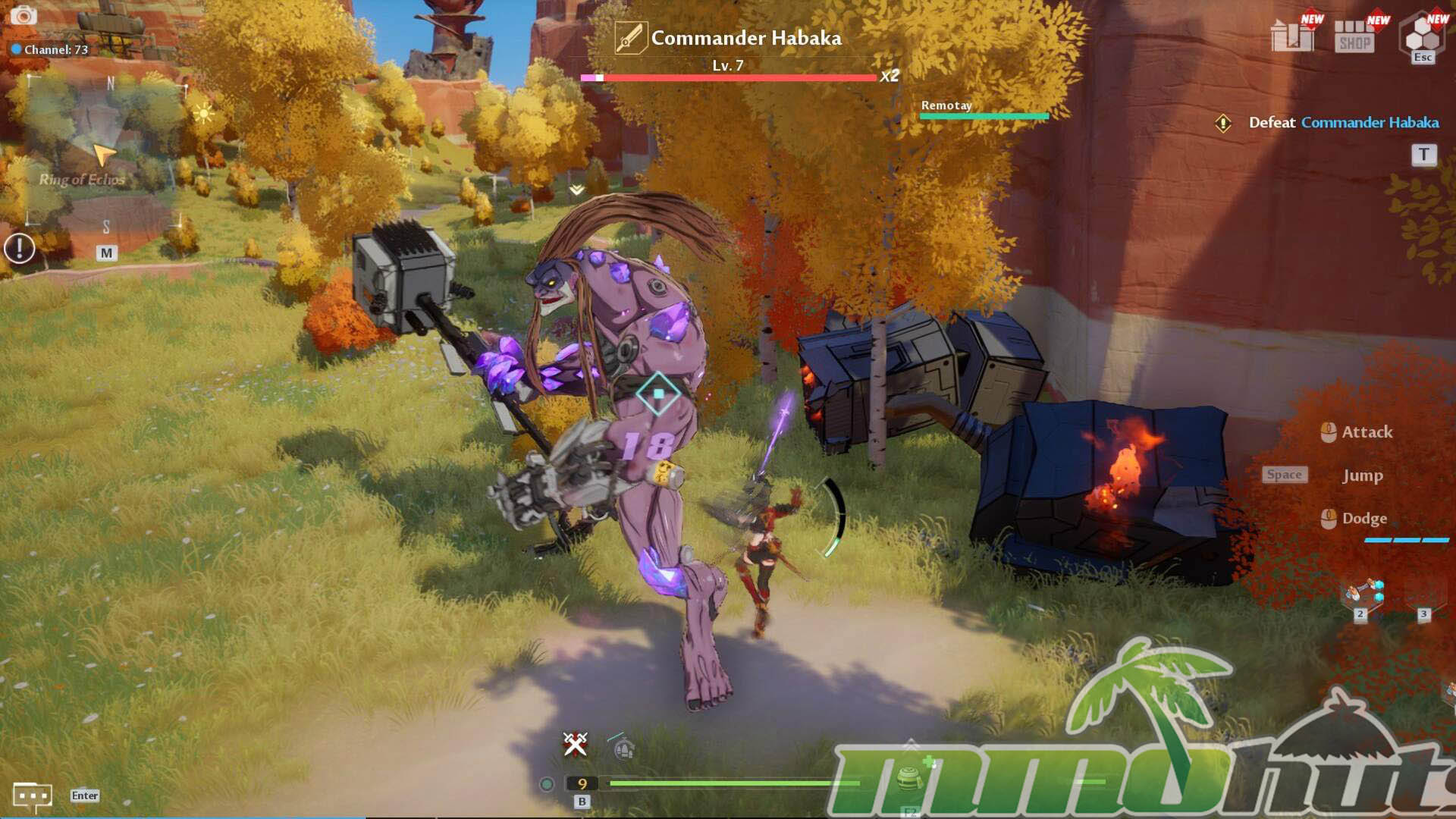

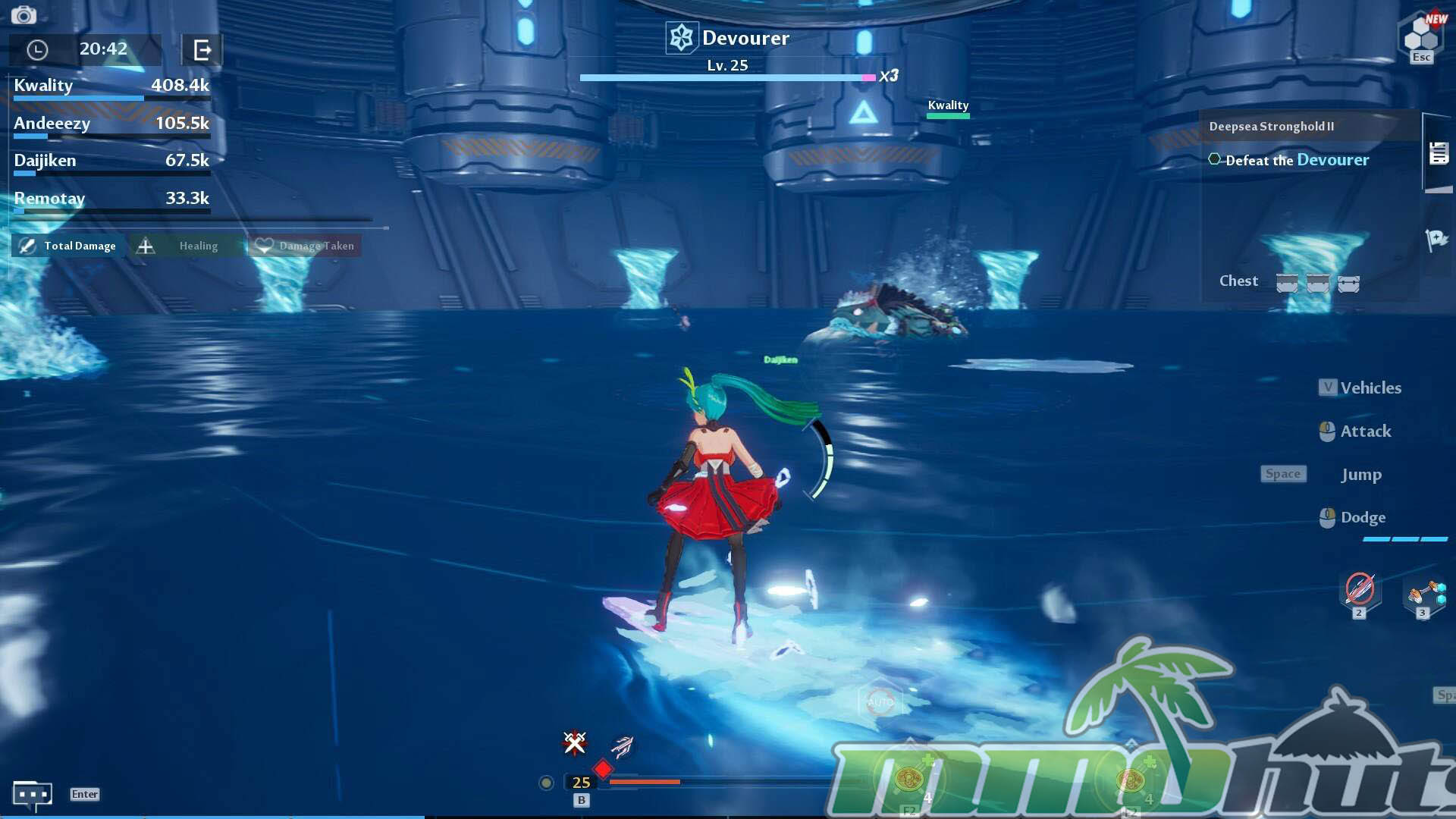
Tower of Fantasy Featured Video

Tower of Fantasy Review
Tower of Fantasy is a free-to-play open world action RPG with MMO-style features, developed by Perfect World (Hotta Studio) and published globally by Level Infinite (Tencent). It is designed with mobile in mind, but the PC version feels like a legitimate way to play thanks to cross-play and a control scheme that suits longer sessions. The structure is familiar if you have played modern gacha RPGs, but the game tries to stand out by putting players into a shared environment with more cooperative content than many of its closest comparisons. It is also worth highlighting that progression is hands-on, there is no auto-play pushing you through combat or quests.
Getting Started and Setting
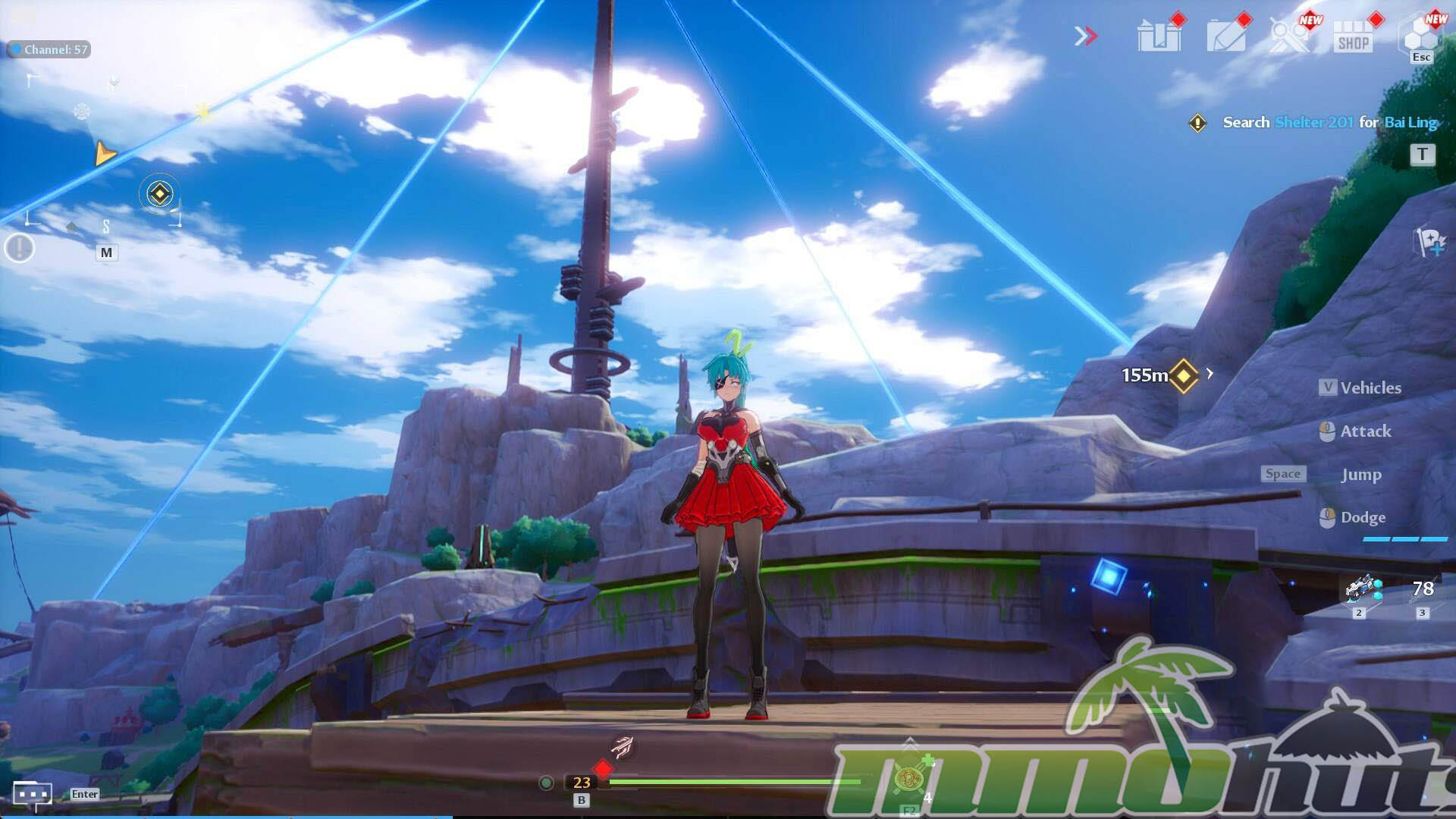
Your first major decision is your character, and Tower of Fantasy makes a strong first impression here. The creator offers enough depth to produce characters that look genuinely different from one another, not just minor variations of the same template. Even without an overwhelming number of sliders, the end results tend to feel distinct, which is especially important in a game where you are constantly in public spaces with other players.
The story takes place on Aida, a new home for humanity following Earth’s ecological collapse. The writing does not reinvent the genre, but the presentation shows real effort. Cut-scenes are frequent, the game uses voice acting throughout key moments, and the soundtrack supports the sci-fi fantasy tone well. The voice work can be uneven depending on the scene, but the overall audiovisual production remains one of the game’s strengths.
Instead of locking you into a fixed hero, Tower of Fantasy lets you either play as your created character or visually “equip” a Simulacrum. Simulacra function as alternate appearances, and later you can awaken them for additional bonuses. Importantly, your power growth is centered on weapons, not on the Simulacrum skin itself, which helps keep your avatar choice flexible.
Combat Feel and Weapon Swapping
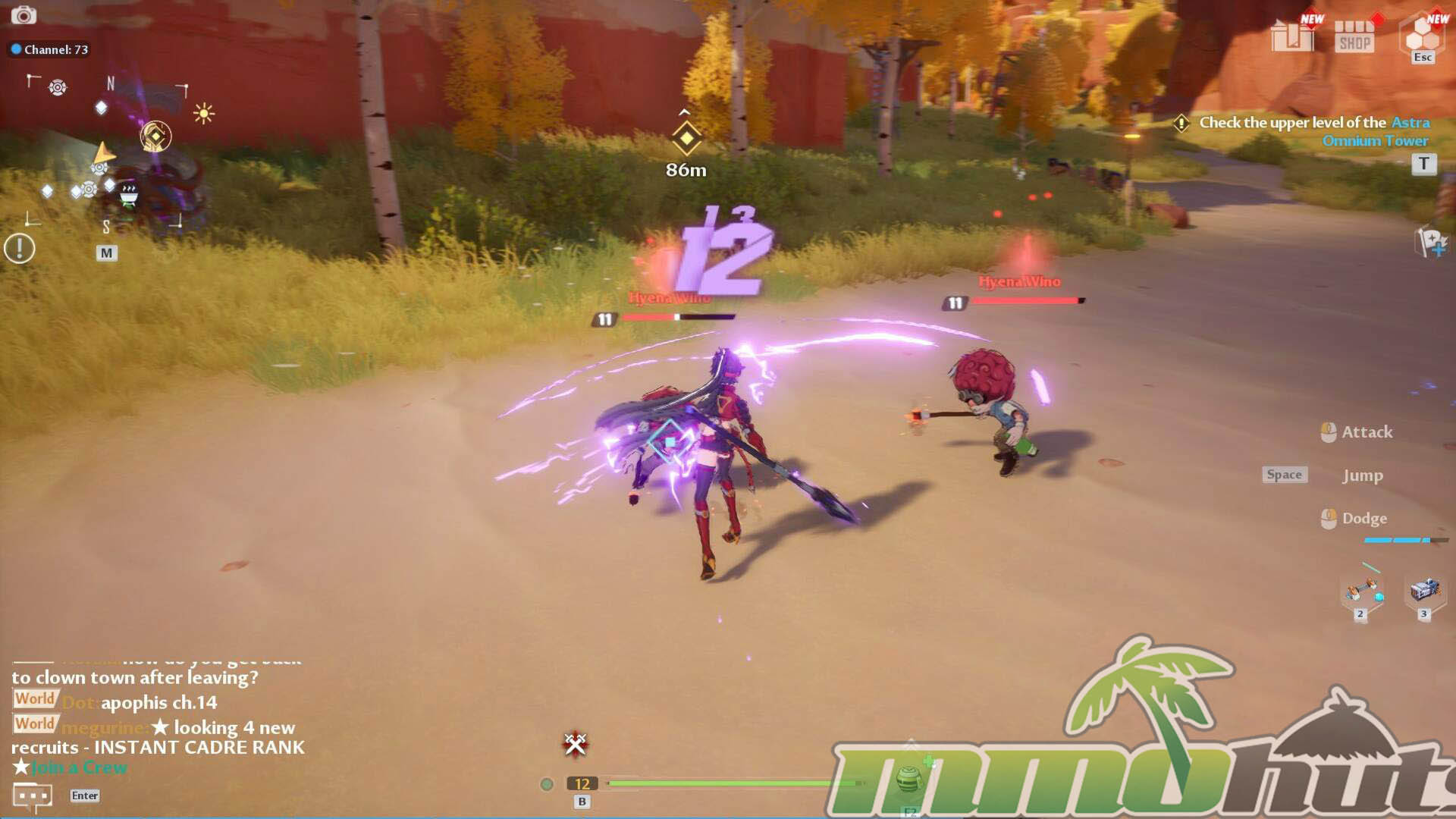
Moment-to-moment gameplay is where Tower of Fantasy is at its best. Combat is quick, responsive, and built around constant movement. A well-timed dodge triggers a brief slow or freeze-like effect that creates a satisfying rhythm, evade at the right time, punish immediately, then rotate to the next tool in your kit.
Regular open-world enemies are rarely threatening, especially once you are comfortable with your weapon set. Boss encounters and higher-end co-op challenges are a different story, they demand more attention to patterns and positioning, and success often hinges on whether the group handles mechanics cleanly rather than simply having high numbers.
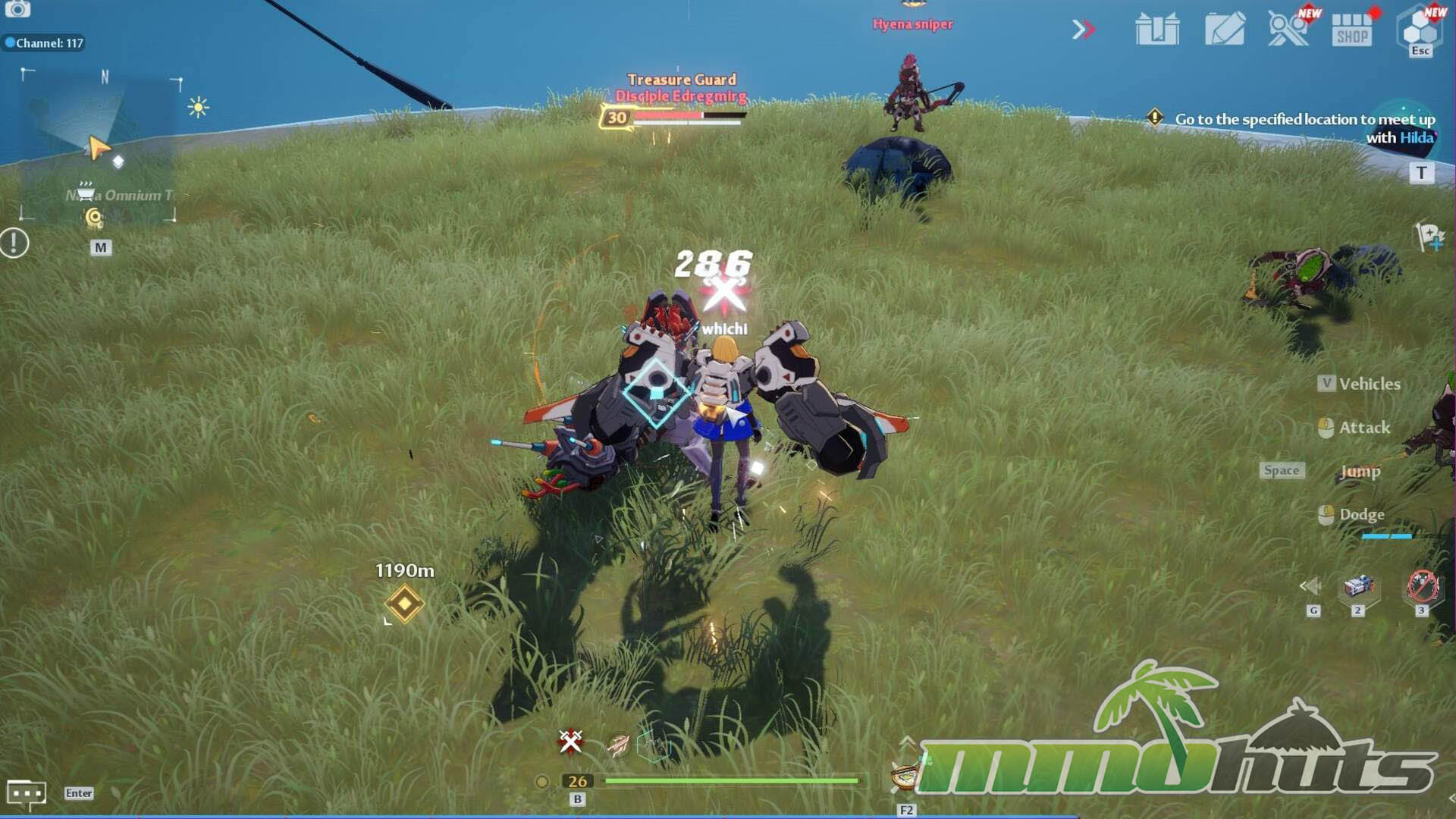
The core system revolves around equipping three weapons at once and swapping between them instantly. Weapons are tied to elemental types and roles (DPS, Defense, Support), and the role composition can grant additional bonuses. This encourages experimentation, since the “right” loadout depends on whether you are soloing, grouping, or aiming for survivability. Even without deep combo complexity, the swapping makes fights feel active and tactical.
Gacha, Currencies, and Power Progression
As a mobile RPG, Tower of Fantasy leans heavily into multiple currencies, with Golden Nucleus and Black Nucleus being central for weapon draws. In practice, weapons function like character pulls in many other gacha games, they shape your abilities, influence your stats, and define your playstyle.
Weapon rarity is split into Rare, Super Rare, and Super Super Rare. SSR weapons are the long-term targets because they offer the most growth through advancements and unique traits. Pulling an SSR also unlocks its associated Simulacrum, although the weapon is not restricted to that appearance, which is a nice quality-of-life decision that keeps cosmetics and builds from being overly entangled.
The good news is that the game does provide ways for free-to-play players to earn meaningful pull currency over time. Dark Crystals come from routine play like daily and weekly tasks, and they can be converted into valuable resources including nucleus items used for draws. Exploration also pays out well early on, clearing camps, completing activities, and interacting with the world feeds into achievements and one-time rewards.
The less exciting side is the long-term cadence. Once you have harvested the biggest one-time exploration payouts, the reliable income stream becomes daily and weekly loops. That structure is typical for the genre, but it does mean your rate of progress eventually becomes more time-gated than discovery-driven.
Exploration with Structure
Tower of Fantasy strikes a useful balance between freedom and direction. If you want a guided route, the main story will move you across regions and steadily unlock systems. If you prefer to wander, there is plenty of optional content in the form of side missions, open-world puzzles, and repeatable activities.
The early hours can feel somewhat on-rails, but the game opens up as you level and gain access to more of the map and activities. A vitality system limits how much you can farm the most rewarding content in one sitting, which encourages shorter daily play sessions rather than marathon grinding.
The in-game “adventure” menu also deserves credit, it clearly lists what is available and what is worth doing for progression on a given day, which is especially helpful in a live-service RPG with many parallel systems.
PvP and Competitive Modes
For players interested in PvP, Tower of Fantasy includes arena battles through Apex League. The key design choice here is stat equalization, which helps keep match outcomes more skill-driven than wallet-driven. You are not meant to win simply because you spent more.
That said, fairness has a practical limitation: you still need access to the weapons you want to use. Equalized stats reduce the advantage of fully upgraded gear and matrices, but they do not solve the issue of roster availability. If you lack a strong SSR weapon that defines the current meta or counters popular builds, you may feel constrained.
Tower of Fantasy vs Genshin Impact
The comparison is unavoidable, and it cuts both ways. Tower of Fantasy clearly shares a similar foundation with Genshin, from the general combat flow to the open-world structure. Where it differentiates itself is in how naturally it supports playing alongside other people. The world feels more like a multiplayer space, with group activities and systems that are part of the core loop rather than an occasional side feature.
There is a solid list of co-op friendly activities, including general exploration, Joint Operations, Interstellar Exploration, Dimensional Trials, and world bosses. If your priority is logging in with friends and having multiple things to do together, Tower of Fantasy is generally more accommodating.
On the other hand, Genshin remains the more polished overall package in terms of cohesion and finish. Tower of Fantasy can feel a bit rougher around the edges and less consistent in its storytelling and presentation, even though its art direction and music are often excellent. The trade-off is simple: Tower of Fantasy is usually the better pick for MMO-leaning multiplayer, while Genshin tends to win on refinement.
Final Verdict – Great
Tower of Fantasy delivers an enjoyable action RPG experience with enough MMO DNA to stand apart from many mobile gacha competitors. Combat is smooth, weapon swapping keeps encounters lively, and the mix of questing and exploration gives you plenty to do, especially in the early and mid game. Its biggest drawbacks are the gacha reliance for many standout weapons and a main story presentation that is not always as consistent as the game’s visuals and music. For players who want a mobile-first open world RPG without auto-play, and who value a shared-world experience, Tower of Fantasy is an easy recommendation.
Tower of Fantasy Links
Tower of Fantasy Official Site
Tower of Fantasy Google Play
Tower of Fantasy App Store
Tower of Fantasy Steam Page
Tower of Fantasy Epic Game Store
Tower of Fantasy Twitter
Tower of Fantasy Facebook
Tower of Fantasy Reddit
Tower of Fantasy System Requirements
PC Minimum Requirements:
Operating System: Windows 7 SP1 64-bit
CPU: Intel i5 or equivalent
Video Card: Nvidia GTX 1030
RAM: 8 GB
Hard Disk: 22 GB
PC Recommended Requirements:
Operating System: Windows 10 64-bit
CPU: Intel i7 or better
Video Card: Nvidia GTX 1060 or better
RAM: 16 GB
Hard Disk: 25 GB or more
Android Minimum Requirements:
OS: Android 7.0 or above
CPU: Kirin 710 / Snapdragon 660
RAM: 4 GB
Storage: 12 GB
Android Recommended Requirements:
Operating System: Android 8.1 and above
CPU: Snapdragon 855 / Kirin 980 and above
RAM: 6 GB or more
Storage: 15 GB
iOS Requirements:
Operating System: iOS 9.0 and above
Storage: 12 GB
Supported Devices: iPhone 8 Plus and newer
Tower of Fantasy Music & Soundtrack
Coming soon!
Tower of Fantasy Additional Information
Developer: Perfect World, Hotta Studio
Publisher: Level Infinite
Engine: Unreal Engine 4
China Release Date: December 16, 2021
Global Release Date: August 11, 2022
Steam Launch Date: Oct 19, 2022.
Platforms: Microsoft Windows, Android, iOS, Steam, Epic Games Store
Development History / Background:
Tower of Fantasy is a shared-world RPG from Chinese developer Perfect World (Hotta Studio). It arrived after the breakout success of open world gacha RPGs like Genshin Impact and takes clear inspiration from that style while pushing harder into MMO-like features. After launching in China on December 16, 2021, the game released globally on August 11, 2022, offering a hybrid sci-fi and fantasy setting where players can encounter each other naturally while exploring.