Mongil: Star Dive is a free-to-play, cross-platform monster-taming action RPG from Netmarble that launched globally on April 15, 2026. Built in Unreal Engine 5, it serves as a soft reboot of the studio’s 2013 mobile hit Monster Taming (known as Creature Academy in the West), bringing back familiar faces like Cloud and Verna alongside a new creature-collecting system built around the adorable cat-companion Nyanners.
 | Publisher: Netmarble Playerbase: Medium Type: Mobile / PC Action RPG Release Date: April 15, 2026 (Global) Pros: +Deep Monsterling system. +Fair gacha with no 50/50 on featured banners. +Good production value. +Story doesn’t take itself too seriously with genuinely funny banter at times. Cons: -Characters are divisive and one-note. -Timed boss battles create artificial difficulty. -Linear map design with no jumping or climbing. |

Mongil: Star Dive Overview
Mongil: Star Dive drops you into a colorful fantasy world where humans, elves, beastkin, and all manner of monsters coexist, albeit not always peacefully. You follow Cloud and Verna, two members of the Monster Tamer guild, as they take on quests and uncover a creeping corruption threatening to upend the world. Along the way you collect monsters, swap between a three-character tag team in real-time combat, and level up both your heroes and your ever-growing army of Monsterlings.
If you played the original Monster Taming or have spent any time in the modern gacha action RPG space, the rhythm will feel familiar. Story chapters, character banners, stamina-gated domain farming, daily request boards, and a battle pass. What sets Star Dive apart is the Monsterling system. It is not just gear with a cute skin on it. There is actual depth here with trait inheritance, mutations, and trigger-based chain-link abilities that summon your critters into combat.
The game launched on PC exclusively through the Epic Games Store alongside iOS and Android, with PlayStation 5 and Xbox Series X/S versions confirmed for later. It is fully cross-platform across all available devices.
Mongil: Star Dive Key Features:
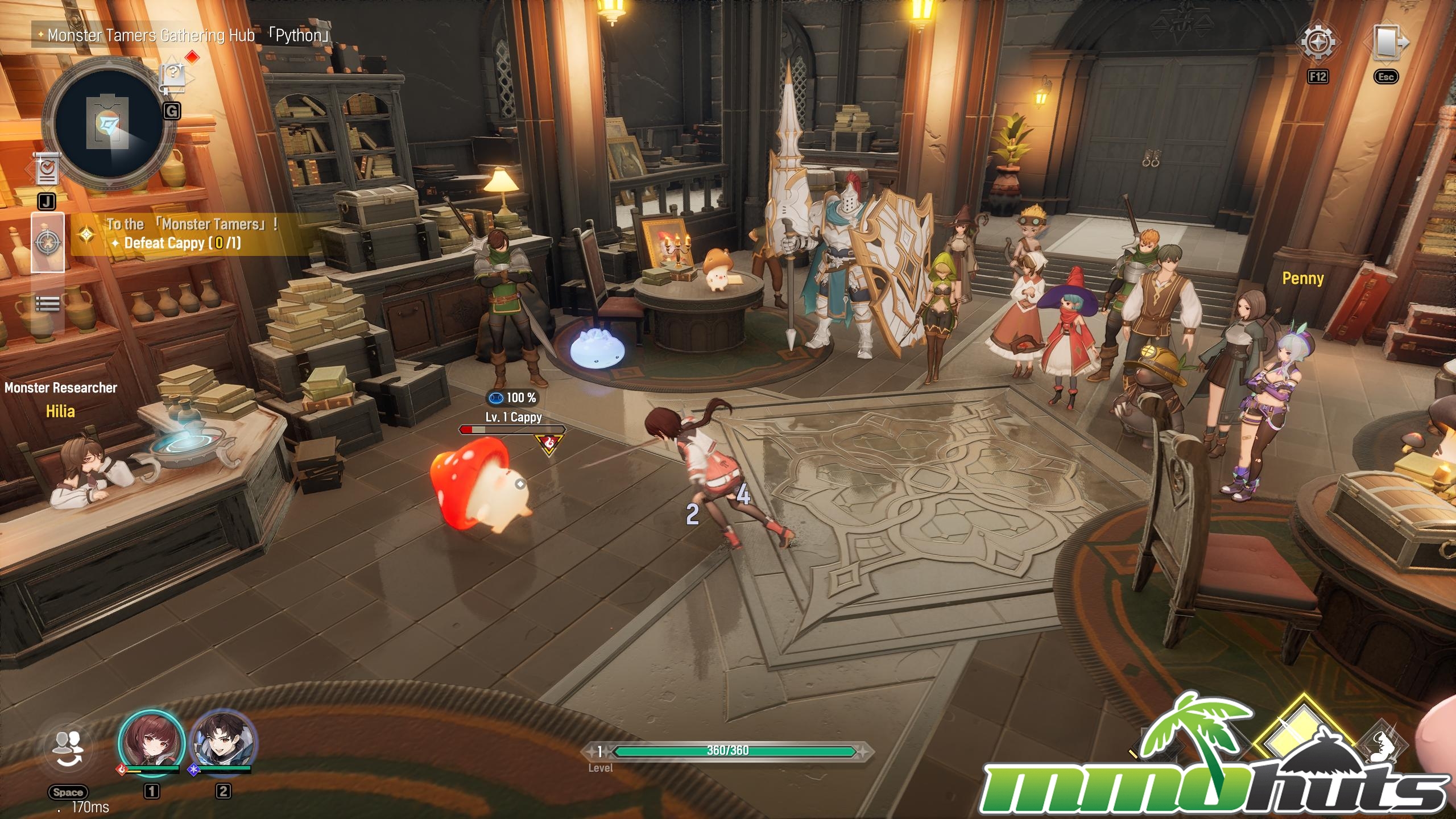
- Monsterling Collection – Defeat monsters in the field and absorb them as Monsterlings, equippable trinkets that provide stats, passive abilities, and chain-link attacks triggered by specific combat conditions.
- Monsterling Synthesis – Combine two Monsterlings to create a new one with inherited or randomized traits, plus a chance at mutations that produce unique variant creatures with improved abilities.
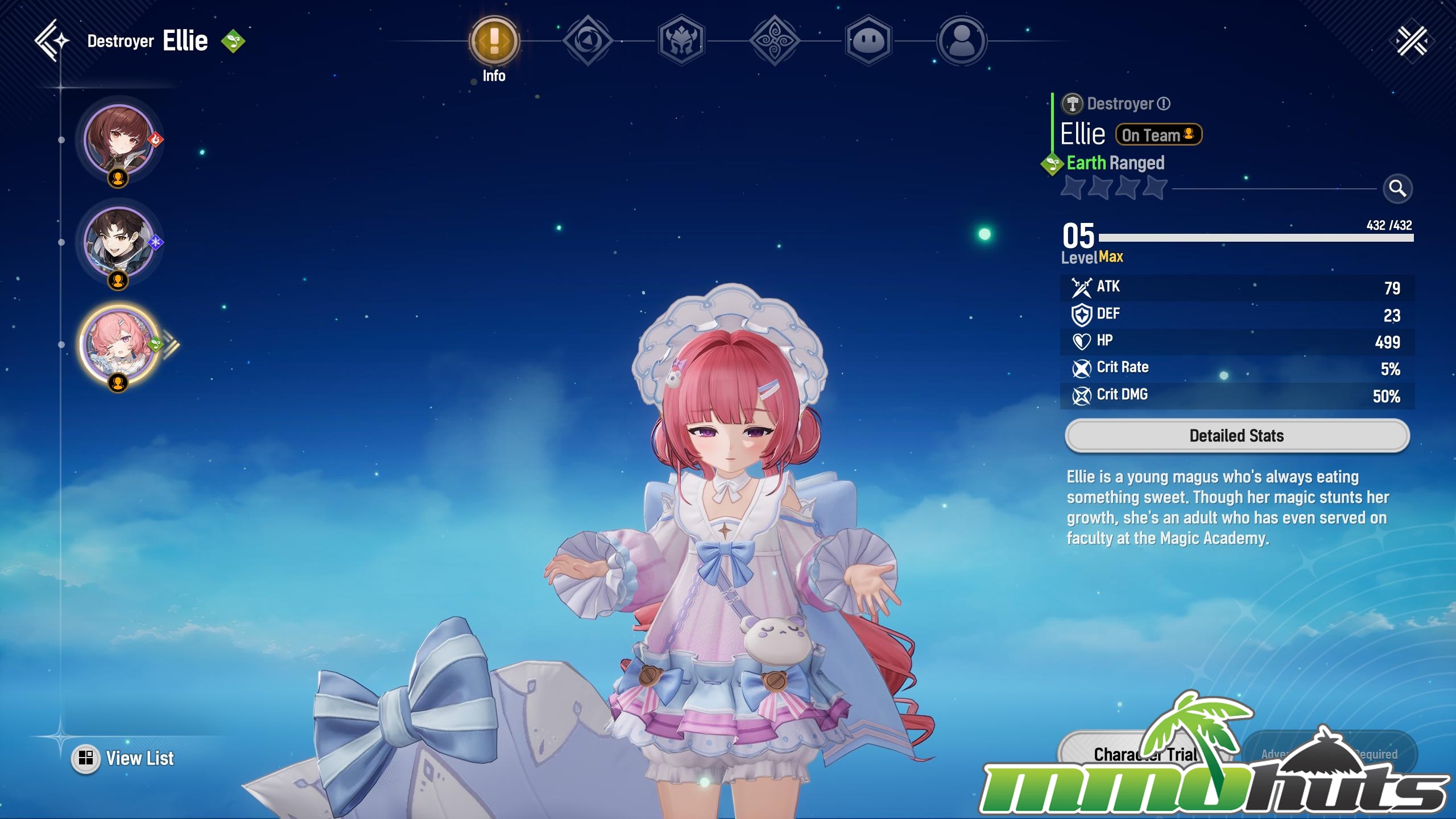
- Tag Team Combat – Build a party of three characters across roles like Fighter, Destroyer, Assassin, and Support, then swap between them mid-combat to chain Switch Skills and exploit elemental weaknesses.
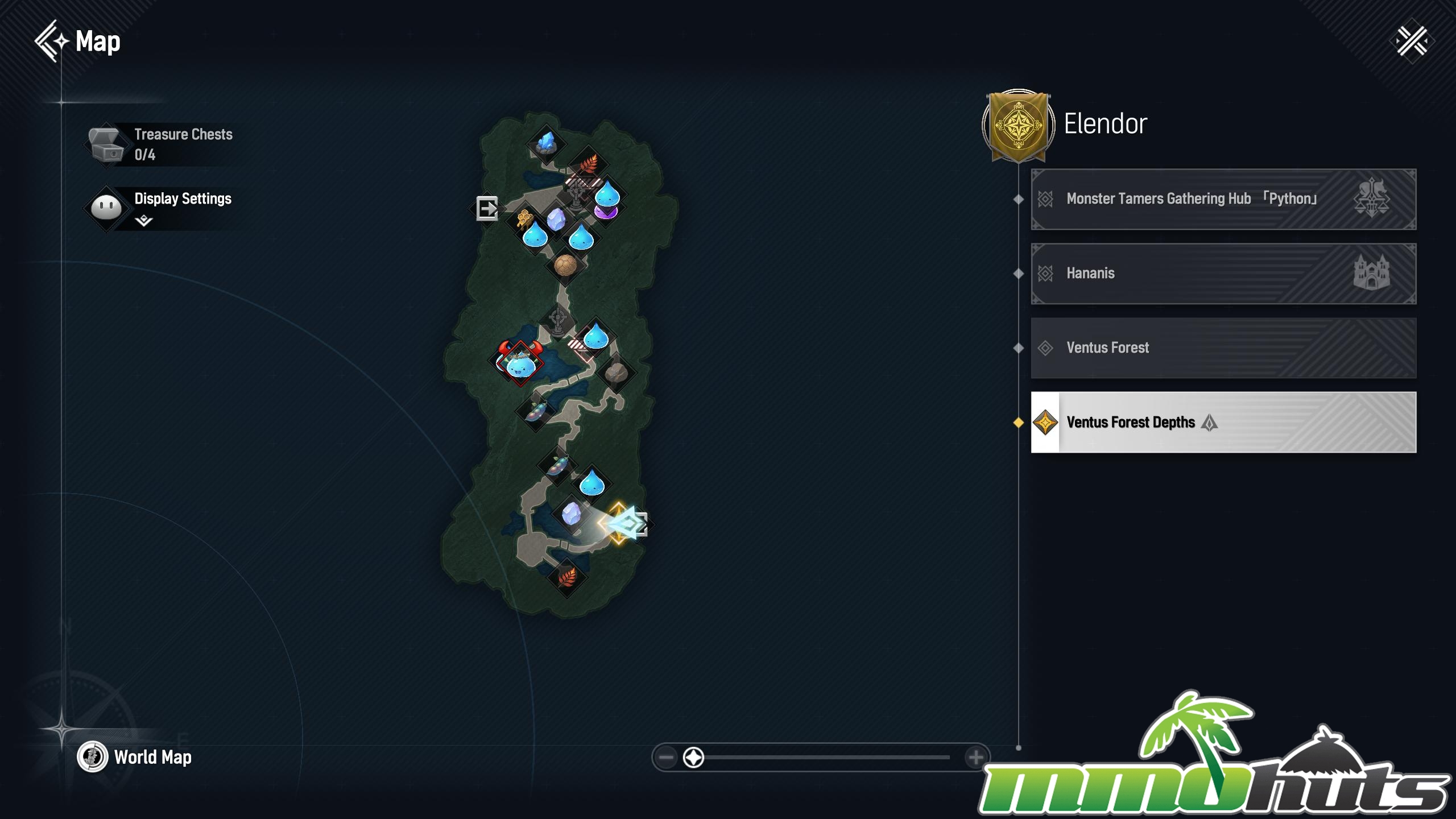
- Linear Zone-Based World – Explore themed map zones connected by a central hub rather than a single open world, with puzzles, hidden chests, and side quests tucked into branching paths.
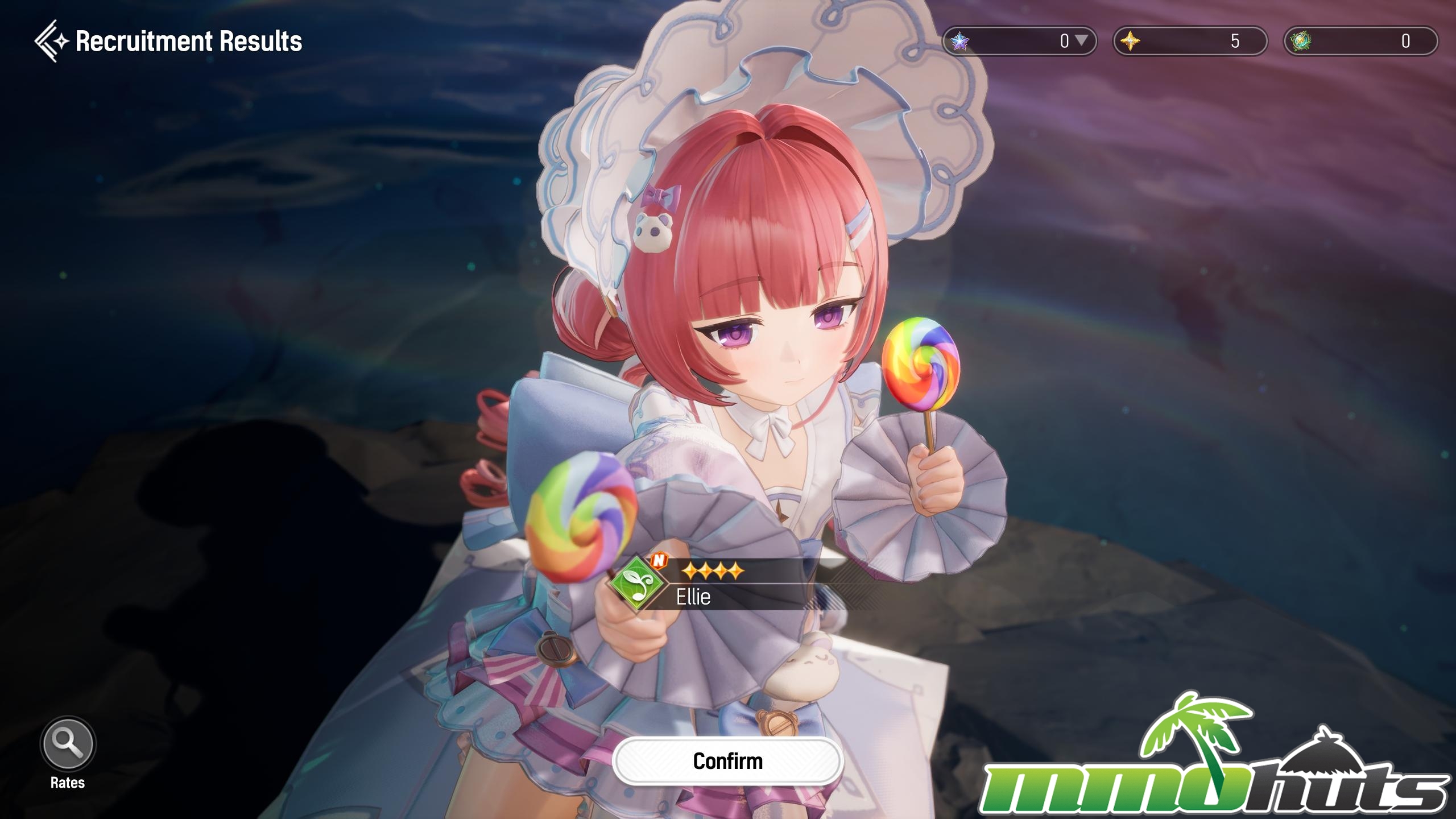
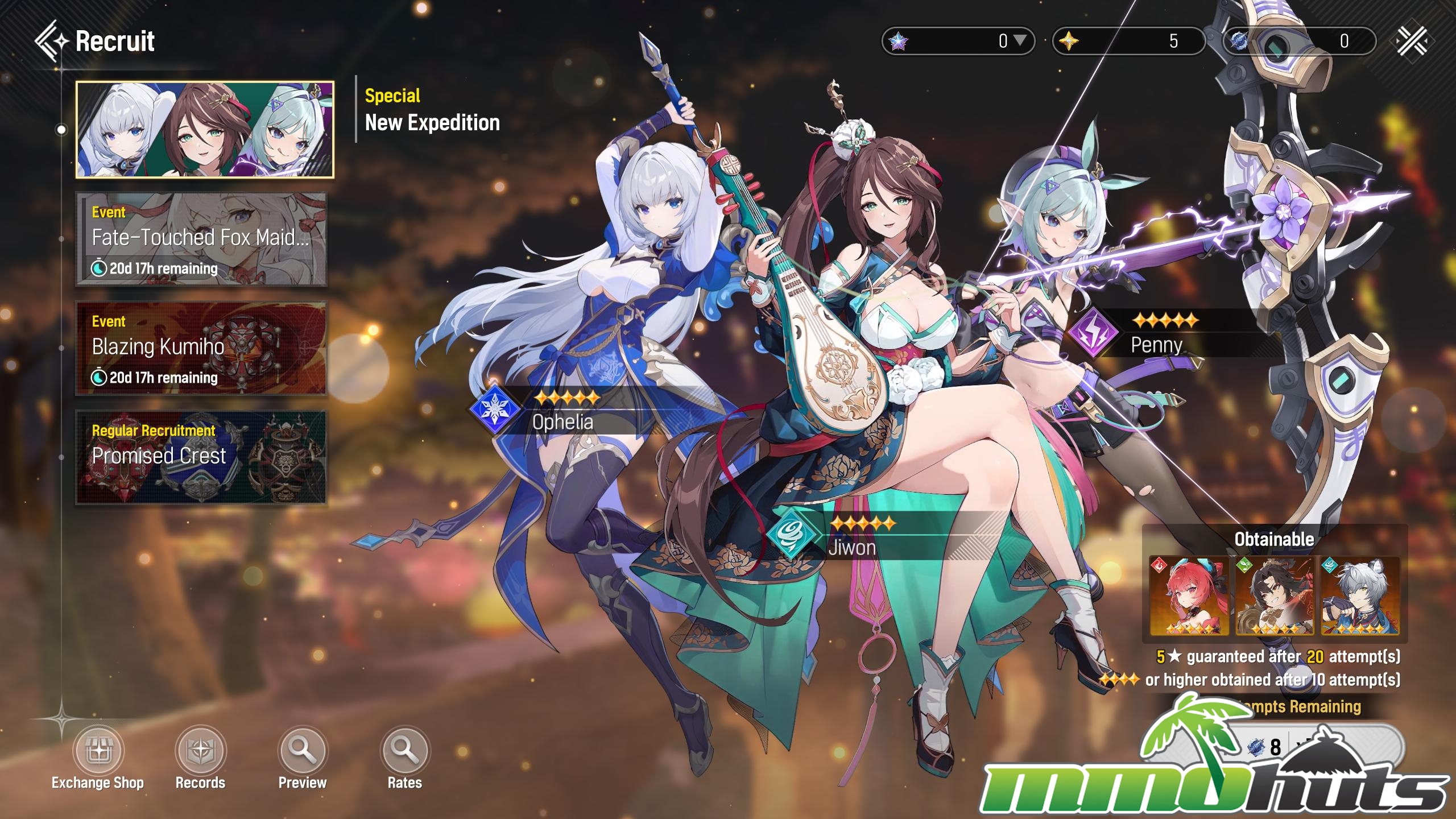
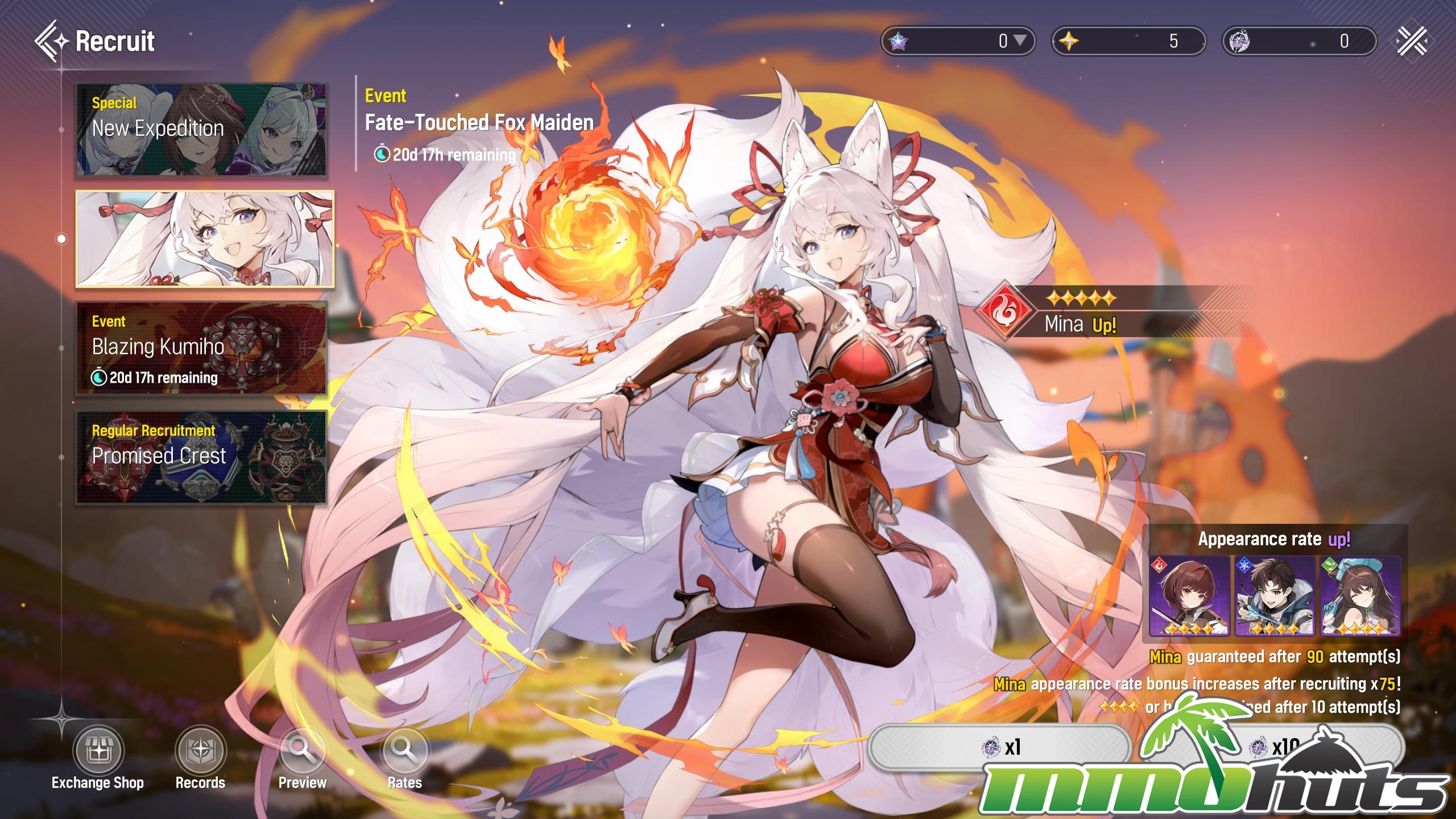
- No-50/50 Gacha – Featured character banners guarantee the rate-up unit in 90 pulls with no coin flip, while signature weapons are guaranteed in 80 pulls on their own dedicated banner.
Mongil: Star Dive Screenshots


Mongil: Star Dive Featured Video
![[MONGIL: STAR DIVE] Gameplay Trailer](https://i.ytimg.com/vi/cppNSXsE1Q4/0.jpg)
Mongil: Star Dive Review
By, Kipp Stryxs
Mongil: Star Dive is a free-to-play monster-taming action RPG developed by Netmarble Monster and published by Netmarble, released globally on April 15, 2026 on PC (Epic Games Store), iOS, and Android. It is the spiritual successor to the 2013 mobile game Monster Taming, which quietly built a dedicated following before going offline in 2023, and it arrives as one of the more technically ambitious entries in the creature-collector gacha subgenre. Unreal Engine 5, cross-platform play, full voice acting in three languages, and a genuinely deep monster synthesis system. On paper there is a lot to like. In practice, things get messier.
First Impressions and Setting
The game opens with a dream sequence where you, as Cloud, stab a fox girl. Then you wake up, get yelled at by Verna for being useless, and are introduced to Nyanners, a floating cat-thing with the power to absorb monster spirits. It is a strange opening that sets the tonal blueprint for everything that follows. Mongil: Star Dive is a game that wants you to know it is in on the joke, whatever that joke happens to be at the moment.
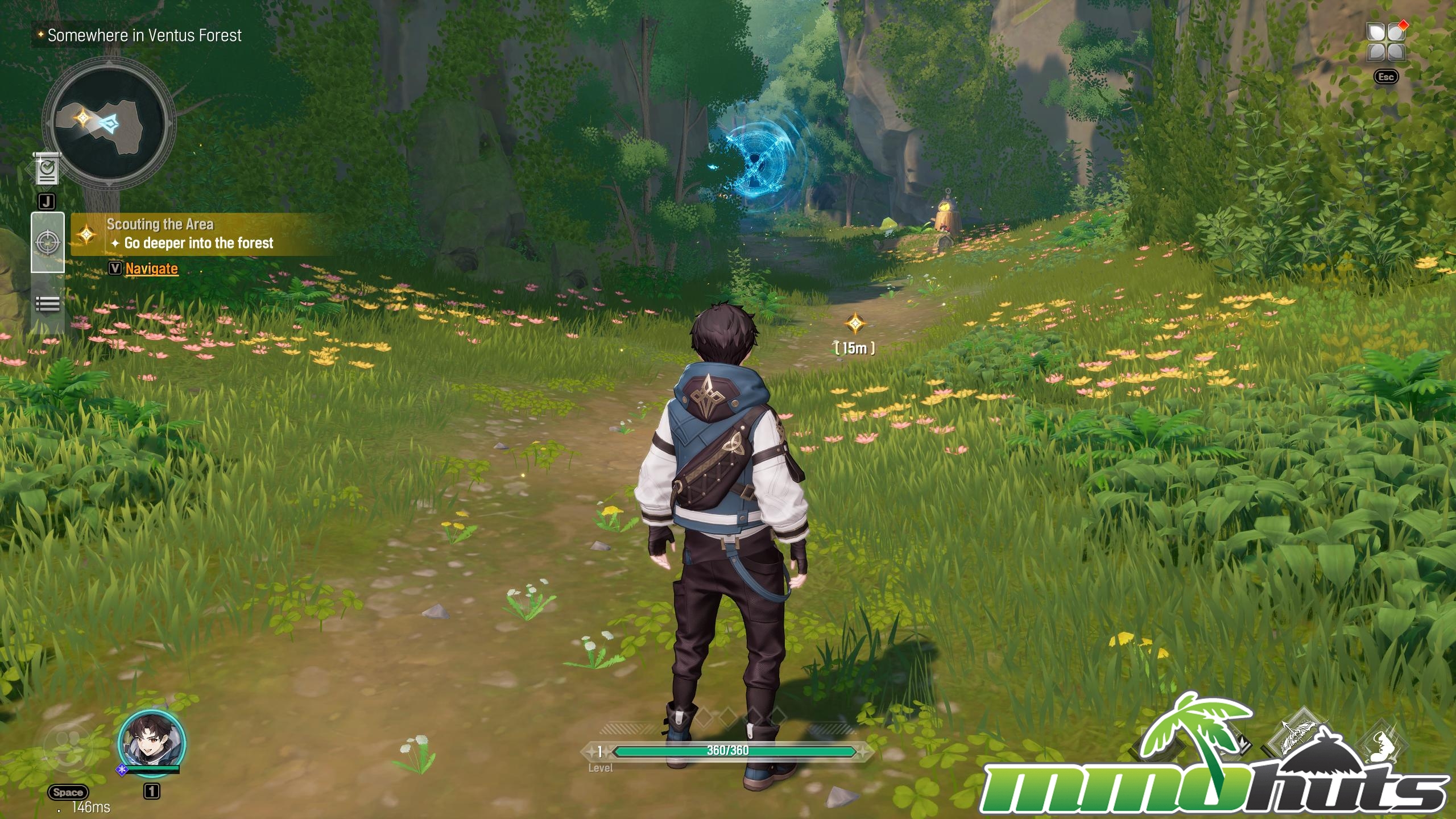
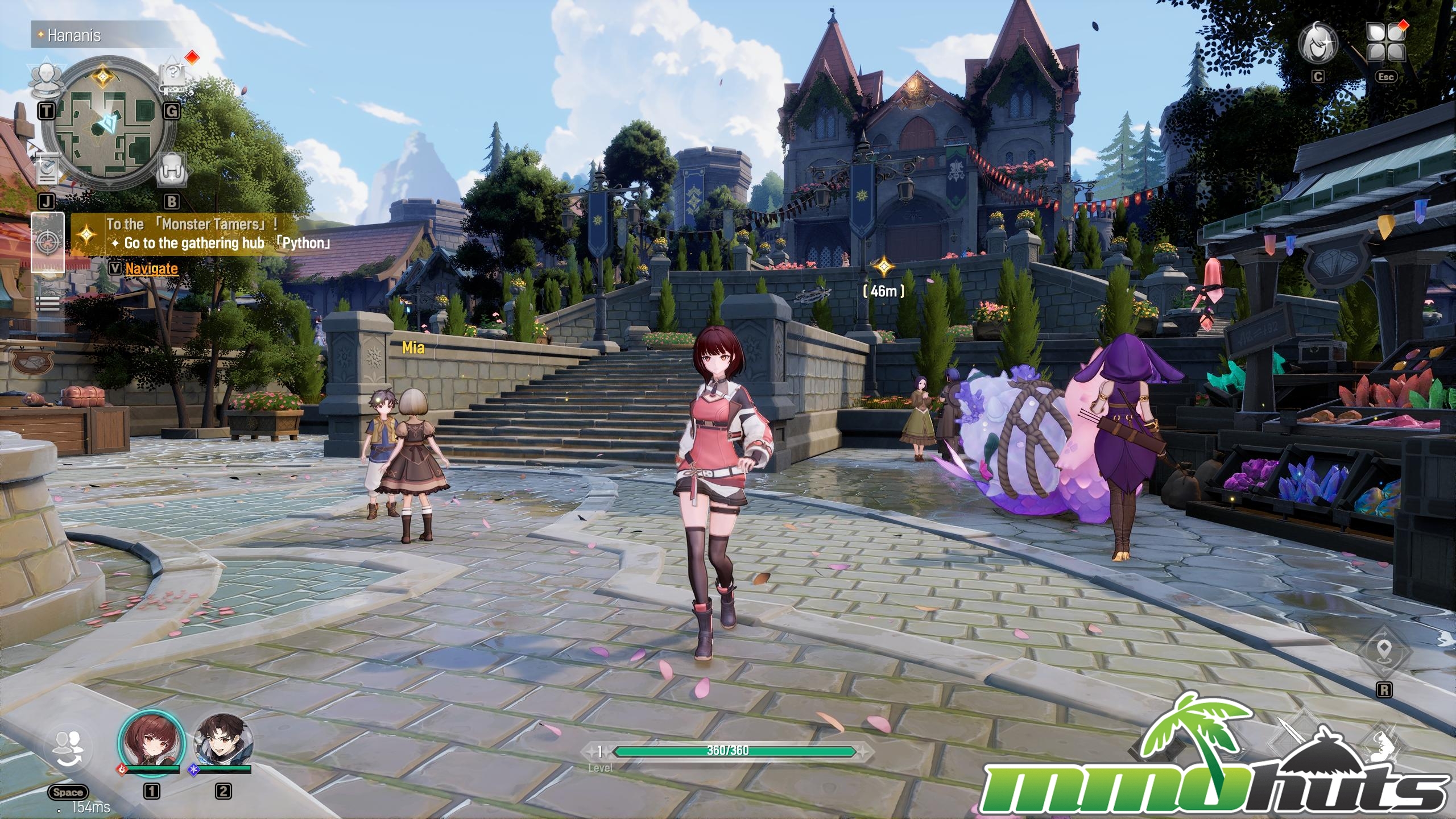
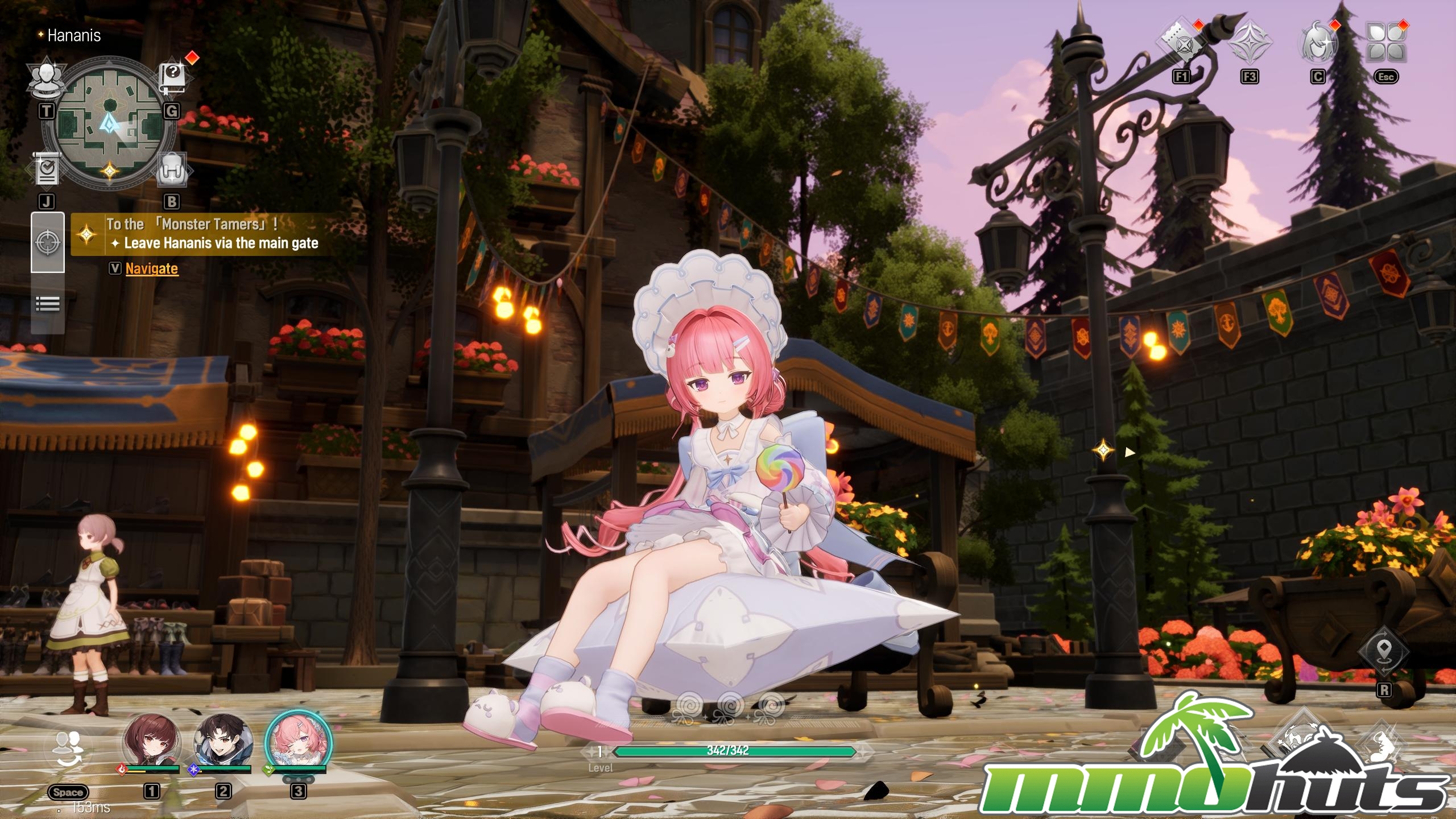
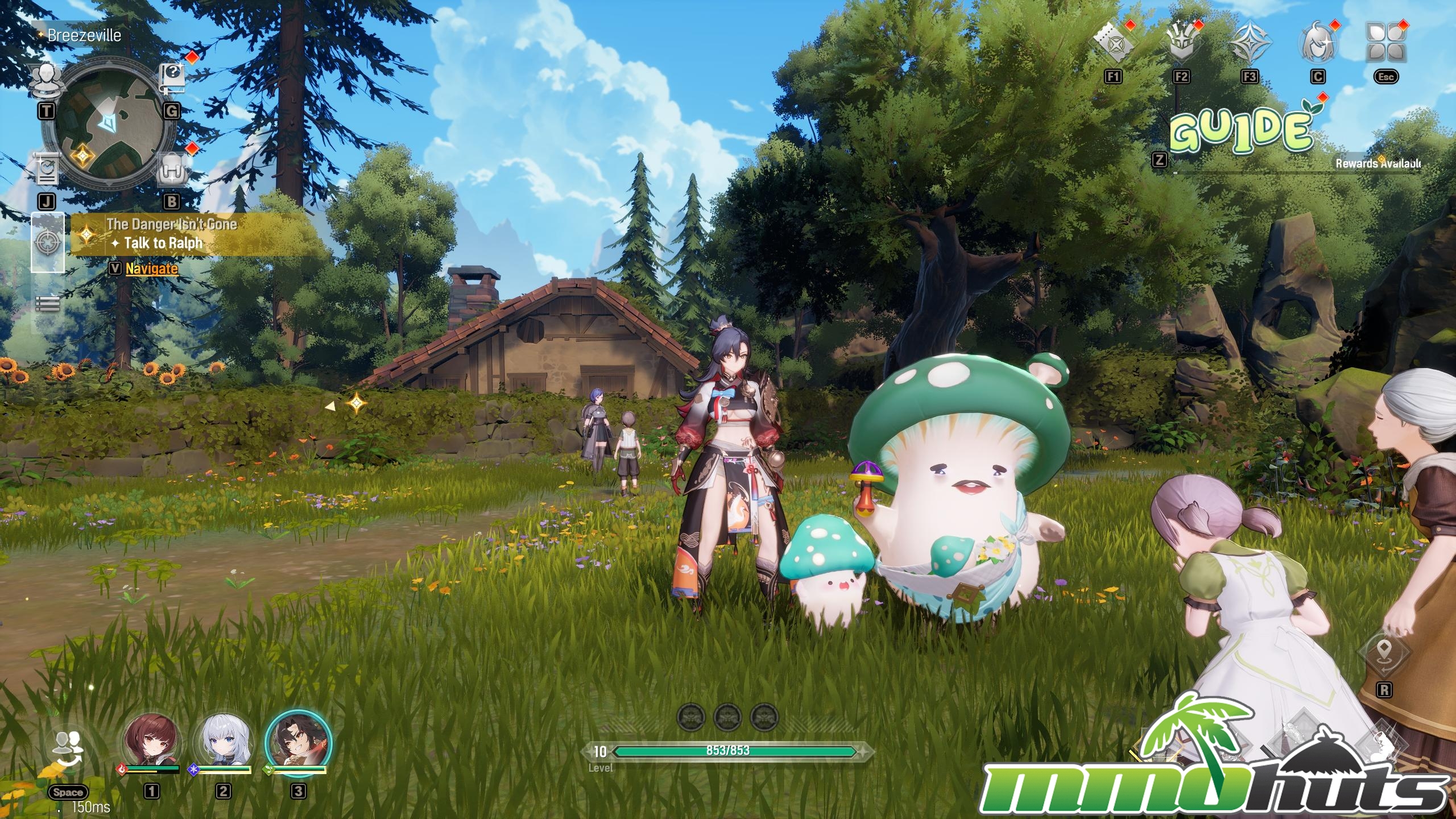
The world is split into discrete zones rather than a single seamless open world. You take quests from the Monster Tamer guild hub, travel to a zone, follow a mostly linear path with side branches, fight your way through, and return. The environments are attractive. UE5 does heavy lifting on lighting and material work, and character models have a chunky, almost toy-like quality that suits the Saturday morning cartoon vibe the art direction is going for.
Performance is a mixed bag. On a decent PC or a recent flagship phone the game runs smoothly and looks good, but lower-end hardware struggles more than the system requirements suggest. The mobile touch interface is well laid out and responsive, so if you are playing on a phone or tablet you will not feel handicapped.
Combat and the Tag Team Loop
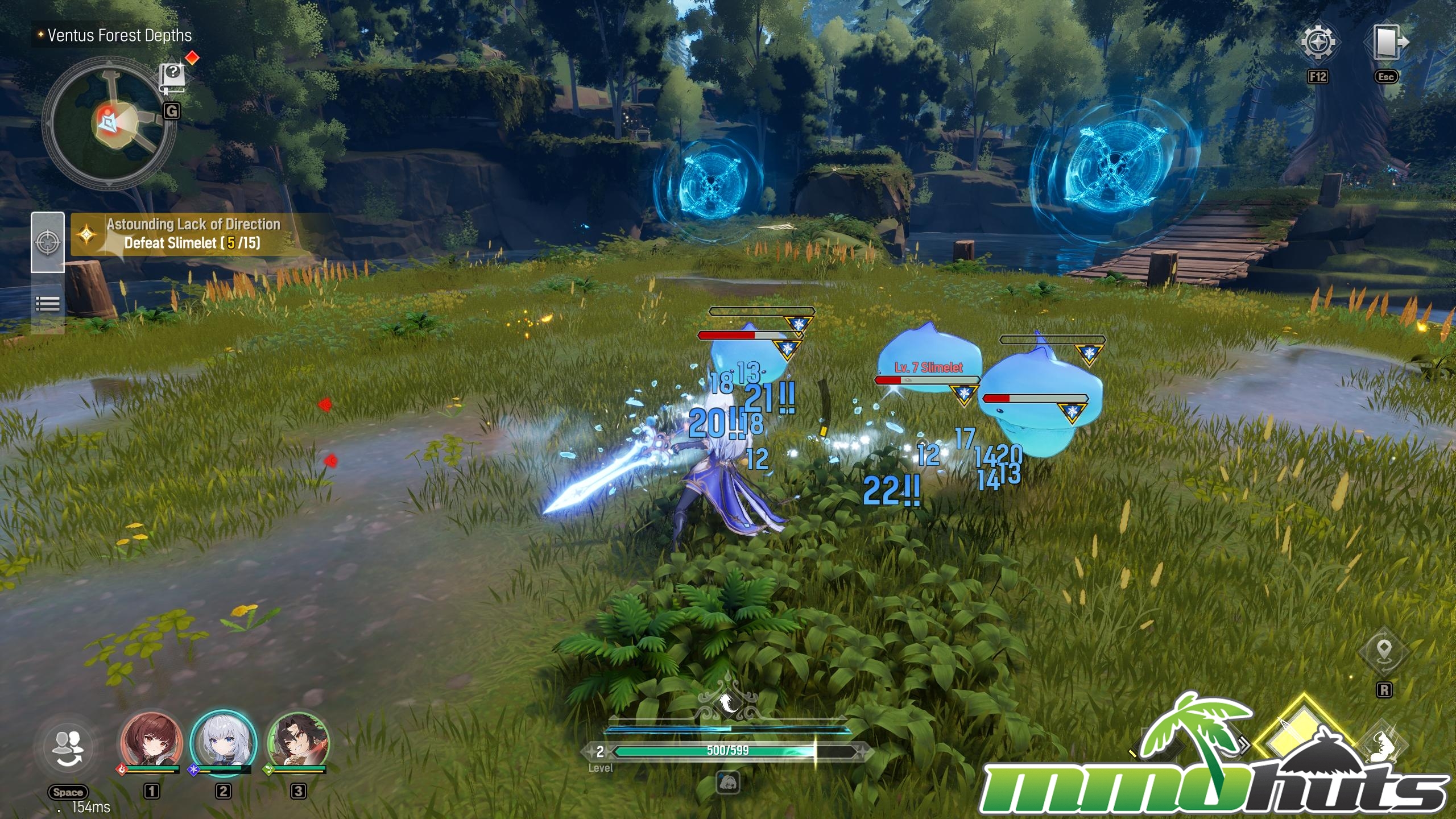
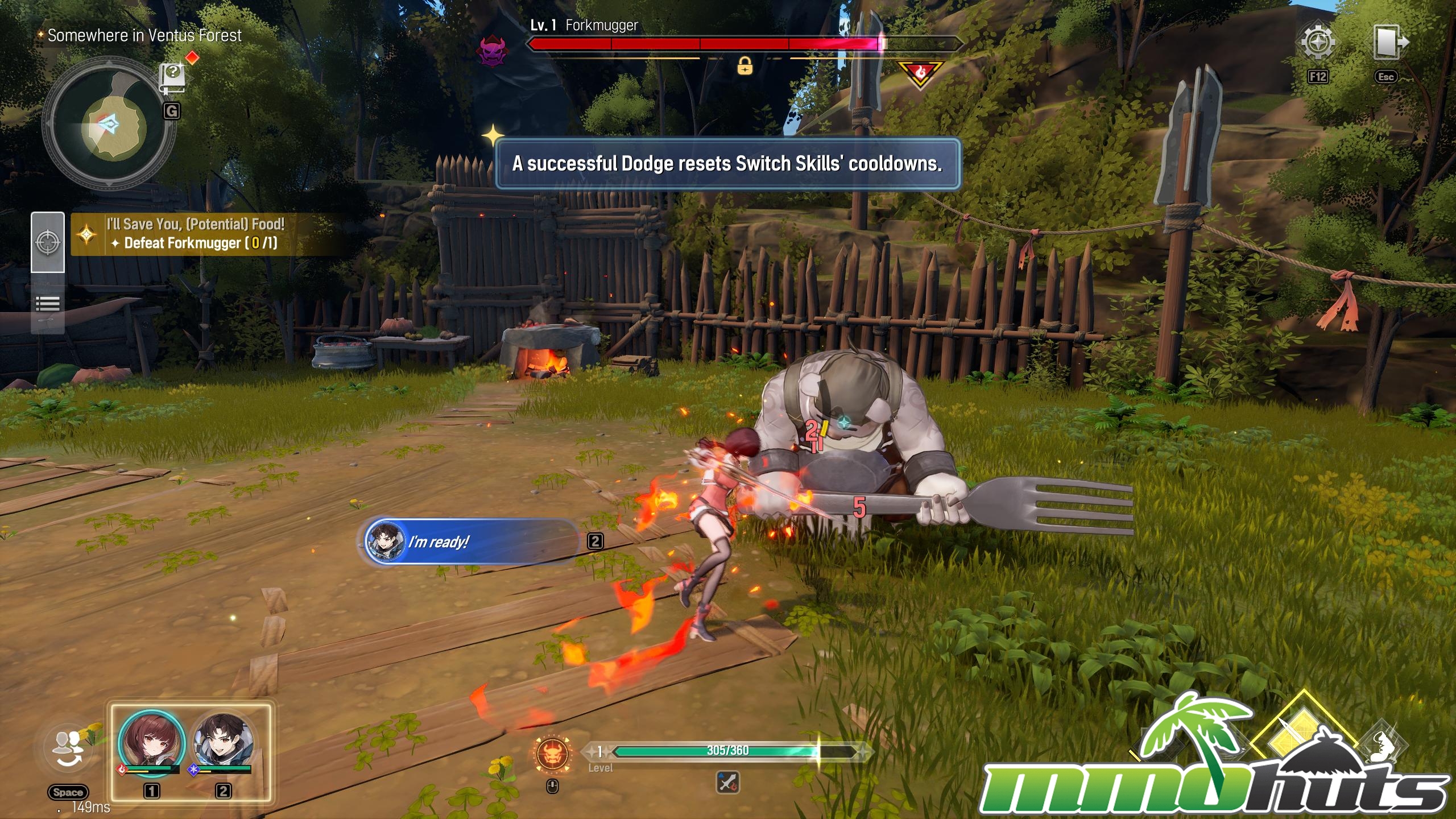
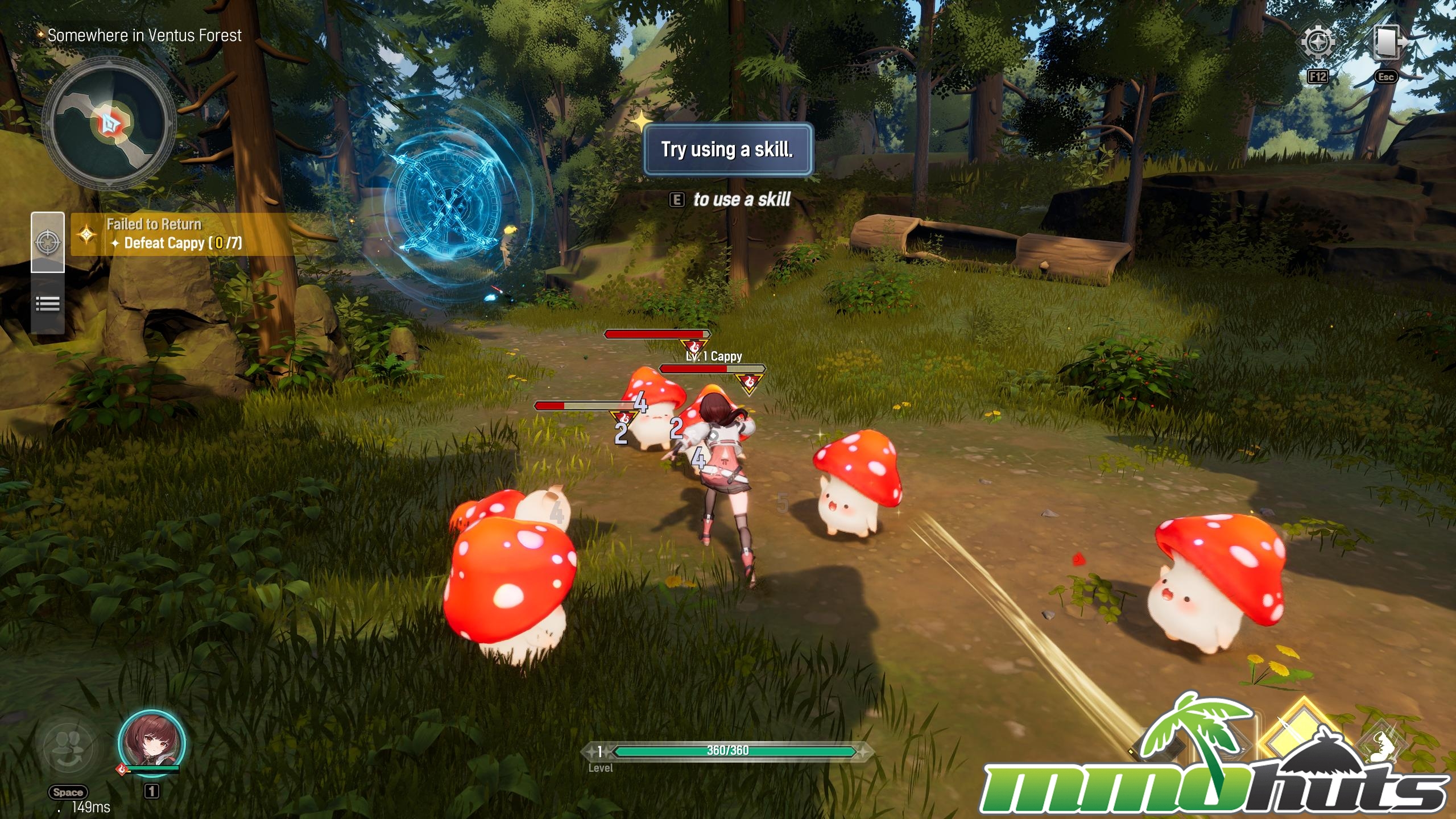
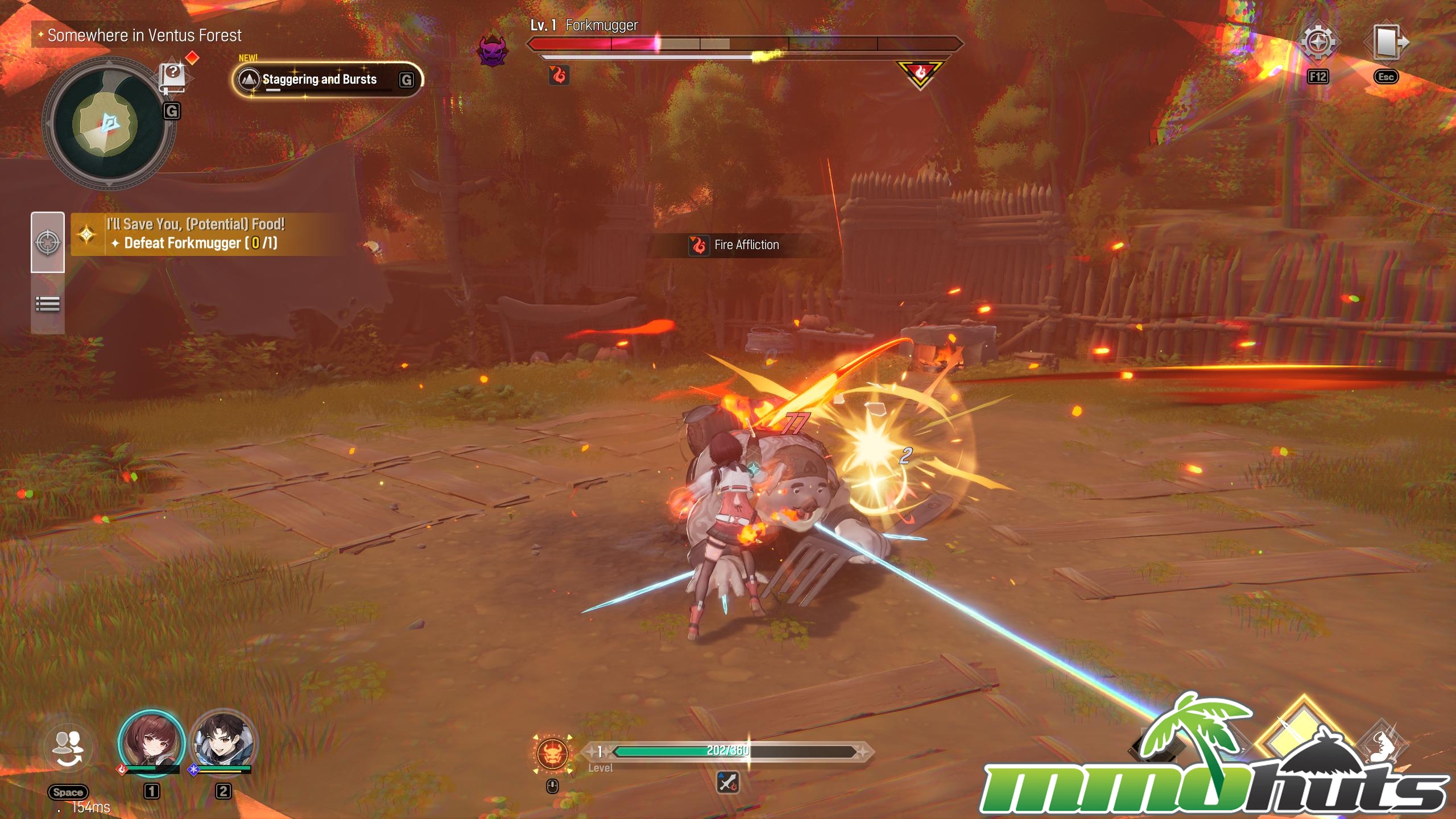
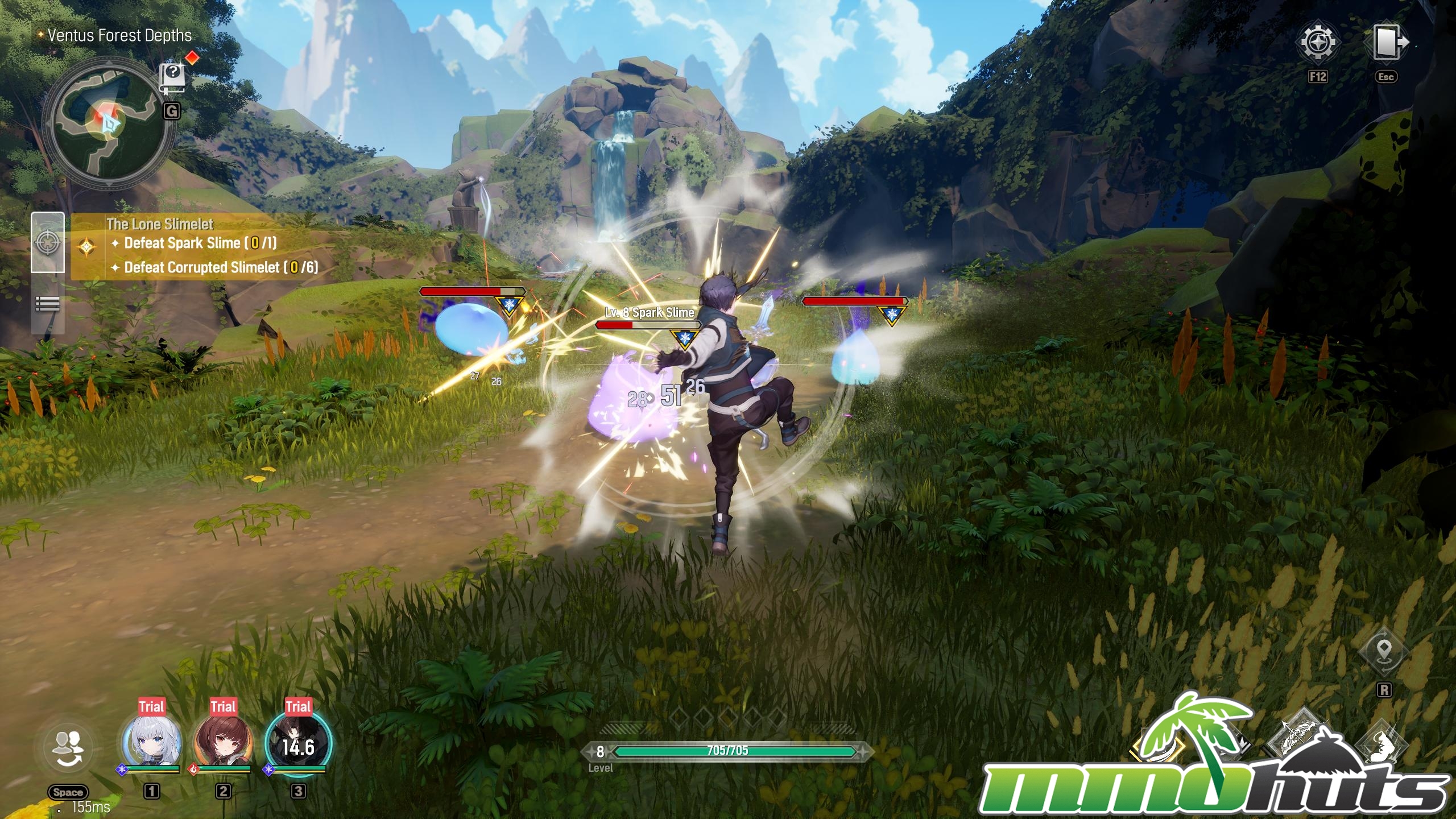
Combat is built around a three-character tag system. Each character has a basic attack string, a skill, an ultimate, and a Switch Skill that triggers when you swap them in at the right moment. There are five roles: Fighters handle crowds, Destroyers stagger single targets, Assassins deal burst damage to staggered enemies, Supports heal and buff, and the game nudges you toward specific compositions.
The elemental system layers on top of this. Fire, Wind, Ice, Earth, and Lightning all interact, and certain bosses require specific elemental attacks to interrupt their big moves. If you show up with the wrong elements you are in for a longer, rougher fight.
The combat feels closest to something like Zenless Zone Zero in pacing, but with less polish on the feedback loop. Swapping at the right moment to trigger Switch Skills is satisfying, and the dodge counter system rewards timing. The problem is that outside of boss fights, most encounters do not ask much of you. Trash mobs melt under basic rotations, and the gap between “easy” and “frustrating” is steep. There is not enough middle ground where the combat feels like it is pushing you without punishing you.
The Monsterling System
This is the part everyone talks about, and for good reason. Monsterlings are essentially equippable monster spirits that attach to your characters. You can see them physically appear on the active unit as tiny trinkets, which is a nice touch. Each Monsterling carries two traits (stat bonuses) and a passive chain-link ability that fires under specific conditions, like landing a hit after a dodge counter or dropping below a health threshold.
The real hook is the synthesis system. Take two Monsterlings, combine them, and the resulting “child” inherits traits from the parents or rolls new ones. Mutations can occur with a roughly 33% chance, producing variant Monsterlings with unique appearances and slightly stronger passives. You can lock parent traits using special materials, but those are not especially common, so the system leans into the gamble.
It scratches a very specific itch. You will find yourself revisiting zones not because the quest told you to but because you want a specific Monsterling with the right traits to feed into your next synthesis chain. The codex tracks everything and rewards you with premium currency for collection milestones, and Nyanners himself levels up as you capture more monsters, improving the odds of finding higher-grade Monsterlings.
The caveat is that this is still RNG farming. The gap between a serviceable Monsterling and a perfect one is real, and the grind to close it is not trivial. But compared to artifact systems in competing gacha games, this one has personality. You are not just chasing bigger numbers on a spreadsheet. You are building a little monster family.
Gacha and Monetization
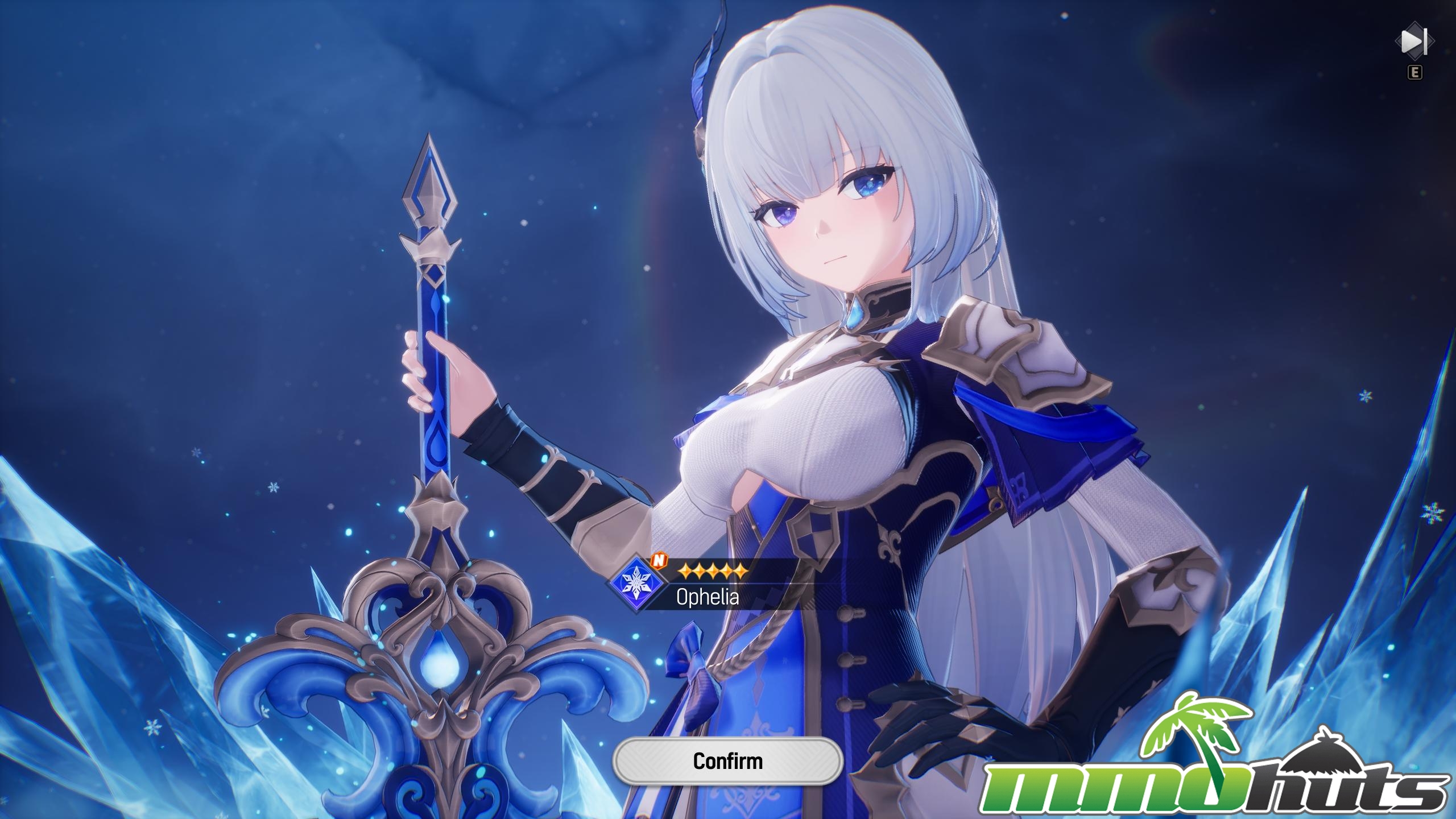
Featured character banners guarantee the rate-up 5-star in 90 pulls. No 50/50. You pull until you hit, and when you do, it is the character on the banner. Signature weapons have their own banner with an 80-pull guarantee and no coin flip. This is genuinely one of the fairest gacha setups in the genre right now, and Netmarble deserves credit for it.
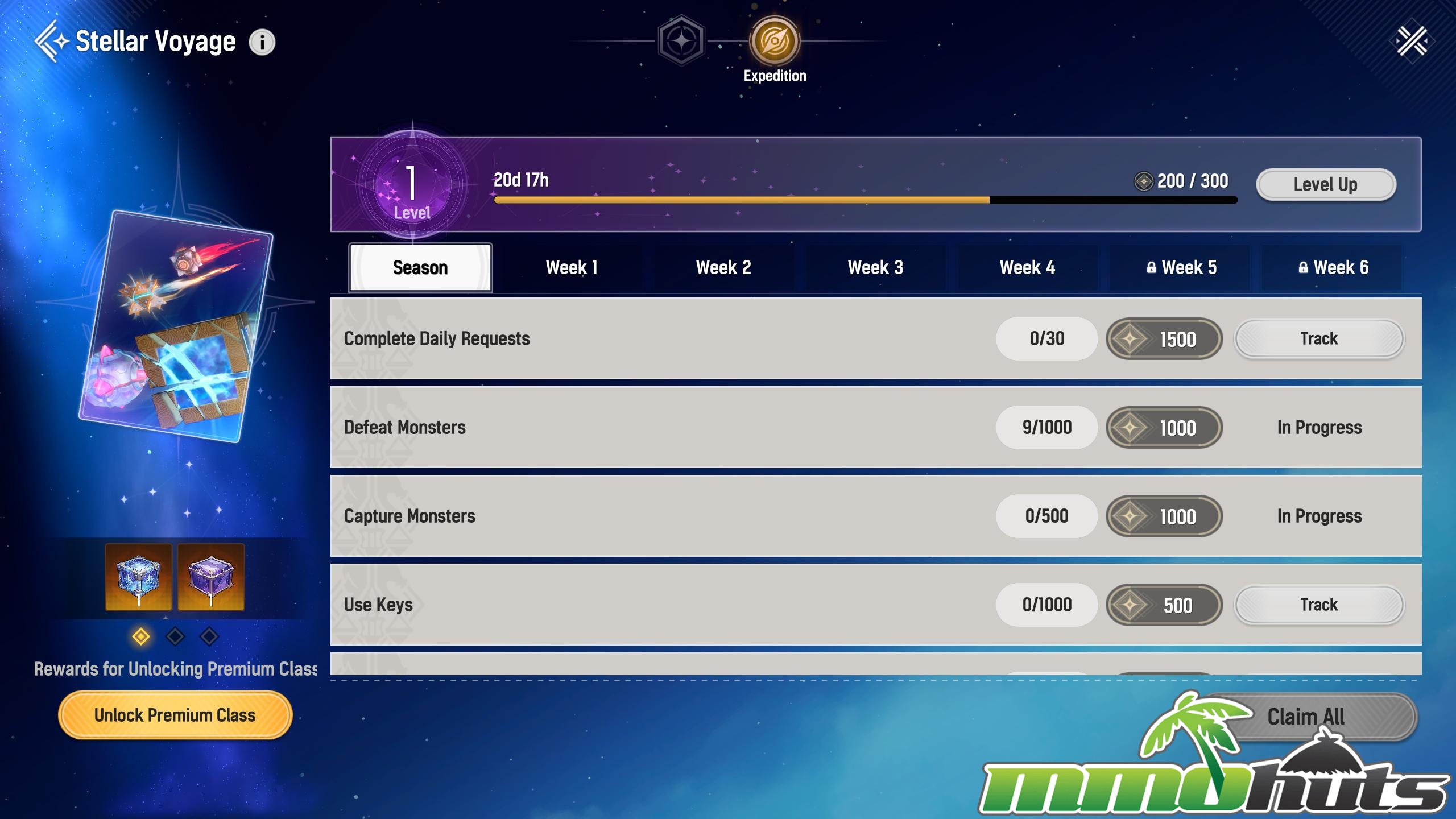
Premium currency income from dailies, events, exploration, and the battle pass is reasonable. The free track of the Stellar Voyage Pass only awards rewards on 56 out of 70 levels (every 3rd and 7th level is locked to the paid track), which is stingy compared to competitors that usually only lock every 10th level. It is a small thing but it adds to the sense that the game is pinching pennies in odd places.
There is also a $6.99 monthly subscription called the Morning Star’s Pledge, plus the usual array of one-time purchase packs. Nothing out of the ordinary. The shop is not predatory by gacha standards, but the progression gating, which we will get to in a moment, makes the spending pressure feel worse than the raw numbers would suggest.
Exploration and World Design
Exploration is where the game most clearly diverges from its open-world peers. You cannot jump. You cannot climb. You cannot glide. Movement is limited to walking and running along mostly linear paths, with the occasional contextual prompt to swing across a gap or vault a ledge. Fast travel points are generous, which is good because the act of simply moving from point A to point B is not interesting.
The zones themselves are pleasant to look at and have side branches with puzzles and chests, but the lack of verticality makes everything feel smaller than it is. If you are coming from Genshin Impact or Wuthering Waves, where traversal is half the fun, this is a major downgrade. The game seems aware of this and tries to compensate with frequent teleporters and a compact world layout, but the restriction never stops feeling like a restriction.
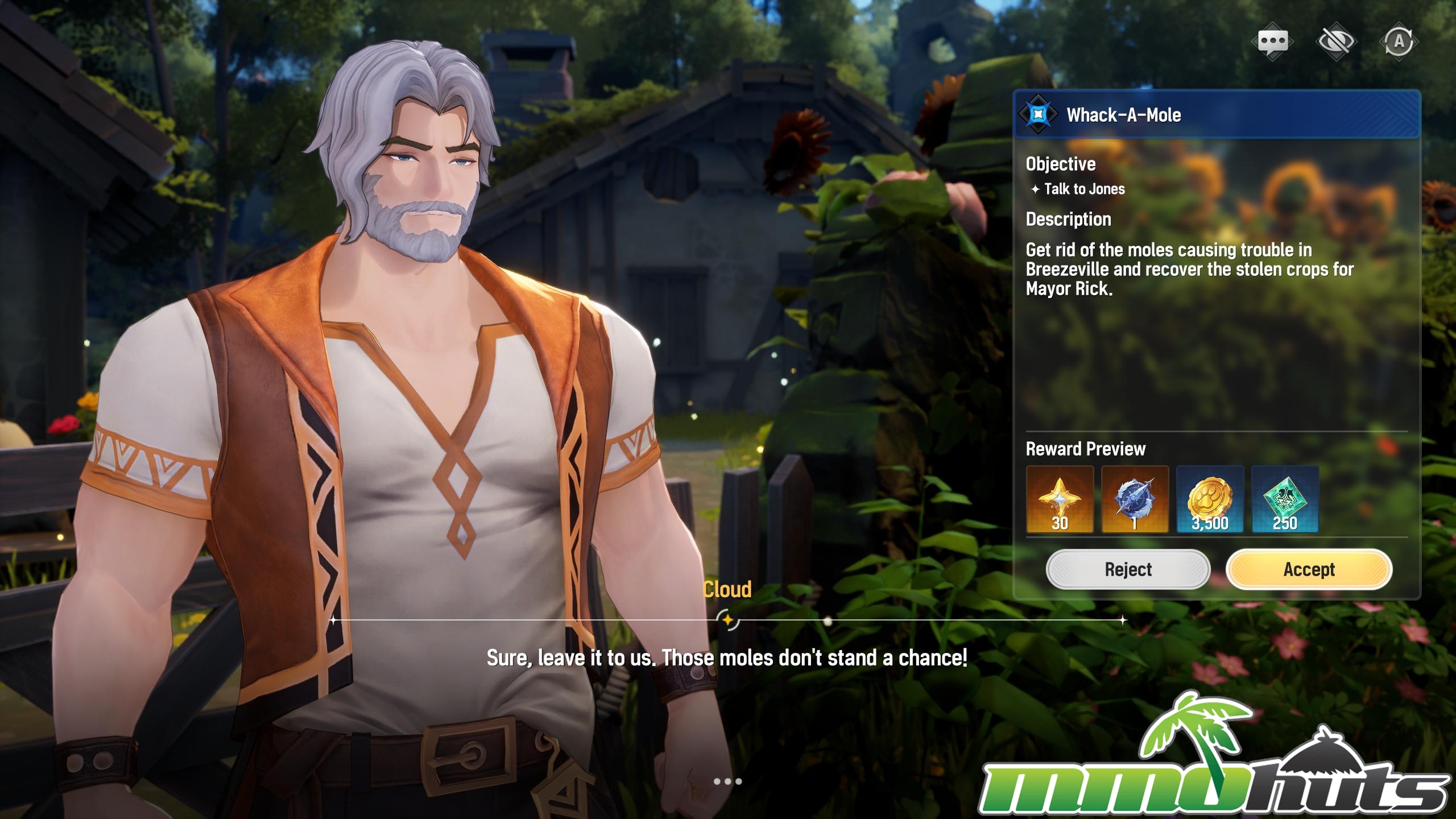
Side quests range from amusing to forgettable. Some have genuine comedic writing that lands, others are pure busywork. The request board gives you daily monster-hunting targets that double as Monsterling farming runs, which is a smart way to fold the grind into something that feels productive on multiple fronts.
Story, Characters, and Writing
The plot is standard fantasy fare. Ancient evil, creeping corruption, a band of heroes who must stop it. The overall arc is fine, perfectly serviceable as scaffolding. The problem is the cast.
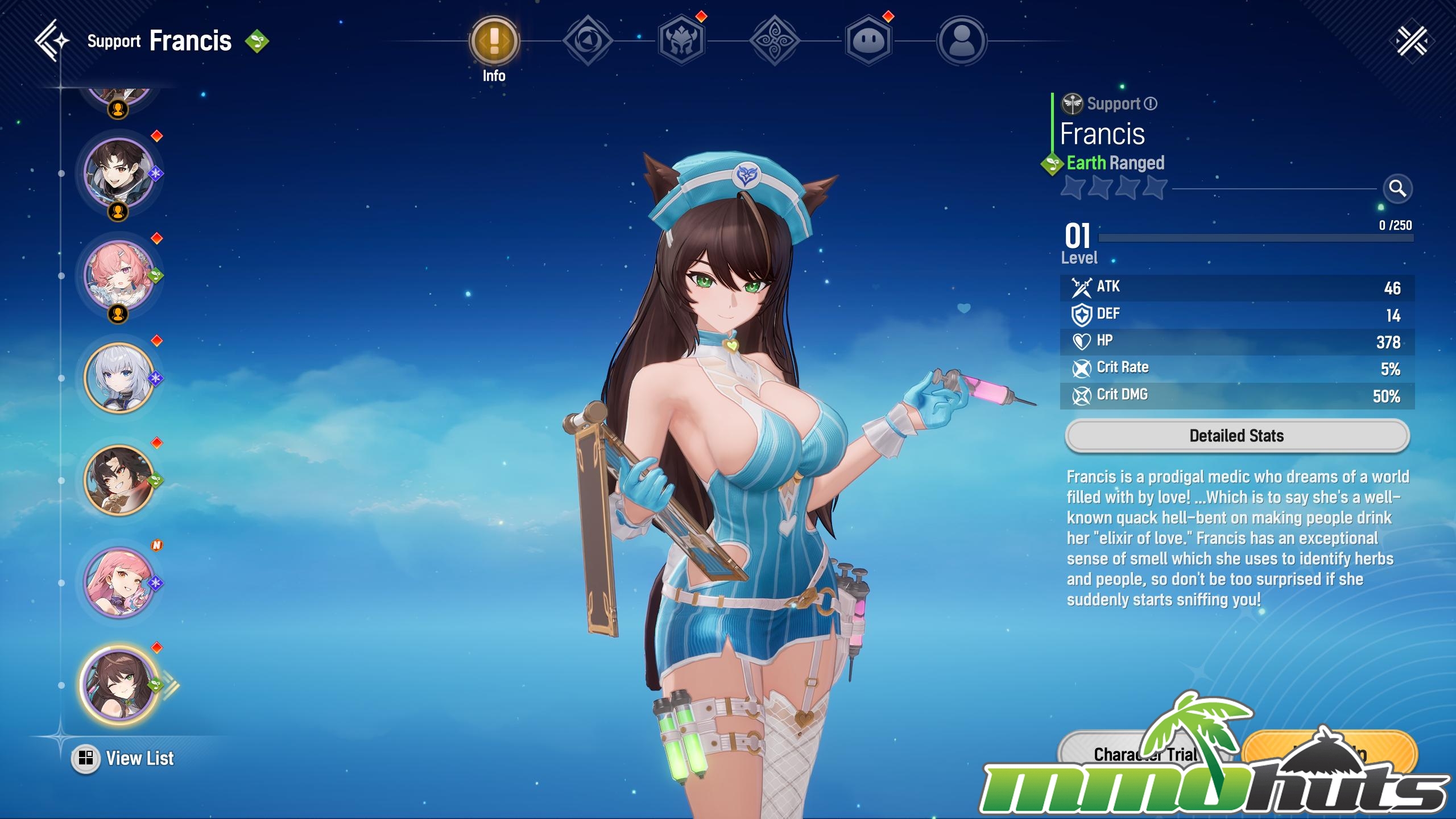
Cloud is written as the hapless straight man whose main contribution to any scene is stating the obvious. Verna responds to nearly everything he says with derision. Their dynamic is supposed to be playful, but it wears thin within the first hour. Supporting characters are each built around a single trait pushed to eleven. Flair wants to burn everything. Francis interprets every interaction through the lens of romantic obsession. These are not characters so much as they are running jokes that keep running long after the laugh has passed.
And yet. The game is self-aware about this. It is not trying to be high drama. The banter between Flair and Reina in Act 2 is legitimately well written, and some of the side quests have comedic timing that caught me off guard. The localization is inconsistent, with spots of genuinely snappy dialogue followed by garbled sentences and occasional untranslated Korean text. When it works, it works. When it does not, it pulls you right out.
The English voice cast is solid. Caleb Yen as Cloud, Laci Morgan as Verna, Xanthe Huynh as Mina, and Ashely Biski as Francis all deliver performances that are better than the material sometimes deserves. Japanese and Korean voice options are available for those who prefer them.
Progression Gating and Frustrations
This is where Mongil: Star Dive loses people. Boss fights are timed, usually three to five minutes. The game recommends a level and an elemental affinity for each encounter. If you do not have the right element or your damage output is not high enough, the timer kills you regardless of how well you are playing.
Leveling materials for anything beyond the lowest tier are painfully slow to acquire at first. Higher-tier material stages are gated behind story progression, which means you need those materials to beat the boss that unlocks the stages that give you those materials. It is a classic gacha progression trap, and it feels especially pointed in a game that otherwise presents itself as laid-back and low-pressure.
Gear compounds the issue. Equipment drops with randomized substats that are hidden until you spend resources to level the piece up. If the rolls are bad, you wasted those resources. You can feed bad gear into other gear, but at diminishing returns. It is an echo of systems used in better games, but there the stat RNG is typically reserved for post-game optimization, not story progression.
There is a story mode difficulty that lowers enemy damage and HP, but it does not address the timer problem. If you are losing because your numbers are too low, turning the fight into a damage sponge that still times out is not a fix.
Final Verdict – Fair
Mongil: Star Dive has good ideas buried inside a package that needed more time and sharper editing. The Monsterling system is genuinely interesting. The gacha is fairer than most competitors. The visual presentation is strong for a cross-platform free-to-play title, and when the writing clicks it can be funny in ways the genre rarely manages. But the linear world, the one-note characters, the aggressive progression gating, and the inconsistent localization drag the whole thing down. There is a version of this game that trims the fat and tightens the tuning, and that version would be an easy recommendation. This version is harder to sell. If you are specifically hunting for a monster-collecting gacha and you can live with rough edges, there is fun to be found here. If you want a polished action RPG that respects your time, there are stronger options available right now.
Mongil: Star Dive Links
Mongil: Star Dive Official Site
Mongil: Star Dive Google Play
Mongil: Star Dive App Store
Mongil: Star Dive Epic Games Store
Mongil: Star Dive X
Mongil: Star Dive Facebook
Mongil: Star Dive Instagram
Mongil: Star Dive Discord
Mongil: Star Dive YouTube
Mongil: Star Dive System Requirements
PC Minimum Requirements:
Operating System: Windows 10 64-bit
CPU: Intel Core i5 (8th Gen) / AMD Ryzen 5 2600
Video Card: Nvidia GeForce GTX 1060 / AMD Radeon RX 580 / Intel Arc A380
RAM: 8 GB
DirectX: Version 11
Hard Disk: 20 GB (SSD recommended)
PC Recommended Requirements:
Operating System: Windows 11 64-bit
CPU: Intel Core i7 (9th Gen) / AMD Ryzen 7 3700 or better
Video Card: Nvidia GeForce RTX 2060 / AMD Radeon RX 5700 XT / Intel Arc A750 or better
RAM: 16 GB
DirectX: Version 12
Hard Disk: 50 GB SSD
Android Minimum Requirements:
OS: Android 10 or above
CPU: Qualcomm Snapdragon 865 (or equivalent)
RAM: 8 GB
Storage: 10 GB
Android Recommended Requirements:
OS: Android 10 or above
CPU: Qualcomm Snapdragon 8 Gen 2 (or equivalent)
RAM: 12 GB
Storage: 15 GB
iOS Requirements:
Operating System: iOS 15.0 or above
Supported Devices: iPhone 11 or newer (iPhone 13 or newer recommended)
Storage: 10 GB (15 GB recommended)
Mongil: Star Dive Music & Soundtrack
Coming soon!
Mongil: Star Dive Additional Information
Developer: Netmarble Monster (Netmarble Corp.)
Publisher: Netmarble
Engine: Unreal Engine 5
Project Director: Min-kyun Kim
Production Director: Dong-jo Lee
Game Publishing Director: Jung-ho Lee (Da-haeng Lee)
Global Release Date: April 15, 2026
PlayStation 5 Release Date: TBD
Xbox Series X/S Release Date: TBD
Platforms: Microsoft Windows (Epic Games Store), Android, iOS, PlayStation 5, Xbox Series X/S
Development History / Background:
Mongil: Star Dive is the official successor to Netmarble’s Monster Taming, a creature-collector mobile RPG that launched in South Korea in 2013 and surpassed 10 million downloads before its service ended in 2023. The game was known colloquially as “Mongil” among Korean players, and the sequel adopts that name officially. Development is handled by Netmarble Monster, the same subsidiary behind Marvel Future Fight and Marvel Future Revolution. The project was first teased at G-STAR 2024 and went through several closed beta tests throughout 2025, with public demos at Gamescom, Tokyo Game Show, and Brazil Game Show. Built in Unreal Engine 5, the game was designed from the start as a multi-platform experience. Netmarble partnered with Samsung for hardware optimization, showcasing the game on Odyssey 3D monitors and Galaxy devices. The PC version launched exclusively through the Epic Games Store as part of the Epic First Run program. Netmarble Monster CEO Ken Kim has publicly stated the team’s goal is to create a gacha game that even genre-skeptical players can respect, focusing the design around monster collection depth rather than purely commercial hooks. Characters Cloud, Verna, and Mina return from the original Monster Taming, though their relationships and the story have been reimagined for the reboot.