Dungeon Fighter Online is a 2D, side-scrolling beat em up MMORPG that blends arcade-style brawling with long-term character progression and loot hunting.
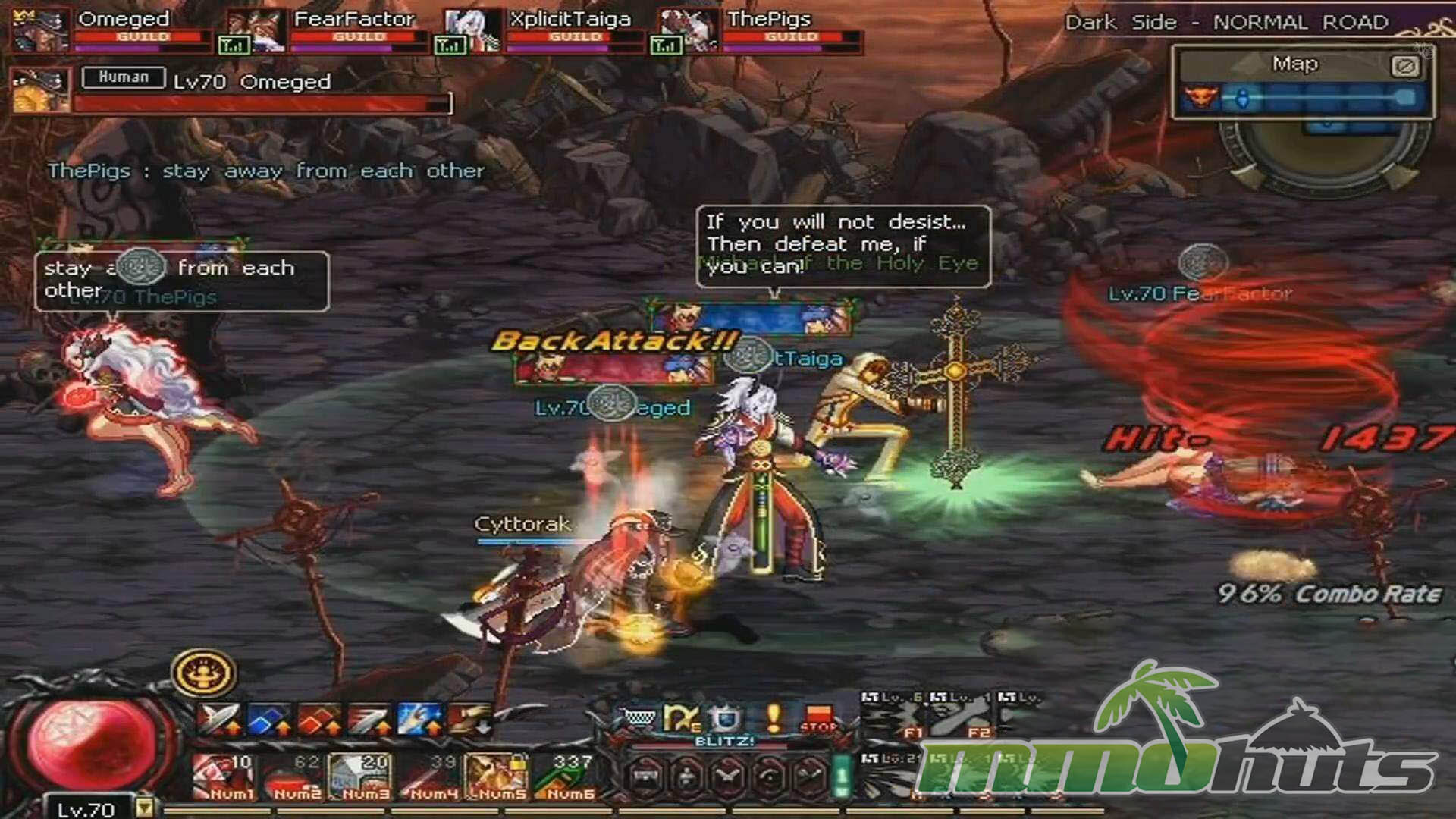 | Publisher: Neople Playerbase: Medium Type: MMORPG Release Date: March 24, 2015 (Re-Release) PvP: Arenas Pros: +Wide roster of classes and subclasses. +Flashy, satisfying skill visuals. +A deep backlog of dungeons and activities. Cons: -Old-school visuals are not for every taste. -Core loop can feel grindy and repetitive. |

Dungeon Fighter Online Overview
Dungeon Fighter Online (often shortened to DFO) is a 2D action MMORPG built around classic side-scrolling dungeon runs. Its combat takes obvious cues from old arcade brawlers, then layers on MMO staples like classes, loot, quest hubs, and long-term character building. The game previously operated in North America and Europe through Nexon before the service ended in 2013, and it later returned under Neople, the original developer, as a global re-launch. The result is a fast, combo-driven experience that feels closer to an arcade cabinet than a typical hotbar MMO, while still offering the progression and content cadence MMO players expect.
The adventure takes place in Arad, a fantasy realm where formerly harmless creatures have turned hostile, pushing players into the role of roaming problem-solver. Most play happens in large instanced dungeons connected to persistent town hubs where you pick up quests, manage gear, and meet other players. You begin from a set of starter archetypes and, after reaching Level 20, branch into a specialized subclass that defines your playstyle more clearly.
Dungeon Fighter Online Key Features:
- Side-Scrolling Brawler DNA – classic left-to-right dungeon crawling with a deliberate retro presentation that calls back to Golden Axe and Double Dragon.
- Instanced Mission Structure – towns act as shared social spaces, while the actual fighting and progression occurs inside private dungeon instances.
- Strong Class Diversity – start from 7 core classes and progress into 25+ subclasses with distinct mechanics and skill kits.
- Dungeon-First Progression – advance primarily by clearing dungeons at different difficulties, similar in structure to Vindictus and Dragon Nest.
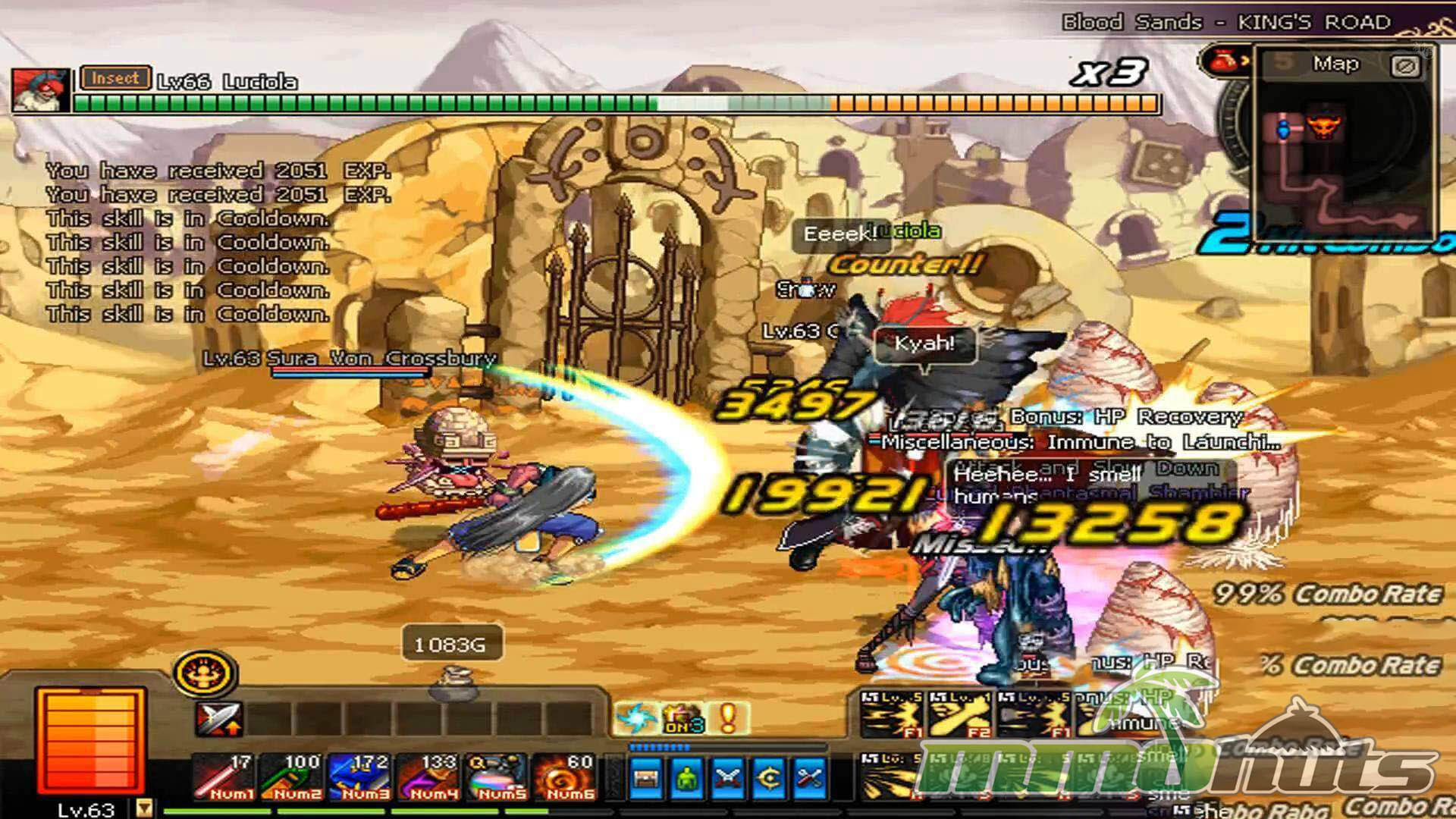
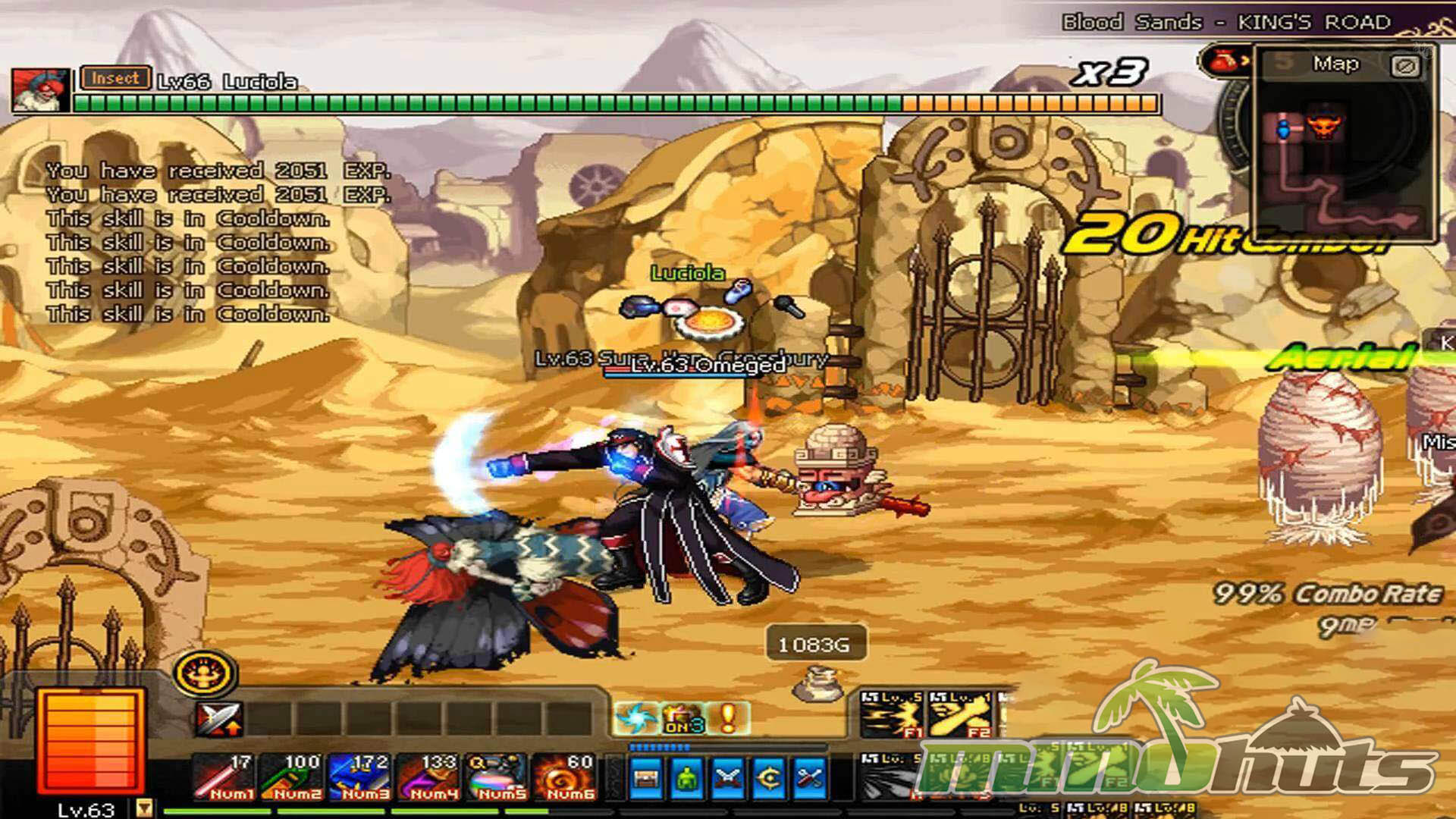
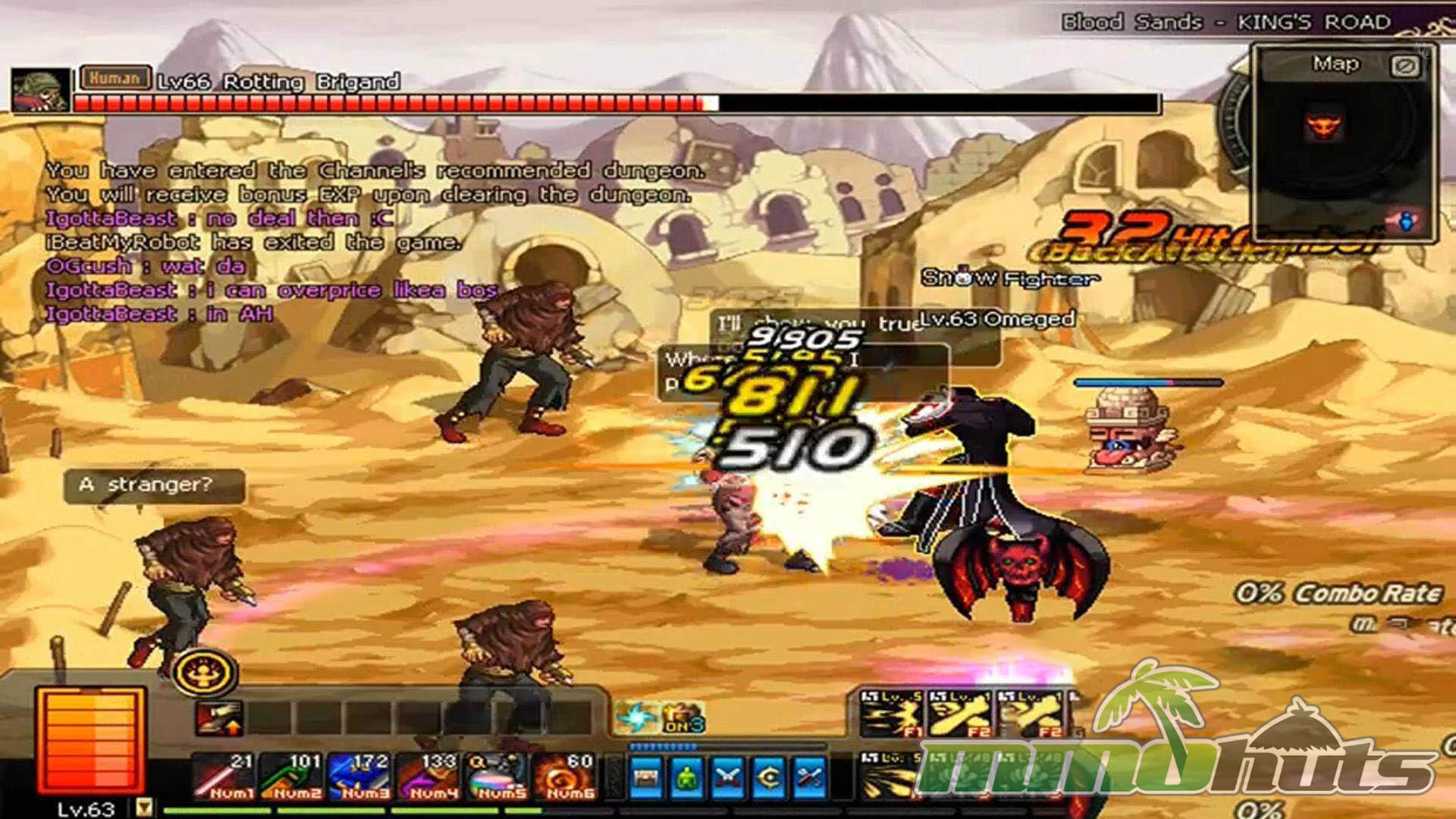
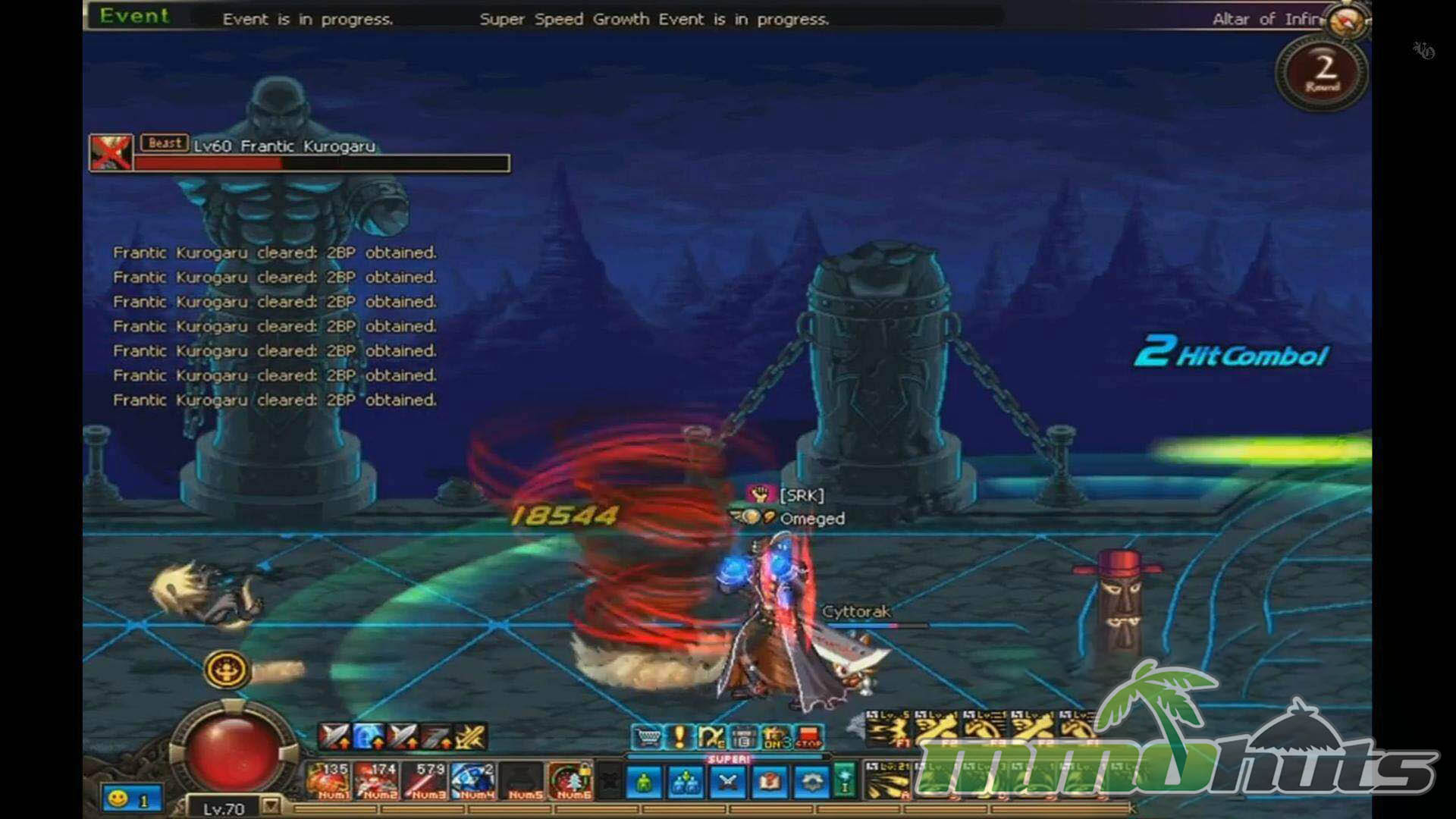
Dungeon Fighter Online Screenshots


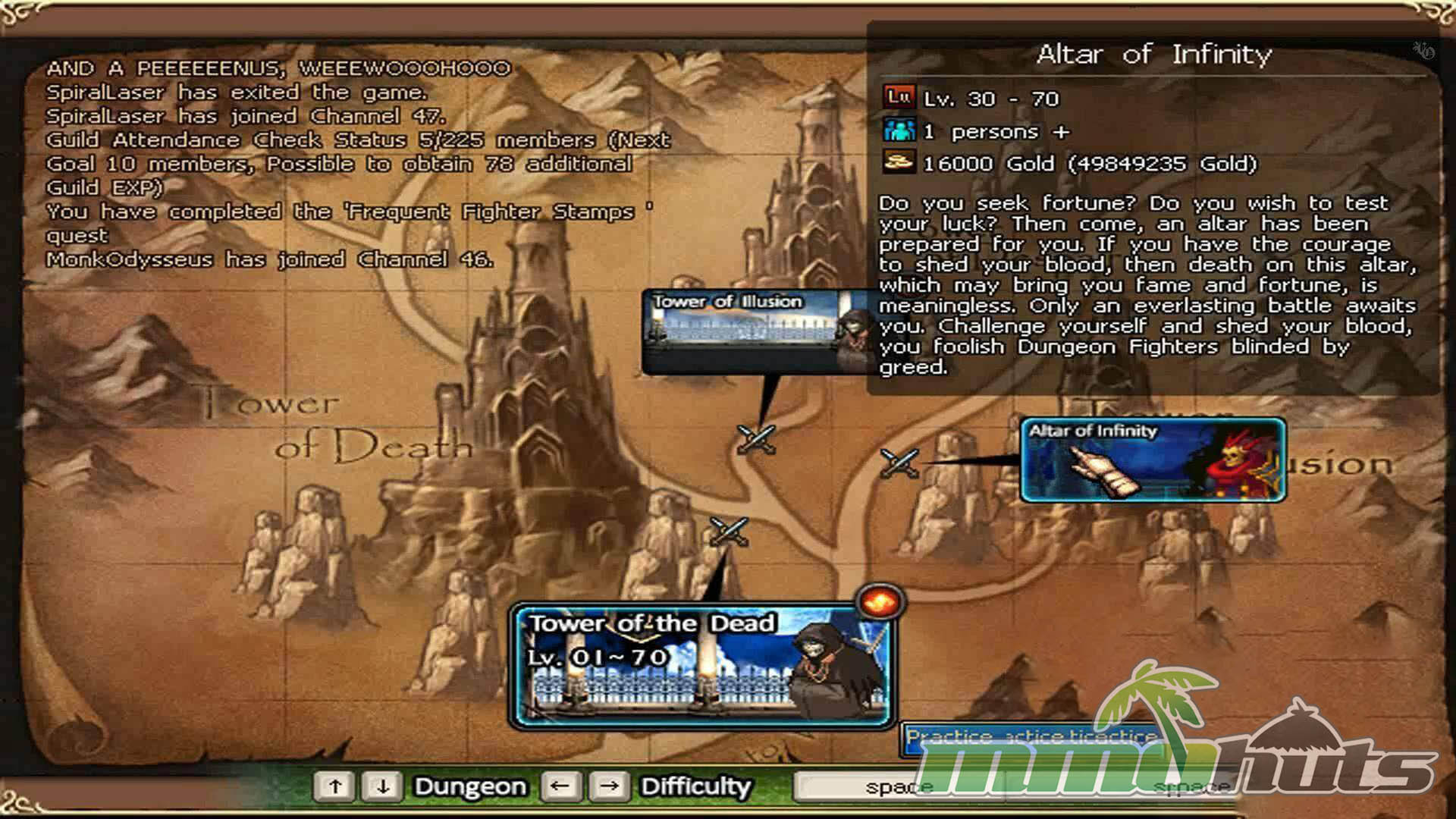
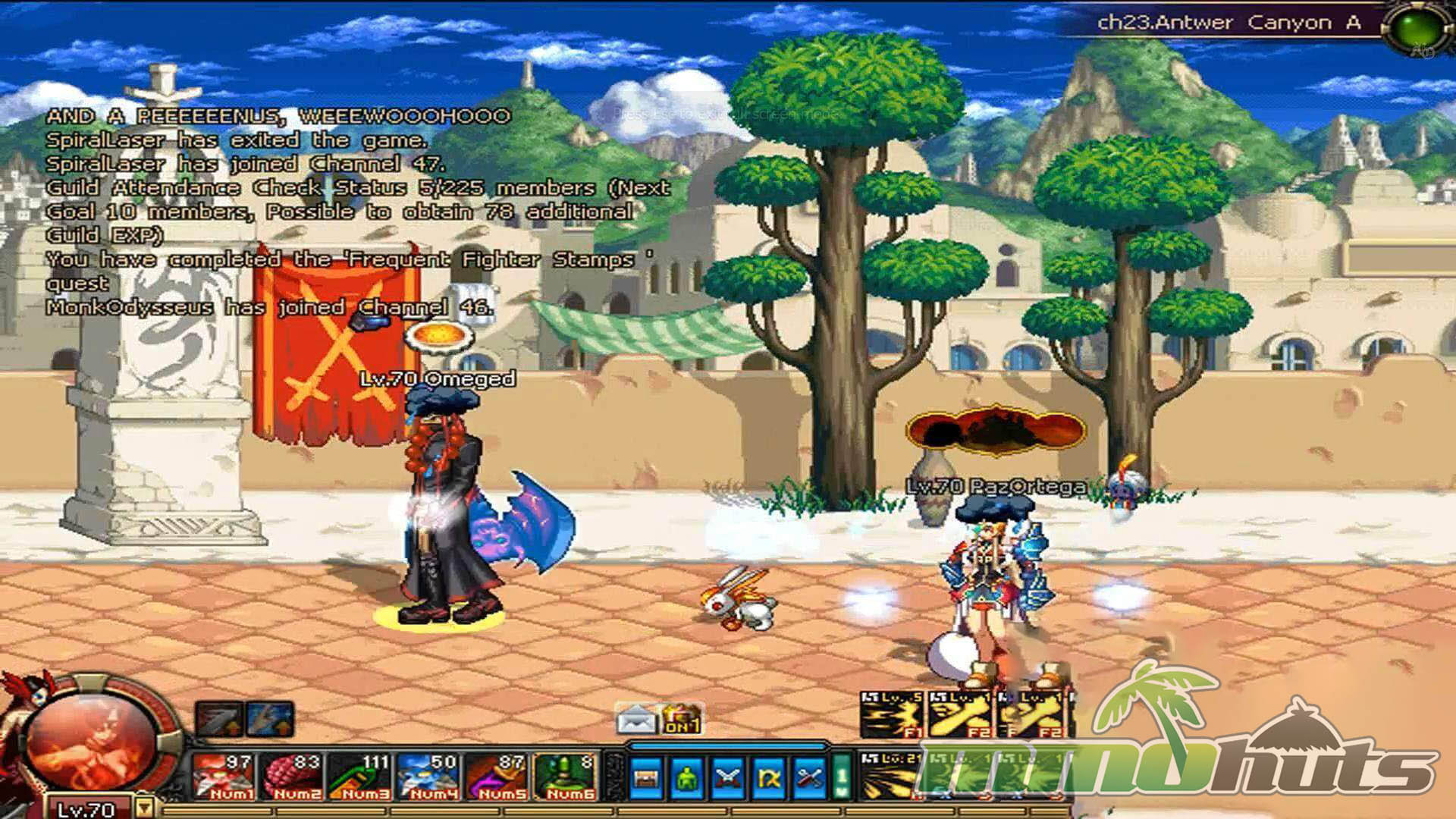
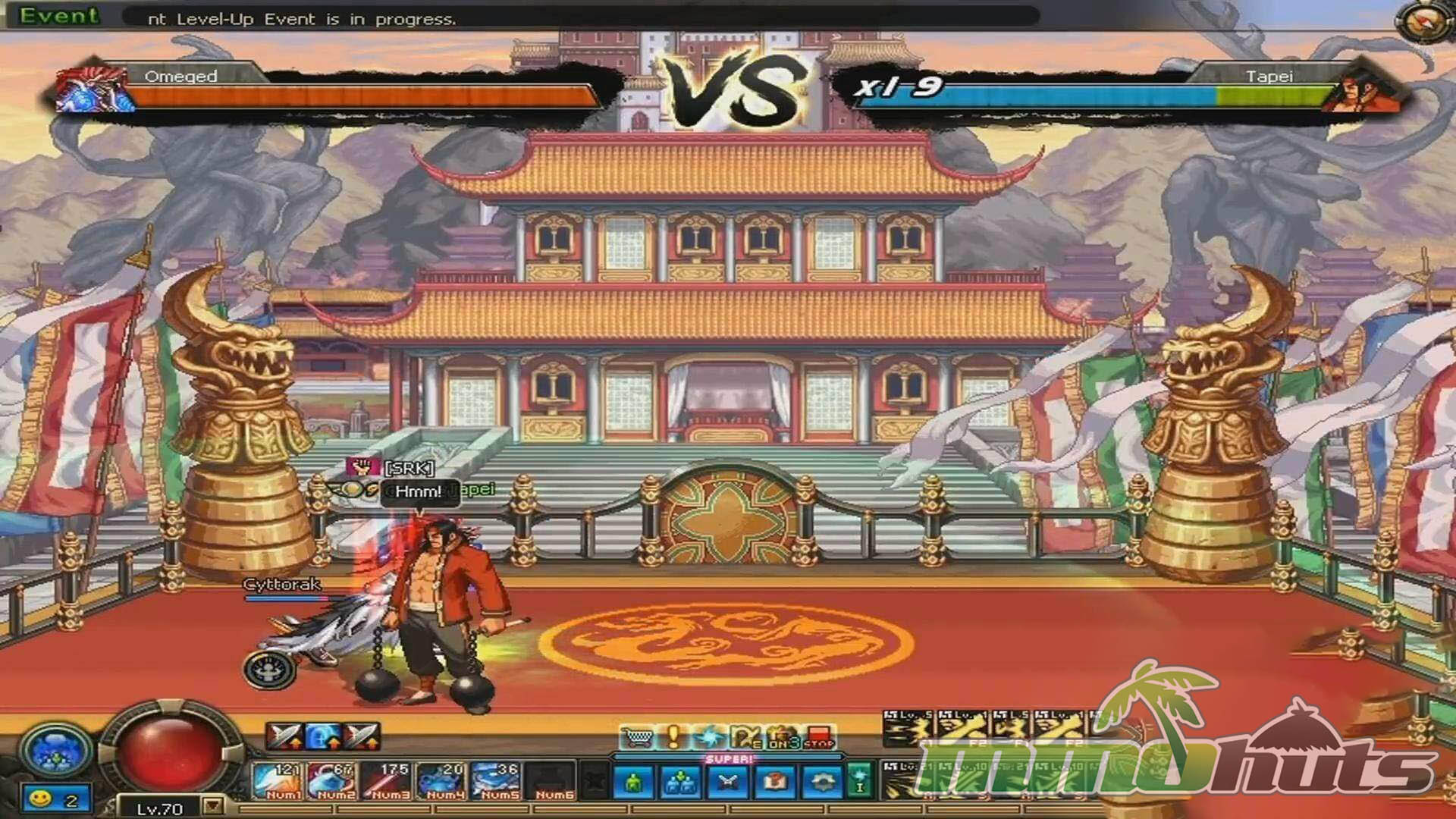
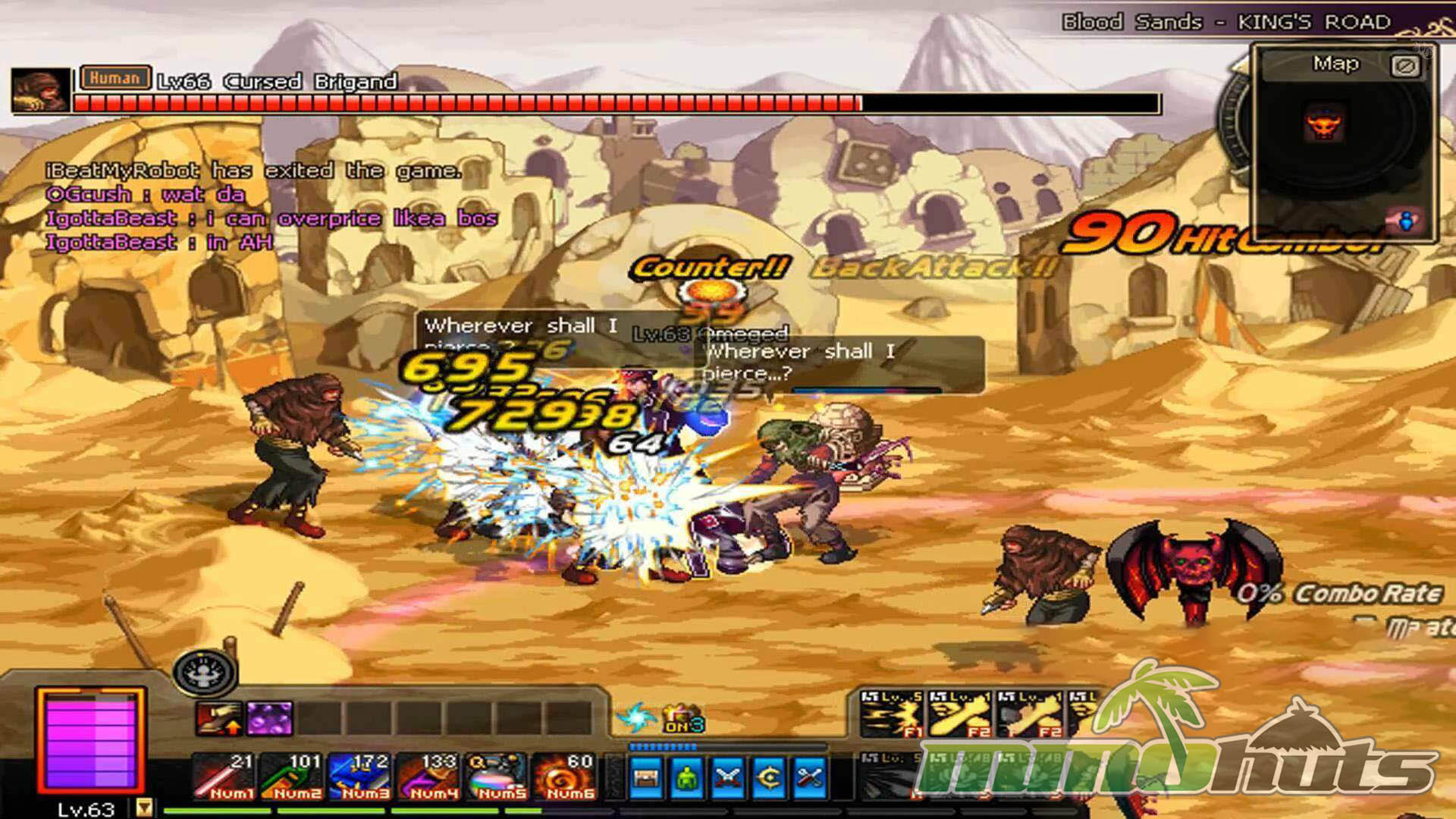
Dungeon Fighter Online Featured Video

Dungeon Fighter Online Classes
Starting Classes:
- Knight – a female-only sword-and-shield fighter designed to handle both offense and defense, making her a comfortable all-rounder.
- Slayer – a male-only swordsman whose cursed arm grants demonic power, leaning heavily into aggressive, combo-focused melee.
- Subclasses: Blade Master, Soul Bender, Berserker, and Asura
- Fighter – a close-range martial artist built around quick movement and heavy-hitting kicks, with subclasses that emphasize different combat specialties.
- Subclasses: Nen Master, Striker, Brawler, and Grappler
- Gunner – a dual-wielding ranged attacker who controls space with firearms, while still having the tools to handle enemies that get in close.
- Subclasses: Ranger, Launcher, Mechanic, and Spitfire
- Mage – a spellcaster who channels elemental power for high-impact damage and also brings supportive utility like reviving allies.
- Subclasses: (female) Elementalist, Summoner, Witch, and Battle Mage // (male) Elemental Bomber and Glacial Master
- Priest – a male-only holy warrior who blends divine abilities with heavy weapons and brawling, offering both offense and party support options.
- Subclasses: Crusader, Monk, Exorcist, and Avenger
- Thief – a female-only Dark Elf assassin type that emphasizes speed, positioning, and critical strikes with dual daggers.
- Subclasses: Rogue and Necromancer
- Dark Knight – a Slayer variant that fully embraces demon techniques, chaining skills together and scaling damage as combos grow.
- Creator – a female-only magic user who fights using mouse-based controls, relying on spells plus gadgets and items, and generally feeling more accessible than most classes.
Dungeon Fighter Online Review
Dungeon Fighter Online is a 2D MMO brawler developed and published by Neople. It originally launched in Korea in 2005 under Hangame, later arriving in North America via Nexon in 2009. After the English service closed on June 13, 2013, Neople brought the game back with a global re-release on March 24, 2015. This re-launch is based on Nexon’s final English build, but includes notable quality-of-life changes such as free skill resets and a faster update pace, which is particularly welcome in a class-driven game where experimentation matters.
Arad, the game’s setting, is presented as a mythic world where a sudden shift has turned once-peaceful monsters into a danger to everyday life. Your character is positioned as the roaming fixer, moving from town to town, taking contracts, and pushing deeper into increasingly hostile areas to uncover what is causing the chaos.
Getting Started and Finding Your Footing
Like many MMOs, the early minutes are about choosing a class, creating a character, and learning the basics. DFO keeps the creation process straightforward, focusing less on sliders and more on committing to a playstyle. After registering and installing the client (which can feel hefty for a 2D title), you pick from the available classes, name your character, and get a quick story introduction through manga-like panels alongside an animated segment.
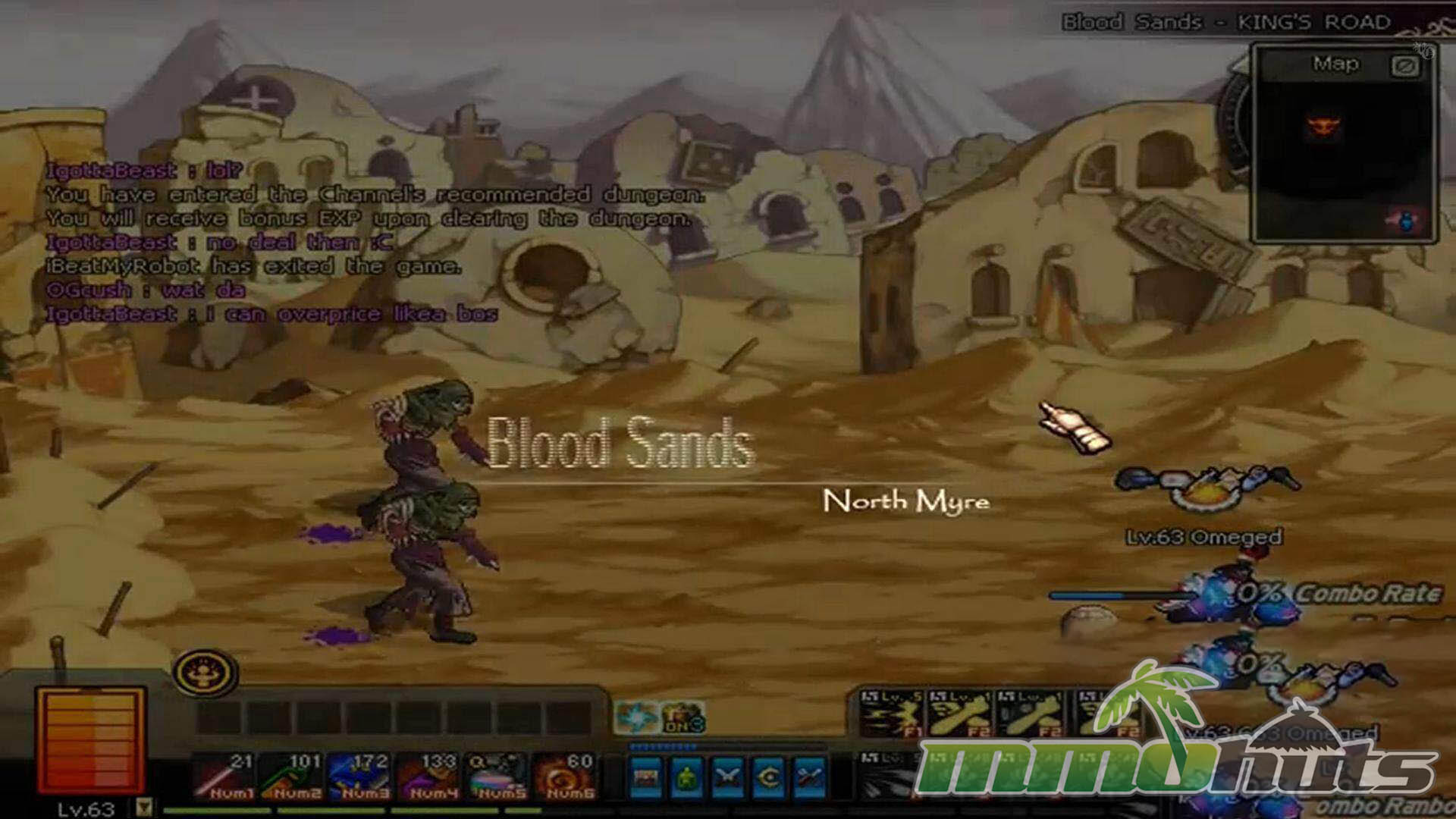
From there, the game funnels you into a short beginner dungeon designed to teach movement, attacks, and skill usage. It is not skippable, but it is brief enough that it rarely feels like a major obstacle. Once finished, you arrive at Silver Crown, a hub town where you accept quests, handle inventory, shop, and interact with other players. Outside of towns, nearly everything of consequence happens in instanced dungeons.
A Retro Presentation with a Clear Identity
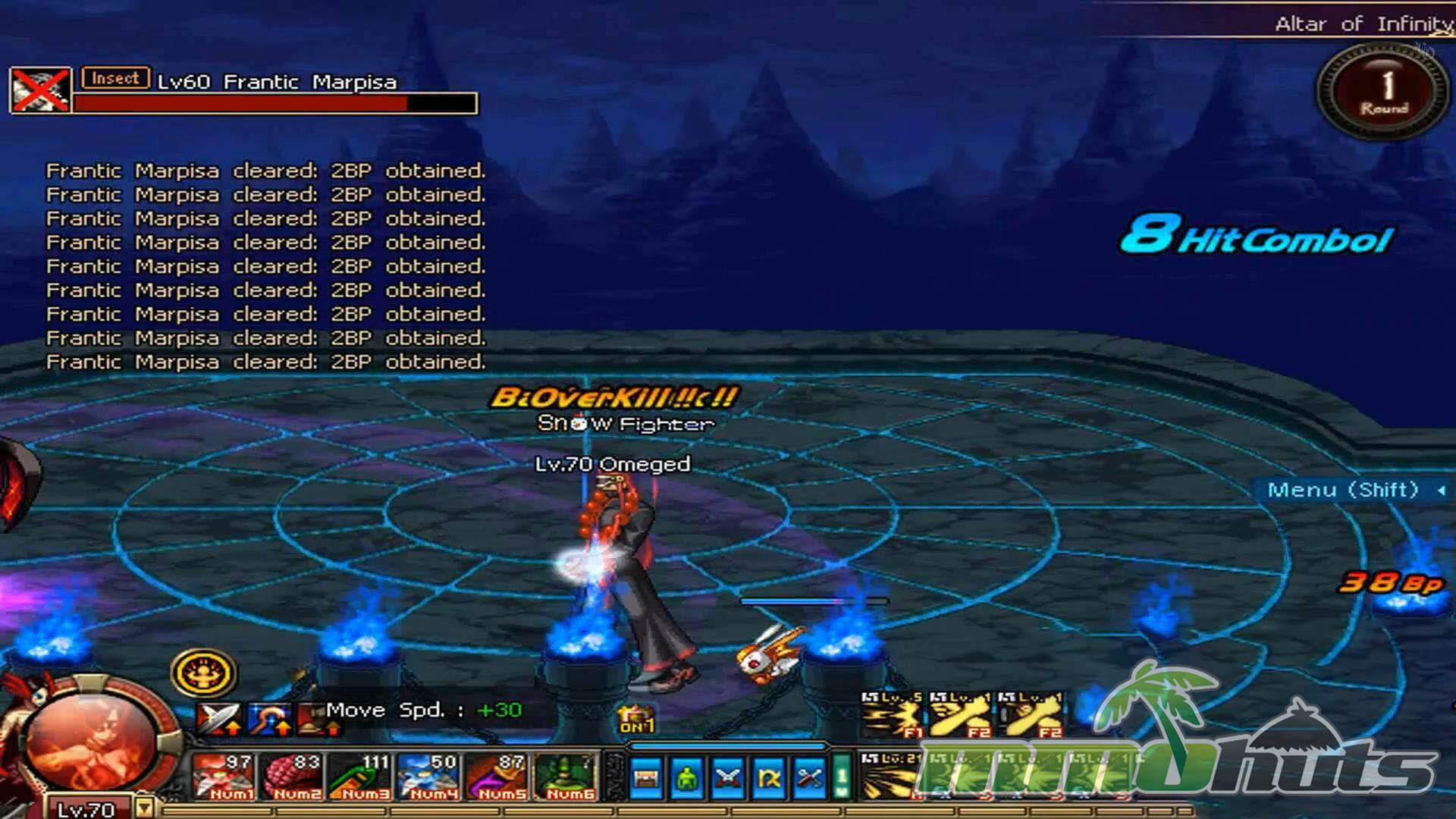
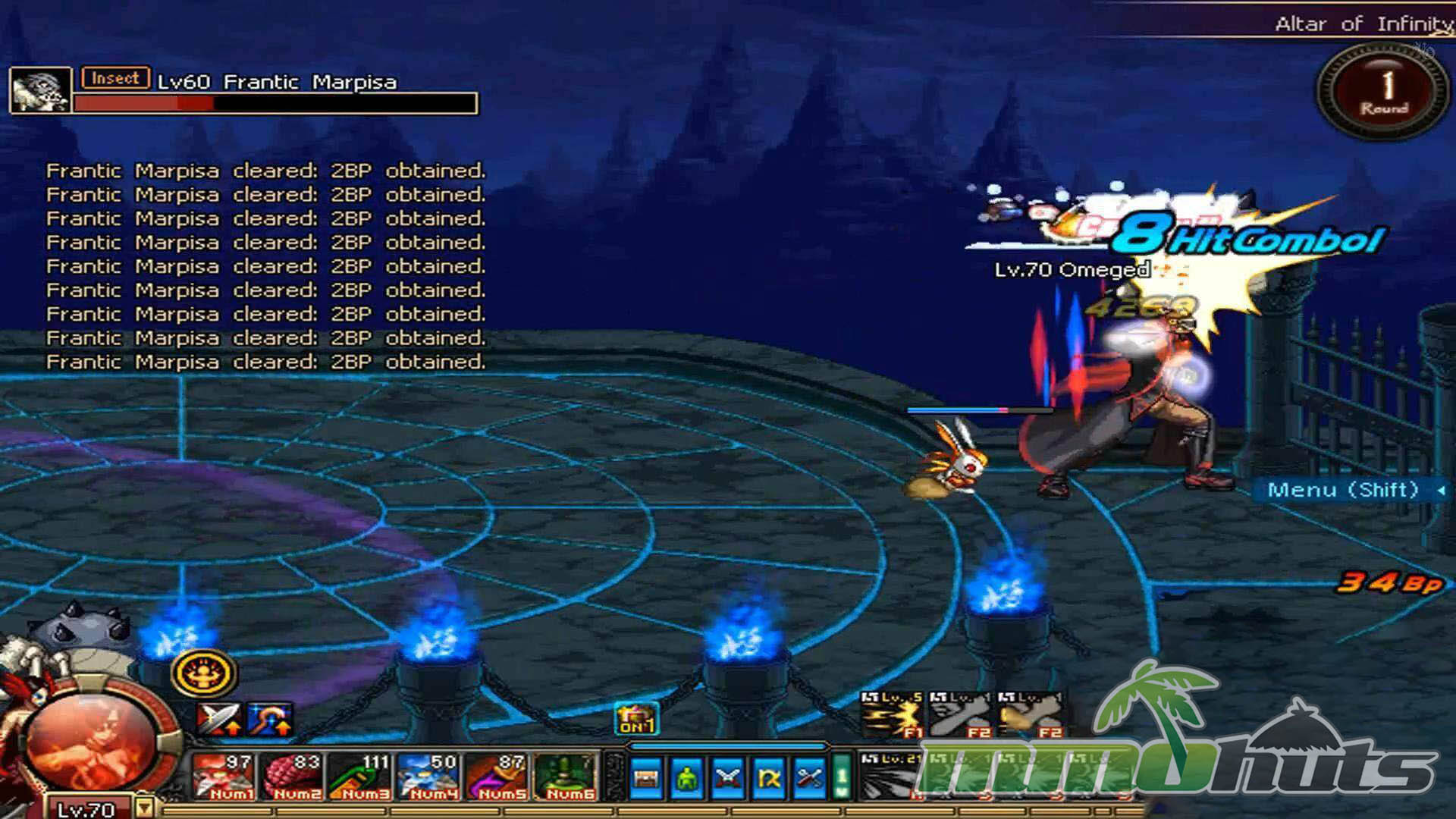
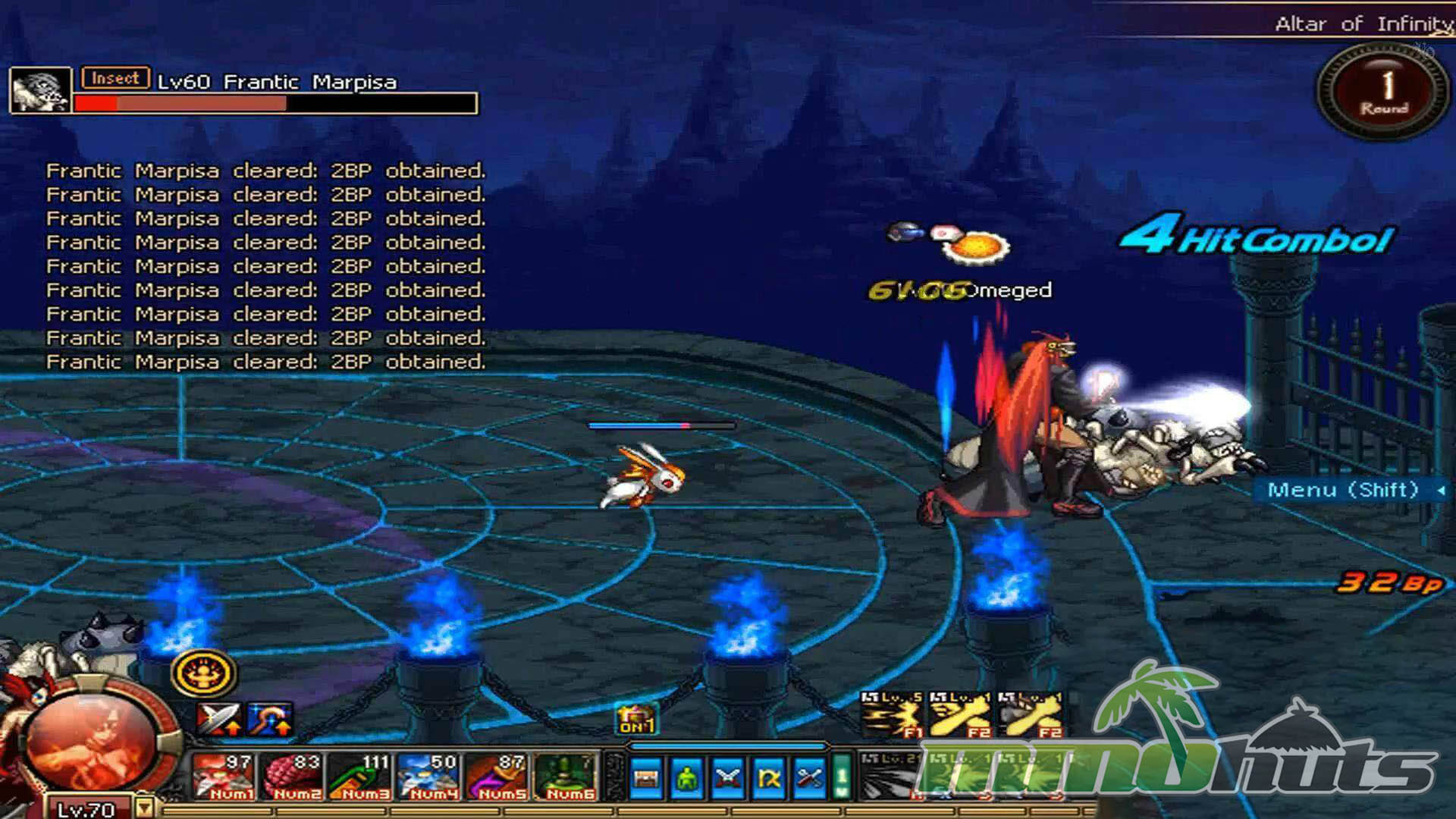
DFO’s structure, persistent social towns paired with instanced combat spaces, was an early example of a model that later became common in action-first online RPGs. The game’s style is intentionally old-school: chunky sprites, bold effects, and side-scrolling arenas that look and sound like a classic era of console and arcade action. That commitment to retro design is a strength if you enjoy it, and a dealbreaker if you do not. Audio leans into traditional RPG cues and helps sell the fantasy tone, even when the visuals are deliberately simple.
Dungeon Fighter Online has over 400 million registered users, a number that speaks to how well this formula has resonated globally, especially in markets where action grinding and long-term progression are a staple.
The Quest, Dungeon, Reward Loop
At its core, DFO is built around repeating a familiar cycle: take quests in town, clear a dungeon, return for rewards, then push into the next set of missions. Quests are the primary driver for experience, gear, and currency, so the game naturally encourages constant dungeon runs. Inside each dungeon, you move room to room, clearing enemies before the exit opens, and typically finishing with a boss encounter. Loot drops along the way add the ARPG-like thrill of hoping for better equipment or useful materials.
This loop is effective because the combat is responsive and the skills are fun to use, but it can also become monotonous if you are not the type of player who enjoys structured grinding. Difficulty also ramps up as you progress, and while early dungeons can feel forgiving, later content is more punishing and can demand better execution and gearing. When the challenge spikes, grouping becomes a practical option, since the game allows up to four additional players to tackle a dungeon together.
Combat That Feels Like an Arcade Cabinet
Movement and fighting are built for quick inputs, with directional controls and dedicated attack and skill keys mapped to the keyboard by default. The game’s design translates well to a controller, and for many players it is the most natural way to play, especially if you treat DFO as an arcade brawler first and an MMO second. Combos, juggling enemies, and timing skills are central to the feel of the game, and the best moments happen when your character’s kit clicks and you start chaining rooms together smoothly.
If you have nostalgia for side-scrolling beat em ups, DFO captures that rhythm while still providing MMO progression hooks such as specialization and build planning.
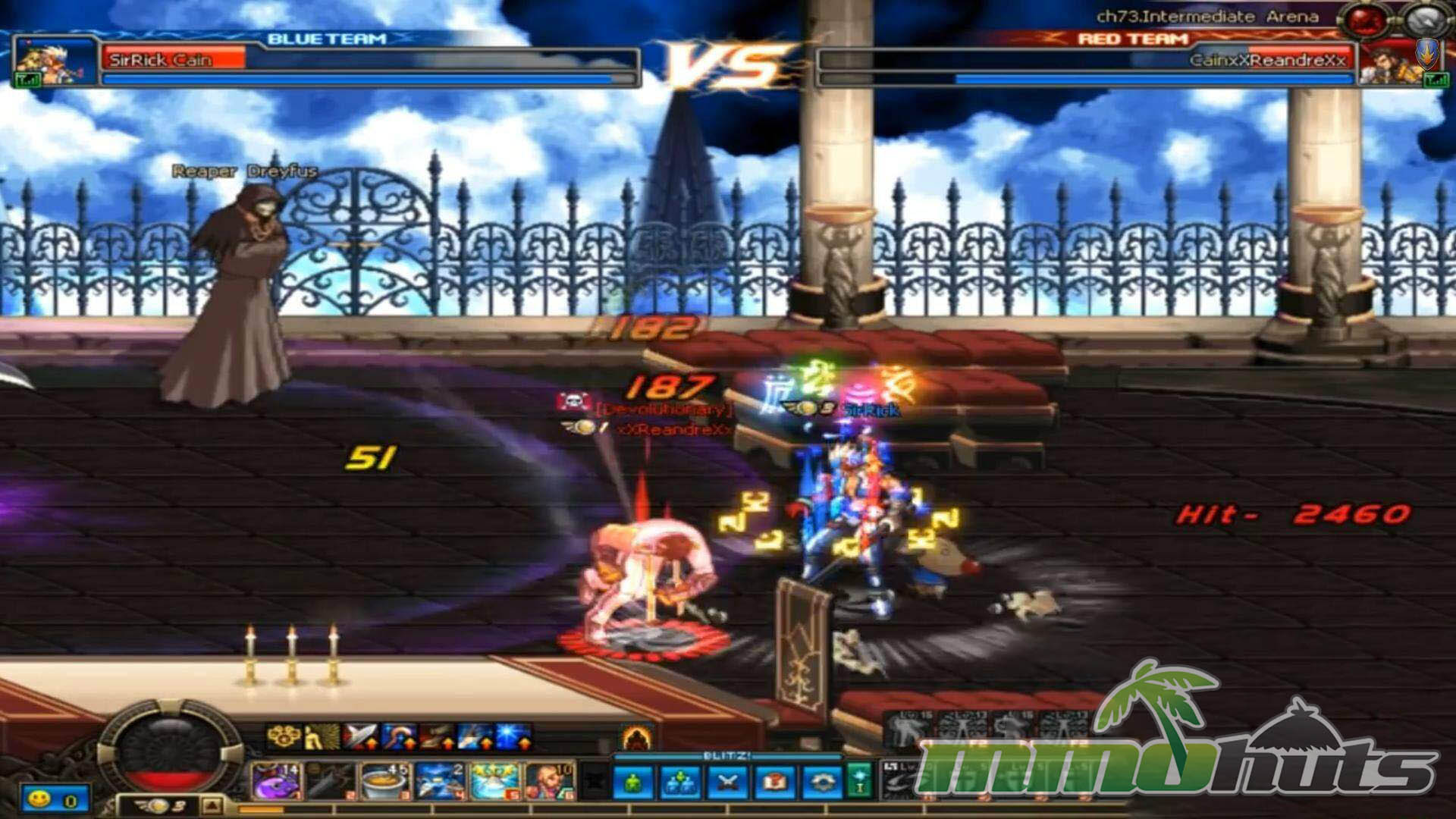
Arena PvP
DFO includes PvP in a dedicated channel, unlocked at Level 35. To reduce gear-based advantages, stats are normalized when entering a PvP Game Room, which keeps matches focused on class knowledge, movement, and execution rather than raw equipment power. Matches support a minimum of 2 players and can scale up to 8 depending on the mode.
There are five arena modes available: Brawl, Deathmatch, Team, Team Deathmatch, and Elimination. Brawl is a free-for-all where the last player standing wins. Deathmatch keeps a similar structure but provides two lives. Team uses Brawl-style rules in a team format, while Team Deathmatch assigns a shared pool of lives for each team. Elimination shifts to sequential one-on-one fights, with winners staying in to face the next opponent until one side runs out of players.
Participation earns PvP experience, which contributes to ranking, and only winners gain that experience. Victory Points are awarded regardless of outcome, and those points can be exchanged for items like special potions and higher-quality weapons, giving PvP a progression angle even if you are still learning.
Cash Shop
As a free-to-play MMO, DFO supports itself through a premium shop that uses Cera, purchased with real money. In the Neople-operated version, the shop generally sticks to familiar MMO monetization staples and, at least in broad terms, does not feel like it is built around outright power purchases. The long-term concern for any F2P game remains pay-to-win creep, but the shop as presented here comes across as relatively restrained compared to the worst examples in the genre.
Final Verdict – Great
Dungeon Fighter Online will not convert players who dislike retro visuals or structured dungeon grinding. However, if you want an MMO that prioritizes action, combos, and clear class identity, DFO delivers far more depth than its 2D presentation might suggest. Its instanced dungeon format helped shape later action-oriented online RPGs, and the game’s longevity, paired with an enormous global audience, highlights that the formula works. For fans of arcade brawlers who also enjoy building characters over time, DFO remains an easy recommendation.
Dungeon Fighter Online Links
Dungeon Fighter Online Official Site
Dungeon Fighter Online Wikipedia
Dungeon Fighter Online World Wiki [Database / Guides]
Dungeon Fighter Online Subreddit
Dungeon Fighter Online System Requirements
Minimum Requirements:
Operating System: Windows XP / Vista / 7 / 8
CPU: Intel Dual Core / AMD X2 5600+
Video Card: Nvidia GeForce 8800 GT
RAM: 2 GB
Hard Disk Space: 5 GB
Recommended Requirements:
Operating System: Windows XP / Vista / 7 / 8 (64 bit OS recommended)
CPU: Intel Core i5 / AMD FX Series
Video Card: Nvidia GeForce GTX 400 series / ATI Radeon HD 7790
RAM: 4 GB
Hard Disk Space: 5 GB
GoblinWorks has yet to release official system requirements for Dungeon Fighter Online. The above Dungeon Fighter Online system requirements are OUR estimates and we will revise them as soon as official data is available.
Dungeon Fighter Online Music & Soundtrack
Dungeon Fighter Online Additional Information
Developer: Neople (Subsidiary of Nexon)
Open Beta Date: March 24, 2015 (New Neople global version)
Foreign Releases:
South Korea: August 10, 2005 (published as “Dungeon & Fighter” by Nexon)
Japan: November, 2006 (published as Arad Senki, or “War Records of Arad,” by Nexon)
China: November, 2007 (published as “Dungeon & Fighter” by Nexon)
Development History / Background:
Dungeon Fighter Online was created by South Korean studio Neople, a subsidiary under Nexon. Early on, it was intended as a smaller project with modest expectations, which led to an unusually short development cycle of roughly five months. Closed beta testing began on December 17, 2004, followed by an open beta launch in Korea on August 10, 2005. As feedback rolled in and interest grew, the team committed more resources and expanded the scope beyond what was initially planned.
The game stood out at the time because it leaned into 2D, side-scrolling beat em up design when much of the genre was chasing fully 3D worlds. That distinct direction helped it carve out a niche and later become one of Nexon’s strongest performers, particularly in South Korea and China. Dungeon Fighter Online reached 300 million registered users on May 25, 2011 and recorded over 2 million concurrent users in China alone.
The English release followed a different trajectory. Closed beta in the US began on July 28, 2009, with open beta starting on September 22, 2009, but the game never matched its Asian popularity in the West, leading Nexon to close the English servers on June 13, 2013. Neople later announced a new global version, with closed beta beginning on March 24, 2015, setting the stage for the current re-release.
Dungeon Fighter’s popularity also resulted in a manga and an anime adaptation titled Slap-Up Party: Arad Senki.
Dungeon Fighter Online as of 2020 had earned over $15 billion in lifetime sales, making it the world’s highest grossing MMORPG, out-earning World of Warcraft.