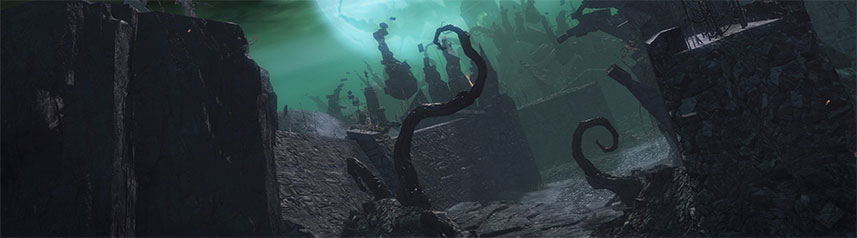
Dragon Nest is a hub-based fantasy MMORPG built around real-time, non-targeted combat. Instead of roaming one seamless world, you gather quests in towns, then jump into instanced dungeons with a party (or solo) to level up, farm gear, and chase rarer drops through boss fights that reward good positioning and clean execution.
 | Publisher: Eyedentity (Previously Nexon) Playerbase: Medium Type: MMORPG Release Date: September 28, 2011 (NA) Pros: +Responsive, action-focused combat. +Runs well on modest PCs. +Surprisingly solid voice work. Cons: -Occasional lag or stutter. -Character creation options feel restricted. -Dungeon runs can start to blur together. |

Dragon Nest Overview
Dragon Nest is a fantasy MMORPG developed by Eyedentity. Its core identity is simple, it is a lobby and hub-driven game that prioritizes direct control and fast reactions over tab-target rotations. You pick from a roster of classes and tackle a progression path made up of instanced missions and dungeons, clearing packs of enemies on the way to a boss encounter that typically demands movement, dodging, and smart skill timing. The art direction leans whimsical and colorful, which helps the action read clearly even when effects start filling the screen, and the game backs it up with frequent voiced dialogue and fitting music that keeps towns and story beats from feeling flat. Once you have a handle on your kit, you can jump into PvP arenas to test combos against other players, or focus on personal style through the game’s wide selection of cosmetic items.
Dragon Nest Key Features:
- Real Time Combat – encourages active play with a broad set of skills and crisp, readable animations.
- Instanced Zones – content takes place in private areas where enemies spawn specifically for you and your group.
- Extensive Costumes – a large variety of shop cosmetics to change your character’s look and stand out.
- Voice Acting – many NPCs are voiced, with reactions and personality that make questing less sterile.
- Unique PvP Systems – multiple competitive modes including ladder play, arenas, ghoul mode, wipeout mode, and free-for-all.
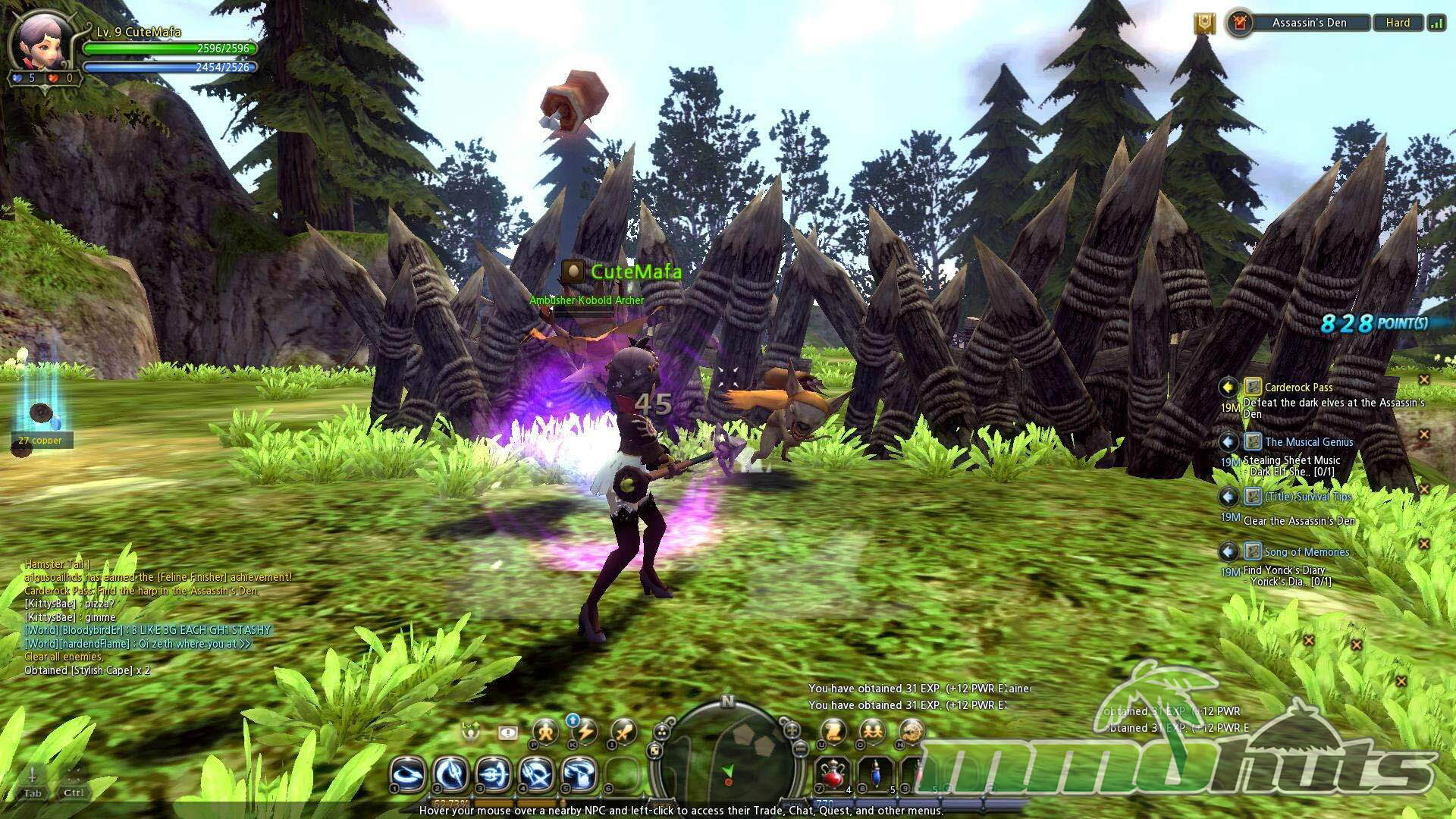
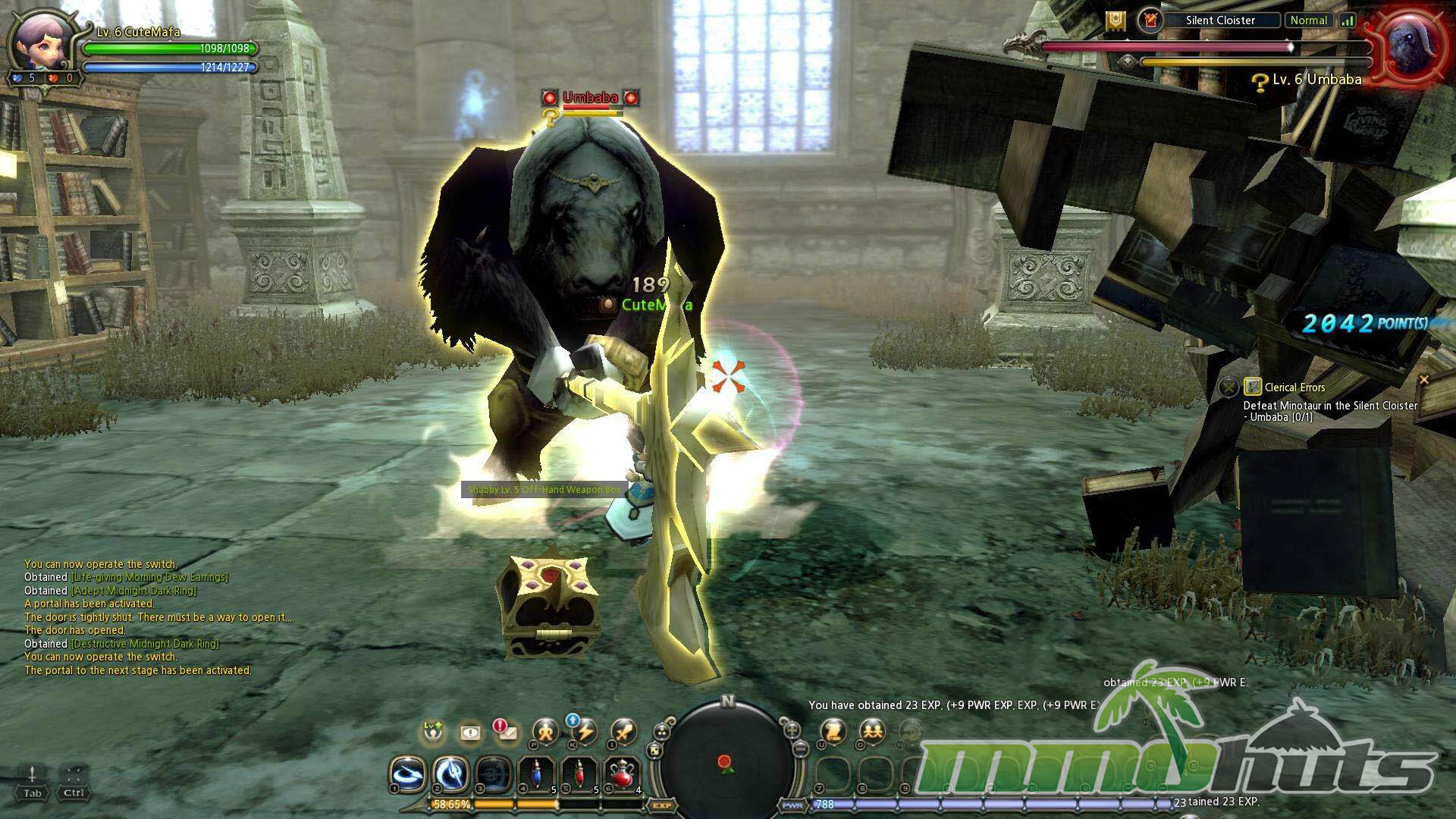
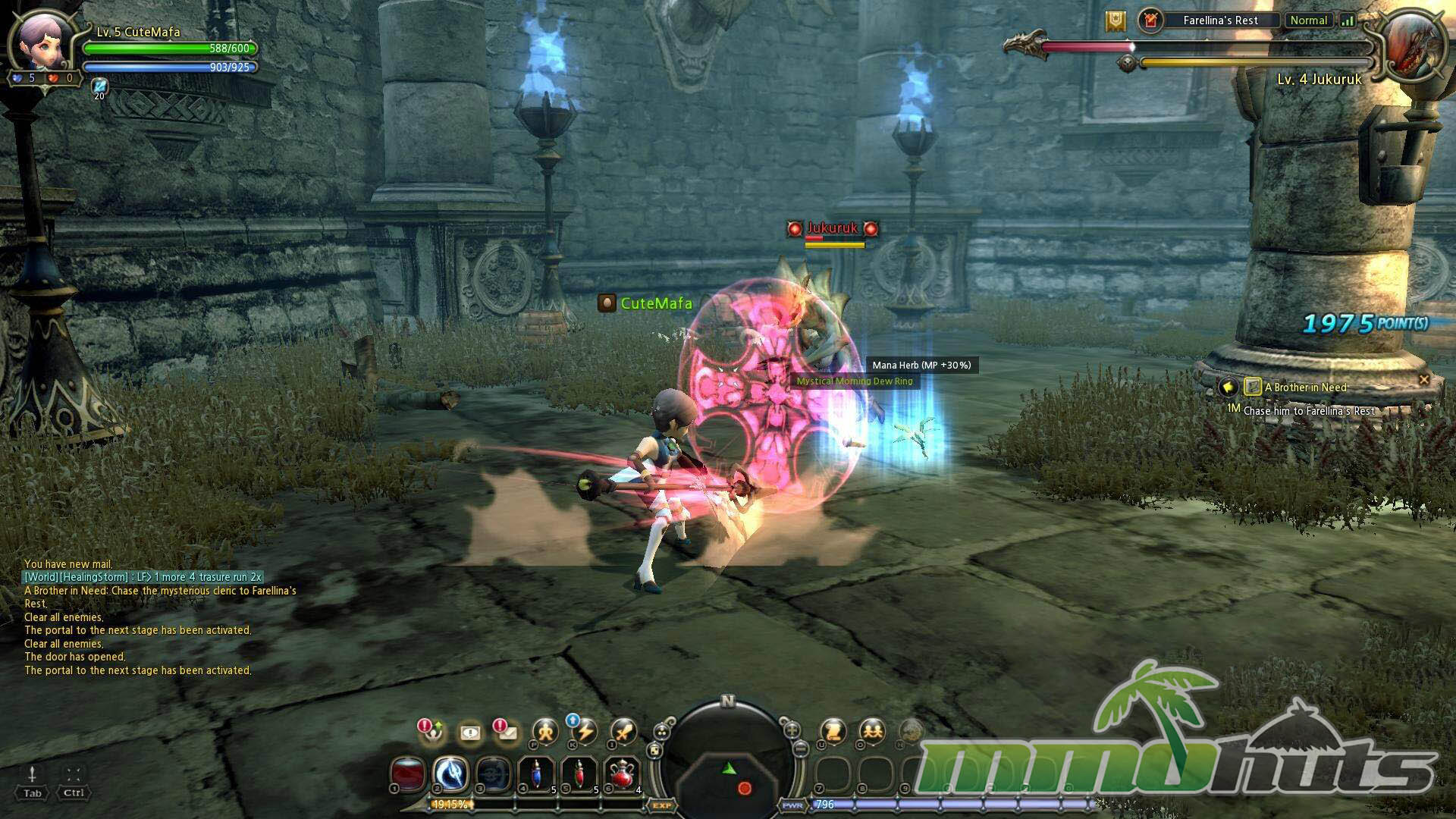
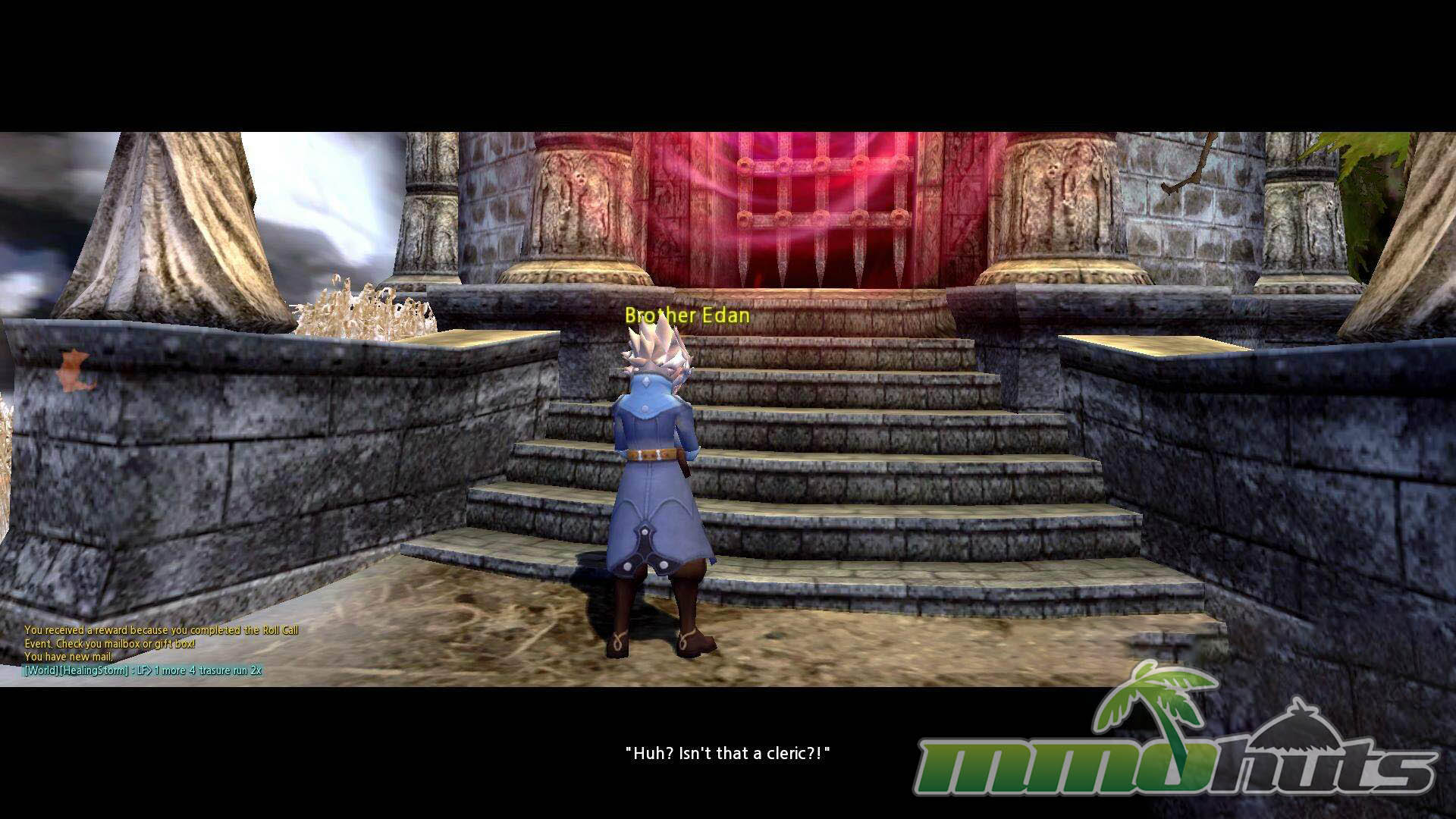
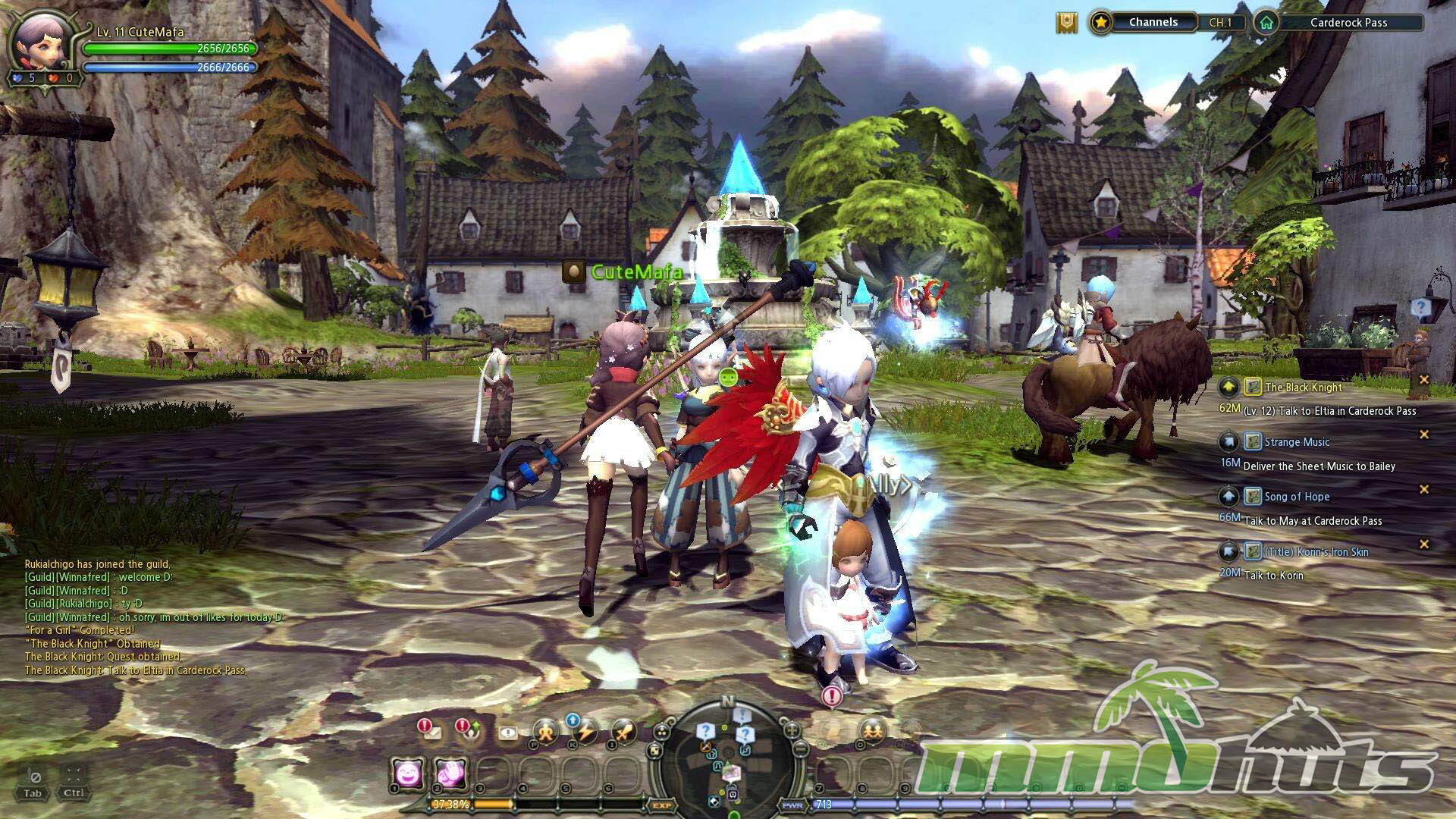
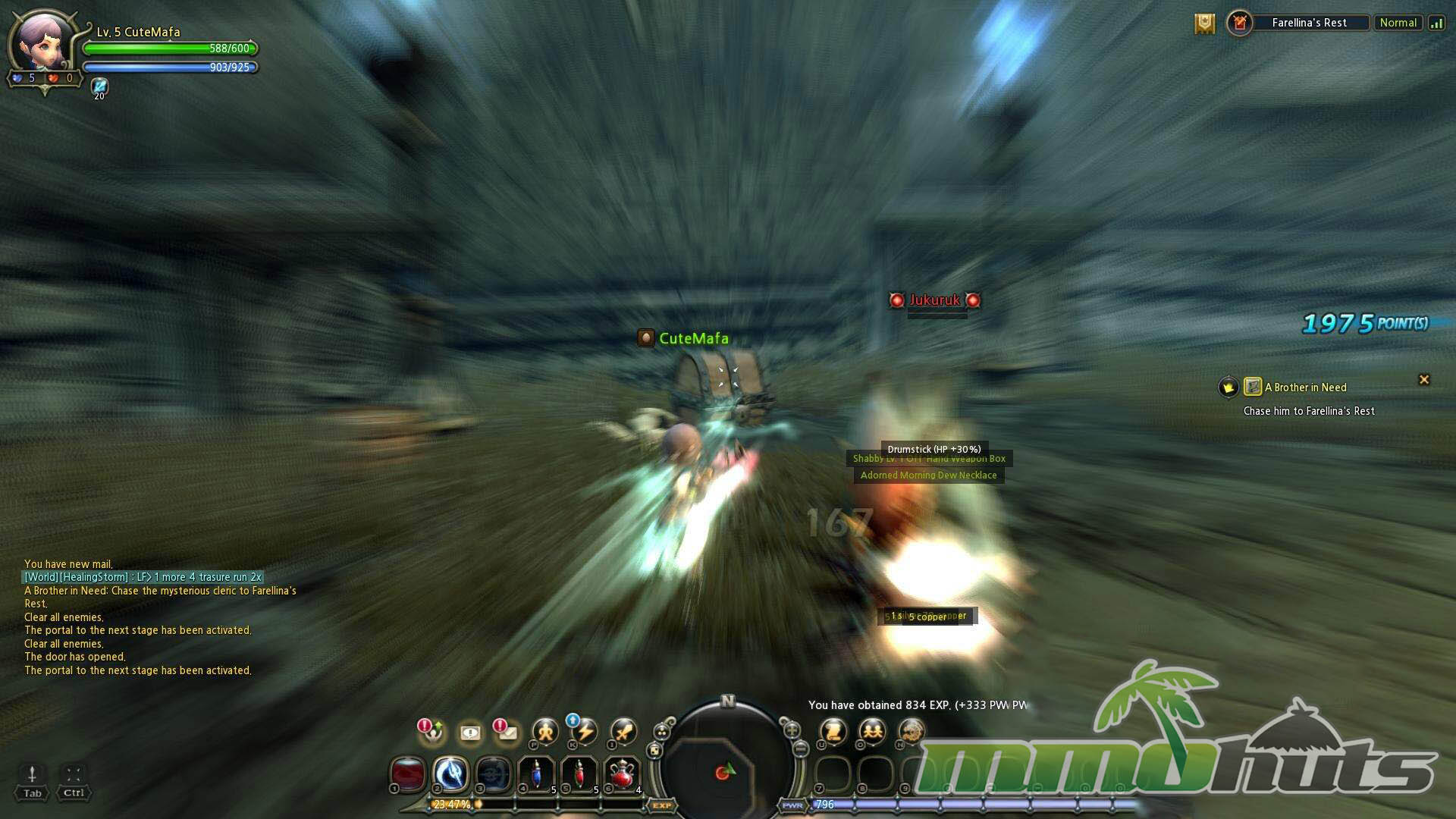
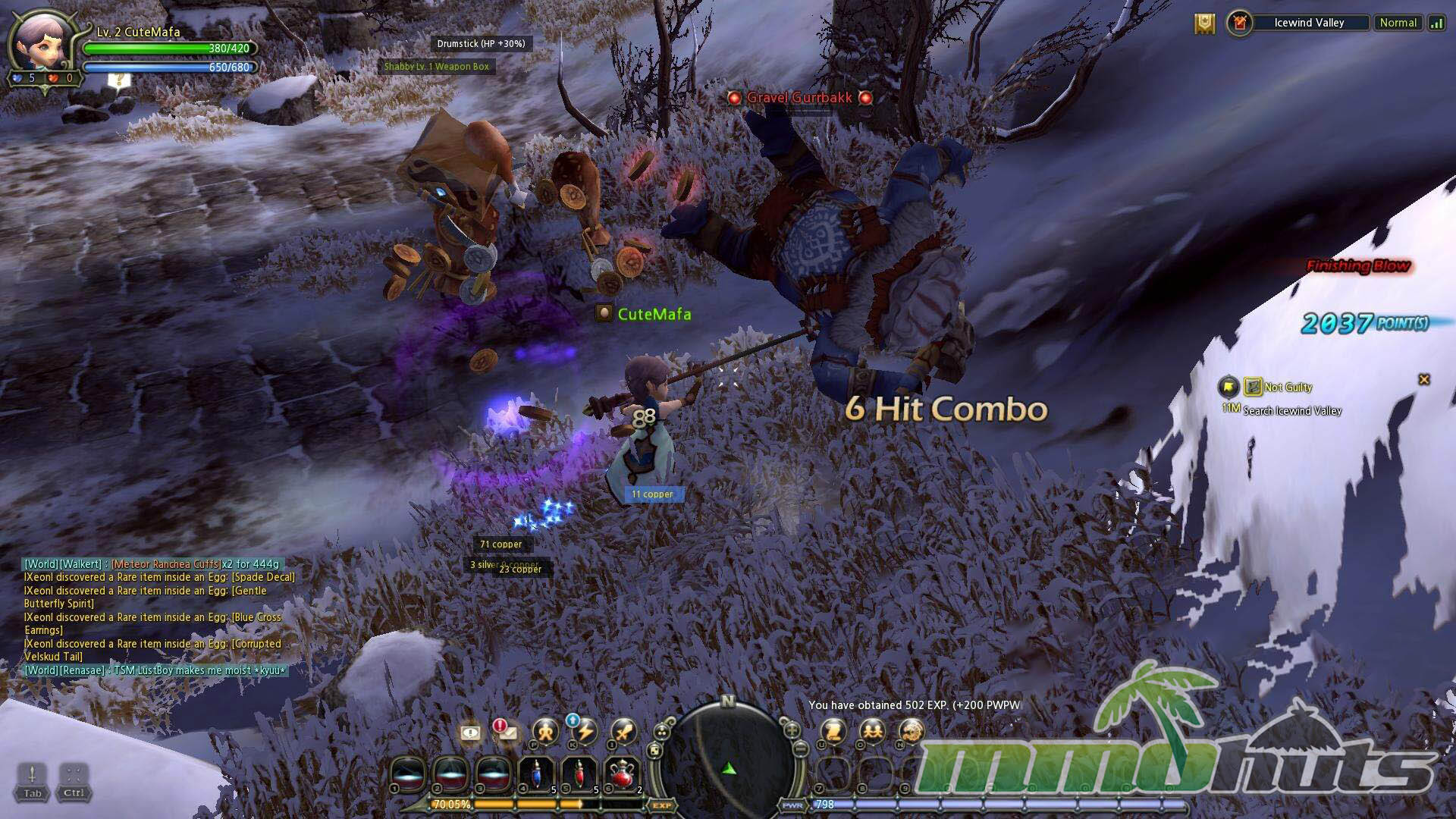
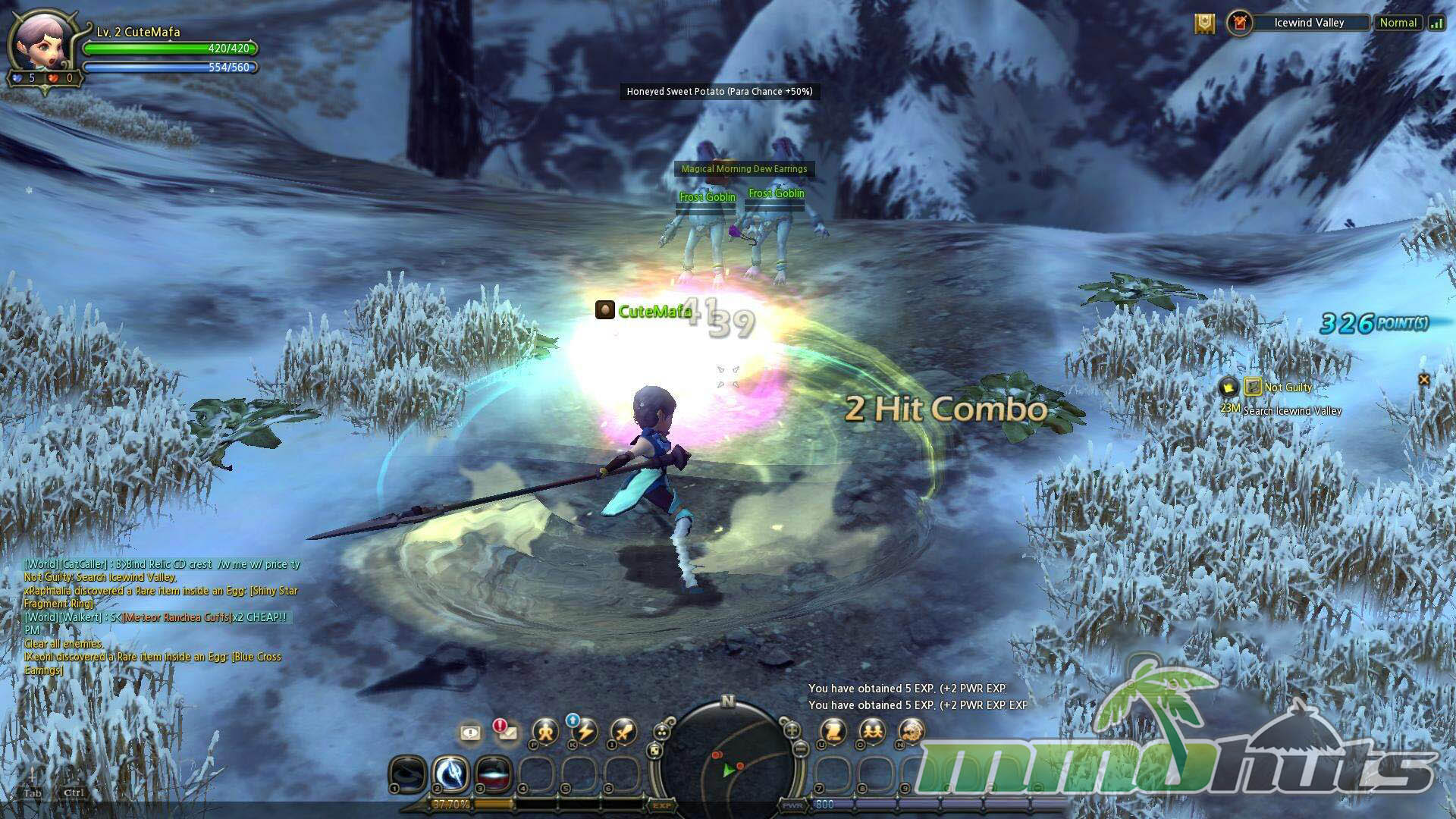
Dragon Nest Screenshots
Dragon Nest Featured Video

Dragon Nest Classes
- Warrior – the Warrior thrives in close quarters, chaining quick melee strings and staying on targets with relentless pressure. Their early kit is built around clean combos and decisive swings that feel great once you learn spacing. At level 15, Warriors can choose to become Swordsman, focusing on greatsword offense, or Mercenaries, the most heavily armored option for players who like to brawl up front.
- Archer – built for speed, the Archer fights at range with accurate shots and constant repositioning. While not known for heavy armor, Archers stay alive through mobility and evasive tools that reward good timing. At level 15, Archers can become Sharpshooters for more dedicated ranged damage, or Acrobats, mixing kicks and strikes into a more aggressive, movement-heavy style.
- Cleric – the Cleric brings the traditional support identity with heals and buffs, wrapped in sturdy armor that helps them survive when fights get messy. They can contribute damage, but their standout value is keeping parties stable and enabling safer clears. At level 15, Clerics can become Paladins for durability and staying power, or Priests, leaning into mana-based skills that support allies while still dealing meaningful damage.
- Sorceress – the Sorceress controls space with spellcasting, applying elemental effects and status ailments that wear enemies down while keeping distance. Whether you prefer freezing foes in place or burning them over time, the class rewards awareness and proper casting windows. At level 15, Sorceress players can choose Elementalist for elemental specialization, or Mystic for additional crowd control tools and utility-driven magic.
- Tinkerer – a gadget-focused class with a time-travel twist, the Tinkerer mixes clever tools with flexible combat roles. Depending on how you build, she can deal damage, provide support, or help protect teammates, making her one of the more adaptable choices. At level 15, the Tinkerer can become an Engineer, emphasizing inventions and devices, or an Alchemist, relying on chemicals and tonics to grind down enemies.
- Kali – fast and stylish, Kali blends martial arts with dark magic, giving her a fluid feel and a toolkit that can shift between shorter and longer reach depending on choices. She can also empower allies through her darker arts, adding party value beyond raw damage. At level 15, Kali can become a Screamer, summoning spirits to support and overwhelm enemies, or a Dancer, focusing on elegant, rapid ability chains.
- Assassin – the Assassin is a duel-oriented class that combines physical techniques with magic to pressure opponents and capitalize on openings. With tools that can both attack and enhance allies, the class sits in a versatile middle ground rather than being purely selfish DPS. At level 15, the Assassin can become a Shinobi, pairing a scimitar with ninja-style techniques, or a Taoist, using both shadow and light themed arts.
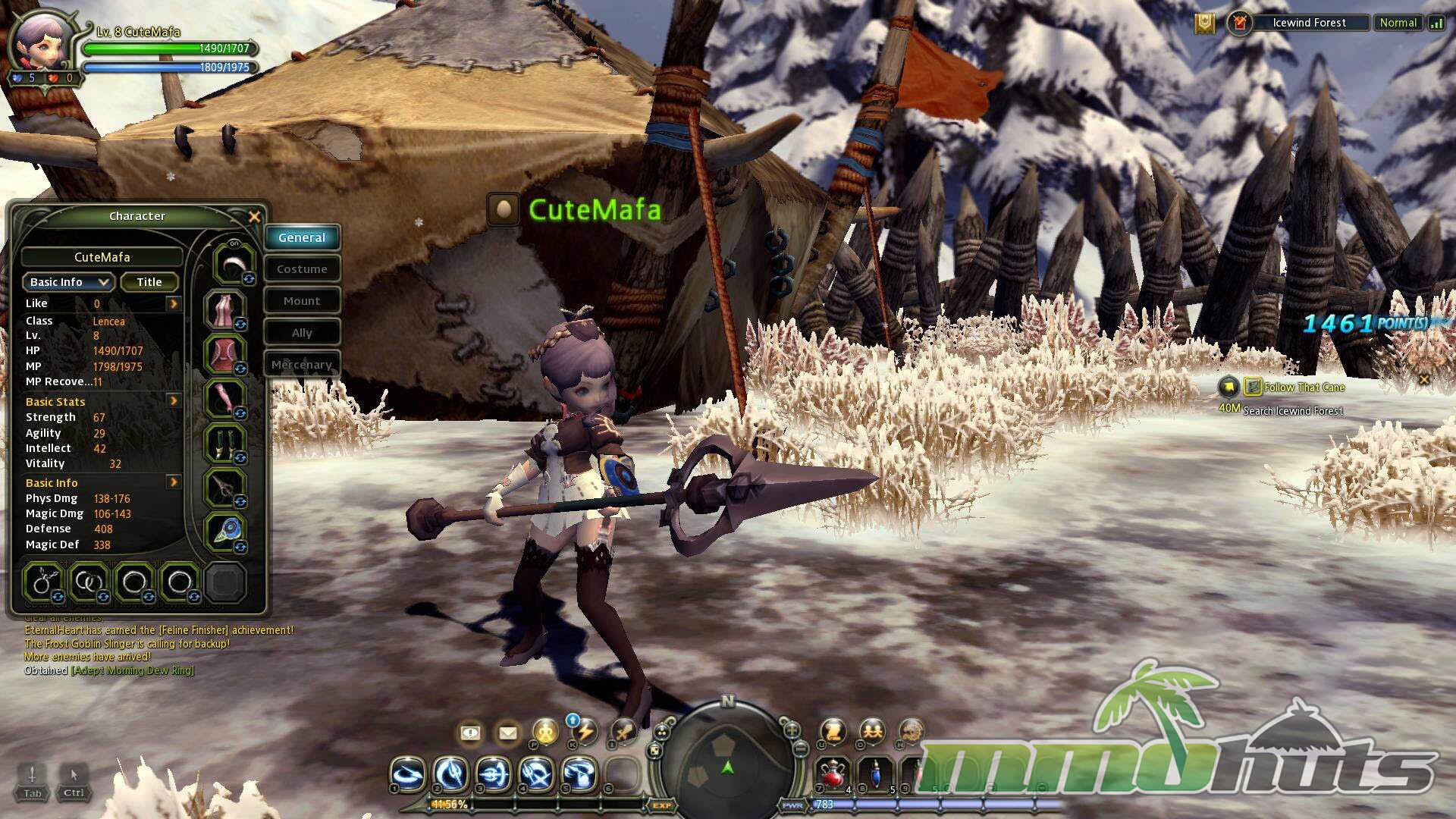
- Lancea – Lancea fights with a long spear designed to control space, keeping threats at arm’s length while linking together smooth combos and quick close-in strikes. She excels at cutting through groups when her attacks are lined up well. At level 15, the Lancea can choose to become a Lancer, continuing the relentless combo style while incorporating magic into her offense.
- Machina – Machina uses a massive mechanical arm called Knuckle and a style known as Steampunch to drive rapid melee sequences. She builds up “Steam” and spends it for faster, more aggressive combo play. She can choose to become a Patrona at level 15.
Dragon Nest Review
Dragon Nest delivers a distinctly action-forward take on the MMORPG formula, placing you in a fantasy setting threatened by dangerous creatures and an ominous cult with world-ending intentions. The moment-to-moment experience is about movement, hit timing, and teamwork, not standing still and trading cooldowns. Its modest system demands and clean, stylized visuals make it easy to run on a wide range of PCs, and the overall presentation stays inviting without sacrificing combat clarity. For players who want dungeon-based progression with hands-on fighting, Dragon Nest remains an appealing free-to-play option.
A Strong First Impression
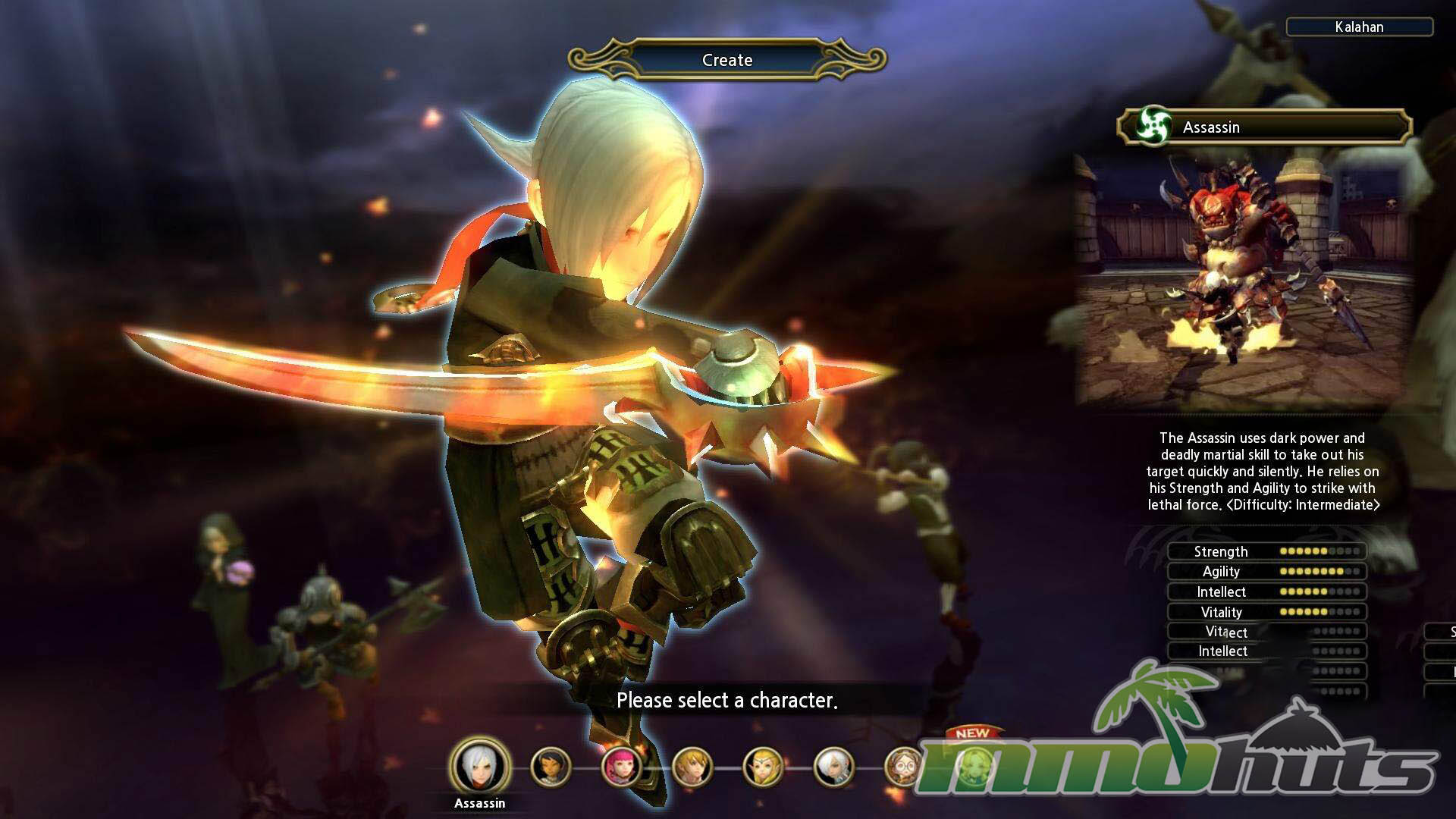
Dragon Nest wastes no time selling its class fantasy, even before you load in. The class selection presentation is polished and energetic, framing each archetype as an action hero in motion rather than a static model. I opted to start with Lancea, partly because I enjoy reach-focused melee, and partly because I wanted to see how a newer addition fit into the game’s combat flow.
Character creation itself is fairly restrained. Classes are locked to specific genders, and the cosmetic adjustments you can make at the start are limited to the usual surface options (hair, eye color, and similar tweaks). While that may disappoint players who enjoy deep sliders and body types, the upside is that the art style is consistent and charming, so even a basic setup still looks cohesive in cutscenes and combat.
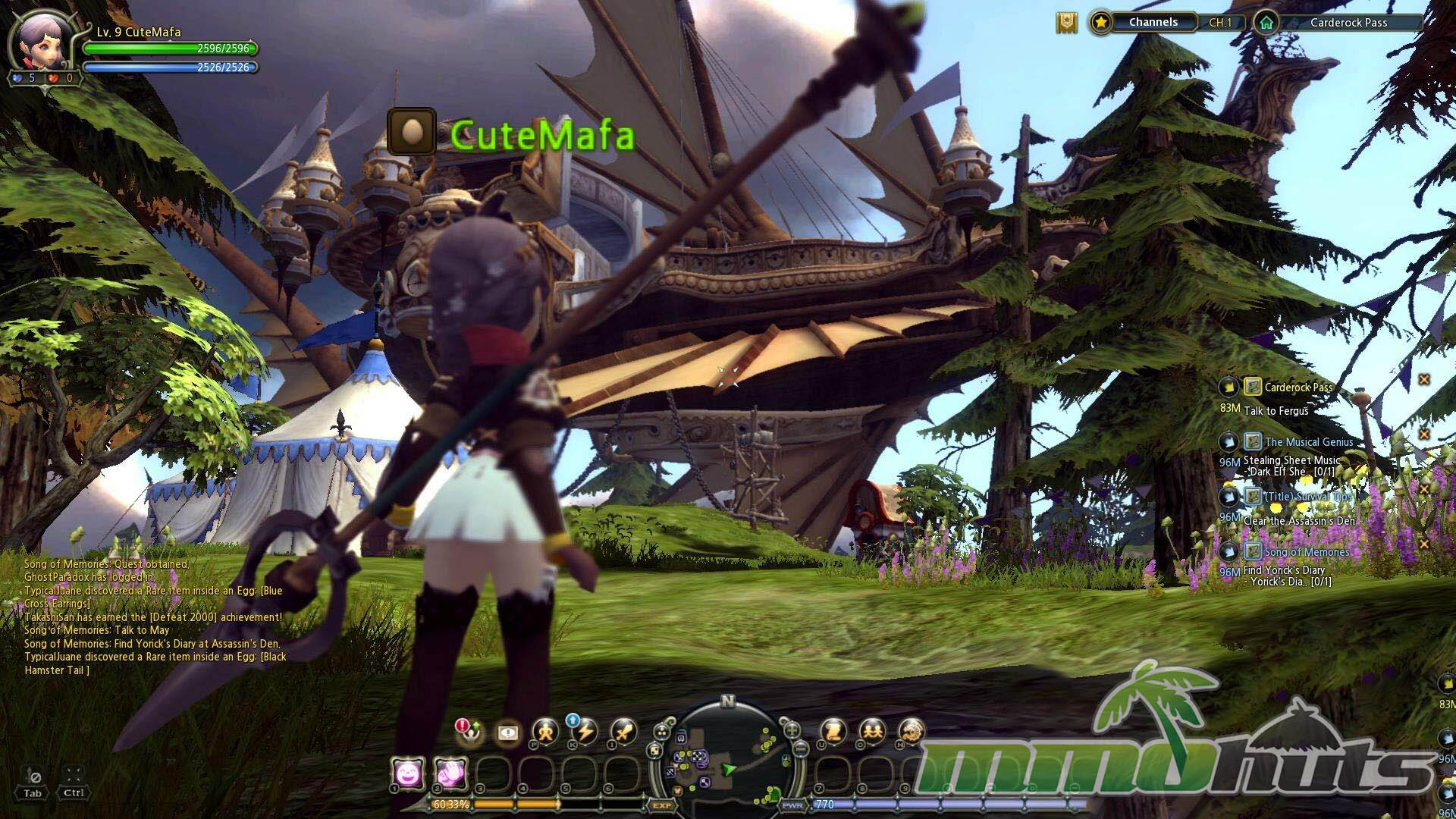
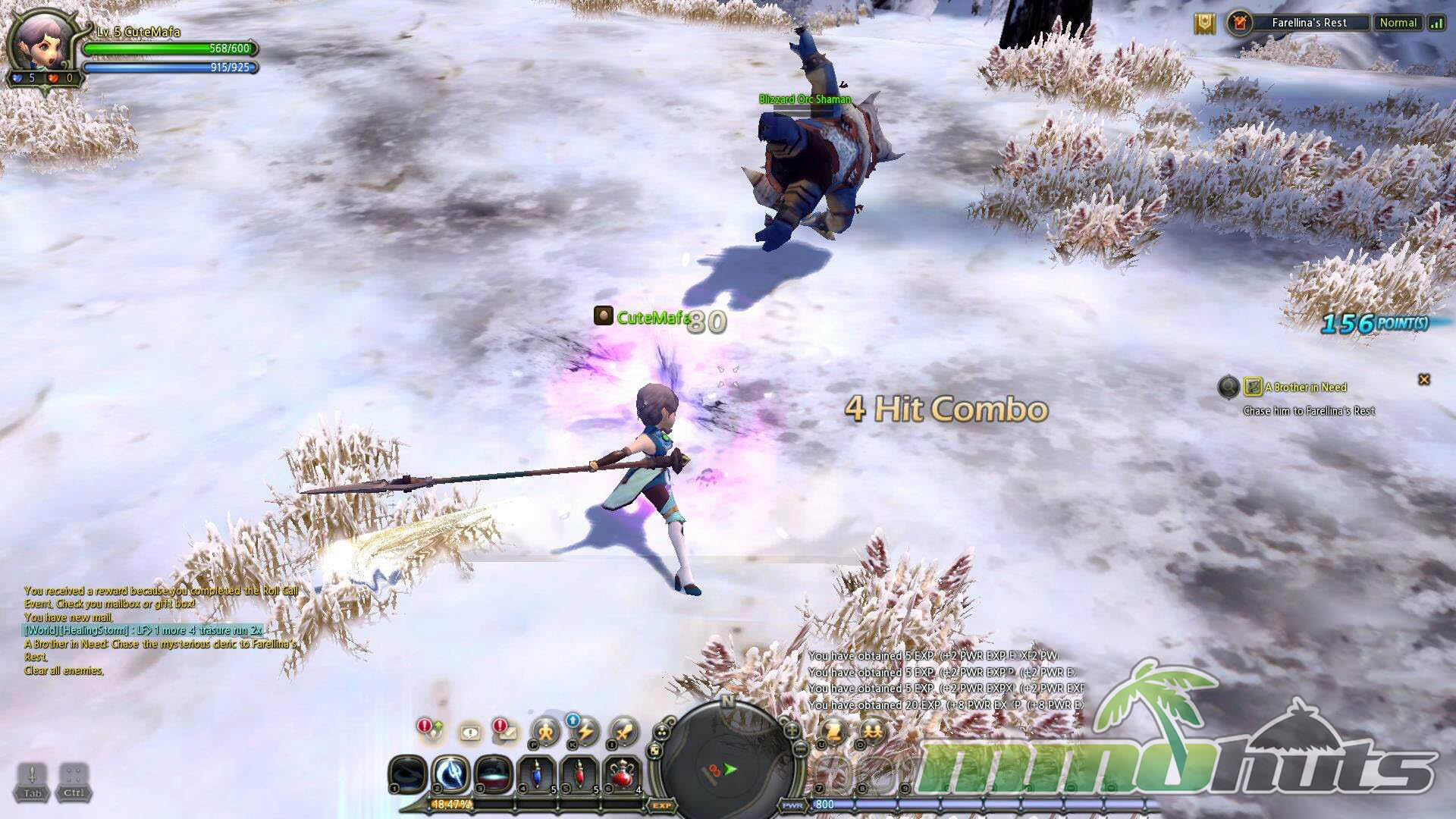
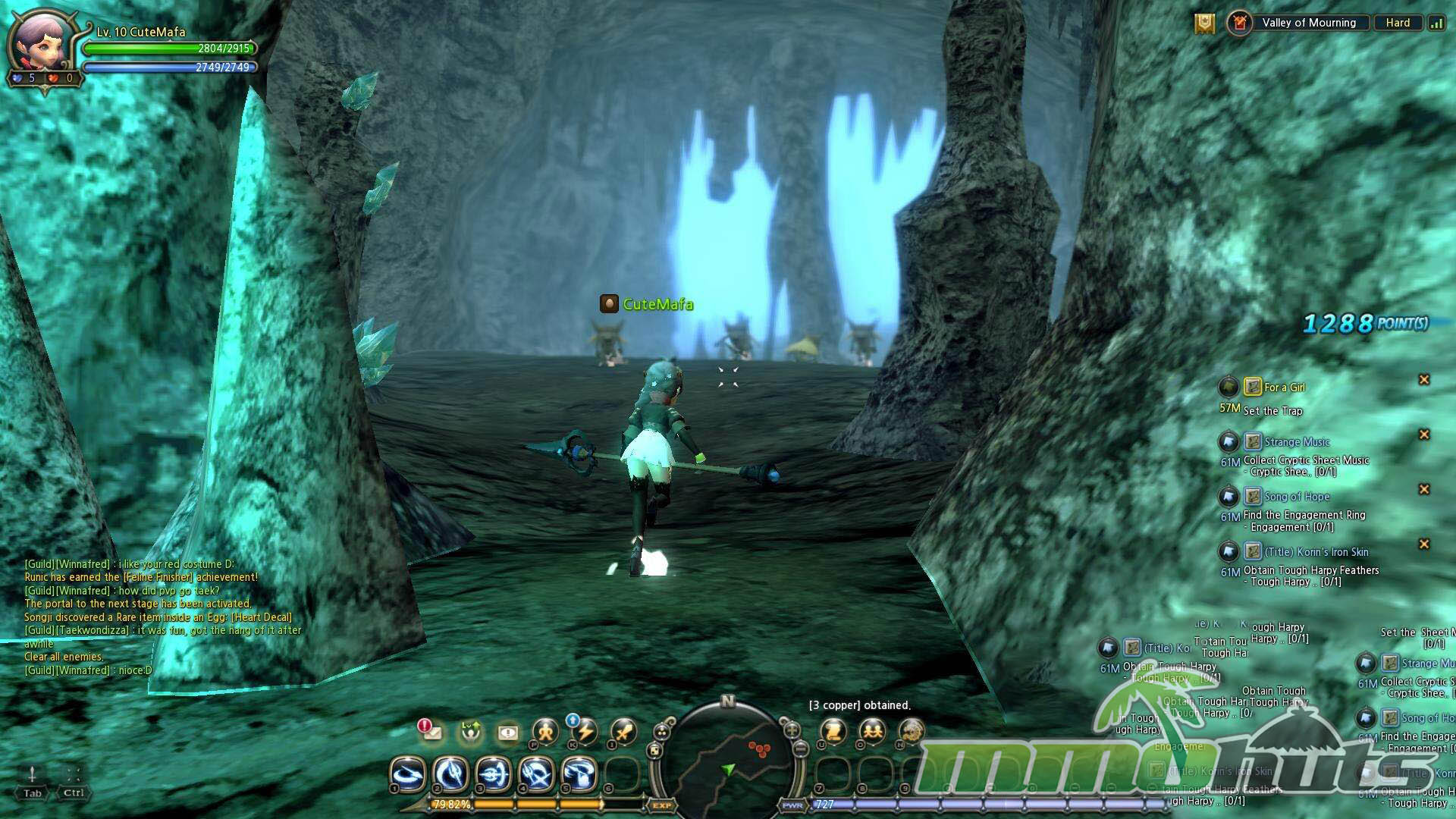
Visually, Dragon Nest leans toward simplicity, with an older-school feel that prioritizes readability over technical spectacle. The models and environments are not aiming for realism, but the animation work carries the experience, especially in combat where skills have clear arcs, strong impact cues, and effects that communicate what is happening. The end result is a cartoon-like fantasy tone that stays approachable, even when the fights themselves get intense.
Hubs, Then Action
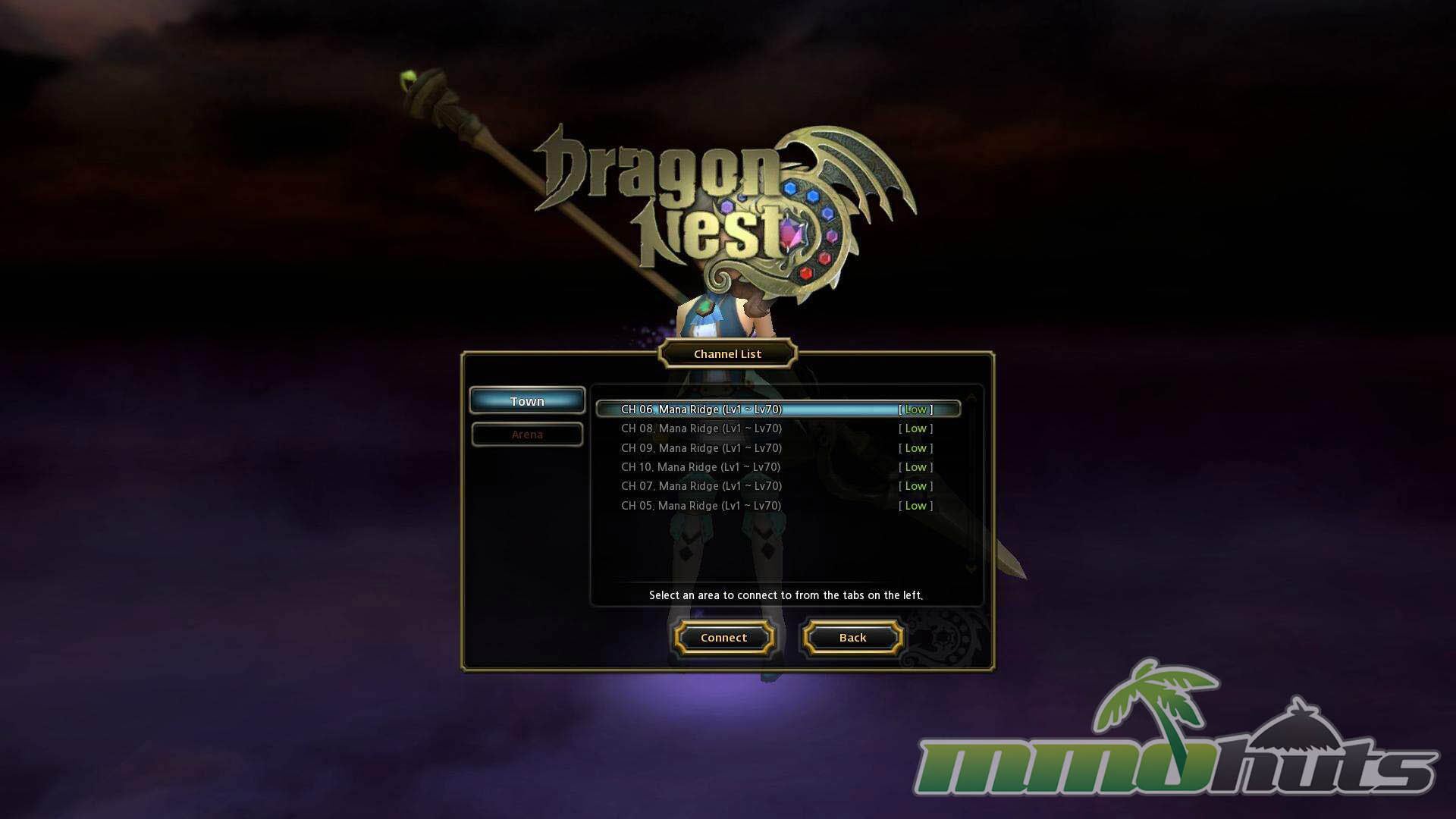
The structure is straightforward. Towns act as your central hubs where you handle the practical MMO loop, managing inventory, upgrading gear, checking mail, and collecting quests. From there, the game pushes you into instanced content, and outside of town you generally only see the players who are grouped with you. It is a familiar approach for anyone who has played other instance-driven action MMOs, and it does a good job of keeping dungeon pacing tight.
That design comes with a tradeoff. You do not get the same sense of freeform exploration you might expect from open-world MMORPGs, but Dragon Nest clearly values curated combat spaces over wide landscapes. It also avoids the classic “mob competition” problem, since you are not racing strangers to tag enemies. If your priority is consistent dungeon runs and repeatable encounters, the hub model supports that well.
Camera and control are built around third-person action. A crosshair helps guide attacks, and the game expects you to move, dodge, and reposition constantly. In practice, the combat is where Dragon Nest justifies its structure, fights feel responsive, and the feedback from hits, knock-ups, and skill effects makes even basic trash pulls enjoyable.
Combos With Purpose
Combat revolves around chaining inputs into sequences rather than mindlessly mashing. Your basic attacks form reliable strings, while additional inputs (like a kick or movement-based actions) help you stay aggressive or create openings. Dodging is quick and readable, and skills mapped to number keys provide the big moments, burst damage, crowd control, and mobility tools that separate a beginner from someone who understands their kit.
Early dungeons are forgiving enough that you can get away with overusing flashy abilities, but the game gradually encourages better decision-making. Skill ranges differ, recovery animations matter, and the safest option is not always the fastest. As you climb, fights become more about spacing and survival, especially when bosses begin punishing careless positioning.
One of the smartest parts of the dungeon loop is the difficulty ladder. Dungeons offer multiple difficulty levels, with Abyss as the most challenging, and harder settings reward better experience gains and more desirable loot. This gives you a reason to revisit content even when you have out-leveled the baseline version, and it also creates a clean way to test your mechanics.
Repetition is still a factor. You will notice reused layouts and familiar tilesets as you progress, and some runs can start to feel like variations on the same corridor with a different boss at the end. The saving grace is that the combat itself is consistently entertaining, so even recycled spaces can remain engaging as long as you enjoy executing combos and improving clear times.
Progression That Feeds the Toolkit
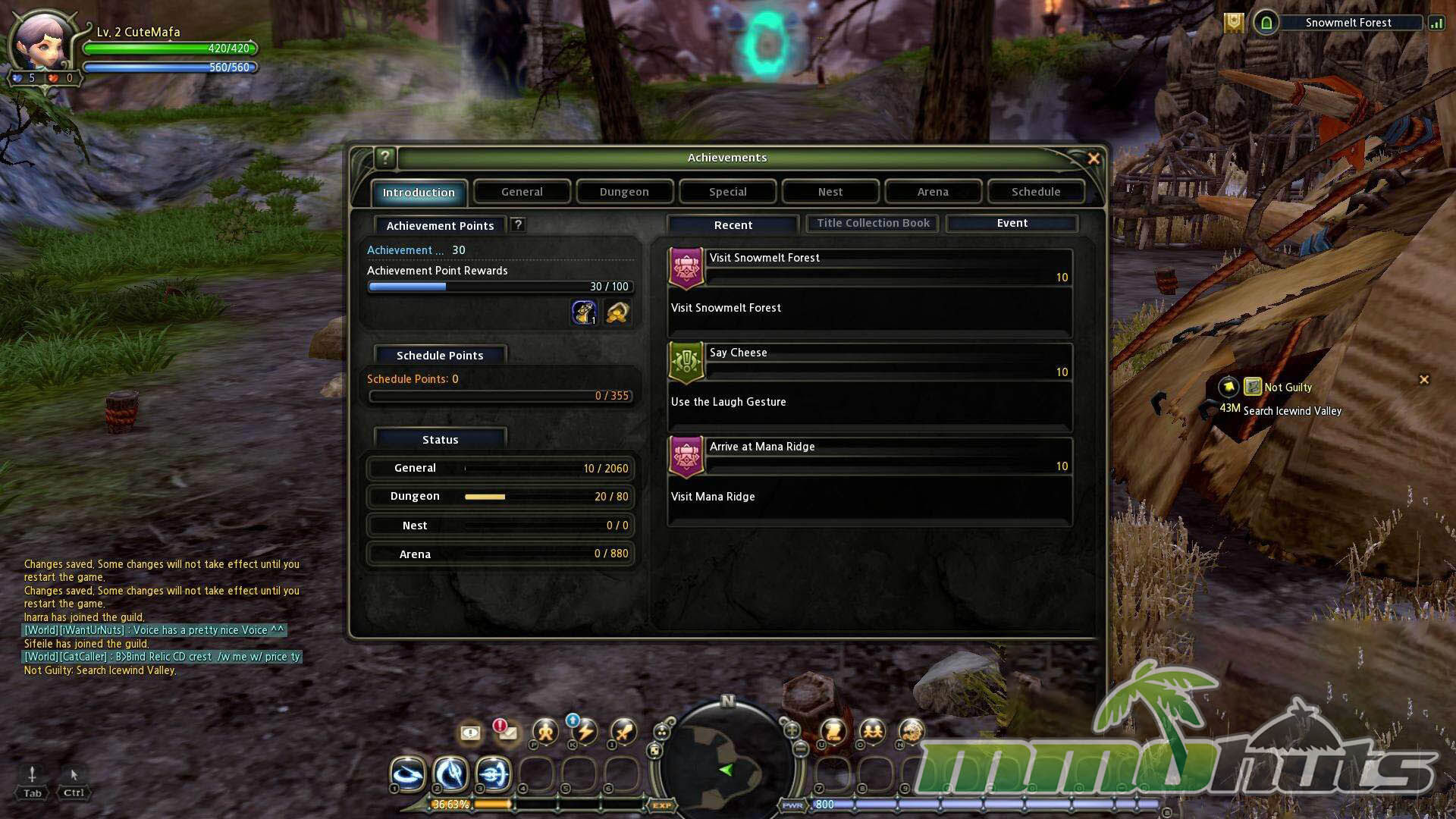
Leveling ties directly into skill growth. Each level grants points for your skill tree, and new abilities unlock as you meet requirements. That steady drip of new tools is important because it keeps the action feeling fresh, and it encourages experimentation as you learn which skills fit your preferred rhythm.
At level 15, each base class branches into more specialized paths, adding stronger identity and more complex options. This is where many classes start to feel “complete,” since your toolkit expands beyond early basics into a more defined role and playstyle. The specialization choice also makes your character feel less generic, even if the initial customization options were limited.
NPCs That Actually Sound Alive
Dragon Nest does a better job than many MMORPGs at making quest interactions tolerable, largely due to voice acting and snappier presentation. NPCs tend to have distinct tones, and the game avoids long stretches of silent text walls. That matters because the dungeon loop is repetitive by nature, so small bits of personality between runs help prevent fatigue.
There is also a self-aware streak in the writing. Characters sometimes acknowledge the absurdity of constant errands and monster slaying, and your own character is not treated as a completely blank slate. It is not a groundbreaking narrative, but it is paced well enough to serve its main role, breaking up combat sessions without dragging them down.
Arena Combat and Its Limits
PvP is a mixed bag. In smaller fights, it can be a fun showcase for the game’s movement and combo systems. As player counts increase, the experience becomes more chaotic, and crowd control plus knockdowns can lead to situations where you spend too long getting juggled rather than making meaningful decisions.
The game does attempt to normalize power so that gear differences do not completely decide outcomes, which helps keep the arena approachable. Still, PvP does not feel like the main pillar in the way the dungeon combat does. The additional modes beyond standard arena matches, including options like Ghoul Mode and Wipeout Mode, add variety and can be enjoyable, but the competitive side is not where Dragon Nest is at its best.
Monetization and Convenience
As a free-to-play MMORPG, Dragon Nest includes incentives to spend, and some of them land in the “convenience” category. Inventory space is limited out of the gate, with 30 general item slots, and expanding bag space is one of the more noticeable nudges toward the cash shop. With good housekeeping (selling and storing regularly), the initial limitation is manageable, but it is still an unnecessary friction point.
More important is the presence of certain utility items in the shop. The Scroll of Unlearning, used to reset skill points, can be earned through quests, but after you have used that quest-provided scroll, the cash shop becomes the only way to obtain another. That means it is wise to be cautious when committing to a build, especially if you are the type of player who likes to experiment. On the lighter side, players who simply want to change appearance will find plenty of costume options, and cosmetics are one of the clearer strengths of the shop.
Final Verdict – Great
Dragon Nest succeeds because it treats combat as the main event. The action feels responsive, skills look and sound satisfying, and the instance-based structure keeps you moving from one fight to the next with minimal downtime. Dungeon repetition and occasional performance hiccups can wear on you, and the North American population is not as high as it once was, but the core gameplay loop remains easy to recommend to anyone who wants an MMO that plays more like an action game. If you can bring friends along, the dungeon runs become even better.
Dragon Nest Links
Dragon Nest Official Site
Dragon Nest Wikipedia
Dragon Nest Wikia [Database/Guides]
Dragon Nest Gamepedia [Database/Guides]
Dragon Nest Requirements
Minimum Requirements:
Operating System: Windows XP or higher
CPU: Penitum IV, Dual Core
RAM: 1GB
Video Card: Nvidia 7600
Hard Disk Space: Over 4GB available space
Recommended Requirements:
Operating System: Windows XP or higher
CPU: Penitum IV, Dual Core, 1GHz
RAM: 2 GB RAM
Video Card: Nvidia 8000 series
Hard Disk Space: Over 4GB available space
Dragon Nest Music
Dragon Nest Additional Information
Developer(s): Eyedentity Games
Publisher(s): Nexon
Korea Release Date: March, 2010
North America Release Date: September 1, 2011
Europe Release Date: March 6, 2013
Closed Beta (North America): June 15, 2011
Open Beta (North America): July 26, 2011
Development History / Background:
Dragon Nest originated with South Korean developer Eyedentity Games. Nexon Korea Corporation obtained publishing rights to the title on November 2, 2007, and the game first launched in Korea in March 2010. Nexon America later introduced the game to a wider audience, announcing the North American release during Penny Arcade Expo 2009, with the NA launch arriving in September 2011. The property also expanded beyond the game itself, including a manga series titled Dragon Nest – Shungeki no Sedo published by Kodansha and illustrated by Tatsubon, along with an animated film, Dragon Nest: Warrior’s Dawn, released in China on July 31, 2014. Nexon, the original publisher for NA, is widely associated with free-to-play MMO releases and is known for titles such as Maple Story, Vindictus, and Tree of Savior.
Nexon ended service for Dragon Nest in September, 2016. Eyedentity games then established a replacement North American service on September 27, 2016, and players were given the option to transfer existing characters to the new service.