
Tactile Wars
Tactile Wars is a mobile-focused online strategy game that blends base defense with quick, hands-on battles. It wraps familiar “build a layout, protect your loot, raid other players” ideas in a playful paint-and-toy-soldier presentation, then adds direct troop control, formation drawing, and faction-based color warfare to keep matches feeling more active than a typical set-and-forget attack.
|
Publisher: Ankama Mobile Playerbase: High Type: Mobile Strategy Release Date: August 14, 2015 Pros: +Fast, tactical battles with direct control. +Strong base layout and customization options. +Plenty of traps, defenses, and upgrades to work toward. Cons: -Can feel repetitive over longer sessions. |


Tactile Wars Overview
Tactile Wars is a 2D online strategy war game developed and published by Ankama, the studio known for Dofus and Wakfu. The premise is simple and easy to read on a small screen: pick one of six color factions and compete against the other teams for rank and resources. From there, the game revolves around two connected loops, designing a defensive base layout and raiding other players’ bases in real time.
Your base is packed with unlockable tools, including traps, turrets, mercenaries, and heavier hardware, all placed to funnel attackers into bad fights or punish sloppy movement. When you go on offense, you do not just watch an automated battle play out, you actively direct your squad by tapping to reposition and drawing shapes to shift formations on the fly. That mix of planning and quick execution is what makes Tactile Wars feel more arcade-like than many mobile base battlers. Wins push you up a four-League ranking ladder, and the bright paint-splatter theme keeps everything light even when matches get intense.
Tactile Wars Features:
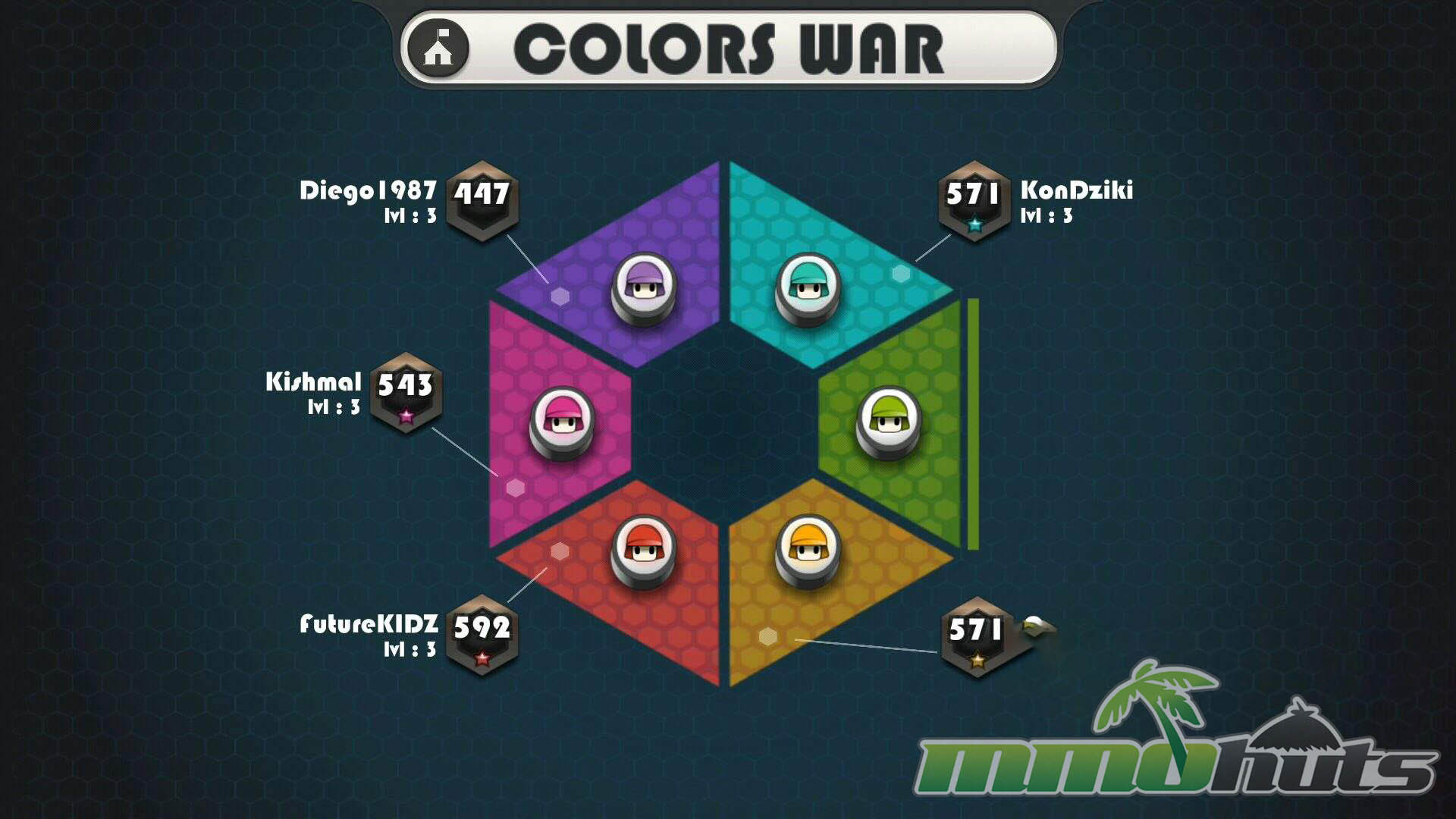
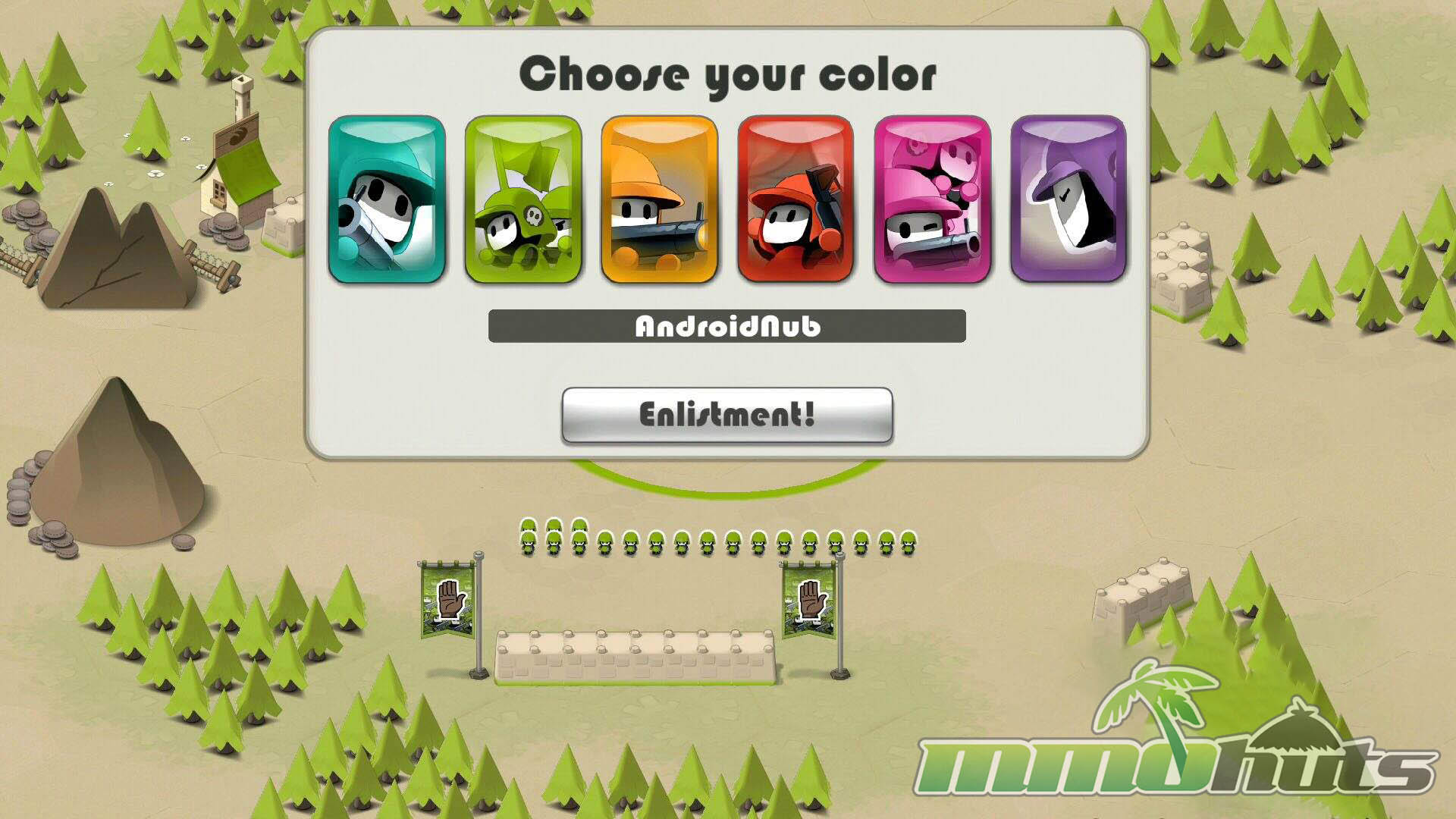
- Color Factions – Enlist with one of 6 color factions (Blue, Green, Orange, Red, Pink, and Purple) and battle rival colors for gold and leaderboard position.
- Adorable Graphics – A cheerful, paint-styled look with toy-like troops that works well for both younger players and adults.
- Real-time Combat – Command your squad directly, adjusting movement and formations mid-fight for better trades and safer captures.
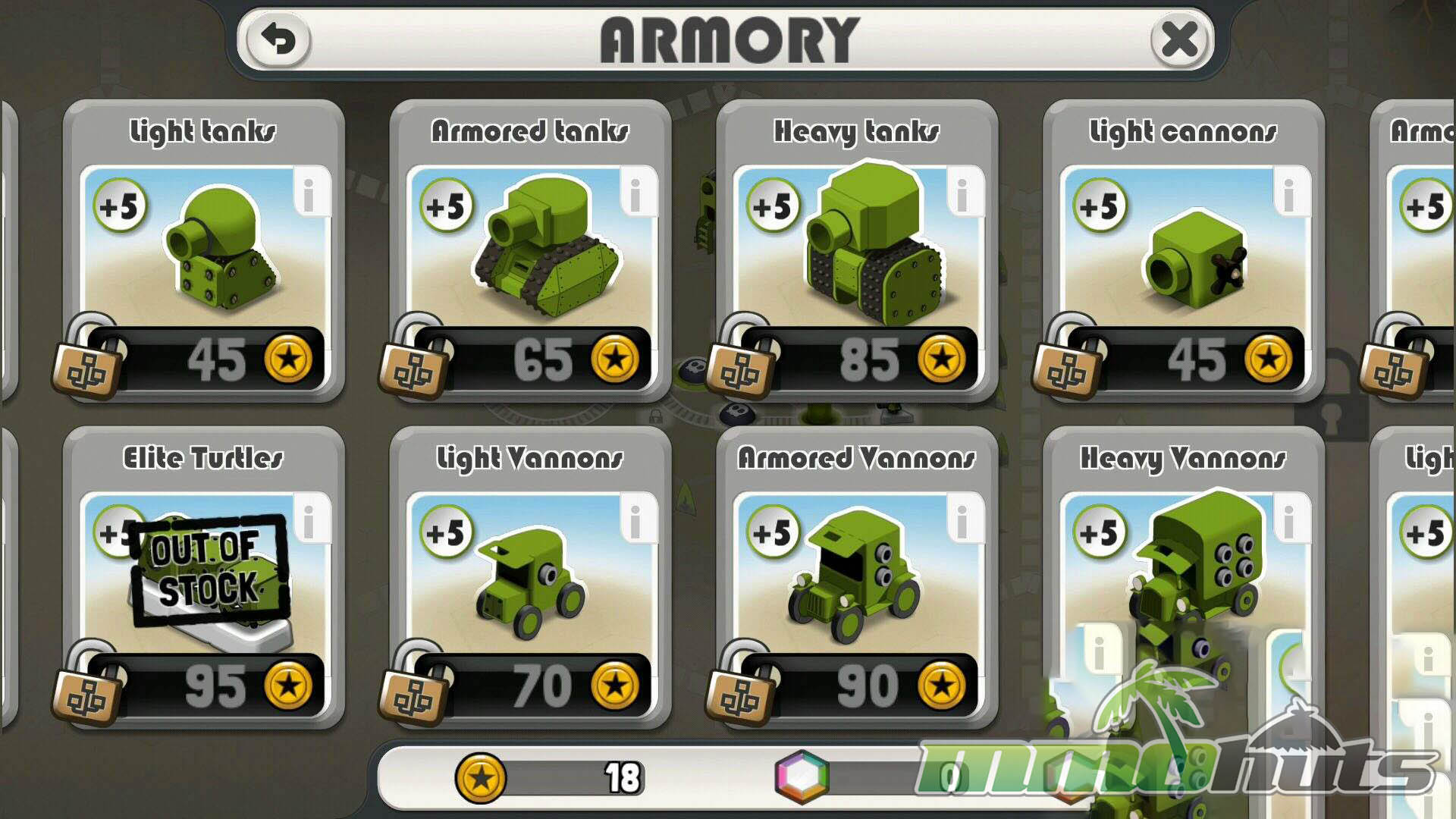
- Large Arsenal of Defenses – Progress unlocks a wide spread of traps, artillery, support options, troop types, and base improvements, such as mines, turrets, mercenaries, tanks, and more.
- Base Customization – Build a layout with meaningful placement choices, using traps and defenses to slow, split, or eliminate invaders.
Tactile Wars Screenshots
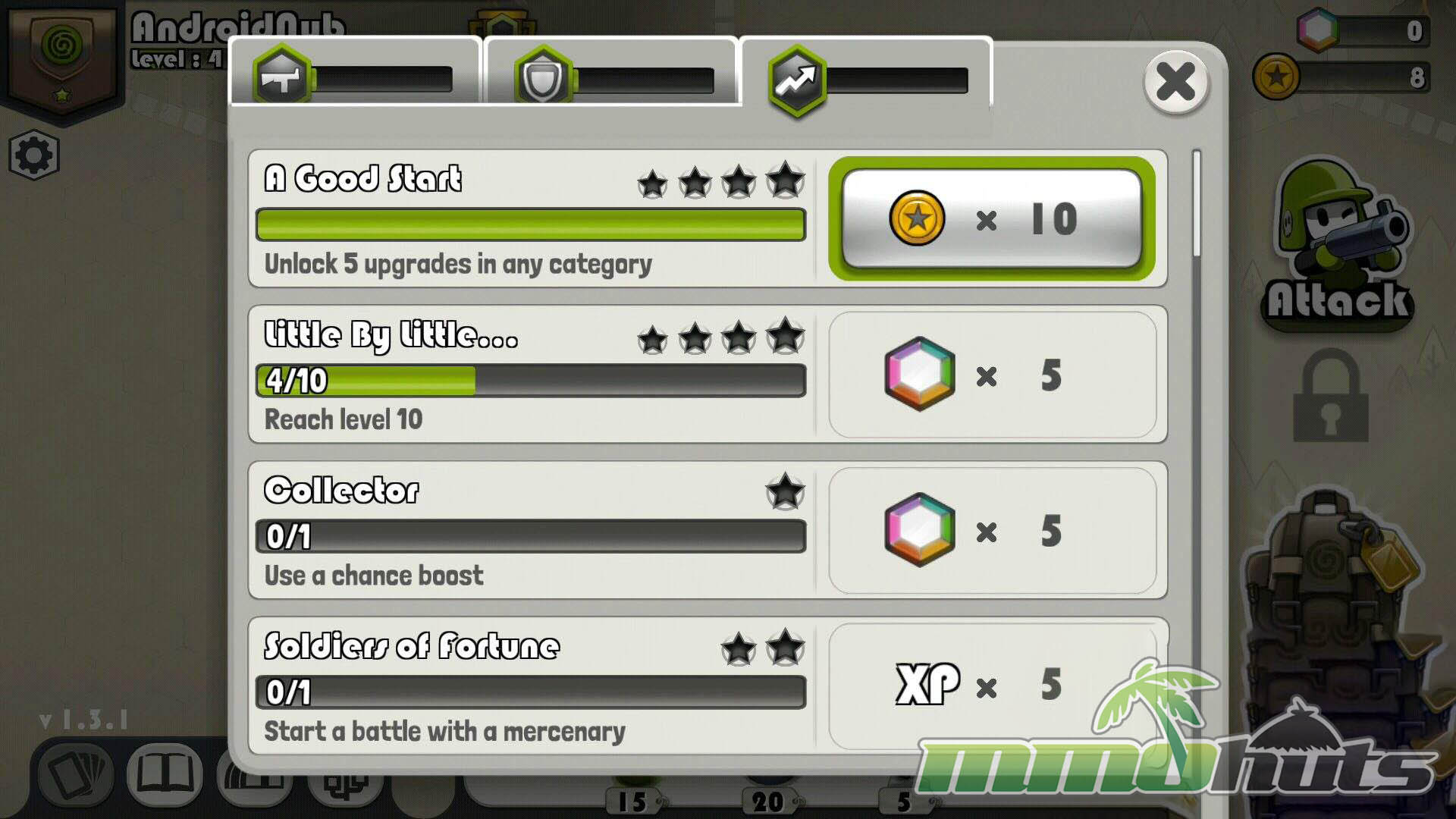
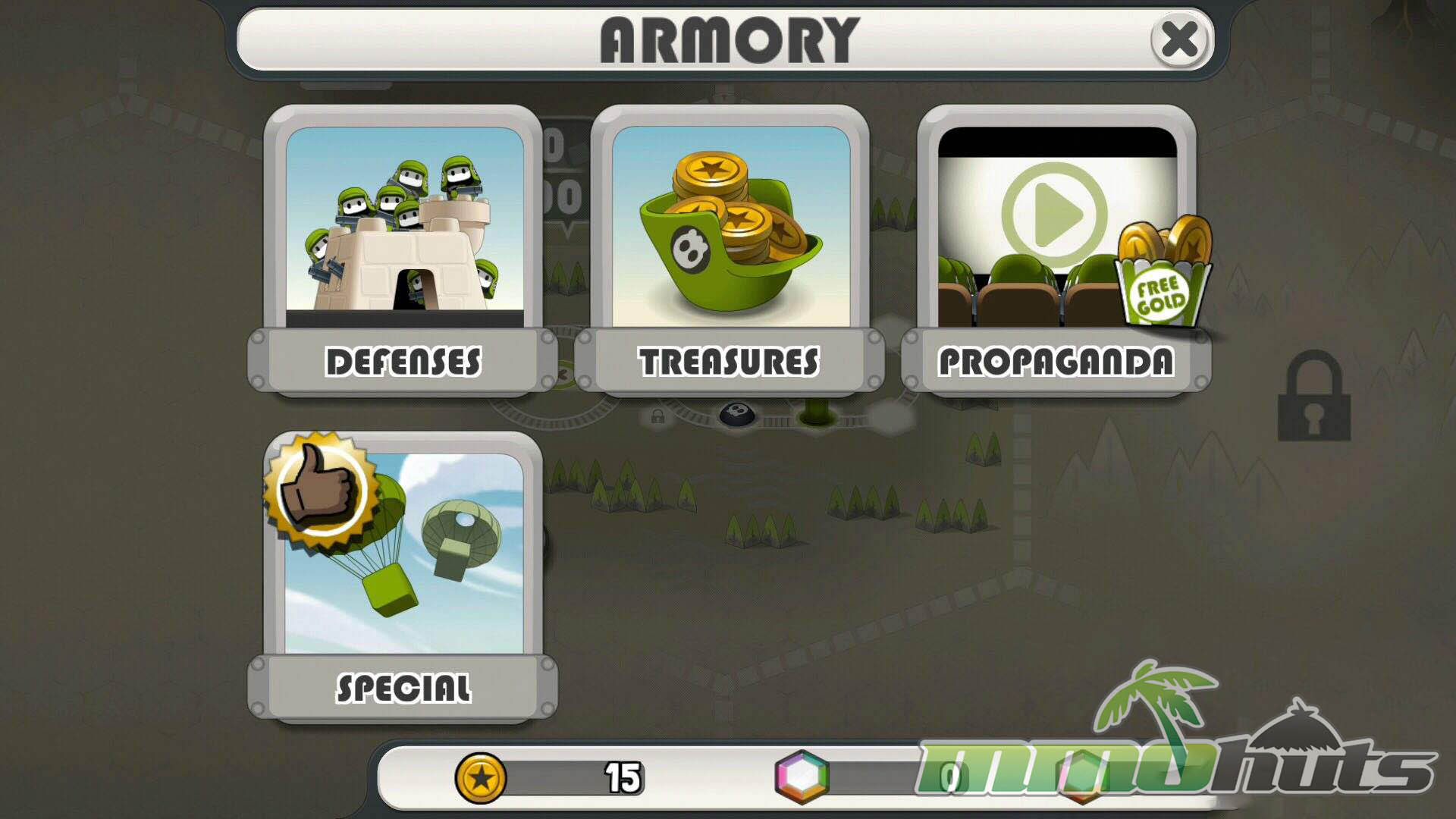
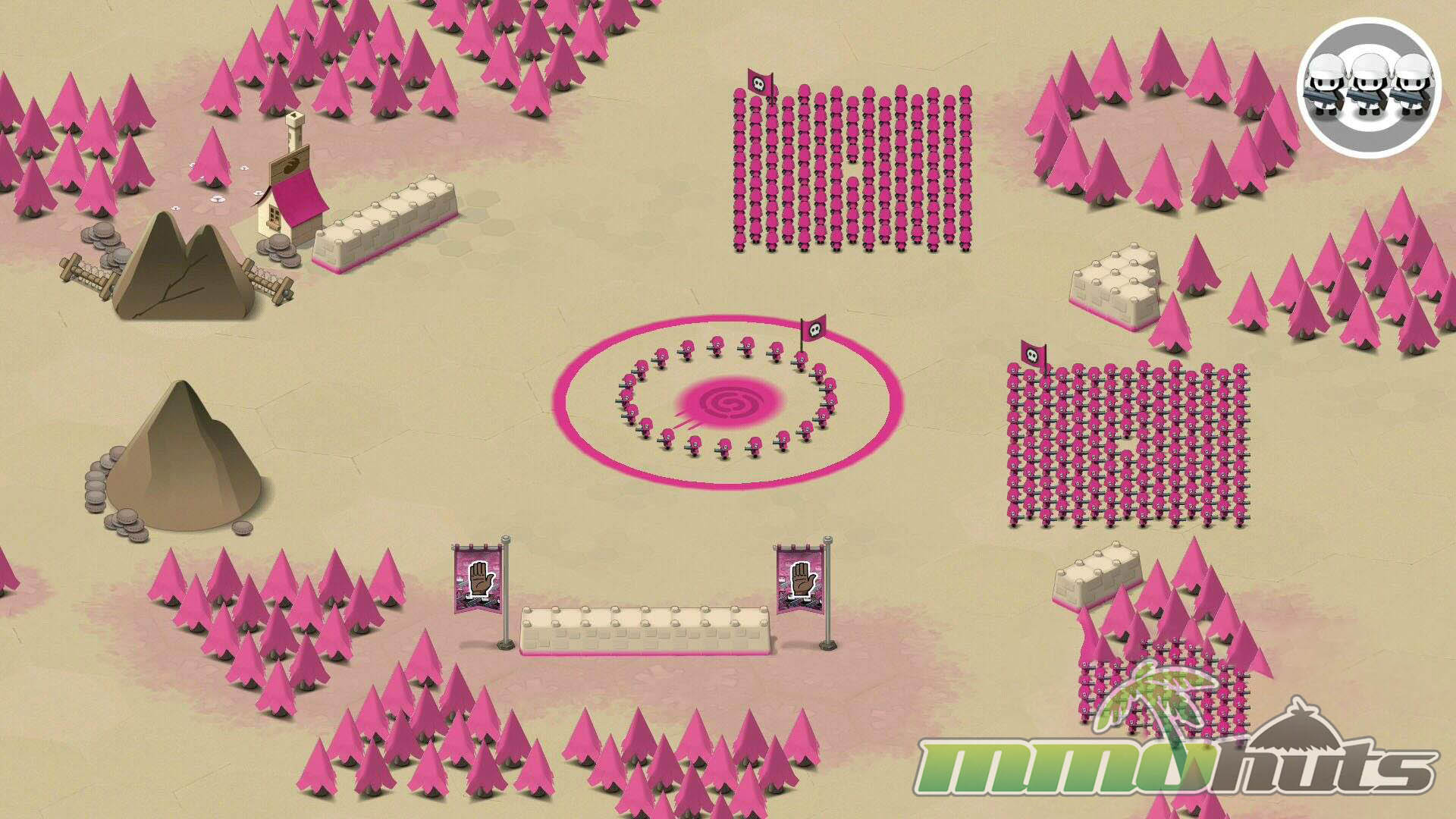


Tactile Wars Featured Video

Tactile Wars Review
Tactile Wars is a free-to-play online strategy game from Ankama that sits in the same broad space as mobile base raiders like Clash of Clans and Game of War, but it plays differently once the fighting starts. Instead of leaning heavily on timers and automated skirmishes, it asks you to actively steer your troops through defensive layouts. The result is a game that feels quick, readable, and surprisingly tactical for short mobile sessions, even if its match structure can start to blur together after a while.
The game launched worldwide on August 14, 2015 after a brief soft launch period and quickly drew attention, reaching over 100,000 downloads within a week. It also picked up an Apple App Store Editor’s Choice Award, a boost that reportedly brought enough traffic to overwhelm servers for several days. Popularity aside, the most important takeaway is that Tactile Wars delivers a distinctive “hands-on” approach to raiding, backed by a deep pool of defenses to unlock and a friendly, color-splashed presentation.
Six Teams, One Paint-Soaked Battlefield
At the start you commit to one of six color factions: Blue, Green, Orange, Red, Pink, or Purple. The faction choice sets the tone for the whole experience, you are always raiding enemy colors and you cannot attack players aligned with your own. It is a simple rule that helps the game feel like an ongoing war rather than a purely individual ladder climb.
In practice, the faction system is more about identity and matchmaking boundaries than deep cooperation, you will not spend much time coordinating with your own color. Still, it adds flavor, especially with the game’s visual style where “damage” reads as paint splashes instead of gore. The tone stays playful, but the competitive intent is clear, wins move you up the rankings and place you into one of four Leagues.
Building a Base That Actually Fights Back
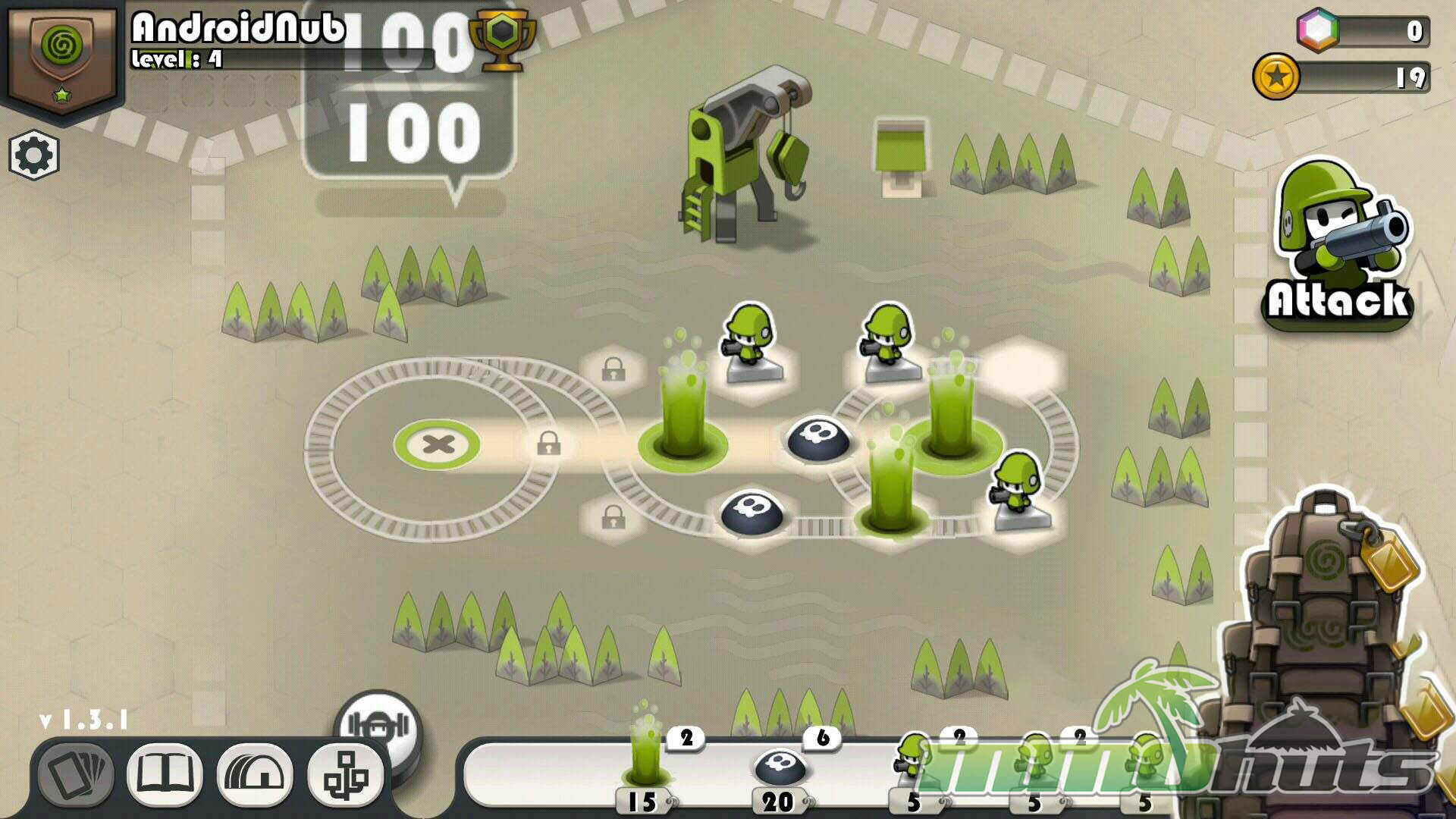
Your base functions as your personal defensive course, a map that other players must push through to steal gold and dent your rank. Unlike city builders that revolve around upgrading buildings, Tactile Wars focuses on the layout itself. You place traps, deployables, and defensive units to create threats and force awkward angles for attackers.
Two constraints shape every design: space and budget. Space limits how many tiles you can cover, and expanding your territory increases how much you can place. Budget works like a point cap, each defense costs a set amount, and you cannot exceed your current limit until you level up and improve it. Those restrictions encourage meaningful trade-offs, for example, deciding between a few expensive power pieces or a wider spread of lower-cost traps.
Another important detail is upkeep. Many defenses and traps are consumable in the sense that they can be destroyed or spent during attacks, so maintaining a strong layout is not a one-time project. If you take repeated hits, you will be buying replacements and adjusting placements regularly.
Raids Are Asynchronous, But They Do Not Feel Passive
Tactile Wars is built around PVP, progression and income come primarily from attacking other players’ bases. The battles are asynchronous, meaning you are fighting an AI-run defense on a layout created by a real player, so both sides do not need to be online at the same time.
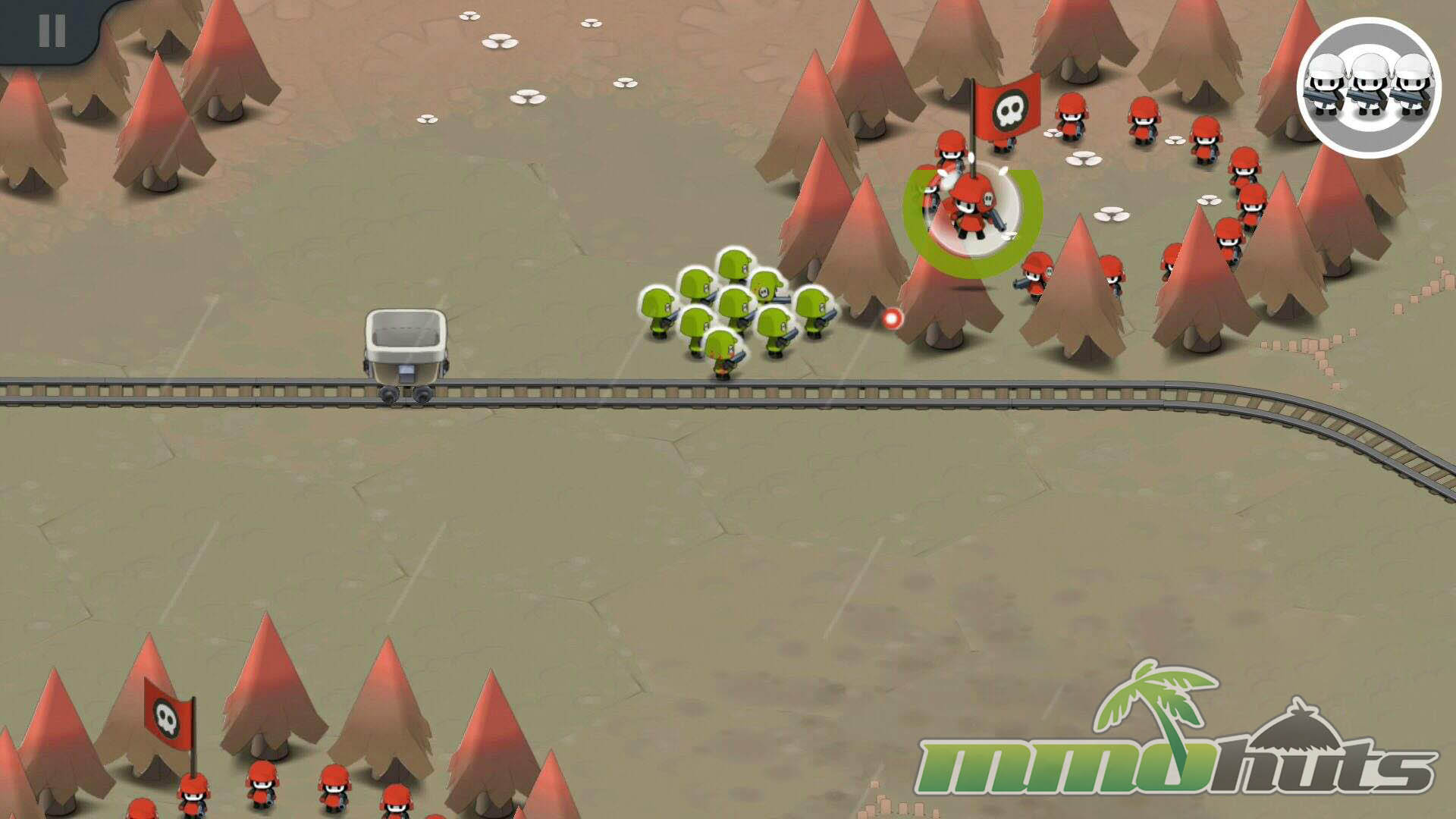
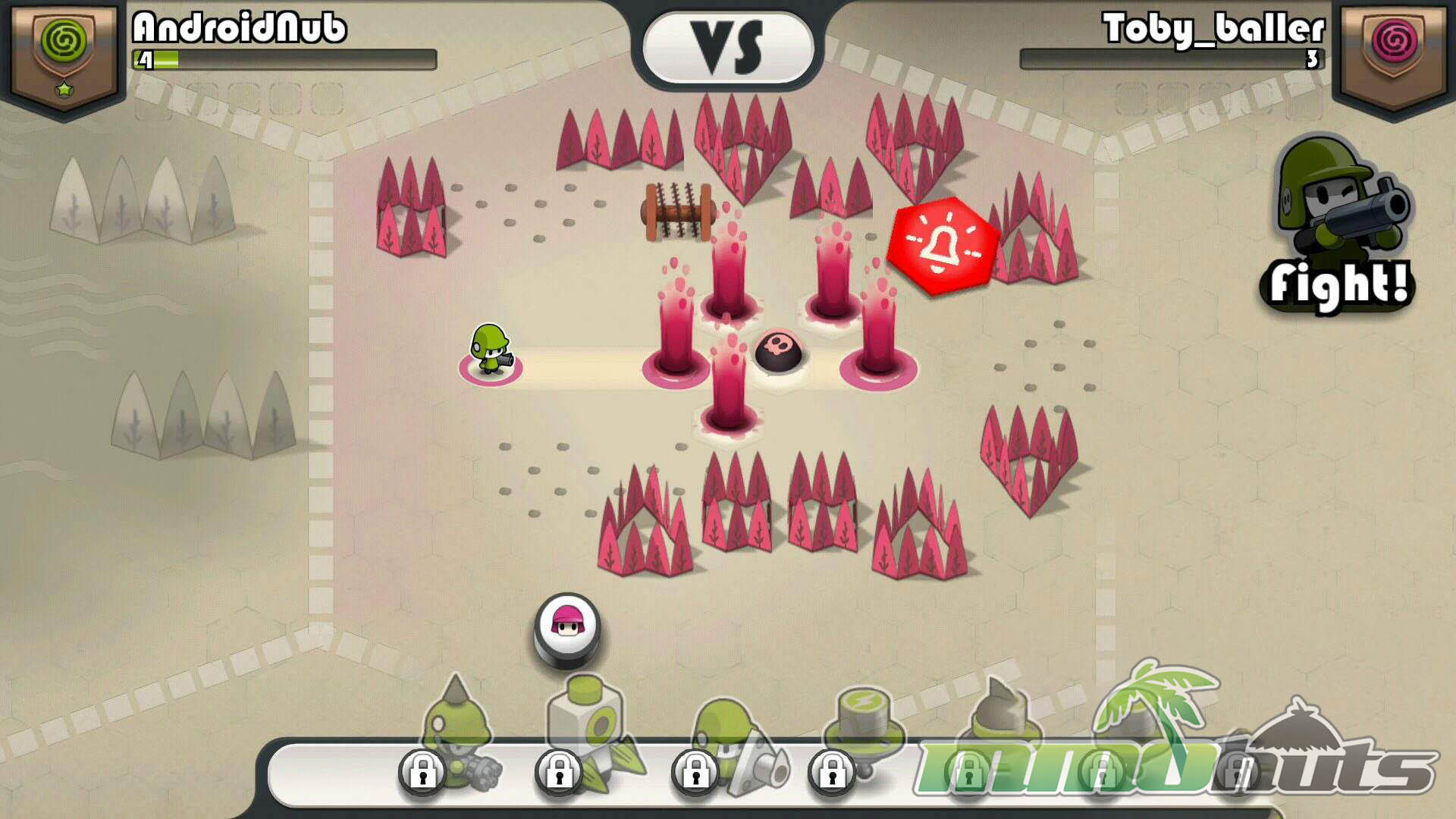
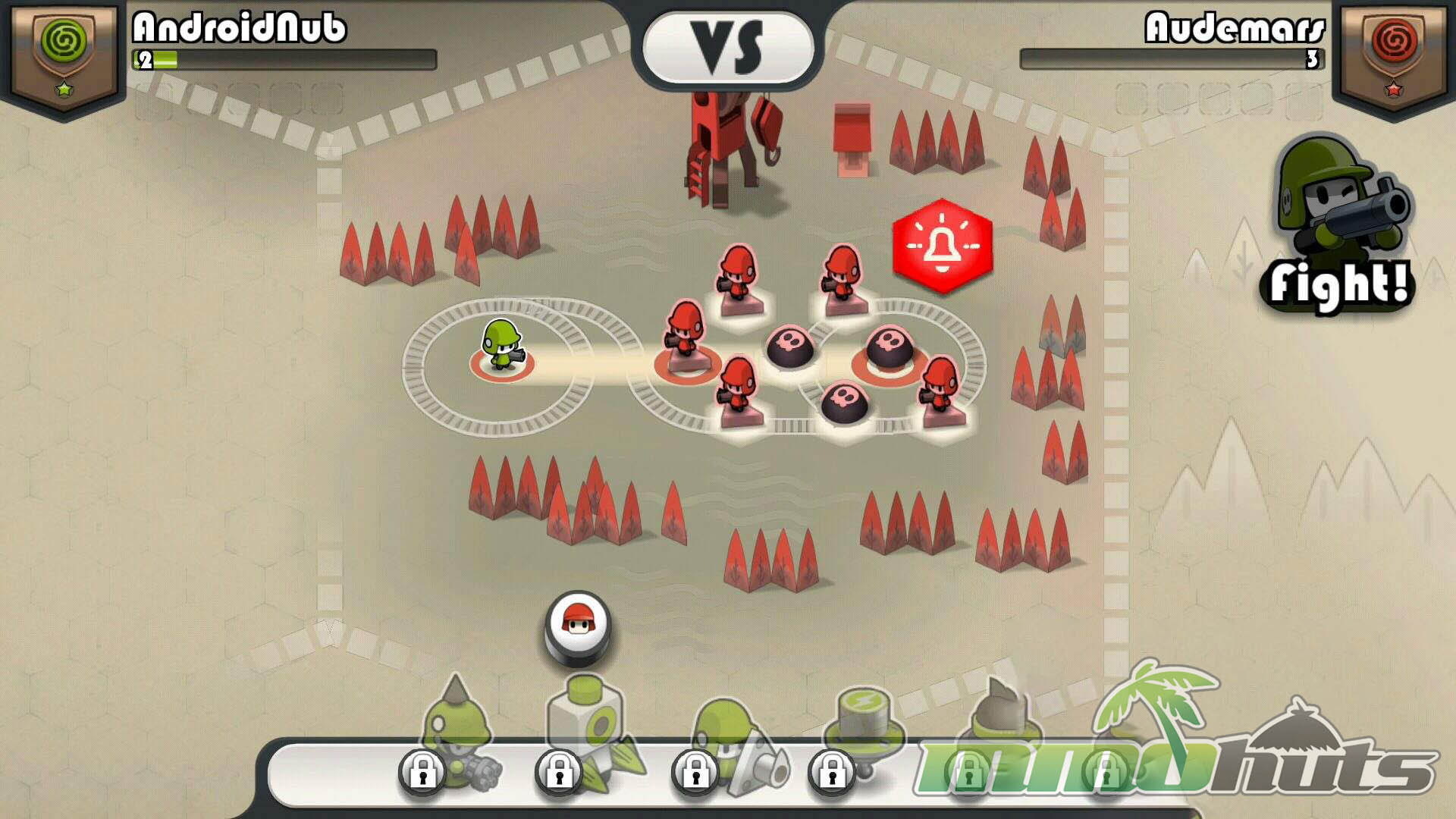
Once the raid begins, the game’s signature control scheme shows up. You tap to direct movement and you can draw shapes on the screen to reform your squad. Turning your units into a tight circle, a wider line, or a pointed arrow changes how they engage threats and how safely they move through choke points. It is an intuitive mechanic that works well on touch screens and gives you agency beyond “drop troops and hope.”
Victory is objective-based. Each base contains two capture points and you must secure both to win. Maps often follow a fairly linear flow, take a point, hold it briefly, advance, repeat. That clarity is good for pick-up-and-play sessions, but it also contributes to the game’s biggest drawback, over time many raids can start to feel like the same sequence with different decorations.
Combat: Quick Decisions, Clear Priorities
Moment to moment, fights are faster and more tactical than many mobile base battlers because positioning matters constantly. The formation system is not just a gimmick, reshaping at the right time can reduce losses, avoid clustered damage, or let you focus a key target.
Enemy squads also have a distinct “leader” concept, many groups include a flag-bearer, and taking that unit down creates an instant-clear opportunity via an on-screen bubble that wipes the rest of the squad. This pushes you toward smart target selection and clean angles, if you can delete the flag-bearer early you can erase a threat quickly and preserve your own numbers.
As you score kills, a Reinforcement bar fills in the top right. When it reaches full, you can call in extra help to bolster your push. Losing all your units ends the attempt, so there is a steady tension between aggressive captures and cautious movement. The game does open up more at higher levels as additional traps and defensive options appear, but at lower and mid ranges you may notice many layouts and engagements blending together.
Unlocking Tools: Variety Is the Reward
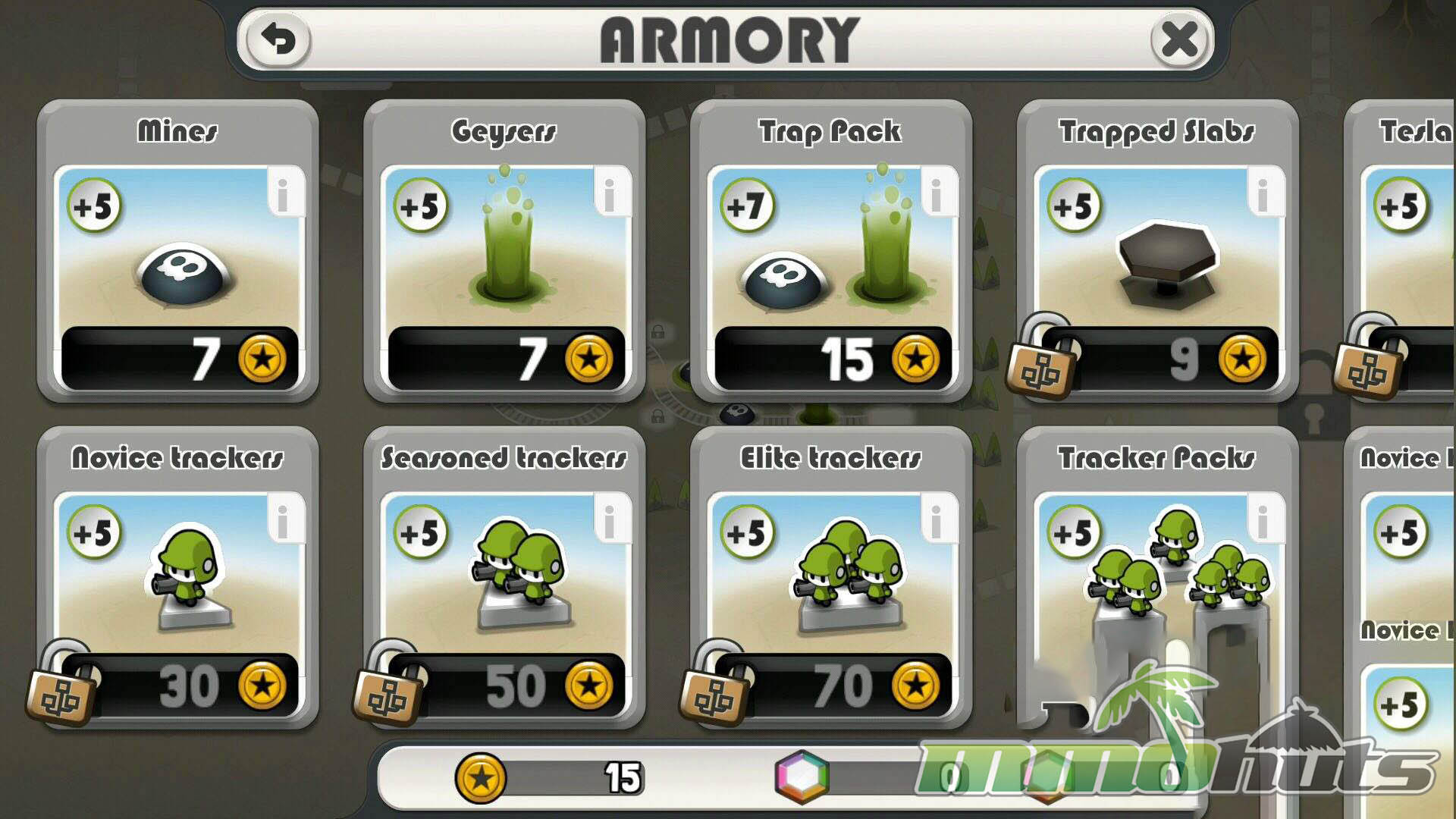
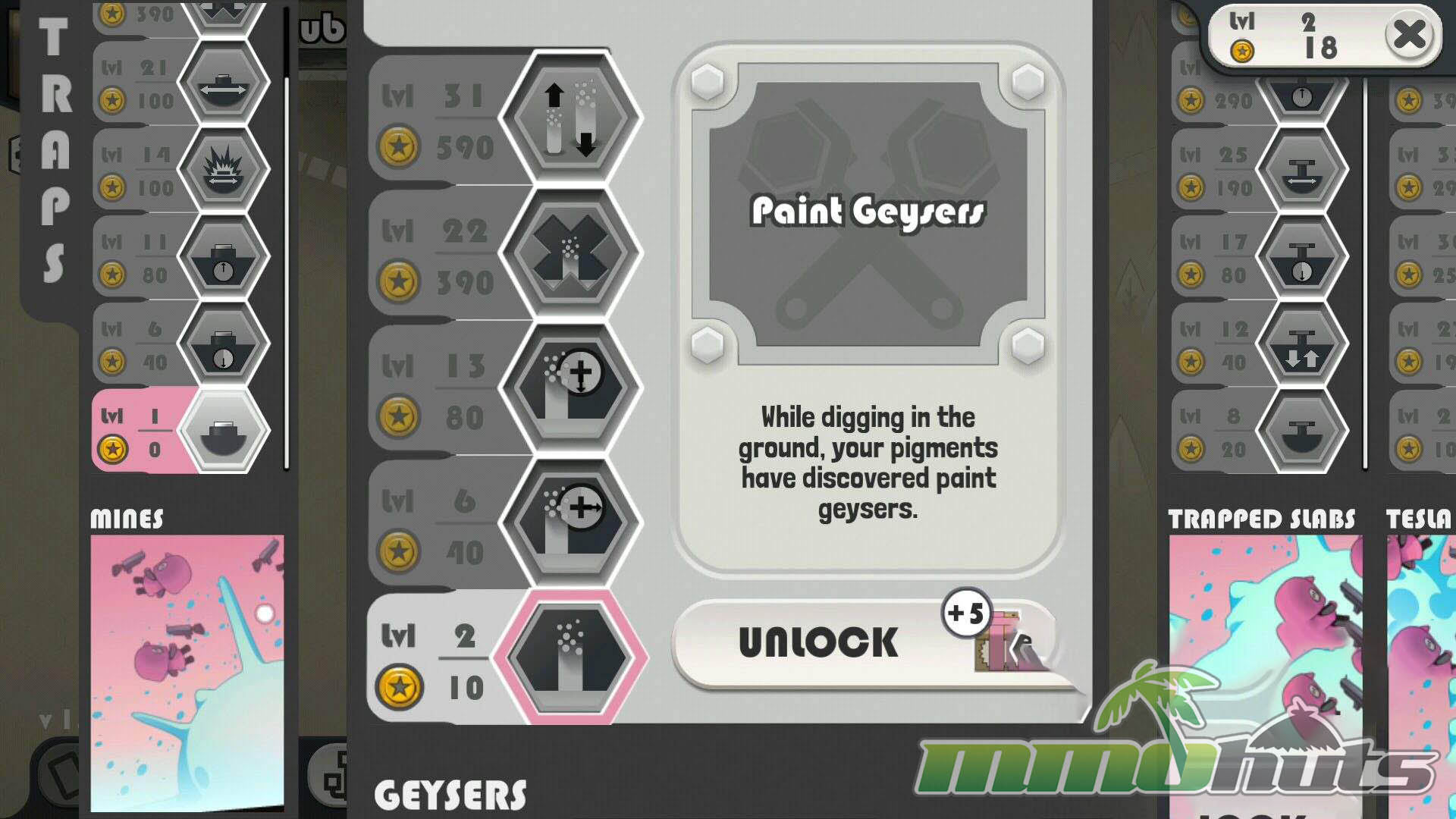
One of Tactile Wars’ strongest long-term hooks is its broad selection of unlockables. The game offers traps, artillery pieces, support upgrades, troop-related options, and base improvements, giving you plenty of reasons to keep leveling. Mines, geysers, trapped slabs, and tesla antennas sit alongside heavier artillery like turrets, tanks, cannons, and robotanks, plus support upgrades and specialized troop tools.
Research is level-gated, so progression controls when new toys become available. The downside is that there can be noticeable gaps between meaningful unlocks, especially early on, which may make your defensive options feel samey until you climb further. On the other hand, once you do start adding more specialized pieces, base design gains depth quickly and small layout tweaks can have a major impact.
It is also worth remembering that unlocking an item is not the same as owning it forever. Many defensive pieces are purchased and replaced as they are used up or destroyed, so gold management stays relevant throughout your playtime.
Cash Shop/In-App Purchases (IAP)
Monetization in Tactile Wars is relatively straightforward. The premium currency is Prisms, and it is primarily used to obtain gold. Gold, in turn, is spent on buying troops and defenses (often consumable) and on unlocking research items once you meet the required level.
Because research remains level-locked, paying does not let you skip progression gates and unlock late-game defenses early. The advantage is more about convenience and recovery, having extra gold helps you rebuild after your base gets hit or stock up before a push. Compared to many mobile competitors, the pay advantage feels limited rather than defining.
There are also in-game video ads you can watch for gold, and the game does not use an energy system, so you can keep playing as long as you want without waiting on stamina timers.
Final Verdict – Good
Tactile Wars stands out in the mobile strategy space by making raids feel interactive instead of automated, thanks to touch-driven movement and formation drawing. Its base building is substantial, the unlock pool is deep, and the paint-themed art direction gives the battlefield a distinct personality. The main weakness is that objectives and map flow can become predictable, which can make long sessions feel repetitive. Even so, for players who want a lighter-looking strategy game with real moment-to-moment control, Tactile Wars remains an easy recommendation.
Tactile Wars Masters Links
Tactile Wars Official Site
Tactile Wars Google Play
Tactile Wars iOS
Tactile Wars Wikia
Tactile Wars System Requirements
Minimum Requirements:
Android 2.3 and up / iOS 7.0 or later
Tactile Wars Music & Soundtrack
Tactile Wars Additional Information
Developer: Ankama Mobile
Publisher: Ankama Mobile
Platforms: Android, iOS
Release Date: August 14, 2015
Tactile Wars was developed and published by Ankama (Ankama Mobile), a France-based game developer and publisher known for Dofus and Wakfu. The studio’s style tends to lean into colorful, manga-inspired art and systems that reward tactical play, and Tactile Wars applies that identity to a mobile-first, PVP-focused format. After a short soft launch, the game released globally on August 14, 2015 and reached over 100,000 downloads on Android and iOS within a week. It also earned an App Store Editor’s Choice Award, an influx of attention that reportedly led to server issues for several days. Ankama Mobile (also known as Ankama Games) has also published other mobile titles such as Call of Cookie and Dofus Battles.