Clash of Clans is an isometric strategy and village-building game built around a simple loop, gather resources, expand your settlement, train troops, then test your layout and army in battles. You can push through a light single-player campaign against goblin bases, but the real hook is raiding other players for loot and joining a clan for coordinated wars. It is easy to learn, quick to check in on, and surprisingly tactical once you start thinking about base design and troop deployment.
 | Publisher: Supercell Playerbase: High Type: City-Building/Strategy Release Date: August 2, 2012 (iOS)/October 7, 2013 (Android) Pros:+High production value and clean UI. +Rewarding base-building and battle tactics. +Strong clan and war-focused multiplayer. Cons: -Progress can feel pay-to-skip due to in-app purchases. -Farming resources and timers can become repetitive. |


Clash of Clans Overview
Clash of Clans, developed and published by Supercell, blends a classic village builder with bite-sized, tactical attacks. The core economy revolves around gold, elixir, and dark elixir, which you generate over time and then reinvest into new structures, upgrades, and stronger troops. Your base is both a home and a target, so every upgrade decision matters, whether it improves income, strengthens defenses, or unlocks new offensive options.
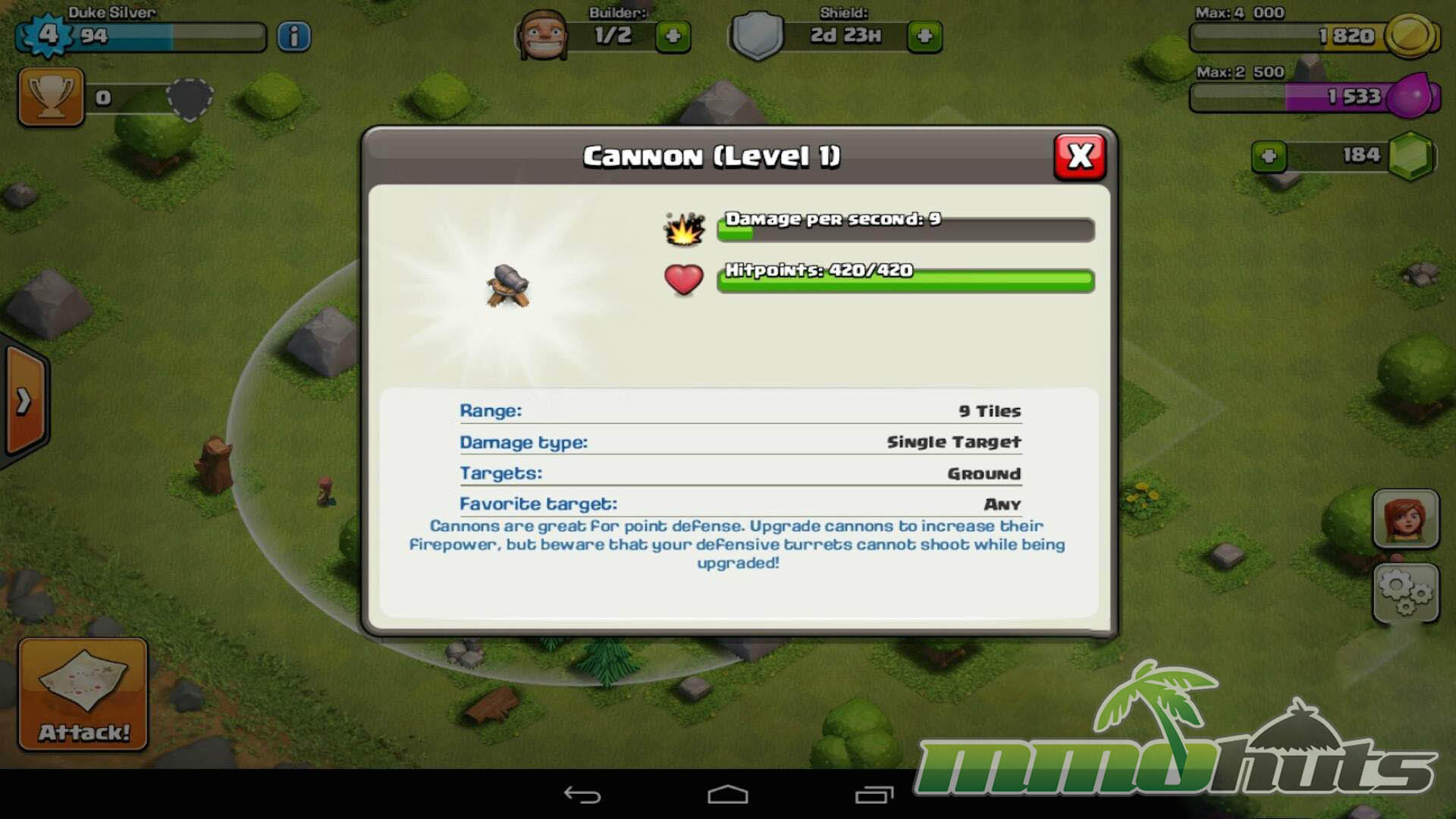
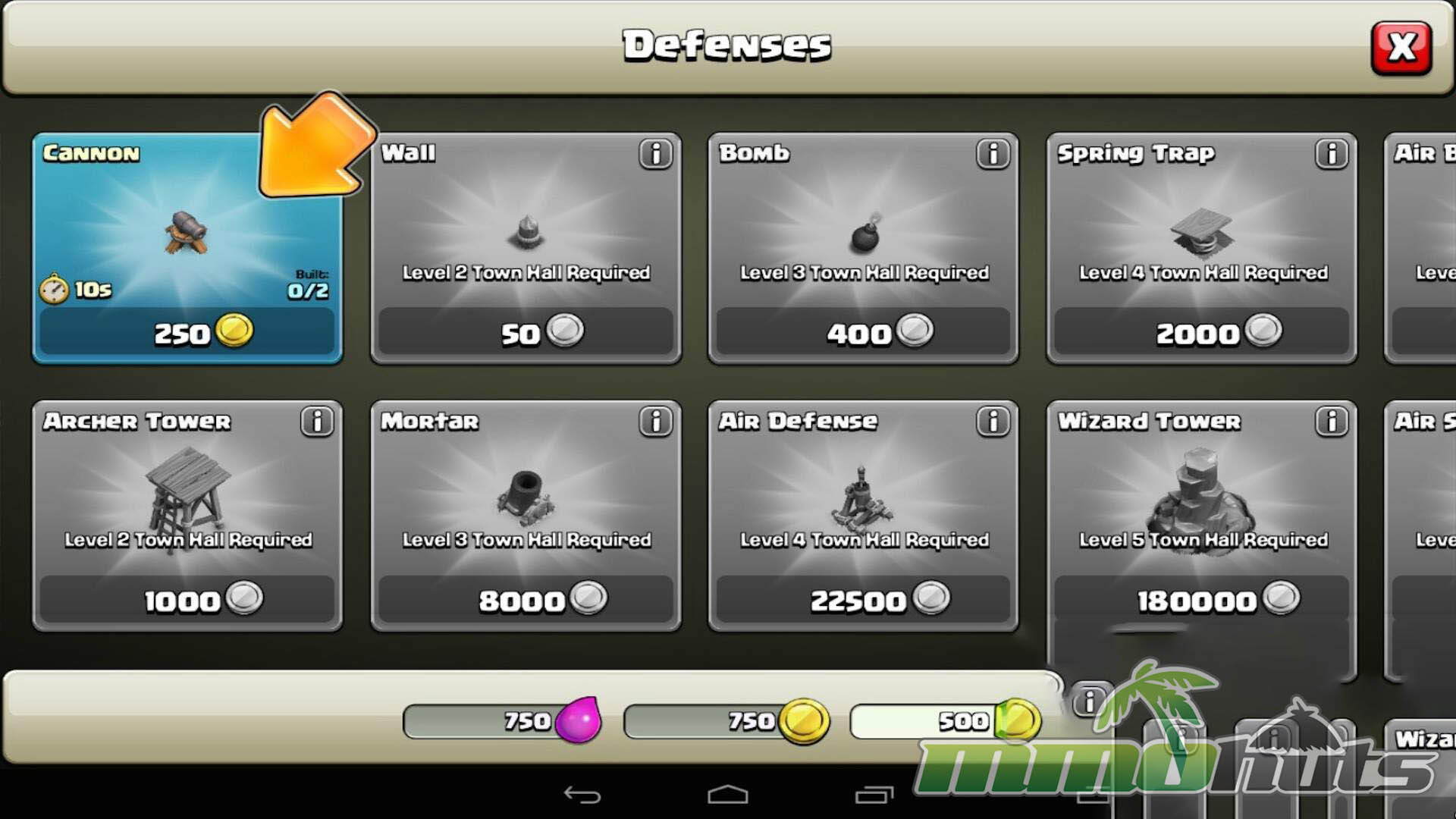
On the offensive side, you train units and choose when to spend them, either against goblin-controlled maps in the campaign or against real players in PvP. On defense, you are constantly iterating on layouts using walls, cannons, traps, and other tools to make raids costly or unprofitable. Progress is steady early on, then increasingly tied to longer build timers and more demanding resource requirements, which is where planning and efficient upgrades become important.
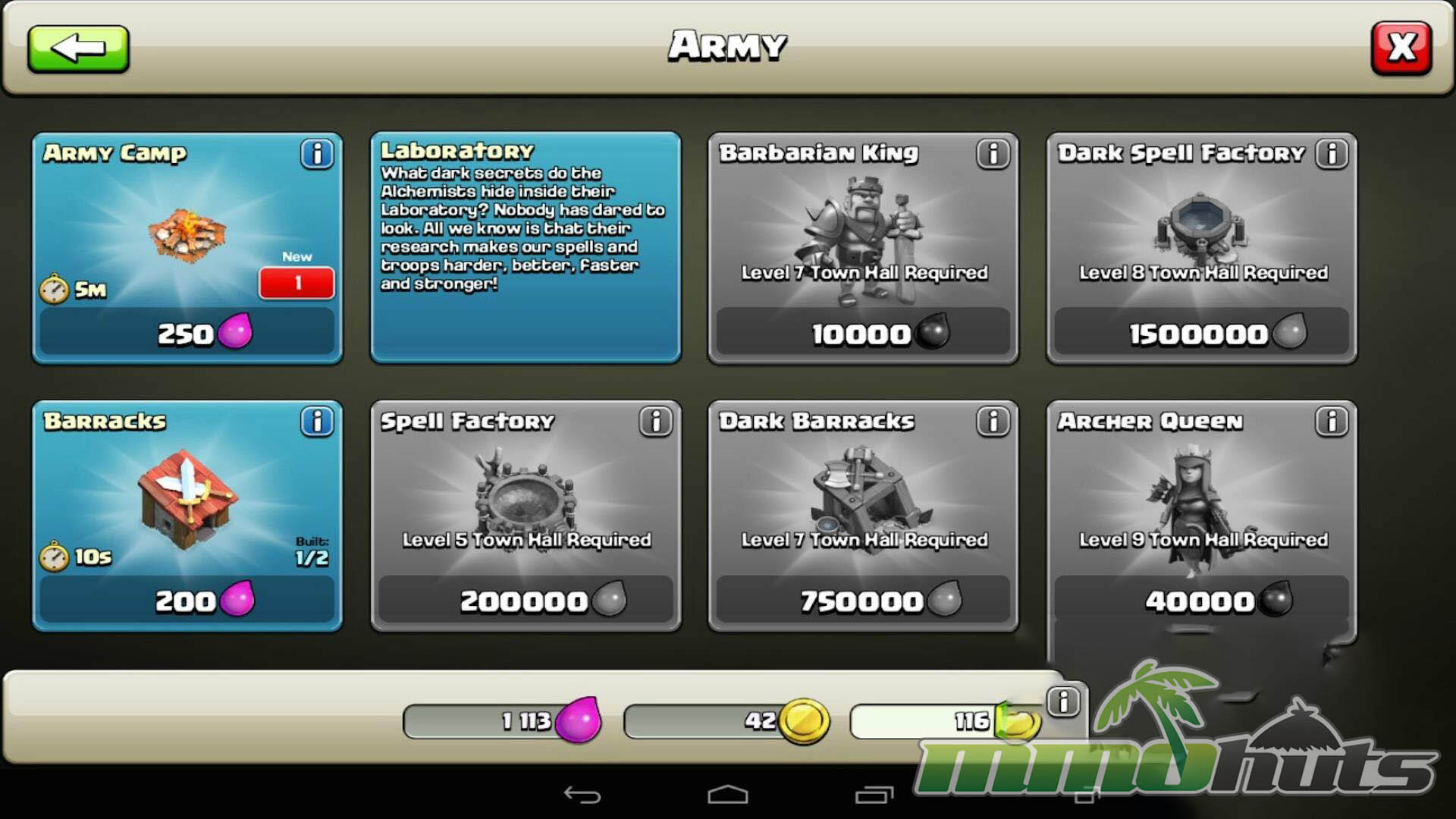
Troops and heroes are unlocked through a four-tier system, with a total of 18 different unit types available as you advance. Joining a Clan adds a major social layer, allowing you to coordinate attacks, share troops, and take part in clan-focused competition that pushes the game beyond solo base management.
Clash of Clans Key Features:
- Build Your Village – gather gold and elixir to expand your settlement, then reinforce it with defenses and infrastructure upgrades.
- Single-Player Warfare – clear goblin bases to practice strategies, learn unit roles, and earn useful rewards.
- Intense PvP – attack other players for loot, then join a clan to participate in larger-scale competitive play.
- Various Units – over 18 troop types are available across a 4-tier troop system.
- Tactical Deployment – success depends on smart placement and timing, a poor drop can waste an army.
Clash of Clans Screenshots


Clash of Clans Featured Video

Clash of Clans Review
Clash of Clans has been a defining example of the mobile village-builder formula for years, and it is not hard to see why it stayed visible while many similar games faded. It is approachable, runs well on phones, and communicates its systems clearly, even when the underlying meta becomes more complex. At the same time, it is also a very pure freemium experience, upgrades take time, resources take effort, and spending money mostly buys speed. If you enjoy the routine of building, optimizing, and testing your layout against other players, it remains one of the stronger entries in its category. If you want a strategy game that is primarily about constant, uninterrupted play sessions, the timers and grind can wear thin.
From Empty Plot to Working Village
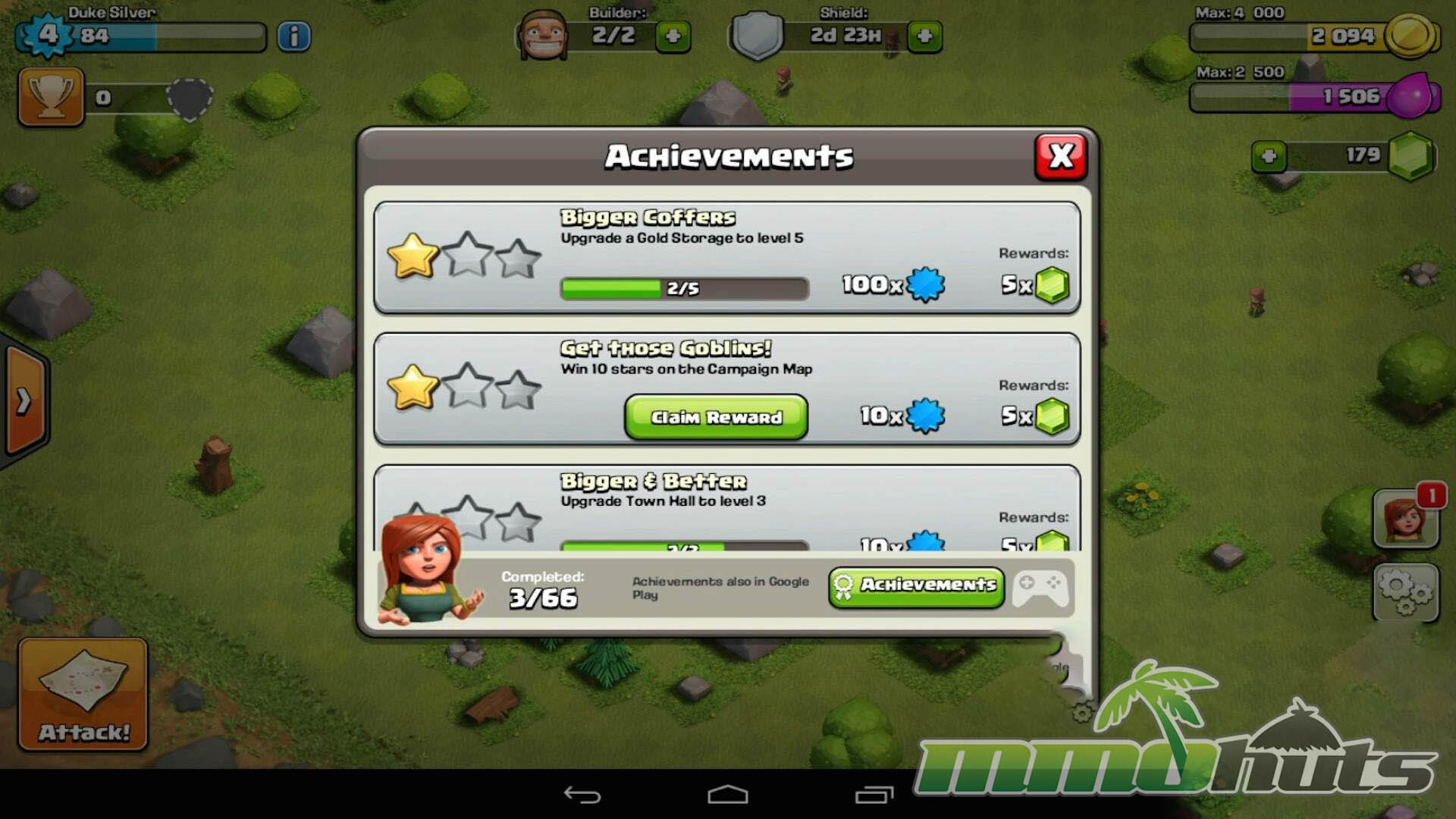
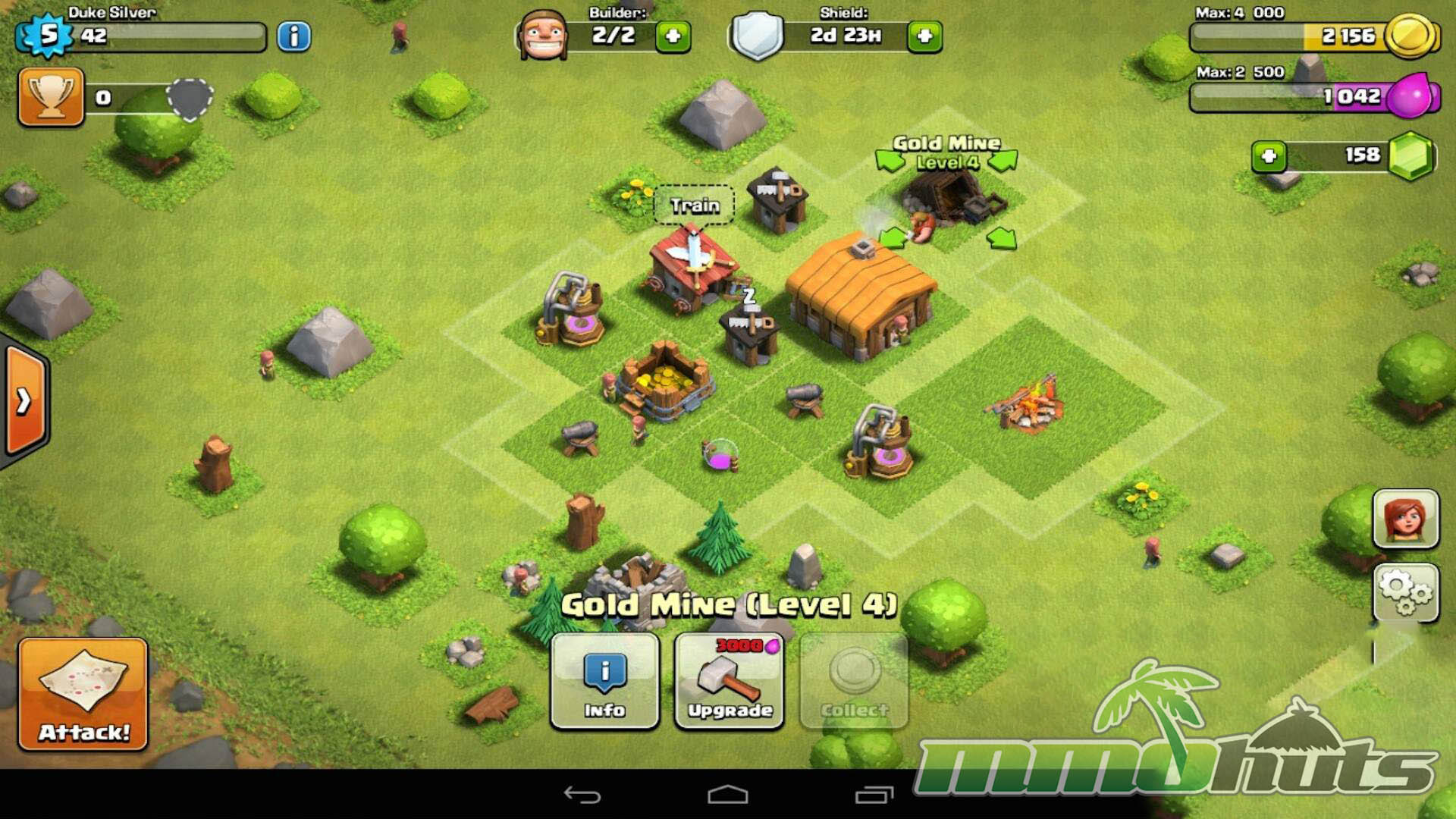
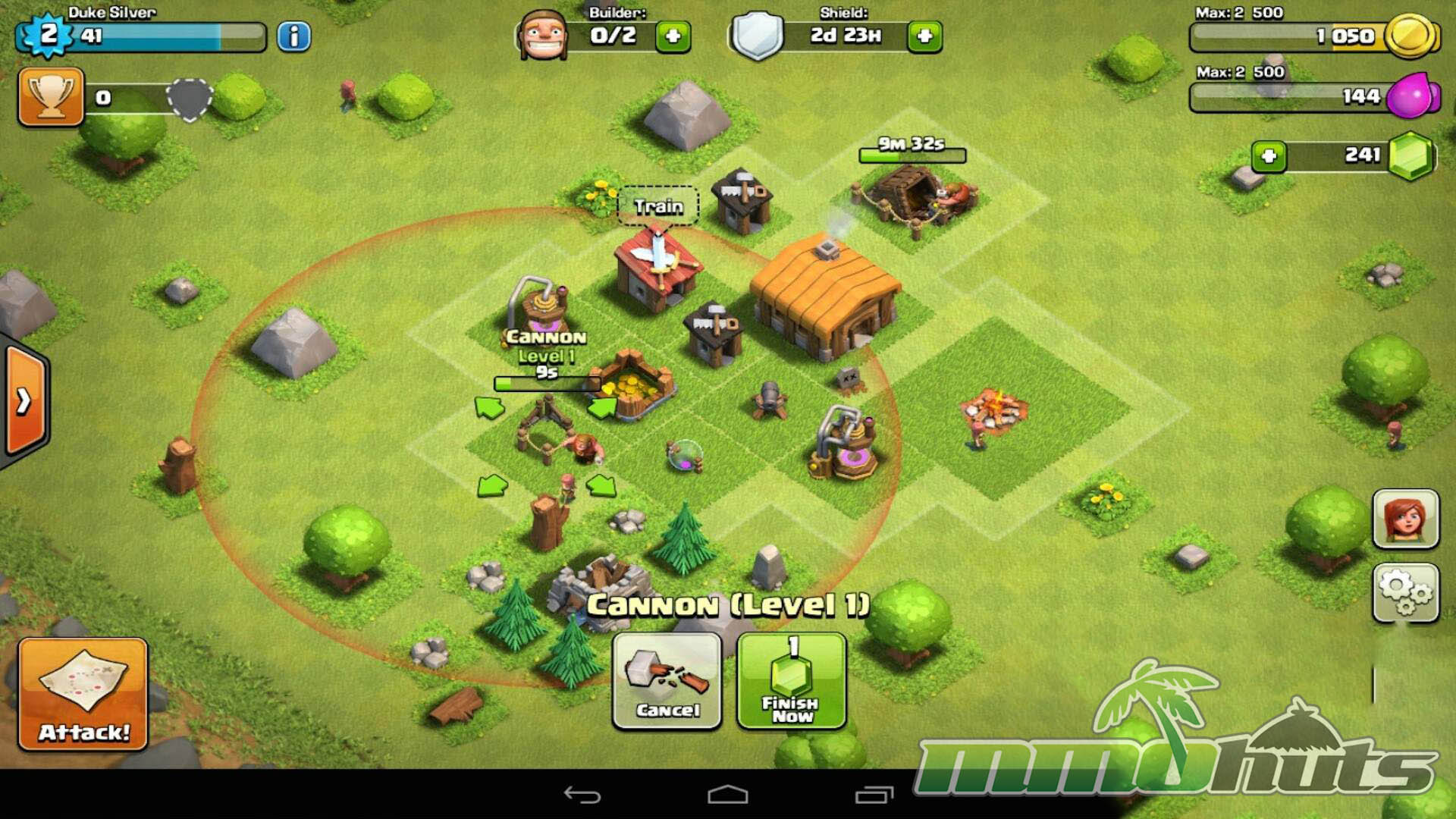
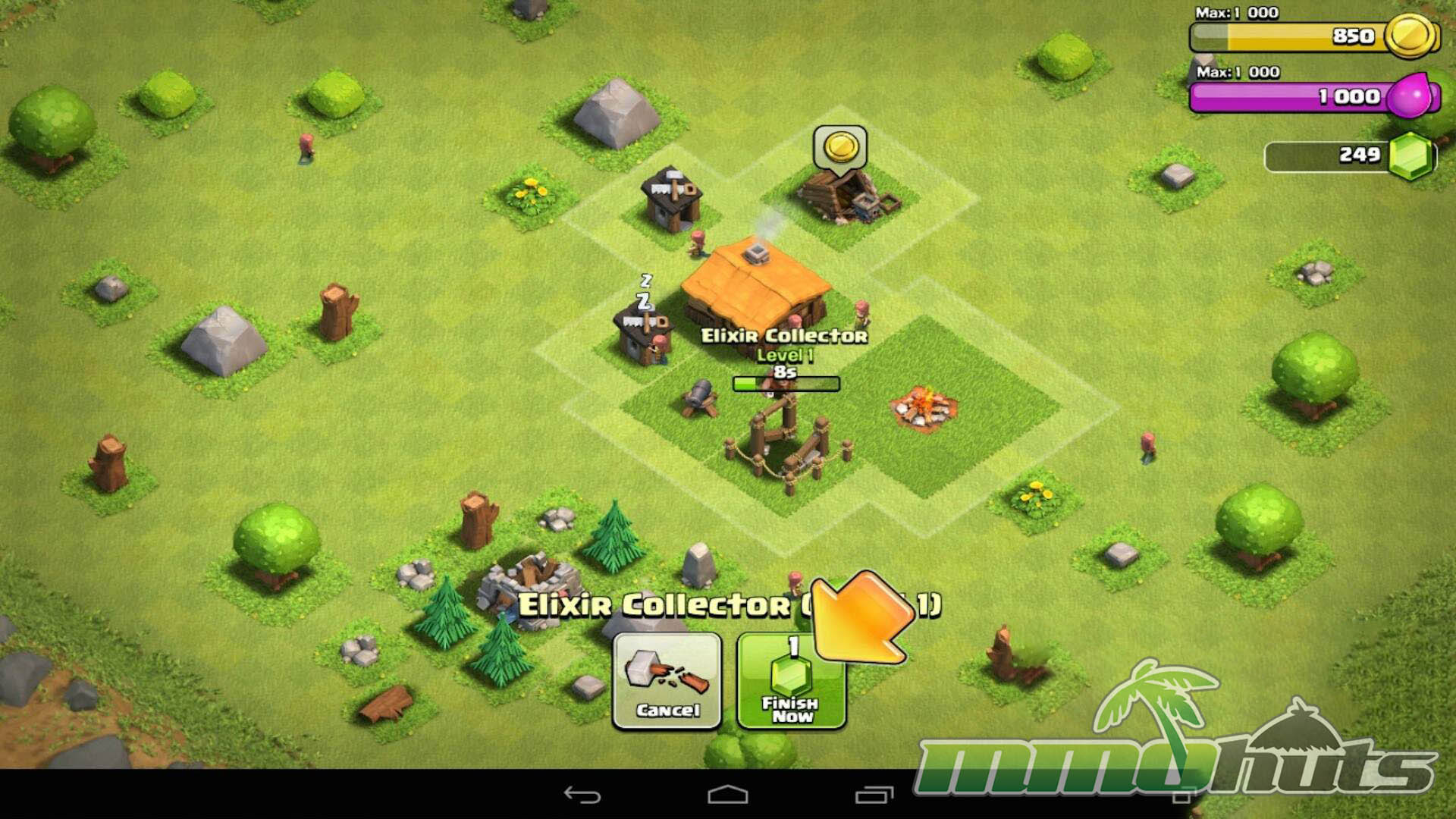
You begin with a small patch of land cluttered with trees and rocks, plus a couple of workers ready to follow instructions. The opening tutorial quickly establishes the main priorities, set up gold mines and elixir collectors, improve storage, upgrade the Town Hall to unlock more buildings, and place basic defenses so you are not an easy target. The pace is friendly at first, with quick builds that teach the upgrade loop without demanding much waiting.
Gems serve as the premium currency, and they are mainly used to accelerate construction, finish training, or cover missing resources. Early on you are given enough to feel flexible, but that cushion disappears as build times climb. You can earn a small amount of gems by clearing obstacles, yet even that requires time and spending resources, so it is not a long-term solution for bypassing delays.
As a builder, Clash of Clans is clean and readable, with strong feedback on what each upgrade provides. Where it becomes divisive is how firmly it leans on waiting. You can absolutely play for free, but the design often nudges you toward paying to reduce friction rather than paying to unlock meaningful new content. For some players that is acceptable, for others it makes progress feel artificially gated.
Attacks Are Where the Game Comes Alive
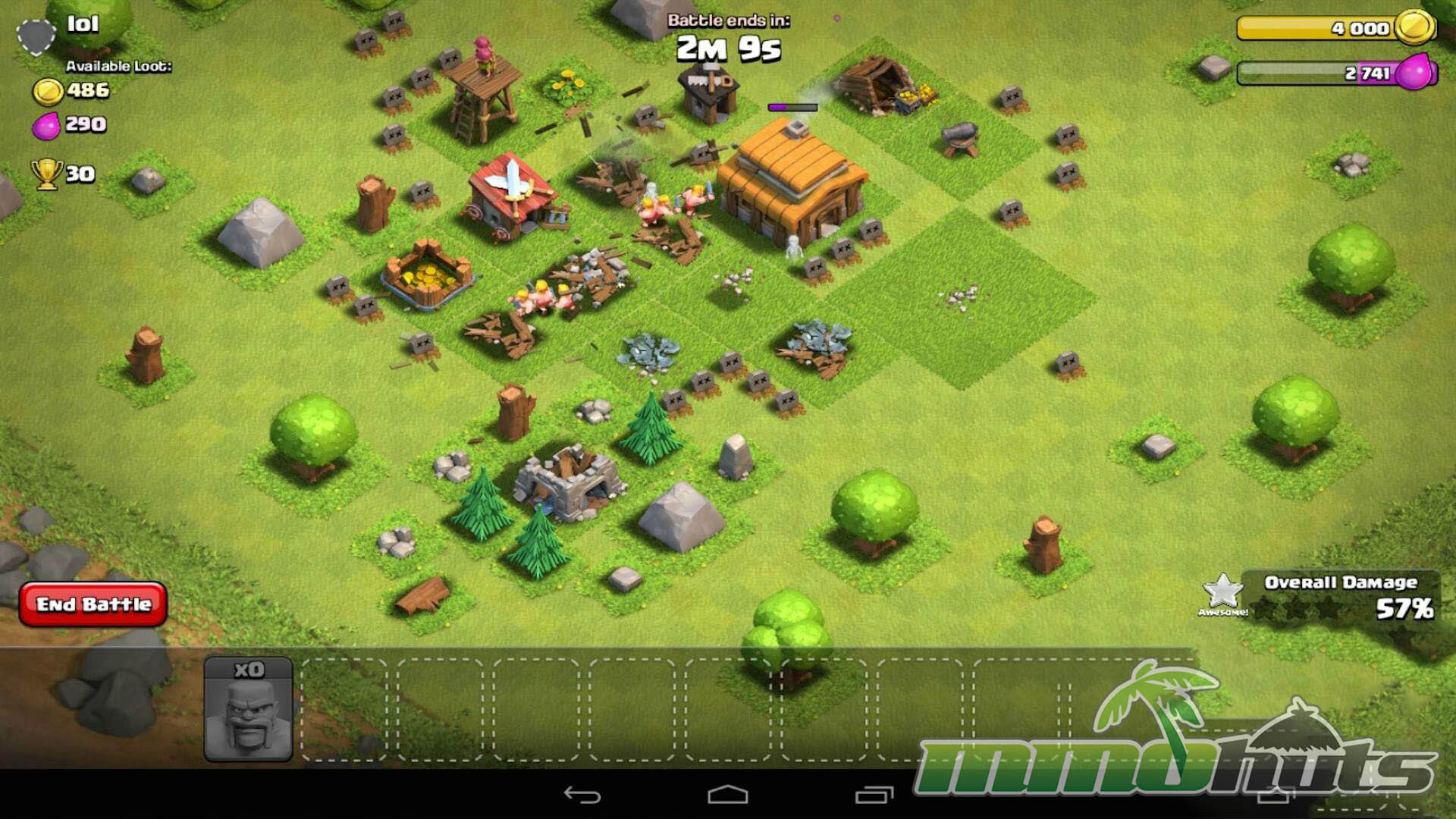
The combat layer is the most engaging part of the package, and it is the main reason the game feels more like a strategy title than a pure idle builder. You assemble an army from your barracks, starting with basic units like Barbarians, then gradually adding more specialized troops as your buildings and research improve. Training involves timers as well, so planning your sessions, and not wasting armies, becomes part of the overall strategy.
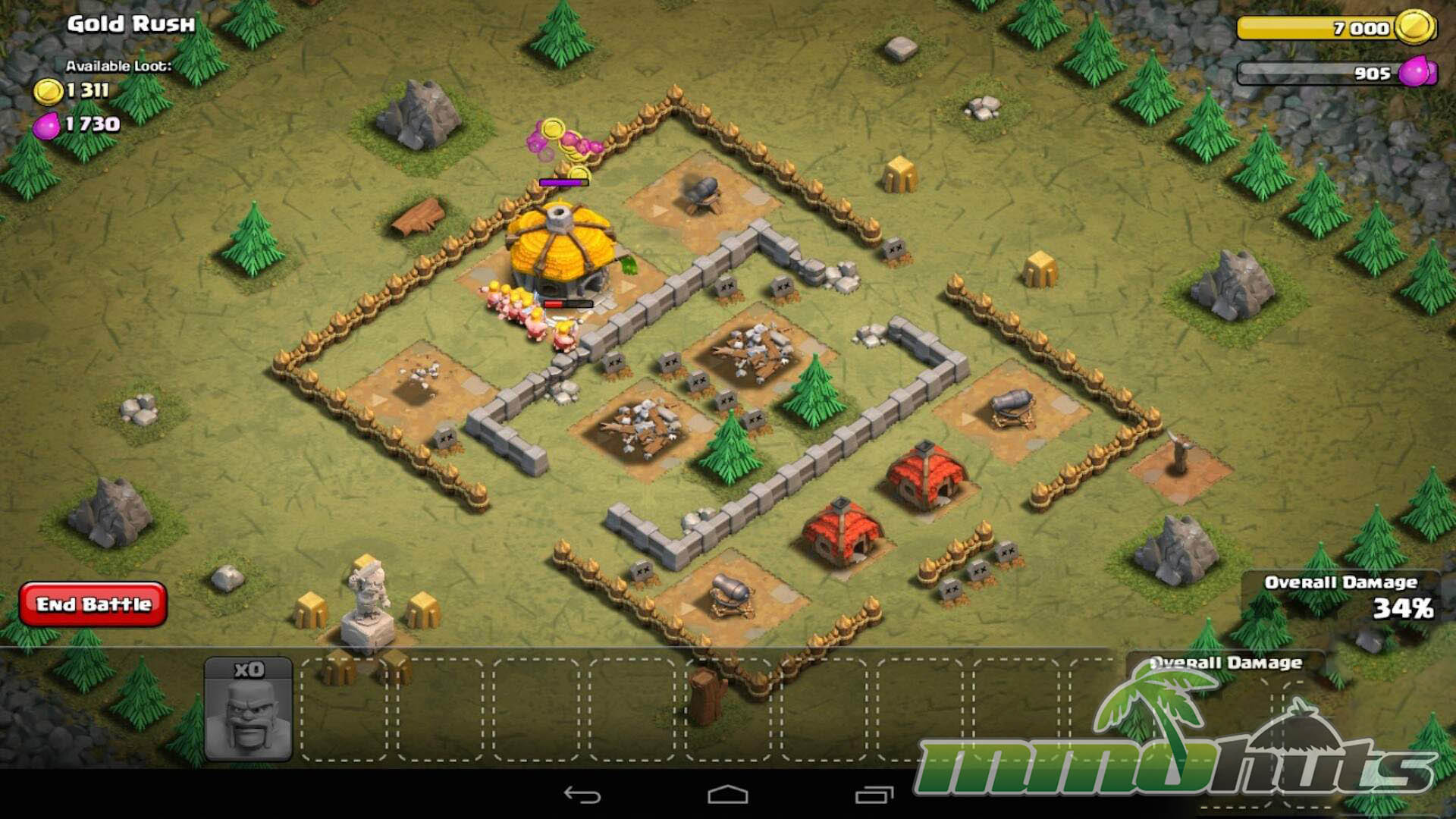
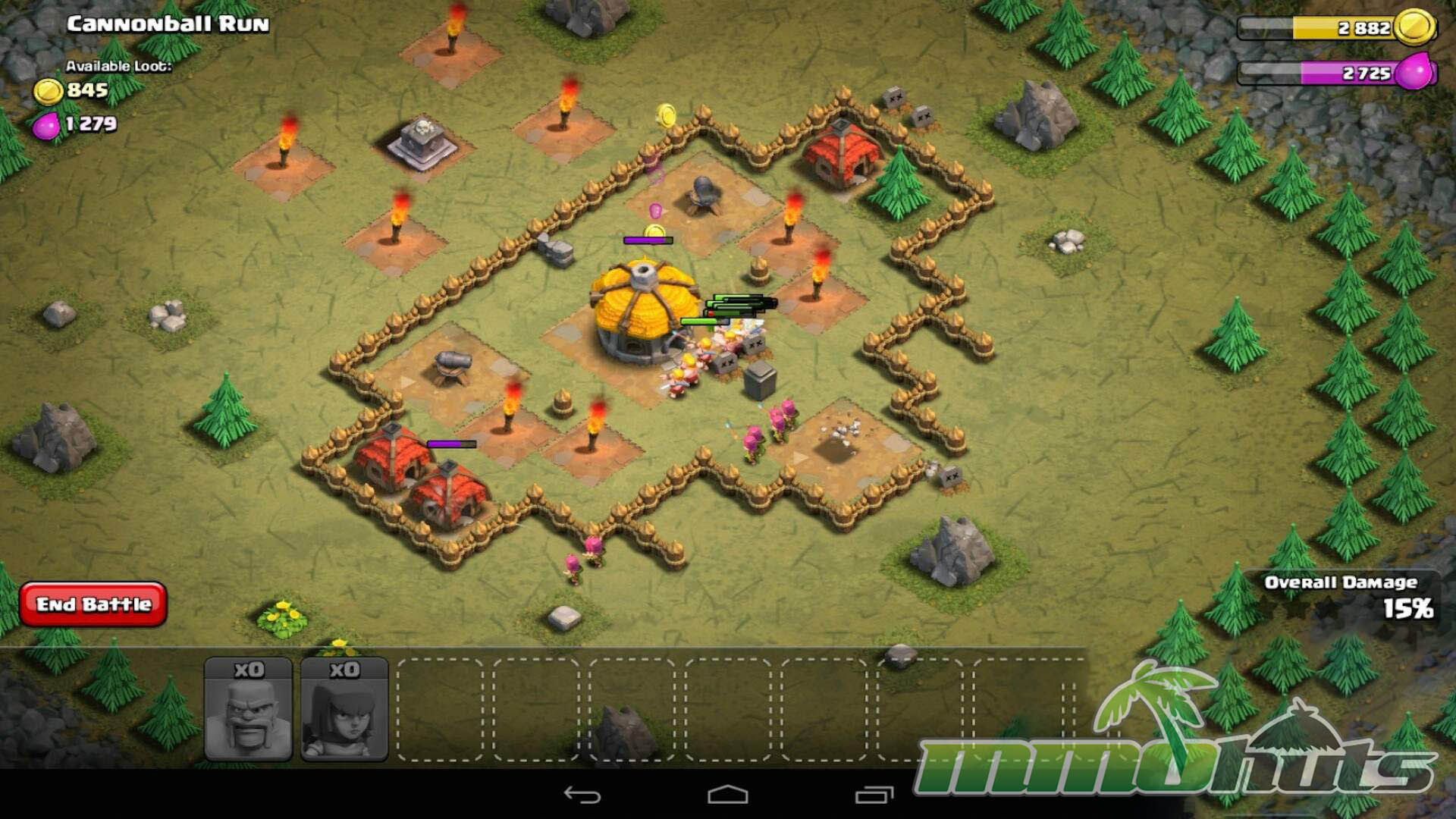
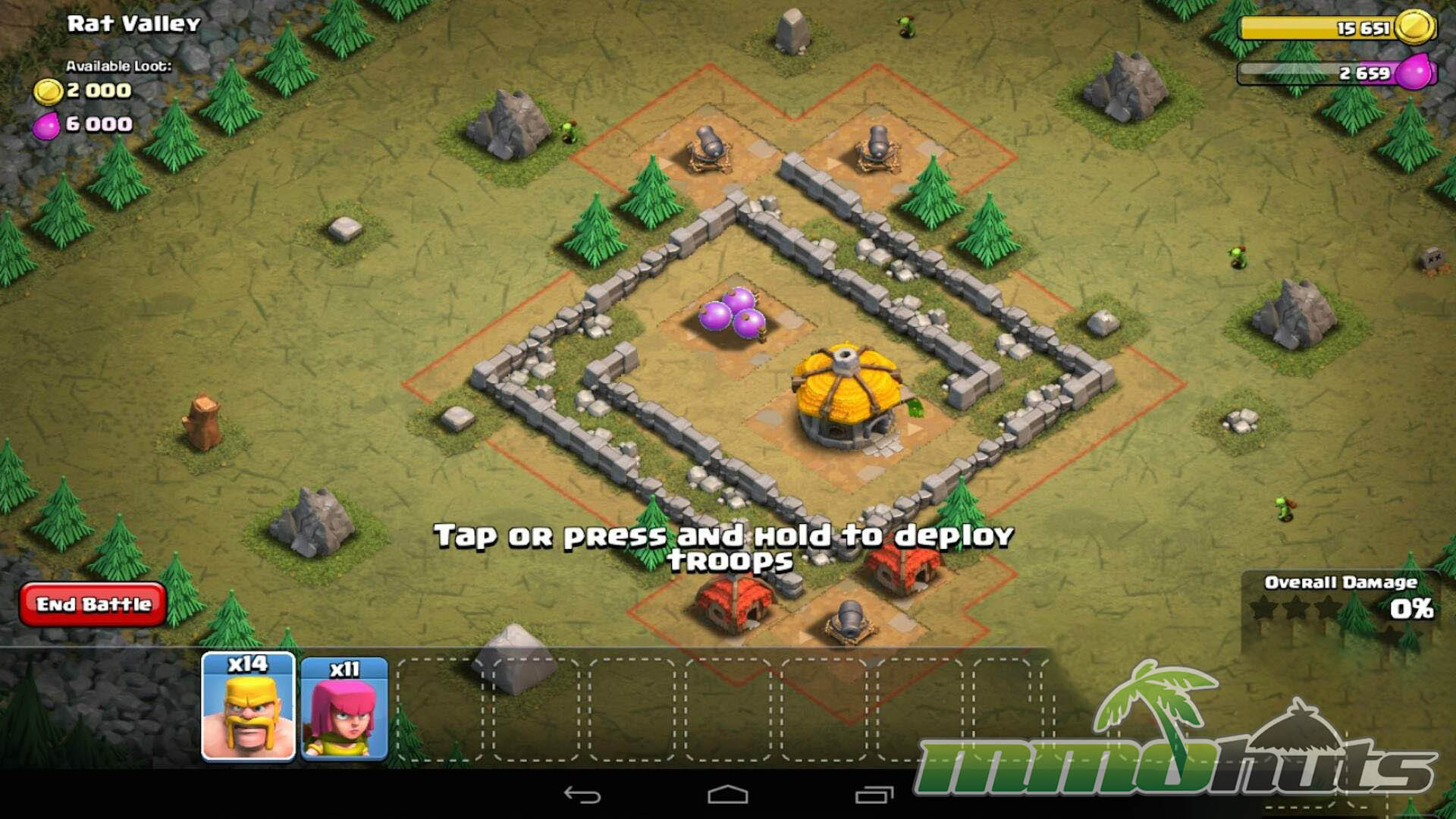
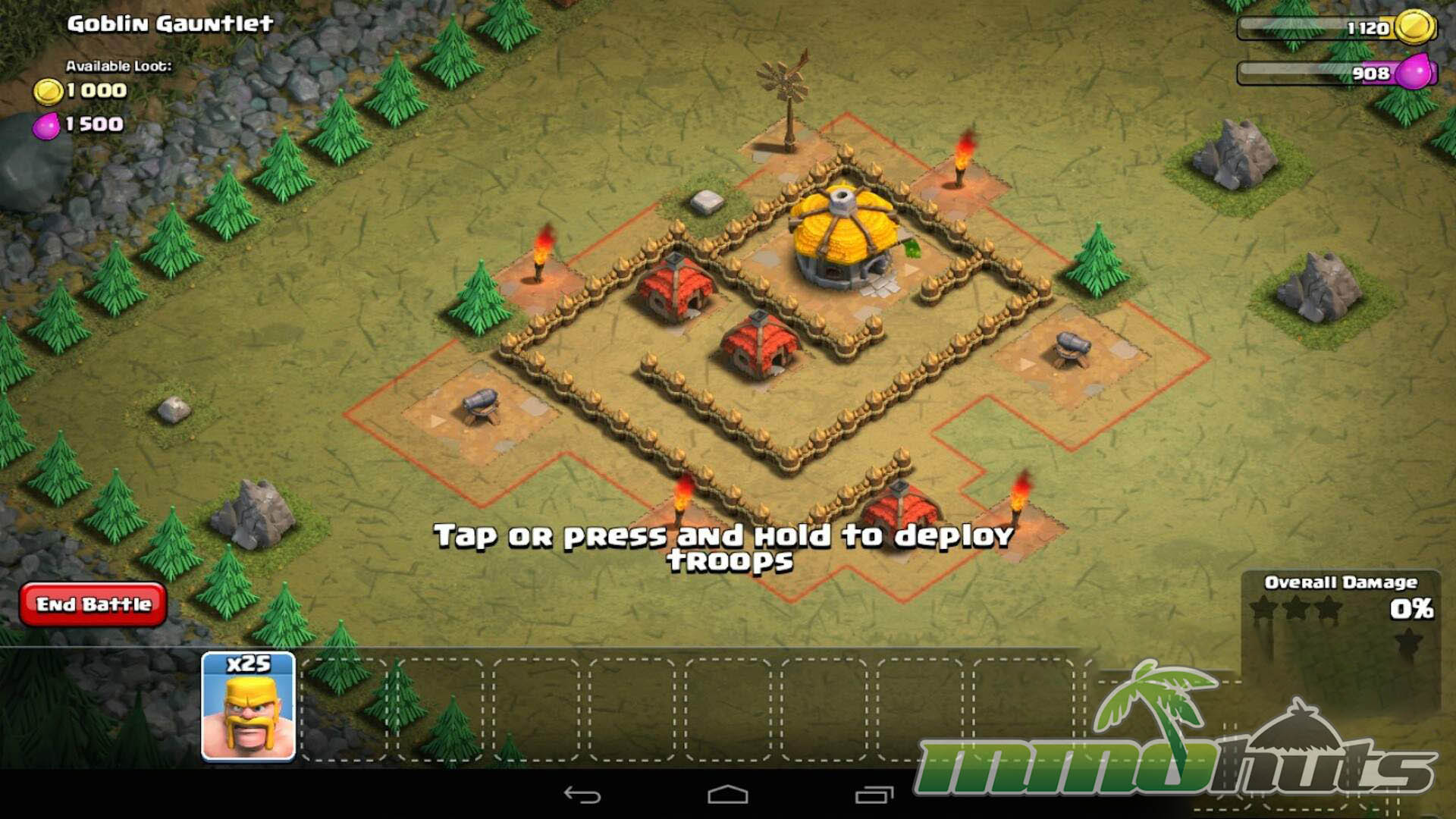
The single-player campaign against goblin bases works as a structured introduction to attacking. Each map is essentially a puzzle box, walls, defenses, and resource buildings are arranged to punish careless troop drops. Your job is to deploy units along the edges, create openings, and manage damage so you can earn enough destruction for stars while still grabbing loot. It is straightforward, but it teaches fundamentals that carry into PvP, funneling, distraction, and the value of targeting key buildings.
Raiding Real Bases, Designing Your Own
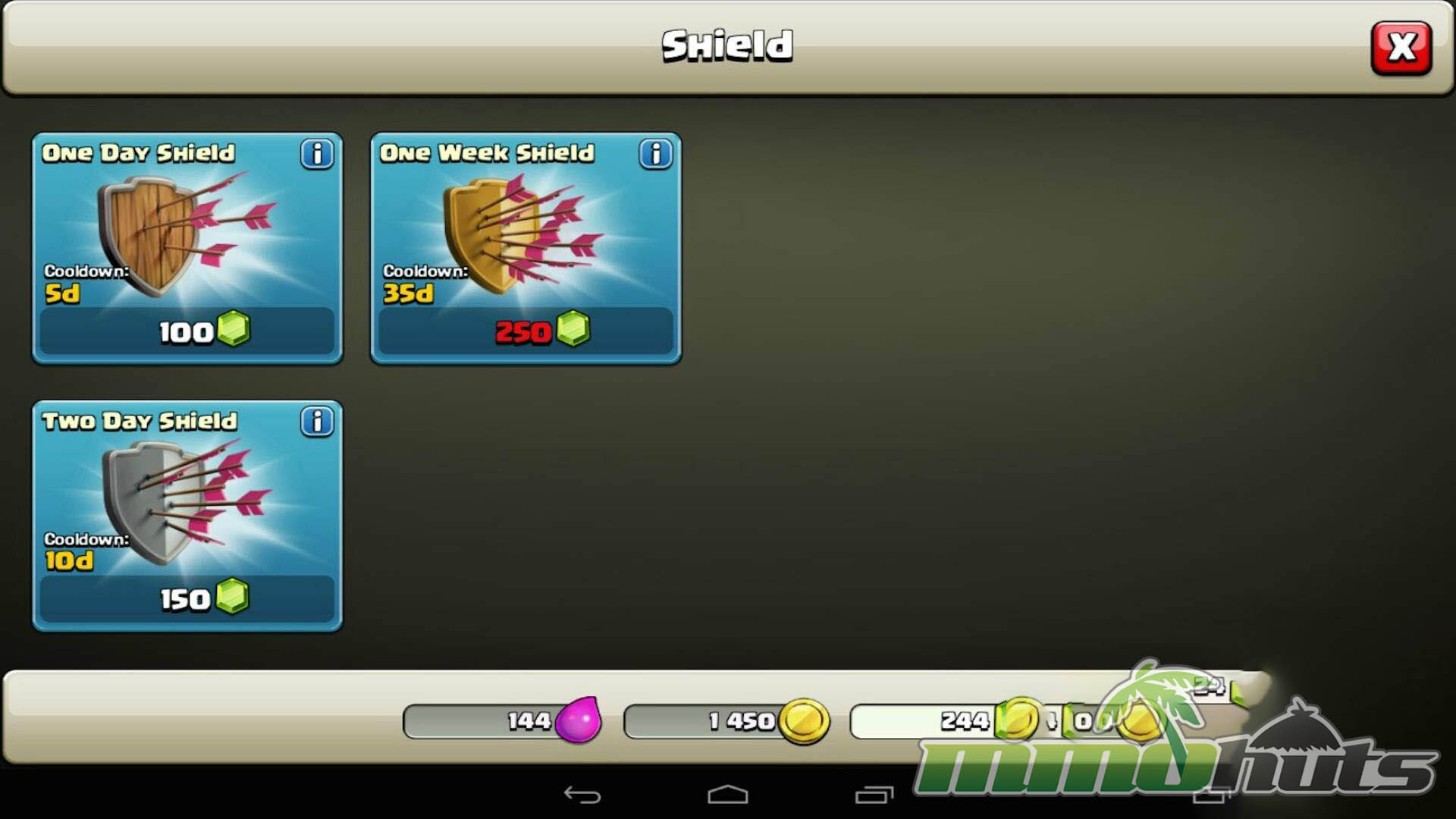
PvP raids follow the same structure, except the bases are designed by other players, which makes scouting and pattern recognition much more important. You start noticing common layouts, trap placement habits, and defensive priorities, then you adapt your army and entry points accordingly. When your shield is down, you can be attacked too, so every offensive push is tied to the risk of becoming someone else’s loot pinata.
This is where Clash of Clans can feel genuinely tactical. Small layout changes can dramatically affect how attackers path through your base, and learning to place walls and defenses to waste enemy time is a real skill. The drawback is that the resource demands scale quickly, and a string of bad raids or costly defenses can slow progress. If you are patient, the loop works. If you dislike repeated farming sessions or long upgrade windows, it can start to feel like work.
Clans Turn It Into a Social Strategy Game
Clans are the feature that gives Clash of Clans its most lasting momentum. Once you repair the Clan Castle (for 10,000 gold), you can apply to groups that match your play style, from open casual clans to competitive rosters with strict requirements. Being in a clan adds a steady stream of interaction, chat, advice, and the practical benefit of troop donations.
Donations are especially impactful because they can give lower-level players access to units they have not unlocked or upgraded yet. A veteran clanmate can send high-tier troops to support your attacks, which changes what you can safely attempt in both farming and competitive battles. This creates a strong sense of progression through community rather than purely through solo upgrades.
Clan Wars are the centerpiece of this system. Members coordinate targets, scout bases, and use a limited number of attacks to earn stars for the team. The result is a more structured form of PvP where planning matters, and the social pressure to contribute can be motivating. It is the closest Clash of Clans gets to an MMO-like rhythm, and it is also where many players find the game’s depth.
Final Verdict – Great
Clash of Clans is an excellent example of its genre, polished, readable, and built around satisfying tactical raids and meaningful base layout decisions. Its strongest moments come from competing with other players and coordinating with a clan, where the game’s simple controls support surprisingly thoughtful strategy. The freemium structure is also unavoidable, progress is tied to timers and resource loops, and spending money mostly reduces waiting rather than expanding the experience. For players who enjoy long-term village growth and social competition, it is still one of the most complete mobile strategy builders available.
Clash of Clans Links
Clash of Clans Official Site
Clash of Clans Wikipedia
Clash of Clans Developer Site
Clash of Clans Apple App Store
Clash of Clans Google Play
Clash of Clans Wikia [Database/Guides]
Clash of Clans System Requirements
Minimum Requirements:
Android 4.0.3 and up / iOS 5.1.1 or later
Clash of Clans Music & Soundtrack
Clash of Clans Additional Information
Developer: Supercell
Publisher: Supercell
Platforms: iOS, Android
Game Engine: Objective-C, C++, Java
iOS Release Date: August 02, 2012
Android Release Date: October 07, 2012
Development History / Background:
Clash of Clans was created by Finnish mobile developer Supercell. After the company’s first title, Gunshine.net (2011), the studio shifted focus toward a mobile-first strategy builder that became Clash of Clans. The game launched on iOS on August 02, 2012, followed by an Android release on October 07, 2013. Supercell later expanded its catalog with other mobile hits such as Hay Day and Boom Beach.
Clash of Clans became Supercell’s biggest financial success during its early years, bringing in $892 million in 2013, up from $101 million in 2012. Across Supercell’s main titles, the company reported $1.7 billion in earnings in 2014. In February 2015, Supercell also ran a Super Bowl XLIX promotional ad featuring Liam Neeson, which Business Insider ranked as the 5th most watched Super Bowl ad. Supercell has continued supporting Clash of Clans with ongoing updates and held its first annual convention, ClashCon, on October 25, 2015.