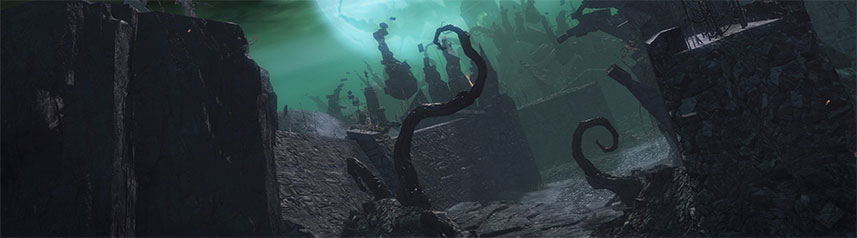
ASTA Online is a 3D fantasy MMORPG that draws heavily from Asian mythology, sending players across the world of Samsara to take on quest chains, dungeon runs, and massive boss encounters while the setting’s two rival factions push their conflict toward open war.
 | Publisher: Move Games Playerbase: Shut Down Type: Fantasy MMORPG Release Date: April 26, 2017 (Move Games) March 02, 2016 (Webzen), Shut Down Date: October 4, 2016 PvP: Faction / Duels / Battlegrounds/ Arenas/ GvG Pros: +Attractive visuals with richly built zones. +Large-scale boss fights that can be genuinely threatening. +Myth-inspired setting that stands out from standard fantasy. Cons: -Core loop is conventional and can feel grind-heavy. -Classes are restricted by race choices. -Repeated NPC assets and voice work. -Localization quality issues. |
ASTA Online Overview
ASTA Online takes place in Samsara, a mythic realm shaped by Asian folklore and split between two opposing factions. You begin by pledging yourself to either side, selecting from six races total, then choosing from five core classes that branch into sub-classes. From there, the game follows a familiar MMORPG structure: quest through hub areas, push into increasingly dangerous regions, and spend plenty of time in dungeons where elite enemies and oversized bosses are the main attractions.
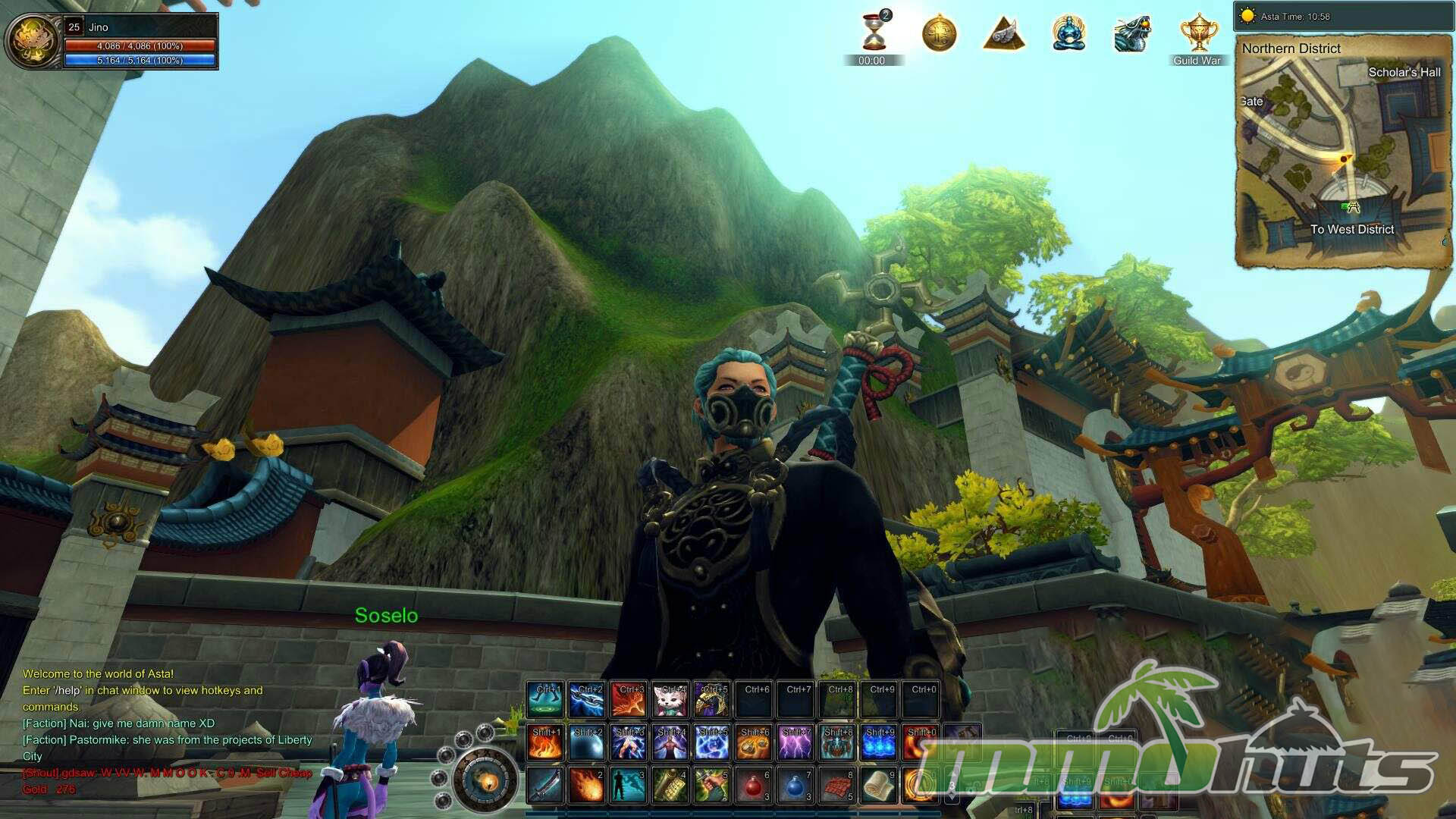
World exploration is a major part of the experience, with zones built around Asian-inspired architecture, shrines, and landscapes. The game also leans on faction identity as a long-term motivator, with open-world conflicts when players cross paths, plus structured PvP options like arenas and battlegrounds for those who prefer matchmaking. ASTA Online shut down on October 4, 2016, then later returned via a Steam relaunch handled by Move Games on April 26, 2017.
ASTA Online Key Features:
- Asian-Inspired MMORPG – roam through regions featuring Asian-styled buildings and creatures drawn from myths and legends.
- Dynamic Quests – encounter area-based events and missions that appear as you move through specific locations.
- Two Warring Factions – align with one of two sides living on separate continents, with conflict escalating once the factions collide.
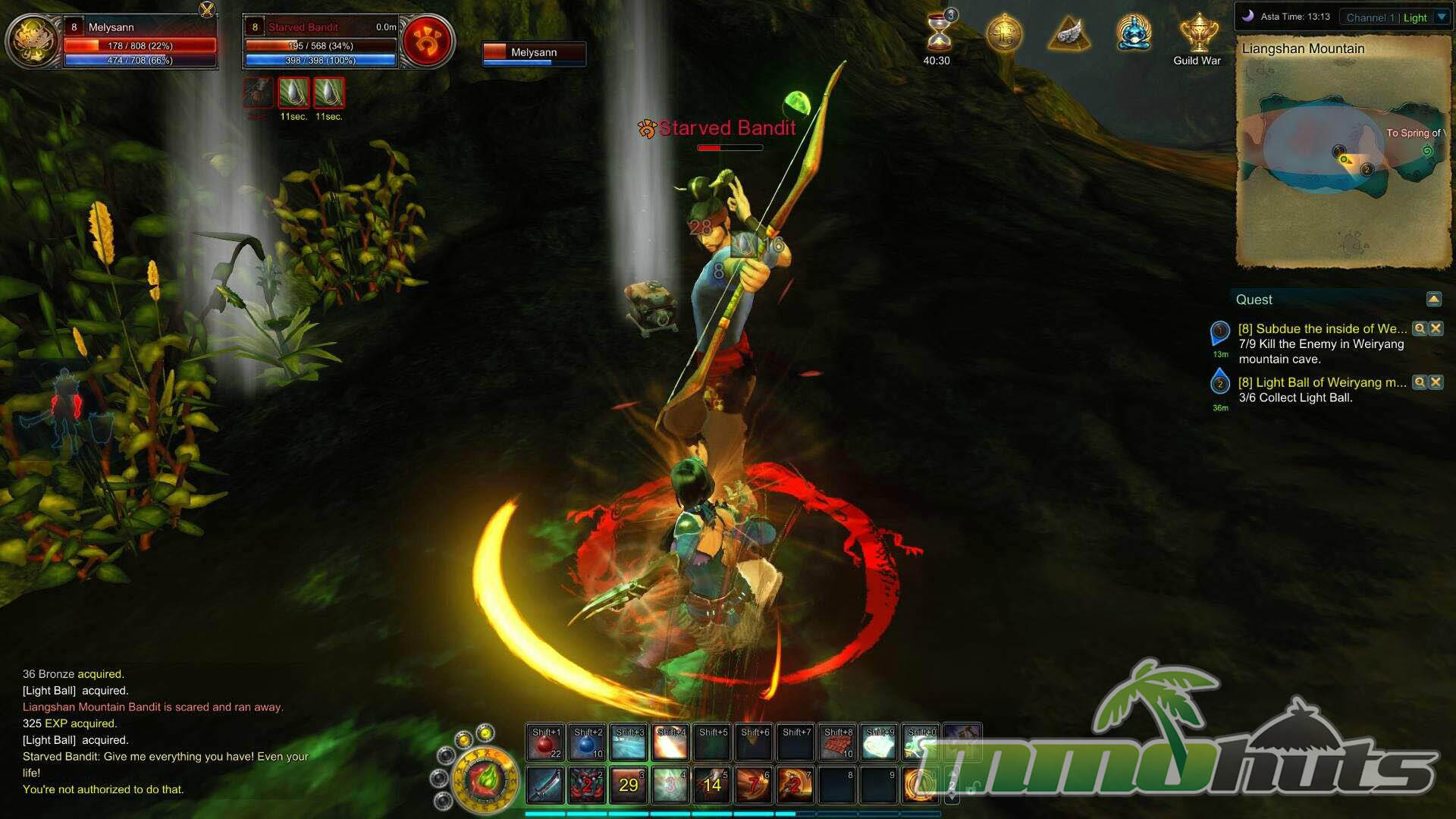
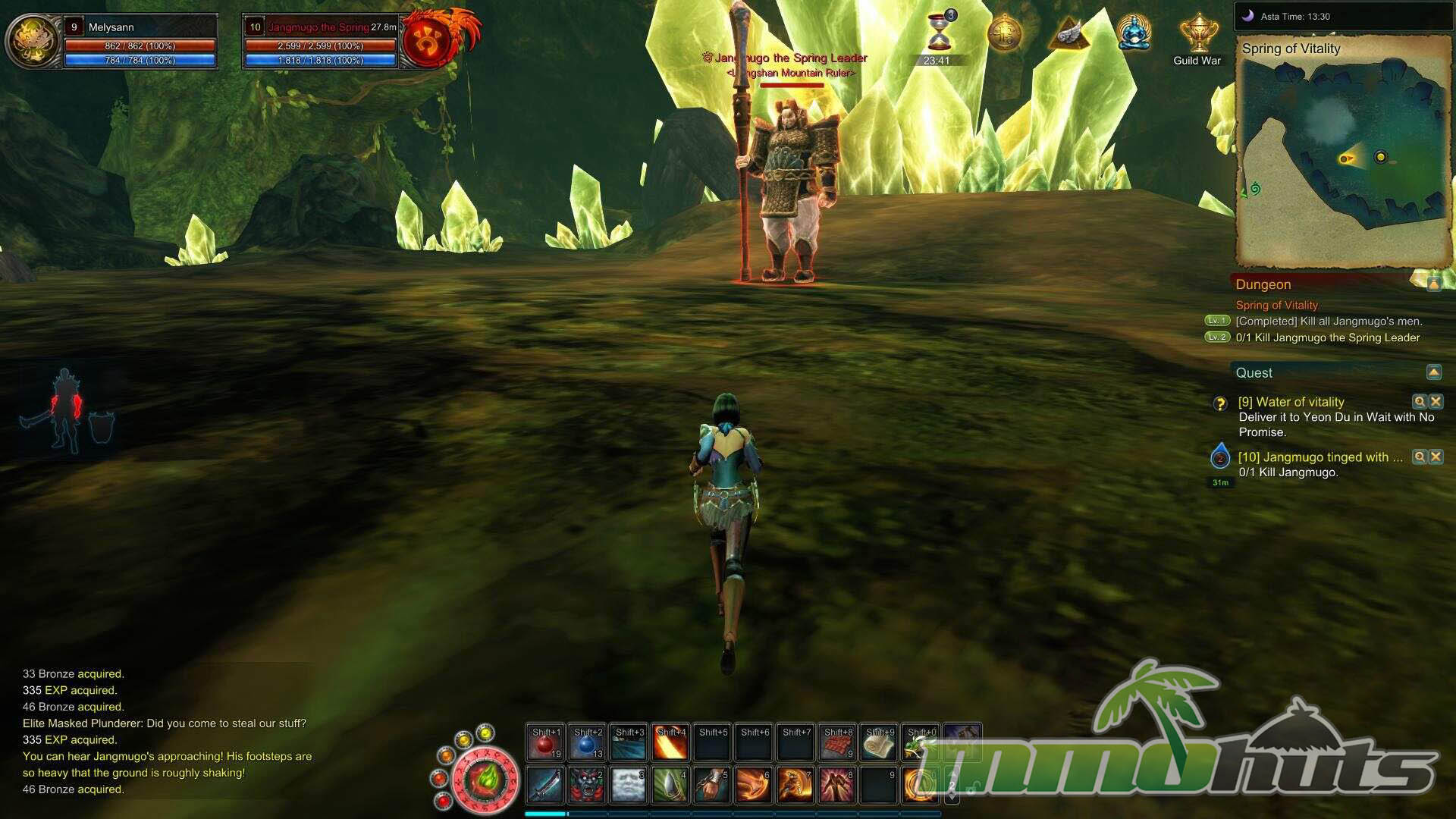
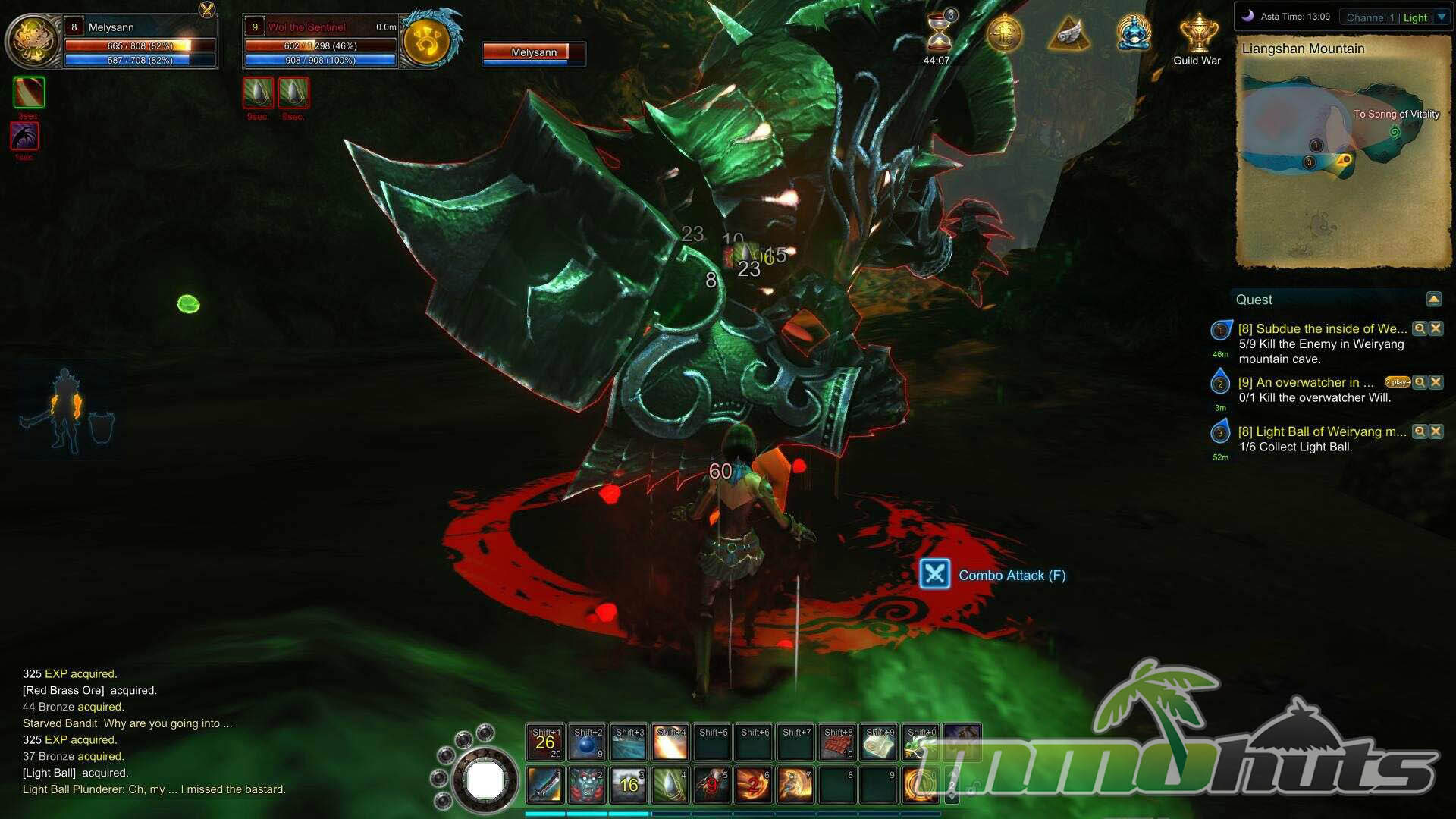
- Huge Bosses – fight towering elites and raid-like bosses that still punish mistakes even with readable attack cues.
- Mount & Pet System – collect pets and mounts ranging from small critters to more intimidating fantasy beasts.
- Treasure Hunting – search across Samsara for hidden caches that can reward rare and powerful items.




ASTA Online Featured Video

ASTA Online Classes
Warrior – a frontline melee fighter with a mix of offense and survivability. Warriors use multiple weapon types and wear heavy armor.
Rogue – a close-range specialist focused on quickly eliminating priority targets through stealth, debuffs, and poisons.
Archer – a long-range damage dealer designed to keep distance, strike from safety, and push enemies back when they close in.
Mage – a high-damage caster channeling elemental power. Asu mages lean toward fire and lightning, while Ora mages emphasize dark and ice magic.
Healer – a support-oriented class capable of restoring allies from afar while also applying damage-over-time effects and helpful buffs.
Factions and Races:
Asu – followers of the goddess Arita, the Wheel of Life, and the pursuit of Nirvana. Their homeland is the continent where Arita awakened after being cast out of the heavens.
- Humans – a versatile and disciplined people without standout racial powers, but able to thrive through adaptability. Asu Humans can choose any of the five classes.
- Draconians – a proud, battle-driven race with dragon-like traits who claim descent from the Sapphire Dragon. Draconians are limited to Warriors and can only create male characters.
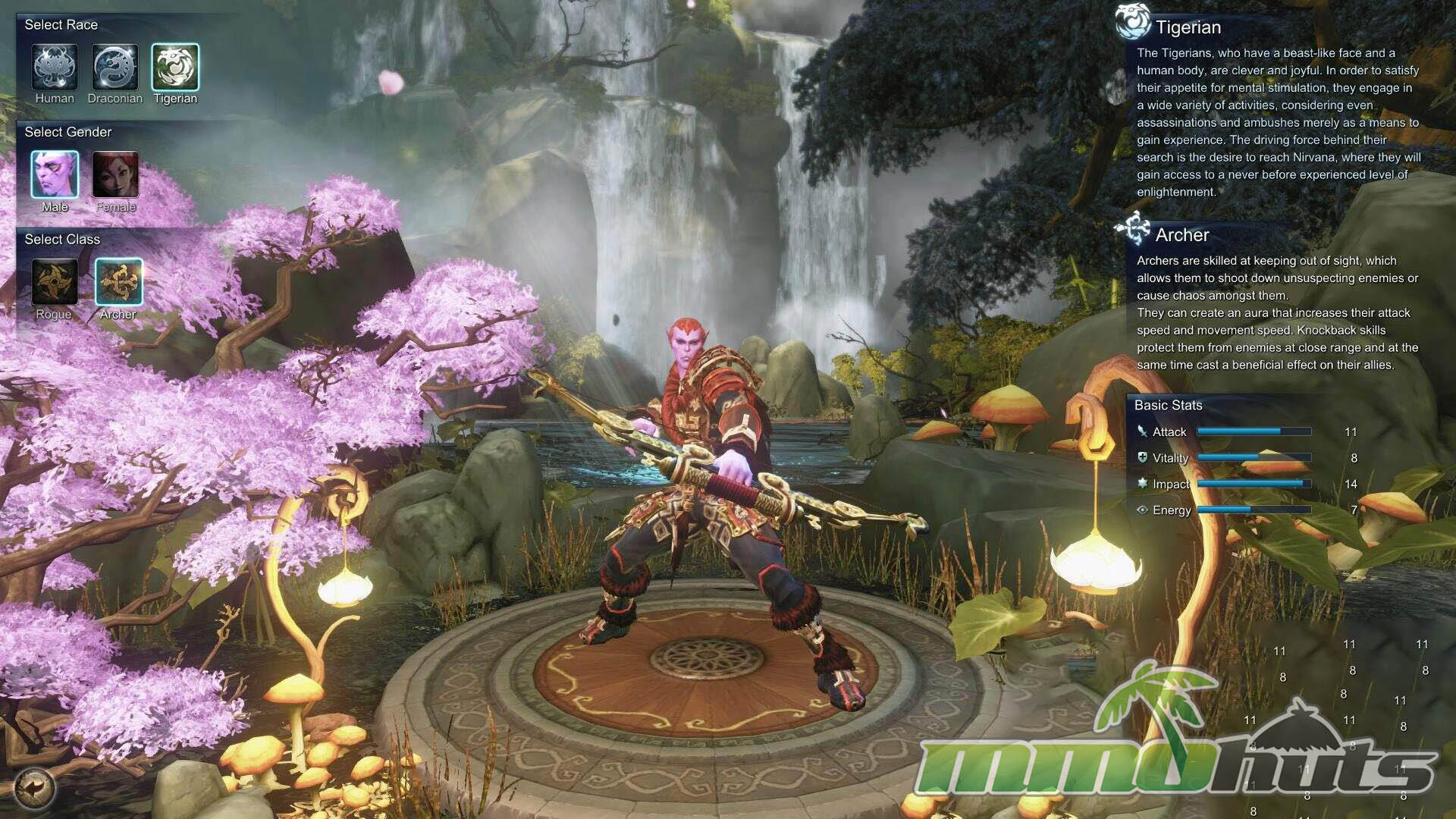
- Tigerians – bright-spirited but dangerous, these beast-like fighters excel at ambush tactics and quick takedowns. Tigerians can only be Rogues or Archers.
Ora – a faction tied to Umra, the god of death, separated from Arita when she fell from the heavens.
- Humans – similar in appearance to Asu Humans, but shaped by devotion to the Onyx Dragon and a rigid social structure. Ora Humans can access all classes.
- Doka – aggressive combatants who live by simple instincts, claim what they want, and destroy what they cannot keep. Dokas can be Warriors or Rogues and can only create male characters.
- Yayo – a composed, proud race that sees itself as born from dreams and starlight. Yayos are restricted to Mage and Healer.
Asta Online Review
ASTA Online is set in Samsara, a fantasy world framed by mythic themes and a long-running conflict between two factions. The backstory establishes a rebellion against divine powers, followed by a catastrophic split that leaves the world divided into separate continents. That division becomes the foundation for both the leveling journey and the game’s PvP identity, since your faction determines where you begin and who you will eventually fight.
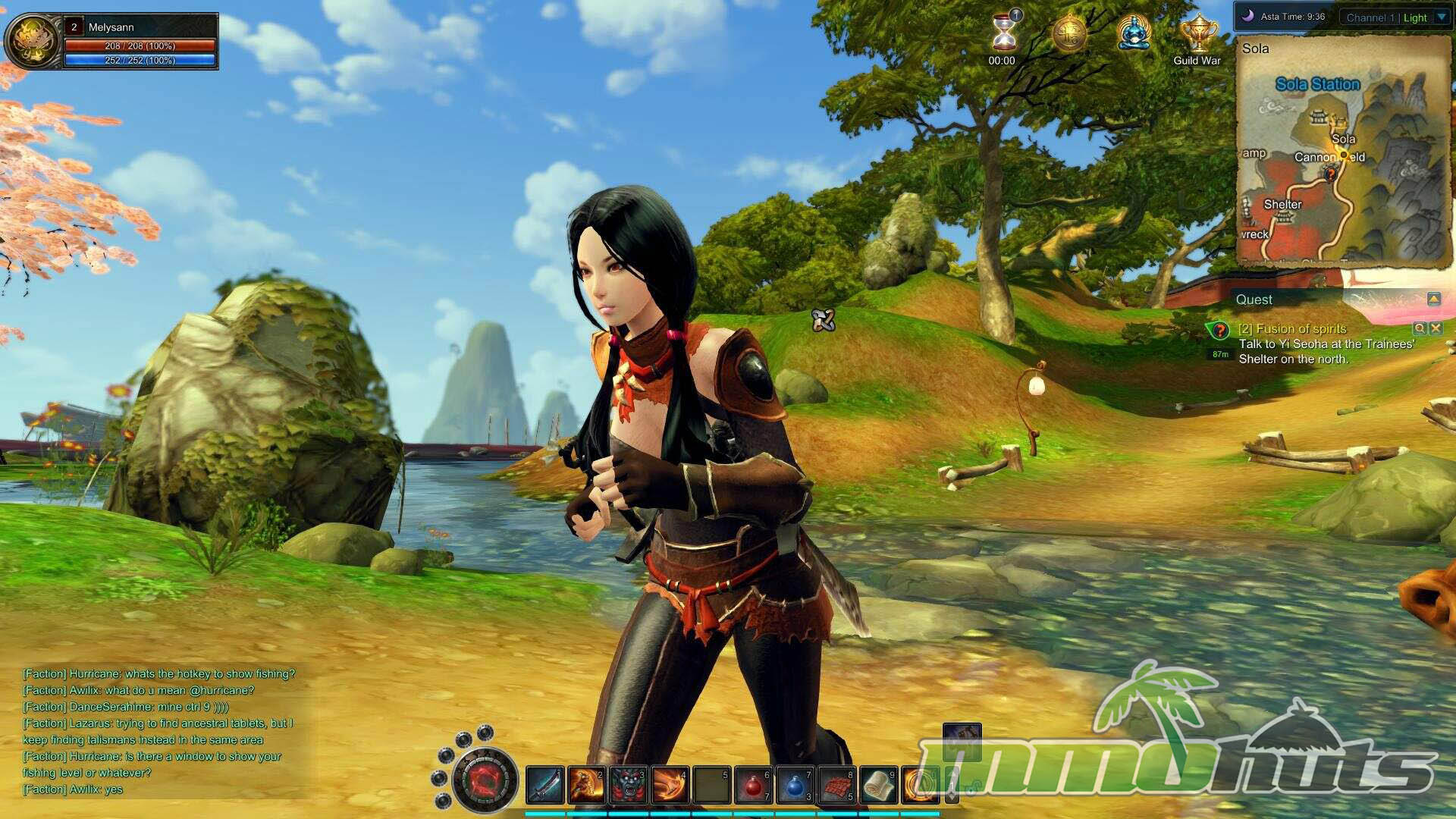
From a presentation standpoint, ASTA benefits from CryEngine 3, delivering sharp character models and colorful, ornamented environments that clearly aim for an “Asian epic” look rather than traditional Western medieval fantasy. Some areas feel genuinely striking, especially when the game leans into temples, elaborate city structures, and creature design. At the same time, the audio side is less consistent, with serviceable music and noticeable repetition in NPCs and voice lines. Small UI sound cues, like menu interactions, are surprisingly pleasant and help the game feel more responsive than you might expect.
Two Sides, One Familiar Formula
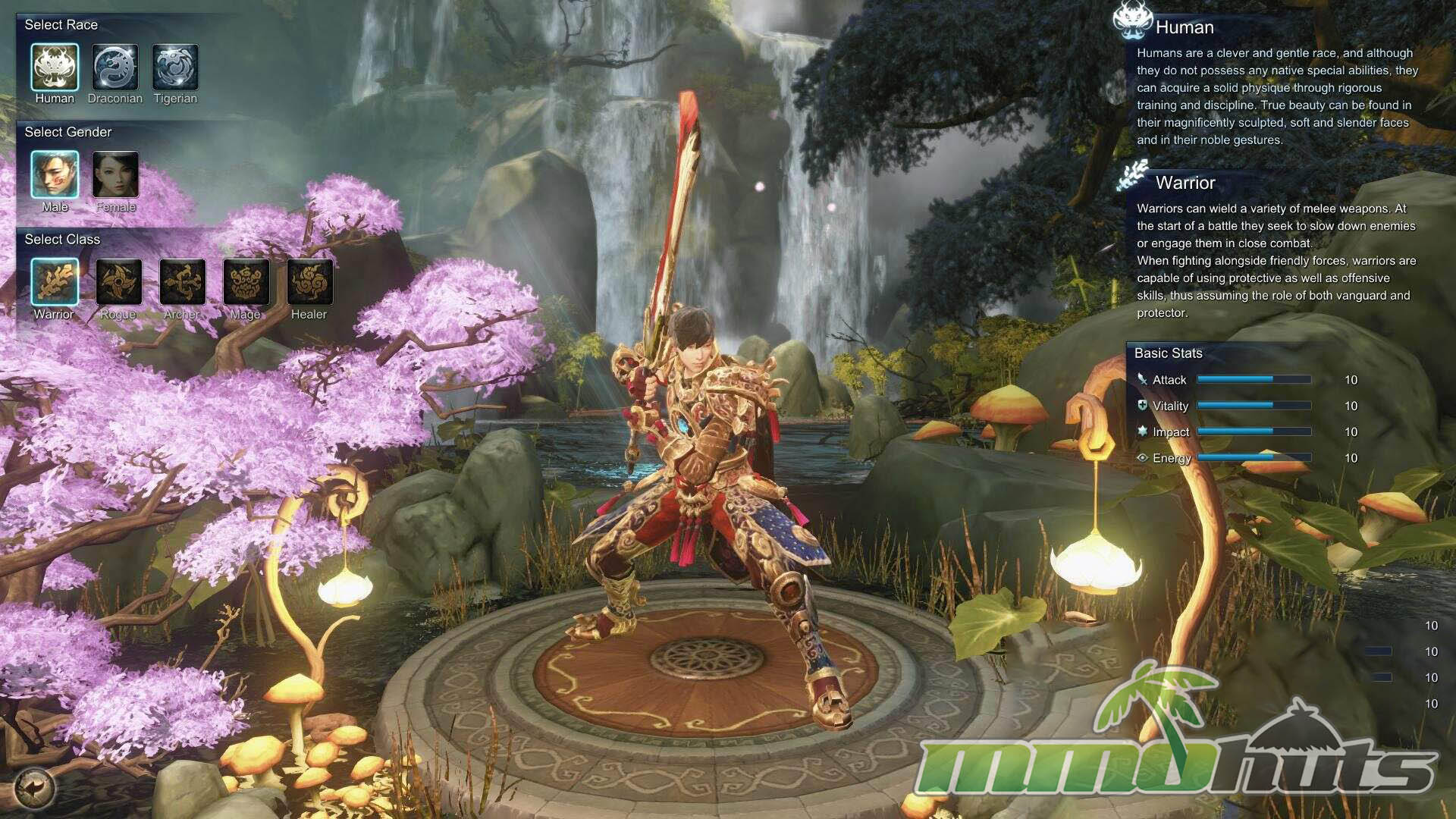
Character creation starts with the most important decision, picking Asu or Ora. After that, you select one of three races within your faction and then your class, which is where ASTA’s restrictions become immediately obvious. Humans, available on both factions, have the widest freedom and can choose any class. The other races are more limited, sometimes down to only one or two options, and a couple are locked to male characters only. It is an interesting way to push faction flavor, but it can also complicate balance and makes “play what you like” harder if you care about a specific race aesthetic.
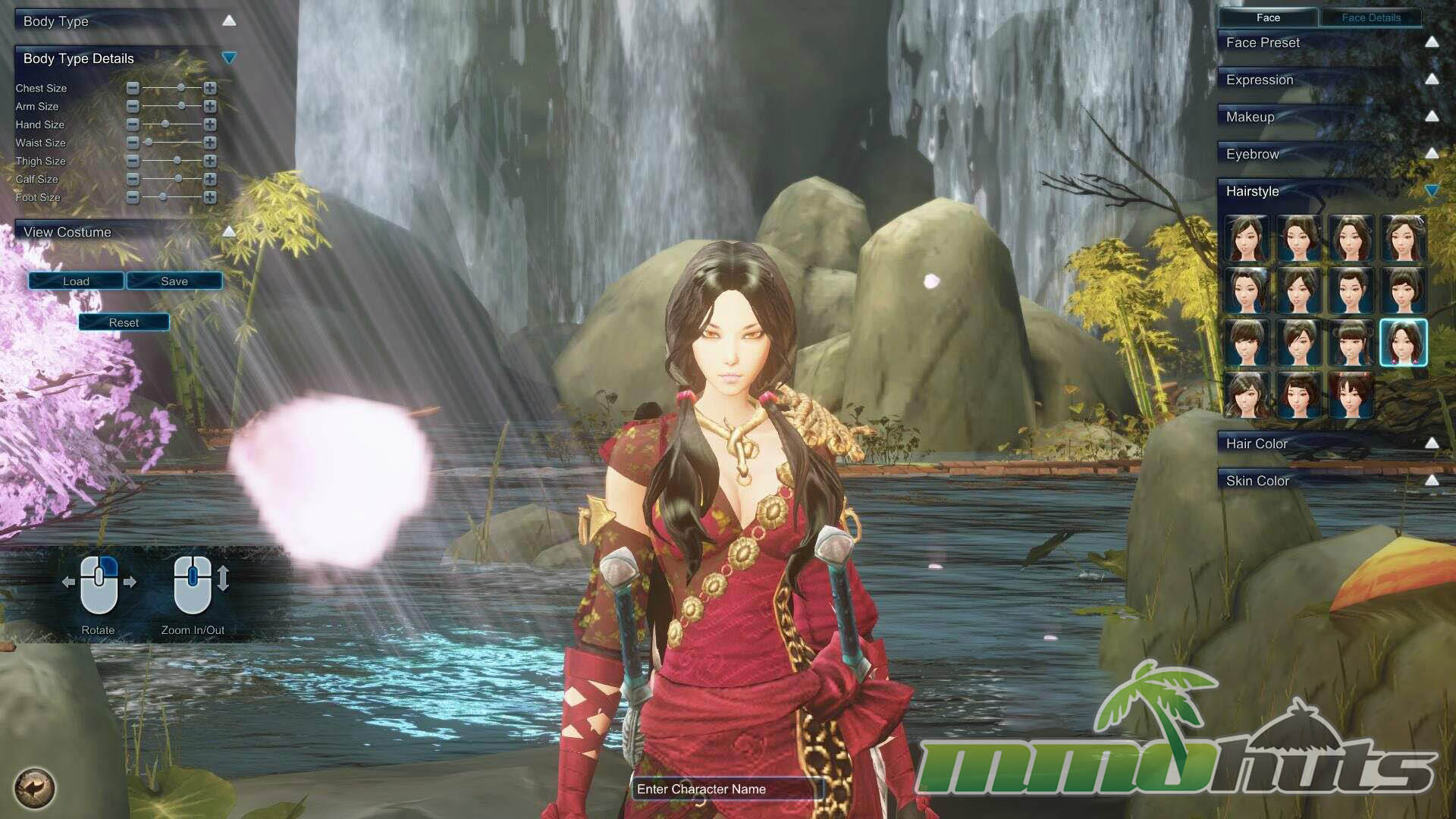
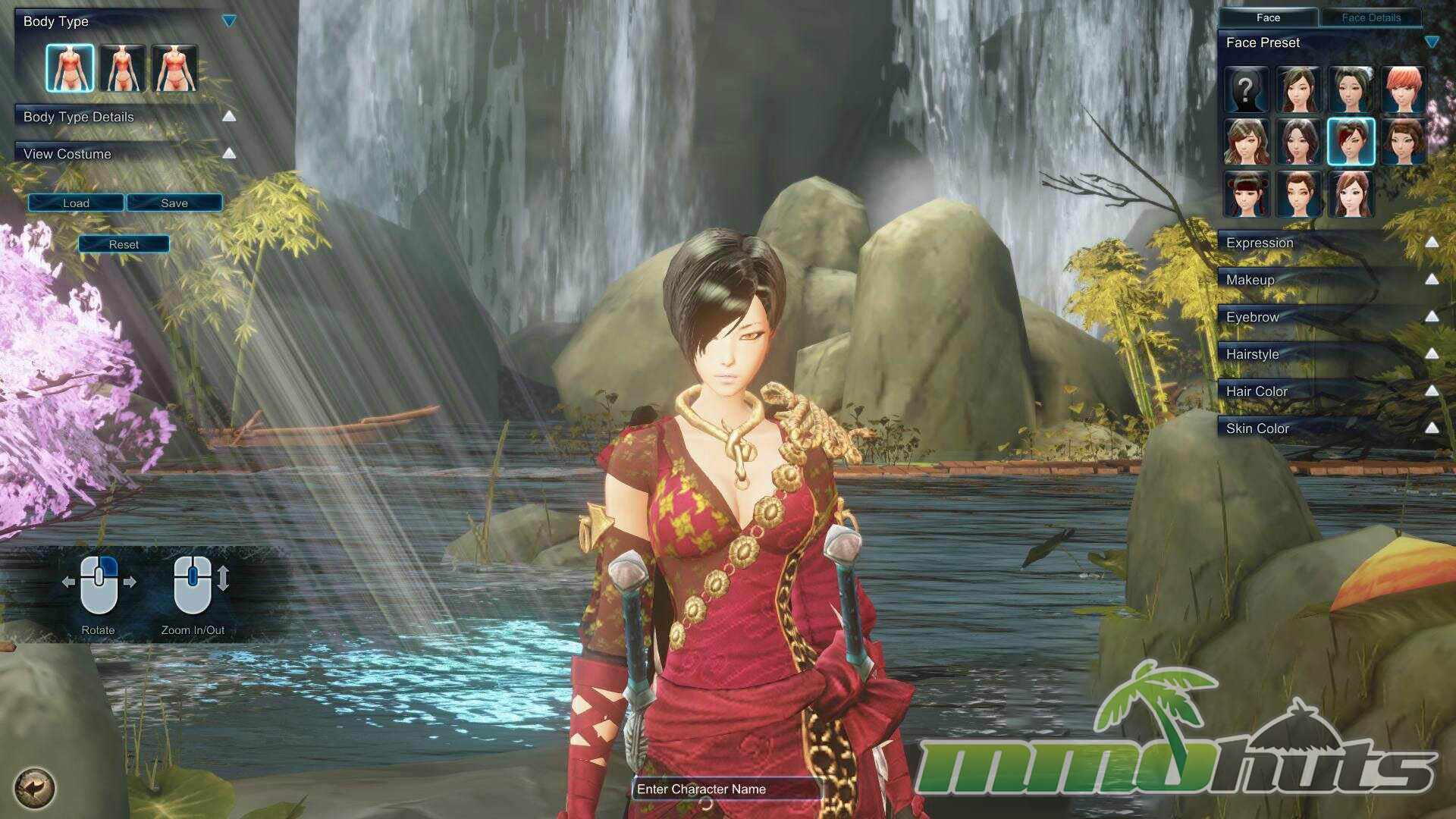
Customization is reasonably flexible, offering enough sliders and options to avoid identical-looking characters in crowded areas. It is not at the deep end of the genre, but it provides more than the bare minimum and suits the game’s art direction.
Intro Story and Starting Continents
After the opening cinematic, you begin on the continent tied to your faction. In the same spirit as classic faction MMORPGs, the early hours are separated, which helps the world feel larger and keeps the faction rivalry present even when you are simply questing. The two continents are designed as counterparts, with the Asu side tending toward brighter, greener environments and the Ora regions leaning into darker tones and harsher atmosphere. Although the structure of the early progression is similar on both sides, the visual contrast does a decent job of selling the idea that you are playing through a different perspective.
A Tab-Target MMO at Heart
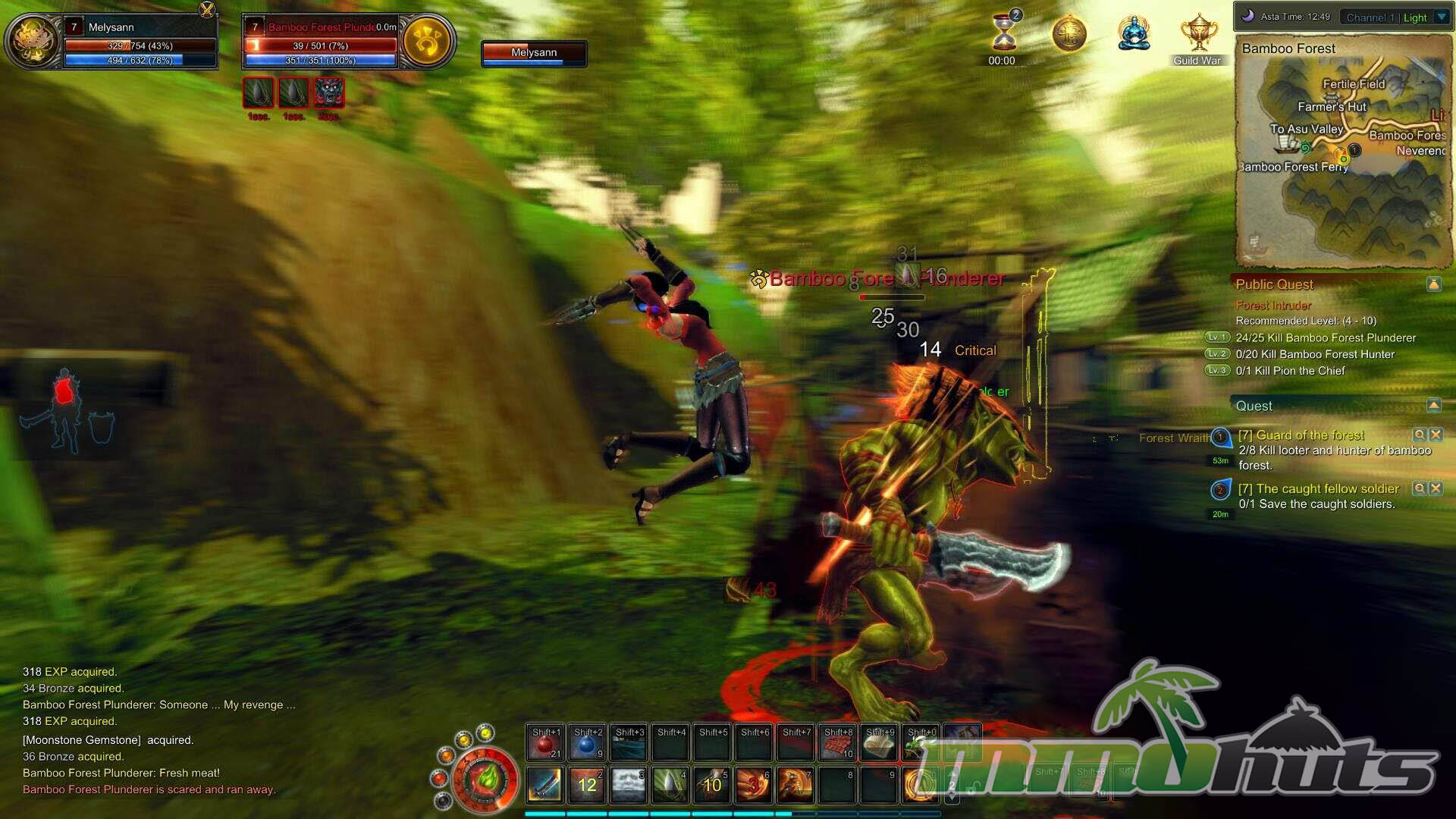
Moment to moment, ASTA Online is built on very traditional MMORPG fundamentals. Combat uses WASD movement with hotbar abilities and tab-targeting, which makes encounters readable and consistent, but also means the pacing can feel routine compared to newer action-oriented MMOs. The game earned comparisons to World of Warcraft for a reason, because the overall rhythm of quest hubs, kill and collect objectives, dungeon pacing, and even the way PvP is presented will feel instantly recognizable to anyone who has spent time in older theme-park MMORPGs.
Questing carries most of the leveling experience, and the game peppers in dynamic quests that trigger when you enter certain areas. These events are one of the better ways to break up the standard loop, especially when other players are nearby and the objective encourages quick, ad-hoc cooperation. When attempted solo, they can turn into long mob-clearing sessions, particularly if an elite enemy is involved. The reward structure makes them worth doing though, since they tend to pay out useful experience and gear boxes that are better than typical drops.
The controls are straightforward and familiar, which helps accessibility, but it also highlights how much the game depends on steady rotation-based gameplay. If you enjoy careful positioning, cooldown management, and predictable targeting, it fits well. If you prefer reactive, aim-driven combat, it is likely to feel dated.
Leveling, Stats, and Build Tweaks
Progression is brisk early on, largely because the main quest path provides most of the experience you need. Leveling rewards include stat points to allocate across four attributes: Attack, Vitality, Impact (critical rate), and Energy (MP casting time). This gives players some control over character direction, even if the choices are not complex enough to create wildly different builds within the same class.
Skills unlock through leveling, and by the time you reach the level cap (set at level 30), you are effectively carrying the full toolkit for your class. Build variety comes more from the talent system that opens at level 10, granting access to two talent trees and the ability to shape skills through Talent Points earned from that point onward. It is a simple framework, but it offers enough tuning to support different preferences, such as leaning more into survivability, burst, or utility depending on class.
PvP Options
PvP is presented in multiple formats: faction-based open-world fights, dueling, arenas (solo and team), and battlegrounds. In theory, this gives a full menu of competitive playstyles, from spontaneous skirmishes to organized matches. Open-world PvP is the most immediate, since it only requires encountering the opposite faction, while structured modes rely on queue systems.
In practice, the availability of arena and battleground matches depends heavily on population. During testing, queue times could stretch long enough to make the modes difficult to evaluate, which suggests either low participation or insufficient active players at certain times. When those modes do pop, the underlying design is conventional and easy to understand for anyone familiar with faction-based MMORPG PvP.
Cash Shop and Fairness
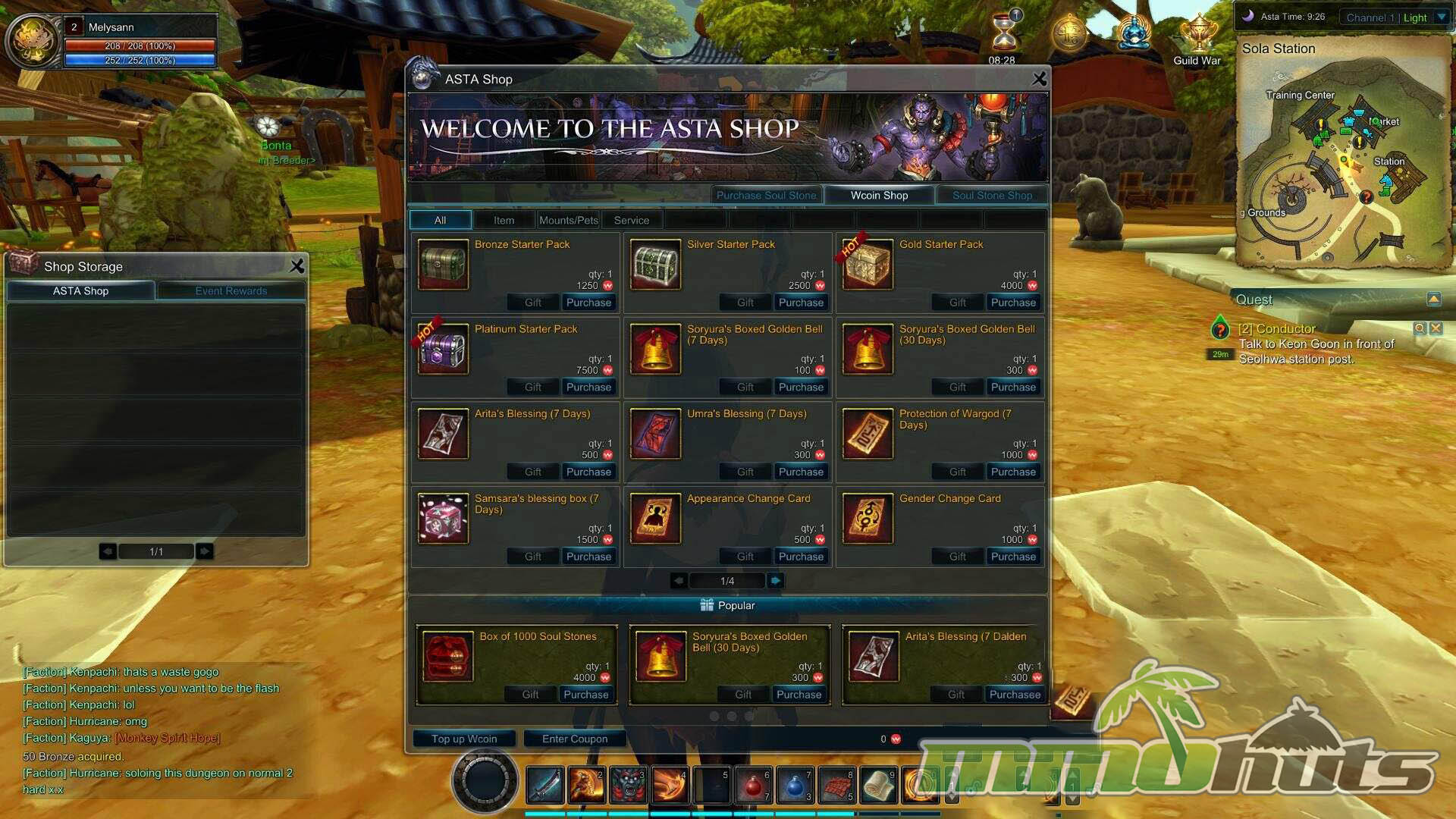
ASTA Online’s monetization is relatively restrained by free-to-play standards. The shop includes cosmetics, plus convenience items like pets that automatically loot and mounts that move faster than standard options. There are also crafting and upgrade-related items tied to Soul Stones, the premium currency.
Importantly, Soul Stones are not exclusively paid, since they can be earned through certain quests, but the grind to accumulate them naturally can be slow. Paying players gain convenience and momentum, but the shop does not lean as aggressively into direct power as some other F2P MMORPGs, which helps keep the playing field from feeling completely tilted.
The Final Verdict – Good
ASTA Online delivers a competent, visually appealing theme-park MMORPG with a setting that stands out thanks to its mythology-driven tone and Asian-inspired world design. The core gameplay is dependable and structured, with satisfying large-boss encounters and a faction framework that supports both open-world conflict and queued PvP formats.
Its biggest limitation is how familiar it feels. Between the tab-target combat and the quest-driven grind, much of the experience resembles older genre leaders rather than pushing forward with more modern action combat or more distinctive systems. For players who specifically want a classic-style MMORPG wrapped in a different cultural aesthetic, ASTA had clear appeal, but competing titles with faster combat and stronger long-term ecosystems made it difficult to hold a broad audience.
Asta Online Links
Asta Online Official Website
Asta Online Developer Page [Korean]
Asta Online Wikipedia Entry
Asta Online System Requirements
Minimum Requirements:
Operating System: Windows Xp / Vista / 7
CPU: Intel Pentium 4 3.2GHZ / AMD Athlon64 3200+
Video Card: NVIDIA GeForce 7600 GT or ATI Radeon X1600 XT
RAM: 2 GB
DirectX: Version 9.0
Hard Disk Space: 15 GB
Recommended Requirements:
Operating System: Windows 7, Windows 8
CPU: AMD Athlon 64 X2 6000+ or INTEL Core 2 Duo E6750
Video Card: ATI Radeon HD 3870 or NVIDIA Geforce 8800 GT
RAM: 4 GB
DirectX: Version 9.0
Hard Disk Space: 15 GB
Asta Online Music & Soundtrack
Coming soon…
Asta Online Additional Information
Developer: Polygon Games
Game Engine: CryEngine 3
Composer: Yang Bang-ean aka Kunihiko Ryo
Korean Open Beta: October, 2013
Korean Closure Date: August 23, 2015
Global Closed Beta: Q4 2015
Publishers:
Korea: NHN Hangame
China: ChangYou
Global: WebZen / Move Games
North American/EU Open Beta: March 2, 2016
Release Date: March 2, 2016
Shut Down Date: October 4, 2016
Relaunch Date (Move Games): April 26, 2017
Shut Down: December 08, 2017
Development History / Background:
Development on ASTA: The War of Tears and Winds started in 2010 by South Korean studio Polygon Games. It was highly anticipated and touted as the ‘WoW of the East’ during its lengthy development cycle. Built on CryEngine 3, the game was also heavily promoted by Crytek. After several delays, ASTA entered open beta in its open territory in late 2013 and saw several updates, but failed to find a large audience. Major updates ceased after December 2013, and the Korean version eventually closed on August 23, 2015. Just three days earlier, WebZena announced its plans to publish ASTA Online in the West.
The game went into closed beta in November 3, 2015 and was initially planned for open beta release in January 2016 due to delays with the voice-acting, translation, as well as some technical aspects of the game. ASTA Online finally went into open beta on March 2, 2016, releasing the same day.
The game shut down on October 4, 2016 after failing to gain a large enough playerbase to support its operations.
Asta relaunched on Steam through Move Games on April 26, 2017, but closed again soon after on December 08, 2017.