Game of War: Fire Age is a free-to-play mobile MMORTS that drops you into the role of a ruler rebuilding a struggling city under Athena’s guidance. From there, the loop is familiar to anyone who has played empire builders: construct and upgrade buildings, train troops, research upgrades, and expand your influence across a shared world map filled with other players. Where it separates itself is in its global community tools, especially the built-in chat translation that makes coordinating with international Alliance members surprisingly smooth.
  | Publisher: Machine Zone Playerbase: High Type: Strategy Release Date: July 25, 2013 Pros: +Clean, well-produced UI and city-building flow. +Satisfying gear crafting and upgrades. +Excellent auto-translation for global chat Cons: -Heavy monetization that can tilt PvP balance. |


Game of War Overview
Game of War is a 2D Strategy MMO (MMORTS) for iOS and Android that blends classic base management with persistent online competition. You grow an Ancient Greece themed city by upgrading structures, gathering resources, and building an army that can defend your territory or raid others. The game also leans into light RPG systems, letting you develop a Hero with levels, gear, and talents that feed back into your overall combat strength. A major draw is its international server environment, supported by automatic chat translation that helps Alliances coordinate across languages.
Game of War Key Features:
- 2D Strategy MMO – mobile city growth and army management built around competitive PvP.
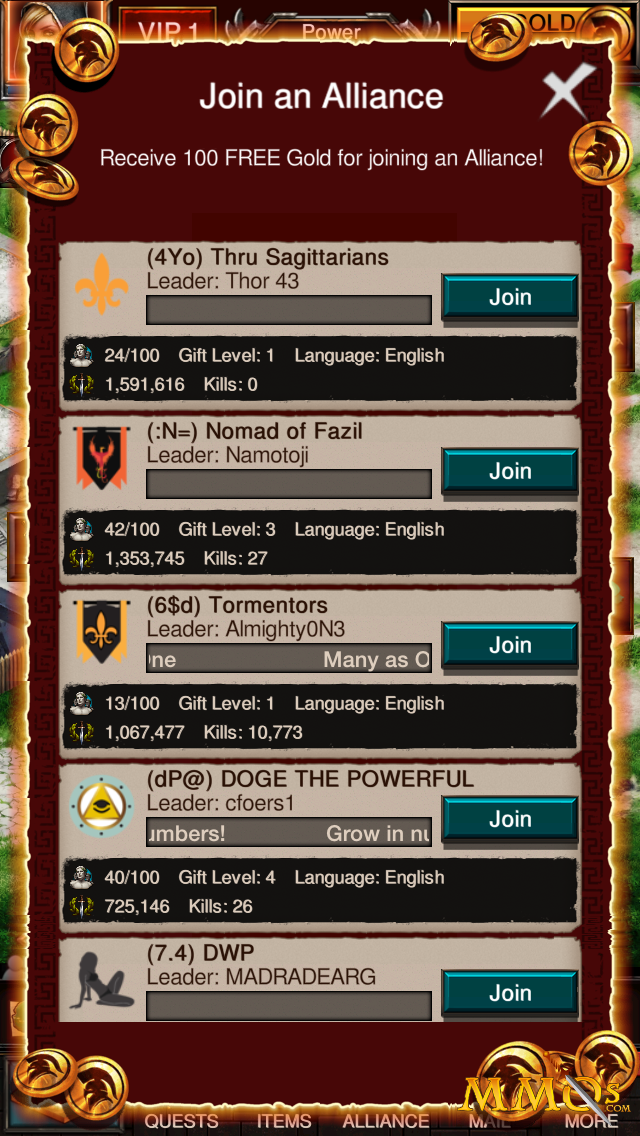
- Alliance System – team up for protection, coordination, and large-scale group fights.
- Hero Customization – progress a Hero with levels, equipment, and build choices.
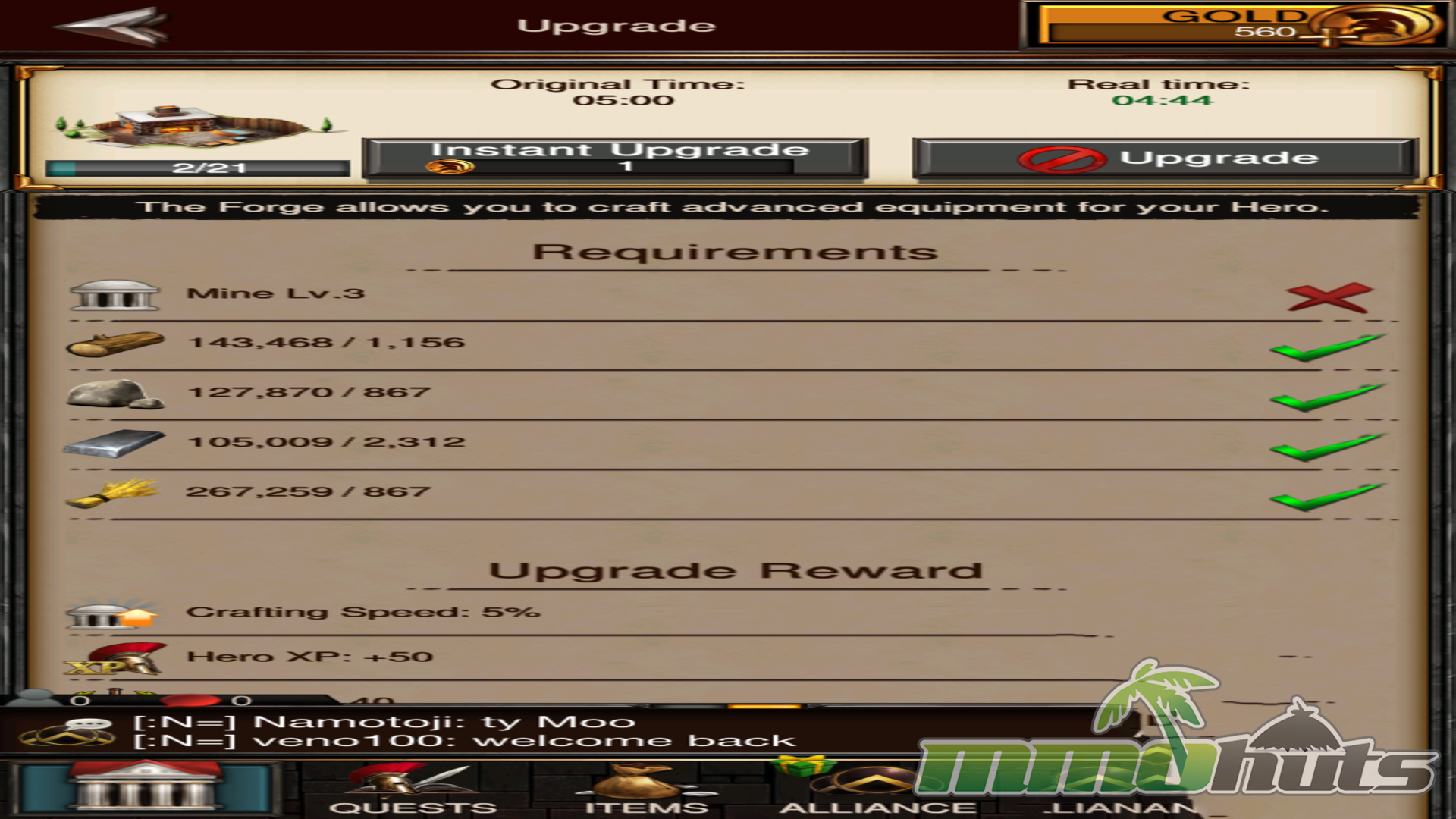
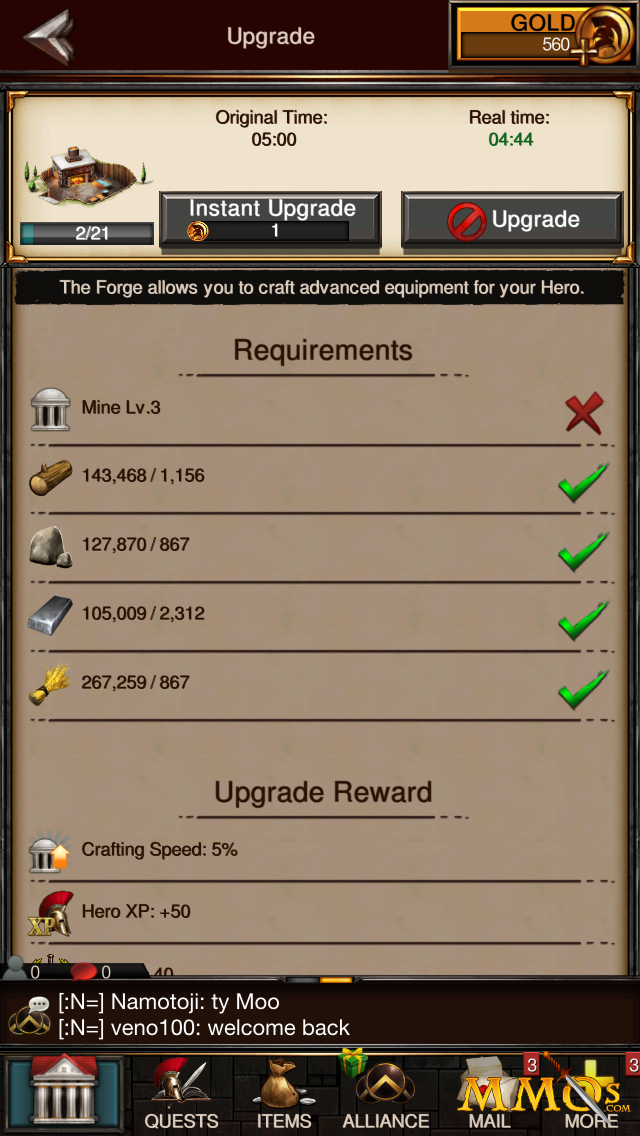
- Robust Equipment Crafting System – forge gear and improve it to push your empire’s stats higher.
- Unique Social System – auto-translation in chat to support worldwide play.
Game of War Screenshots

Game of War Featured Video

Game of War Review
Game of War: Fire Age is a free-to-play 2D MMORTS from Machine Zone, a California studio that also publishes the game. It originally launched on iOS on July 25th, 2013, then later arrived on Android in early 2015. Many players first heard of it through its high-budget TV advertising that prominently featured Kate Upton as Athena in the tutorial, later swapping to other celebrity faces such as Mariah Carey. If you have experience with mobile empire builders like Empire: Four Kingdoms or similar long-running strategy MMOs, you will recognize the pacing and the pressure points quickly.
Starting Out in the City
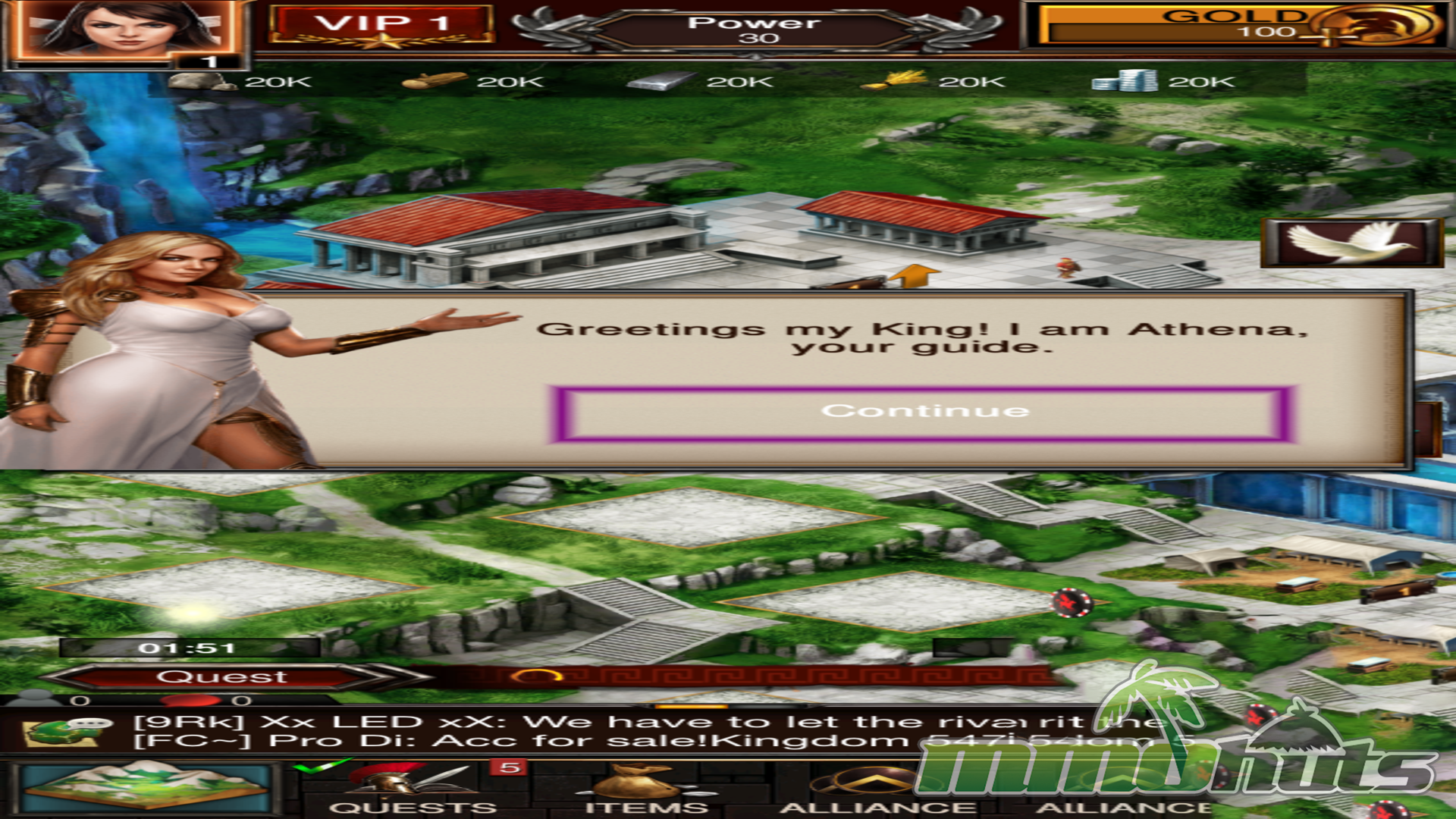
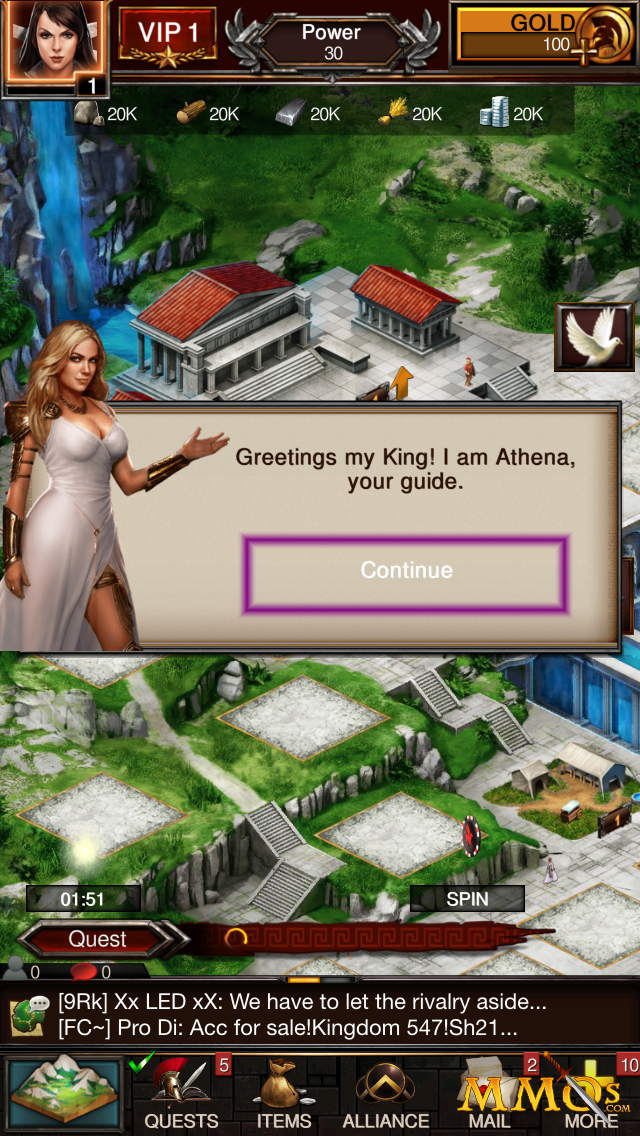
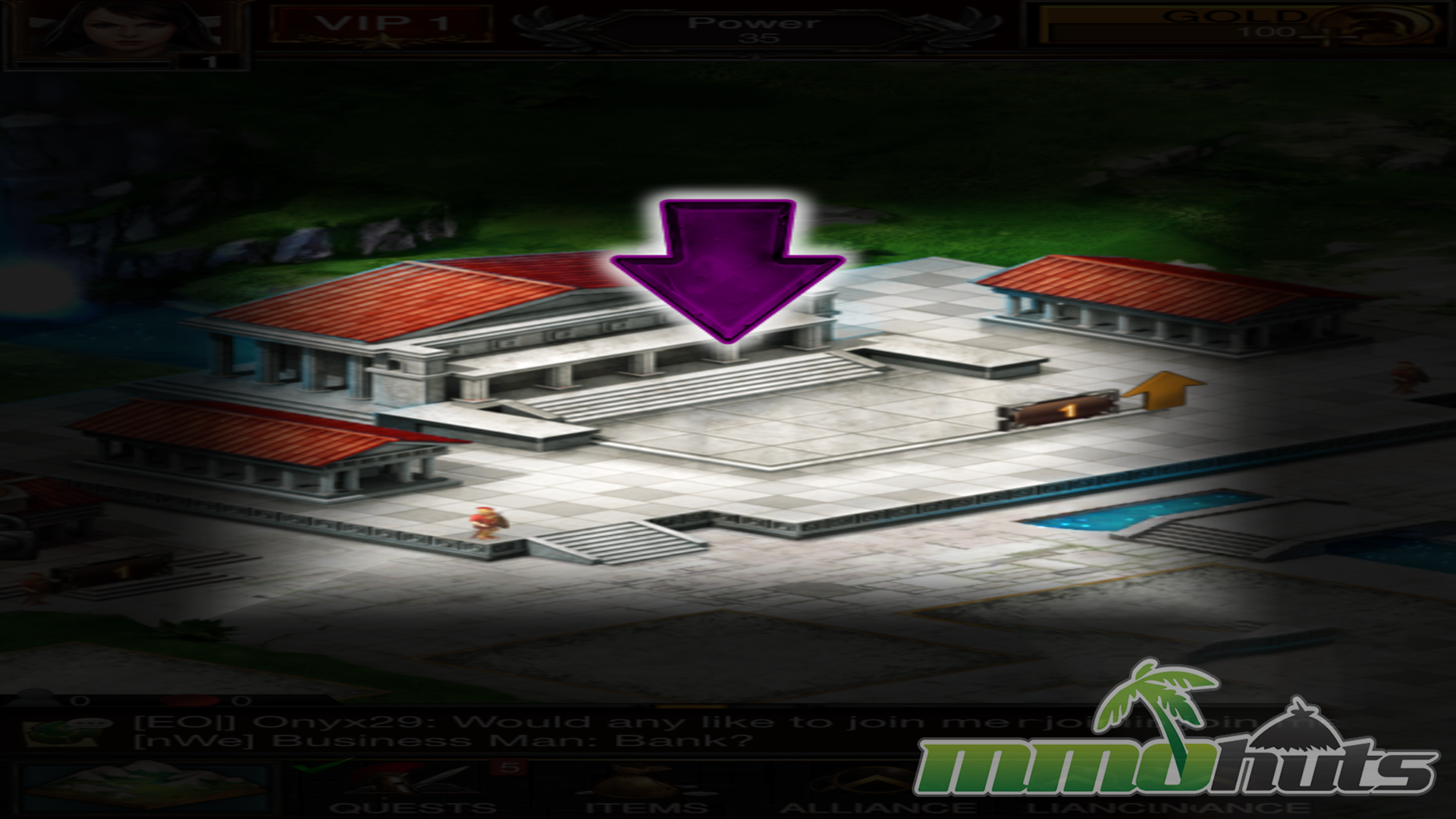
The opening sequence is framed as Athena walking you through the basics of running your settlement. You are guided through placing and upgrading key buildings, and you also select a Hero early on. The tutorial is very visual, it highlights only the relevant buttons and dims everything else to keep you moving forward. It wraps up fairly quickly, then pushes you toward quest objectives, reminds you that you begin with a limited protection shield, and strongly hints that joining an Alliance is not optional if you want to survive long-term.
Building Troops and Keeping Progress Rolling
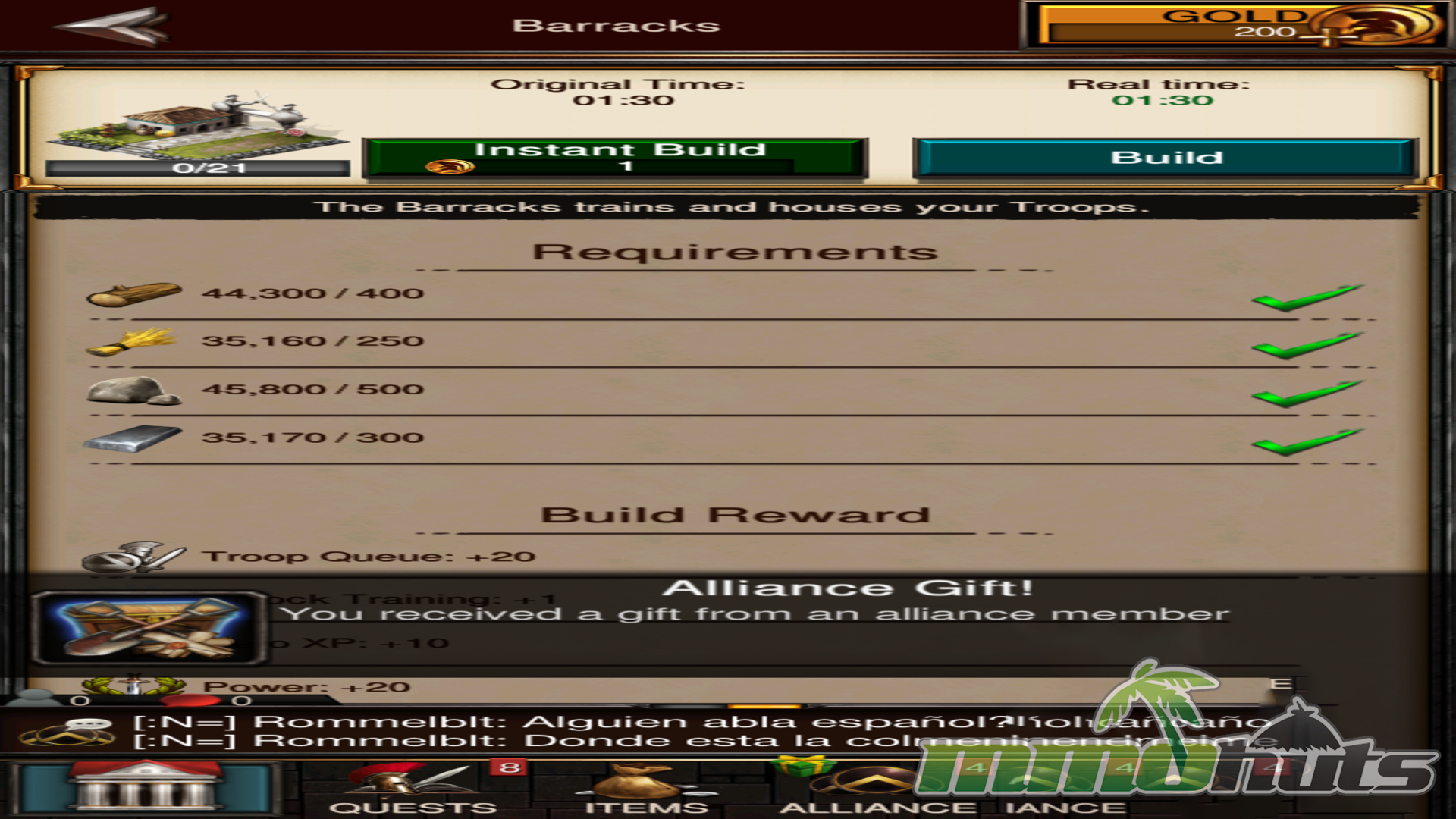
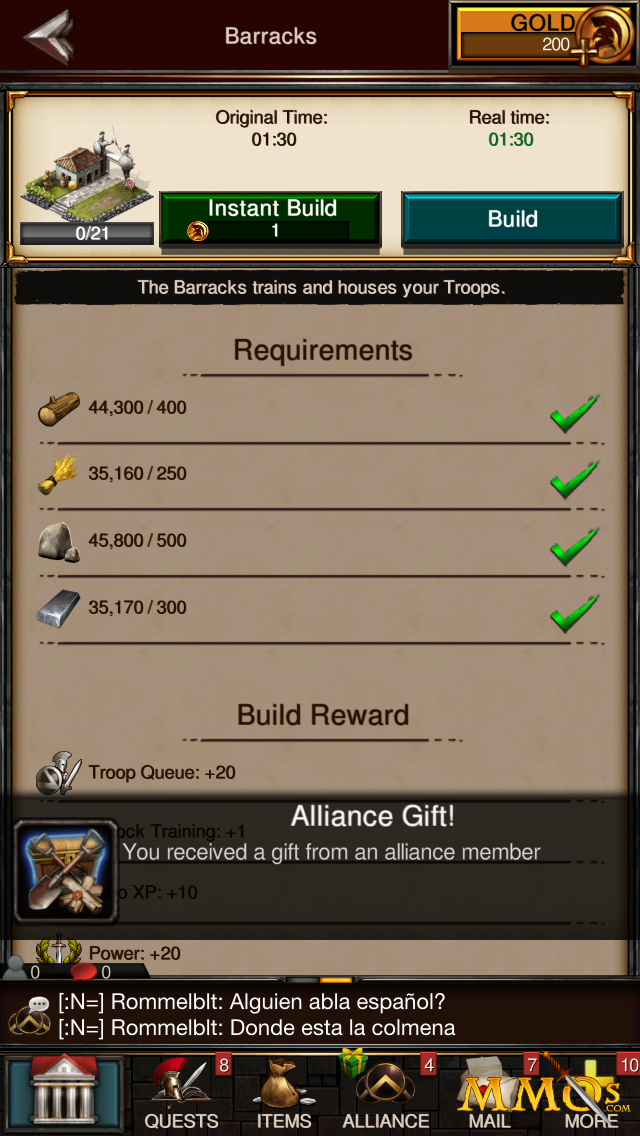
After the initial steps, the recommended quest line becomes your main structure for progression. It points you toward typical upgrades, such as expanding farms and mines, improving military buildings, and raising defensive structures. Completing these tasks pays out resources and Hero experience, which keeps the early game feeling active even when timers start to stretch.
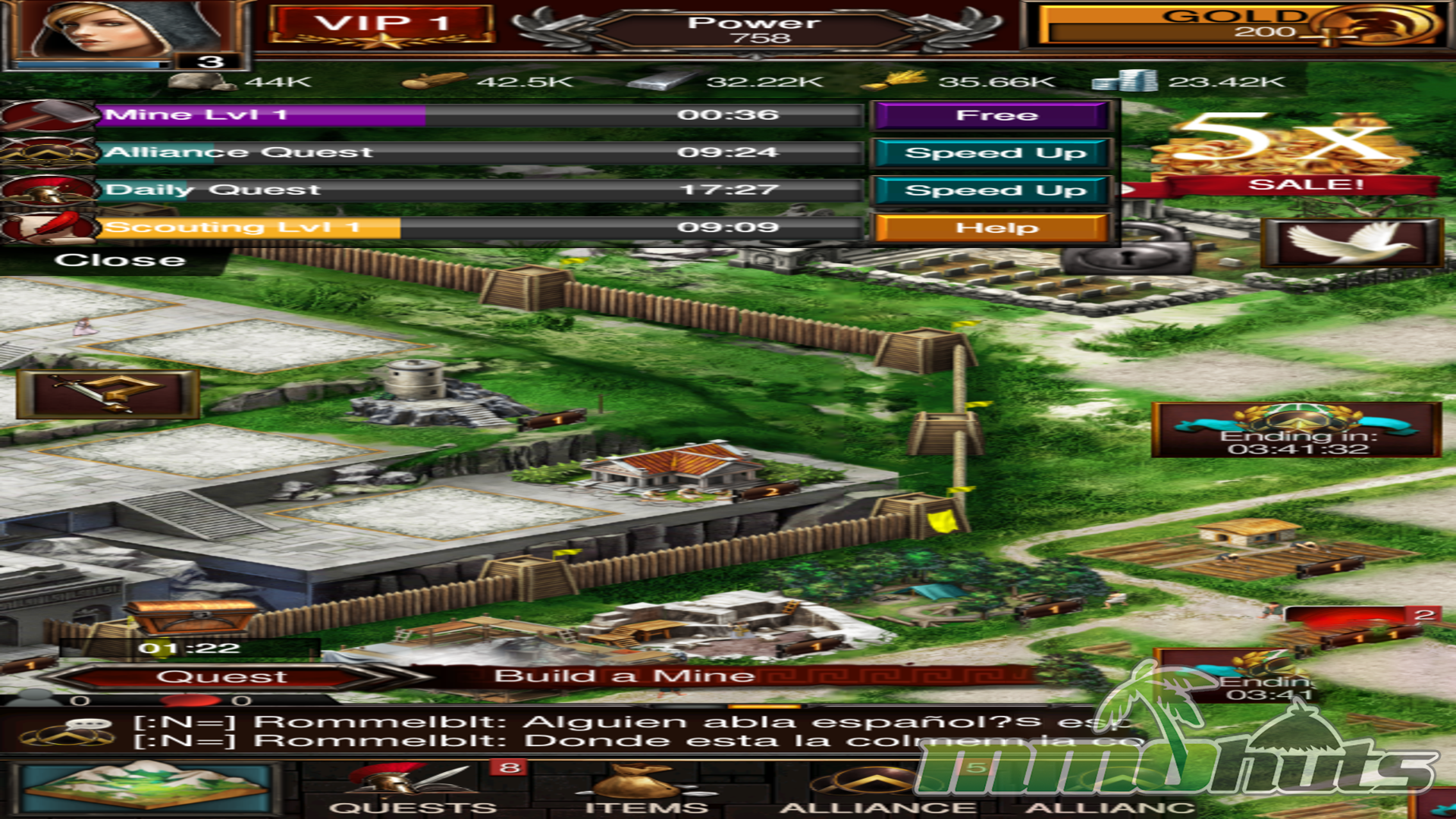
If you prefer to play off-script, there is also a large pool of additional objectives that reward almost any meaningful action. Like most freemium strategy games, nearly every upgrade, training queue, or research project runs on a timer. You can shorten these with speed-up items earned through play or purchased via the premium shop. One of the most helpful timer tools is tied to Alliances: once you are in a group, you can request assistance on active timers and other members can chip away at the remaining time through the Alliance Help feature.
Heroes act as both a progression track and a power multiplier. They level separately, contribute to your overall strength, and can be used for activities like fighting monsters on the world map, improving troop performance, and wearing crafted equipment. The crafting system is closely linked to this, because the best gains usually come from building a Hero around gear bonuses and stat synergies.
There is also a meaningful risk attached to Heroes: in PvP, they can be captured and placed in a prison, with the duration tied to the Hero’s level. While imprisoned, opponents can choose to execute them. Capturing and executing enemy Heroes can be rewarding from a competitive perspective, it can slow an opponent’s momentum, satisfy certain quest goals, and may grant a short-term building boost. It is a harsh mechanic, but it is part of what gives the game’s PvP a more personal edge.
Research Options and Talent Choices
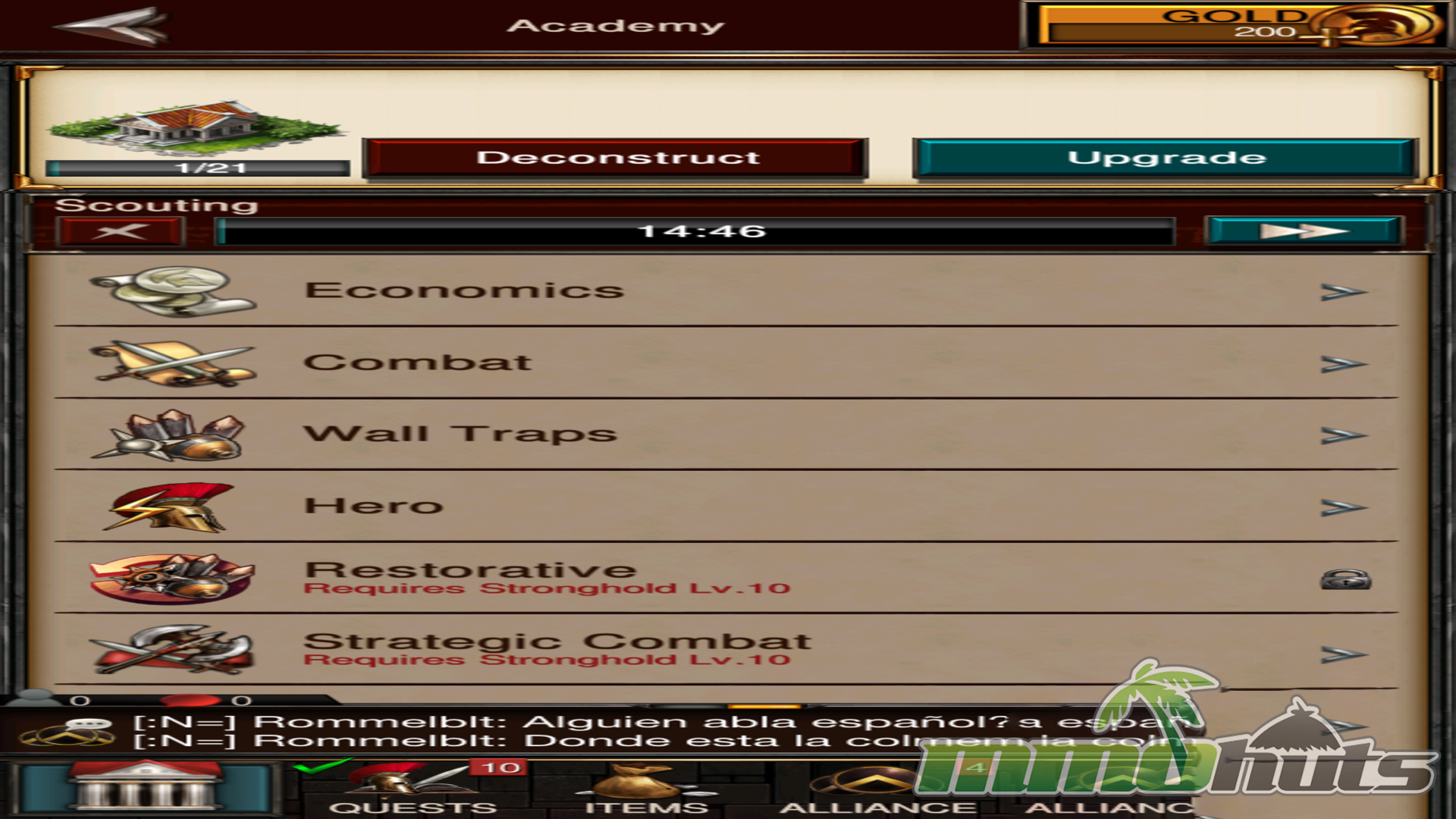
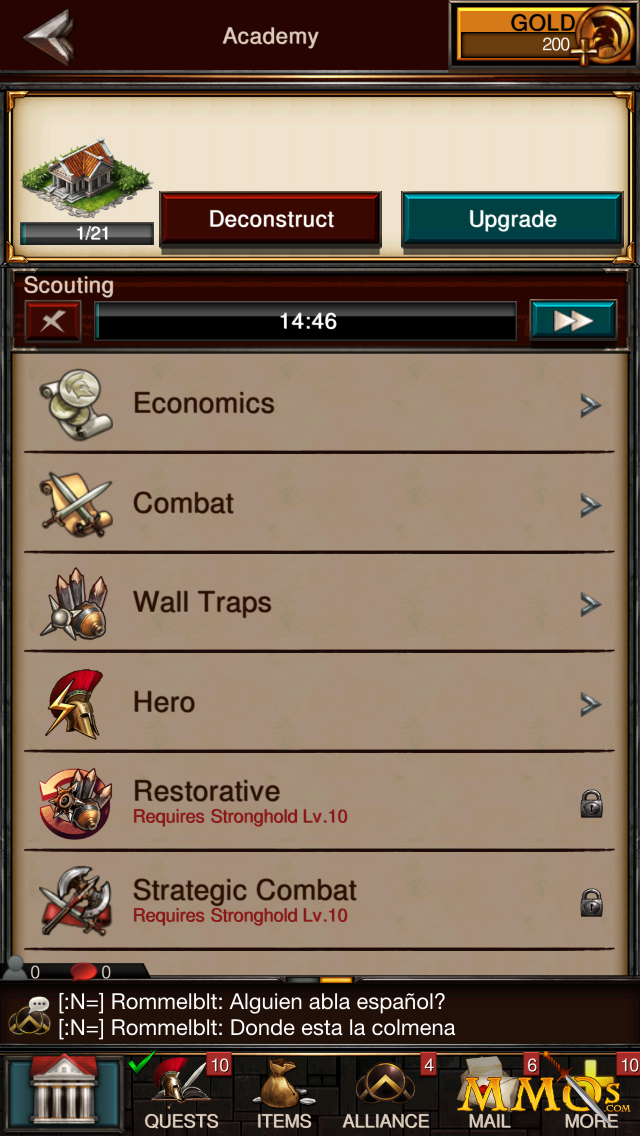
Progression is not only about bigger buildings and more troops. Game of War also puts a lot of emphasis on customization through multiple upgrade trees. The Academy is the main hub for research, offering branches that cover areas like economics, combat, traps, Hero improvements, and crafting. Some categories are locked until your Stronghold and Academy reach higher levels, which makes long-term planning important.
The Hero has its own talent tree as well. The main difference is pacing: Academy research is time-based, while the Hero earns talent points as it levels, letting you immediately invest into specific strengths. This split helps the game support different playstyles, whether you focus on resource efficiency, defensive stability, or aggressive PvP pressure.
Alliances and the Social Layer
Alliances are effectively the game’s guilds, and they are central to both survival and enjoyment. The auto-translation system makes a real difference here, since you can coordinate with players who do not share your language without relying on external tools. In practice, strong Alliances create rules and schedules, sometimes setting expectations for when wars happen or which targets are acceptable. Players who ignore these social rules can become targets themselves, because politics and reputation matter in a shared-world strategy MMO.
On the practical side, Alliances provide a steady stream of value. Members can reinforce each other during attacks, reduce each other’s timers through help requests, and use private chat to train up newer players. The Alliance Store is also a notable feature. It is managed by leadership, stocked based on member requests, and uses Loyalty earned from Alliance Quests. The result is a progression system that rewards participation and coordination rather than purely individual play.
Open-World PvP and Power Growth
For many players, the real game begins when the initial shield expires. The early guidance focuses heavily on construction and upgrades, but PvP systems arrive quickly and can feel abrupt if you are not prepared. This is another reason Alliances are so important, because experienced members can explain mechanics the tutorial barely touches.
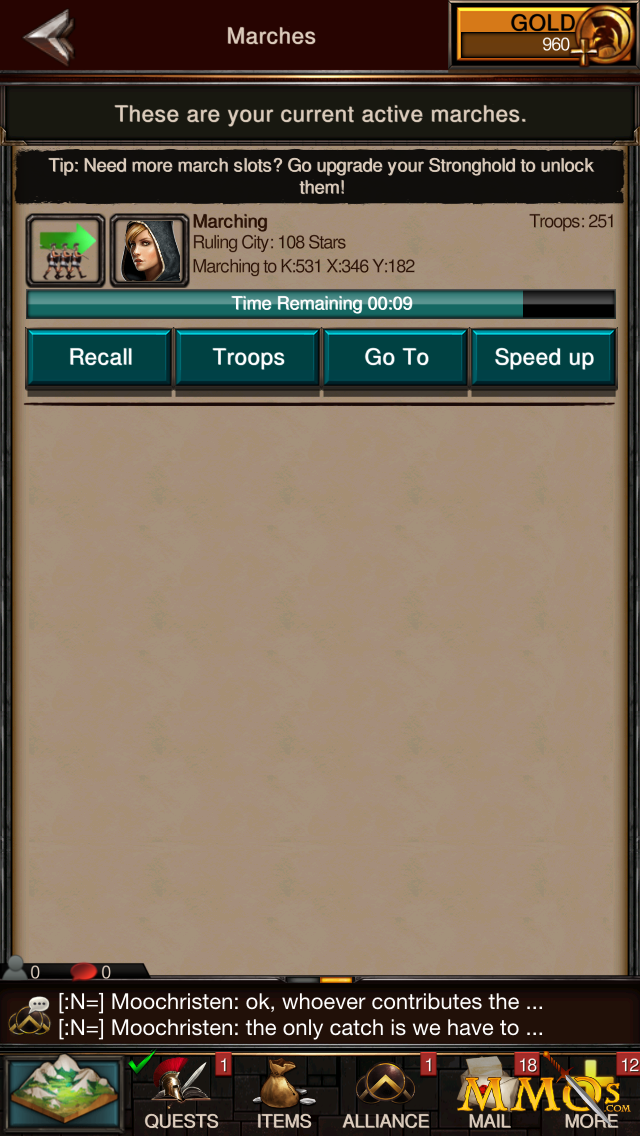
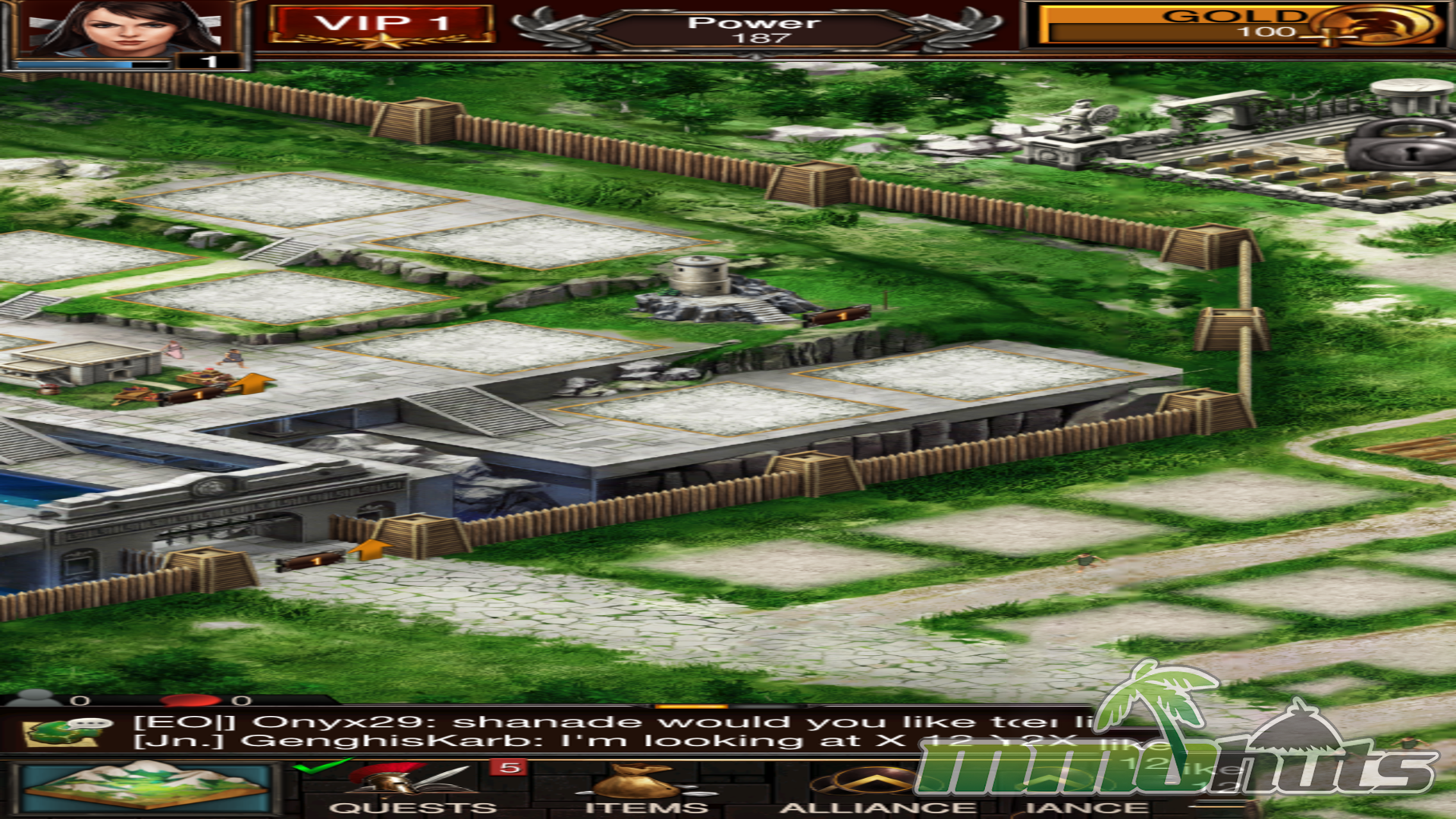
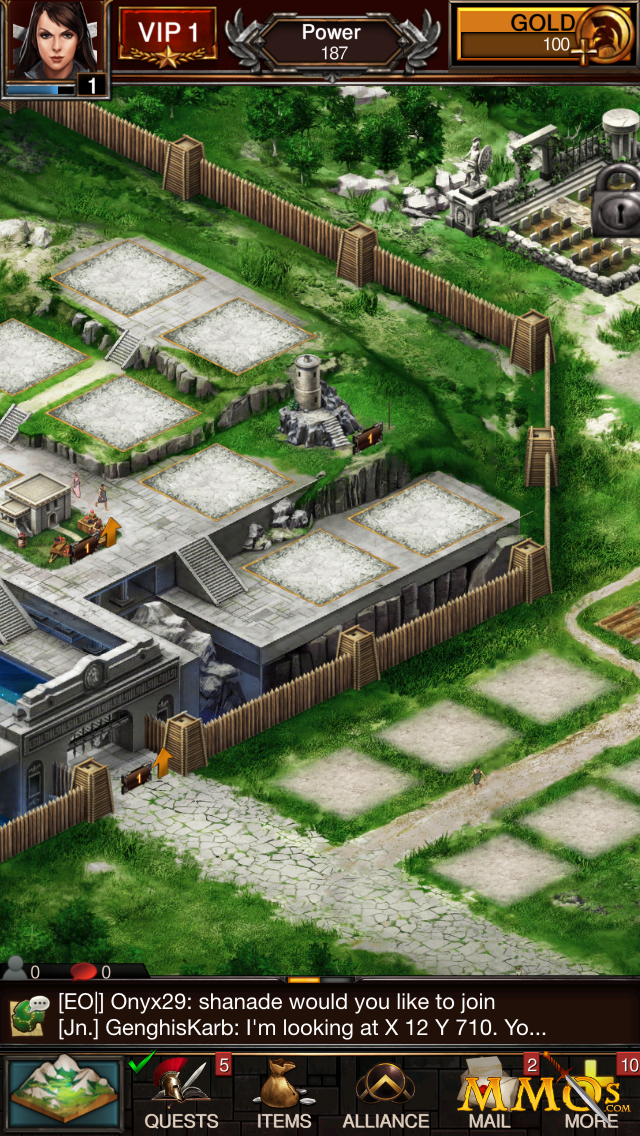
A key visible stat is Power, a public number that broadly signals how developed and dangerous a player is. Power climbs through troop training, building upgrades, research completion, and overall growth. Maintaining enough resource income and having hospitals to recover troops are both important, especially if you plan to fight regularly. Like other games in the genre, you send armies out on timed marches to scout, raid, gather, or attack, and that map movement becomes the rhythm of day-to-day PvP.
Cash Shop and Monetization Pressure
Monetization is integrated directly into the inventory and progression cadence. Players can buy VIP subscriptions that improve build speed and rewards, pick up Hero experience boosts, extend peace shields, and obtain crafting materials. While you do earn some premium Gold through questing, it is not enough to realistically match the pace of heavy spenders over time.
It is possible to play without spending, but the climb is slow and requires discipline, planning, and patience, especially on competitive servers. The biggest issue is not just the advantage paid options can provide, it is also how often the game promotes them. Sales pop-ups and bonus offers appear frequently across menus, which can make the overall experience feel less focused than it should be.
Final Verdict – Good
Game of War has long been criticized for pay-to-win tendencies, and the constant push toward spending does it no favors. The famous celebrity commercials, while memorable, also set expectations that do not match the more methodical, timer-driven reality of the gameplay. On top of that, the onboarding does not adequately explain why you are upgrading certain systems or how different mechanics connect, so new players can easily end up doing chores without a clear strategy.
Still, the game’s success is not accidental. It has a huge worldwide community, a surprisingly capable social layer, and a lot of interlocking systems including research, Heroes, and crafting. Players who enjoy long-term planning, alliance politics, and persistent PvP will find plenty to engage with, especially if they are willing to learn through community guidance. For everyone else, the monetization and learning curve can be difficult to justify, even if the core presentation is polished.
Game of War Links
Game of War Official Site
Game of War Wikipedia
Game of War Wikia [Database/Guides]
Game of War System Requirements
Minimum Requirements:
Operating System: Android 2.3.3, iOS 7.0 or later
Hard Disk Space: 88.2 MB
Game of War Music & Soundtrack
Game of War Additional Information
Developer: Machine Zone
iOS Release Date: July 25, 2013
Android Release Date: April 20, 2015
Development History / Background:
Game of War was created by Machine Zone, a Palo Alto, California-based studio, for iOS and Android devices. While it launched earlier, it became widely known after an aggressive marketing push in 2014 that reportedly cost around $40 million and featured Kate Upton portraying Athena in the game’s promotional material. The campaign placed the game heavily across web ads and television. By April 2015, the title was reportedly generating more than $1 million per day, cementing it as one of the most lucrative free-to-play mobile games of its era.