Dofus blends classic MMORPG staples with a distinctly tactical, turn-based combat system. It takes place in a colorful isometric fantasy world where you can quest, fight monsters on grid-based maps, join guilds, level professions, and spend plenty of time trading and chatting with other players.
 | Publisher: Ankama Games Playerbase: High Type: MMORPG Release Date: September 01, 2004 Pros: +Large selection of classes. +Distinct isometric presentation. +Runs well on modest PCs. Cons: -A subscription is required to access the full game world. |

Dofus Overview
Dofus is an isometric fantasy MMORPG developed and published by Ankama Games. Instead of real-time hotbar combat, encounters play out on hex-based battlefields where positioning, turn order, and careful spell use matter as much as your equipment. Character creation offers thirty-two avatars across two genders, paired with sixteen distinct classes that approach combat in different ways, from direct damage to control and utility.
Progression is built around earning spells and improving your build as you climb from level 1 to 100, with long-term advancement continuing up to level 200. The game also leans heavily into crafting and gathering, offering over twenty professions and a huge number of recipes, which makes the economy and player interaction feel central rather than optional. While you can start for free and explore the early zones, the broader world is gated behind a subscription, so the free experience is best viewed as an extended introduction to the systems.
Dofus Key Features:
- Various Classes – sixteen classes that support very different roles and strategies.
- Tactical Combat – turn-based fights on hex grids, combining planning with RPG progression.
- Extensive Crafting System – over 20 professions with deep recipe and resource loops.
- Allows for Unique Playstyles –each class gains twenty spells that push distinct build choices.
- Limited Free-To-Play – you can play in starter areas for free, but a subscription unlocks the full world.
Dofus Screenshots
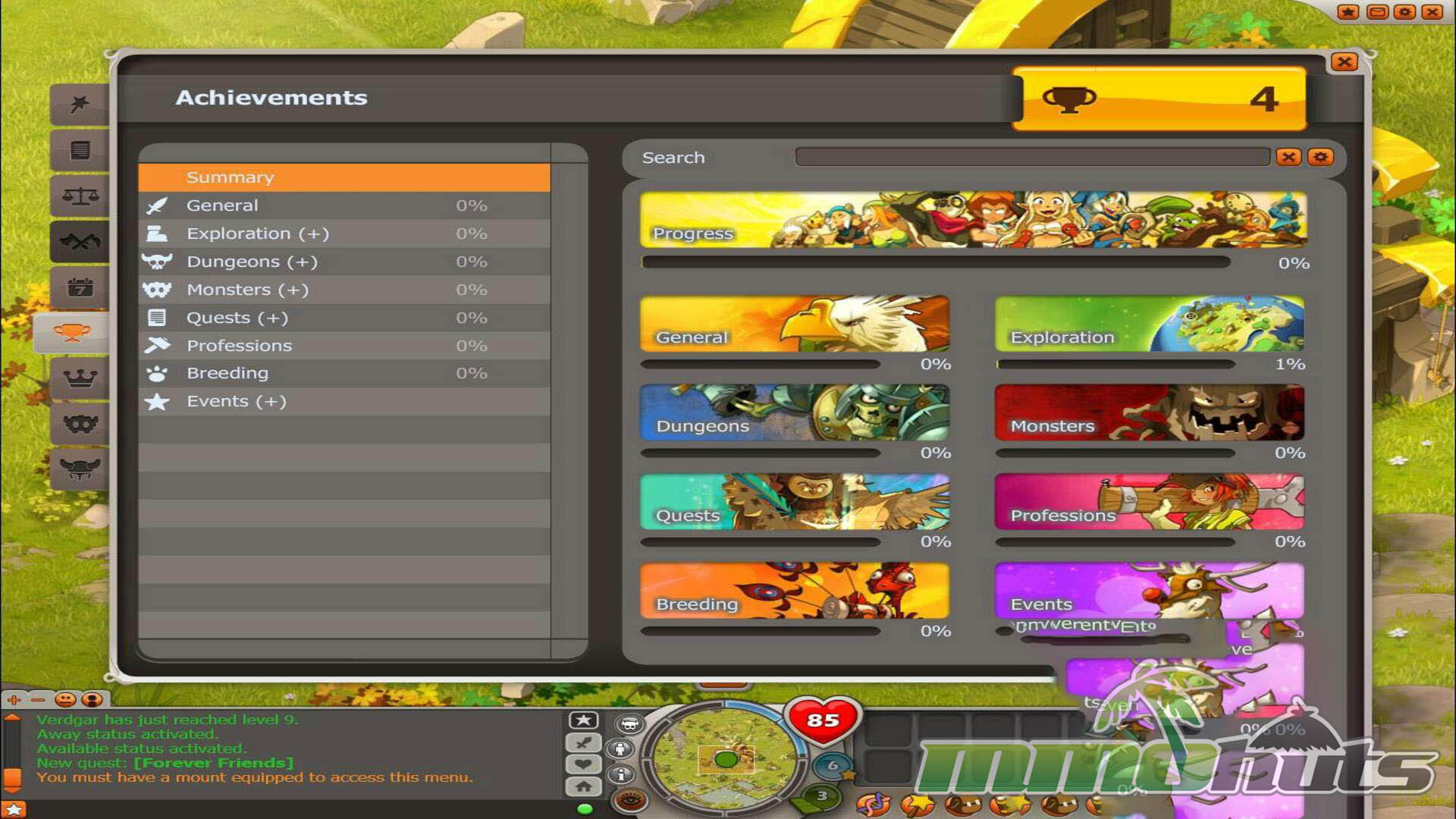
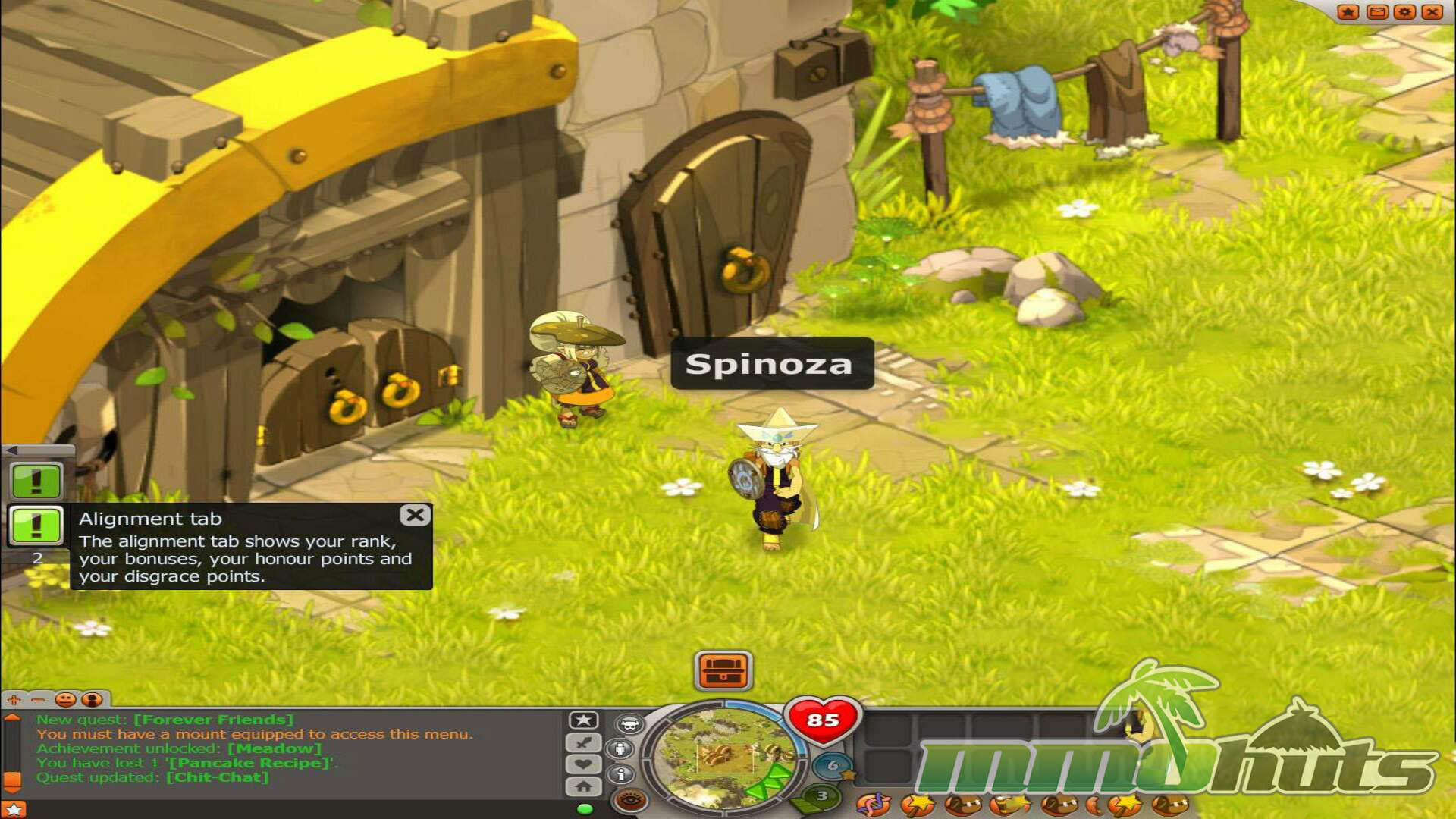

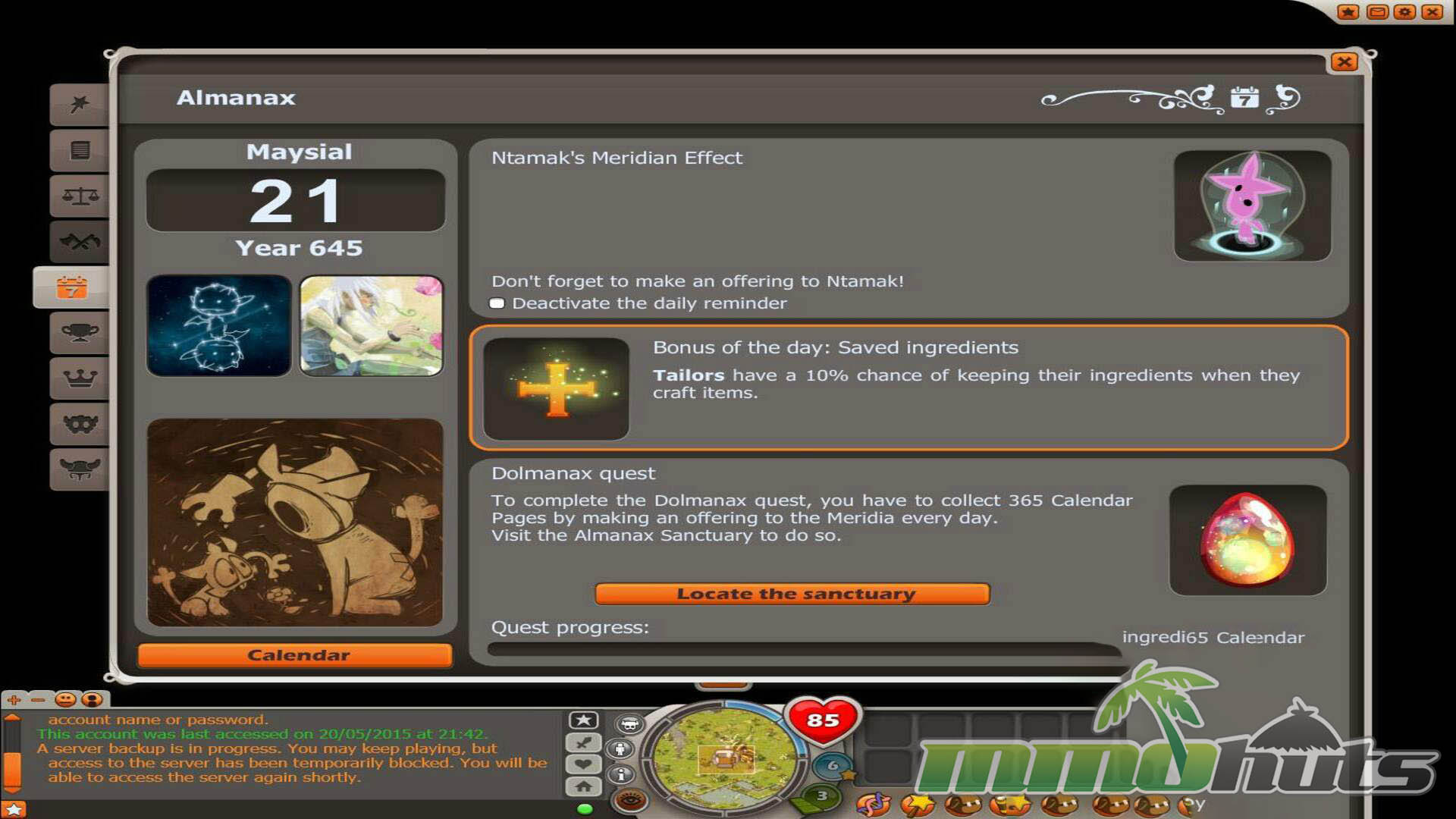
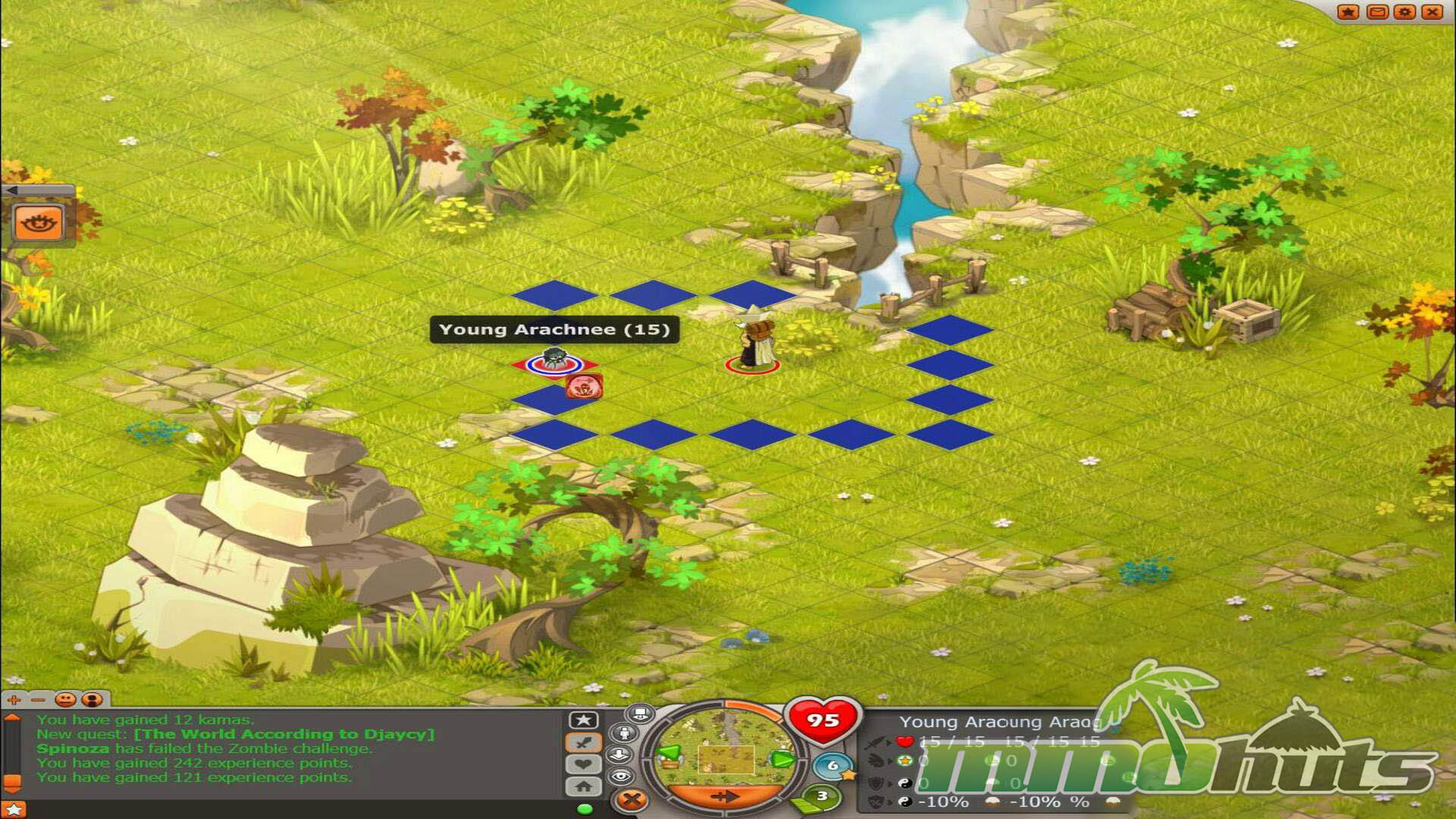




Dofus Featured Video

Dofus Review
Dofus immediately stands out because it does not try to mimic the real-time combat loop most MMORPGs rely on. Its identity is rooted in tactical, turn-based encounters and a bright, animated look that feels closer to a strategy RPG than a typical MMO. That mix can be surprisingly effective, especially if you enjoy planning turns, controlling space, and building a character around a small kit of meaningful abilities rather than dozens of cooldowns.
At the same time, the game’s business model shapes the experience. The early hours do a good job teaching the basics, but the larger adventure is not fully open unless you subscribe. If you approach Dofus expecting a completely free MMORPG, that limitation is hard to ignore, but if you treat the free portion as a substantial trial, it does a solid job selling what makes the game special.
Getting Started in the World of Twelve
Character creation is quick, but there is enough variety to make your choice feel meaningful. You pick from thirty-two character models split across two genders, then choose one of sixteen classes. The classes are the real decision point because they define your toolset and how you interact with the hex grid, whether that means locking enemies down, manipulating positioning, or focusing on straightforward damage.
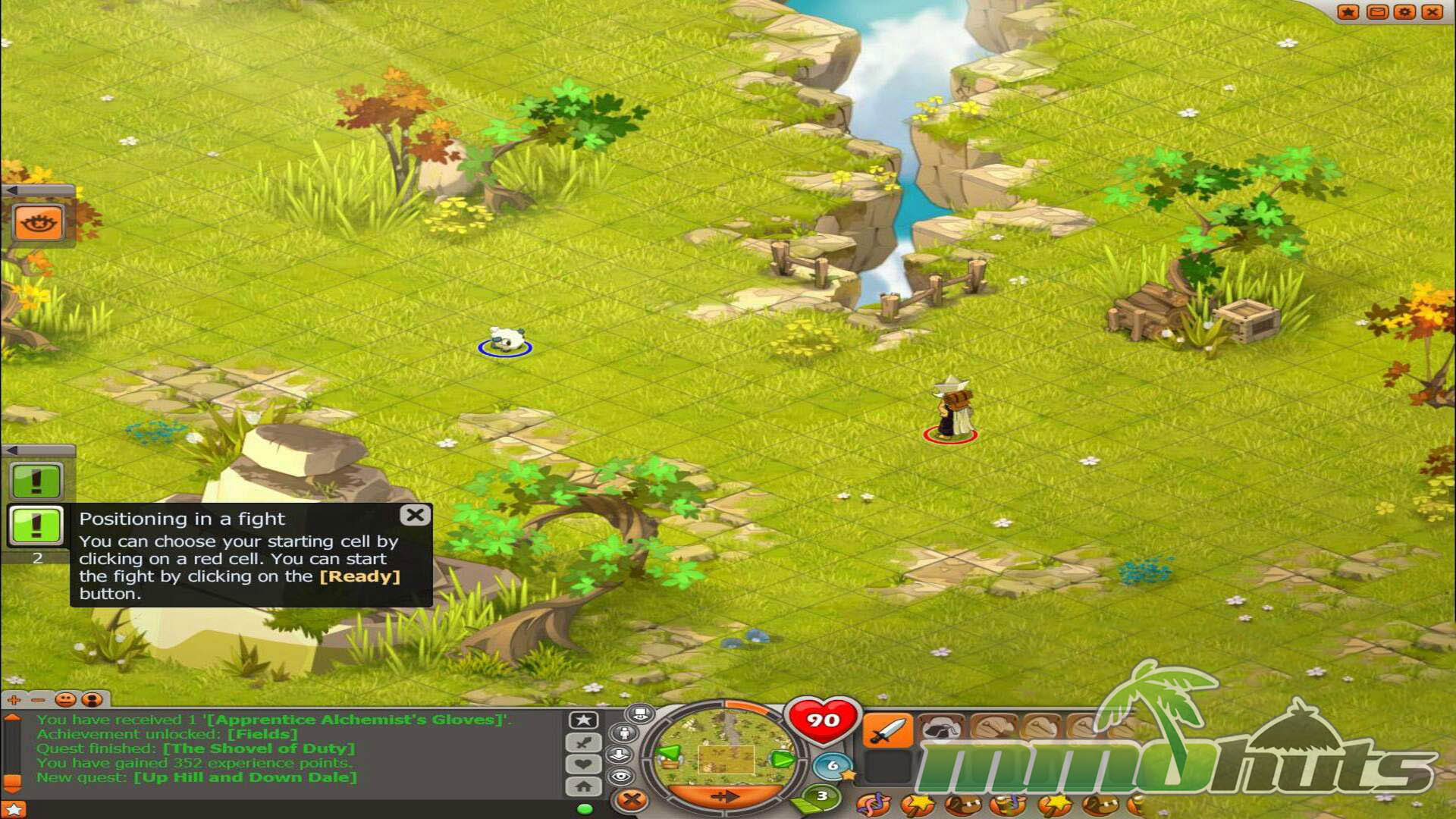
The opening hours funnel you through tutorial-style objectives and simple fights that explain movement, turn flow, and basic spell use. It is functional onboarding, even if the early back-and-forth can feel a bit segmented due to the game’s map structure. Still, it establishes the rhythm: move into the right spaces, manage range, then commit your actions with a plan in mind.
A Bright, Animated Presentation
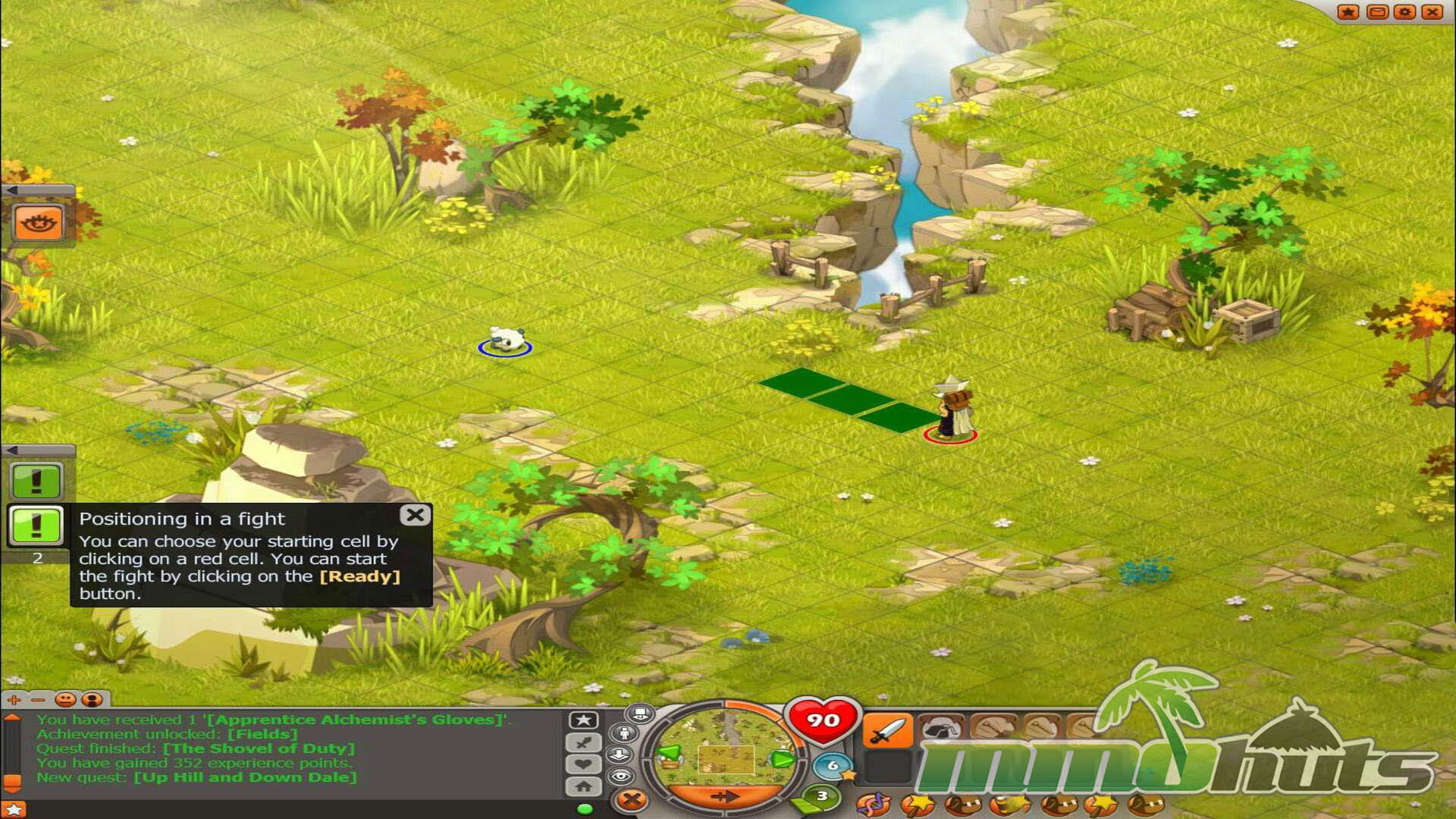
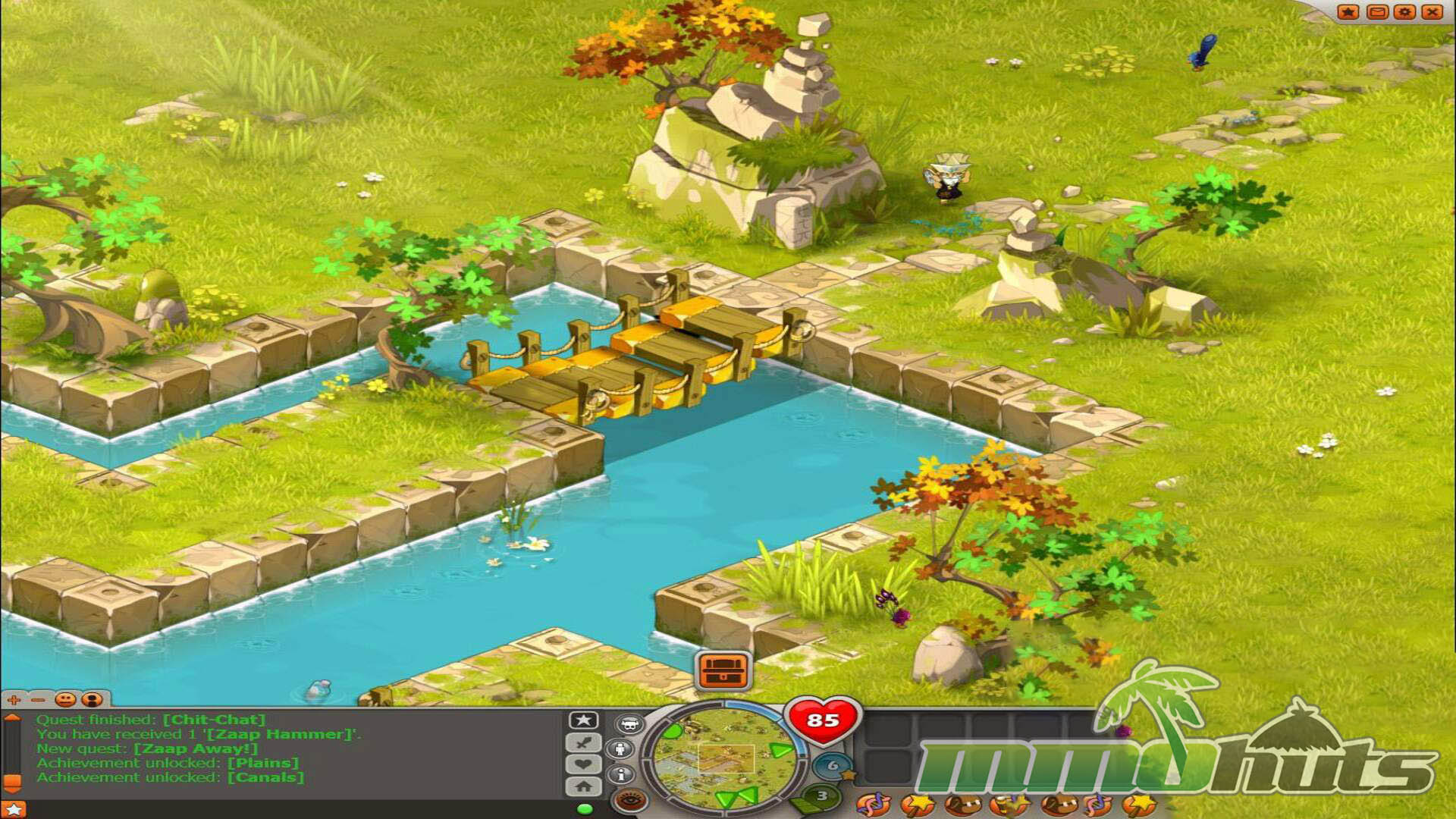
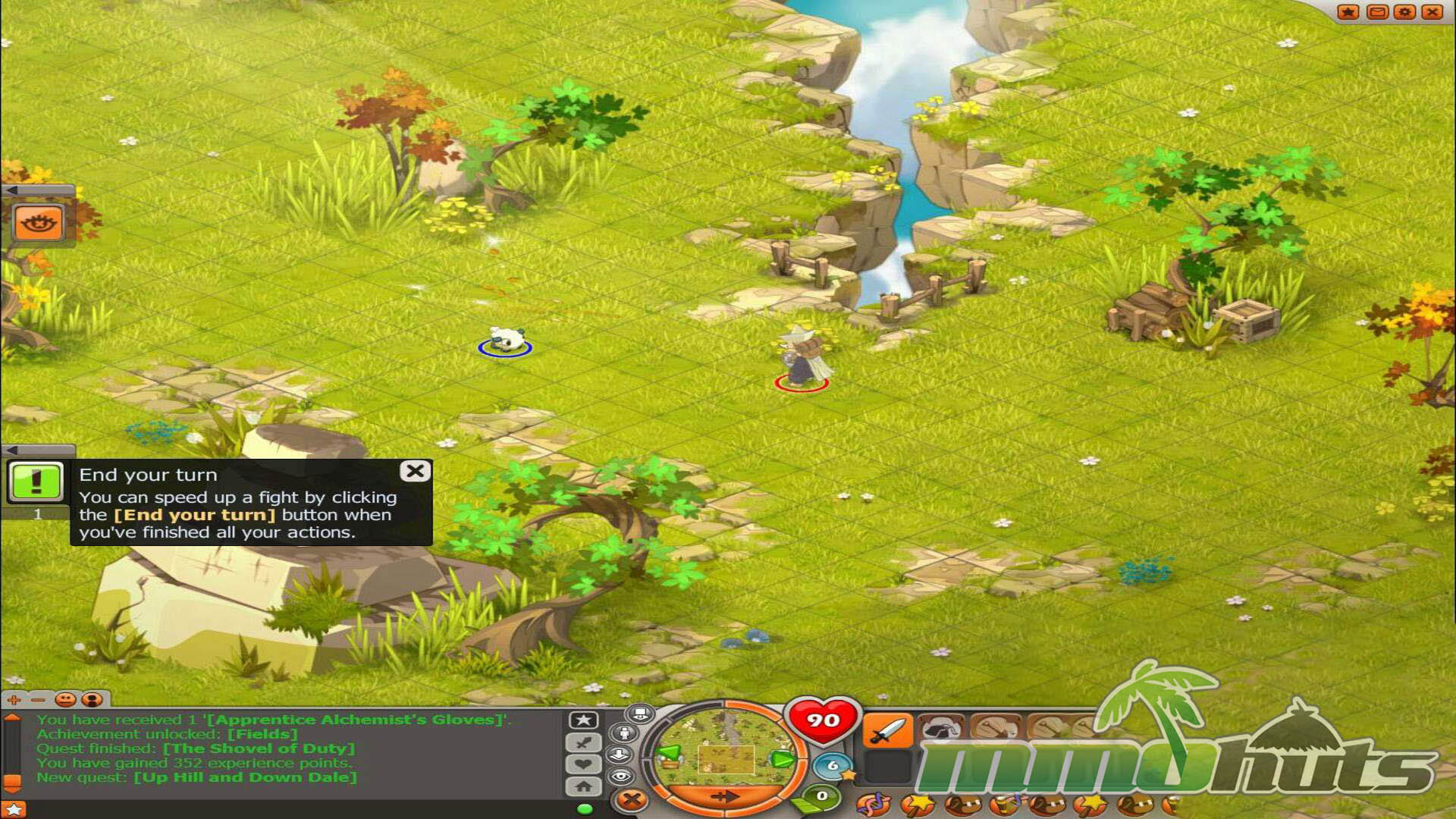
Dofus leans into a cartoon aesthetic that is welcoming and easy to read in combat. The isometric perspective keeps maps clear, and the simple shading and bold colors make characters and enemies stand out without visual noise. Because it runs on Flash, it is also very lightweight, which helps it remain playable on older hardware.
That said, the world can sometimes appear more “illustrated” than “alive.” Certain scenes look static, and you will occasionally notice background elements that do not animate consistently. It is not a dealbreaker, but it can slightly reduce immersion when you expect bustling towns or reactive environments.
Interface and Day-to-Day Usability
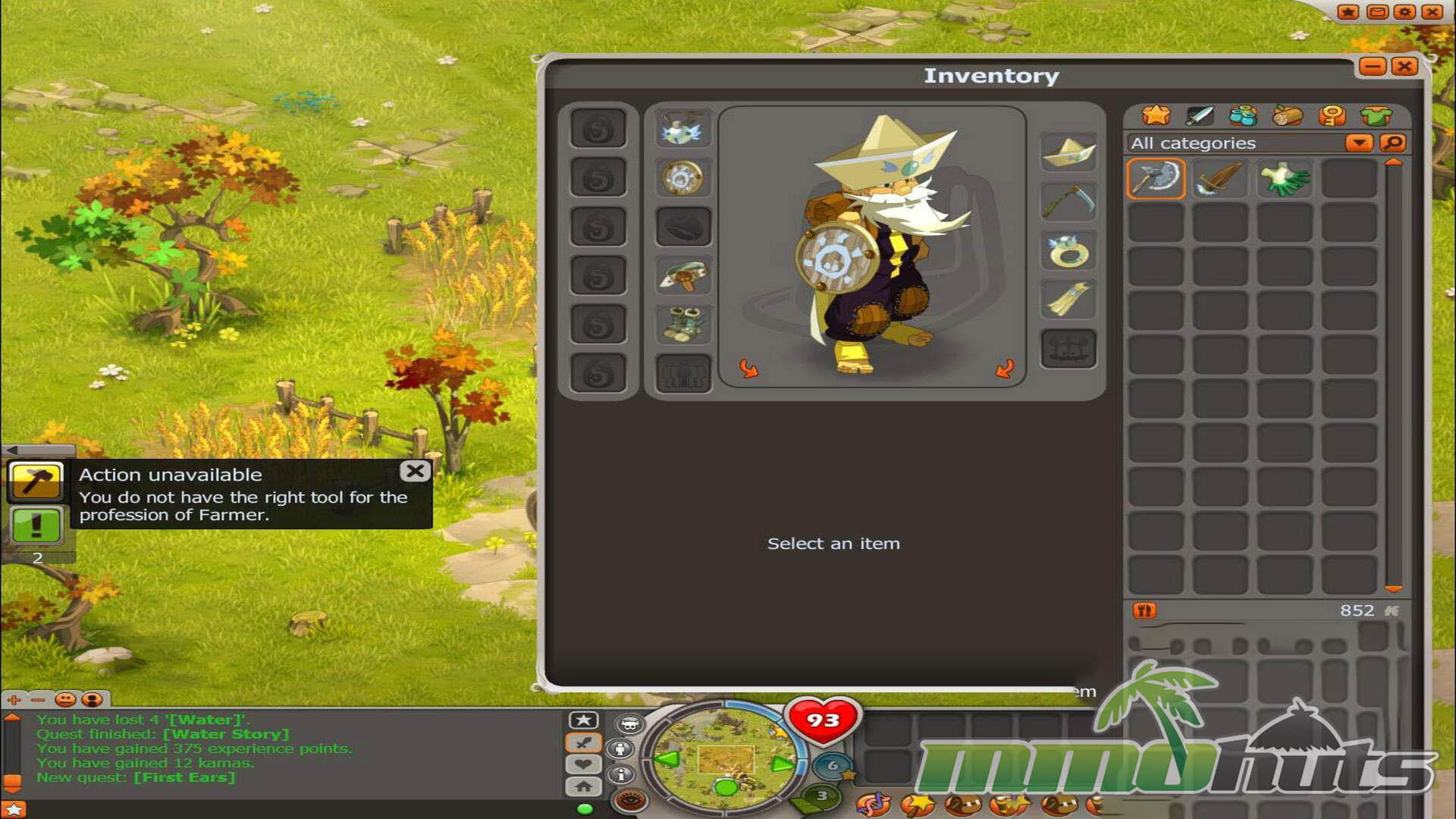
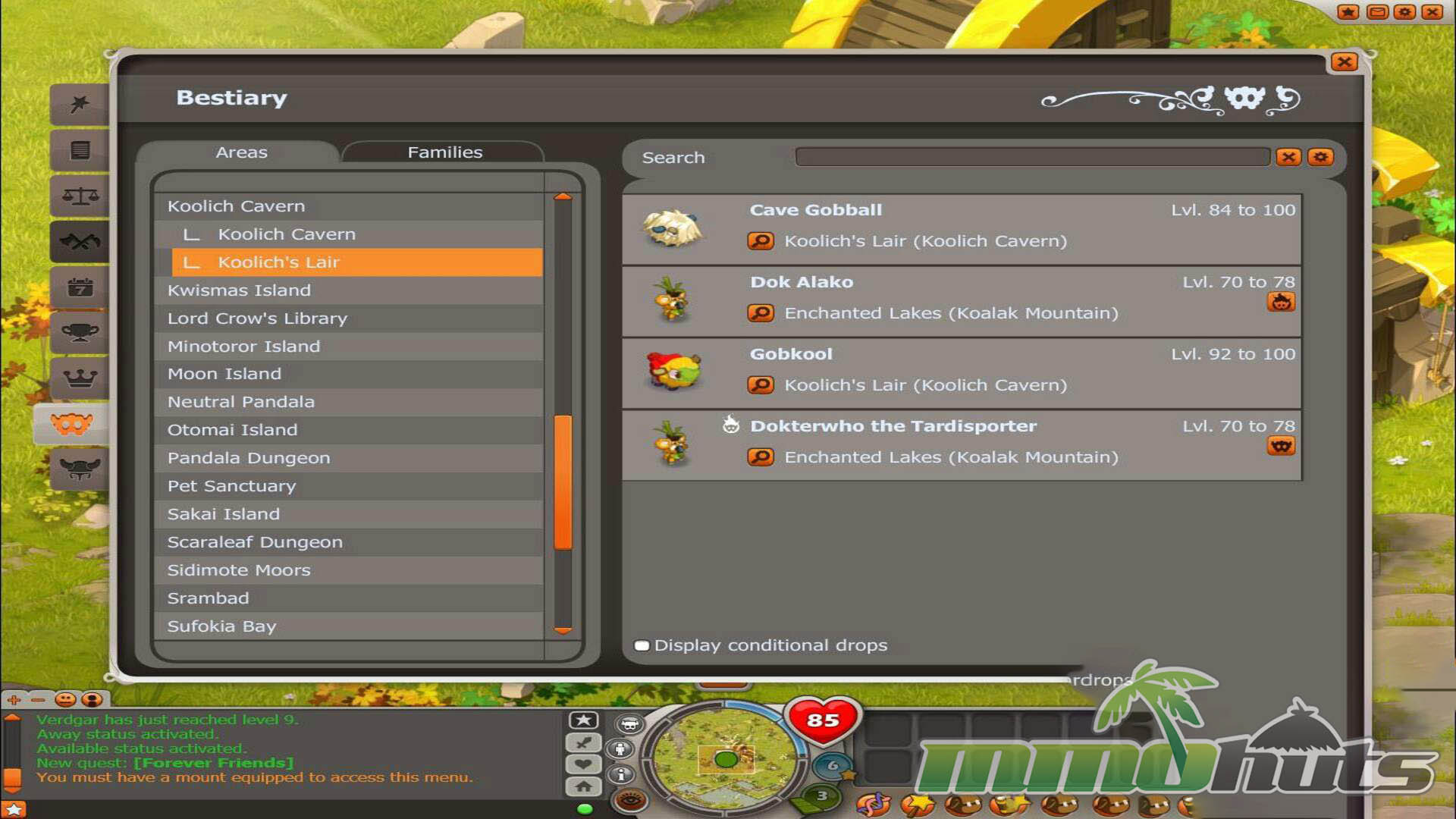
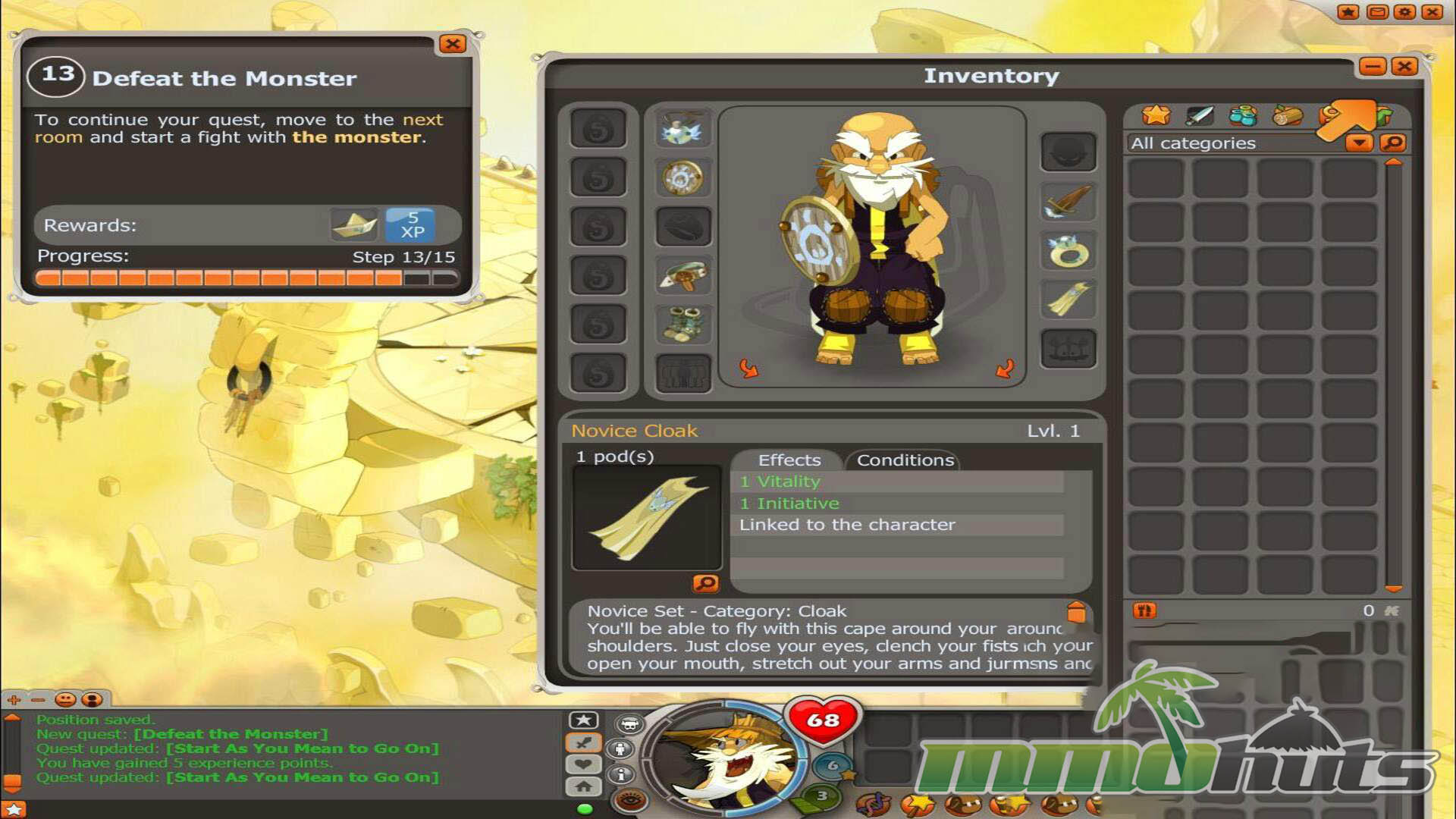
For an MMO with tactical combat, the interface is refreshingly straightforward. Menus, icons, and shortcuts are easy to interpret, and most key functions are where genre veterans expect them to be. Spell access and character management are presented cleanly, which matters because you are constantly checking ranges, cooldown-like constraints, and your available actions.
Fullscreen support exists, but the game does not always scale gracefully on modern widescreen displays, so you may see side borders depending on your setup. It is more of a presentation quirk than a functional problem, but it is noticeable if you prefer your MMORPGs fully stretched across the monitor.
Turn-Based Combat That Rewards Planning
Combat is the centerpiece. Battles take place on hexagonal grids, and both you and your opponents act in turn order. Your options are governed by movement allowance and the actions you can spend on spells or attacks. Because positioning is so important, a small decision, such as stepping one tile too far or failing to block a line of sight, can swing a fight.
Turns are also timed, which keeps encounters from dragging and discourages players from stepping away mid-fight. In PvE it maintains momentum, and in PvP it prevents the match from turning into a waiting game. The pacing feels deliberate, but not slow, once you understand your class and the typical flow of a fight.
Progression, Stats, and Early Experimentation
Leveling grants stat points that you assign manually, which gives Dofus a more tabletop-like flavor than many modern MMOs. New players may find this intimidating at first because your choices affect how effective certain spells and gear become over time. The good news is that the early game encourages experimentation rather than punishing it.
Up to level 30, you can reset your stat points for free by speaking with Fairy Sette in Incarnam. That safety net is important because it lets you test different approaches and learn what your class actually needs before you commit to a longer-term build.
Crafting and Professions
The profession system is a major pillar, not a side activity. Crafting and gathering are split into separate roles, and there is enough depth in materials and recipes to keep dedicated crafters busy for a long time. It also supports the game’s social economy since many players will rely on others to cover professions they do not personally maintain.
You are limited to three profession slots, so planning matters. Pairing a gatherer with a related craft (for example, Farmer and Baker) is a practical approach, especially early on when you are building up resources and looking for consistent ways to support your character.
Technical Rough Spots
Despite its strengths, Dofus is not perfectly polished. Occasional bugs can appear around combat transitions or rendering. In one instance after a fight, a character model failed to display properly until interacting with the map, at which point things corrected themselves.
Issues like that tend to be more odd than destructive, and they rarely stop you from continuing. Still, they serve as a reminder that the game’s long lifespan and older tech foundation can show through in small ways.
Subscription Walls and the Cash Shop
Dofus offers a meaningful free starting experience, including access to Astrub Village and Incarnam. You can still engage with core systems such as classes, spells, and guild play, which helps you understand whether the game’s tactical structure is for you. To explore the full world and its broader content, you will need a monthly subscription, with benefits varying depending on the plan you choose.
The cash shop is present, but it does not heavily pressure gameplay power. Purchased items are largely cosmetic, and gear earned through play generally remains more relevant than anything you can buy outright. That approach helps Dofus avoid the worst pay-to-win pitfalls and keeps progression primarily tied to playing the game.
Final Verdict- Great
Dofus succeeds by committing to its niche: a tactical, turn-based MMO that values positioning and planning as much as leveling and loot. Its upbeat art direction, playful tone, and deep crafting systems give it a personality that feels distinct even among long-running MMORPGs.
The main drawback is the limited scope for free players, since the larger world is locked behind a subscription. Even so, the core systems are strong enough that the early experience can effectively demonstrate whether Dofus is the kind of MMO you will want to invest in long-term.
Dofus Requirements
Minimum Requirements:
Operating System: Windows Vista/7
CPU: Celeron D 352 or Sempron 64 LE-1100
RAM: 1 GB GB RAM
Video Card: GeForce 7050 or Radeon HD 2350 Pro
Hard Disk Space: 4 GB Free Space
Recommended Requirements:
Operating System: Windows Vista/7
CPU: Celeron 450 2.2GHz or Athlon 64 3500+
RAM: 2 GB RAM
Video Card: GeForce 6600 GT or Radeon 9600 Series
Hard Disk Space: 4 GB Free Space
Dofus is compatible with Mac OS X and Linux
Dofus Music
Dofus Additional Information
Developer: Ankama Games
Publisher: Ankama Games
Game Engine: Flash
Other Platforms: Linux, Mac OS X
Release Date: September 01, 2004
Release Date (English): September 01, 2005
Dofus was developed and published by French video game company Ankama Games and released on September 01, 2004. The setting later expanded through additional games set in the same universe. Dofus Arena launched in the beginning of 2006 as a PvP-focused title that draws on the world and story of Dofus. Wakfu continues the timeline directly, taking place 1,000 years after Dofus. Ankama also released a spin-off, Islands of Wakfu, on Xbox Live Arcade on March 30, 2011.
The game has received industry recognition over the years, including the Audience Award at the Independent Game Festival in 2006 and the 2007 Bytten Ernie Award for Best Graphics and Concept Art in 2007. Dofus also branched into animation with Dofus aux trésors de Kérubim (Dofus: The Treasures of Kerubim), which began airing on France 3 in 2013 and is set 200 years before the MMORPG. A film adaptation connected to the television series was planned for release sometime in 2016.