Lost Saga is a 3D MMO beat em up built around quick matches and constant brawling. It offers a wide spread of PvP modes across different arenas, plus co-op PvE dungeons for players who prefer teaming up over dueling.
 | Publisher: Z8Games Type: MMO Release Date: November 17, 2009 Shut Down: September 13, 2019 Pros: +A massive selection of playable Heroes. +Snappy, combo-friendly combat. +Plenty of modes to rotate through. Cons: -Hit registration can feel inconsistent. -Cash shop advantages show up in places. -PvE can become repetitive and grindy. |
Lost Saga Overview
Lost Saga is a match-focused online brawler that leans into fast reactions, juggling combos, and chaotic multiplayer skirmishes. Instead of locking you into one class, it lets you collect a large lineup of Heroes inspired by myths, folklore, and pop culture, then bring multiple Heroes into a match so you can swap mid-fight and keep pressure on opponents. The pace and arcade feel will be familiar to fans of games like Elsword Online and Dungeon Fighter Online, but structurally Lost Saga is not an MMORPG, it is closer to a lobby-based action game with many rule sets to choose from.
Combat is built around short engagements, knockdowns, and timing defensive options, with enough depth to reward practice. On top of that, the game’s identity comes from how it encourages experimentation, both through hero swapping and through gear that changes what your character can do. Whether you prefer small-scale duels, team modes, or occasional cooperative dungeon runs, the game’s mode variety is one of its main draws.
Lost Saga Key Features
- Action-packed Arena Combat – jump into brawler-style PvP across multiple maps and competitive modes.
- Tons of Unique Heroes – unlock and collect from a roster of 60+ Heroes inspired by famous stories and legends.
- Tag-team Combat – swap between Heroes during a match to extend combos and adapt to what the enemy team is doing.
- Customize Your Gear – skills are tied to equipment, letting you tailor your kit by mixing and matching pieces.
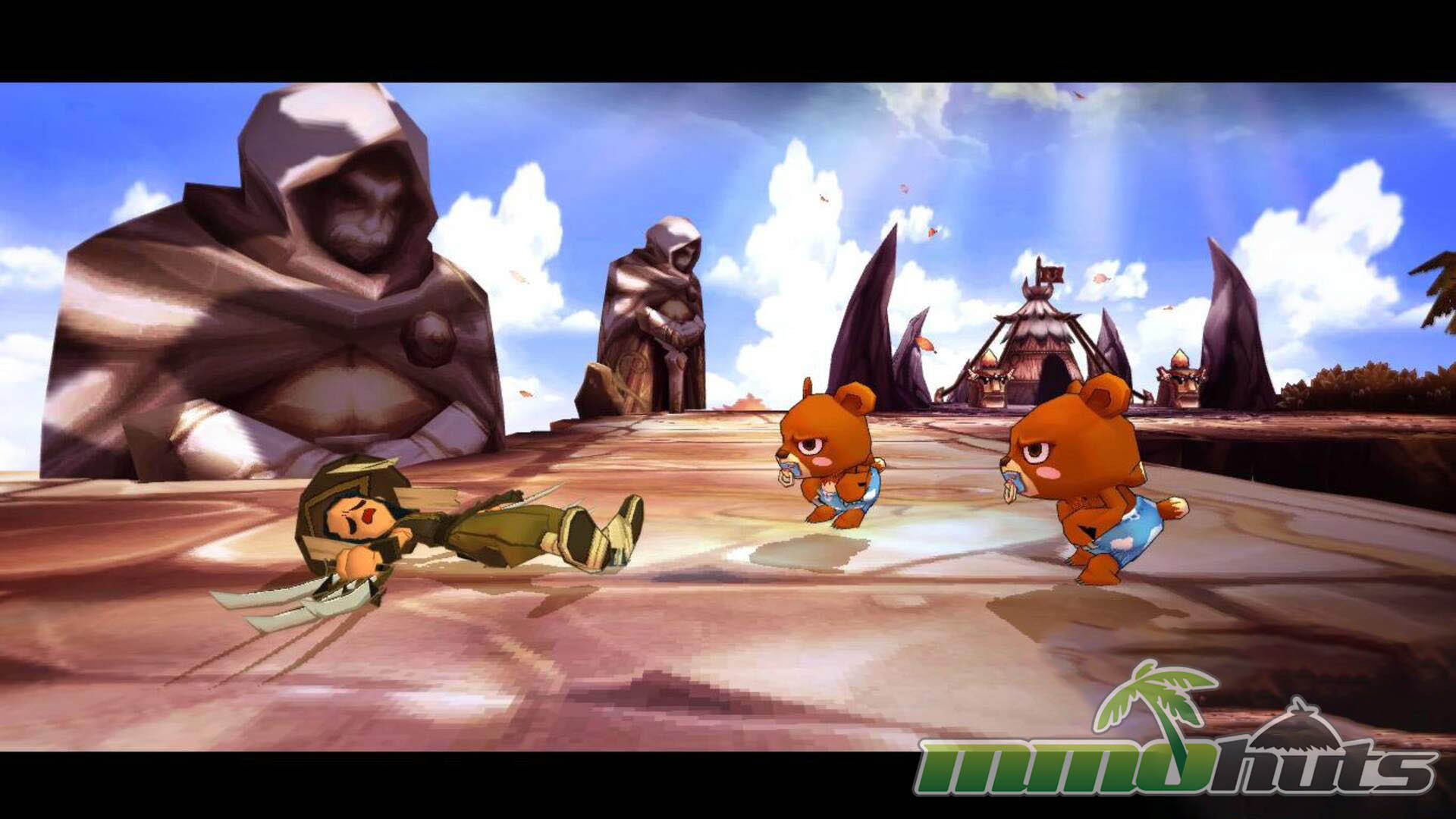
Lost Saga Screenshots
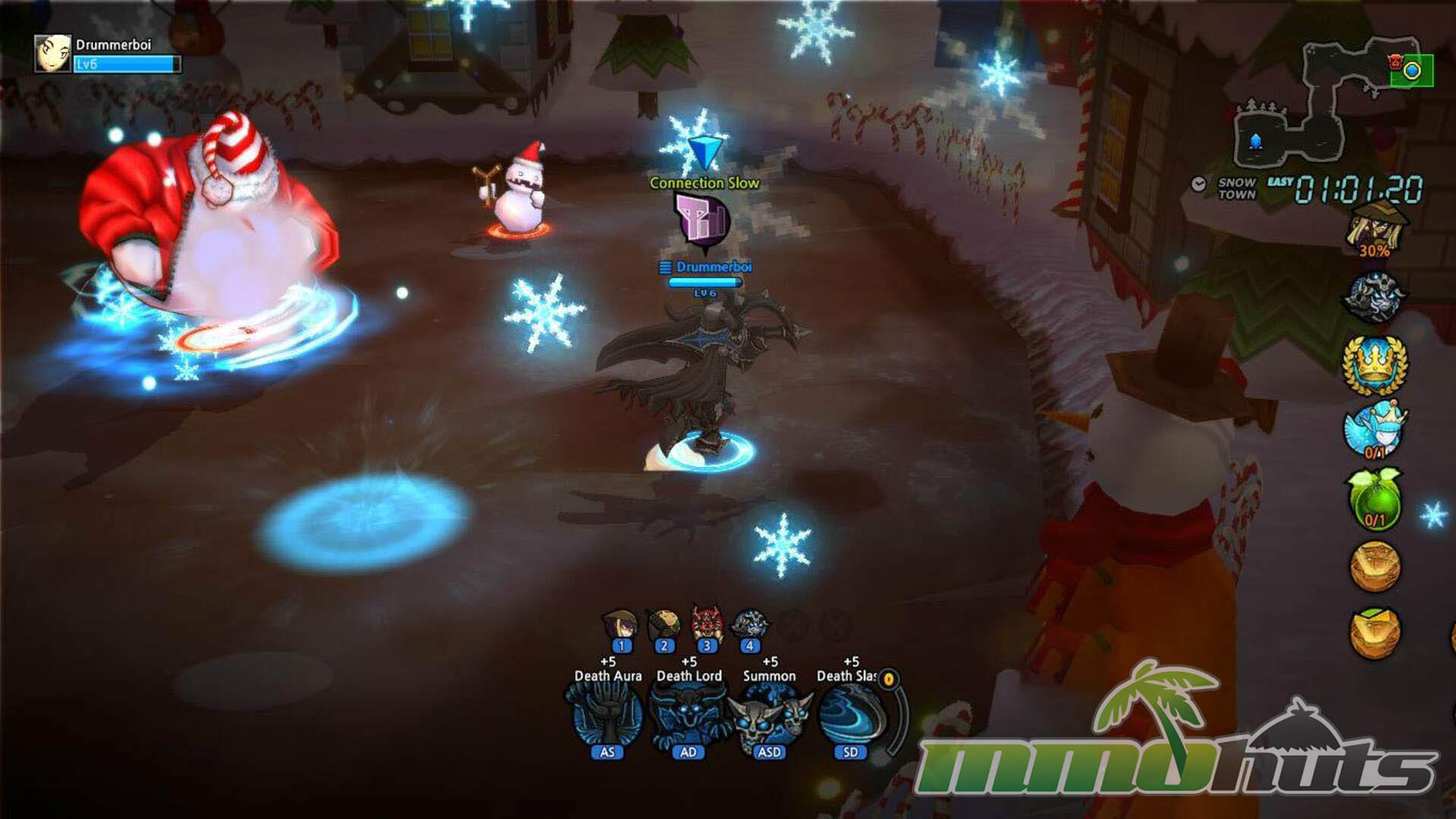
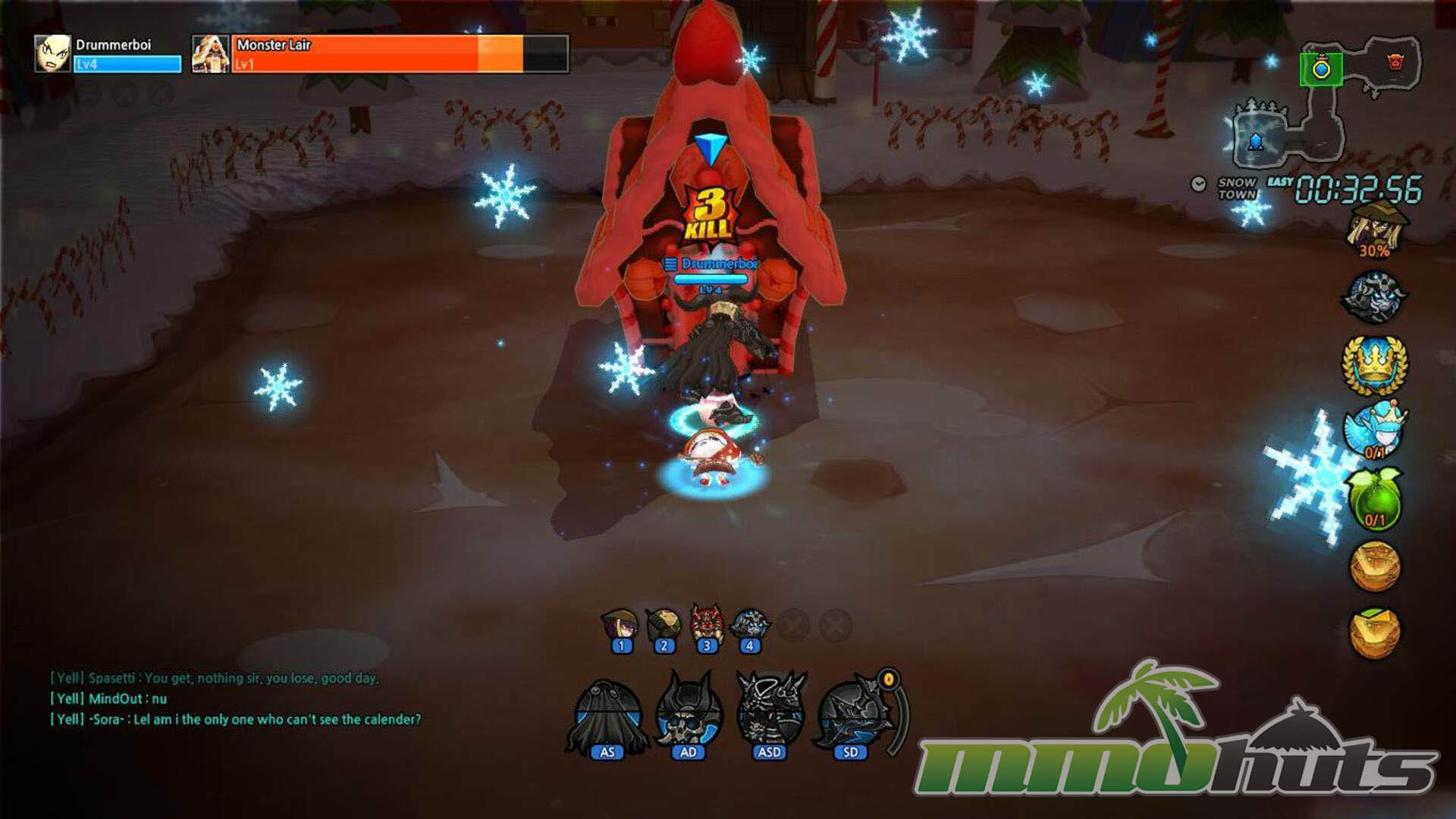
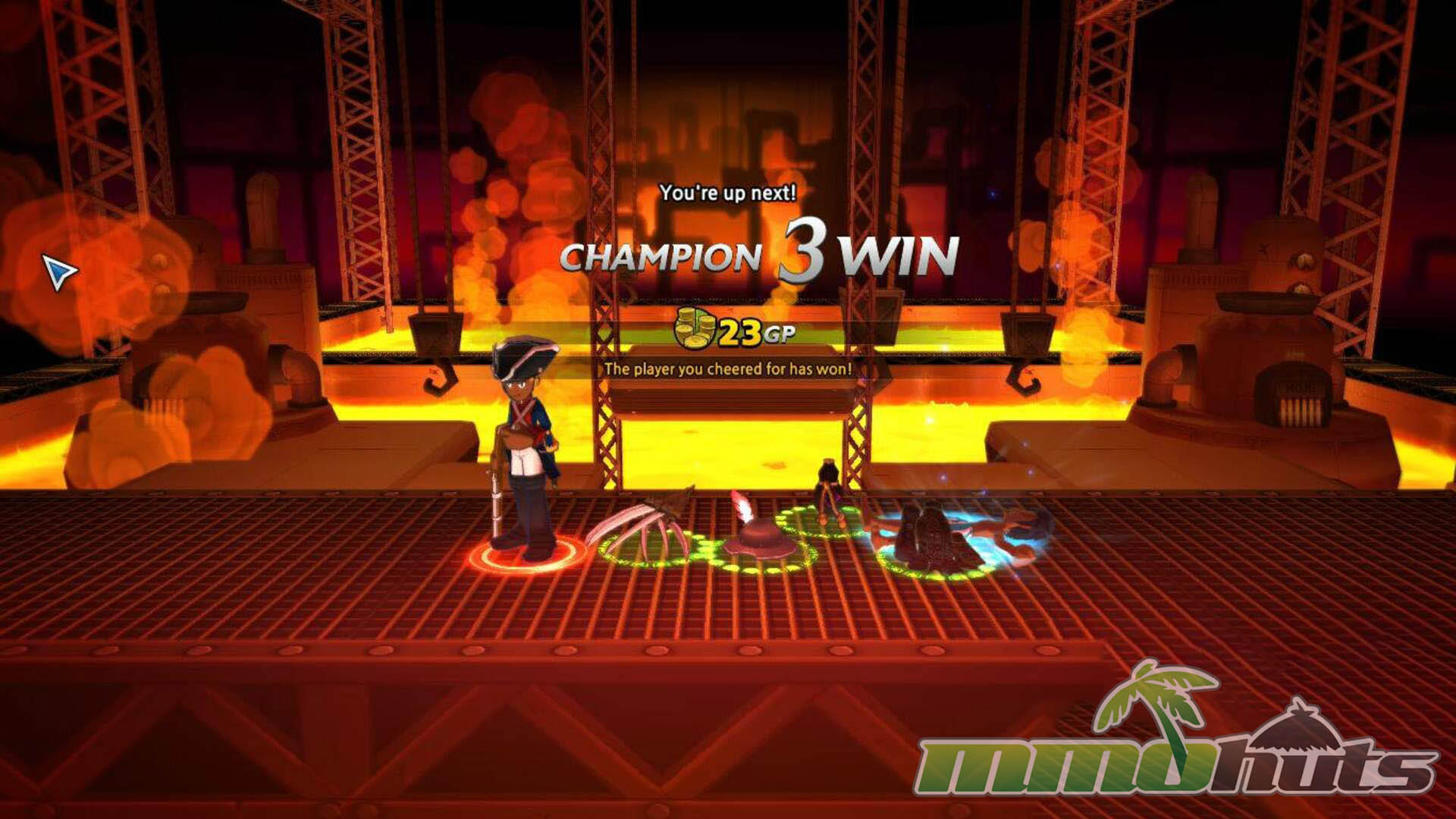
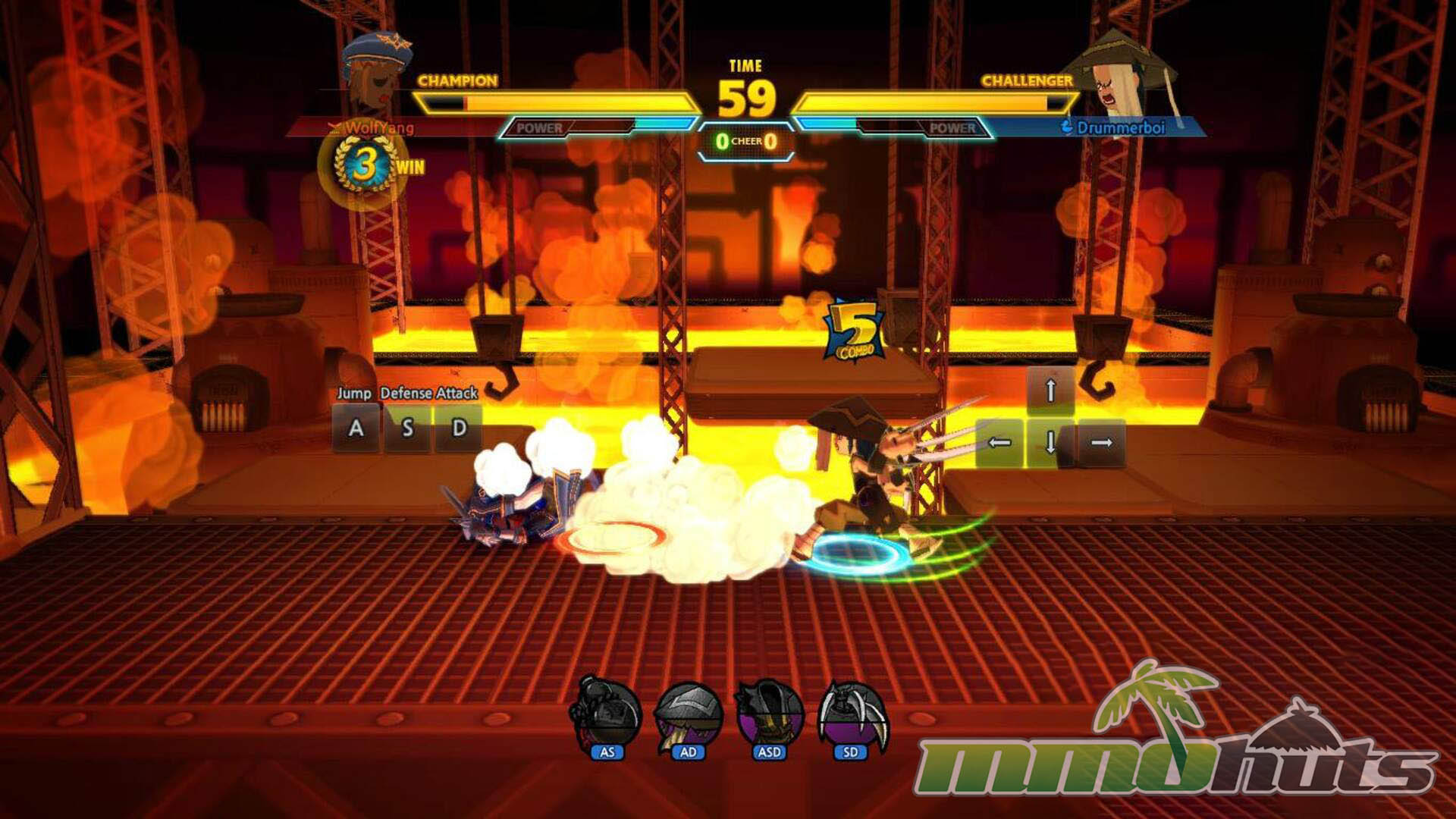
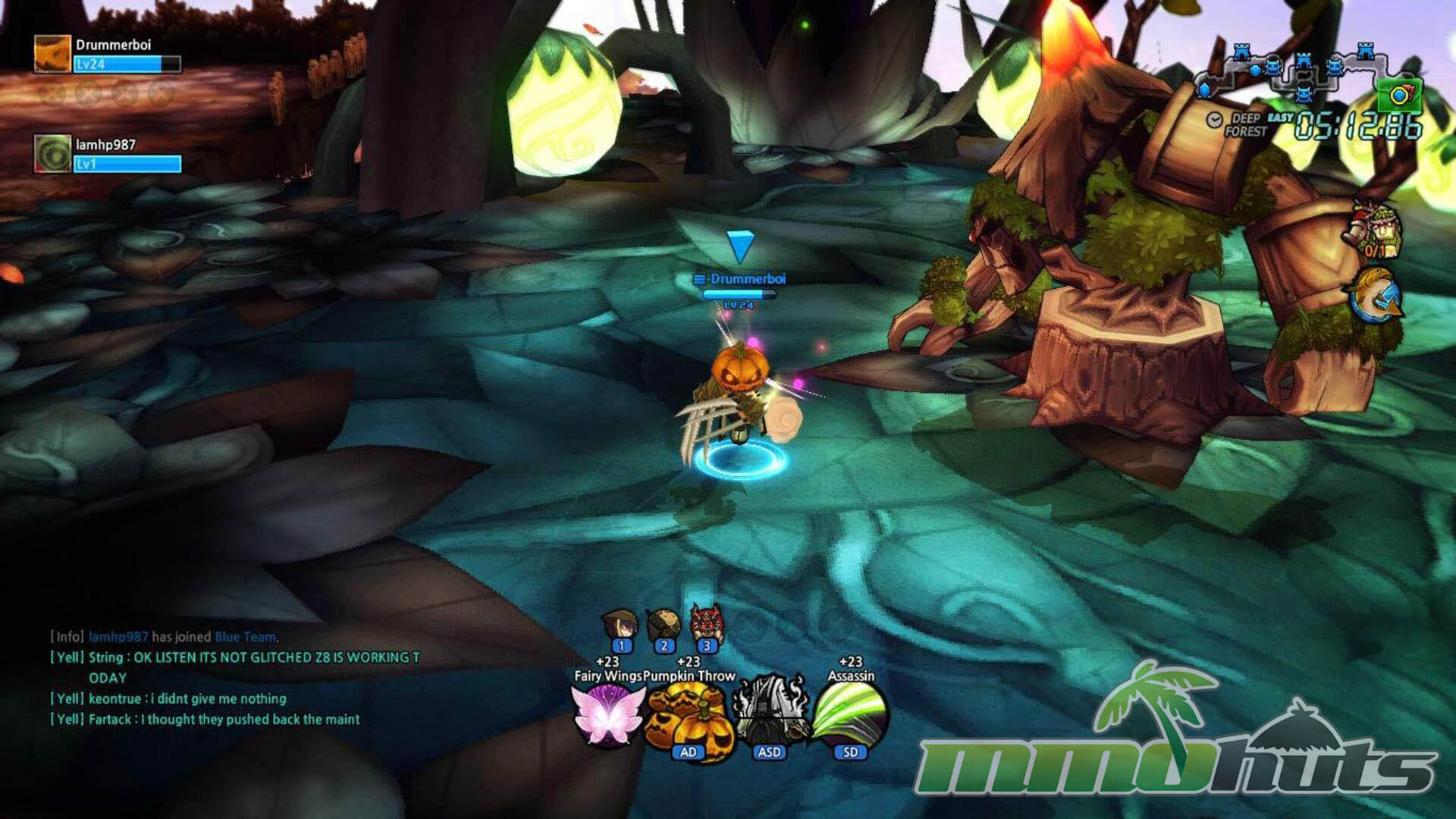
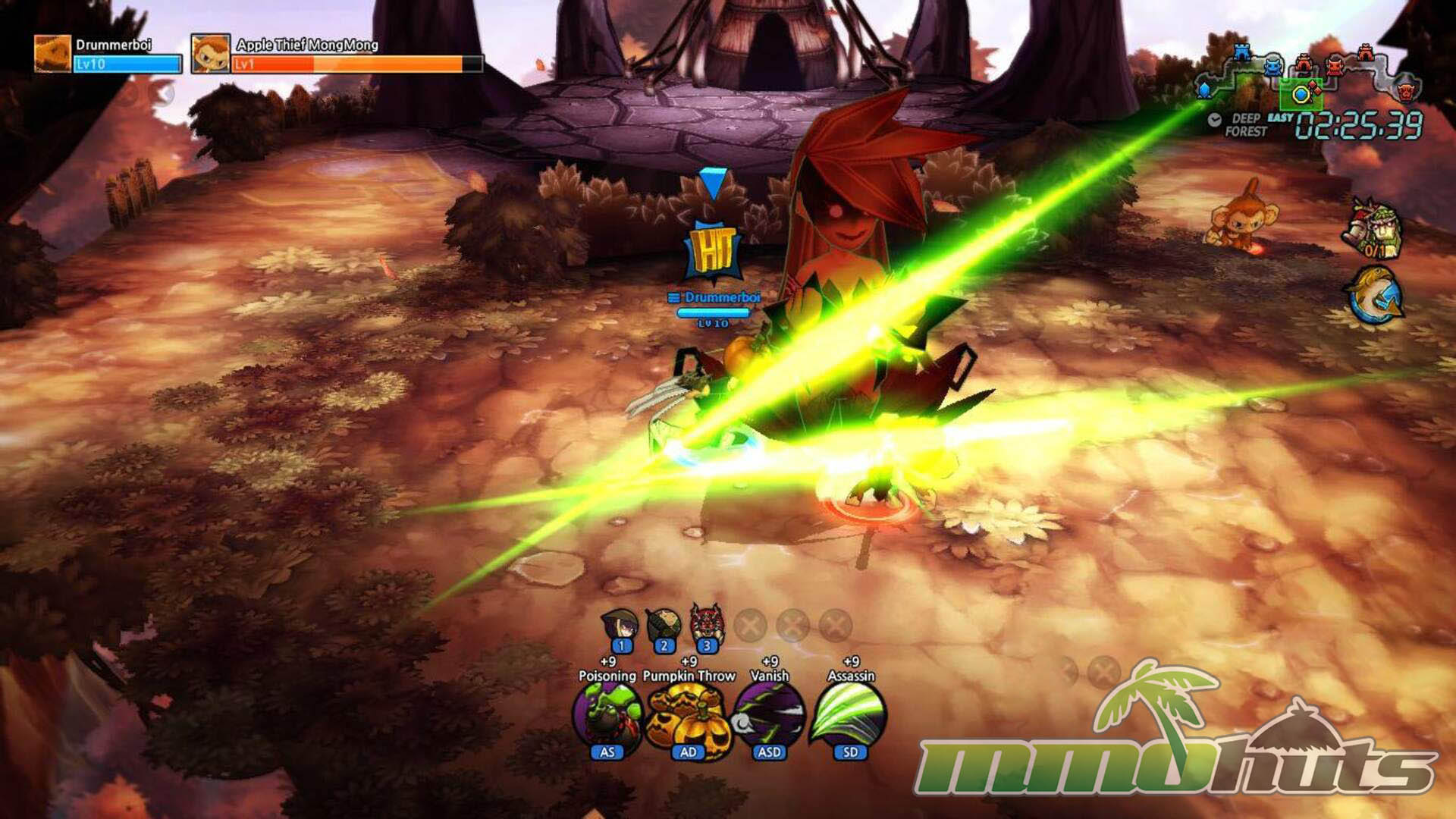


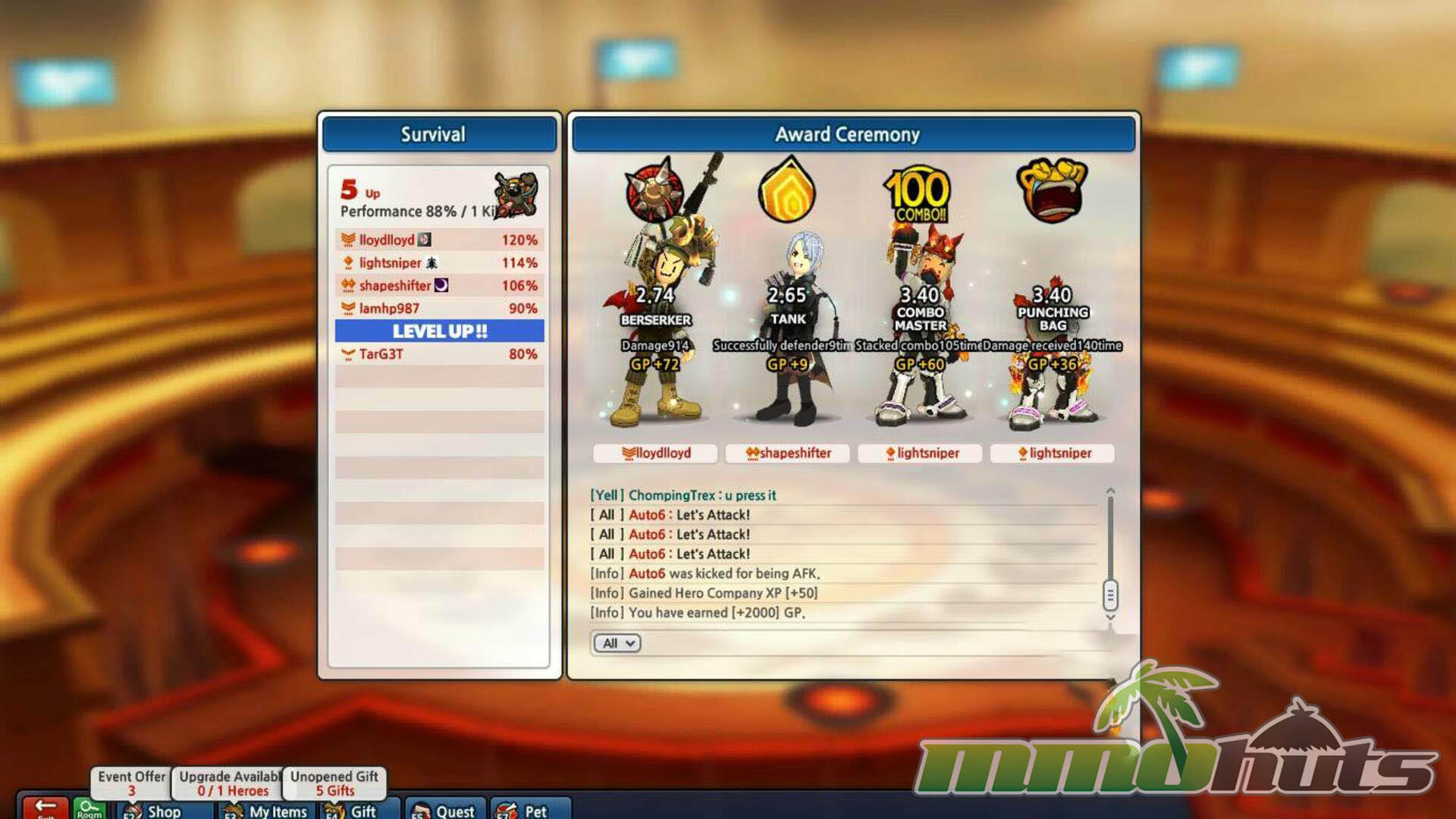
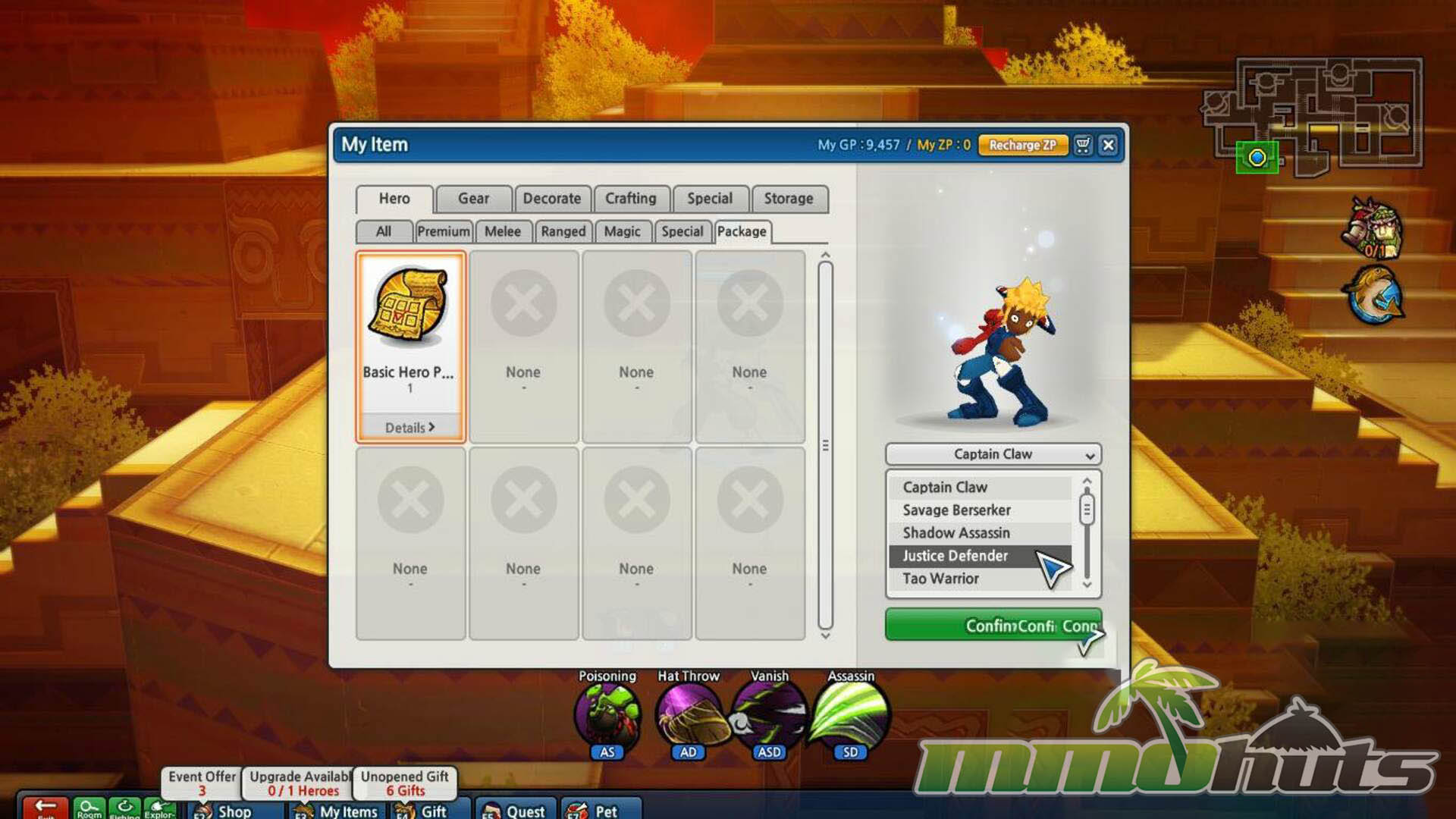
Lost Saga Featured Video

Lost Saga Review
Lost Saga is a fantasy-leaning 3D MMO beat em up from IO Entertainment, published in the West by Z8Games. It originally arrived in North America on November 17, 2009 under OGPlanet, and later continued service under Z8Games starting December 18, 2013. The client was available through the official site and also via Steam.
The premise frames players as mercenaries who end up stranded in a time-space hub after a malfunctioning Time-Gate jump. From there, the game’s excuse for variety is simple and effective, you can pull Heroes from different eras and fiction, then fight using their signature styles. The presentation is what you would expect from an older 3D arena brawler, bright, readable, and functional rather than technically impressive. Sound design follows the same idea, upbeat and gamey, supporting the fast tempo without trying to be cinematic.
Time-Space Boot Camp
New players are pushed through a short tutorial hosted by an NPC called Developer K. It covers movement, basic attacks, defense, and skill inputs, and it cannot be skipped. After that, Developer K continues to appear with starter quests designed to funnel you into different menus and modes, while handing out GP (the main currency) and beginner hero scrolls that provide temporary access to additional Heroes.
That early access matters because Heroes can play very differently from one another. It is worth spending those scrolls to sample several options before locking in a permanent Hero from the early rewards, especially if you are unsure whether you prefer close-range brawlers, trickier setups, or more skill-focused kits.
Where the Game Lives: PvP
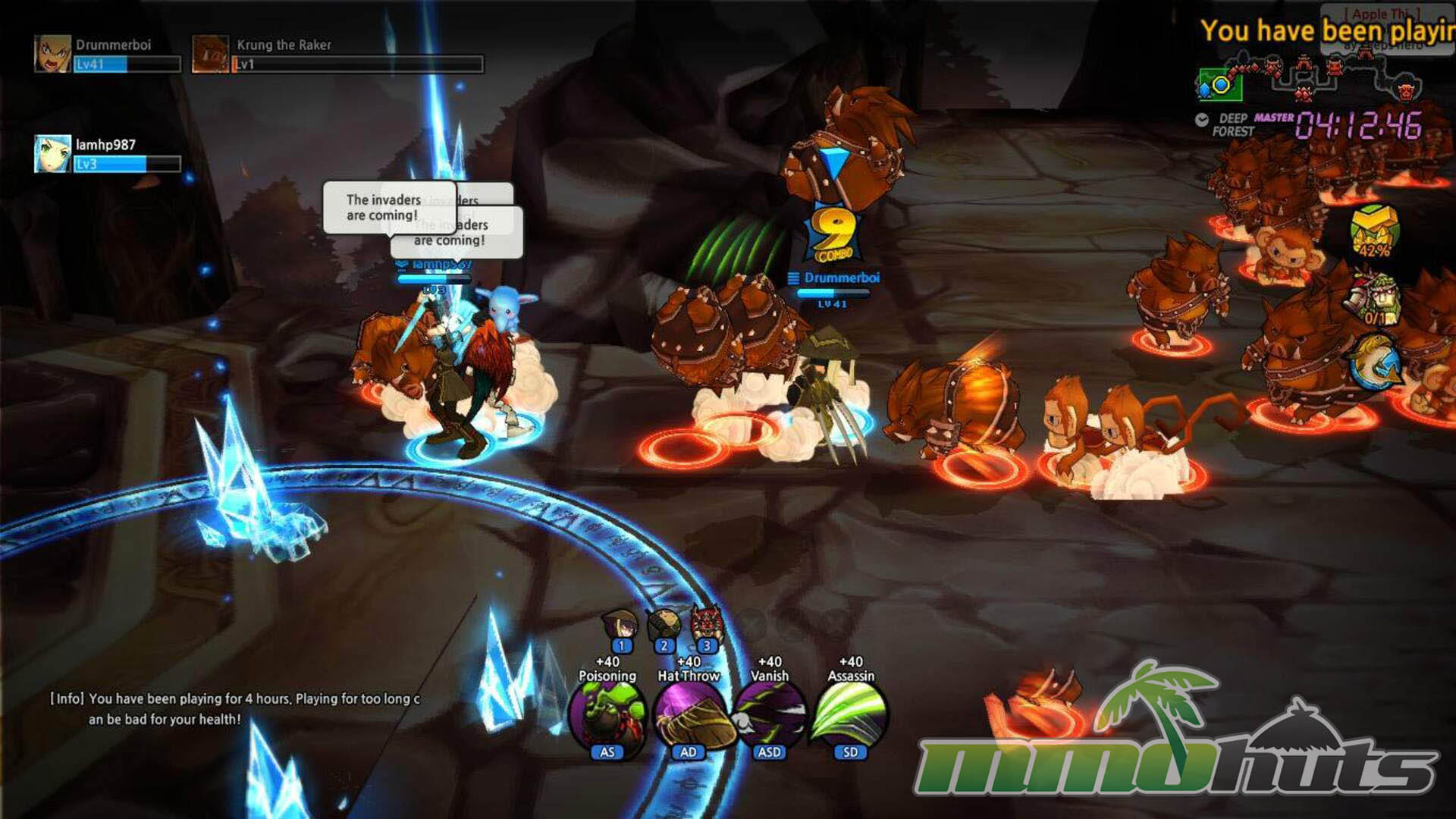
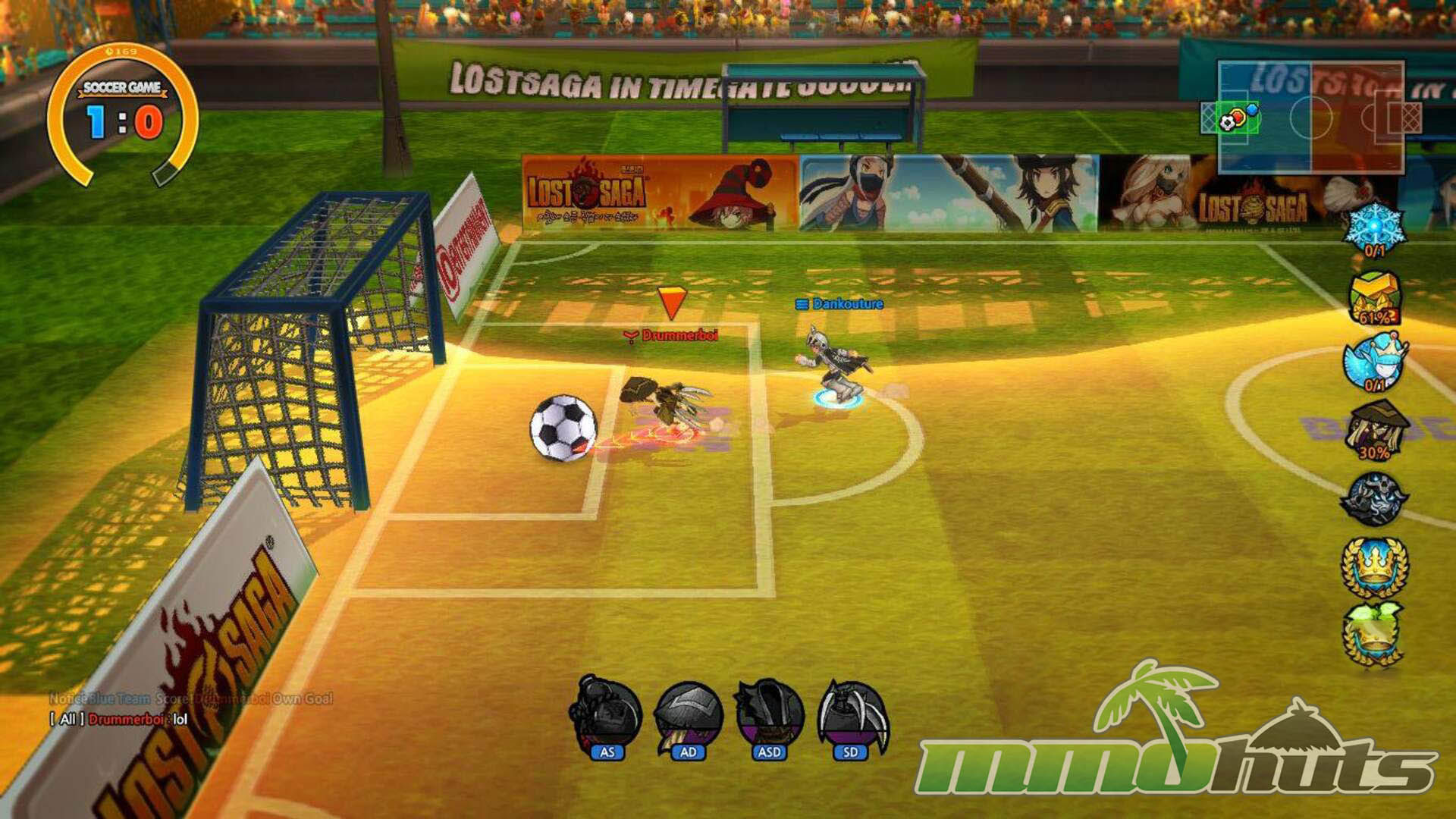
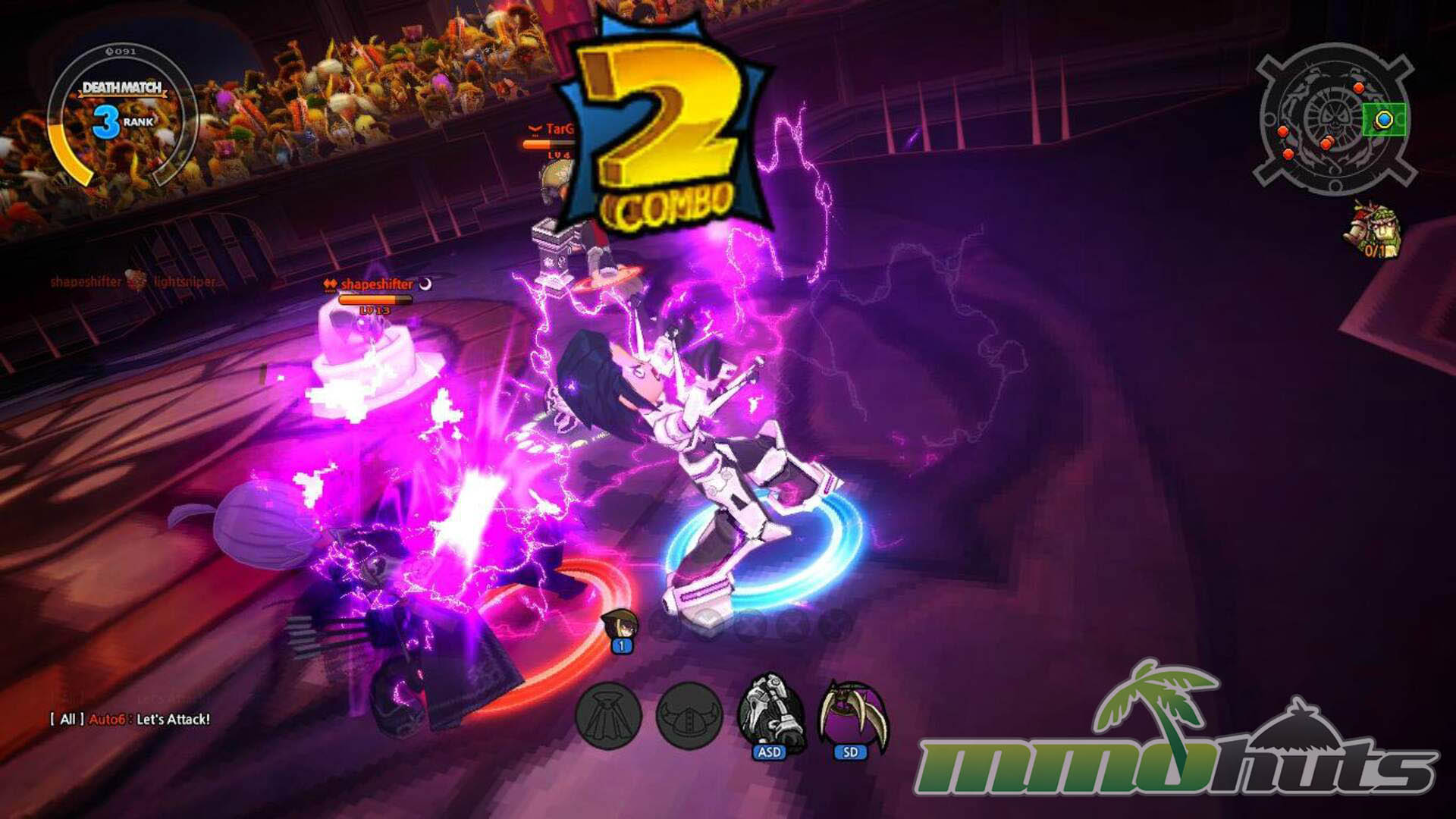
Like other lobby-based action brawlers (Grand Chase, GetAmped 2, and Rumble Fighter are common comparisons), Lost Saga is primarily designed around fighting other players. Standard options include 1v1, free-for-all, and team deathmatch, but it also mixes in less typical diversions, including a soccer mode that turns movement and knockbacks into the core mechanics.
More objective-driven matches are where the game stands out. Modes such as Prisoner Mode revolve around capturing opponents and preventing rescues, while Power Stone Mode asks teams to focus damage and control space to destroy the enemy objective. On the social side, players can align with one of two factions, form guilds, and participate in faction and guild wars for larger-scale competition.
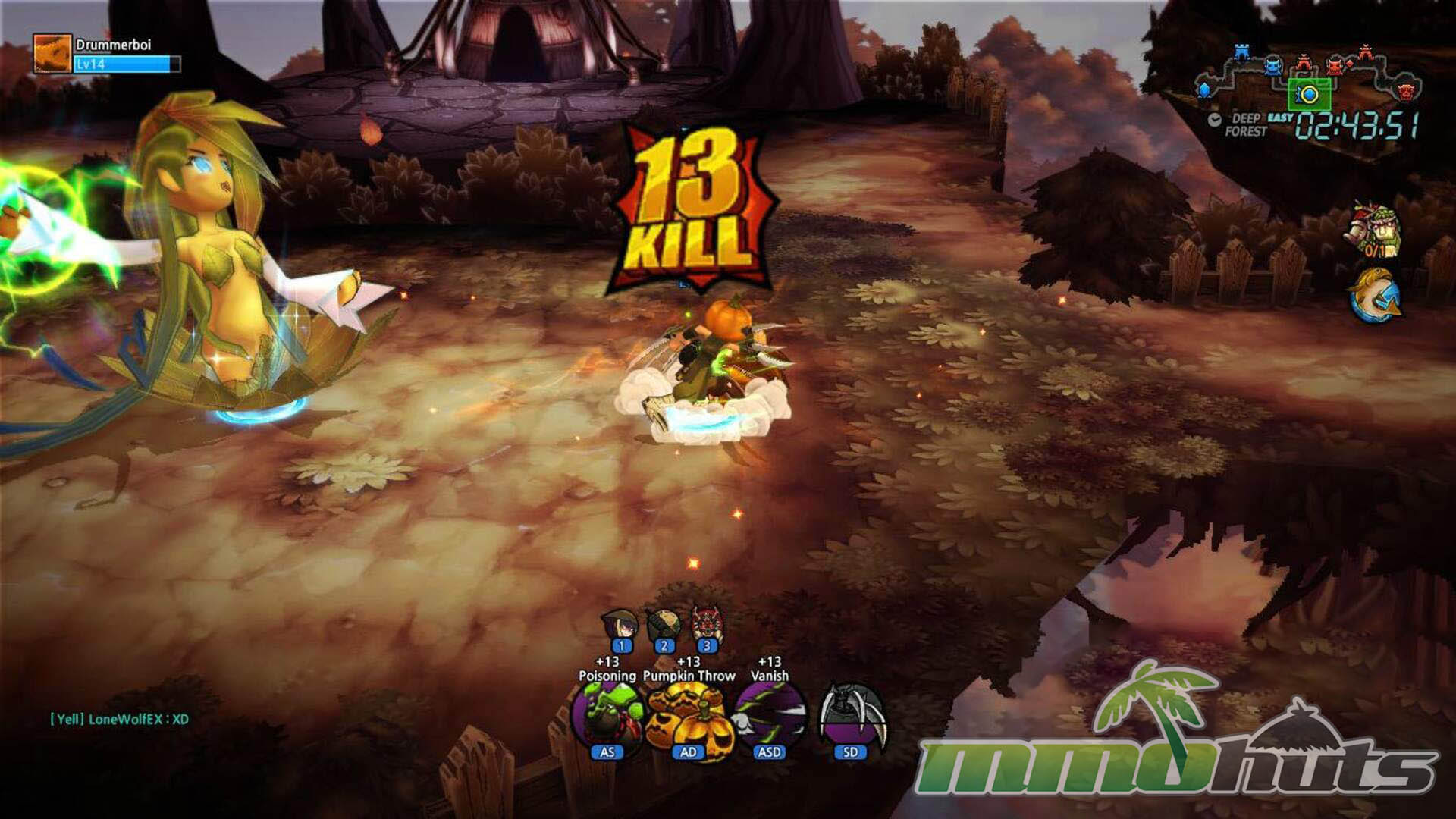
When PvP gets tiring, cooperative PvE offers monster dungeons and boss encounters. It is not the main attraction, but it provides an alternative way to play and a change of pace between arena sessions. There is also fishing, which acts as a quieter side activity for item hunting between matches.
Simple Inputs, Surprisingly Busy Fights
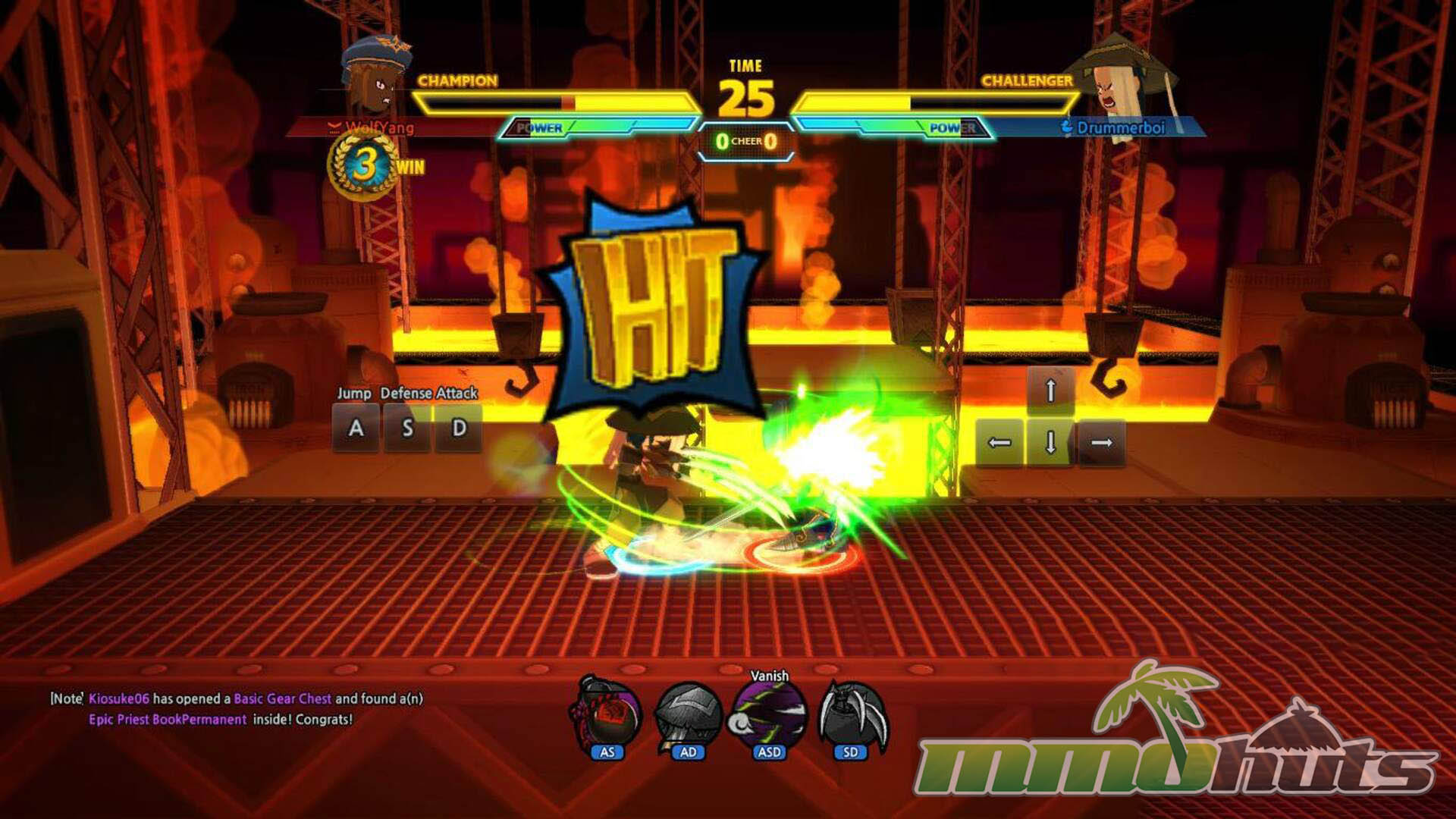
Lost Saga keeps its control scheme straightforward, which helps matches stay quick and readable. Movement is handled with the arrow keys, while A is jump, S is guard, and D is attack. The layout can feel unusual for players used to WASD movement, and it takes some adjustment before the inputs feel natural at full speed.
Skills are triggered through combinations of the A, S, and D keys (such as AS, AD, ASD, and SD), so execution is less about long command strings and more about clean timing under pressure. Hero swapping is mapped to the number keys (including – and =), and that mechanic is central to the game’s rhythm. Swapping mid-fight lets you extend combos, change matchup dynamics instantly, and bring the right tool for the moment. One important limitation is that your Heroes share a single HP pool, so swapping is about options and momentum, not a free heal.
Levels, Points, and Ranks
Progression is easy to understand. Leveling grants upgrade points (two per level), which you invest into stats that influence things like damage, defense, and cooldown-related performance. Applying upgrades is not just a point spend, it also costs GP. If you want the benefit immediately, you pay and receive the upgrade right away.
Alternatively, you can choose a free upgrade option that completes after a wait, similar to timed upgrades in strategy games. Alongside levels, the game tracks military rank earned through play. Certain features remain locked until you reach specific ranks, giving players another long-term track beyond simply unlocking Heroes and gear.
Gear Is the Real Identity
Lost Saga’s most memorable system is how it handles defeat and equipment. Running out of HP does not immediately end your life. Instead, once you hit 0 HP, you begin dropping pieces of gear when struck. The match only ends when you take another hit after losing all major gear pieces (helmet, armor, weapon, and trinket).
In theory you can recover by picking up dropped gear with A, but in practice it is difficult when an opponent is pressuring you and trying to finish the job. The system creates tense moments where a player on the verge of elimination can still fight back, but must scramble to regain abilities.
The other key twist is that skills are largely tied to gear rather than being permanently locked to a Hero. That opens up creative combinations, for example, a melee-focused Hero can gain access to more magical or utility-style options by equipping different pieces. The chaos stays manageable because gear returns to its owner automatically once the match ends.
Free-to-Play Pressure
As a free-to-play title, Lost Saga leans on microtransactions, and the cash shop can noticeably influence your options. Many of the more appealing Heroes are tied to paid access, and stronger gear can also be acquired through spending, which naturally creates imbalance in a competitive game.
That said, mechanical skill still matters. Positioning, combo knowledge, and smart hero swaps can overcome a lot of raw advantages, especially against players who rely on purchases without learning the fundamentals. For non-paying players, the gap can be narrowed through persistence, but it often means committing to a grind, particularly if you are chasing specific Heroes or gear setups.
Final Verdict – Good
Lost Saga succeeds as a quick, social brawler with a genuinely flexible combat sandbox. Its strongest qualities are the pace of its fights, the hero swapping that keeps matches dynamic, and a mode lineup that offers more variety than many similar arena beat em ups. The gear-drop mechanic also adds a distinctive layer of tension that can turn a near-loss into a scramble for survival.
The downsides are real, including occasional lag, a community that can feel unwelcoming to newcomers, and free-to-play monetization that can tilt the playing field. Even so, it remains an easy game to recommend for players who enjoy arcade-style PvP and want something they can play in short bursts with friends. Just be prepared to invest either time or money if you want to keep up with long-term competitors.
Lost Saga Links
Lost Saga Official Site
Lost Saga Steam Page
Lost Saga Wikipedia
Lost Saga Wiki (Guides / Database)
Lost Saga System Requirements
Minimum Requirements:
Operating System: Windows Vista / 7 / 8 / 10
CPU: Pentium 4 1.5 GHz
Video Card: GeForce 5600+
RAM: 512 MB
Hard Disk Space: 2 GB
Recommended Requirements:
Operating System: Windows Vista / 7 / 8 / 10
CPU: Pentium 4 2 GHz
Video Card: GeForce 6600+
RAM: 1 GB
Hard Disk Space: 2 GB
Lost Saga Music & Soundtrack
Lost Saga Additional Information
Developer: IO Entertainment
Release Date: November 17, 2009
Steam Release Date: December 8, 2013
Foreign Release Date:
South Korea: February 26, 2009
China: 2014
Taiwan: March 6, 2015
Shut Down: September 13, 2019
Development History / Background:
Lost Saga was created by South Korean developer IO Entertainment, which was later acquired by Joymax (known for Digimon Masters Online and Silkroad-R). In North America, the game first ran under OGPlanet, then shifted to Z8Games after the original publishing agreement ended. While it found a strong audience in several Eastern markets, it struggled to reach the same popularity in the West. Cartoon-styled online brawlers such as Rumble Fighter and GetAmped 2 generally remained niche outside their core communities.