Rise of Incarnates is a free-to-play 3D fighting game built entirely around 2v2 matches, where coordination matters as much as execution. Each fighter comes with a distinct kit and an “awakening” tied to mythic figures, pushing matches toward explosive momentum swings and quick, arcade-like rounds that reward teamwork over solo heroics.
 | Publisher: Bandai Namco Type: Fighting Game Release Date: July 1, 2015 Shut Down: December 2015 Pros: +Smooth, responsive combat feel. +Every character is playable for the first 24 hours. +Strong focus on duo synergy and coordinated pressure. +Works well with a gamepad. Cons: -Occasional latency spikes. -Bugs can interrupt otherwise clean matches. -Lock-on camera can fight you in cluttered spaces. |
Rise of Incarnates Shut Down in December 2015
Rise of Incarnates Overview
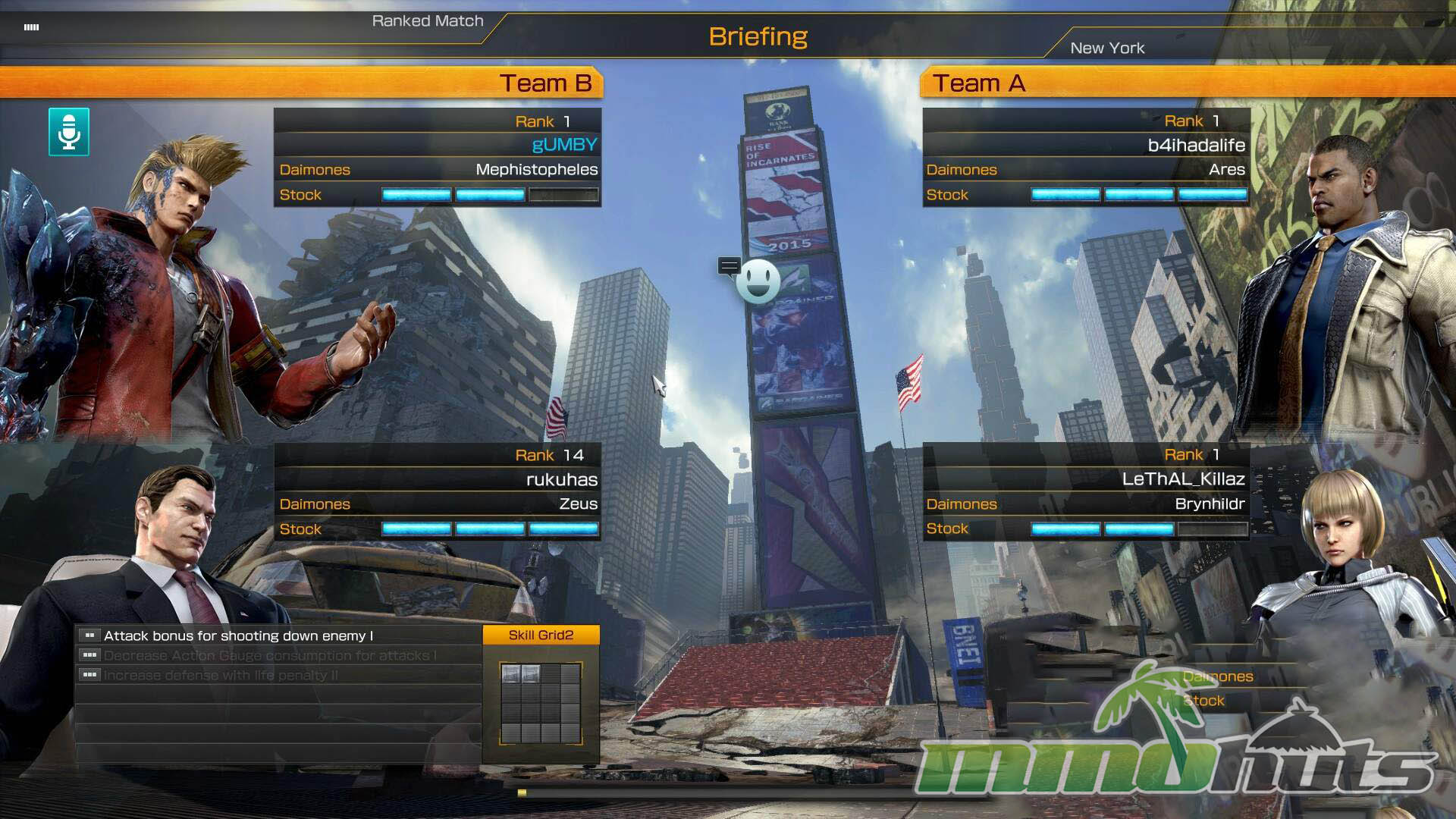
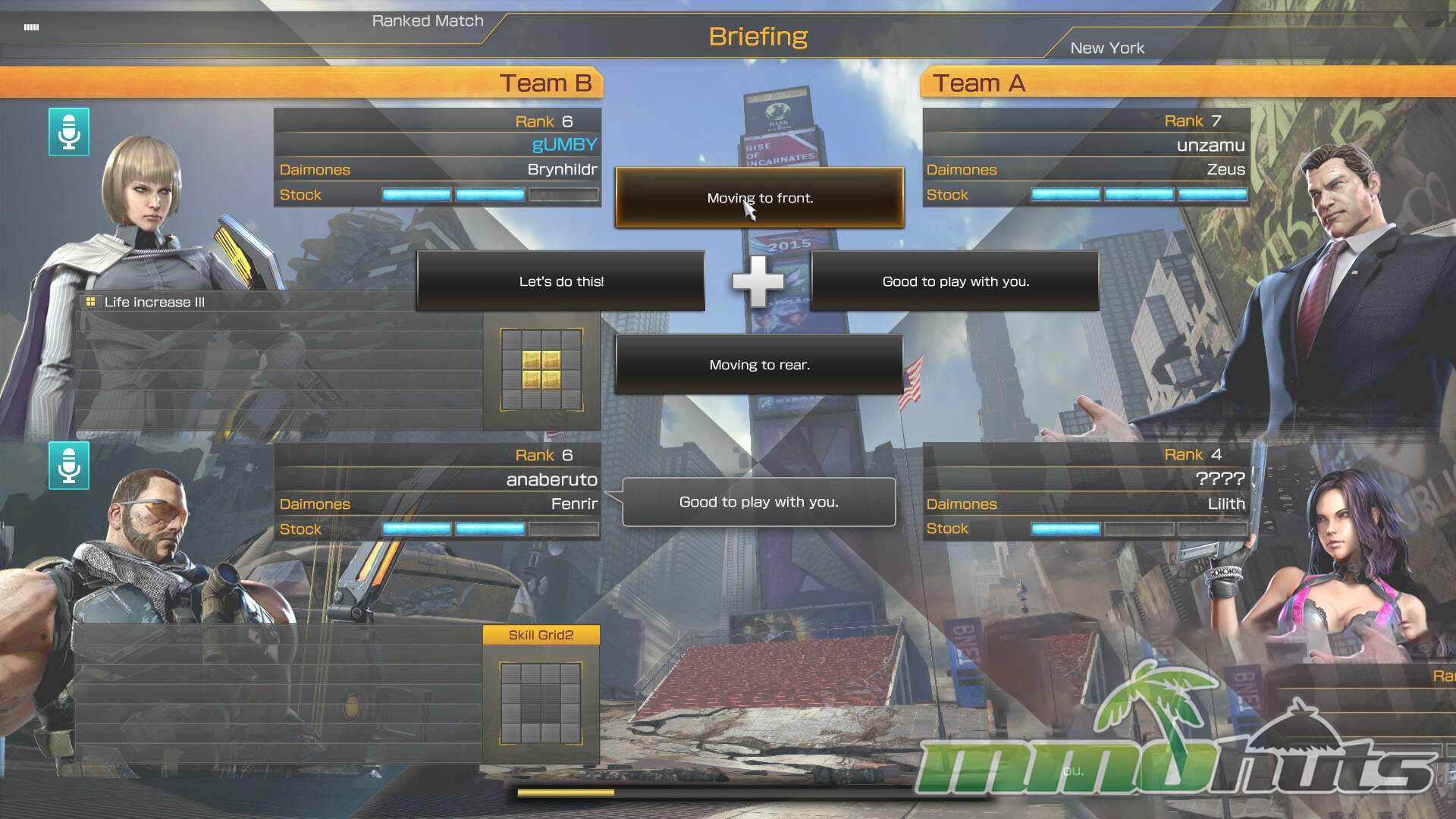
Rise of Incarnates is a 3D fighting game developed by Bandai Namco. The core mode is 2v2, with players picking from a roster of combatants that cover different roles and ranges. Instead of a long, round-based format, matches revolve around a stock-style life system, where your team’s lives drain as characters are defeated, and smart target selection can decide the outcome faster than raw damage alone.
Moment to moment, the controls are intentionally approachable, letting newcomers get into fights quickly, but the real game opens up once you start learning spacing, timing, cancels, and how to create openings with a partner. Coordinated pressure leads to Tag Combos, letting both players pile onto a target for a burst that can swing the entire match. Team composition matters too, because pairing complementary kits can cover weaknesses and create reliable setups.
A standout twist is how “stronger” characters can be more expensive in terms of lives, meaning a single KO can cost your team more than usual. That approach nudges the meta toward strategy and cooperation rather than trying to make every character identical in power. The end result is a fast, flashy, team-first fighter, and alongside ArcheBlade it stood out as one of the rare free-to-play entries in the genre during its run.
Rise of Incarnates Key Features –
- 2v2 Battles – arcade-style fights built around duo coordination and shared offense.
- Balanced gameplay – higher-impact fighters can cost more lives when they go down, keeping team strategy relevant.
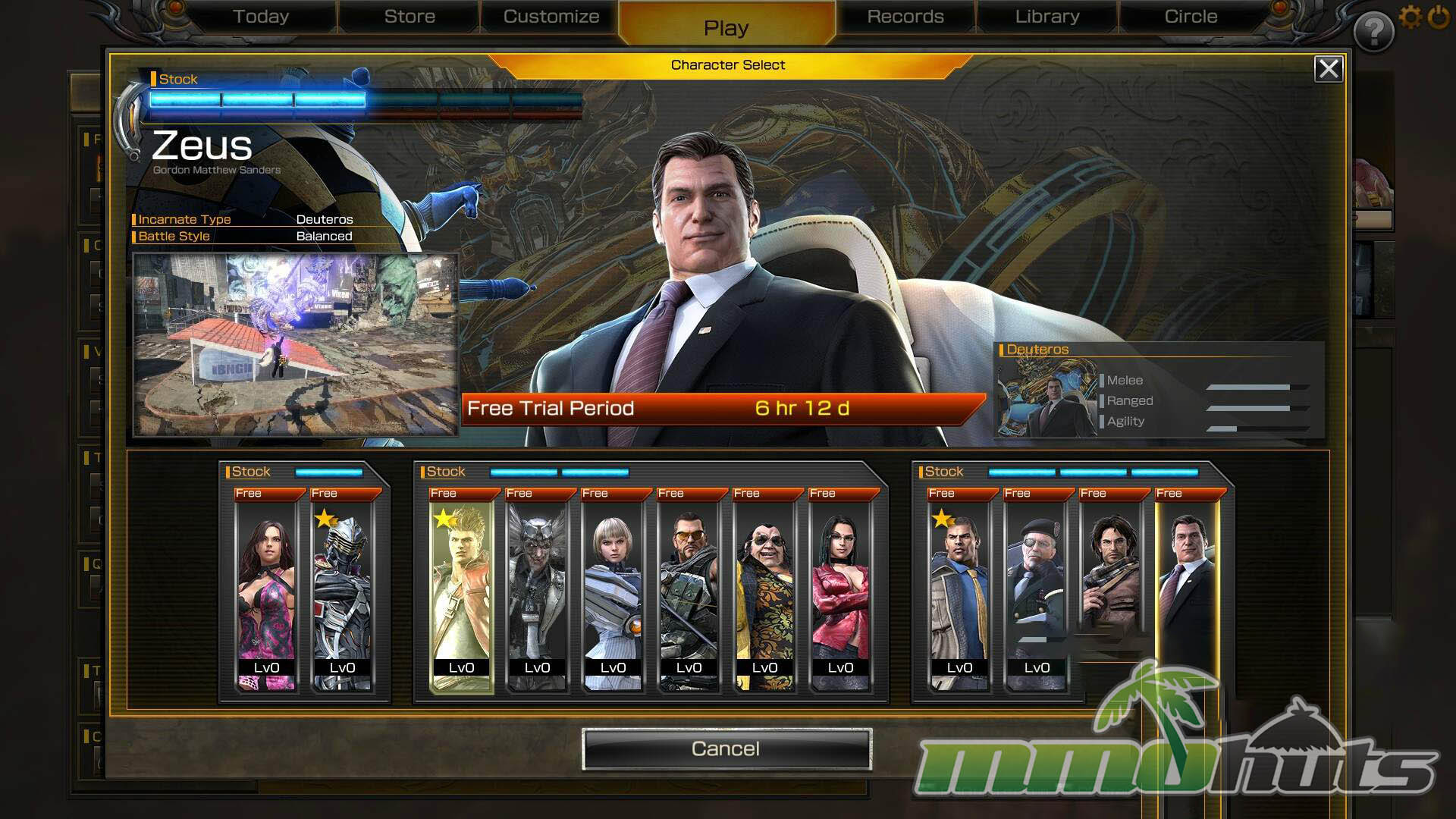
- Try Every Character – the full roster is available for the first 24 hours of playtime.
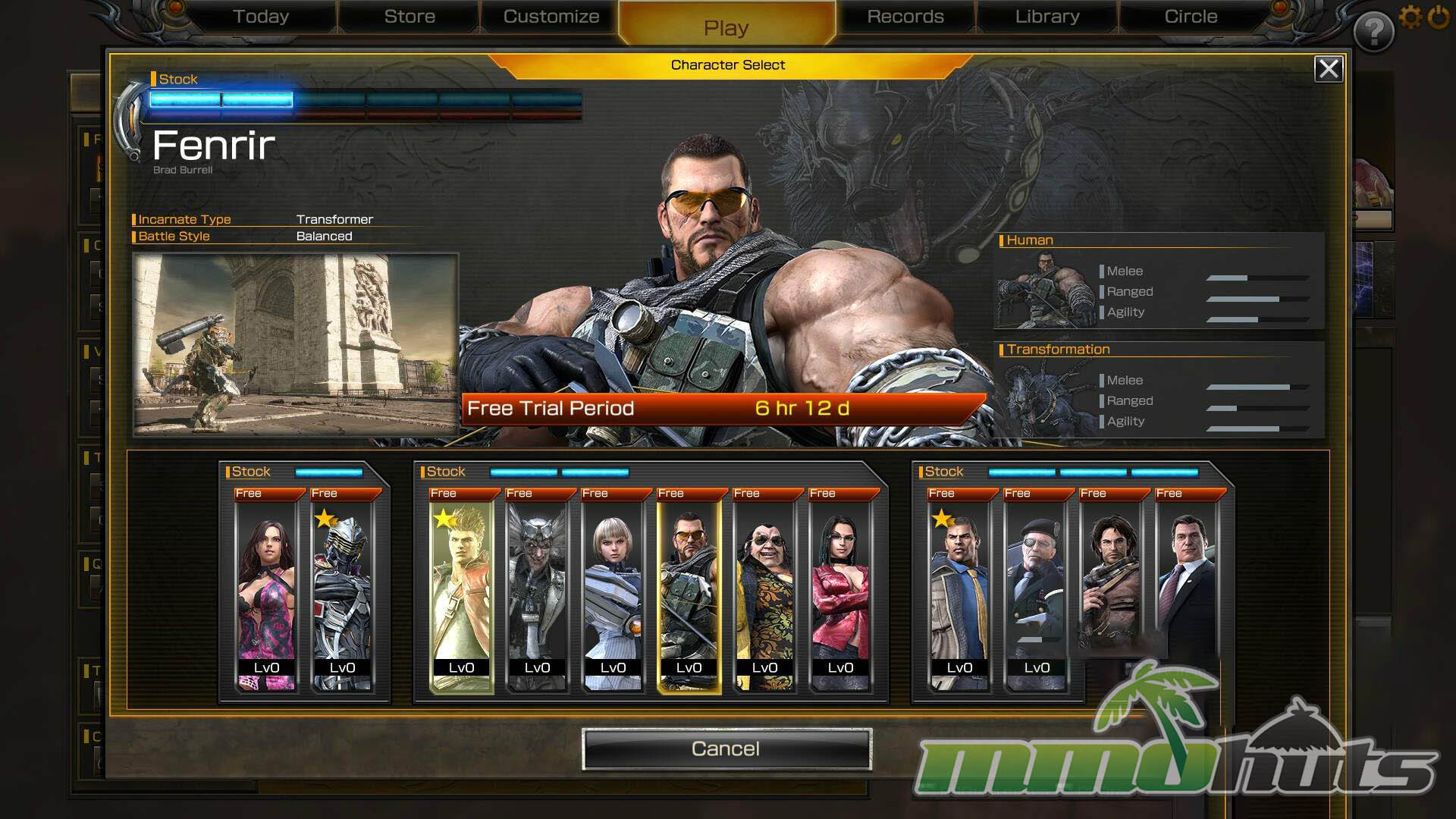
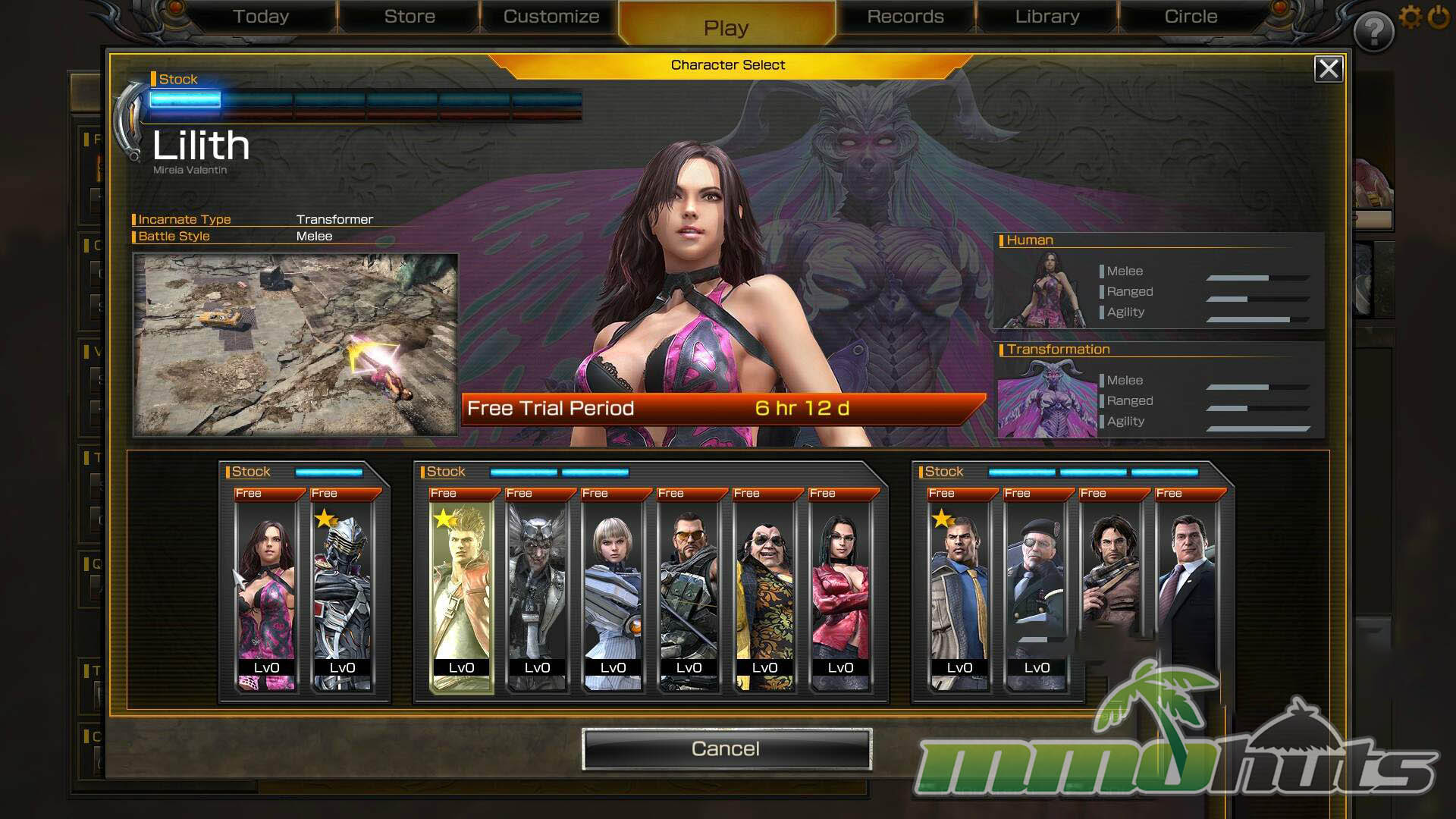
- Awakening System – trigger a temporary mythic transformation or call on a deity-like power to shift the tempo.
- Simple controls with in-depth-system – easy inputs up front, with depth coming from timing, positioning, and coordinated decision-making.
Rise of Incarnates Screenshots
Rise of Incarnates Featured Video

Rise of Incarnates Review
Rise of Incarnates aims for the kind of immediate, arcade-forward energy you usually associate with pick-up-and-play cabinet fighters, then adds a modern free-to-play wrapper and a heavy emphasis on duo tactics. Its character concepts pull from mythology and religion, and its overall design makes sense coming from a team with experience on series like Soul, Tekken, and Mobile Suit Gundam: Extreme Vs. It is easy to start swinging, but it is surprisingly demanding if you want consistent wins, especially because your success is tied directly to how well you and your partner function as a unit.
Starting Out: The Essentials
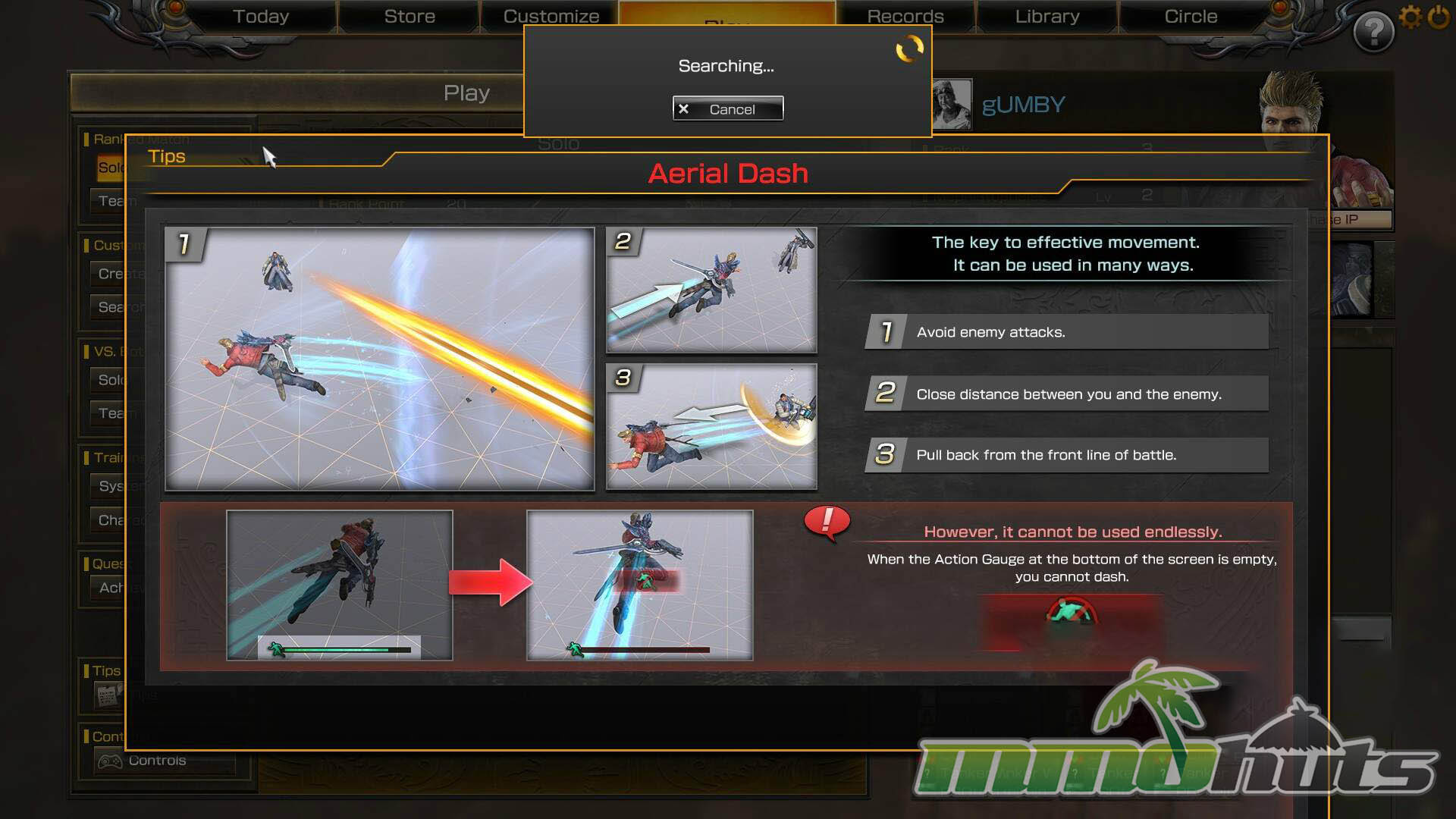
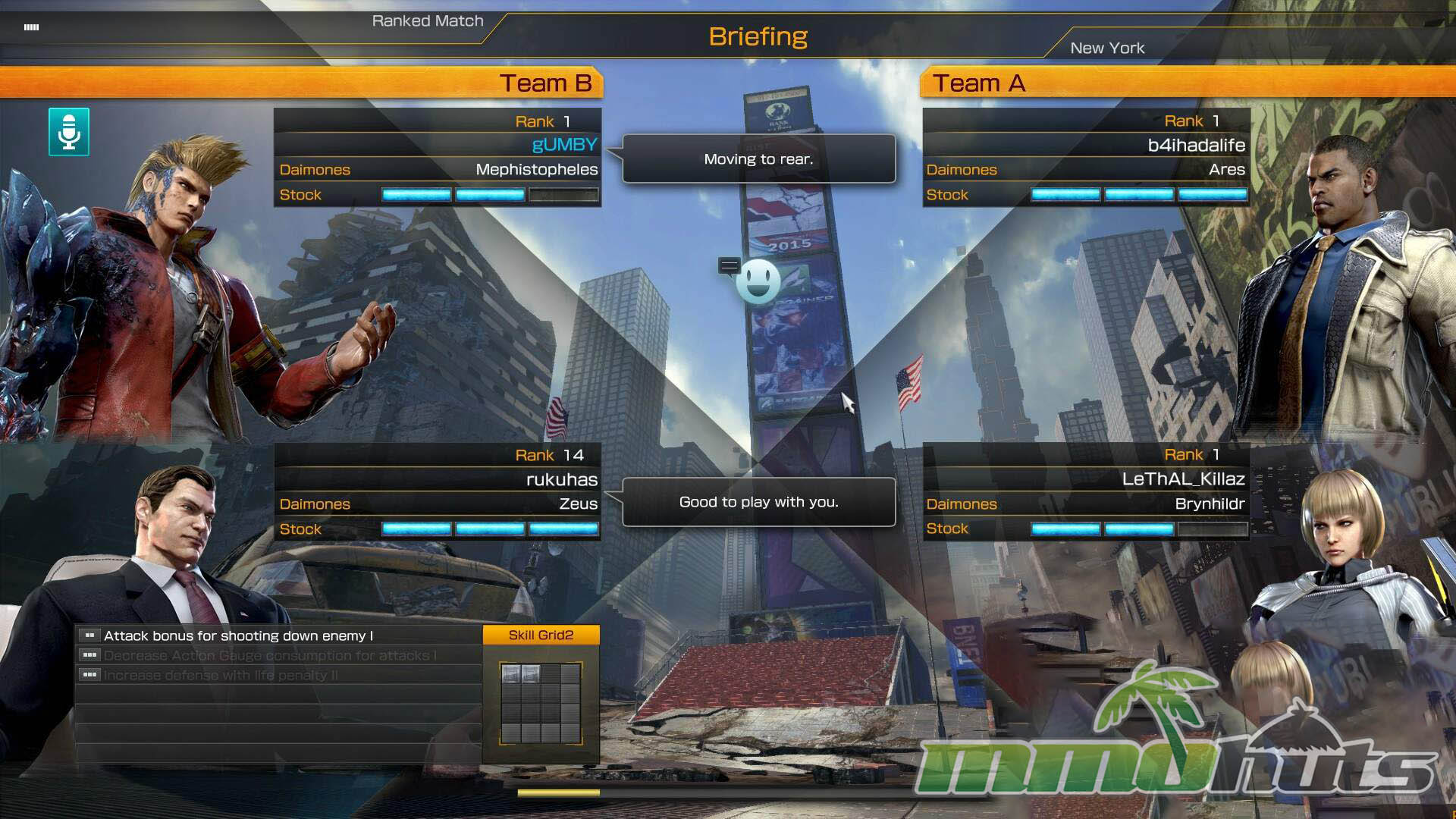
The tutorial is worth doing here, not because the inputs are complex, but because the match structure is different from what many players expect. Each team has a shared pool of stock lives, and the team that runs out first loses. The clever part is that not every character is valued the same, some fighters effectively “cost” more lives when they are KO’d, reflecting their overall power and potential impact.
That single system changes decision-making in a big way. You are not always trying to brawl the nearest opponent, you are trying to identify the best target for the current state of the match. Focusing down a high-value character can be the quickest path to victory, while protecting your own expensive pick becomes a team responsibility. It is a balance method that keeps the roster feeling distinct while still giving teams a strategic lever to pull.
Button Mashing vs. Real Combat
You can jump into early matches and do fine by throwing out attacks, especially against other new players, but that approach stops working quickly. The game’s foundation is straightforward (melee pressure, ranged options, movement, and a lock-on target), yet the layers come from how you manipulate that foundation. Cancels, baiting blocks, and chaining sequences efficiently all matter, and the player who controls space and timing usually dictates the fight.
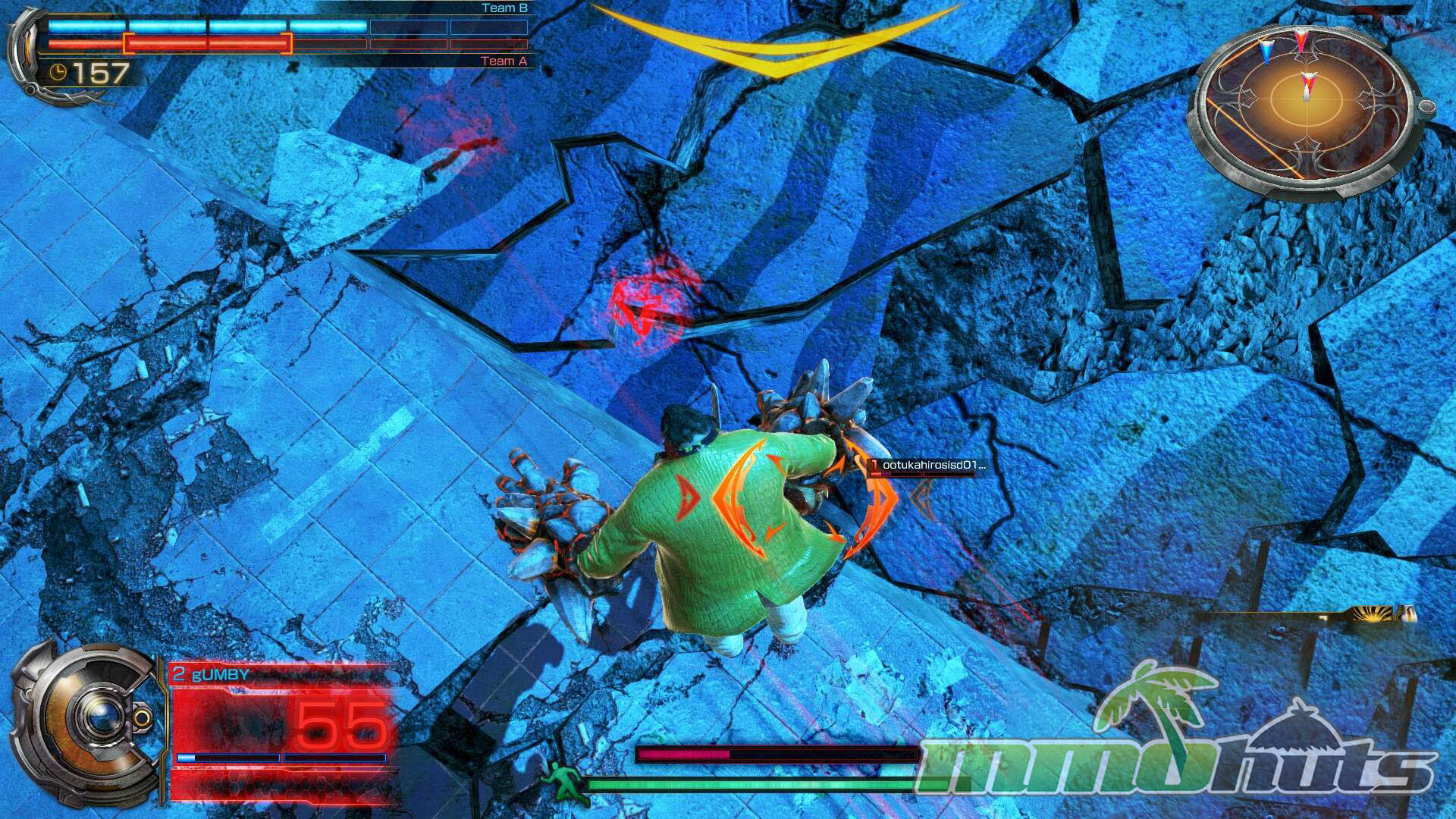
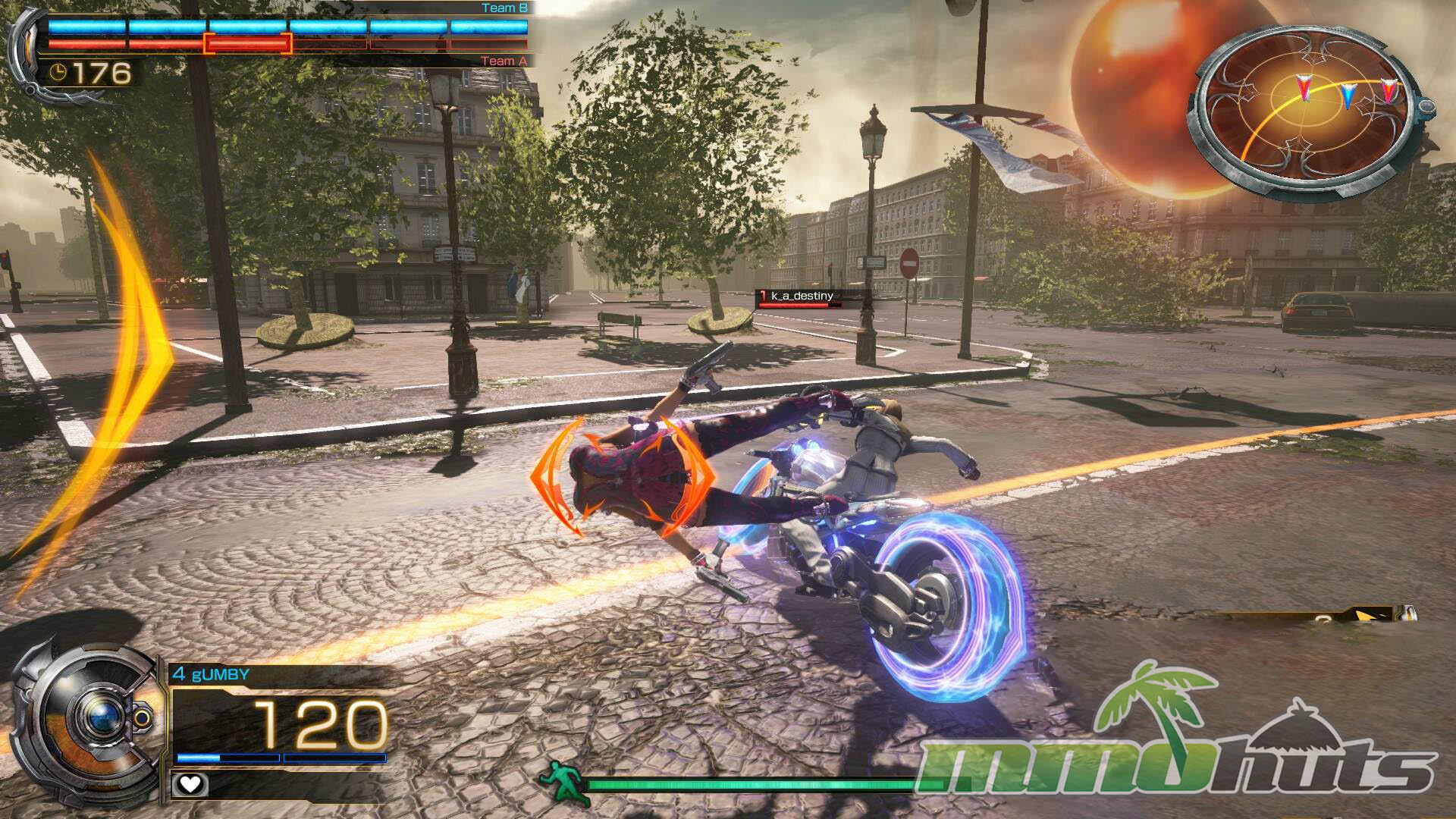
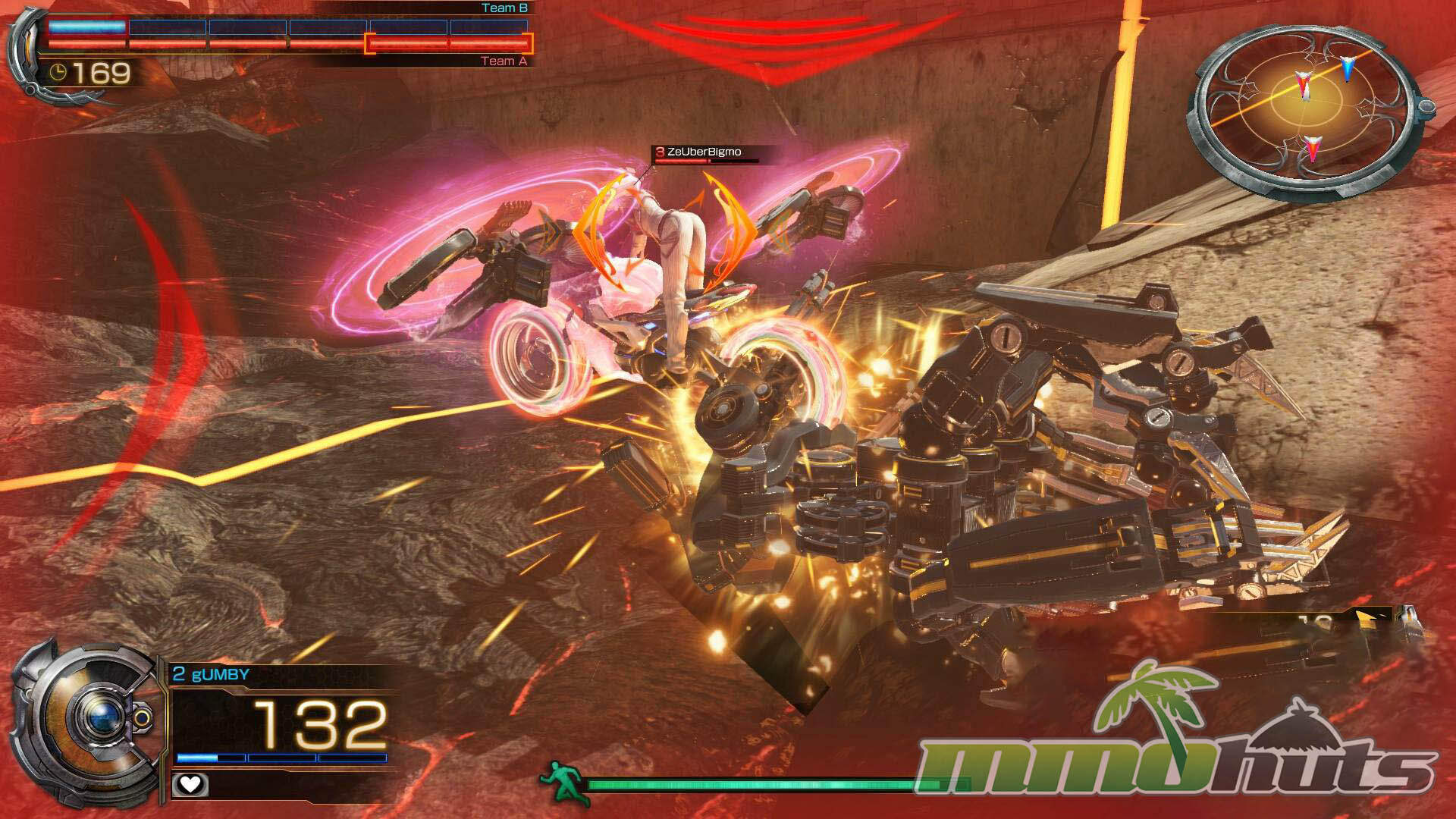
The awakening mechanic, where you temporarily power up into your Incarnate form, adds another rhythm to each match. It creates spikes in threat that force the other team to either disengage, peel for their partner, or risk losing a life in seconds. This is where Rise of Incarnates feels most “arcade,” rounds are short, momentum shifts are dramatic, and you can get several meaningful matches in a small time window.
Roster Variety and Mythic Power
Character variety is one of the game’s strengths. Some fighters naturally play at range, others want to stay in your face, and many sit somewhere in between with tools that reward specific patterns. Transformations can also change how a character functions, which means learning a fighter involves understanding both their base kit and how their awakened state alters their priorities. A character that pokes safely at distance can turn into a close-range threat after awakening, or vice versa, and that flexibility affects how both teams position.
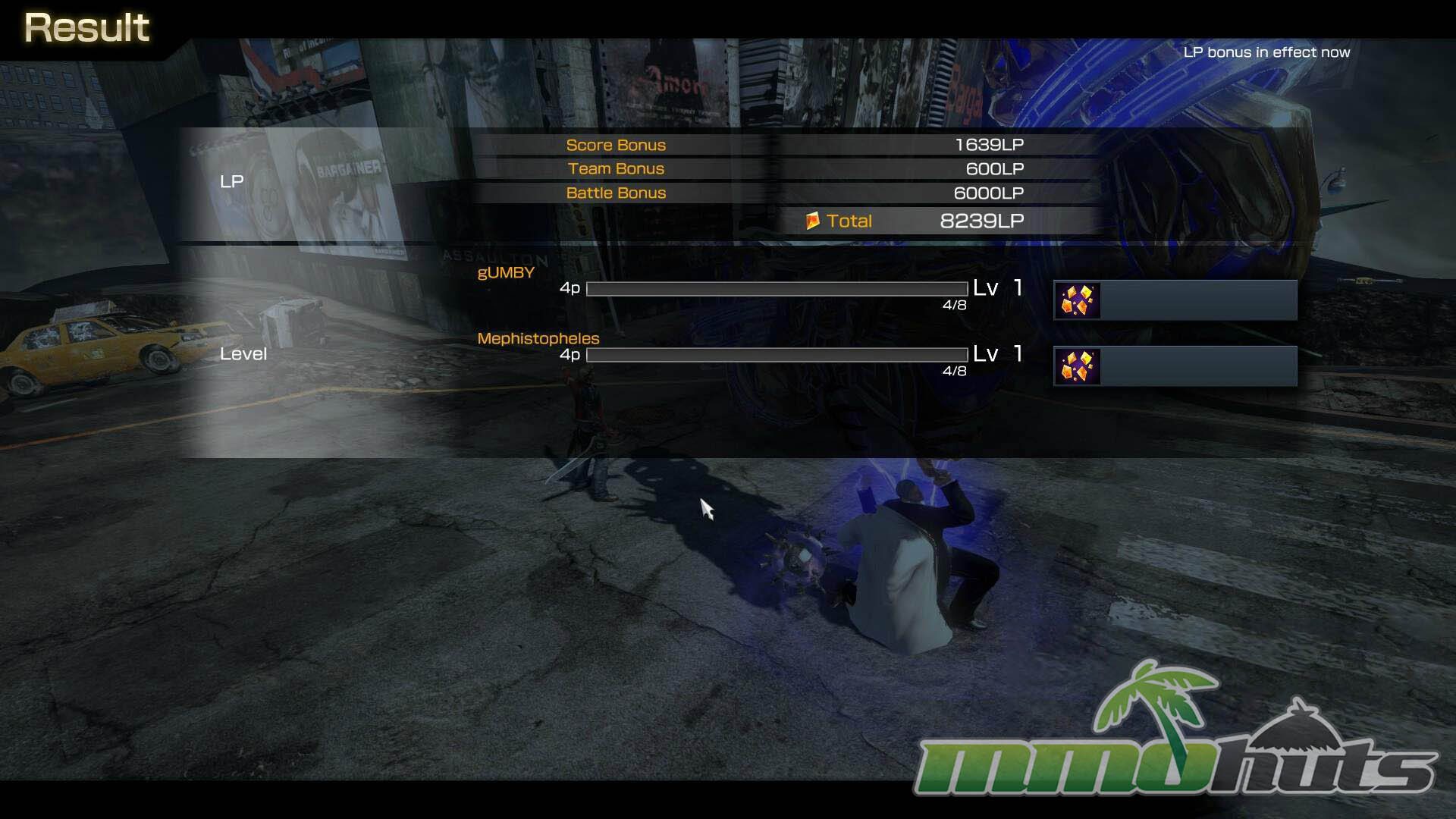
The first 24 hours of playtime letting you use the entire roster is an especially player-friendly feature. It gives you a real chance to test styles, see what fits your reflexes, and decide what you want to work toward. Characters can be bought with LP (earned currency), so the trial period helps prevent that common free-to-play frustration of investing into a fighter you later realize you do not enjoy.
Team Play Is the Whole Point
If you play Rise of Incarnates like a traditional 1v1 fighter with an extra person in the arena, you are leaving wins on the table. The game is built around coordinated pressure, collapsing on a target together, and converting a small opening into a full Tag Combo sequence. When two players commit to the same plan, the damage and control can feel oppressive in the best and worst ways, best when you and a friend are executing it, worst when you are caught alone and your partner is out of position.
This design also makes team composition meaningful. Some pairings excel at locking someone down while the other delivers burst damage, while others prefer a more defensive approach that protects a high-life-value pick. It is easy to imagine why the game leaned toward a competitive mindset, because synergy is not optional, it is the defining skill.
Controls and Camera Considerations
On PC, mouse and keyboard is workable, but the game feels more natural on a controller, as many fighting games do. Movement and directional decisions are simply cleaner on an analog stick, and the overall flow benefits from that comfort.
The bigger issue is not the input method, it is the lock-on camera. Because the camera is heavily tied to your current target, it can become awkward when the arena has obstacles or when the second opponent is approaching from outside your view. Target swapping is important, and awareness becomes a learned skill, because losing track of the off-screen partner often means getting punished immediately.
Visuals, Audio, and Overall Feel
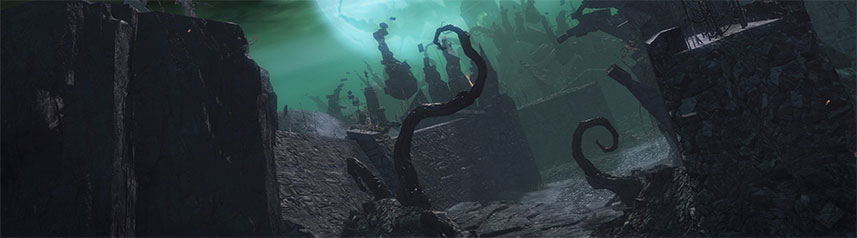
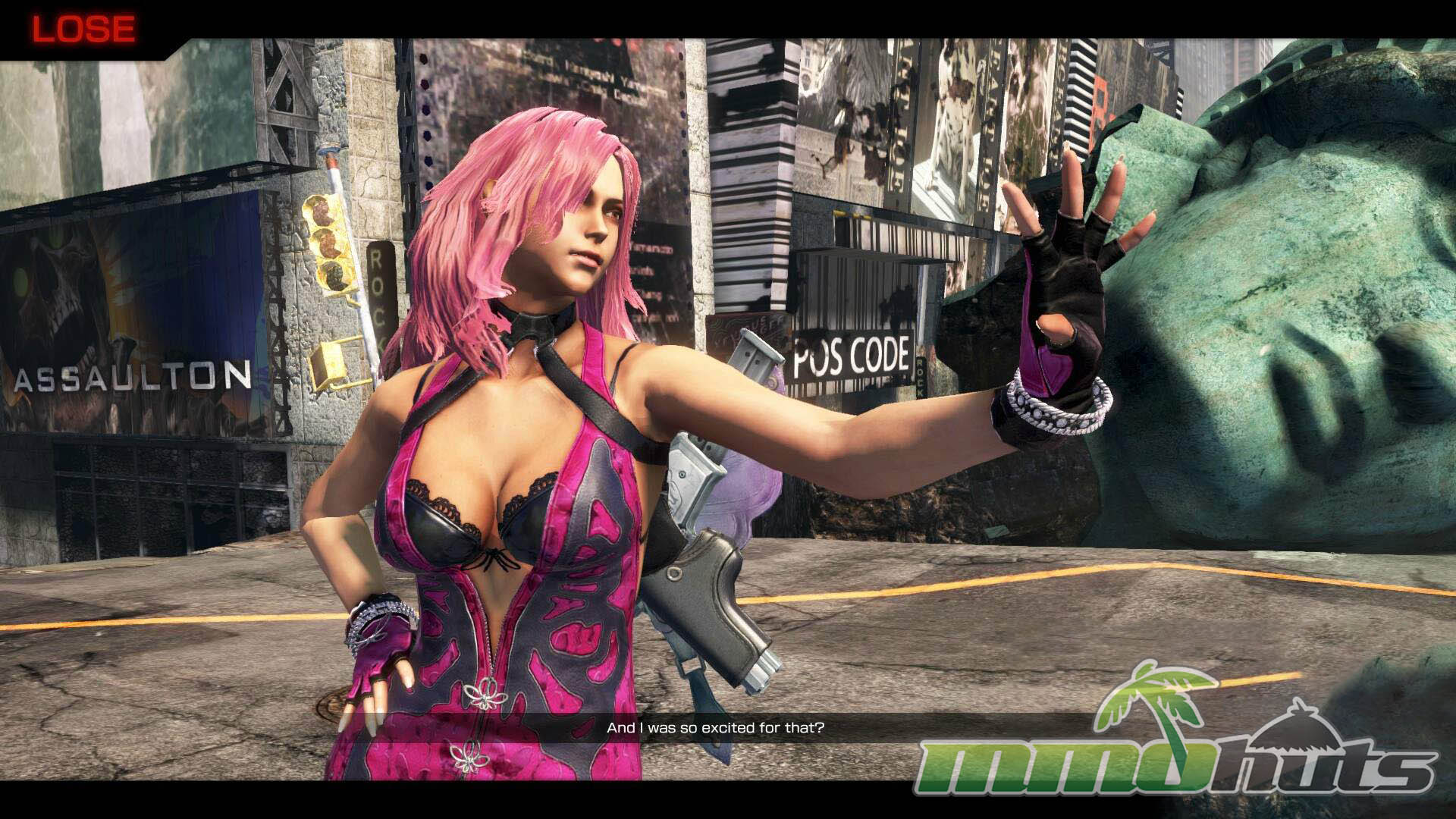
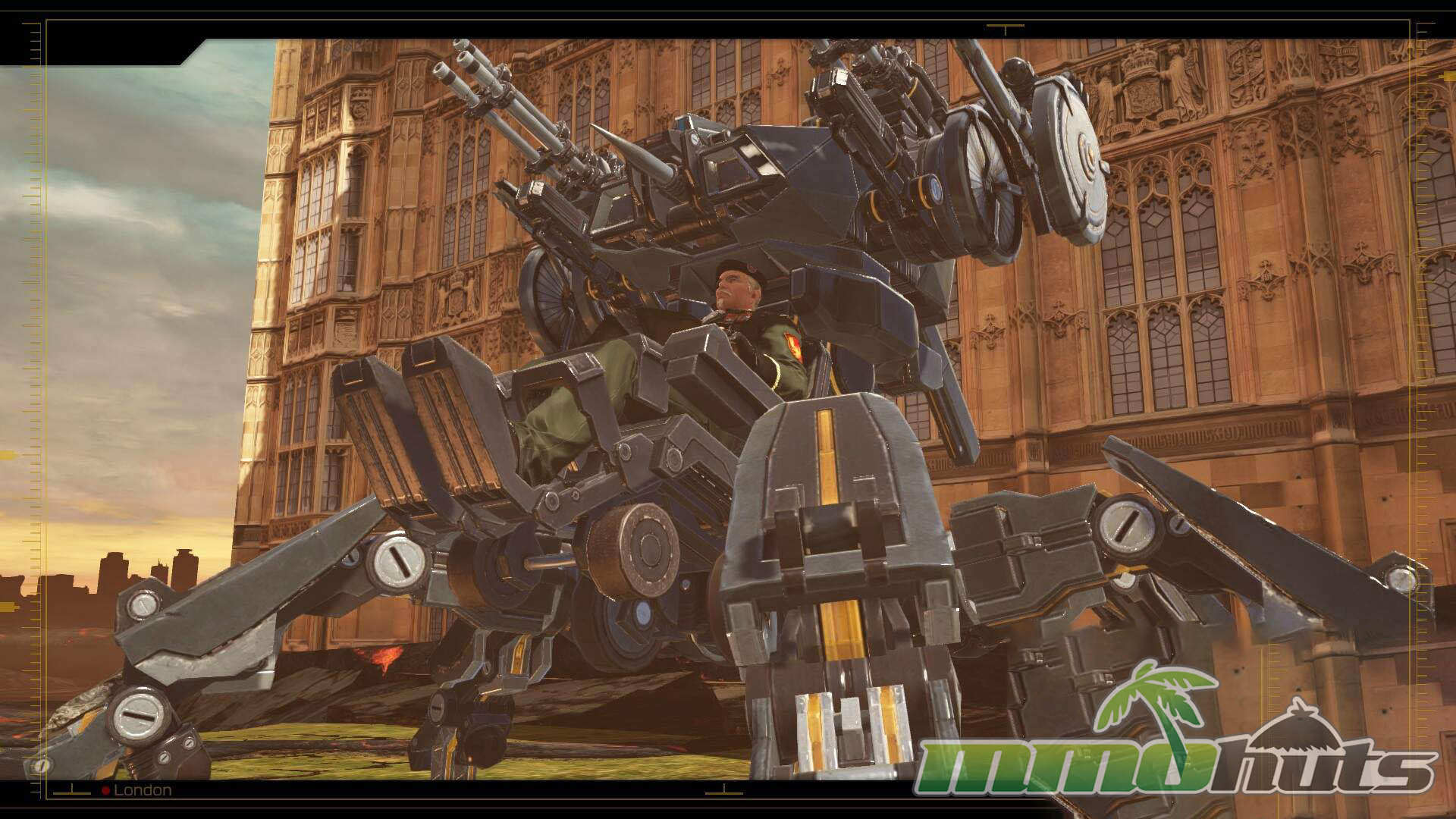
The stages do a good job of selling “ruined landmark” spectacle, with recognizable urban spaces framed as battle arenas. In practice, you do not get much time to admire them, because effects, movement, and impacts fill the screen constantly. Animations are smooth and attacks have a satisfying snap, which is crucial for a game that asks you to commit to quick, decisive engagements.
The soundscape leans into arcade energy with driving music and menu themes that build tension. Voice work is mixed, some lines land, others feel stiff or unintentionally cheesy, but it is also consistent with the genre’s tradition of heightened drama. Even when the dialogue is awkward, it fits the game’s larger-than-life tone.
Skill Grid and Cubes
Outside of matches, Rise of Incarnates includes a progression layer built around skill cubes and a grid. Rather than a classic skill tree, you are fitting cubes into limited space to gain stat and ability boosts, and the puzzle is in deciding what to equip given the shape and size constraints. It plays like a light optimization mini-game, and it gives players something to tinker with between matches.
The downside is that cubes have limited uses before they expire, so the system can feel disposable rather than permanently rewarding. You can expand your grid using IP or LP, which adds an economy decision on top of performance, and it is a reminder that the game is structured around ongoing acquisition and loadout management.
Monetization
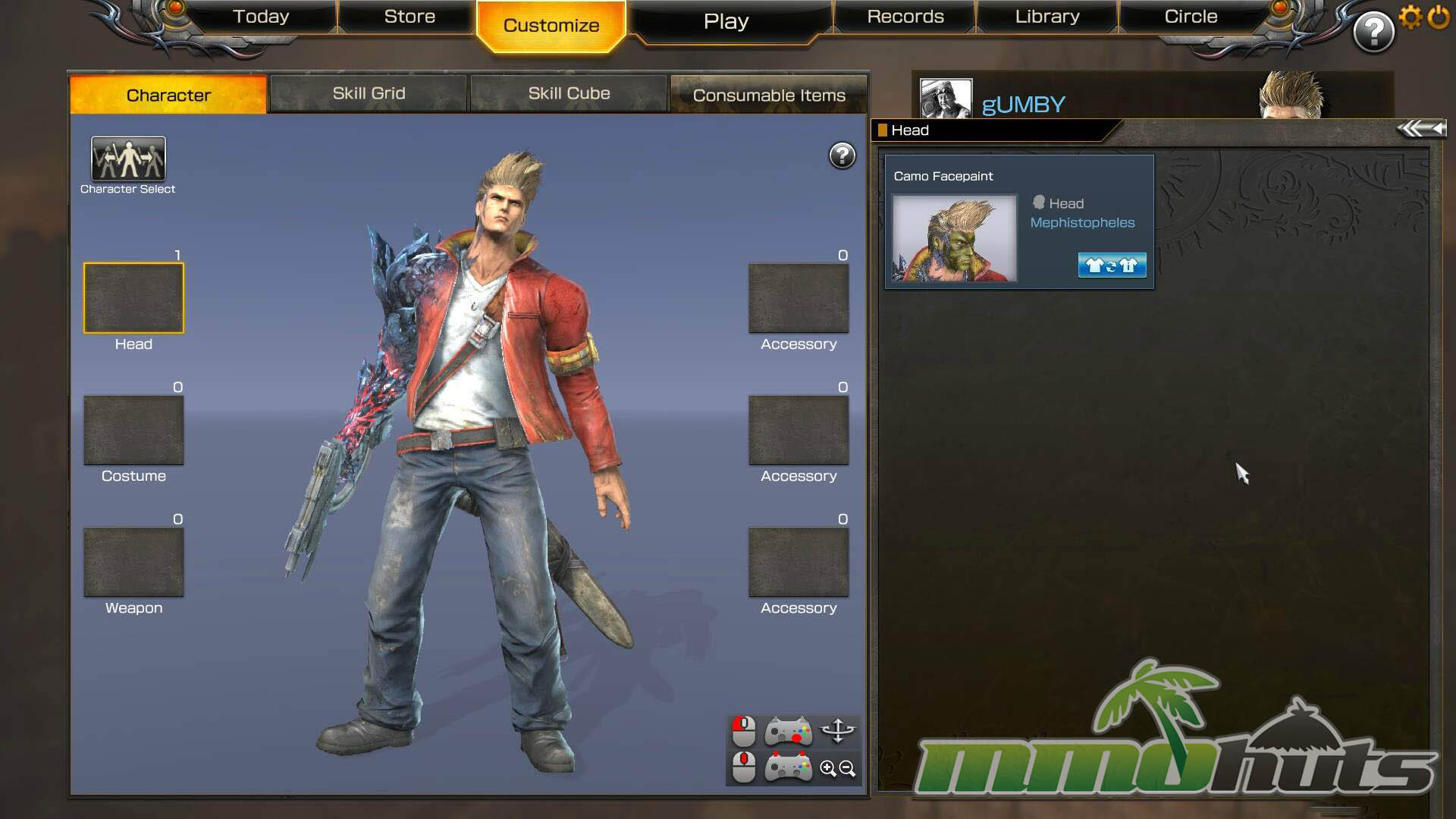
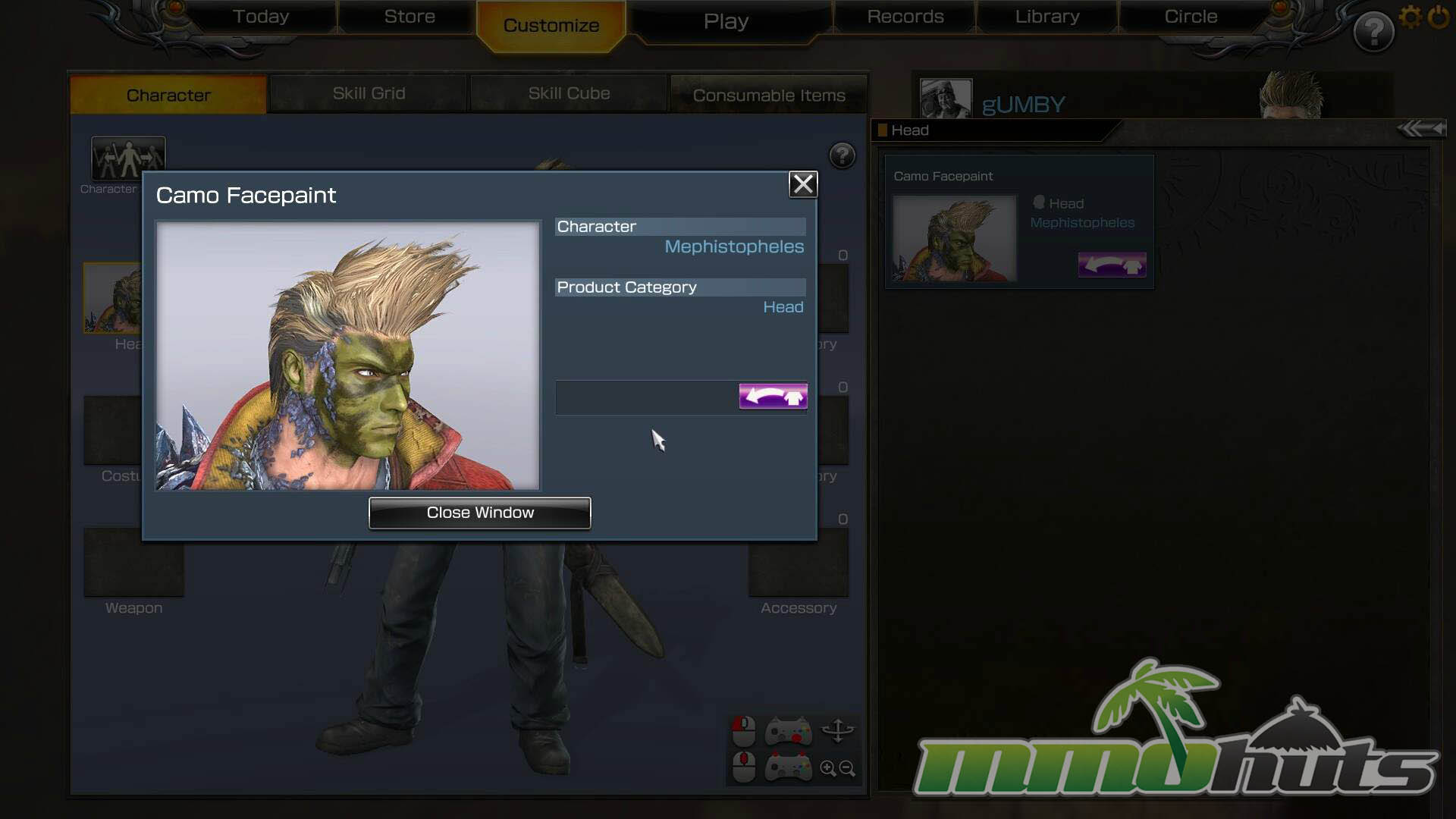
As expected for a free-to-play title, there is a shop, but it does not lean heavily into pay-to-win power. The focus is on cosmetics, outfits, and visual flair, letting players customize their fighter’s look. There are also skill cubes available, but the ones on offer do not come across as match-breaking, and LP (earned through play) is central to obtaining functional items. IP, as premium currency, is primarily positioned around cosmetic spending.
Final Verdict – Great
Rise of Incarnates delivered something uncommon for its time, a free-to-play fighter with genuinely strong 2v2 design, fast match pacing, and a roster built for synergy rather than isolated duels. Its life-value system adds strategy to target selection, and the awakening mechanic creates dramatic power spikes that keep rounds tense. Technical issues like lag and occasional bugs, plus a camera that can be frustrating, hold it back, but the underlying combat and team focus made it a standout among the small number of free-to-play fighting games available.
Rise of Incarnates Links
Rise of Incarnates Official Site
Rise of Incarnates Steam
Rise of Incarnates Wikipedia
Rise of Incarnates Wikia [Database/Guides]
Rise of Incarnates Gamepedia [Database/Guides]
Rise of Incarnates System Requirements
Minimum Requirements:
Operating System: Windows 7 / 8 / 8.1 / 10 (64 bit required)
CPU: Core i3 2.5 GHz / Phenom II X4 910 or better
Video Card: GeForce GT 630 / Radeon HD 5870+
RAM: 4 GB
Hard Disk Space: 10 GB
Recommended Requirements:
Operating System: Windows 7 / 8 / 8.1 / 10 (64 bit required)
CPU: Core i7 / AMD A10+
Video Card: GeForce GT 660
RAM: 4 GB
Hard Disk Space: 10 GB
Rise of Incarnates Music & Soundtrack
Coming Soon!
Rise of Incarnates Additional Information
Developer: Bandai Namco Studio
Open Beta: August 09, 2014
Beta Closed: August 17, 2014
Release Date: July 1, 2015
Development History / Background:
Rise of Incarnates was developed by the Japanese game studio Bandai Namco and is one of the few free to play fighting games on the market. The team behind it includes developers with experience on Soul, Tekken, and the Mobile Suit Gundam: Extreme VS series, and the project was first shown publicly at the 2014 Electronic Entertainment Expo. Bandai Namco also partnered with Marvel Comics to publish an online graphic novel (and a 16-inch comic book version) to outline the game’s setting. The title was removed from Steam in October 2015, and the servers were shut down in December 2015.