
Silkroad-R revisits the classic Silkroad Online formula with a “rebirth” style ruleset aimed at smoothing out the original grind. It keeps the same 7th century Silk Road premise, where players travel between East and West, pick Chinese or European characters, and participate in the trademark hunter, thief, and merchant conflict that defines the game’s identity. The big draw is familiar content with faster progression, balance tweaks, and quality-of-life improvements, even if some long-running issues still linger.
 | Publisher: Joymax Playerbase: Medum Type: MMORPG Release Date: Jan 18, 2012 (NA/EU) PvP: Duels / Open World / Guild Wars / Arena Pros: +Wide weapon-based class options. +Leveling is quicker than the original. +Hunter vs Thief job PvP remains distinctive. +UI and convenience updates. Cons: -Botting is still a constant presence. -Population feels smaller than the classic version. |

Silkroad-R Overview
Silkroad-R is essentially Silkroad Online with a faster, more modernized ruleset layered on top of the same core game. The setting and content are familiar, you still roam the trade route that historically linked China and Europe, and the well-known job system (merchant, hunter, thief) remains the centerpiece for open-world tension. What Joymax changes here is the pace and the polish, with adjustments to class balance, experience gains, drop rates, and interface usability, plus added efforts to reduce botting. Importantly, Joymax’s approach was to keep the original game running alongside Silkroad-R rather than replacing it outright.
One of the defining design choices is that “class” is largely determined by weapon selection instead of a strict class pick at the start. Combined with a mastery system that lets you invest skill points into multiple trees, characters can be built in flexible ways, especially compared with more rigid MMORPGs from the same era. On top of that, the hunter and thief roles add an extra layer of identity and progression that is separate from your combat build.
Silkroad-R Key Features:
- Class Variety – your weapon choice heavily shapes your role, opening up many build paths.
- Unique Game Concept – take part in the Silk Road economy by guarding traders or preying on them.
- Free Promotions – skill progression is flexible, letting you branch into multiple skill trees rather than being locked into one.
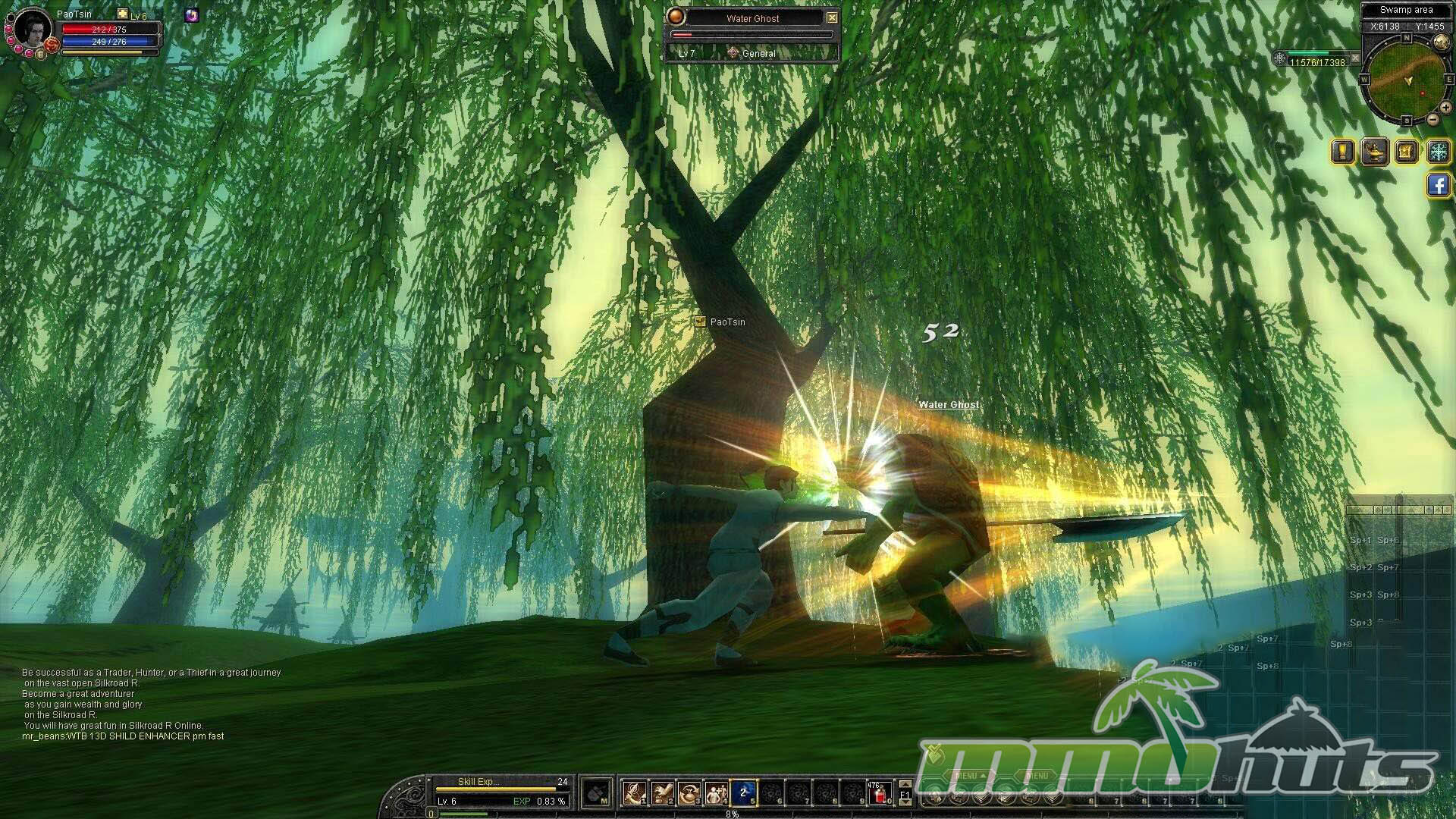
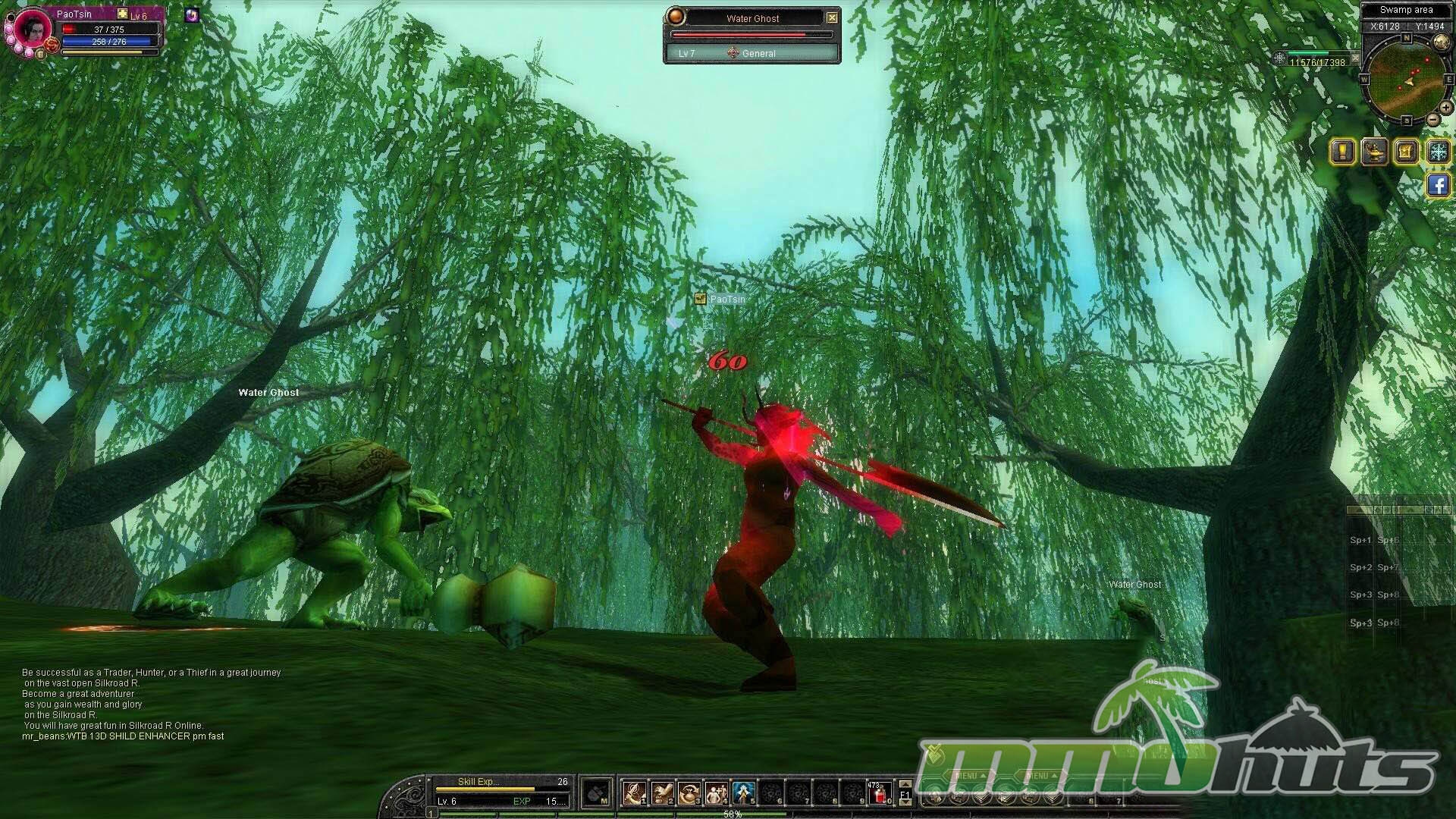
- Exciting Action-Oriented Fighting – combat leans on active skill chains and timing, not only auto-attacks.
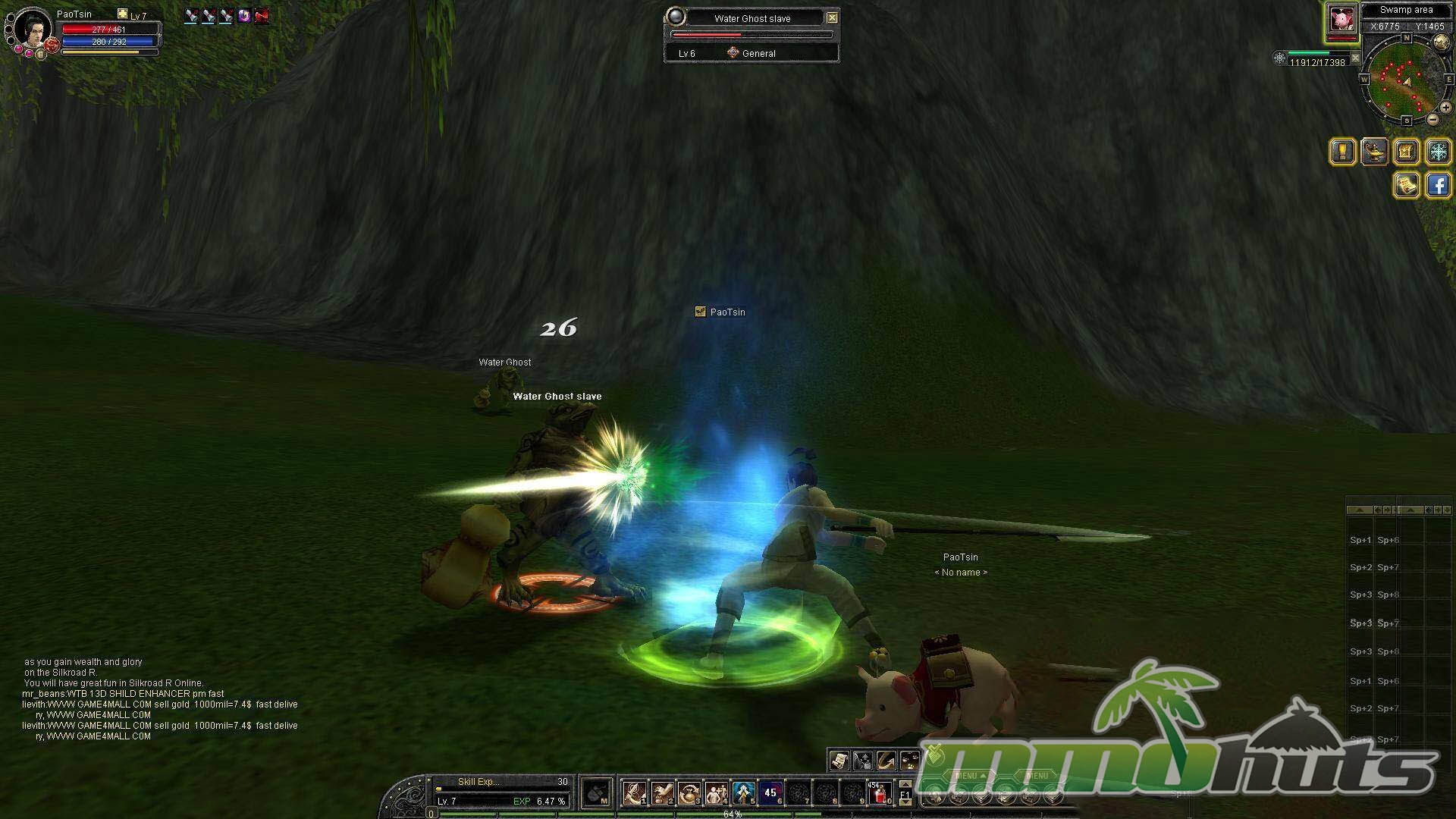
Silkroad-R Screenshots

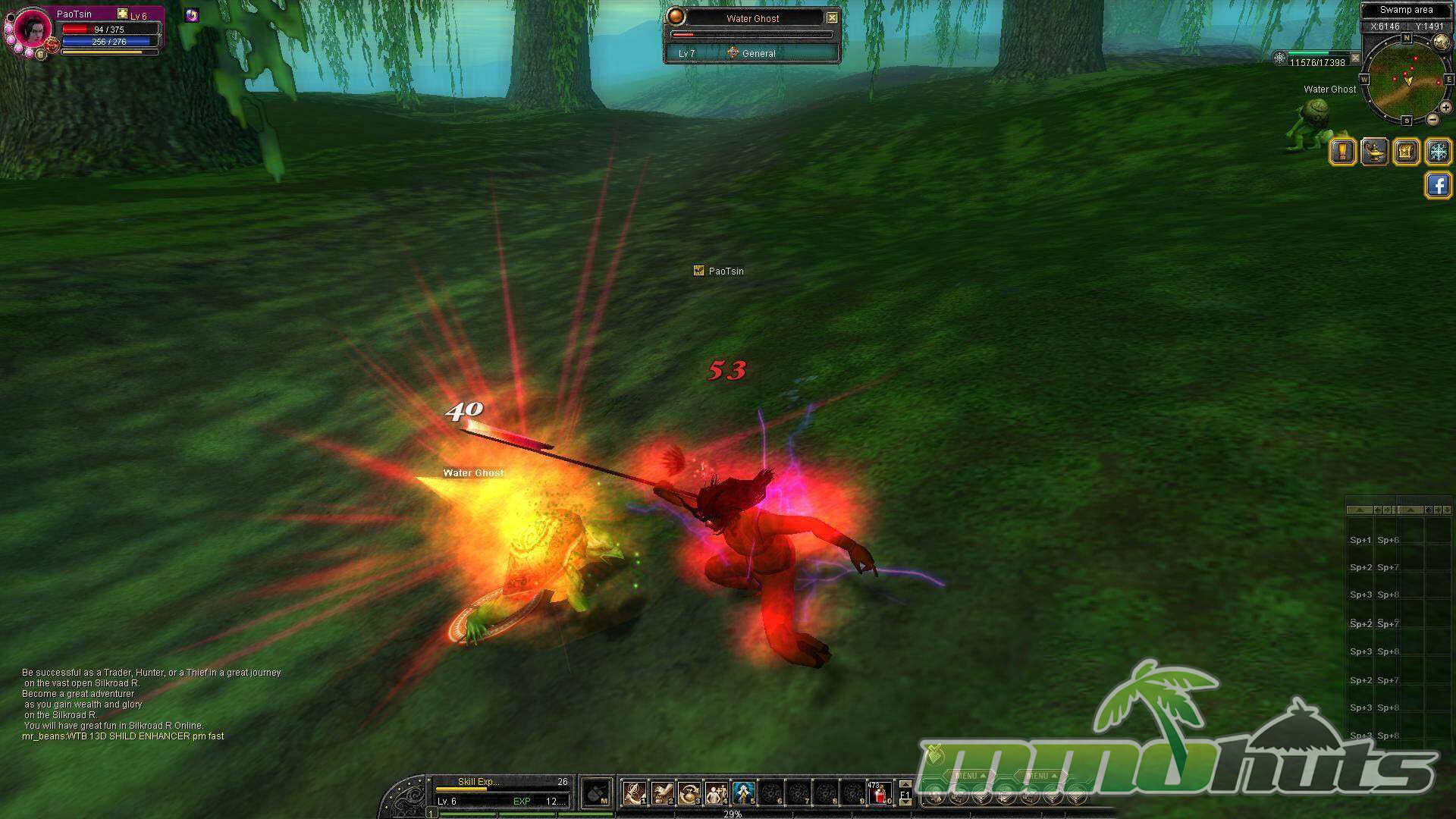
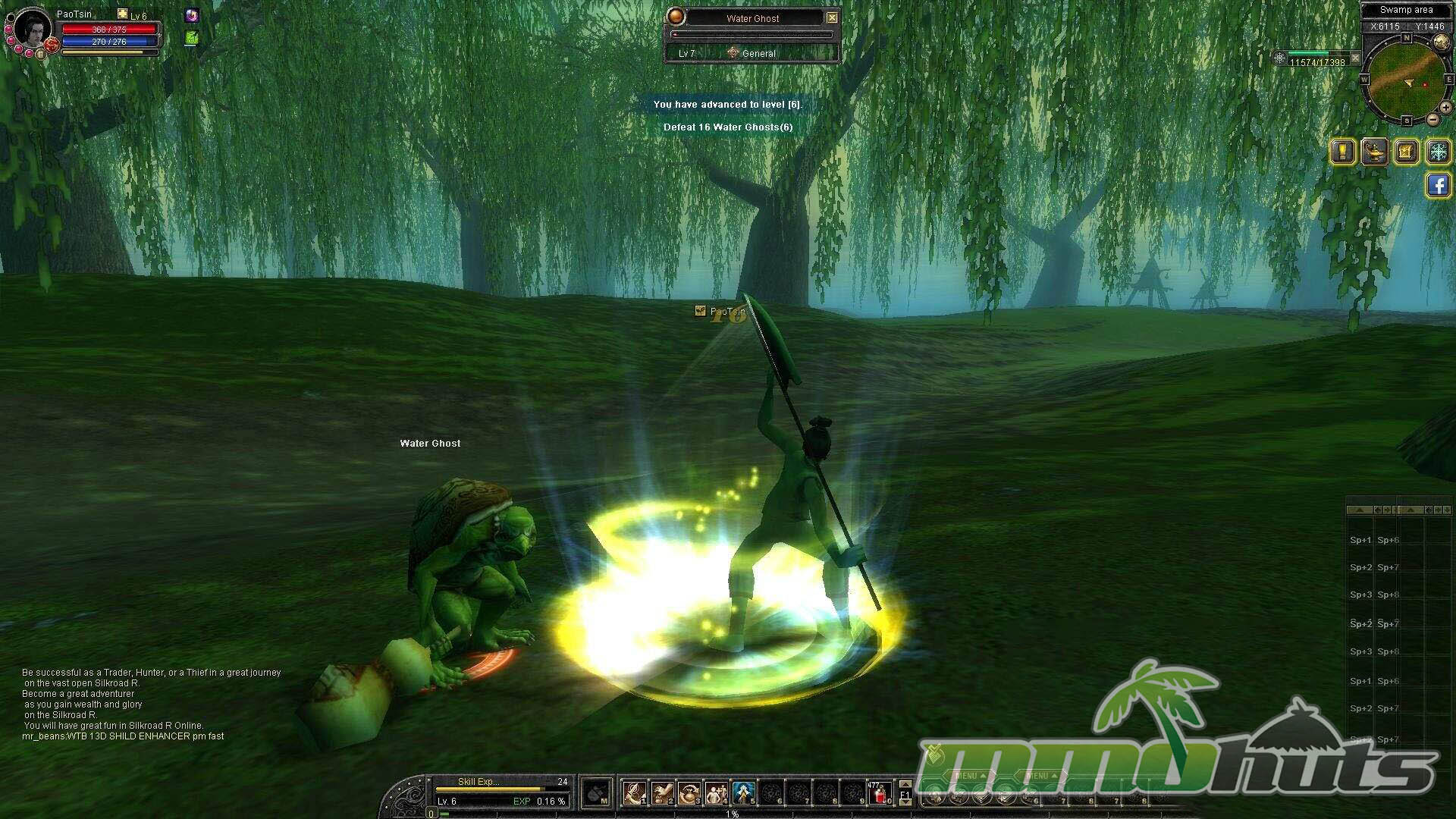
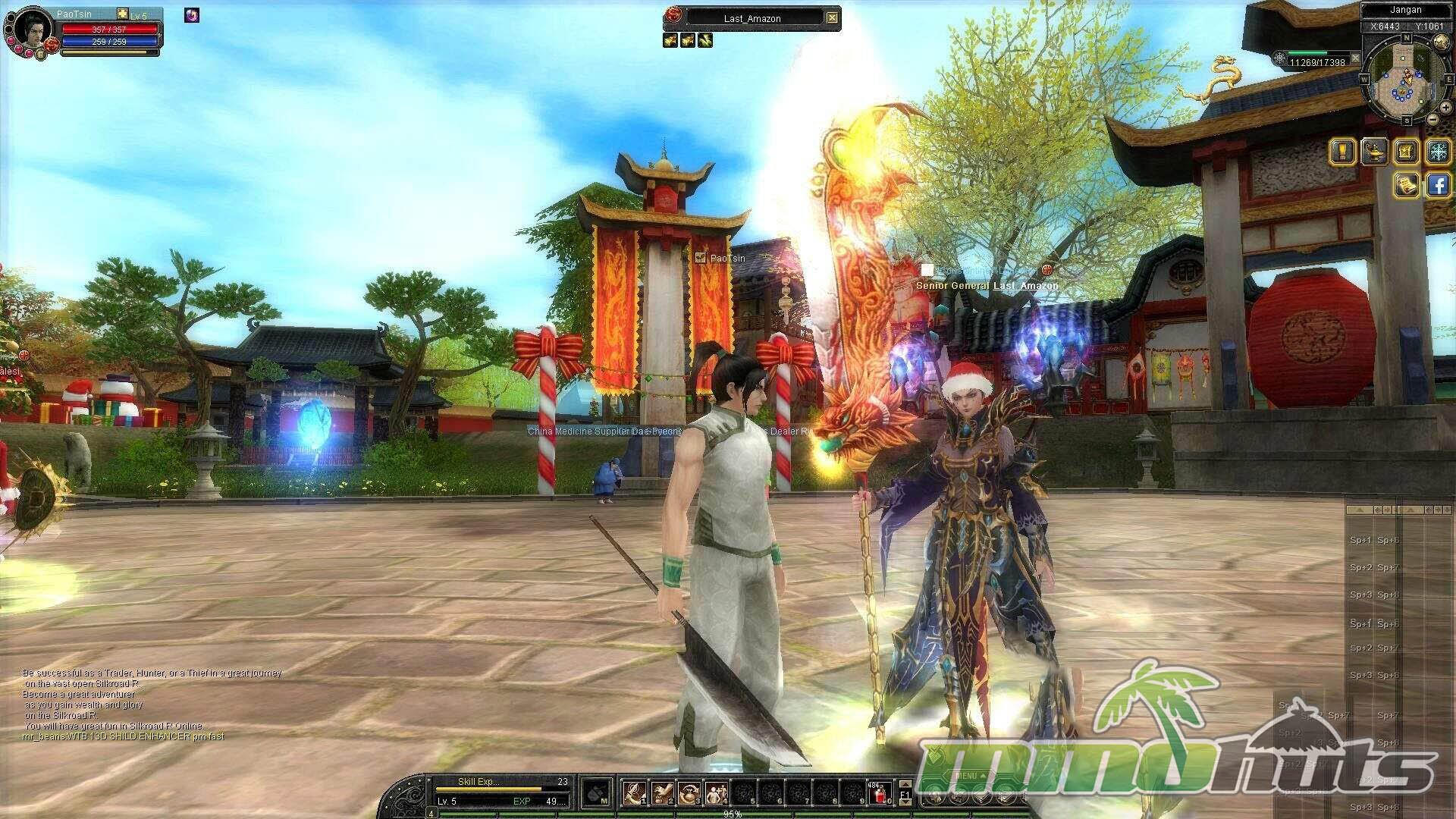
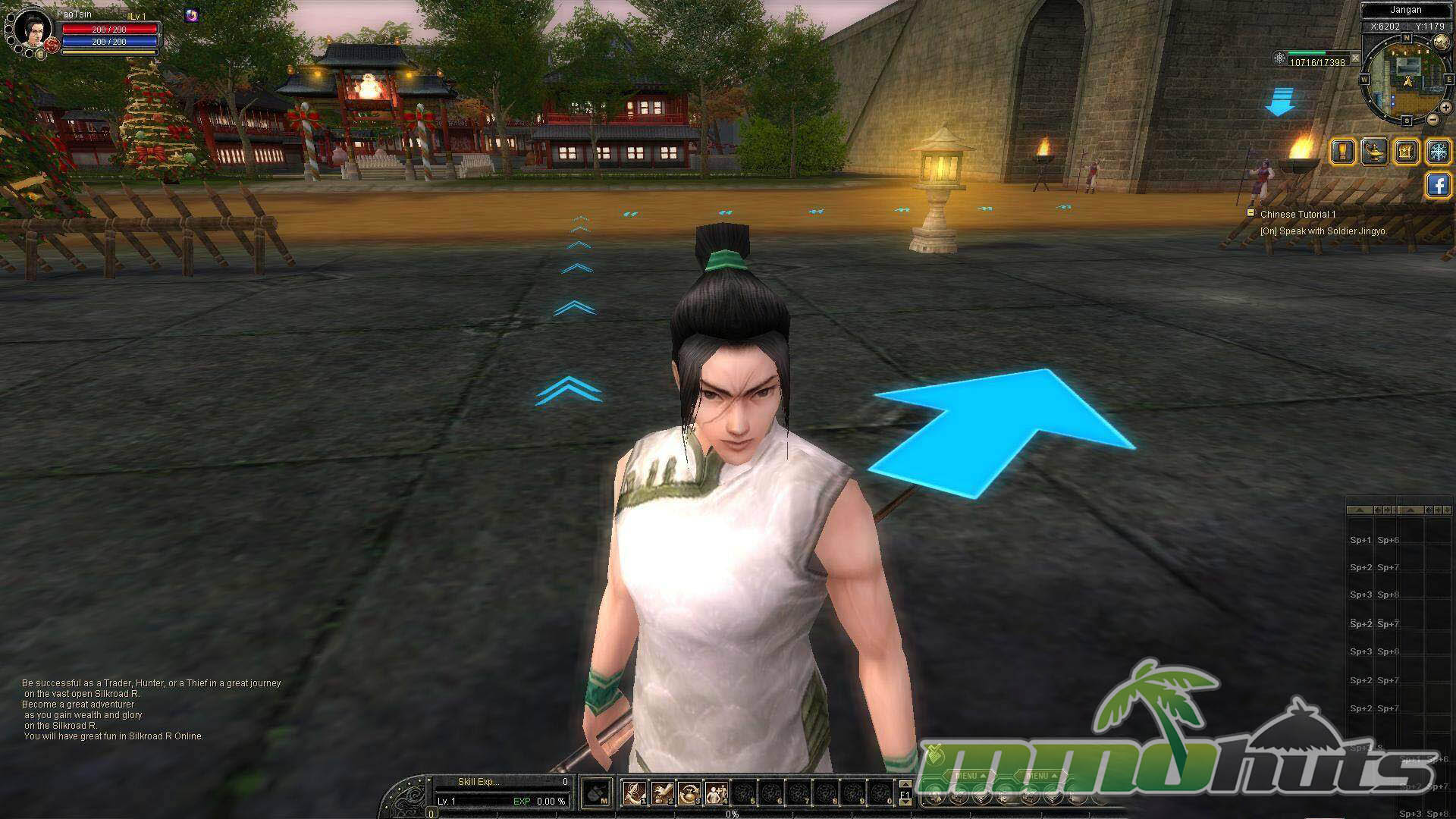
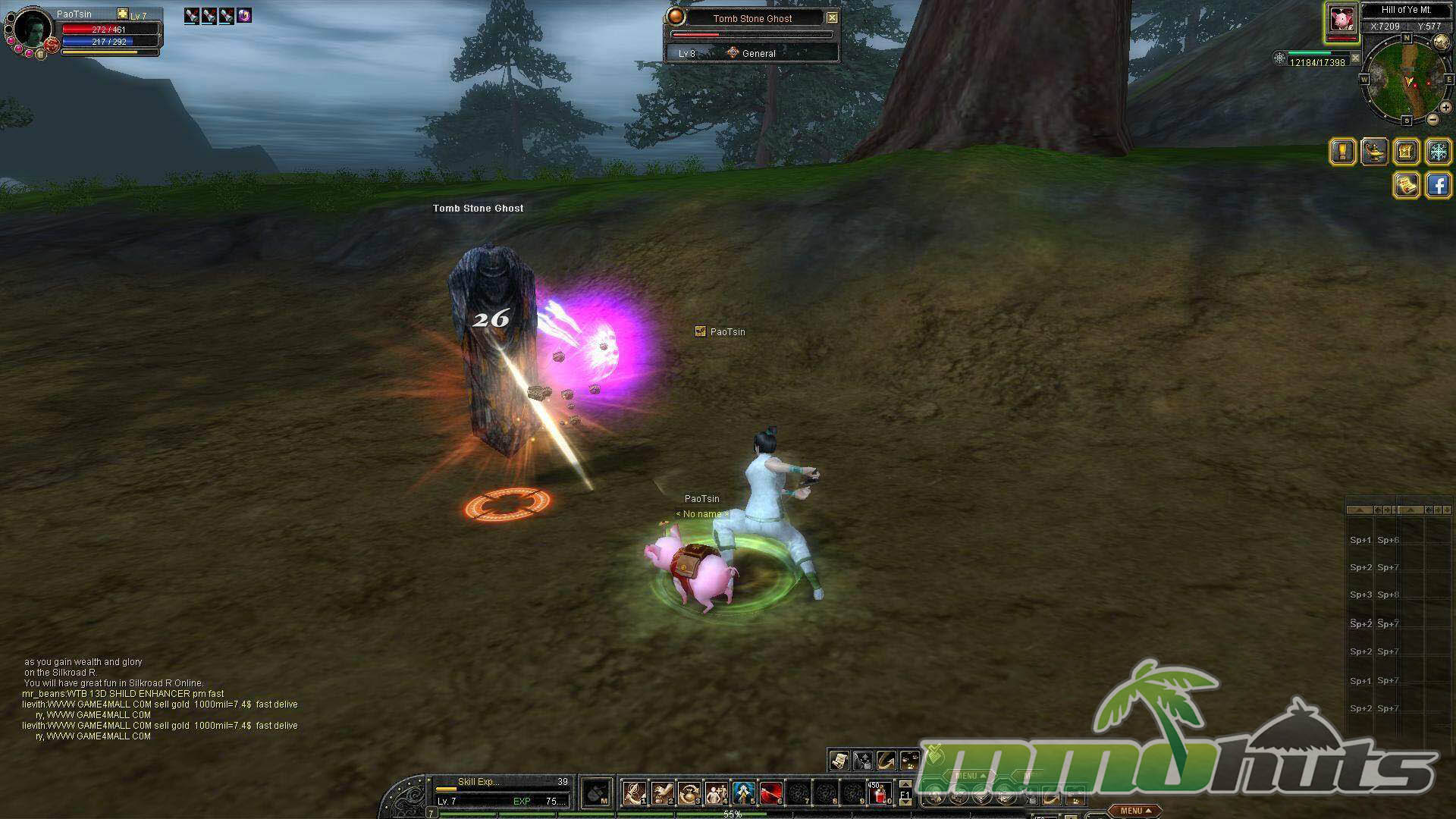
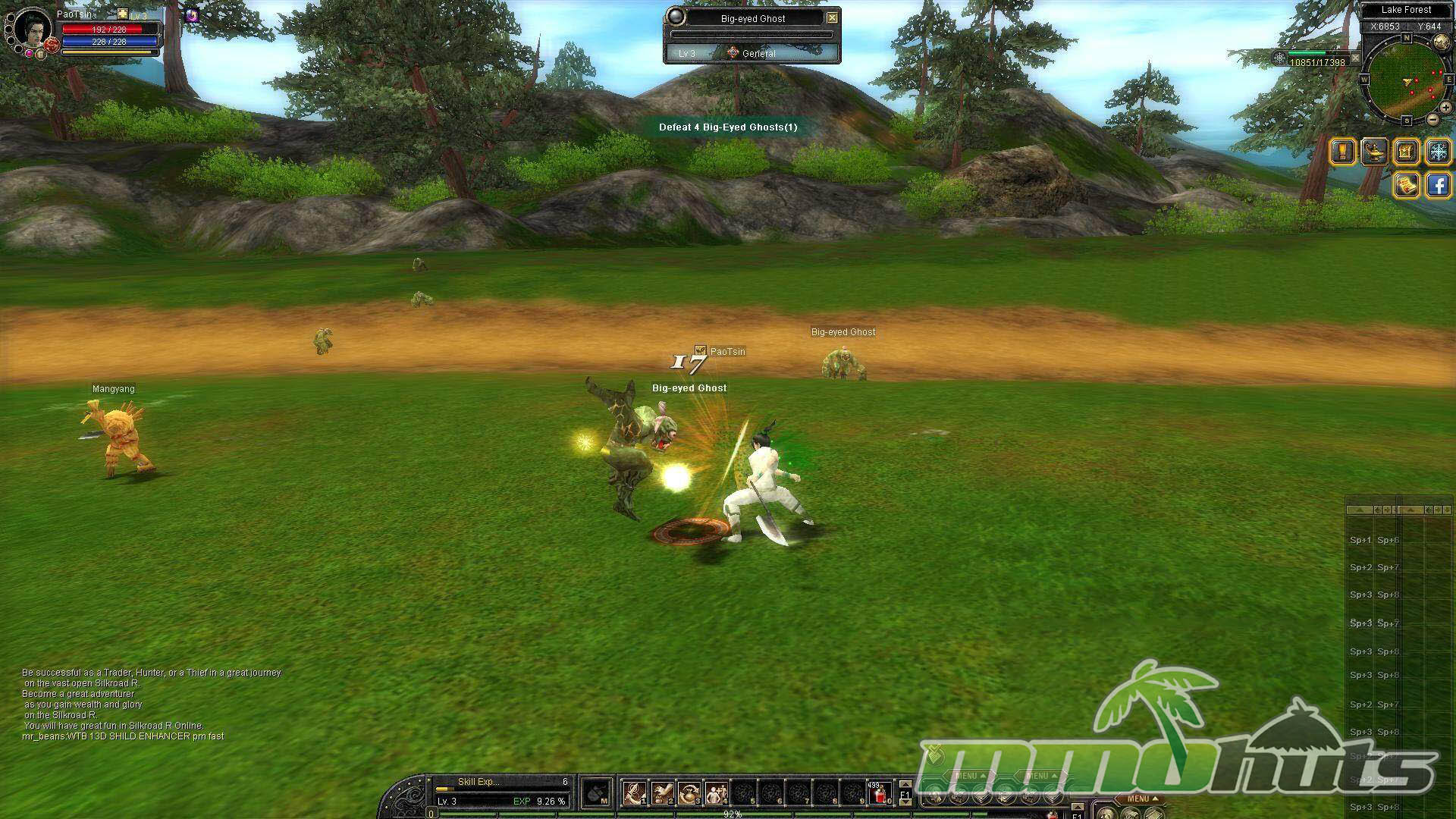
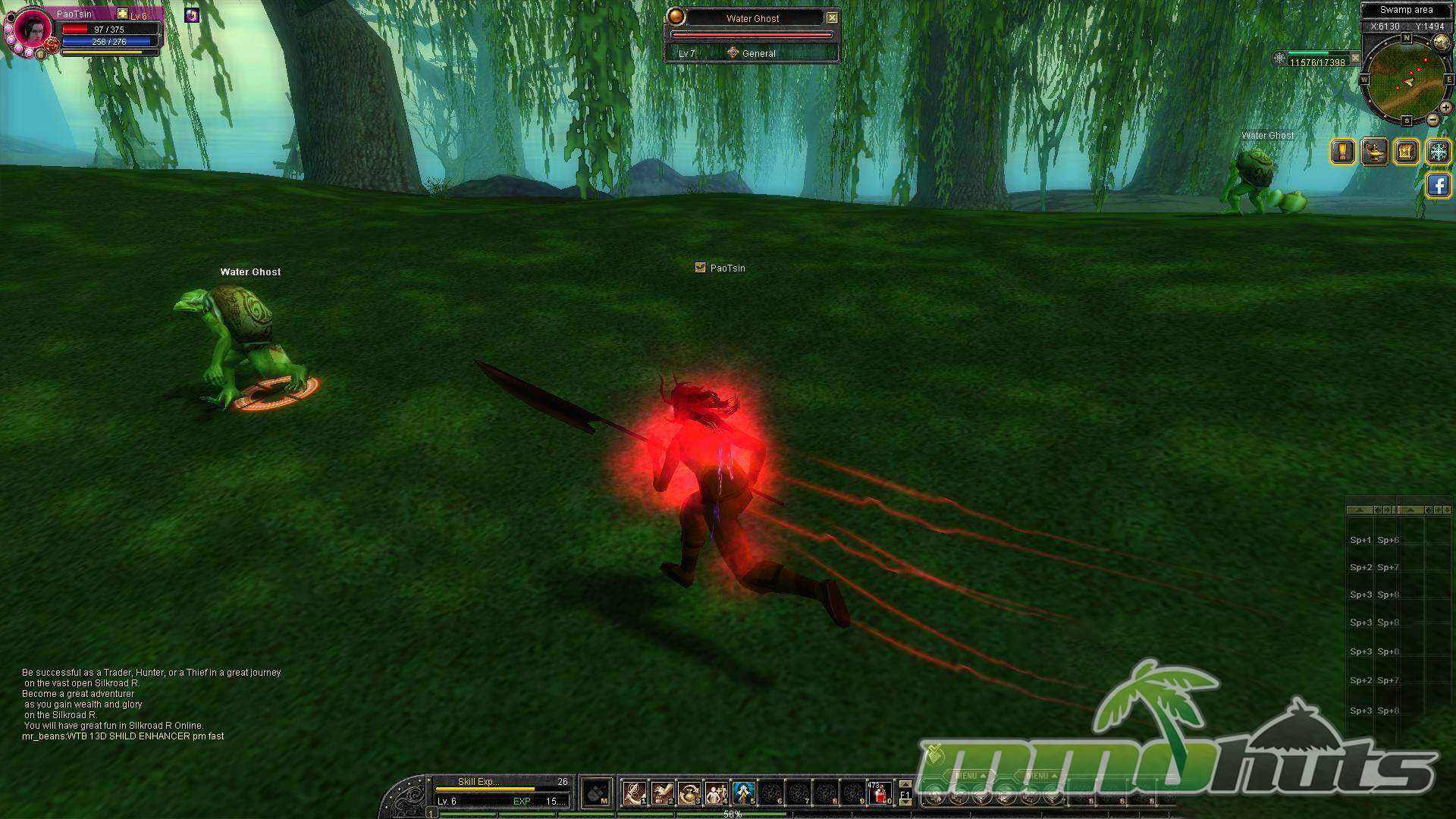
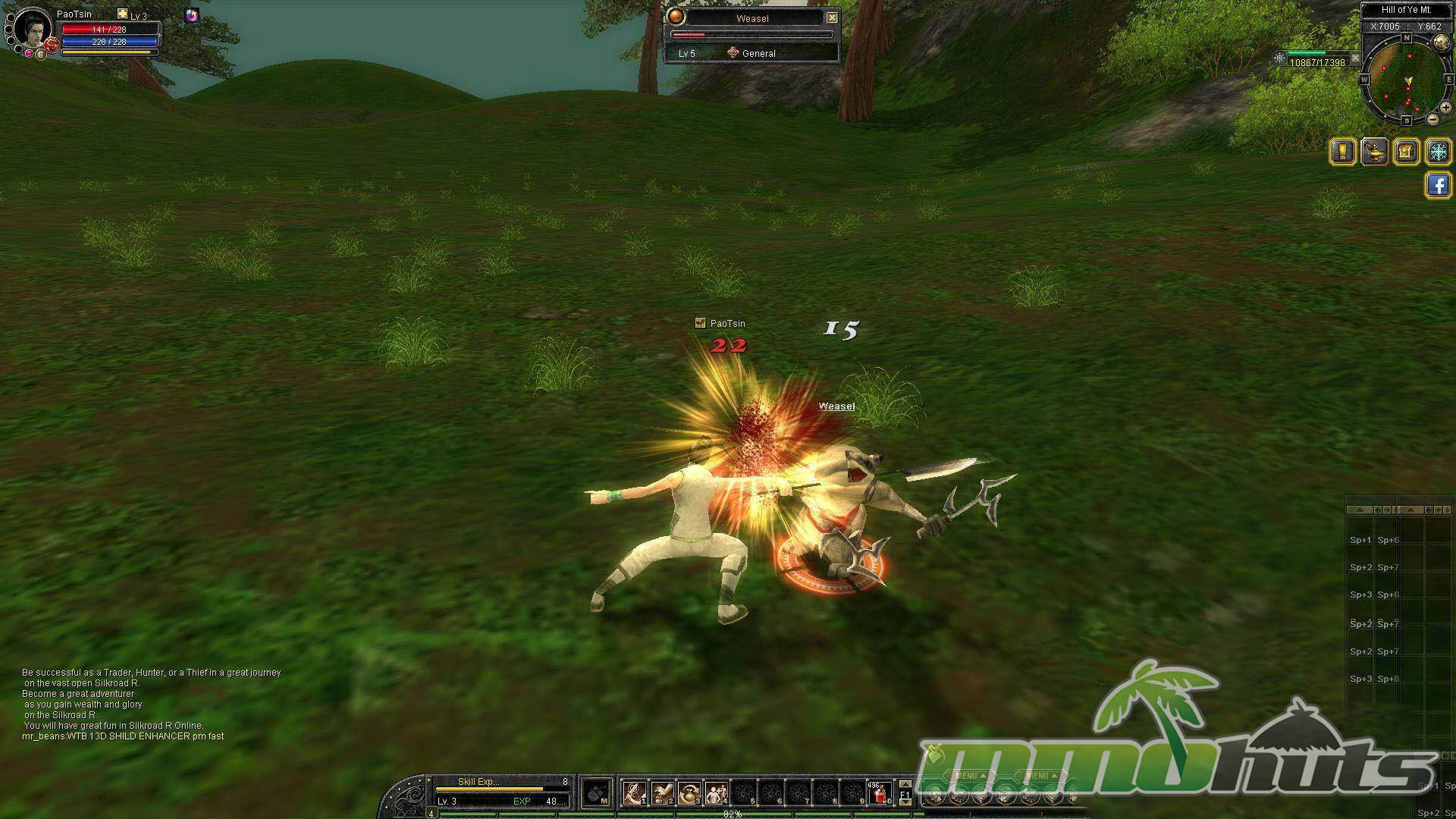
Silkroad-R Featured Video

Silkroad-R Classes
European:
The European side is built around six weapon-defined classes chosen during character creation. Your armor options are tied to that weapon choice, which makes your initial setup more meaningful than it first appears.
- Rogue – a flexible damage dealer that can specialize in close-range burst or ranged pressure. Uses light armor.
- Dagger – rapid melee strikes with strong critical potential.
- Crossbow – the longest-reaching European weapon, suited to kiting and ranged picks.
- Warrior – a frontline brawler with the best defensive potential, able to wear heavy armor, and also light armor.
- One-handed Sword – can pair with a shield for extra survivability.
- Two-handed Sword – slower swings that hit hard.
- Dual Axe – a more even mix of offense and defense.
- Warlock – uses the warlock rod and is restricted to robes. Specializes in curses and Damage Over Time effects, which can be valuable for wearing down tougher monsters.
- Wizard – staff user limited to robes, known for extremely high damage output. Focuses on elemental Area of Effect attacks to clear groups.
- Bard – harp user in robes, designed around party support. Provides buffs that improve damage, defense, recovery, and movement.
- Cleric – uses clerical rods and can equip robes or light armor. The primary healer, also bringing defensive support and the ability to revive allies.
Chinese:
Chinese characters are not locked into named classes in the same way. They can combine weapon choices with heavy armor, light armor, or robes (garments), which creates a broader set of viable setups.
- Sword – favors accuracy and is commonly paired with magic-focused builds, plus it can use a shield for added defense.
- Blade – high physical damage with lower accuracy, also shield-capable, and often chosen by players aiming for a tankier role.
- Spear – strong magic stats, typically recommended for magic-oriented builds and support-focused playstyles.
- Glaive – a physical damage spear-type option that excels at hitting multiple targets.
- Bow – balanced physical and magical performance, effective at long range.
Silkroad-R Review
Silkroad-R (with the “R” commonly read as Rebirth) is a free-to-play 3D MMORPG that reuses the foundation of Silkroad Online while adjusting the progression and balance around it. Released on January 18, 2012 (NA/EU) under Joymax, it aims to keep the same world, systems, and job-based PvP concept that made the original popular, while addressing long-standing pain points through faster leveling, better drop and experience rates, a revised cash shop approach, and additional anti-botting measures.
At its core, this is still Silkroad. You travel between ancient China and Europe along the famous trade route, take quests across familiar zones, and eventually engage with the merchant economy and the hunter versus thief rivalry. If you enjoyed the original’s structure and pacing but wished it respected your time a little more, Silkroad-R is designed as that alternative, not as a complete overhaul.

Weapon choice first, “class” second
The first major decision is whether you start as European or Chinese, and that choice affects your weapon list, armor limitations, and overall playstyle. Silkroad-R treats weapons as the key identity marker. For Europeans, the weapon you pick effectively defines your class, along with the armor types you can wear. For Chinese characters, weapons are still important, but armor is far more flexible, letting you mix defensive profiles with different damage approaches.
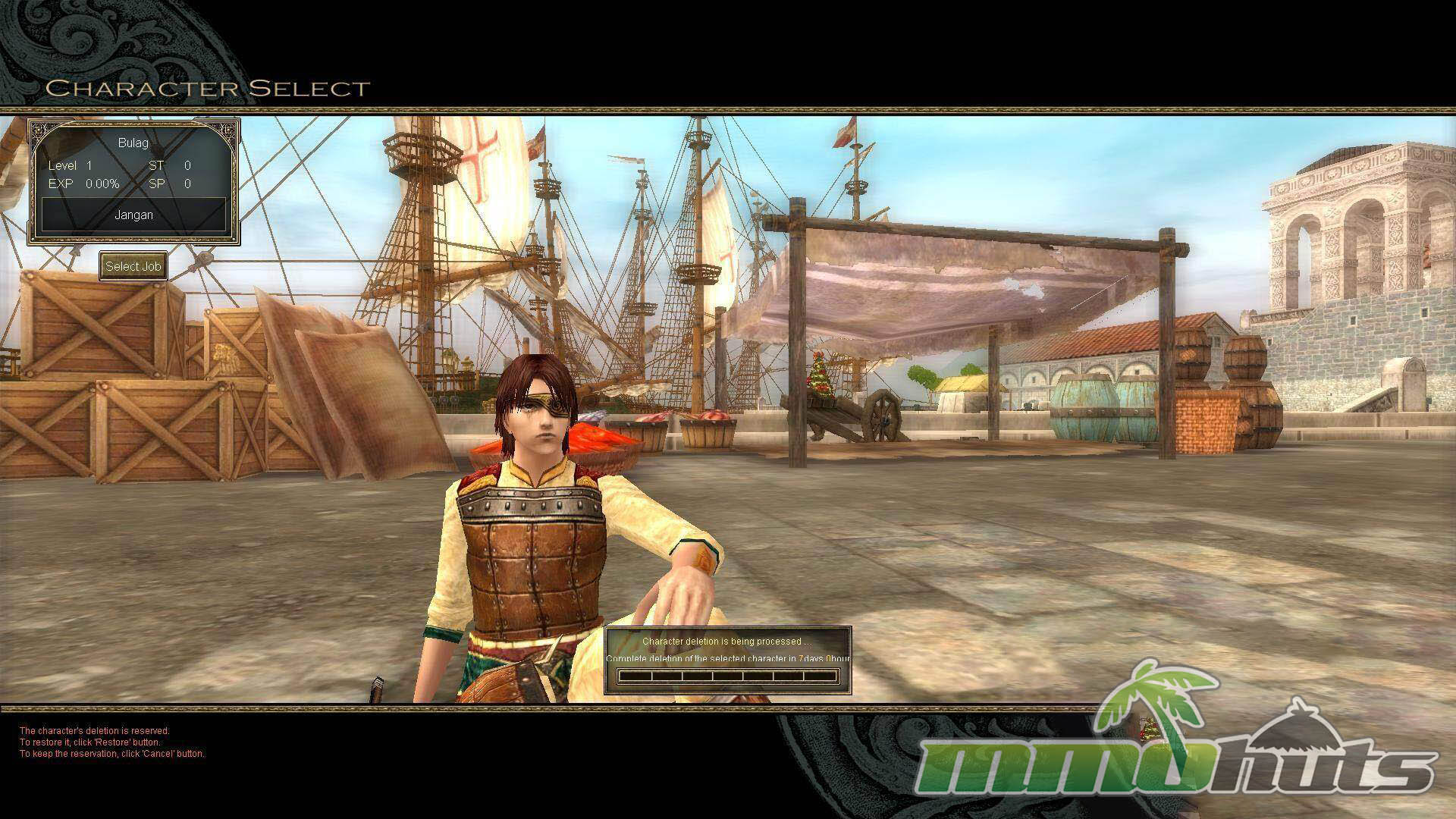
Character creation is straightforward, even by the standards of older MMORPGs. You select from preset looks with limited fine-tuning, then confirm your initial weapon and armor. The simplicity is functional, but players expecting modern sliders and detailed face sculpting will not find much to work with here.
Questing along the trade route
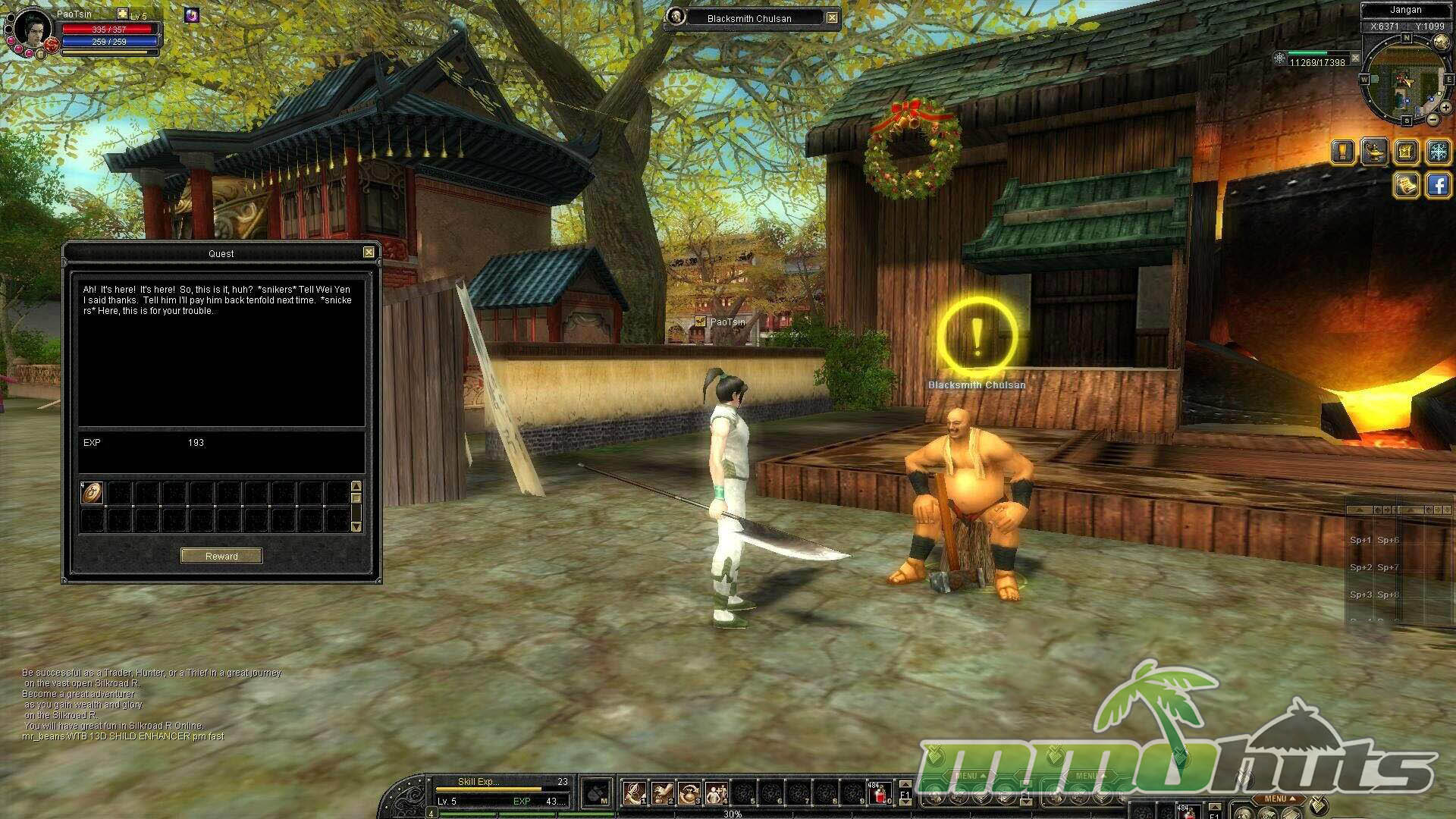
New characters begin in faction-appropriate cities, Jangan for Chinese characters and Constantinople for Europeans. Progression is guided by a familiar chain of quests that push you into the next hunting area. Objectives are mostly the genre staples (defeat a certain number of monsters, gather drops), and Silkroad’s reputation for demanding kill counts still shows. Even with the “R” adjustments, the moment-to-moment leveling loop can become repetitive, especially as quest requirements ramp up.
One of the more notable economy-focused changes is the removal of gold drops until Level 70. Instead, you receive tokens that can be exchanged for necessities like potions and equipment, a choice clearly aimed at reducing early-game gold farming pressure. The system helps stabilize the low-level economy, although the token approach loses relevance after Level 70. Silkroad-R also provides milestone gear rewards and reduces the experience required per level compared to the original, which improves the pace without turning the game into a quick sprint. Party bonus experience is also better, reinforcing group play as the most efficient way to progress.
Skills, mastery, and build freedom
Combat progression revolves around skill points gained as you level. Those points are spent to raise mastery levels across available skill trees, which then unlocks skills that can be learned with additional points. The end result is a character-building system that encourages experimentation rather than strict archetypes.
A key difference from many class-based MMORPGs is that Silkroad-R allows cross-tree investment. A European character can branch beyond the obvious “role” implied by their weapon, and Chinese characters can mix and match among their available trees as well. The main constraint is the mastery cap, which is limited to twice your character level across all trees combined. In practical terms, you can diversify, but you must still make tradeoffs, especially while leveling.
Jobs and PvP, the game’s signature feature
Silkroad-R’s PvP identity is driven less by faction warfare and more by the job system. After character creation, you can align with the thief or hunter role (and merchants sit at the center of the risk-reward loop). The downside is that the decision is tied to your account. Switching requires either paying 10 million gold or starting fresh with a new account, which makes the choice more permanent than it needs to be.
Job quests begin with NPCs in the major cities, and job progression requires wearing the appropriate job outfit. With the outfit equipped, you gain job experience while hunting monsters, even during regular questing. As your job level rises, you unlock skills, items, and mounts that make later job runs more manageable. At higher job levels (above 40), job activities also open you up to being attacked by opposing job players, turning routine routes into contested territory.
Presentation: familiar, functional, and dated in spots
Silkroad-R largely mirrors the original game’s visuals and audio. The updates are not a full graphical refresh, they are more about usability and game flow. Even so, the art direction and environments still hold up reasonably well for an older 3D MMORPG, and the character animations are serviceable even if they lack modern flair.
The soundtrack tends to fade into the background, while combat and interface sounds remain clear and effective. If you played the original, the presentation will feel immediately recognizable, for better and for worse.

Cash shop and convenience purchases
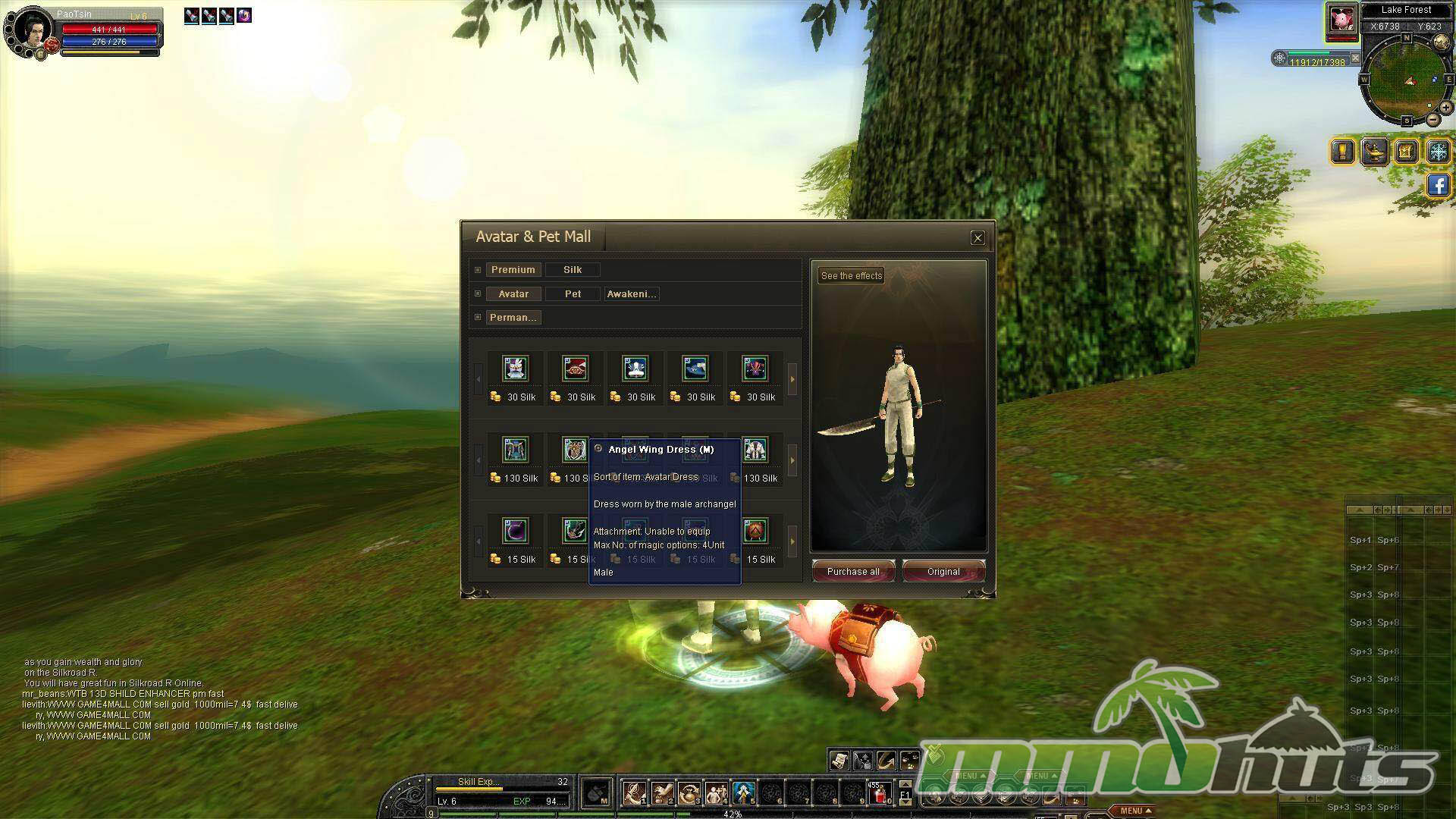
As a free-to-play title, Silkroad-R includes a cash shop with premium gear, boosts, and various convenience options, plus cosmetic outfits through the avatar mall. Paying players can gain advantages in efficiency and power, though the overall impact is closer to “helpful” than completely game-breaking. Cosmetic costumes are available for those who want a different look without changing performance.
Final Verdict – Good
Silkroad-R succeeds most when viewed as a tuned version of Silkroad Online rather than a new MMORPG. It keeps the same world, job-based conflict, and weapon-driven identity, while making leveling and early progression less punishing. That said, the core loop still leans heavily on grinding and large quest requirements, and botting remains a noticeable issue despite anti-botting efforts. The early-game economy benefits from the lack of gold drops before Level 70, which helps mitigate some of the classic problems.
For returning players who loved Silkroad’s structure but wanted a faster pace and a few quality-of-life improvements, Silkroad-R is an easy recommendation. For brand-new players without nostalgia, the age of its quest design and overall feel can make it harder to stick with compared to more modern MMORPGs.
Silkroad-R System Requirements
Minimum Requirements:
Operating System: Windows XP / 2000 / Vista / 7 / 8
CPU: Pentium 3 800 MHz or better
Video Card: GeForce 2 / ATI Radeon 9000
RAM: 256 MB
Hard Disk Space: 4 GB
Recommended Requirements:
Operating System: Windows XP / 2000 / Vista / 7 / 8
CPU: Pentium 4 2.4 GHz or better
Video Card: GeForce FX 5600 / ATI Radeon 9500
RAM: 512 MB
Hard Disk Space: 4 GB
The official System Requirements for Silkroad-R should be identical to the system requirements for Silkroad Online, as the two run on the exact same engine.
Silkroad-R Music & Soundtrack
Silkroad-R Additional Information
Developer: Joymax
Composer: SoundTeMP
Closed Beta Date: December 6, 2011
Open Beta Date: December 15, 2011
Development Background
Silkroad-R (also referred to as Silkroad Rebirth) entered development around mid-2010 as a parallel option to the original Silkroad Online. Early on, it was known as “Silkroad F.G.T.” (Silkroad Focus Group Test). The game launched on January 18, 2012, while the original Silkroad Online first released in 2006. Both titles run on the same engine, and the differences between them focus on gameplay tuning rather than new technology or a rebuilt client. Joymax’s plan was to operate Silkroad Online and Silkroad-R at the same time, with a third variant, Silkroad-W (a browser-based Silkroad Online), also planned to run separately with its own updates. Silkroad Online and Silkroad-R are published globally by Korean-based developer Joymax, and the game has no IP restrictions.