Devilian is a dark fantasy action MMORPG that drops you into the persistent world of Aelkeina, where you play as a half-devil warrior capable of unleashing a temporary Devil Form. In practice, it blends the click-and-skill-bar rhythm of ARPGs with MMO staples like hubs, guilds, world bosses, and queueable instanced content. It also leans heavily on competitive play, with several PvP formats designed for everything from quick skirmishes to larger team battles.
 | Publisher: Trion Worlds Playerbase: Shut Down Type: Action MMORPG Release Date: December 2, 2015 Shut Down Date: March 5, 2018 PvP: Arenas /Battlegrounds / Guild Battles Pros: +Several PvP formats with different scales. +Dungeons that work well solo or in groups. +Guild-focused activities like bosses, raids, and organized content. Cons: -A dated feel compared to newer action MMOs. -Visual style can feel familiar if you have played other ARPGs. -Progression can become grindy and repetitive. |
Devilian Shut Down on March 5, 2018
Devilian Overview
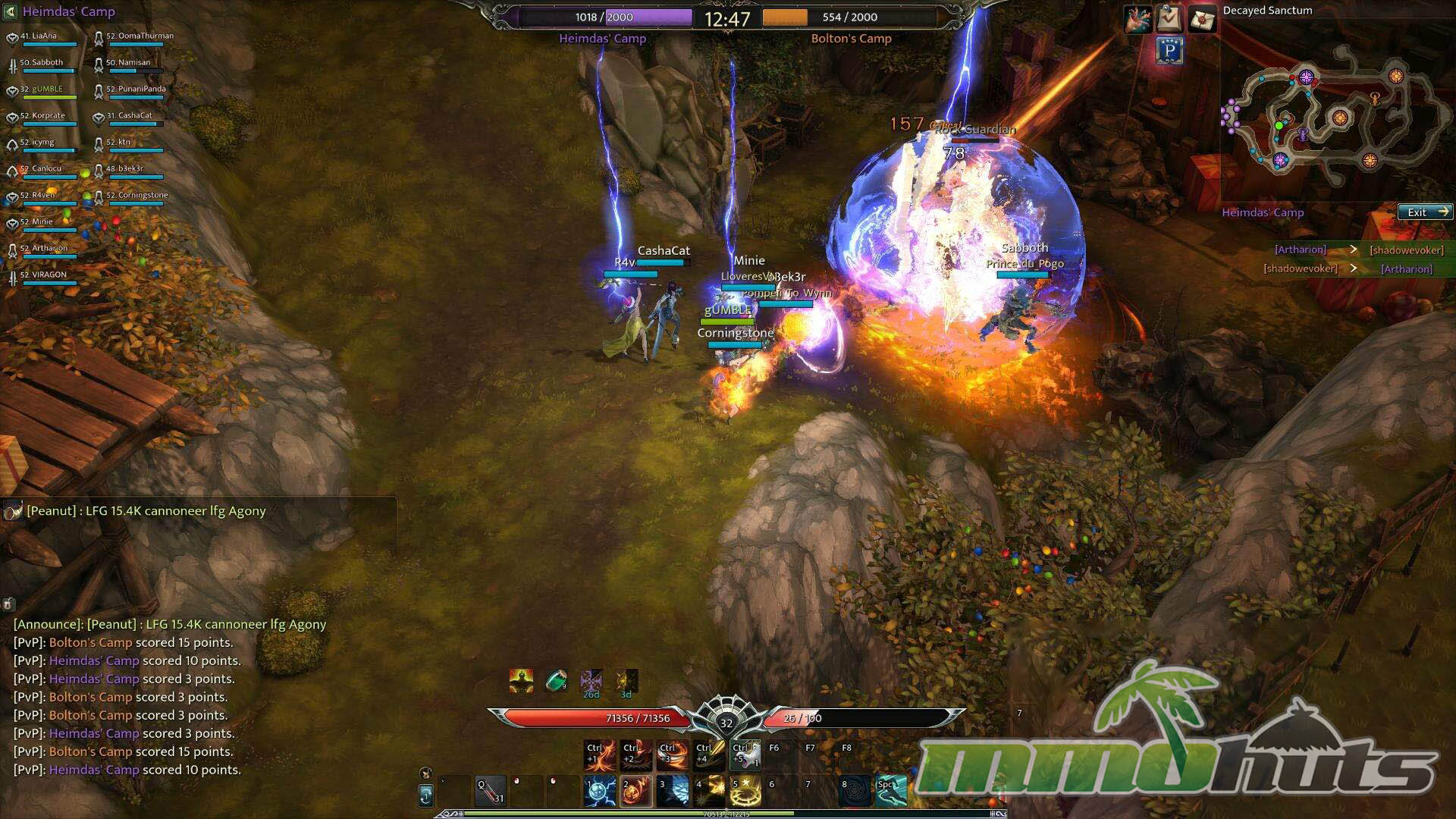
Devilian aims for a middle ground between traditional hack-and-slash ARPGs and a more complete MMO structure. The top-down viewpoint and screen-clearing skill effects will remind many players of games like Diablo 3 or Path of Exile, but the key difference is that Devilian is built around an always-online world with towns, field zones, instanced dungeons, and social systems that encourage long-term play.
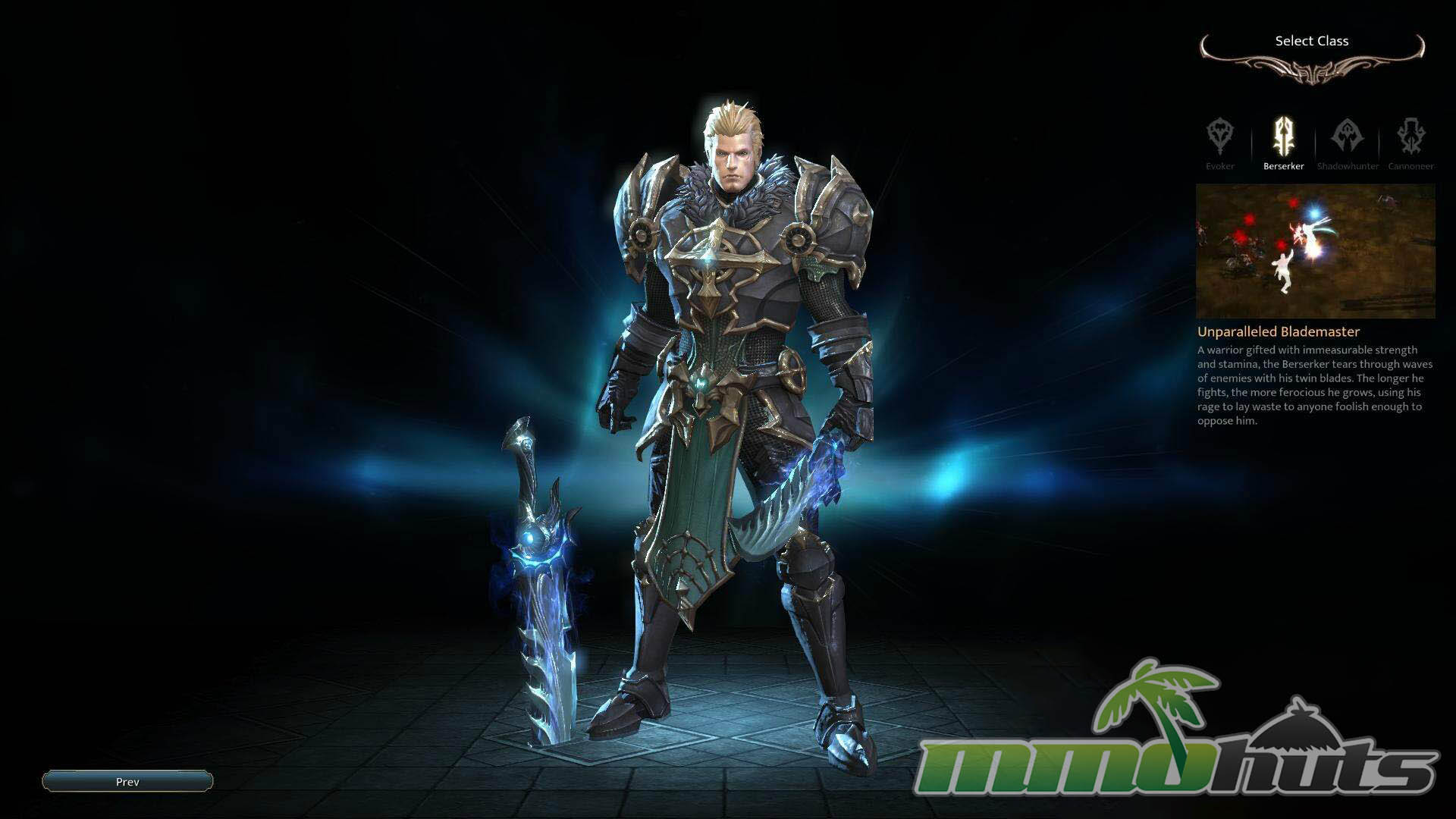
At launch, Devilian supports four distinct classes: the Berserker (a melee bruiser), Evoker (a spellcaster), Shadowhunter (a nimble assassin type), and Cannoneer (a ranged damage dealer). Each class comes with its own Devil Form, a transformation that acts like a temporary power spike with separate abilities and progression hooks. Outside of combat, the game leans into MMO expectations with quests, crafting, mounts, pets, and multiple cities, while also pushing competitive content through battlegrounds, arenas, and guild conflict.
Devilian Key Features:
- Clear Dungeons Solo or Grouped – Run a large selection of instanced dungeons alone or in 3-player parties, with higher-end raid dungeons built for groups of 9.
- Devil Form Progression – Build a transformation gauge through combat, then shift into a class-specific Devil Form that has its own stats, skills, and leveling track.
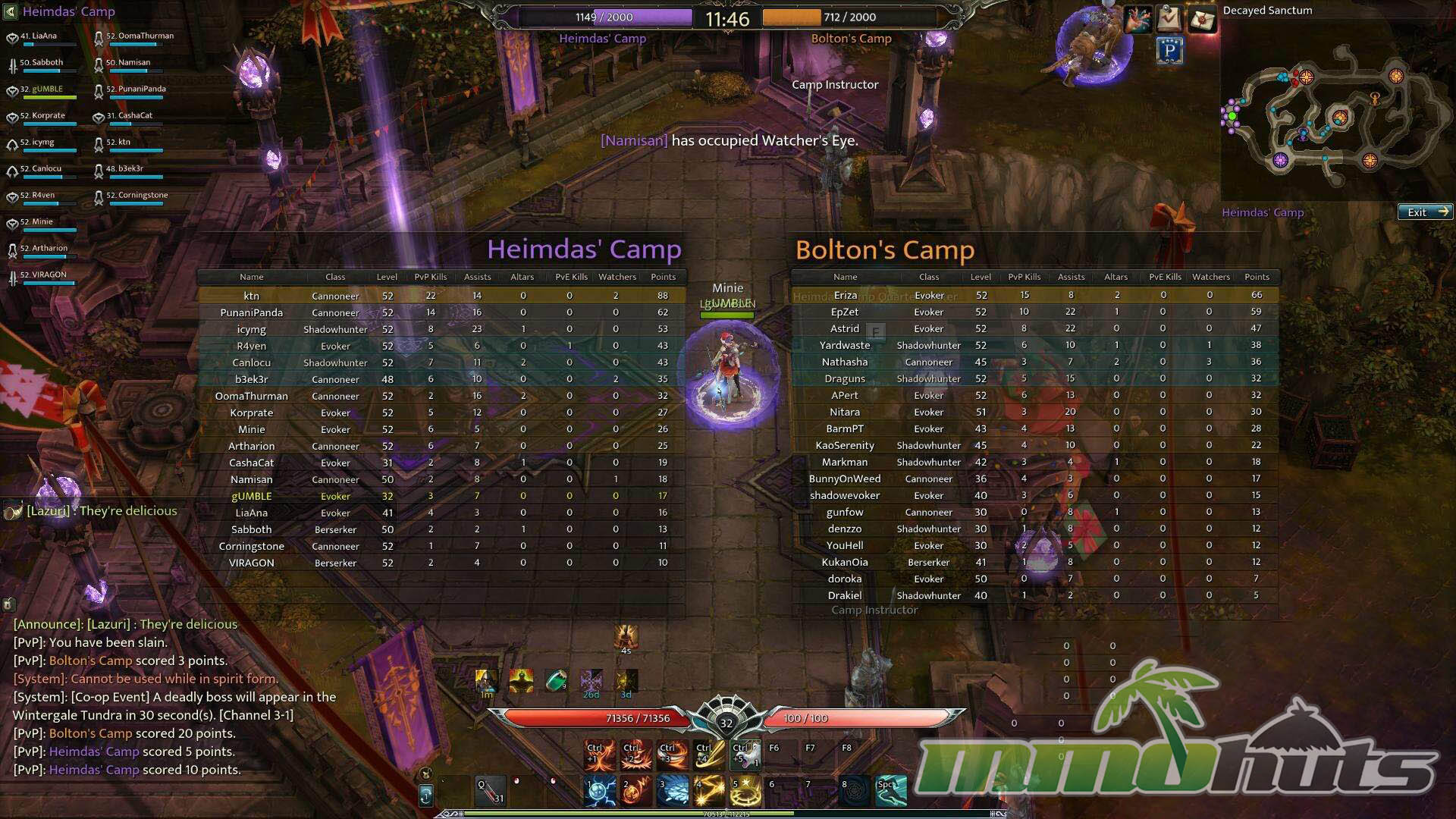
- Multiple PvP Modes –Jump into smaller-scale 3v3 fights or take part in larger battlegrounds like 20v20, plus additional guild-driven PvP through alliances and war declarations.
- Contested World Bosses –World bosses are not just loot pinatas, groups compete for access and rewards, which naturally favors coordination and organized guild play.
- A Complete MMORPG –Beyond the ARPG-style combat loop, Devilian includes a persistent world with quests, crafting, mounts, pets, cities, and instanced group content.
Devilian Screenshots
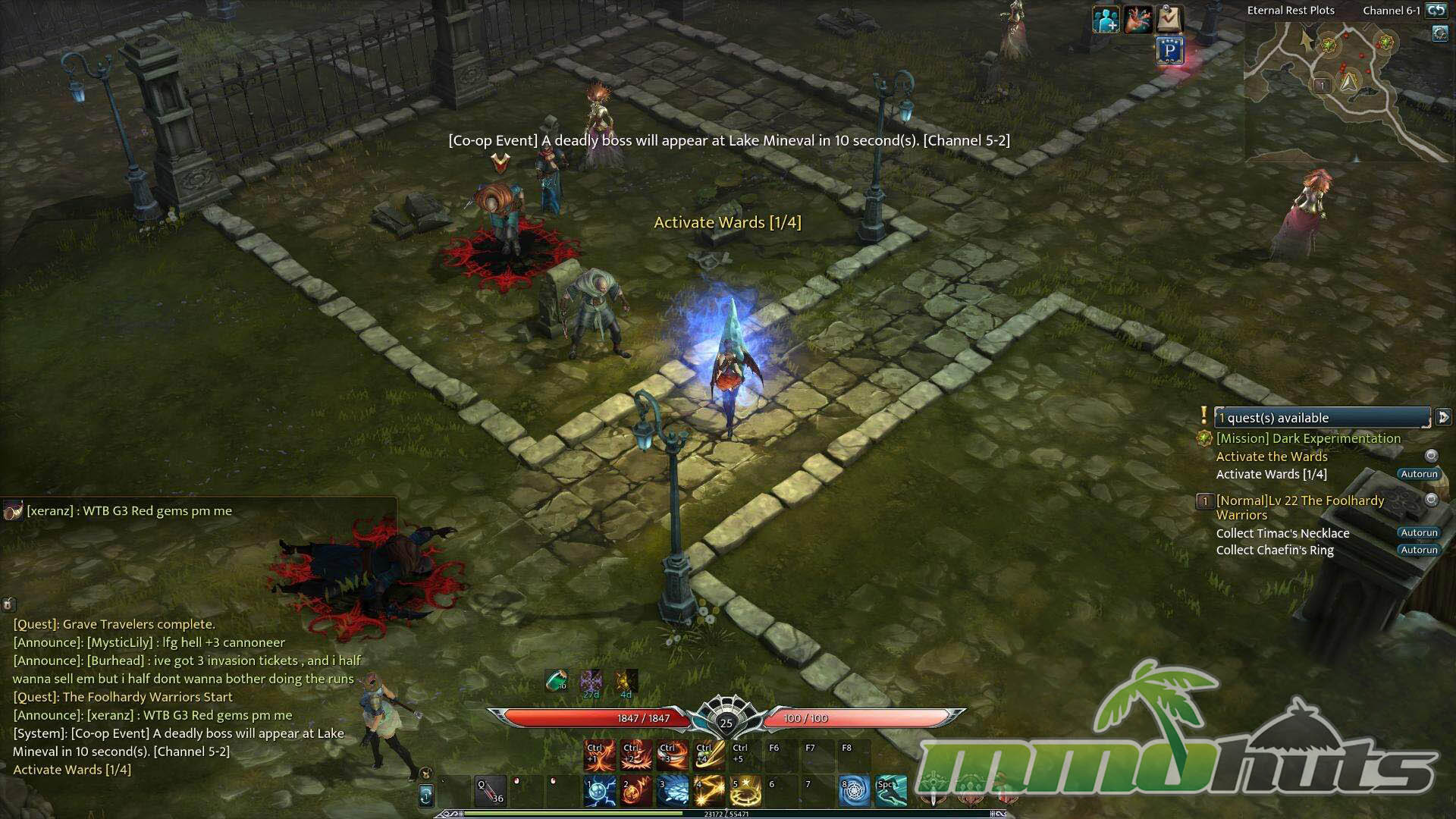


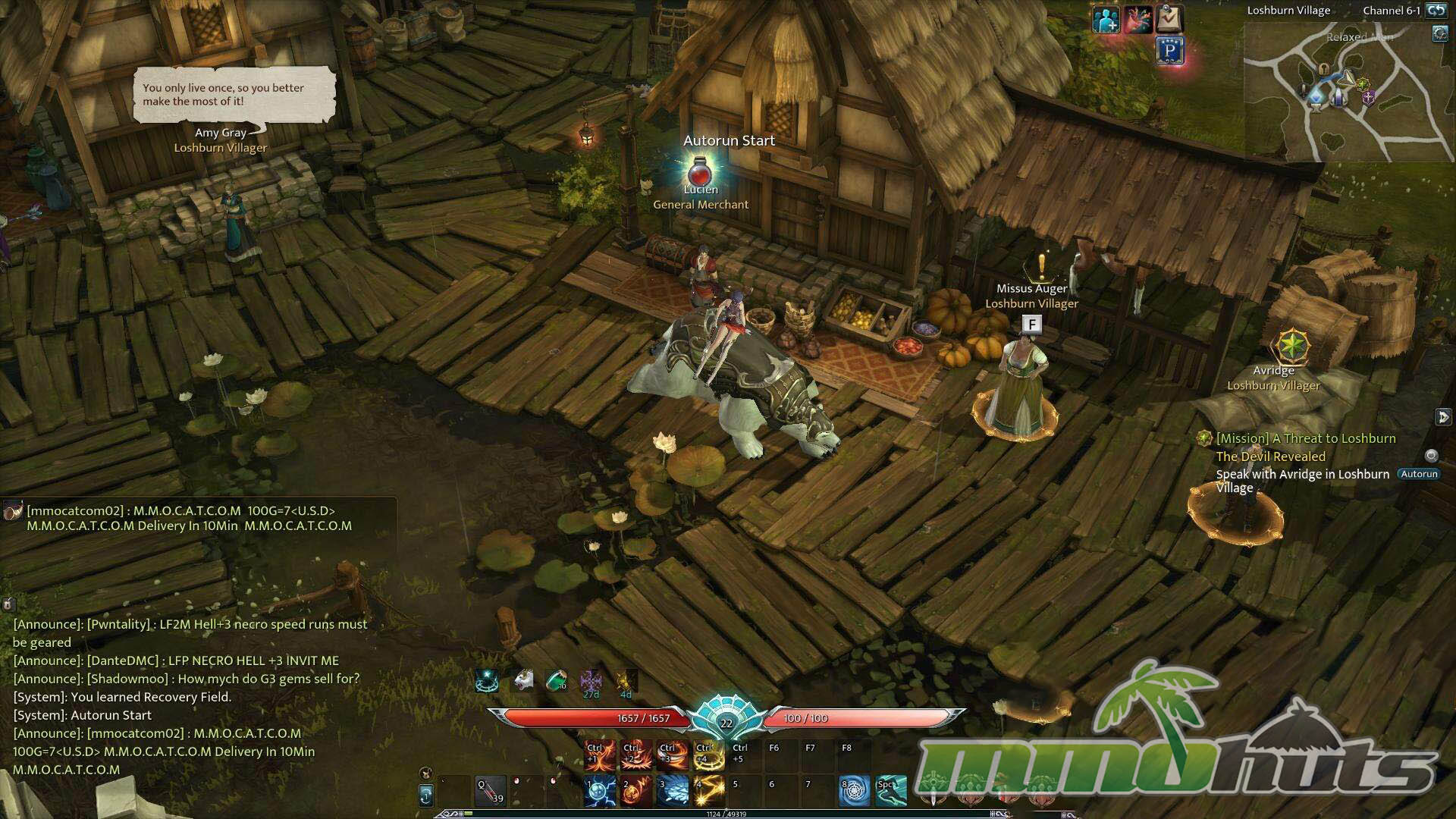
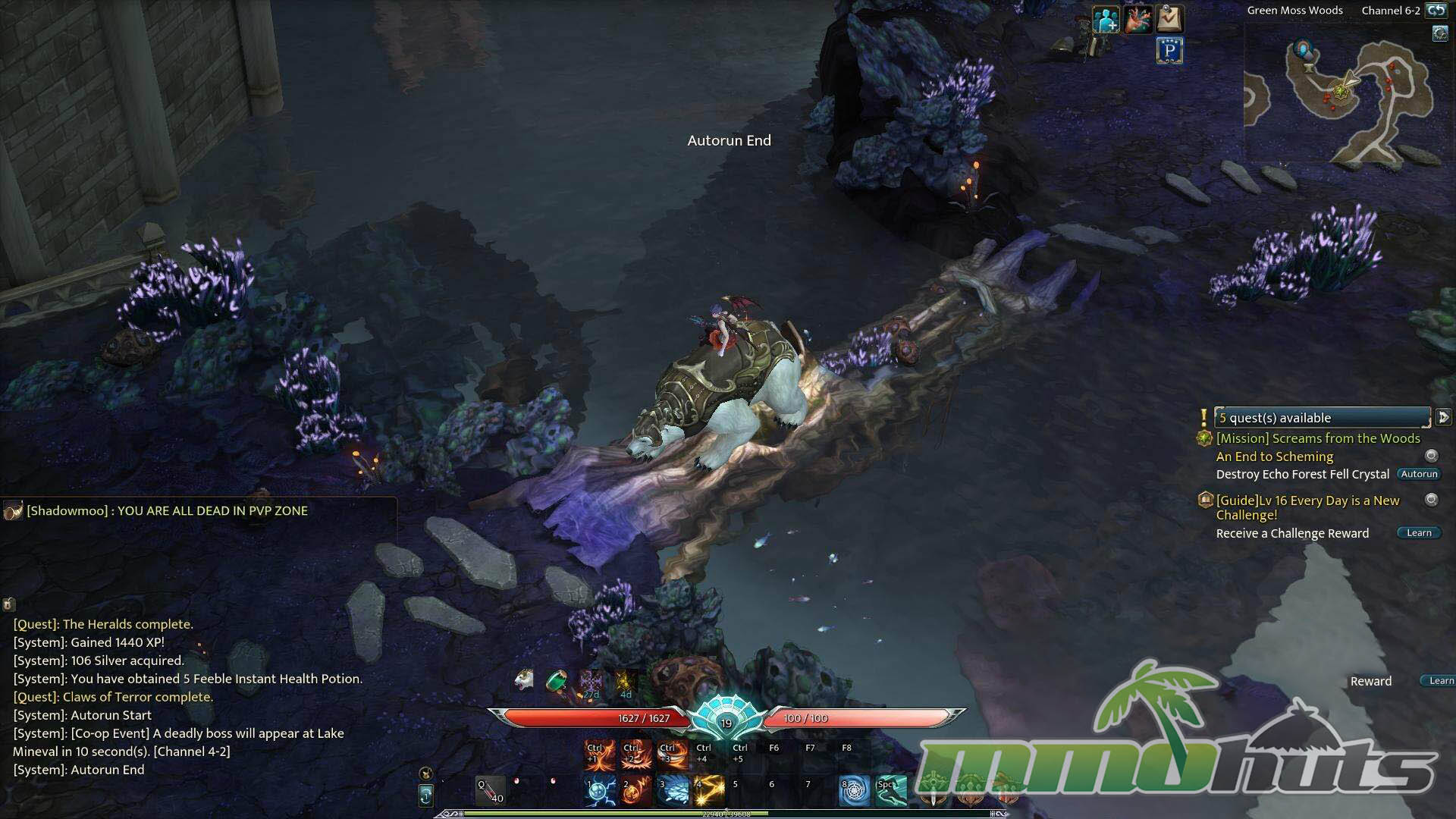



Devilian Featured Video

Devilian Review
Devilian arrived in the West as a free-to-play action MMO with a clear pitch: deliver fast, flashy dungeon runs and PvP queues, but keep the connective tissue of an MMORPG, including hubs, a persistent overworld, and guild-driven objectives. That blend still makes sense on paper, and at its best Devilian can feel like a satisfying “one more run” game. At the same time, it carries the drawbacks of an older release, including uneven pacing, repetitive quest structure, and monetization choices that can frustrate players who prefer a smoother baseline experience.
Classes, identity, and character setup
Devilian’s four classes cover familiar roles and playstyles, and the moment-to-moment combat identity is generally clear: Berserker for close-range aggression, Evoker for ranged spell pressure and area damage, Shadowhunter for quick strikes and mobility, and Cannoneer for ranged burst and control. The roster is not large, but each class is built to mow down crowds efficiently, which fits the genre’s emphasis on speed and spectacle.
Character creation is present but not deep. You get enough options to create a look you like (hair, face, colors), but the camera angle and the game’s pace mean those details mostly matter to you more than to other players. Outside of appearance, the bigger “identity” choice is simply which kit you enjoy piloting through dense packs and boss mechanics, because the game is designed around constant combat uptime rather than slow, role-locked dungeon pacing.
Action combat that feels good in motion
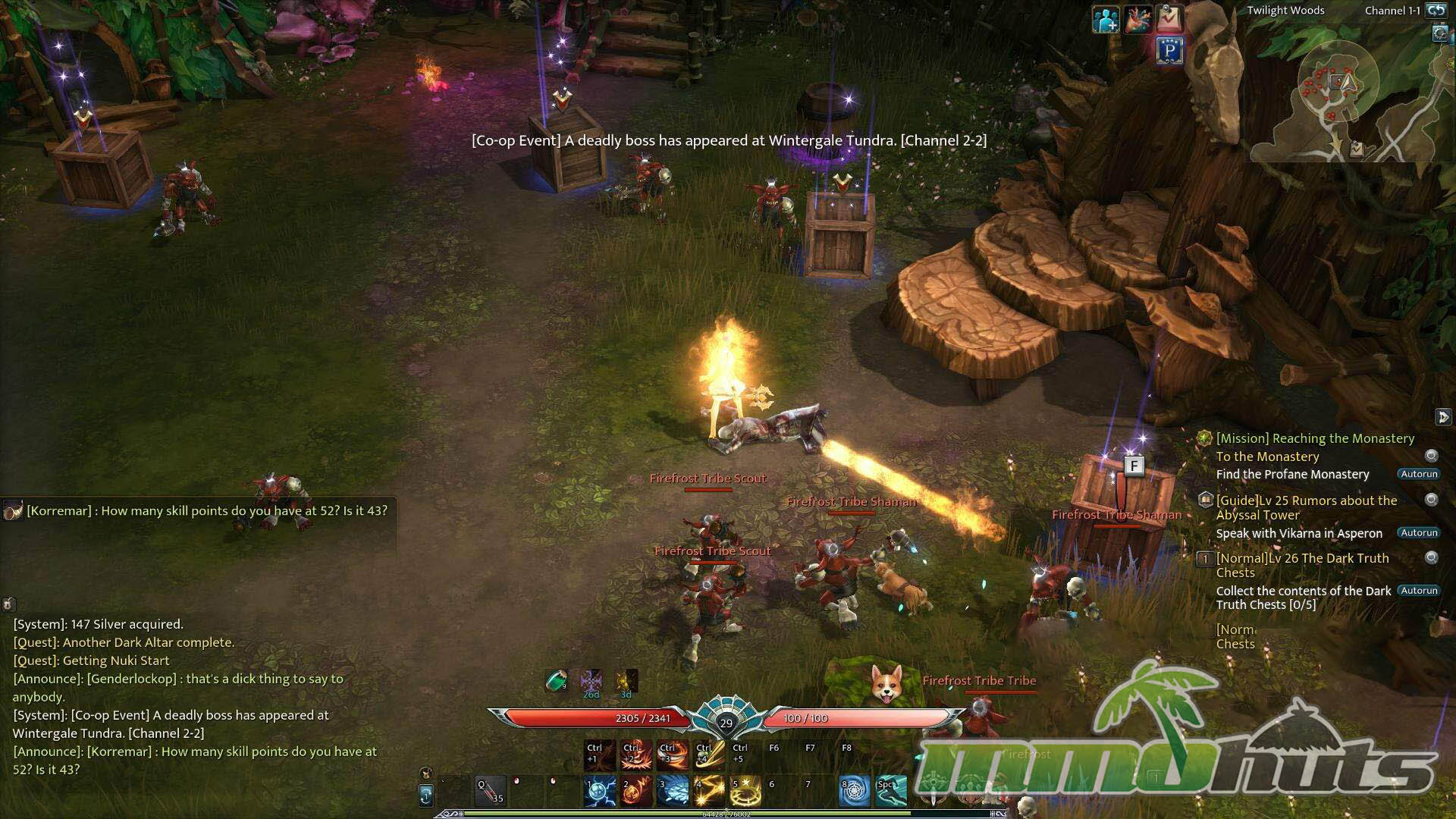
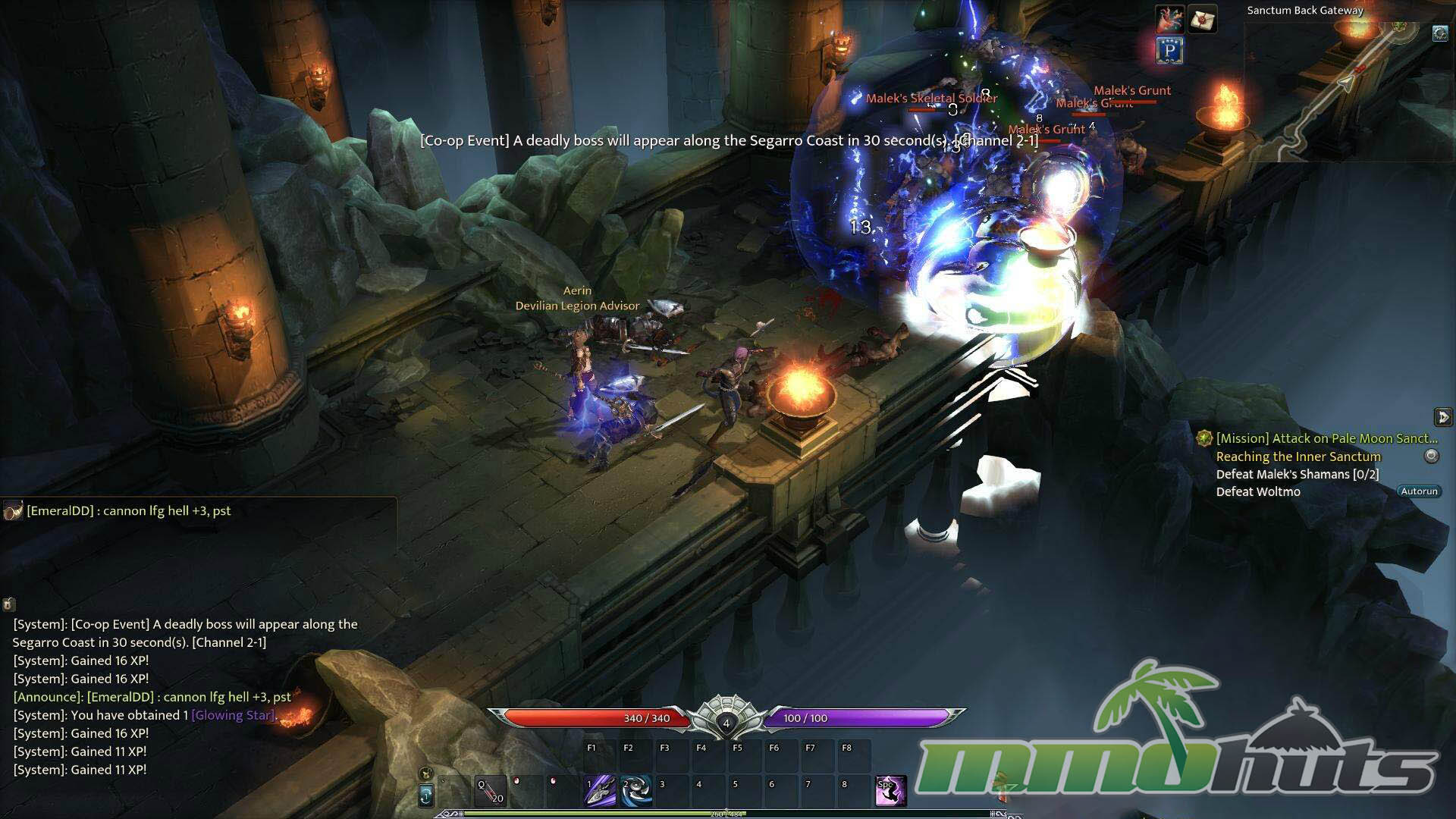
Where Devilian consistently succeeds is in how responsive it feels when you are actively fighting. Skills have weight and clear visual feedback, and the game understands the appeal of the ARPG loop: pull enemies together, commit to a rotation, and watch the screen erupt in effects as the pack collapses. Controls are familiar for the subgenre, with hotkeyed abilities and quick access to movement options, making it easy to settle into a comfortable rhythm.
Dodging is especially important once you begin seeing more demanding encounters, and it has a learning curve because of how directionality works relative to the cursor. Once it clicks, it becomes a useful tool for repositioning in boss fights and for surviving crowded engagements. When Devilian is flowing, it captures that “clean” combat feel that many action MMOs chase.
Questing pace and the leveling experience
The leveling path leans heavily on short, straightforward objectives. Most tasks boil down to clearing small groups, collecting drops, then moving on quickly. That structure keeps the game moving, but it can also make the overworld feel like a corridor between combat instances rather than a place you want to linger in. If you prefer a more deliberate MMO leveling journey with longer arcs in a single zone, Devilian’s sprint-like progression may feel thin.
Enemy behavior in the open world can also work against the fantasy of building huge pulls. Aggro ranges are not especially generous, and while respawns can be quick, the end result is often a stop-and-go cadence rather than sustained, satisfying chain fights. The game is rarely difficult during these early stretches, which helps, but it also means the overworld can feel like a requirement you complete so you can get back to the content that best matches the combat system.
Item and objective interaction can be finicky as well, particularly when you are trying to grab specific quest objects amid other drops. It is not a dealbreaker, but in a game built on speed, small interaction annoyances stand out more than they would in a slower MMO.
Devil Form is a great idea that needs stronger incentives
The signature mechanic, the Devil Form, is conceptually the hook that sets Devilian apart: fill a gauge through combat, transform, and gain access to a different set of stats and abilities, with its own leveling progression. In practice, the transformation can feel underutilized during much of the regular leveling experience, largely because baseline combat is already effective and many encounters do not demand a power spike.
When you do transform, there is an adjustment period, your toolkit changes, and you are suddenly managing unfamiliar abilities. That can be exciting, but it also means the system benefits most from repetition and intentional practice. The transformation would land more strongly if the game pushed players into scenarios where Devil Form use felt consistently meaningful rather than optional.
World presentation and the “MMO space” problem
Visually, Devilian’s zones are clean and readable, and performance is generally stable on modern machines. Areas are distinct enough that you can tell when you have moved to a new region, and the monster designs fit the dark fantasy direction. The issue is less about art quality and more about how the game encourages you to consume the world: the pathing, the quest cadence, and convenience systems can make zones feel like layouts you pass through rather than places you inhabit.
The result is a world that often functions like a set of combat lanes. You see an environment, clear what is in front of you, then move on. If you come to Devilian primarily for dungeon loops and competitive queues, that is acceptable. If you want exploration and slower immersion, it is not the game’s strongest suit.
PvP variety, with some rough edges
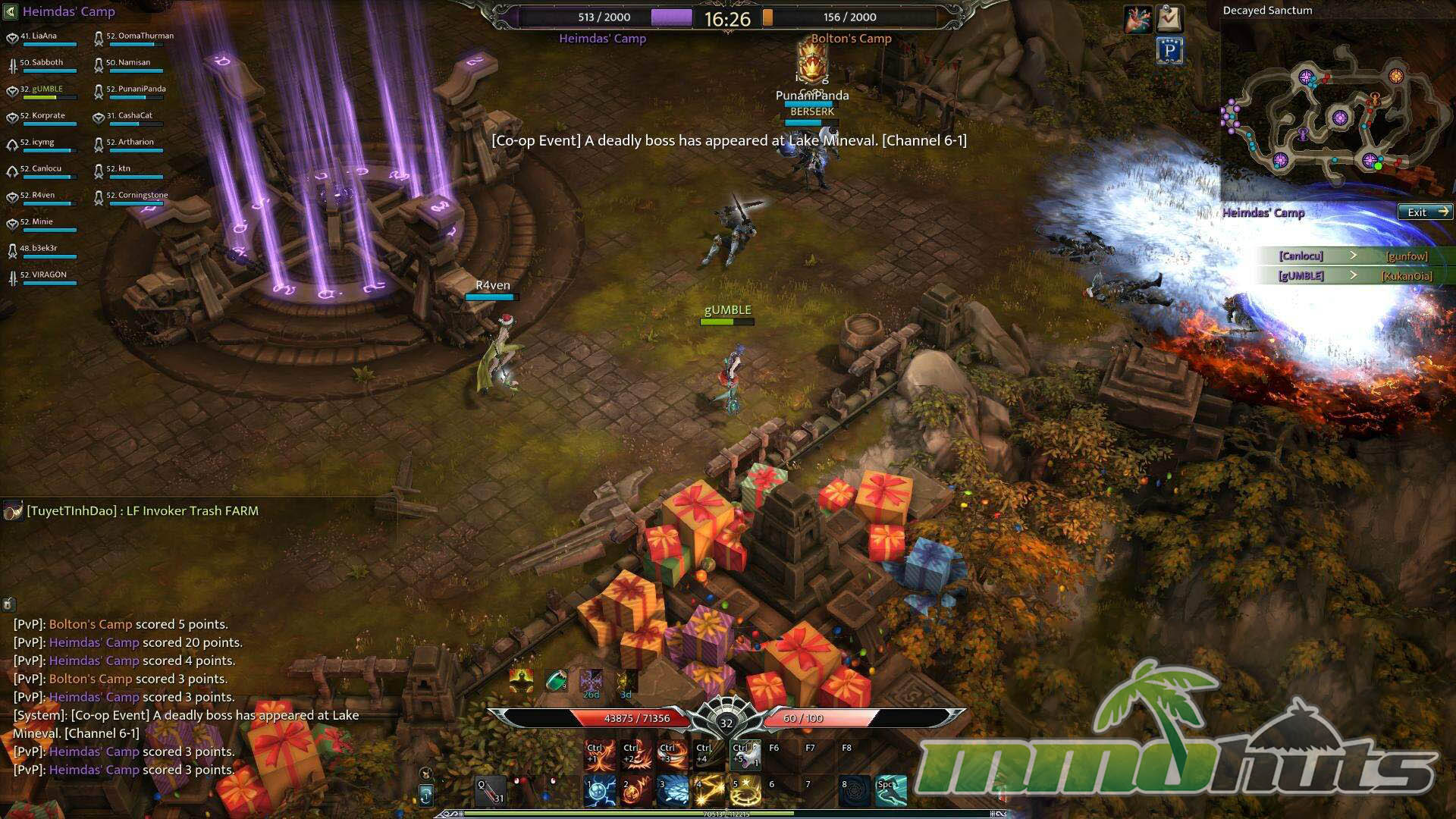
PvP is one of Devilian’s bigger selling points, and it offers multiple modes rather than relying on a single arena ruleset. Large battlegrounds can be hectic and entertaining, with objective play layered over the chaos of many players firing off high-impact abilities. Smaller formats are easier to read and tend to reward coordination more directly, which makes them a better fit for groups looking to improve together.
One notable downside is how uneven PvP can feel when matchmaking does not separate players by level brackets. Stat and power differences can be significant, which makes early PvP feel punishing unless you are already near the cap or prepared to be at a disadvantage. Queue times can also vary, and that variability matters in a game where PvP is positioned as a major pillar.
Talismans and the “cards” layer
Devilian uses a card-like system called Talismans to add build customization through stat bonuses and progression. You equip cards at certain level milestones (every 10 levels beginning at level 10), up to a maximum of five, and then upgrade them by feeding extra cards to increase experience and improve their bonuses. The system gives players something to tinker with beyond raw gear score, and the library of options supports mixing effects to suit your preferred approach.
The tension comes from how Talismans are acquired and accelerated. Cards can come from drops and from crafting-like conversion systems, but some boxes require keys that are not trivial to stockpile. Keys can be obtained through gameplay routes (such as daily challenges and other activities) or acquired via the marketplace. That makes the system feel grind-friendly for dedicated players, but also prone to “pay to speed up” perceptions.
Players cannot simply buy the best possible card outright, but purchasing more chances at random rewards can still translate into faster power gains. It is more accurate to describe the system as paid acceleration with RNG rather than direct pay-to-win, but the end result is similar in feel: spending can reduce the time it takes to reach stronger outcomes, especially for players willing to invest heavily.
Monetization: heavy convenience, not hard content locks
Devilian’s cash shop approach sits in the familiar free-to-play space where convenience items do a lot of work. Inventory space is a frequent pressure point, and quality-of-life perks (including boosts and account comforts) can noticeably change how smooth the game feels. The important distinction is that the game does not appear to block core activities behind payment, but it does make the “default” experience more restrictive than many players will tolerate.
There are ways to convert in-game currency into premium currency, which helps soften the barrier, but the friction is still there. Progression-adjacent items like stones used to improve or modify gear further reinforce the idea that free players can reach the same destinations, but may need to take a longer, more complicated route to get there. It is a workable model, but it does place a tax on patience.
Final Verdict – Good
Devilian is a competent free-to-play action MMORPG that shines when you are doing what it does best: carving through dungeons, experimenting with skills, and dipping into PvP modes that offer real variety. Its weaknesses are mostly structural, including repetitive questing, a world that can feel like connective tissue between instanced content, and monetization that leans hard into convenience advantages.
For players who enjoy ARPG-style combat but want MMO features like guild play, world bosses, and ongoing progression systems, Devilian offered a solid, if imperfect, package during its lifetime. It was never the most distinctive entry in the genre, but the core combat and the breadth of activities gave it enough substance to justify the time investment for the right audience.
Devilian System Requirements
Minimum Requirements:
Operating System: Windows Vista / 7 / 8 / 8.1 / 10 (64 bit)
CPU: 2Ghz Dual Core
RAM: 3 GB RAM
Video Card: NVIDIA 9800 GTX / AMD HD 5670
Hard Disk Space: 5 GB available space
Recommended Requirements:
Operating System: Windows Vista / 7 / 8 / 8.1 / 10 (64 bit)
CPU: 3Ghz Dual Core or better
RAM: 4 GB RAM or more
Video Card: NVIDIA GTX 460 or ATI HD 6850
Hard Disk Space: 5 GB available space
Devilian has not released official system requirements yet. These are numbers are estimates based on our experience. We will update these numbers as soon as official numbers are released!
Devilian Music & Soundtrack
Coming soon…
Devilian Additional Information
Developer: Bluehole Ginno Studios
Publisher: Trion Worlds
Game Engine: Custom In-House Engine
Producer: Andrew Sipotz @Stanrule1
Senior Community Manager: Evan Berman @Scapes
Program Manager: Victoria Voss
Release Dates:
Korea: December 06, 2012 (NHN Hangame Korea)
Thailand: November 2, 2014 (True Digital Plus)
North America/Europe: Q4 2015 (Trion Worlds)
Shut Down: March 05, 2018
Development History / Background:
Devilian is an action MMORPG that takes clear inspiration from classic ARPG franchises such as Diablo and Torchlight, then extends that formula into a shared online world. Bluehole Ginno Studios first unveiled the project in late 2012, leveraging experience from the team known for Tera. After launching in Korea, the game later expanded into Thailand in 2014. Trion Worlds announced plans to publish Devilian for North America and Europe in June 2015.
What set Devilian apart from many ARPG peers was its commitment to MMO infrastructure, including a persistent world where players could join guilds, trade, and compete over bosses and PvP objectives. Devilian was shut down on March 05, 2018.