Grand Chase M was a free-to-play mobile social RPG that adapted the Grand Chase name into a hero-collecting format. Instead of recreating the PC MMORPG’s co-op action gameplay, it leaned into colorful 3D anime presentation, a large roster of familiar Heroes and monsters to recruit, mostly automated battles with timed skill activations, and a stage-and-continent structure set in the same universe.
 | Publisher: Eyedentity Mobile (Actoz) Type: Social RPG Release Date: July 30, 2015 Shut Down: 2018 Pros: +Huge roster of Heroes and monsters to recruit and build. +Strong 3D visuals, effects, and combat animations. +Recognizable Grand Chase setting, music, and cast. Cons: -Battles lean heavily on automation. -Limited emphasis on true multiplayer/co-op play. |
Grand Chase M Shut Down in 2018
Grand Chase M Overview
Grand Chase M is a 3D, online, hero-collecting social RPG published by Actoz Games. It reimagines the classic PC MMORPG, Grand Chase, for mobile by focusing on party management, character collection, and quick stage clears rather than hands-on action combat. Players build a squad of up to 5 Chasers and work toward collecting a roster of 100+ Heroes and monsters, featuring recognizable faces like Elesis, Lire, Arme, Lass, and Ronan.
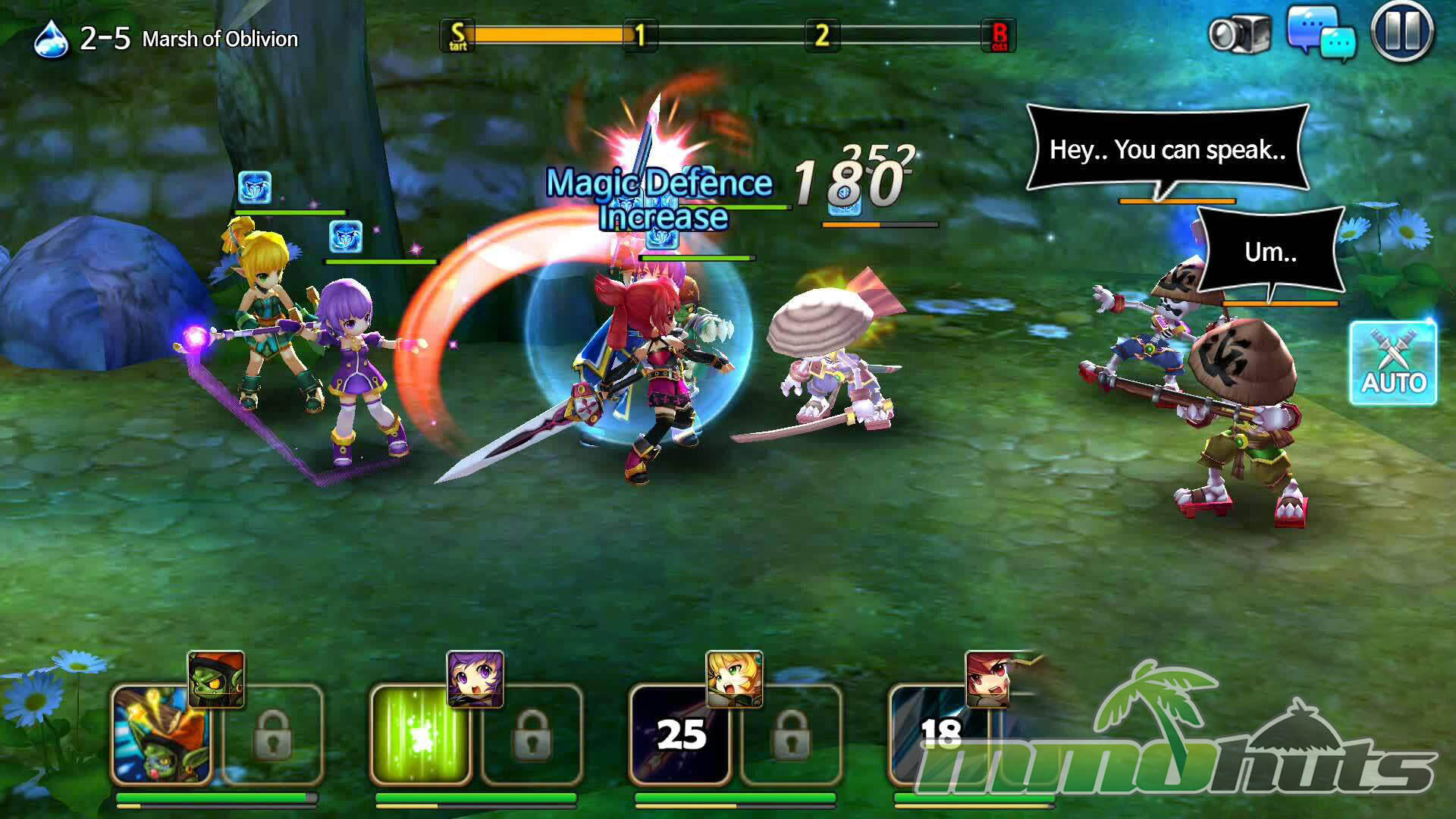
The core loop is straightforward: clear stages across 6 continents, earn rewards, then use those rewards to strengthen your lineup through leveling, promotions, skill unlocks, and equipment upgrades. Gear comes in multiple slots (including weapons, armor, rings, and necklaces), and the game encourages steady optimization as difficulty increases. Outside of the main campaign path, Grand Chase M includes extra activities like the PVP Arena, Raids, the Wizard’s Labyrinth, and the Dimension Crack, offering additional progression routes and leaderboard-driven goals. Combat is streamlined and largely automated, but skill timing, team composition, and front-line/back-line placement still matter when content gets tougher.
Grand Chase M Key Features:
- Set in the Grand Chase universe, featuring familiar characters, enemies, continents, music, and art direction.
- Large collection focus with many Heroes to recruit, upgrade, promote, and rotate into different teams.
- Stage-based progression with over 100 stages to battle through.
- Extensive equipment pool (weapons, armor, necklaces, rings) with upgrade and enhancement systems.
- Multiple side modes, including Arena, Raid, Wizard’s Labyrinth, and Dimension Crack.
- Mostly automated fights with player input centered on skill use, positioning, and party selection.
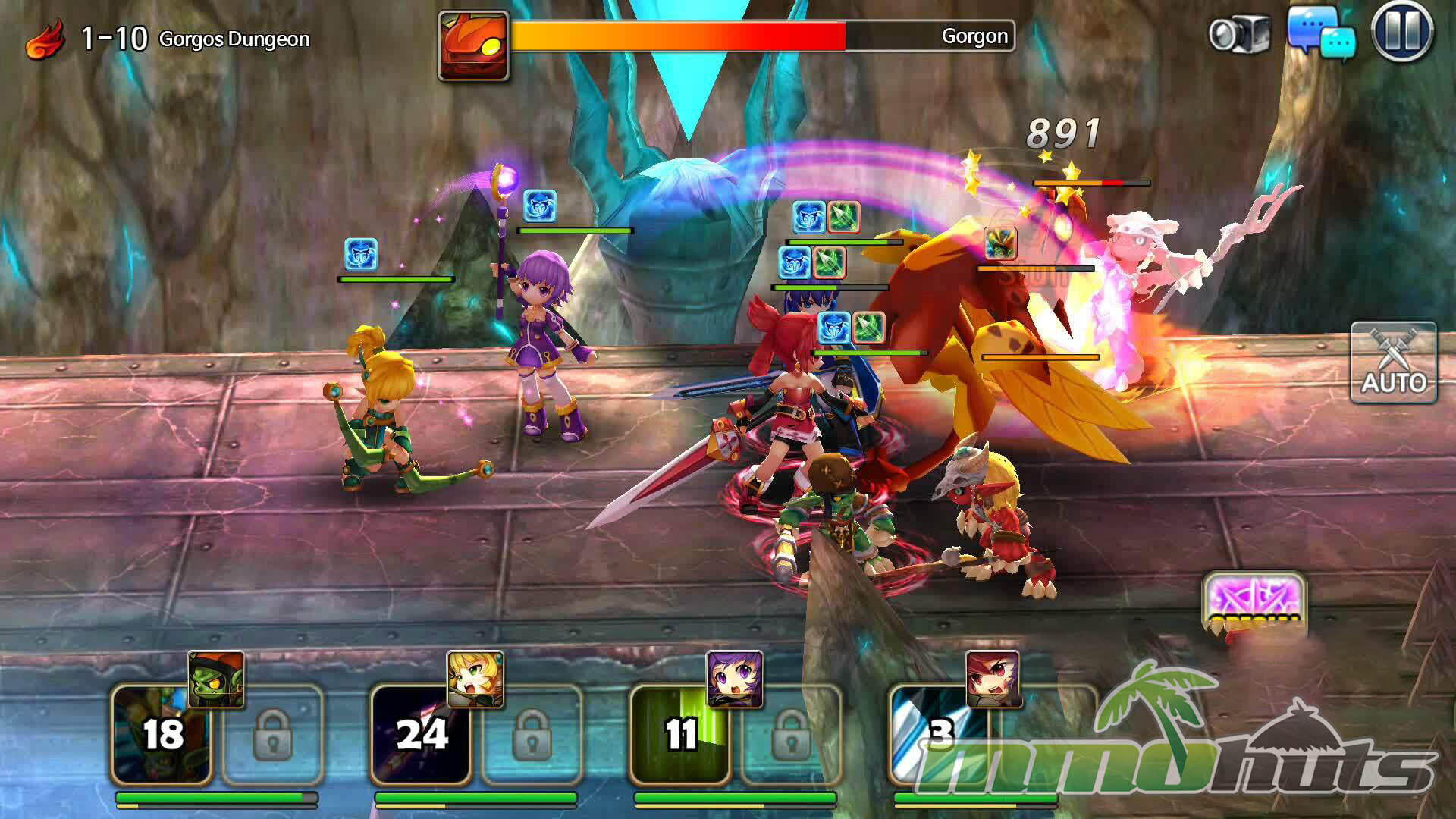
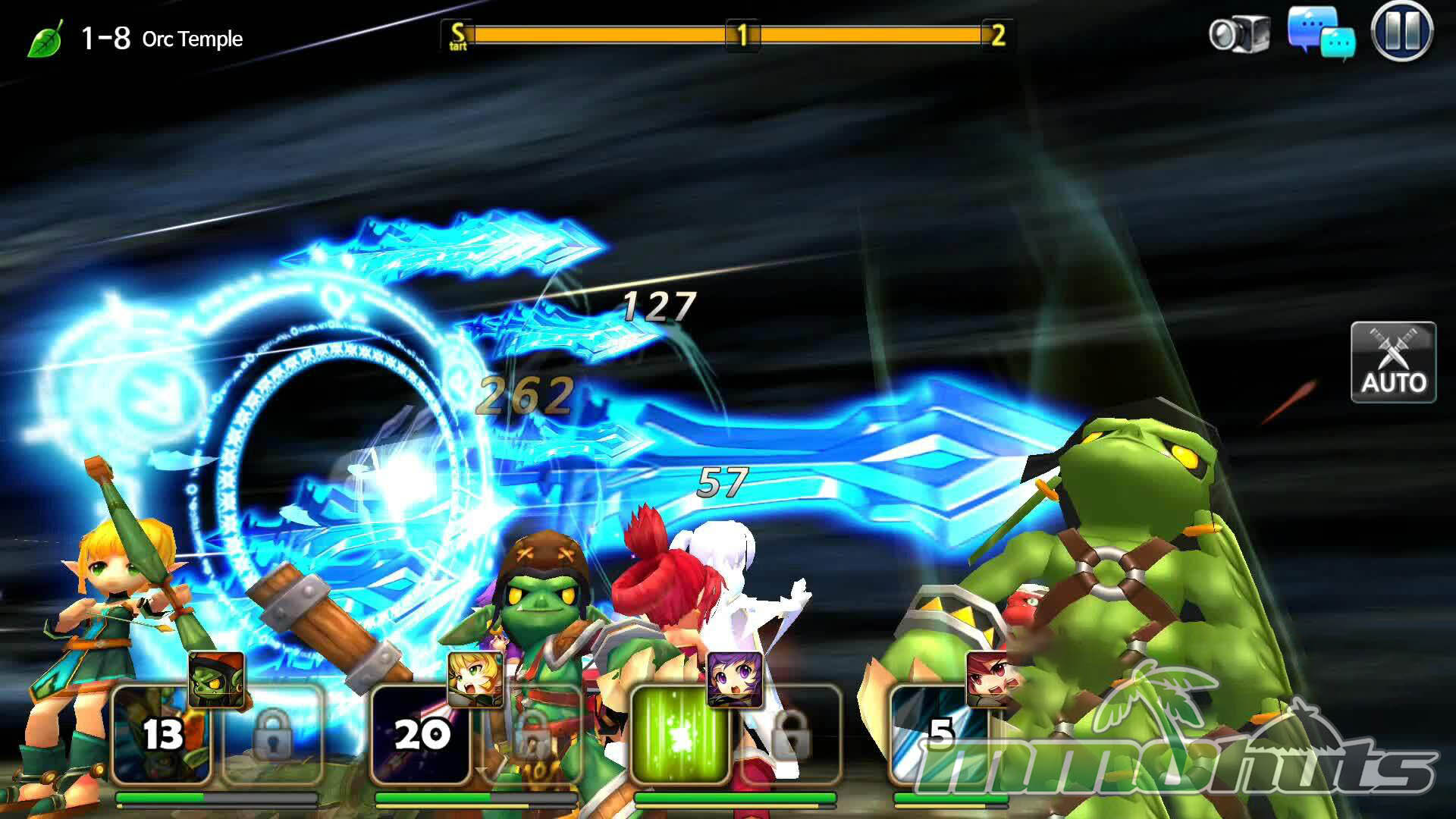
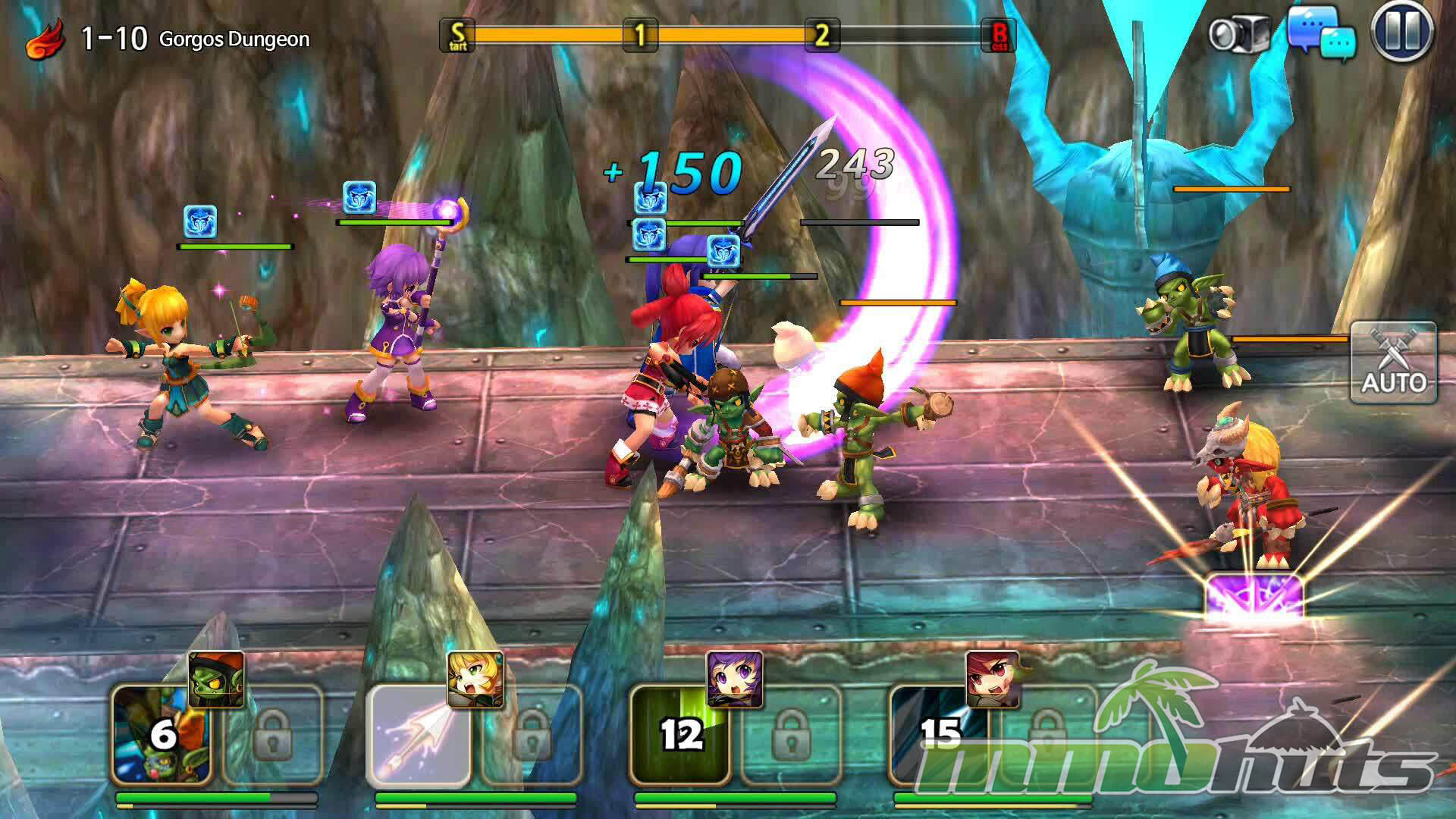
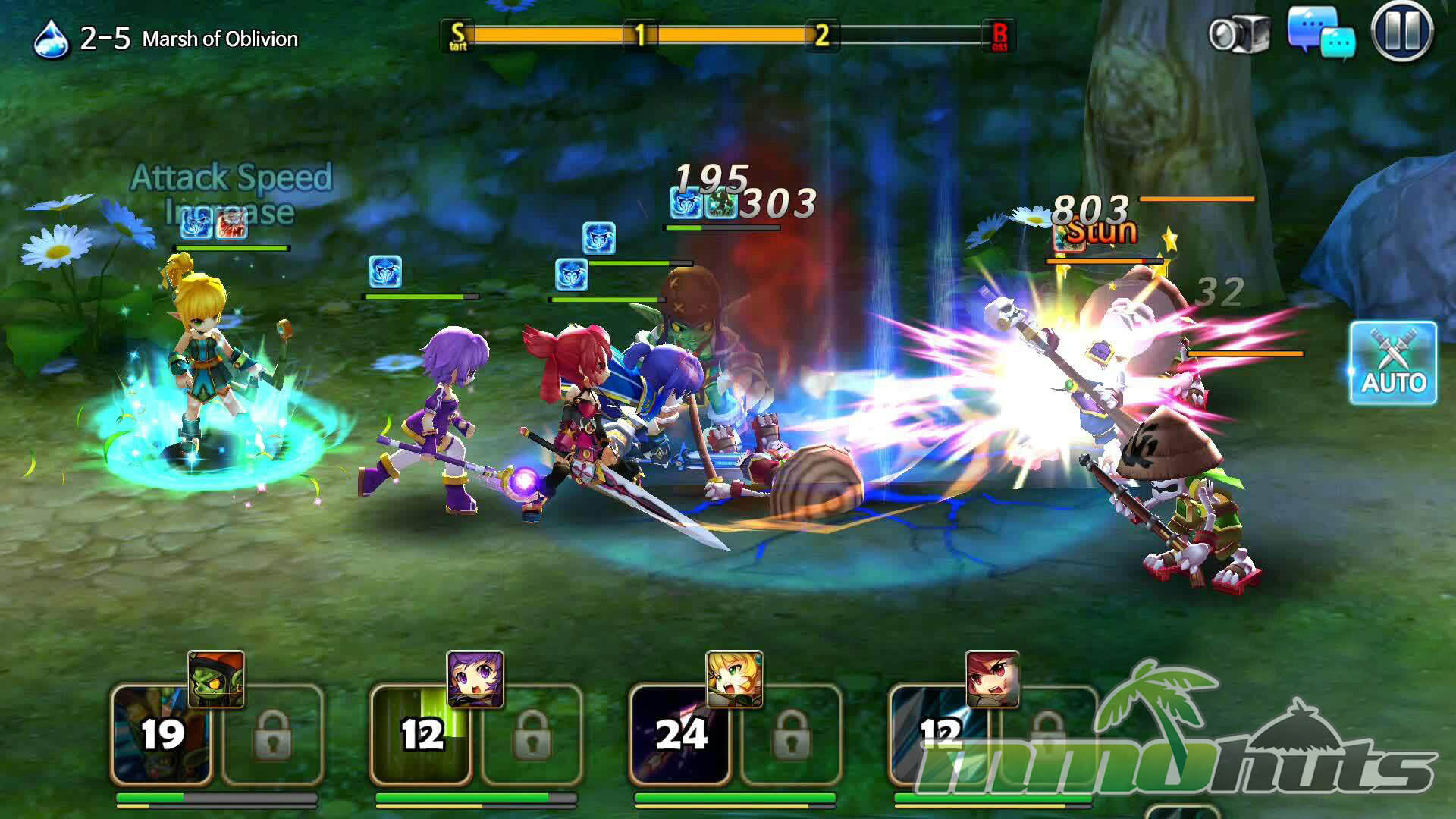
Grand Chase M Screenshots
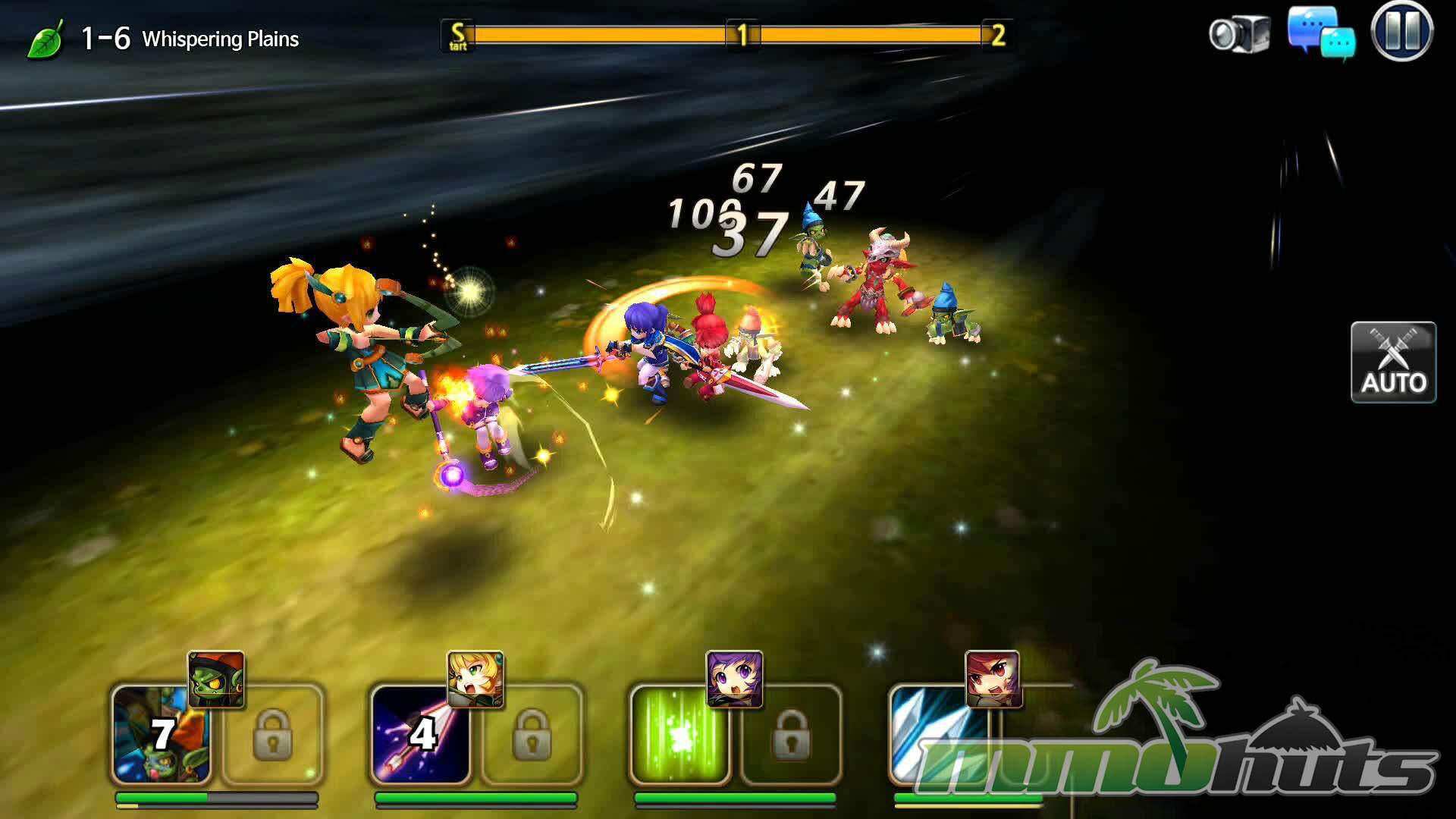
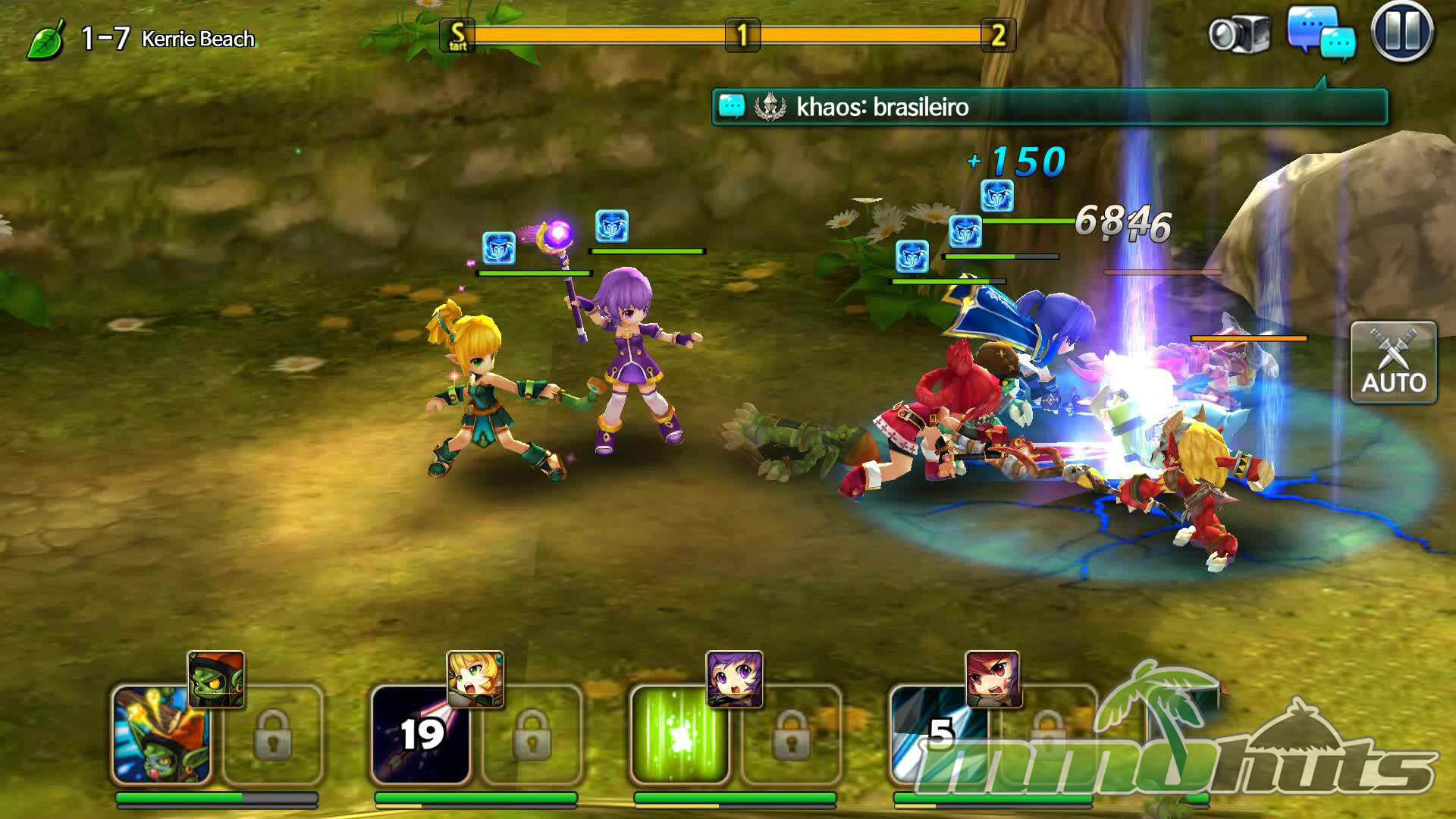
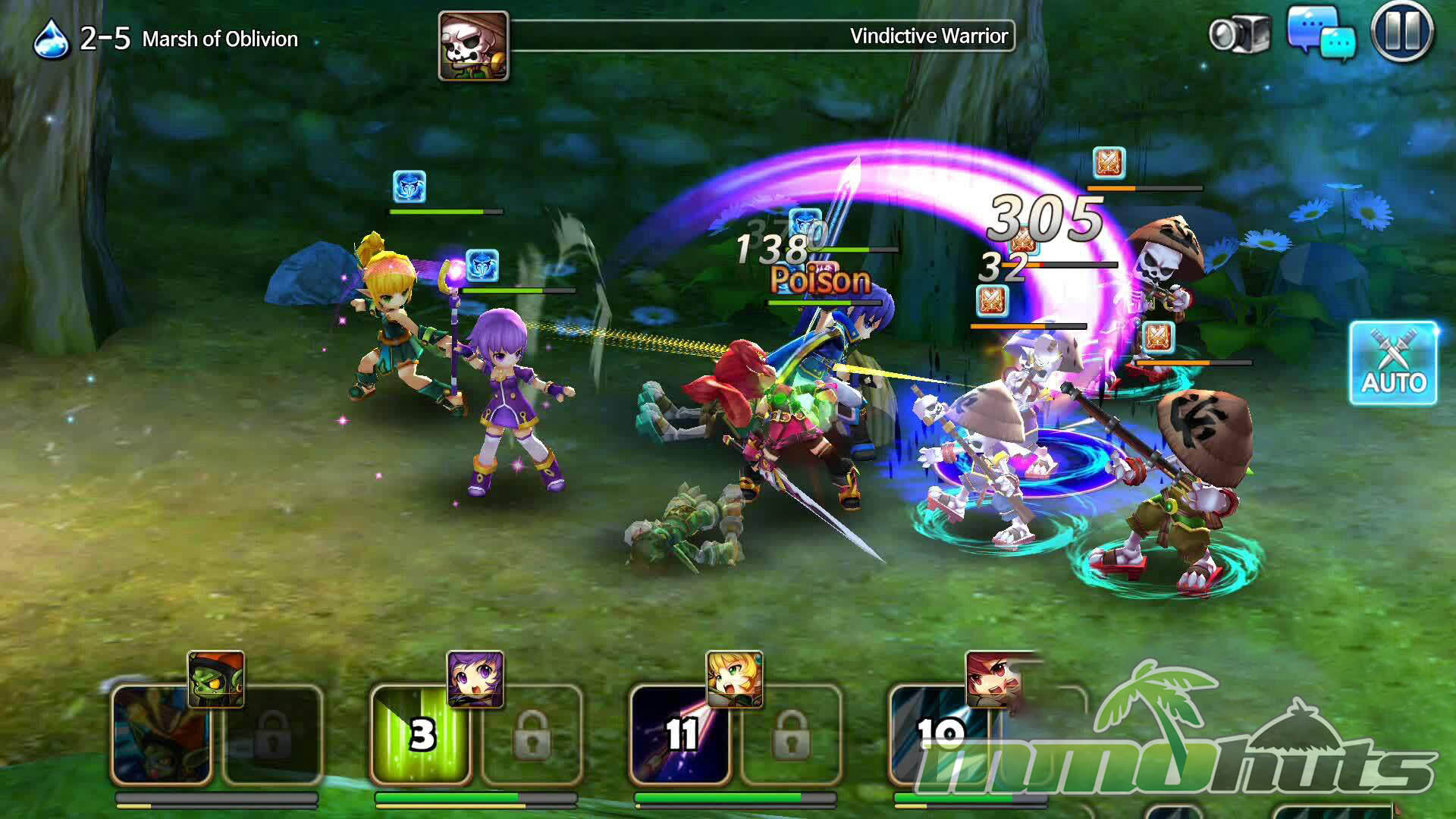
Grand Chase M Featured Video
![[Lets Play] GrandChase M](https://i.ytimg.com/vi/SUt8NCJDcv4/0.jpg)
Grand Chase M Review
Grand Chase M is a free-to-play online social RPG co-developed by KOG and Davinci Games and published by Actoz Games. While it is positioned as a mobile take on Grand Chase (the PC MMORPG that shut down on April 15, 2015), it is best approached as a separate style of game that borrows the world and cast rather than the original’s gameplay identity. The result is a polished, easy-to-play collection RPG that can deliver nostalgia and satisfying progression, but it will not satisfy players looking for the PC version’s cooperative, skill-driven action.
A Familiar Setting, Built for Short Sessions
From the first minutes, Grand Chase M clearly aims at recognition. Menu themes, in-game music, and character presentation are designed to remind longtime fans of the PC era, and the stage map pulls from the same continents and naming conventions. Structurally, the game is also stage-based, with repeatable runs and difficulty tiers that fit mobile play patterns.
Where it diverges is equally obvious. This is not an MMORPG in the social or mechanical sense, and it does not revolve around active platforming combat. Instead, it uses a party-focused format common to many Korean mobile RPGs, where progression is driven by roster growth and gear improvement rather than mastering movement and combos.
Heroes and Monsters as Collectibles
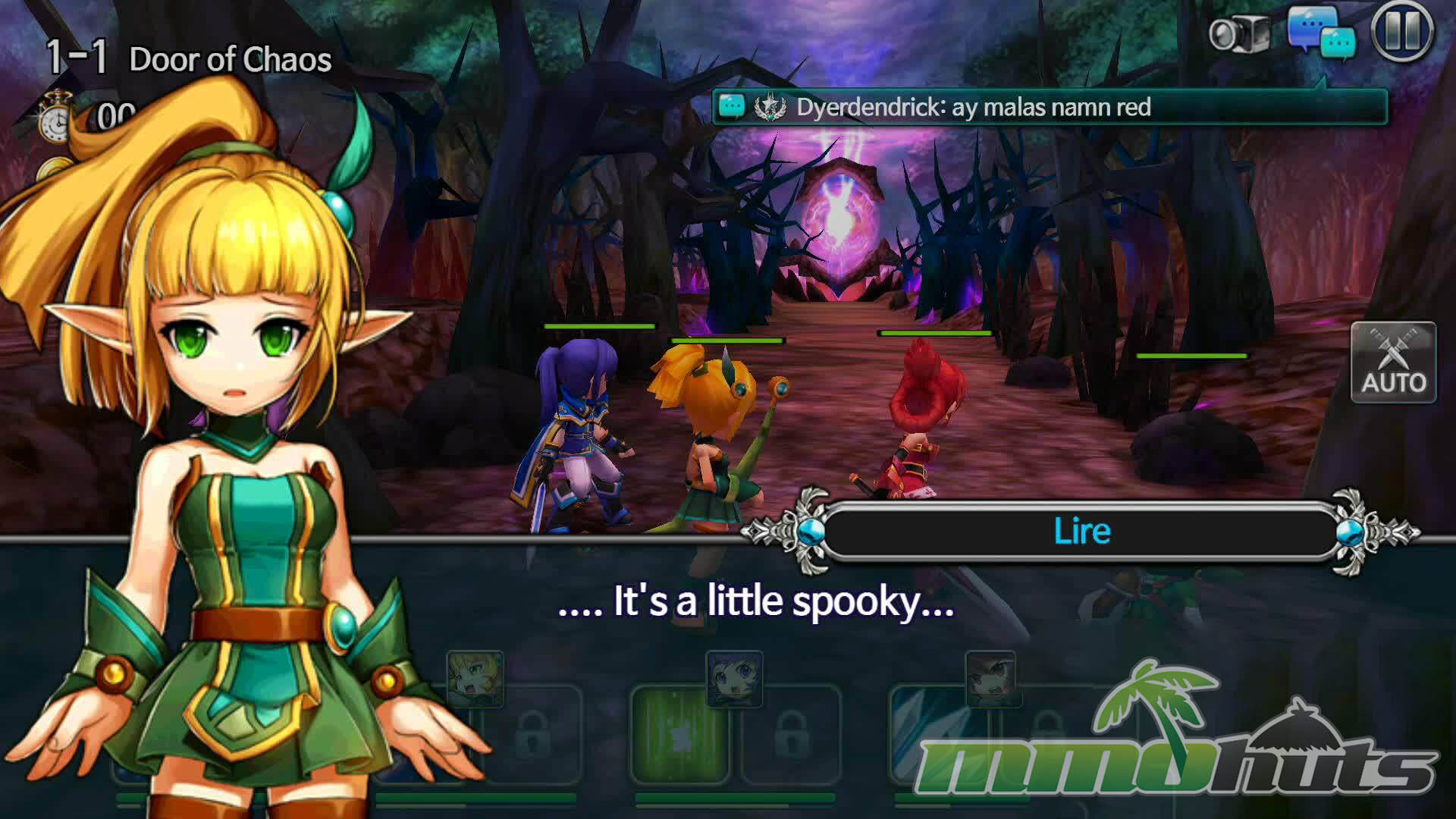
The main draw is collecting. Grand Chase M brings in many of the franchise’s recognizable characters as recruitable Heroes, alongside monster units that can also fill party slots. Early on you begin with the classic trio, Elesis, Lire, and Arme, and expand outward as you earn summons and stage rewards.
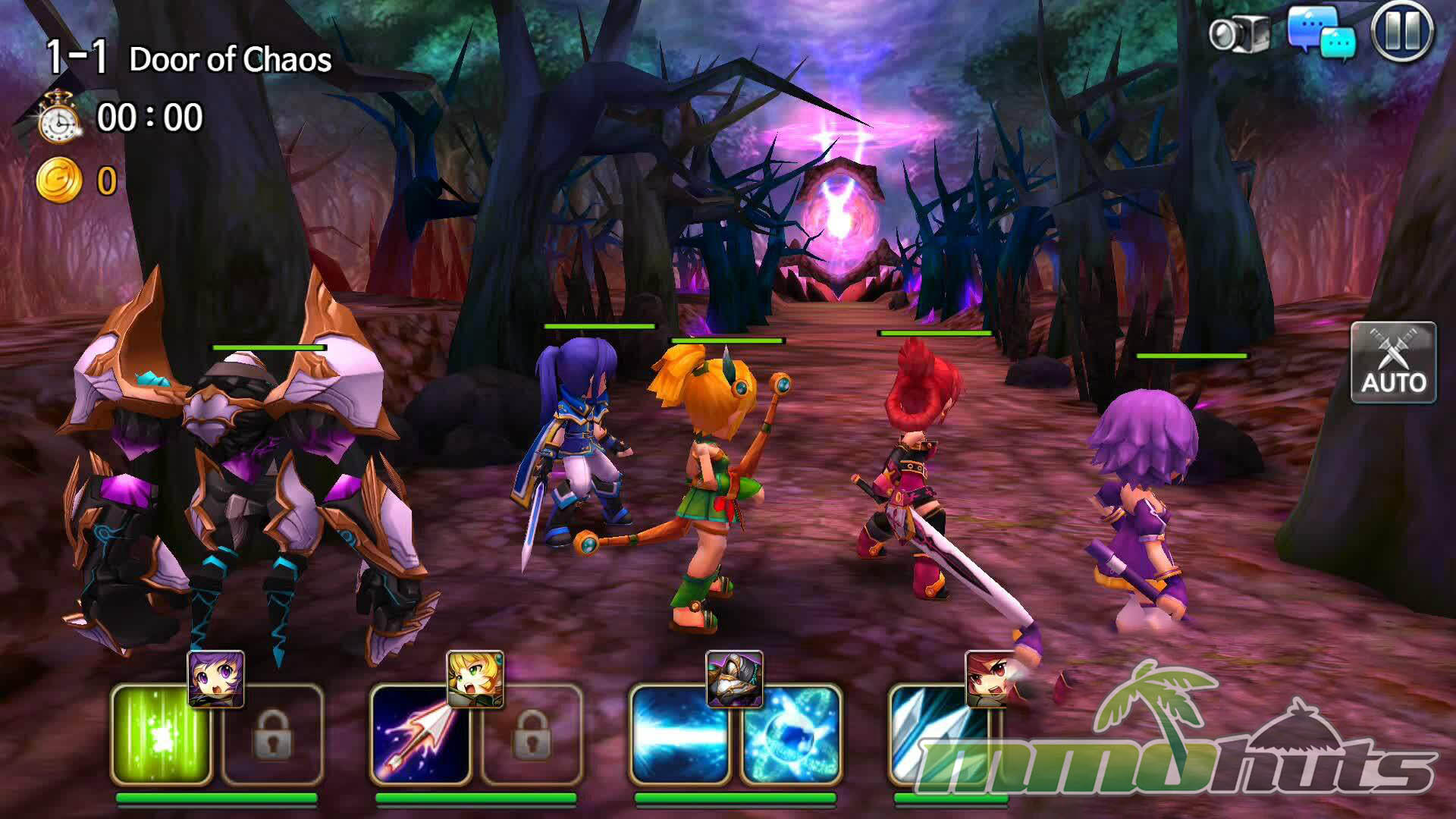
Heroes are organized by roles (such as Tank, Healer, Mage, and Archer) and tied to elemental strengths and weaknesses. Party building is not deep in a tactical sense, but it does reward basic planning, especially when certain stages punish fragile teams or require more sustain. You can field up to five units, place two in front and three behind, and adjust your lineup to match the content. The randomized Draw system is a major source of new units and equipment, and stage drops help round out your collection over time.
Combat That Plays Itself, With a Few Key Decisions
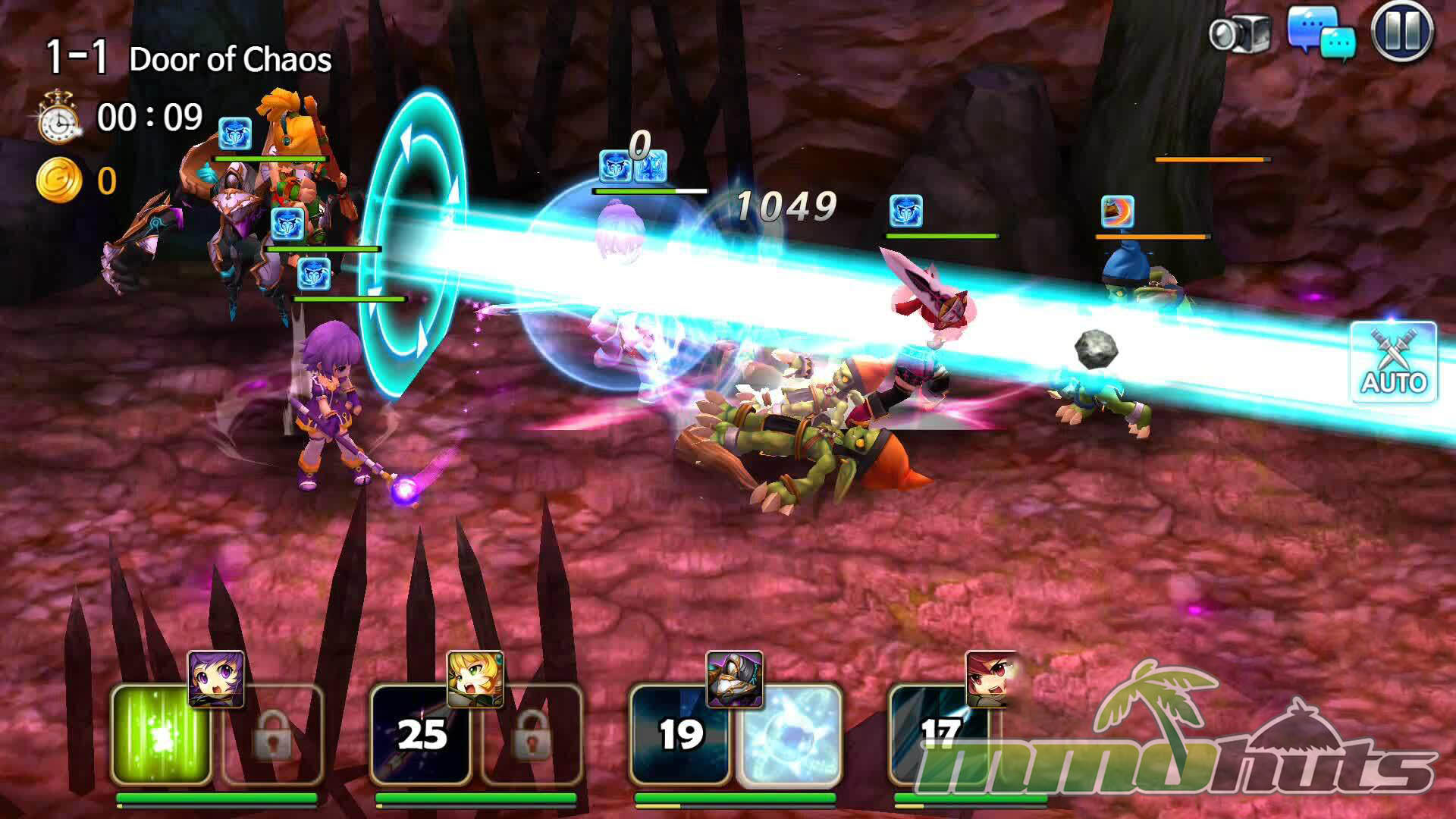
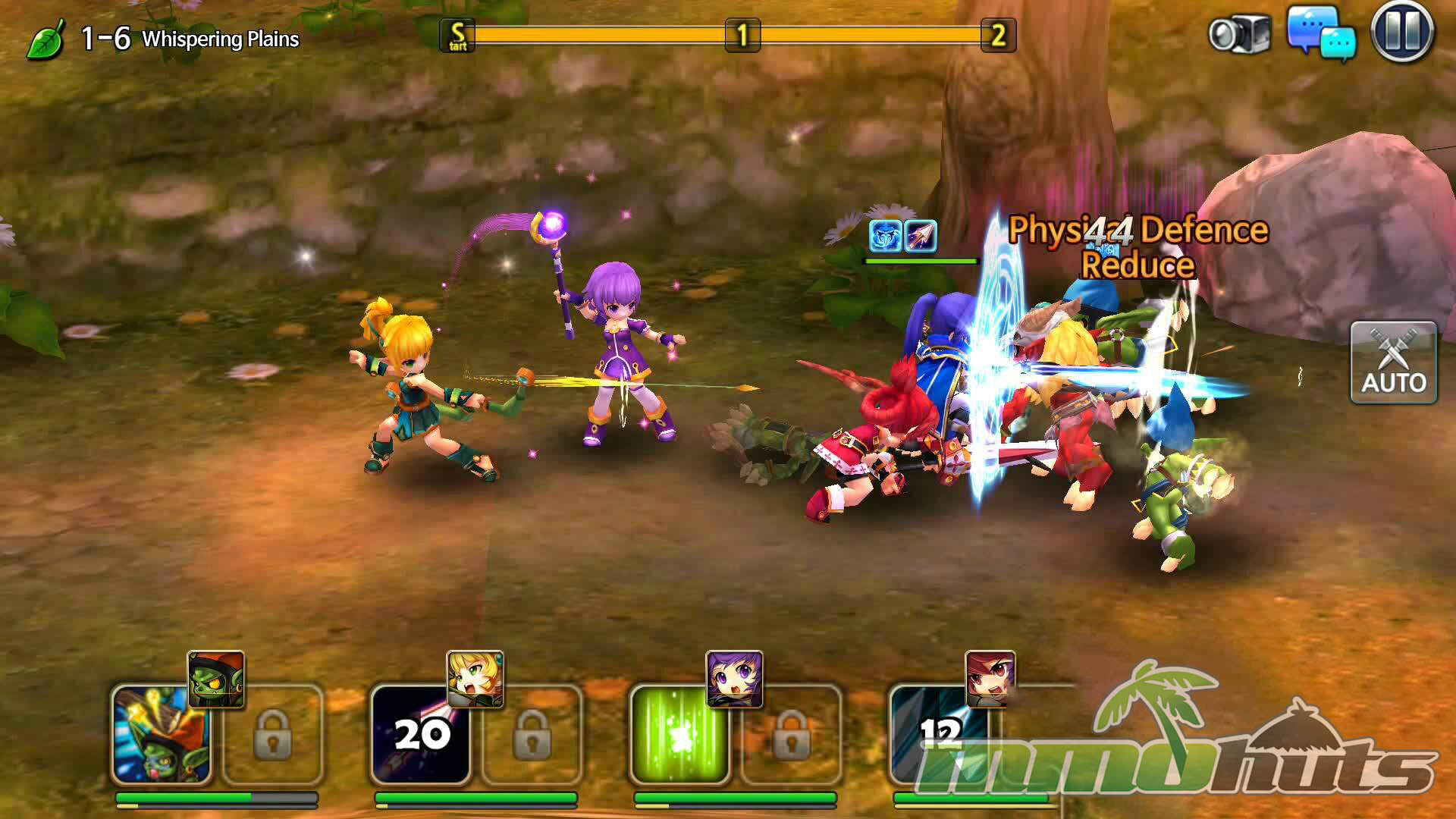
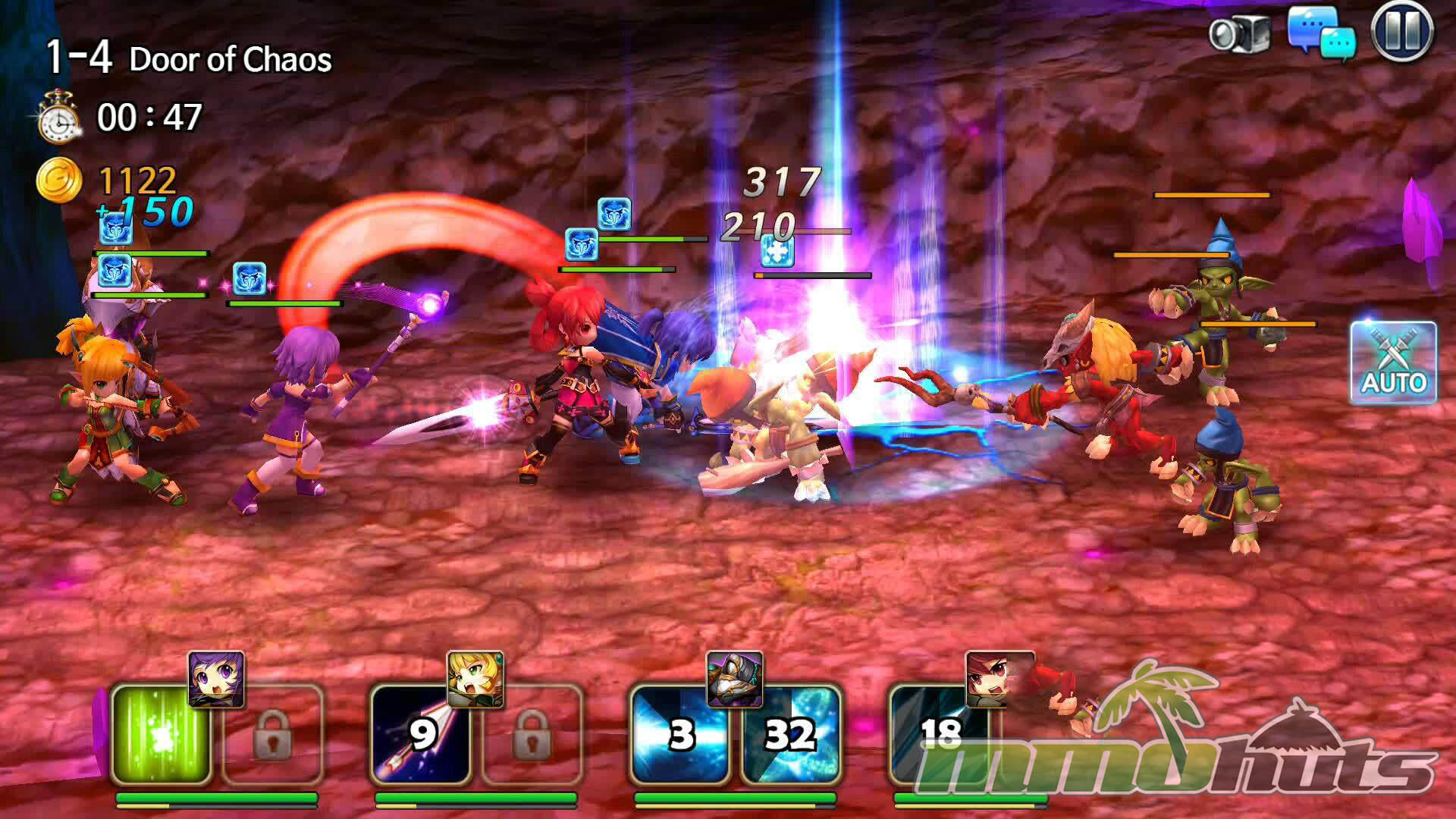
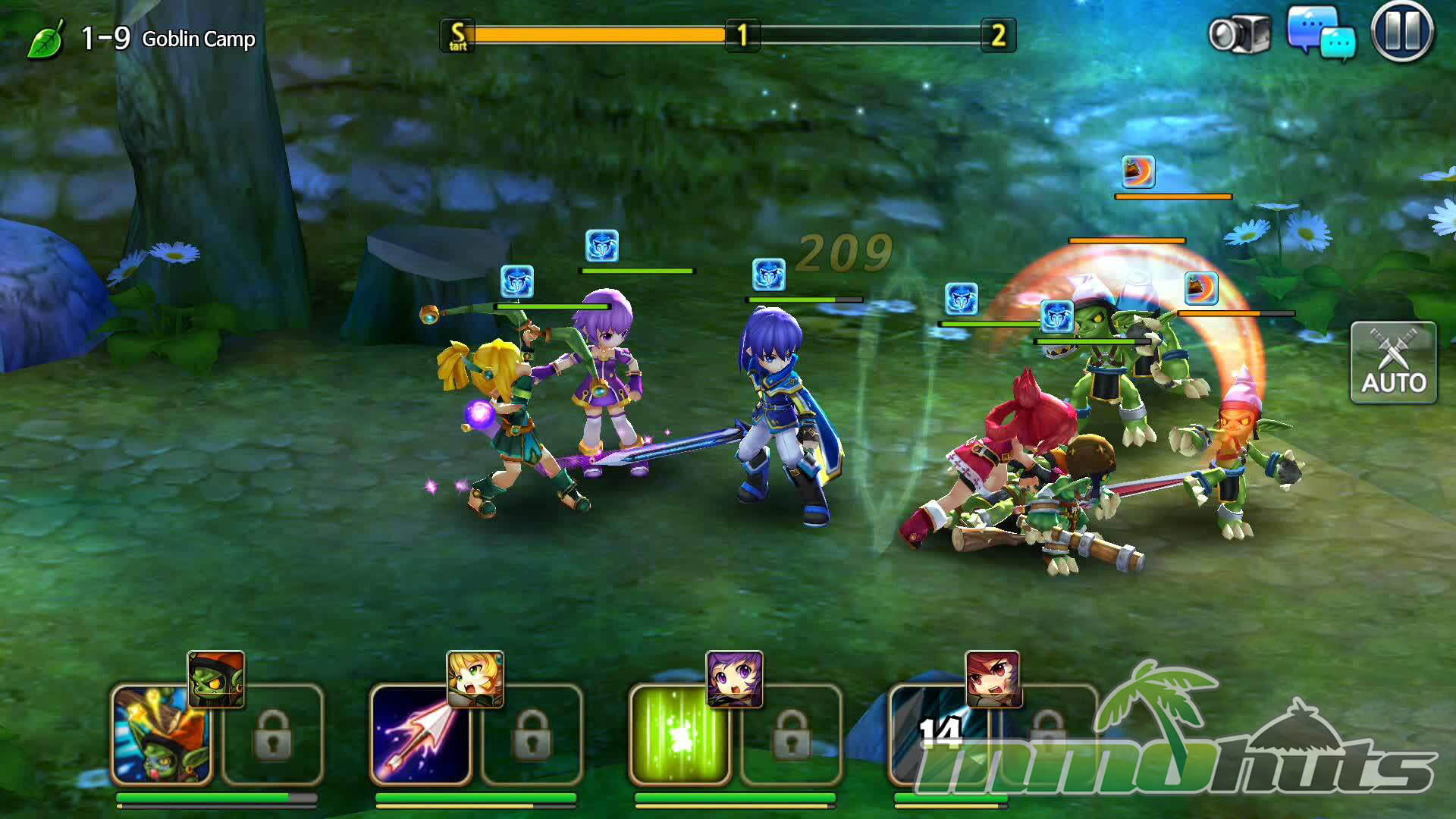
Grand Chase M’s biggest point of contention is the battle system. The PC MMORPG was known for side-scrolling action and cooperative play, but the mobile version adopts a largely automated approach. Stages are broken into short encounters, usually two waves for standard fights and three for boss stages, and your party attacks on its own.
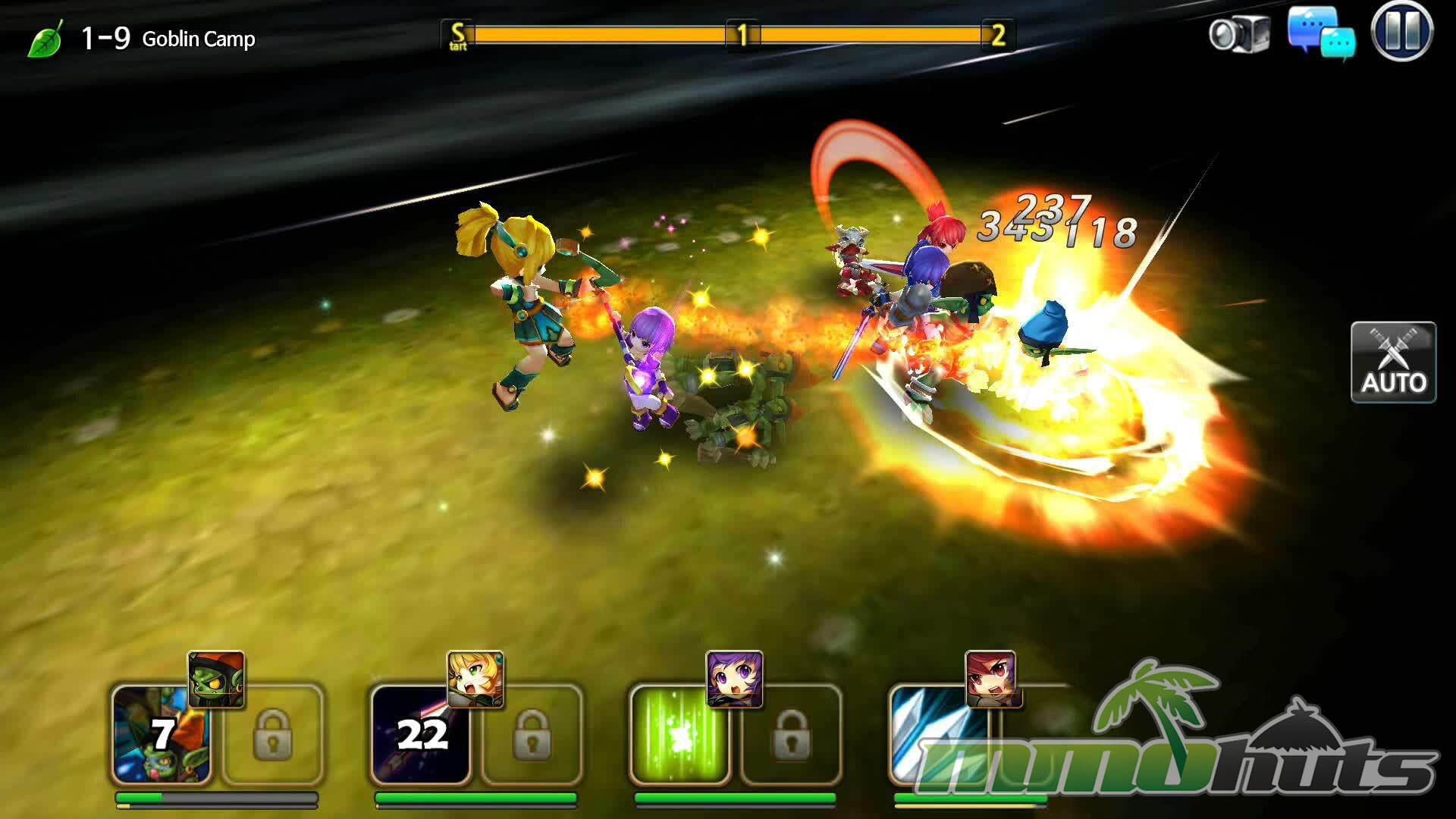
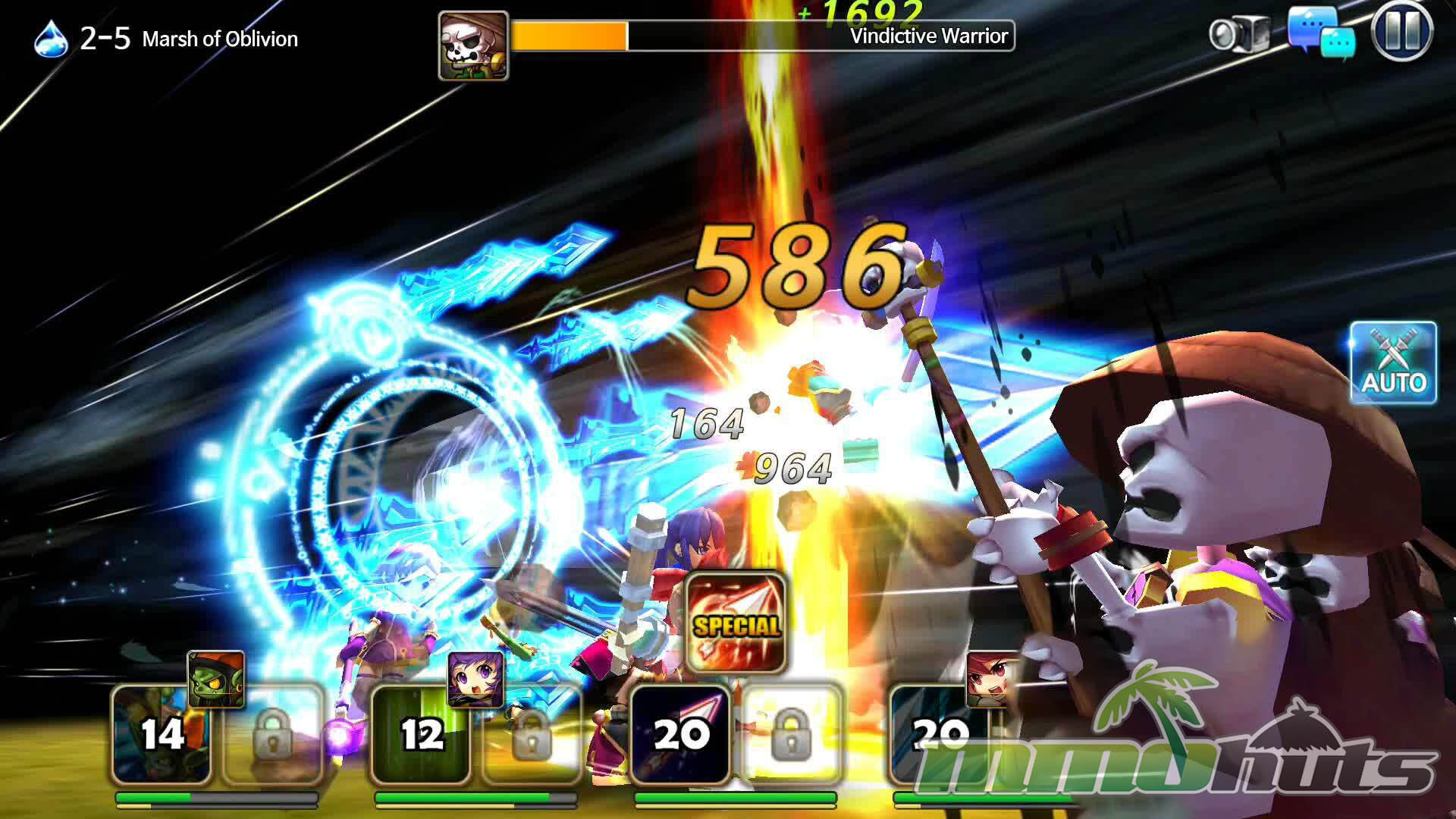
Player involvement centers on activating skills at the right moment rather than controlling movement and basic attacks. Each Hero has active abilities you can trigger, plus a Vitality Gauge that builds during combat for a stronger special move. When multiple gauges are ready, the game allows a combined Chase attack that spikes damage and adds buffs, giving battles a rhythm of building toward burst windows. It can be fun to watch, particularly with a well-synergized team, but it is also undeniably hands-off, and the optional Auto feature can push it into full “spectator mode.”
Strong 3D Presentation and Flashy Effects
On the visual side, Grand Chase M generally impresses. Characters are rendered in 3D with a bright anime style, and the side-view camera keeps a hint of the franchise’s classic feel even though the models and environments are fully 3D. Animations are smooth, skills are exaggerated and colorful, and the game does a good job making each character’s abilities feel distinct through effects and sound design.
Stages vary in theme and backdrop as you move through continents, although repetition does show up during longer grinding sessions. Even so, for a mobile social RPG of its era, the production values are one of its stronger points.
Stage Progression and Pacing
Progression is built around clearing continents and repeatedly farming stages for experience, gold, materials, and occasional unit or equipment drops. Grand Chase M includes 6 continents, each with 10 stages and 3 difficulties, totaling 180 stages. Boss stages (notably the 5th and 10th in each continent) serve as milestones and lightly push the storyline forward, though narrative is clearly not the primary focus.
Individual runs are short, often only a few minutes, which makes the game easy to pick up for quick sessions. The downside is that much of the long-term play becomes repetition, especially if you rely heavily on Auto. Players who enjoy optimizing teams for efficient farming will find a steady loop here, while those wanting varied moment-to-moment play may burn out sooner.
Upgrading, Promoting, and Managing Growth
Character progression is where most of the depth sits. Heroes gain experience through combat, and you can also strengthen them by sacrificing other collected units, often the common monster Heroes you accumulate through stage runs. Leveling improves stats and unlocks skills gated by level requirements.
Once a Hero reaches their current cap, promotion becomes the next goal. Promotions increase star rank up to a maximum of six stars, improving performance and often changing visuals and skill access. Attribute Essences are required for evolution, and these are earned through Daily Dungeons, adding a routine checklist element to progression.
Equipment adds another layer. Heroes can equip a Weapon, Armor, Necklace, and Ring, and gearing an entire roster becomes a meaningful long-term task if you like experimenting with different teams. Gear comes from dungeon clears, quest-style achievements, and draws. Enhancing equipment increases stats and consumes materials or spare items, reinforcing the game’s steady grind-and-upgrade cadence.
Extra Modes and Competitive Hooks
Beyond the campaign stages, Grand Chase M includes several additional modes that unlock as you progress. Dimension Crack functions as a solo endurance challenge where you push through waves until your party collapses. Raids focus on taking down a major boss, the dragon Berkas, with limited attempts, and the boss retains reduced health between fights, encouraging incremental progress.
Arena provides PVP in the typical automated style, pitting your party against other players’ teams while you watch outcomes driven by team power and skill usage. Wizard’s Labyrinth is another survival-oriented option, structured as a tower climb with elemental variations, floors made of two waves and a boss, and a longer-form challenge compared to standard stages. Leaderboards and rankings across these modes add a light social layer, even if direct cooperative play is not a major pillar.
Cash Shop and Gacha Monetization
Monetization follows the familiar mobile RPG template. Gems (premium currency) are used for randomized draws that can grant Heroes, equipment, and upgrade cards, and the shop also sells AP and SP potions (stamina for missions and PVP) along with gold. Draws typically return mid-tier results most of the time, with higher-star outcomes being significantly rarer, which is standard for gacha systems.
Spending is not mandatory to see progress, but it can smooth the grind by extending play sessions via stamina refills and by accelerating access to stronger Heroes or gear. The inclusion of daily free draws and login rewards helps keep free-to-play progression moving, though players sensitive to gacha mechanics should be aware that the system is central to long-term collecting.
Final Verdict – Good
Grand Chase M is best viewed as a competent, well-produced hero-collecting RPG that happens to wear the Grand Chase name. Players hoping for the PC game’s action combat and multiplayer emphasis are likely to be frustrated by the automated battles and limited social features. For those who enjoy roster building, equipment upgrading, and short stage-based sessions, it offers attractive visuals, a large collection chase, and enough modes to stay busy for a while, especially if you appreciate the familiar characters and music.
Grand Chase M Online Links
Grand Chase M Google Play Store
Grand Chase M iOS
Grand Chase M Facebook Page
Grand Chase M System Requirements
Minimum Requirements:
Operating System: Android 4.1 and later / iOS 6.0+
Grand Chase M Music & Soundtrack
Coming Soon…
Grand Chase M Additional Information
Developer: KOG and Davinci Games
Publisher: Actoz Games
Platforms: Android, iOS
Release Date: July 30, 2015
Shut Down: 2018
Grand Chase M was co-developed by KOG Games (the studio behind the original Grand Chase) and Davinci Games, a South Korea based developer, and it was published by Actoz Games (also known as Actoz Soft). Actoz is known for publishing titles such as the PC MMORPG Dragon Nest and the mobile RPG Iron Knights, and it also handled other mobile releases including One for Eleven and Retimo Adventure. Grand Chase M was positioned as the official mobile entry tied to the Grand Chase IP, but its moment-to-moment play differs significantly from the PC MMORPG that shut down on April 15, 2015.
During its early availability, the game was described as being in soft launch in select countries, with a global release timing not clearly defined in the original materials. It also accumulated over 50,000 downloads during that soft launch window, and the official Facebook page offered an alternative Android download option outside of Google Play. Grand Chase M ultimately shut down in 2018.